
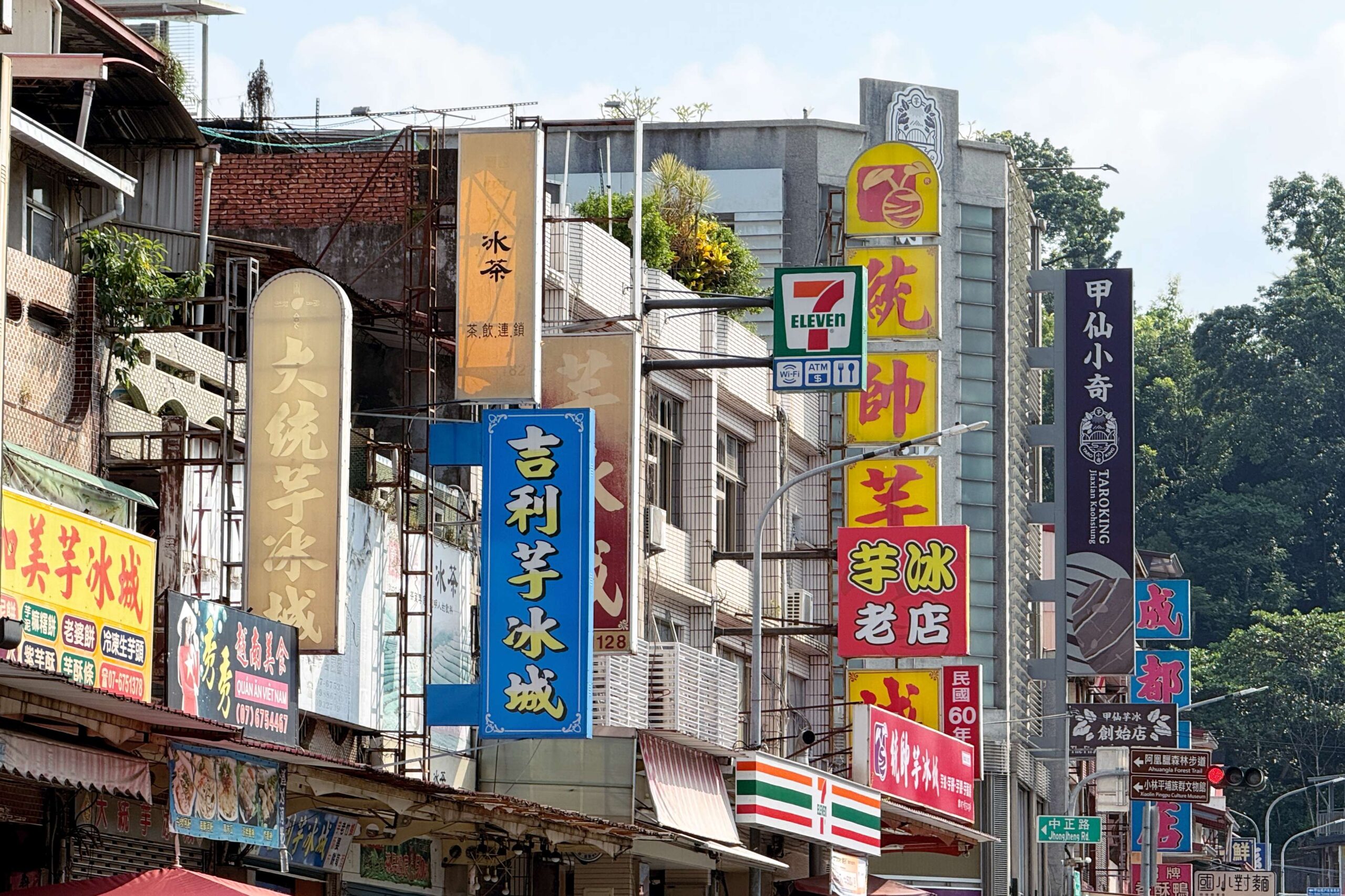
When I was a child, I often visited Jiasian with my family. Before heading back to downtown, our last stop was always the taro ice cream street, where we would enjoy a few scoops of taro ice cream before going home. More than twenty years later, I returned to Jiasian and found that the streetscape seemed frozen in time. Except for a few shops that had changed their signs, most of the stores remained exactly as I remembered from my childhood.
Contents
◦ Kaohsiung Travel Guide
01|Transportation in Kaohsiung
🚄 Taiwan High Speed Rail
🚄 Kaohsiung Metro (MRT) Unlimited Travel Pass
🛵 Kaohsiung Scooter Rental - Zuoying High Speed Rail Station Pickup
🛵 Kaohsiung Scooter Rental|Kaohsiung Railway Station Pickup
02|Popular Attractions in Kaohsiung
🎫 Kaohsiung Fun Pass
🎫 E-DA Theme Park Ticket
🎫 Suzuka Circuit Park Ticket in Kaohsiung
🎫 Shoushan Zoo Tickets
🎫 Hamasen Museum of Taiwan Railway Ticket in Kaohsiung
🎫 British Consulate in Kaohsiung: Tickets and Discount Packages
🎫 National Science And Technology Museum Ticket in Kaohsiung
03|Things To Do in Kaohsiung
🚢 Kaohsiung Love River Love Boat Ticket & Cruise Guide
🚣🏻 Water skiing experience at Lotus Lake Water Skiing Theme Park
♨️ Zheng Qing Song Korean Sauna in Kaohsiung
◦ The History of Jiasian
In its early history, the Jiasian area was a hunting ground for the Tsou people. During the Qianlong era, the Taivoan people, originally living in the Yujing Basin, were forced to move eastward due to pressure on their living space. They crossed the Alishan mountain range and settled in what is now Jiasian, establishing their communities there. Among these settlements, Siaolin Village—one of the key Taivoan communities—was completely destroyed by Typhoon Morakot.
Today, Jiasian has a relatively small population, with most residents engaged in agriculture. However, low agricultural income and the designation of the entire area as a protected water source zone have limited industrial and commercial development, leading to significant population outflow. Typhoon Morakot, which struck in August 2009, severely devastated the region, causing major casualties and further accelerating the population decline in Jiasian.
◦ Attractions in Jiasian
01|Jiaxian Bridge
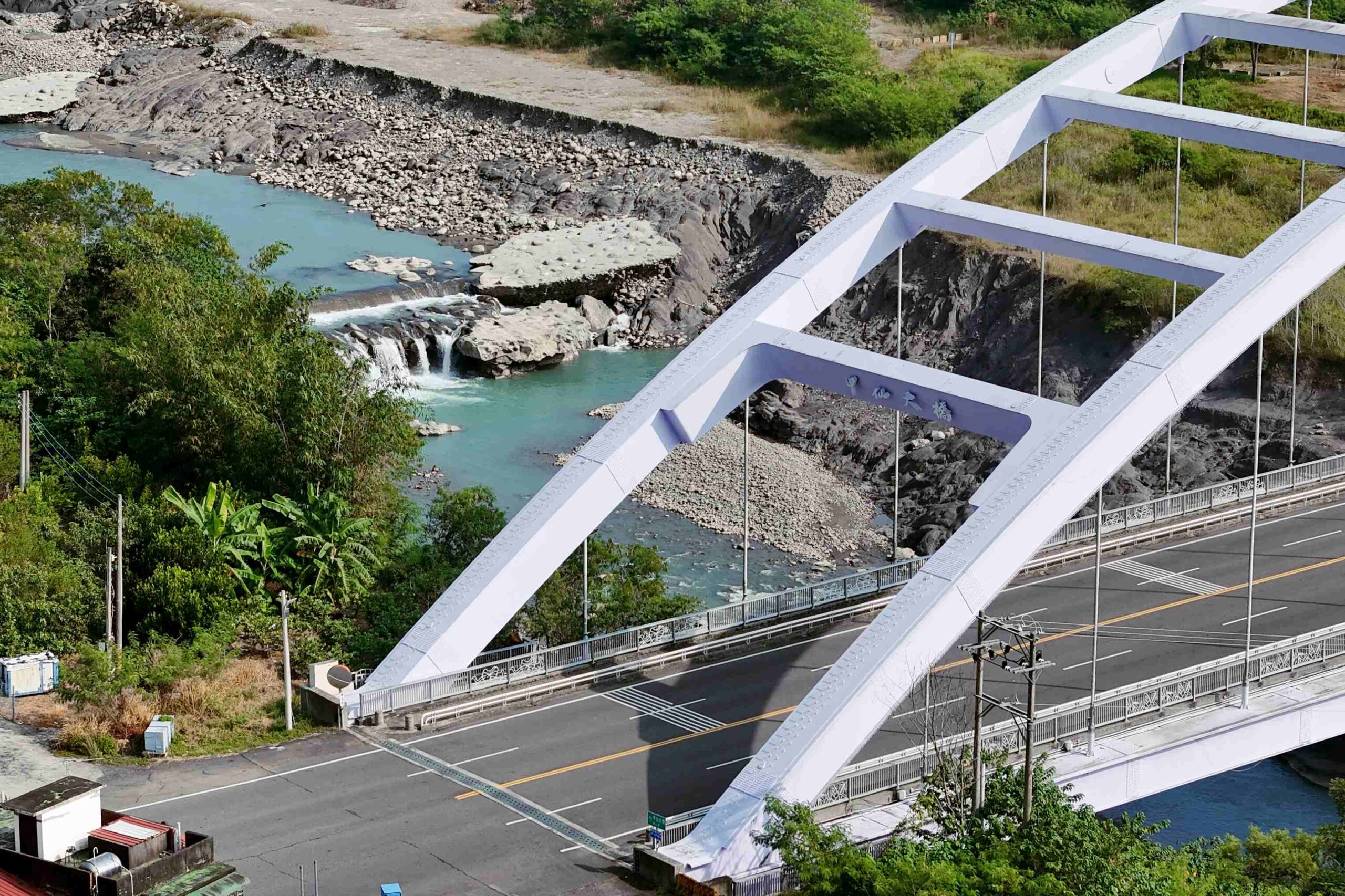
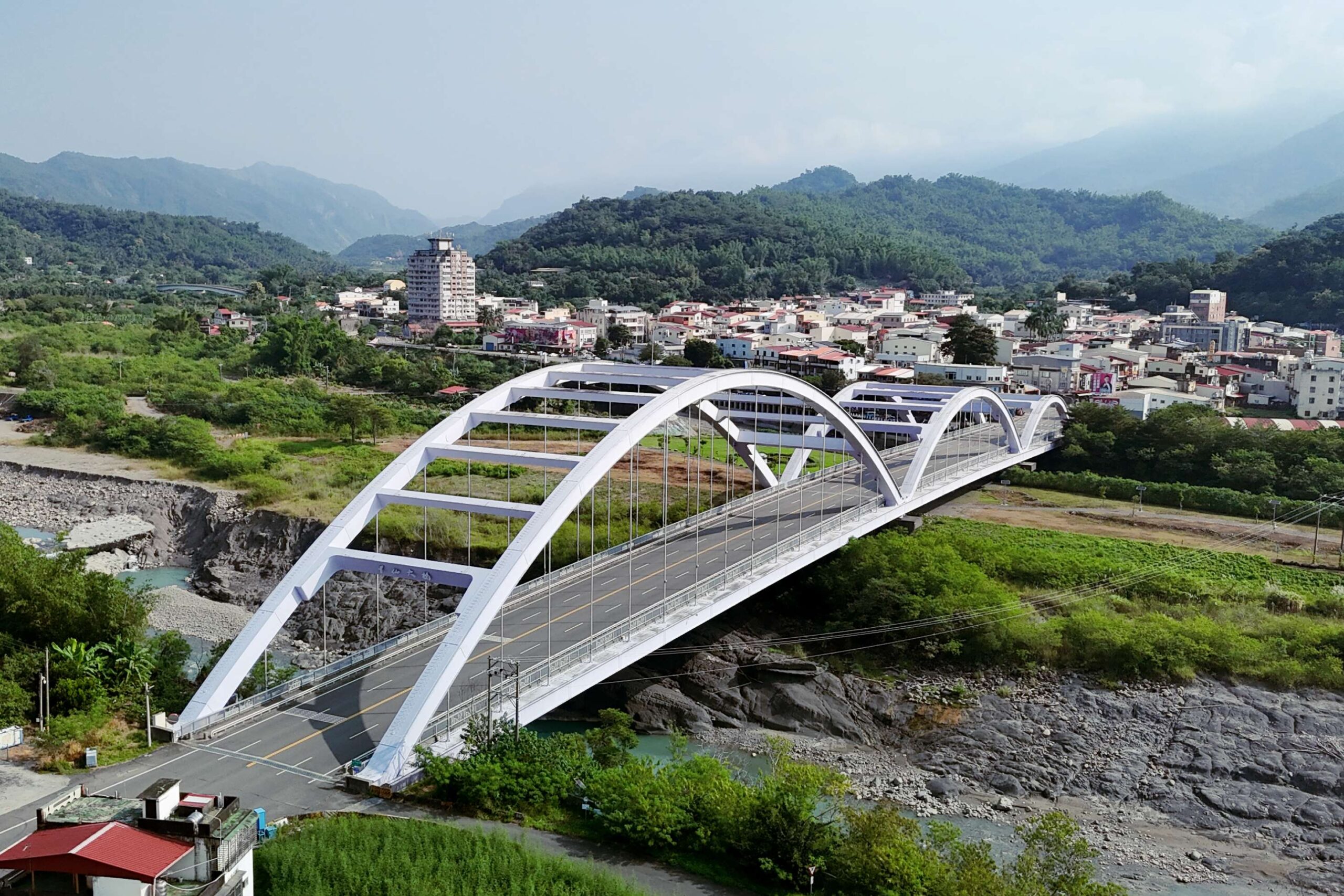
Jiaxian Bridge, located on Taiwan Provincial Highway 20 (the Southern Cross-Island Highway), spans the Nanzixian River and serves as the gateway to Jiasian. The old bridge was severely damaged by Typhoon Morakot in 2009. After extensive repair efforts by engineering teams, the new bridge officially opened in 2010. Welcoming visitors with a romantic taro-purple color—symbolic of the local specialty—Jiaxian Bridge appears especially elegant under the sunlight.
Jiaxian Bridge

Wenhua Rd., Jiaxian Dist., Kaohsiung
02|Street Known for Taro Ice
As you enter Jiaxian Bridge, you are greeted by a row of taro ice cream shops. Here, taro ice cream is more than just a dessert—it carries the warmth of handmade craftsmanship and the authentic flavor of quality ingredients. In 1971, a new shop called “Venus” opened on a triangular corner across from Jiasian Elementary School, originally selling traditional shaved ice and drinks. As local agriculture transformed, the shop had a bright idea: to feature the region’s abundant taro. They developed popular handmade products such as taro ice cream, taro crisps, and taro paste cakes.
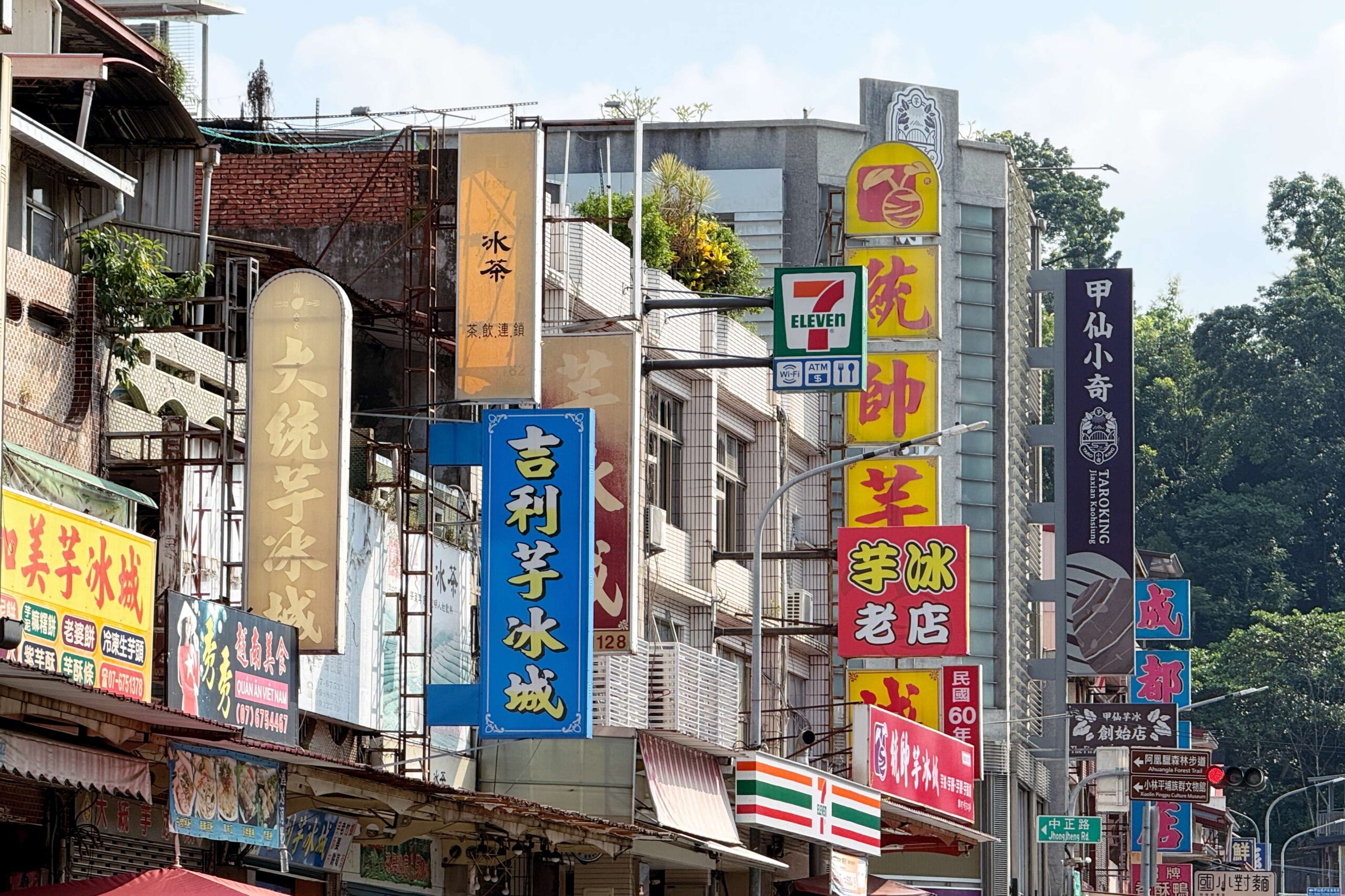
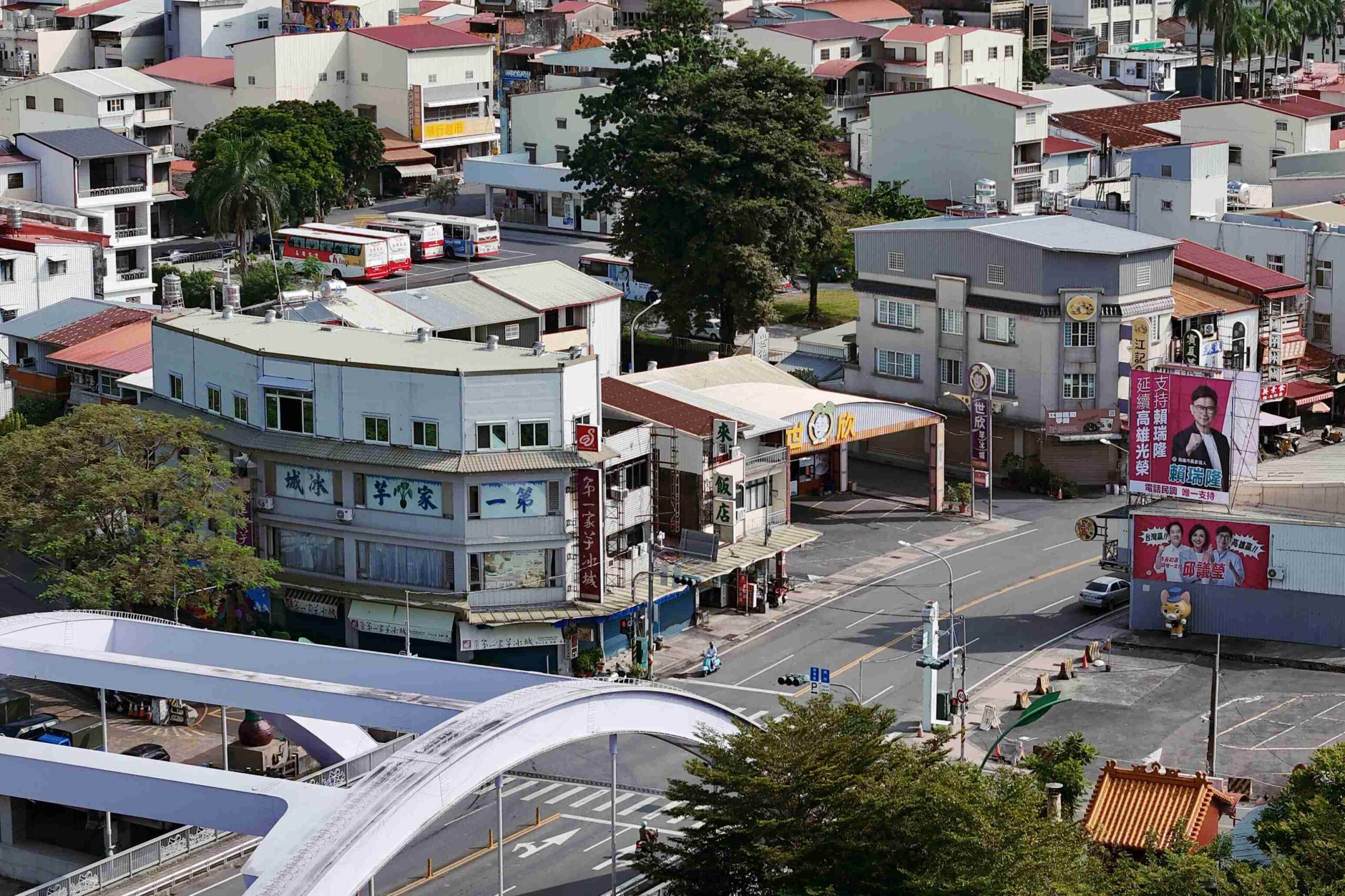
In the early days, Jiasian thrived on forestry and camphor production. When the Southern Cross-Island Highway opened, it brought even more visitors. Taro ice cream shops along Wenhua Road sprang up, gradually forming the famous “Street Known for Taro Ice,” renowned far and wide.
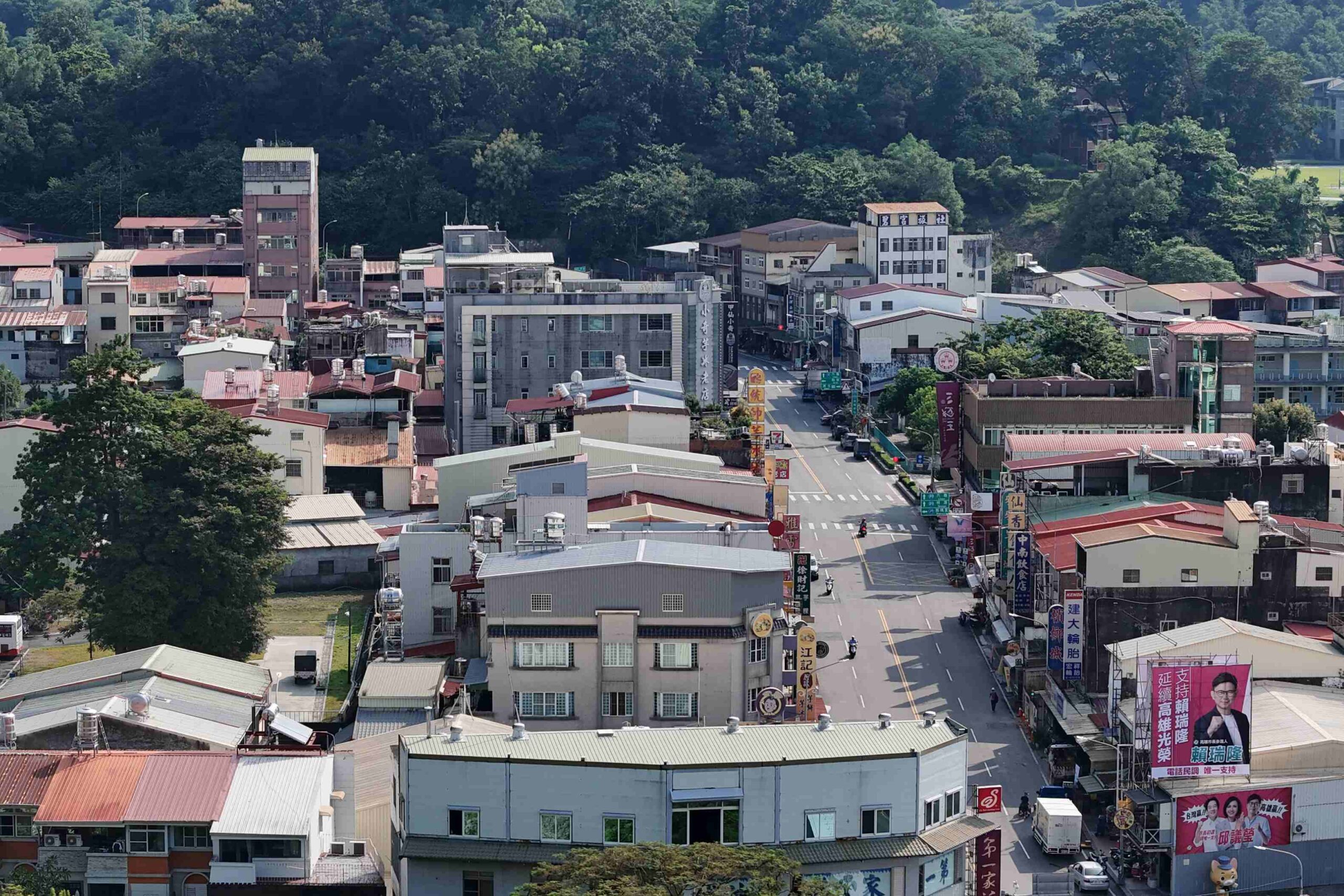
Street Known for Taro Ice

Wenhua Rd., Jiaxian Dist., Kaohsiung
03|Cat Alley
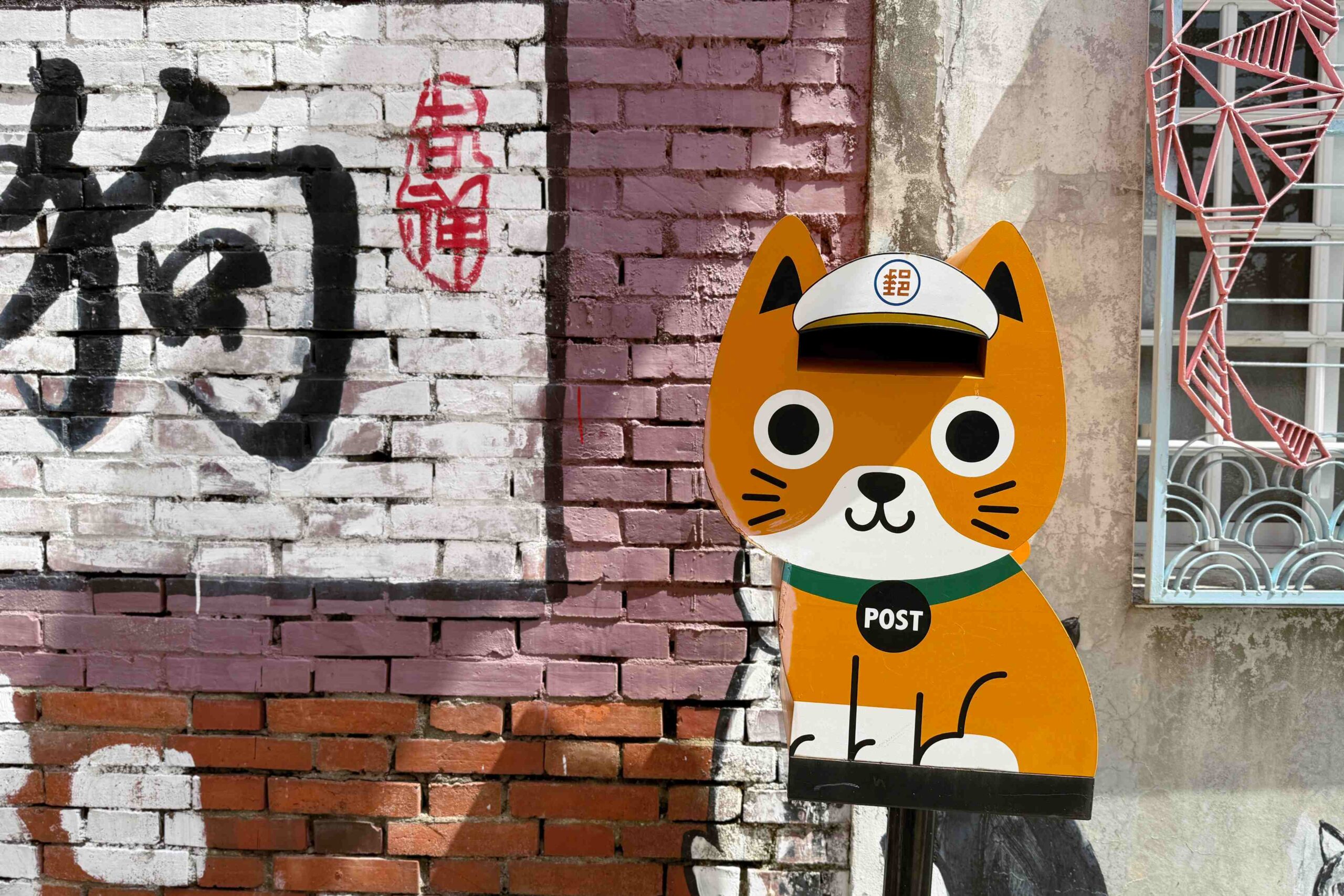
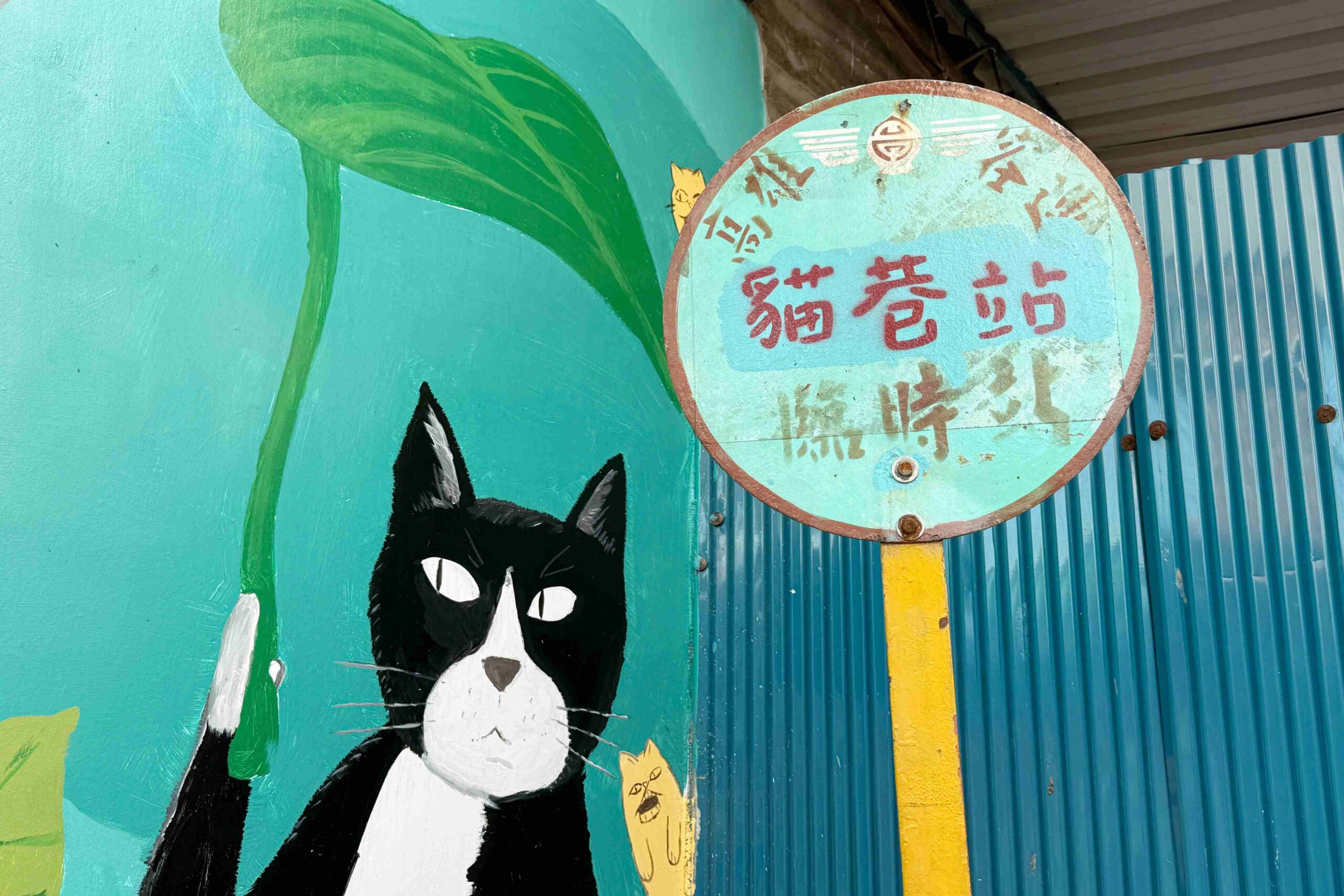
Located next to Jiasian Post Office, Cat Alley stretches about 100 meters and was created collaboratively by local residents, school teachers and students, and neighborhood businesses.
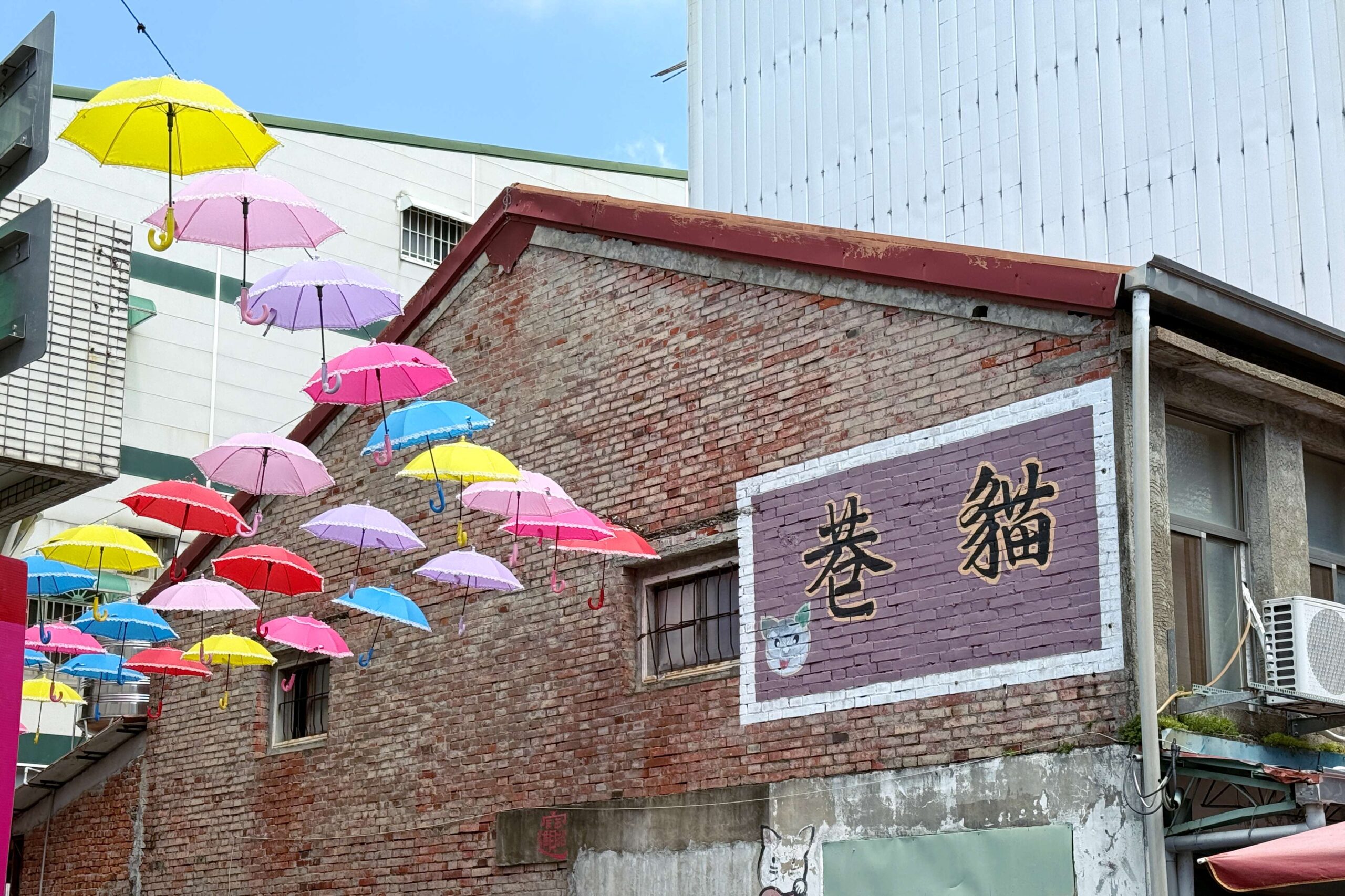
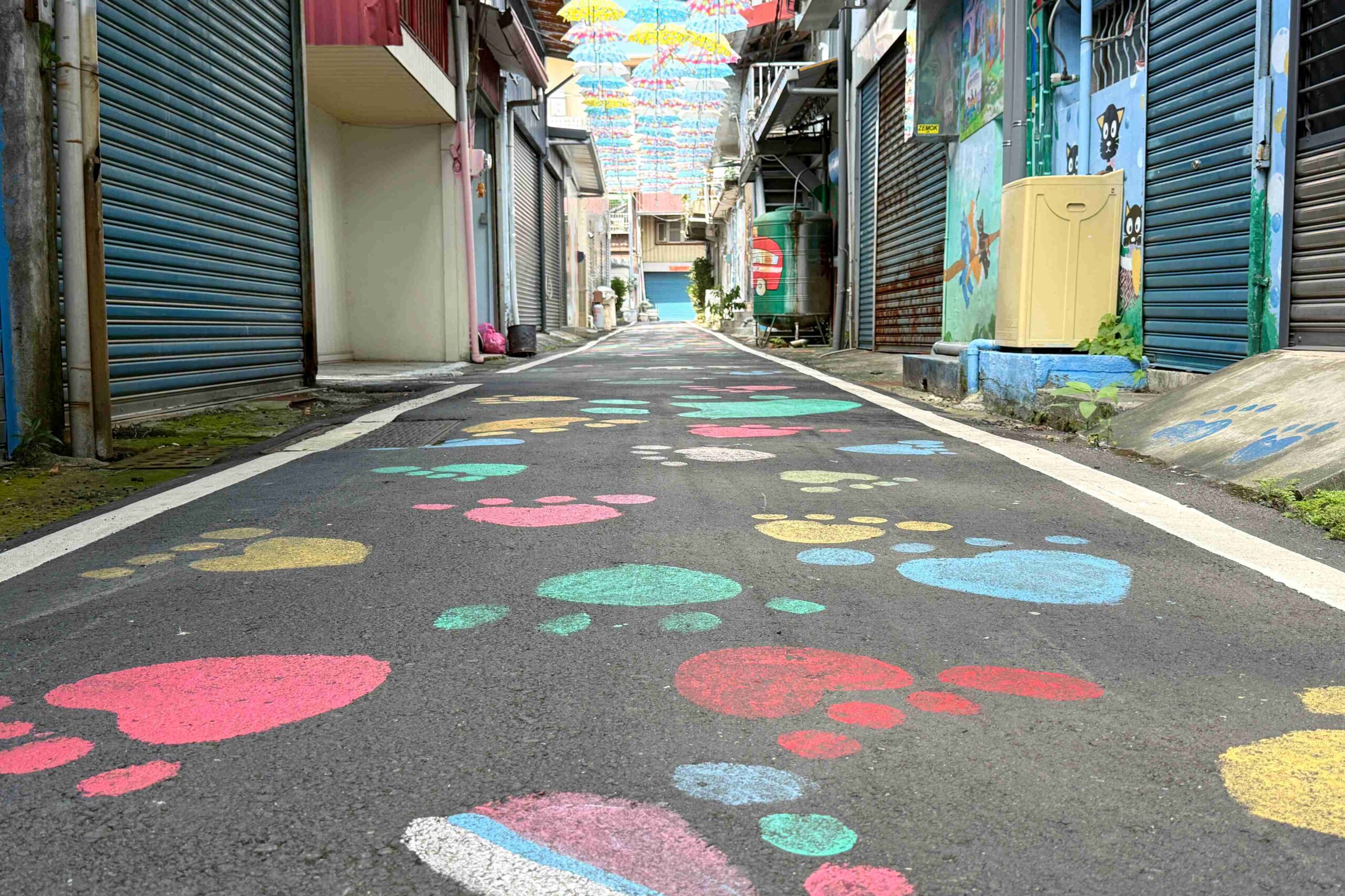
Follow the colorful paw prints, and you’ll discover delightful surprises at every turn. The alley’s painted cats are lively and full of childlike charm, showcasing local character and creativity at every corner. This is undoubtedly a must-visit spot for cat lovers seeking adorable photo opportunities.
Cat Alley

No. 44, Linsen Rd., Jiaxian Dist., Kaohsiung
04|Chen Family Friendly Herb Garden
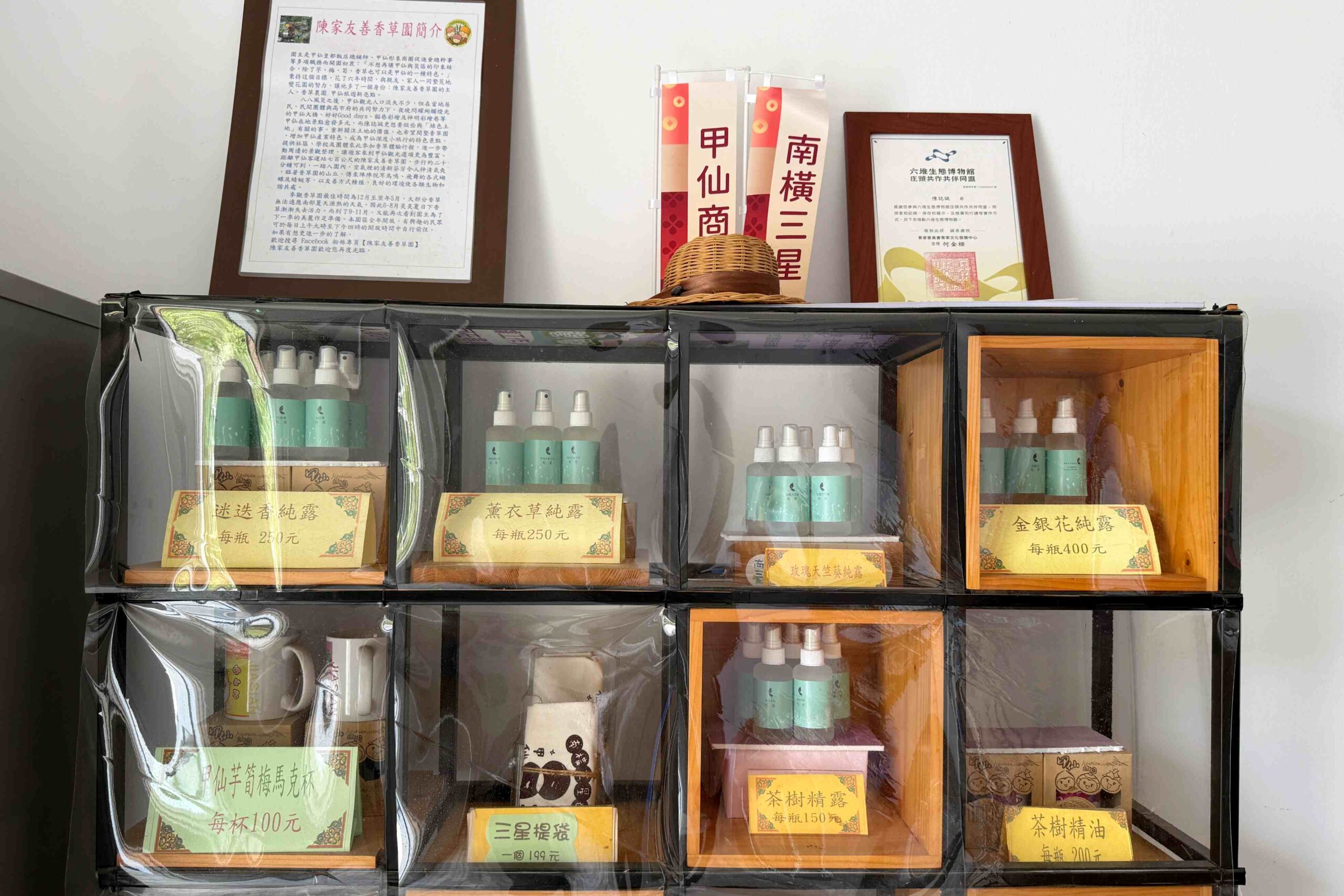
Since Typhoon Morakot severely struck Jiasian, the local tourism industry has also suffered significant setbacks. The farm owner, who had served for many years as the secretary-general of the Jiasian business district, believed the area needed to develop a new form of eco-friendly tourism. He cleared a slope of his own land and began planting organic herbs. The farm has now completed the organic transition certification and has attracted the attention of chefs from many high-end restaurants.
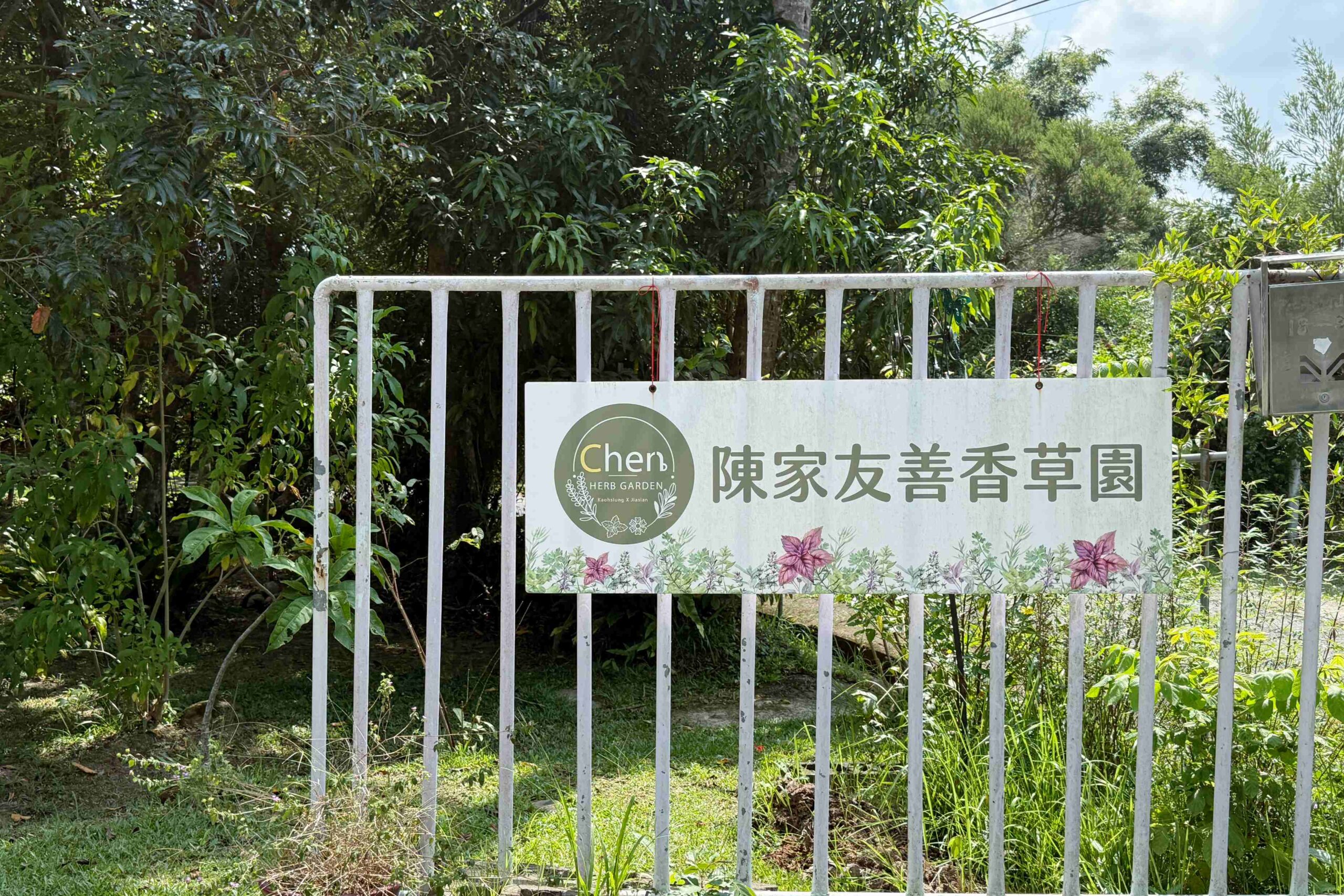
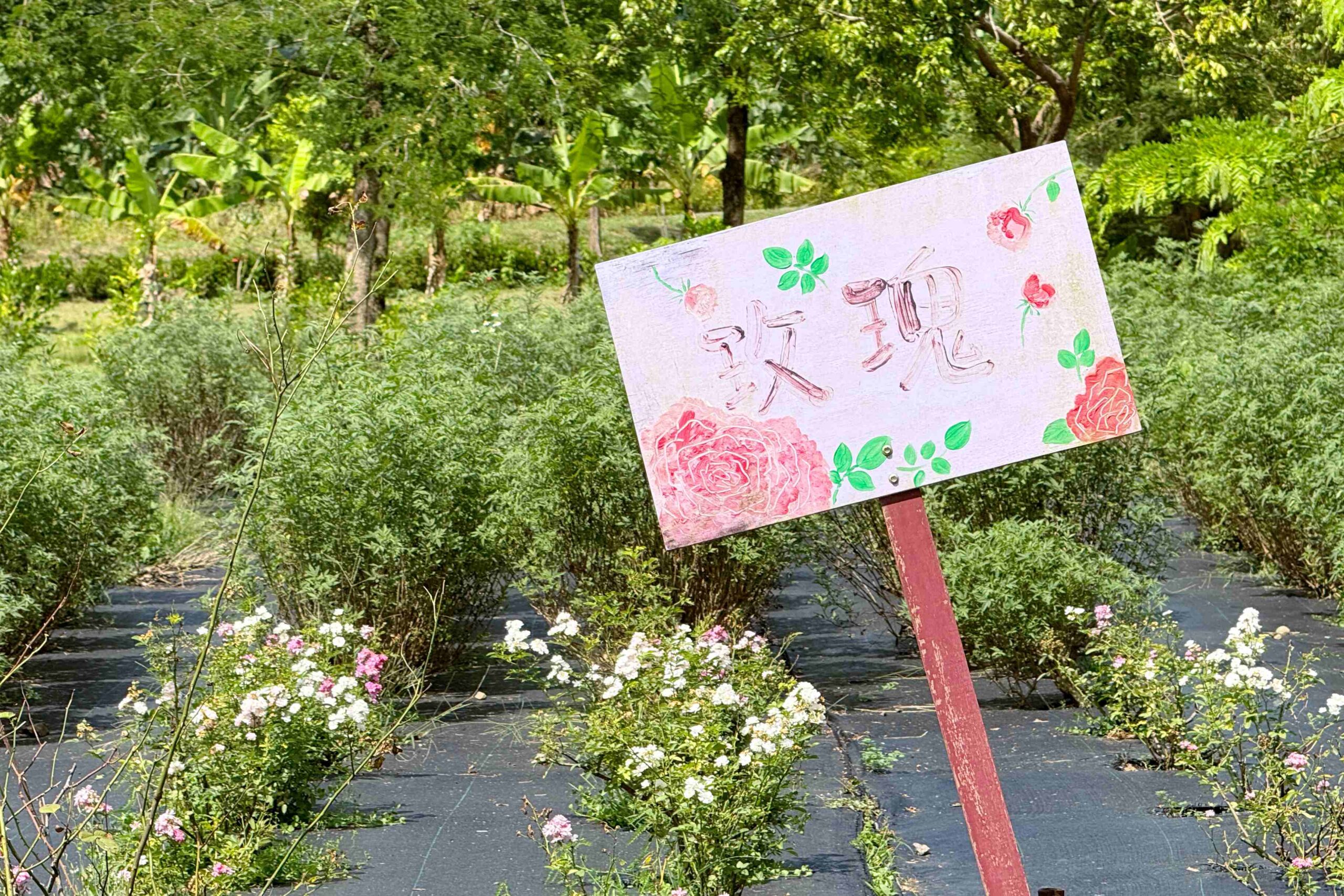
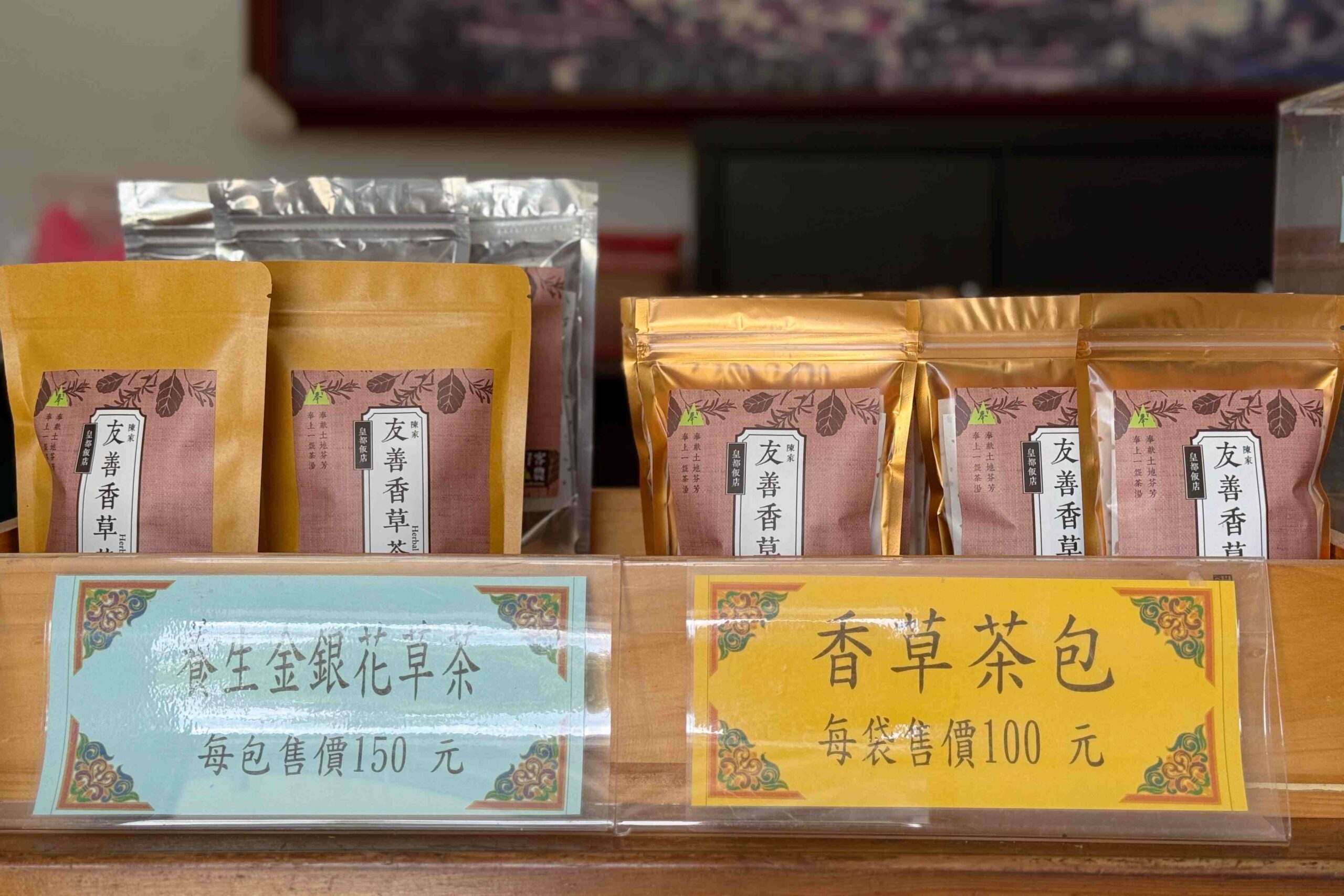
Visiting the herb garden offers not only the chance to learn about various herbs but also occasional culinary experiences hosted on-site. To support the garden’s philosophy, I brought home several bags of herbal tea. The teas are fragrant and pleasantly sweet, made with truly authentic ingredients.
Chen Family Friendly Herb Garden

Opening Hours: 0800-1700
No. 18-3, Zhushan Ln., Jiaxian Dist., Kaohsiung
05|Xiaolin Village Memorial Park
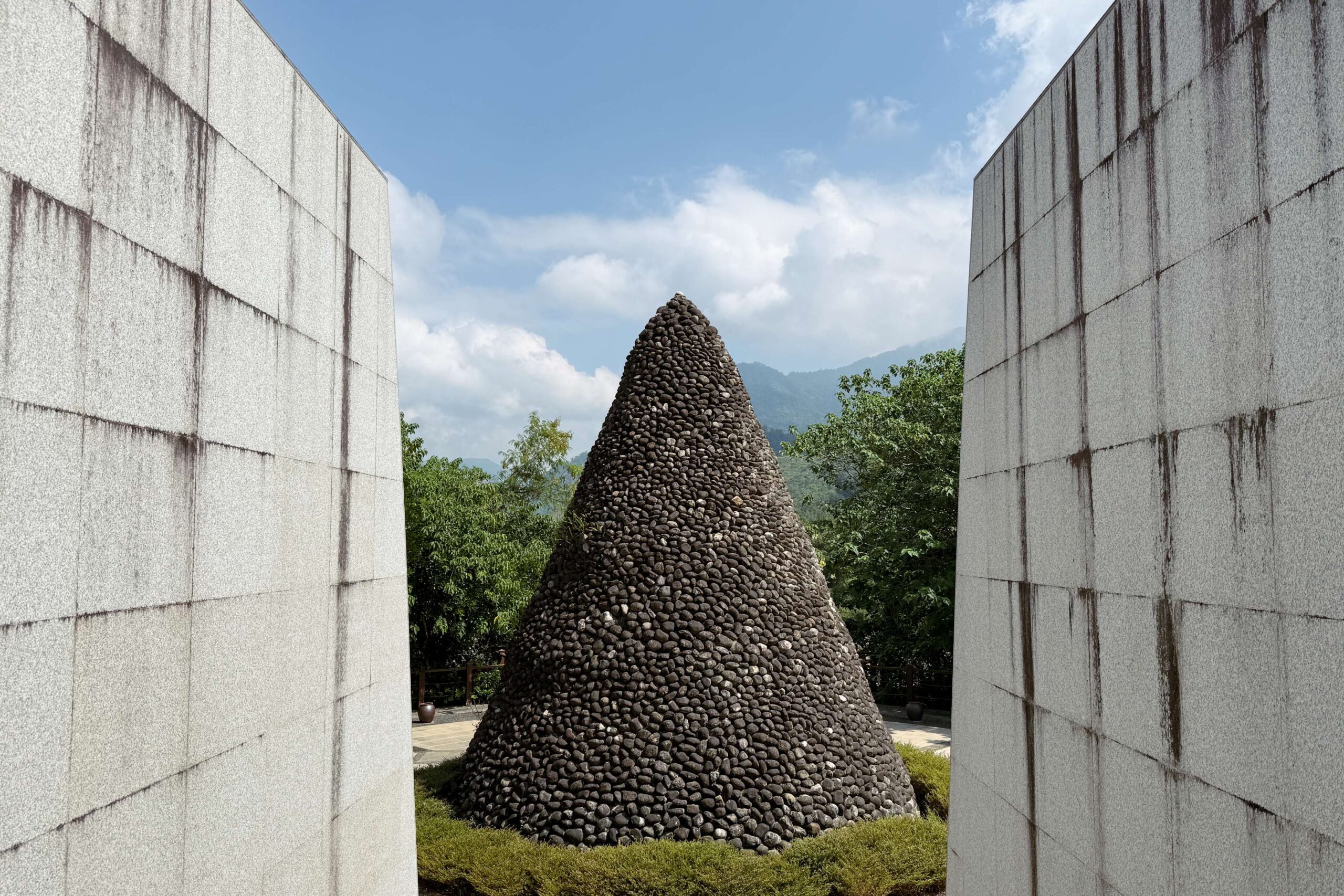
On the morning of August 9, 2009, Typhoon Morakot brought torrential rain and fierce winds, triggering a massive landslide from Mount Xiandu. Xiaolin Village was tragically buried and completely destroyed, a disaster that shocked the entire nation. To honor the 462 villagers who lost their lives in the catastrophe, the Kaohsiung City Government established the Xiaolin Village Memorial Park on a hill south of the village’s original site.
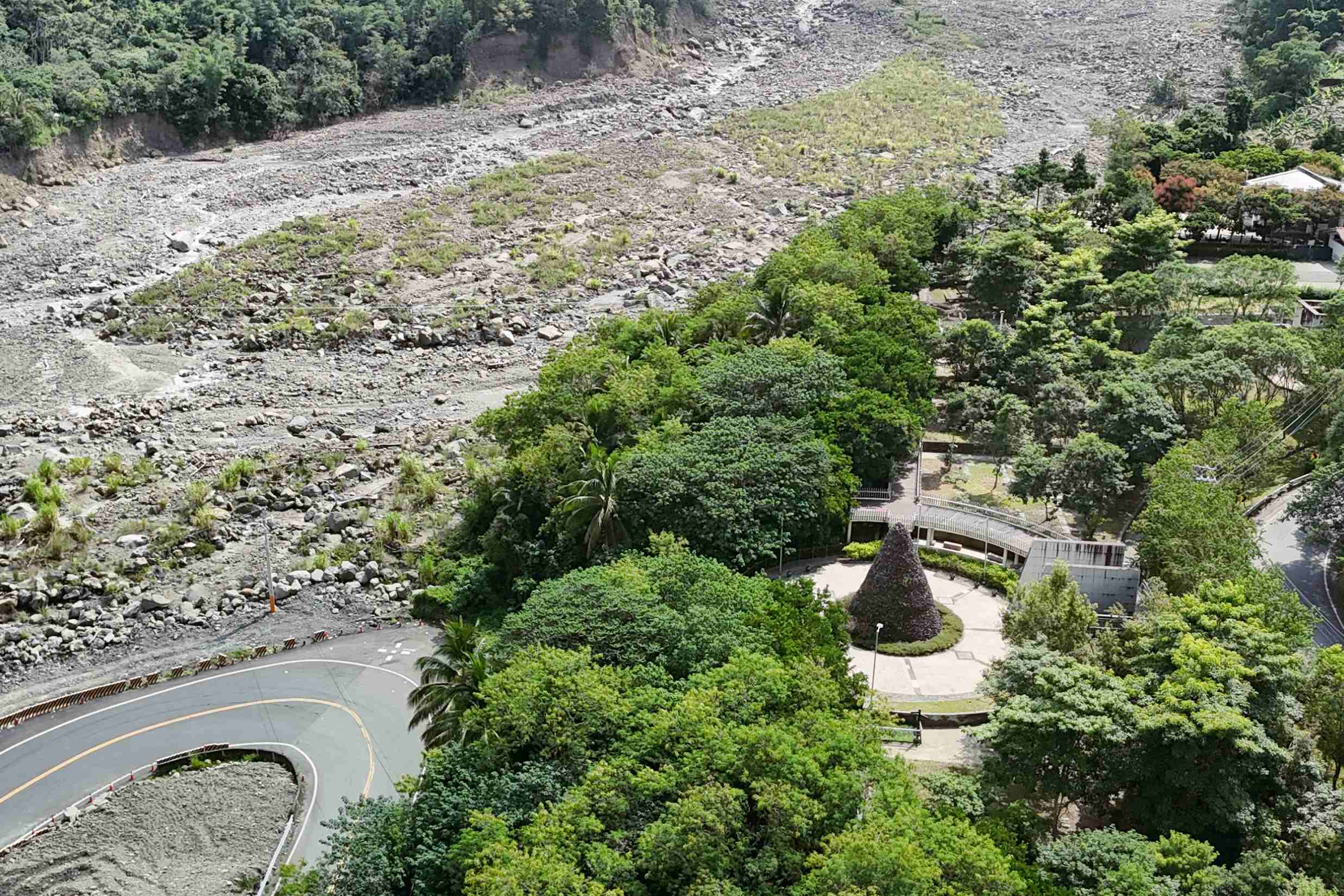
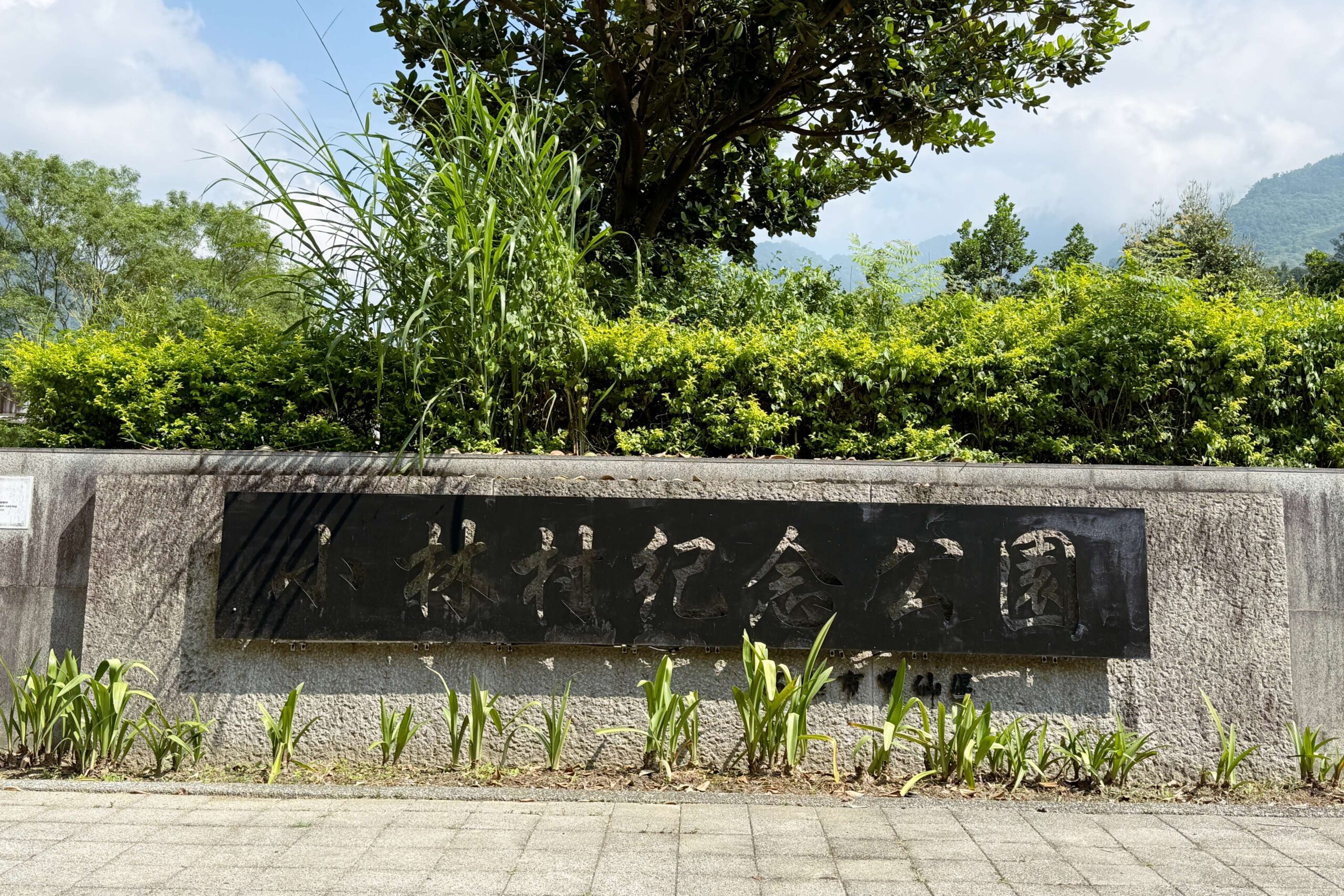
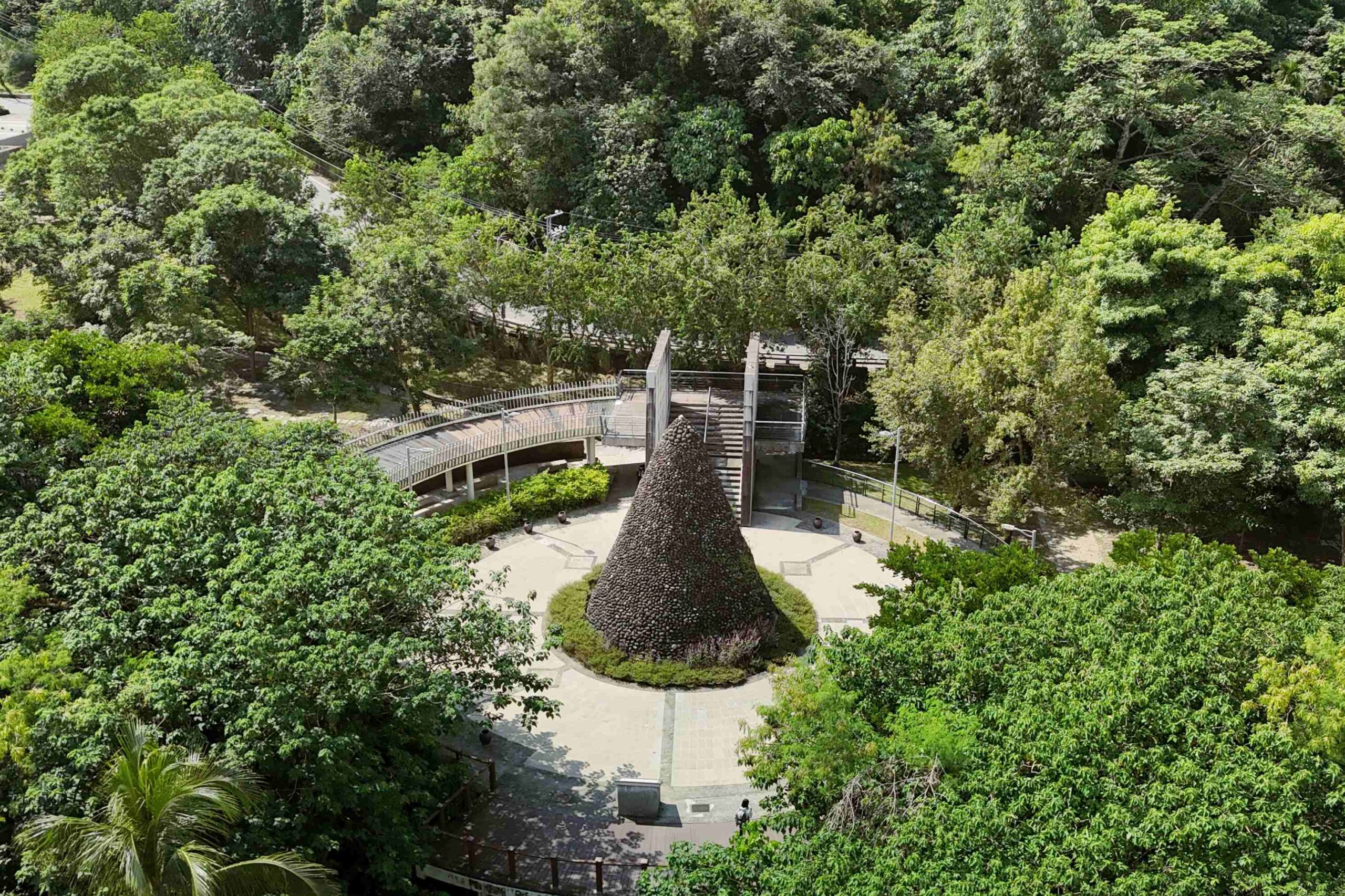
At the park’s entrance begins the “Path of Suffering,” with the names of all 462 victims engraved along both sides. Walking along the path toward the “Bridge of Reflection,” visitors will see 181 cherry blossom trees planted there—each symbolizing one of the 181 families devastated by the tragedy.
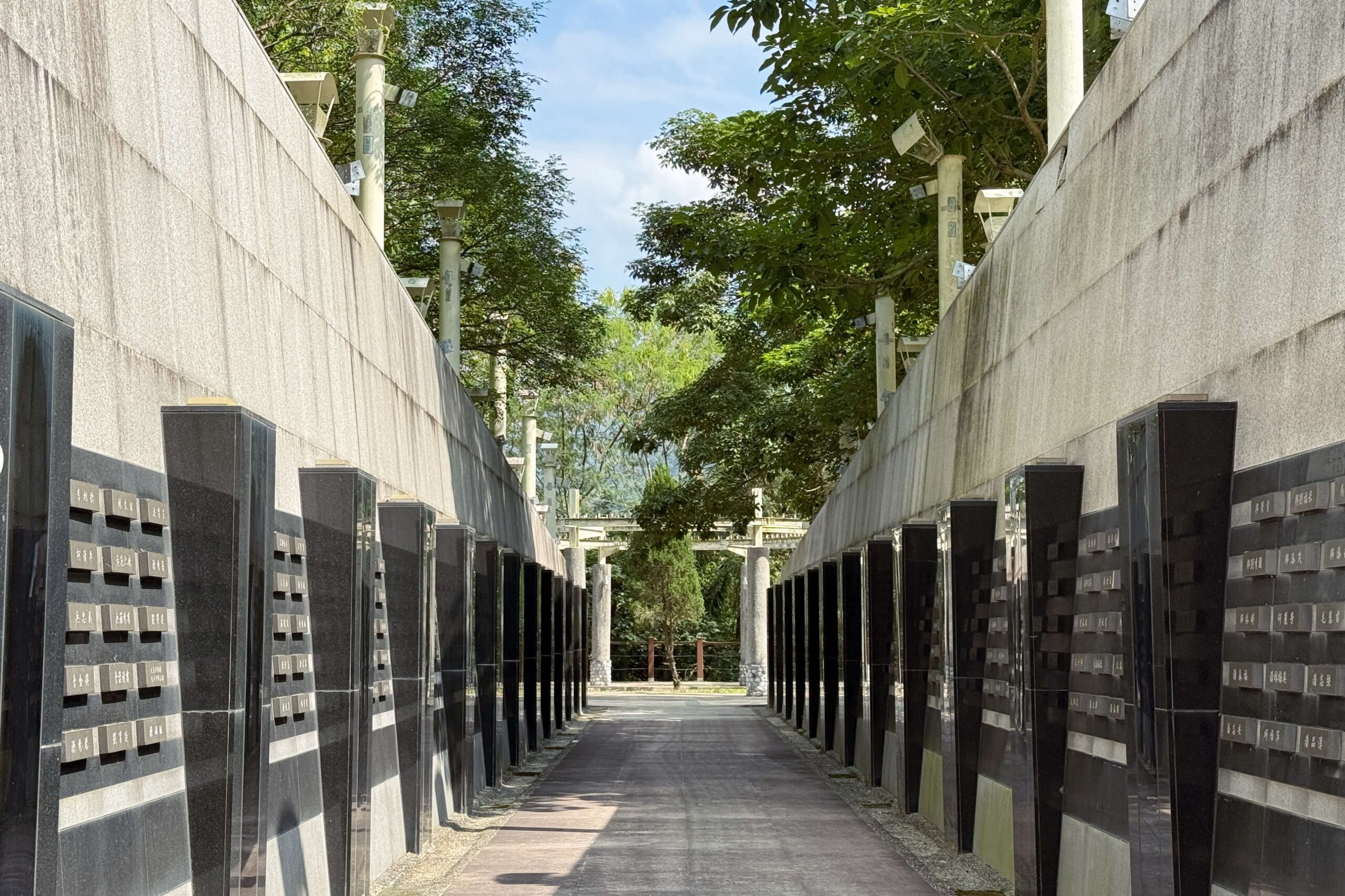
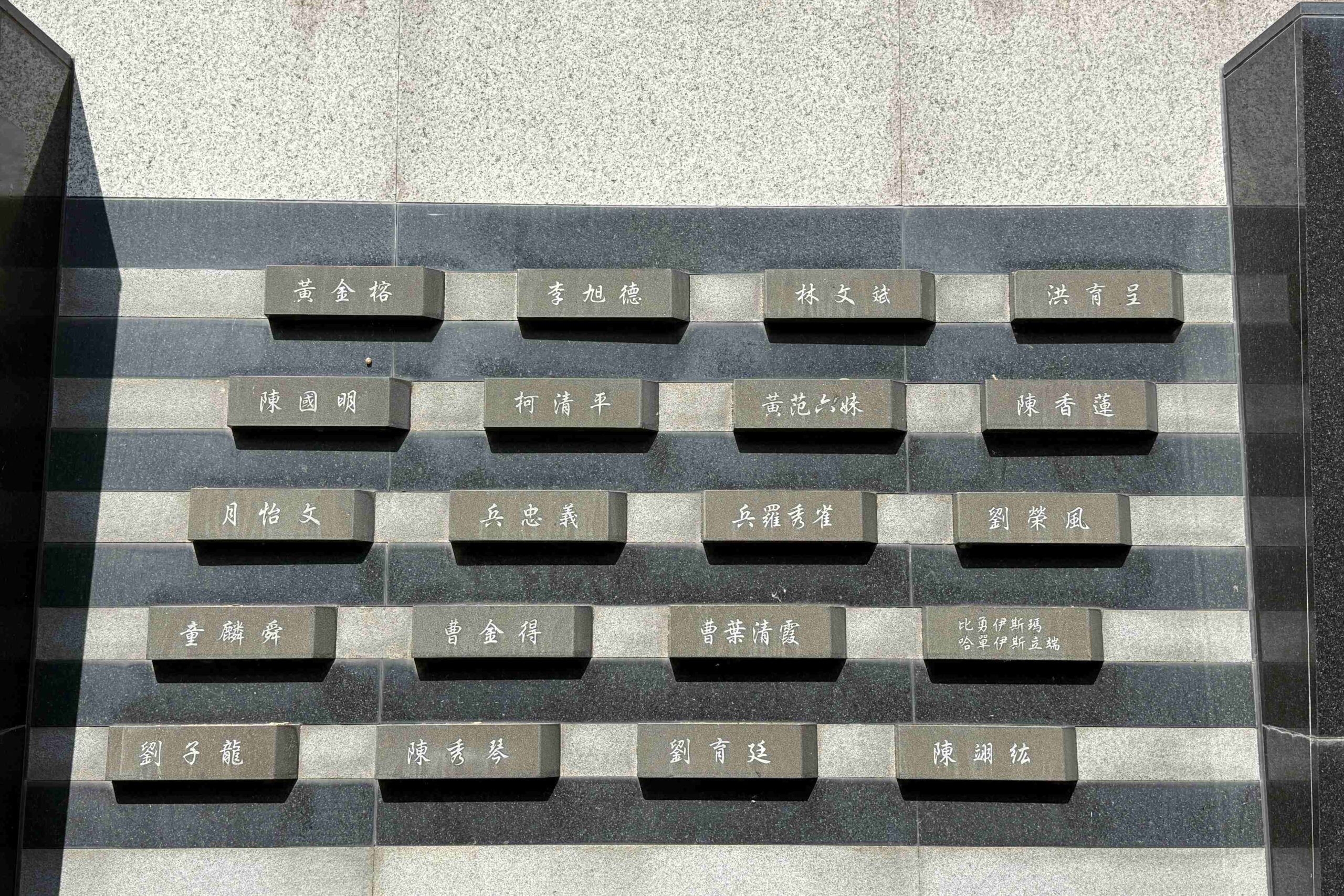
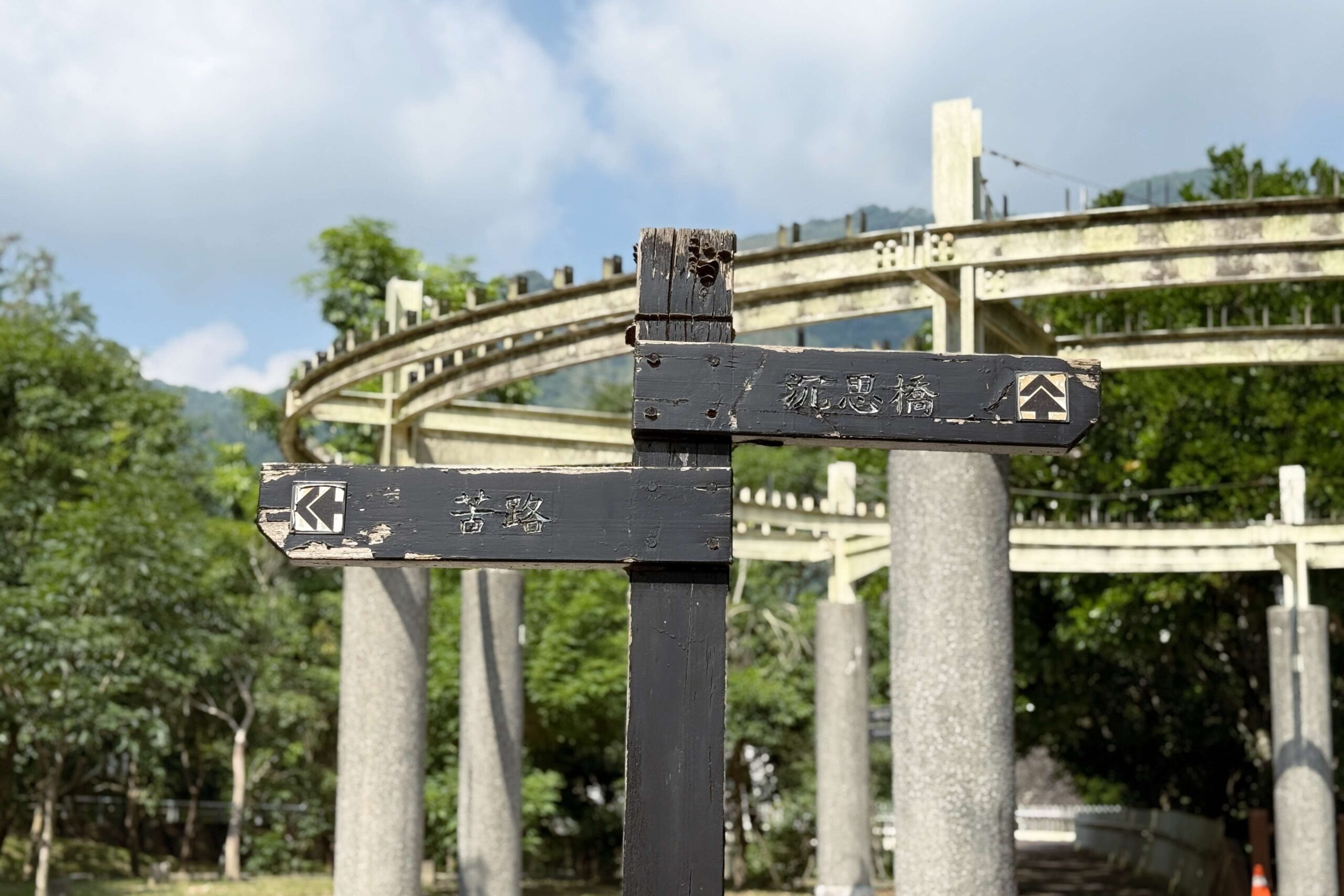
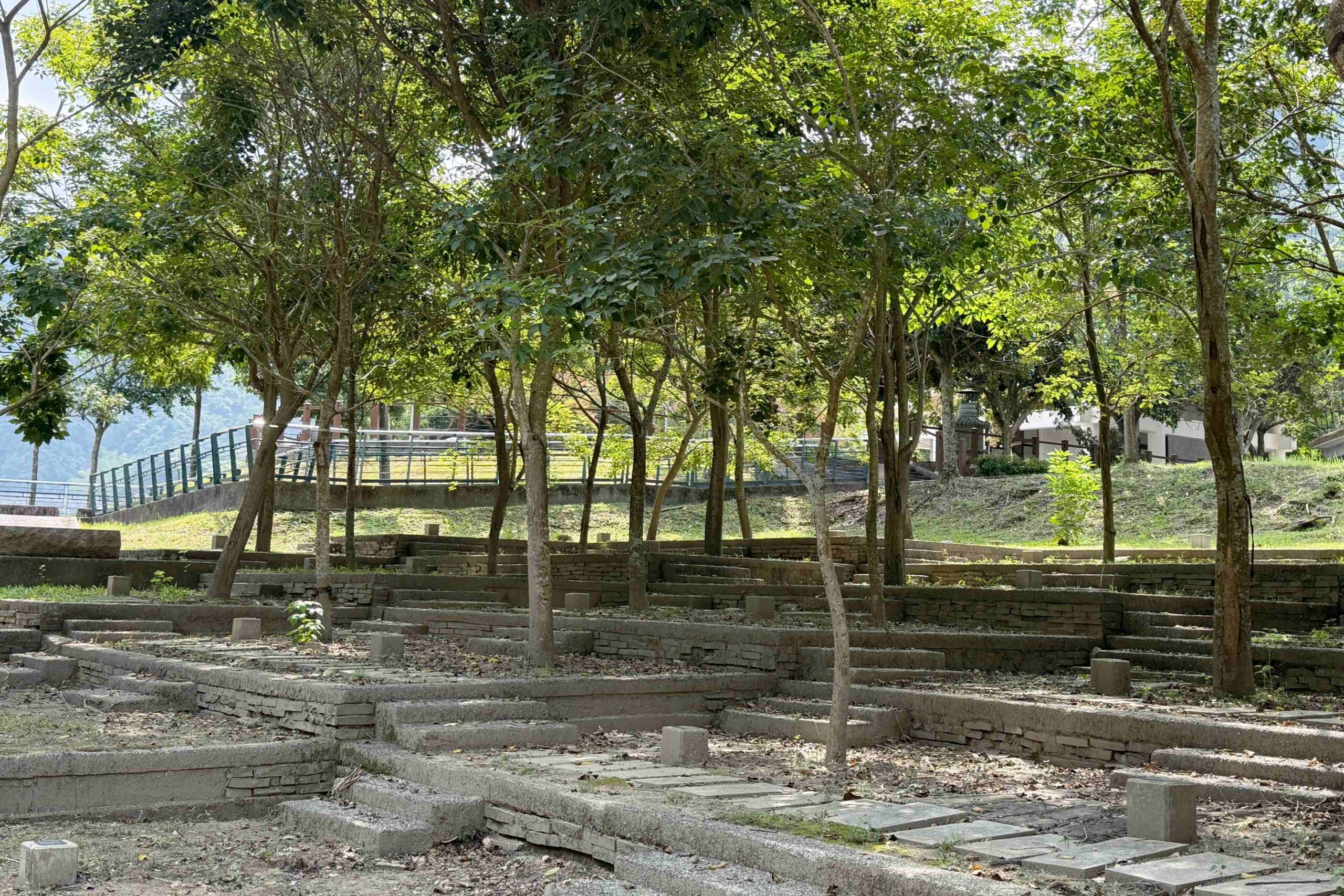
At the end of the path stands the Memorial Plaza. Its 8-by-9-meter spire, built with stones carried down from Mount Xiandu, serves as a solemn reminder of August 9—a day that continues to teach us the meaning of remembrance and resilience.
Xiaolin Village Memorial Park

Try searching “Xiaolin Village Memorial Park” on Google Maps.
06|Xiaolin Pingpu Cultural Museum
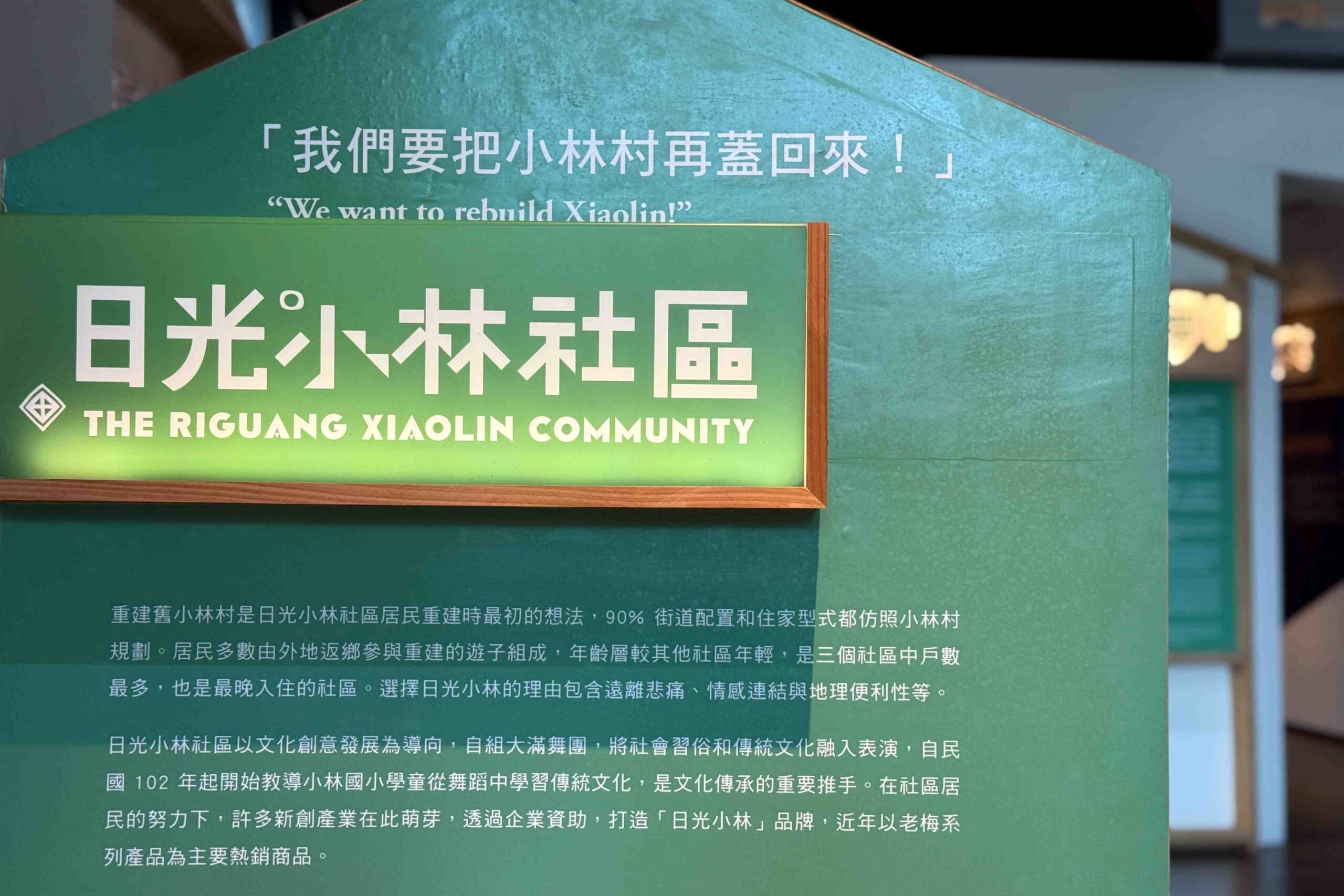
After enduring the pain of their village’s destruction, the survivors of Xiaolin Village began searching for hope and renewal. With support from government reconstruction efforts, the Xiaolin Pingpu Cultural Museum was rebuilt beside the Wulipu permanent housing settlement, allowing the story of Xiaolin to once again be seen and remembered by the world. Upon entering the museum, the permanent exhibition on the left—titled “Going Home: The Story of Xiaolin Village”—invites visitors to experience the history and spirit of the community. Through multimedia displays, survivors share the traces of their ancestors’ lives and express their pride in the heritage of the Taivoan people.
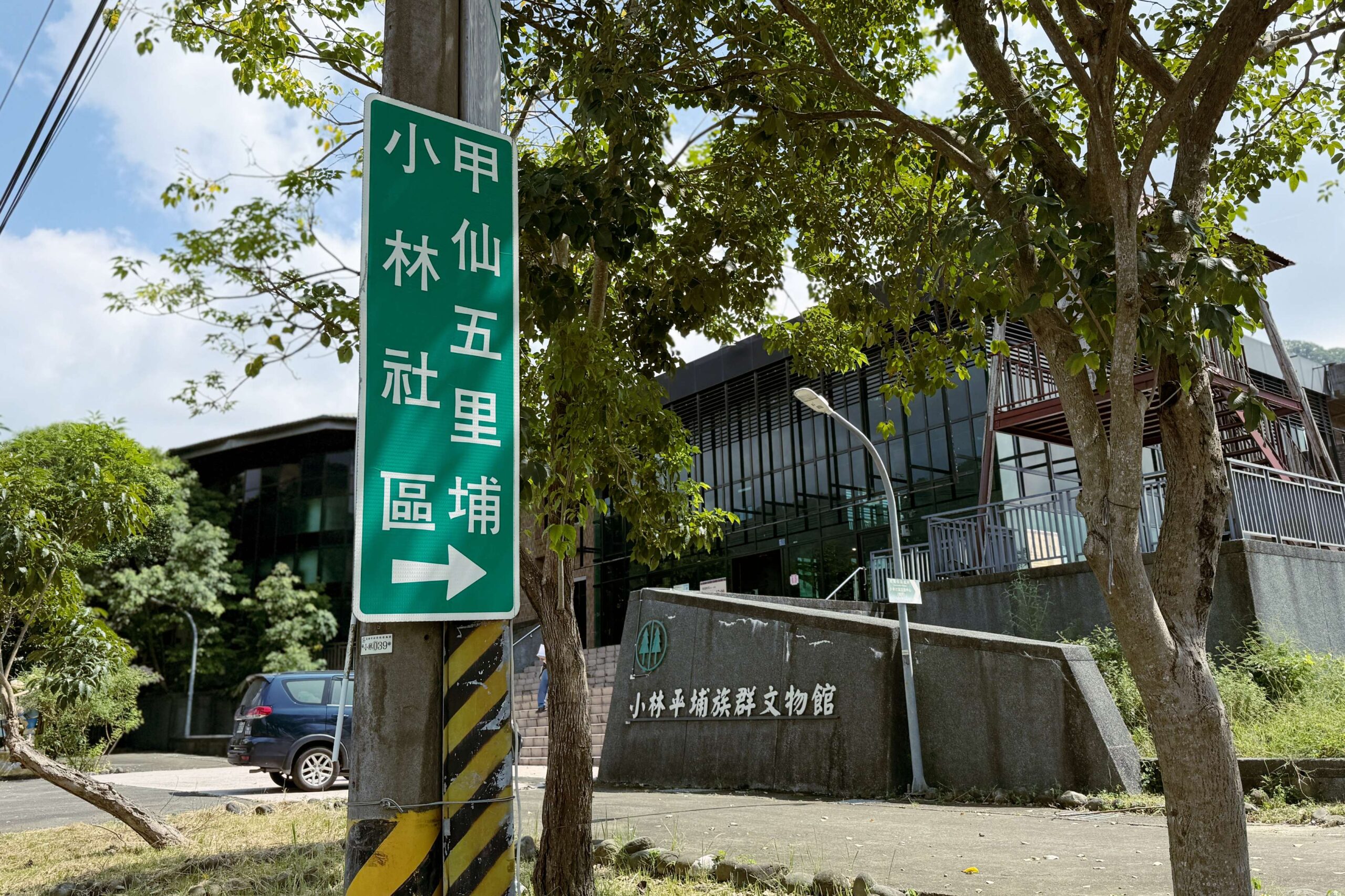
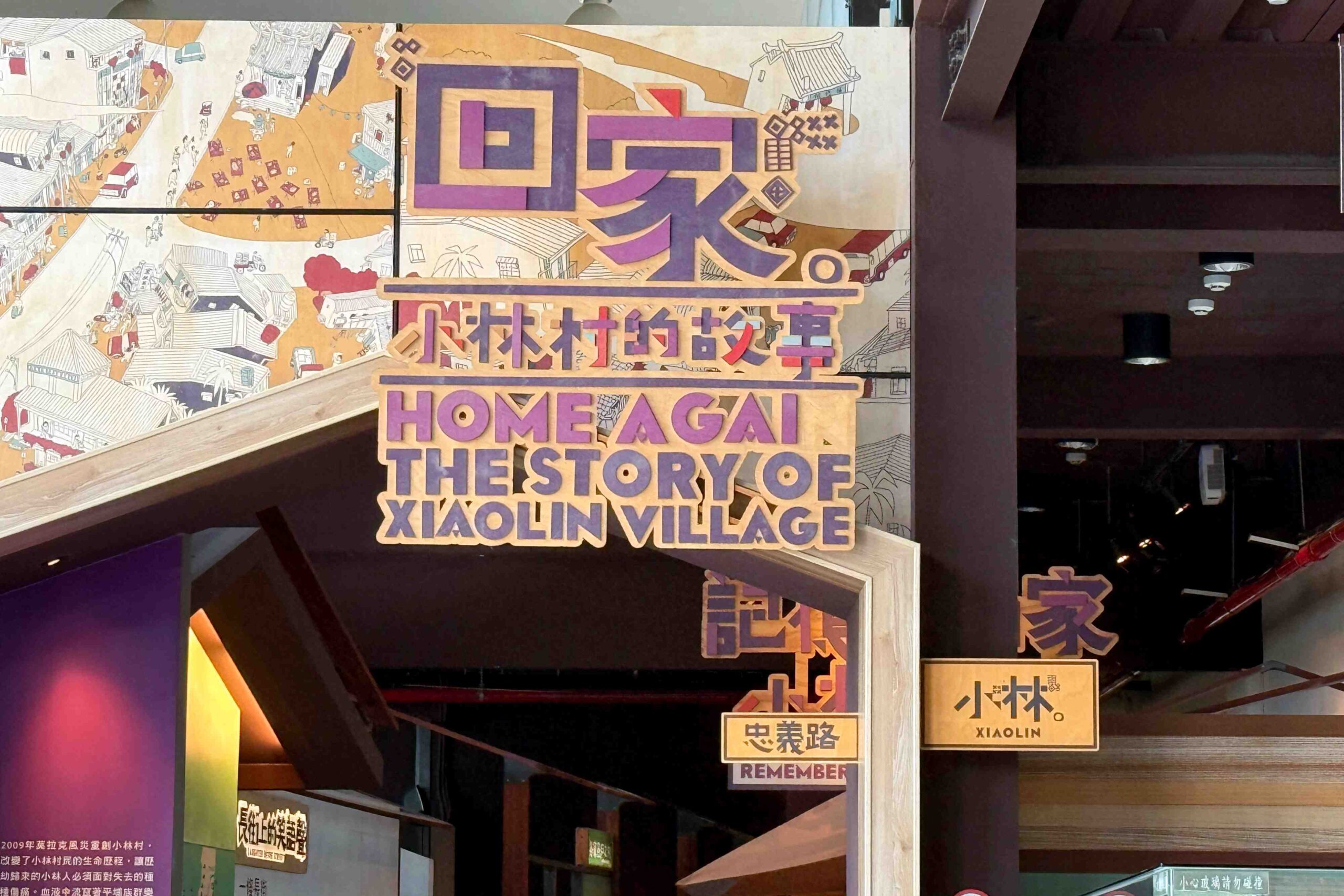
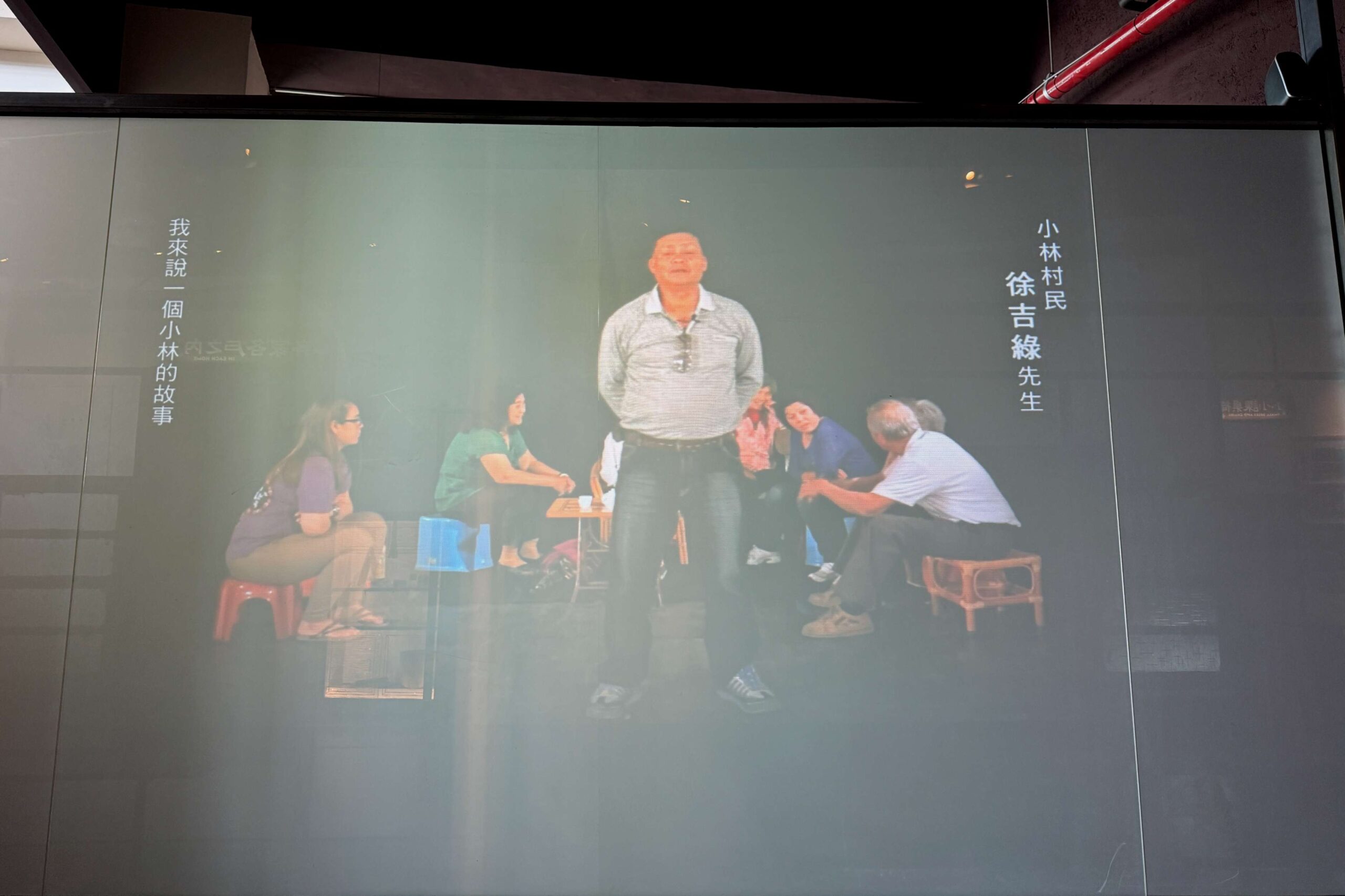
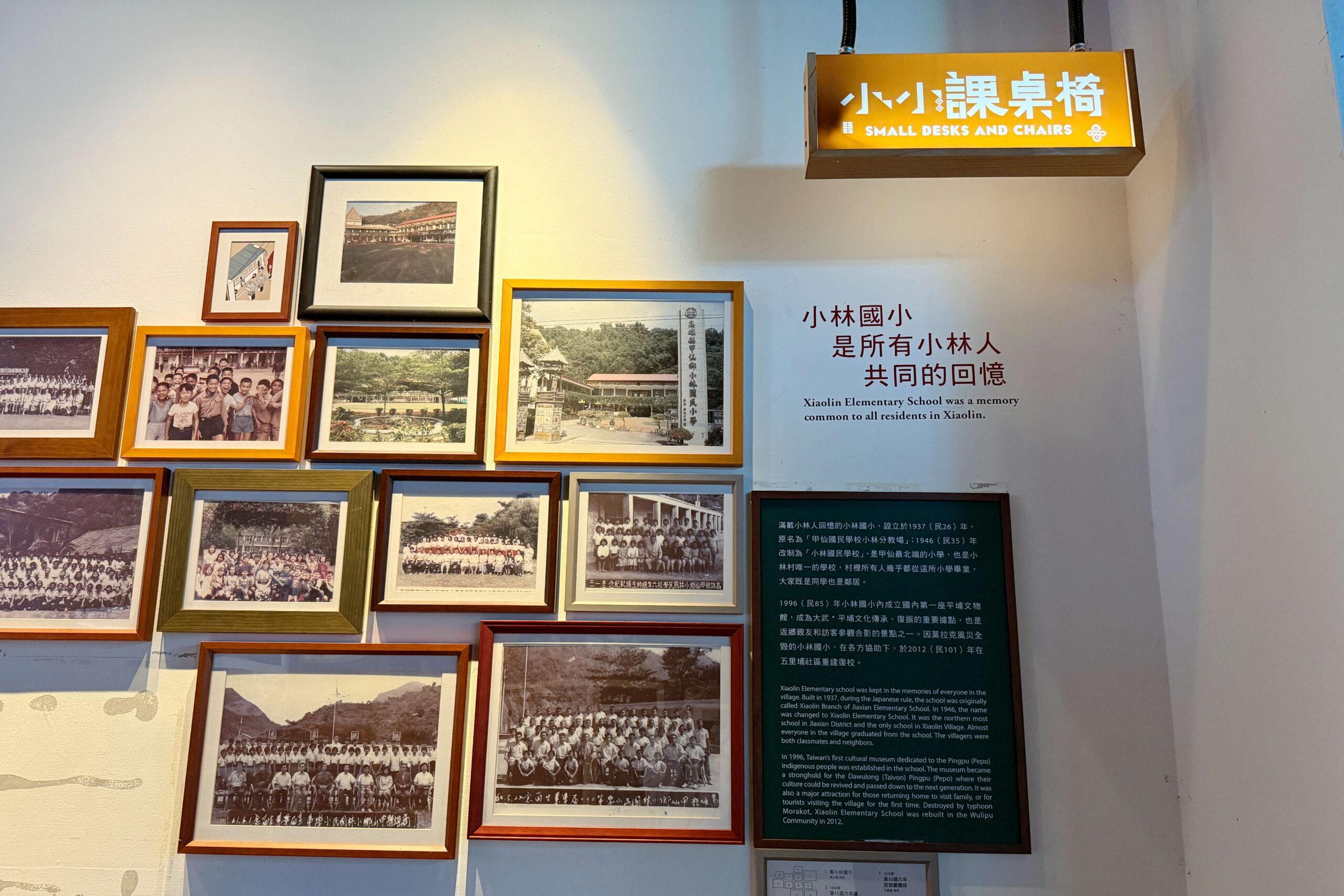
What moved me most was the villagers’ deep longing for their homeland. In the nearby Shanlin District, adjacent to Jiasian, they rebuilt a new Xiaolin Village—continuing the spirit and legacy of their ancestral home.
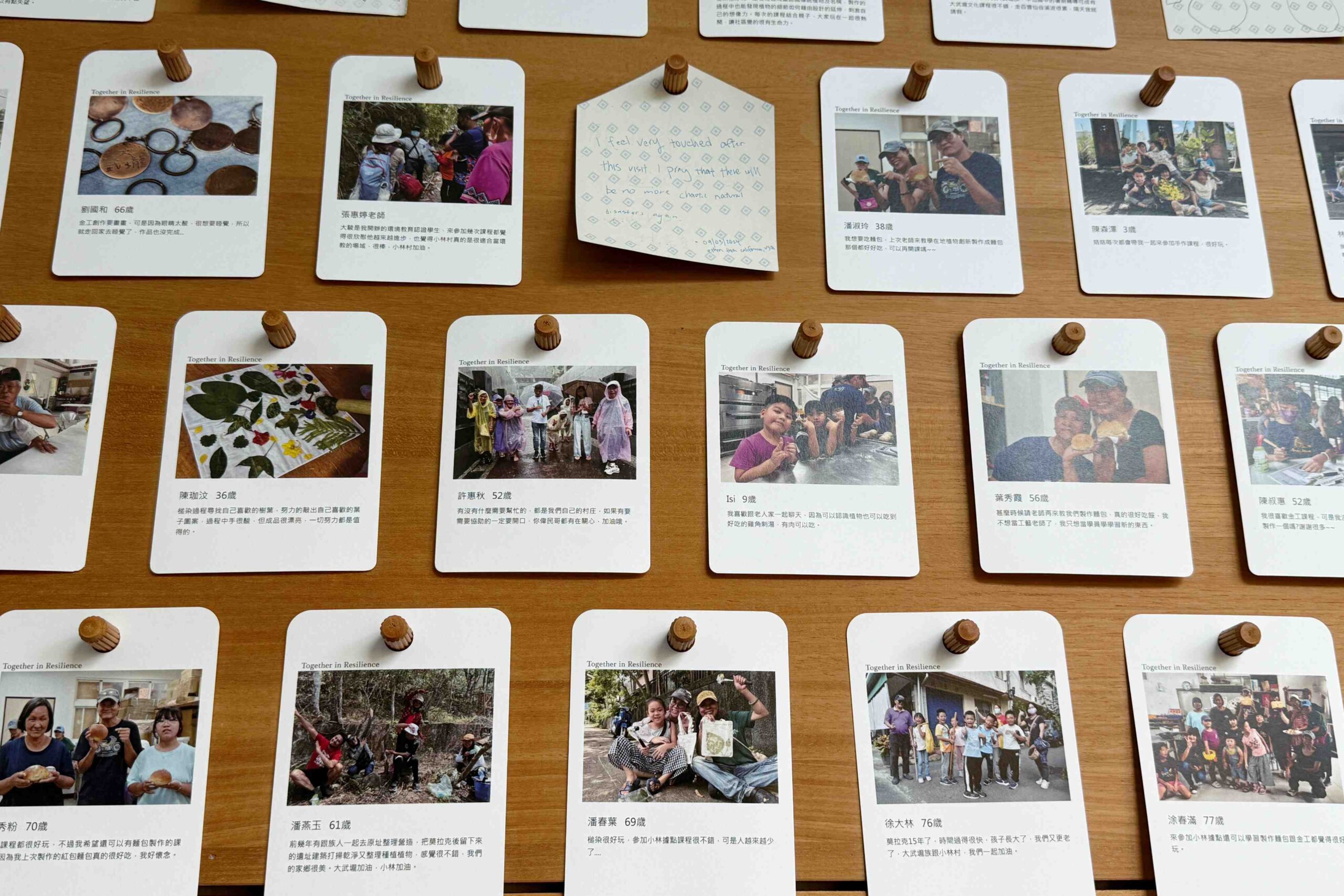
Xiaolin Pingpu Cultural Museum

Opening Hours: 0900-1700, closed on Monday.
No. 50, Wuli Rd., Jiaxian Dist., Kaohsiung
07|Tiantan Yuan Song Taizu Temple
Tiantan Yuan Song Taizu Temple is dedicated to Emperor Taizu of the Song Dynasty, Zhao Kuangyin. The complex is divided into two main areas—the Tiantan (Heavenly Altar) and the Xinggong (Temporary Palace). It is the first Taoist temple in Taiwan designed with a unique “unified circular” architectural structure, symbolizing the state of perfect harmony and completeness known as “the return to the circle.”
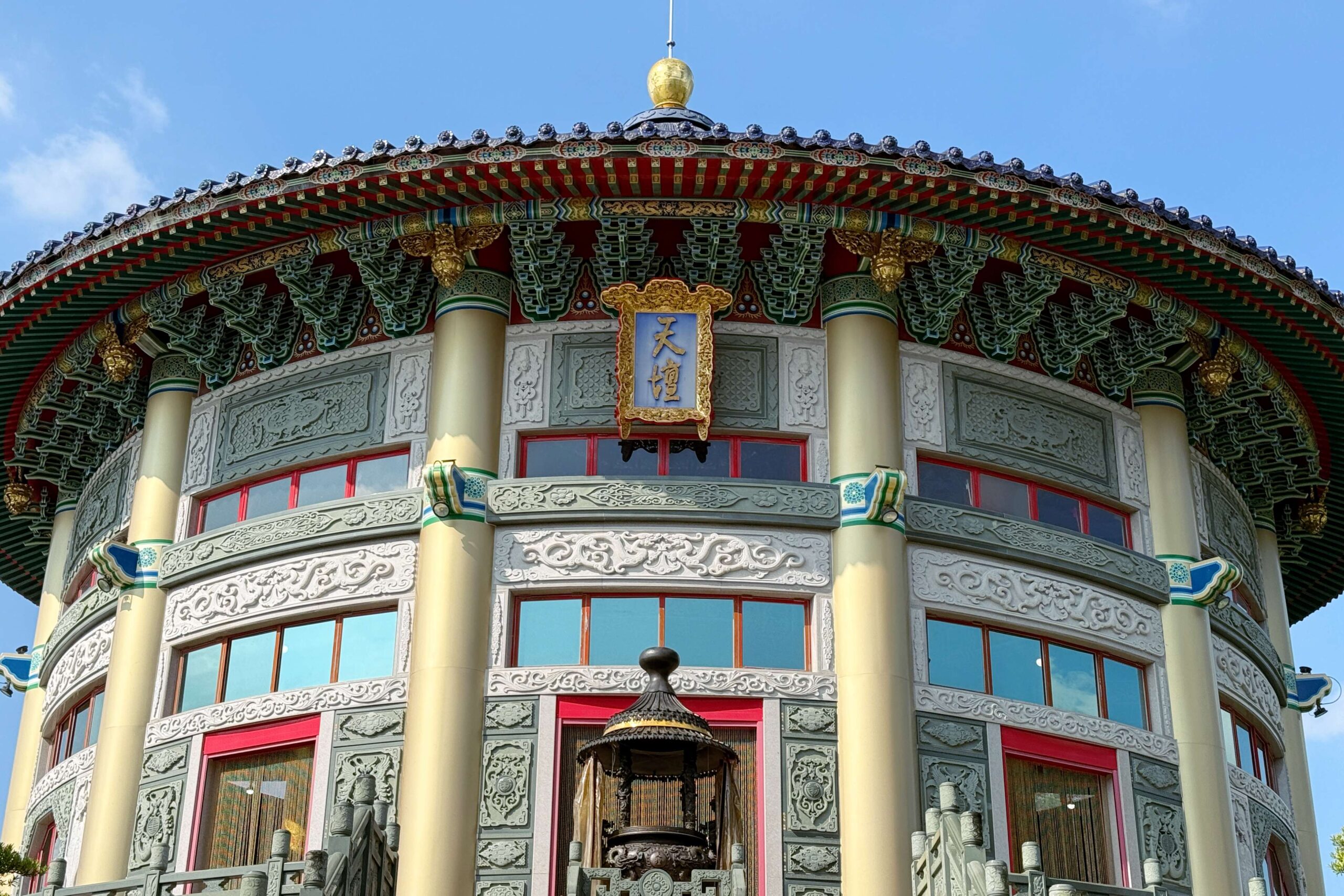
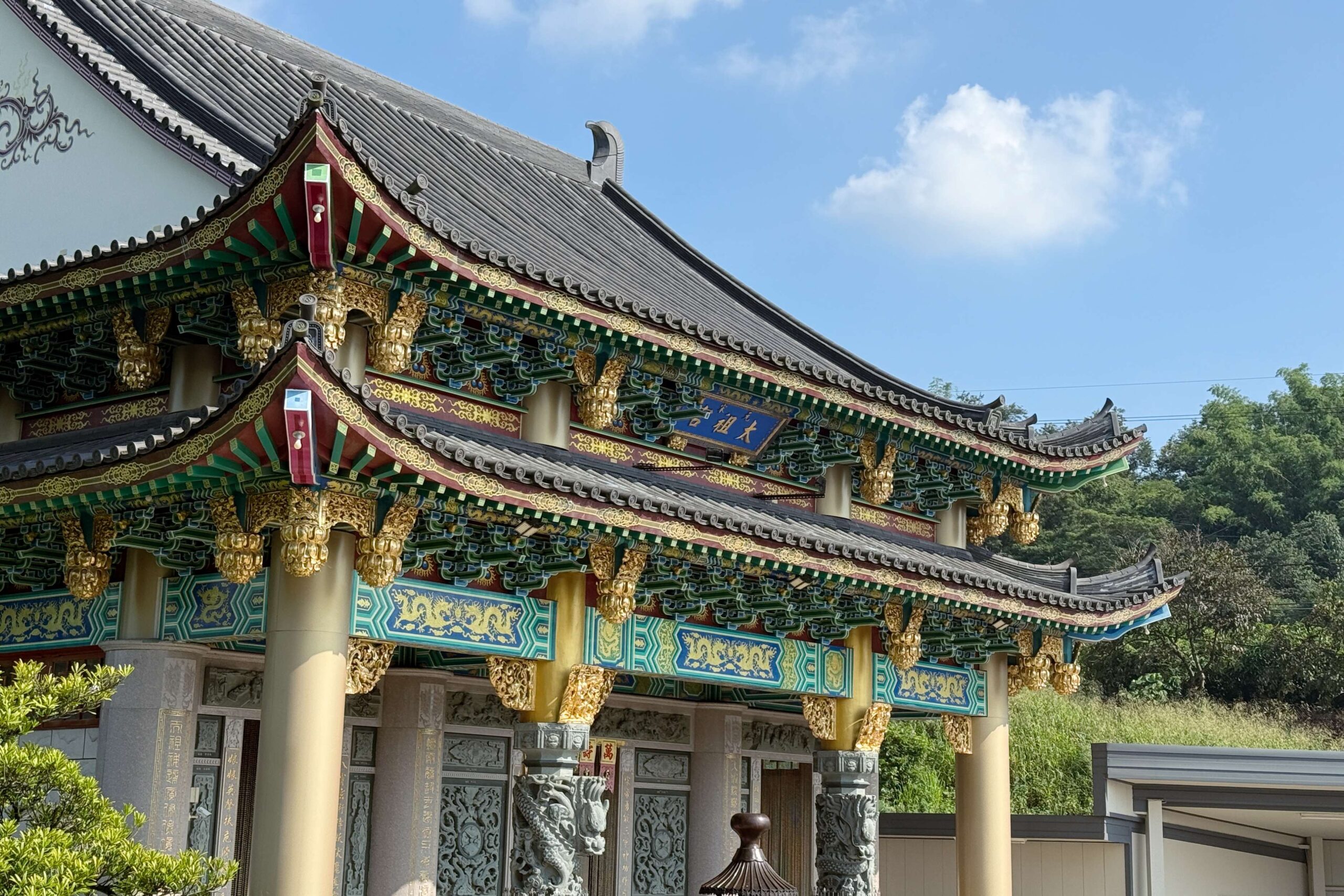
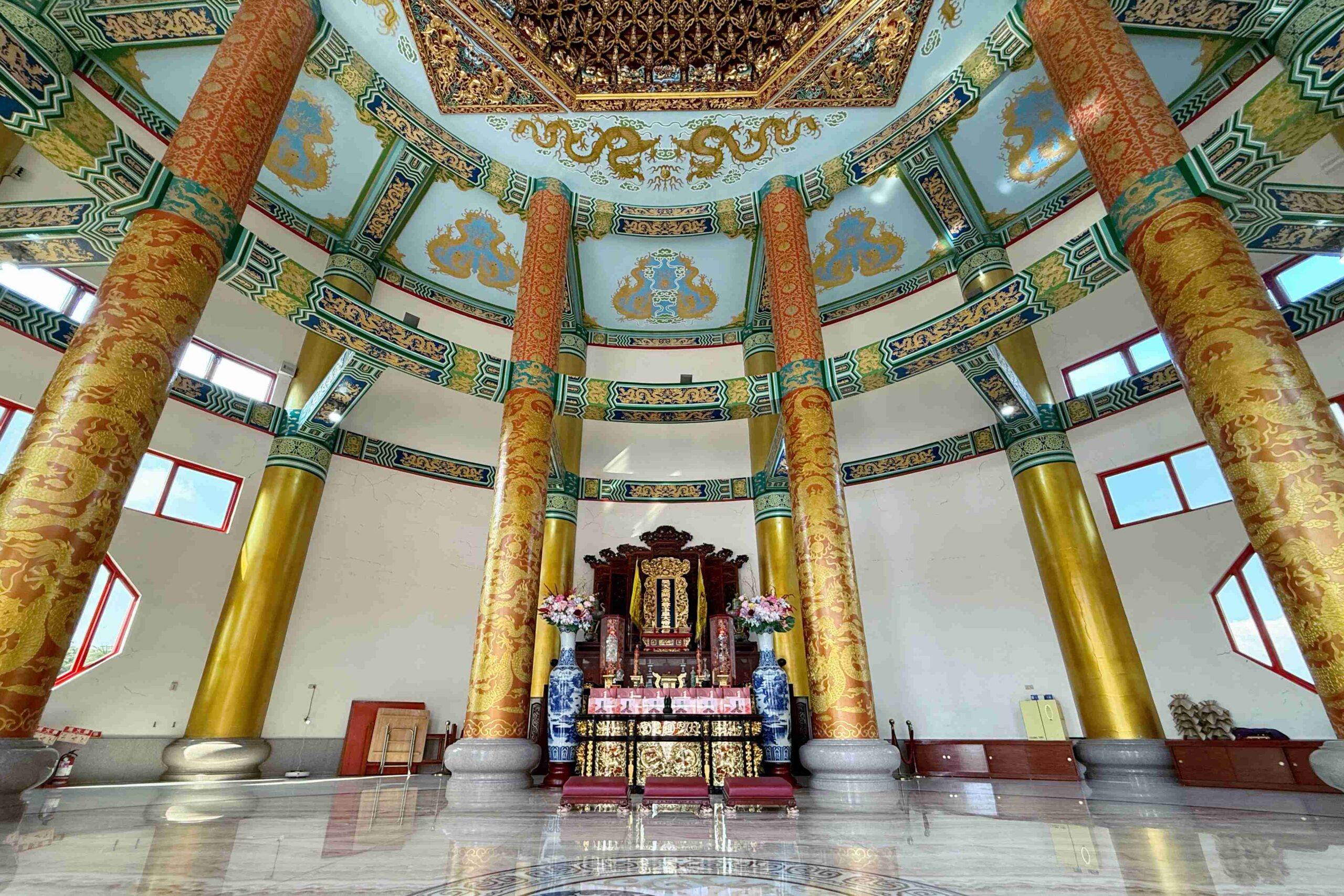
At the center of the Tiantan, eight intricately carved dragon pillars rise to support the roof, representing eight dragons upholding the heavens. Surrounding them are twelve outer pillars, symbolizing the continuous flow of time. Thanks to the enthusiastic guidance, I learned that even the stone floor beneath our feet holds hidden wonders. The naturally formed patterns in the stone resemble the image of Guanyin, the Bodhisattva of Compassion—and when viewed from another angle, they take the shape of a dragon’s head, a stunning testament to the marvels of nature’s craftsmanship.
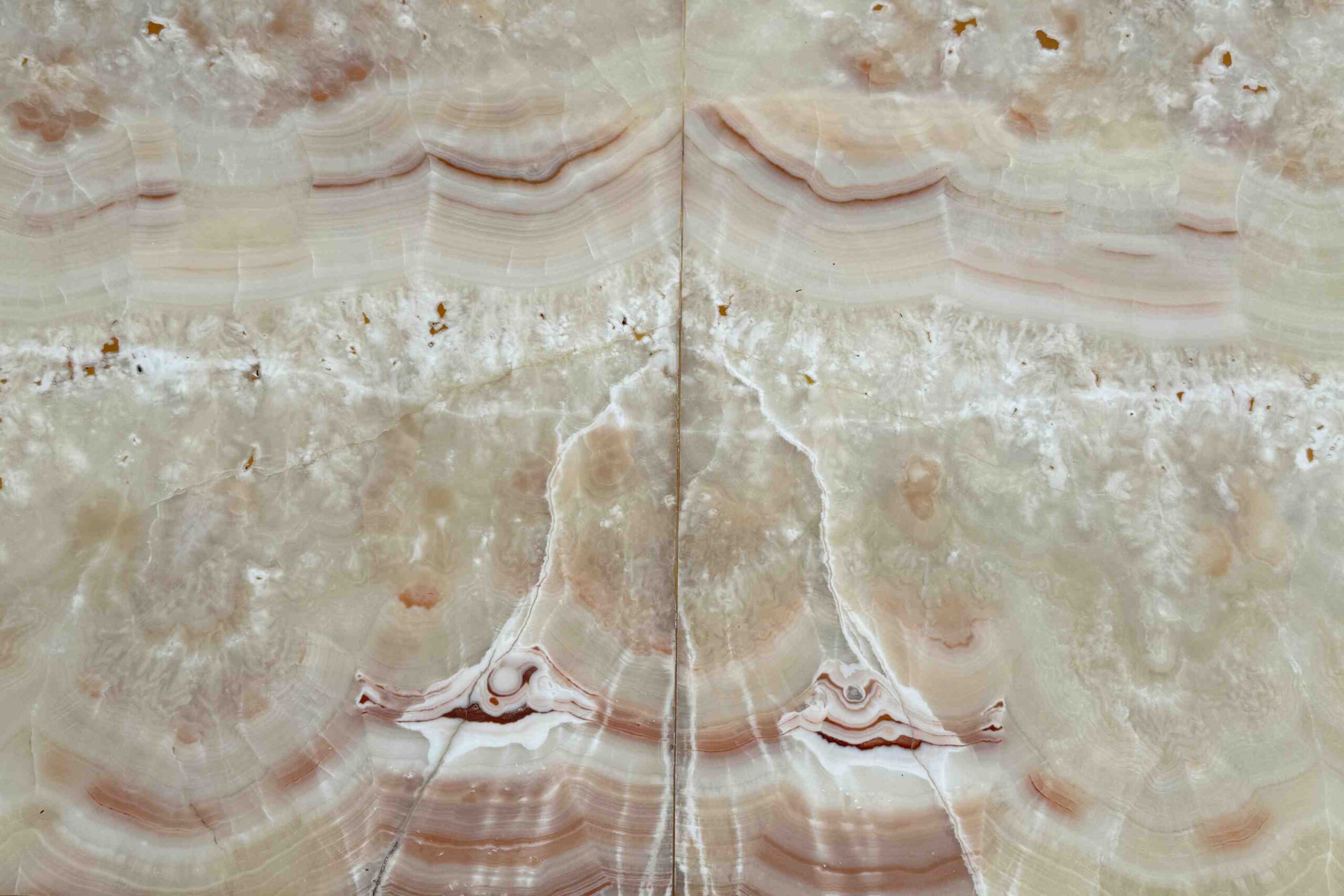
Tiantan Yuan Song Taizu Temple

Opening Hours: 0800-1700
No. 65, Lingding Ln., Jiaxian Dist., Kaohsiung
◦ Restaurants and Snacks in Jiasian
01|Xiaoqi Taro Ice Cream Shop
The history of Xiaoqi Taro Ice Cream Shop dates back to the Shōwa era during Japanese rule, when founder Mr. Liu Ruiyuan began his business by selling shaved ice—marking the humble beginnings of his frozen dessert enterprise. In 1974, the second generation sought to differentiate their products in the market by using locally grown betel heart taro to create a smooth, rich, and aromatic taro ice cream. The brand was named “Xiao Qi” after the family’s eldest grandson.
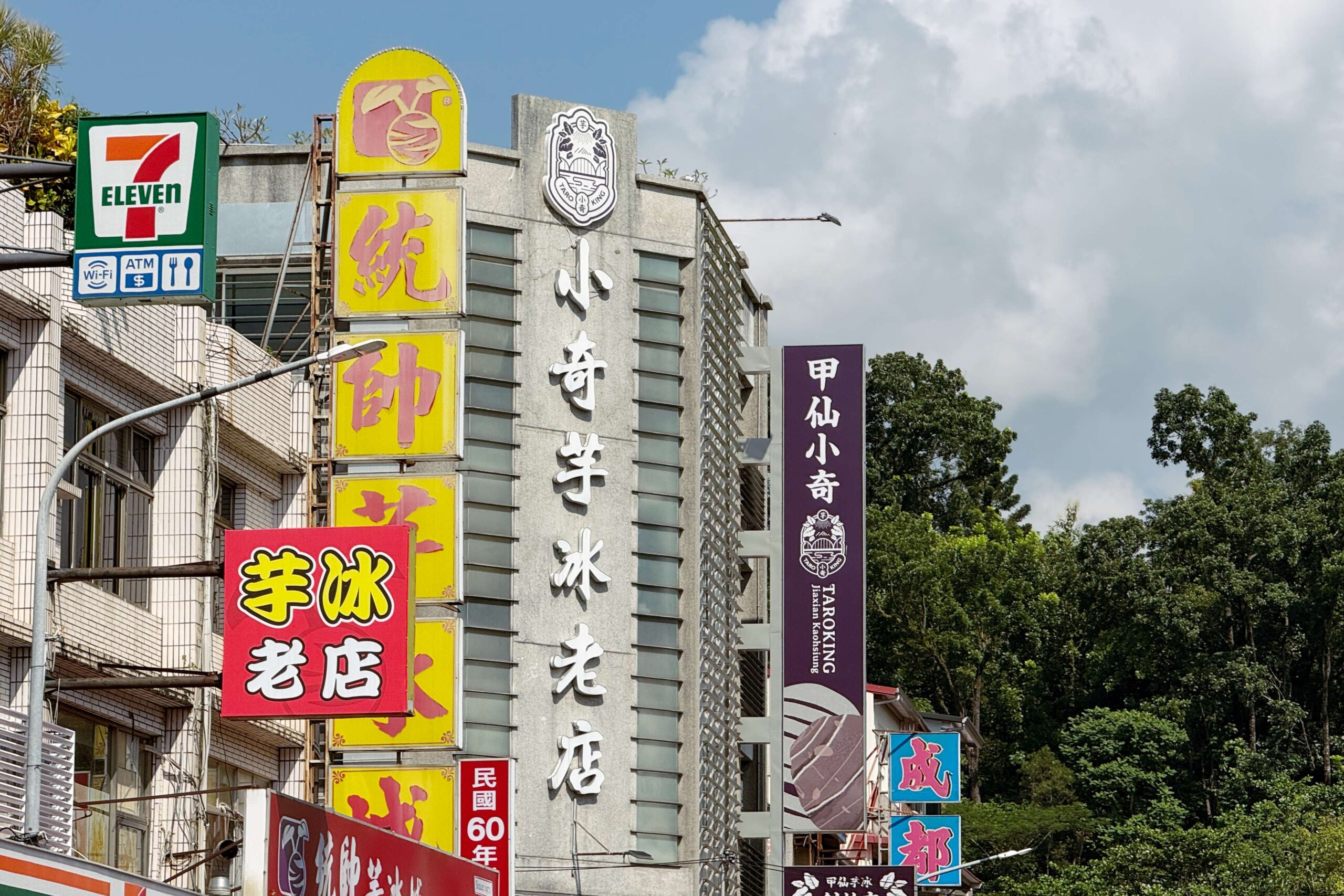
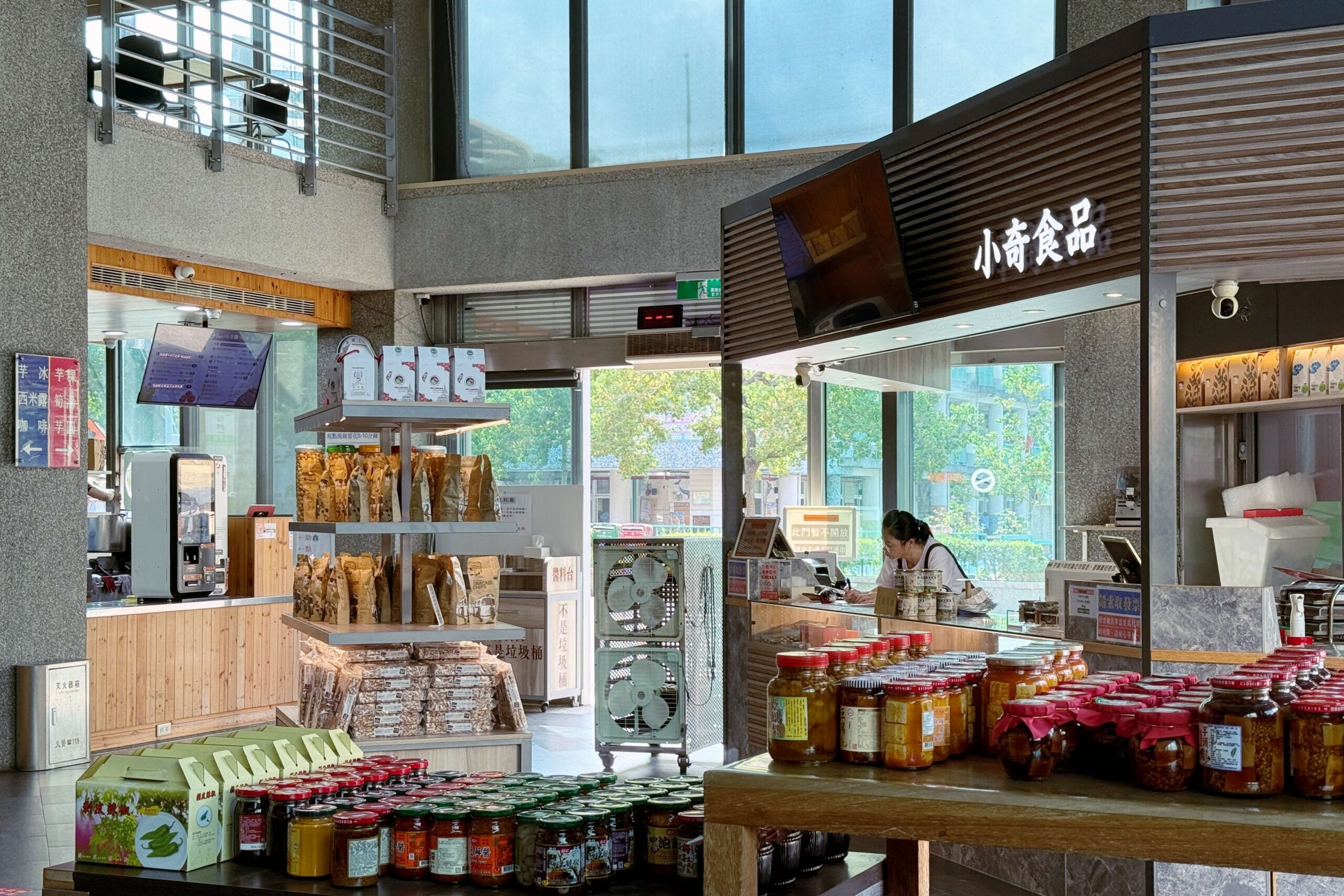
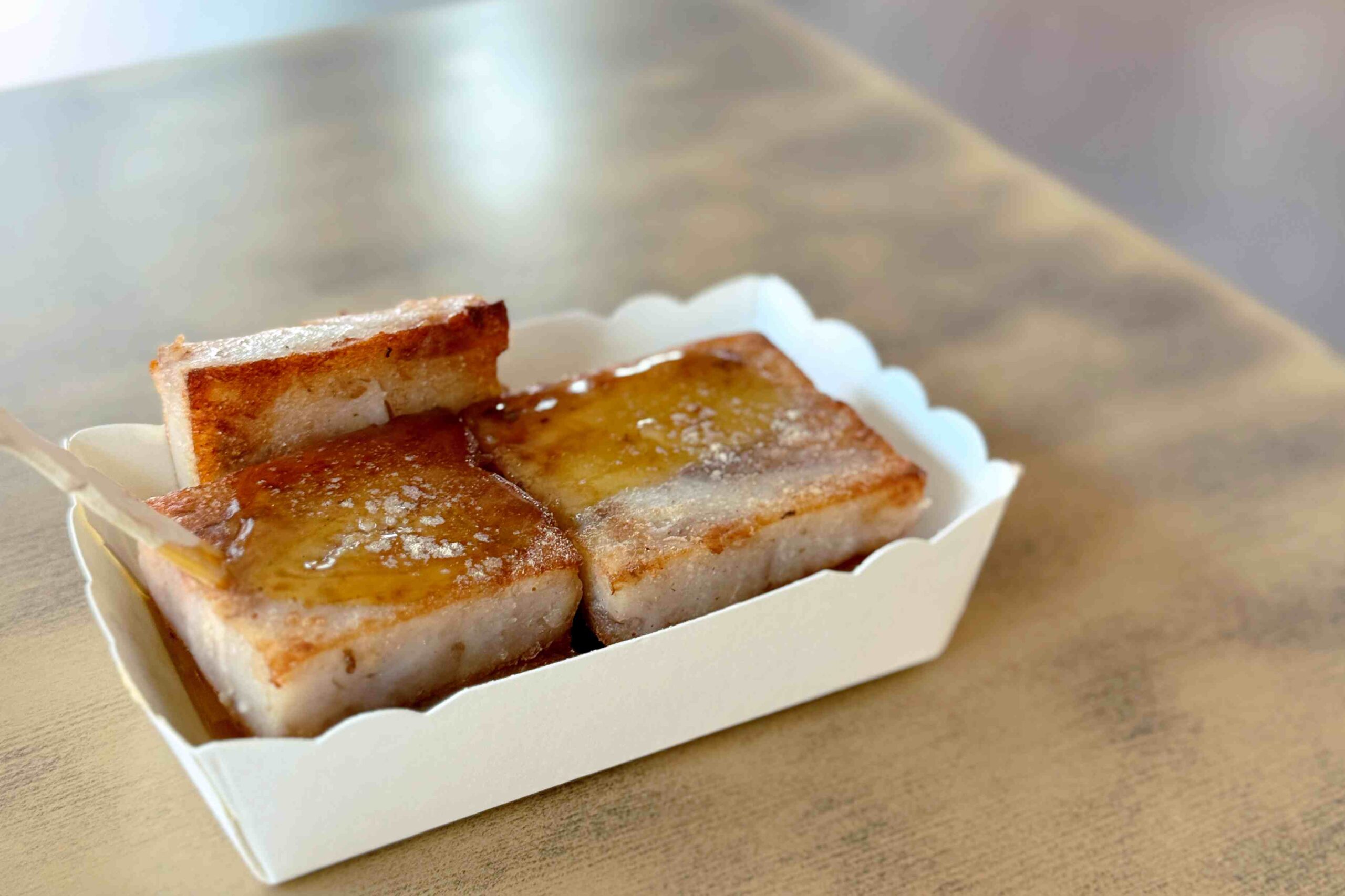
During my visit, I tried their taro cake, which was deliciously seasoned and melt-in-your-mouth soft. The taro ice cream, however, was the true highlight—each bite bursting with fragrant taro flavor and real chunks of taro. It’s no wonder this long-standing shop is regarded as one of Jiashan’s most iconic and beloved institutions.
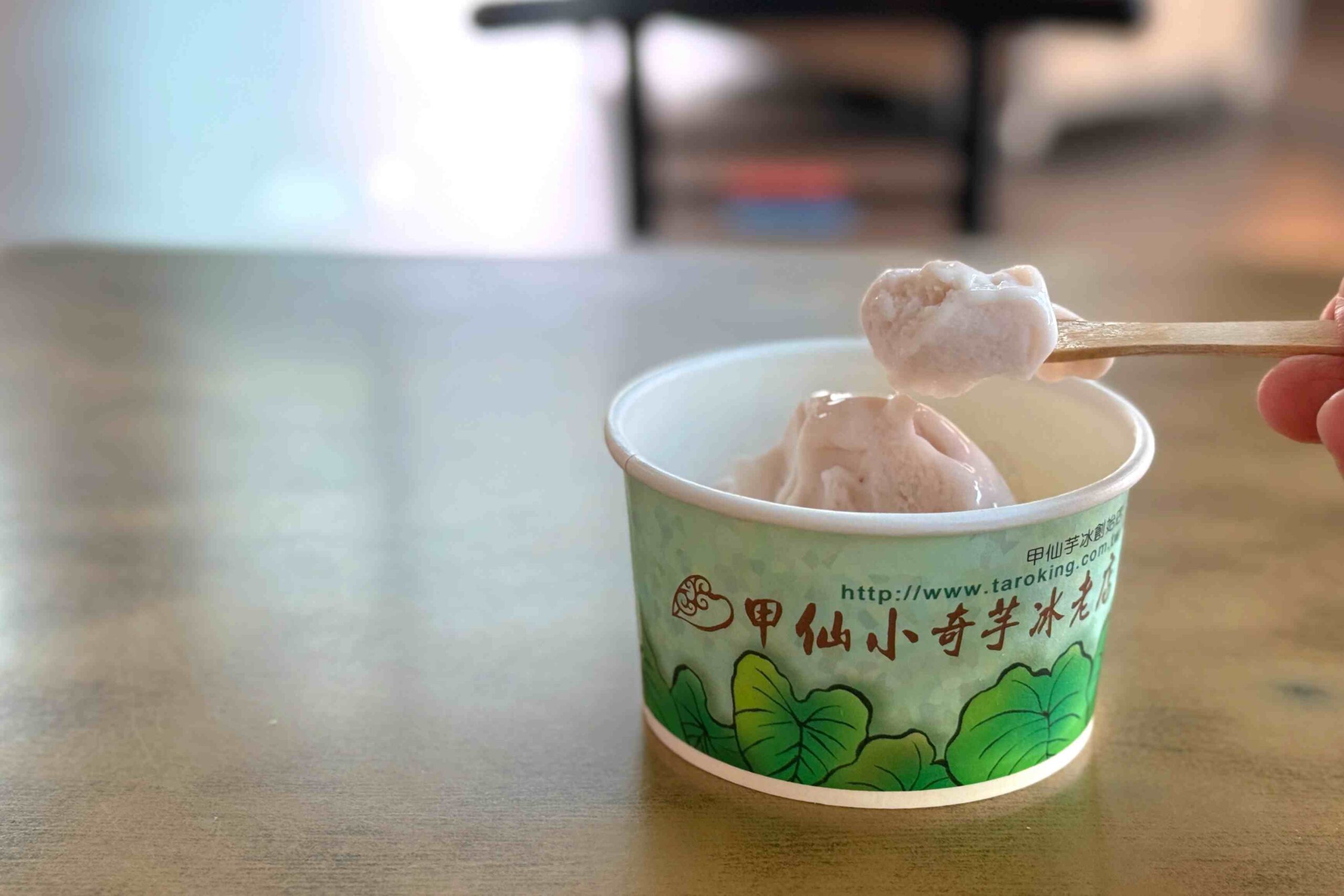
Xiaoqi Taro Ice Cream Shop

Opening Hours: 0800-1900
No. 2, Zhongzheng Rd., Jiaxian Dist., Kaohsiung
02|The First Taro Ice Cream Shop
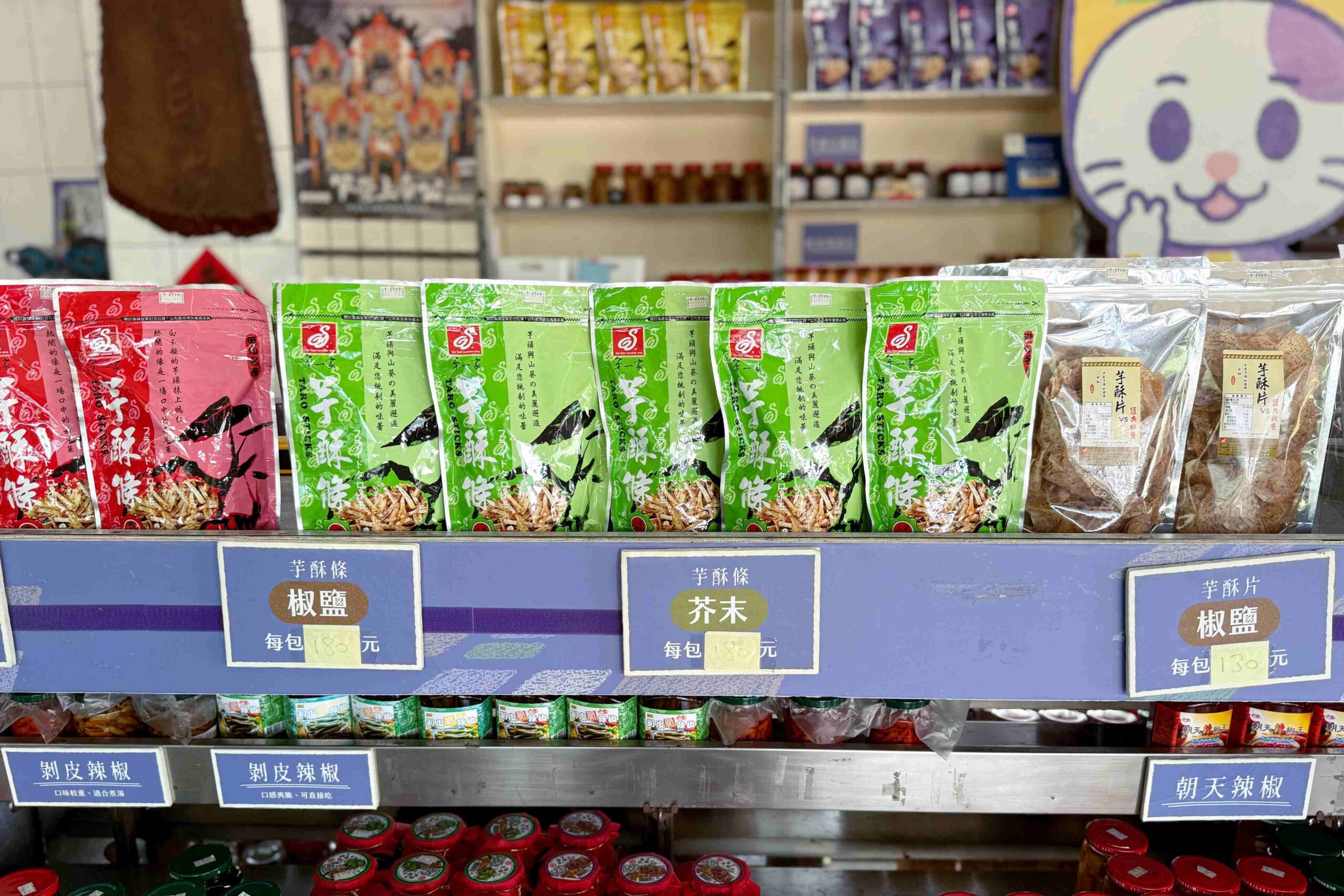
As you cross Jiaxian Bridge and enter the town, the very first shop on the left truly lives up to its name—“The First Taro Ice Cream Shop.” With its commitment to quality ingredients, this local favorite has built a solid reputation over more than two decades along Jiashan’s famous Taro Ice Cream Street.
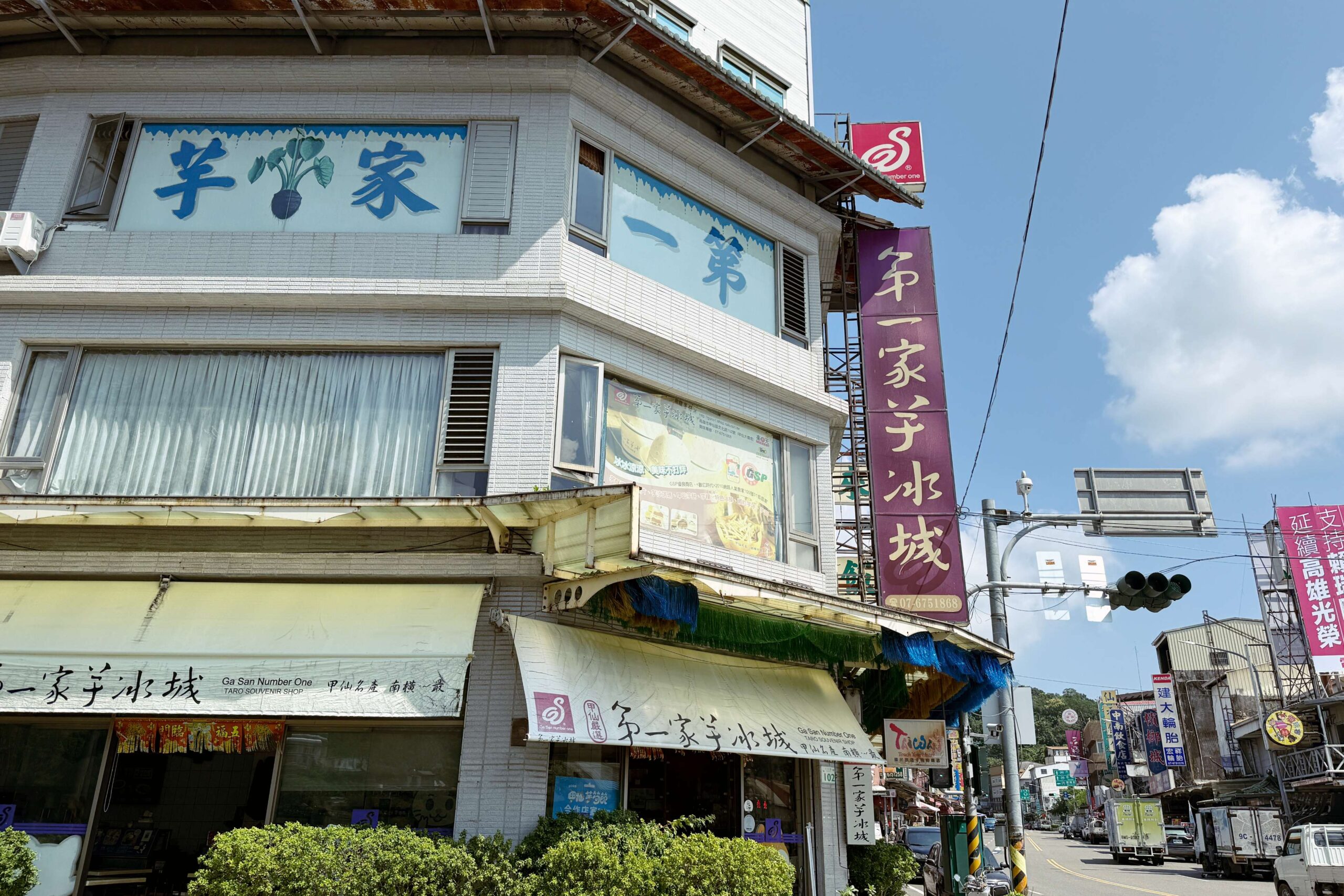
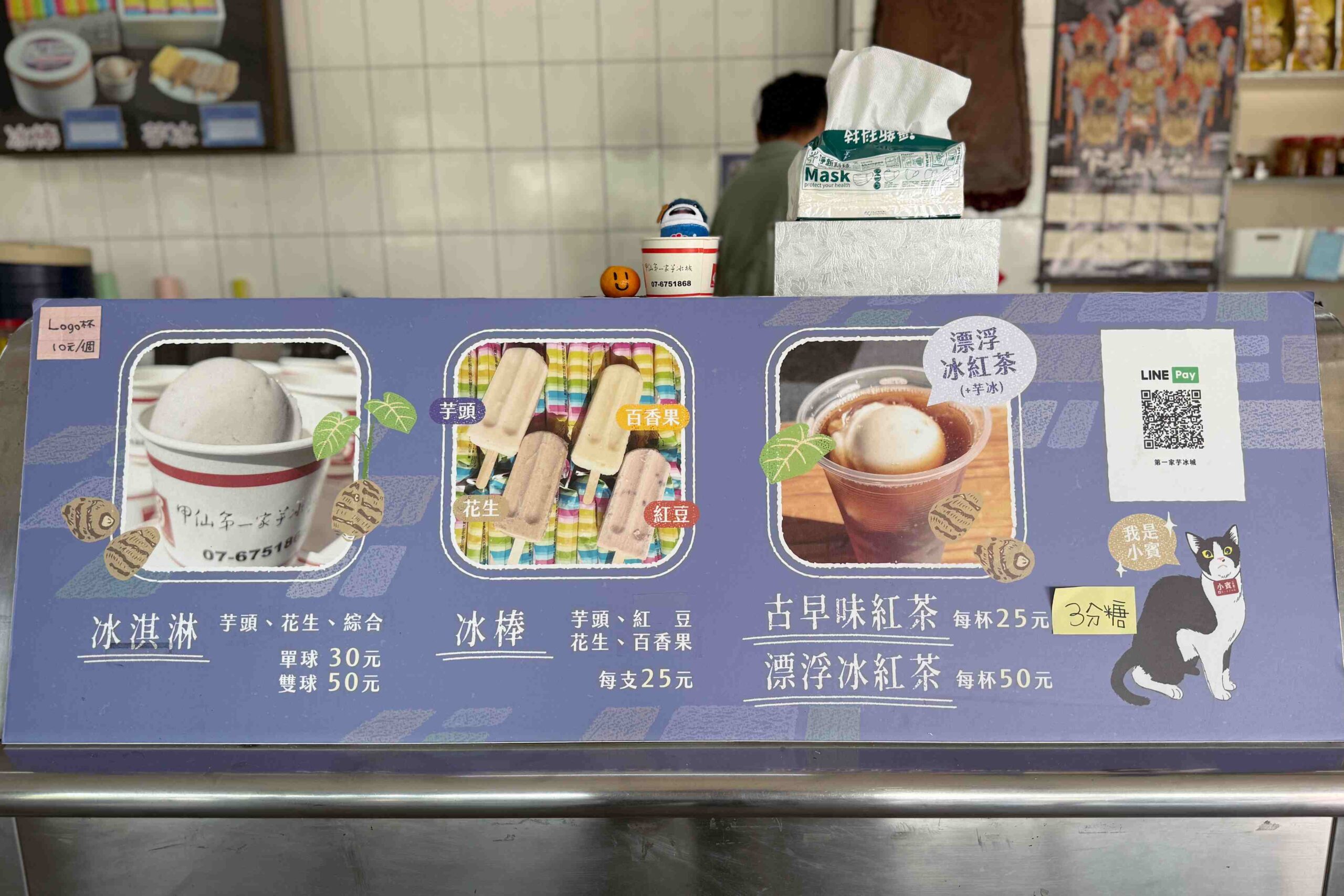
Their signature creation, Black Tea with Taro Ice Cream, is especially popular—a perfect pairing of classic Taiwanese black tea with a scoop of creamy taro ice cream, offering both refreshment and pure happiness in every sip. Beyond ice cream, I also loved their crispy taro chips, delicately glazed with honey for a subtly sweet and fragrant crunch. Absolutely delicious!
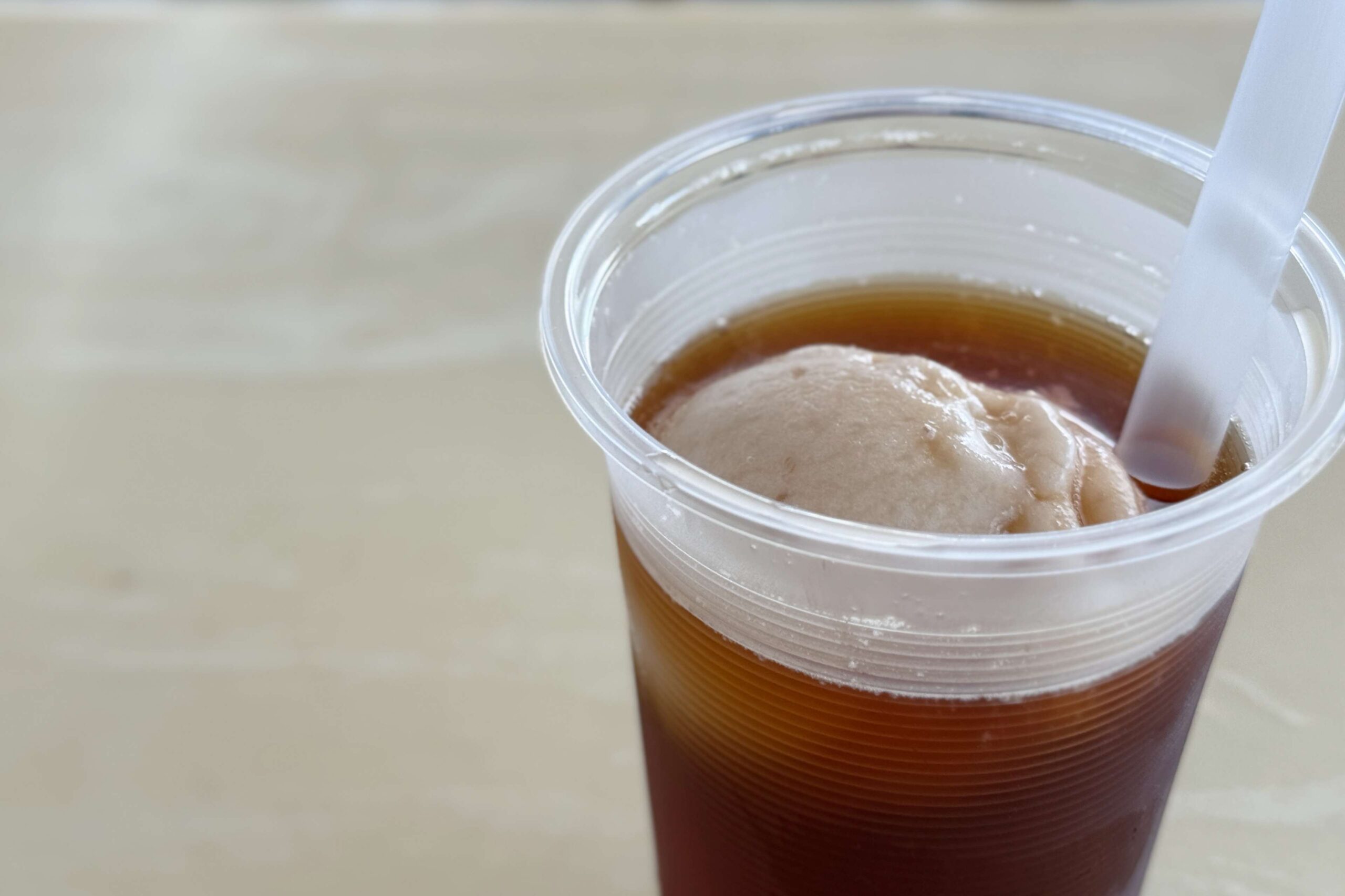
The First Taro Ice Cream Shop

Opening Hours: Weekdays 0900-1800; Weekends 0830-1800.
No. 102, Wenhua Rd., Jiaxian Dist., Kaohsiung
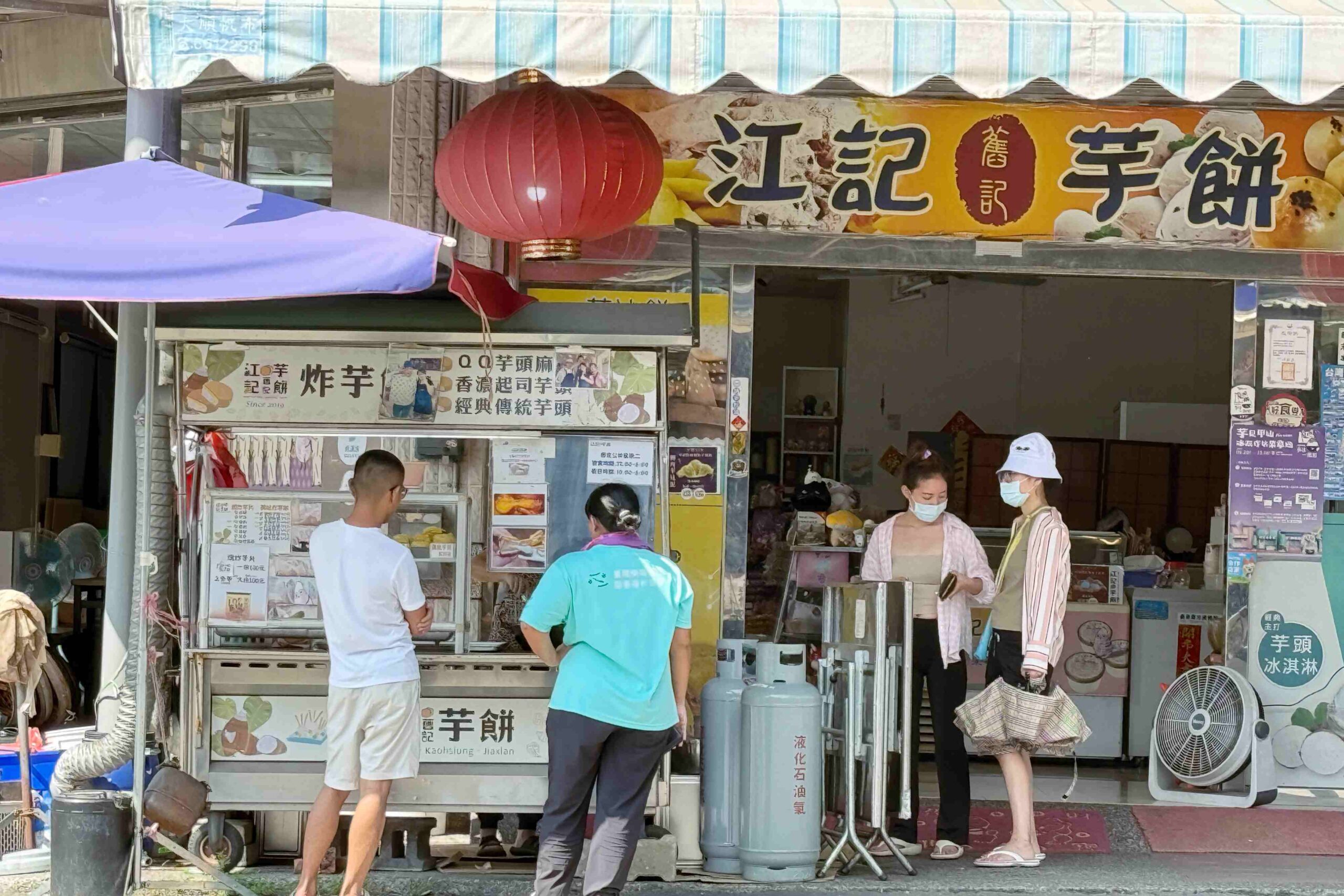
03|Jiang Ji Taro Pastry
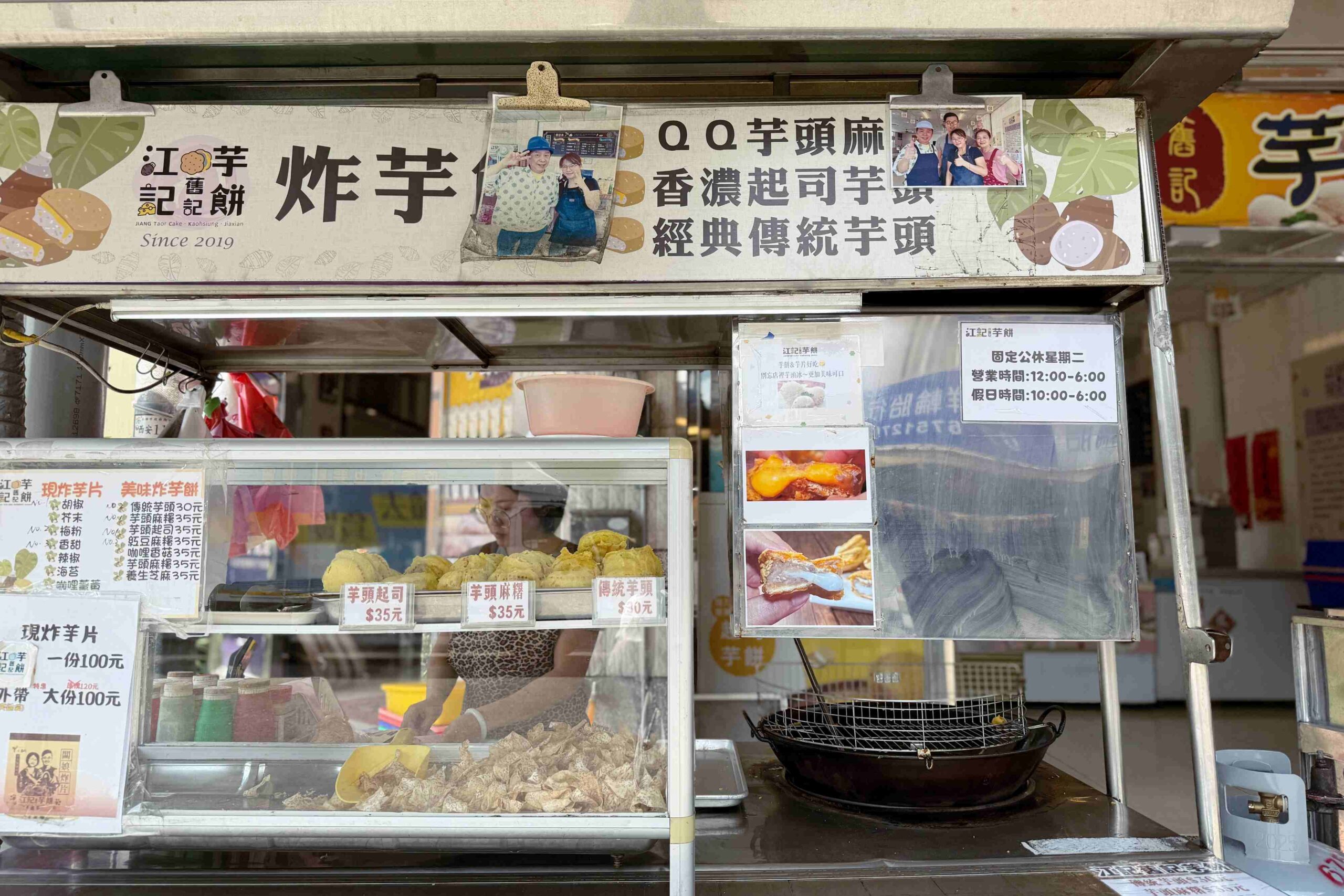
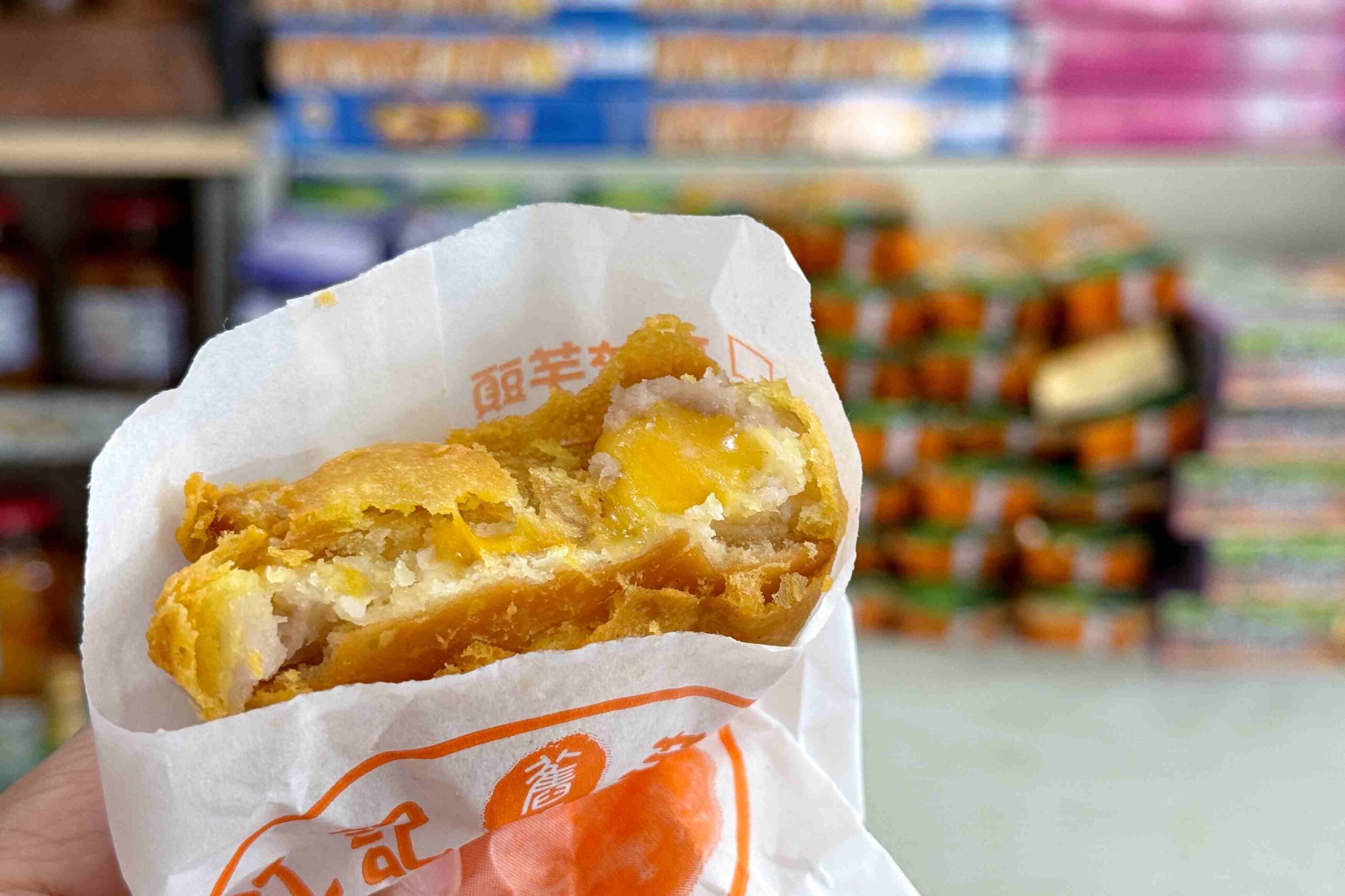
Located along Jiashan’s Taro Ice Cream Street, Jiang Ji Taro Pastry is a creative new brand that gives a modern twist to traditional taro pastries. The young owner returned to his hometown to start the business, and the shop’s name cleverly combines the family surname “Jiang” with the phrase “Old-Fashioned” (Jiu Ji), symbolizing both the inheritance of his father’s craftsmanship and the creativity of a new generation. Their signature item, Cheese Taro Pastry, is a crowd favorite—the crispy outer crust gives way to a soft taro filling with gooey, stretchy cheese inside. At just NT$35 each, it’s an incredible bargain and easily my top pick from this trip to Jiasian!
Jiang Ji Taro Pastry

Opening Hours: Weekdays 1200-1800; Weekends 1000-1800, closed on Tuesday.
No. 88, Wenhua Rd., Jiaxian Dist., Kaohsiung
◦ Flying Over Taiwan
*All aerial photography operations are conducted within legal airspace. During flight, regulations stipulated by the Civil Aviation Law are strictly followed, maintaining the required distance from buildings and crowds. Zooming and post-production techniques are used to ensure compliance, making the flights fully legal.
*Anyone citing these images and text must provide proper attribution. Unauthorized or illegal use of the images and text is prohibited and may result in legal liability.
◦ Other Areas in Kaohsiung
➤ Linyuan | Jellyfish Can Stand on Their Heads?
➤ Nanzih | A Land of Scholars and Prosperity
➤ Neimen | A Town Renowned for its Traditional Folk Arts