
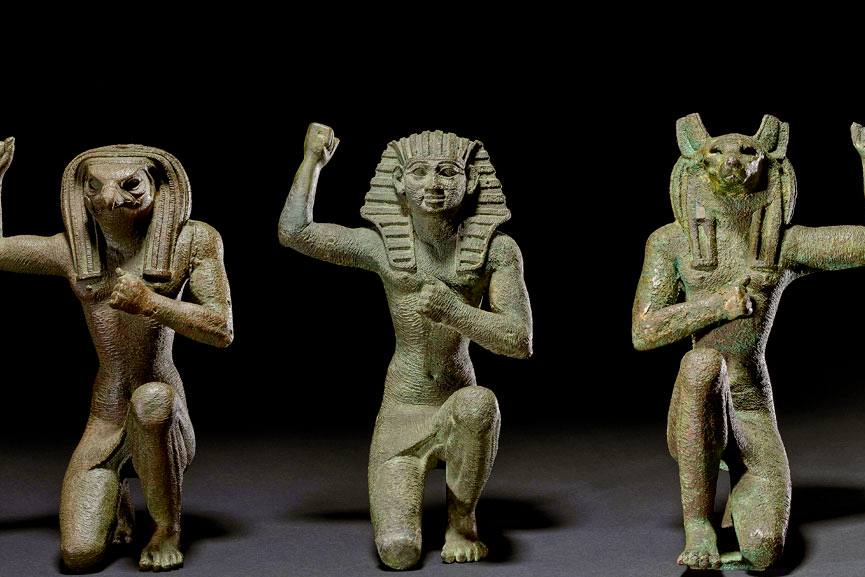
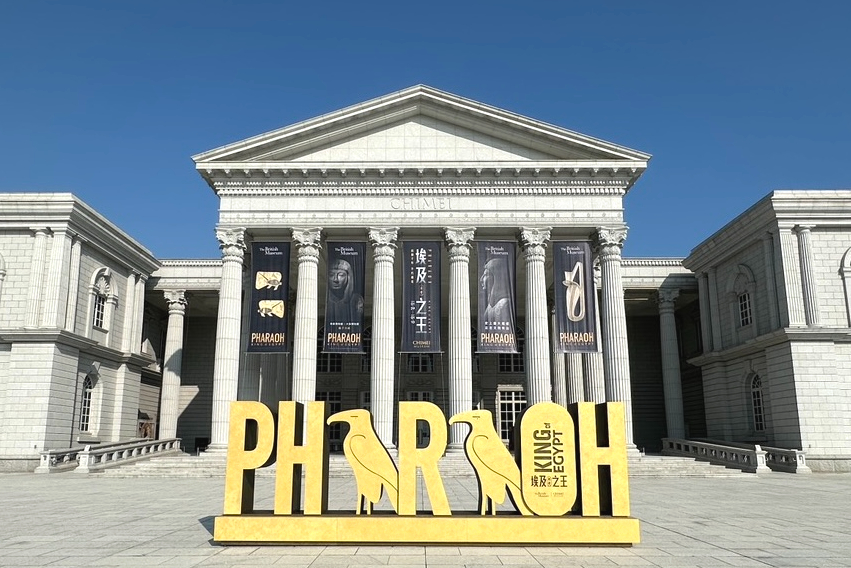
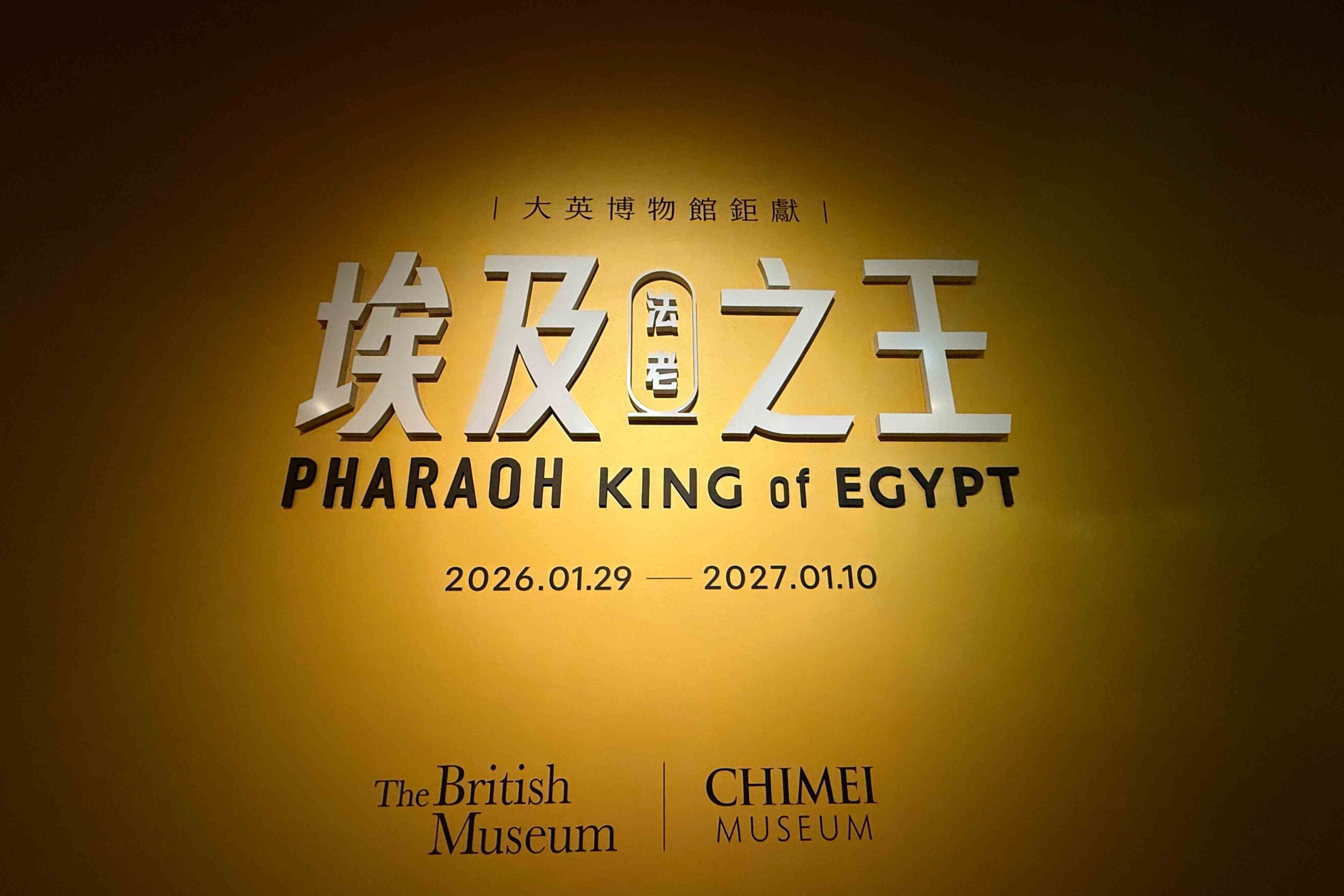
Pharaoh Kings of Egypt is truly spectacular. This special exhibition is a collaboration between the Chimei Museum and the British Museum, bringing together 280 artifacts, making it the largest exhibition of Egyptian pharaonic treasures ever held in Taiwan. I visited Egypt in 2023 and thought I had already seen most of what there was to see. I expected to stroll through this exhibition with a calm, casual mindset—but I still ended up staying from opening until closing time, reluctant to leave.
If you’re planning a future trip to Egypt to explore its ancient civilization, feel free to visit “Egypt Series.” There you’ll find the Cairo museum itinerary I organized, along with must-see temples and iconic historical sites.
Contents
◦ Tickets
🎫 Permanent & Special Exhibition Ticket
🎫 Wednesday Art Access Ticket
🎫 VR Immersive Adventure: The Lost Pharaoh
◦ Wednesday Closed-Day Experience
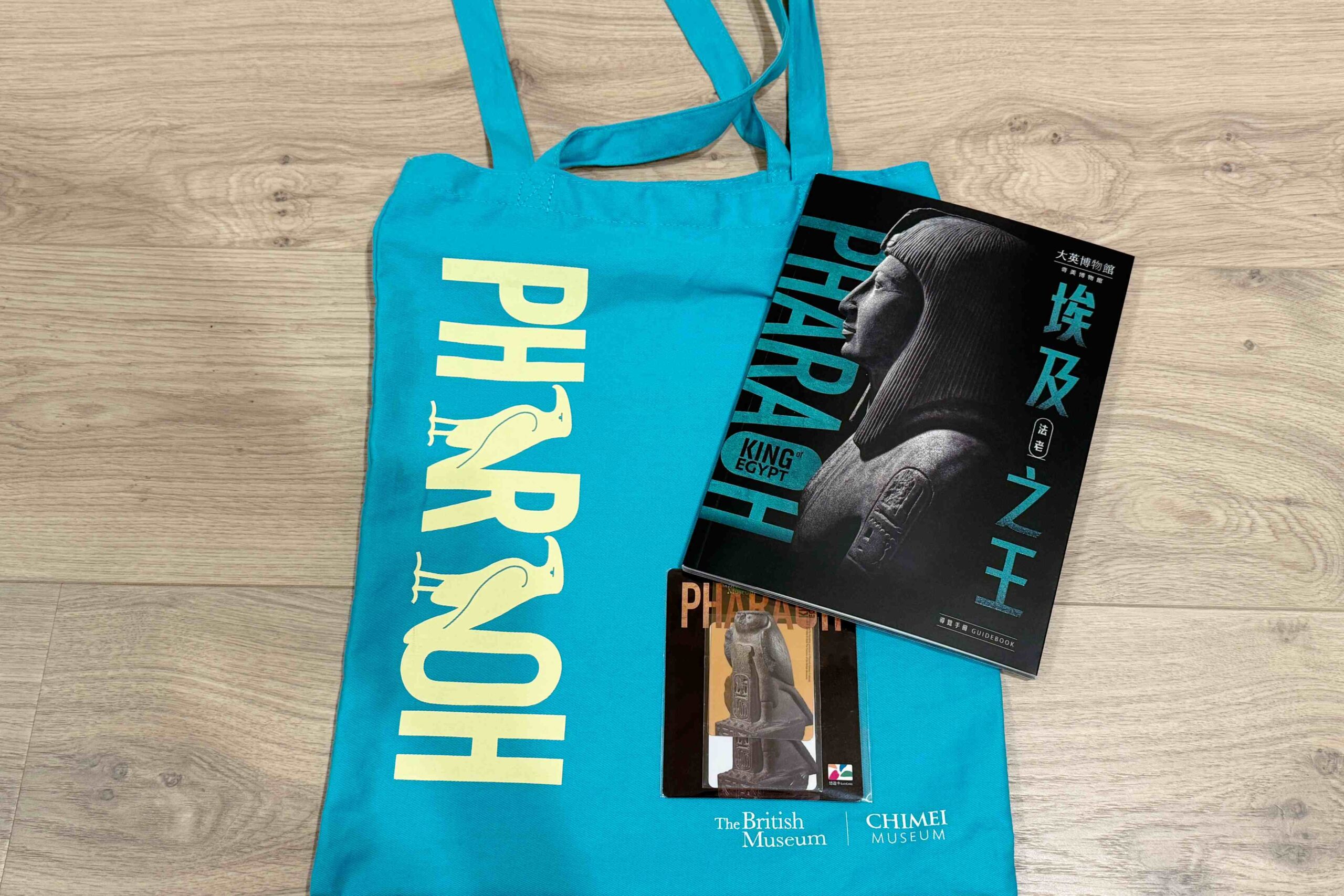
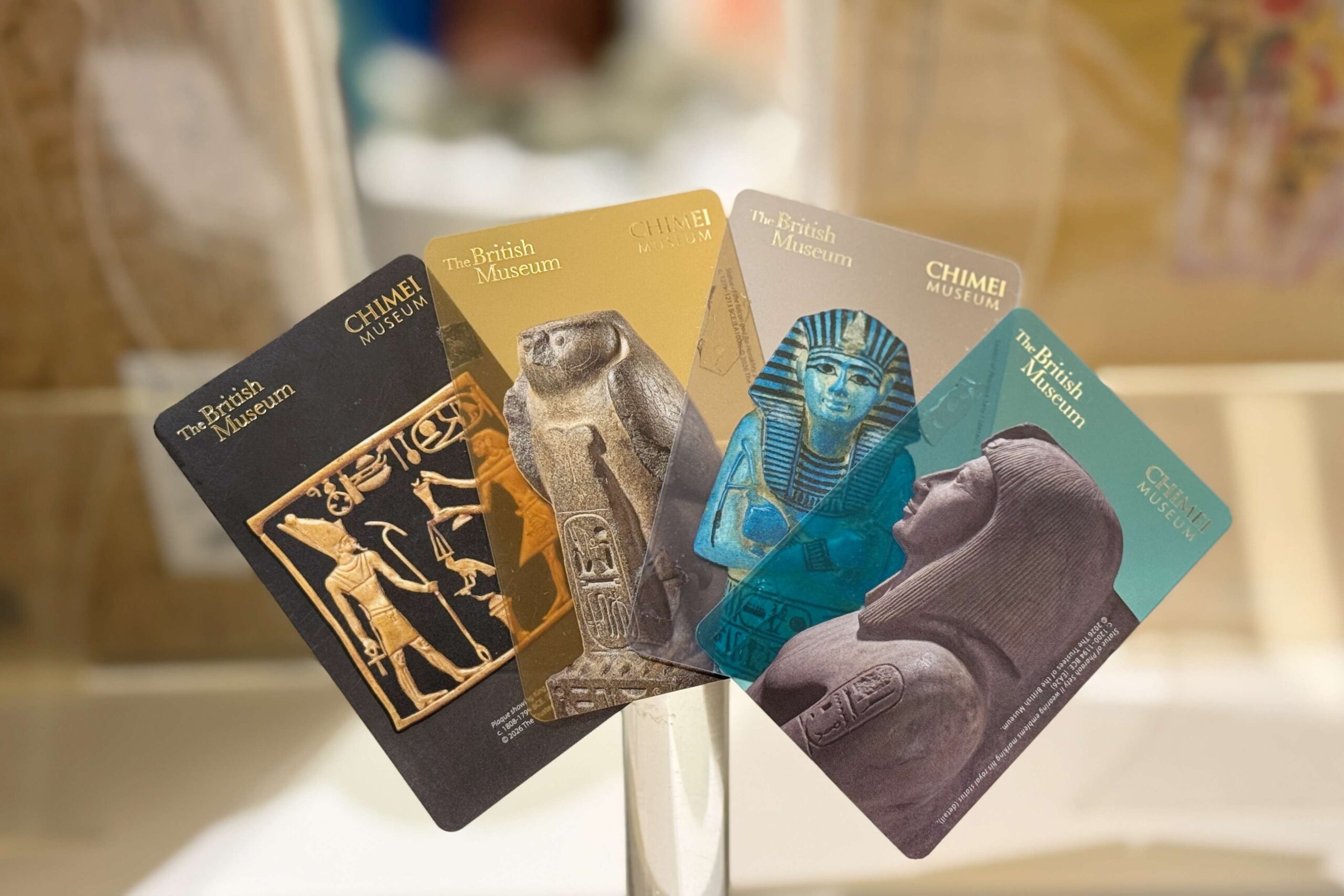
Because Egyptian artifacts are incredibly popular in Taiwan, I secured the “Wednesday Art Access Ticket” as soon as it went on sale last October, hoping for a better exhibition experience. After visiting, I can only say that decision was absolutely the right one! The museum offers one Wednesday closed-day session each month, which has far fewer visitors compared with regular days. It feels like there are some people around, but it never gets crowded. The restaurant and interactive experiences also have much shorter wait times. In addition, ticket holders receive:
01|An exclusive Wednesday exhibition lecture
02|A commemorative EasyCard for the special exhibition
03|An exhibition guidebook
04|A tote bag
05|A discounted on-site price of NT$500 for the VR experience The Lost Pharaoh
(regular price NT$800)
06|Free admission to the permanent exhibition on the same day
There are still some tickets available for the second half of the year, so it’s worth considering.
🎫 Wednesday Art Access Ticket
Because the ticket includes the lecture and the VR experience, this special exhibition became incredibly fun! Just how fun was it? Even though we were in the first entry group, three hours had already passed and we still hadn’t even entered the special exhibition hall—we were having so much fun completing the side quests that we were absolutely delighted!
◦ Side Quest 1: A 30-Minute Wednesday-Only “Exhibition Guide Lecture”
From the perspective of “the rebirth of kings,” the presenter introduces several important Egyptian pharaohs and provides an in-depth explanation of the exhibition’s highlights. This helps visitors go beyond simply looking at artifacts and instead understand the stories and meanings behind them, even among a vast sea of ancient objects.
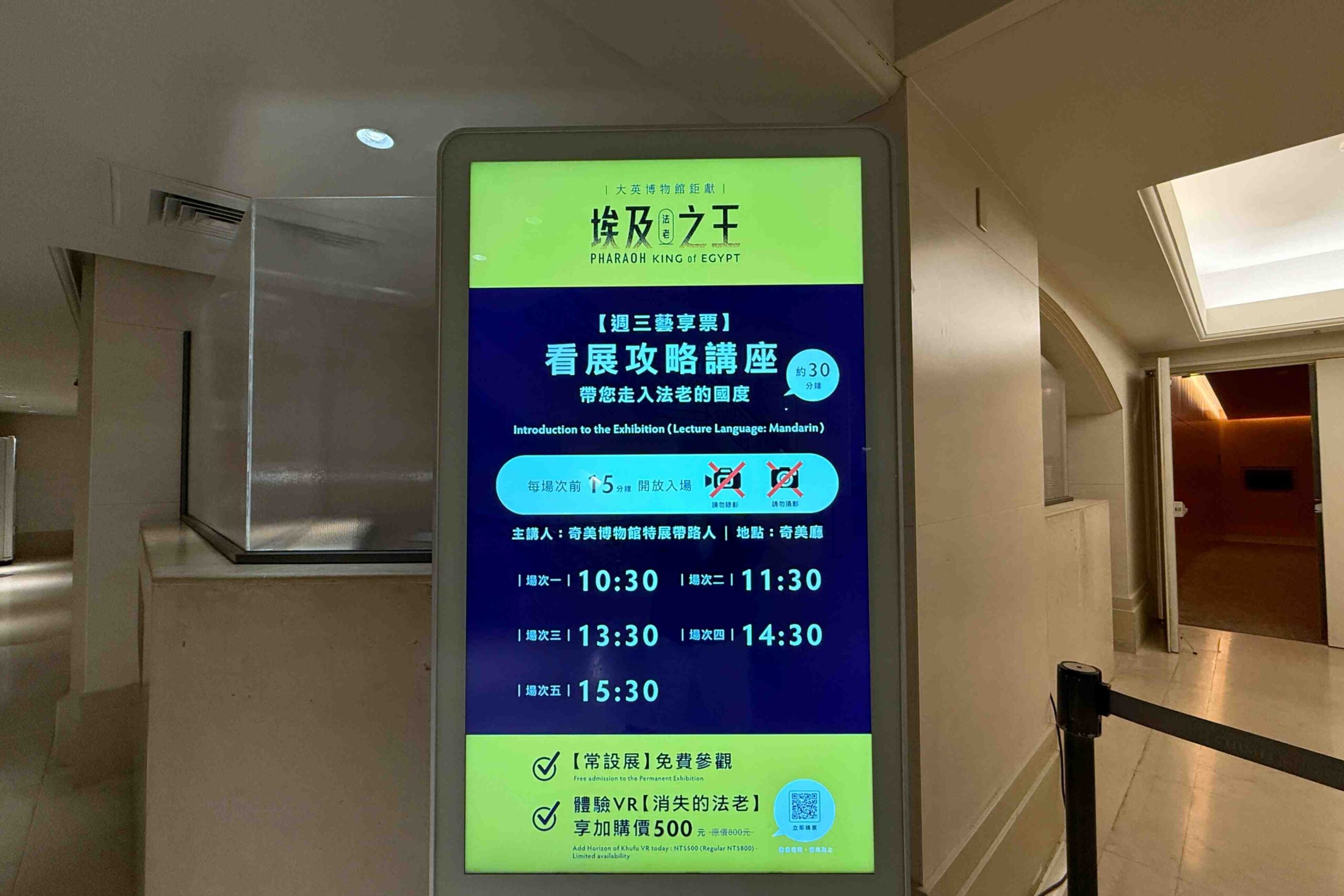
◦ Side Quest 2: A Must-Try! 45-Minute VR Immersive Adventure — The Lost Pharaoh
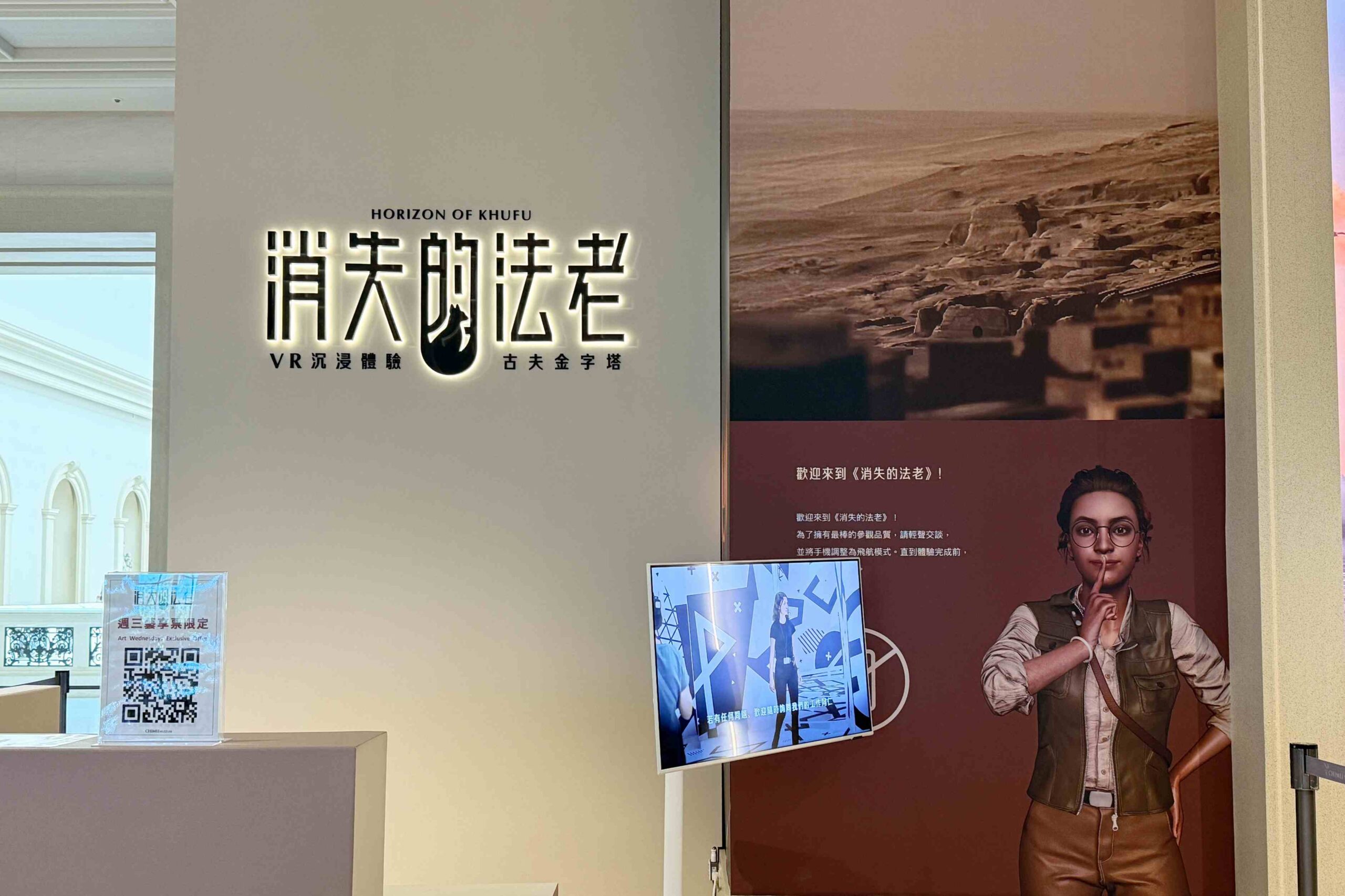
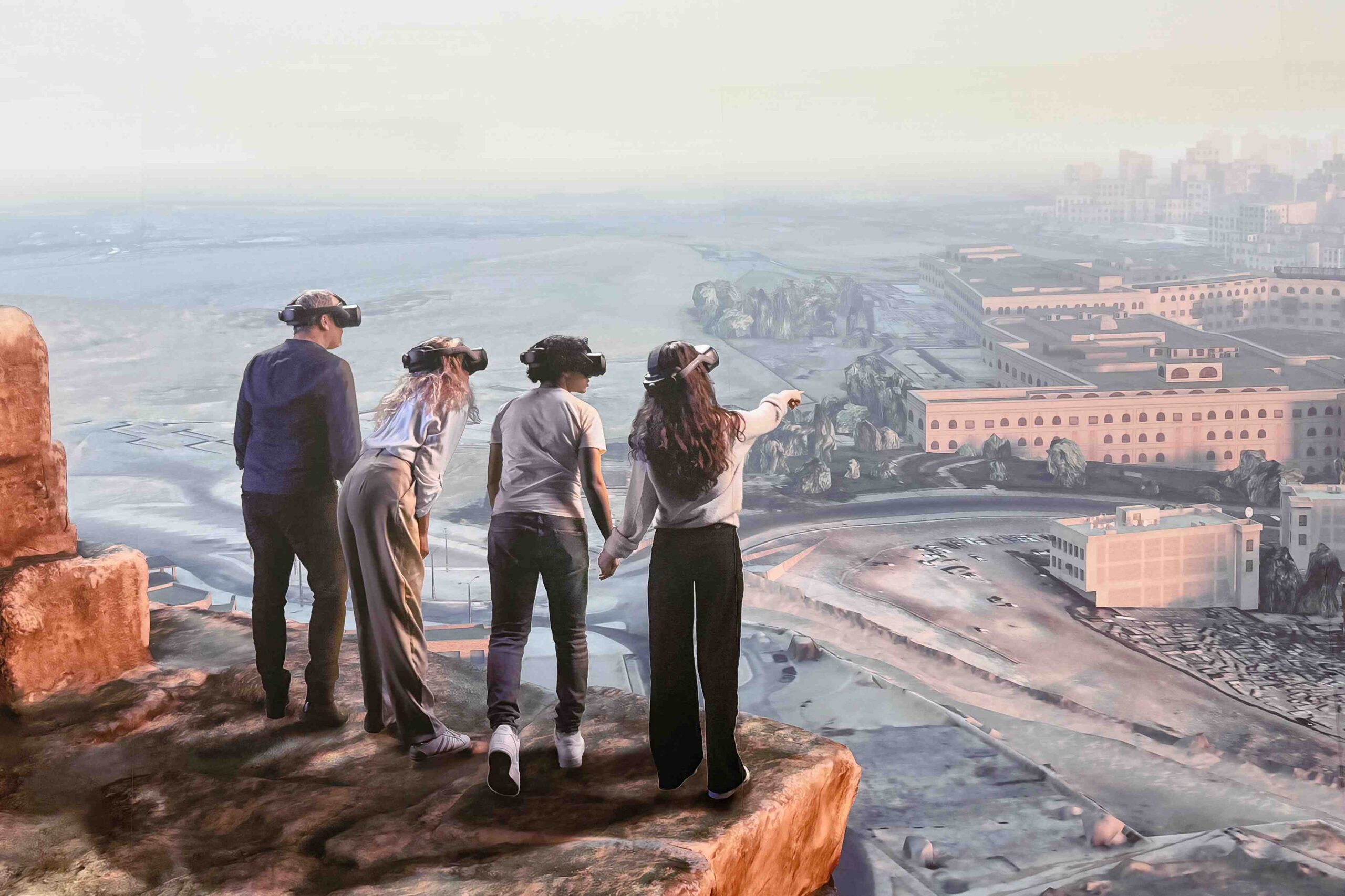
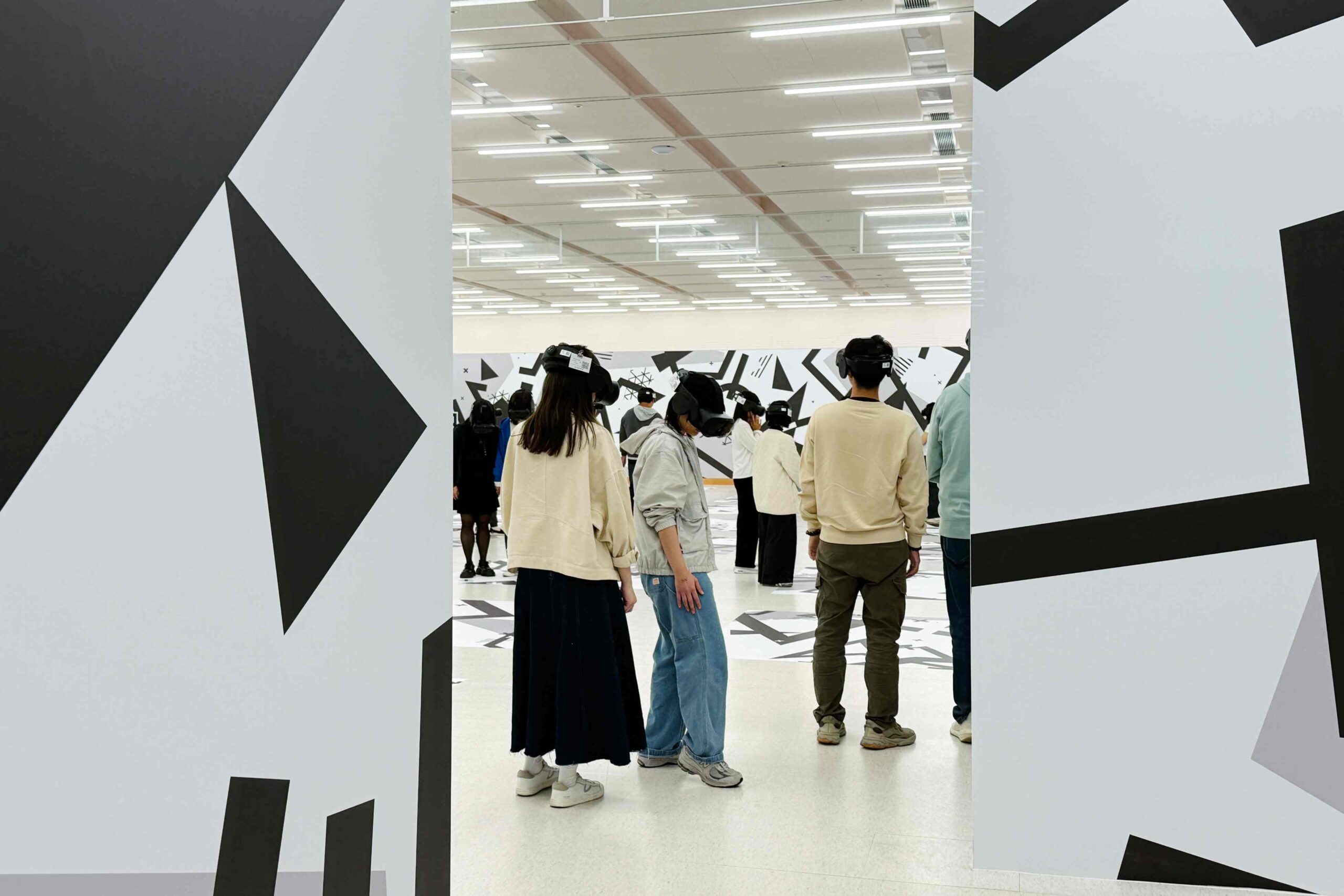
Today’s VR technology is incredibly realistic and powerful. Once you put on the headset, you’ll follow a guide and Bastet, the cat goddess, on an extraordinary journey. You can venture deep into the core of the Great Pyramid of Khufu, climb all the way to the top of the pyramid, and even board the solar boat to witness the funeral of Pharaoh Khufu. If you don’t have heart conditions or claustrophobia, I sincerely recommend giving it a try—it’s absolutely worth the experience!
🎫 VR Immersive Adventure: The Lost Pharaoh
◦ Side Quest 3: Enjoy an Egyptian-Themed Set Meal at the Restaurant Isabati
To complement this special exhibition, the Chimei Museum restaurant Isabati also launched two eye-catching Egyptian-themed dishes: “Pyramid Koshari” and “Pharaoh Dumplings.” Koshari is a common Egyptian street food made with rice and macaroni, topped with tomato sauce and chickpeas. Its tangy and slightly spicy flavor makes it very appetizing.
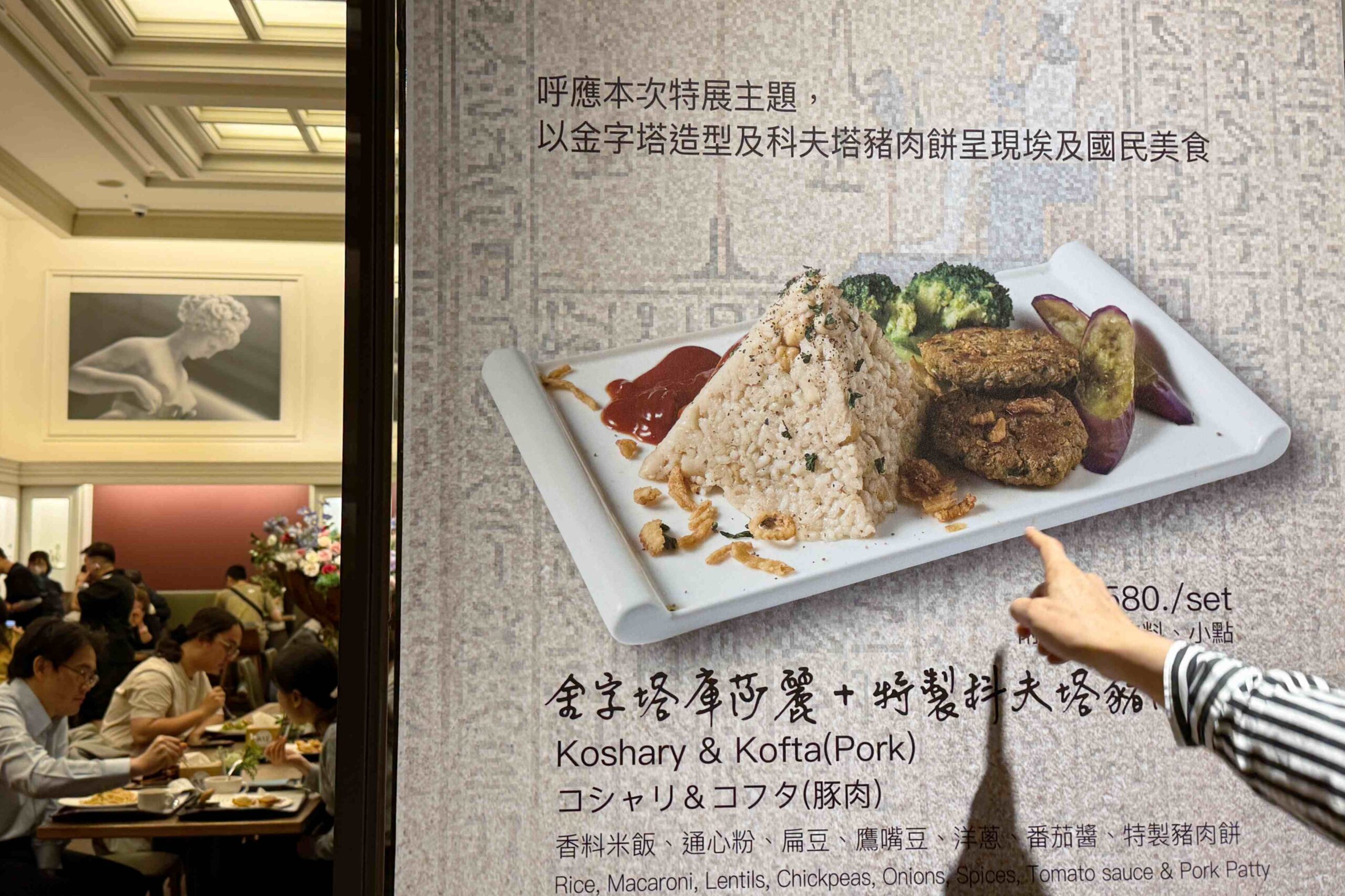
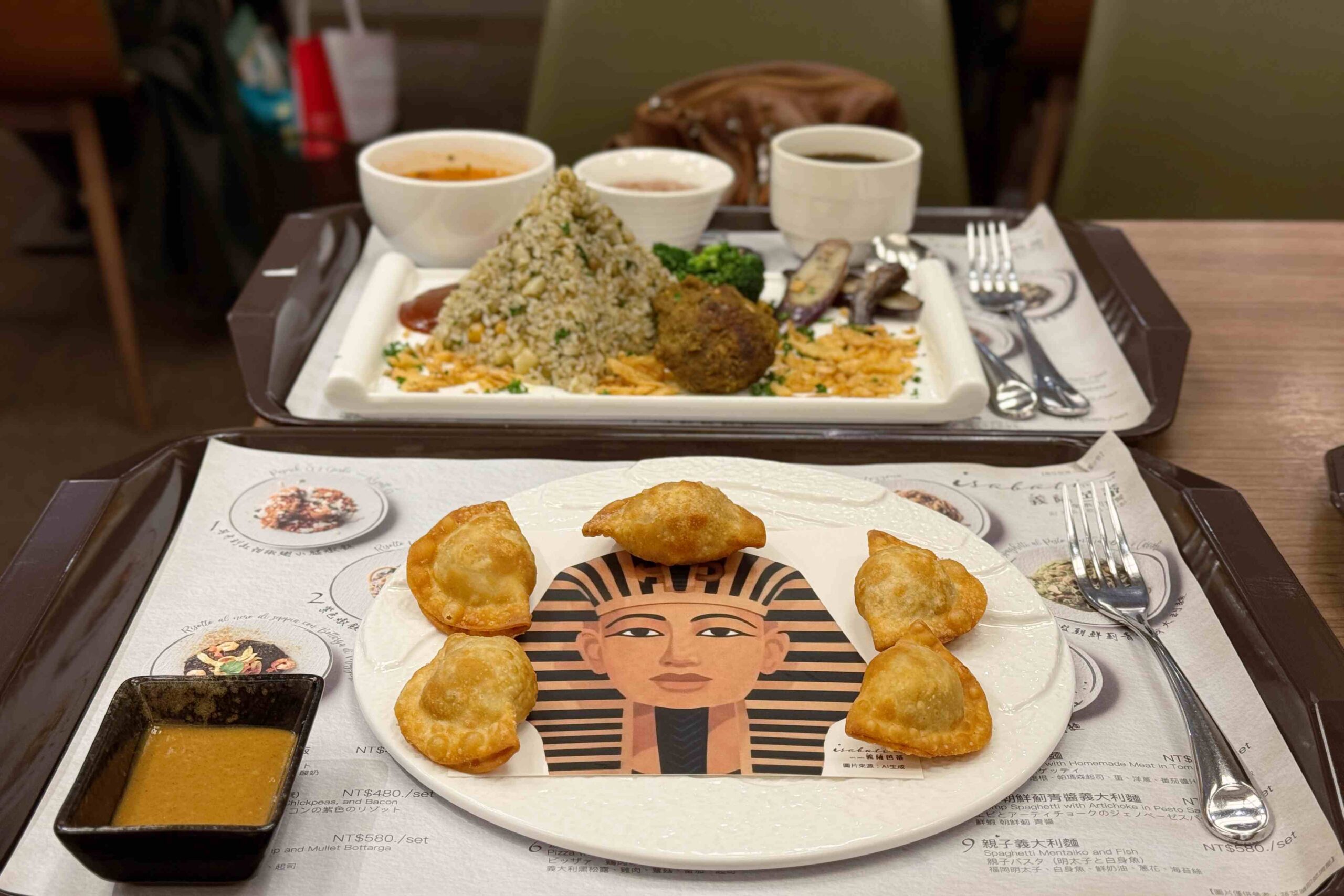
To be honest, since Isabati is primarily an Italian restaurant, its real specialties are still pasta and pizza. The Egyptian-themed dishes are fairly ordinary in terms of flavor, but their creative presentation and novelty make them fun and add a playful touch to the exhibition experience.
After three hours, we finally made our way into the main attraction: the special exhibition Pharaoh Kings of Egypt.
◦ Seven Exhibition Sections
What impressed me most about this exhibition at the Chimei Museum is the high curatorial standard. The 280 artifacts from the British Museum—including monumental statues, exquisite gold jewelry, and diplomatic correspondence—collectively portray the divine authority and identity of the pharaohs. The exhibition is logically structured, narratively focused, and not overloaded with information, which left me with a very positive impression.
01|The Land of the Pharaohs
As you walk down the corridor, guided by soft wave-like lighting, you are greeted by five of the most renowned pharaohs in ancient Egyptian history. Beside the gallery stands a timeline of ancient Egypt, allowing visitors to quickly grasp the basic framework of three thousand years of civilization right from the start.
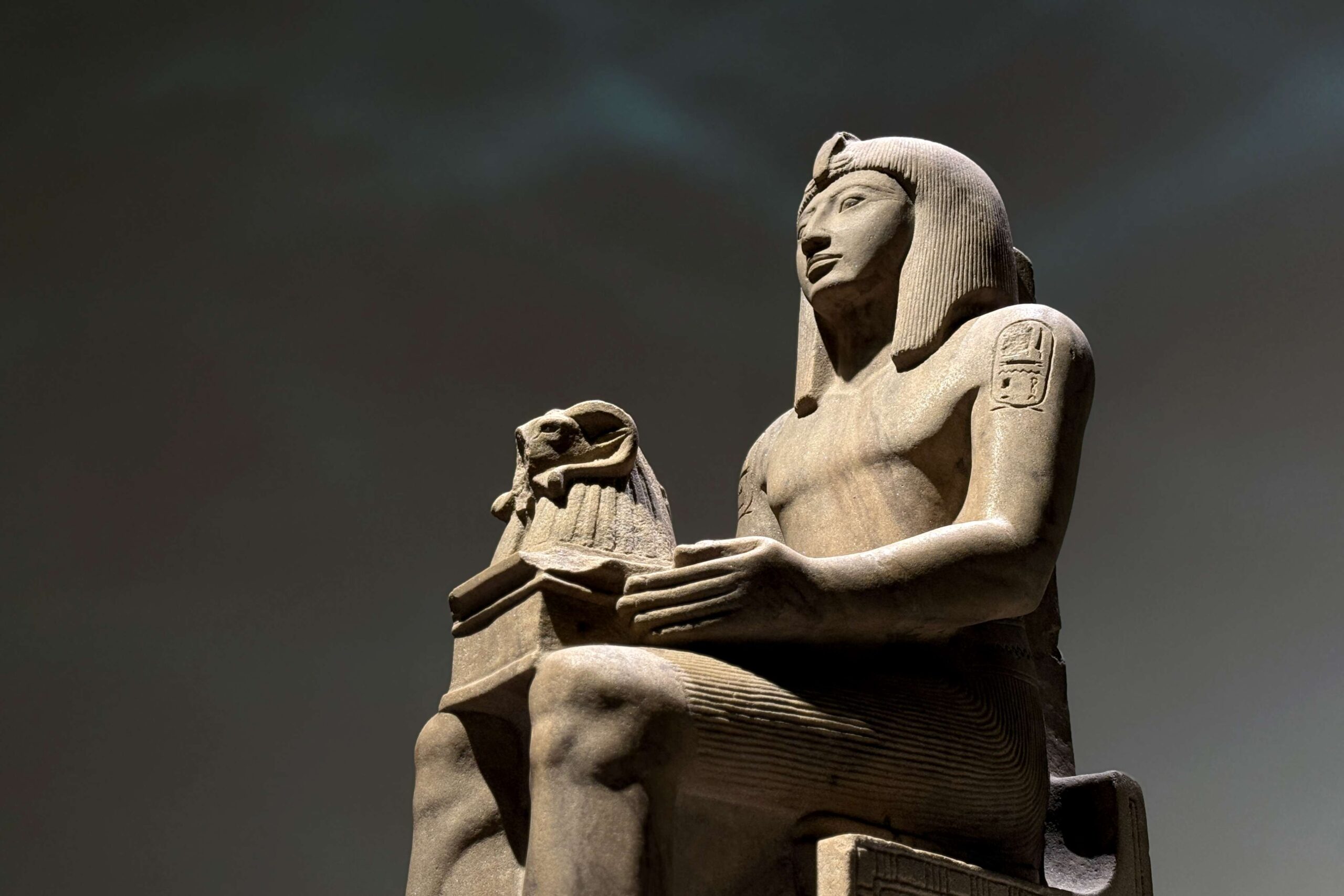
02|Born of the Gods
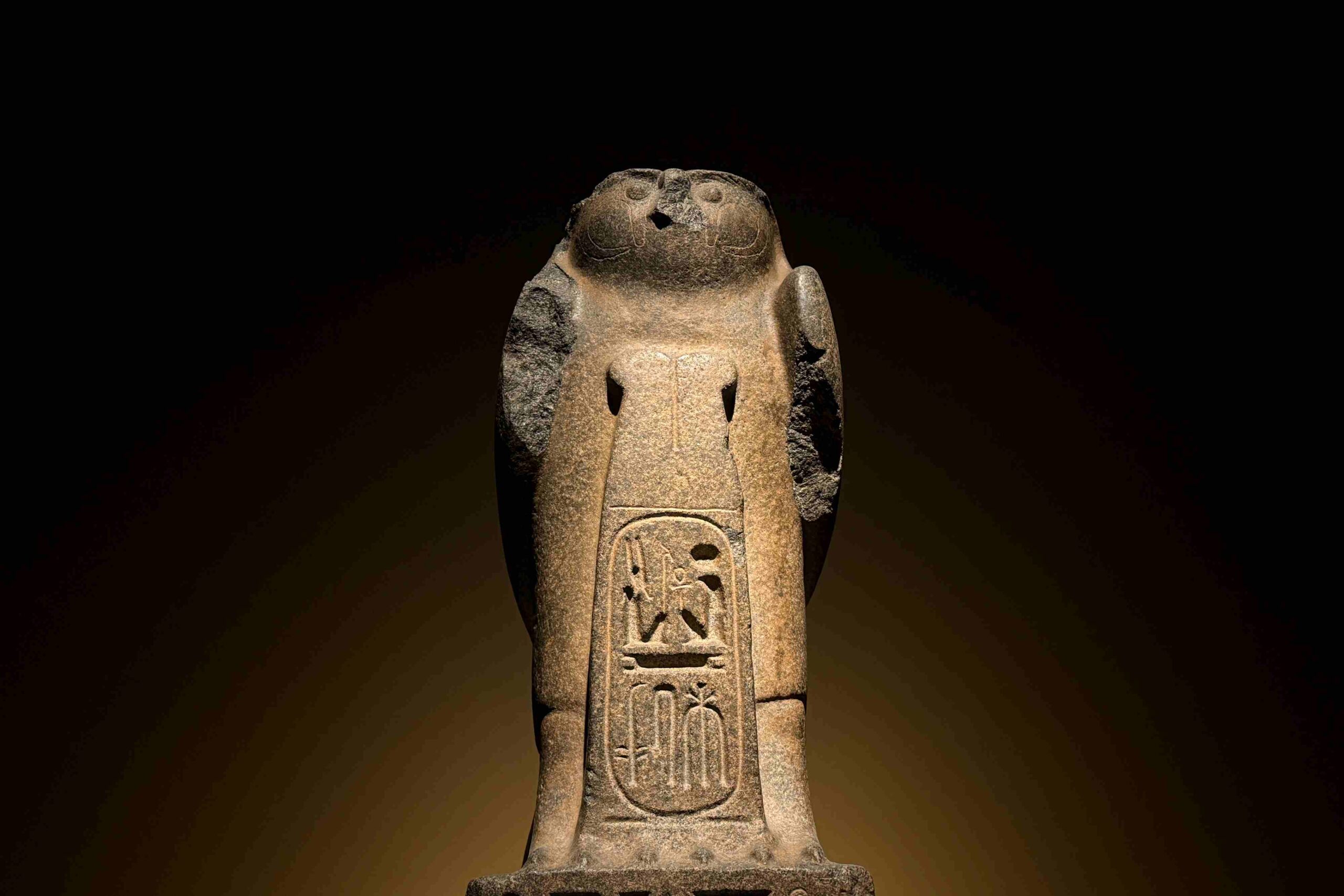
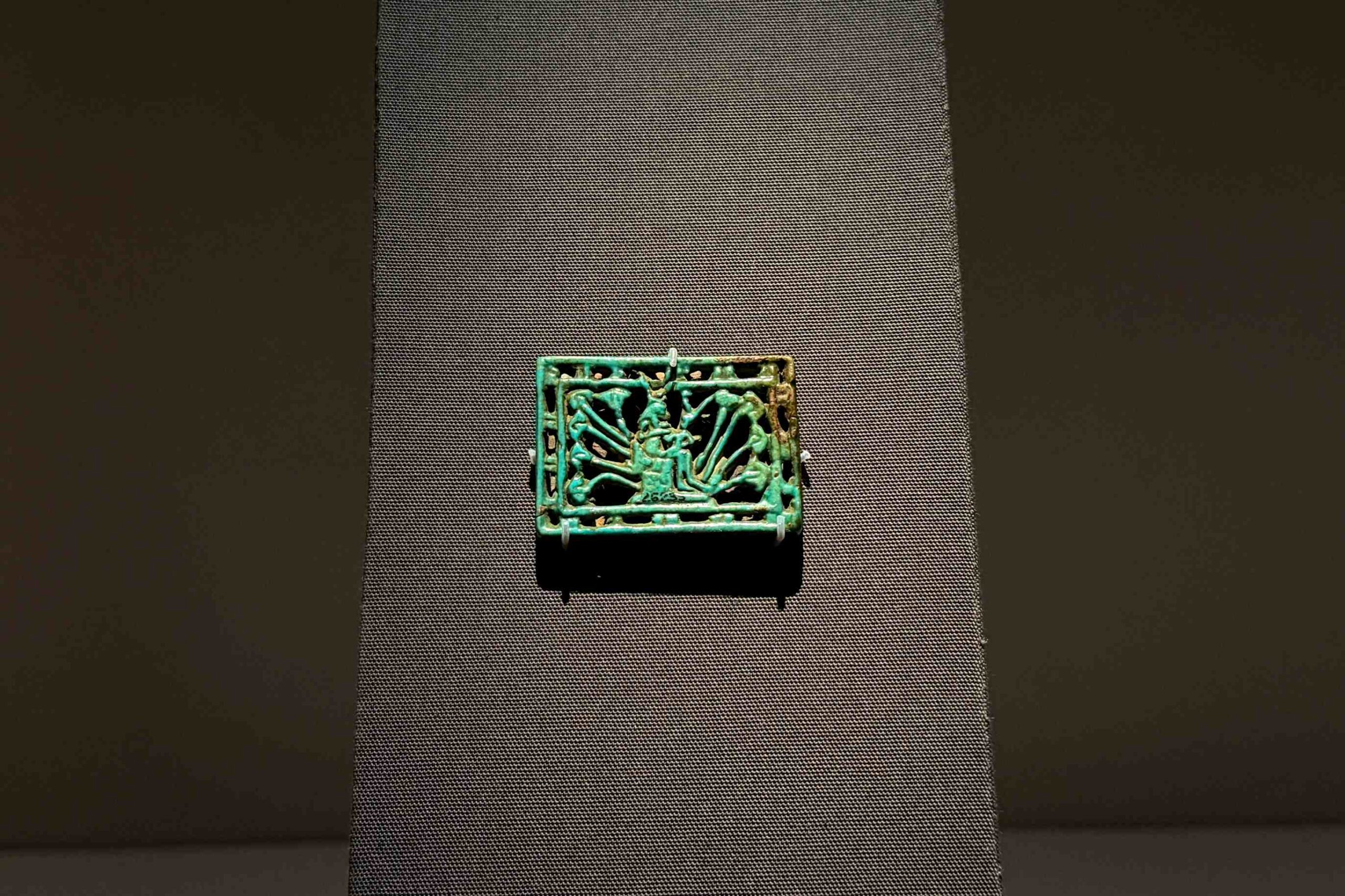
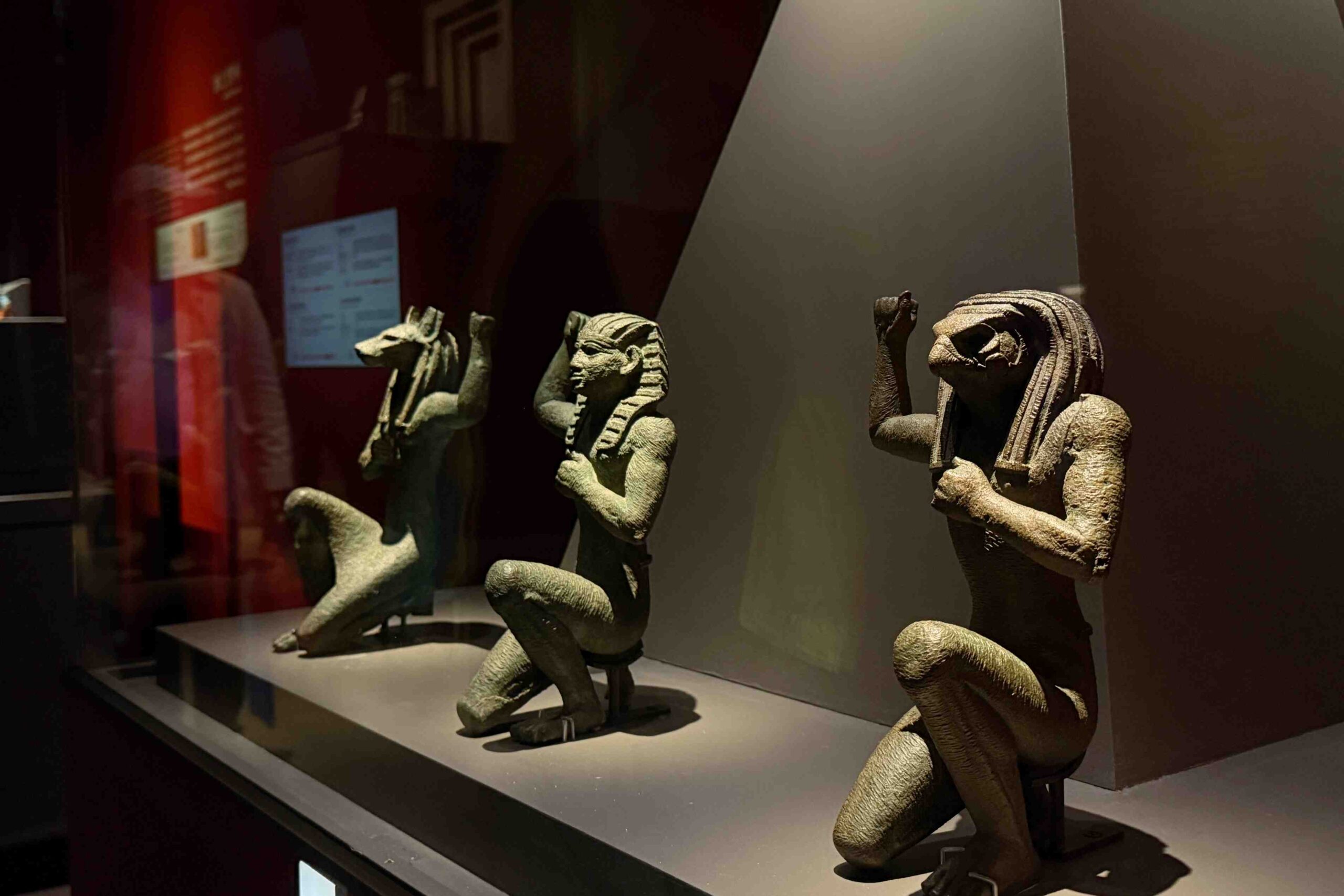
Ancient Egyptians believed that all things were imbued with divine spirits. The pharaoh was not merely a ruler, but the earthly representative of the gods. Through the symbols of various guardian deities, visitors can see the connection between the pharaohs and the divine. For example, the guardian deity of Ramesses II, Ra, is often depicted in the form of a falcon, an image that remains deeply rooted in Egyptian culture to this day.
03|The King as High Priest
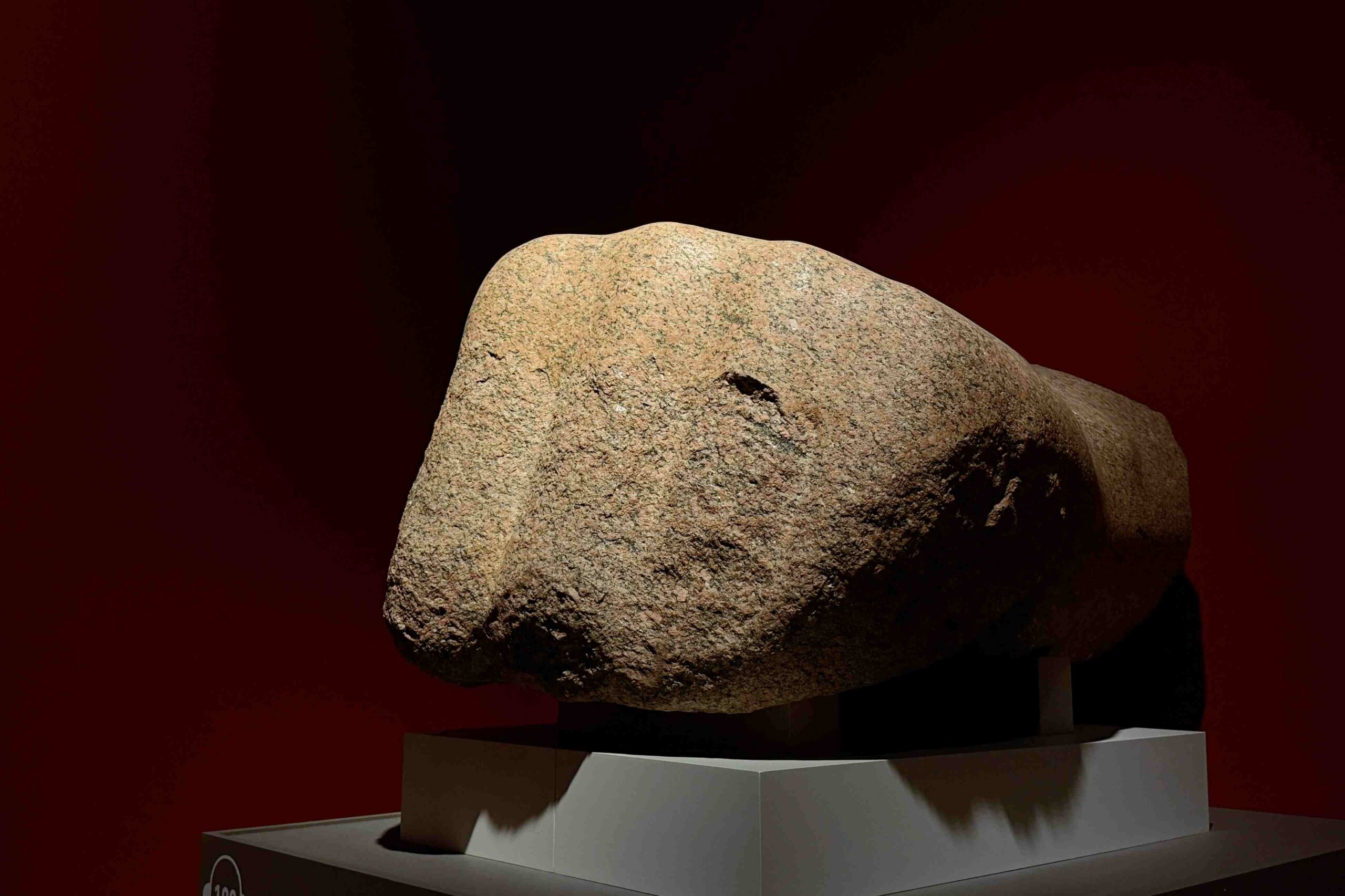
In this section, visitors can see representations of the Sphinx, obelisks, statues of the gods, and the sacred shrine at the heart of Egyptian temples. The two pieces that impressed me most were “The Fist of Ramesses II” and “The Statue of the King Celebrating with the Gods.” The former not only demonstrates the pharaoh’s authority to his people but also symbolizes his role as a priest responsible for protecting the temples. The latter depicts the pharaoh celebrating with the gods, proclaiming the legitimacy of the unification of Upper and Lower Egypt.
04|The Royal Family
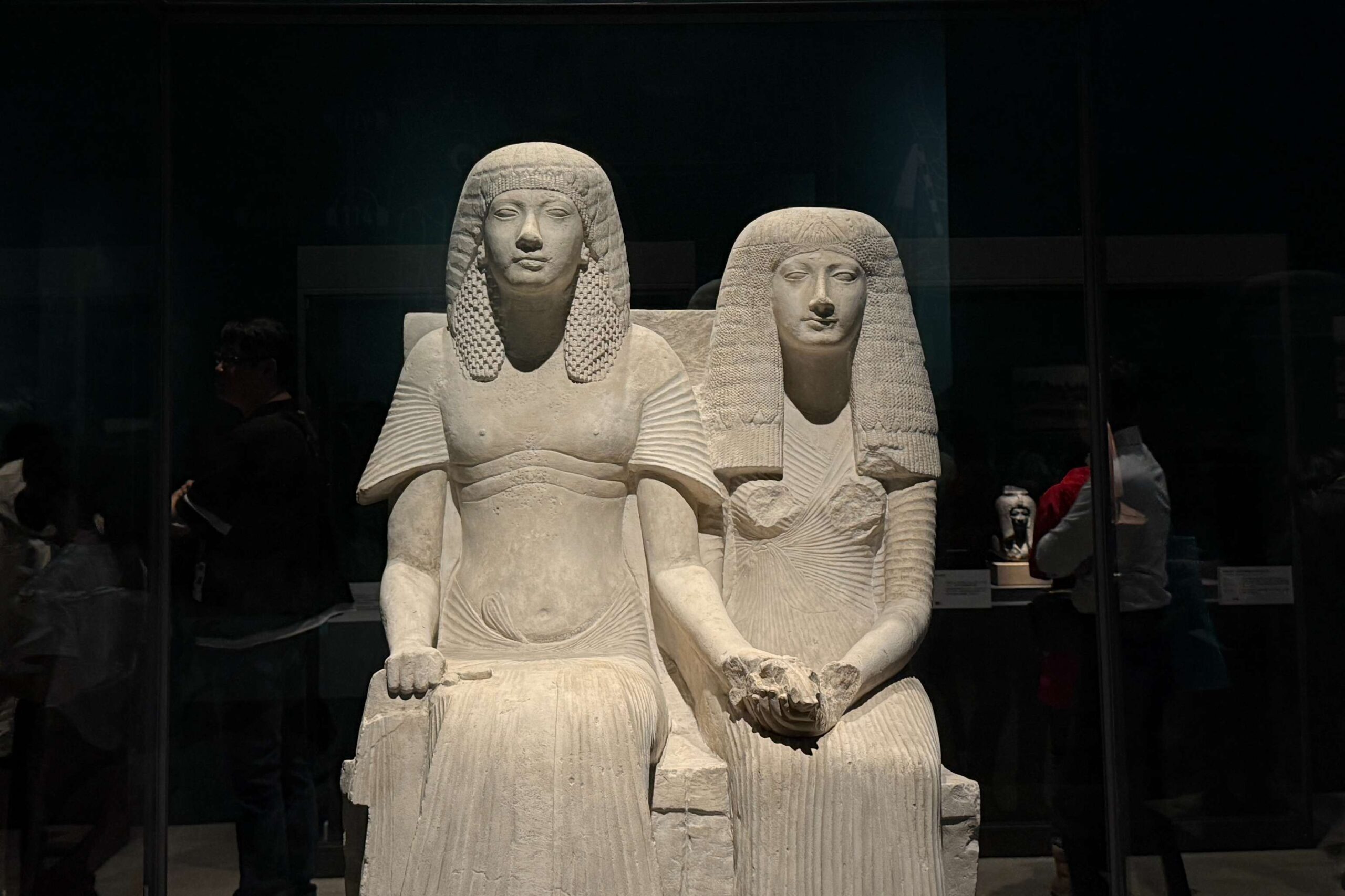
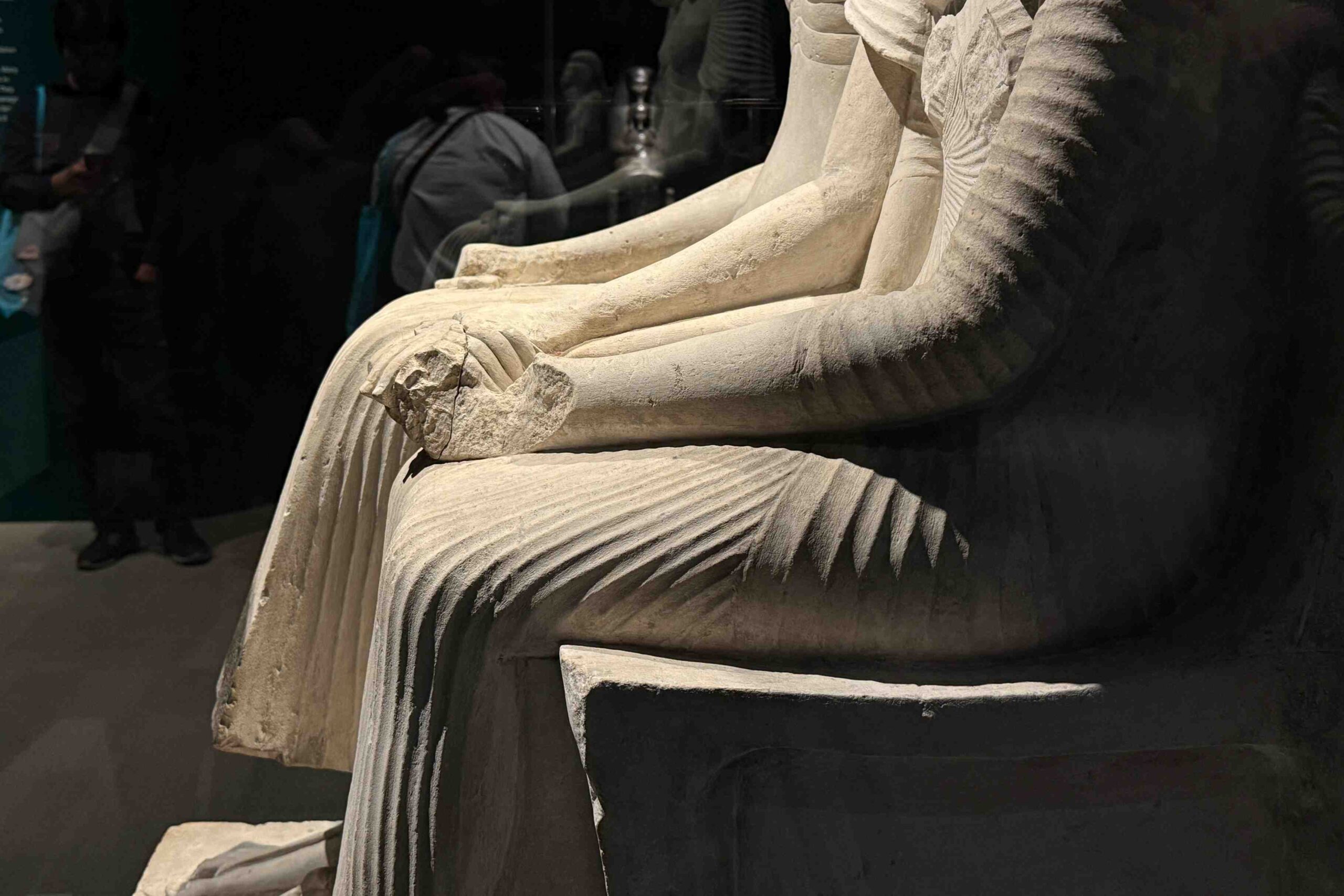
When we talk about the royal family, we are of course referring to the pharaoh’s relatives. The most famous artifact here is “Statue of the Future King Horemheb and His Wife.” Their damaged yet tightly clasped hands represent one of the most touching love stories in Egyptian history.
05|Ruling Egypt
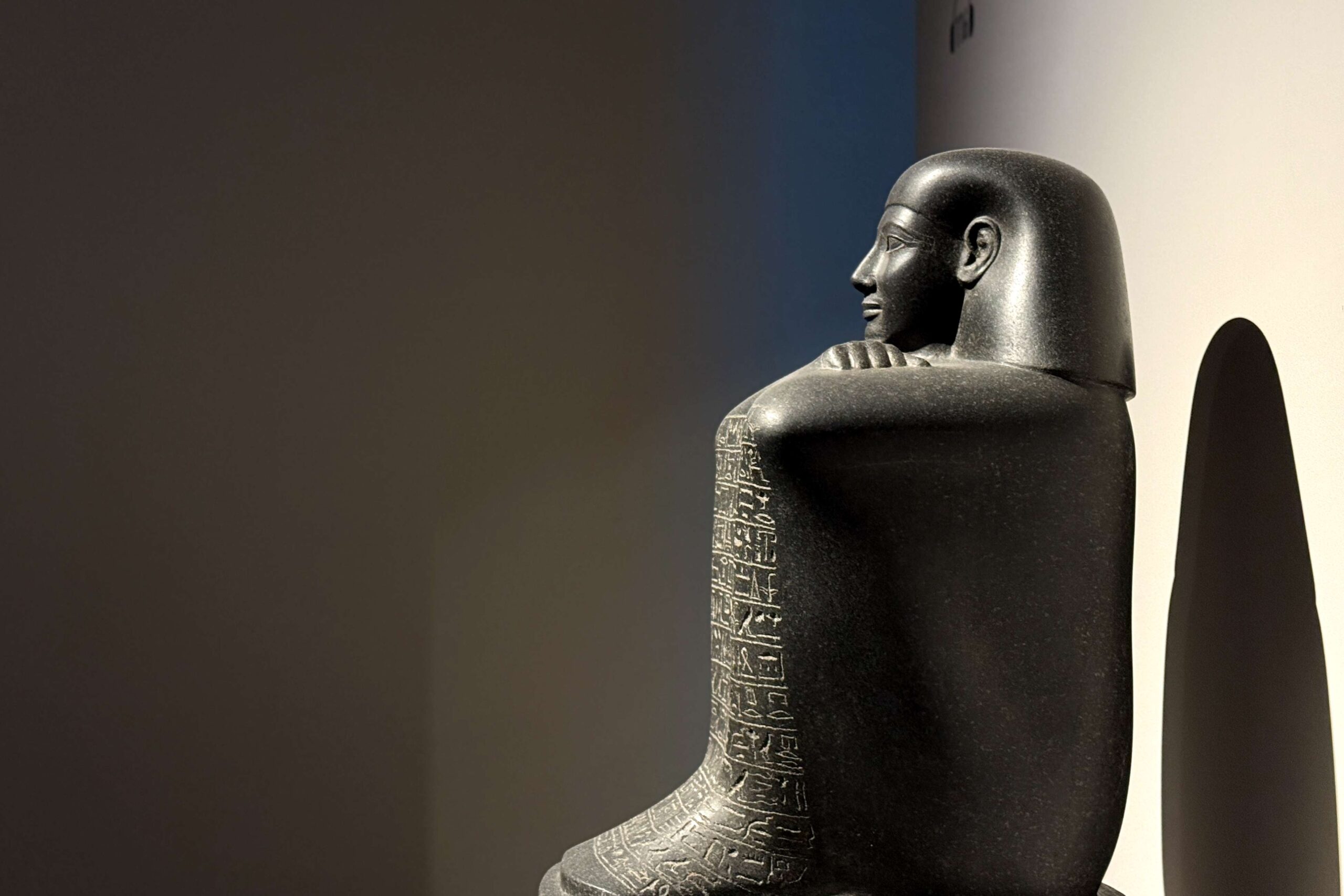
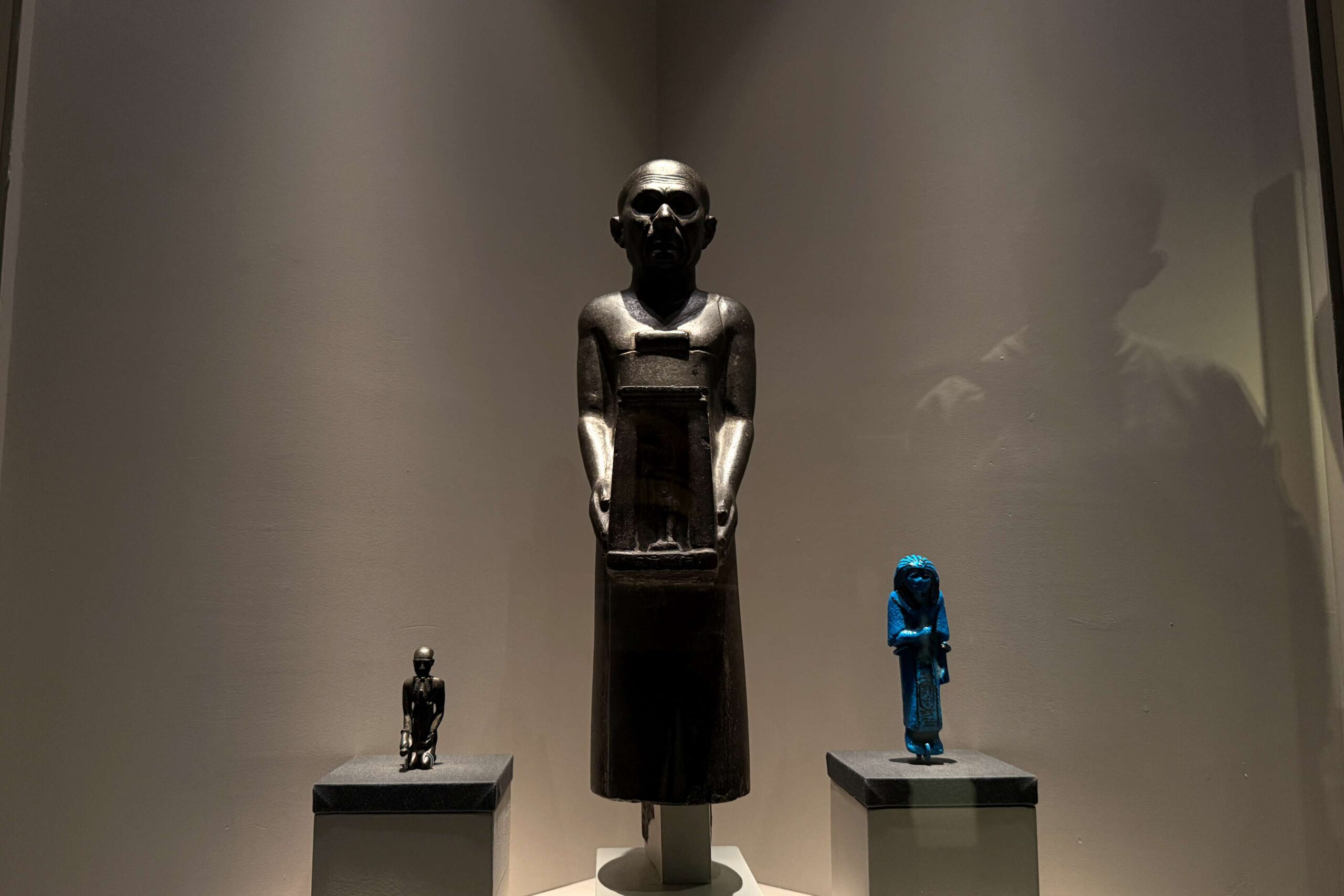
No matter how powerful a pharaoh might be, governing a kingdom still required the support of many officials. In this gallery, you’ll encounter viziers, priests, and high-ranking officials who played key roles in administration. One of my personal favorites is the “Statue of the Official Sennefer.” As a highly influential Treasury Minister, the inscriptions carved in front of the statue are particularly delicate and beautifully crafted.
06|Egypt and the World
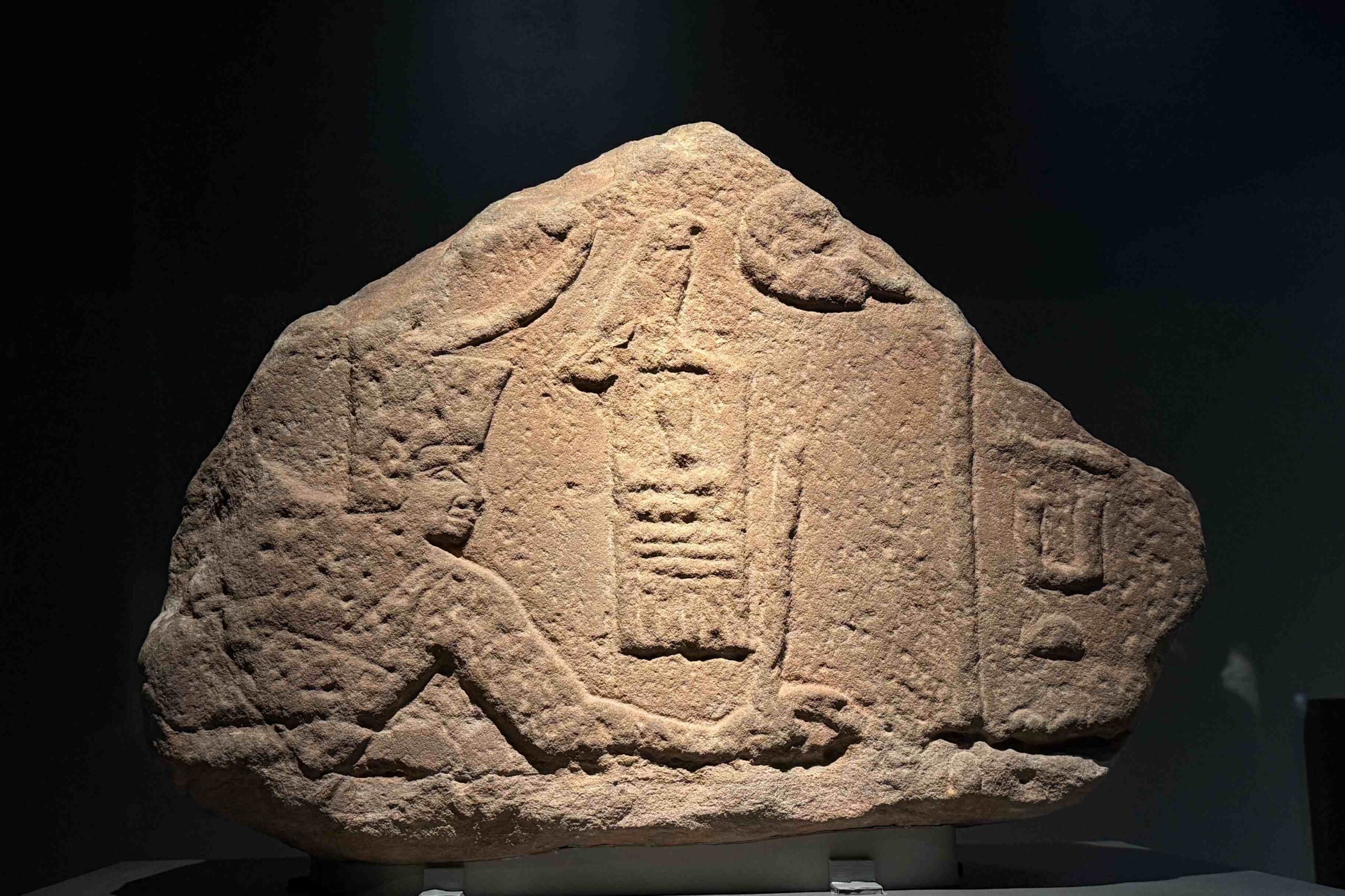
Situated at the crossroads of Africa and Asia, Egypt spent thousands of years engaging in both conflicts and trade with neighboring civilizations. This section features artifacts that celebrate the pharaohs’ military achievements, as well as complaint letters sent by other kings.
07|Eternal Life
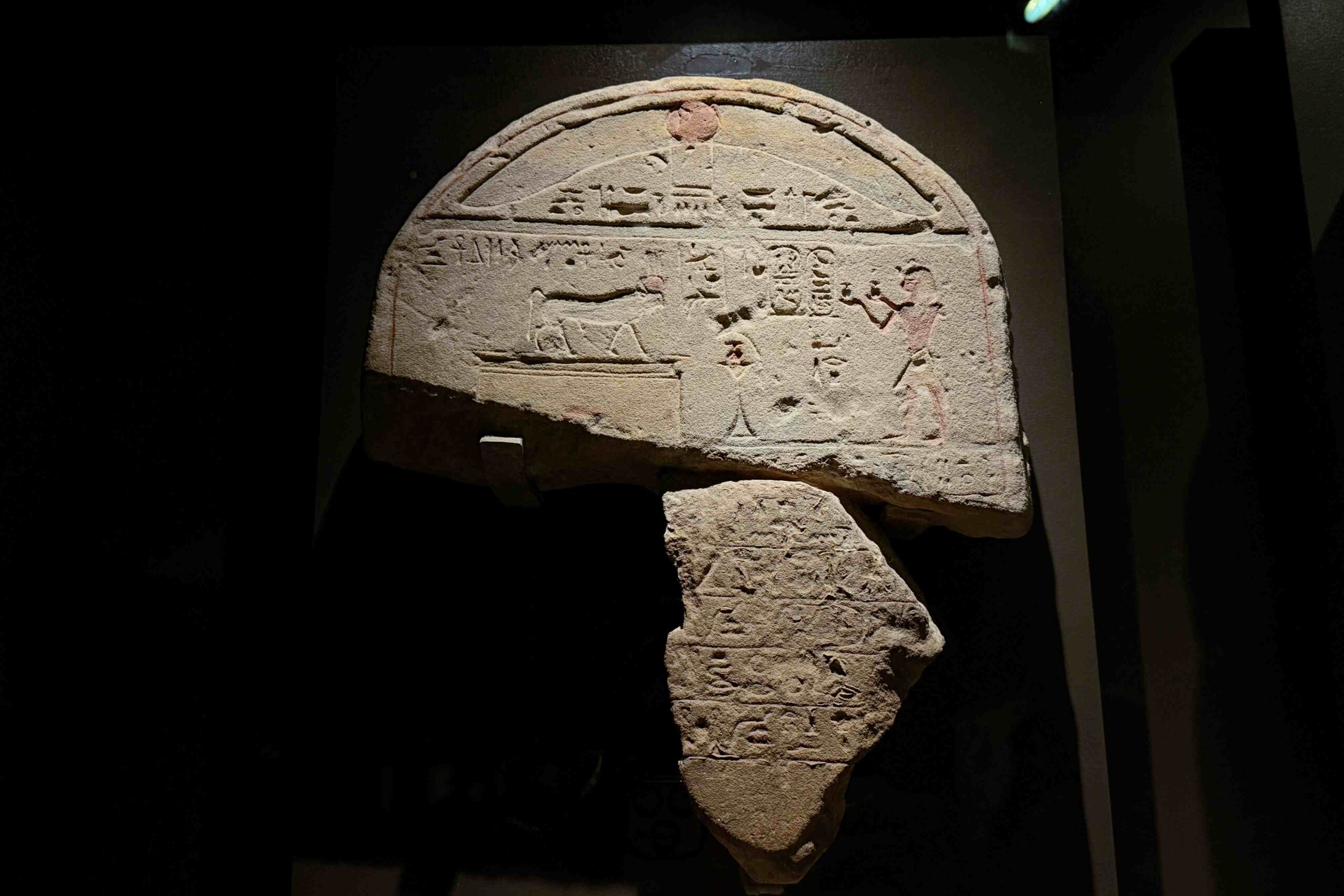
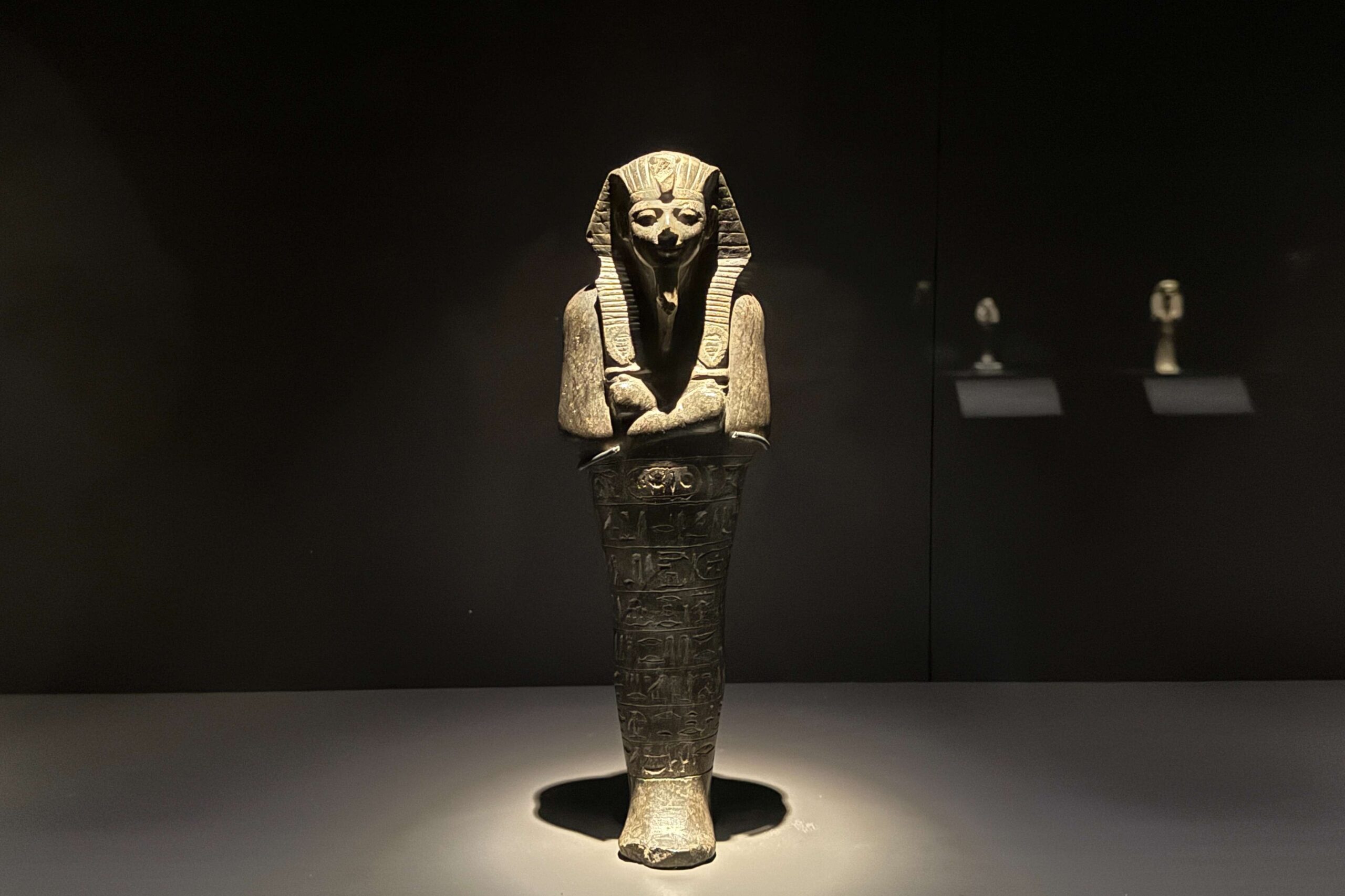
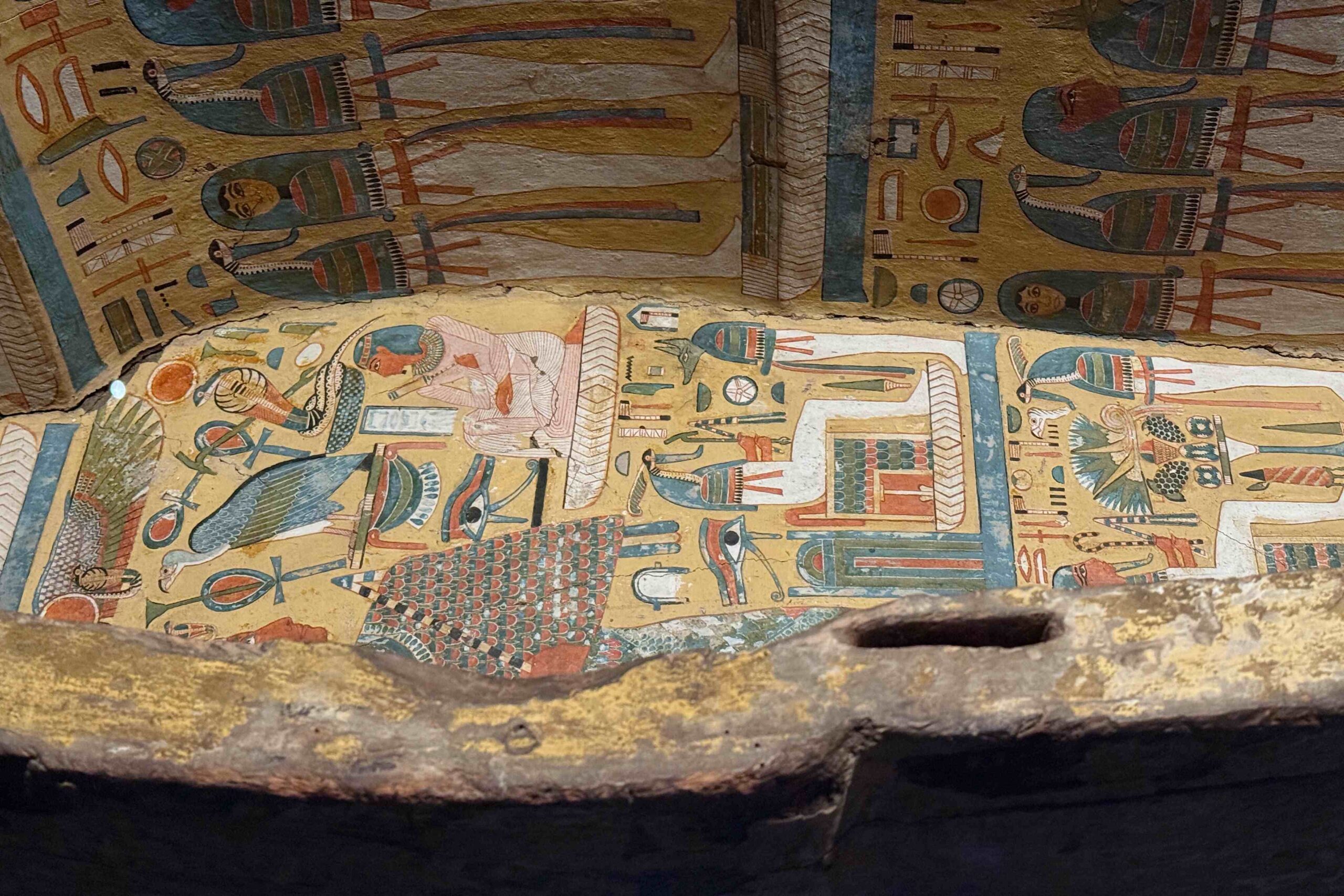
Ancient Egyptians placed great importance on eternal life, believing they should carefully prepare for their next journey even while still alive. As a result, they left behind many astonishing relics. In this gallery, you can see several precious shabti figures, imposing tomb guardians, and the absolutely unmissable “Coffin Base of Ahmose, Temple Gatekeeper.” Just this exquisitely beautiful coffin base alone made the entire ticket price feel worthwhile to me!
◦ Special Exhibition Gift Shop
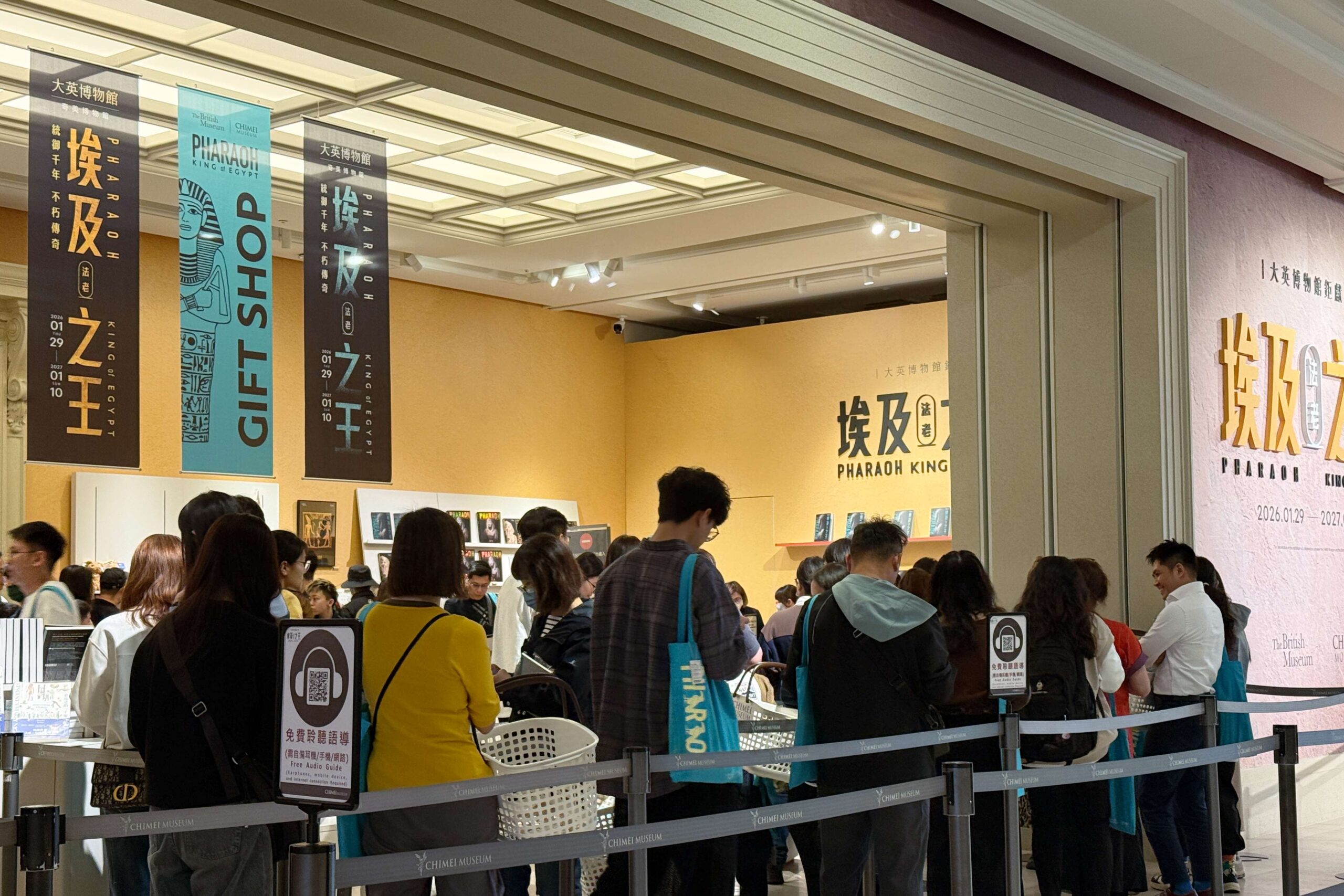
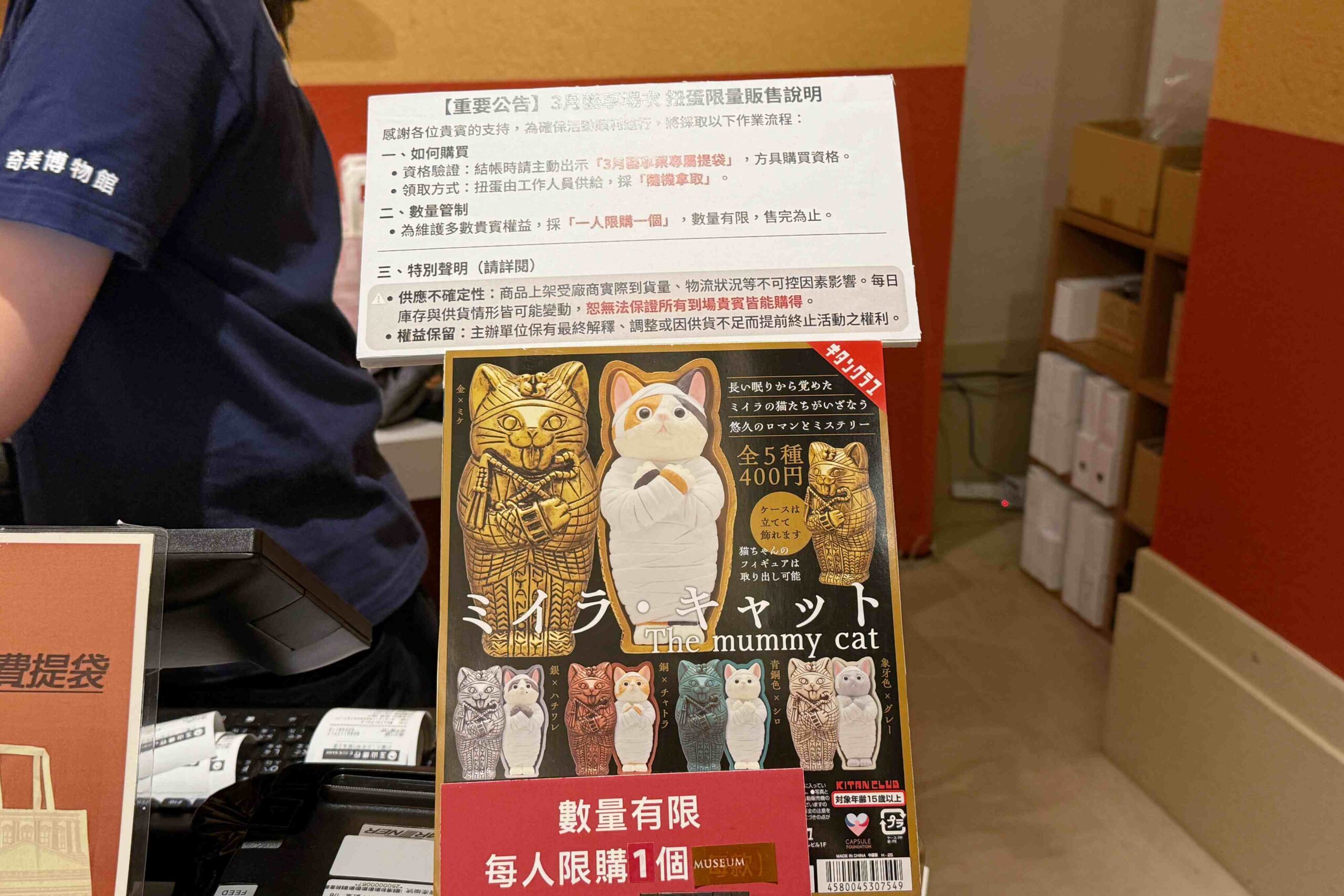
When the British Museum, the Egyptian gods and pharaohs, and the Chimei Museum join forces to tempt your wallet, it’s almost impossible to escape the curse of impulse buying. The three guardian-god plush keychains and the mummy cat capsule toys are extremely popular. If you want to buy them, it’s best to visit the shop right when the museum opens in the morning—by the afternoon, the chances of finding them in stock are quite slim. In addition, during the Wednesday closed-day sessions, each person is limited to one mummy cat capsule toy. When I finished the exhibition in the afternoon, there were still some available. Perhaps that’s one of the hidden perks of visiting on a closed day.
◦ Suggested Best Route
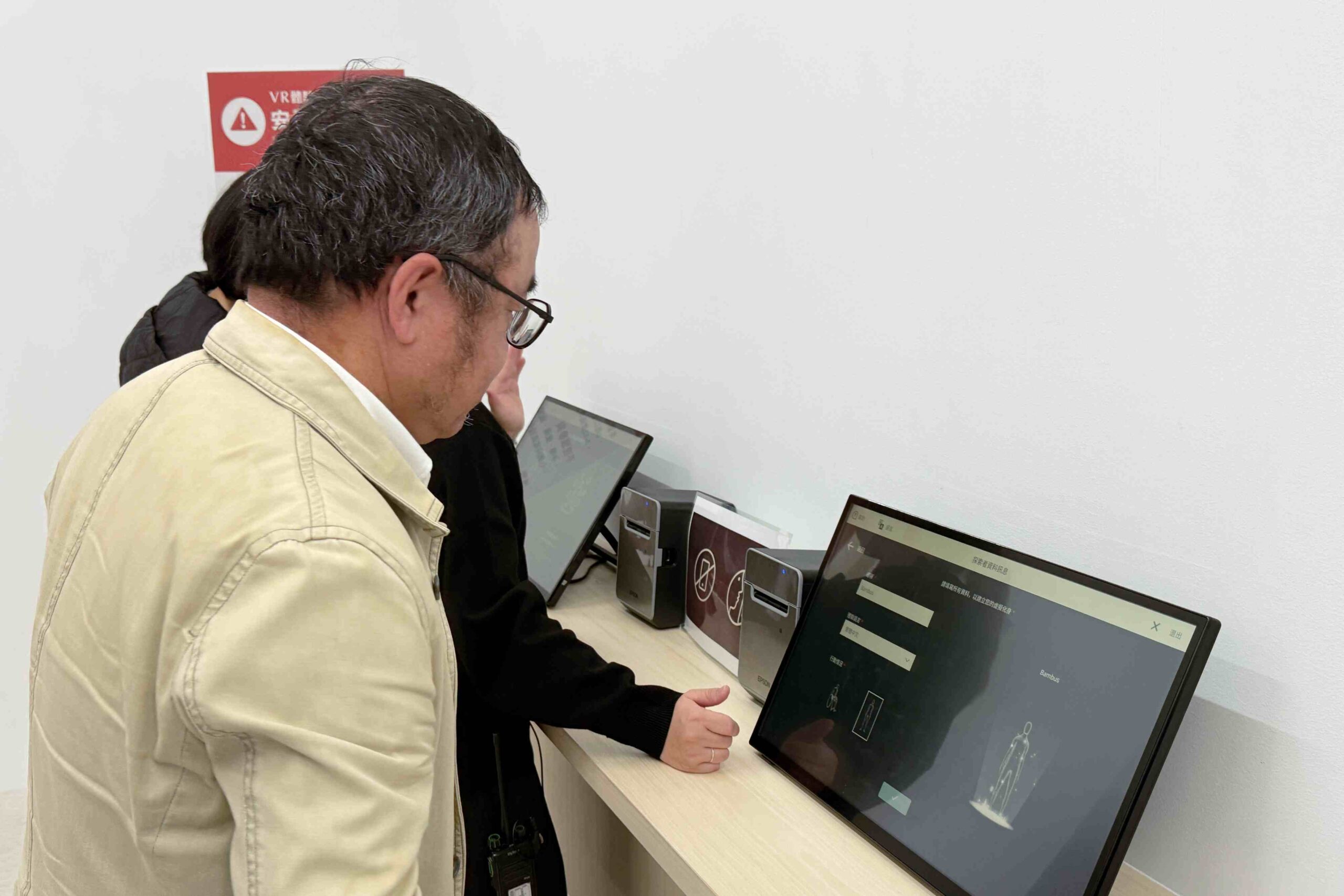
Whether you visit on a weekday, weekend, or the Wednesday closed-day session, I strongly recommend arriving right when the museum opens in the morning. This exhibition is absolutely worth spending an entire day exploring. After entering the museum, you can first reserve a VR session at the service counter—only 14 sessions are available each day—or purchase tickets online in advance to secure your spot.
🎫 VR Immersive Adventure: The Lost Pharaoh
Around lunchtime, if you’d like to try the Egyptian-themed dishes, you can go to the Italian restaurant Isabati and scan the QR code to join the waiting list. For those holding the Wednesday Art Access Ticket, remember to attend the “Exhibition Guide Lecture” at the time indicated on your ticket—it’s highly recommended and definitely worth attending.