When I arrived in Budai, I thought the highlight would be its bountiful seafood. To my surprise, what truly moved me was the magnificent history of salt production—a tradition that has stretched on for over two centuries and still leaves traces everywhere in the town.
Contents
◦ Chiayi Travel Guide
01|Transportation in Chiayi
🚄 Taiwan High Speed Rail
🚗 Cross-city Chartered One-day Tour from Taipei
🚌 Shared City Transfer between Chiayi and Alishan
🛵 Chiayi Scooter Rental - Chiayi Railway Station Pickup
02|Popular Attractions in Chiayi
🎫 Alishan National Forest Recreation Area Ticket
🎫 Chateau de Jourdeness Ticket in Chiayi
🎫 Three Pigs Farm Ticket in Chiayi
🎫 Chiayi Taiping Suspension Bridge Ticket
🎫 National Palace Museum Southern Branch Ticket in Chiayi
03|Things To Do in Chiayi
🚌 Alishan Day Tour from Taichung, Chiayi or Kaohsiung
💆🏻♀️ Yuxiantang Chuiyang & Linsen Hall・Foot & Meridian Acupressure Massage Coupon
🏕️ Guipu Glamping in Chiayi
◦ The History of Budai
The name Budai is indeed connected to the shape of a “cloth bag.” The area was once called Budai Zui (“mouth of the cloth bag”), a name that came from its unique geography. The sandbar known as Waisanding Sandbank curves around the inner lagoon, creating a natural barrier. Incoming ships could only enter through a specific harbor, as if slipping through the opening of a cloth bag. Over time, Budai Zui was shortened to Budai.
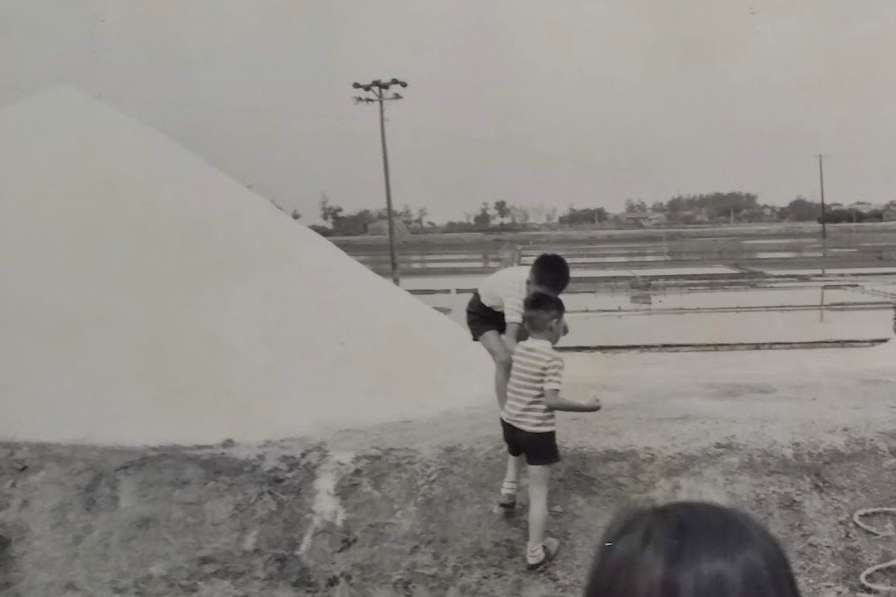
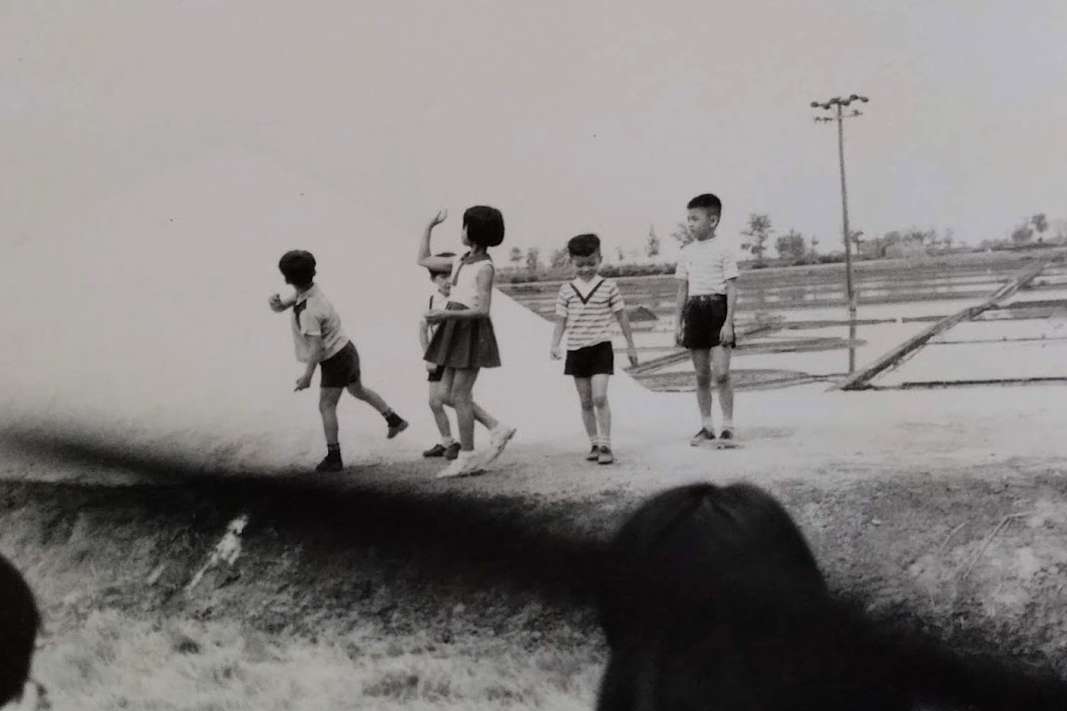
With its long, straight sandy coastline and abundant sunlight, Budai has been an ideal site for salt production since ancient times. The earliest records of salt-making here date back to the Qianlong reign of the Qing dynasty, more than two hundred years ago. Even today, cultural landmarks and traces of the salt-making tradition remain scattered throughout the region.
01|Scenery of the Budai Salt Fields
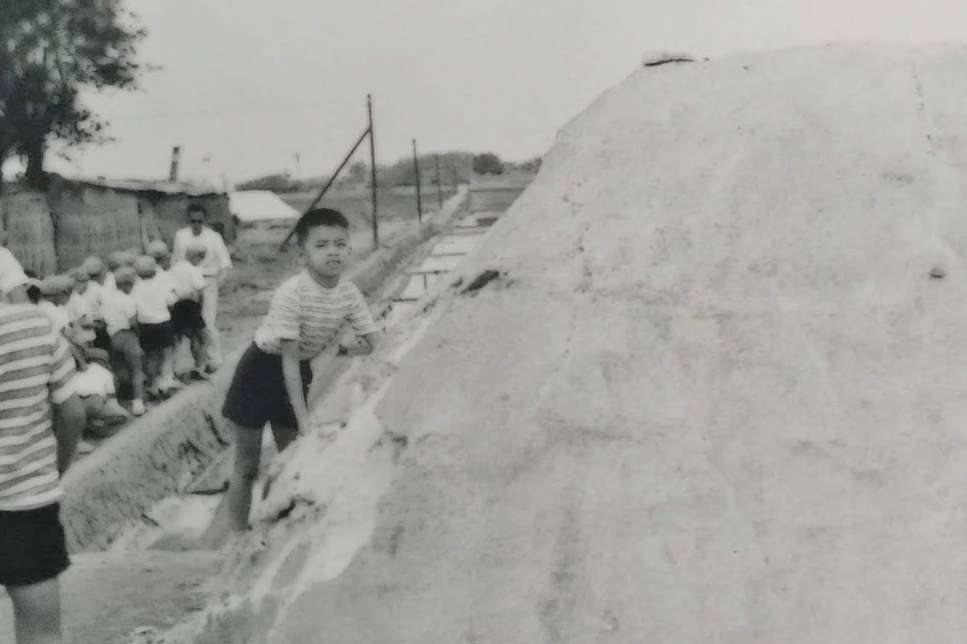
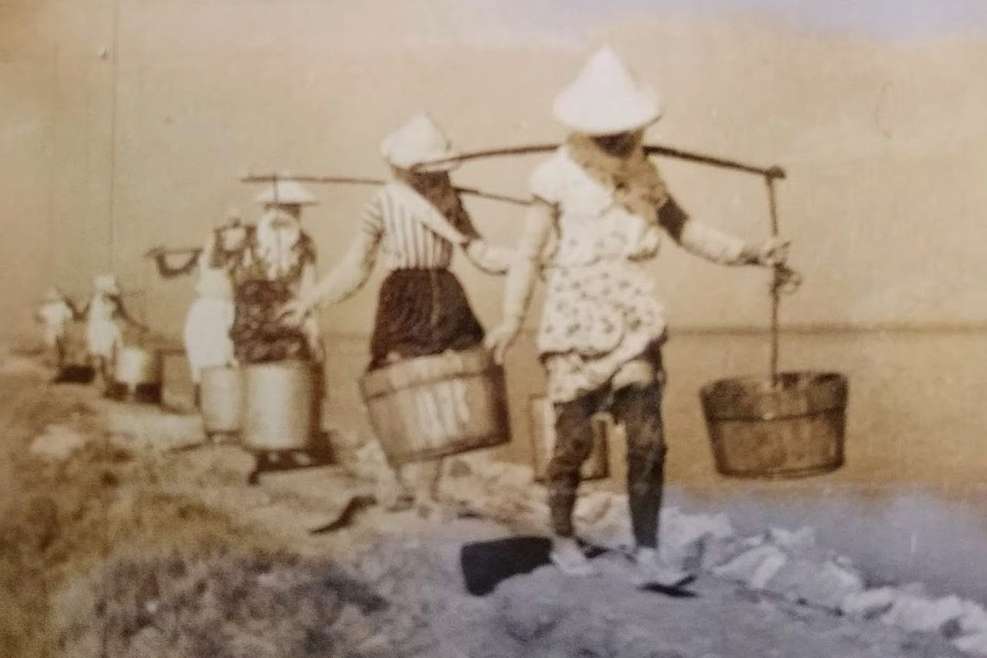
02|Taiyen Inspection Railcars
The railway system serving salt fields in southwestern Taiwan was first built during the Japanese colonial period. In 1952, with funding from U.S. aid, the Taiwan Salt Works (later reorganized in 1995 as Taiwan Salt Industrial Corporation) improved the rail transport systems of the Qigu salt fields in Tainan and the Budai salt fields in Chiayi. As times changed, these salt railways gradually faded into history. The Budai salt field railway ceased operations in 1995, and the tracks were later dismantled.
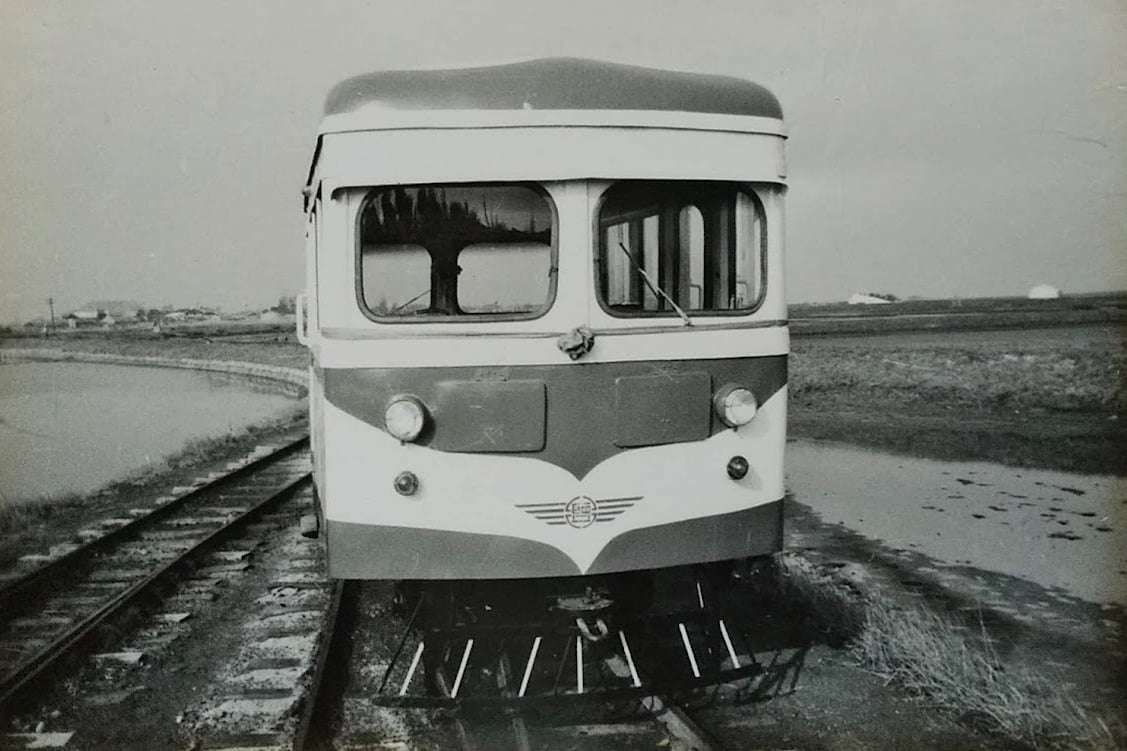
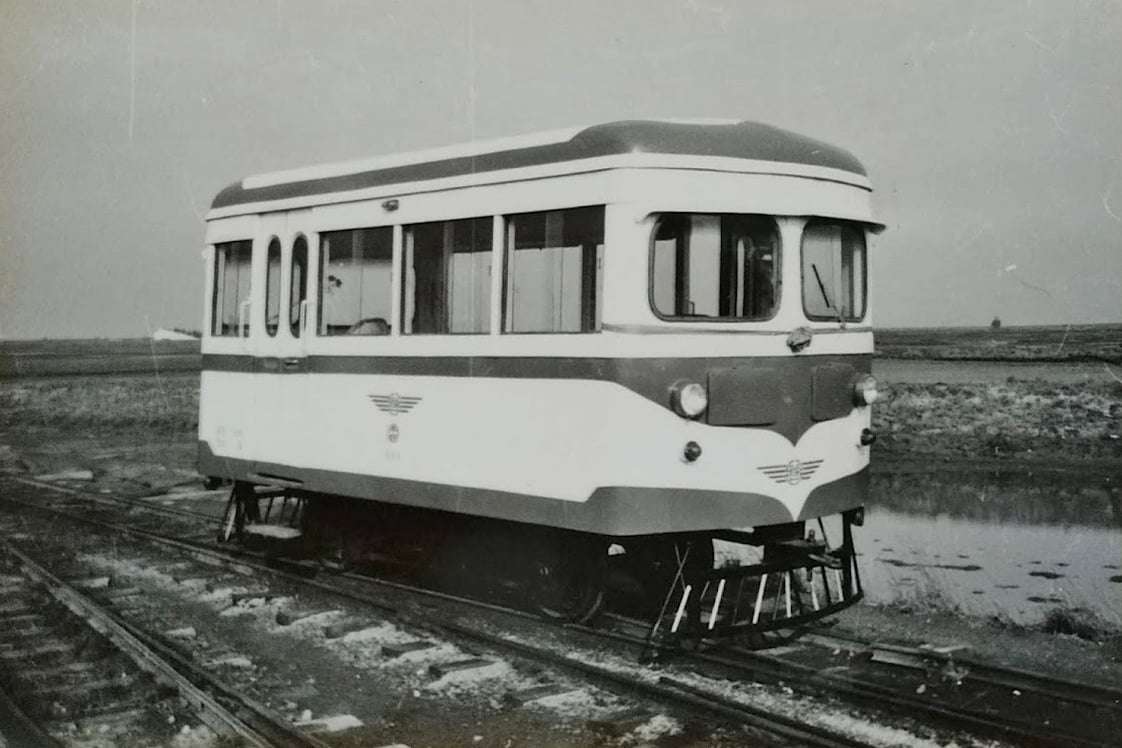
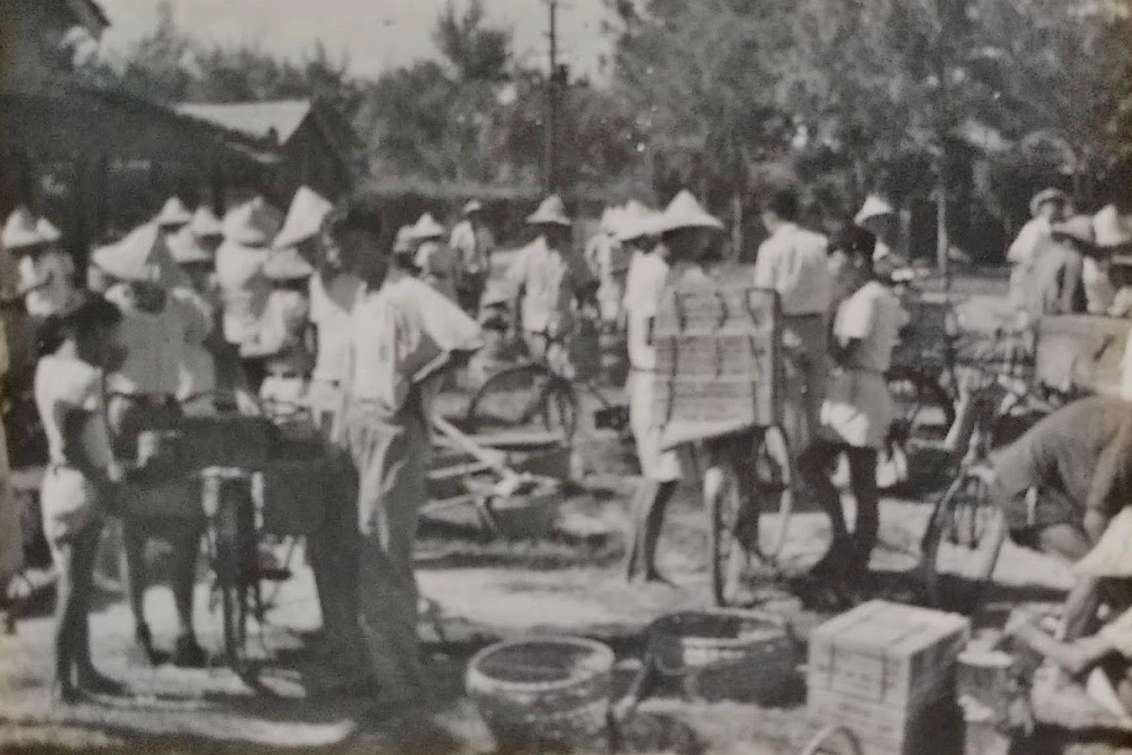
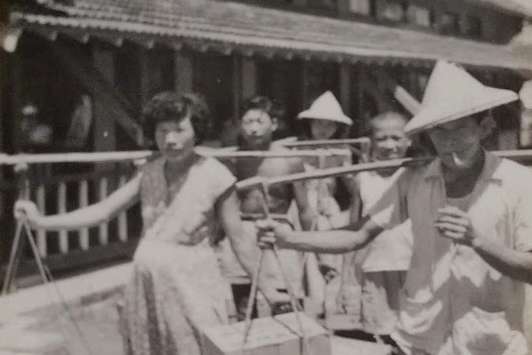
03|Salt Workers Receiving Relief Supplies
In 1956, a bulletin was posted at the Budai Salt Field Cooperative, notifying workers that they could collect relief goods donated by the Catholic Church, including powdered milk and butter. At the appointed times, salt workers arrived to receive these precious supplies.
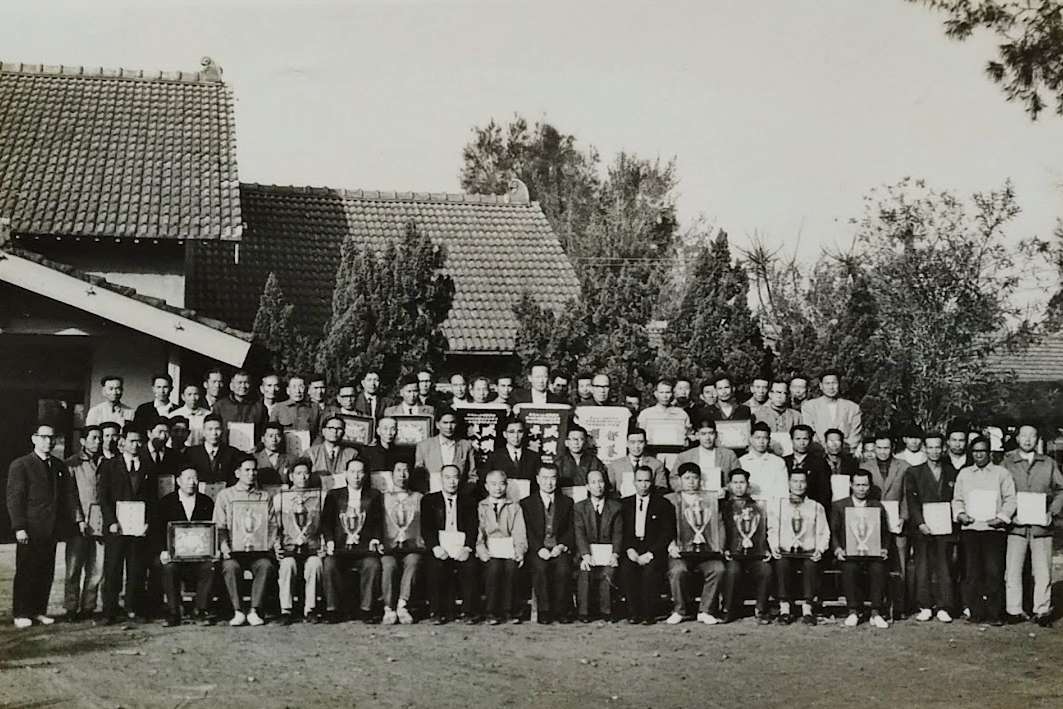
04|Awards Ceremony
In 1966, harsh weather reduced the production of industrial salt, making it difficult to meet domestic demand. To boost morale and encourage higher output, the Budai Salt Field held various competitions and award ceremonies for its workers. However, with shifts in industry and changing times, the Budai salt fields finally ceased production in 2001, bringing an end to several decades of salt-making history.
➤ Photo credits and textual references:午夜懷舊雜譚
◦ Attractions in Budai
01|High-Heel Wedding Church
The sky-blue High-Heel Wedding Church is constructed from 320 glass panels and stands 17 meters tall. It once earned a Guinness World Record as the world’s largest high-heel–shaped building.
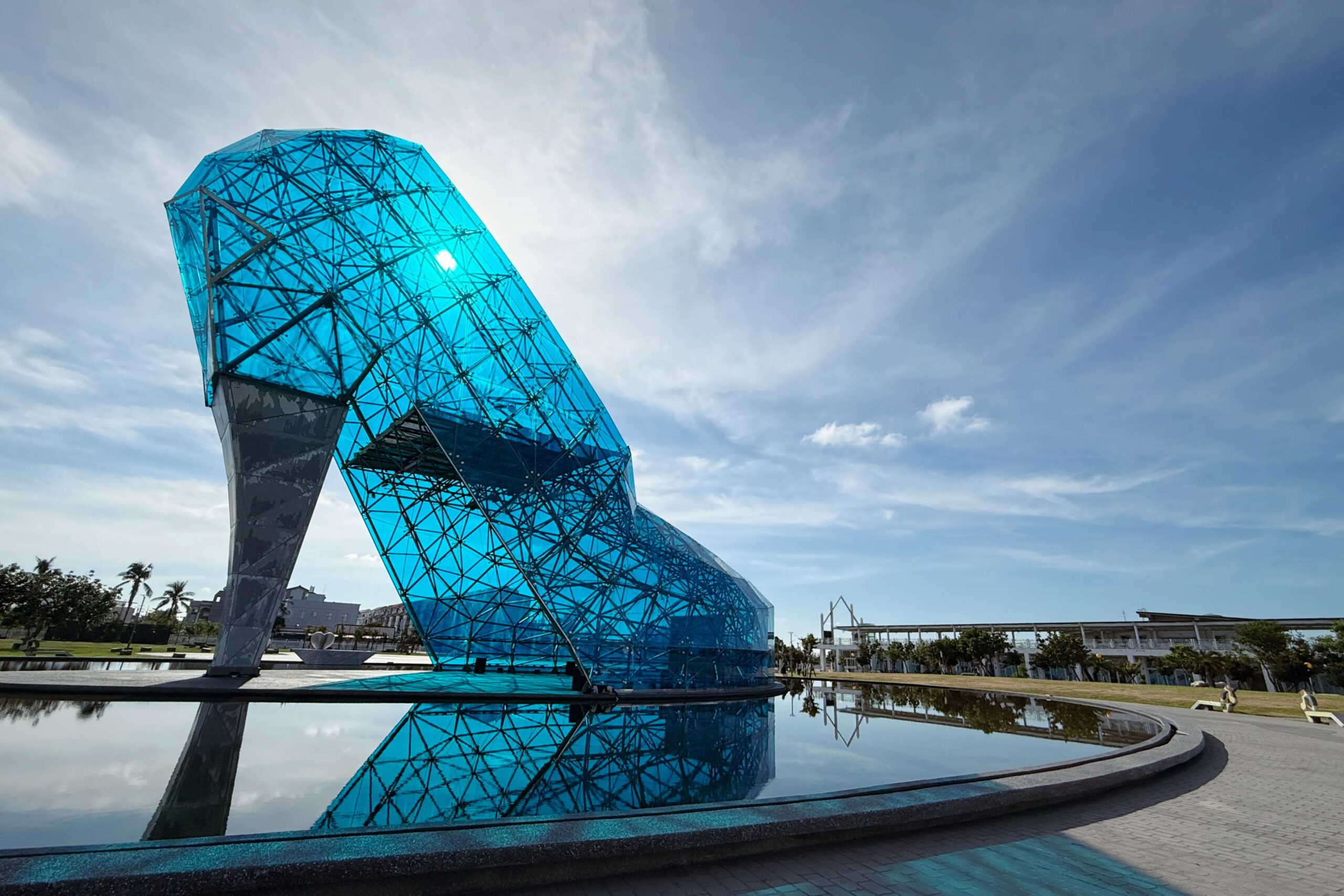
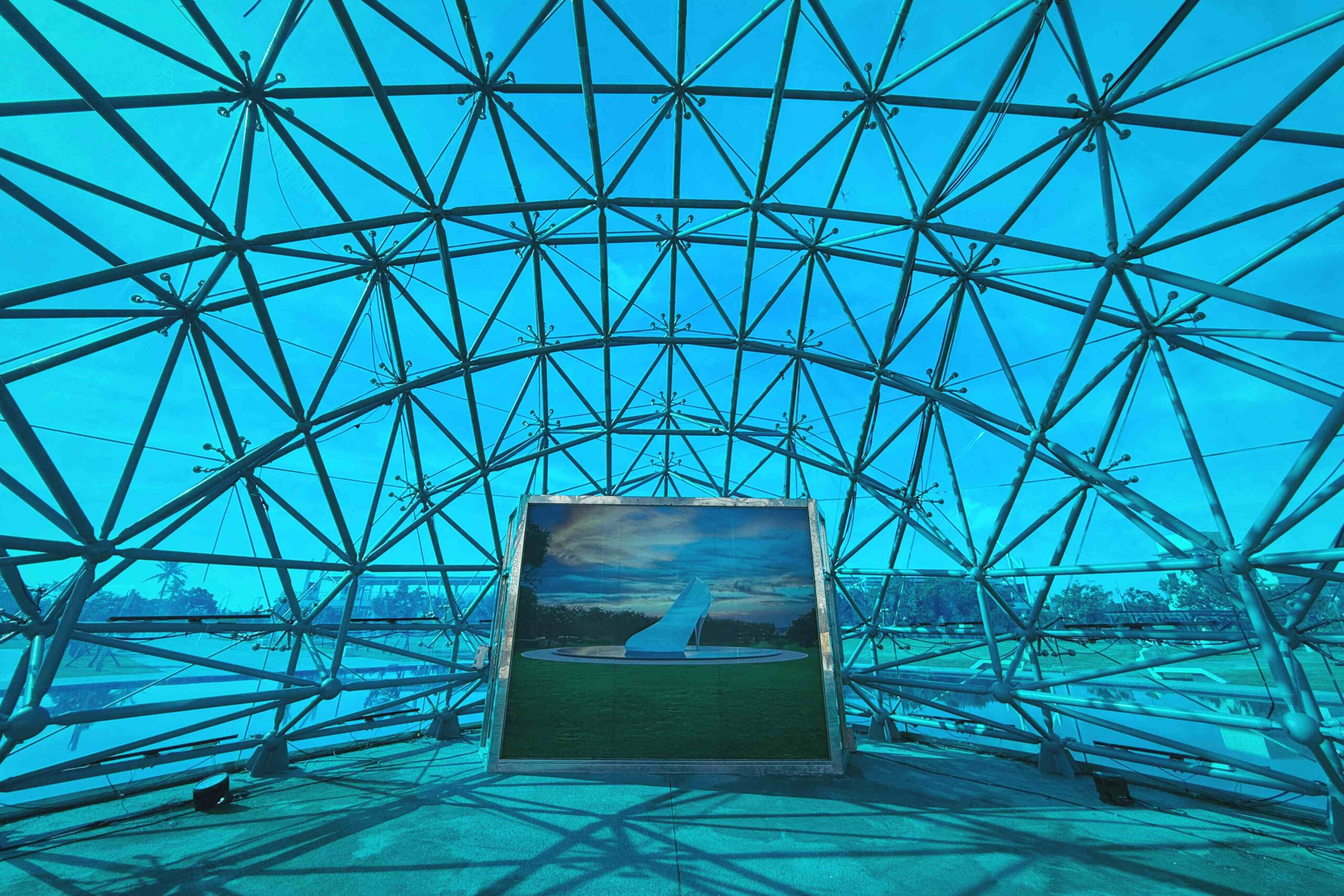
From ground level, the church doesn’t seem particularly impressive—more of a one-time photo spot. But when viewed from above, especially under the sunlight, the glass high heel gleams and shifts with the angle, revealing a romantic and spectacular presence by the sea.
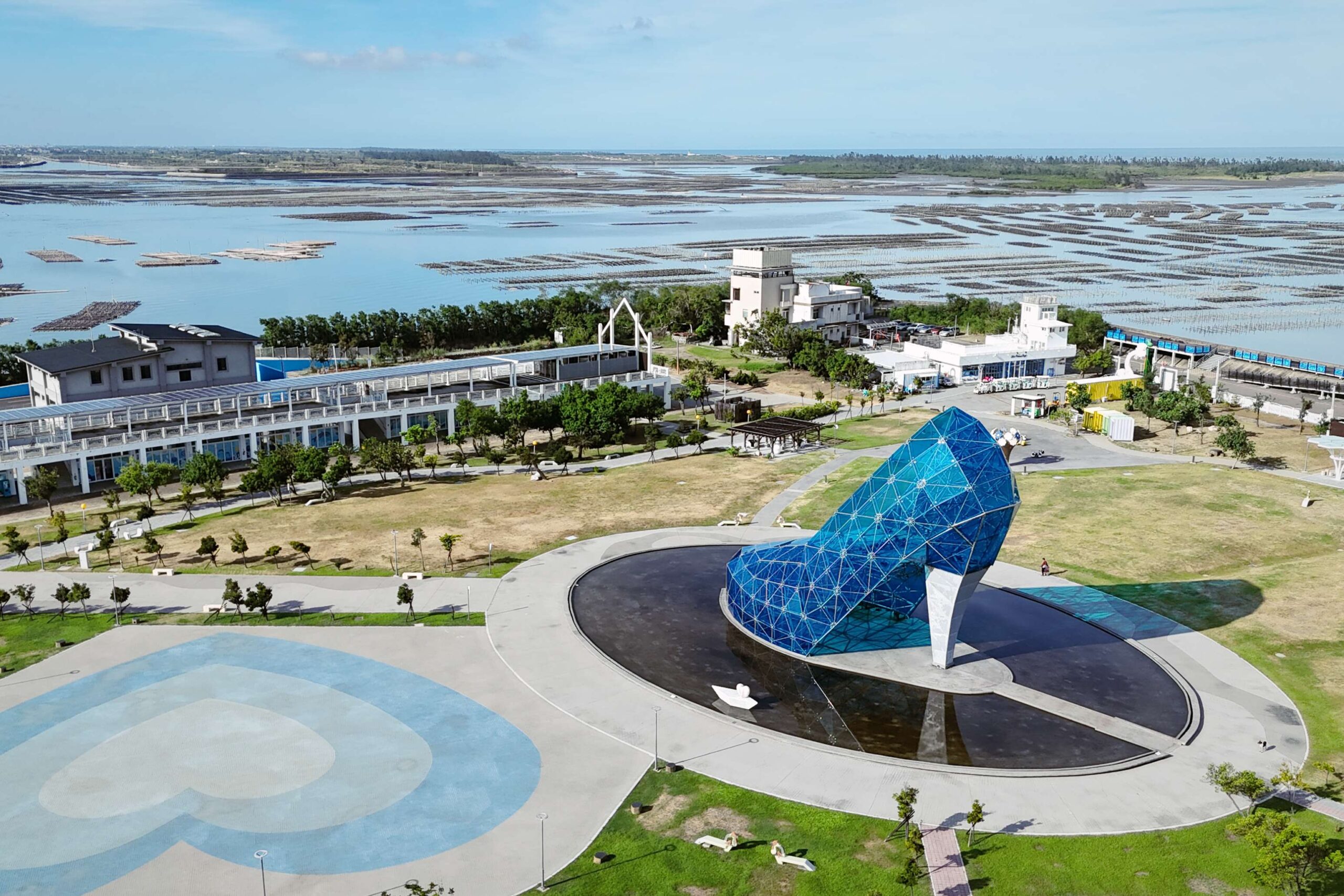
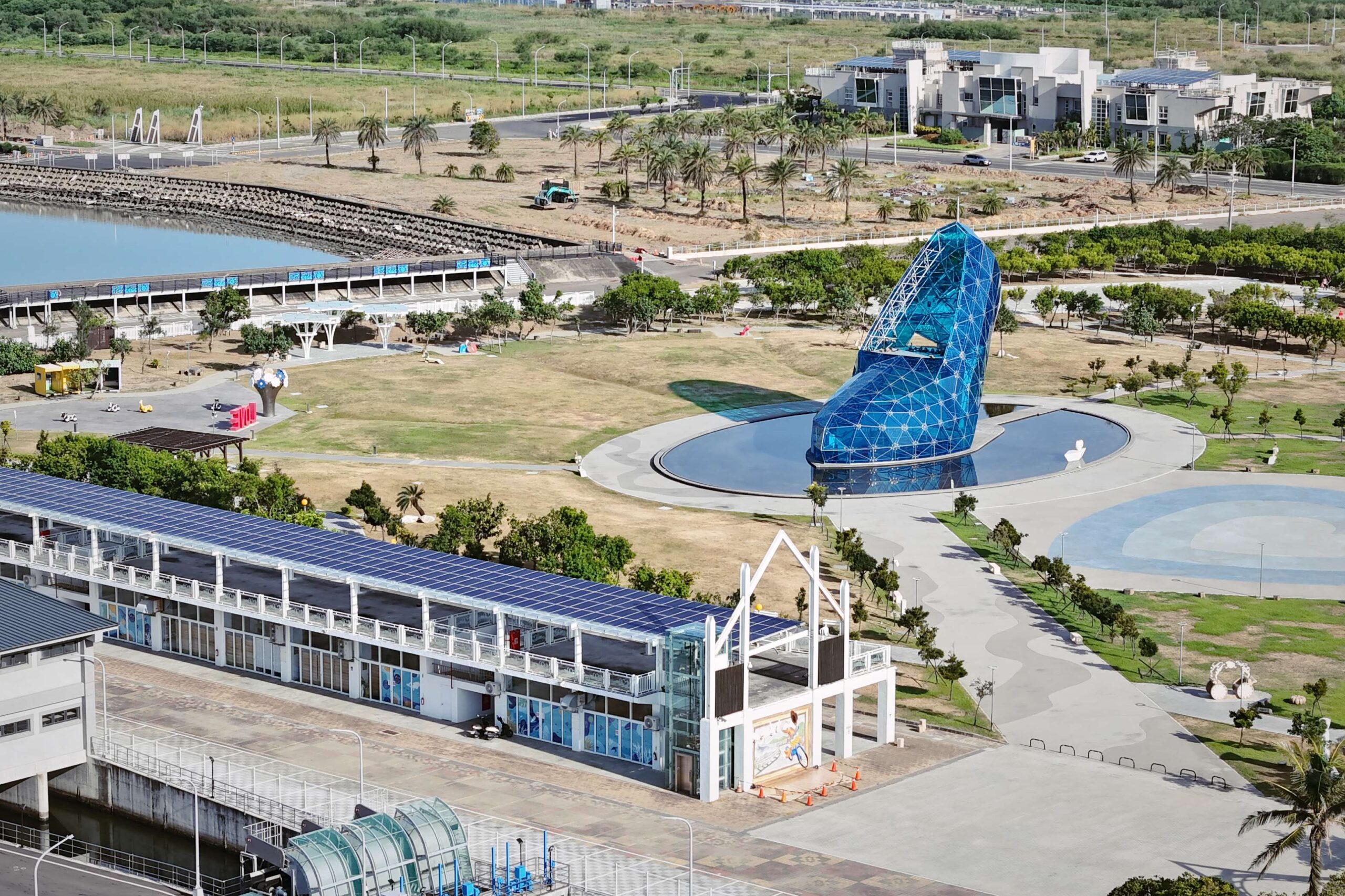
High-Heel Wedding Church

No. 5, Xinxi Rd., Budai Township, Chiayi
02|Budai Tourist Fish Market
Thanks to the rich catches of Budai Harbor, the area transformed into a tourist fish market years ago. Today, it has grown into one of Chiayi’s largest and most popular seafood markets. Inside, the market is divided into fresh produce, processing, and dining sections. Visitors can not only purchase freshly caught seafood but also have it cooked by nearby restaurants and enjoy it right away.
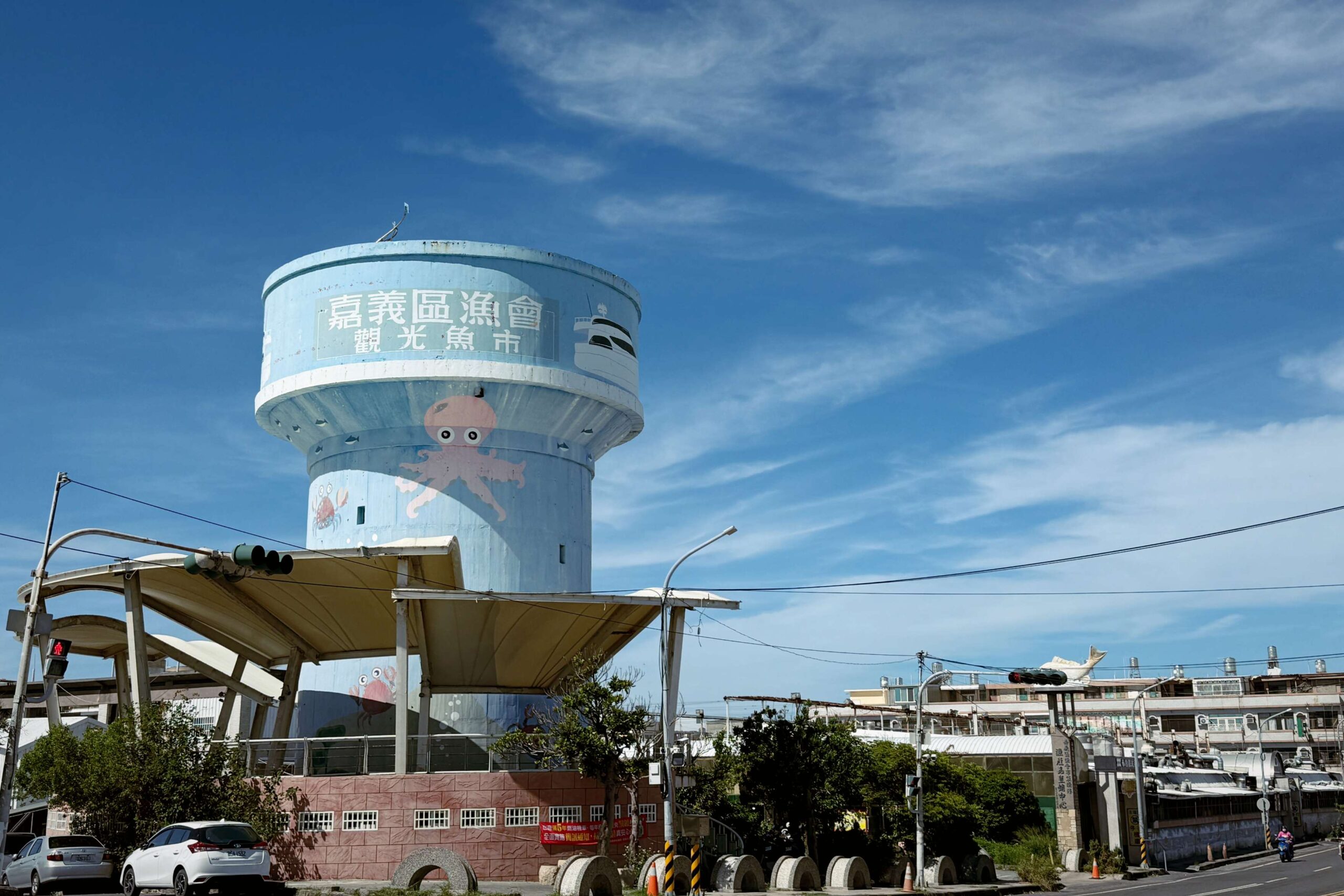
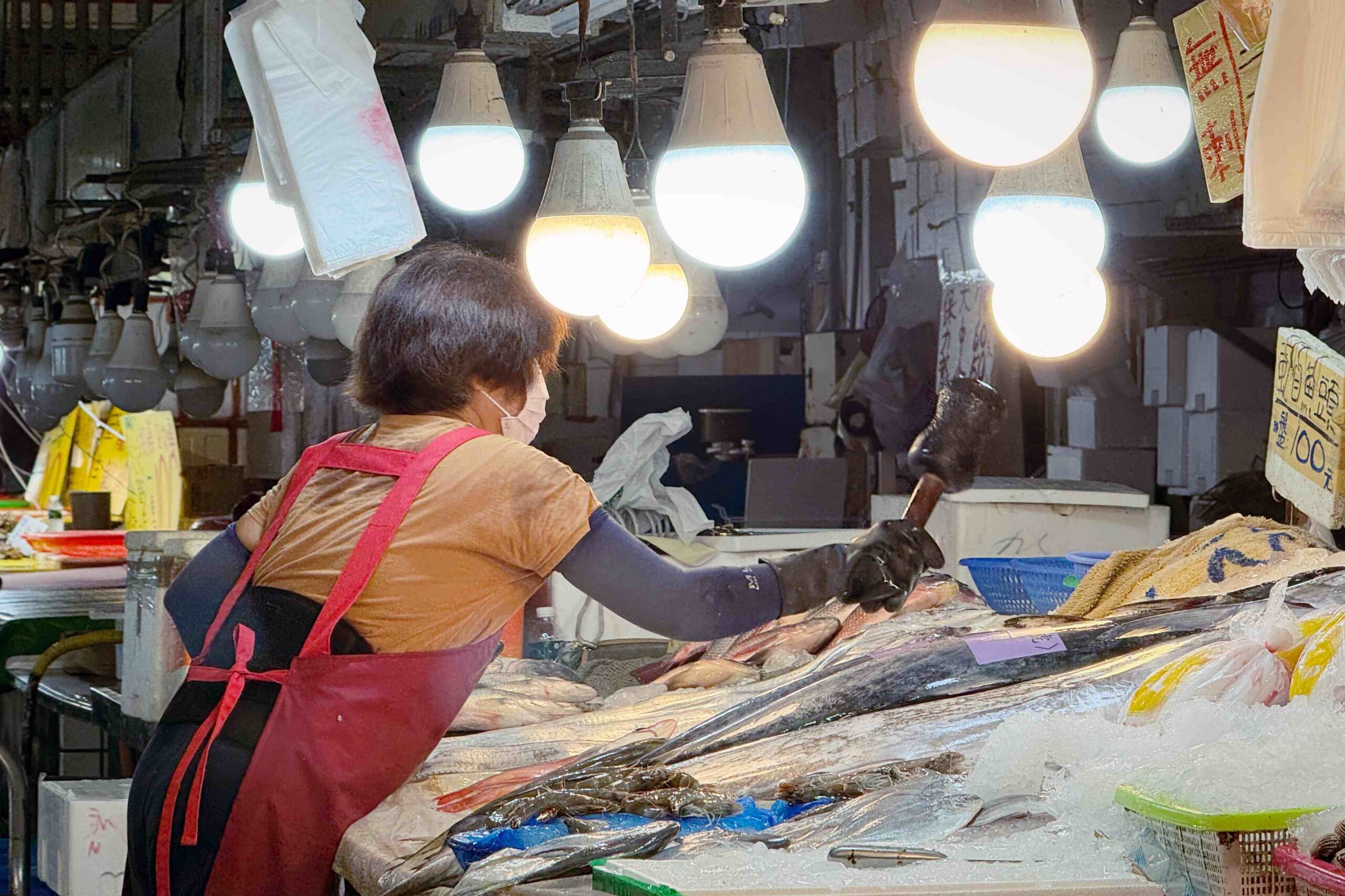
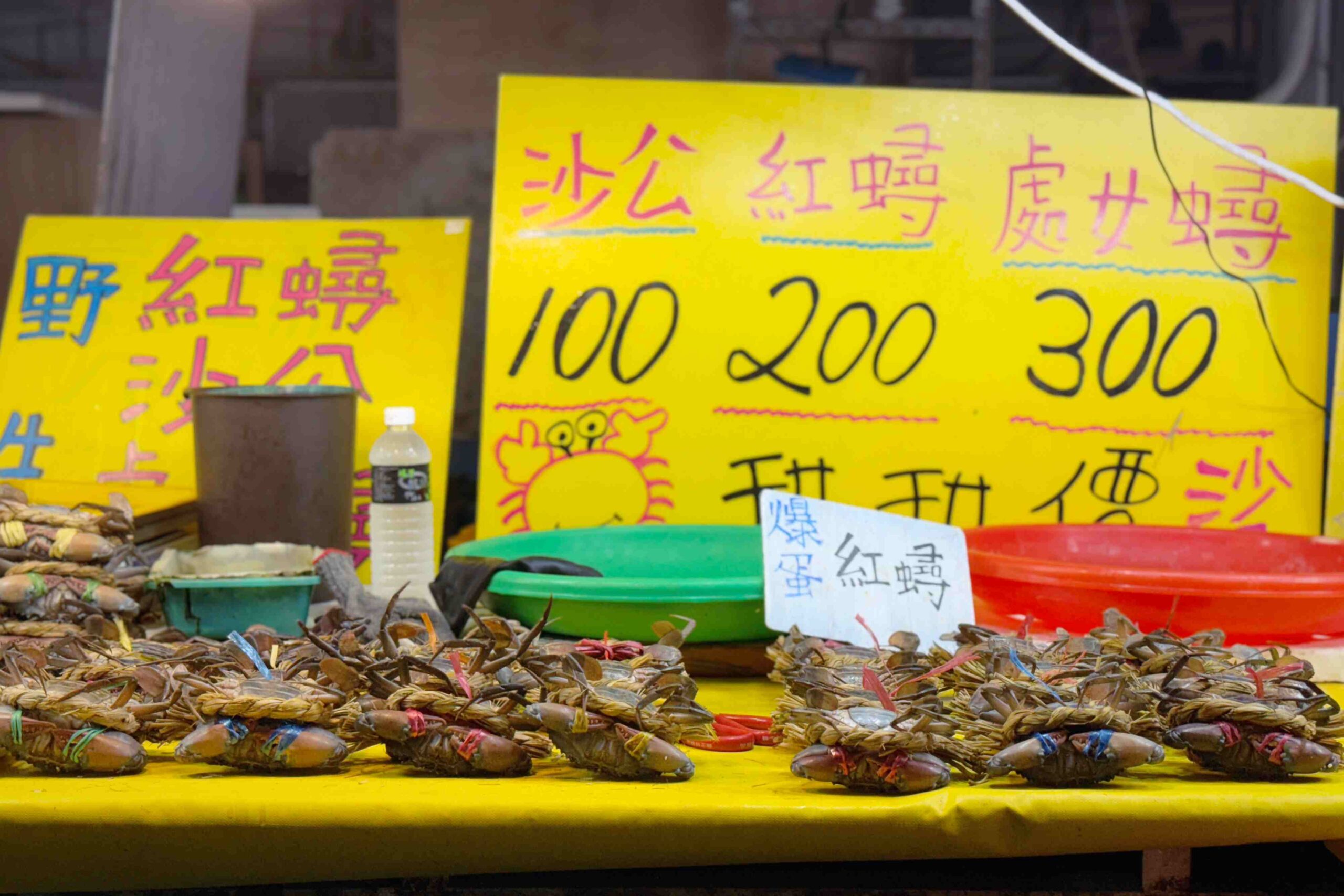
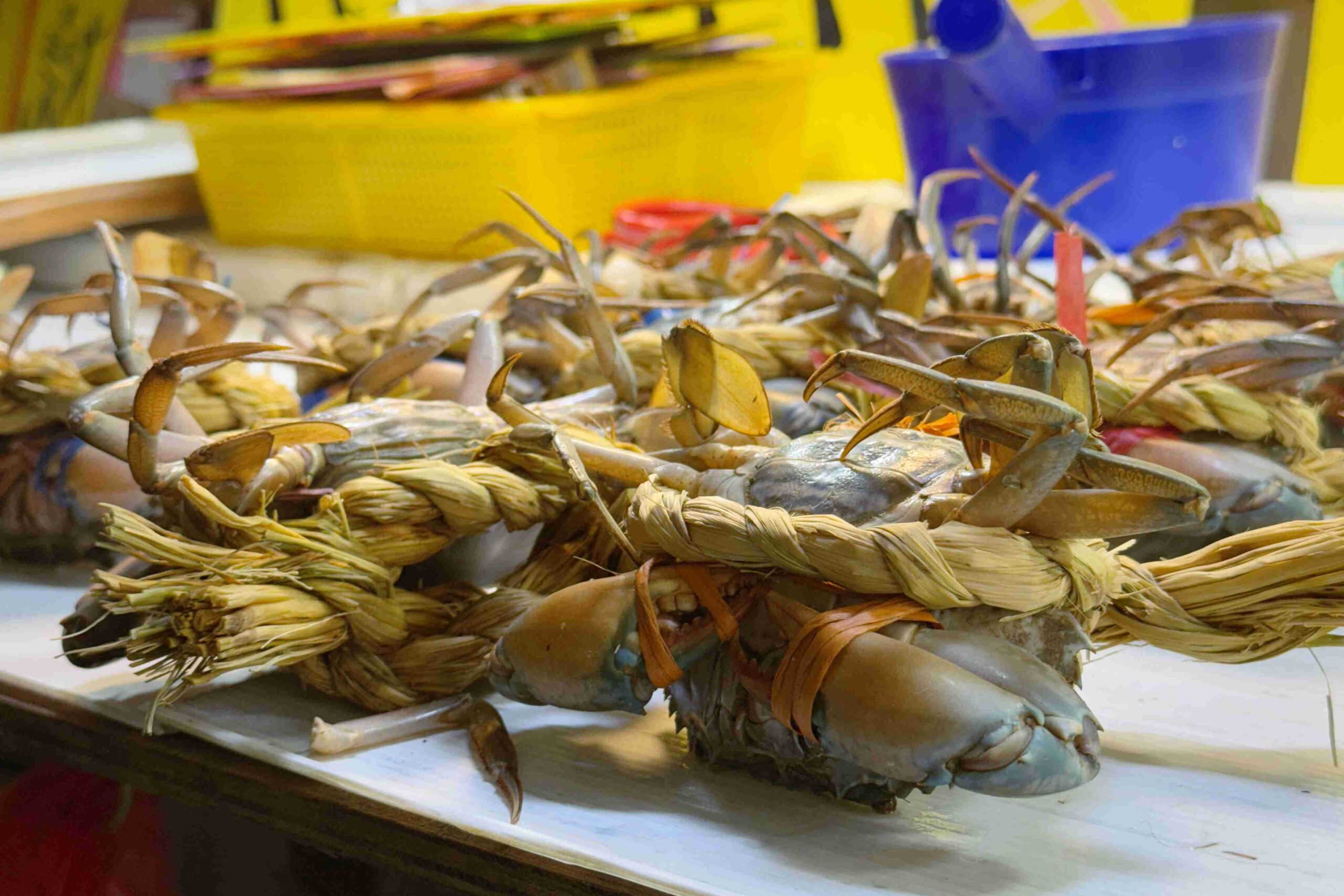
After renovation, Budai Harbor was elevated to the status of a commercial port. From here, travelers can board ferries to Penghu or take sightseeing boats to explore the wetlands up close and admire their natural ecology.
Budai Tourist Fish Market

Opening Hours: Weekdays 1000-1900; Weekends 0900-1900.
No. 3, Zhongshan Rd., Budai Township, Chiayi
03|Budai 543 Story House
If you want to get to know Budai in the shortest time, Budai 543 is definitely the place to go. Through creative curatorial design, it presents the town’s history in innovative and engaging ways.
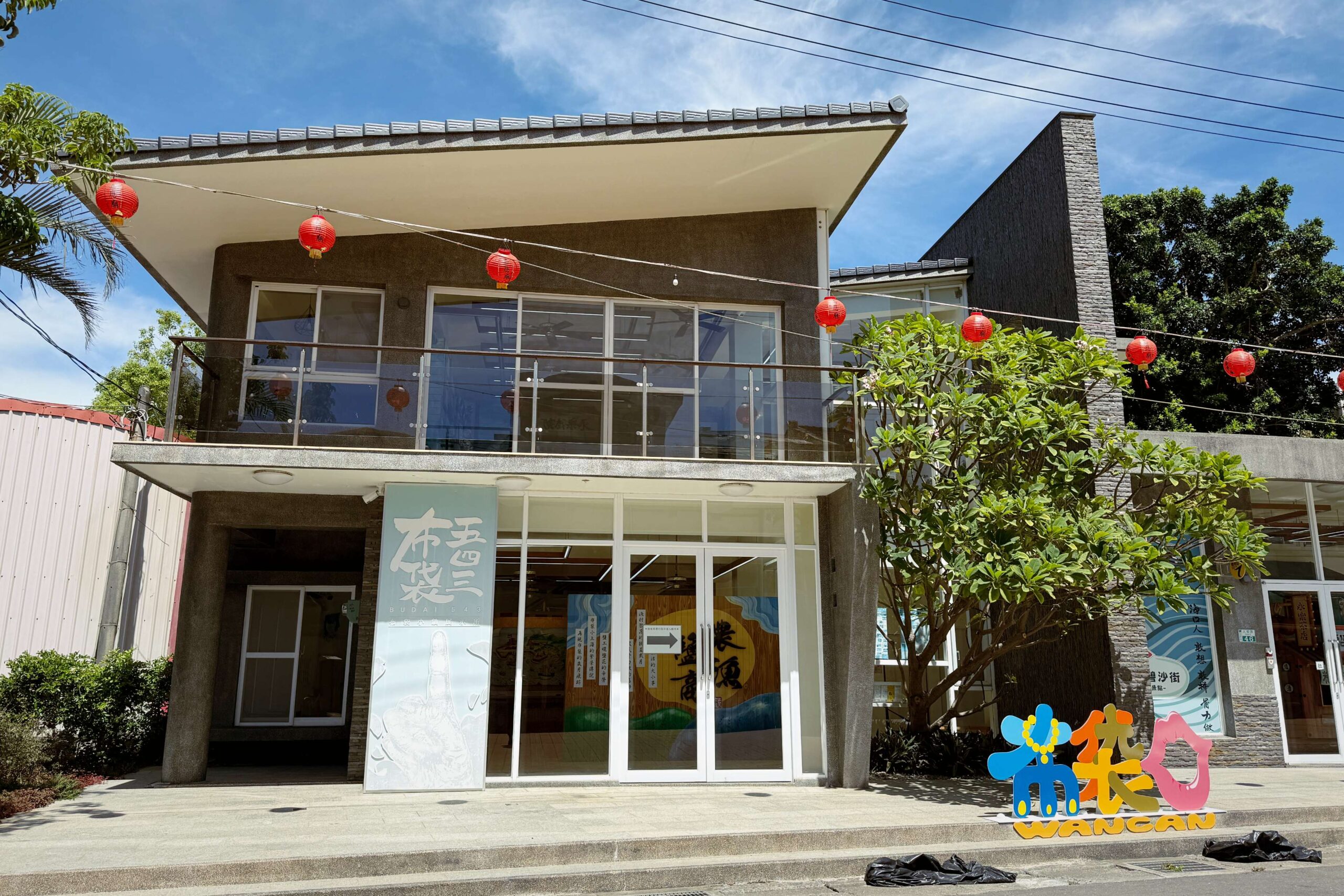
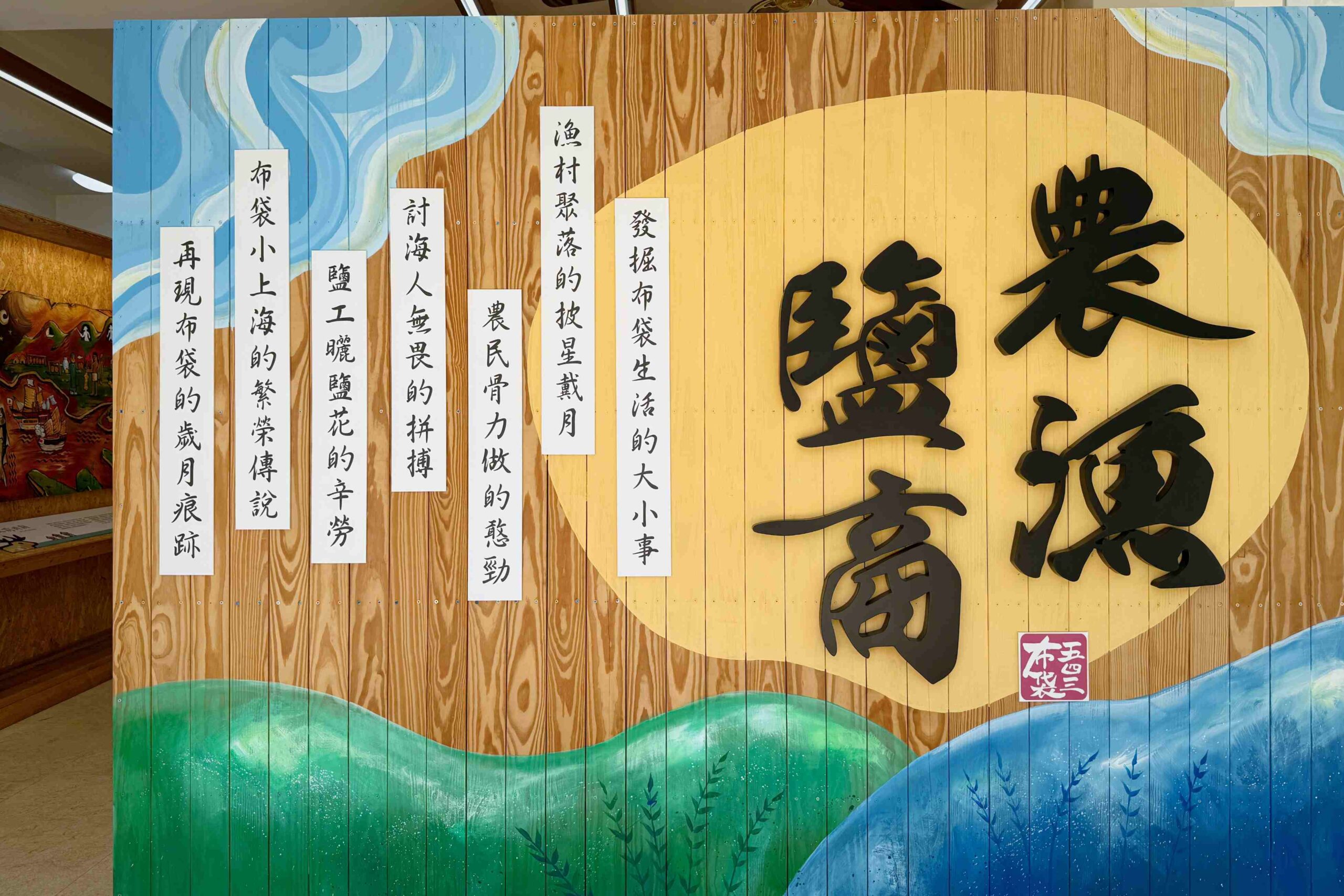
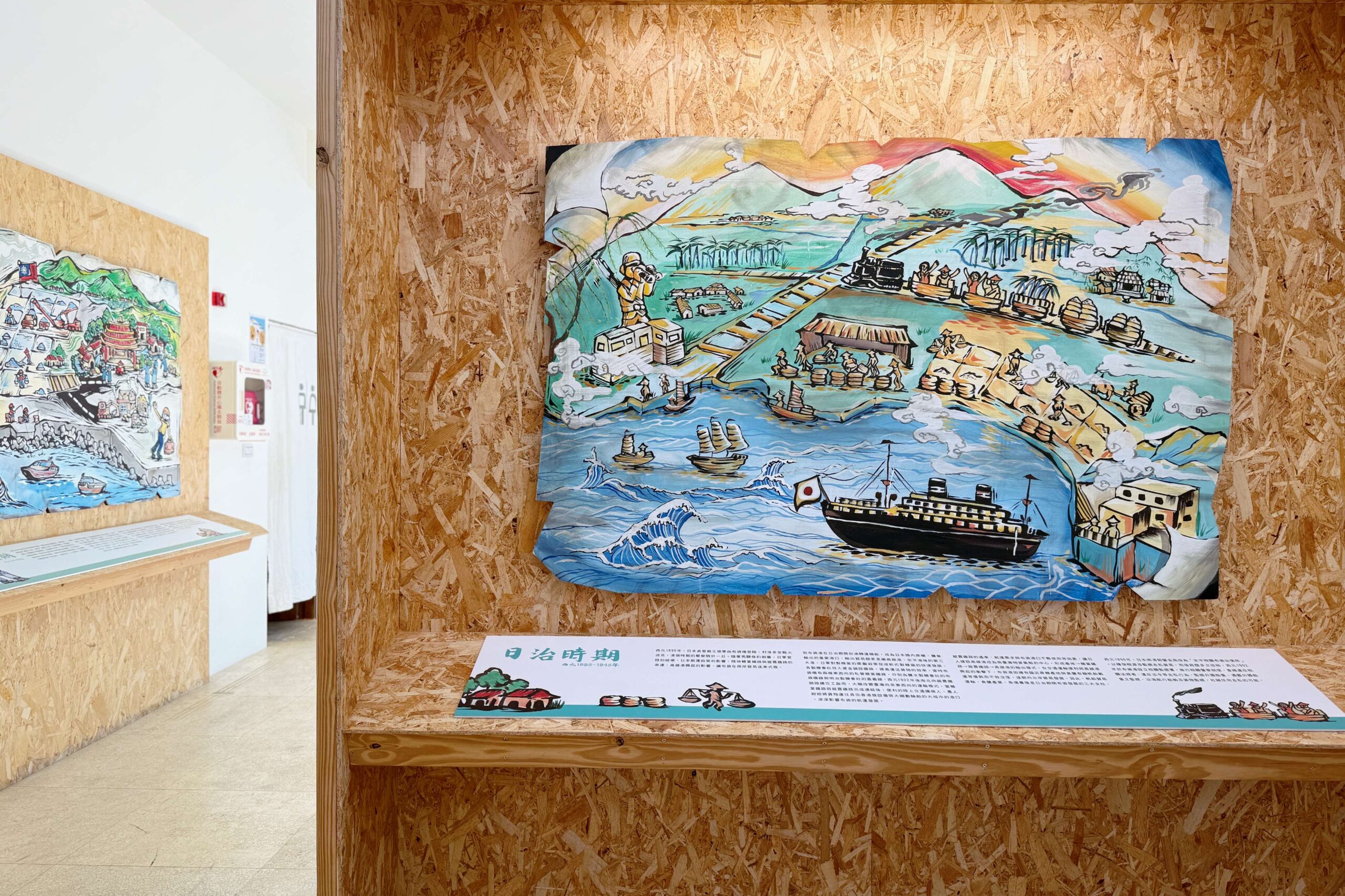
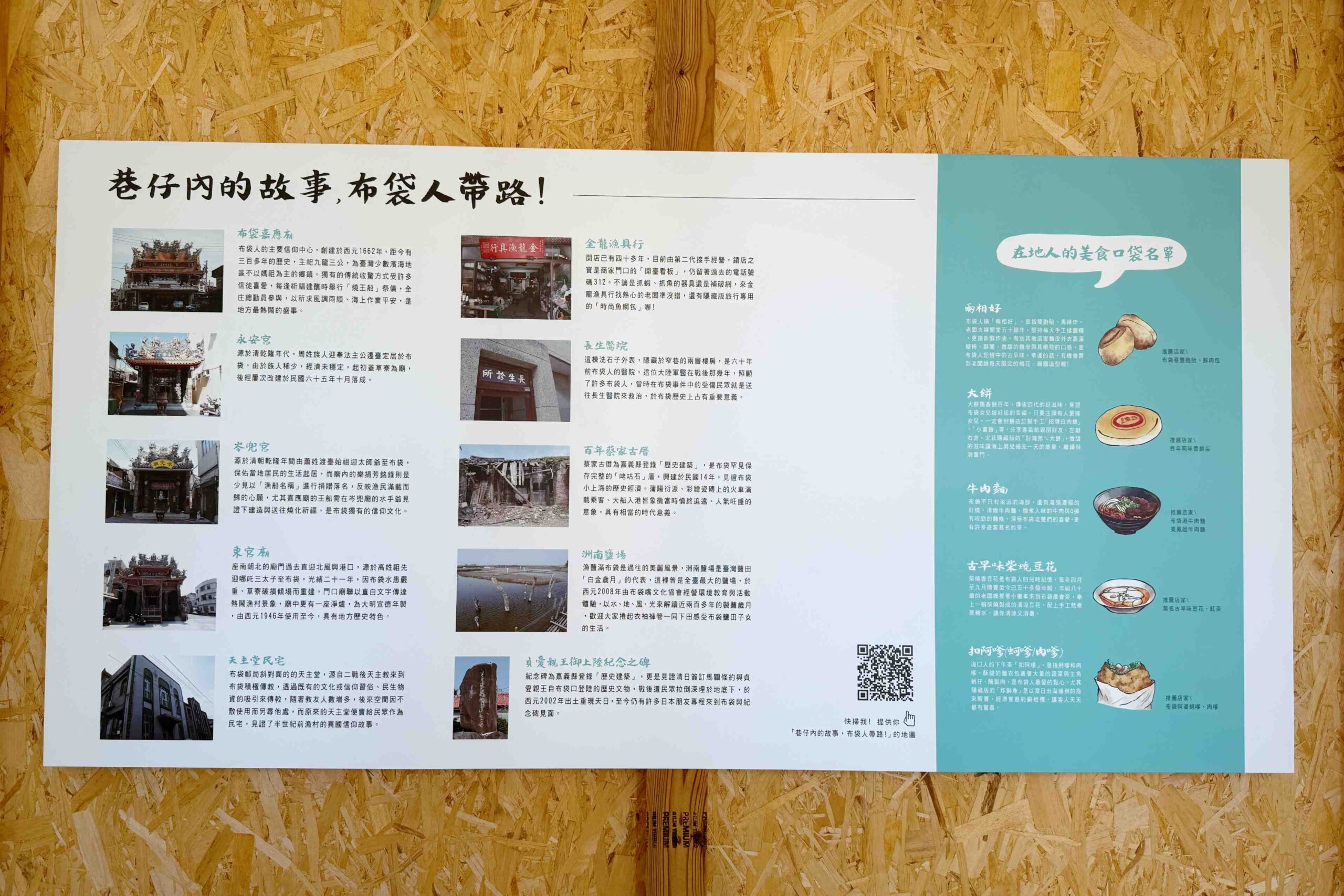
On the first floor, a series of paintings illustrates more than 400 years of Budai’s historical changes. Each painting represents a different era, from prehistoric times, the Dutch and Koxinga period, the Qing dynasty, the Japanese colonial era, to postwar development. Moving into the modern day, the section “Stories from the Alleys” highlights Budai’s must-see sights and must-try experiences.
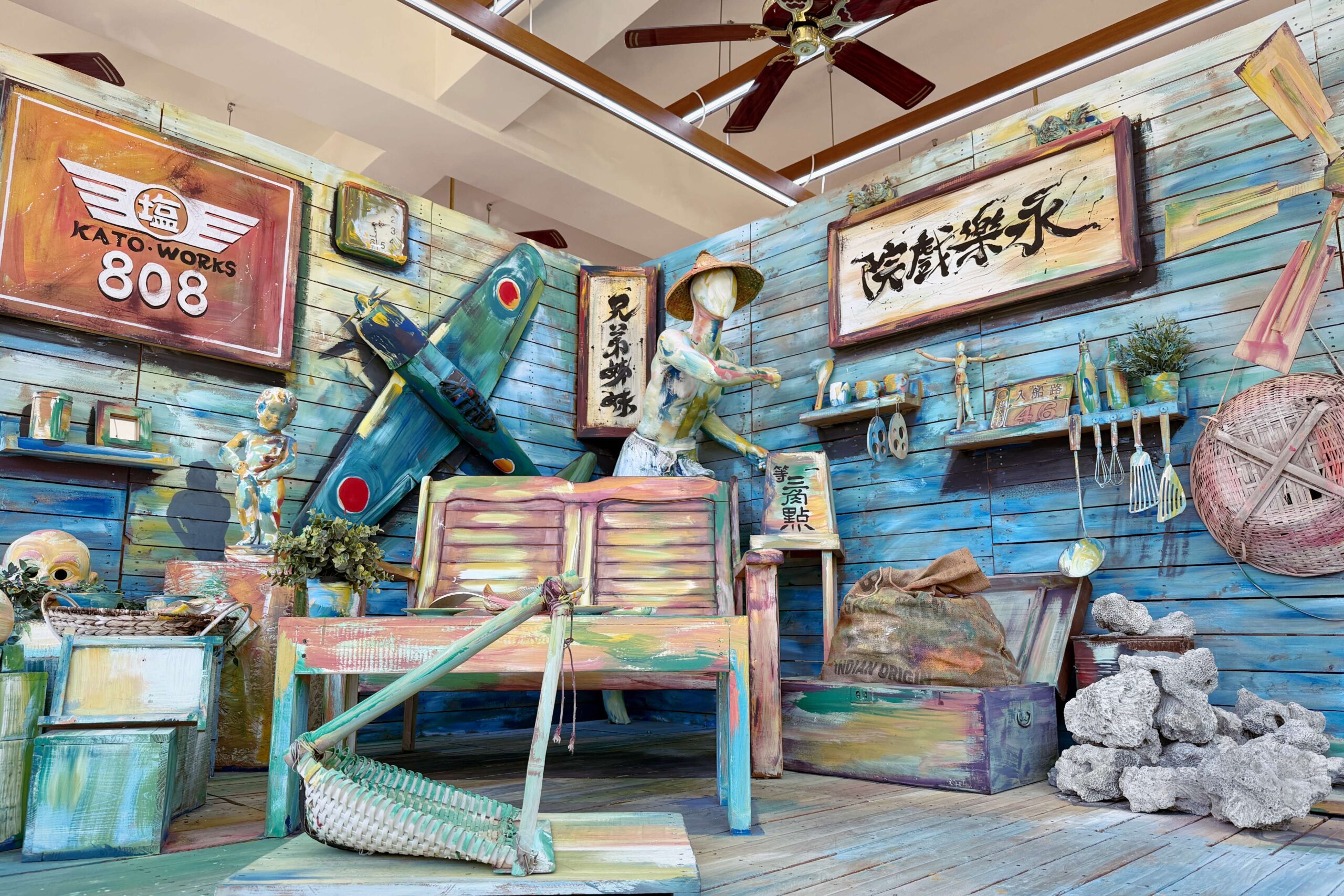
The second floor recreates scenes of local life through old photographs and installation art. What impressed me most was a piece titled “Vanished Memories 543.” This large-scale installation collects fragments of Budai’s once-important but now-lost cultural and historical memories, transforming them into immersive art. Stepping into the work, I felt as if I had become part of history myself.
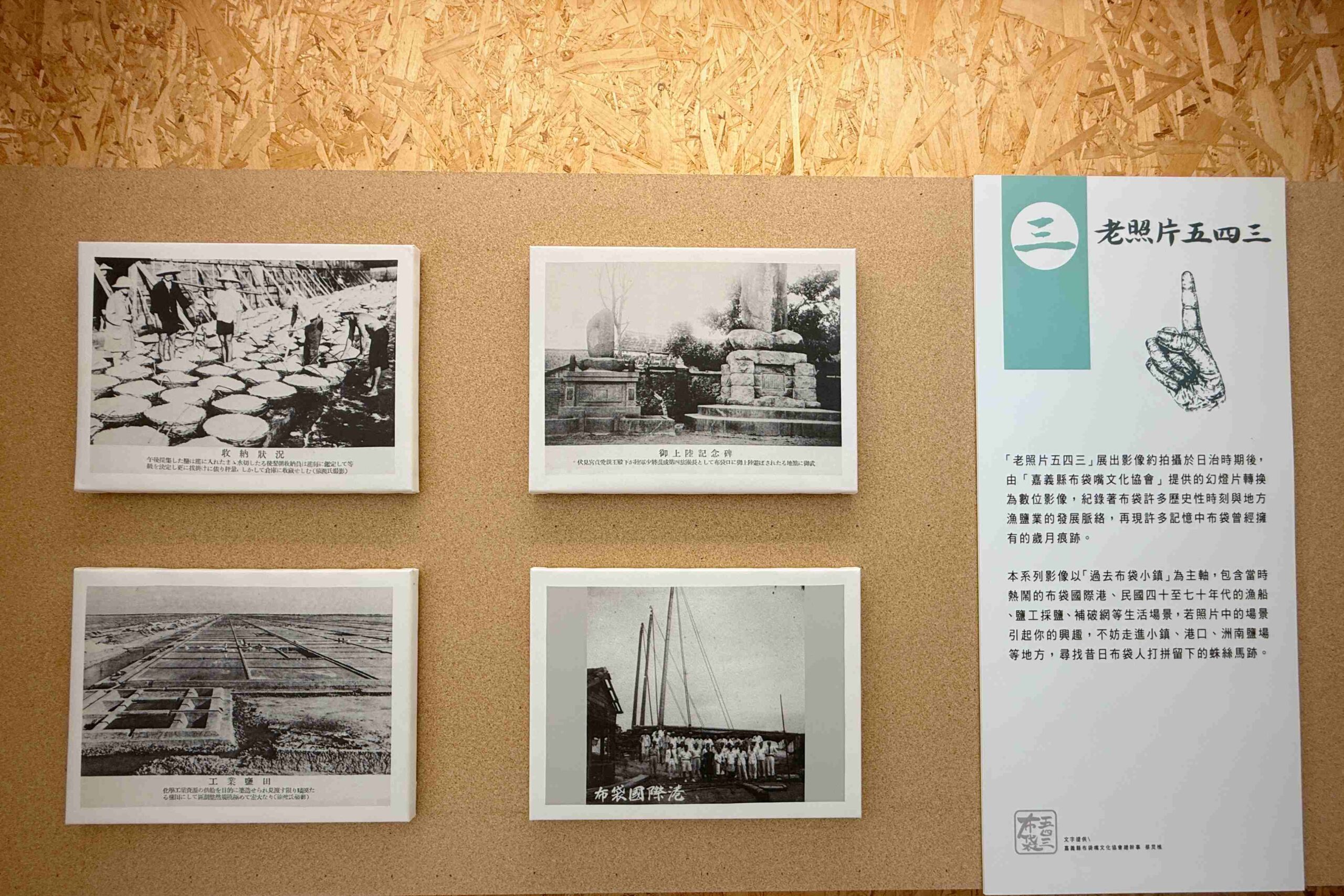
Budai 543 Story House

Opening Hours: 0900-1700, closed on Monday & Tuesday.
No. 46, Ruchuan Rd., Budai Township, Chiayi
04|Prince Zhen-ai Landing Monument
In a small alley next to Budai 543 stands a monument that bears witness to an important chapter of Taiwan’s history under early Japanese rule. In 1895, after the signing of the Treaty of Shimonoseki, the Qing dynasty ceded Taiwan and the Penghu Islands to Japan. In the early days of Japan’s takeover, fierce resistance broke out, prompting the Japanese to send in troops. That October, Prince Zhen-ai led the Fourth Brigade to land at Budai. To commemorate this event, the Japanese erected a monument at the entrance of Jiaying Temple in Budai and designated it as a historic site of Tainan Prefecture. According to local guides, even today, Japanese visitors occasionally come from afar to pay their respects and reflect on the traces of this history.
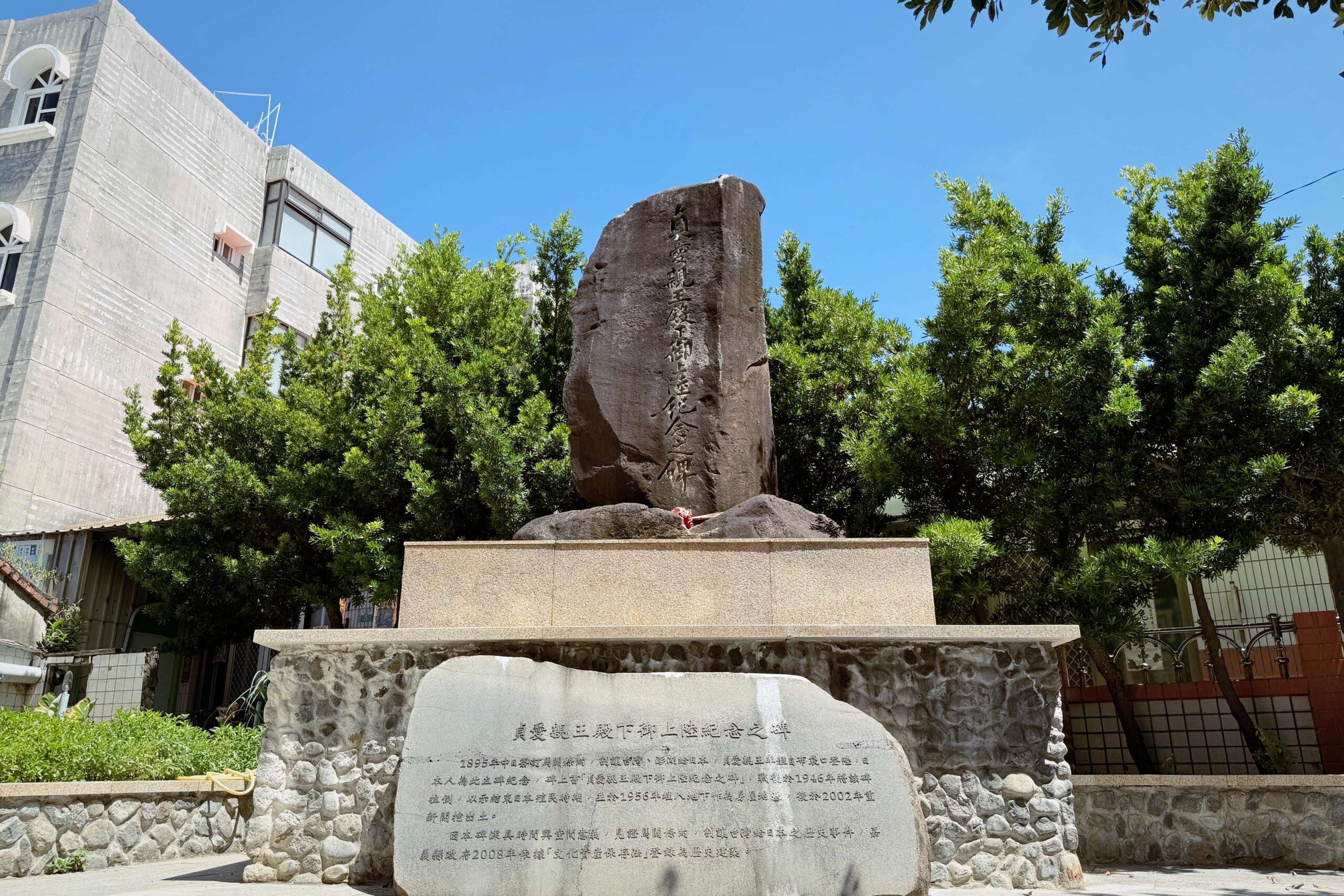
Prince Zhen-ai Landing Monument

In a small alley next to Budai 543.
05|Budai Jiaying Temple
There are two Jiaying Temples in Budai: one is the Budai Jiaying Temple, famous for its Burning of the King Boat ritual, and the other is the Xinwen Jiaying Temple, known for its annual Rushing the Waterway and Welcoming the Guest King ceremonies. This time, I visited the Budai Jiaying Temple. During major religious festivals for peace and prosperity, the temple holds the Burning of the King Boat ceremony to show gratitude to the deities. In addition, the temple is widely trusted by locals for its effective soul-calming rituals (shoujing), making it an important center of faith in the community.
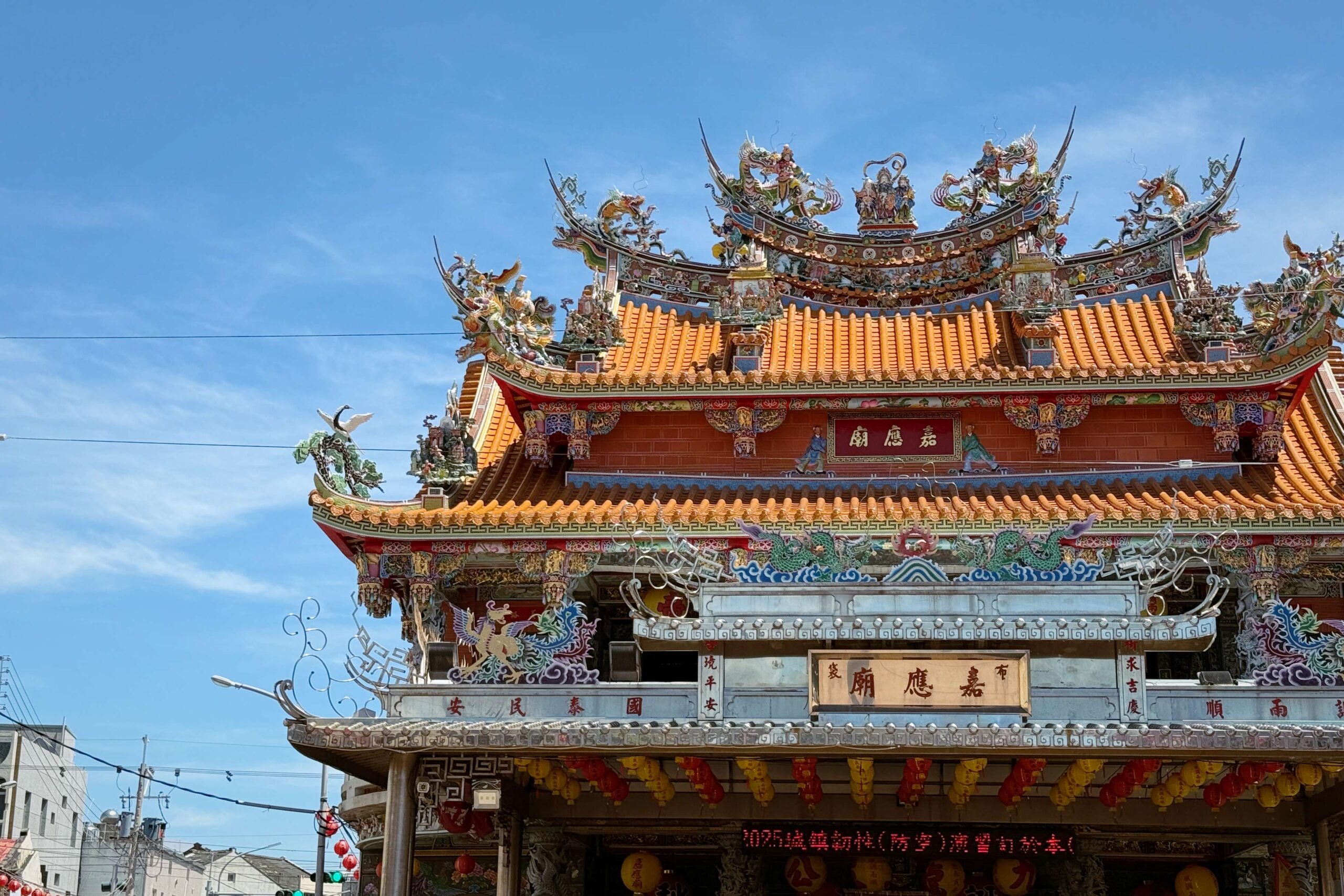
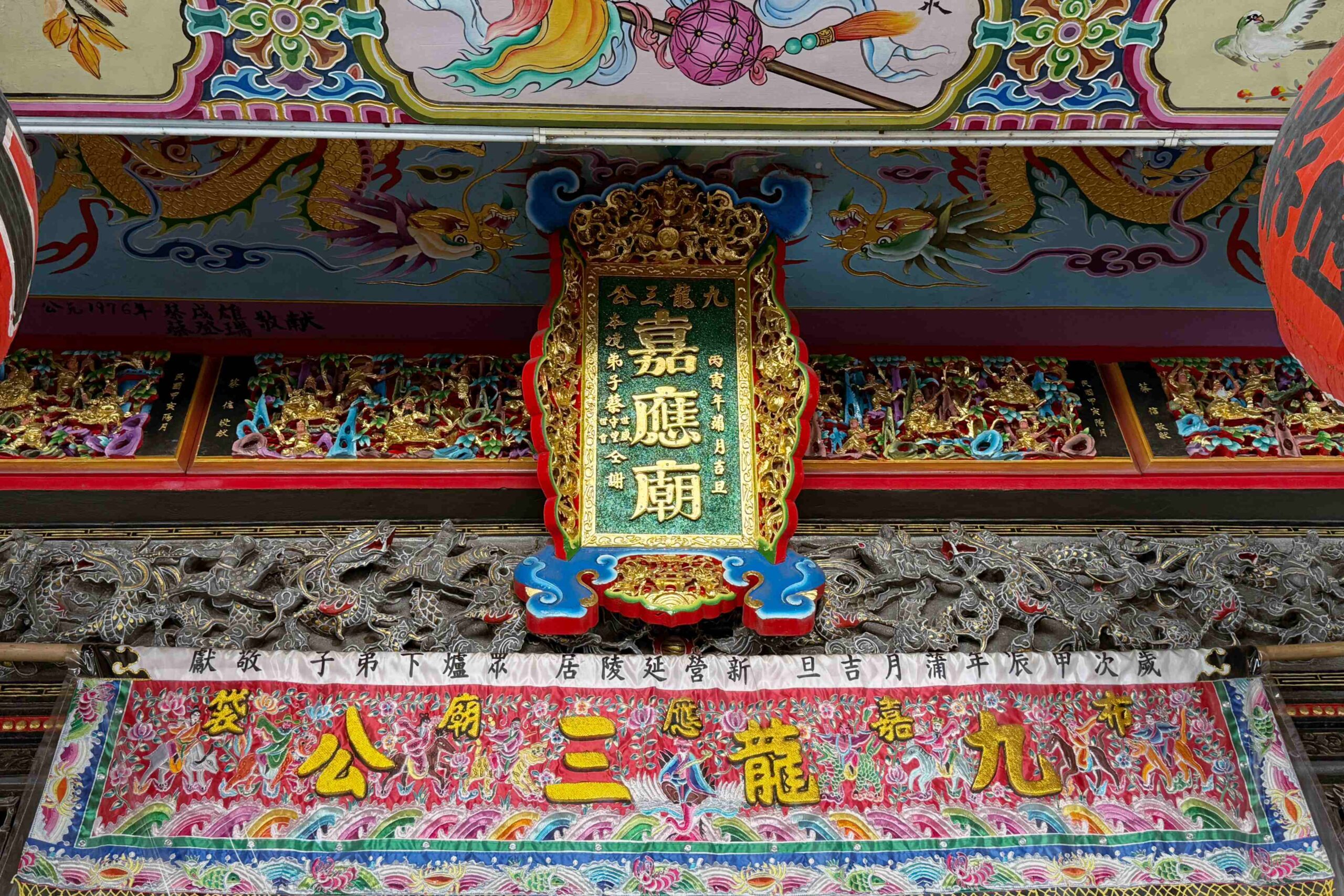
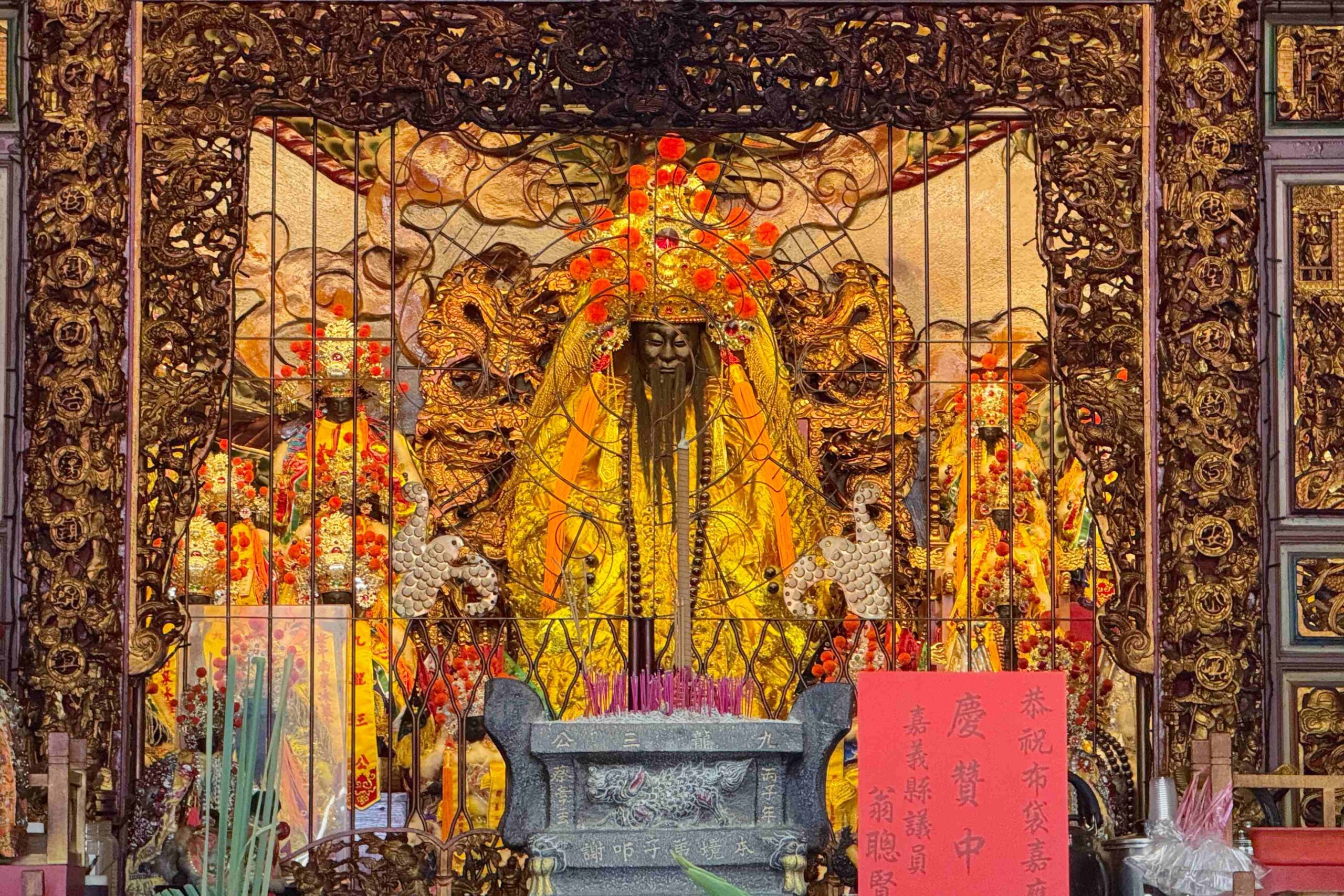
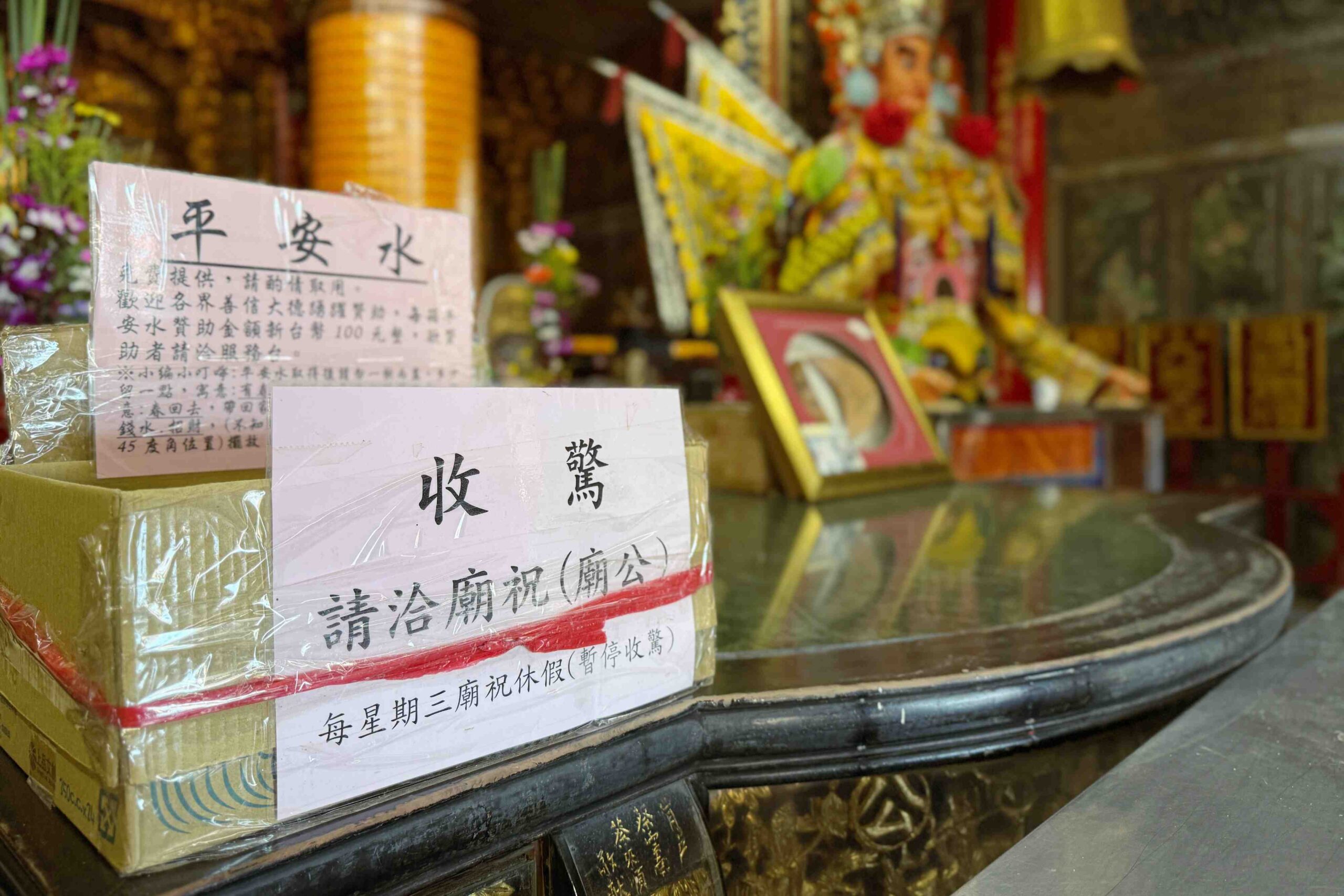
Budai Jiaying Temple

Opening Hours: 0600-2100
No. 32, Ruchuan Rd., Budai Township, Chiayi
06|Bisha Street
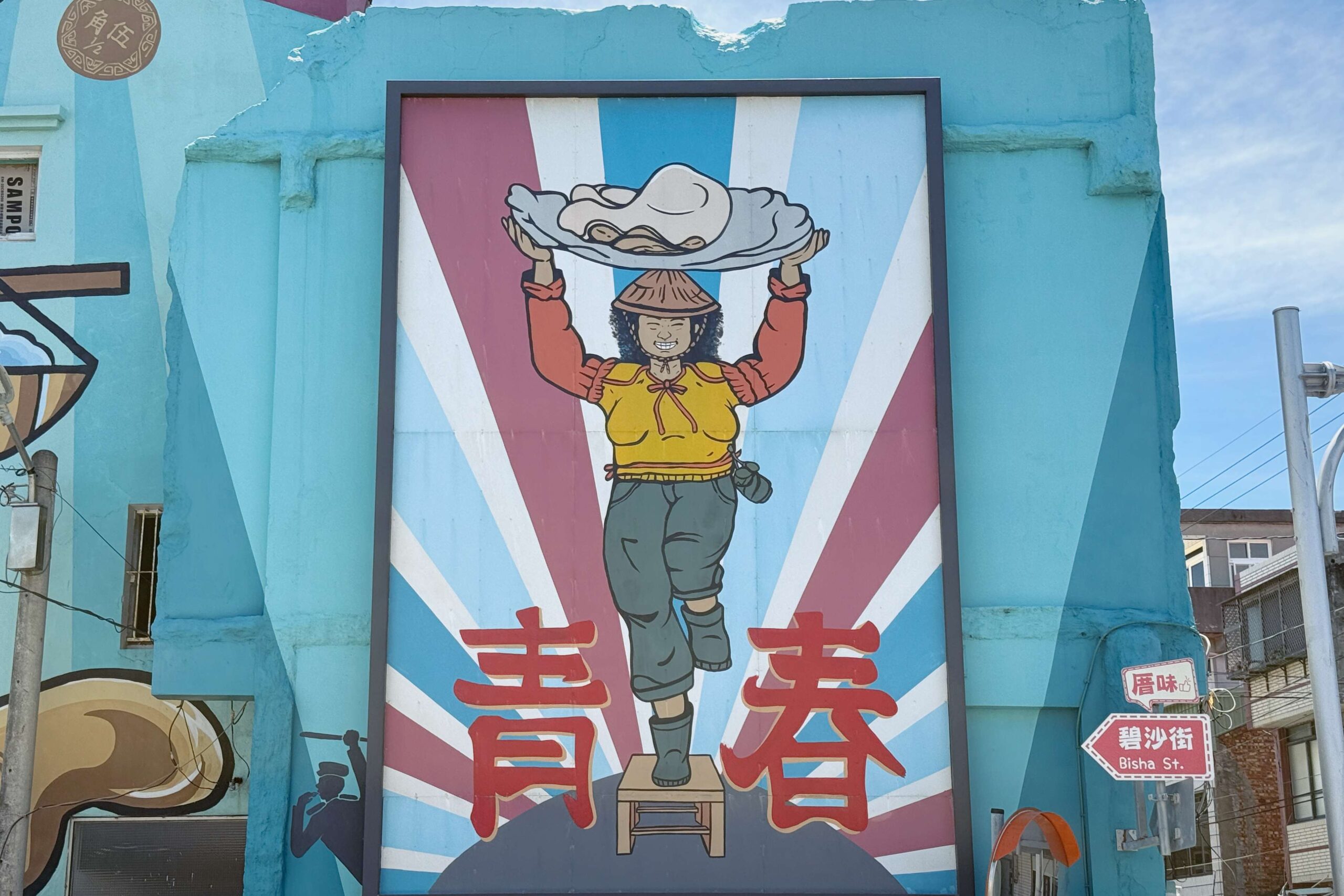
Across Taiwan, many old settlements have been revitalized through creative redesign, turning into charming photo spots. Budai’s Bisha Street is one such example. Originally left with crumbling walls and half-demolished houses due to road expansion, the street has been given new life without losing its original character. The walls are now painted with murals depicting the culture of local fishermen and the area’s distinctive agricultural and fishery products. Combined with fresh shades of azure blue and story-filled figures, Bisha Street has regained its vitality and become a lively attraction.
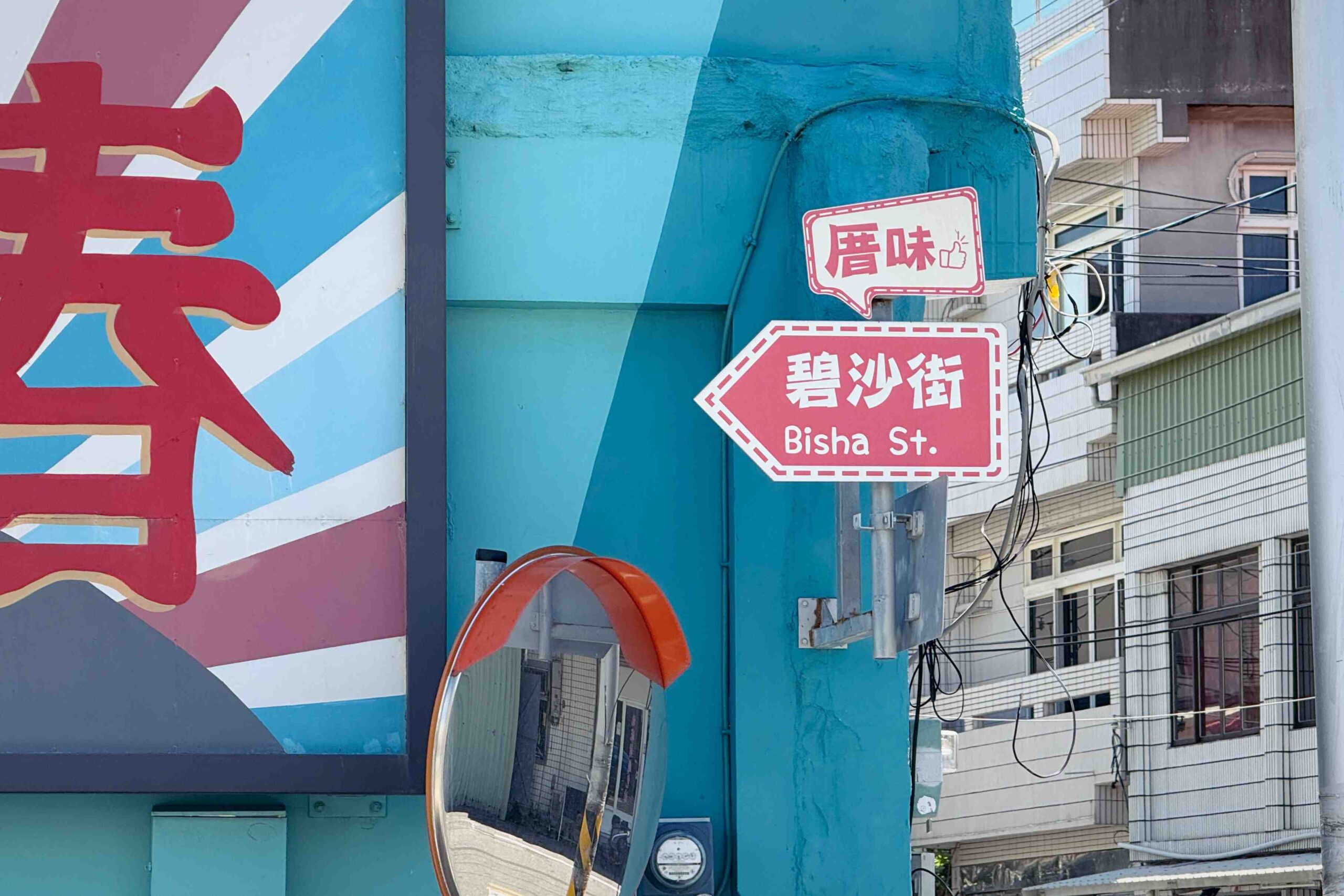
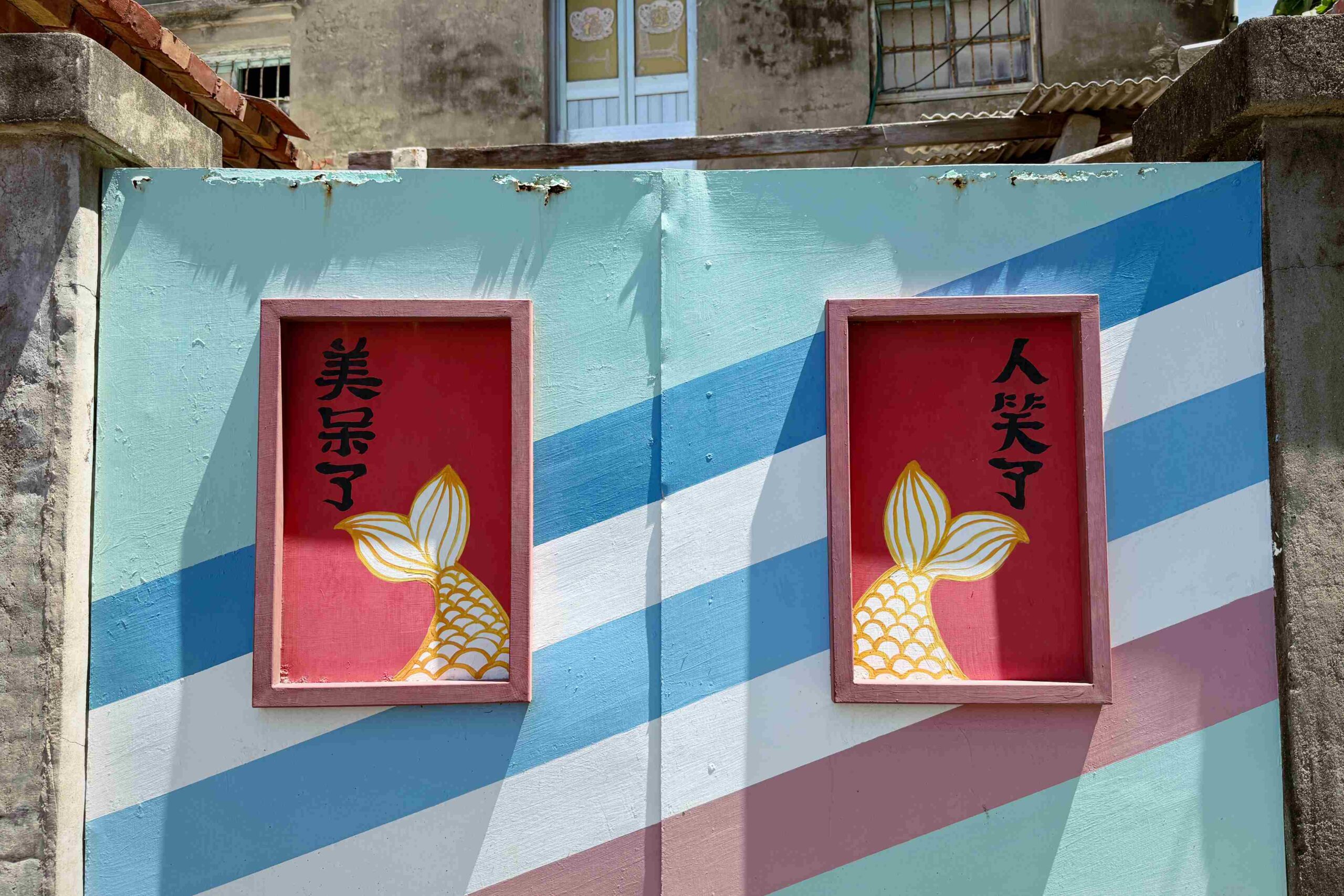
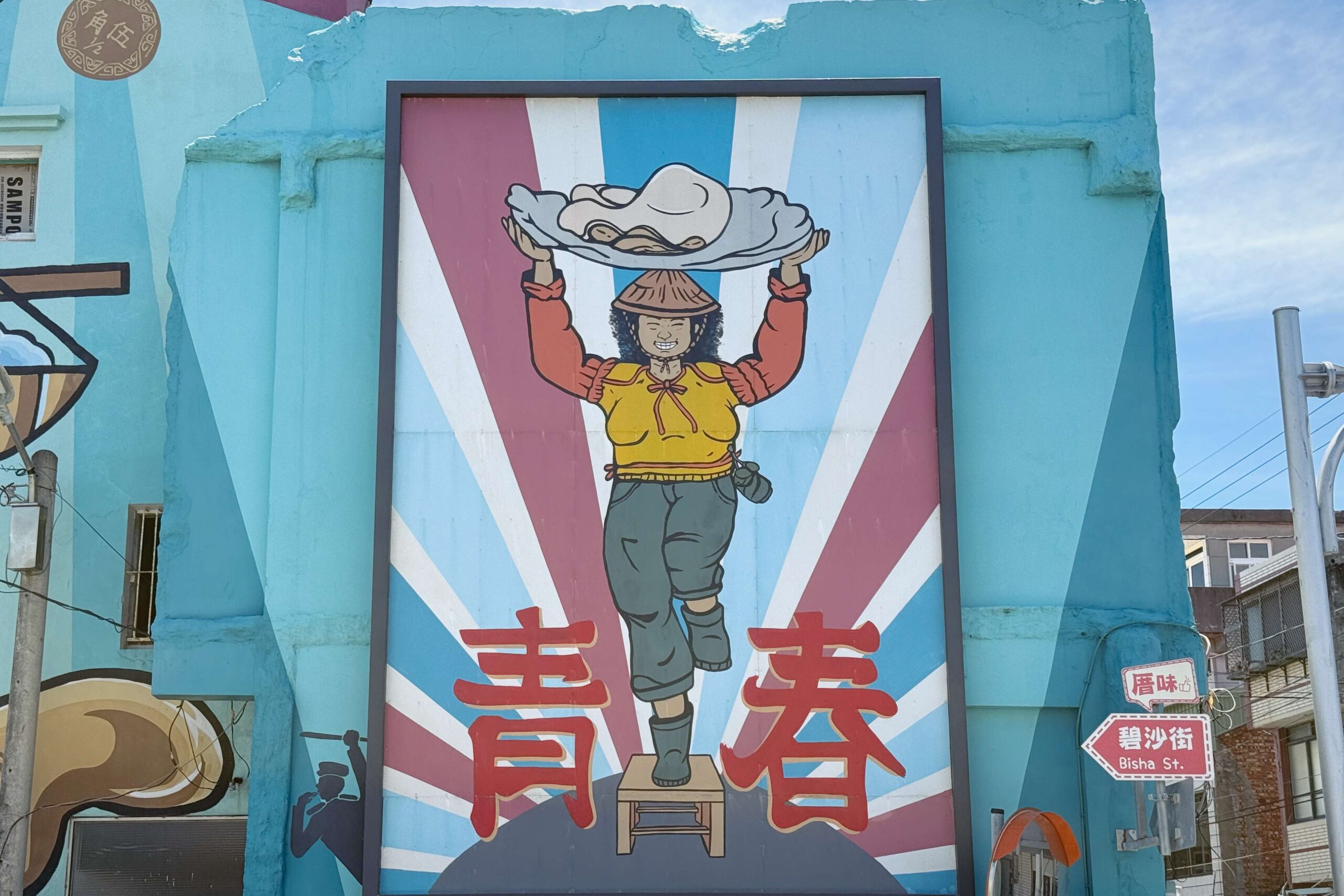
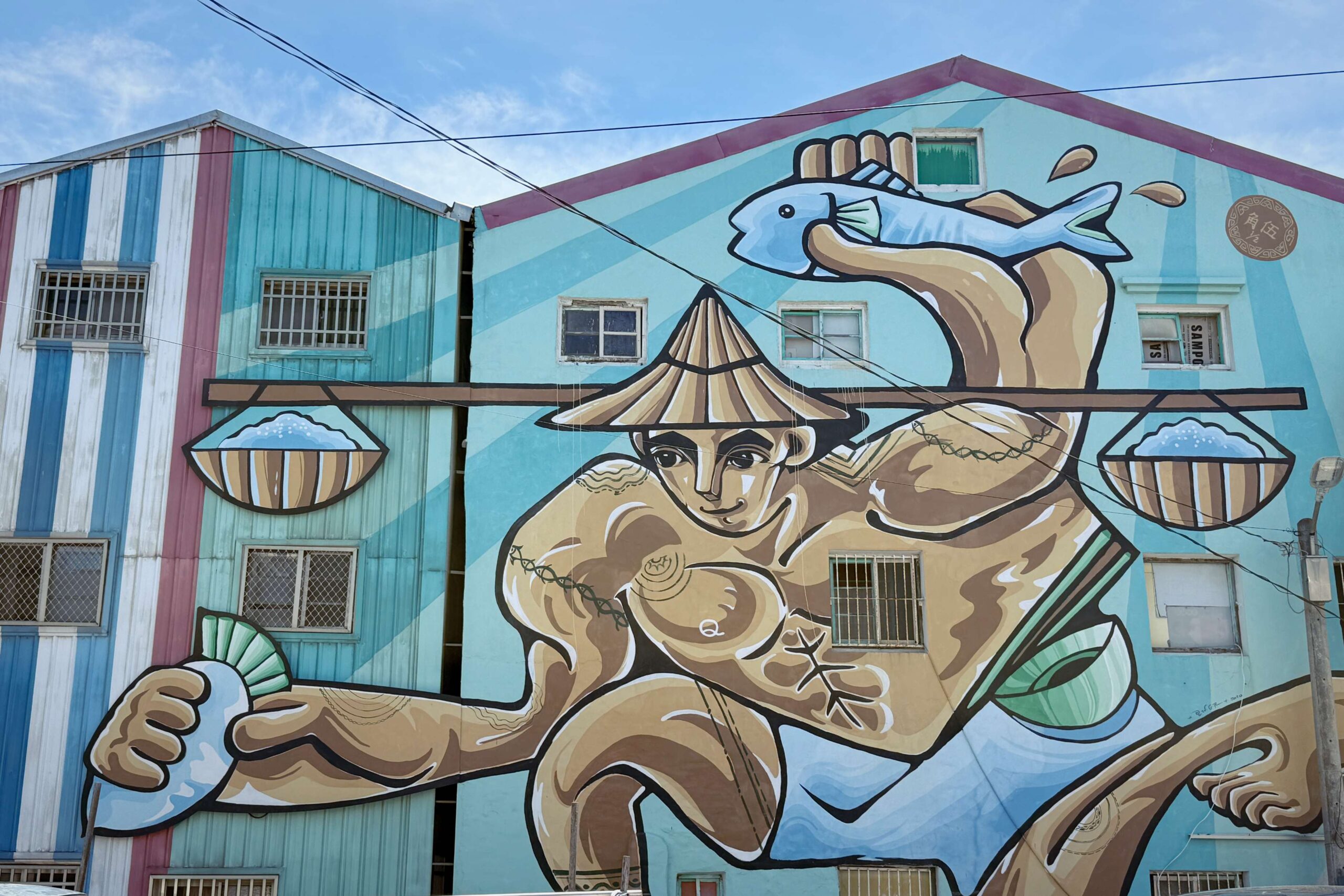
Bisha Street

Bisha St., Budai Township, Chiayi
07|Budai Salt Fields
With its long, straight sandy coast and abundant sunlight, Budai has long been an ideal site for salt production, a tradition dating back to the Qianlong reign—over two hundred years ago. During the Japanese colonial period, Budai Salt Field matured, and Budai Harbor became an important salt port, exporting local salt to China and Japan.
With the advent of mechanization, traditional salt workers were gradually replaced, and the salt industry slowly declined. Today, the scenes of salt harvesting and sun-drying are almost gone, and the little trains that once ran through the salt fields have long retired. What remains is Budai Salt Mountain—a gleaming white mound that symbolizes the town’s “white gold” era, never forgotten.
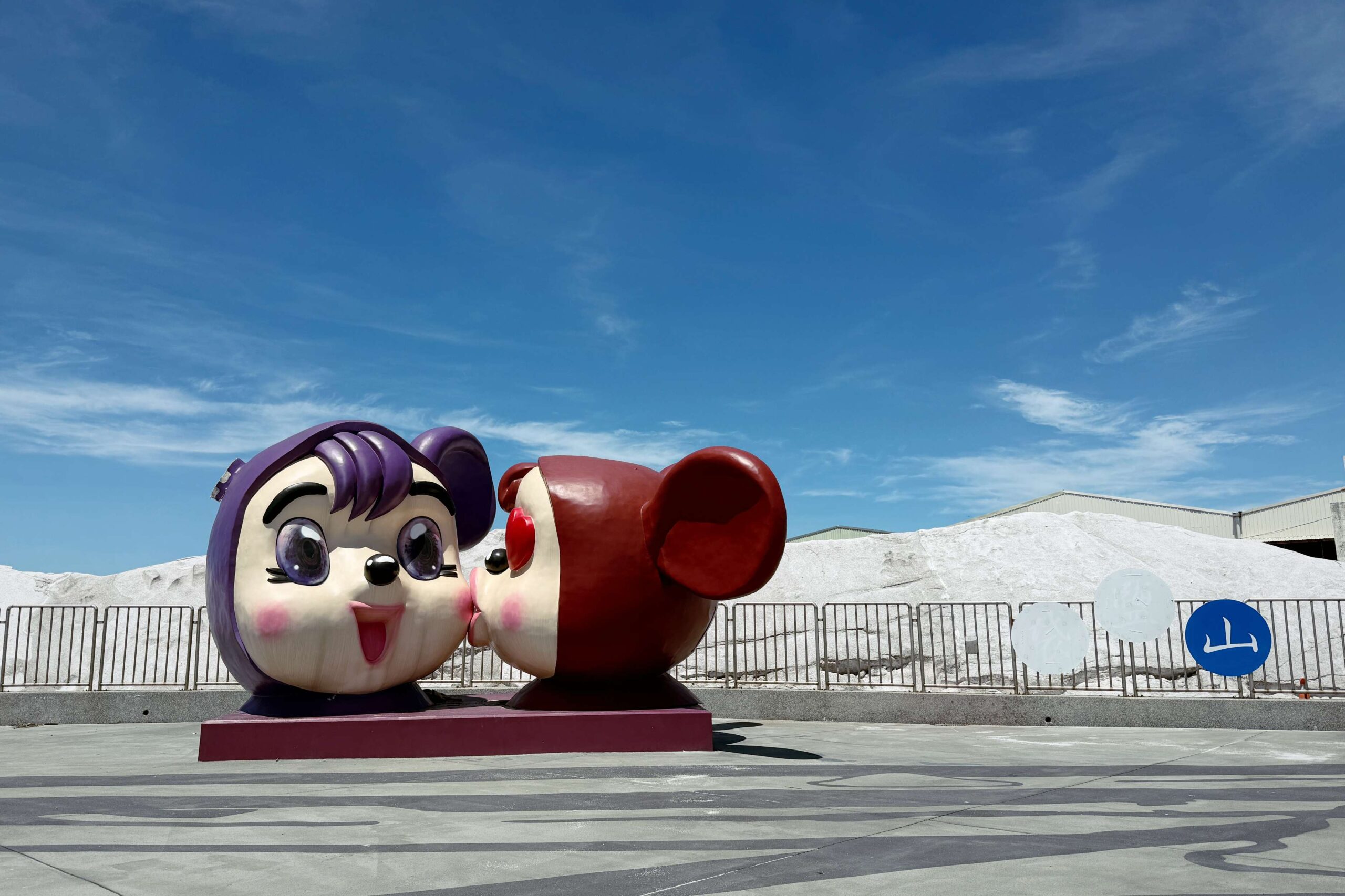
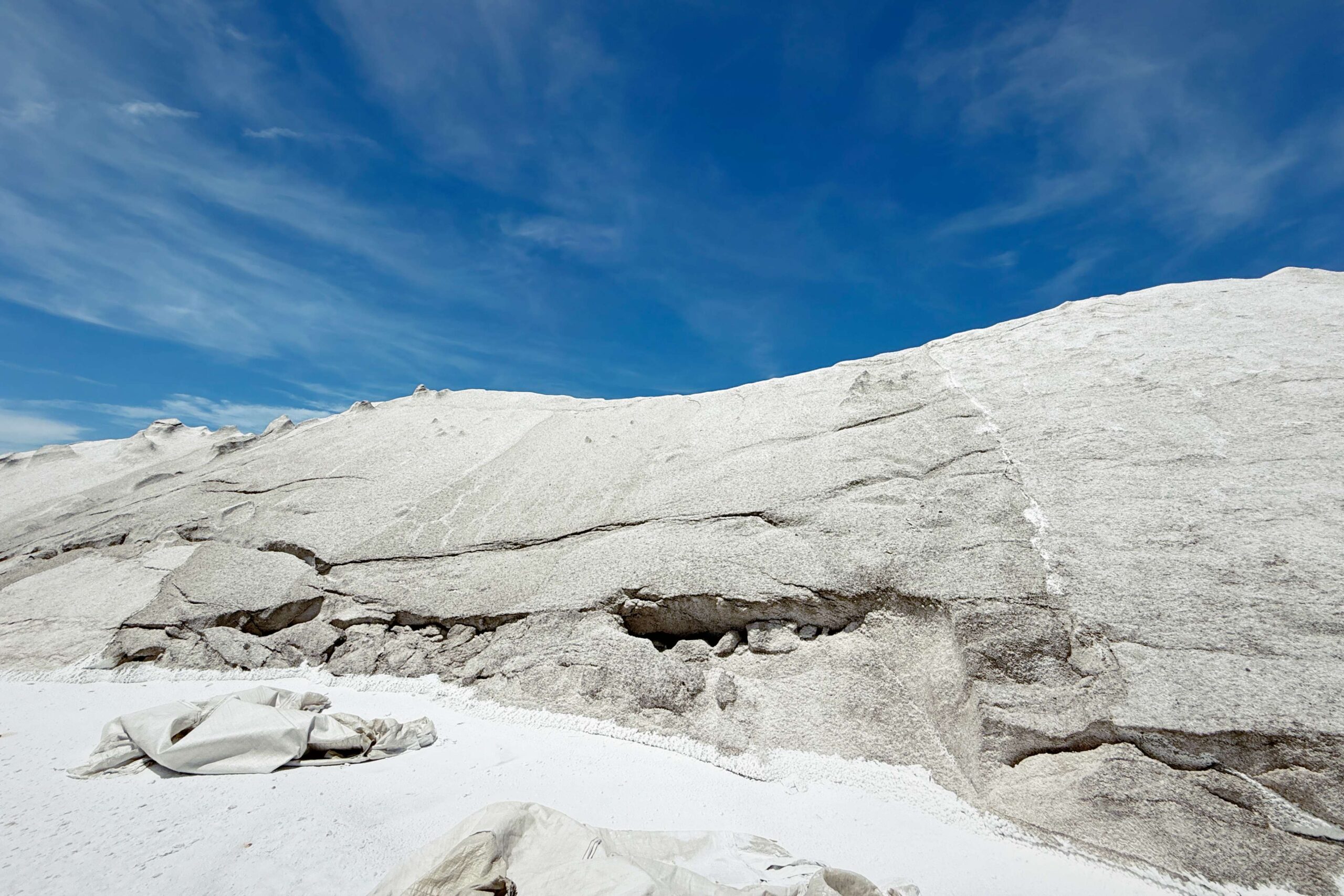
Next to the salt mountain, the Taiyen retail store combines innovation with tradition, offering unique treats such as salt-brine coffee, salt-brine tofu pudding, and savory ice pops. Visitors can also explore Taiyen’s own line of skincare products, allowing them to savor Budai’s history while experiencing the diverse uses of salt.
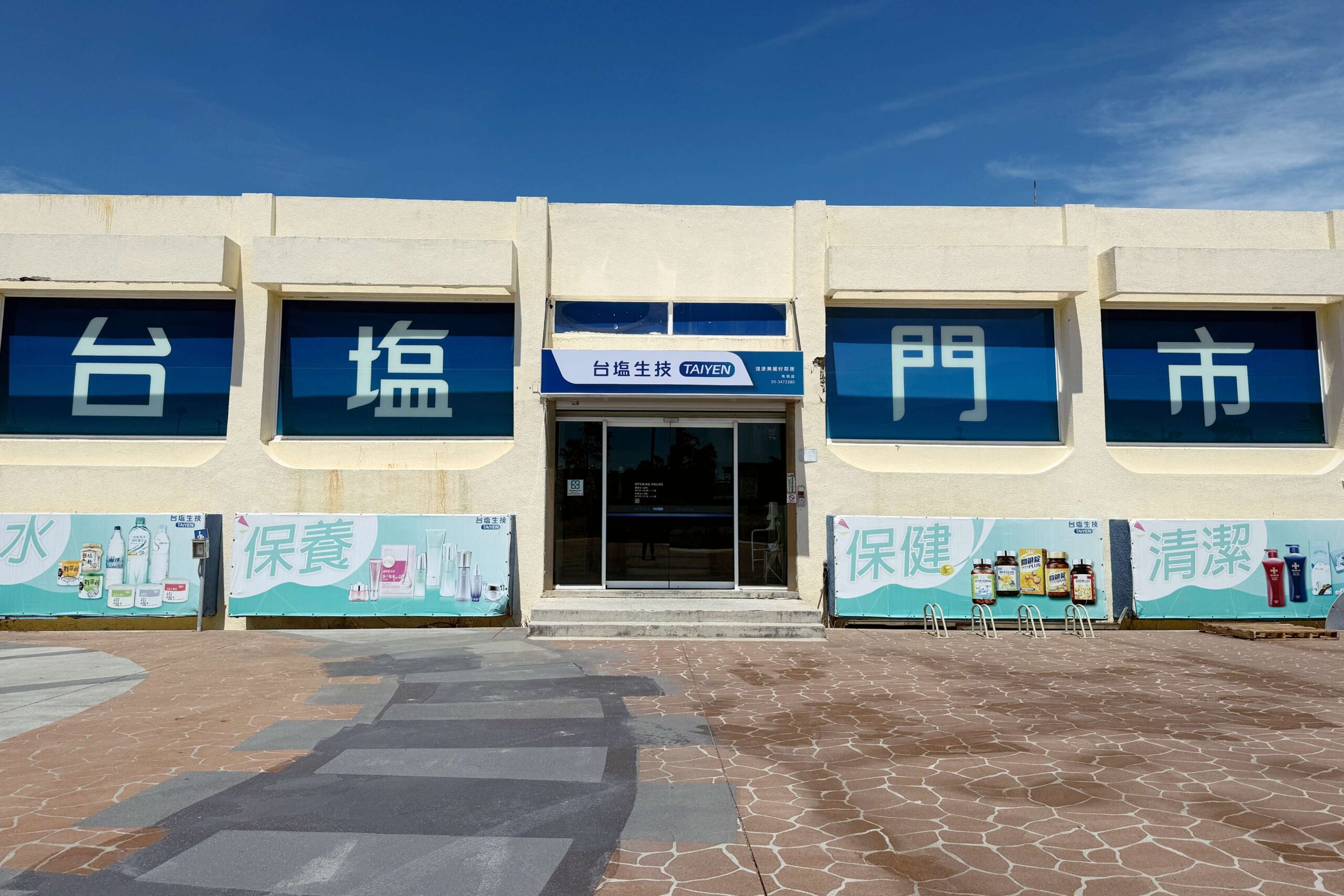
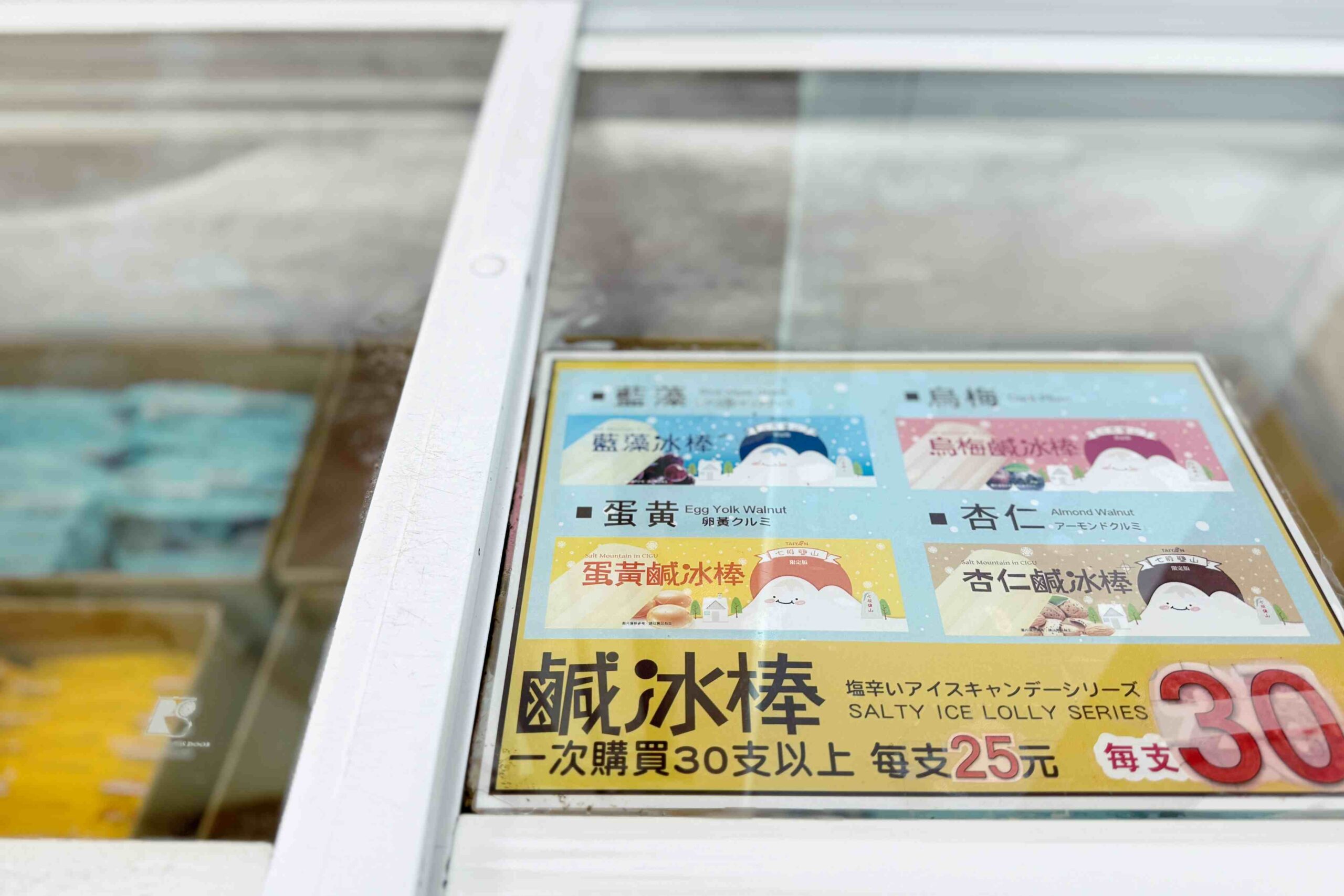
Budai Salt Fields

Opening Hours: 0900-1800
No. 8, Budai Township, Chiayi
08|Zhou Nan Salt Field
As mentioned earlier in the section on Budai Salt Mountain, today you can hardly see the traditional scenes of salt harvesting and sun-drying in Budai. However, not far from the salt mountain, the Zhou Nan Salt Field still offers a glimpse into these historic practices—and visitors can even try their hand at salt-making. Built in 1824, the Zhou Nan Salt Field ceased production in 2001. Seven years later, thanks to the efforts of a dedicated group, it was revitalized in 2008, focusing on exploring the cultural value of salt. Through various hands-on experiences, visitors can witness firsthand the process of turning “a drop of seawater into a grain of salt,” gaining a renewed appreciation for this precious resource.
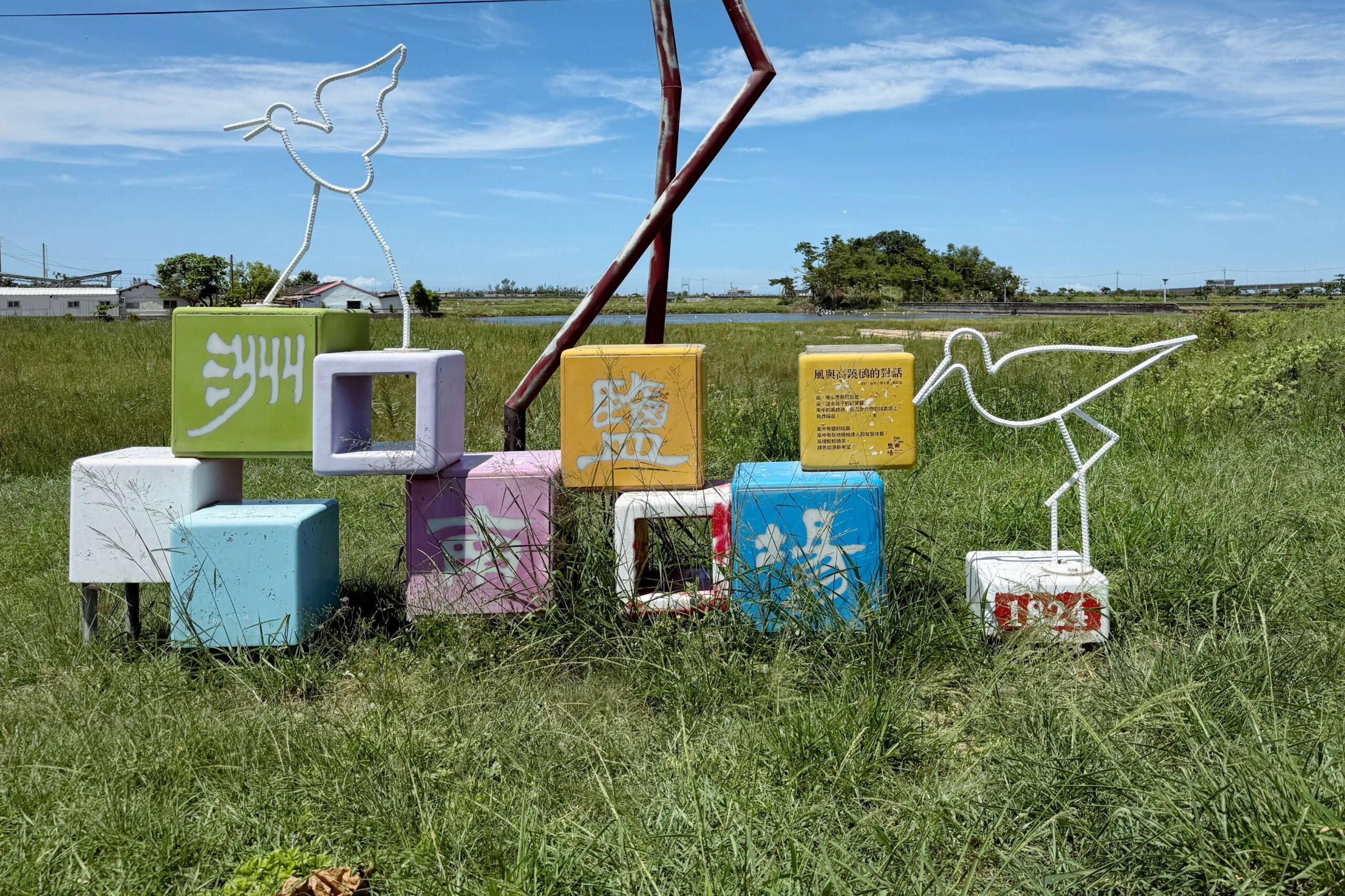
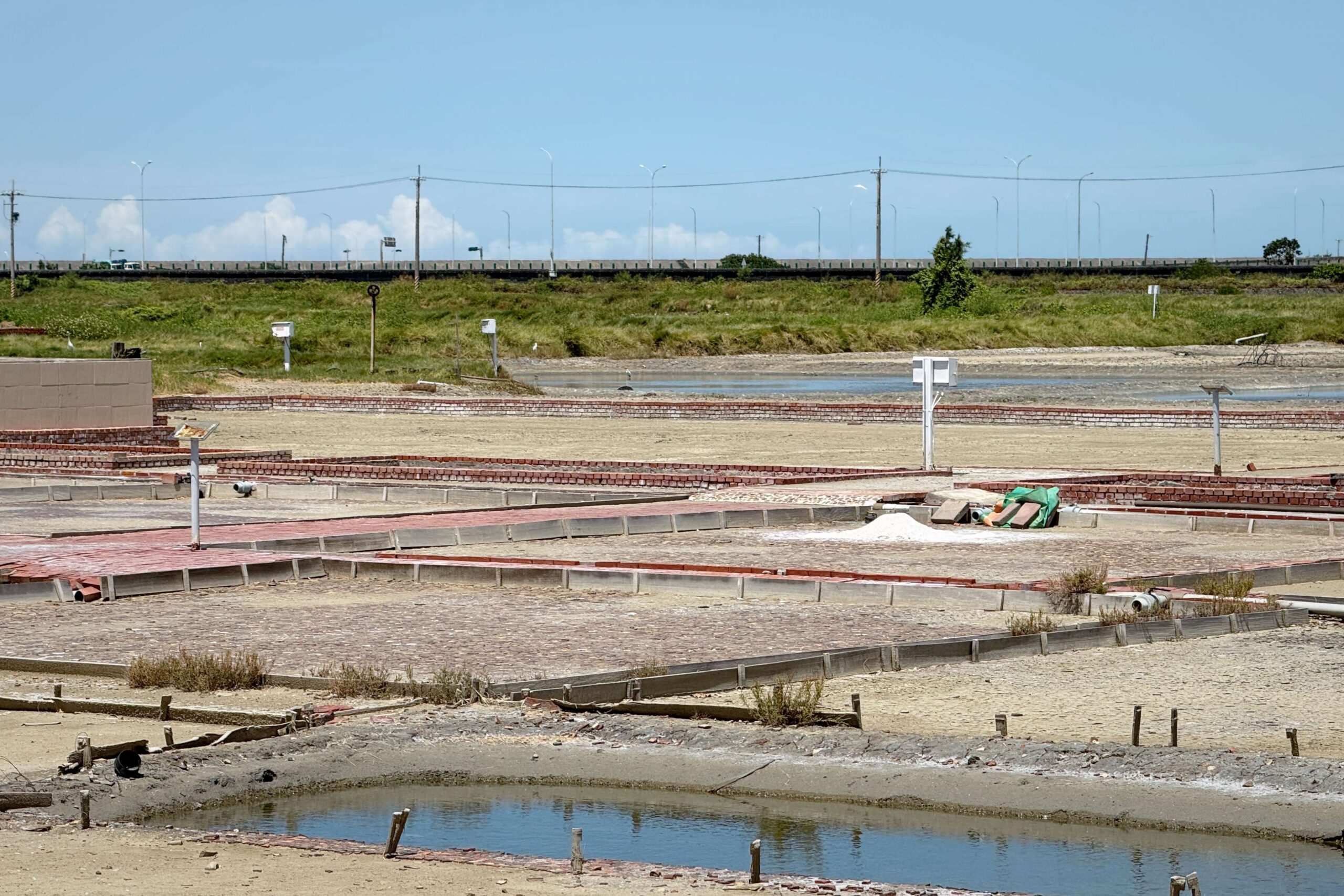
Inside the Zhou Nan Shop, shelves display a variety of salts crafted with natural ingredients and diverse techniques: the richly flavored Mountain Fragrance Salt and Bamboo Salt, as well as gourmet favorites like Salt Flowers and Frost Salt. I personally picked up a bag of Noon-Time Salt, harvested specifically at noon on the Dragon Boat Festival, said to bring abundant energy and serving as a unique keepsake from this journey.
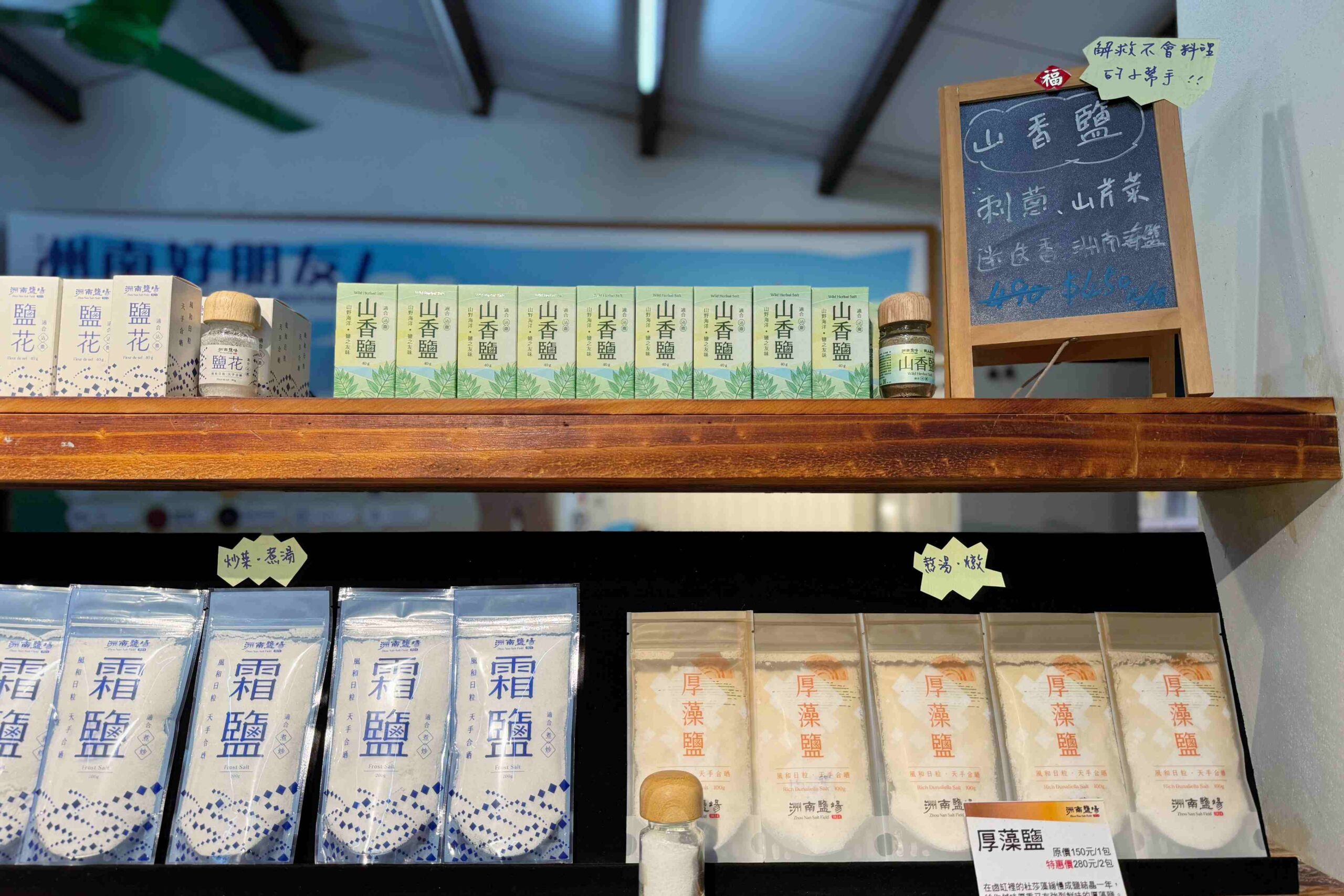
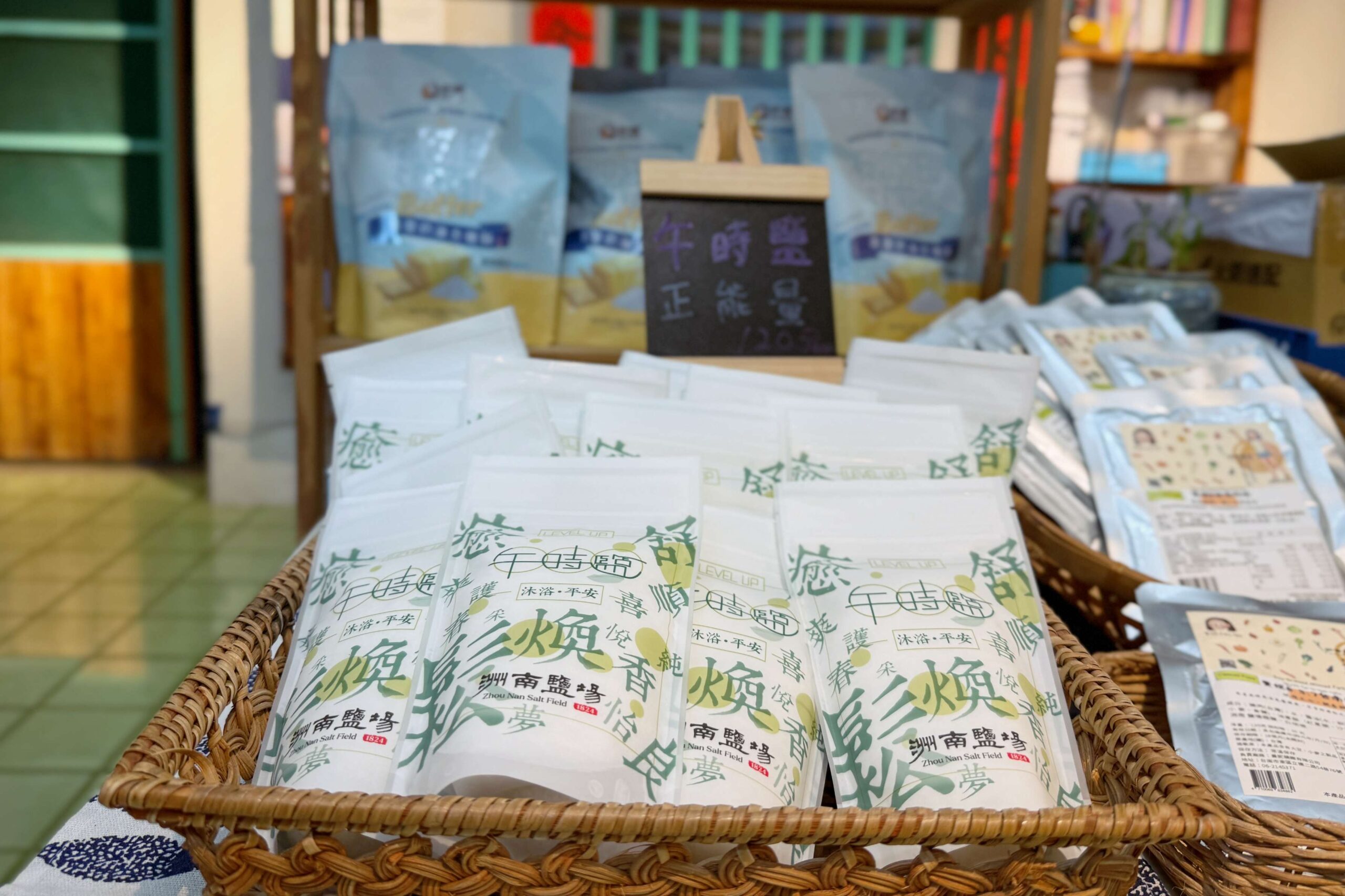
Zhou Nan Salt Field

Opening Hours: 0800-1730, closed on weekends. For hands-on activities, please check their website for reservations.
No. 402, Xincuozai, Budai Township, Chiayi
09|Taisheng Temple
At the entrance of Taisheng Temple, a bright yellow sign with blue lettering immediately catches your eye: “Taiwan’s first Mazu statue verified by the Ministry of Culture as a Ming Dynasty carving.” This not only reflects the temple’s deep reverence for Mazu but also highlights the statue’s unique significance in Taiwan’s religious and cultural history.
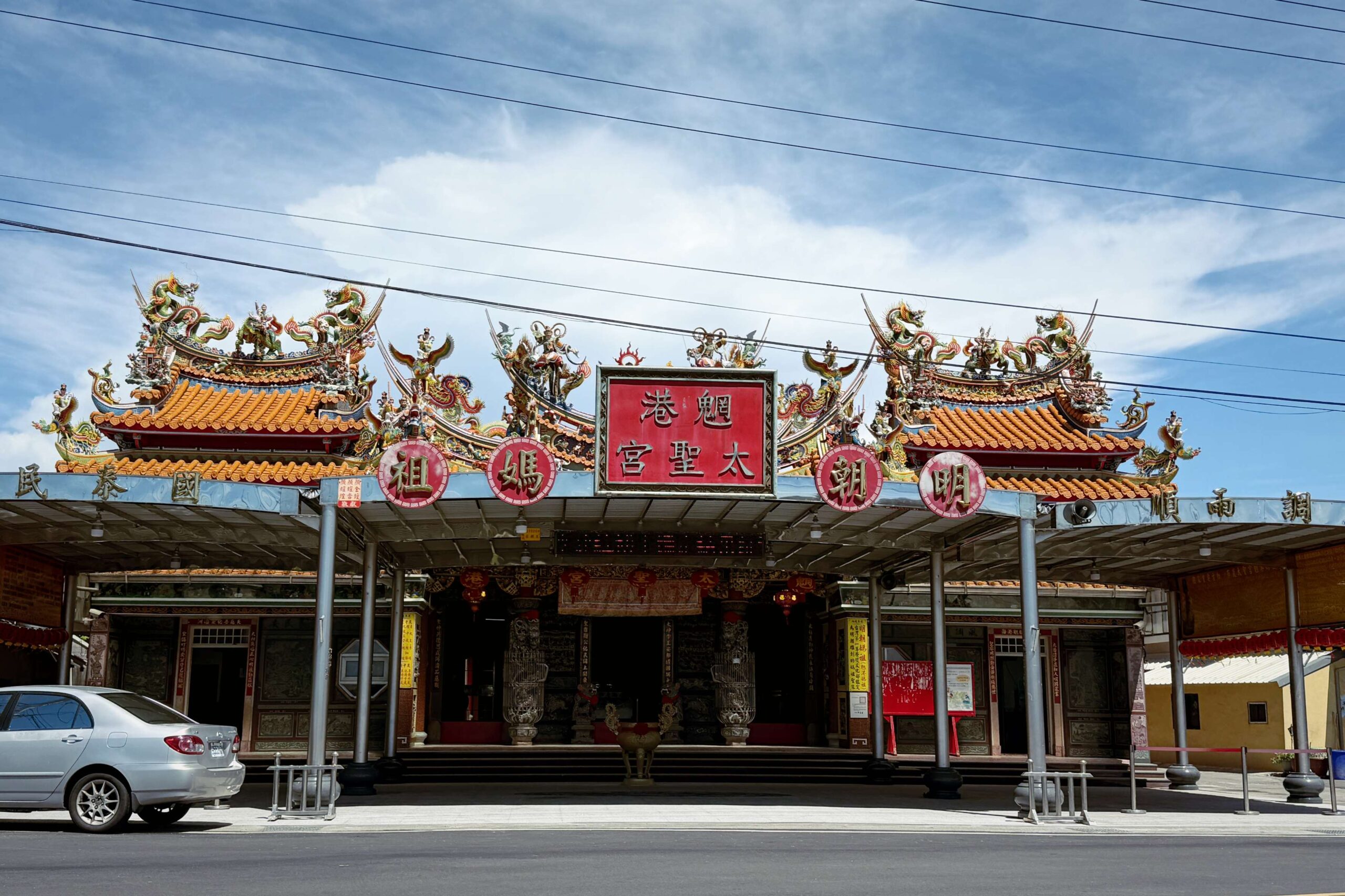
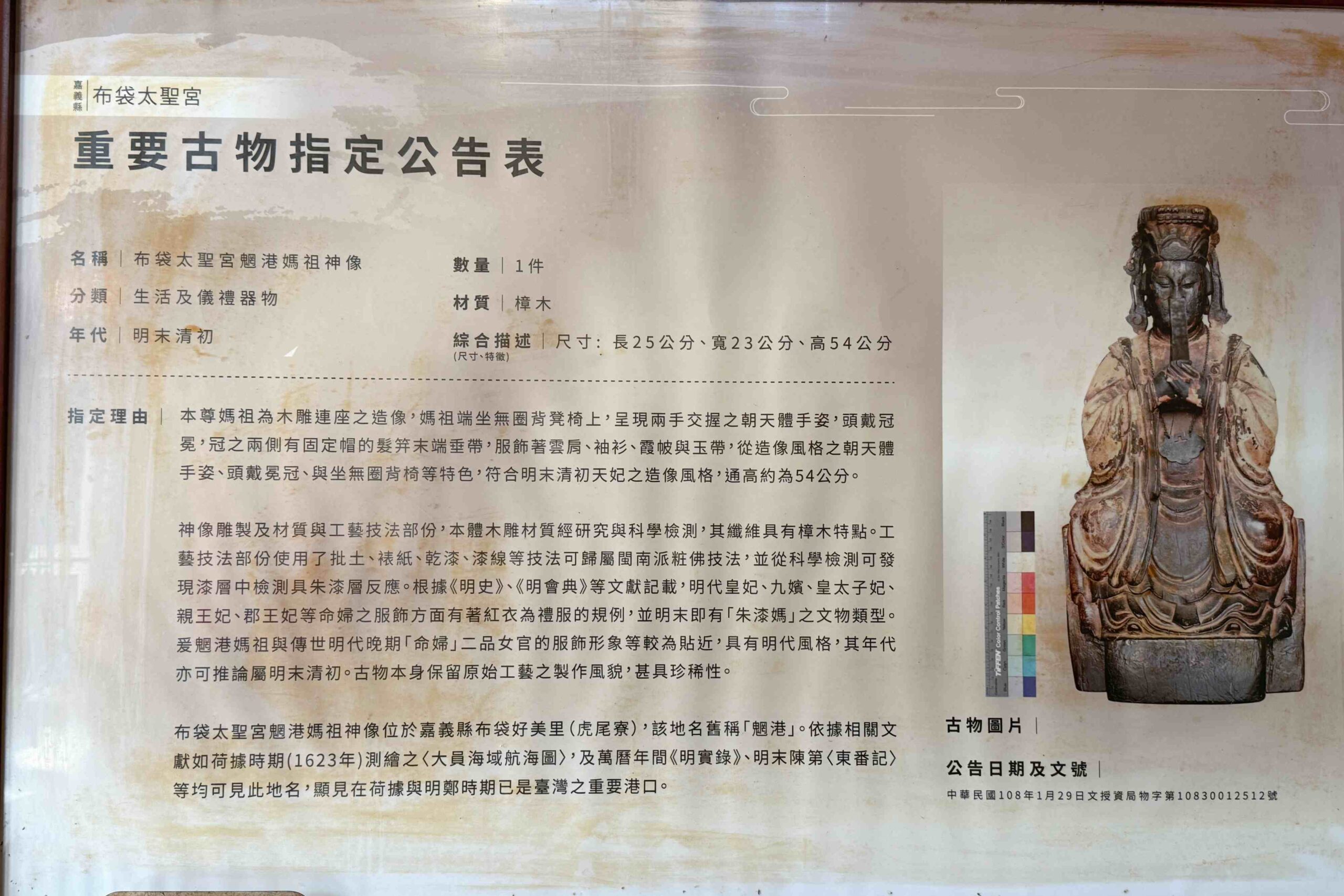
The Gaomeili area of Budai, formerly known as Wanggang, was already an important port in Taiwan as early as 1623, appearing on Dutch nautical maps. According to research by a professor from the Department of History at National Cheng Kung University, Zheng Zhilong used Wanggang as a base and built a temple to enshrine this Mazu statue, which has now existed for over 300 years. In 2019, the statue was officially certified by the Ministry of Culture as an Important Cultural Artifact, making it a highly valuable cultural treasure. Today, Taisheng Temple serves not only as the spiritual center for local residents but also attracts worshippers from across Taiwan and abroad.
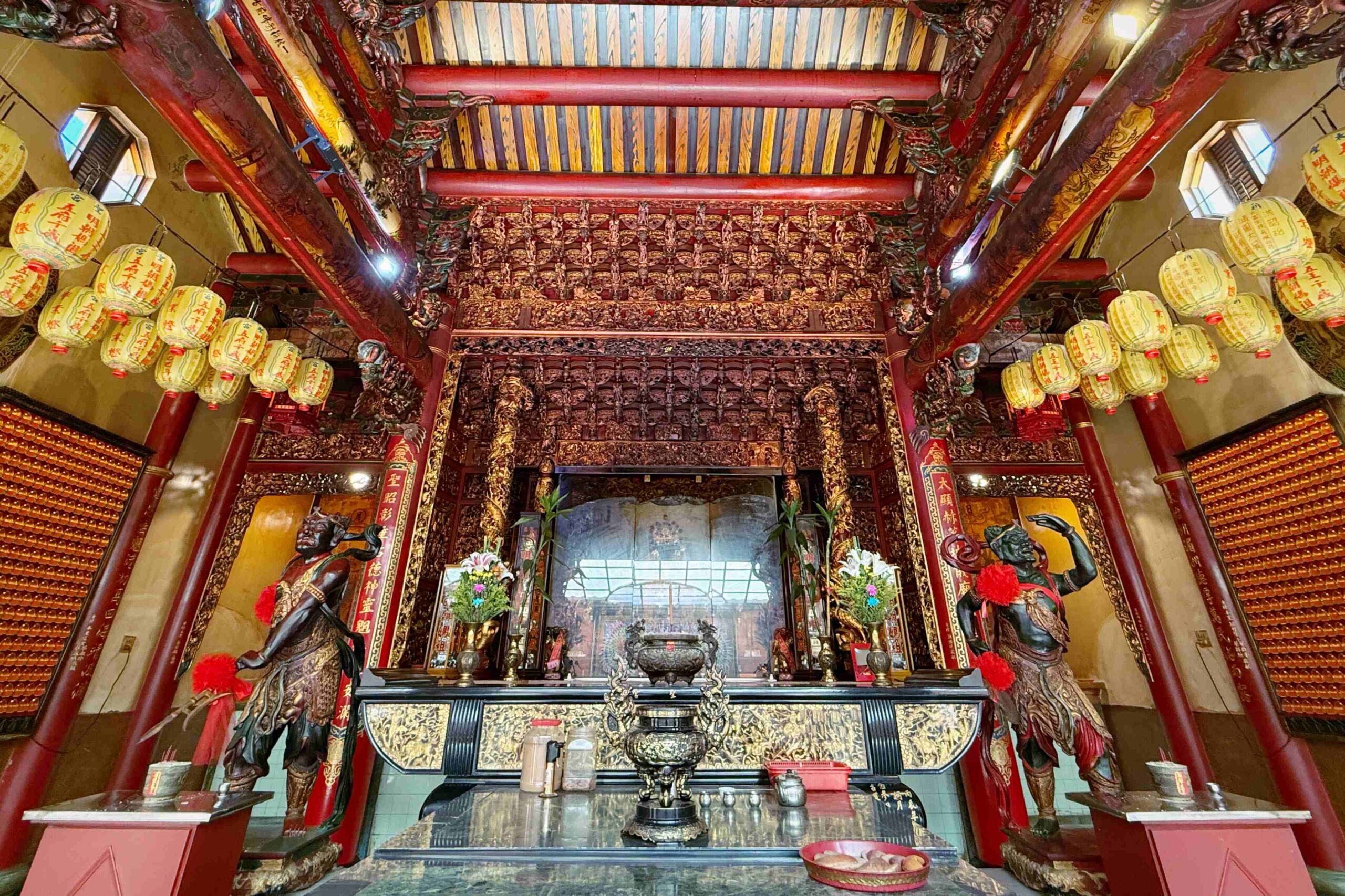
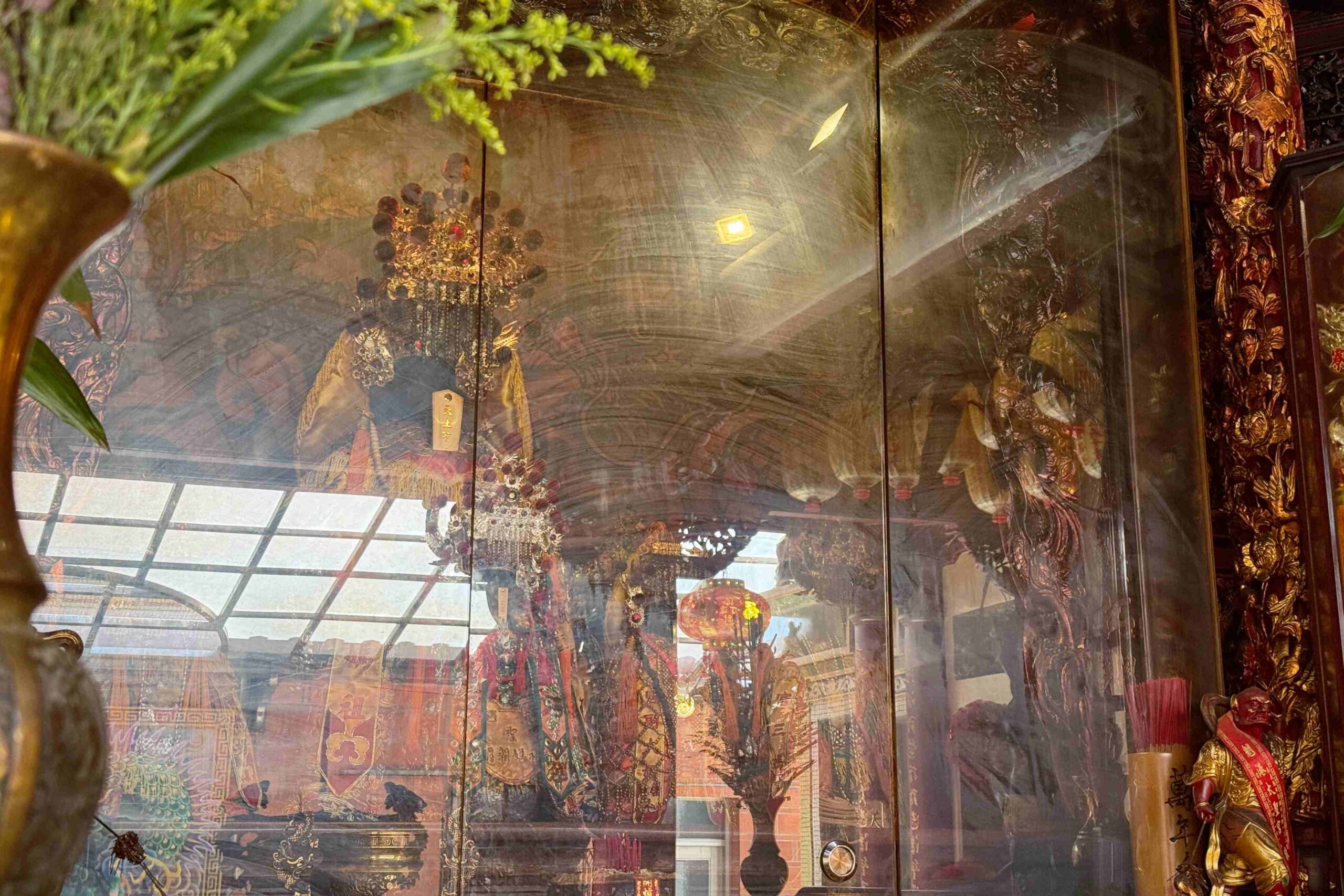
Taisheng Temple

Opening Hours: 0600-2000
No. 132, Budai Township, Chiayi
◦ Restaurants and Snacks in Budai
01|Budai Port Oyster Fritter King
If you want to taste fresh seafood straight from the source in the early morning, Budai Port Oyster Fritter King is an excellent choice! With affordable prices and fresh ingredients, the owner himself embodies the spirit of the “Oyster Fritter King.” Not only is he warm and chatty, but he also treats customers to different side dishes depending on his mood. On this visit, I was lucky enough to be served boiled oysters and fried seafood—the plump, sweet oysters were unforgettable.
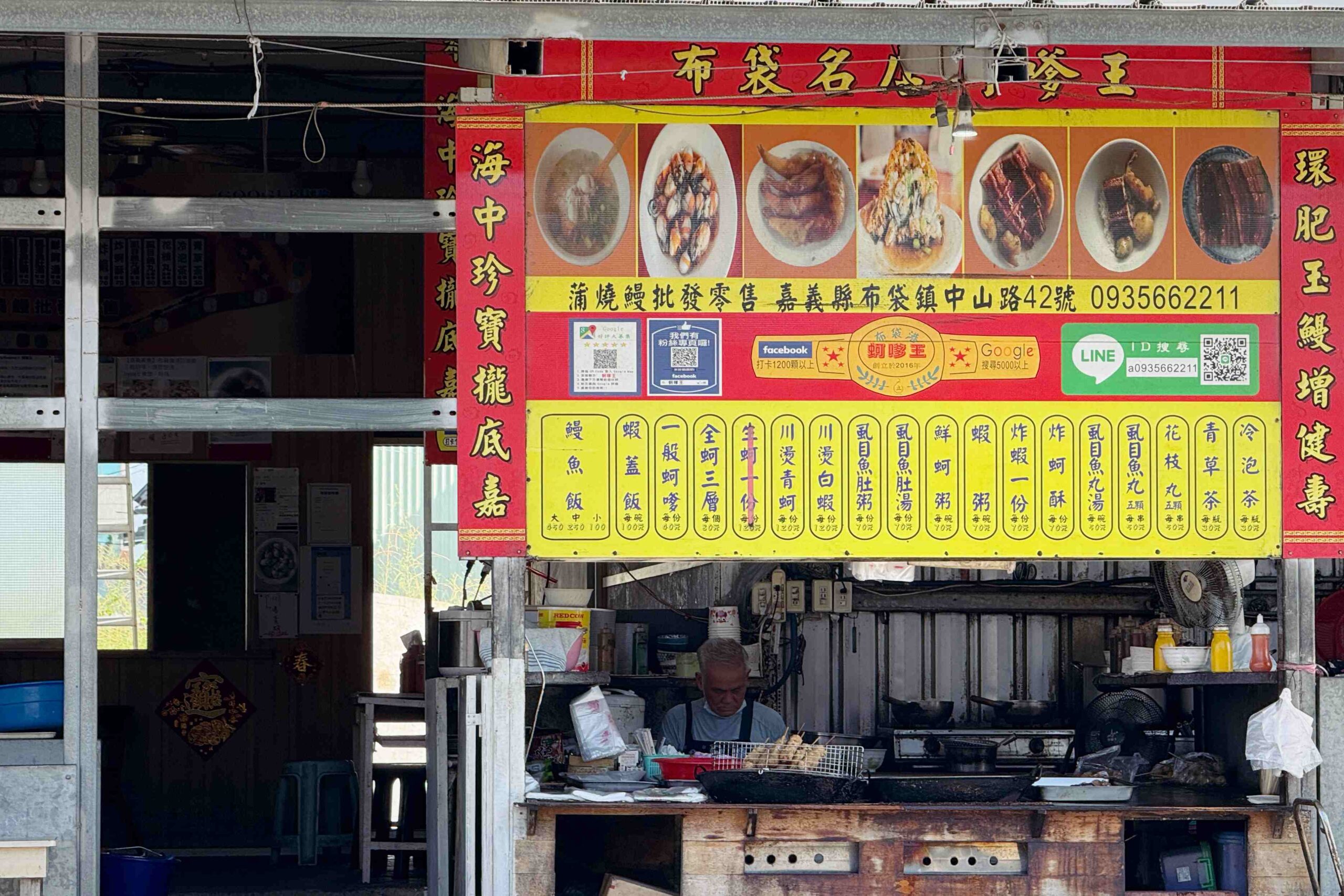
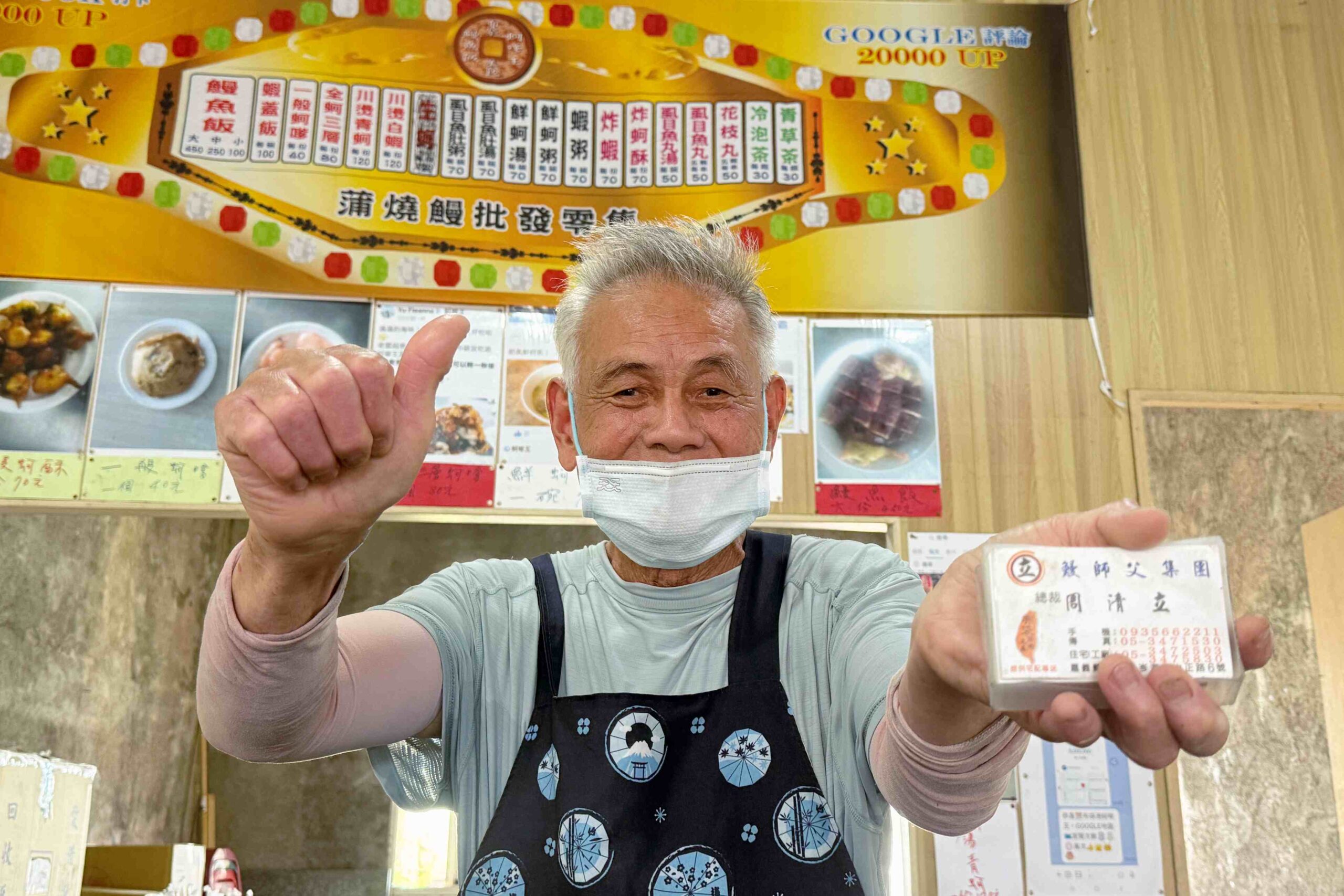
The signature dish here is the three-layer oyster fritter: a layer of batter, a layer of juicy oysters, and a layer of chives, stacked three layers high and fried to order. The crispy, slightly charred exterior conceals the rich, succulent oysters inside; one bite bursts with savory freshness—pure satisfaction! The only minor drawback was the accompanying Thai-style sweet and sour sauce, which was a bit strong and became heavy toward the end.
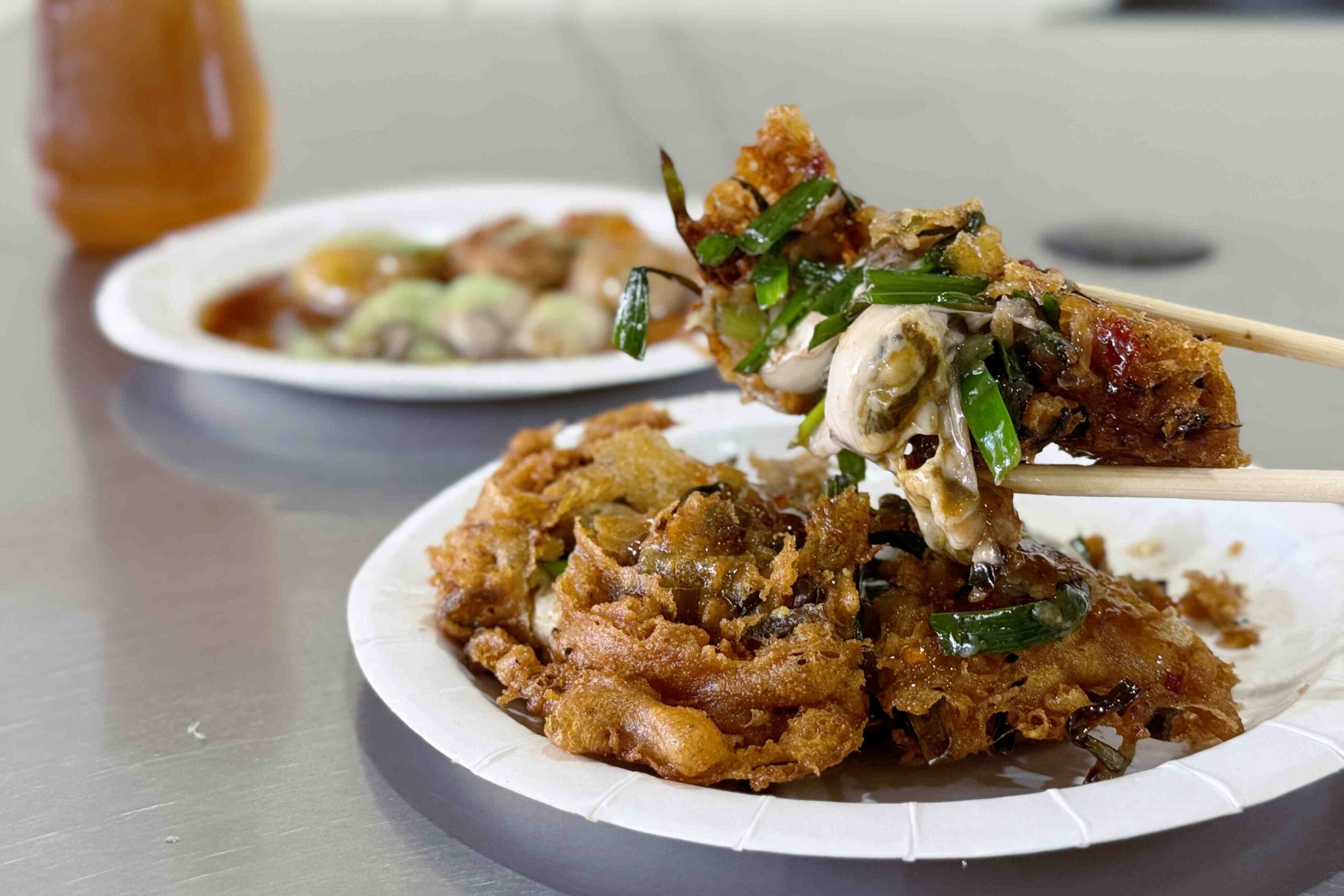
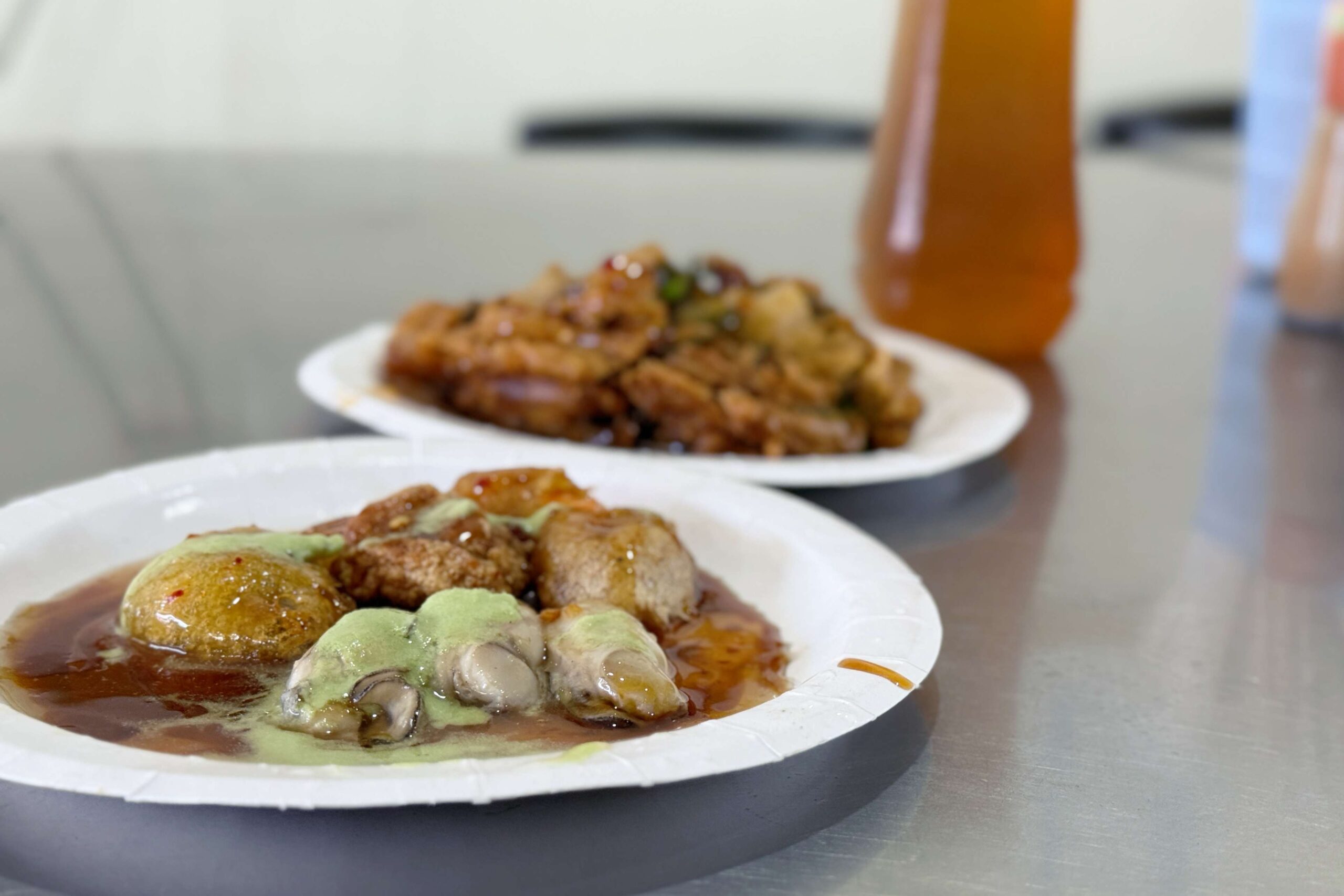
Budai Port Oyster Fritter King

Opening Hours: 0500-1800
No. 42, Zhongshan Rd., Budai Township, Chiayi
02|Salt-Brine Tofu Pudding
At the Taiyen store next to Budai Salt Mountain, several salt-themed snacks are available, including salt-brine coffee, salt-brine tofu pudding, and savory ice pops. Curious about “salt brine,” I learned from the staff that it is the concentrated mother liquor left after salt crystallizes during the salt-making process. This natural coagulant is commonly used to make tofu and tofu pudding and is rich in various minerals and trace elements.
The salt-brine tofu pudding is made simply from soy milk and salt brine, with no additional ingredients except for handcrafted brown sugar syrup. The pudding is dense yet delicate, with a subtle salty note balancing the sweetness—a flavor that lingers delightfully on the palate.
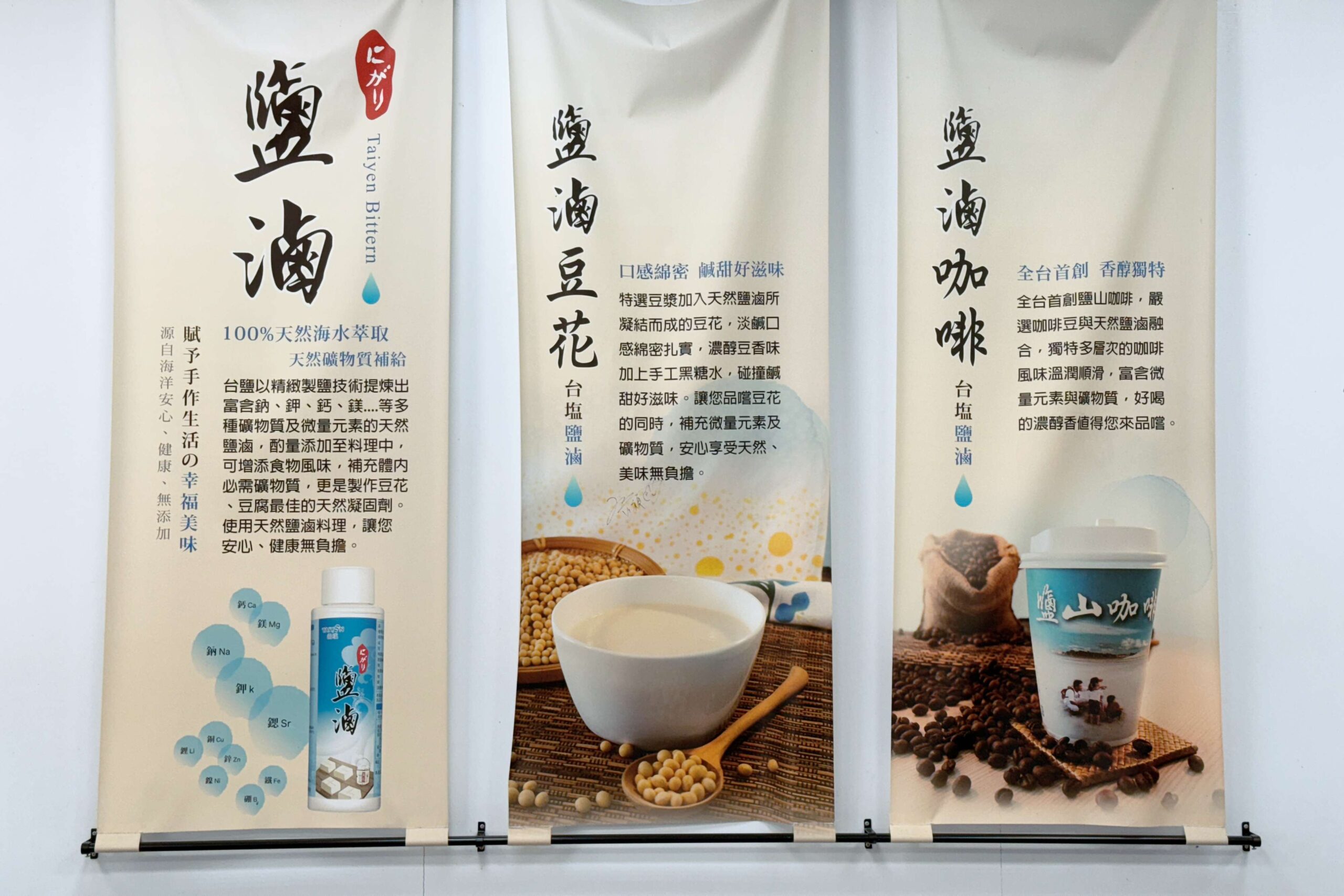
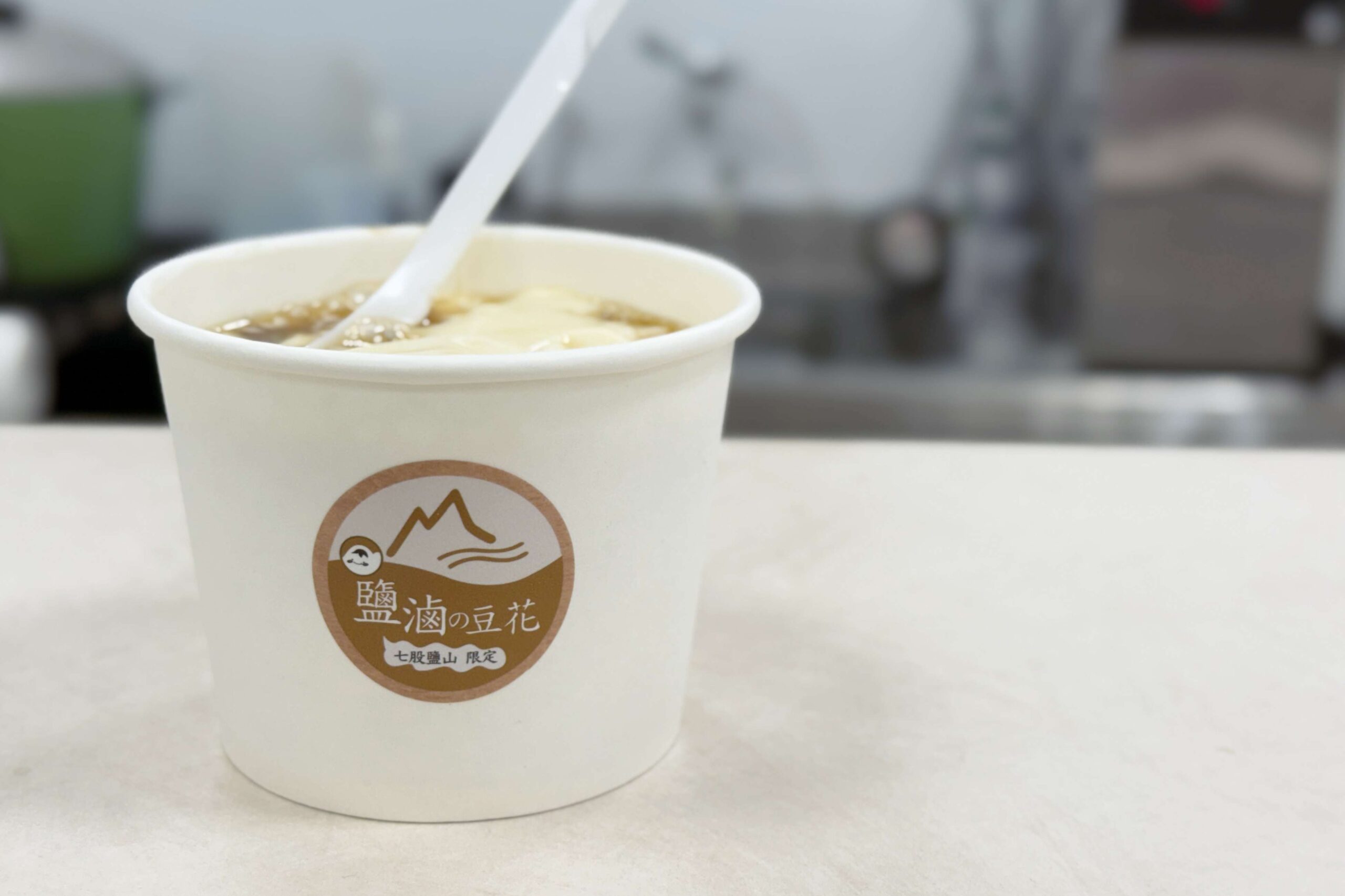
Salt-Brine Tofu Pudding

Opening Hours: 0930-1800
No. 8, Budai Township, Chiayi
◦ Flying Over Taiwan
*All aerial photography operations are conducted within legal airspace. During flight, regulations stipulated by the Civil Aviation Law are strictly followed, maintaining the required distance from buildings and crowds. Zooming and post-production techniques are used to ensure compliance, making the flights fully legal.
*Anyone citing these images and text must provide proper attribution. Unauthorized or illegal use of the images and text is prohibited and may result in legal liability.
◦ Other Areas in Chiayi
➤ Dongshih | The Oysters of Dongshih are at Their Best!
➤ Yijhu | More Than Just Corn: A Place That Produces PhDs Too?
➤ Lucao | Rediscovering Simplicity in the Countryside