During this trip to Vietnam, I specifically set aside a day to revisit the Cu Chi Tunnels, a place I had been to back in elementary school. I still remember how small I was at the time — crawling through the tunnels felt effortless, almost like exploring a secret playground. It was exciting and fun. Returning this time, however, I realized just how unbelievably narrow the tunnels actually are. I bumped into the walls countless times and finally reached the end with an aching back and sore waist.
This time, I joined a tour booked through Klook. We departed from the hotel at 7 a.m. and returned to the city around 7 p.m. The itinerary was packed but very well organized, and the complimentary snacks and tastings were surprisingly generous. The local tour was operated in collaboration with SST Travel, a well-known local travel agency in Vietnam. They confirmed the next morning’s meeting time via WhatsApp the day before the tour. Our guide, Tien, was incredibly humorous and engaging, and thanks to him, I learned many fascinating lesser-known facts about the Cu Chi Tunnels and the Mekong Delta.
Contents
◦ Cu Chi Tunnels
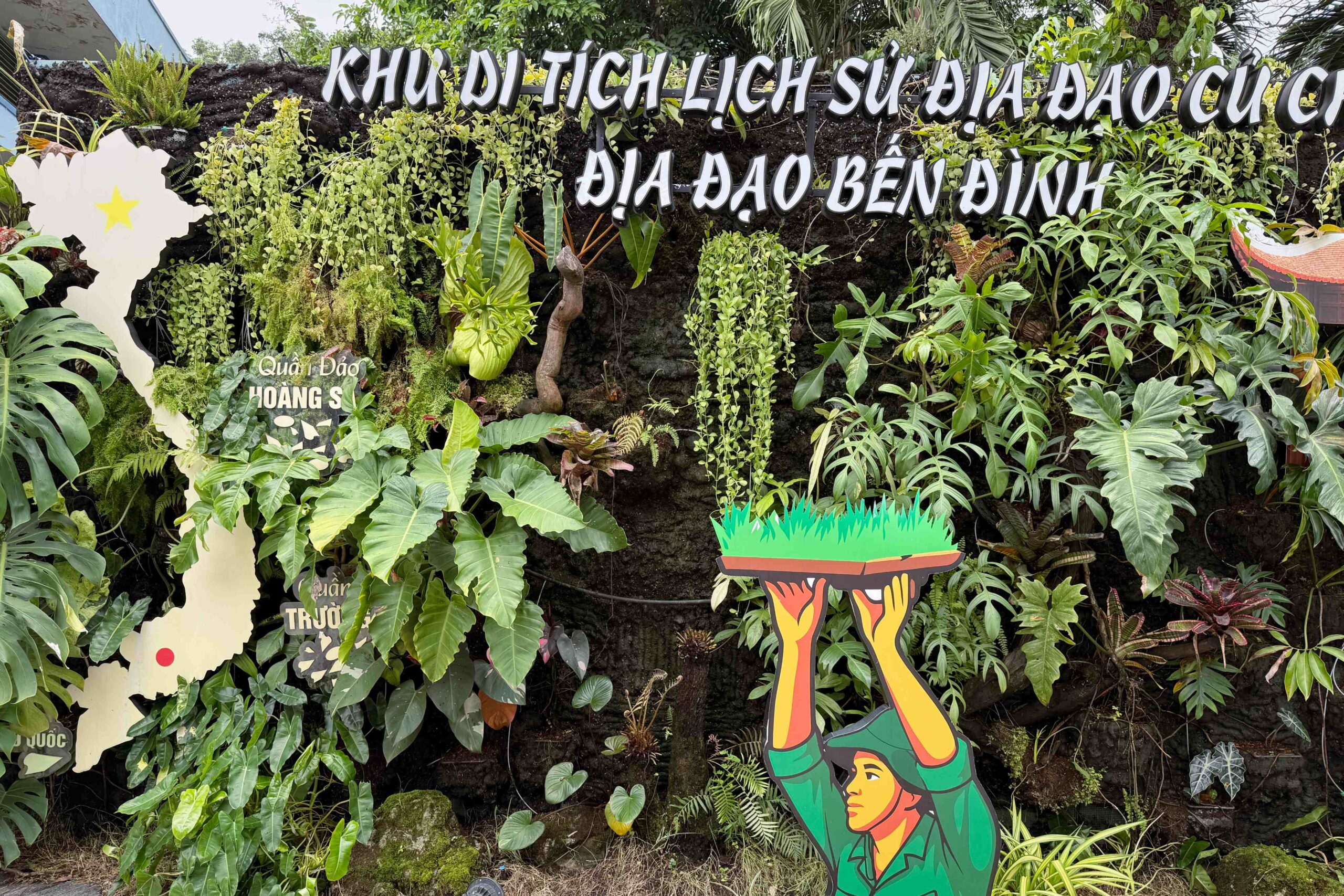
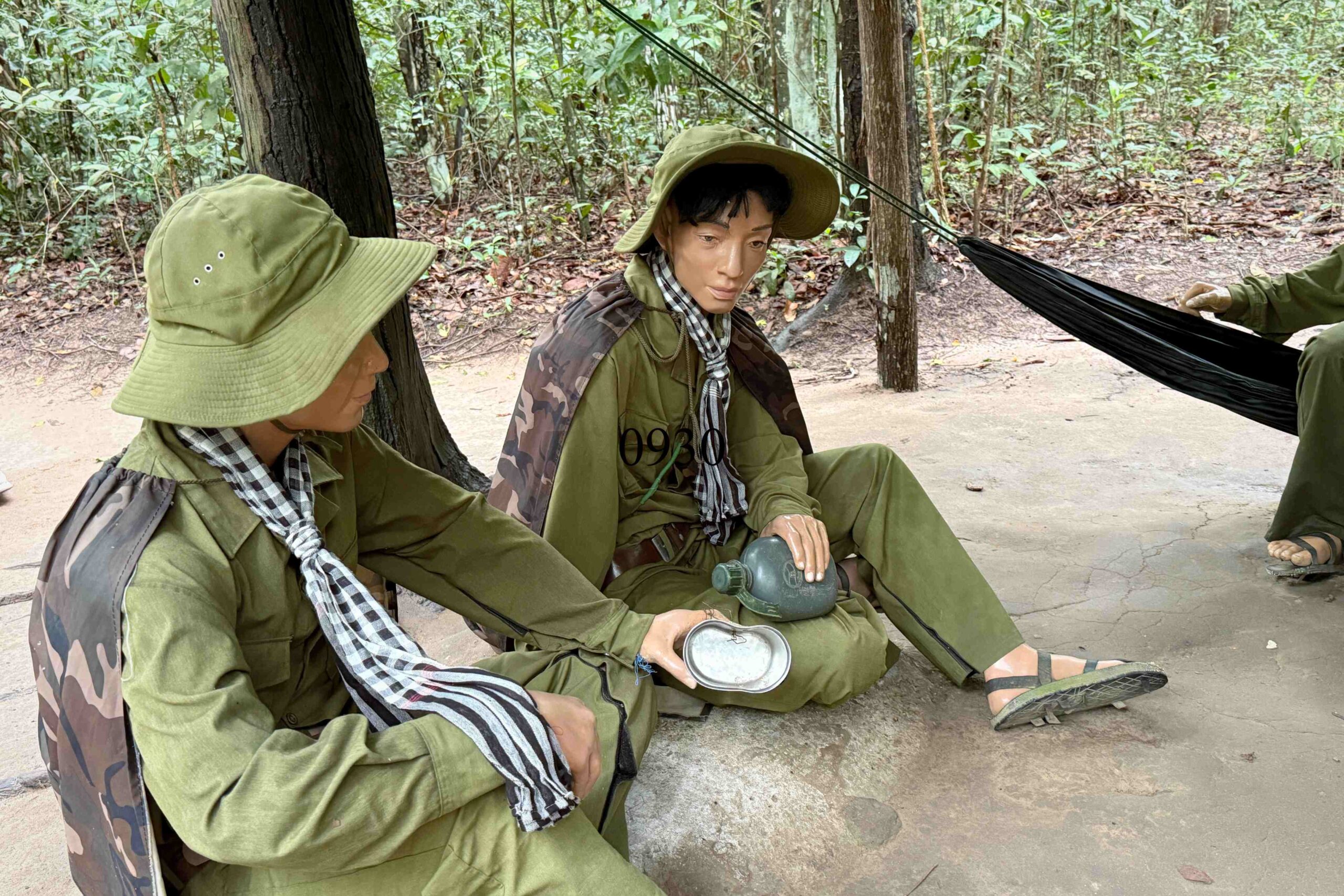
If you visit Ho Chi Minh City, the Cu Chi Tunnels are definitely a must-see attraction. Located in the northwestern outskirts of the city, this underground maze stretches for nearly 250 kilometers. During the Vietnam War, it served as a massive underground defense system built by the Viet Cong guerrillas to avoid U.S. bombing raids. Hidden beneath the ground were medical stations, barracks, command centers, and kitchens — essentially an entire underground city. In 1968, Viet Cong forces launched attacks on Saigon — present-day Ho Chi Minh City — from this very tunnel network.
Today, the Cu Chi Tunnels are preserved as a national historical site. Visitors can crawl through the narrow tunnels, see wartime traps and abandoned military vehicles, and even try firing an AK-47 rifle, offering an immersive glimpse into the atmosphere of the Vietnam War era.
01|History
The Cu Chi Tunnels were first developed during the First Indochina War against the French in the 1940s by local resistance fighters. At the time, the Vietnamese had already realized the strategic advantages of tunnel warfare — not only could the tunnels help them evade enemy searches, but they also allowed them to build underground supply stations and secret bases.
02|My Visit
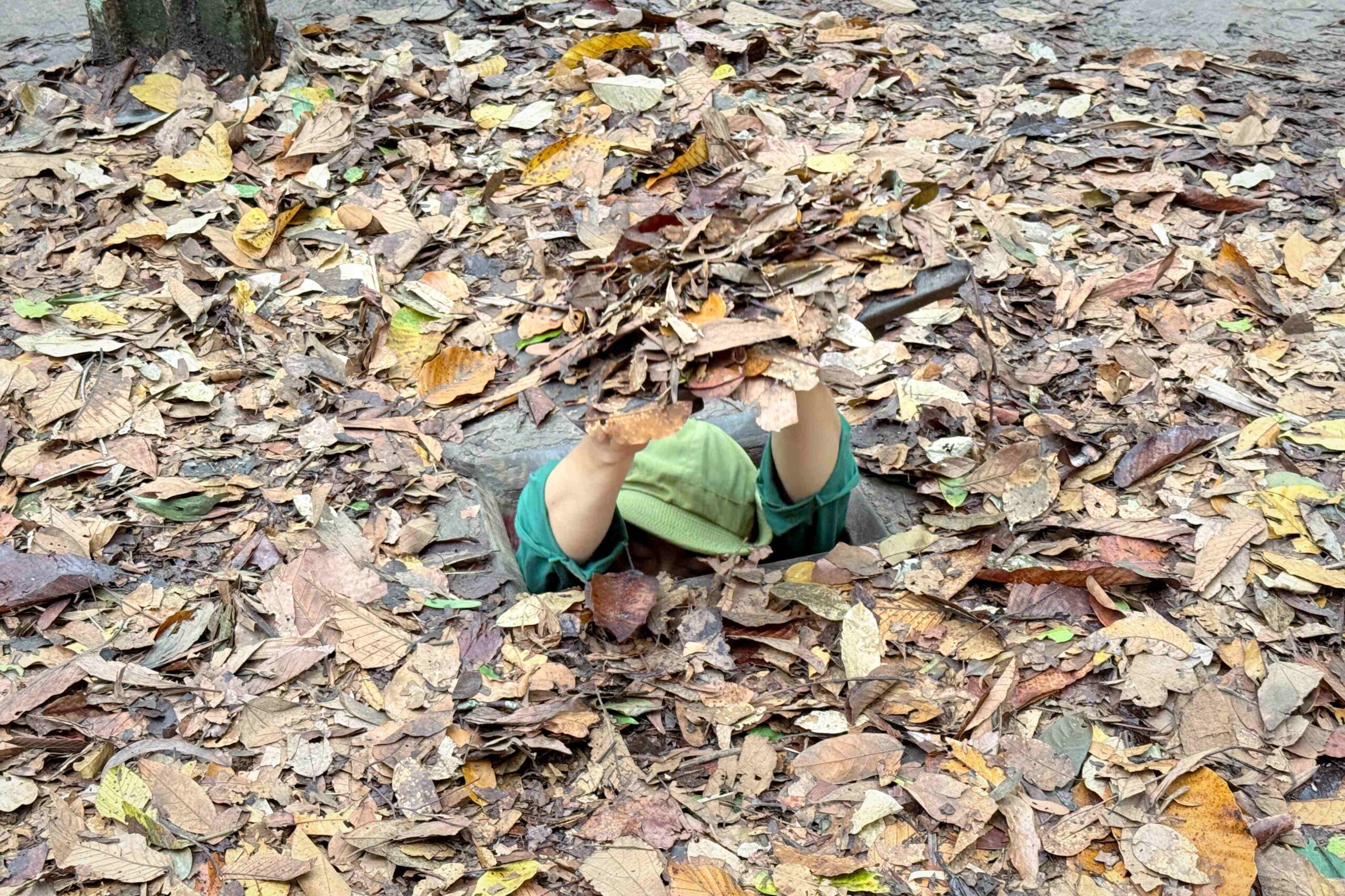
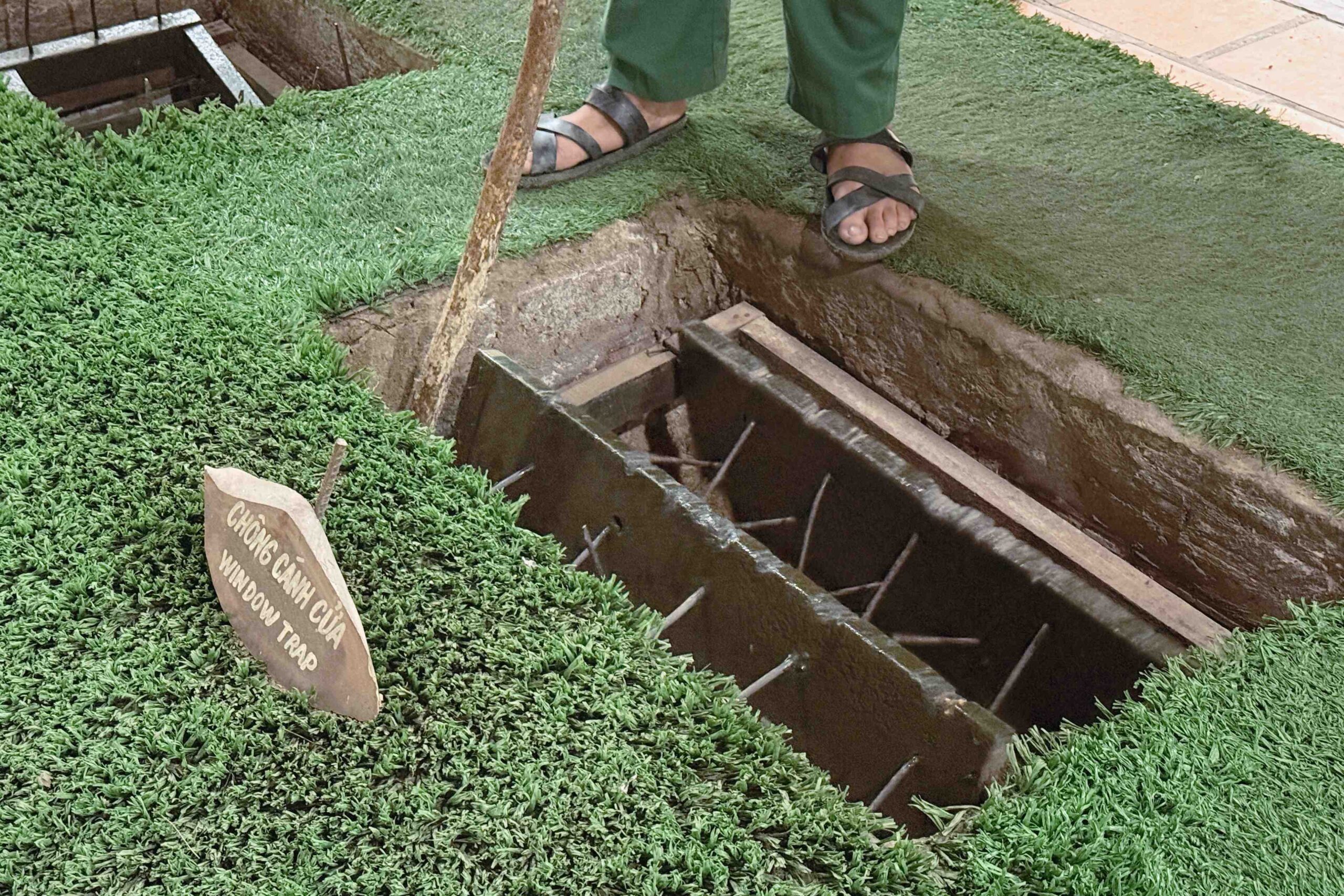
The last time I visited, I was still in elementary school. Returning more than twenty years later, I found the experience surprisingly immersive. After entering through the main entrance and passing the souvenir shops, visitors are gradually introduced to the wartime atmosphere through a series of dug-out bunkers, hidden trapdoors, and booby traps scattered throughout the site.
03|AK-47 Shooting Experience
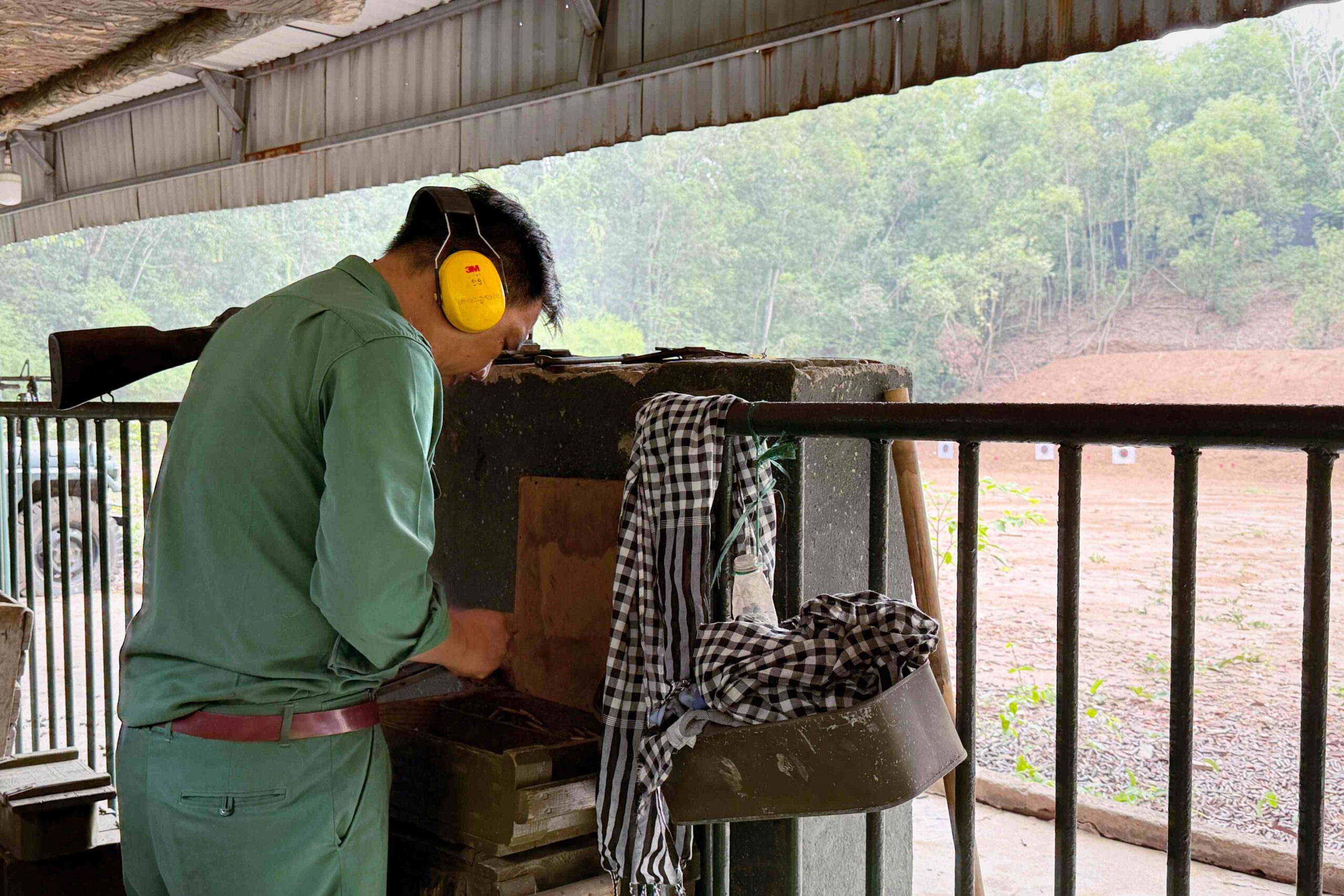
During the Vietnam War, the AK-47 was the primary rifle used by North Vietnamese forces. Thanks to its simple construction and reliability, it rarely jammed in the humid, muddy jungle environment. Even when soaked with water or covered in mud, it could still fire continuously during guerrilla combat — something that caused major frustration for American soldiers carrying the M16 rifle. Here, visitors can personally experience the powerful recoil and rapid-fire sensation that made the AK-47 so infamous.
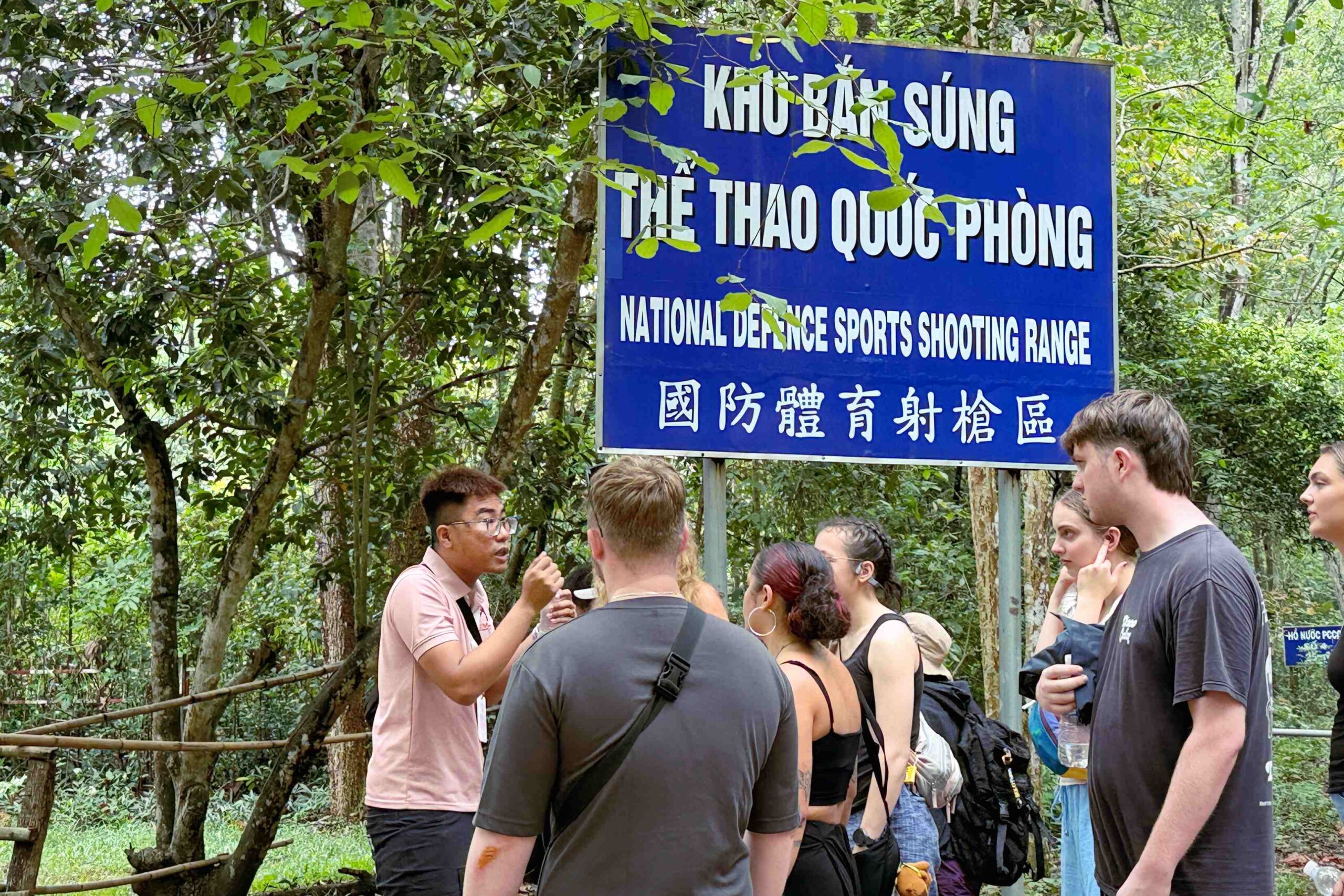
This activity requires an additional fee. When passing through the shooting range area, remember to sign up with your tour guide in advance so you do not miss this exclusive shooting experience at the Cu Chi Tunnels.
04|The Cu Chi Tunnels
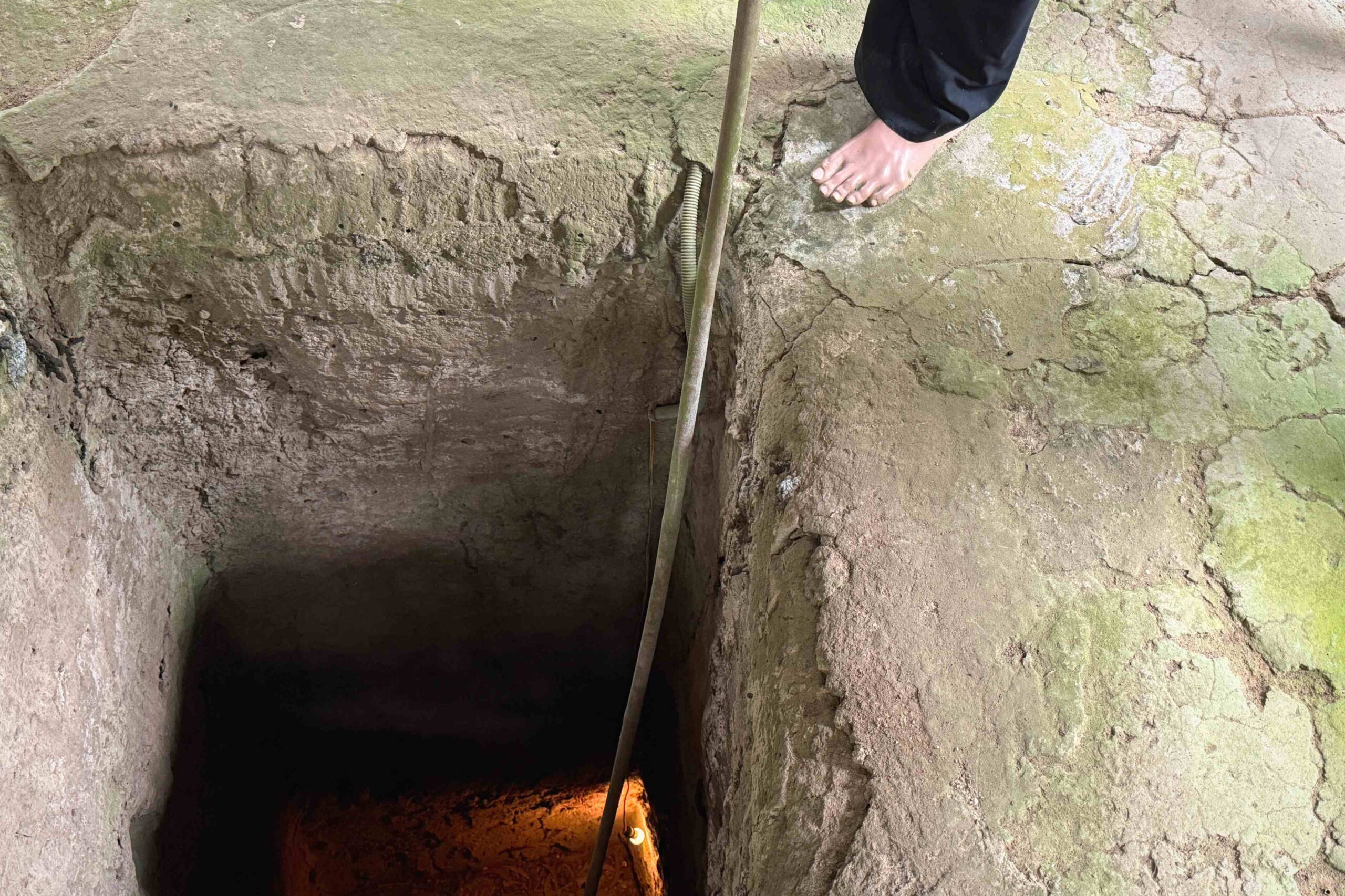
Next comes the most unforgettable part — crawling into the tunnels themselves and experiencing just how extraordinary the North Vietnamese soldiers were at maneuvering through such cramped spaces. Although the tunnel section open to visitors is only about 100 meters long, we still had to crouch, bend over, and occasionally crawl our way through it. It was honestly more physically exhausting than I expected. The tunnels are also extremely dark, which can feel quite overwhelming for anyone with claustrophobia.
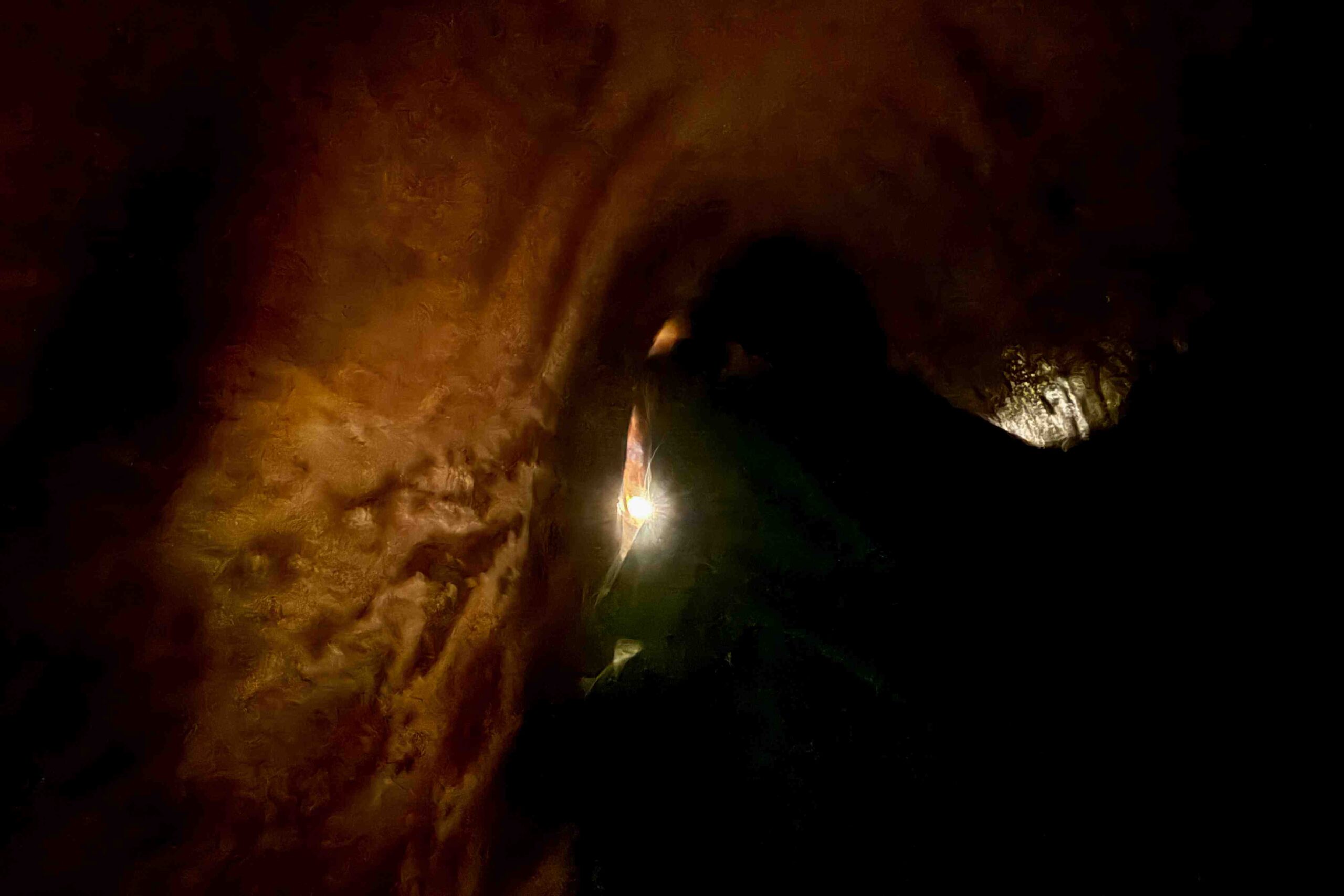
05|Wartime Food
At the Cu Chi Tunnels, visitors can do more than explore tunnels and try shooting activities — they can also taste cassava, one of the staple foods eaten during the war. During the Vietnam War, supplies were extremely limited, and rice became a luxury. Cassava turned into a vital survival food for guerrilla fighters. Because it is high in fiber and low in moisture, its texture feels somewhat like a dry potato. Today, tasting it has become one of the memorable “challenge foods” for visitors exploring the Cu Chi Tunnels.
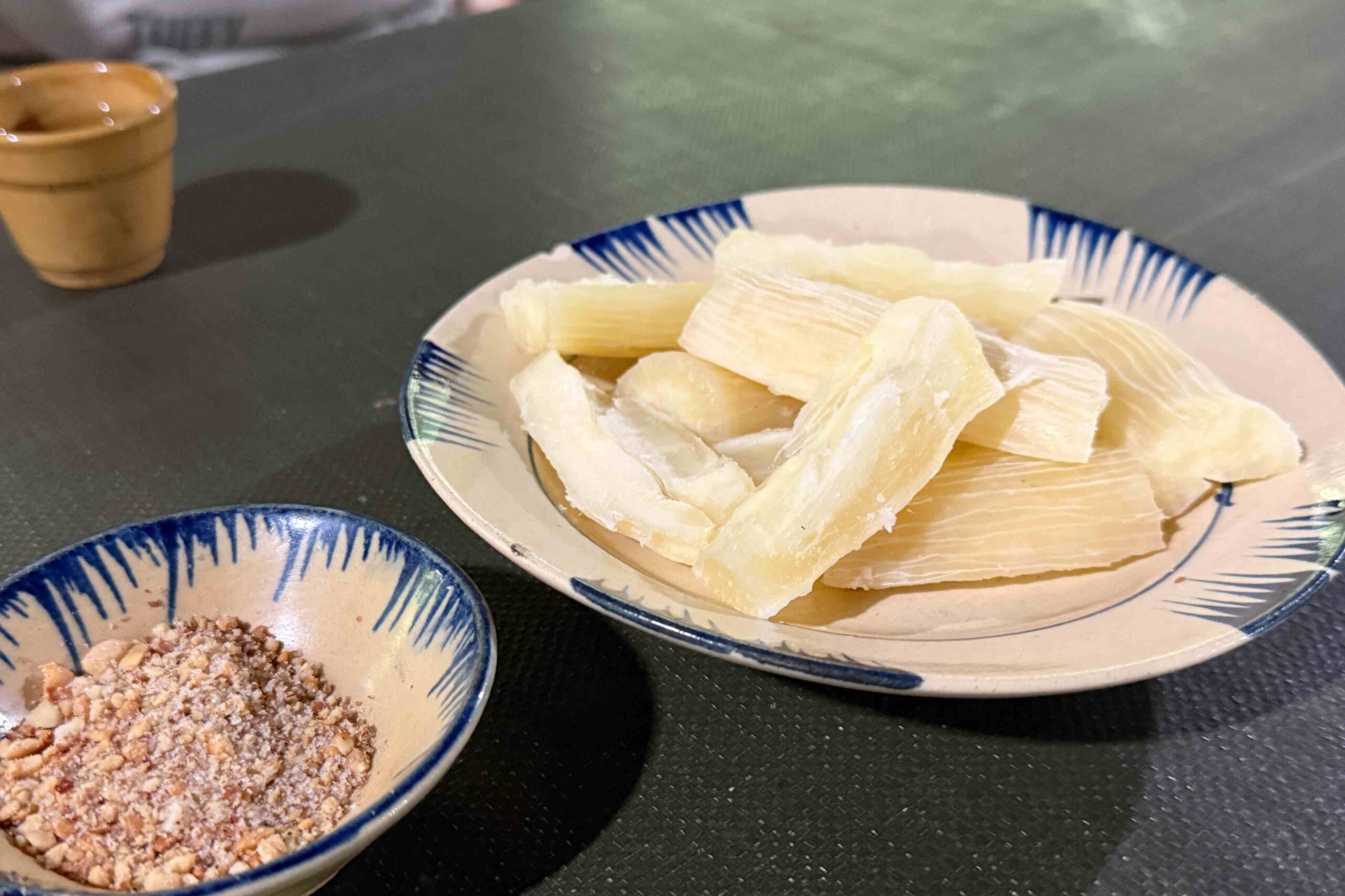
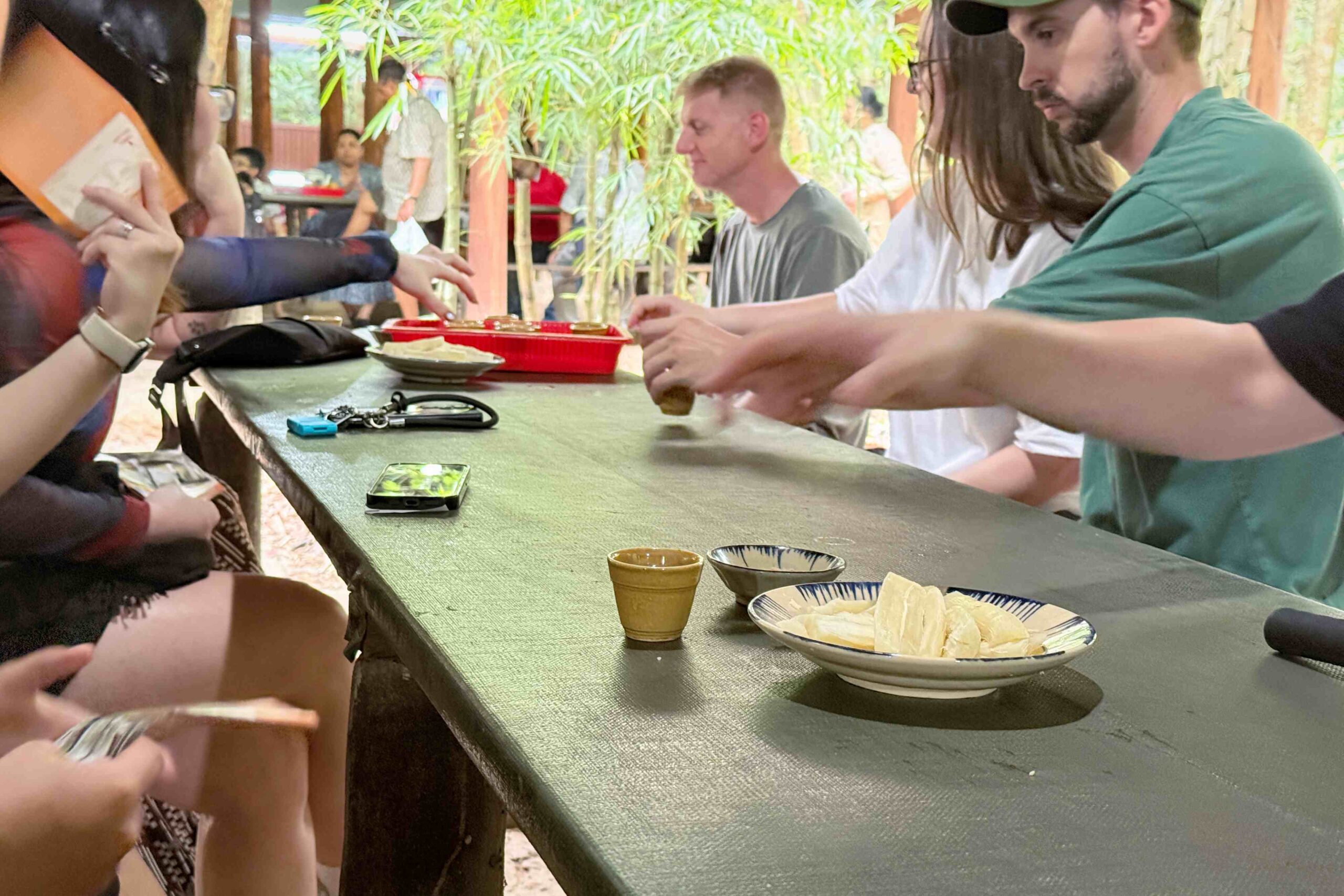
◦ Lunch: Southern Vietnamese Cuisine
Lunch was fairly simple — a traditional Southern Vietnamese meal with four dishes and a soup. I highly recommend ordering a freshly made lemon soda on the side. It was incredibly refreshing and perfect for recharging in the middle of the trip.
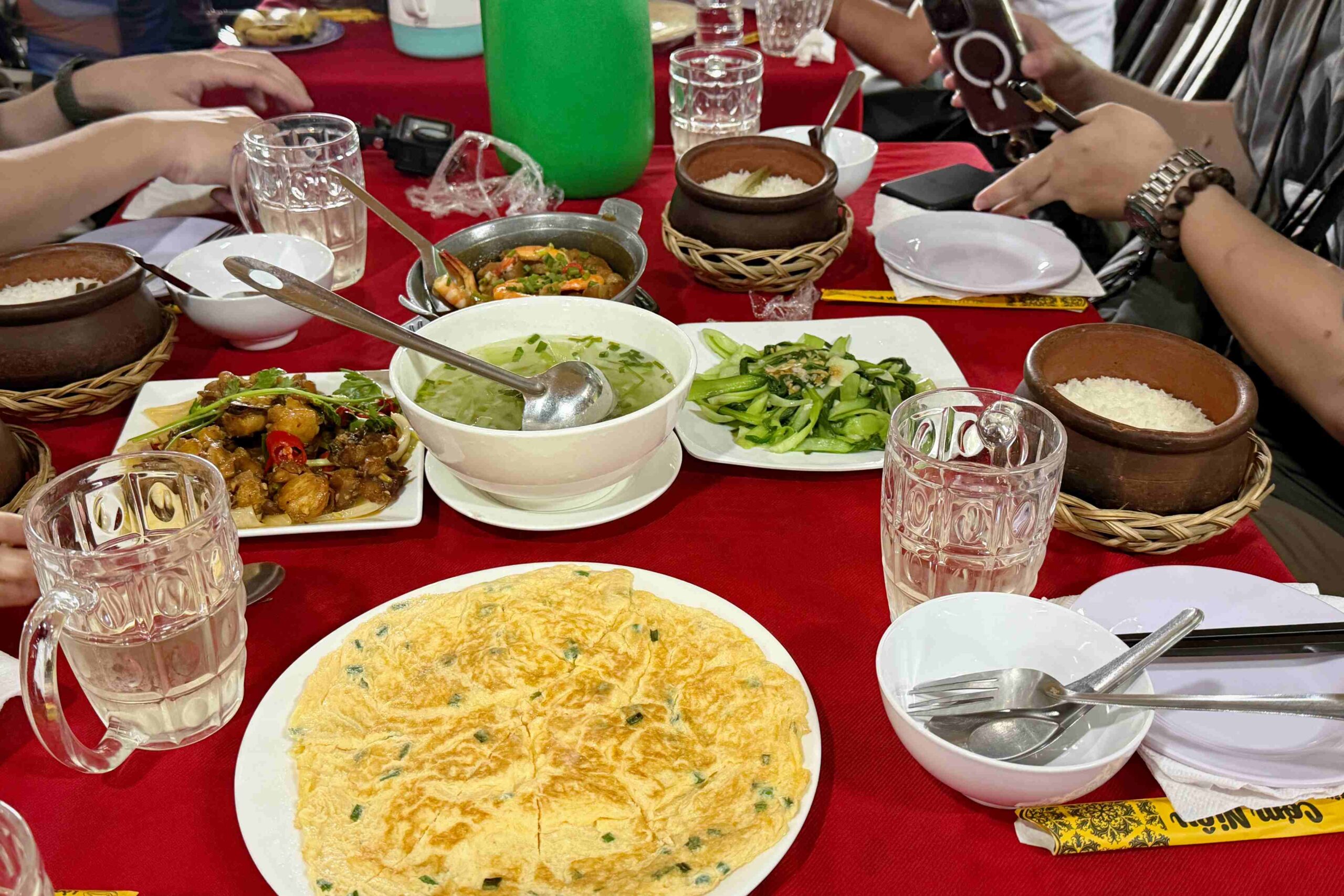
◦ Mekong Delta
The Mekong Delta is the vast delta region formed where the Mekong River flows into southern Vietnam. Interwoven with countless waterways, the area is known for its fertile soil, thriving agriculture, and rich ecotourism experiences.
01|Coconut Forest Rowboat Experience
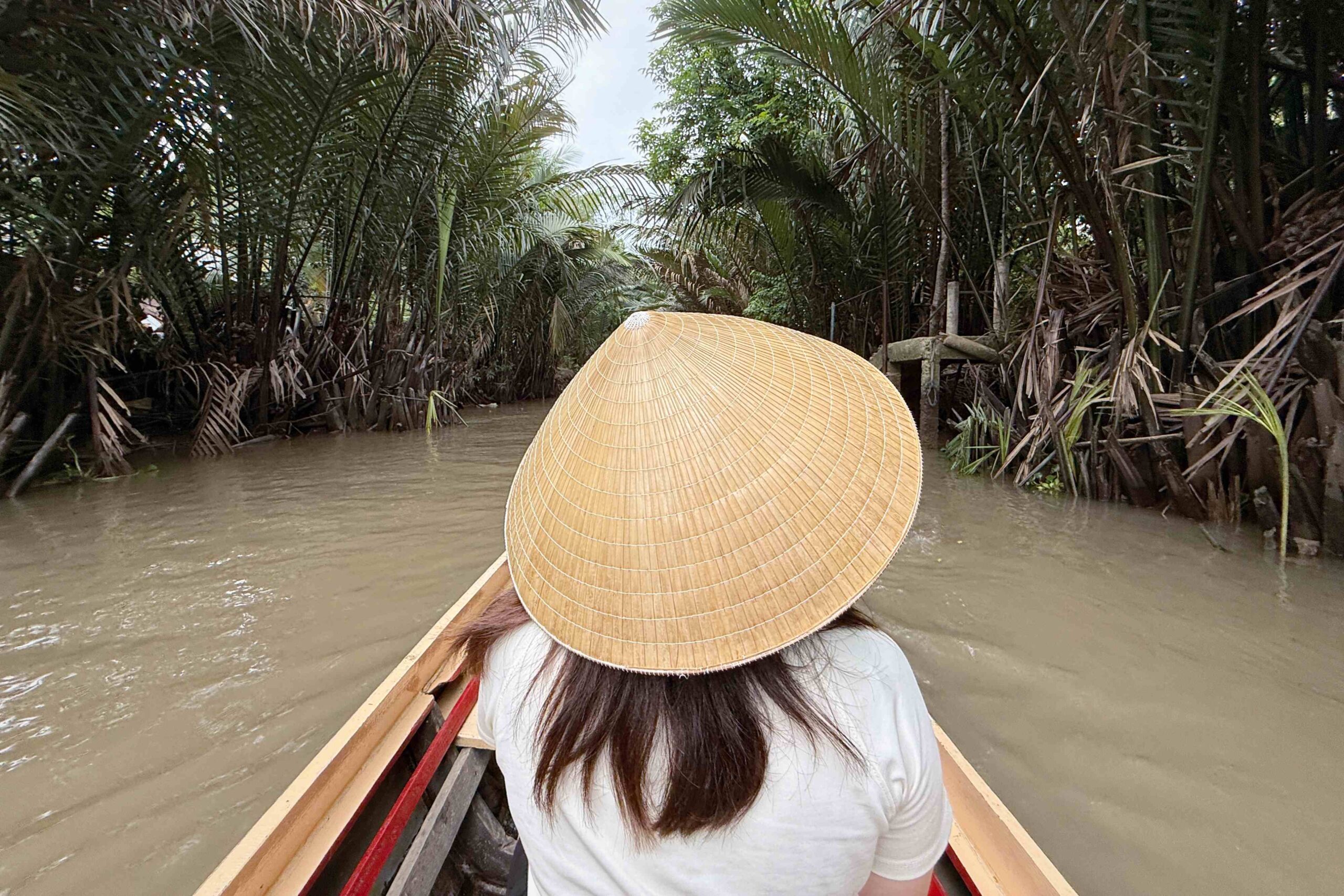
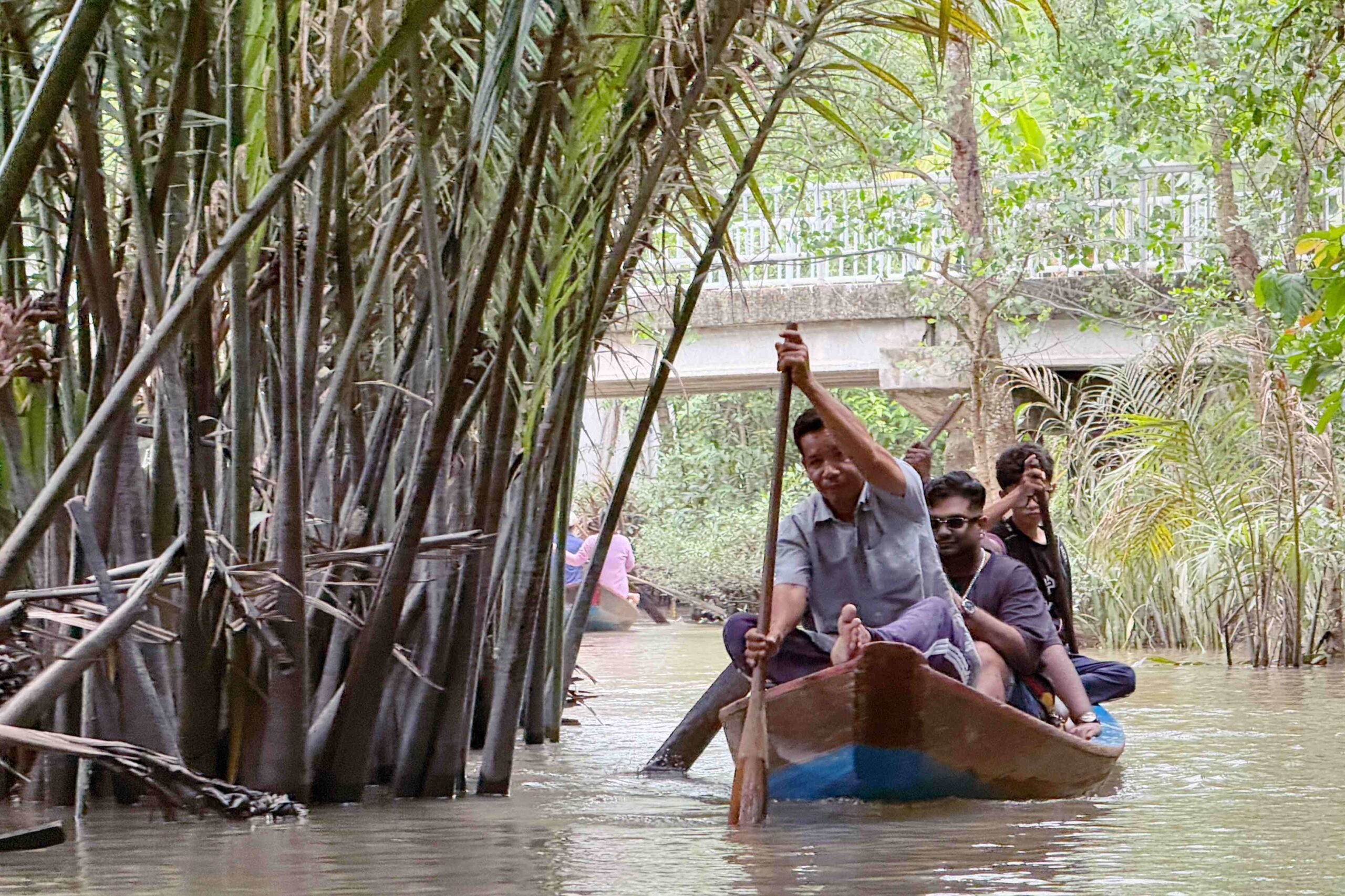
Besides riding larger boats along the main waterways, visitors also transfer to small hand-rowed boats to navigate the narrower canals, gliding through water coconut forests and tropical jungle scenery. One thing worth mentioning is the local tipping culture. Many of the boat rowers here rely heavily on tips for their income rather than fixed wages. If passengers leave the boat without tipping, the rowers’ expressions noticeably change right away — something that caught several people in our tour group by surprise.
02|Tasting Local Coconut Candy and Honey
The afternoon itinerary in the Mekong Delta included visits to local coconut candy workshops and honey farms, along with a performance of traditional Southern Vietnamese folk music known as “Don Ca Tai Tu.”
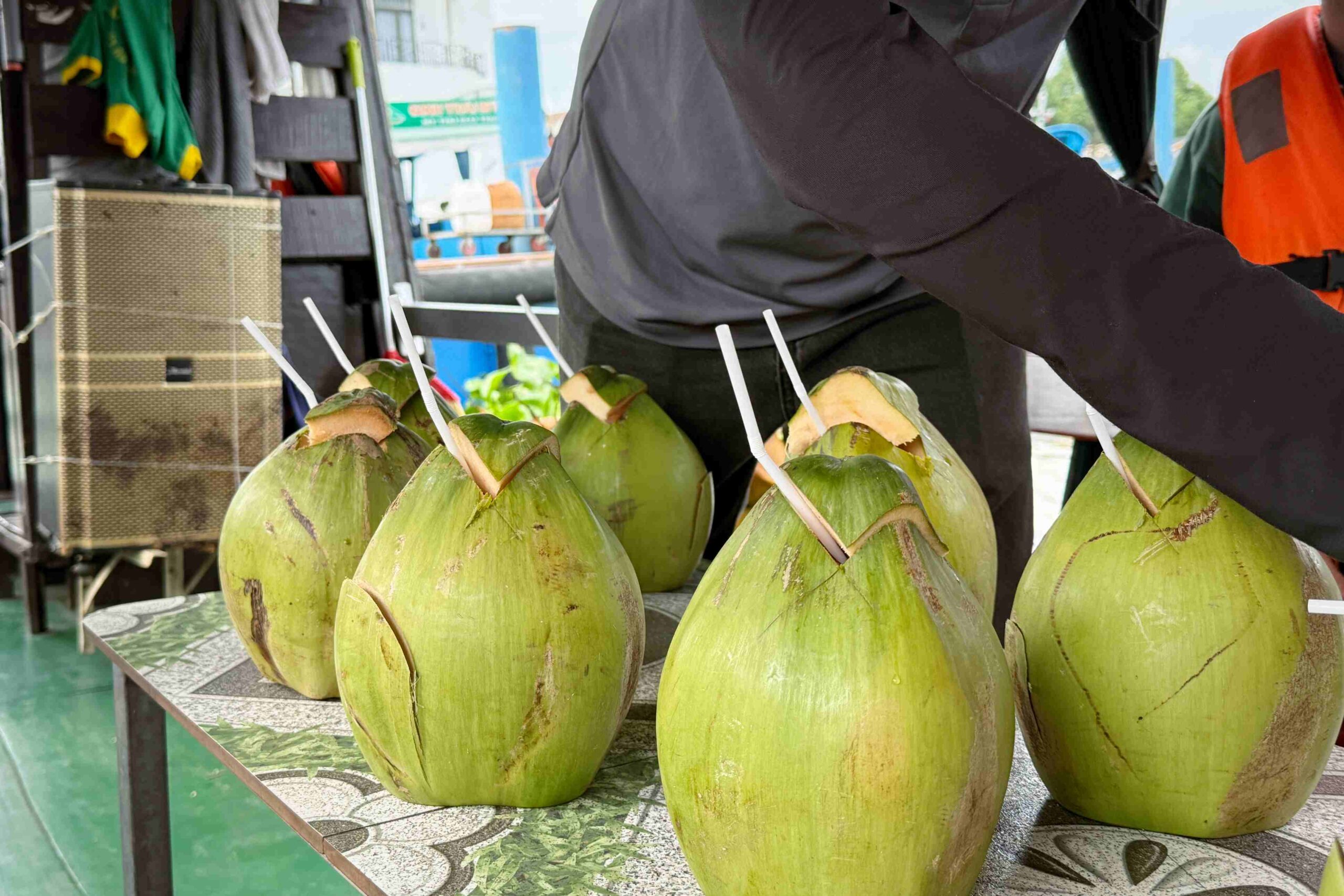
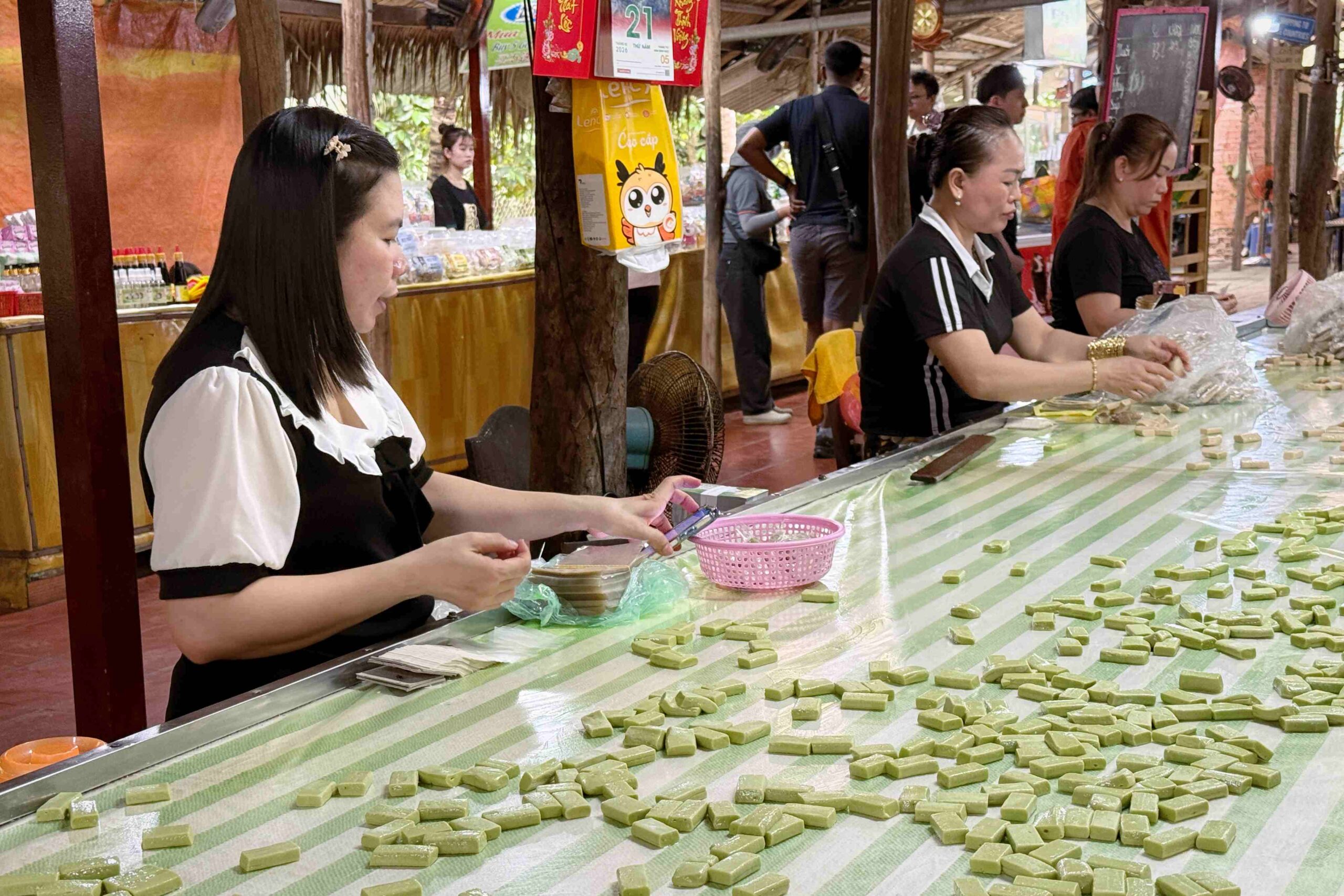
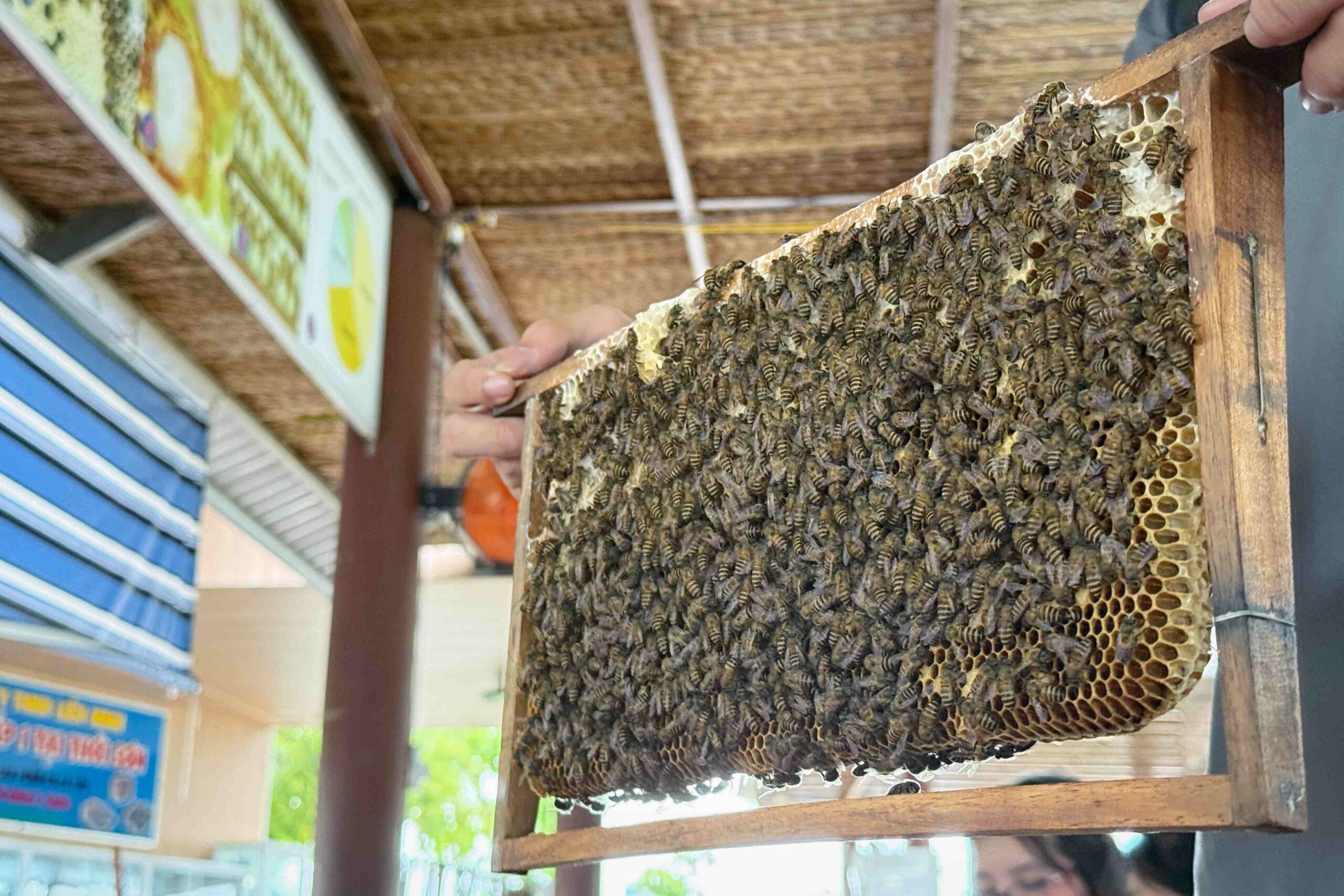
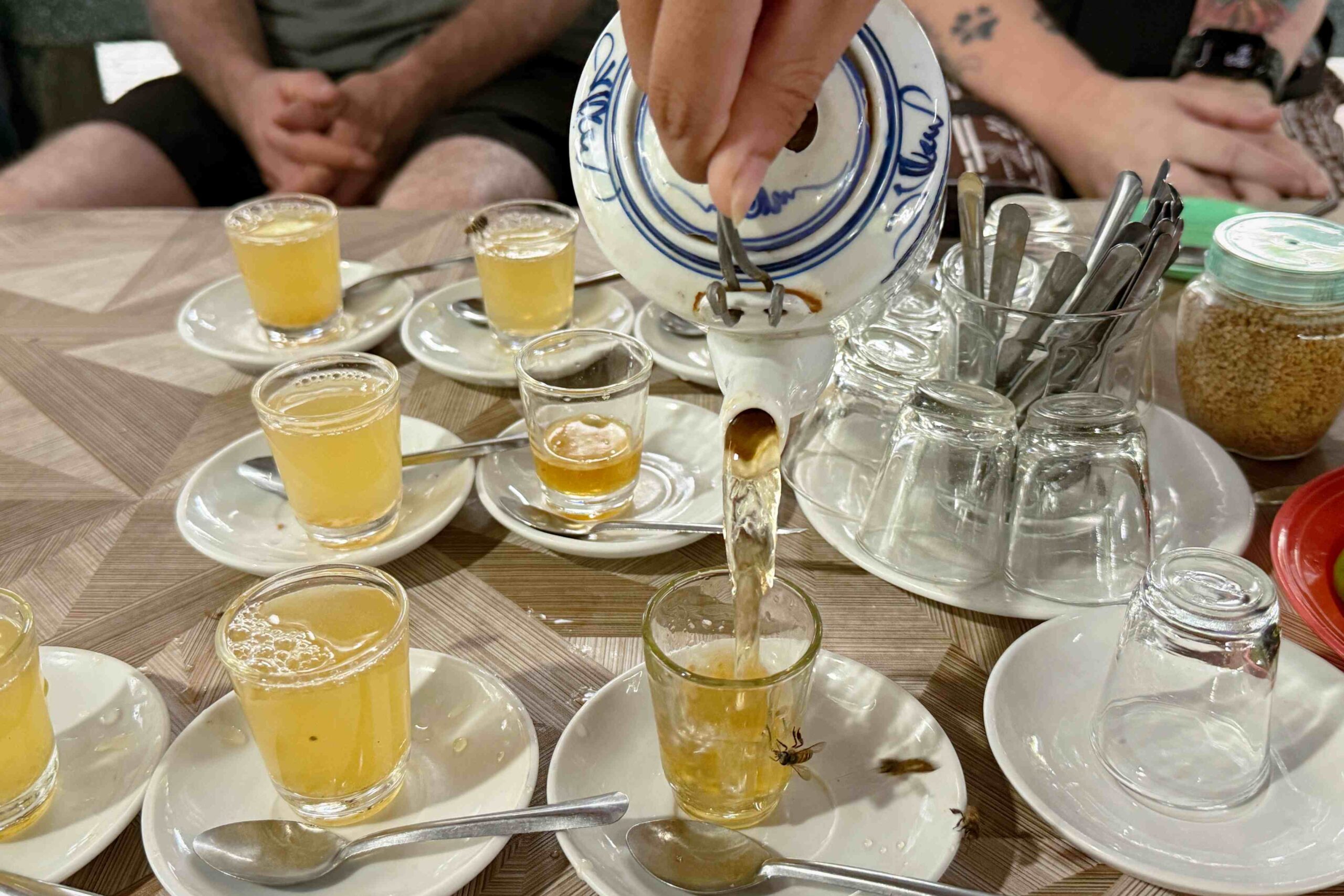
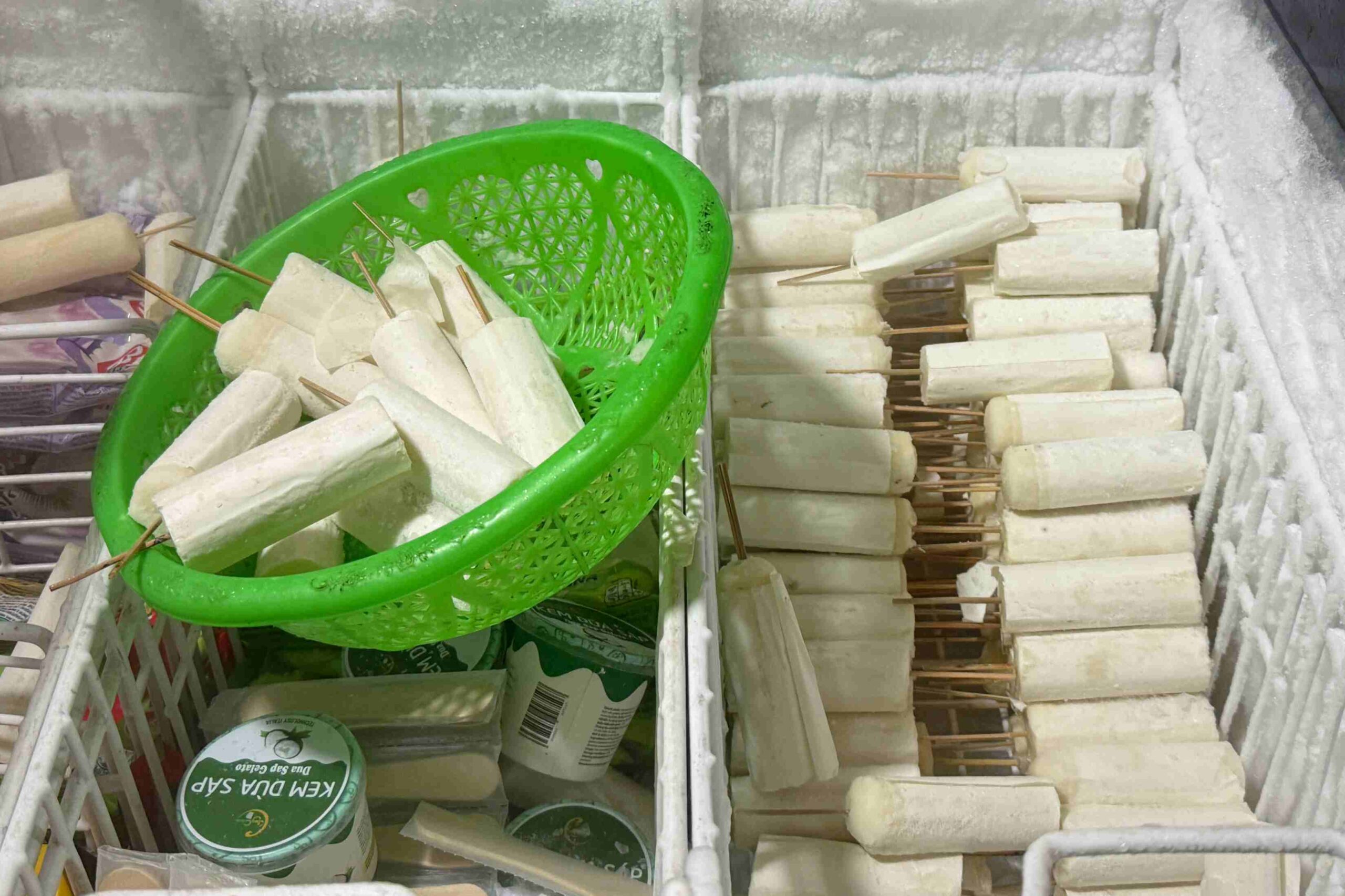
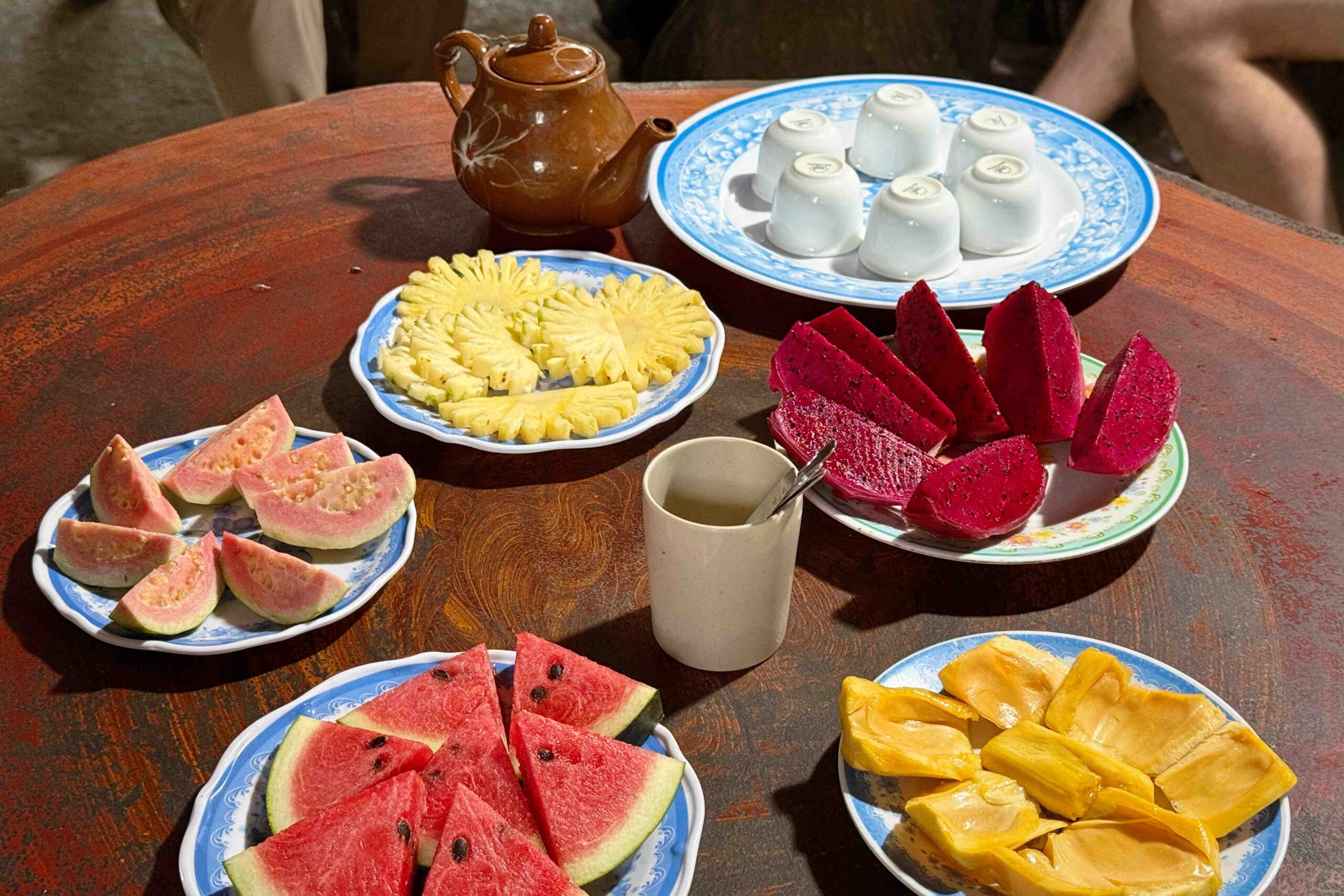
I honestly thought this part of the tour was surprisingly generous. The coconut candy, honey tea, and tropical fruit tastings were offered very freely throughout the experience. My personal favorite was the coconut popsicle sold at the coconut candy factory. At less than NT$12 each, it was natural, rich, and incredibly smooth — honestly good enough to rival Taiwan Sugar popsicles.
➤ Cu Chi Tunnels & Mekong Delta Tour with Luxury Limousine Options