黃龍溪古鎮是 Klook「樂山大佛和黃龍溪古鎮一日遊」的下半場,由於我此行主要是想看世界遺產樂山大佛,原以為黃龍溪古鎮沒什麼亮點,走過一趟後,覺得這個與諸葛亮有深厚淵源的地方還是值得寫下來。
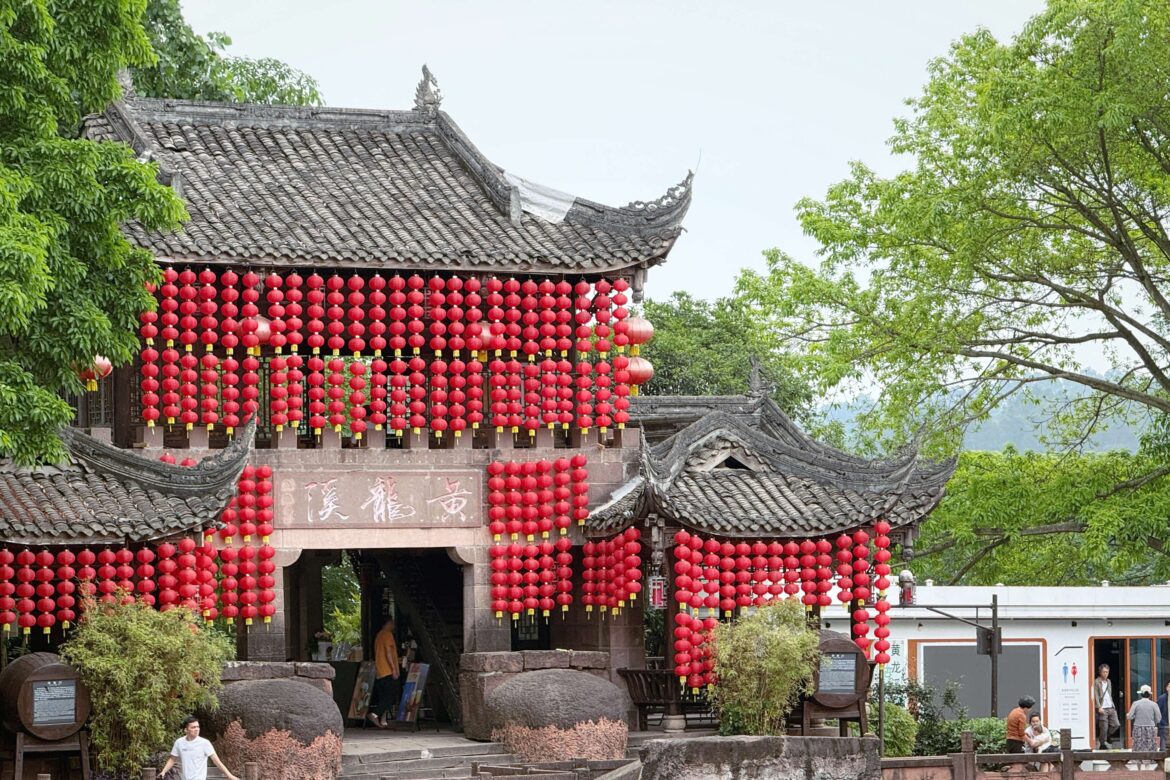

黃龍溪古鎮是 Klook「樂山大佛和黃龍溪古鎮一日遊」的下半場,由於我此行主要是想看世界遺產樂山大佛,原以為黃龍溪古鎮沒什麼亮點,走過一趟後,覺得這個與諸葛亮有深厚淵源的地方還是值得寫下來。
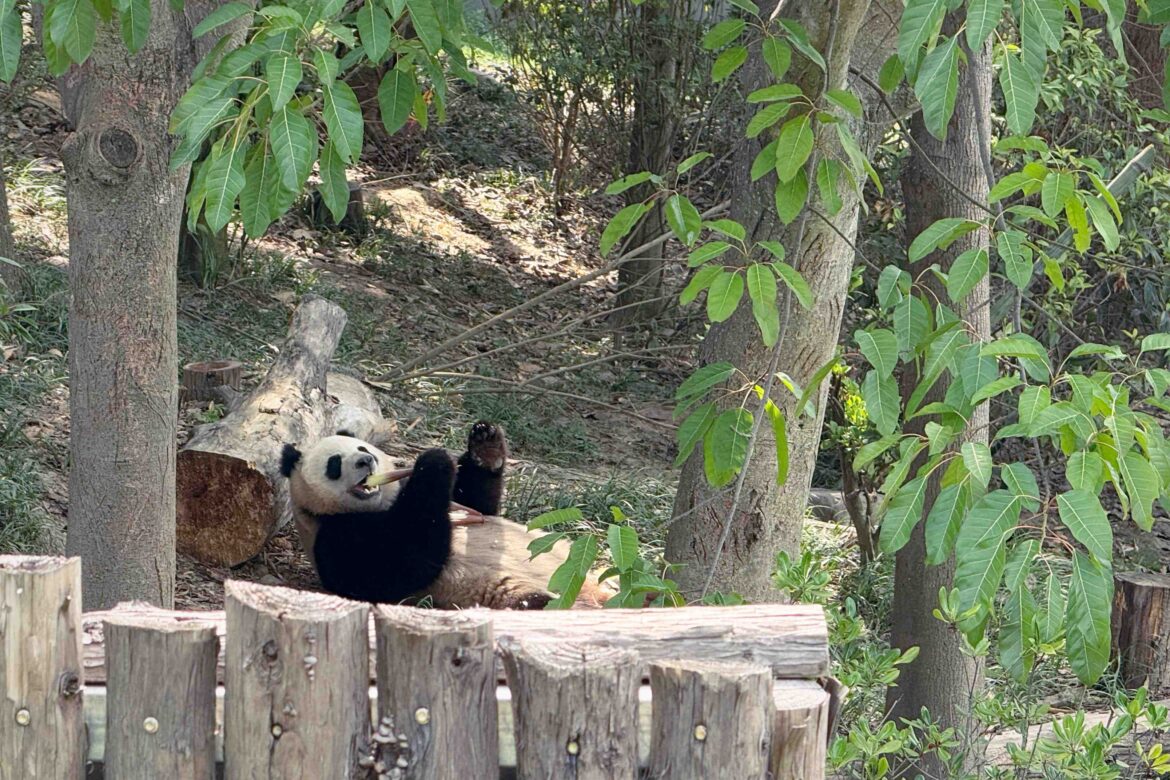
The Chengdu Research Base of Giant Panda Breeding is a must-visit destination in Chengdu. It serves as a conservation and research center dedicated to giant pandas. The entire park is designed with bamboo forests and natural woodland, providing pandas with a habitat that closely resembles their natural environment. Giant pandas are a species native to China and are mainly found in the mountainous regions of Sichuan, the Qinling Mountains in Shaanxi, and parts of Gansu. There are currently more than 1,800 wild giant pandas, and they are classified as a vulnerable species. So far, the Chengdu Panda Base has successfully bred more than 200 giant pandas.
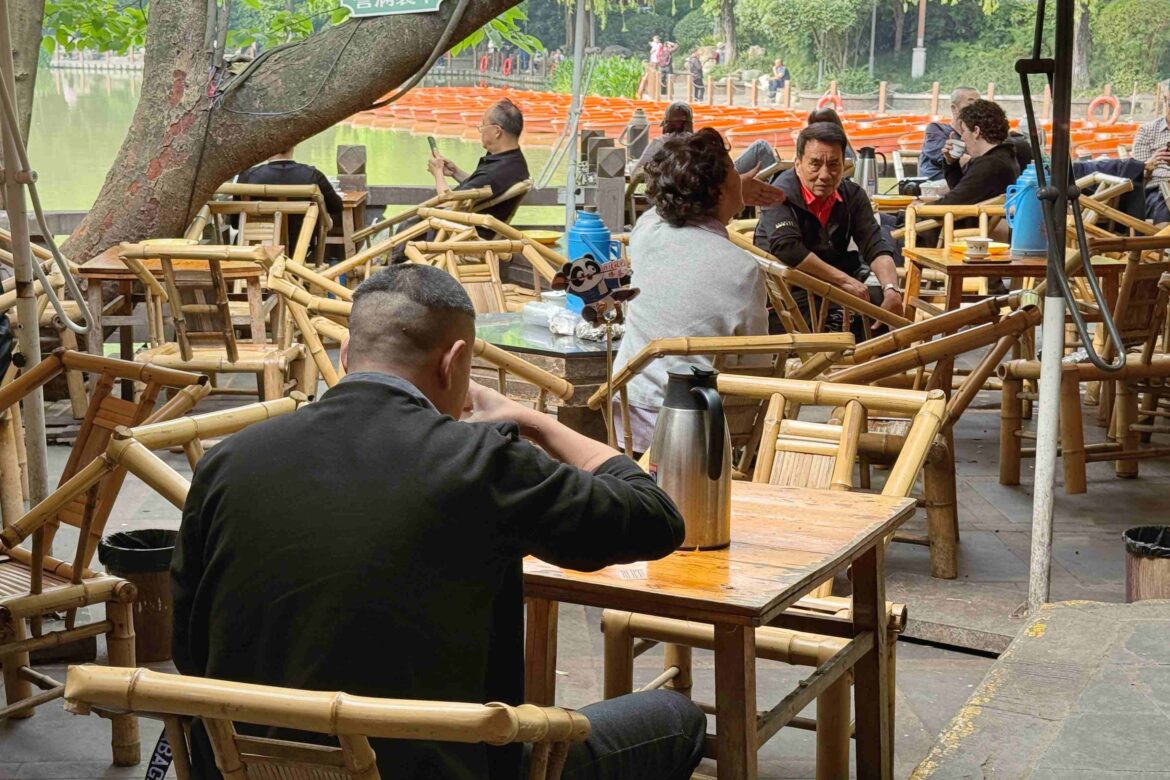
去西藏前,在成都待了五天,素有「天府之國」之稱的成都,擁有超過 4500 年的歷史,從西元前 311 年的戰國時期,秦國在這裡築城,2300 多年來城址未遷、城名未改,是少數延續至今的千年古都。
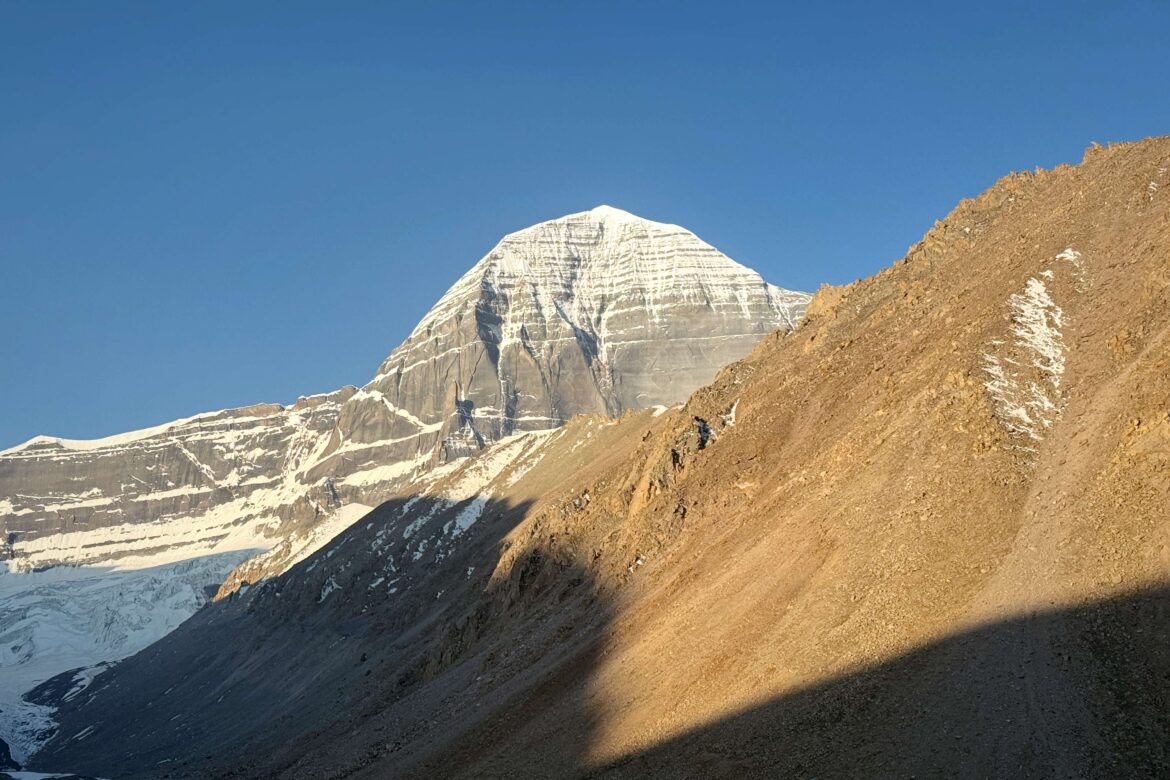
After leaving Everest Base Camp, we spent two days on the road before finally arriving in Darchen, the small town at the foot of the sacred Mount Kailash, where we would begin our three-day kora (pilgrimage circuit).
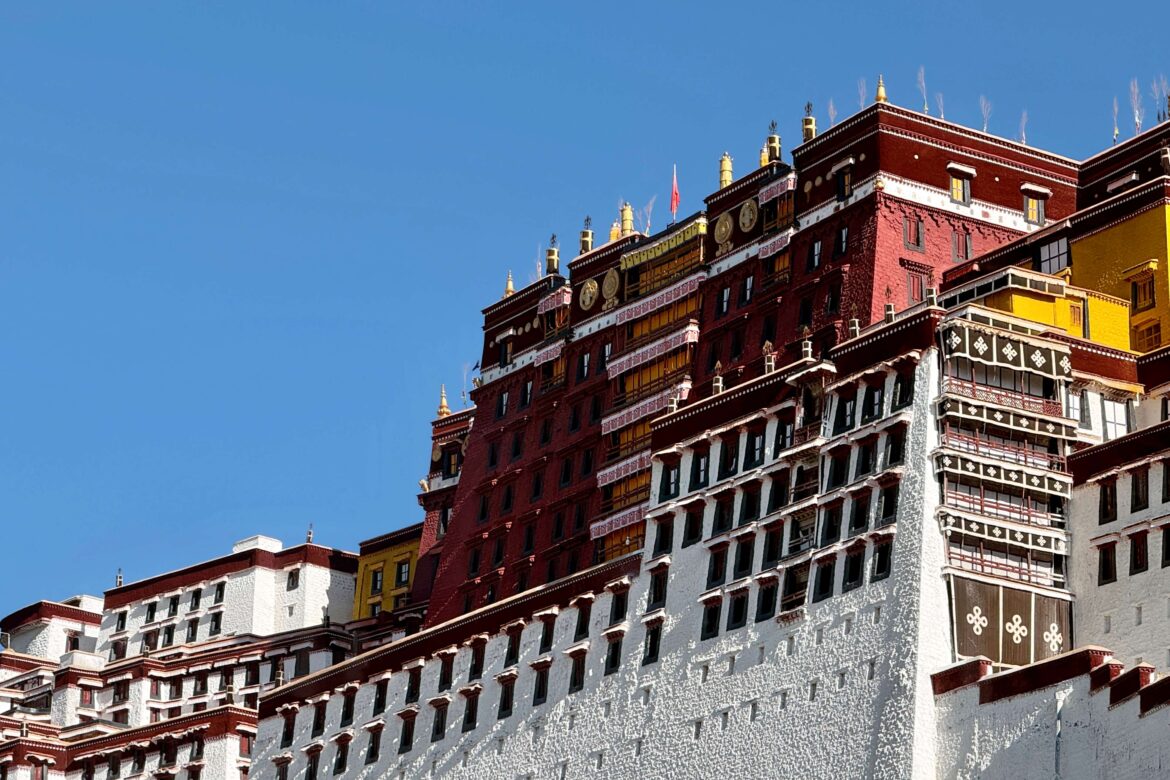
Tibet has always been near the top of my travel bucket list. During a trip to Nepal two years ago, I visited a Tibetan refugee settlement in Pokhara, where I had the opportunity to meet and talk with Tibetans living in exile. That experience deepened my desire to one day set foot in Tibet. This year, I finally fulfilled one of my long-held dreams.
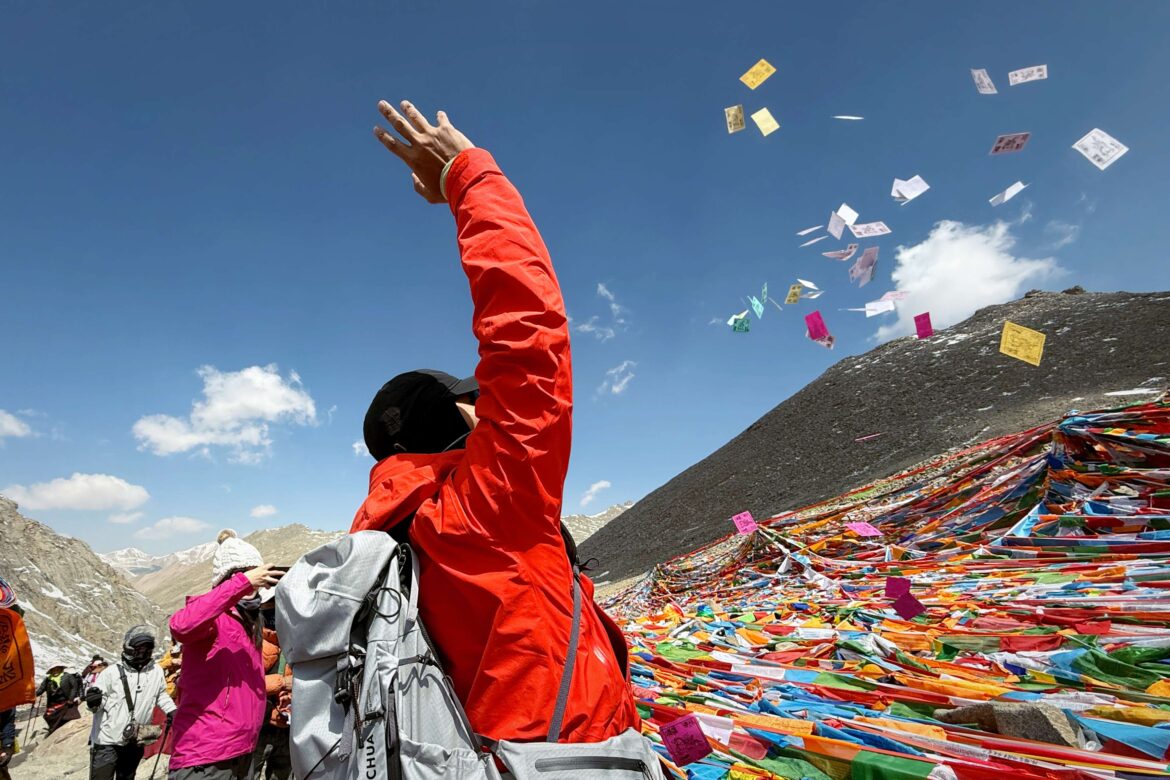
In the cosmology of Tibetan Buddhism, Hinduism, Jainism, and Bon, there is only one mountain regarded as the center of the world: Mount Kailash, located in the Ngari region of western Tibet.
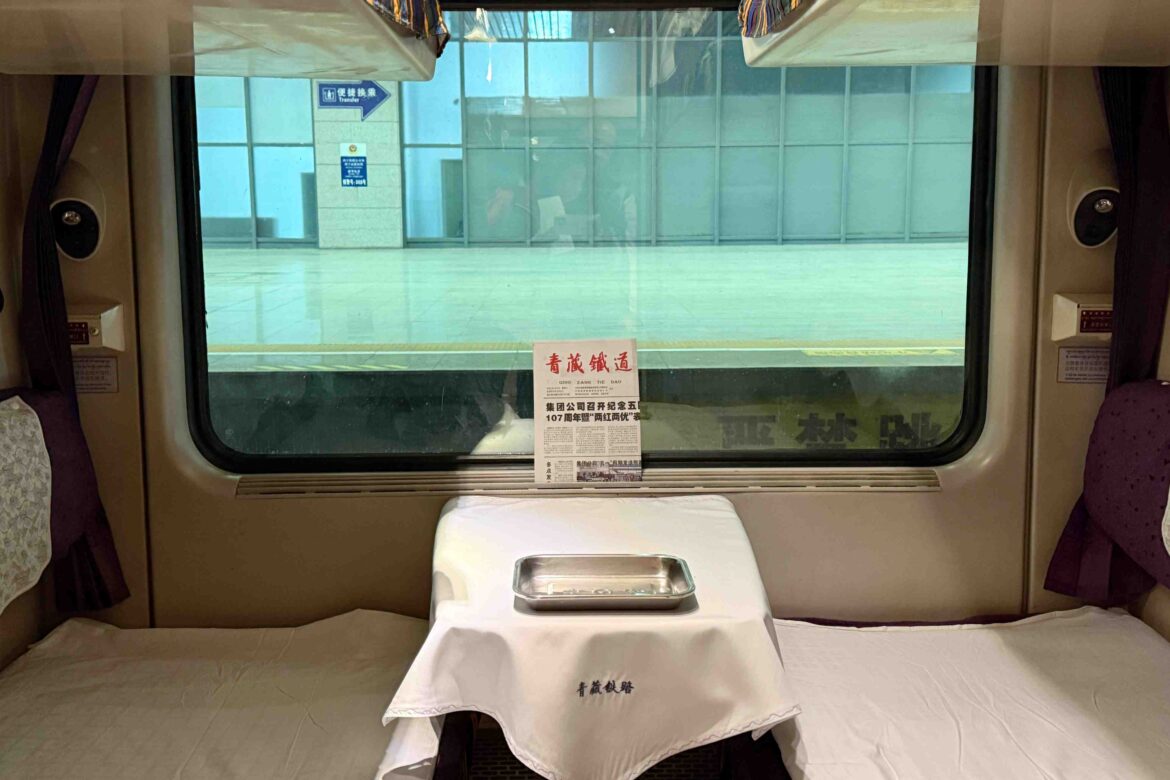
For travelers from Taiwan, there are two ways to enter Tibet: by plane or by train. I had heard that the scenery between Xining and Lhasa is breathtaking, so for this trip to Tibet and Mount Kailash, I decided to “enter Tibet by train and leave by plane.” I’ve put together seven practical tips about taking the Qinghai–Tibet Railway for anyone planning a trip to Tibet:

這是我第十次造訪日本,卻是第一次踏上沖繩。
以前想到沖繩,都覺得這裡是水上活動愛好者的天堂、購物者的聖地,跟我沒什麼關係……

相對於日本其他地區,在非觀光區域的遍路住宿冷門許多,為什麼還是決定整理出來呢?

From Temple No. 66, Unpen-ji, to Temple No. 88, Ōkubo-ji, there are 23 temples located within Kagawa Prefecture. As the final leg of the Shikoku Pilgrimage, Kagawa symbolizes the journey of a pilgrim who, after enduring hardships and overcoming inner struggles, finally reaches a state of spiritual freedom, fulfillment, and peace.