After getting off at Jiadong Railway Station, our first stop was the famous Ah-Zhi Ban-Tiao (rice noodles). With our appetites satisfied, we continued forward, ready to explore this “living museum.”
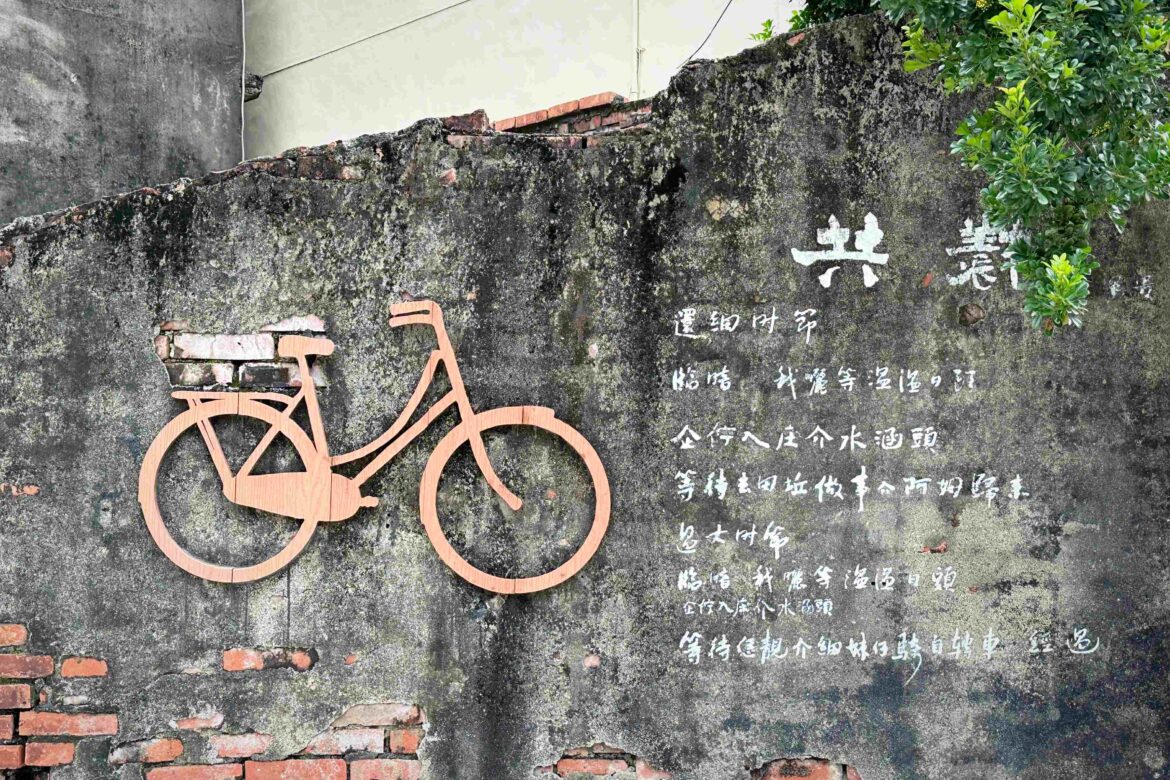

After getting off at Jiadong Railway Station, our first stop was the famous Ah-Zhi Ban-Tiao (rice noodles). With our appetites satisfied, we continued forward, ready to explore this “living museum.”
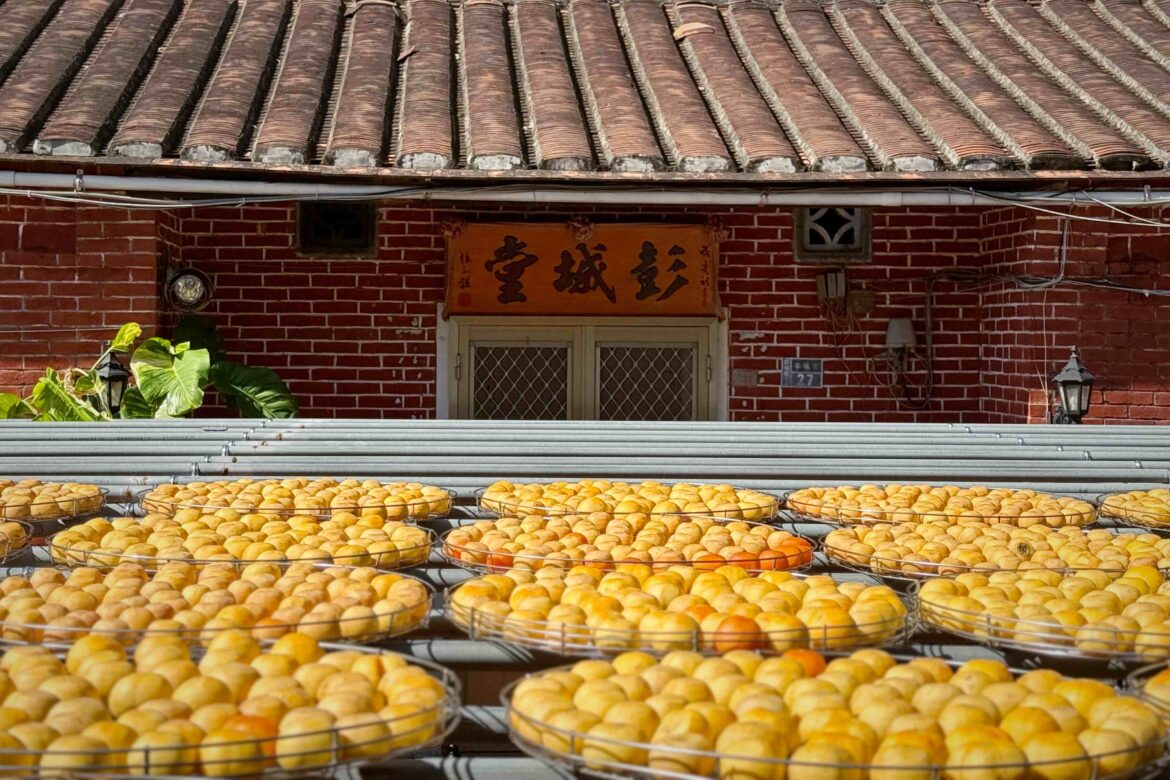
每年 9 月到 12 月,新埔憑藉得天獨厚的丘陵地形,加上乾燥少雨的氣候與強勁的九降風,為柿餅在曝曬、乾燥和脫水等製作過程提供了理想的條件。
嚐過之後,發現這些柿餅香甜可口又充滿嚼勁,難怪會成為人手一盒的熱門特產。
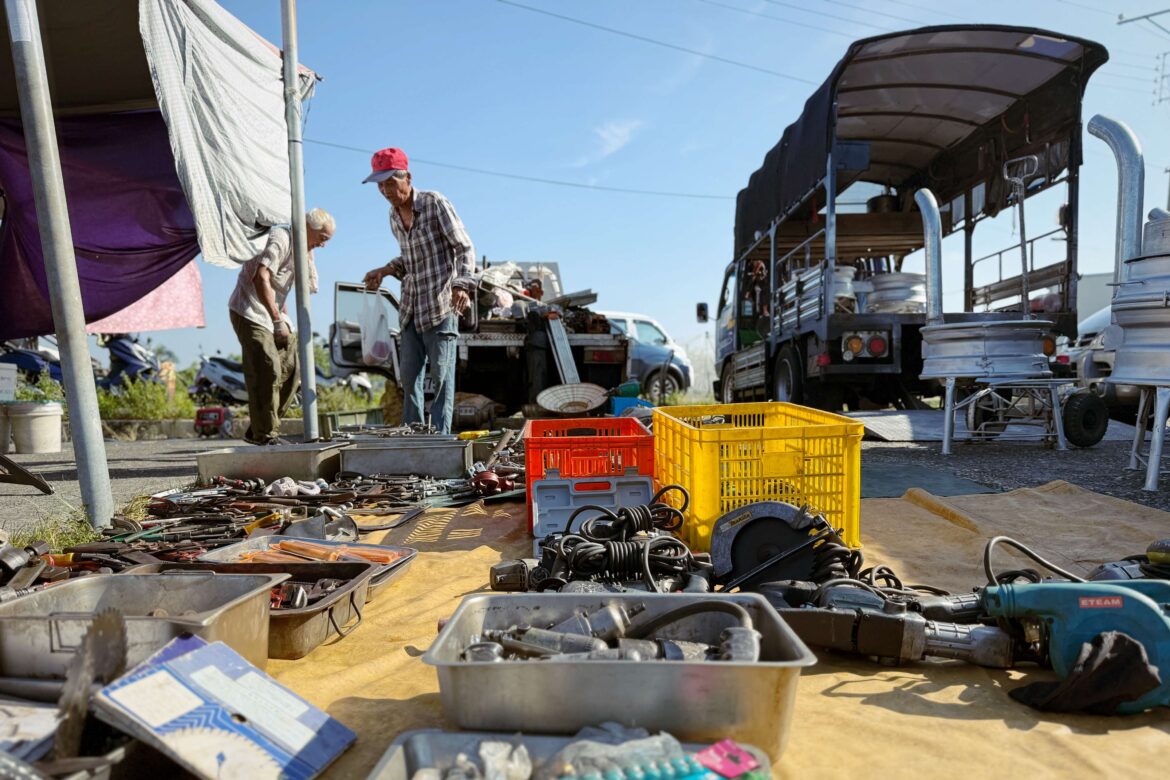
大學時在嘉義念書,半夜睡不著的時候,曾經夜衝阿里山,也曾在清晨五點跑到臺南善化,只為喝一碗熱騰騰的牛肉湯。

沿著舊莊街二段前往山區,在尋找包種茶的路上,看著車窗外的綠意盎然,很難相信這一大片山林屬於寸土寸金的「臺北」。
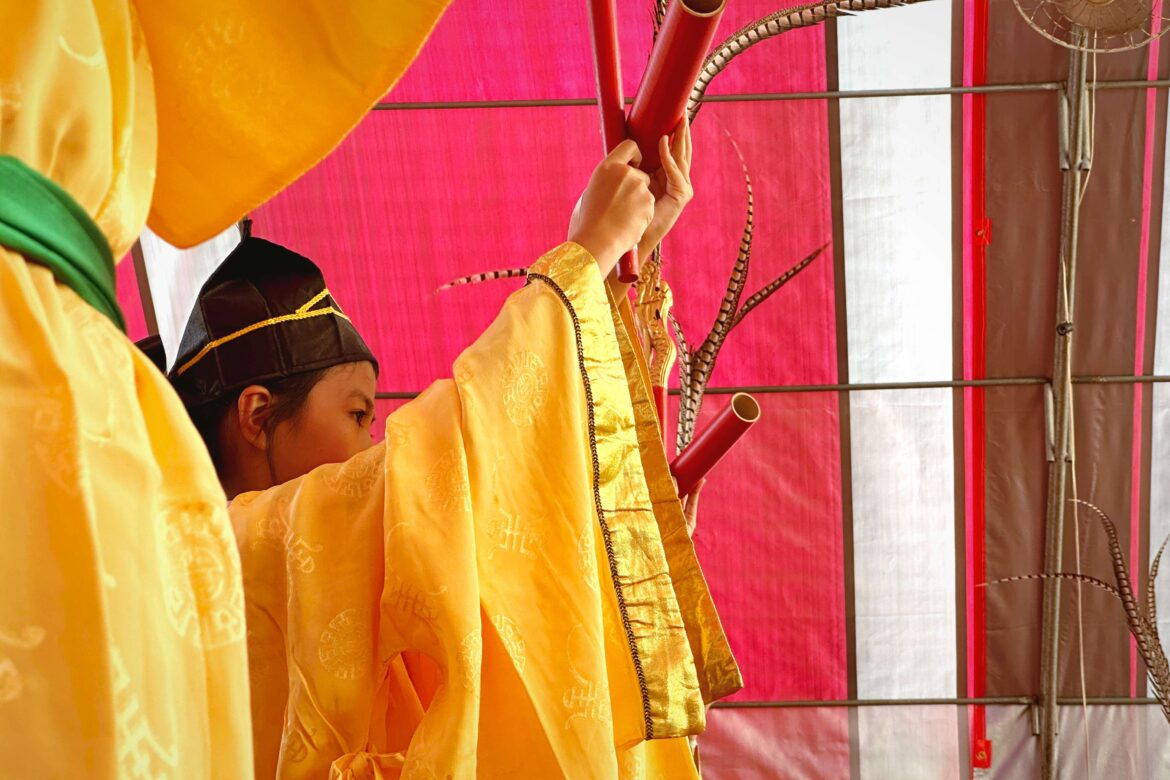
第一次聽說屏東內埔的年度盛事「韓愈文化祭」,心中不免產生疑惑。
韓愈雖然是位家喻戶曉的文學家與教育家,但他與時空背景截然不同又遠在天邊的內埔有什麼關係?
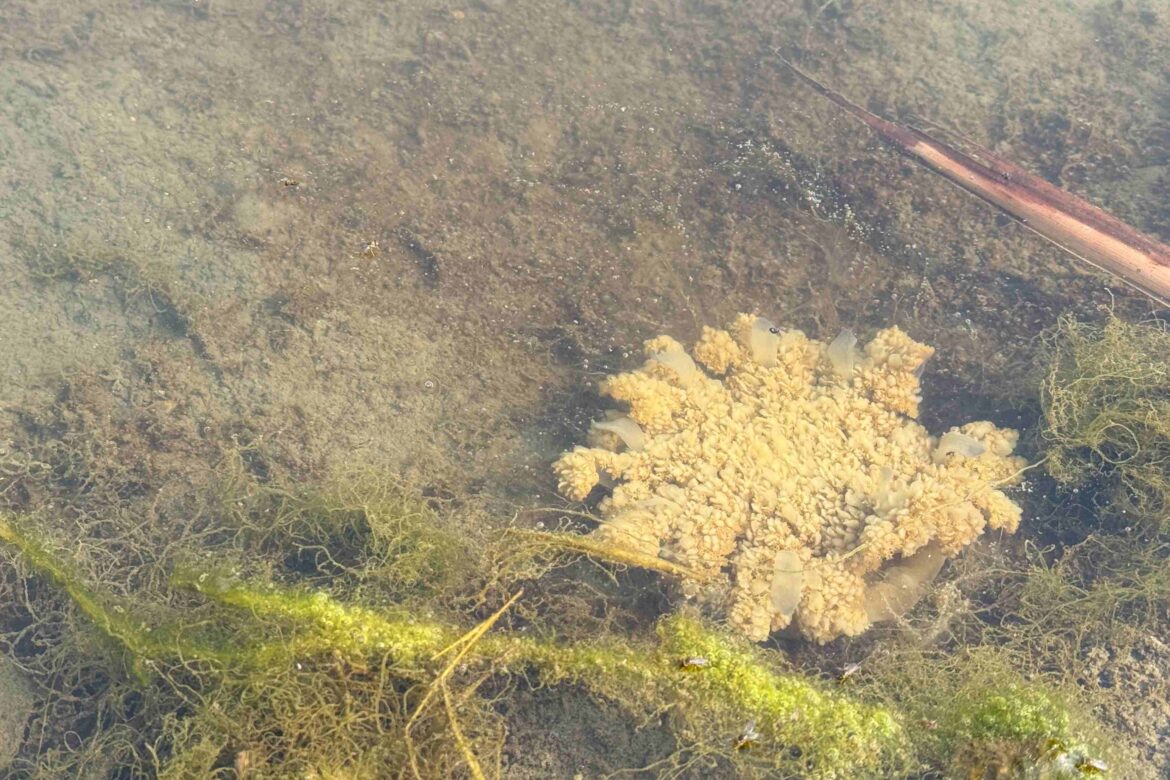
每年九月到隔年五月,在盛夏幾乎絕跡的仙后水母(又稱倒立水母),會在林園海洋濕地公園大爆發。
林園是臺灣本島唯一能看到水母「倒立」的地方,這也成為我來林園的最大動力。
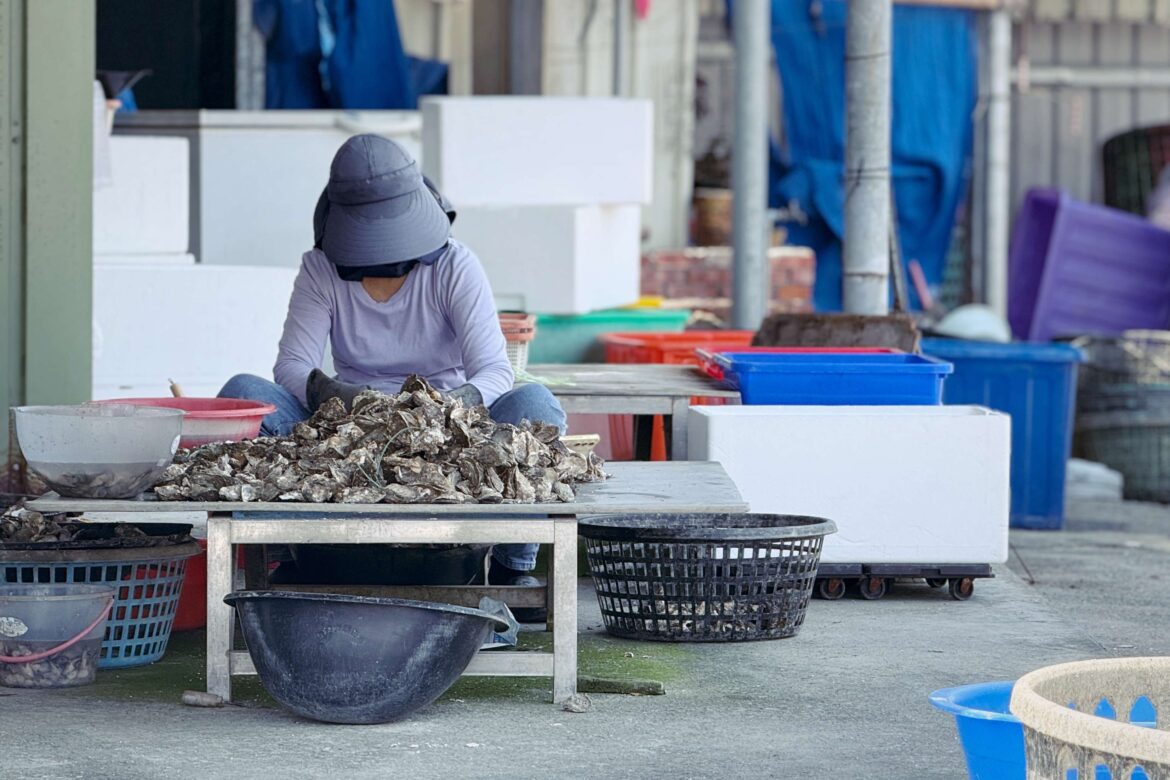
From May until around the Mid-Autumn Festival is the prime season when oysters are at their fullest, juiciest, and most irresistibly sweet. In other words, right now is the best time to savor them at their finest. Dongshih in Chiayi, protected by the natural barrier of Waisanding Sandbar, is not only the largest oyster-producing area in Taiwan but is also renowned nationwide for its exceptional quality.
When traveling in Taiwan, I have a particular fondness for small rural villages near major towns—places that are peaceful yet rich in local life. Puxin, located next to Yuanlin, is exactly that kind of place. In Puxin, you can explore historic houses, taste freshly harvested grapes, and soak in the warm afternoon sun. These simple yet fulfilling moments are what I cherish the most.
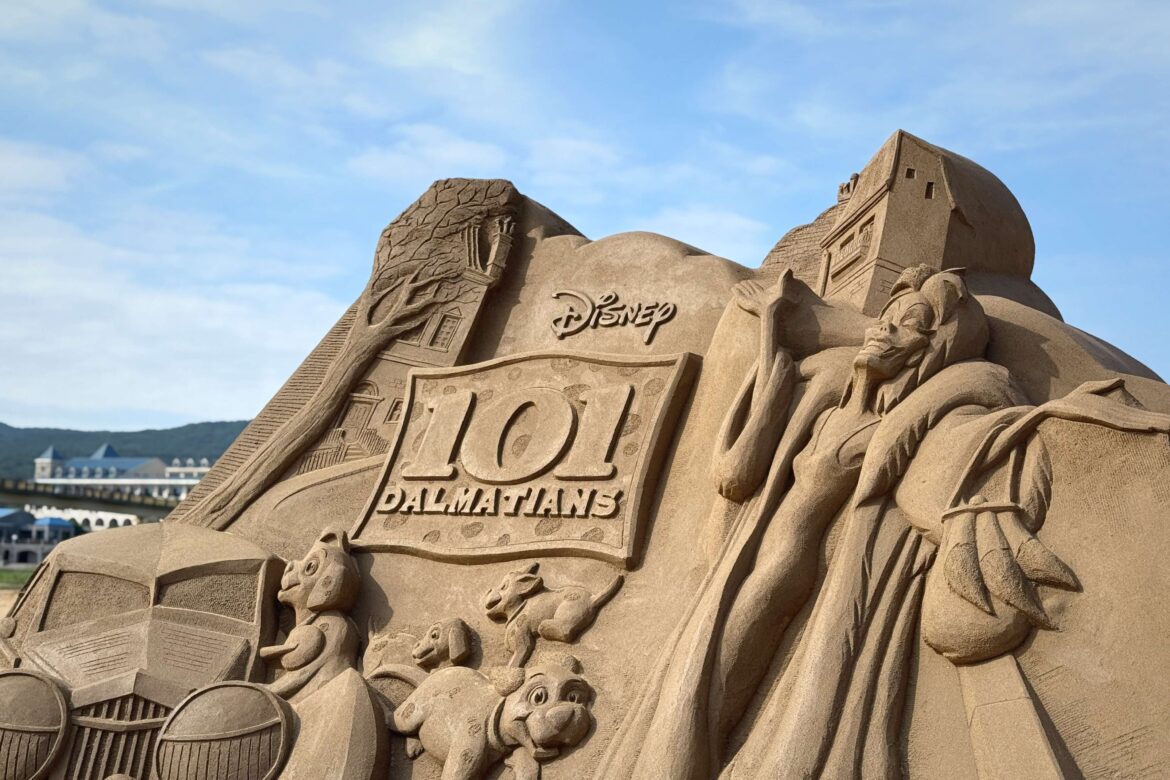
Located in Gongliao, on the easternmost tip of Taiwan’s main island, lies a stunning 30-kilometer stretch of winding coastline. With its rugged terrain and diverse natural scenery, the area is home to popular attractions such as Fulong Beach, Sandiaojiao Lighthouse, and the Old Caoling Tunnel. Each summer, families flock here for the annual Fulong International Sand Sculpture Art Festival, making it a favorite seasonal event for both locals and tourists.
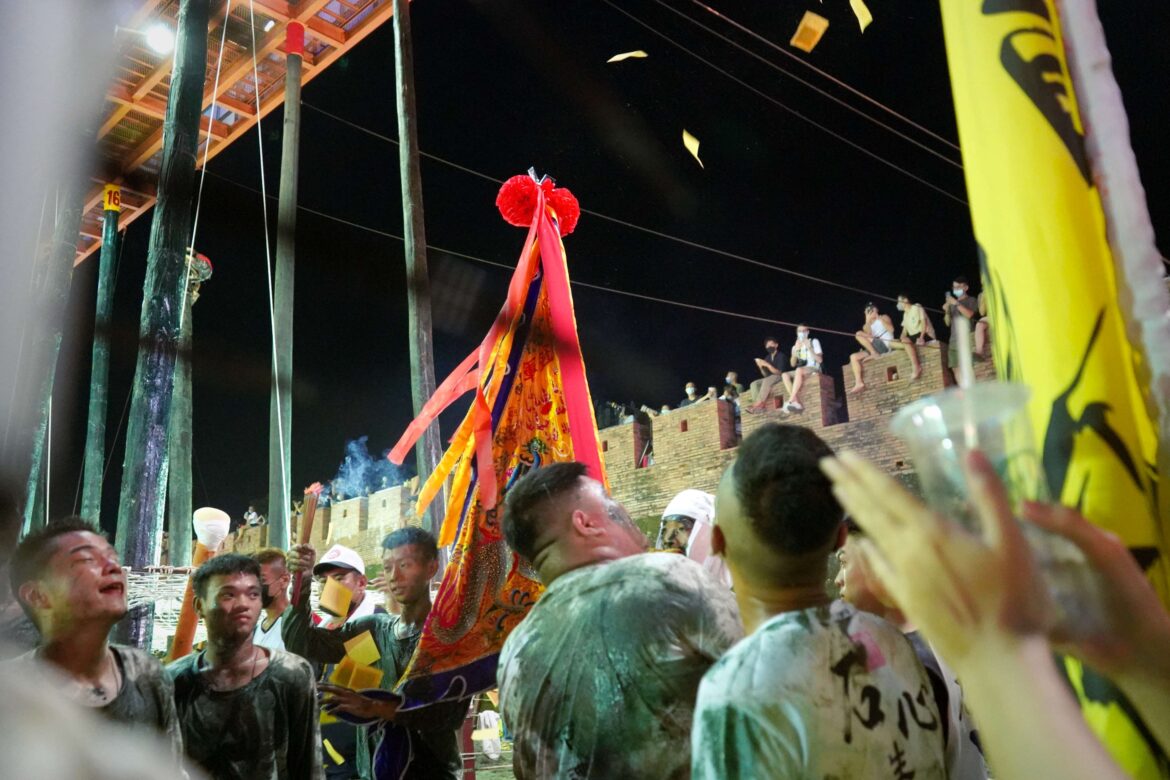
On Saturday, September 6, the annual religious event “Hengchun Chiang Ku Festival” will take place. This year, 17 teams will compete for the championship banner!
When people think of Hengchun, the first things that come to mind are usually the overpriced stalls of Kenting Night Market, the iconic Eluanbi Lighthouse, or the breathtaking Kenting National Park. But beyond its tourist-heavy reputation, Hengchun has a hidden side—one that many have never witnessed firsthand: The “Chiang Ku” (Pole-Climbing) Competition—a jaw-dropping, high-stakes event that blends faith, courage, and ancient techniques, only performed once a year during the Ghost Festival.