
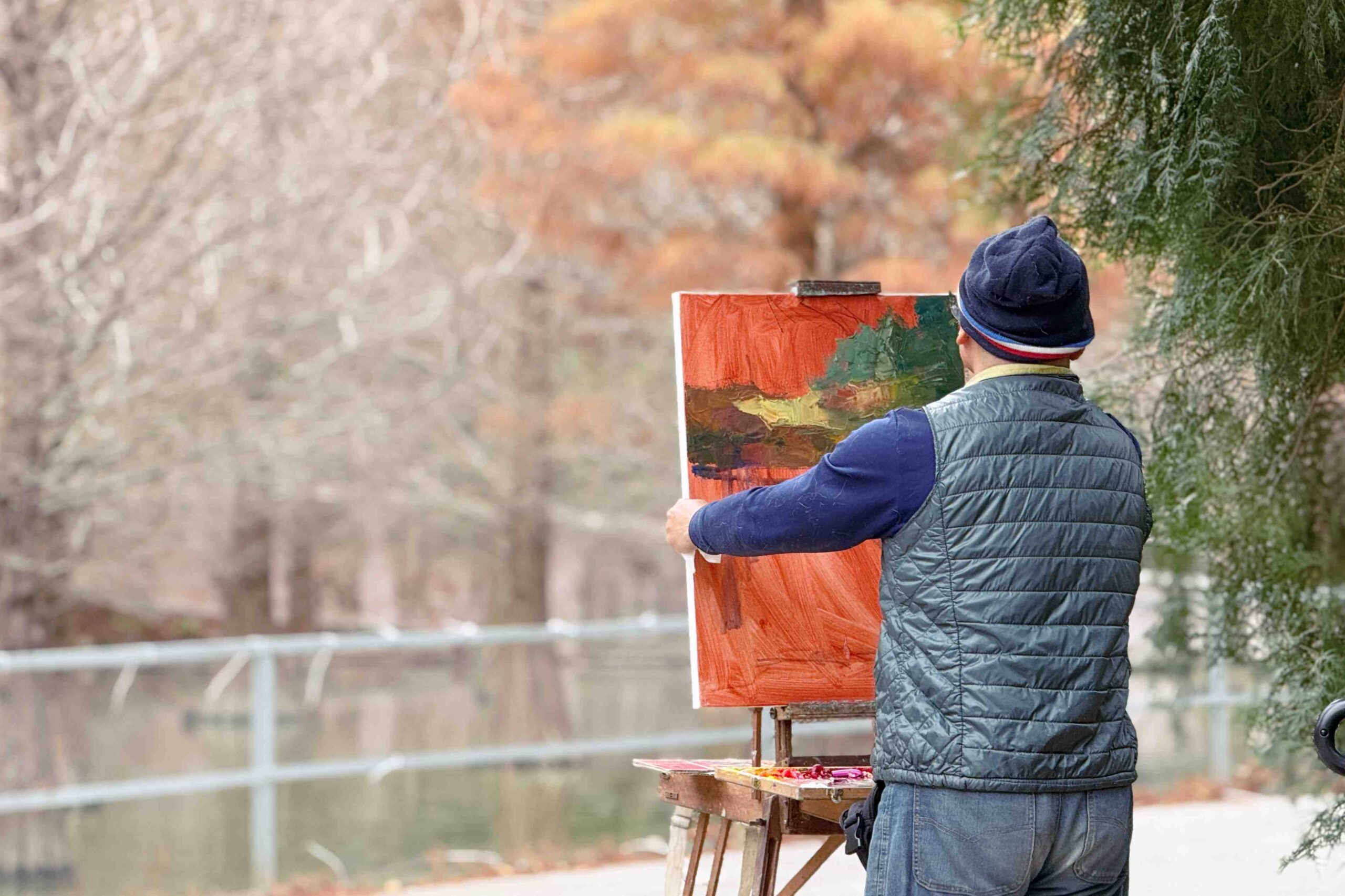
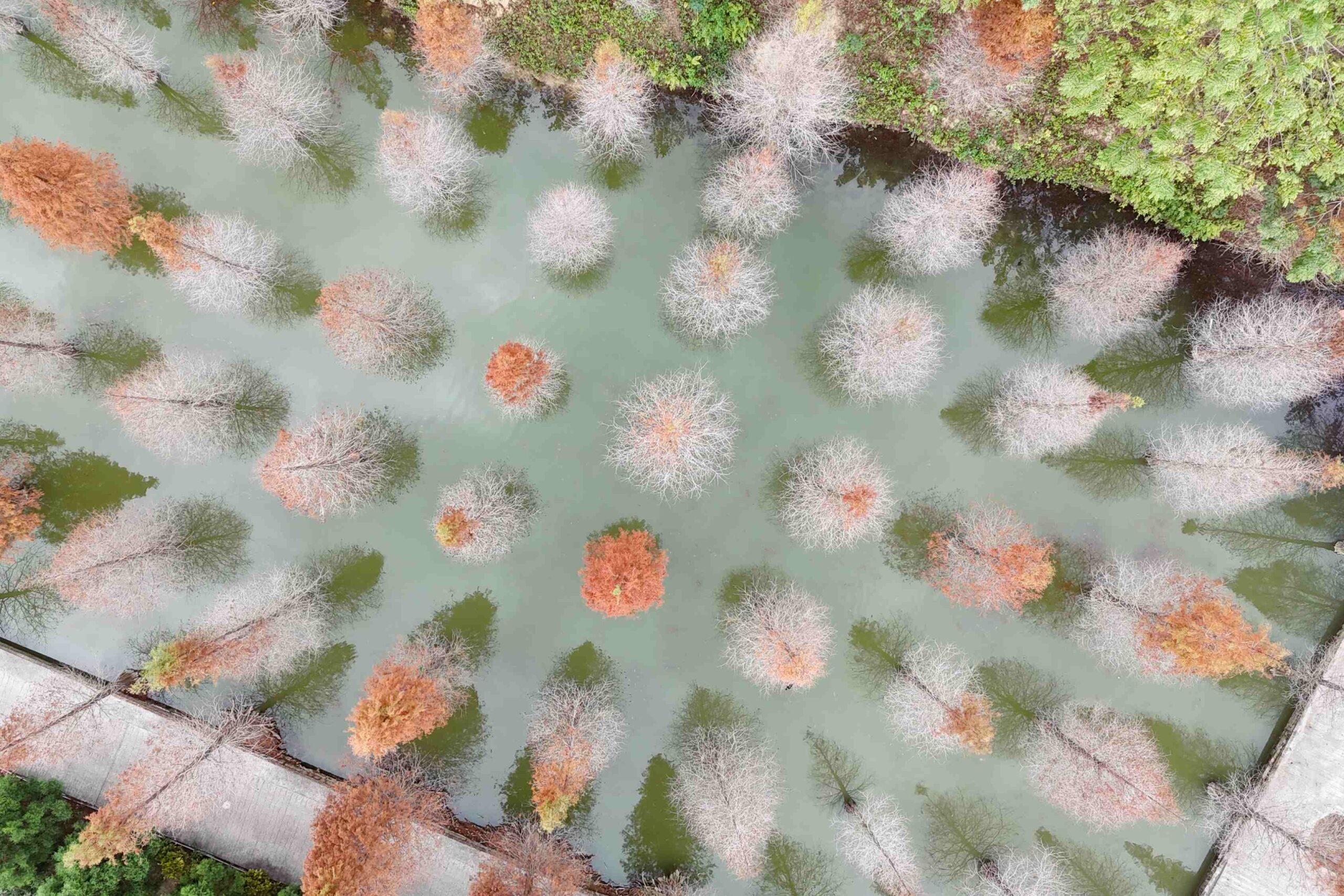
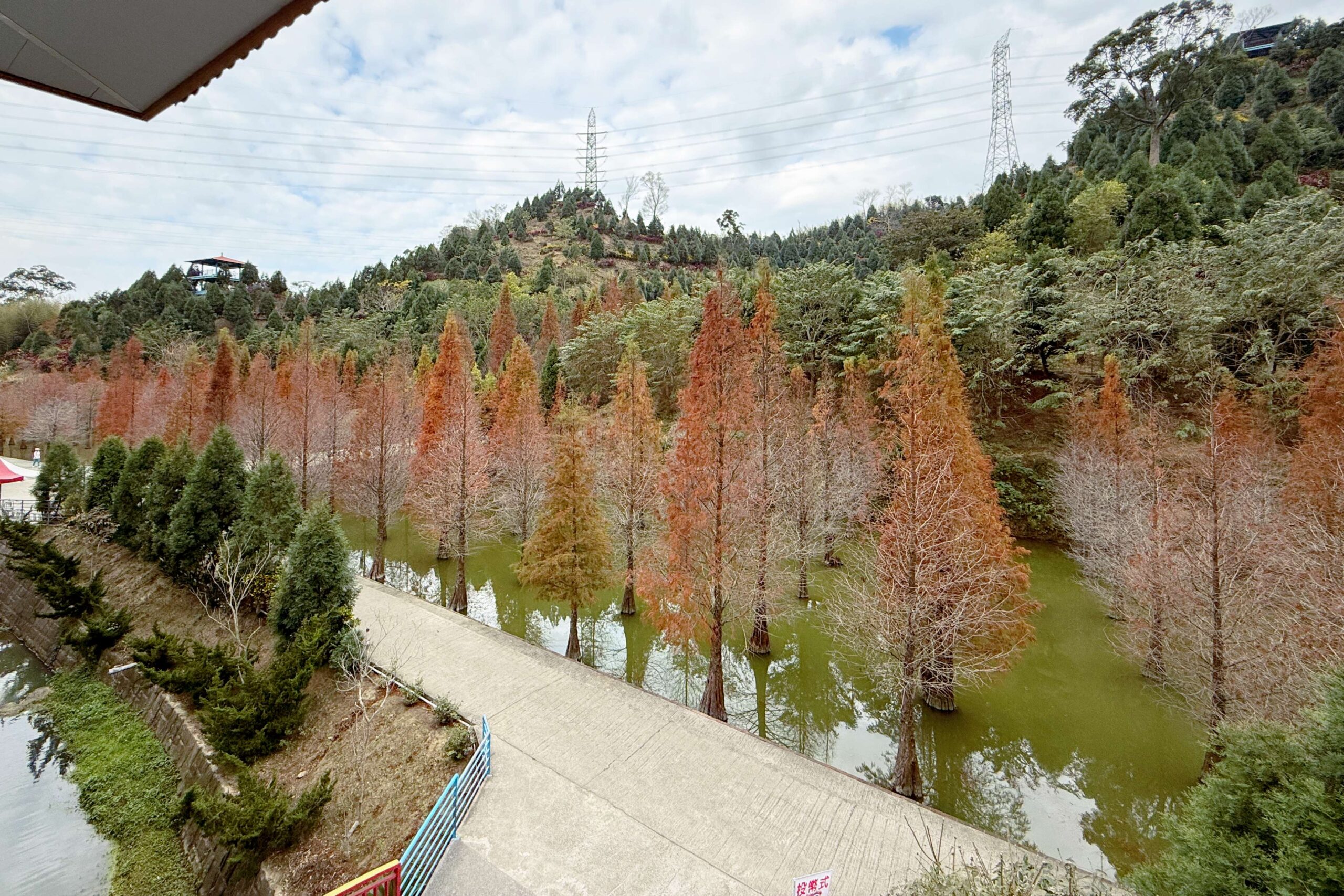
It’s Christmas Eve—wishing everyone a Merry Christmas! Among all the bald cypress groves I’ve visited across northern, central, and southern Taiwan, none capture the festive spirit quite like the one in Sanwan! The water reflects the trees as they shift from lush green to fiery orange-red, while the bare, silver-white branches left behind after the leaves fall add a touch of enchantment to the scene. As the cypress season nears its end, I highly recommend a trip to Sanwan to experience its unique sense of romance.
Contents
◦ Miaoli Travel Guide
01|Transportation in Miaoli
🚄 Taiwan High Speed Rail
🚗 Cross-city chartered one-day tour from Taipei
02|Popular Attractions in Miaoli
🎫 Shang Shun World Ticket
🎫 Hobbit Valley Admission Ticket
🎫 Zhou Ye Cottage Ticket
🎫 Flying Cow Ranch Ticket
🎫 Miaoli West Lake Resortopia Ticket
03|Things To Do in Miaoli
🏕️ Cabin Getaway at Blue Magpie Resort
🏕️ Bell Tent Glamping Experience in Whispering Tree Campground
♨️ Open-Air Hot Spring and Nude Bath at Shine Mood Resort Yuanli
◦ The History of Sanwan
The name Sanwan traces back to the early days of settlement. As the Zhonggang River flowed through the area, it curved three large bends in succession, depositing fertile soil that formed a vast plain. The early settlers chose this land to cultivate and build their lives, giving rise to the name Sanwan (“Three Bends”). Most of the early inhabitants were Hakka farmers. To adapt to the terrain and meet agricultural needs, they dug numerous irrigation ponds, which gradually laid the foundation for the region’s development.
◦ Attractions in Sanwan
01|Sanwan Bald Cypress Forest
The Sanwan Bald Cypress Forest is part of a privately owned estate. The owner is remarkably generous, opening the grounds to visitors free of charge, while also providing thoughtful amenities such as a viewing platform and restrooms. Paid parking is available both inside and outside the estate, so there’s no need to worry about parking.
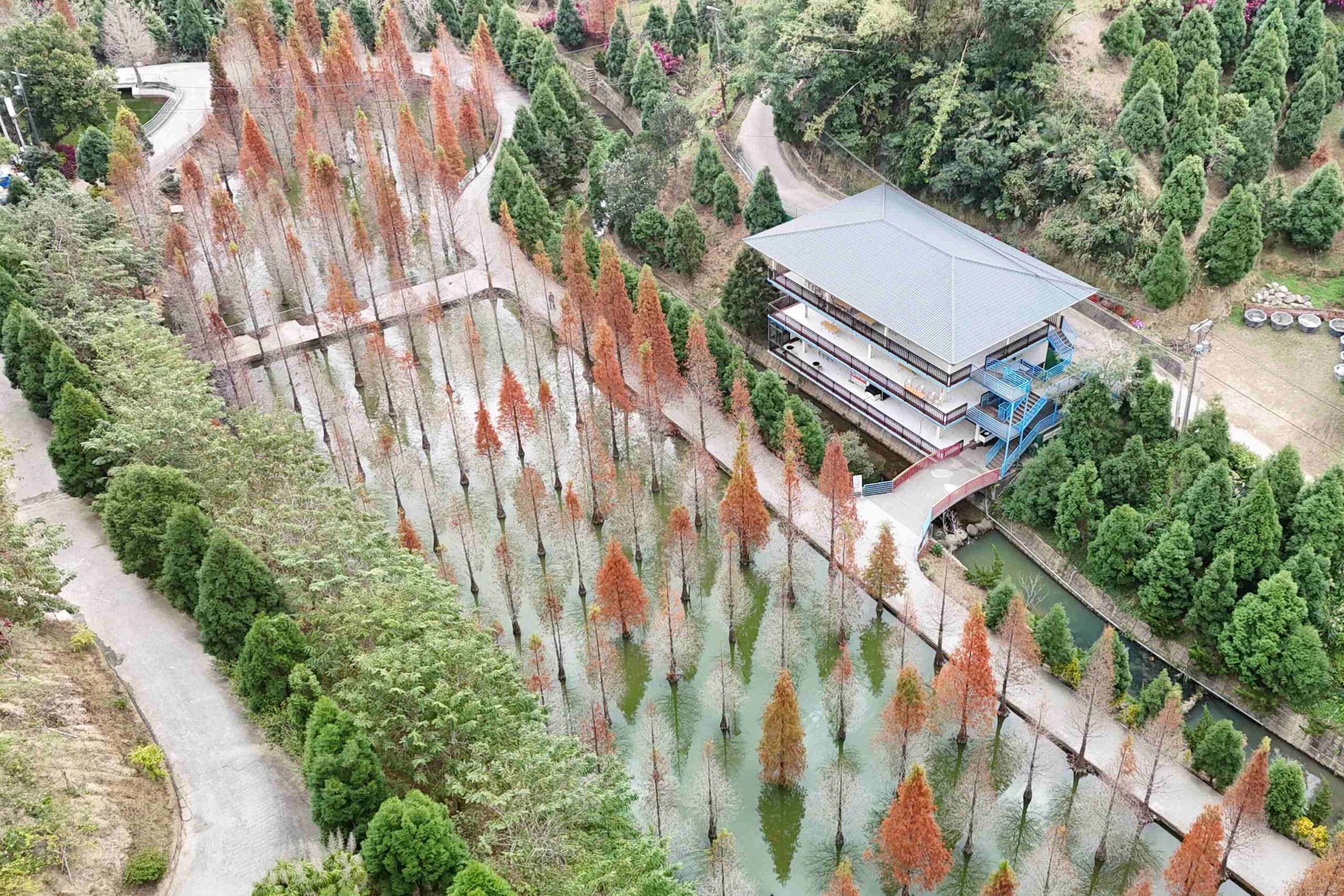
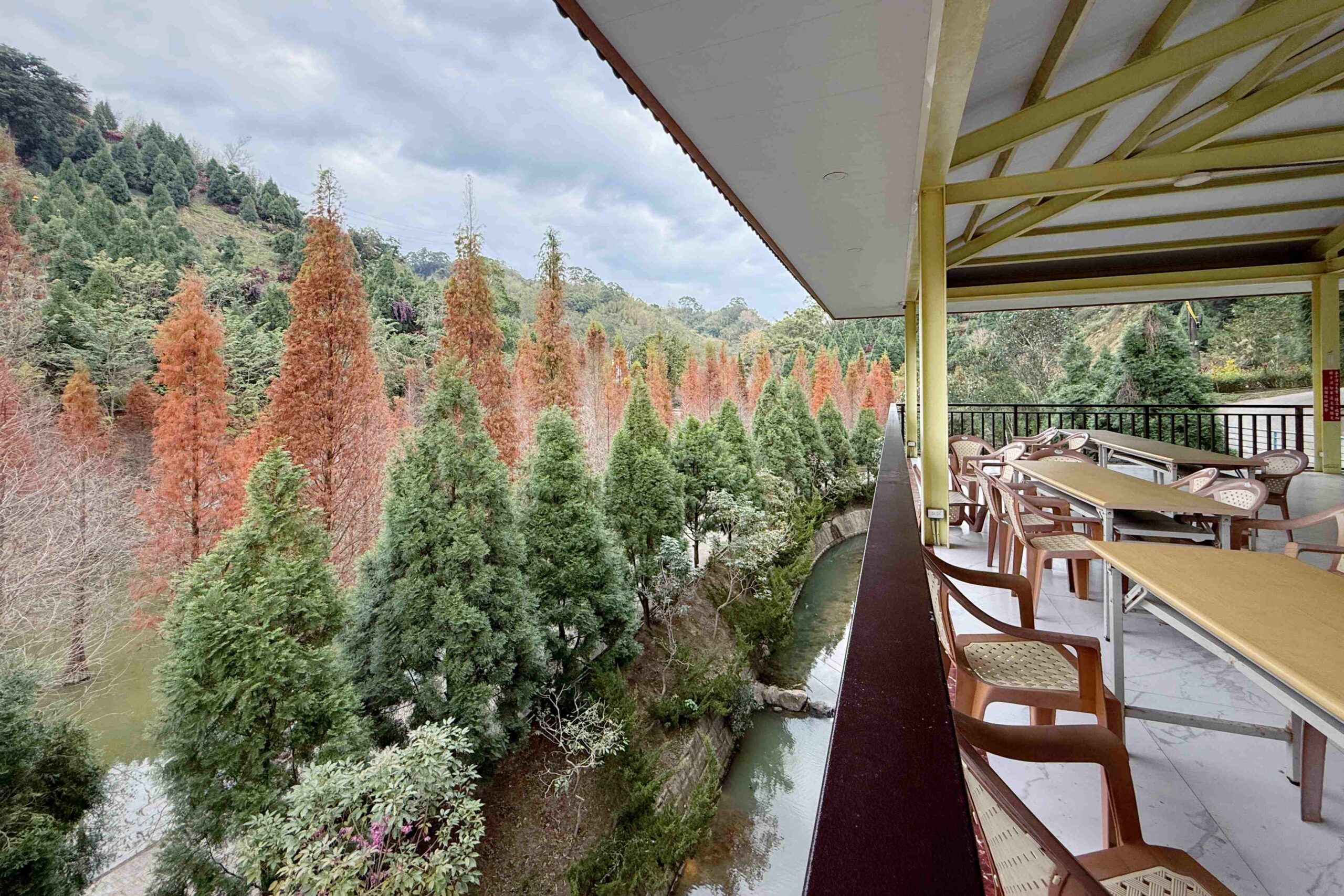
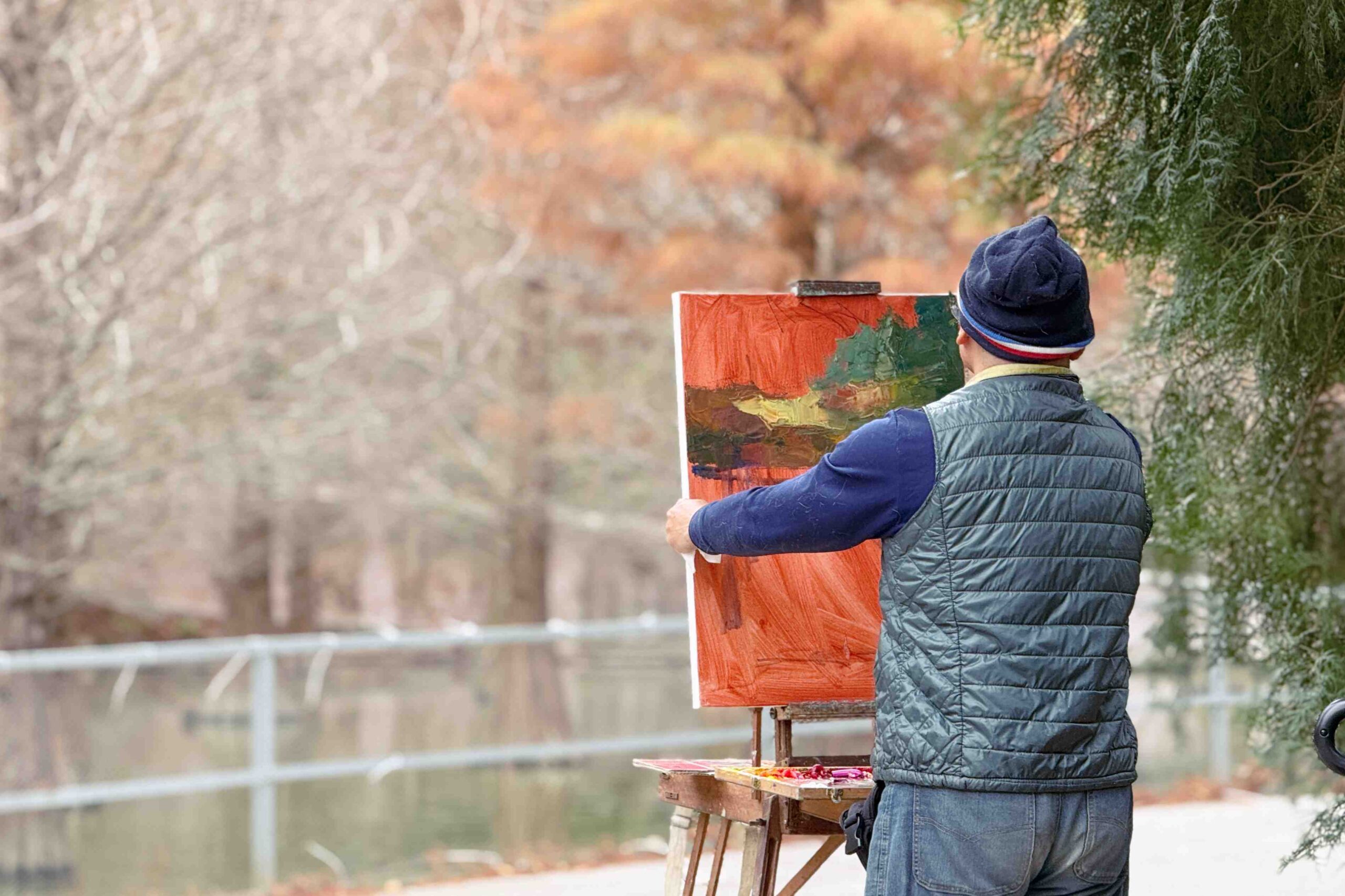
What sets this place apart is that the bald cypresses are planted in ponds. Their reflections on the water create an endless sense of depth, and once the leaves fall, the silver-white branches add a magical touch to the scene. During this visit, I happened to meet an artist. His abstract style of painting offered a fresh perspective, allowing the scenery before us to break free from traditional ways of appreciation.
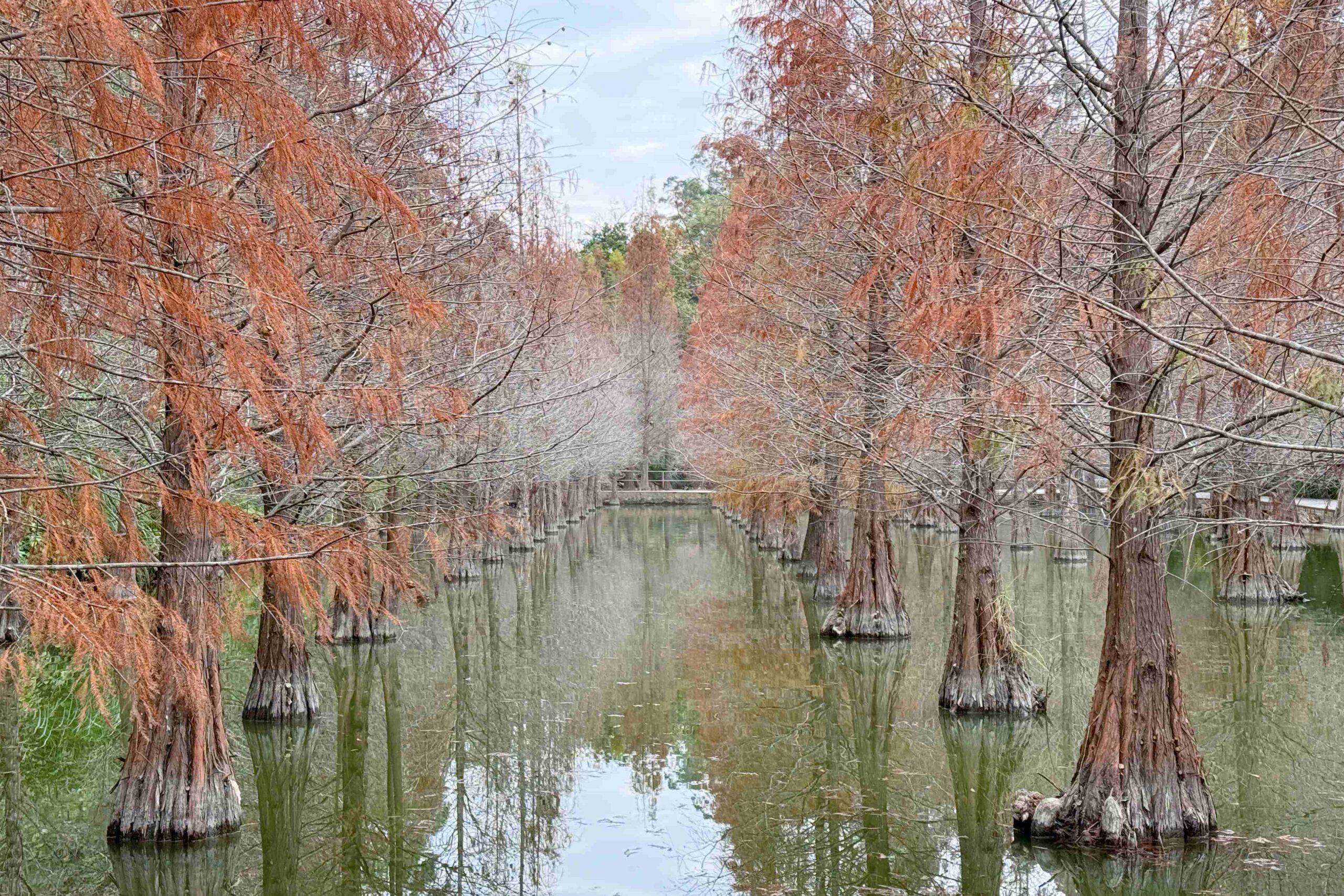
Sanwan Bald Cypress Forest

Try searching “Sanwan Bald Cypress Forest” on Google Maps.
02|Sanlianpi (Three Connected Ponds)
In the history of Sanwan’s development, irrigation ponds once played a vital role due to the area’s terrain. Located at the tail end of the irrigation system, Sanwan often struggled with maintaining a steady water supply. To address this, early settlers dug numerous ponds, which became the main water source for farming. With the later construction of the Yongheshan Reservoir, these ponds gradually lost their function, and many eventually disappeared. To preserve this unique landscape, Beipu Village in Sanwan incorporated the ponds into local tourism. The most representative example is Sanlianpi, formed by the connected Guanyin Pond, Liyu Pond, and Dahuangpu.
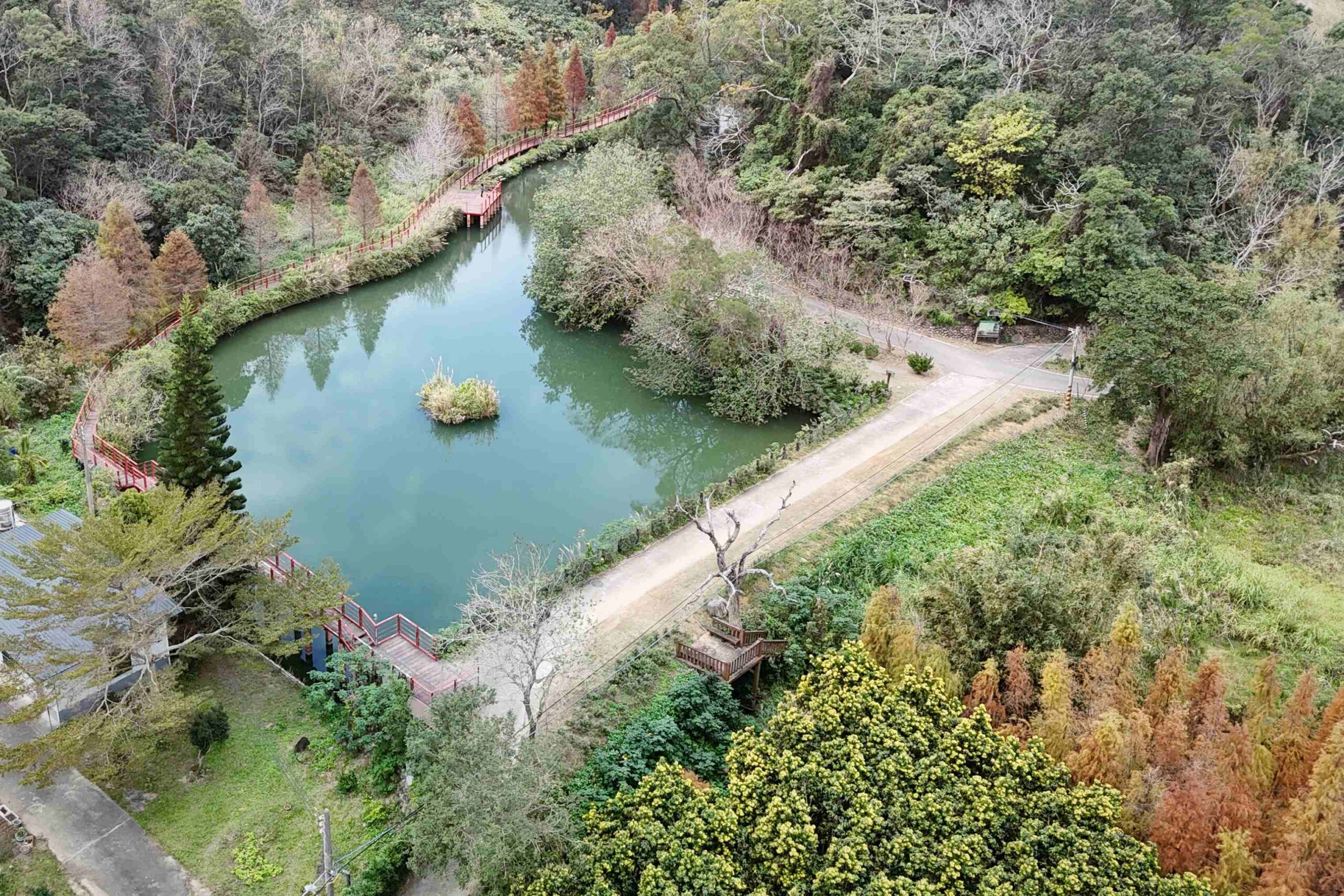
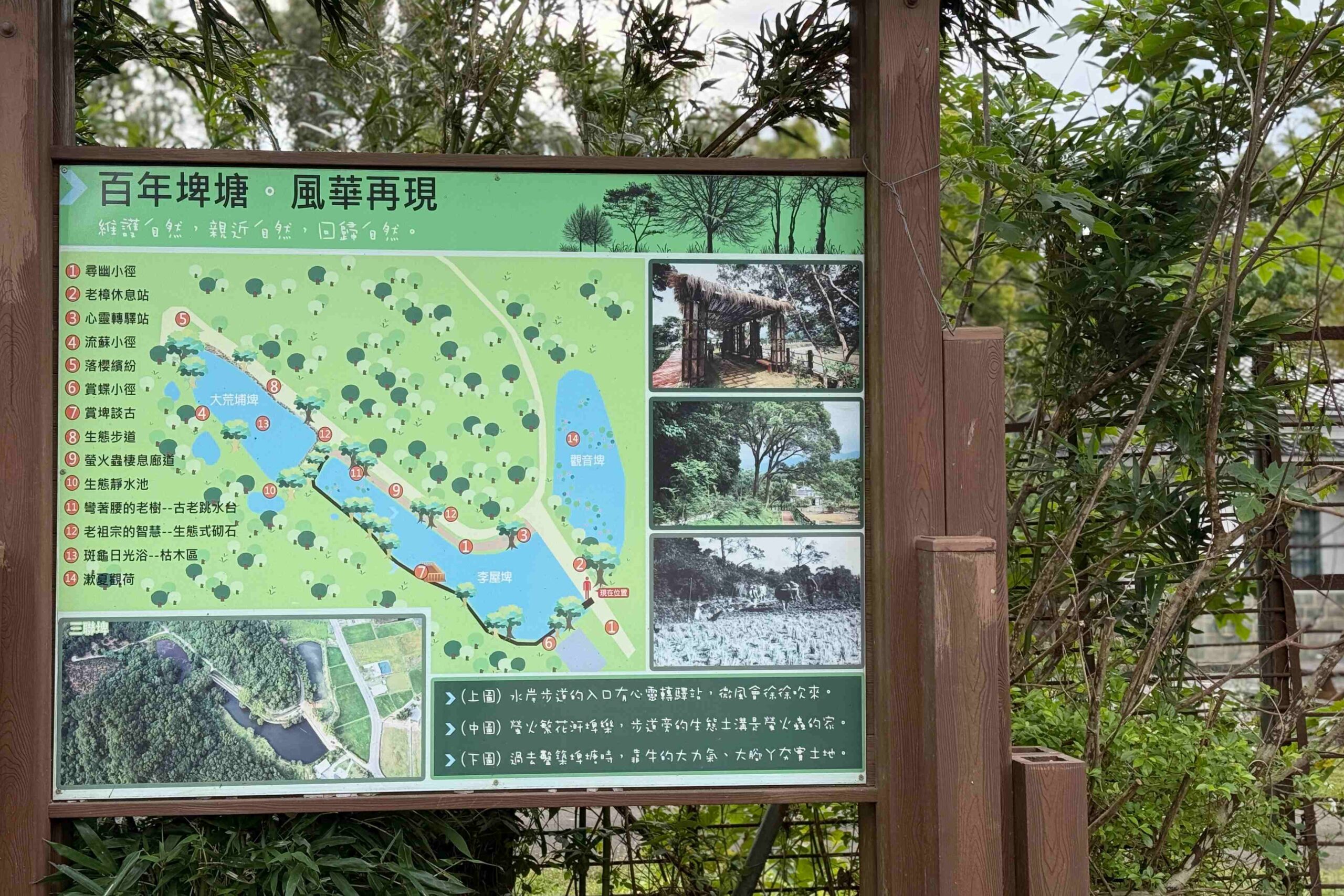
A winter visit offers an added charm—you’ll find rows of bald cypress trees creating a picturesque seasonal scene.
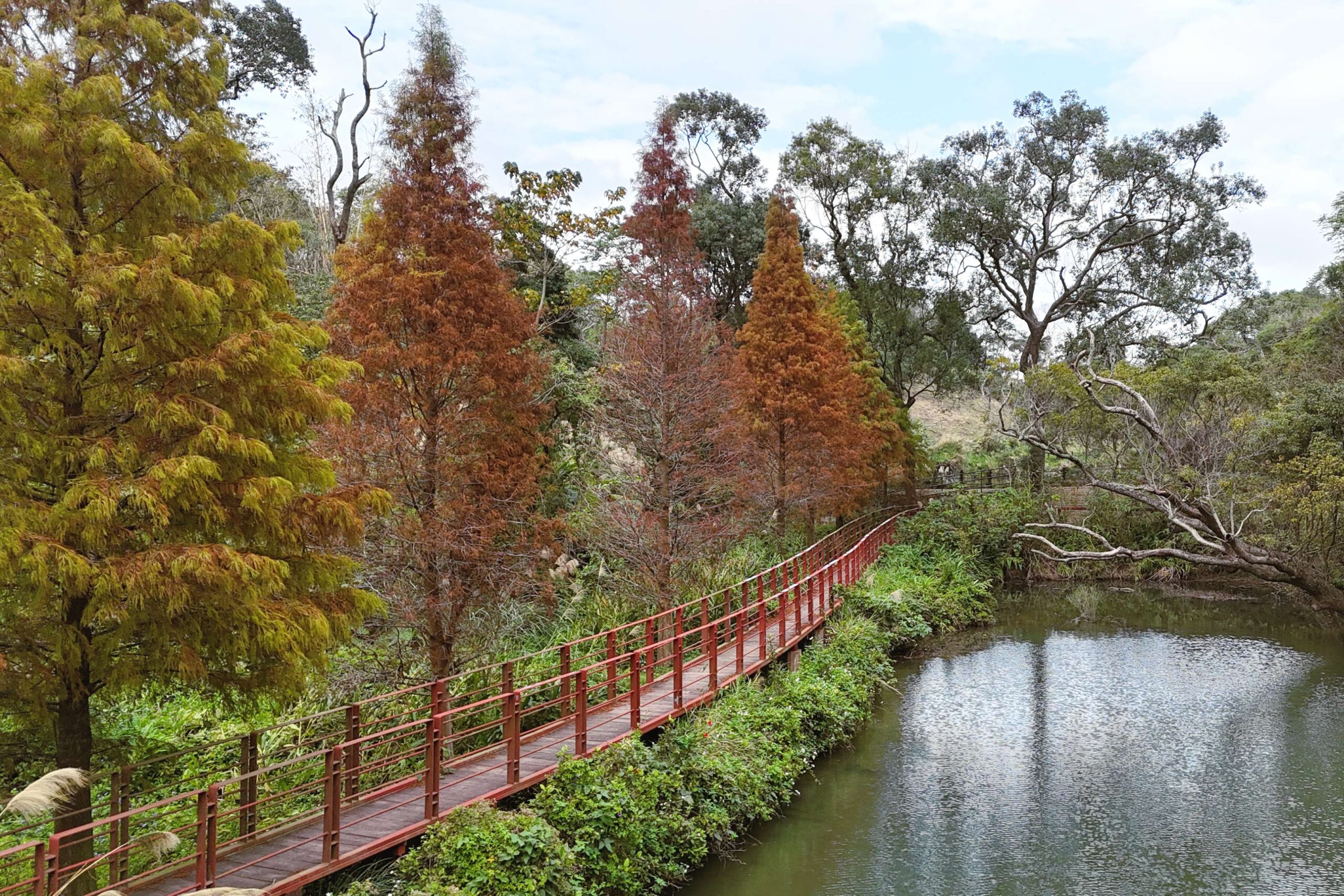
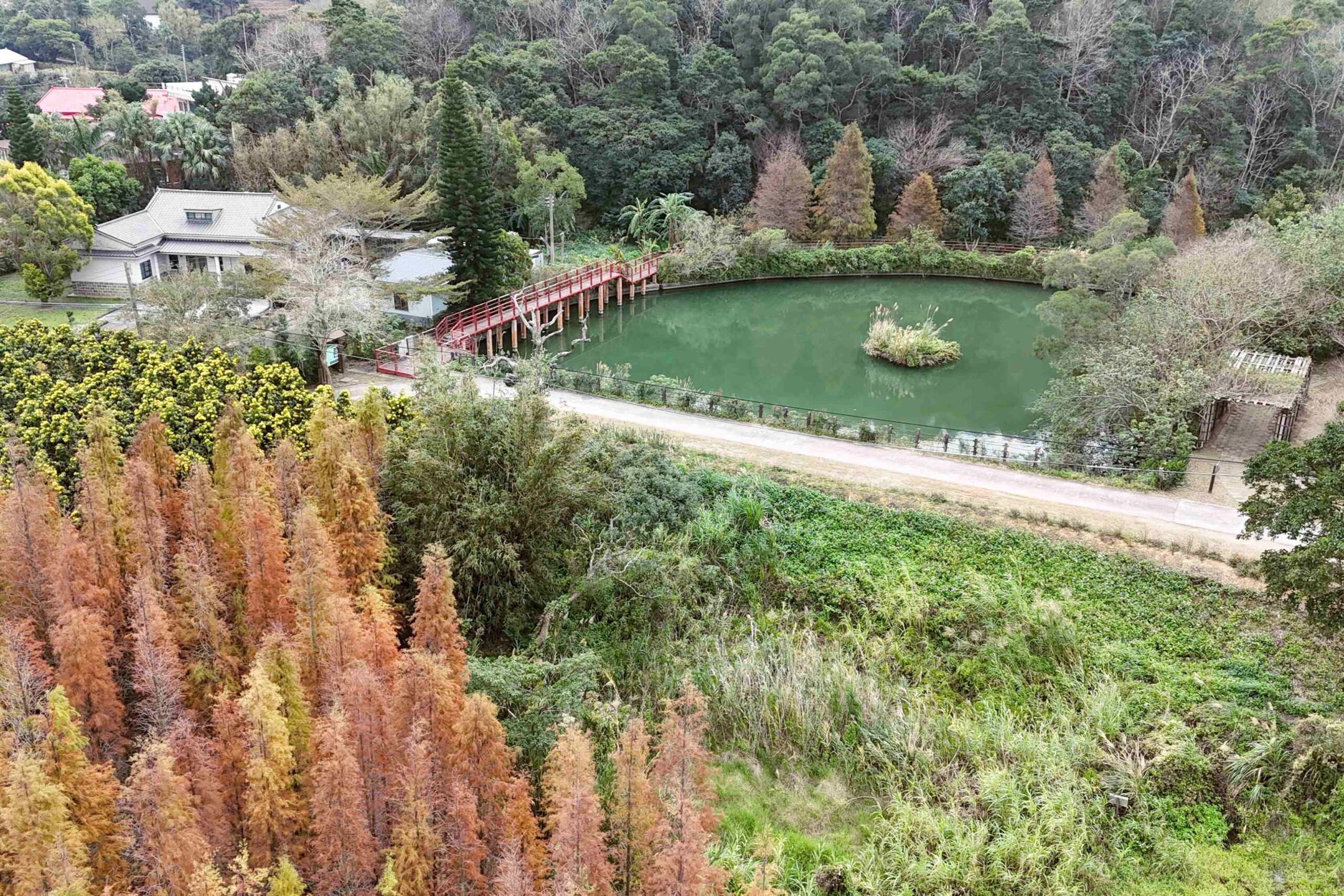
Sanlianpi

Try searching “Sanlianpi” on Google Maps.
03|Laochungkui Trail
When I first saw the name “Laochungkui,” I couldn’t help but ask a friend how to pronounce the middle character. It’s pronounced “chòng” (銃) and refers to firearms; together, “Chungkui” indicates an armory or storage for guns and ammunition. This place name reflects the early settlers’ history of using armed defense to cultivate the mountains and forests.
The Laochungkui Trail was originally part of a Han Chinese frontier defense system. Over time, it gradually became a transportation route. In recent years, the local government renovated the old road, transforming it into a gentle nature trail perfect for enjoying the Tung trees in bloom. The trail is about 1.5 kilometers long, flat and easy to walk, lined with old camphor trees along the way. It’s a comfortable stroll, ideal for families to explore together.
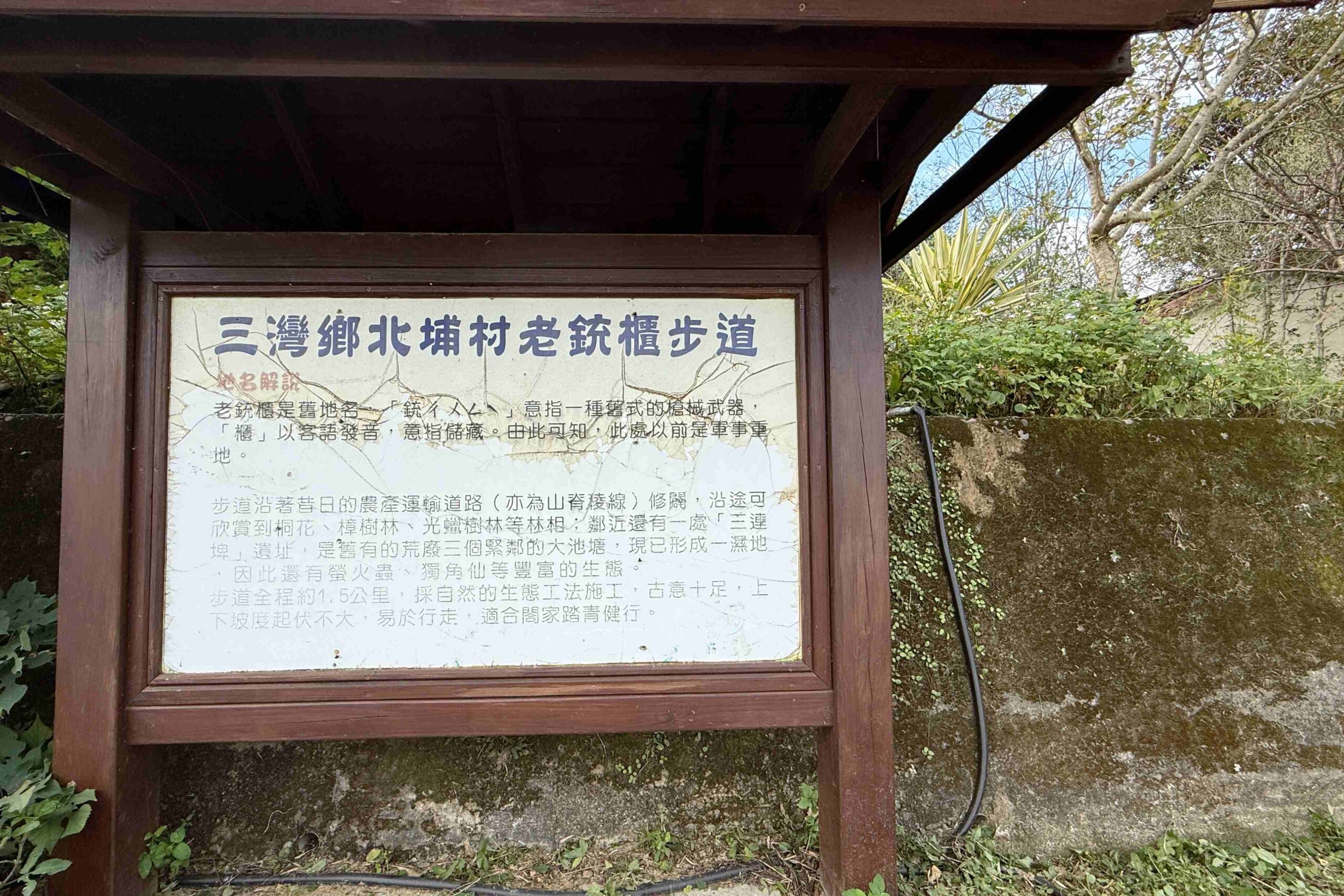
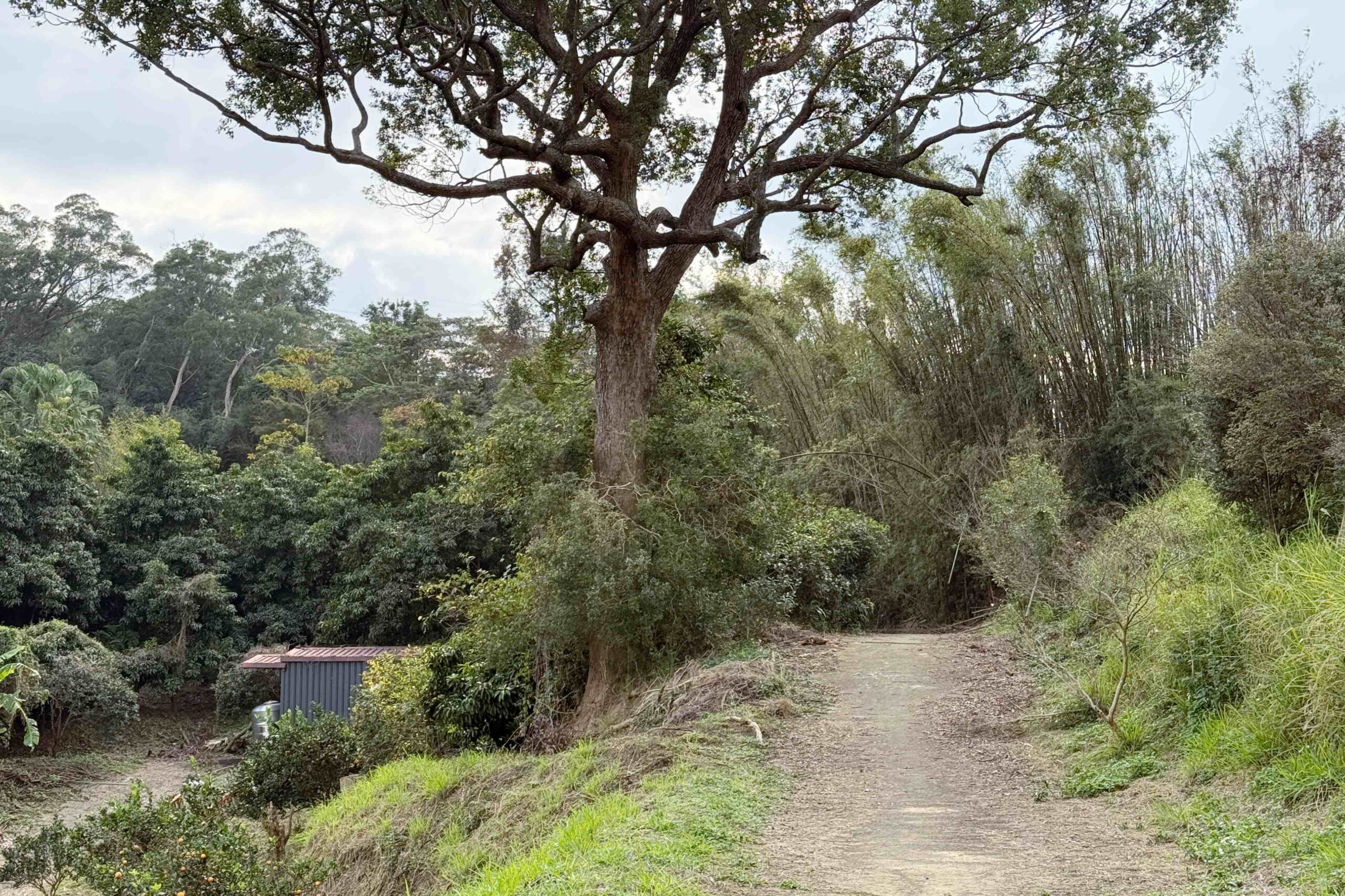
Laochungkui Trail

Try searching “Laochungkui Trail” on Google Maps.
04|Sanwan Old Street
Whenever I visit a new place, I like to ask locals about the best food and sights—and Sanwan Old Street was no exception. After asking several people, the answers were more or less the same: “Nothing special, I guess,” or “I’m not sure—maybe ask someone else?” Indeed, if it weren’t for the wooden sign at the street entrance, Sanwan Old Street looks much like any ordinary town street. It’s filled with the rhythms of everyday life, a stark contrast to the bustling, lively streets we often imagine when we think of an “old street.”
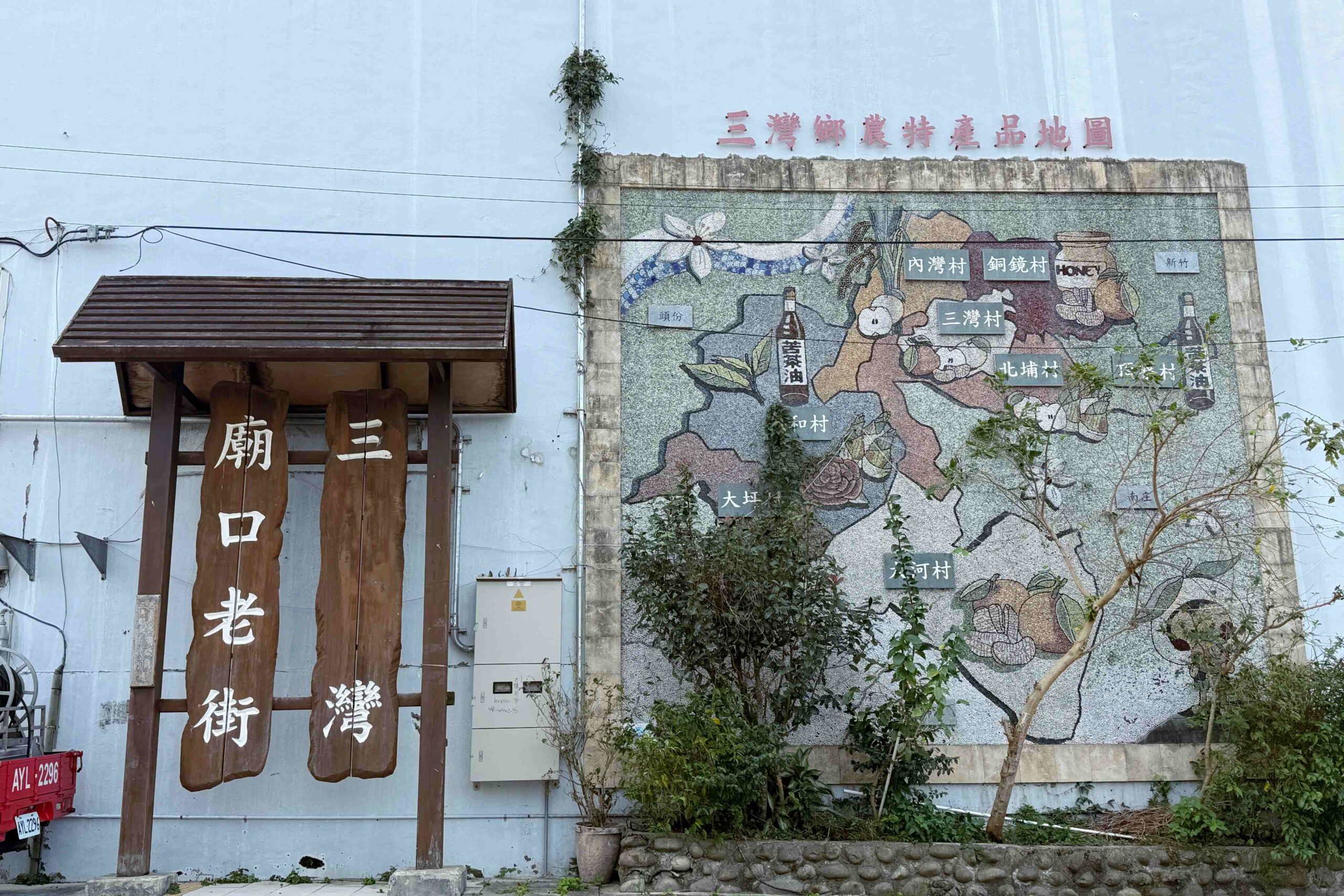
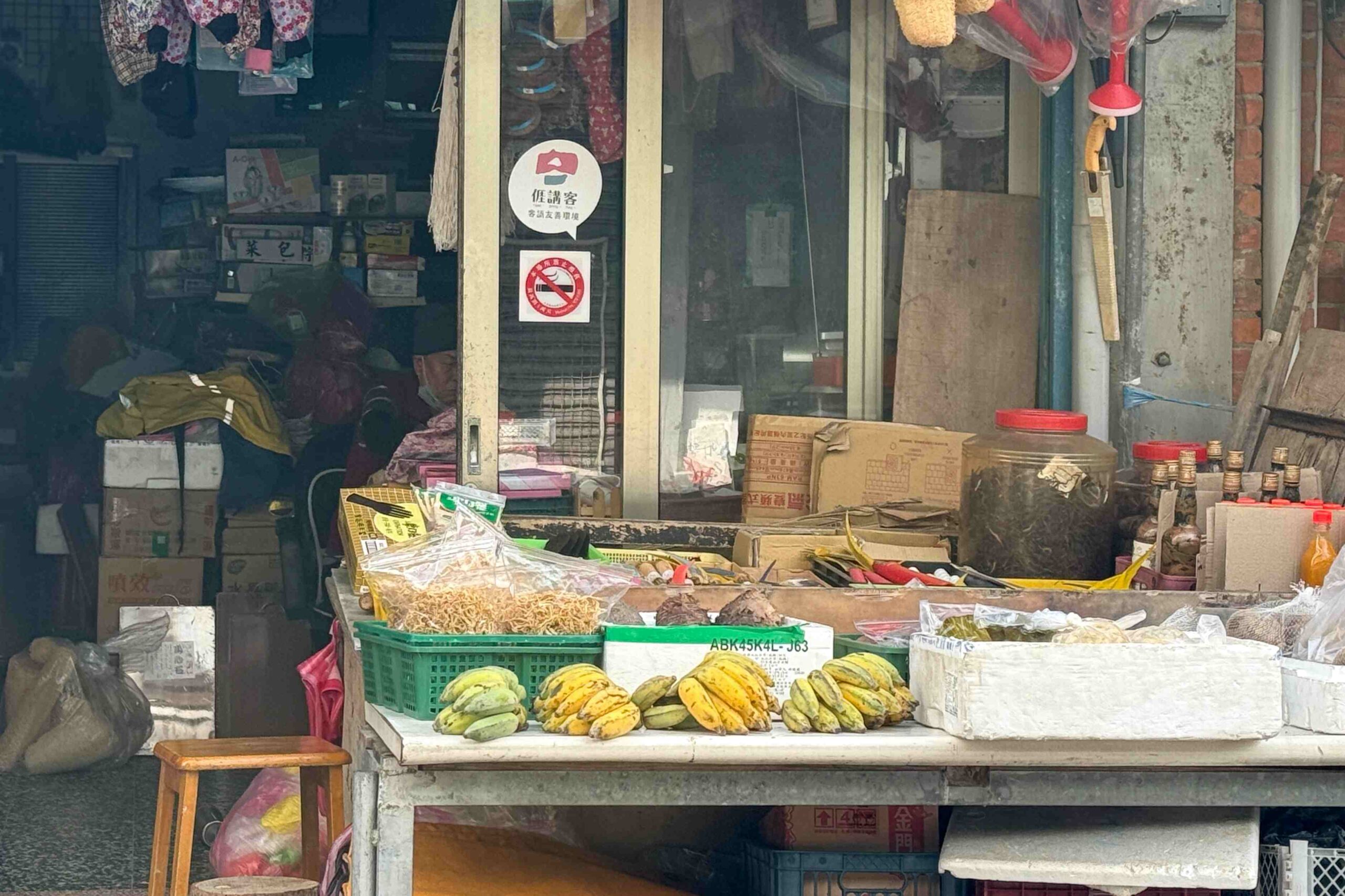
Yet, if you slow down and look closer, you’ll discover charming little corners: a tea shop inviting visitors in for a cup, and the front of a local leader’s home, rich with character. These subtle details add layers of story and warmth to Sanwan Old Street.
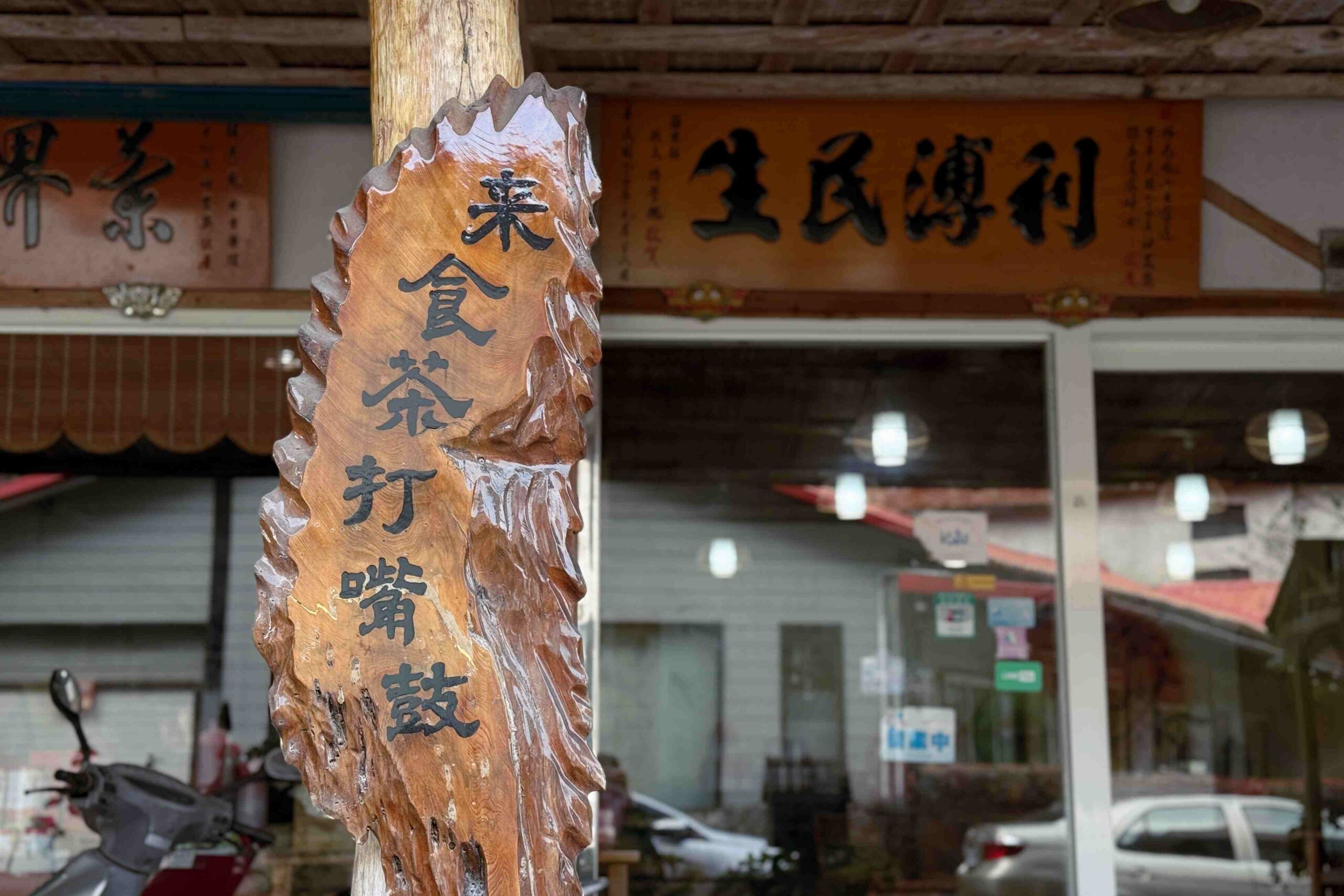
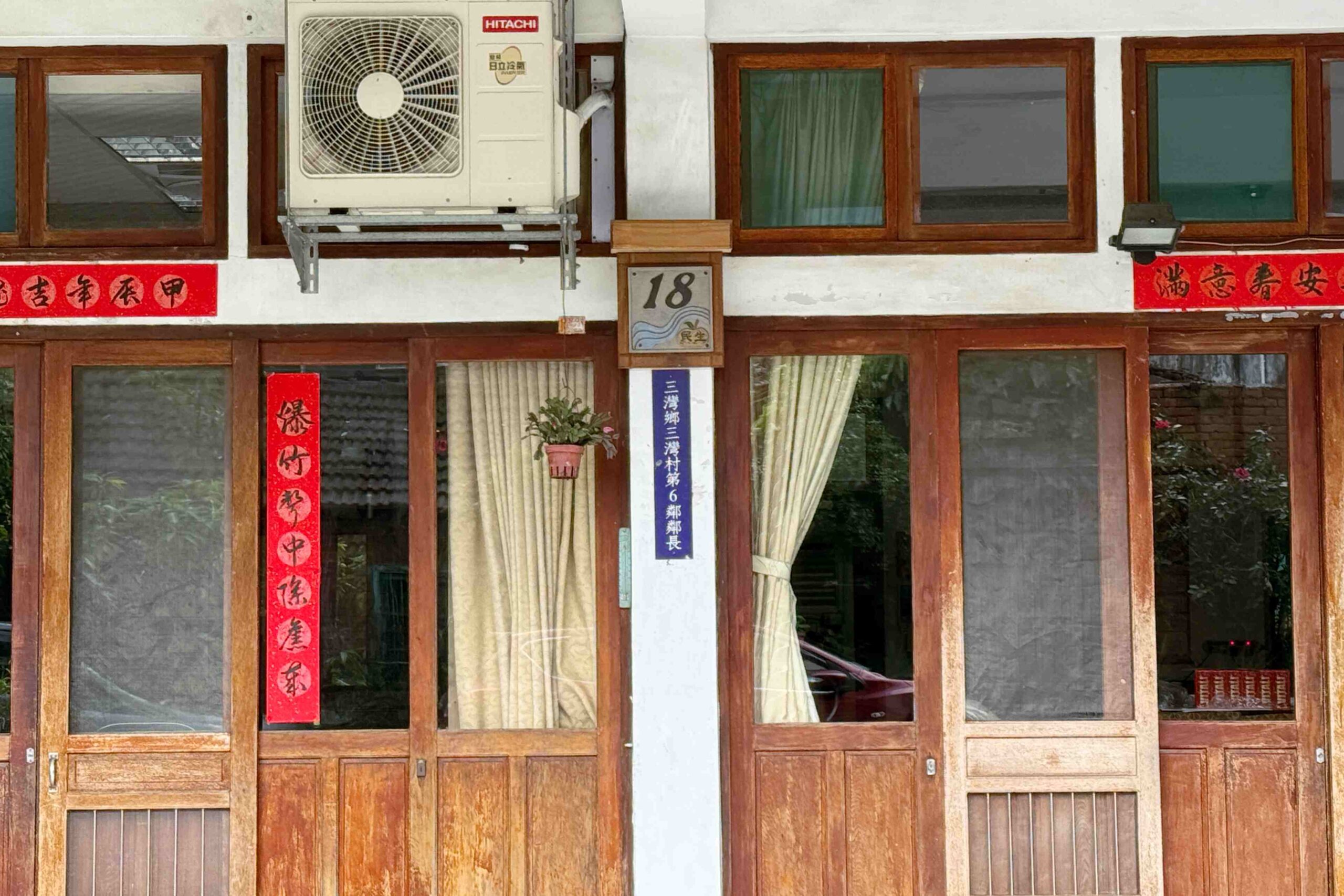
Sanwan Old Street

Try searching “Sanwan Old Street” on Google Maps.
05|Sanwan Wugu Temple
Located on Sanwan Old Street, Sanwan Wugu Temple is the street’s most historically rich building.
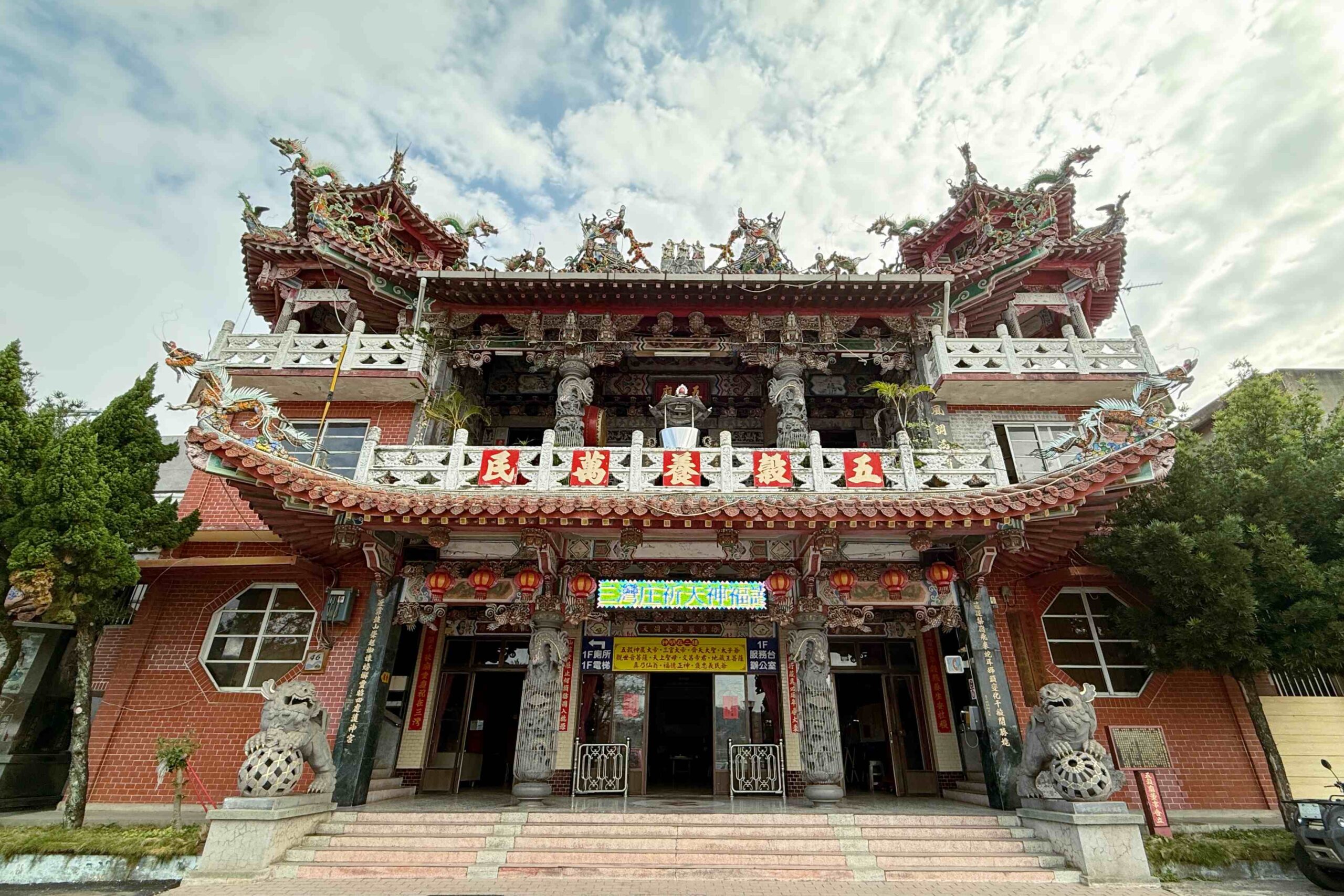
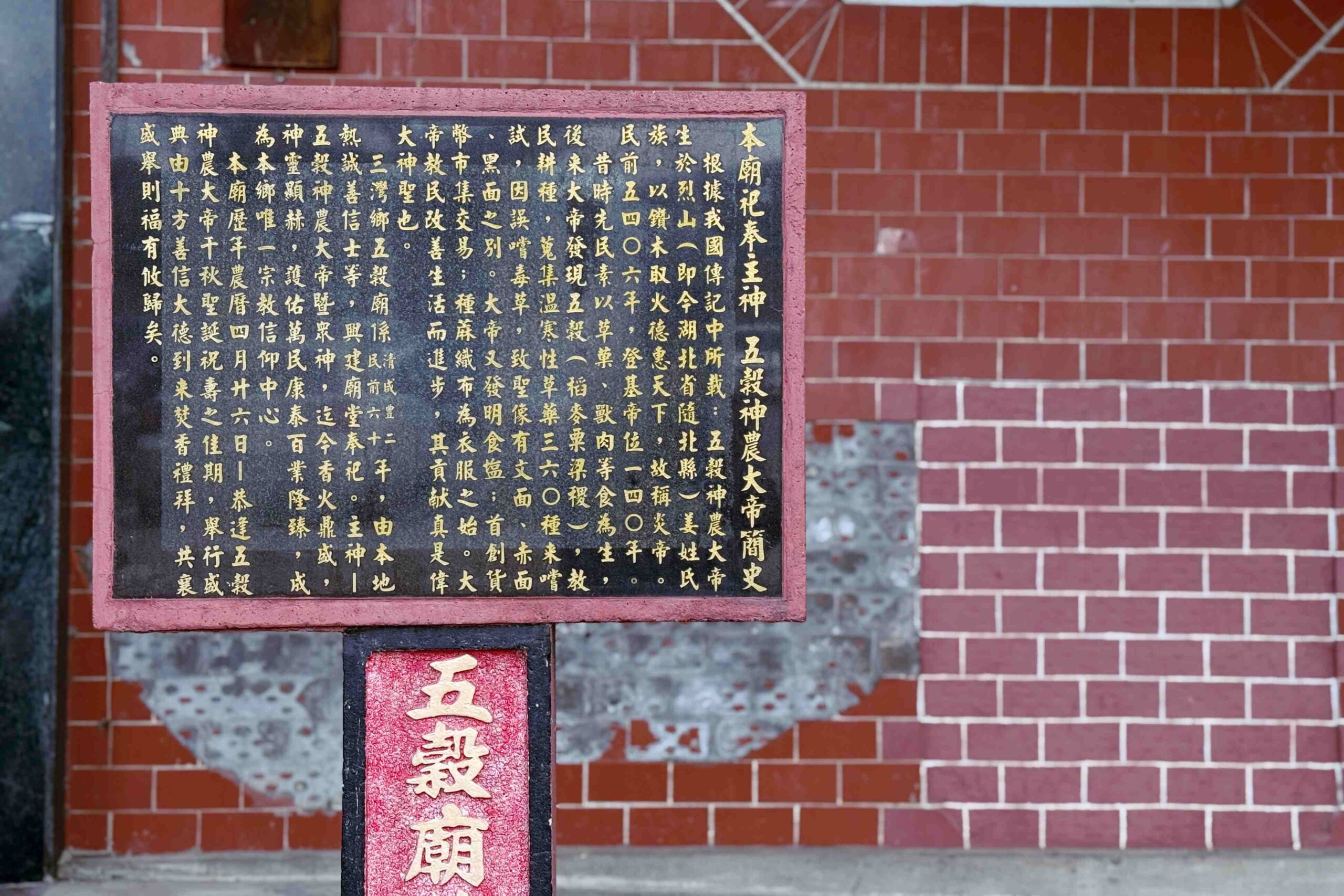
In the early days, settlers arrived in Sanwan along the Zhonggang River. To pray for favorable weather and bountiful harvests, people traditionally had to walk all the way to Zhunan Wugu Temple for worship during important festivals. The journey was long and exhausting, so they requested that the deity Shennong be enshrined locally in Sanwan. According to records, Sanwan Wugu Temple was built in the 2nd year of the Xianfeng era of the Qing Dynasty (1852). Today, it remains the most important center of faith for the Sanwan community.
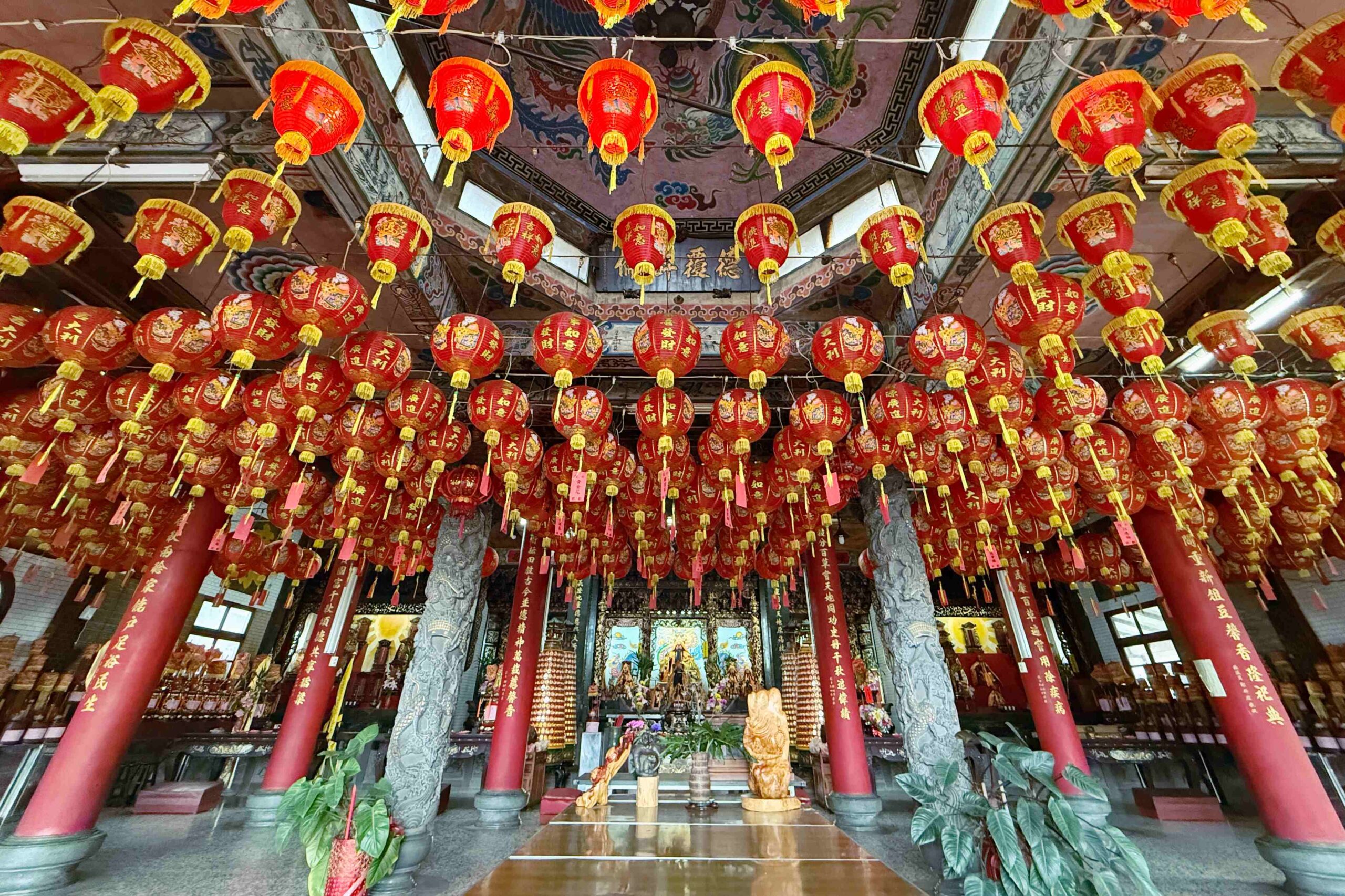
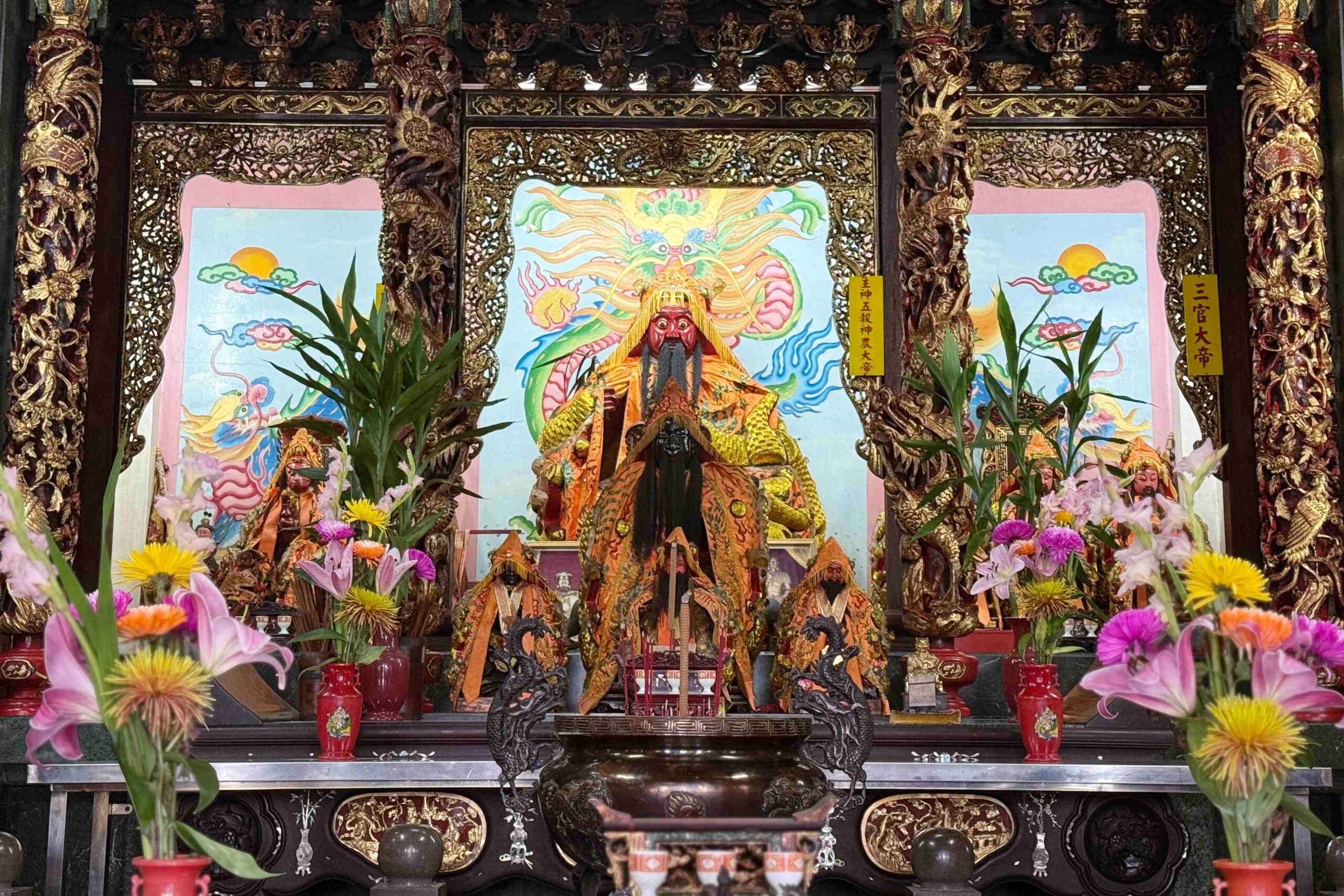
Sanwan Wugu Temple

No. 46, Zhongshan Rd., Sanwan Township, Miaoli
◦ Restaurants and Snacks in Sanwan
01|Sanwan Roast Goose
In stark contrast to the quiet streets of Sanwan Old Street, Sanwan Roast Goose is bustling with people—a lively scene that left a strong impression on me.
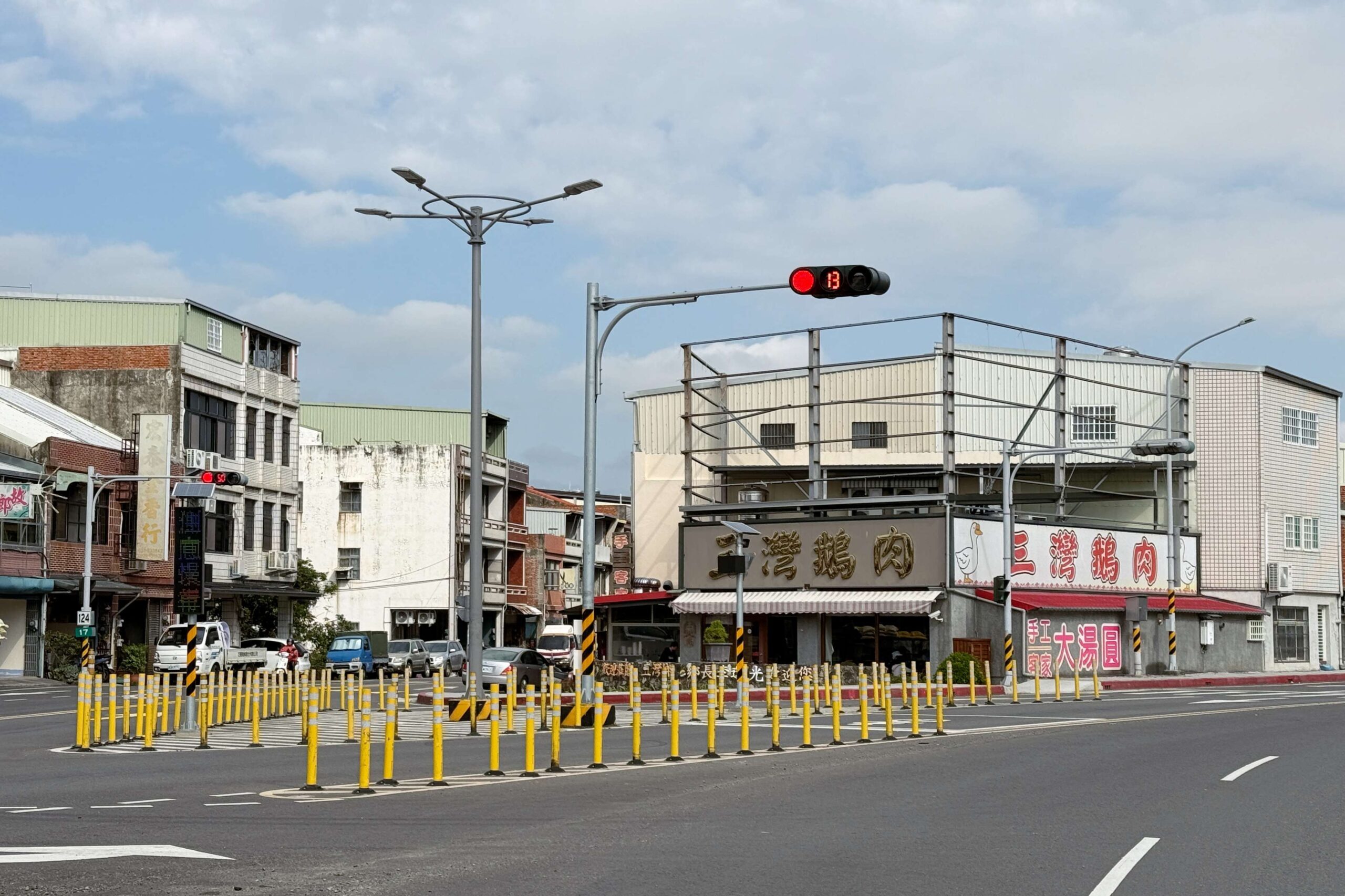
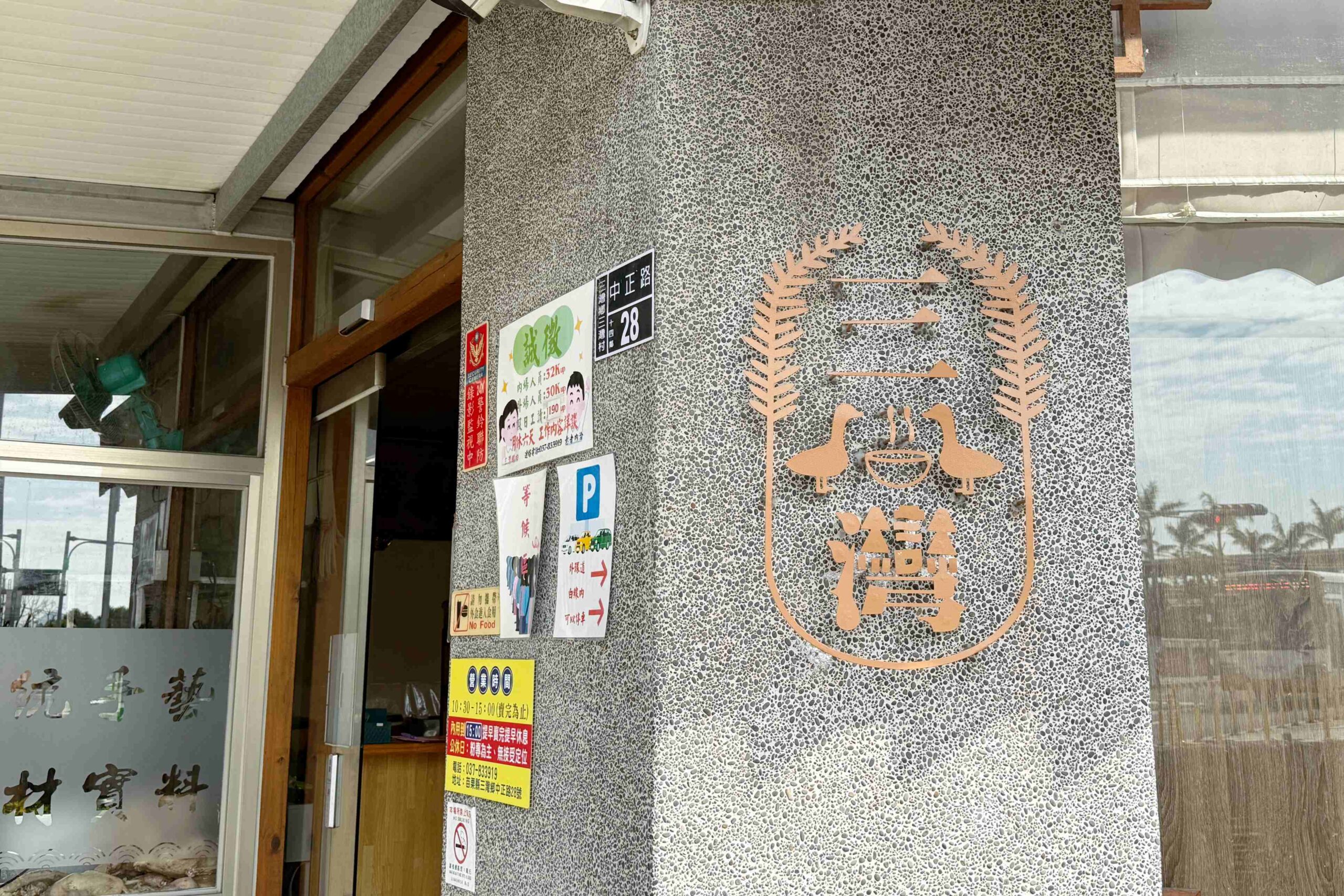
One of the shop’s specialties is its smoked goose. After roasting, the meat is first drizzled with brine and goose fat, then sprinkled with a special pepper-salt blend. The skin is tender and chewy, the meat juicy and savory, with a delicate smoky aroma that’s utterly irresistible. It was so delicious that I couldn’t resist ordering Goose Rice and a soft-boiled marinated egg. The rice portion is generous, packed with shredded goose, and paired with crisp bamboo shoots, creating a refreshing yet satisfying meal.
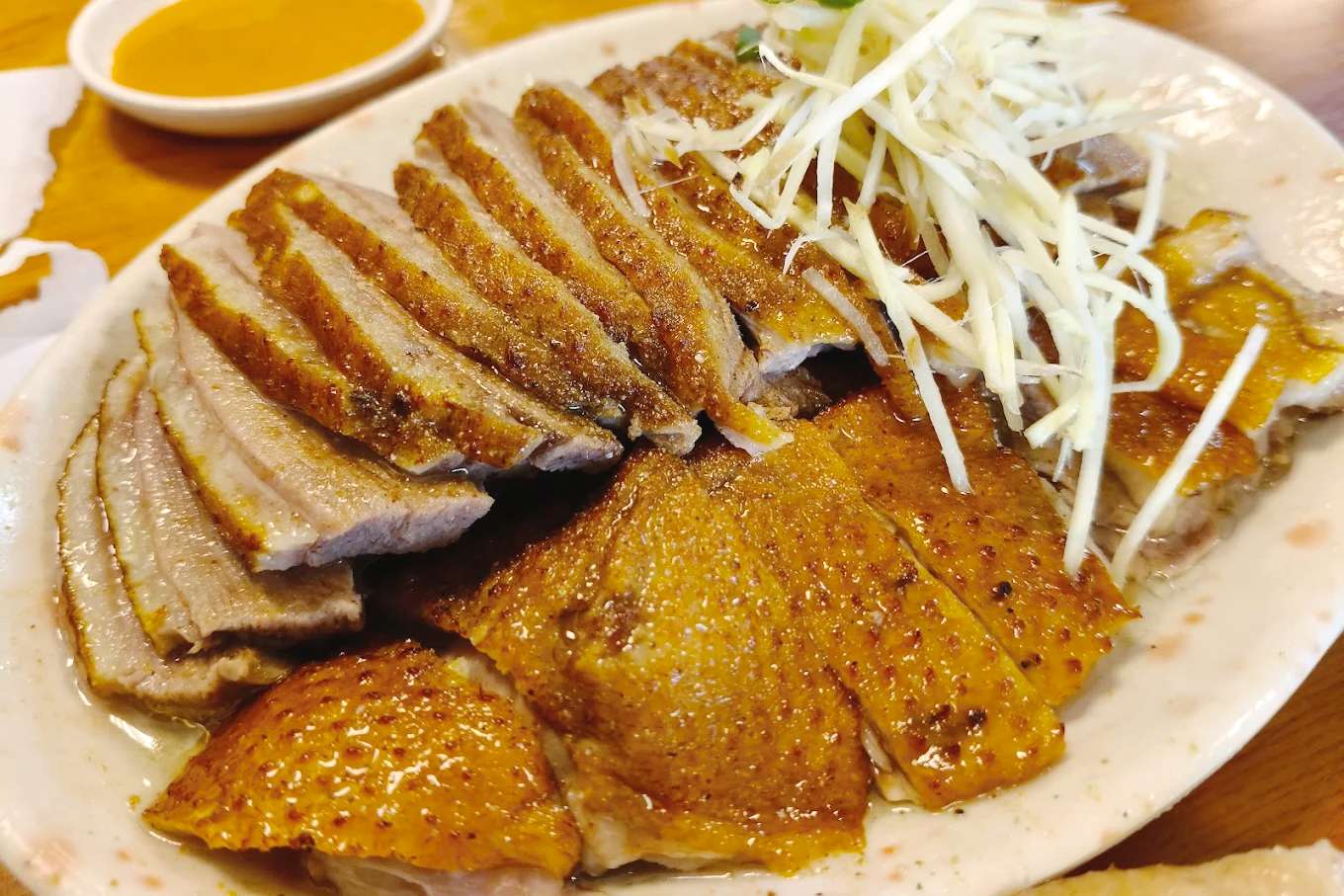
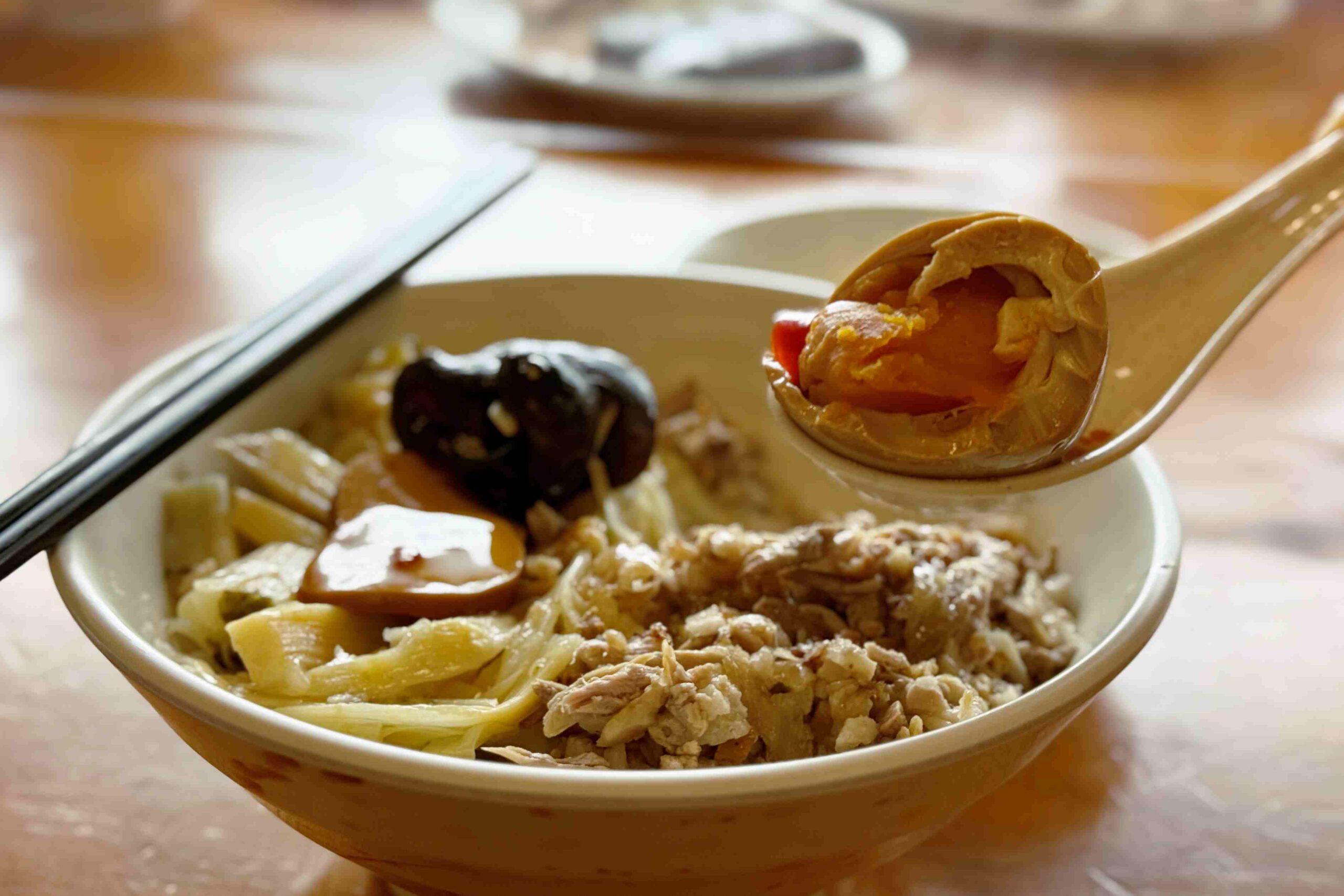
A word of caution: Sanwan Roast Goose does not take reservations. Once they sell out, the shop closes early. To avoid missing out on this local favorite, it’s best to arrive early.
Sanwan Roast Goose

Opening Hours: 1030-1500, closed on Tuesday & Wednesday.
No. 28, Zhongzheng Rd., Sanwan Township, Miaoli
◦ Flying Over Taiwan
*All aerial photography operations are conducted within legal airspace. During flight, regulations stipulated by the Civil Aviation Law are strictly followed, maintaining the required distance from buildings and crowds. Zooming and post-production techniques are used to ensure compliance, making the flights fully legal.
*Anyone citing these images and text must provide proper attribution. Unauthorized or illegal use of the images and text is prohibited and may result in legal liability.
◦ Other Areas in Miaoli
➤ Gongguan | Pottery and Red Dates
➤ Yuanli | The Centuries-Old Craft of Rush Weaving
➤ Houlong | A Hakka Town with a Sea of Silver Miscanthus