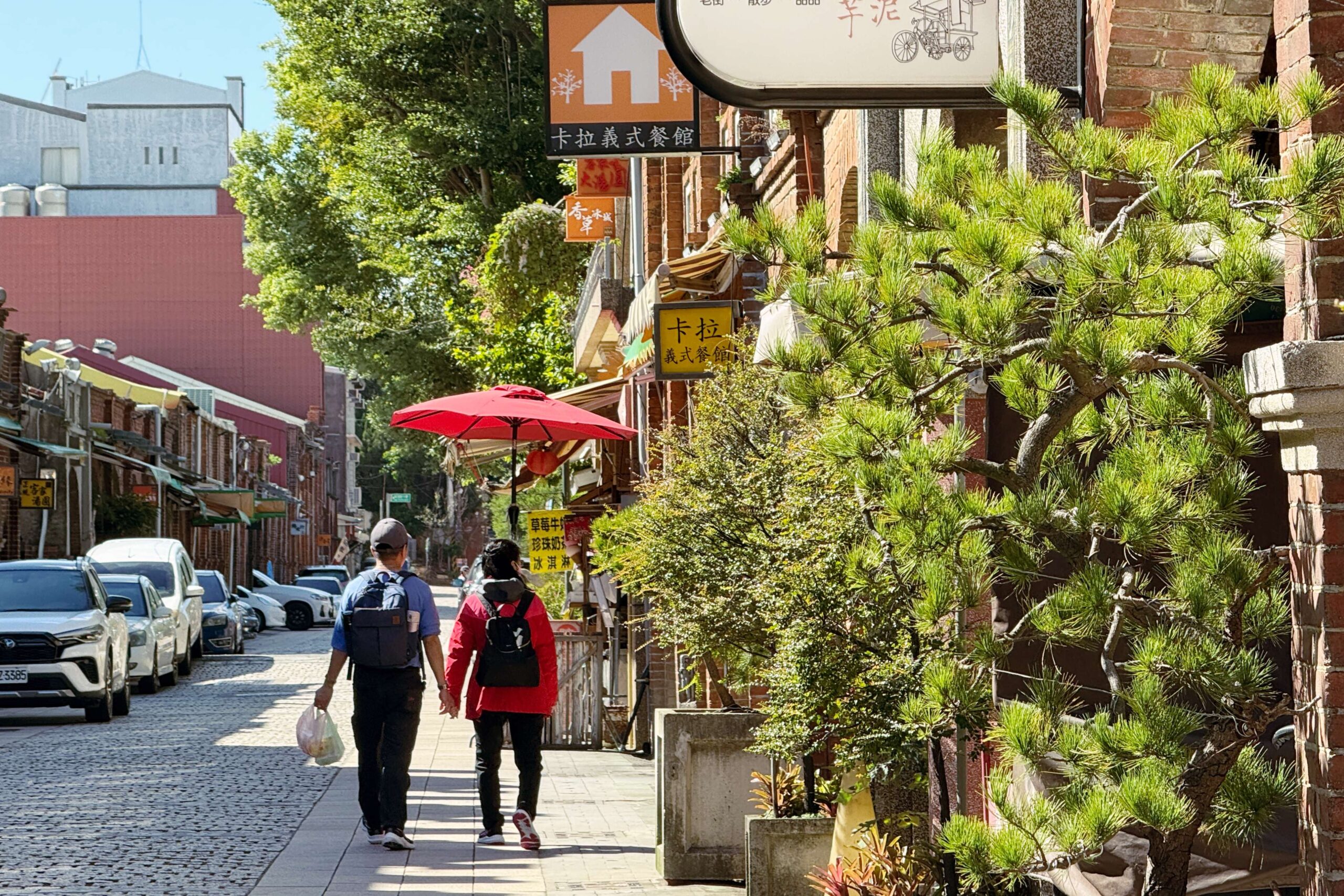
Taiwan has many historic streets. Hukou Old Street isn’t particularly famous, yet it’s a place I find myself wanting to return to again and again. To me, this is when travel feels most meaningful. Some well-known attractions don’t linger long in my memory; instead, it’s the unexpected surprises—places I didn’t have high hopes for at the outset—that leave the deepest impressions in my heart.
Contents
◦ Hsinchu Travel Guide
01|Transportation in Hsinchu
🚄 Taiwan High Speed Rail
🚗 Cross-city Chartered One-day Tour from Taipei
🚍 Airport Bus Transfer | Taoyuan Airport (TPE)-Hsinchu Transfer Station
🛵 Hsinchu Scooter Rental|Hsinchu Railway Station Pickup
02|Popular Attractions in Hsinchu
🎫 Leofoo Village Theme Park Ticket
🎫 Little Ding Dong Science Theme Park Ticket
🎫 Little Ding-Dong Science Theme Park Ski Experience Ticket
🎫 Green World Ecological Farm Ticket in Hsinchu
🎫 Lavender Cottage Ticket in Hsinchu
🎫 Hsinchu City Zoo Ticket
03|Things To Do in Hsinchu
♨️ Taroko Square Formosa Stone Spa Ticket in Hsinchu
💆🏻♀️ Royal Thai Massage in Hsinchu
🏕️ Fall in Love with Xiong Glamping in Hsinchu
🌲 Hsinchu Simacus + Zhenxibao Shenm - 2D1N Hiking Tour
◦ The Past of Hukou
Looking at a map, Hukou Township has a triangular shape, a feature that neatly echoes the origin of its old name. In earlier times, Hukou was known as “Da Wo Kou” (大窩口). The word wo refers to a dustpan-shaped landform. In Hakka, it specifically describes terrain that is surrounded by mountains on three sides with only one opening. To this day, place names such as Yangxi Wo and Fenji Wo can still be found in the eastern part of Hukou, preserving this usage. The early settlement of Hukou—what is now Hukou Old Street—was located right at the entrance of these wo landforms. This is why it was originally called Da Wo Kou. Because Da Wo Kou and Da Hu Kou sound similar in Hakka, the name was later transcribed as Da Hu Kou, eventually shortened to the Hukou we know today.
◦ Attractions in Hukou
01|Hukou Hakka Cultural & Creative Park
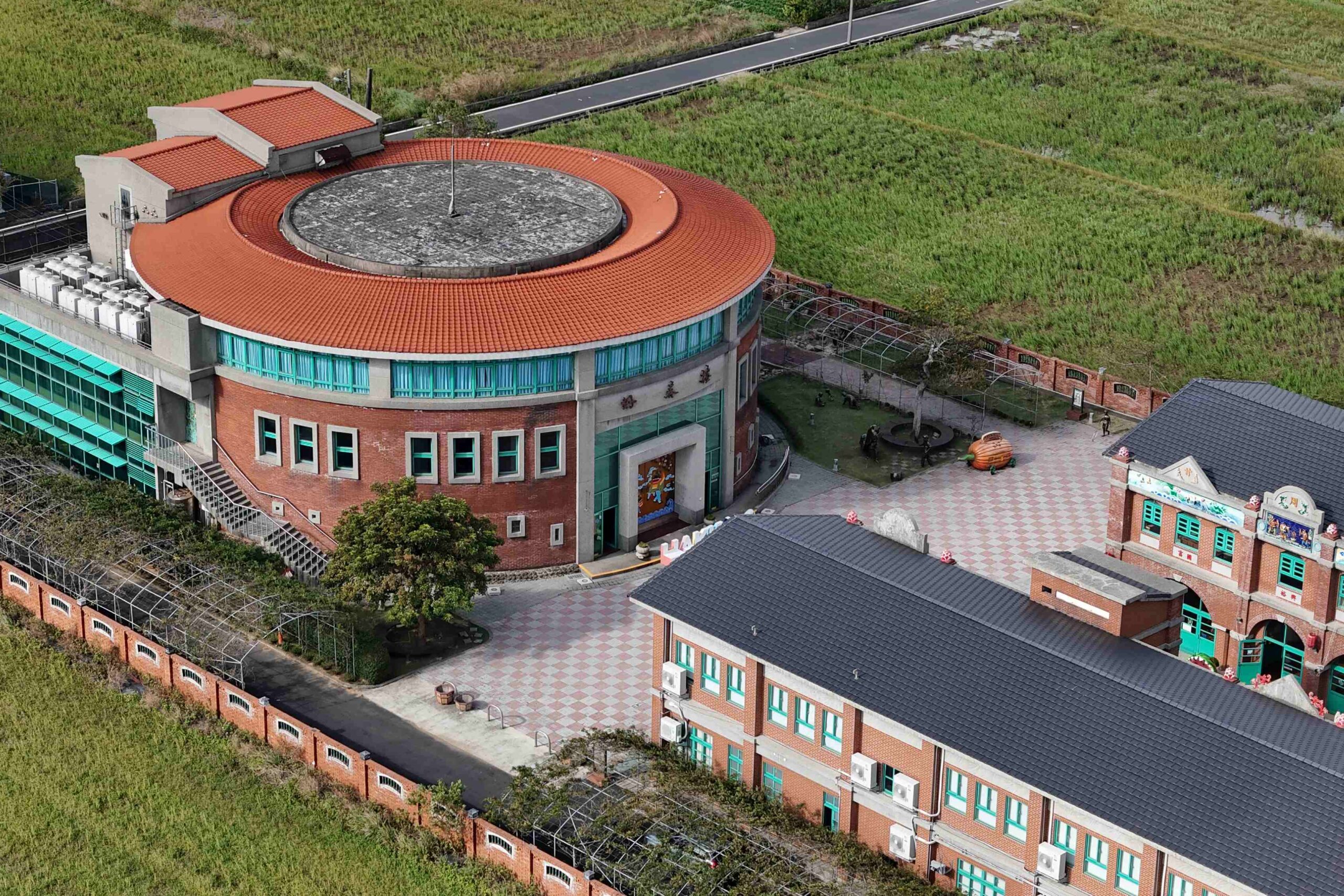
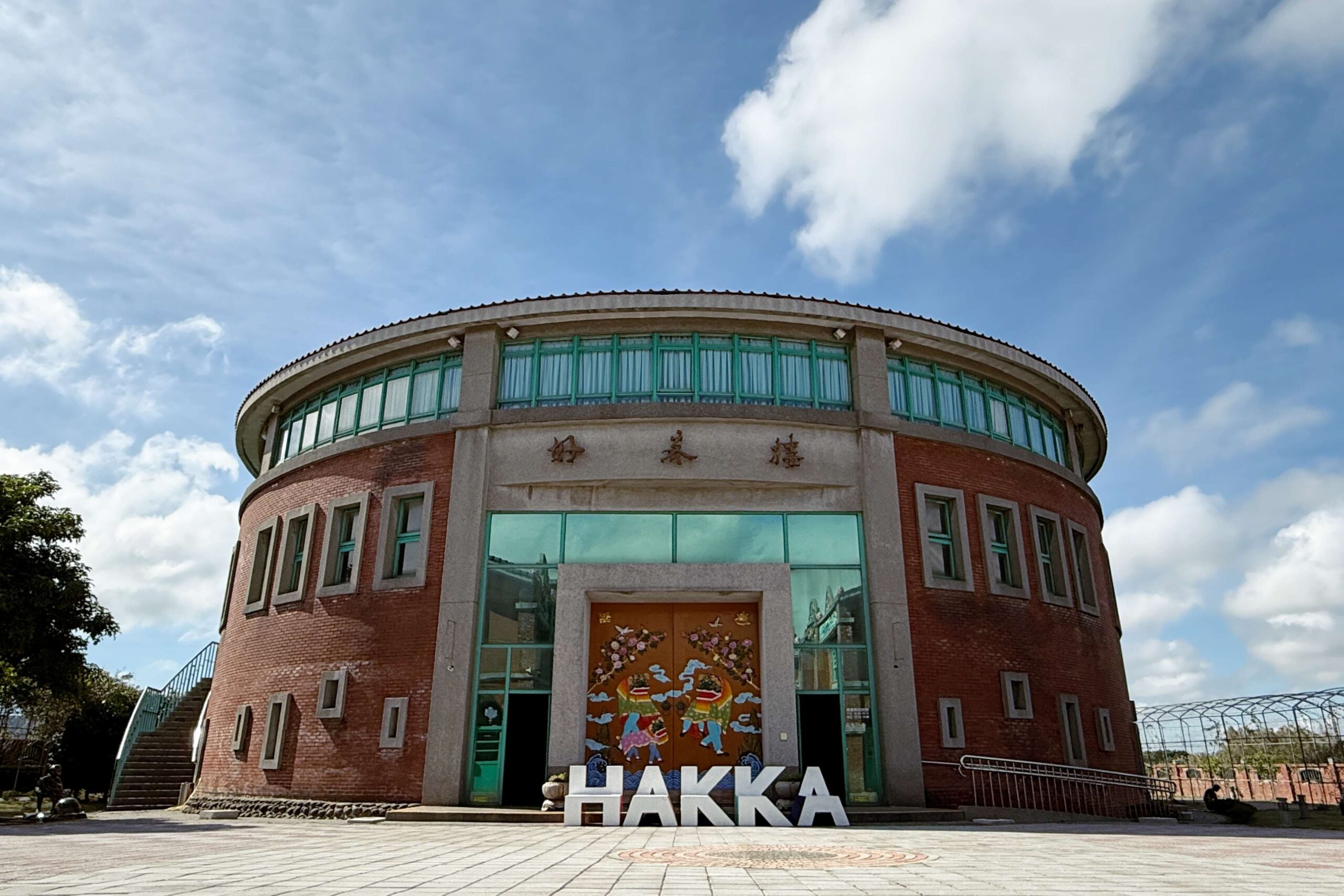
From an aerial view, two Hakka roundhouses in striking red and green rise from a sea of lush farmland. The strong contrast of colors immediately filled me with anticipation for my first stop in Hukou. The Hukou Hakka Cultural and Creative Park was established in 2018 by the Hukou Township Farmers’ Association. Its purpose goes beyond revitalizing Hakka communities—it also aims to promote high-quality local agricultural products through this venue.
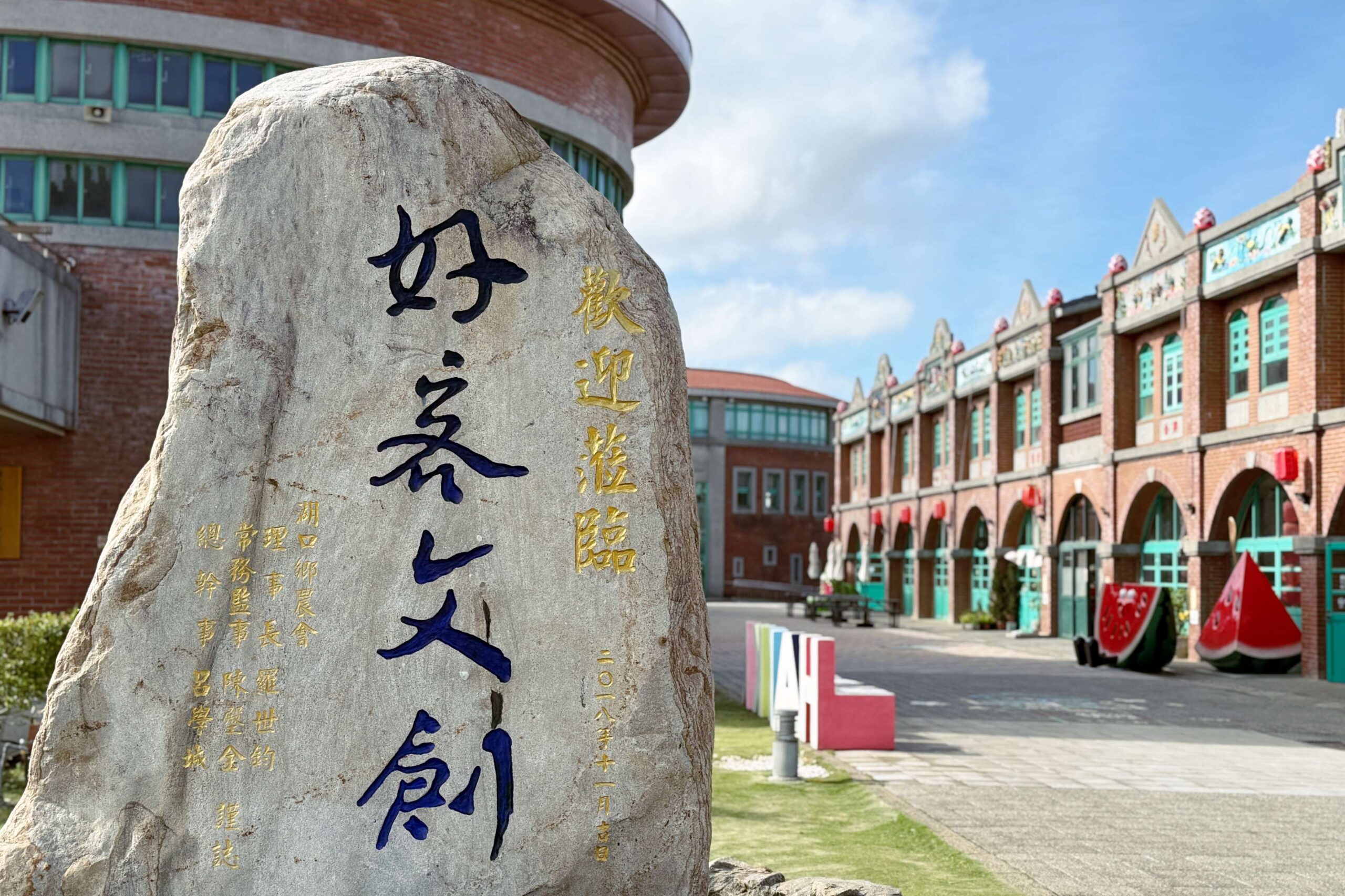
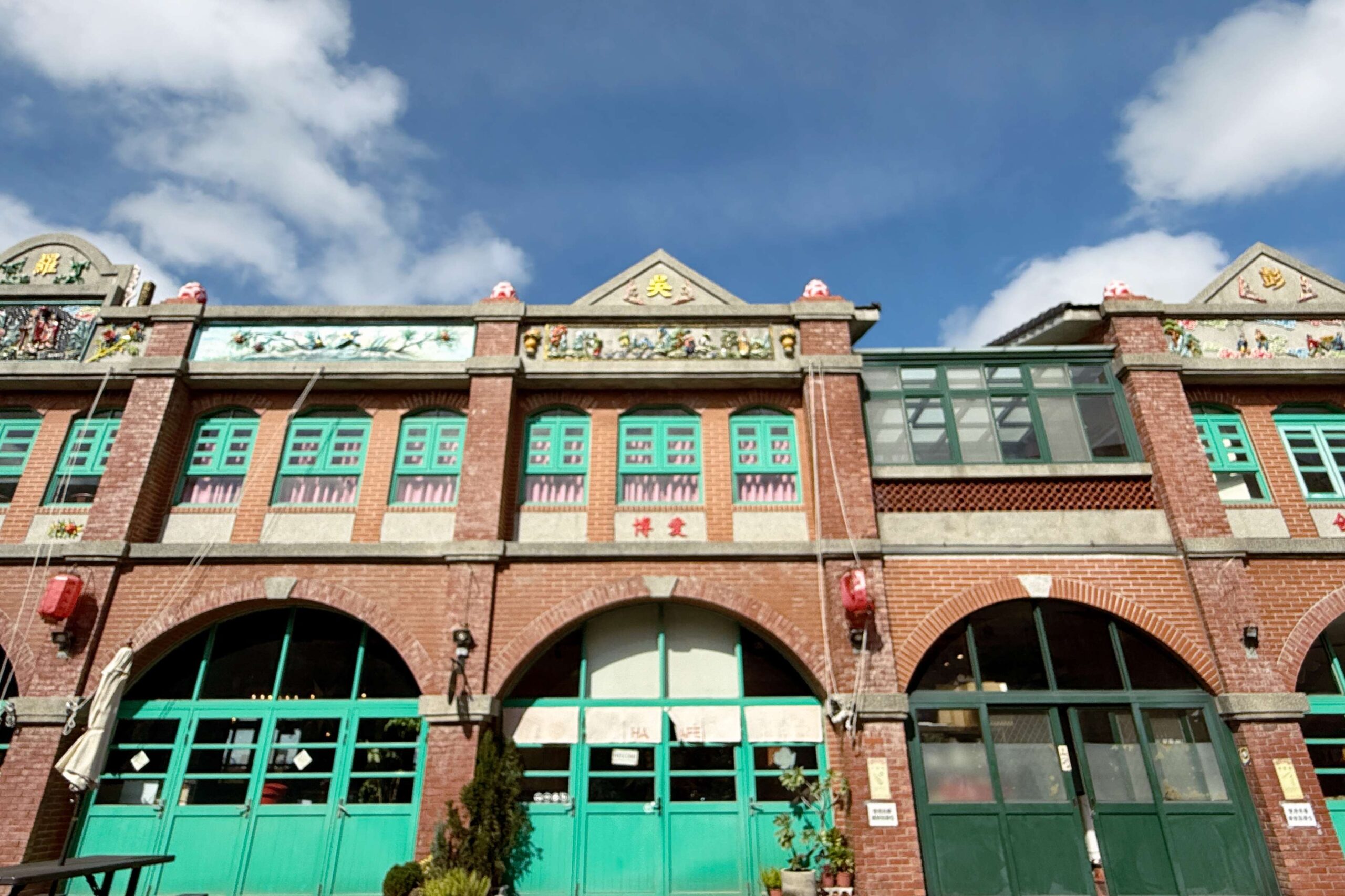
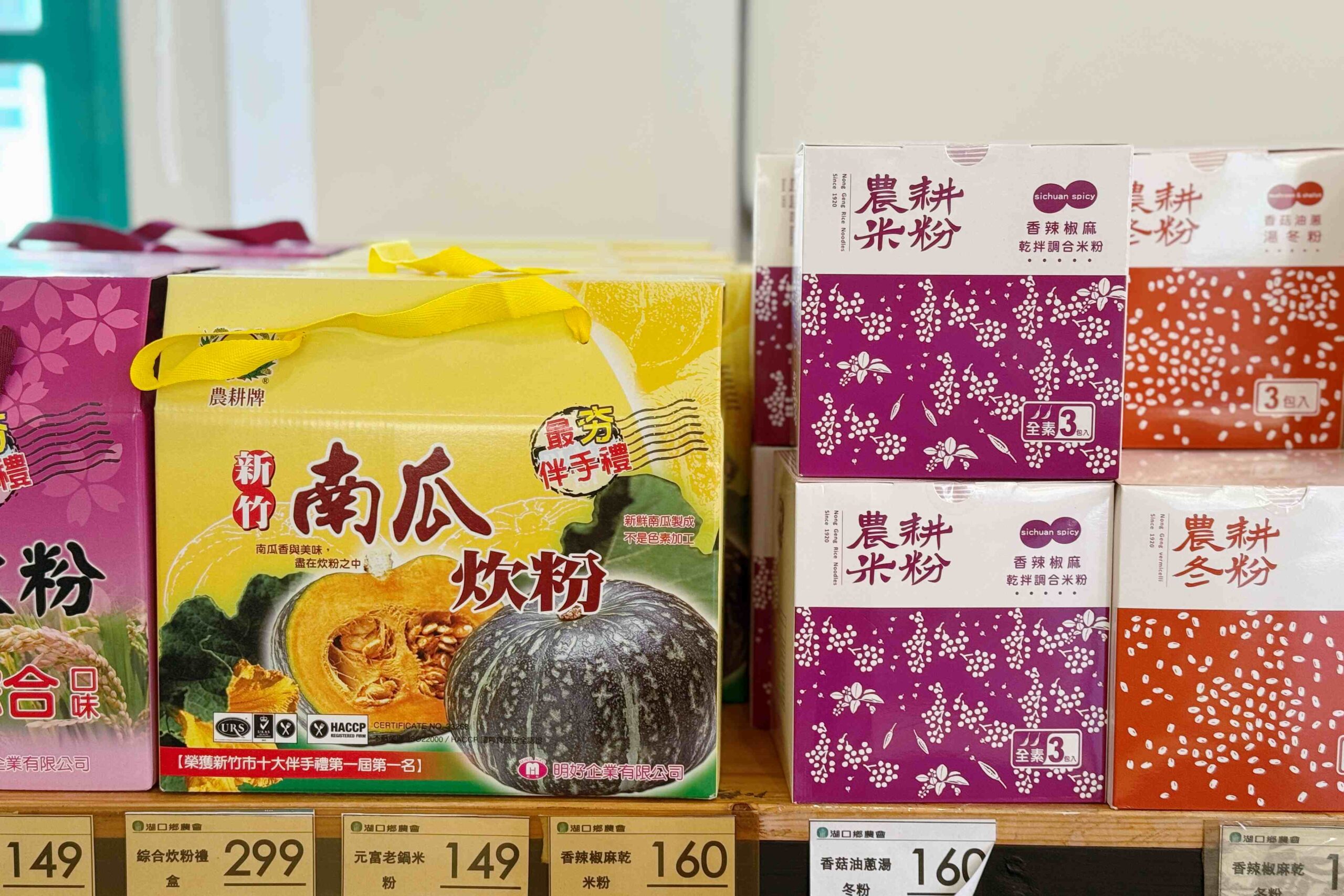
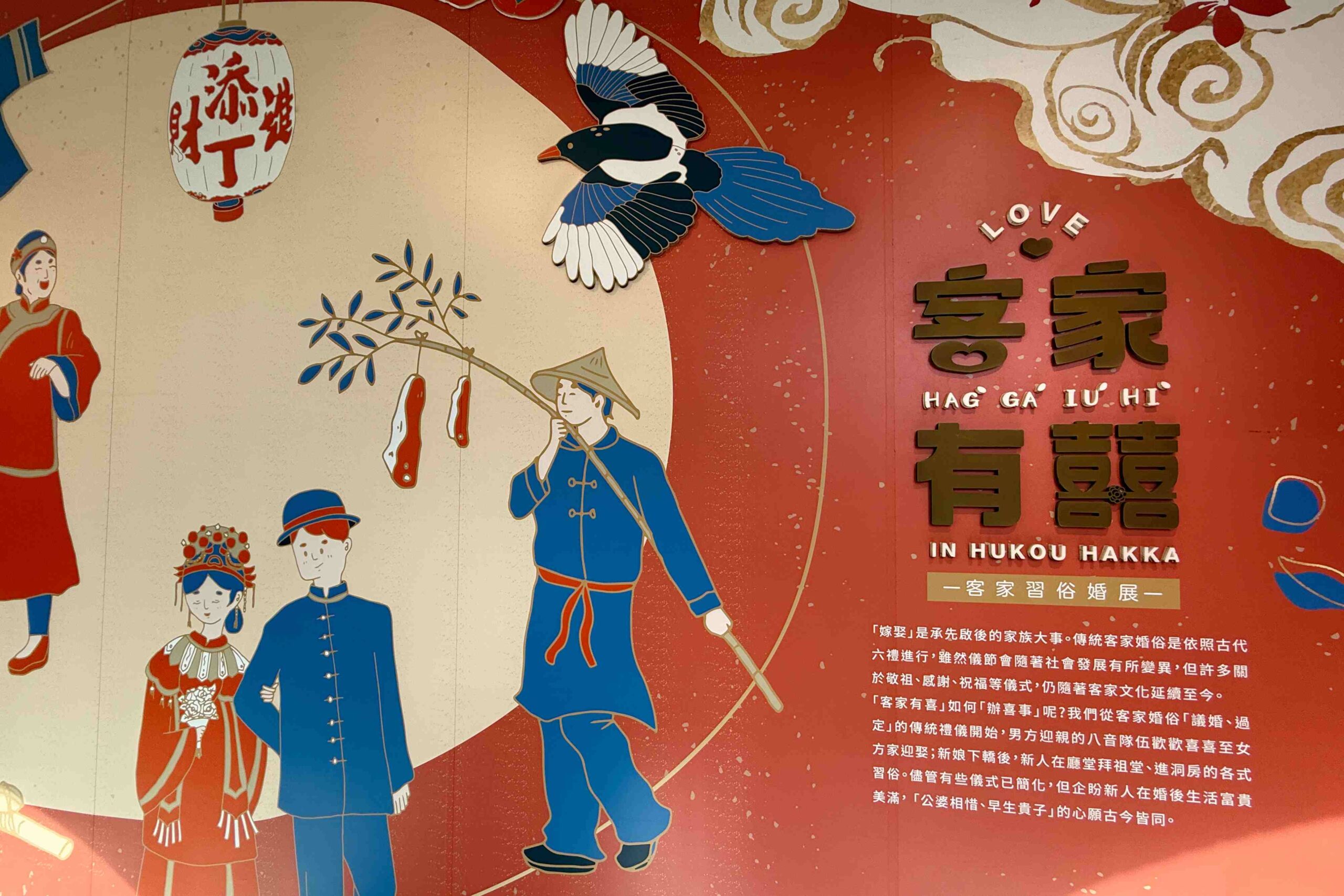
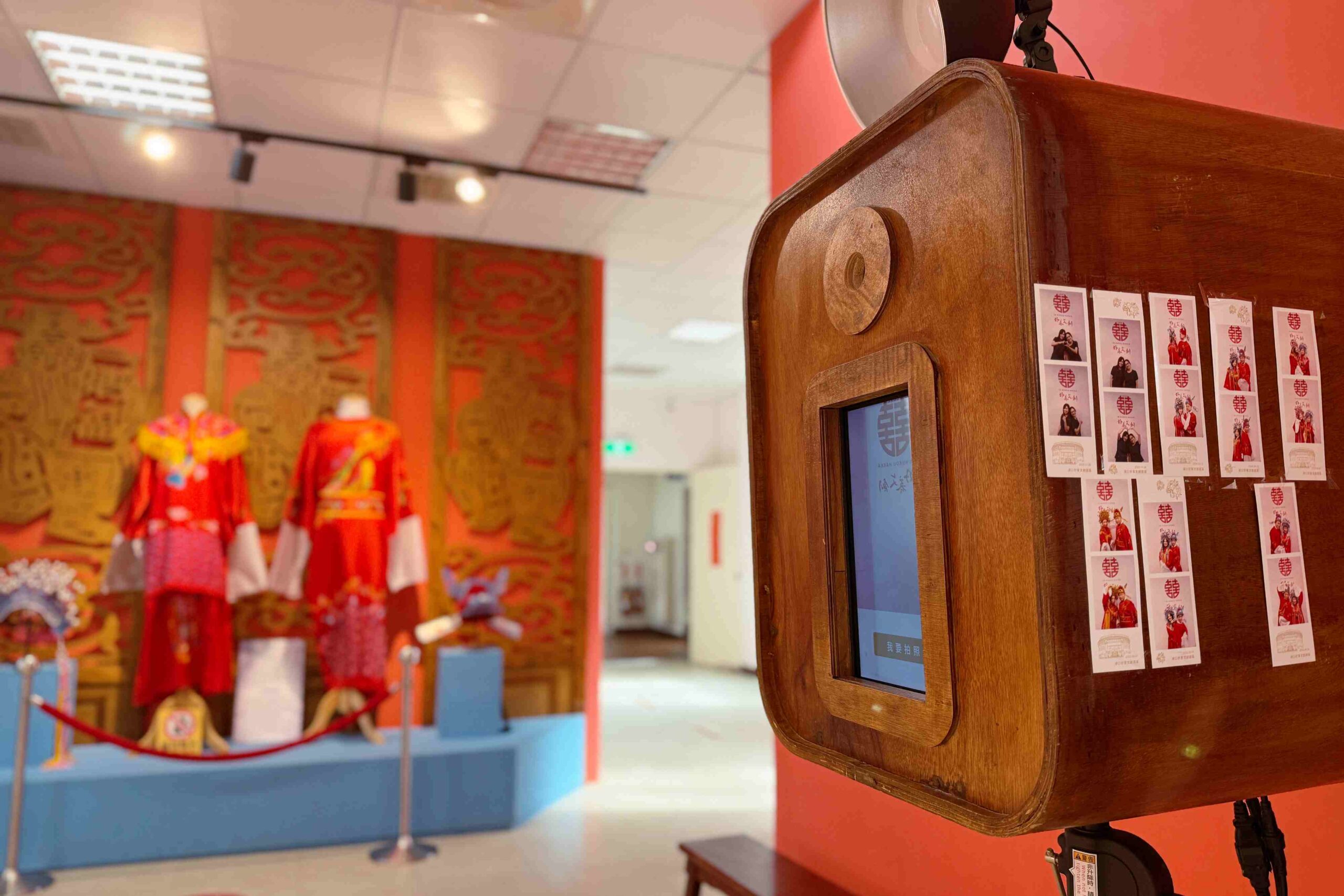
As you step into the park, red-brick arched townhouses and the two Hakka roundhouses come into view. The exhibitions here are not limited to agricultural products; the park also showcases aspects of Hakka daily life, including traditional ritual spaces and introductions to Hakka wedding customs. I found myself lingering, wanting to take in every detail.
Hukou Hakka Cultural & Creative Park

Opening Hours:
Weekdays 0800-1630
Weekends 0900-1730
No. 510, Sec. 1, Zhongping Rd., Hukou Township, Hsinchu
02|Haoke Tower
Haoke Tower is located within the Hakka Cultural & Creative Park and enshrines Shennong, the Divine Farmer. Visitors can come to pray for blessings, and at 10:00 a.m. and 3:00 p.m. each day, they can also watch the Shennong face-changing performance, which is staged only twice daily.
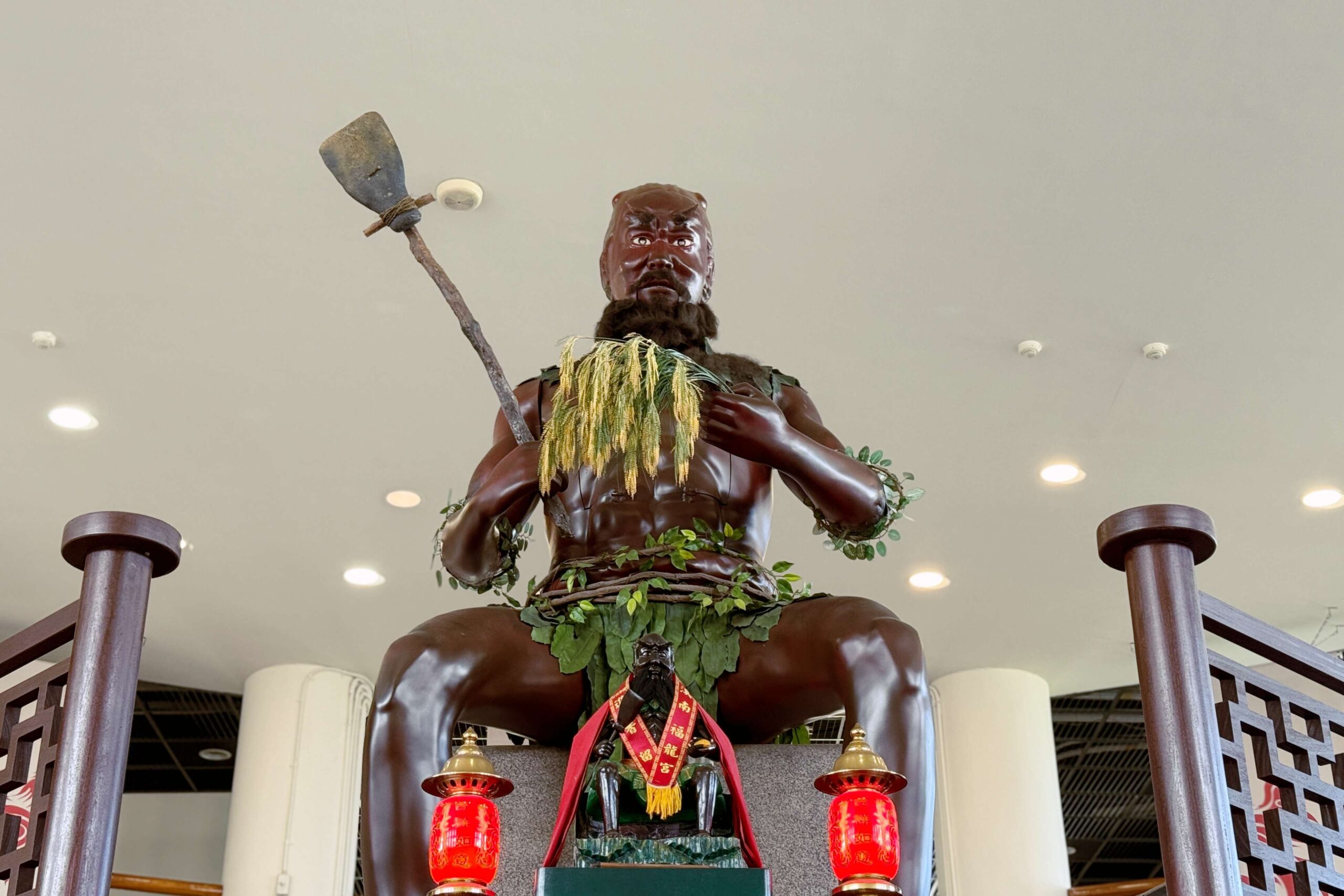
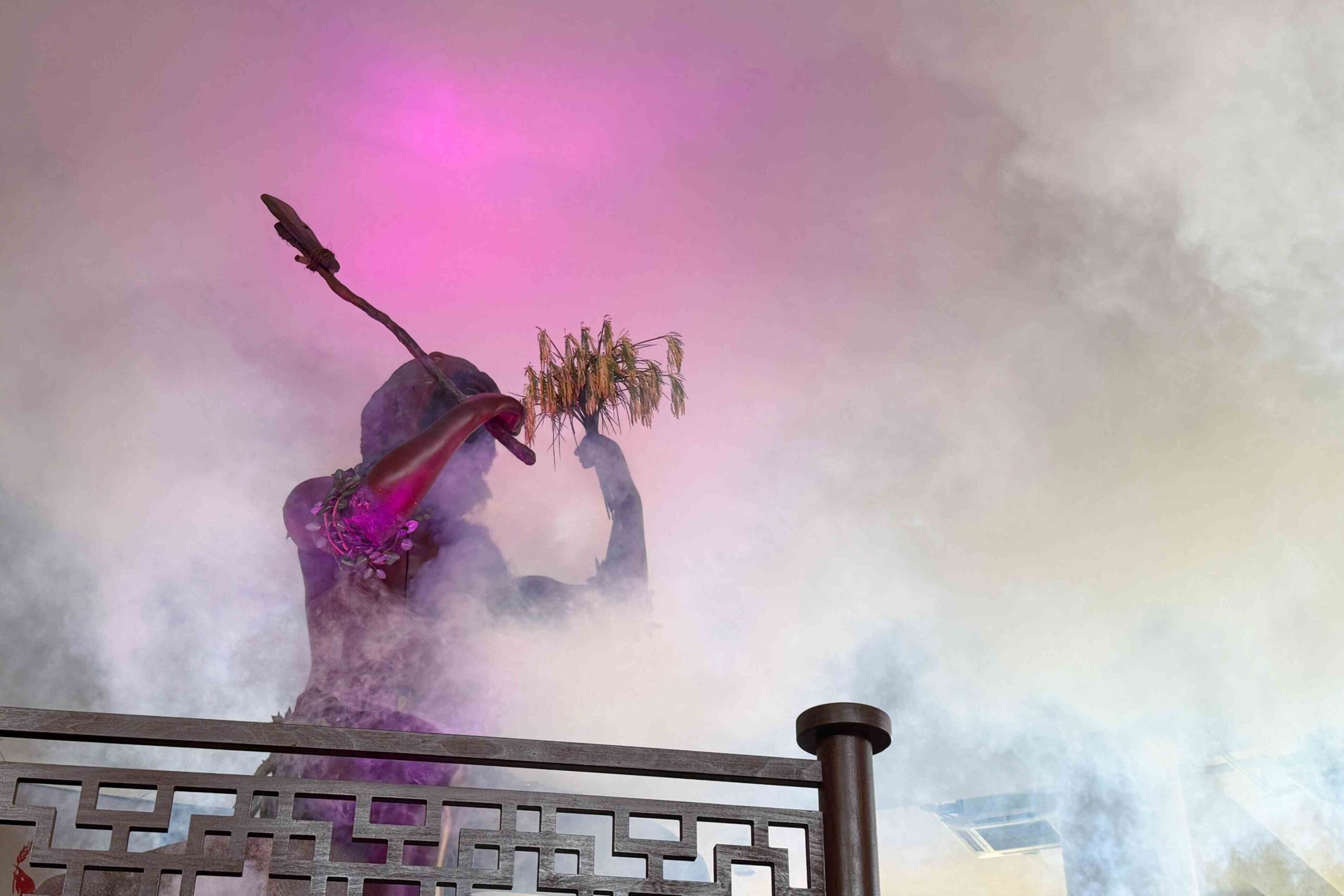
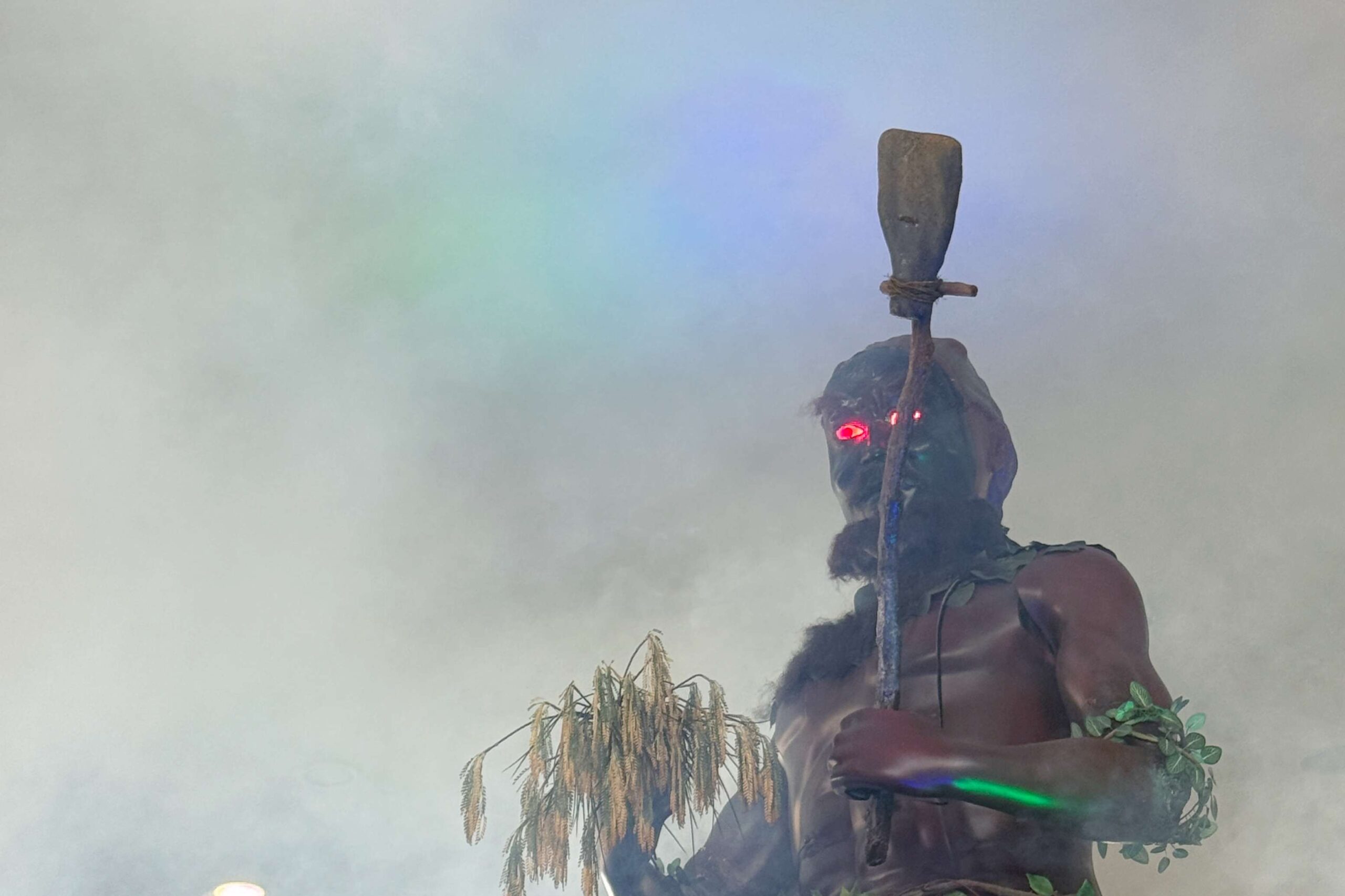
As for why Shennong “changes faces,” there is a legend behind it. Shennong is regarded as the founder of agriculture and medicine and holds a highly respected place in Hakka belief. According to legend, he tasted hundreds of herbs to identify their medicinal properties and was often poisoned in the process, causing his complexion to change. There are three faces: the scholarly face, the red face, and the black face. The scholarly face represents his normal appearance, the red face symbolizes having taken a beneficial medicine, and the black face signifies poisoning. The face-changing show at Haoke Tower is thoughtfully produced. Amid thick clouds of smoke, Shennong’s face shifts between red and black, creating a vivid and immersive experience.
Hukou Hakka Cultural & Creative Park Haoke Tower

Opening Hours:
Weekdays 0800-1700
Weekends 0900-1800
No. 510, Sec. 1, Zhongping Rd., Hukou Township, Hsinchu
03|Hukou Old Street
To start with the conclusion: Hukou Old Street may not be as famous as Tamsui Old Street or Lukang Old Street, but in my eyes, it is among the most beautiful historic streets in Taiwan.Beyond its well-preserved streetscape and architecture, the area is relatively uncrowded, making it a very pleasant place to walk around. It’s the kind of place I’d happily return to for a second or even a third visit.
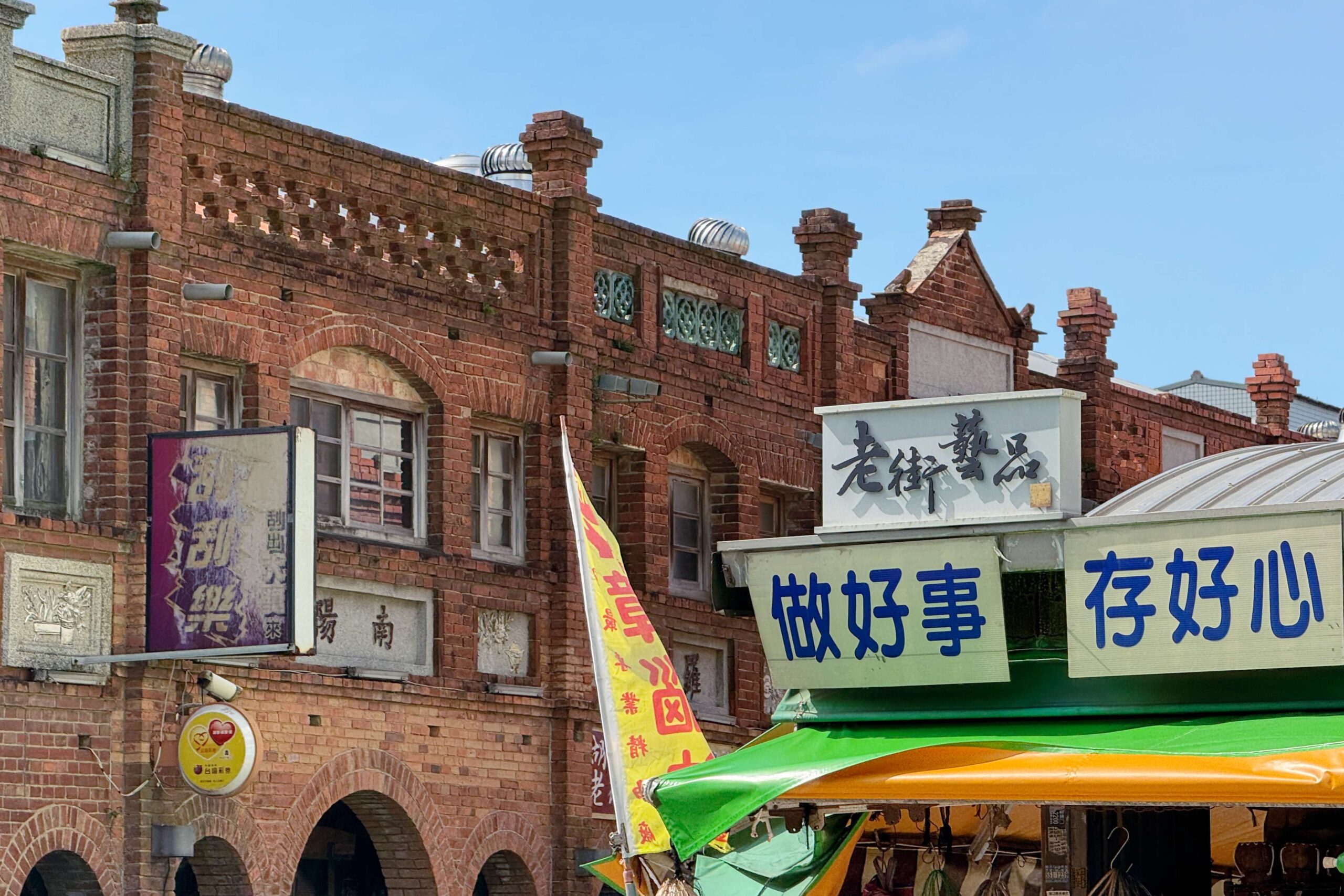
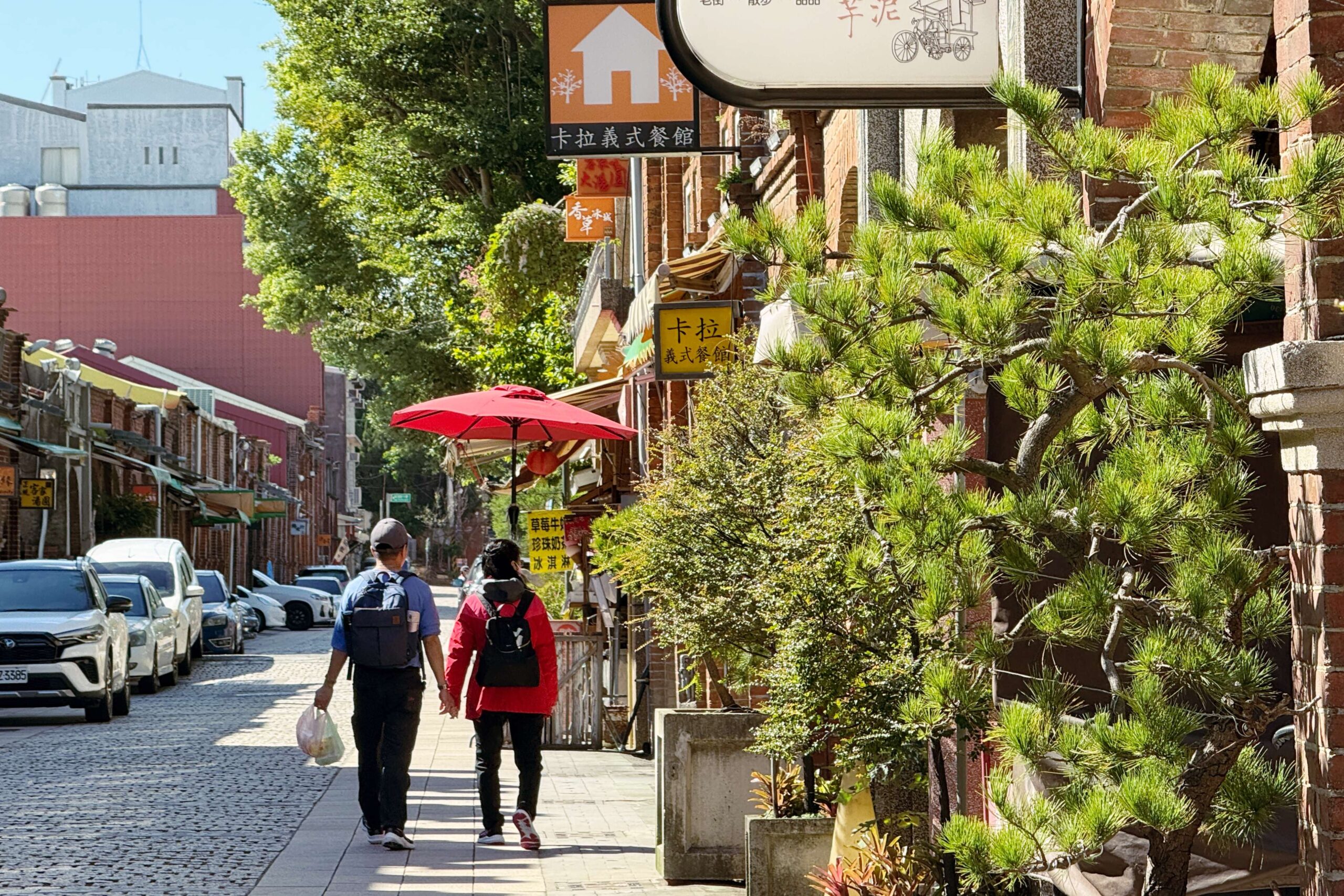
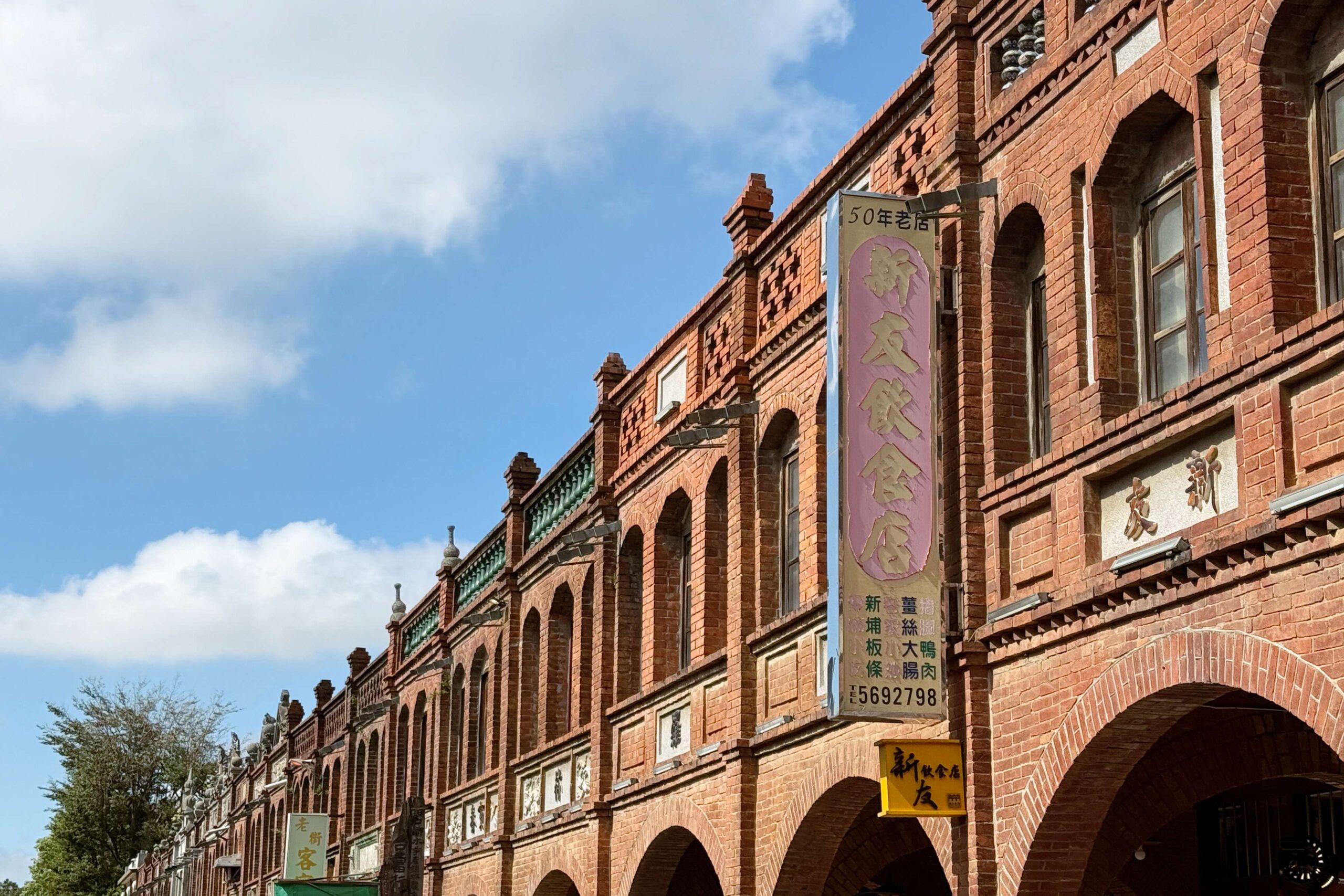
During the Guangxu era of the Qing dynasty, the railway passed through Hukou and a station was established, turning the area into a distribution hub for goods from nearby villages and gradually boosting the local economy. The street was renovated during the Japanese colonial period, shaping much of its present-day appearance. However, as railway routes were later adjusted and commercial activity shifted elsewhere, the old street gradually declined. Centered around Sanyuan Temple, Hukou Old Street extends outward into three streets: Streetfront, Cross Street, and New Street. Most of the buildings are constructed of red brick, with Baroque-style façades and ornamental archways. Residential homes and shopfronts line both sides in neat rows, interspersed with old clinics, local history studios, cafés, and restaurants.
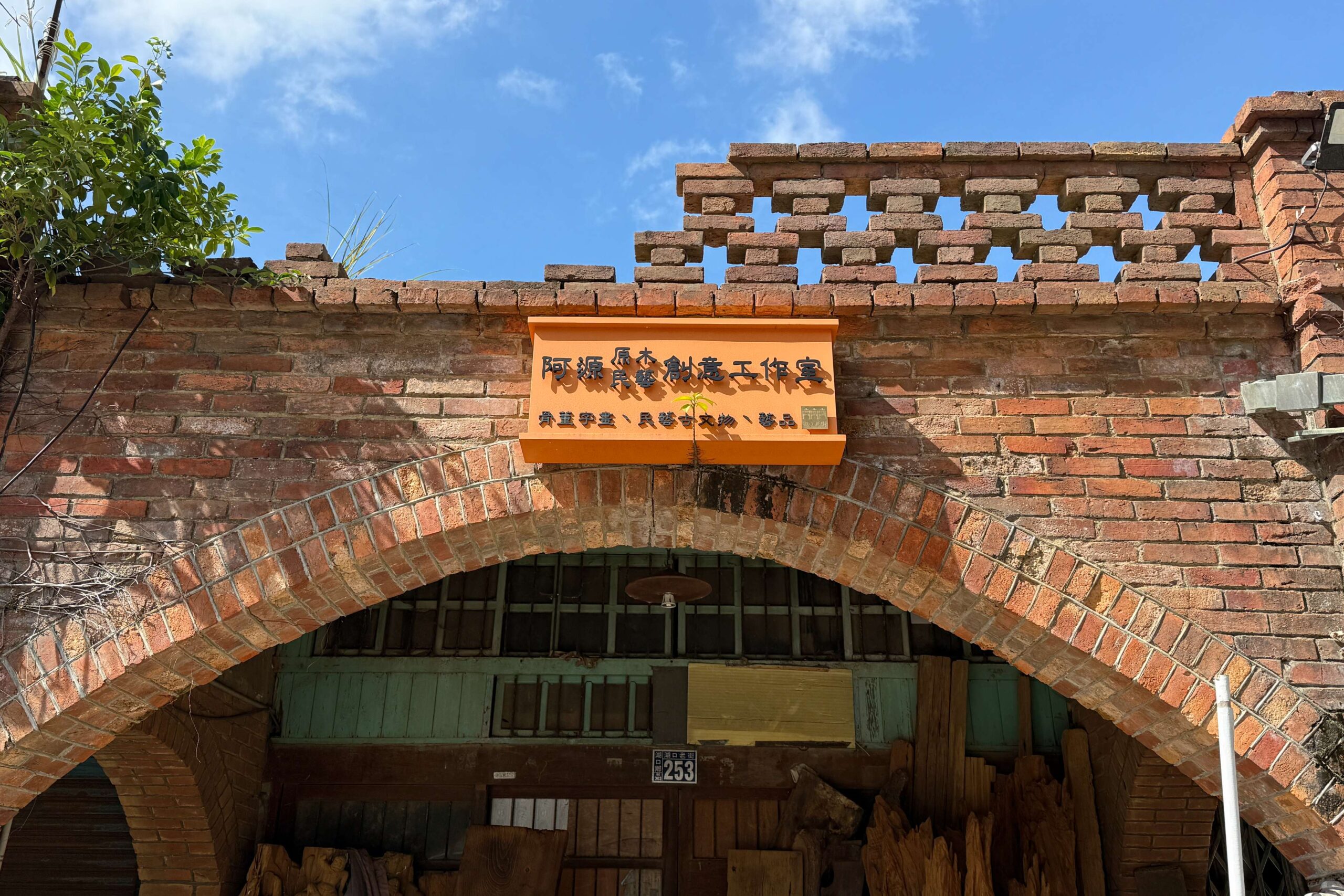
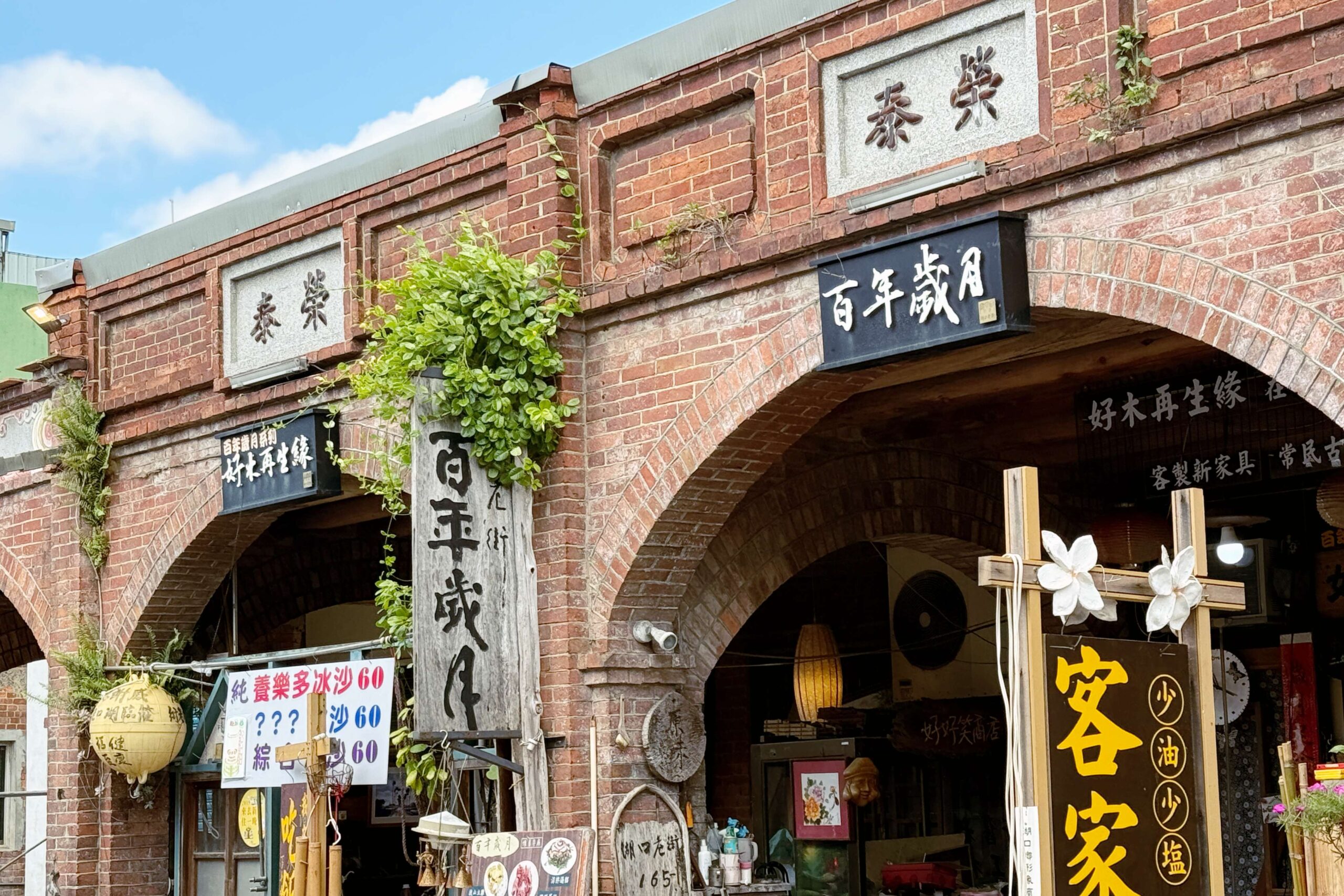
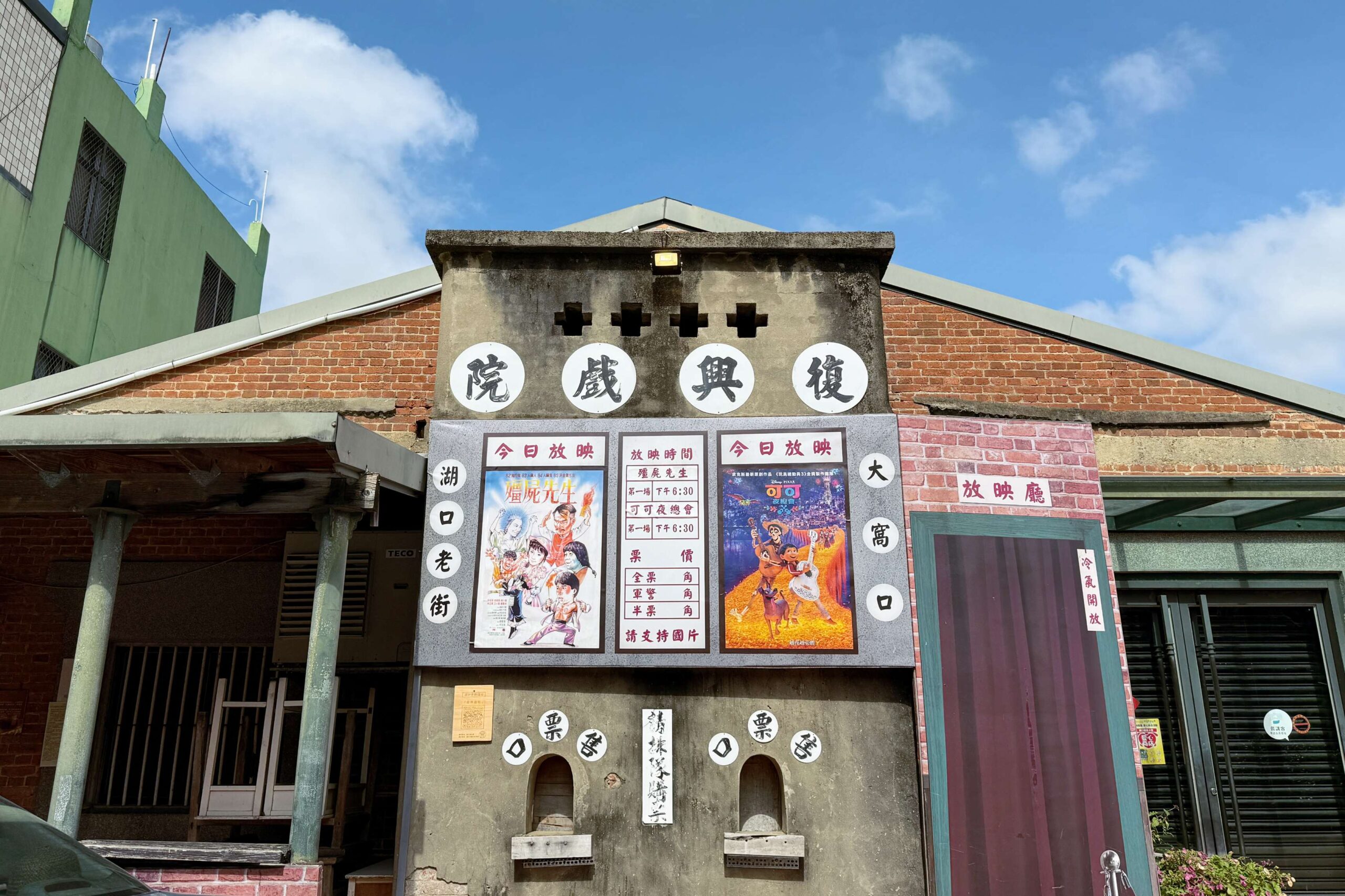
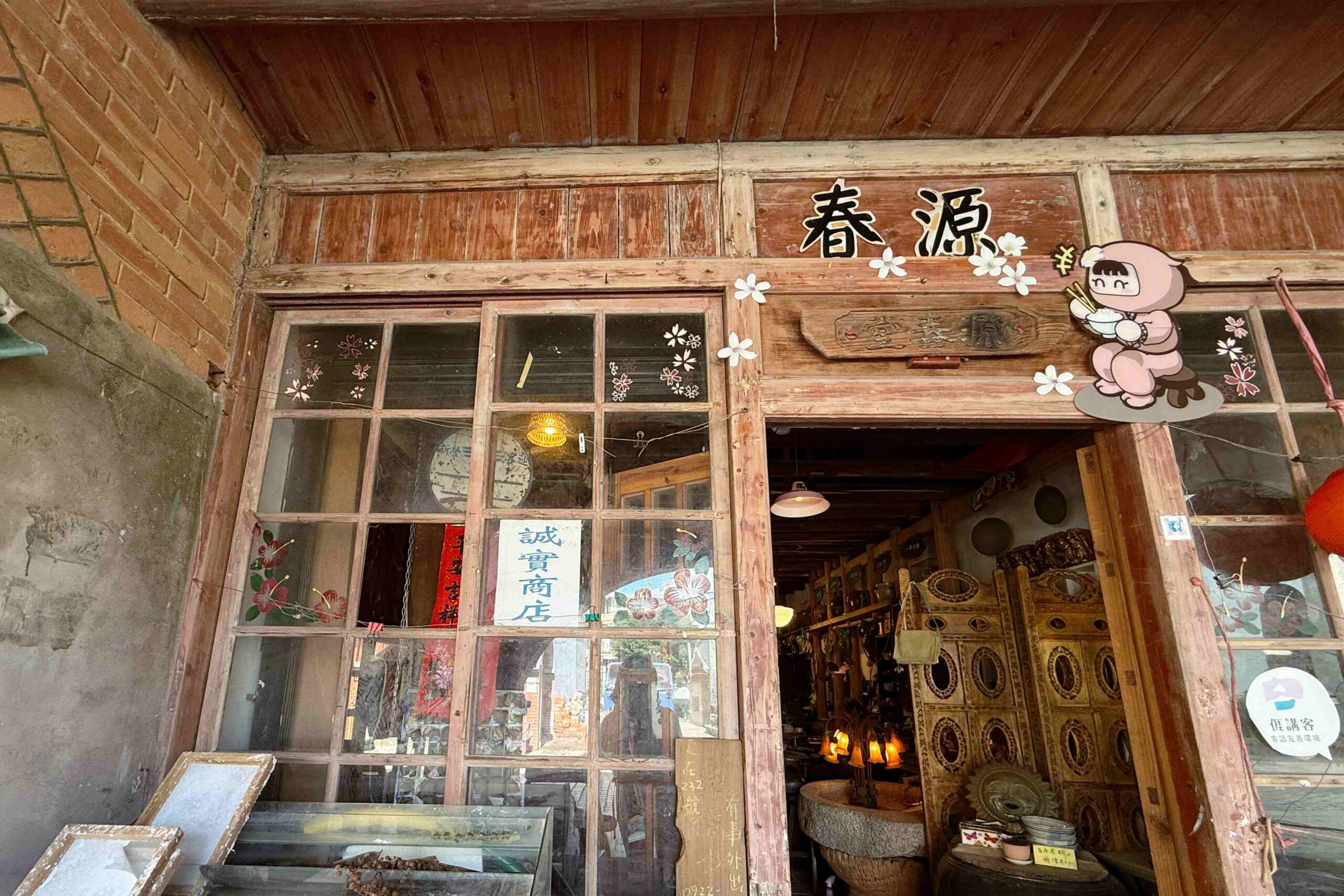
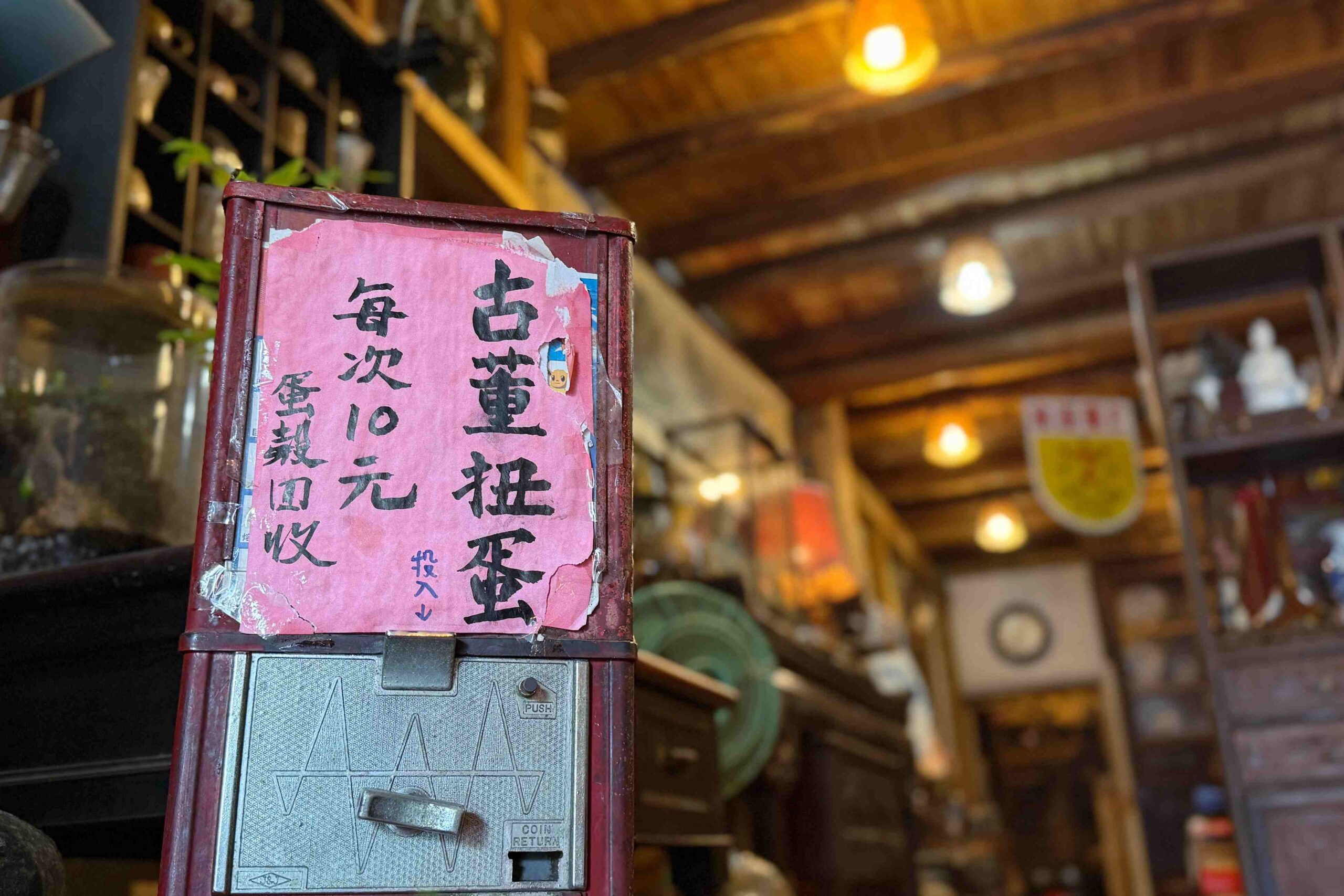
What left the deepest impression on me was Yuanchuntang, a shop housing a large collection of early Taiwanese artifacts. It even has an antique capsule toy machine. Although I’m long past the age of playing with gashapon, I was still dangerously close to losing my self-control.
Hukou Old Street

Hukoulao St., Hukou Township, Hsinchu
04|Sanyuan Temple in Hukou
Hukou Old Street developed around Sanyuan Temple. As the settlement took shape, the need for shared religious beliefs naturally followed. During the Daoguang era of the Qing dynasty, ritual organizations known as the Sanguan Chang first appeared in the Hukou area. Over time, related groups such as the Cifu Chang and Shengmu Chang were also established. These chang associations were ancestral and ritual organizations unique to Hakka society. As its name suggests, the Sanguan Chang focused on the worship of the Three Officials Great Emperors. The Cifu Chang, in particular, played a key role in promoting the Three Officials faith in Hukou. Members of these associations were not only the primary force behind the construction of the temple but also provided long-term financial support for its daily operations.
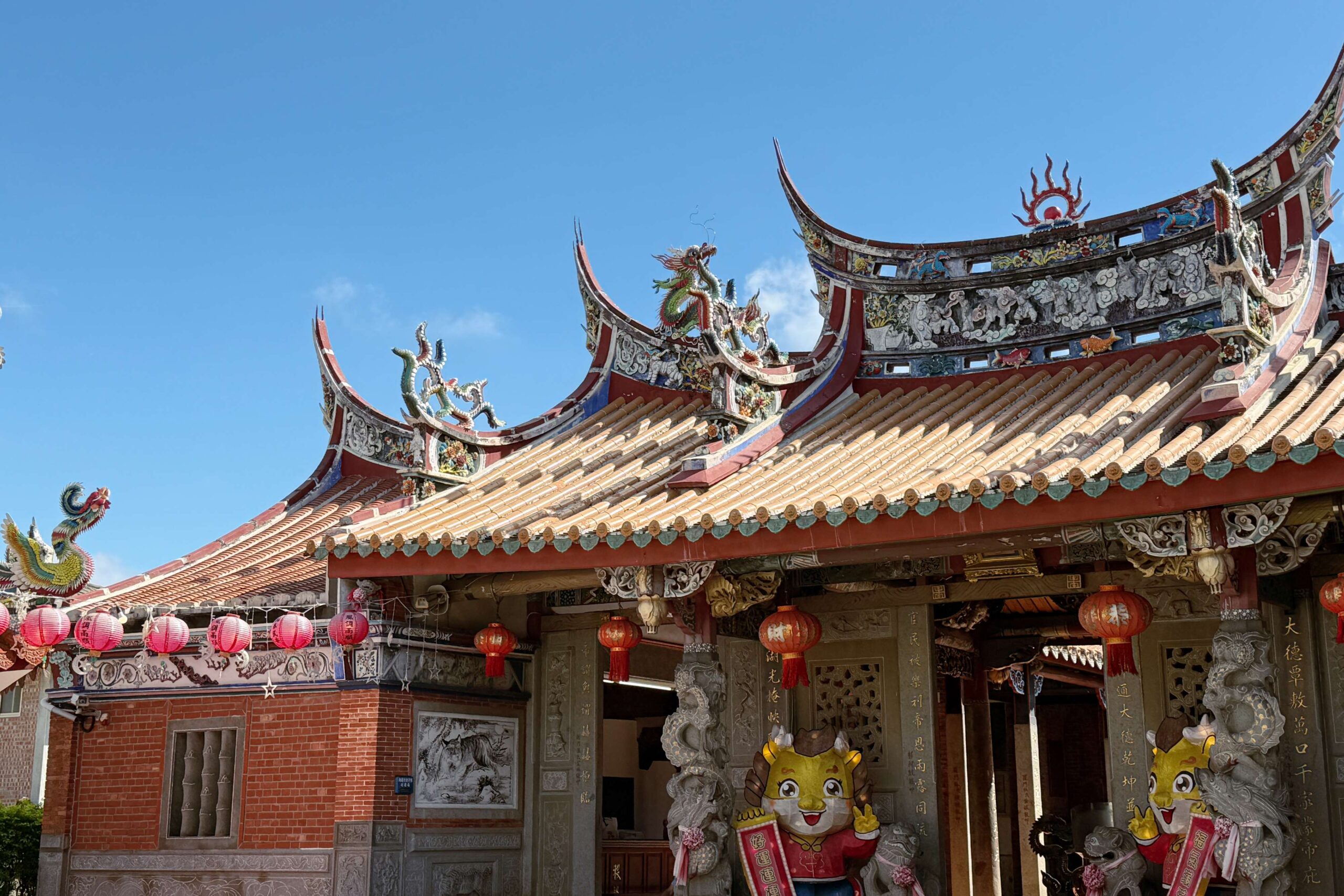
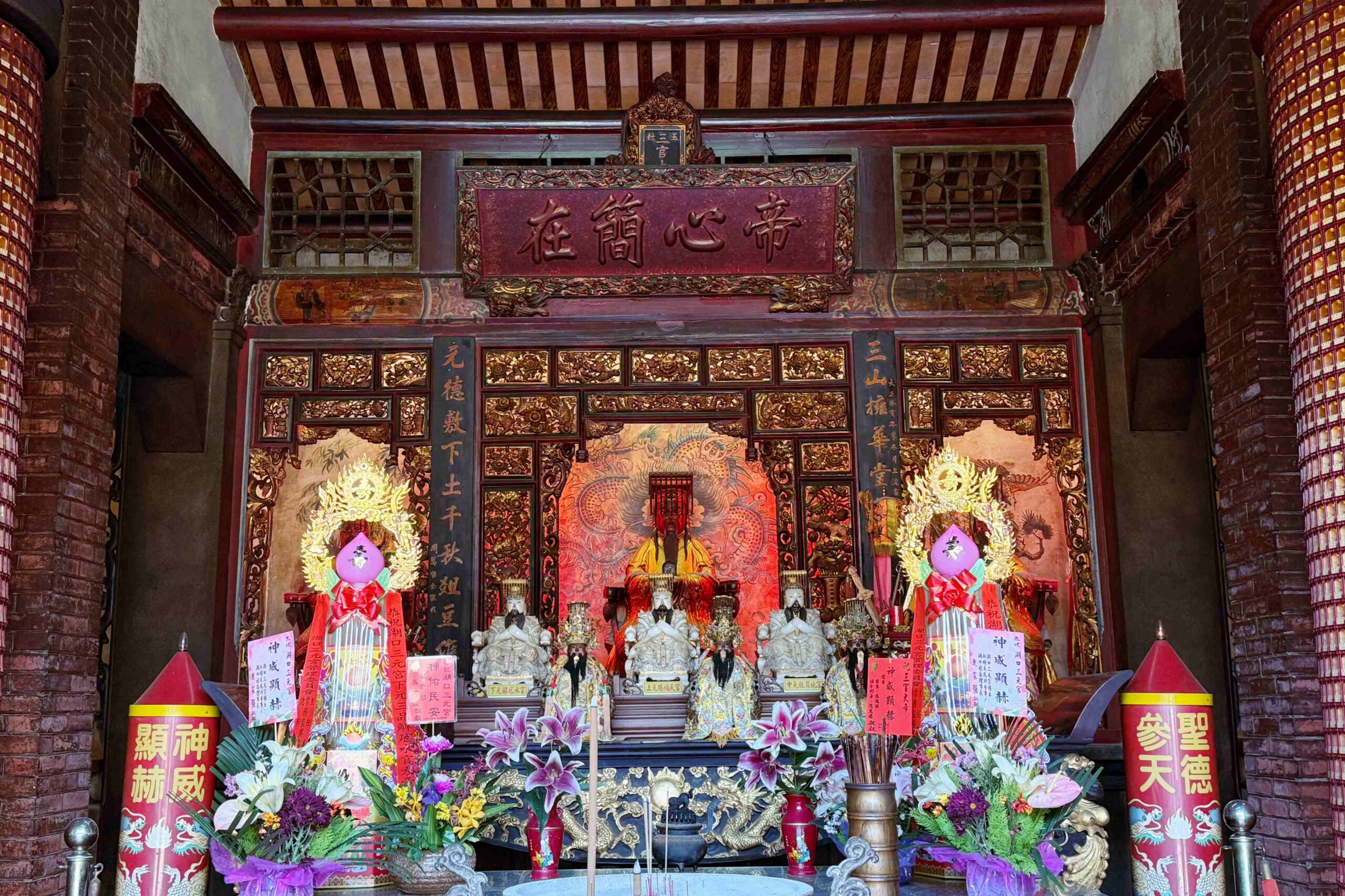
Sanyuan Temple in Hukou

Opening Hours: 0500-2100
No. 278, Hukoulao St., Hukou Township, Hsinchu
05|Renhe Trail
With its gentle, easy-to-walk path, it’s ideal for a relaxed forest stroll with children or elderly family members. Many tung trees line the trail, and from April to May each year, it becomes a popular spot for viewing tung blossoms, drawing visitors who come to walk and enjoy the seasonal flowers.
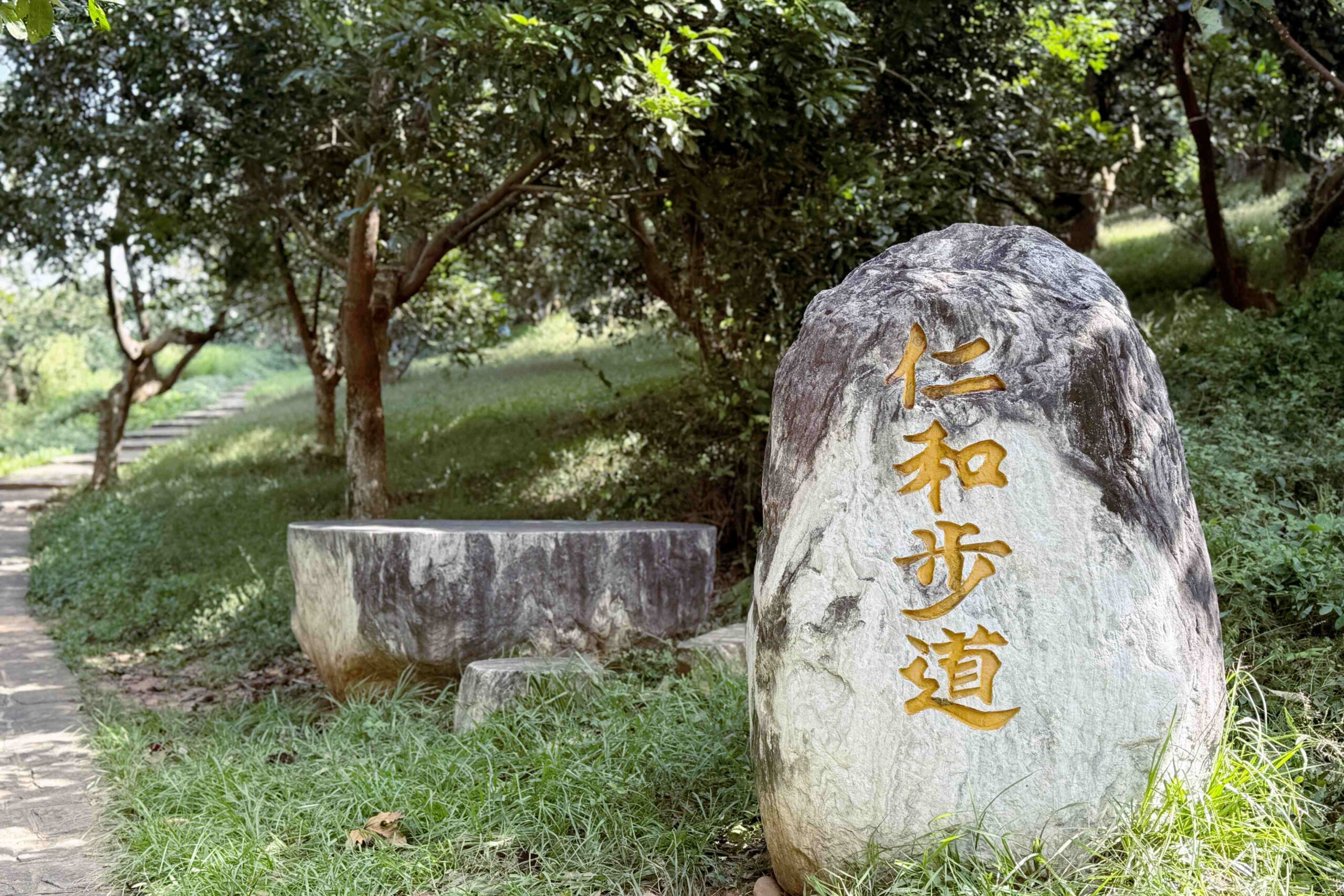
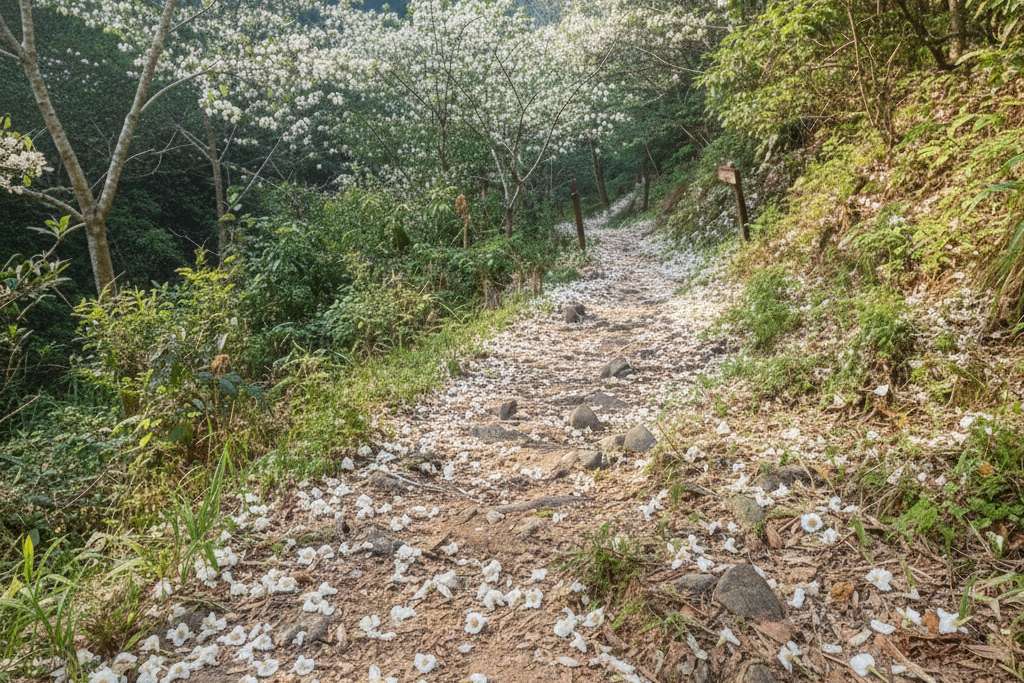
Renhe Trail

Search for “Renhe Trail” on Google Maps
06|Ox-Cart Station
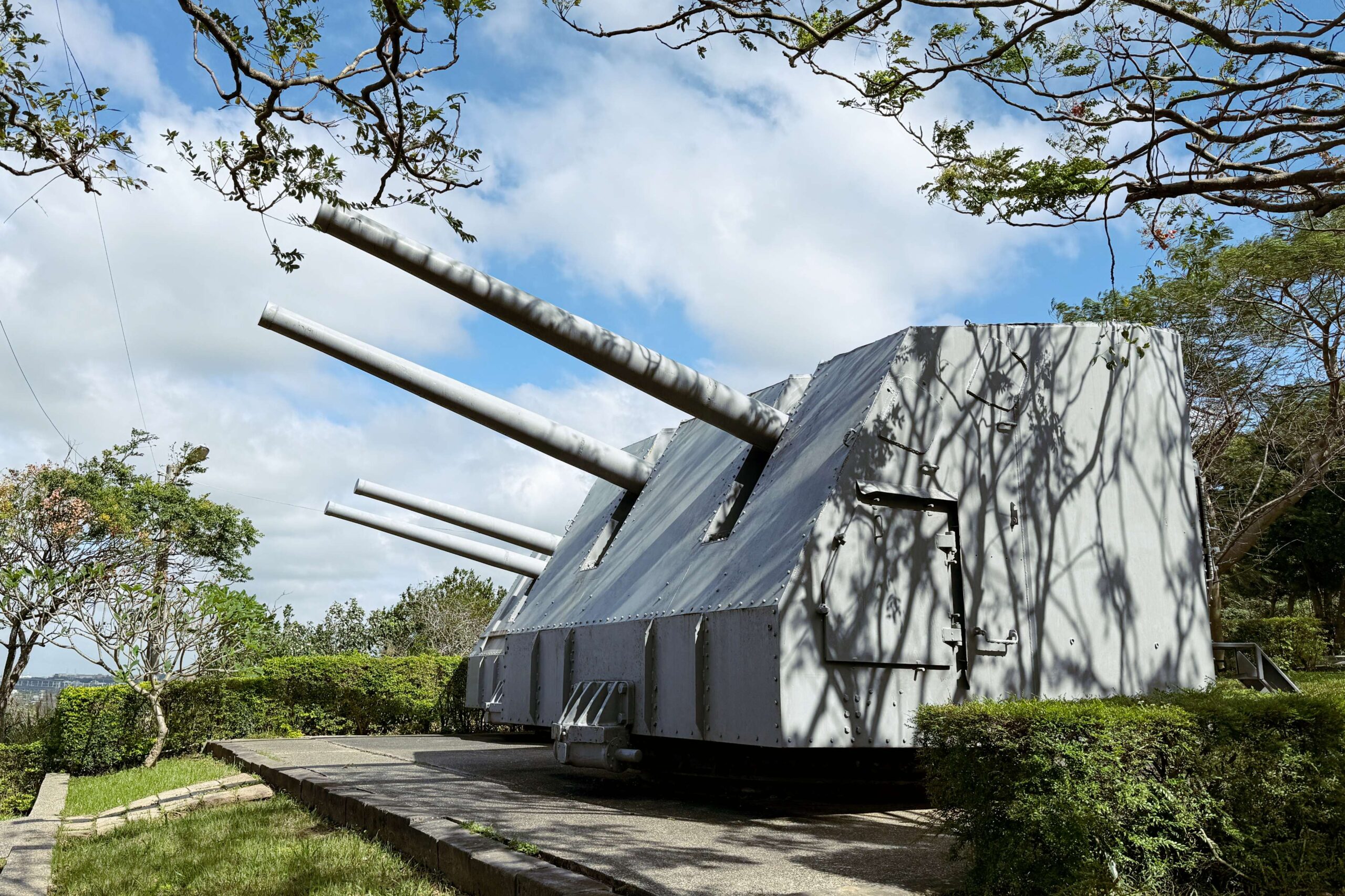
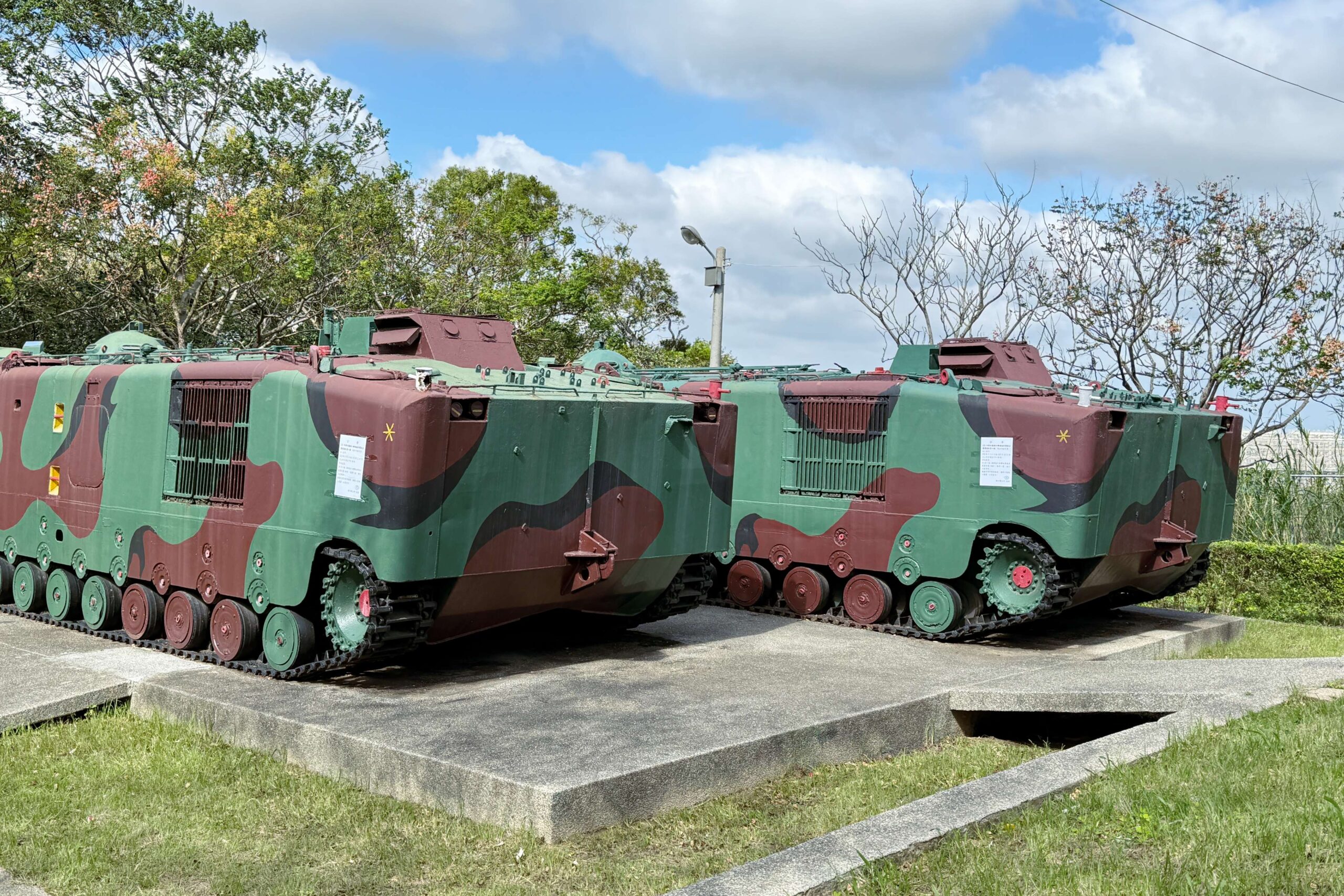
When I arrived at Ox-Cart Station, I was genuinely puzzled—why were there tanks and artillery everywhere? Where were the ox carts I was expecting? The “Ox-Cart Station” was originally a rest stop where tea farmers and traders paused while transporting tea leaves and agricultural products by ox cart. As times changed and ox-cart transport gradually faded into history, the station was repurposed into a hiking destination for the public. The presence of tanks and artillery today is tied to Hukou Township’s geographic and military background. Because an armored unit of the army is stationed nearby, the Ministry of National Defense donated several decommissioned tanks and artillery pieces for display here, turning the site into a pilgrimage spot for military enthusiasts.
Ox-Cart Station

Search for “Ox-Cart Station” on Google Maps
◦ Restaurants and Snacks in Hukou
01|Xinyou Eatery
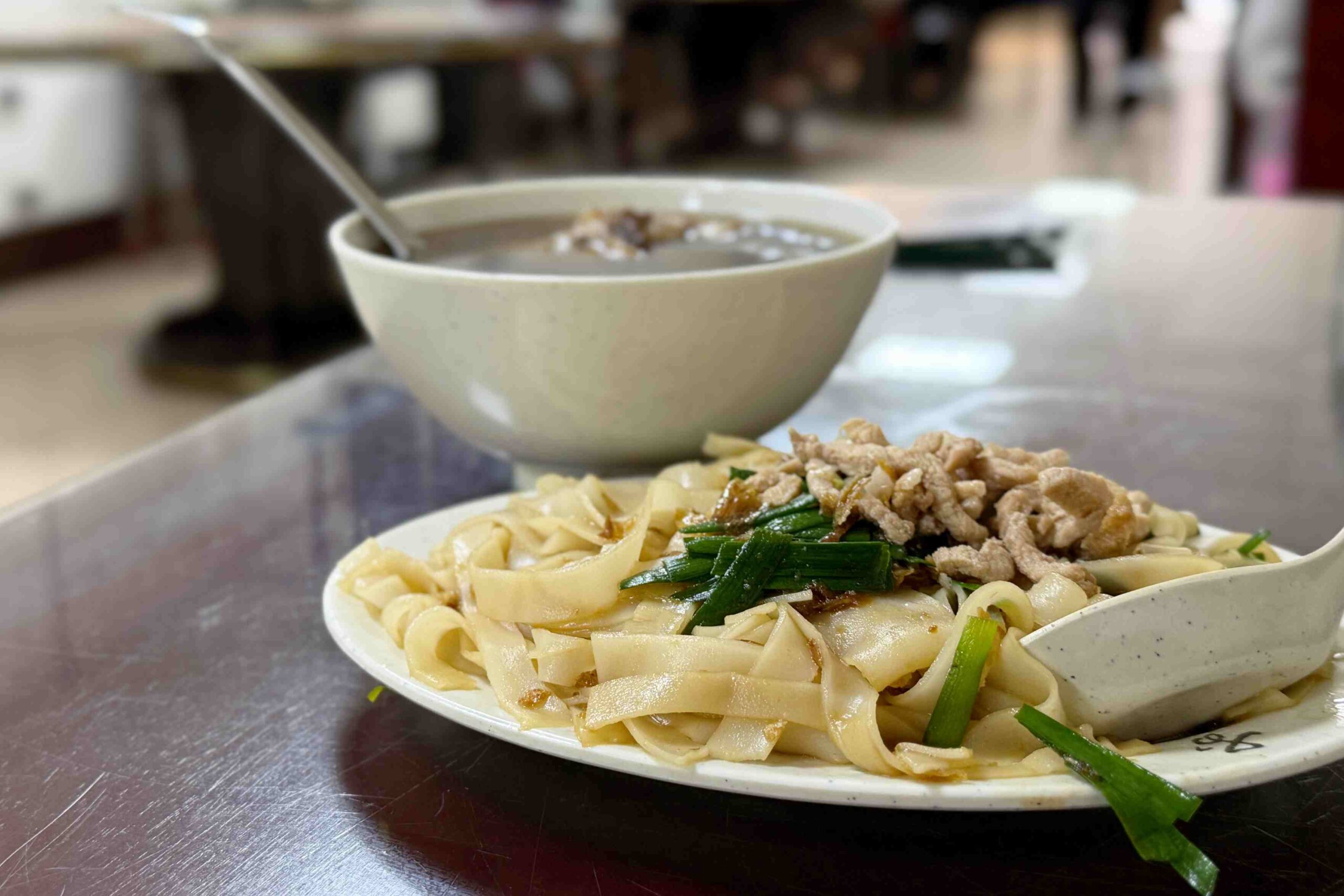
When I visited for a meal that day, the Hukou Township mayor happened to be in the restaurant filming a video introducing local highlights. The fact that Xinyou was chosen as a filming location speaks volumes about its representative status in the area.
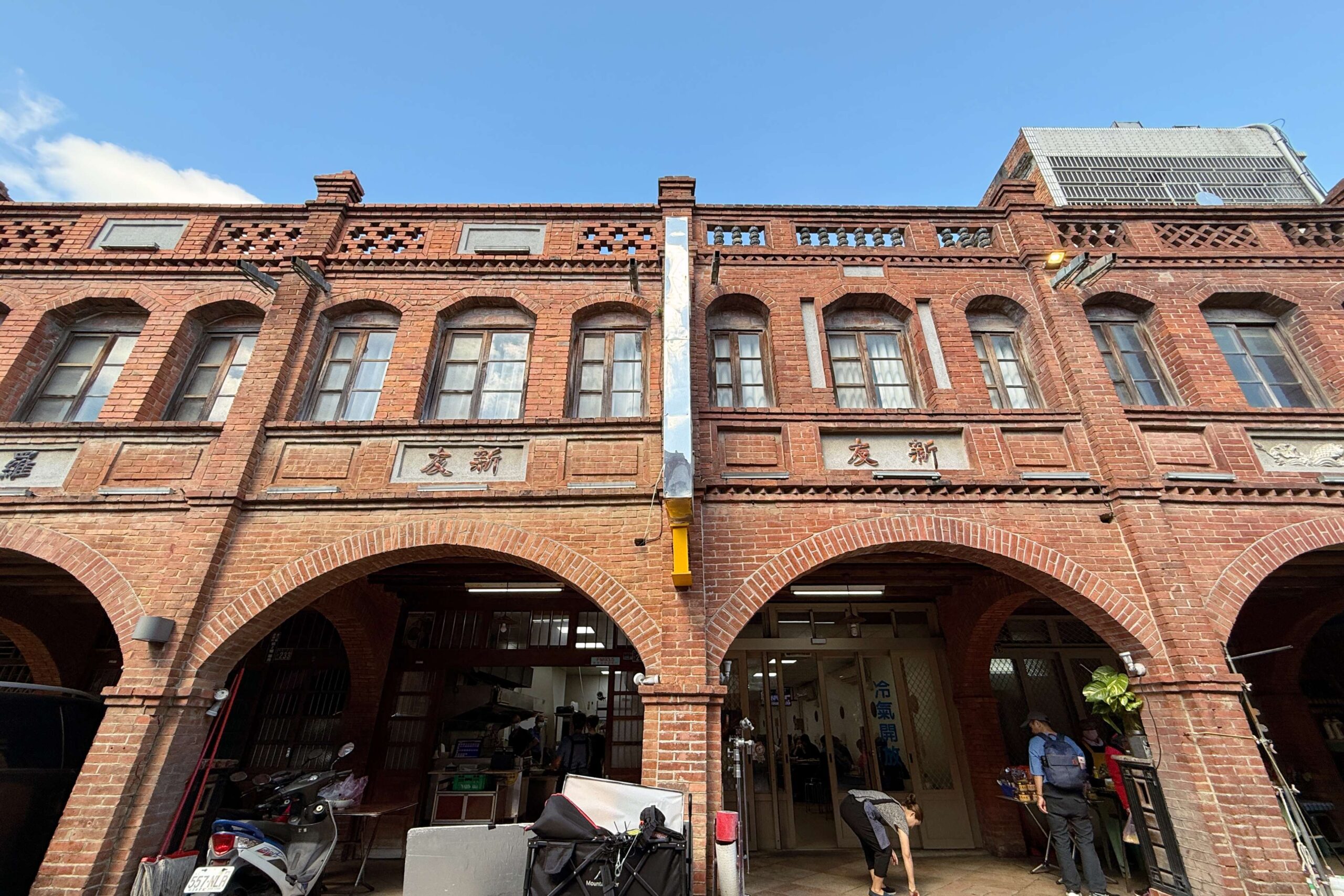
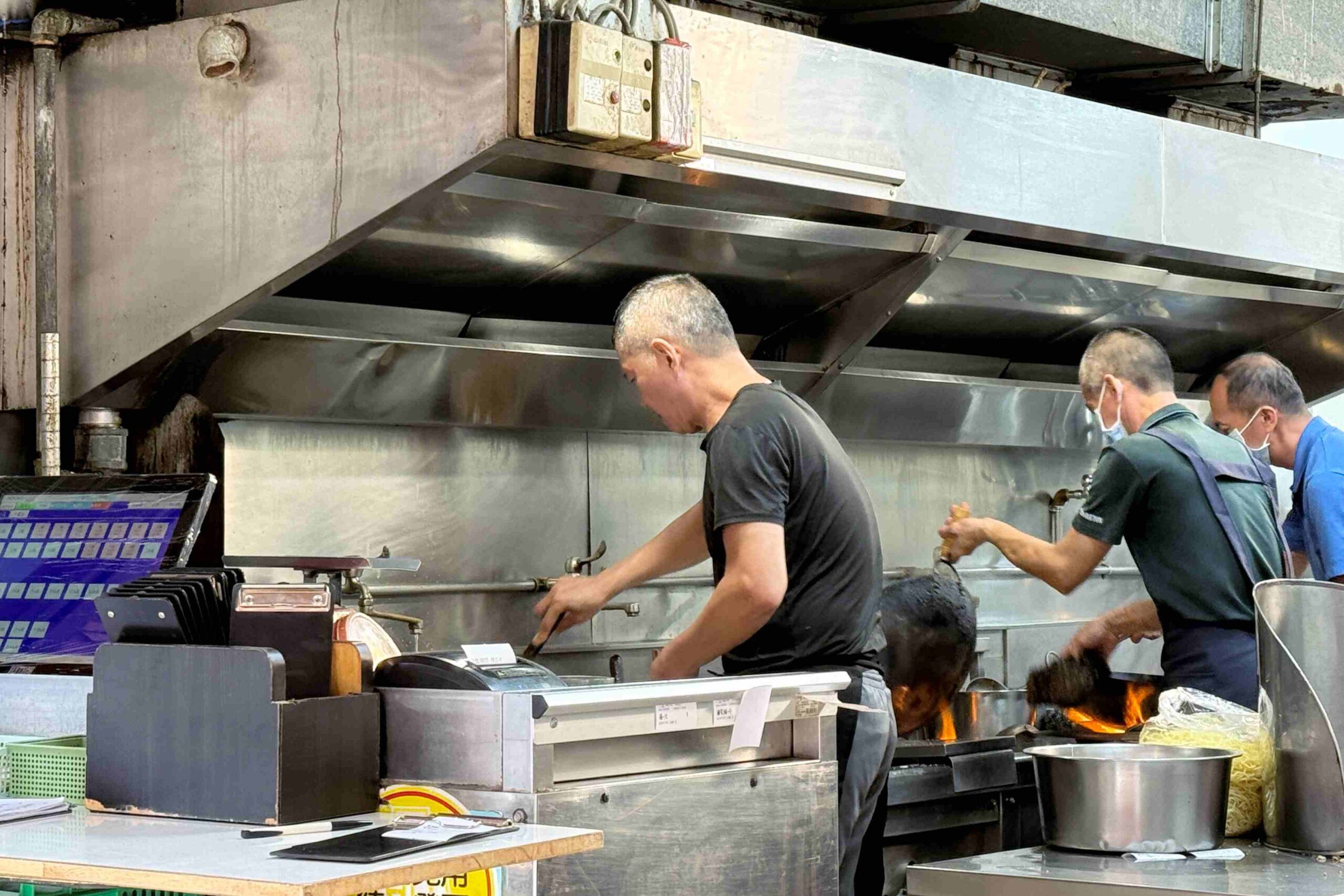
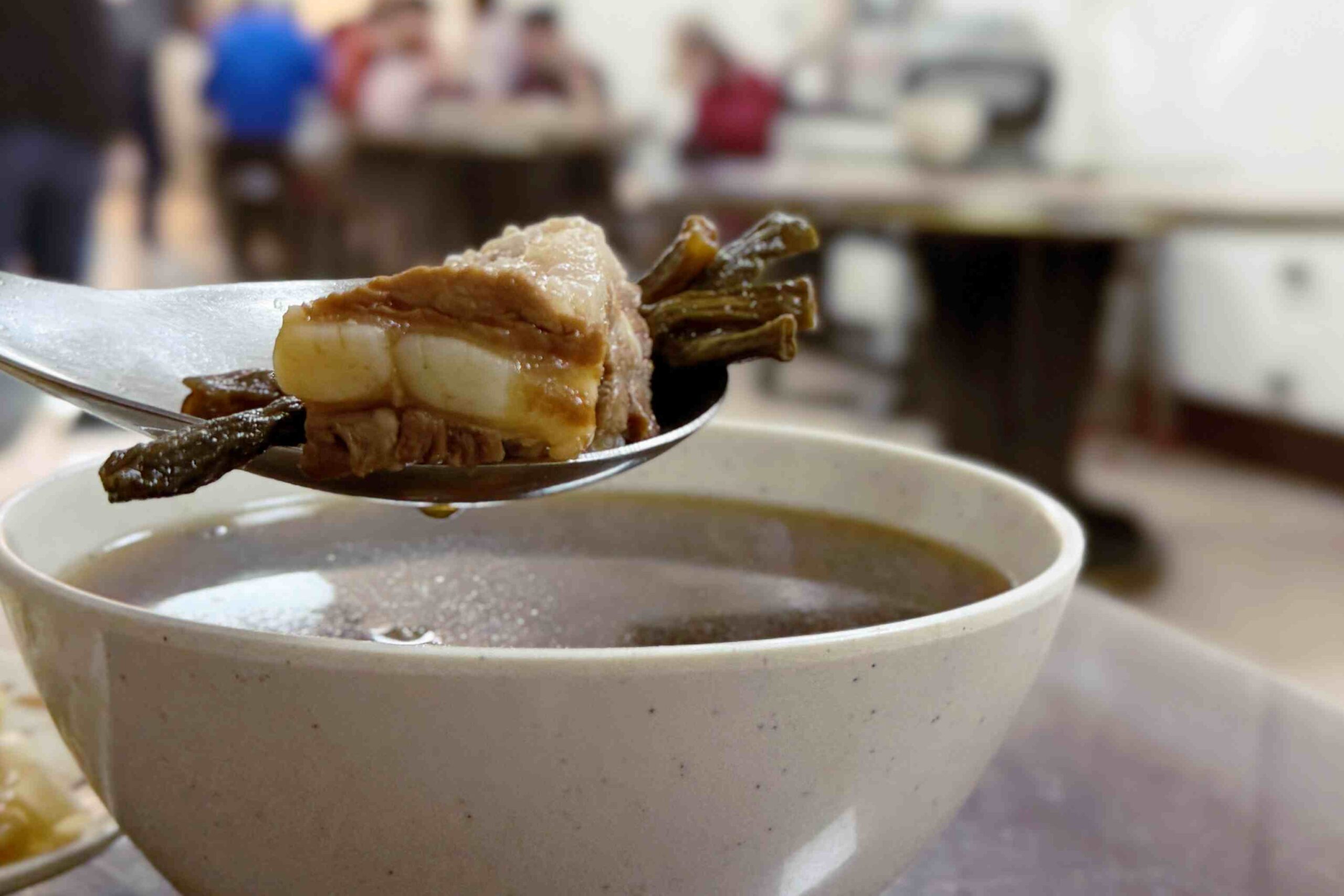
Xinyou is easy to find—just look for the place with the longest line during mealtimes. That day, I ordered chao ban-tiao, a must-have whenever I’m in a Hakka village, along with the old-fashioned douzi-gan soup, a dish rarely found elsewhere. The stir-fried ban-tiao had excellent wok hei and was solidly good, but the real surprise was the douzi-gan soup. The savory aroma of the dried tofu had fully melded into the broth, and the pork ribs, with just a bit of cartilage, fell cleanly off the bone at the first bite. It was the kind of depth of flavor that only comes from long, patient simmering.
Xinyou Eatery

Opening Hours: 1100-1400, 1700-1900, closed on Monday & Tuesday.
No. 235, Hukoulao St., Hukou Township, Hsinchu
◦ Flying Over Taiwan
*All aerial photography operations are conducted within legal airspace. During flight, regulations stipulated by the Civil Aviation Law are strictly followed, maintaining the required distance from buildings and crowds. Zooming and post-production techniques are used to ensure compliance, making the flights fully legal.
*Anyone citing these images and text must provide proper attribution. Unauthorized or illegal use of the images and text is prohibited and may result in legal liability.
◦ Other Areas in Hsinchu
➤ Hsinchu ◦ Xinpu | Golden Autumn Temptation
➤ Xiangshan | The Romance of Sunset Scenery and Sea Breeze