最後更新/Last Updated:2026-06-06
Every time I visit Tainan, I am either amazed by its time-honored cuisine, lingering among historic sites, or discovering unexpected scenery in its narrow alleys. This time, a walk into the North District brought all three delights at once. Tainan is simply a city that never grows tiresome, no matter how many times you return.
Contents
◦ Tainan Travel Guide
01|Transportation in Tainan
🚄 Taiwan High Speed Rail
🚗 Cross-city Chartered One-day Tour from Taipei
🛵 Tainan Motorcycle Rental Tainan Train Station Pick Up
🛵 Tainan Motorcycle Rental Pick up at Tainan Transit Station
02|Popular Attractions in Tainan
🎫 Chimei Museum Permanent & Special Exhibition Ticket
🎫 Ten Drum Cultural Village Ticket
🎫 Tainan Naughty World Safari Ticket
🎫 Sicao Green Tunnel Ticket in Tainan
🎫 Tainan Art Museum Ticket
🎫 Anping Old Fort Admission Ticket
🎫 Anping Tree House Admission Ticket
🎫 Shan-Shang Garden and Old Waterworks Museum
03|Things To Do in Tainan
🛶 Tainan Longshan Eco Boat Tour and Oyster Barbeque
🙌 Handmade Experience for Lifestyle Items
♨️ Reikei Hot Spring Resort in Tainan
💆🏻♀️ Royal Thai Massage in Tainan
◦ The Past of Tainan North District
Tainan’s North District lies at the northern edge of the old Tainan City and was formed by the consolidation of several neighborhoods during the Japanese colonial period. The area is rich in cultural heritage and well worth exploring in depth. Within the North District, the Zhenbei Ward Cultural Park can be regarded as the historical heart of the area. During the Qing dynasty, this place served as an important military stronghold. Traces of that past can still be seen in the street names today, such as Dachong Street (now Ziqiang Street) and Zongye Street (now Chong’an Street), both of which carry strong military connotations.
◦ Attractions in Tainan North District
01|Qianqi Seed Museum
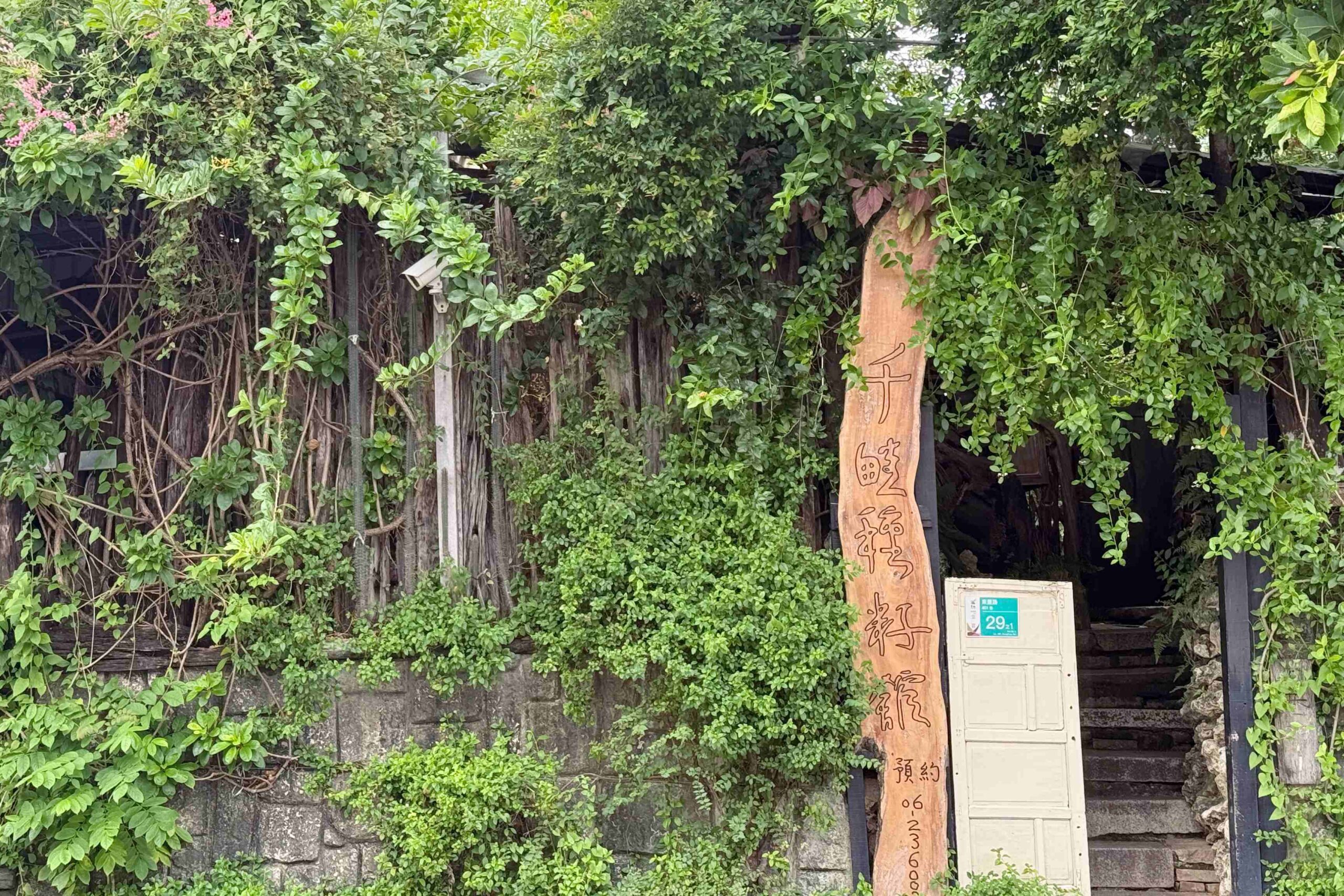
Tucked away in a lane off Dongfeng Road, the entrance to the Qianqi Seed Museum is framed by lush greenery, revealing the owners’ deep love for plants. The museum was created by a couple who feel a strong sense of mission toward seeds and plant life. The tens of thousands of seeds on display were personally collected by them from mountains, seashores, and parks. As they manage the place on their own, visits are currently by phone appointment only.
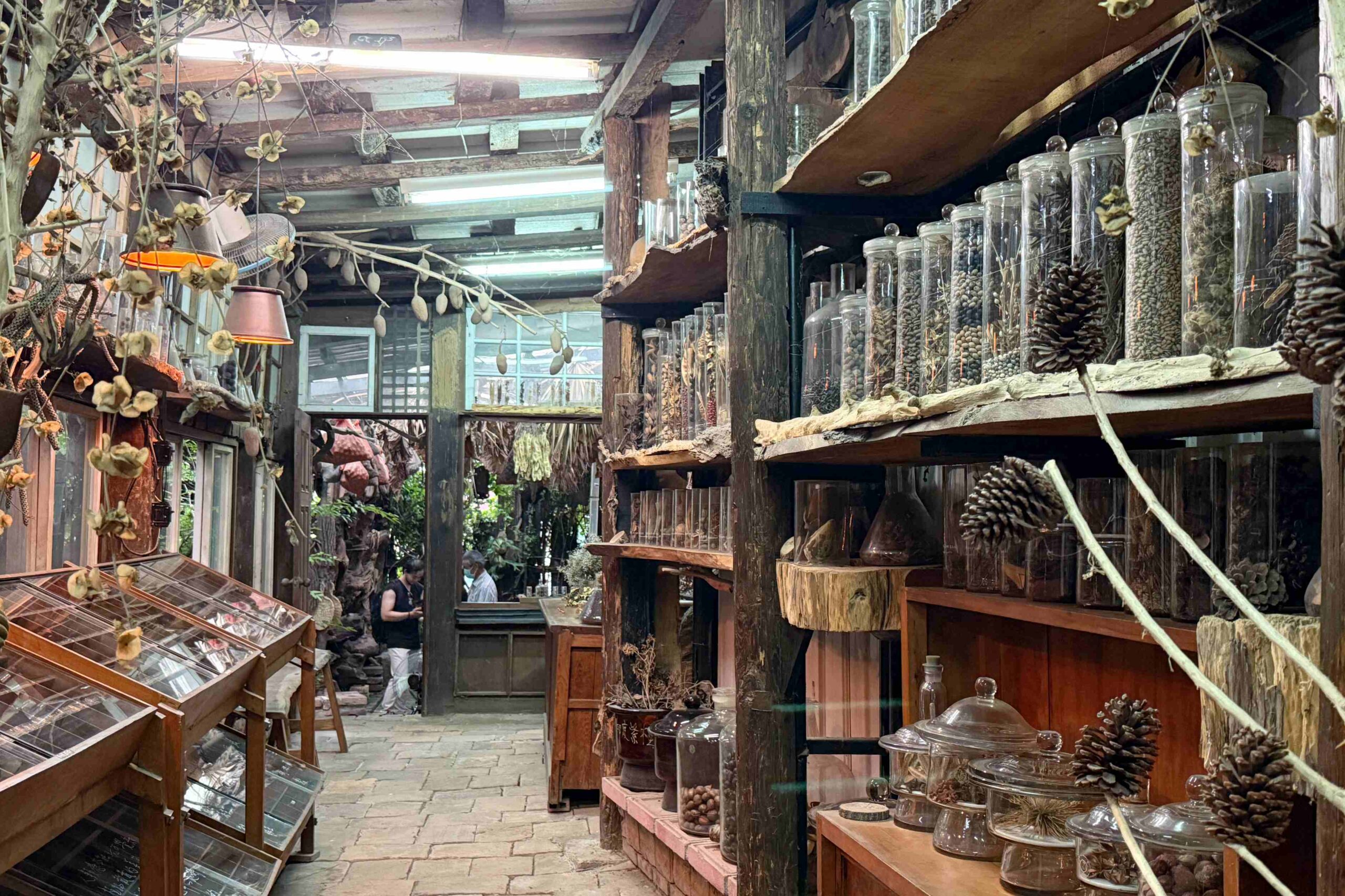
The hosts are thoughtful and attentive, providing guided tours for each group of visitors. They introduce seeds that we often encounter in daily life but rarely notice, carefully explaining their beauty and hidden wonders.
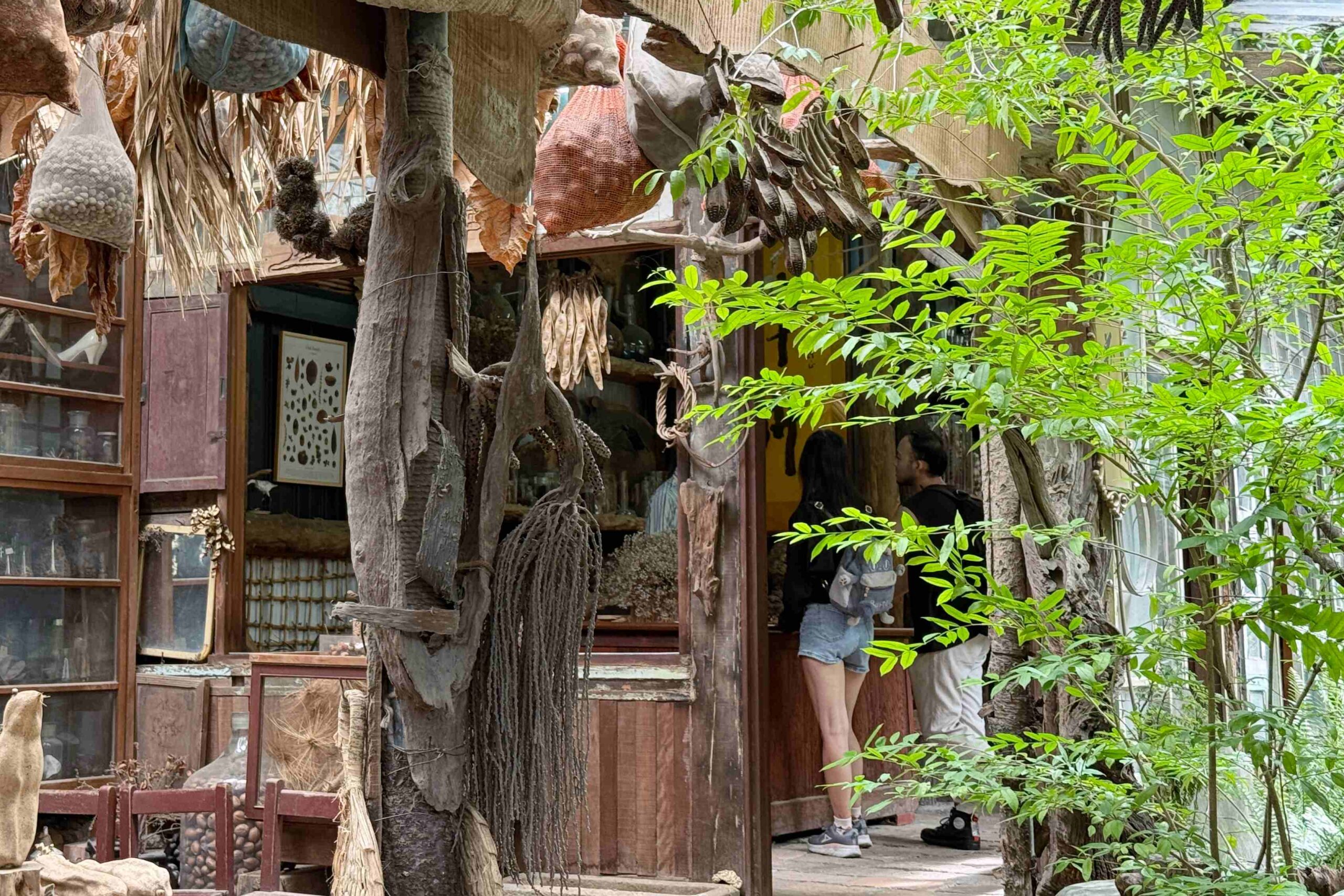
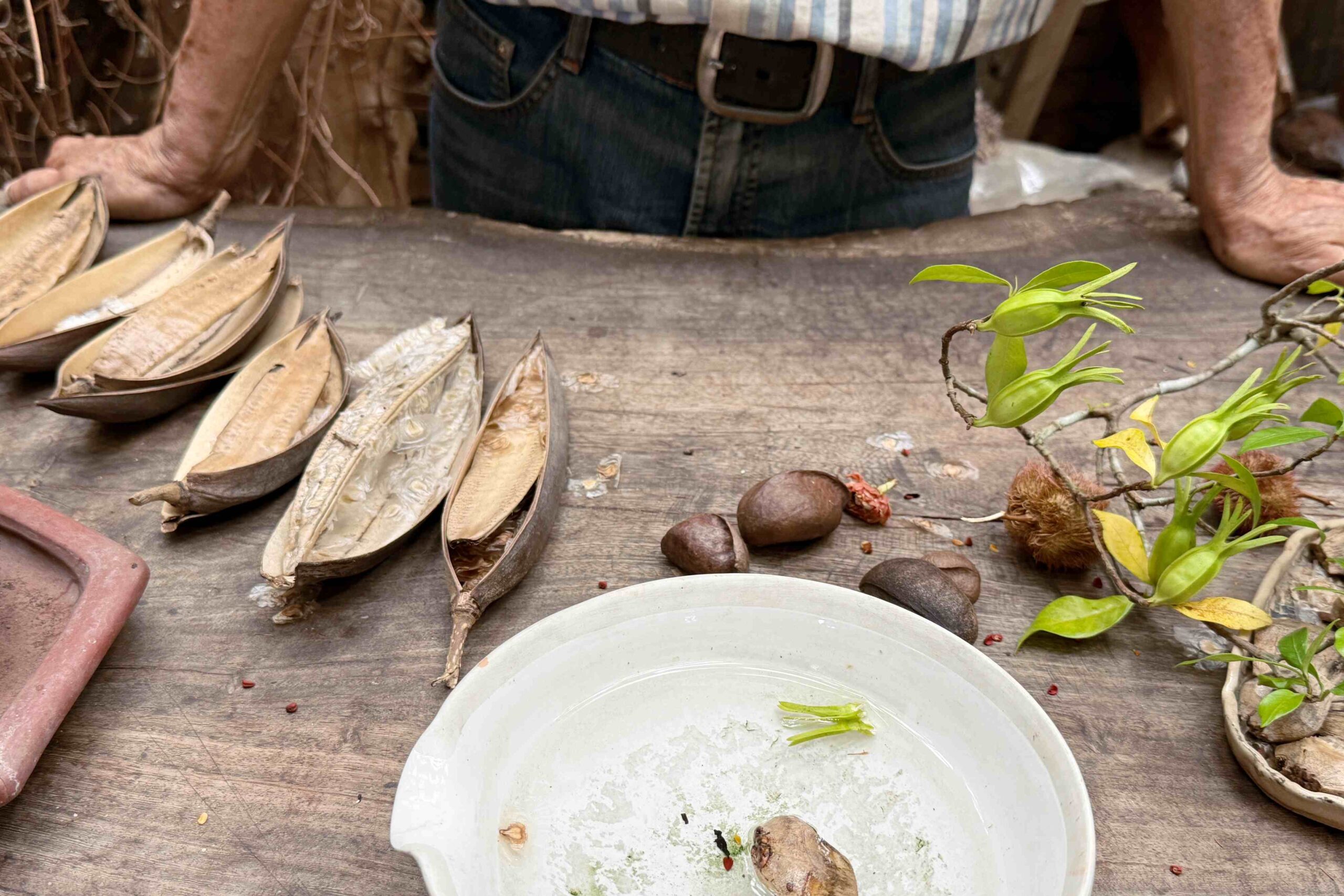
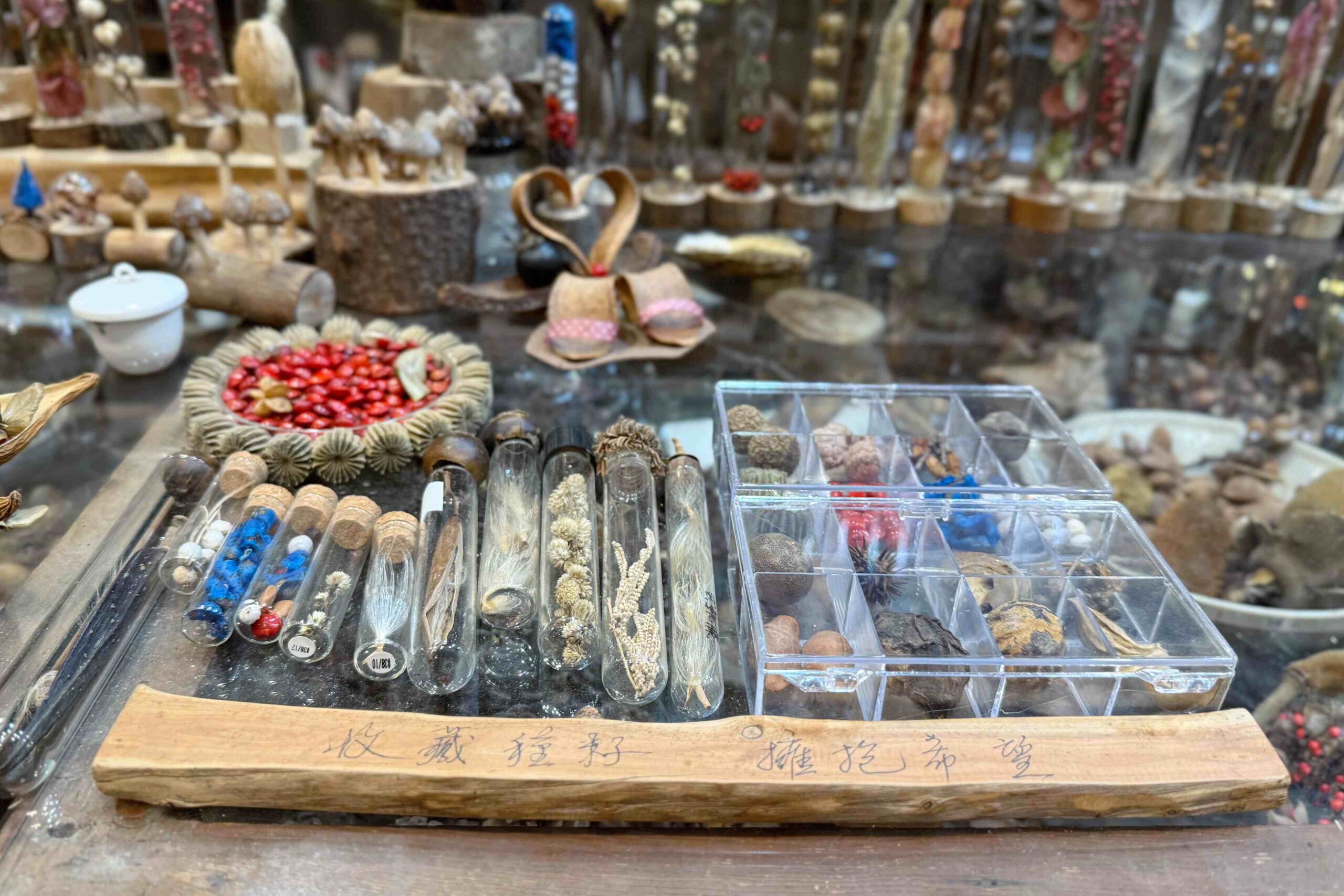
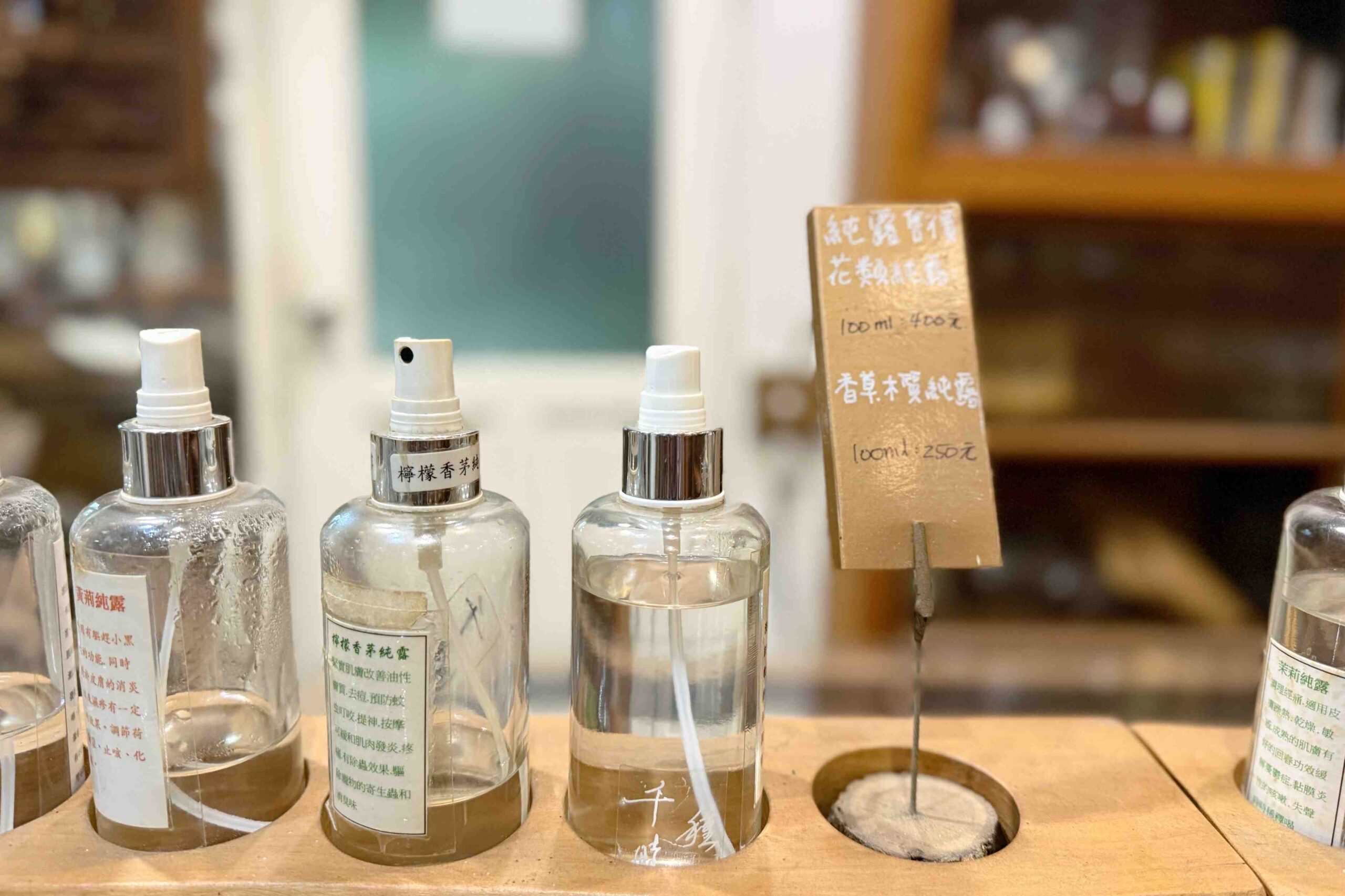
The museum also offers handcrafted items made by the couple, as well as plant hydrosols they have distilled themselves. I brought home a bottle of lemongrass hydrosol—the air-purifying effect is remarkable, and I personally love it. Each month, the museum also holds hands-on workshops and farm-to-table activities, such as making yokan from annatto seeds or weaving wreaths from seeds. If you’re interested, you can look up their fan page for more information.
Qianqi Seed Museum

Opening Hours: By phone appointment only. Reservation line: +886 6 236 0035.
No. 29-1, Ln. 451, Dongfeng Rd., North Dist., Tainan
02|Kaiyuan Temple
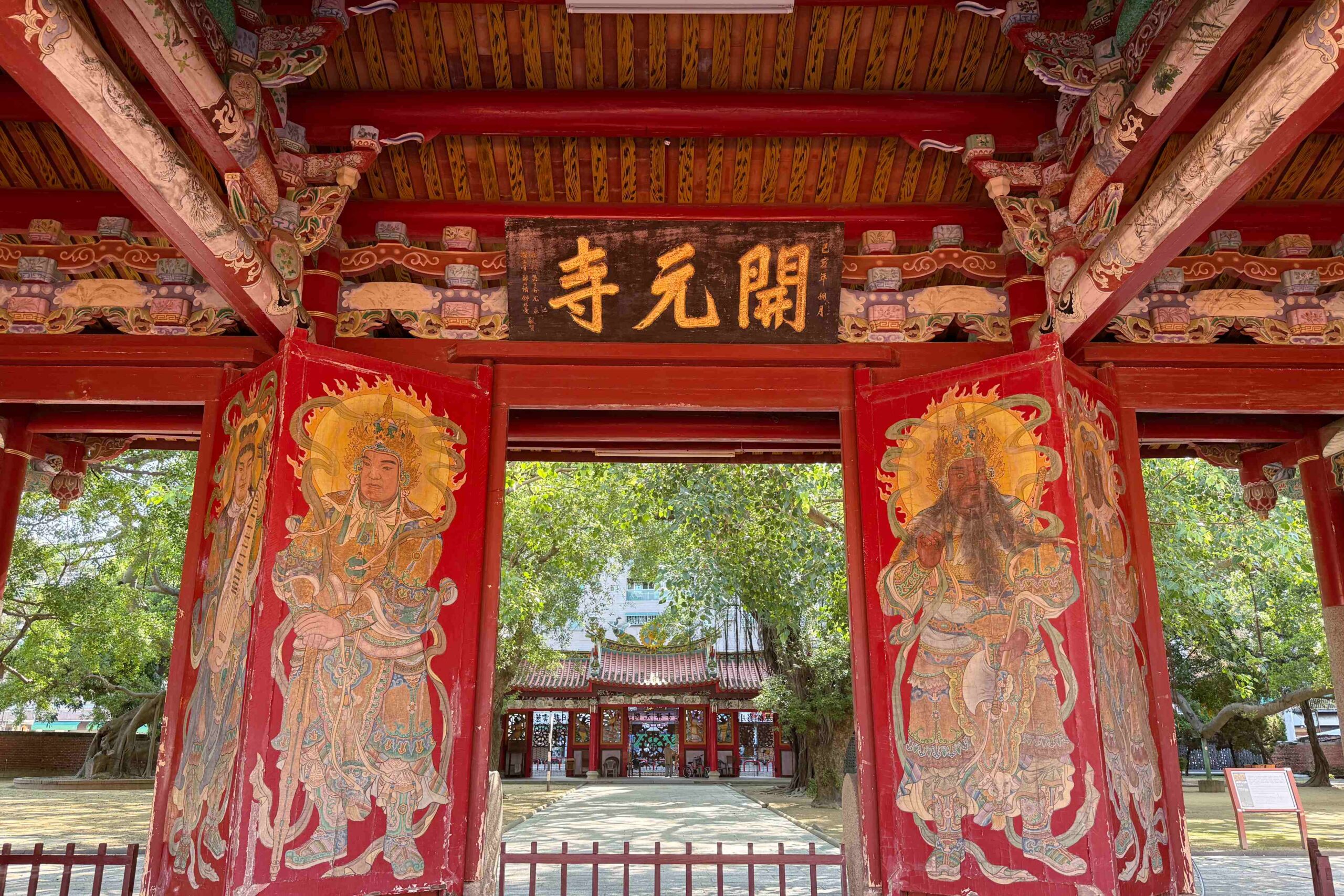
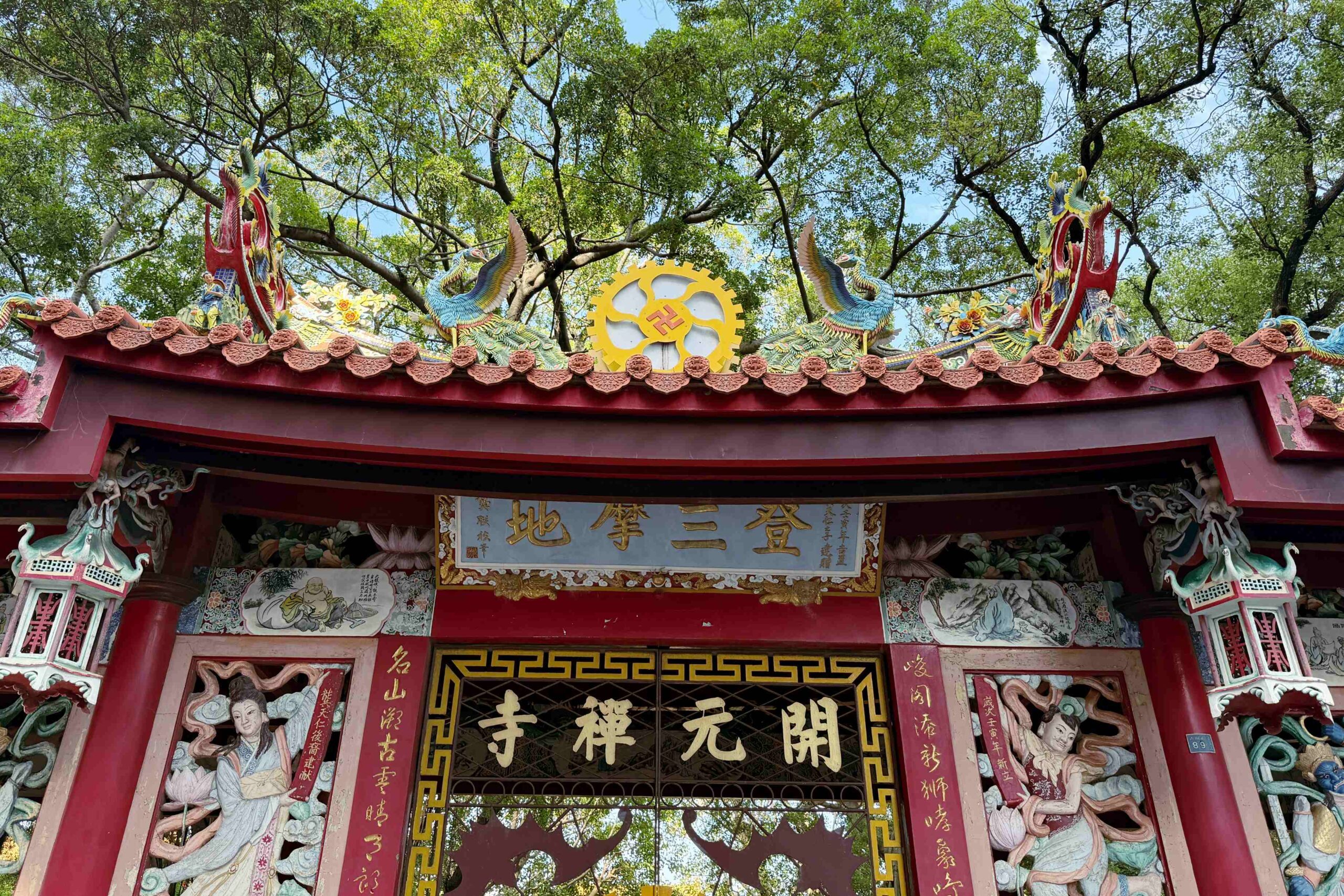
Kaiyuan Temple was not originally built as a temple. It began as a garden villa constructed by Zheng Jing for his mother, and was only later converted into a Buddhist temple during the Qing dynasty. One of the highlights of visiting Kaiyuan Temple is the decorative artistry rarely seen in typical temples. The temple’s mountain gate, built in 1960, features four phoenixes spreading their wings along the roof ridge. Each phoenix is meticulously crafted, with its feathers assembled from hundreds of small components.
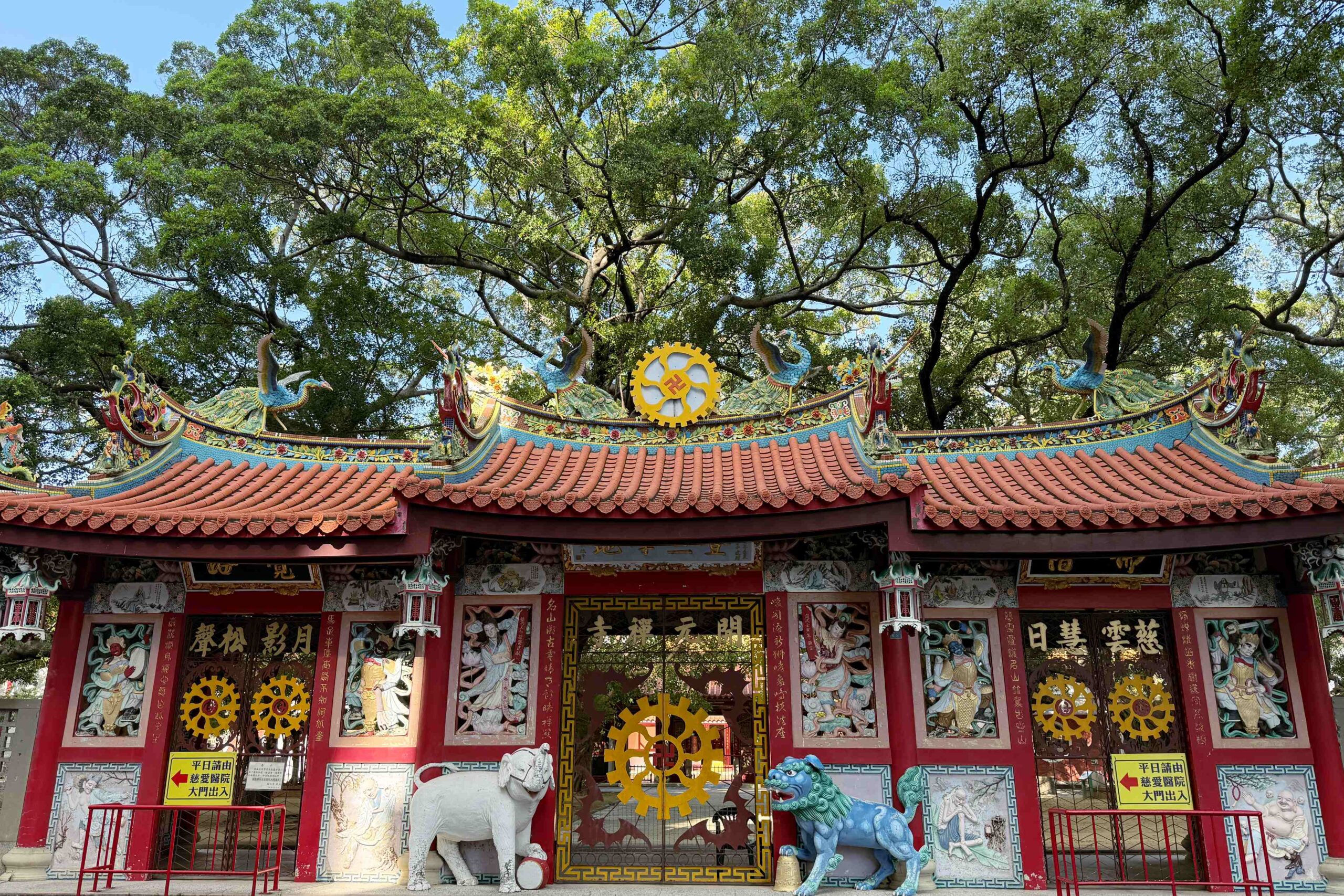
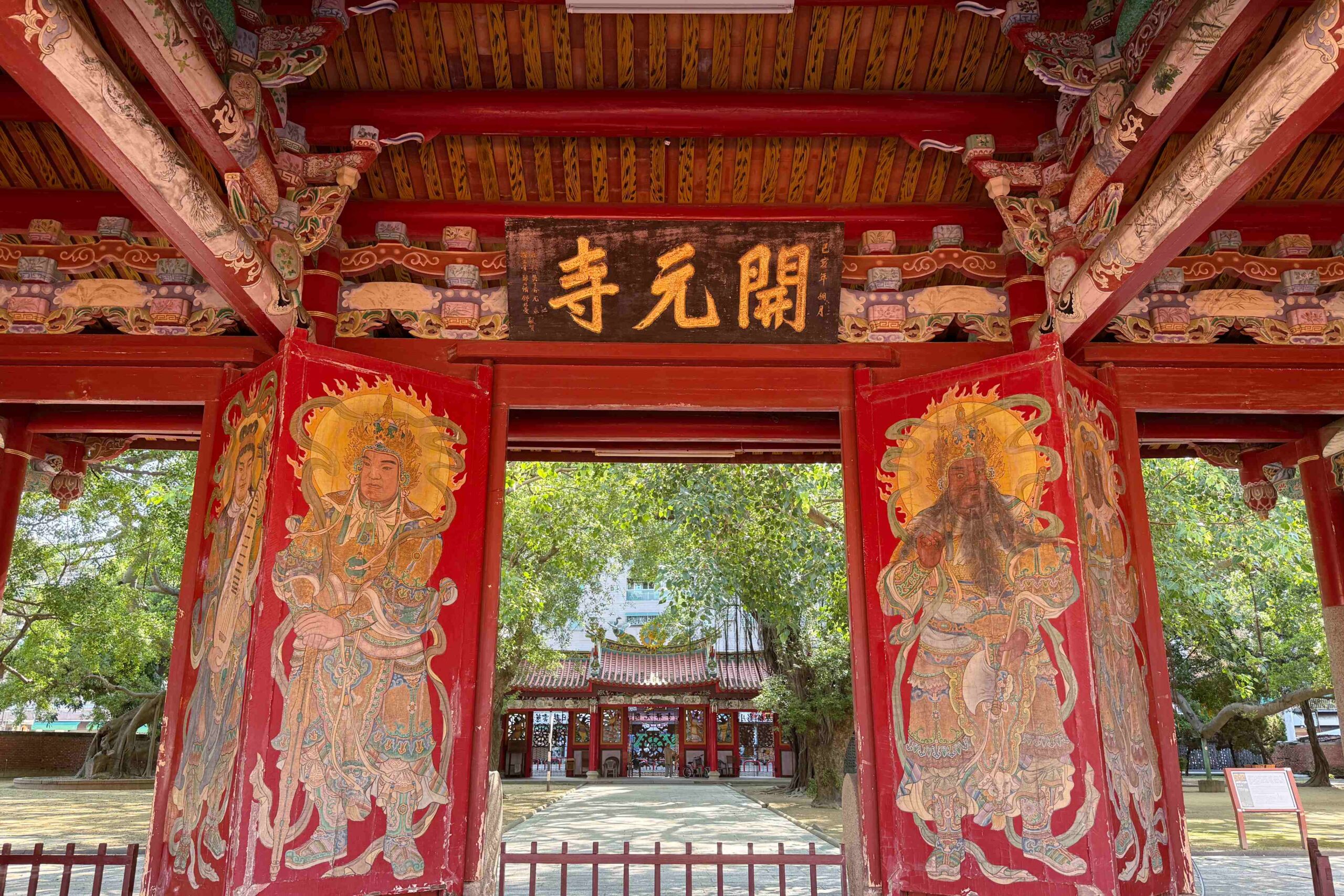
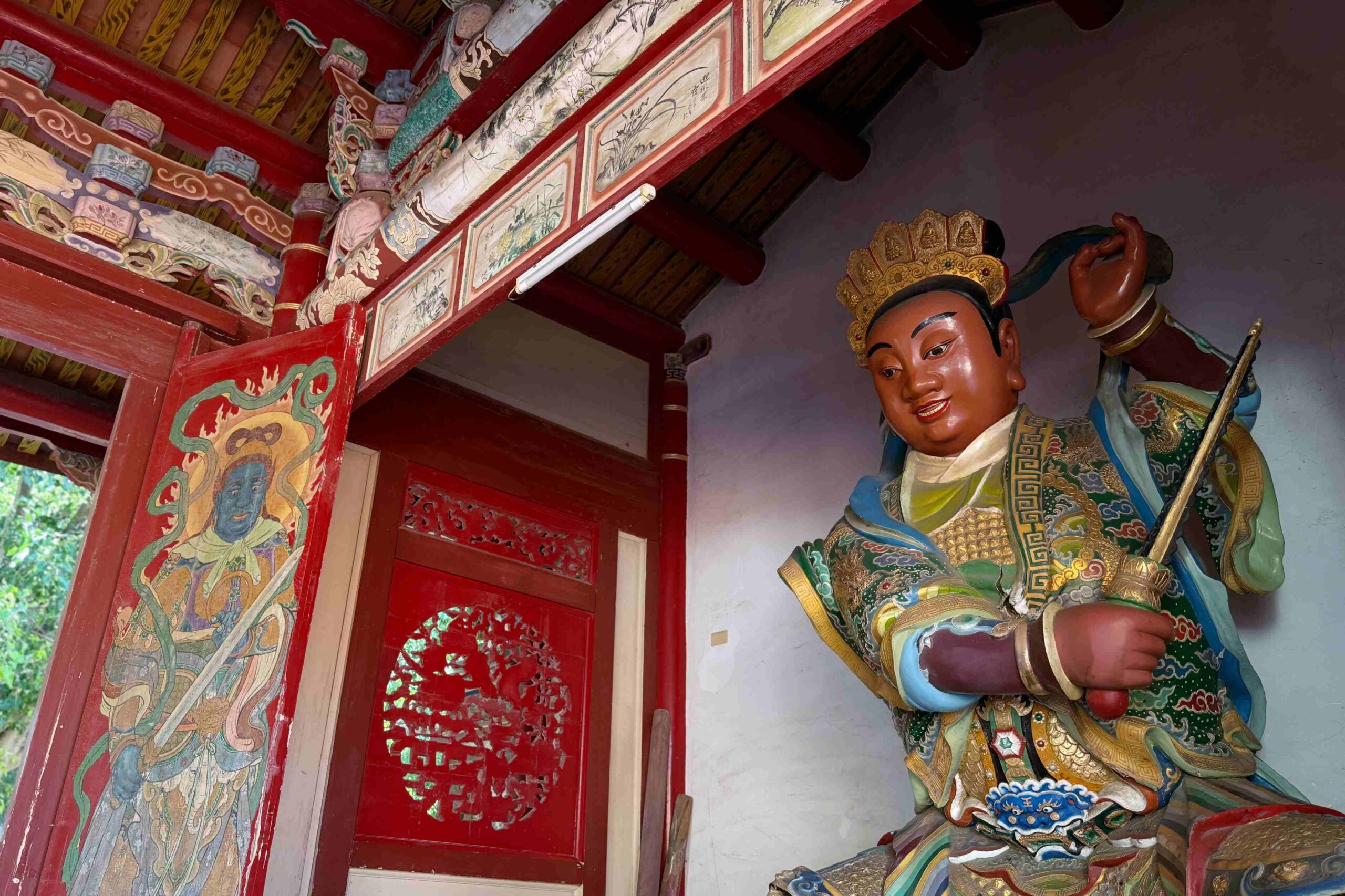
Passing through the garden, visitors are welcomed at the San Chuan Hall by vibrant door guardian paintings and the Four Heavenly Kings symbolizing favorable weather, created by the renowned painter Cai Caoru. The colors are vivid and full of presence.
What left a particularly deep impression on me were the hanging column ornaments beneath the second-floor eaves of the Dashi Hall. These short suspended columns, positioned prominently beneath the beams, gradually became an important decorative feature in temple architecture. Unlike the more common hanging floral motifs, these ornaments are uniquely designed in the shapes of various hand gestures, echoing the Thousand-Armed Guanyin enshrined inside the hall. Some hands hold flowers, some hold Buddhist scriptures, and others grasp swords said to ward off evil spirits. There are eight different hand gestures in total, making this a rare sight in Taiwanese temple architecture.
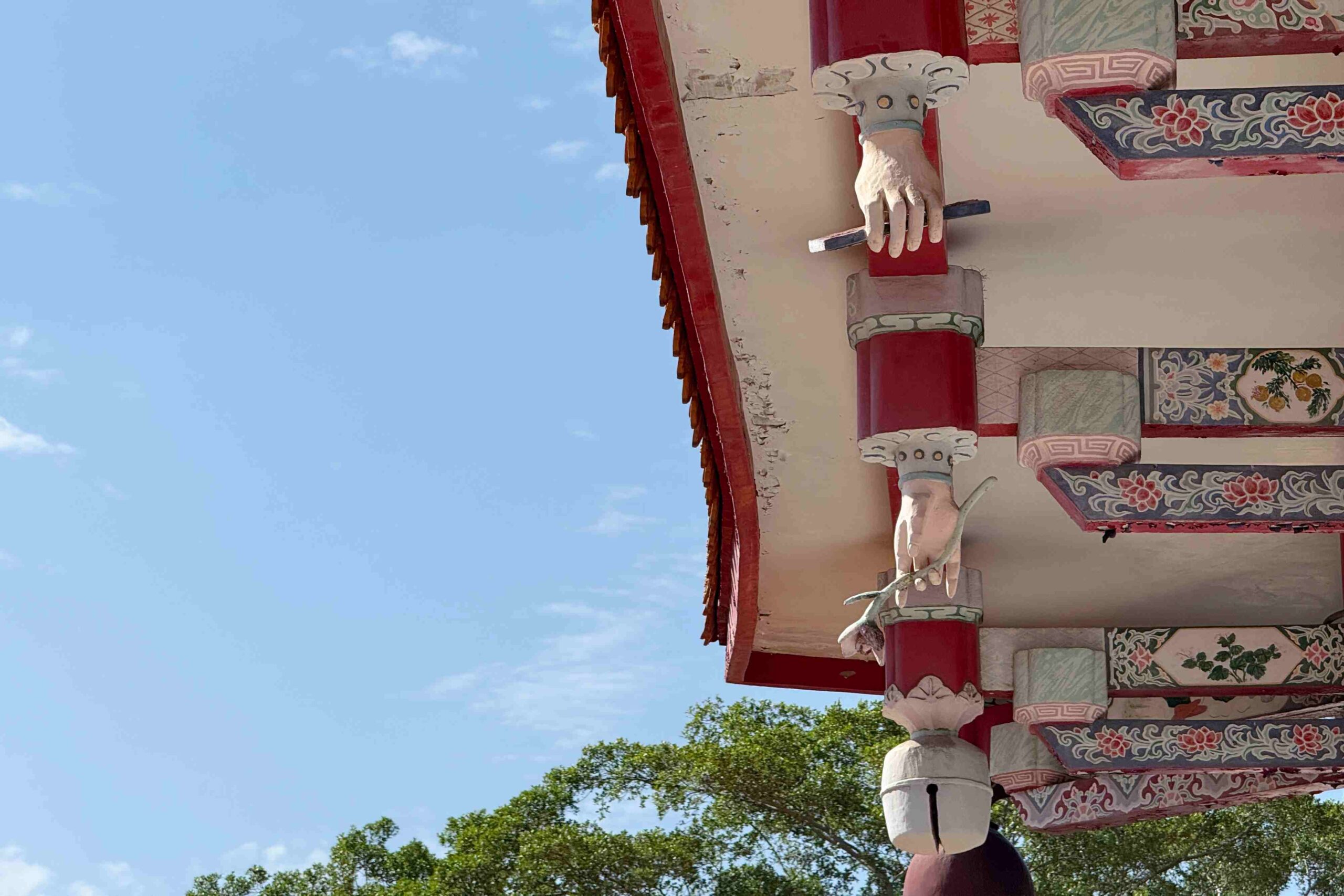
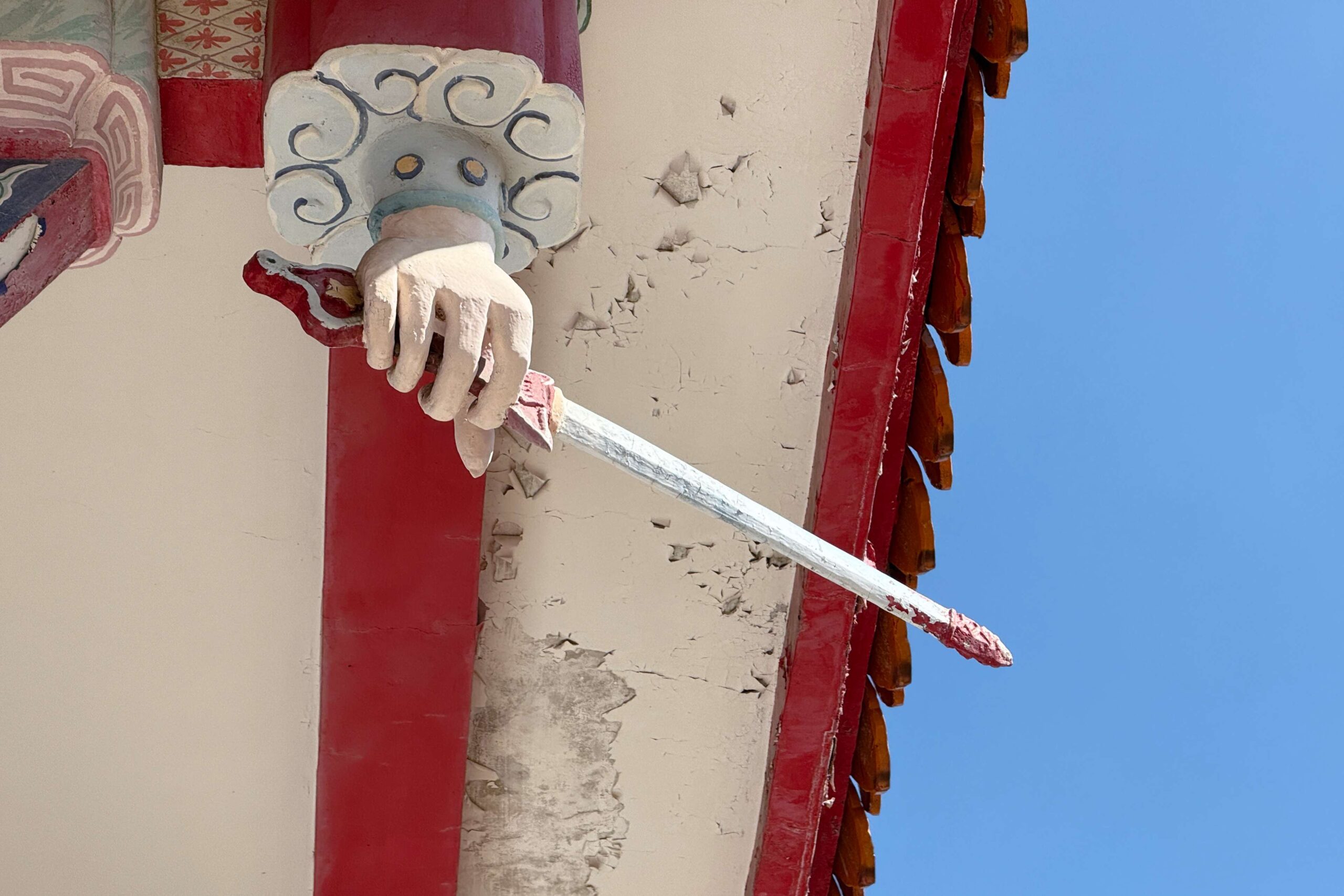
Kaiyuan Temple

Opening Hours: 0800-1700
No. 89, Beiyuan St., North Dist., Tainan
03|Tainan Park
With a history of over a century, Tainan Park is the oldest and largest park in the city. “Moonlight over Yantan Lake” is one of the park’s most iconic sights.
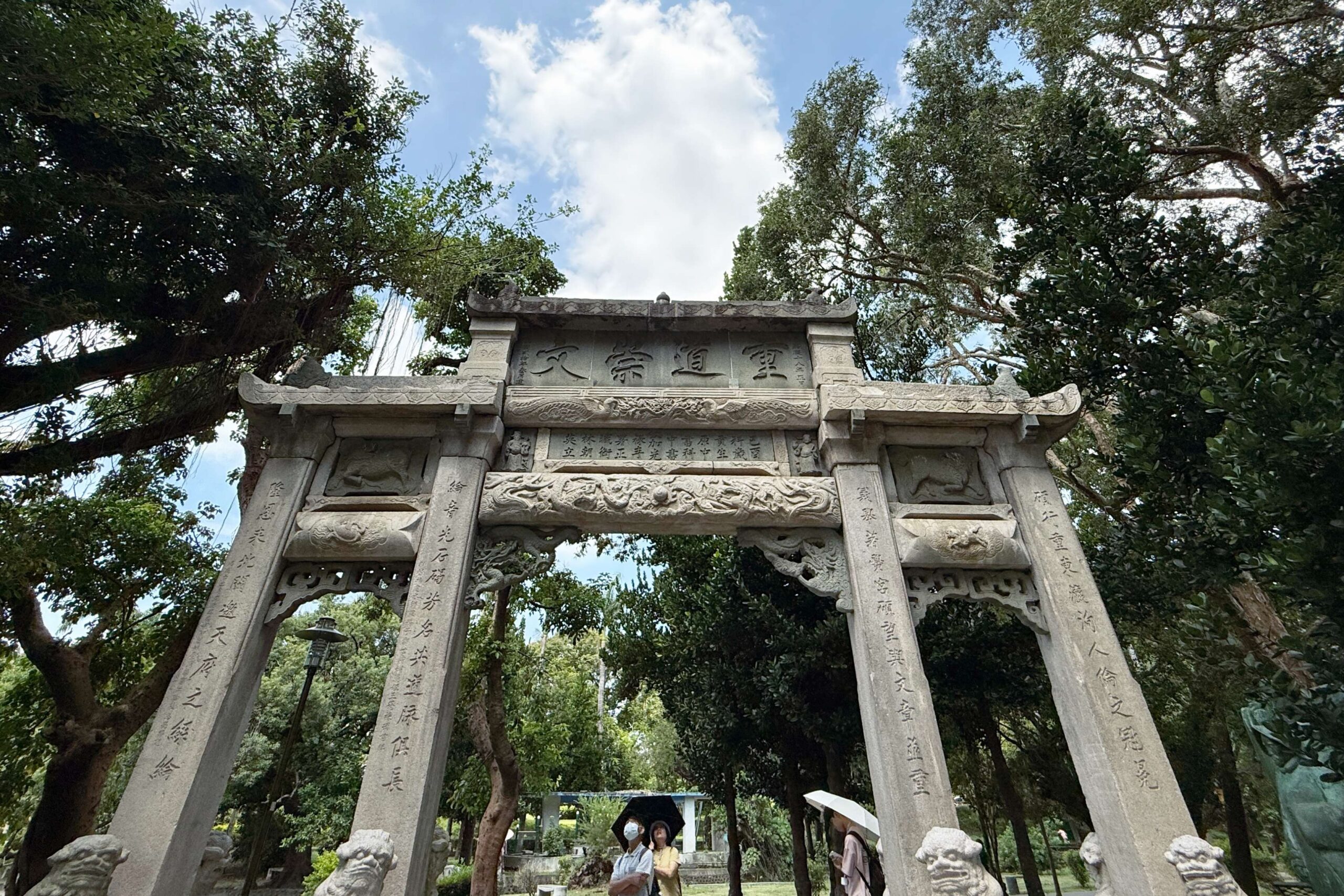
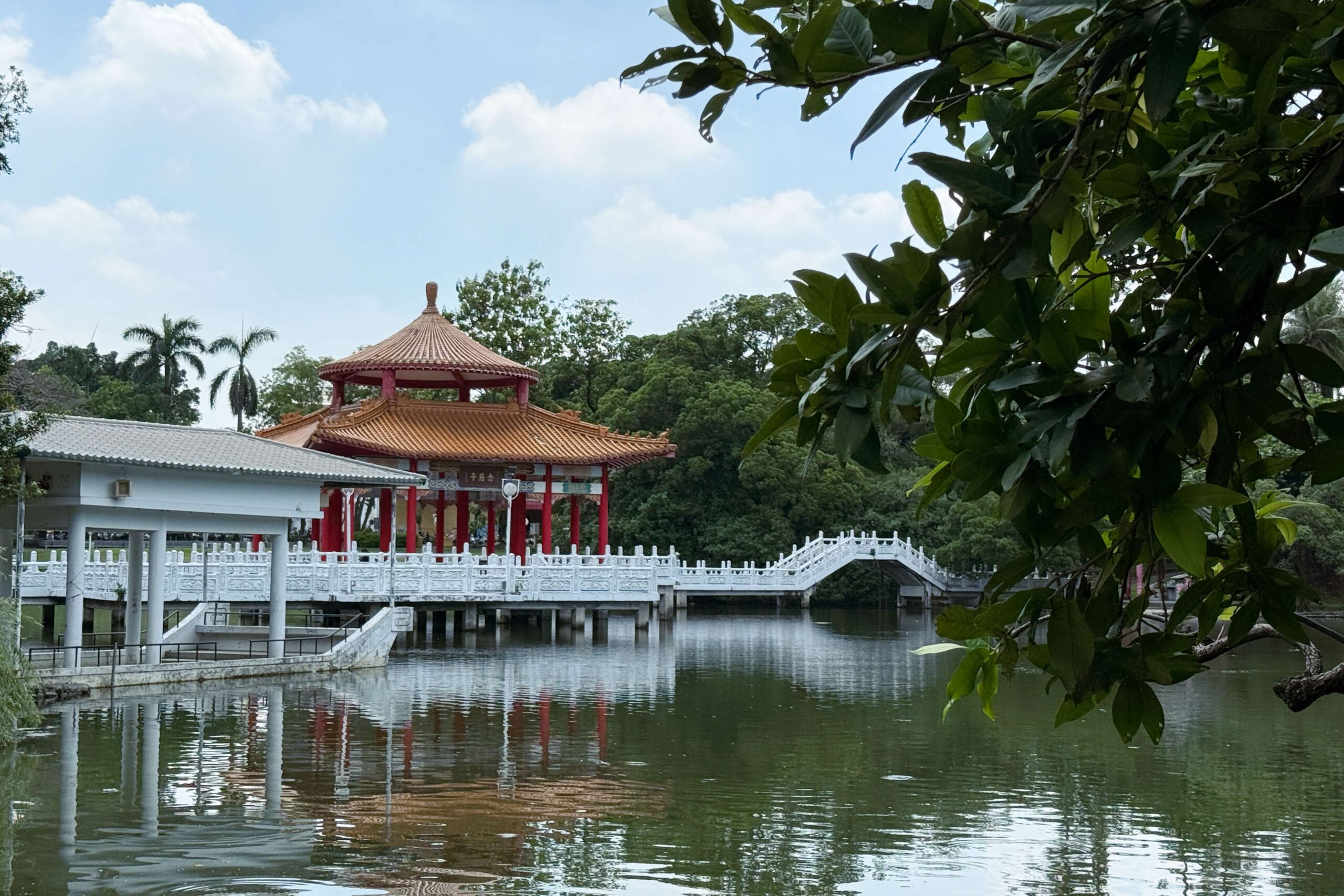
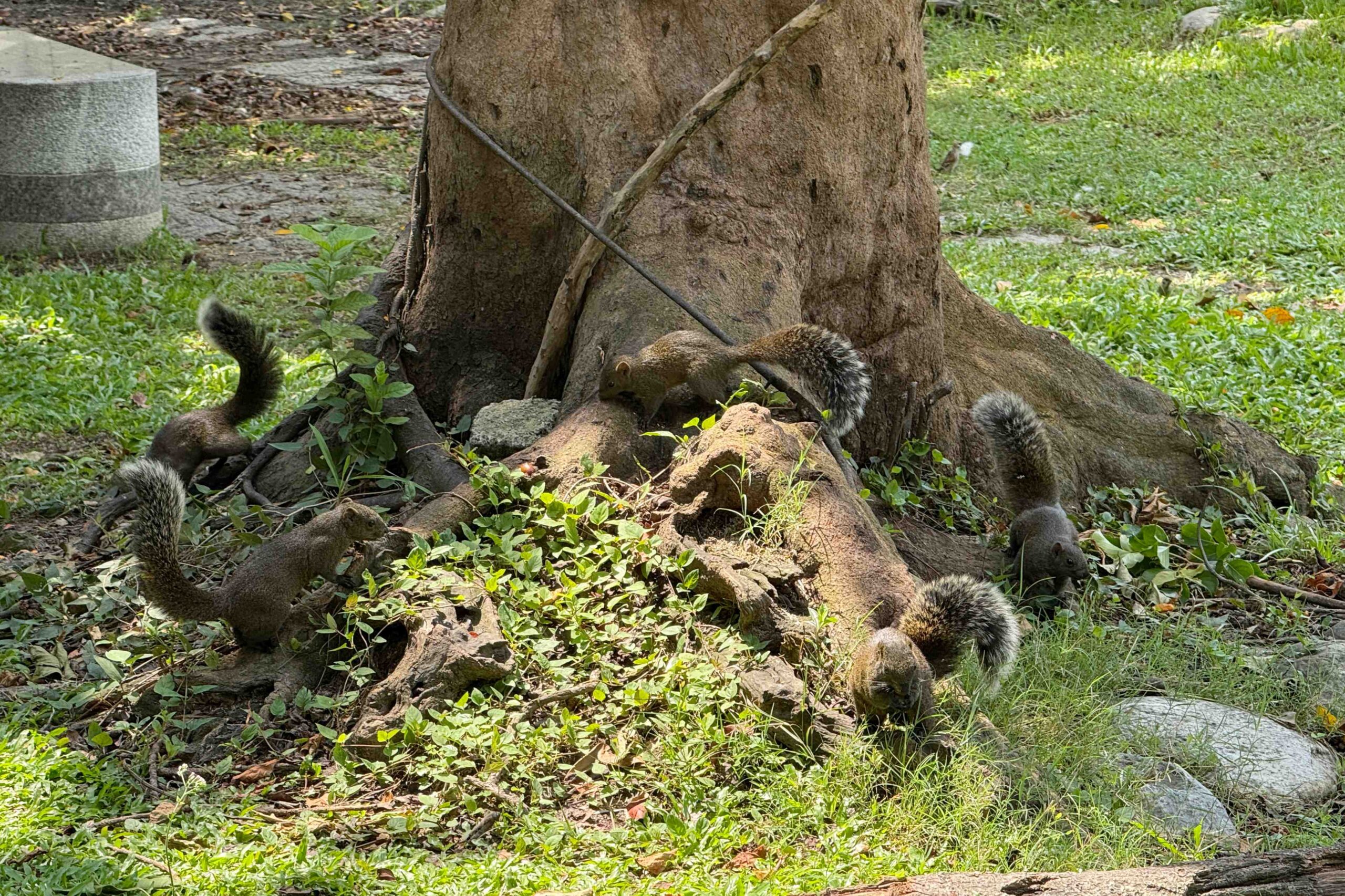
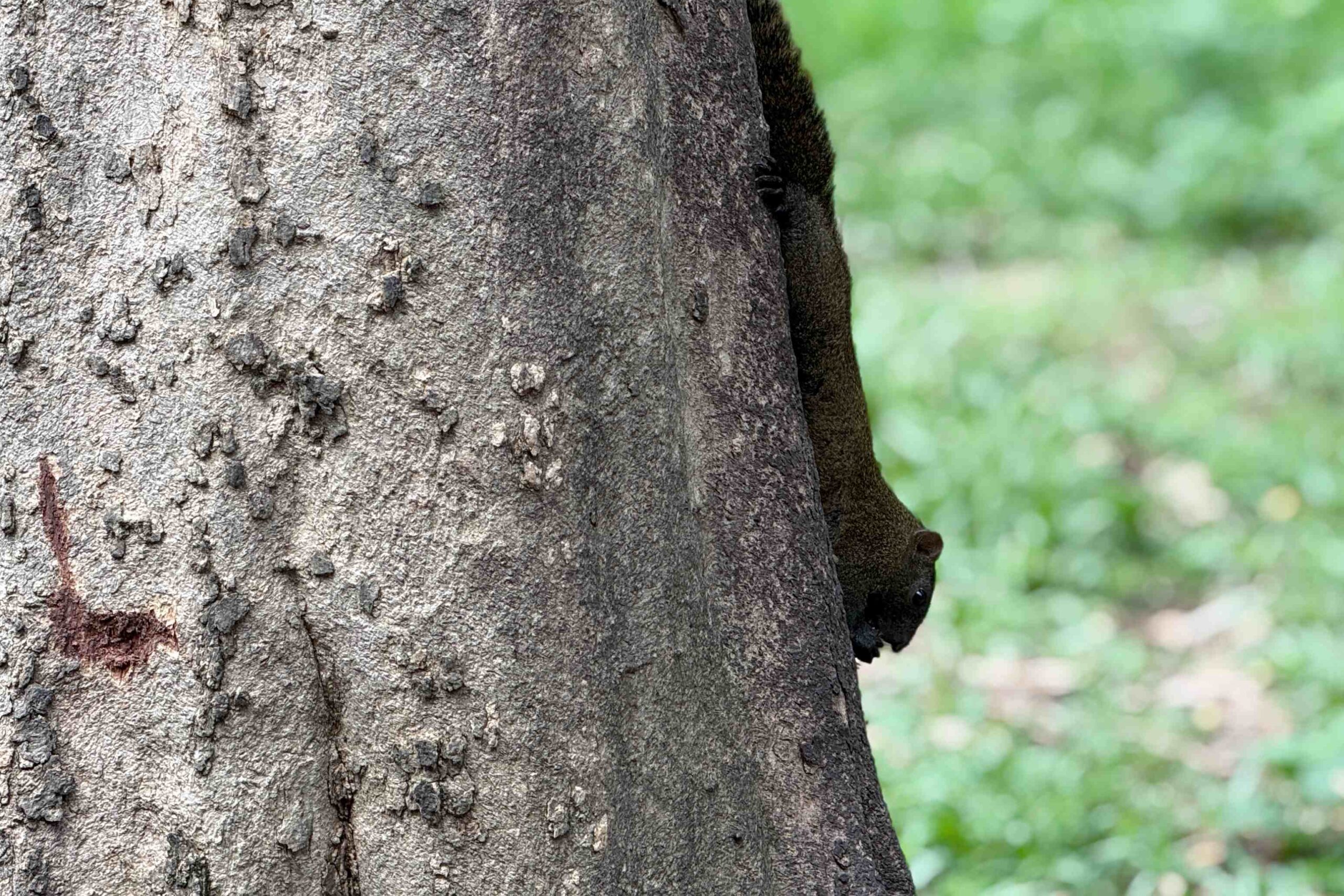
That morning, while taking a walk through the park, I noticed a brown blur moving beneath a large tree in the distance. The children nearby were bursting with excitement. As I got closer, I realized it was a group of squirrels, completely unafraid of people. There were so many of them that I almost felt as if I had wandered into their territory.
Tainan Park

No. 89, Gongyuan S. Rd., North Dist., Tainan
04|Tainan Xihua Hall
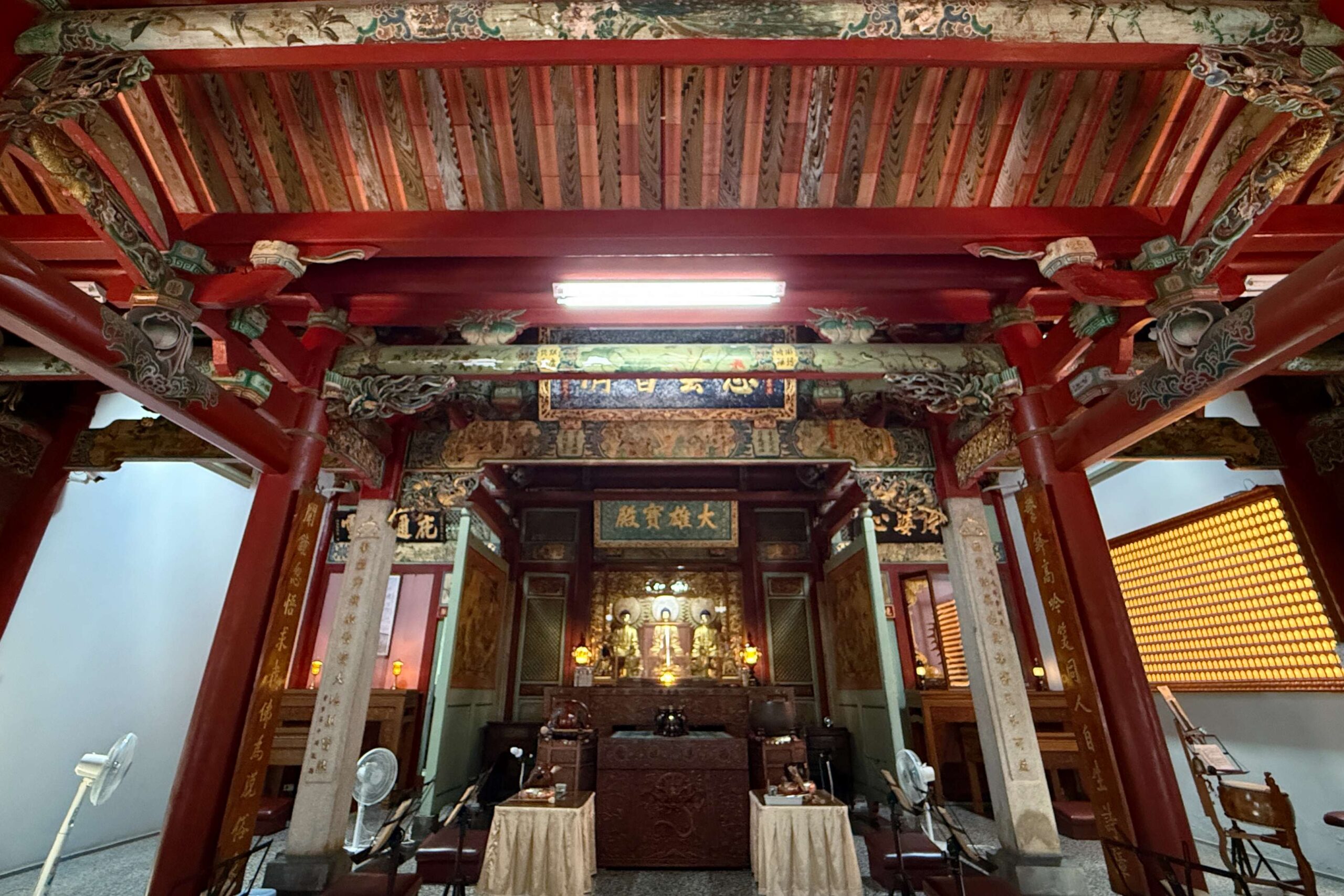
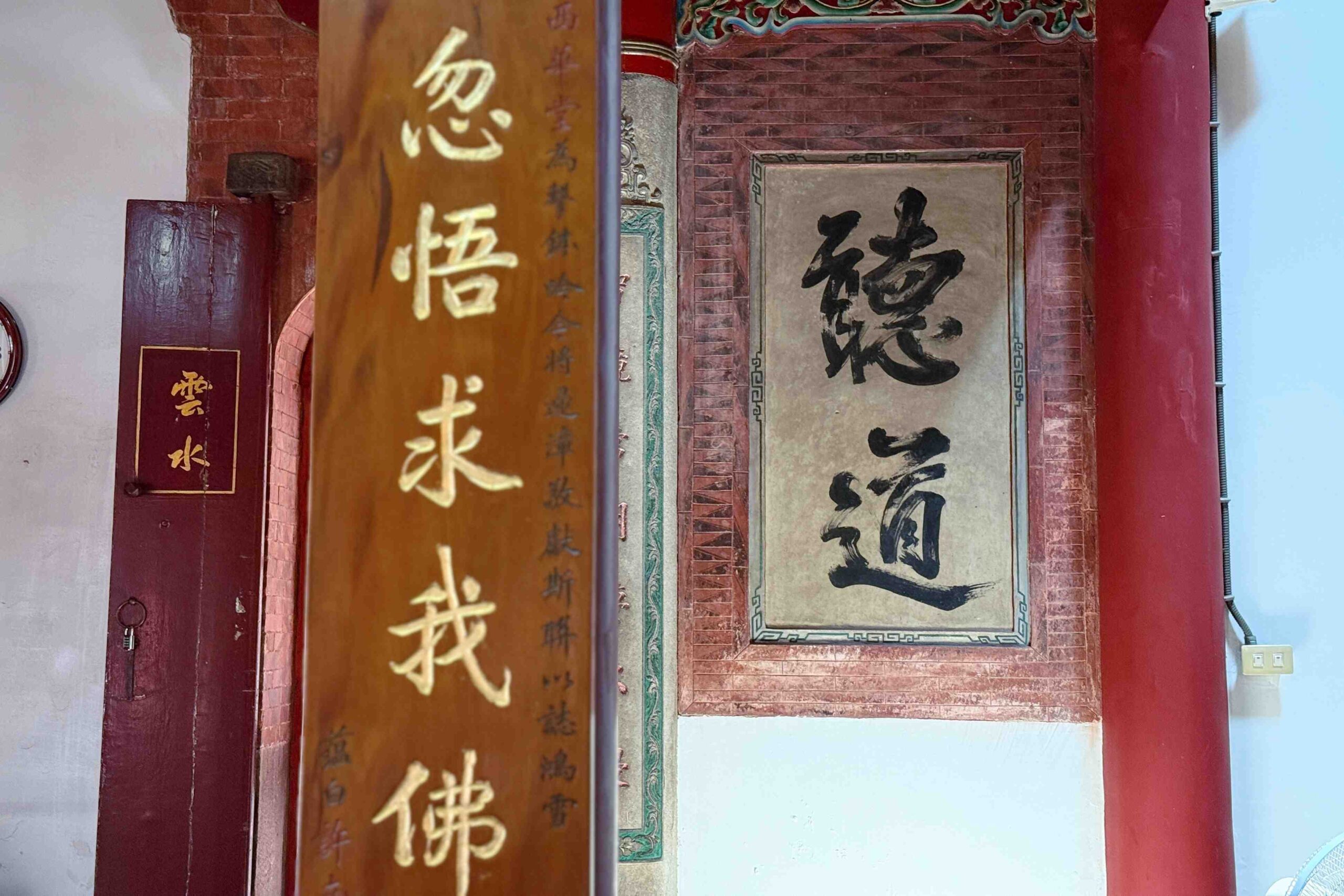
Crossing the street to Xihua Hall, a sense of quiet solemnity greets you as soon as you step through the gate. The surroundings are kept neat and orderly, reflecting an atmosphere devoted to spiritual practice. Founded in 1750, Xihua Hall is a vegetarian hall of the Jintang sect of Zhaijiao, dedicated to the Three Jewels Buddha. Even today, a number of followers continue to live and practice here.
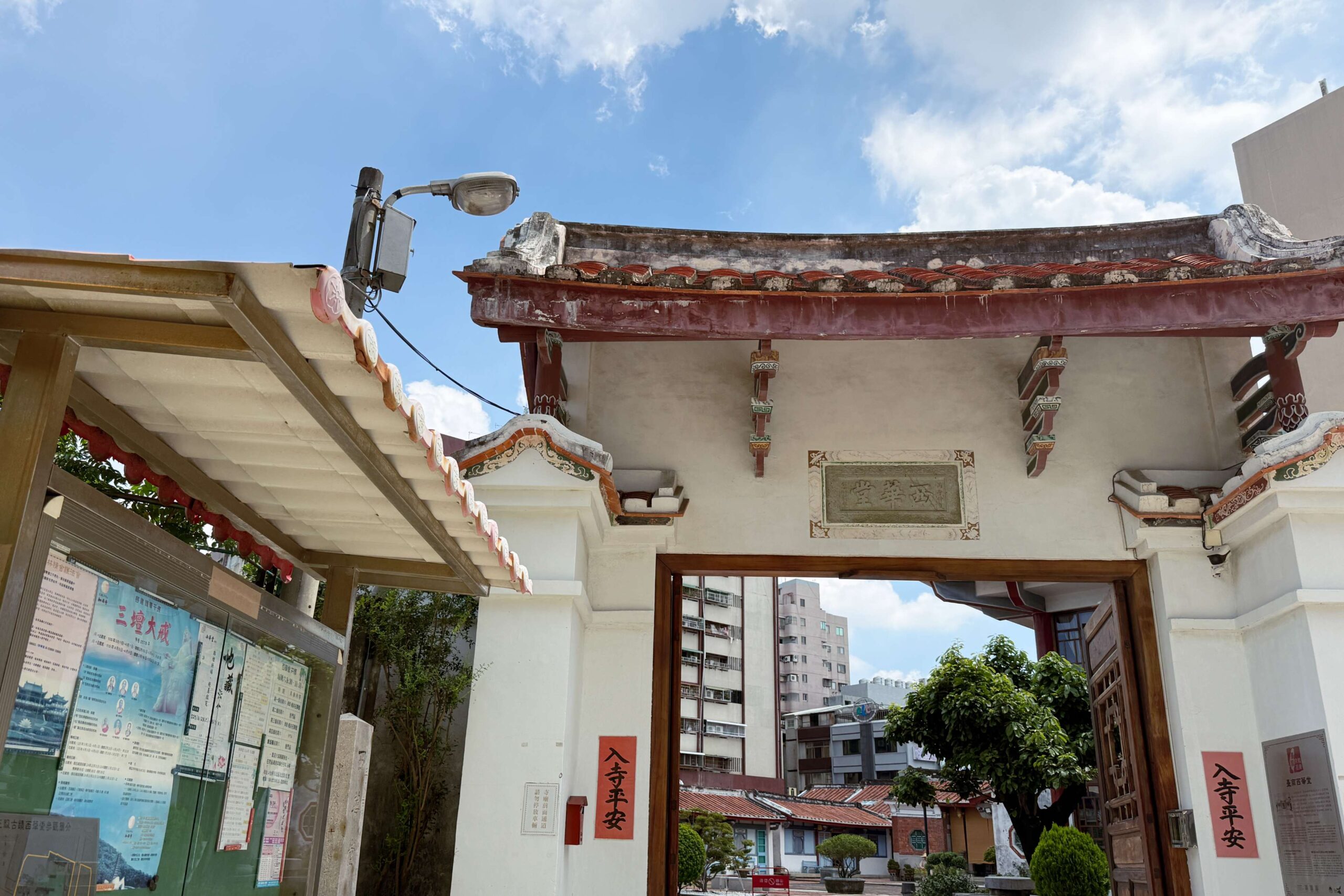
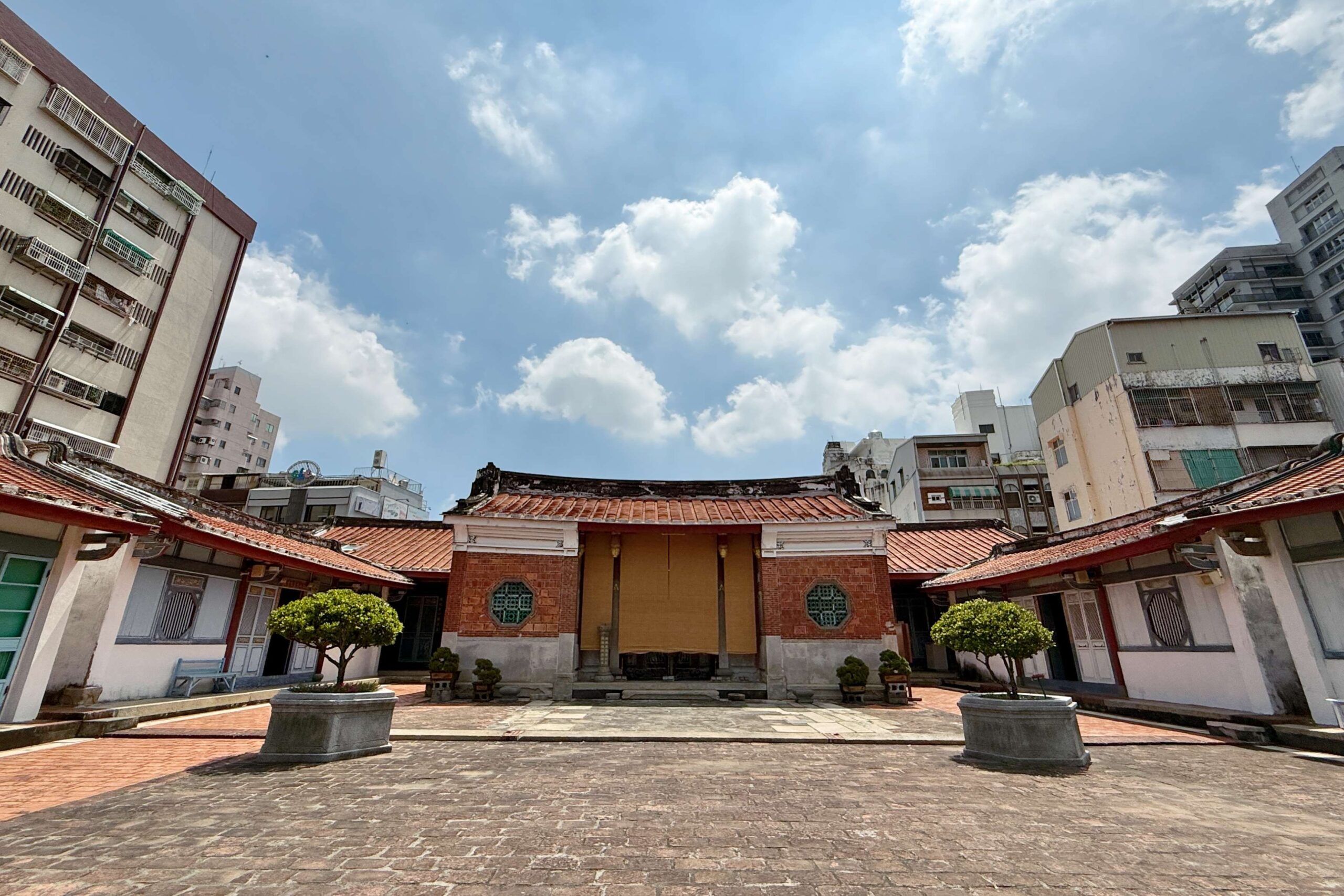
Inside the hall, the powerful calligraphy on the walls reading “Purify the Mind” and “Listen to the Way” naturally slowed my pace, and my thoughts seemed to settle into calm as well.
Tainan Xihua Hall

Opening Hours: 0800-1700
No. 92, Beizhong St., North Dist., Tainan
05|Black Ghost Well
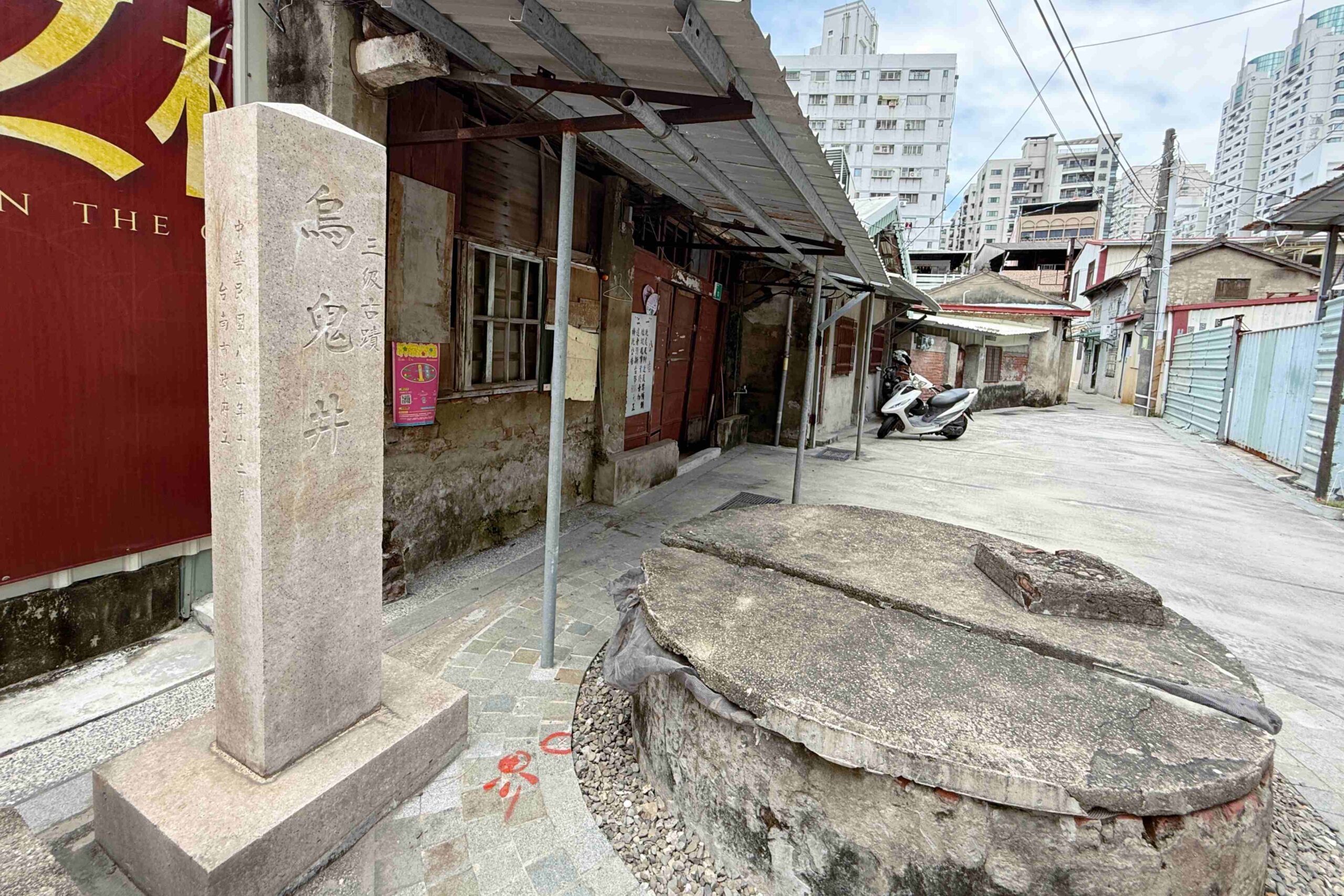
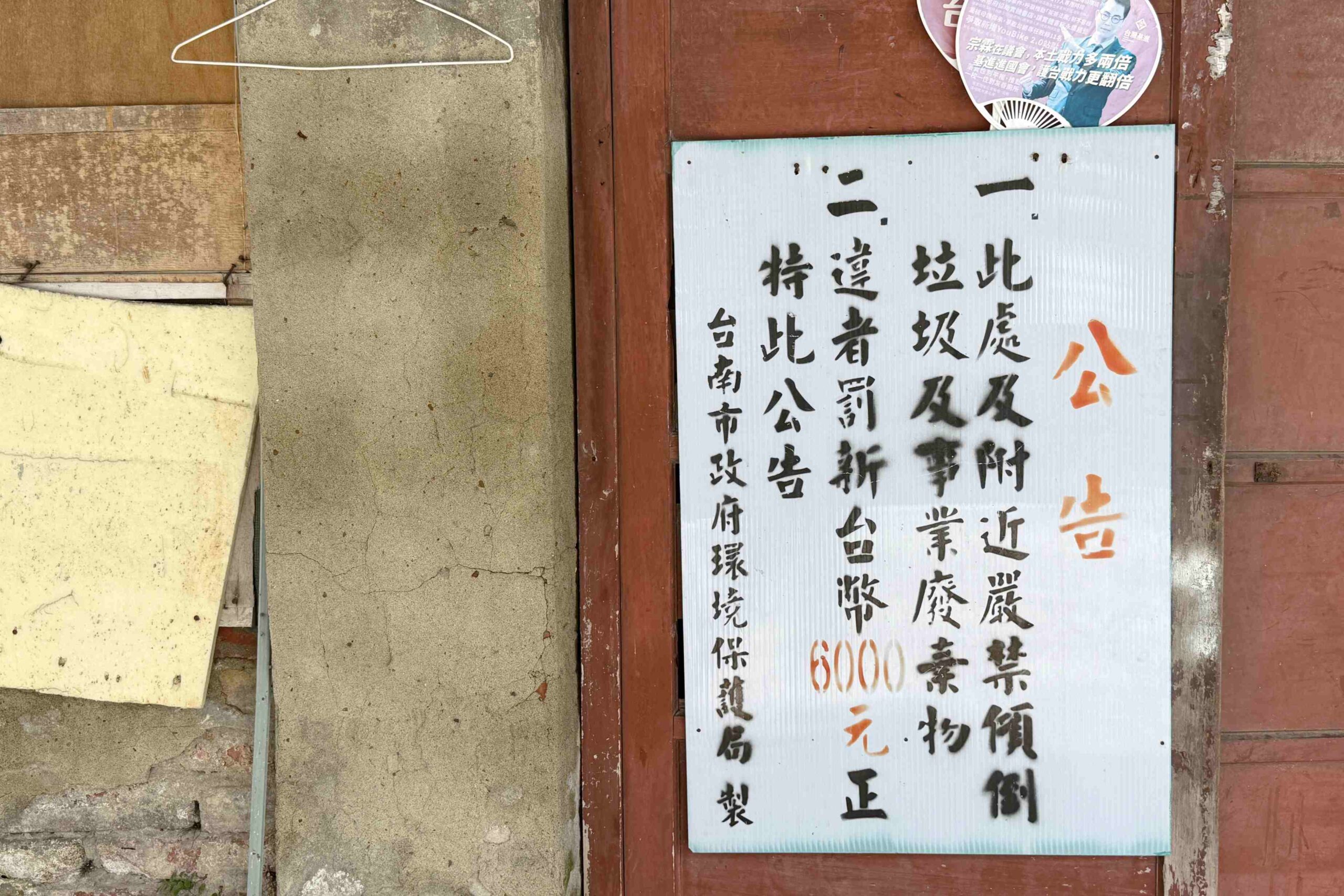
On Ziqiang Street in the Zhenbei Ward Cultural Park stands an old well known as “Black Ghost Well.” Dug in 1653, the well still contains water today and once served as a source of drinking water for nearby residents. How did this somewhat intimidating name come about? At the time, the Dutch of the East India Company brought African slaves to dig the well. As people in Taiwan had rarely seen Africans with dark skin, they referred to them as “Black Ghost,” a term that later became the name of the well. Today, Black Ghost Well has been sealed off, and a sign beside it strictly forbids dumping trash. This may well be the reason the well is now closed.
Black Ghost Well

No. 10, Ln. 146, Ziqiang St., North Dist., Tainan
06|321 Arts Village
The history of Alley 321 can be traced back to the Qing dynasty, when this area fell within the grounds of the Commander-in-Chief’s office. During the Japanese colonial period, a number of wooden official residences were built here to house Japanese military officers. After the war, these buildings were converted into faculty dormitories for the Taiwan Provincial College of Engineering (now National Cheng Kung University). The well-known artist Kuo Po-chuan also once lived here.
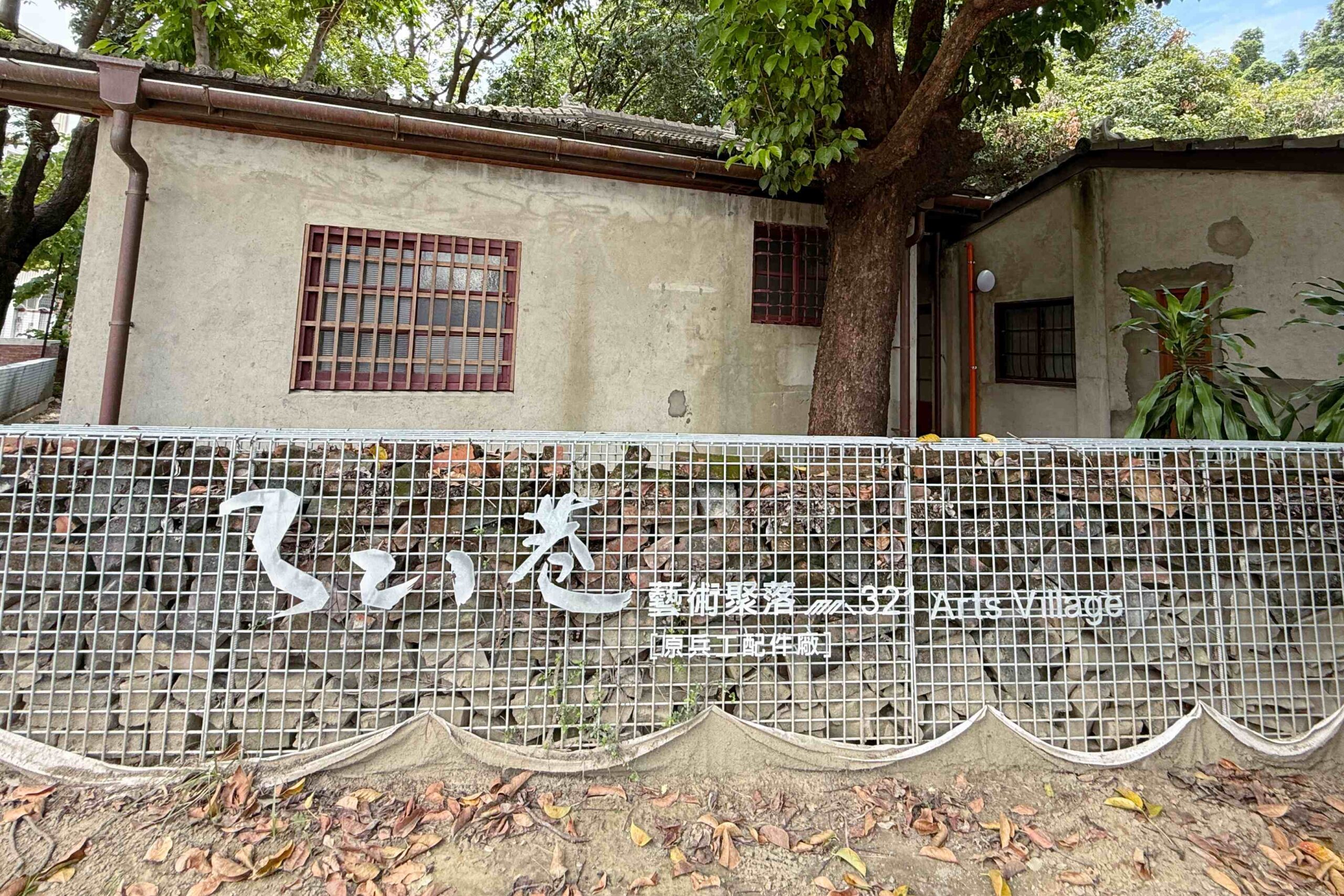
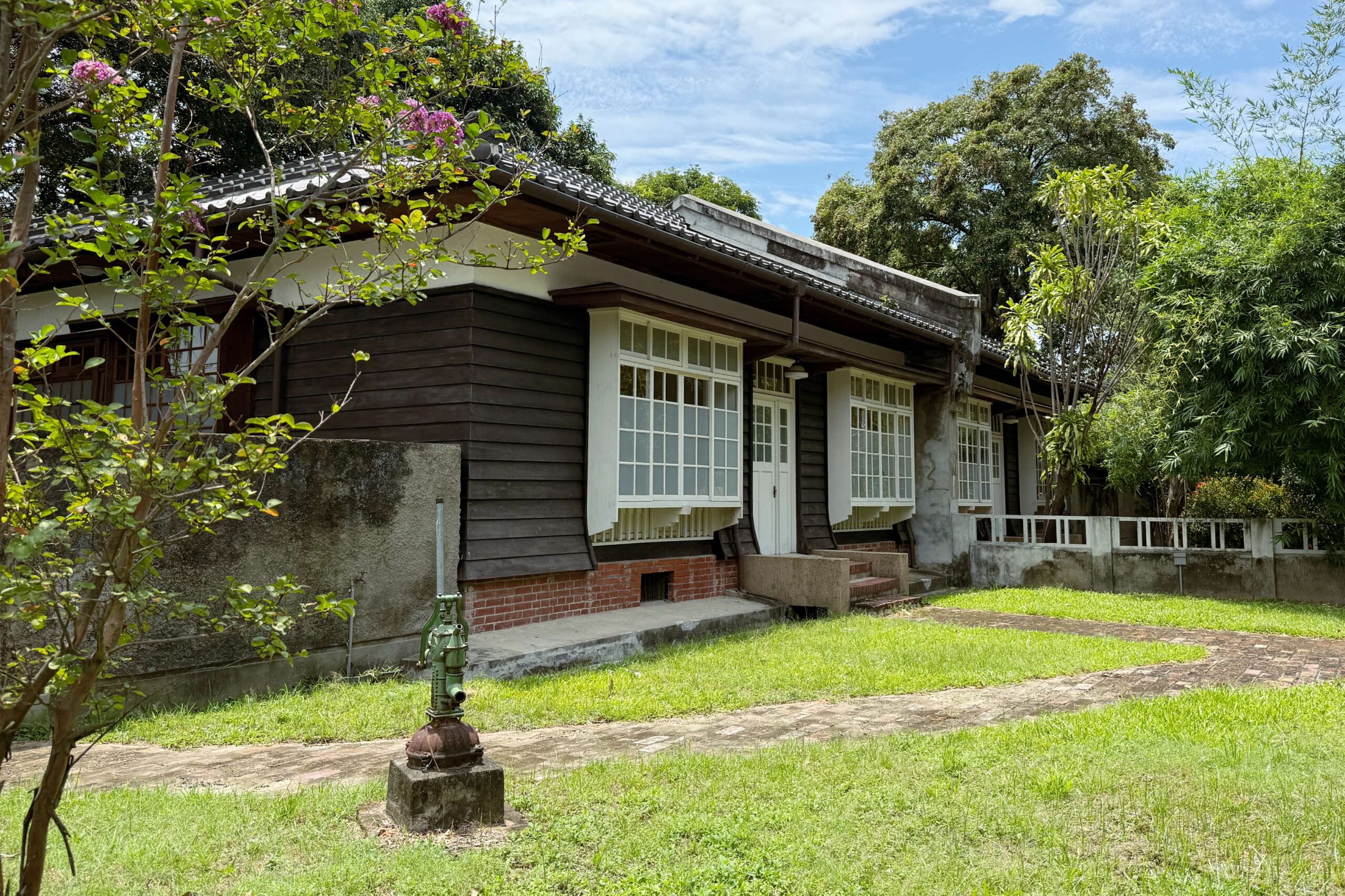
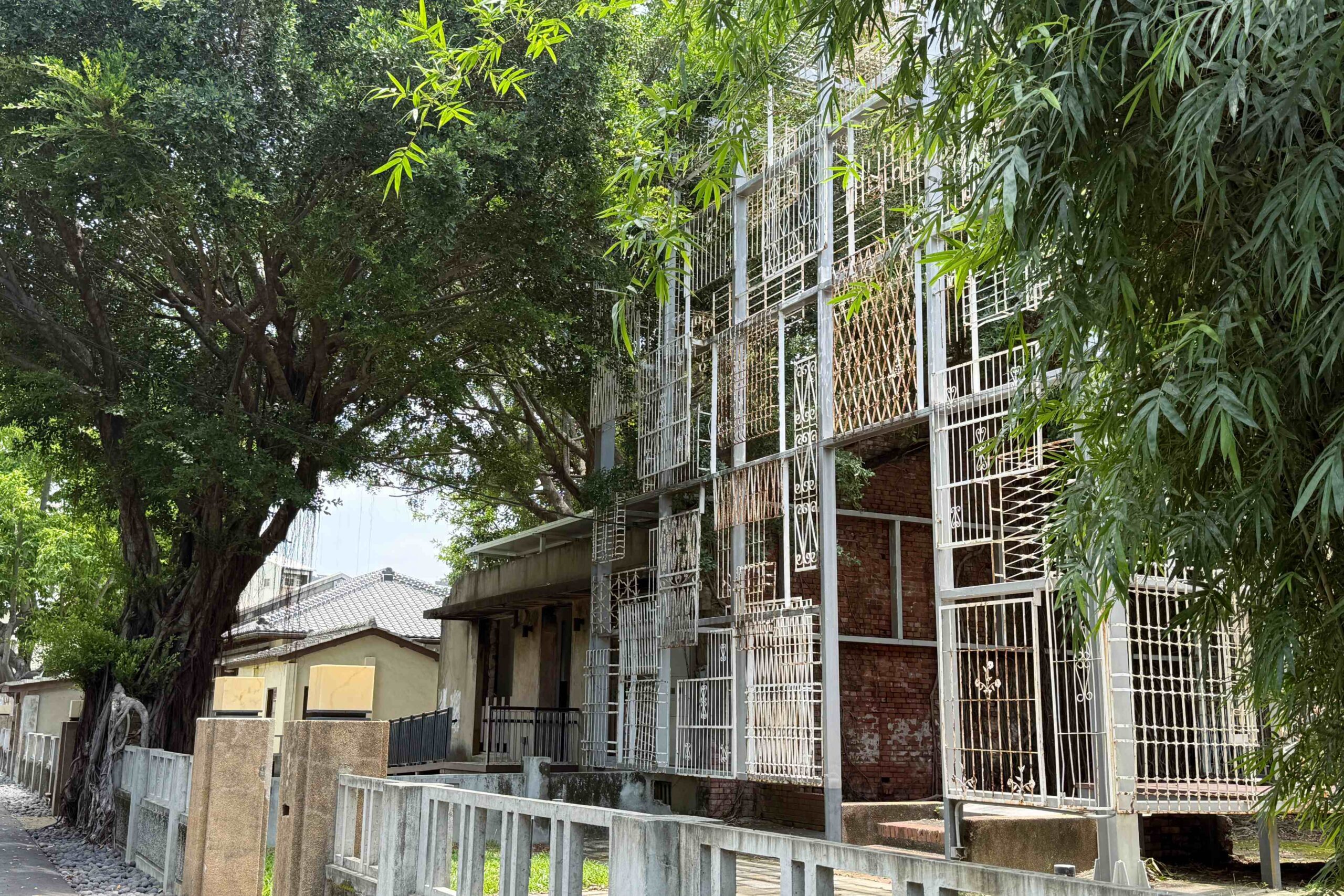
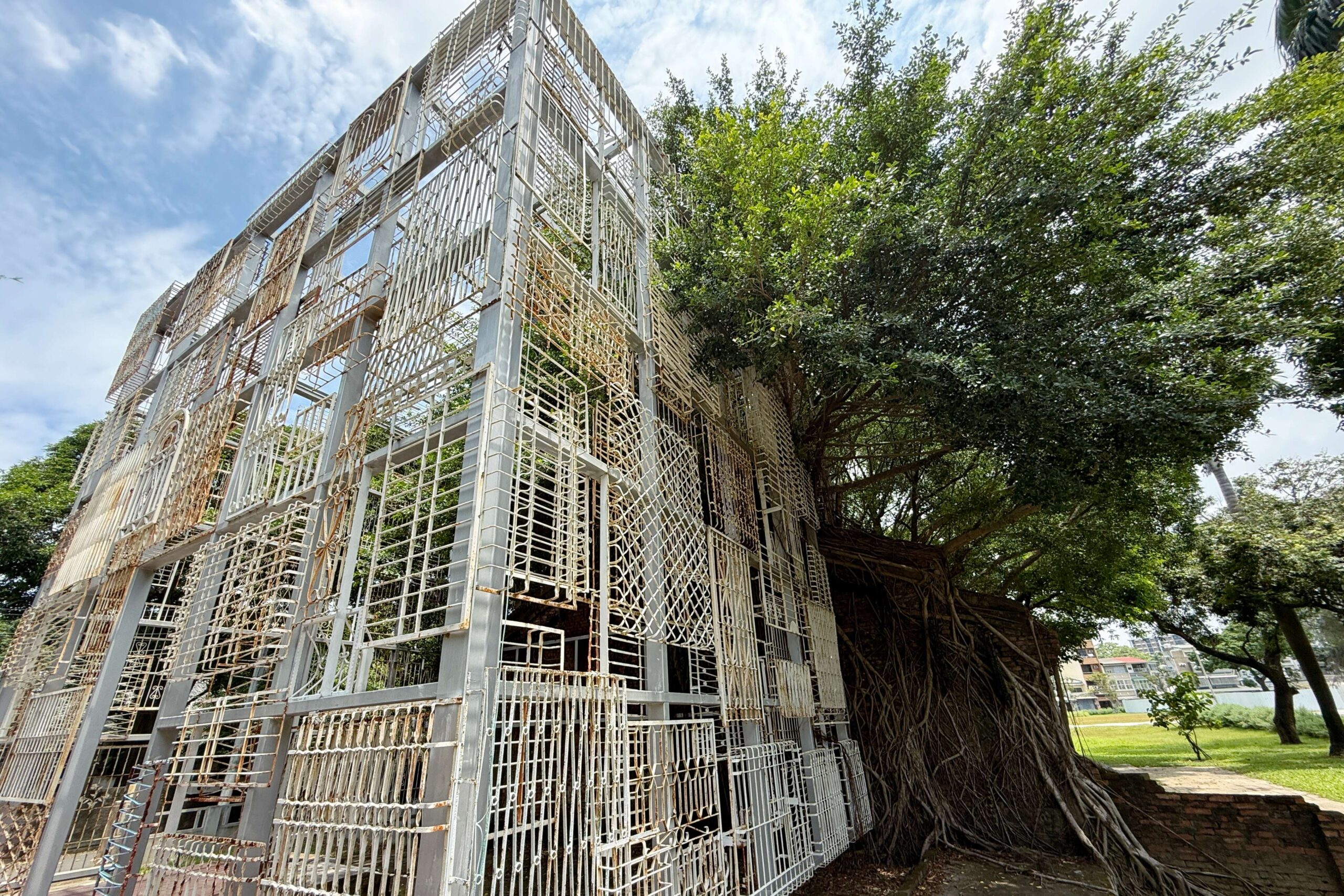
In 2013, these buildings, rich with historical memory, were revitalized and reimagined as an art village, attracting many arts and cultural groups and becoming a new space for creative work. When I visited, renovation work was underway and only a few houses were open. Still, the exposed lattice-like metal frameworks of the structures left a particularly strong impression on me.
321 Arts Village

Opening Hours: 1200-1600, closed on weekends.
Ln. 321, Gongyuan Rd., North Dist., Tainan
◦ Restaurants and Snacks in Tainan North District
01|Chen’s Shantou Yi-noodles
Last year, Chen Family Shantou Yi Noodles earned a place in 500 Bowls. A friend of mine who lives in Tainan described it as “the ceiling of yi noodles.” Any establishment that has preserved its flavor for over 70 years in Tainan is surely worth a visit.
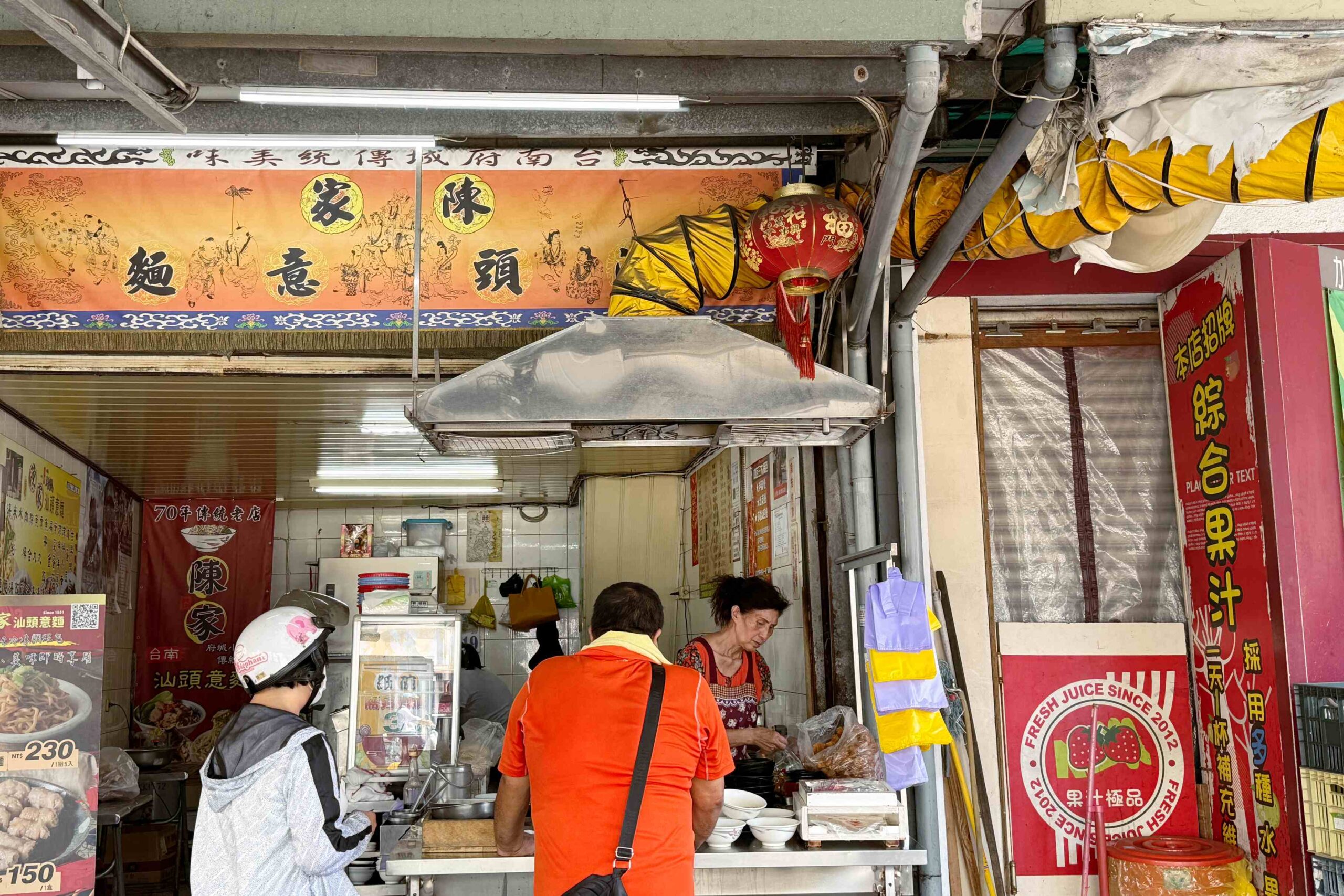
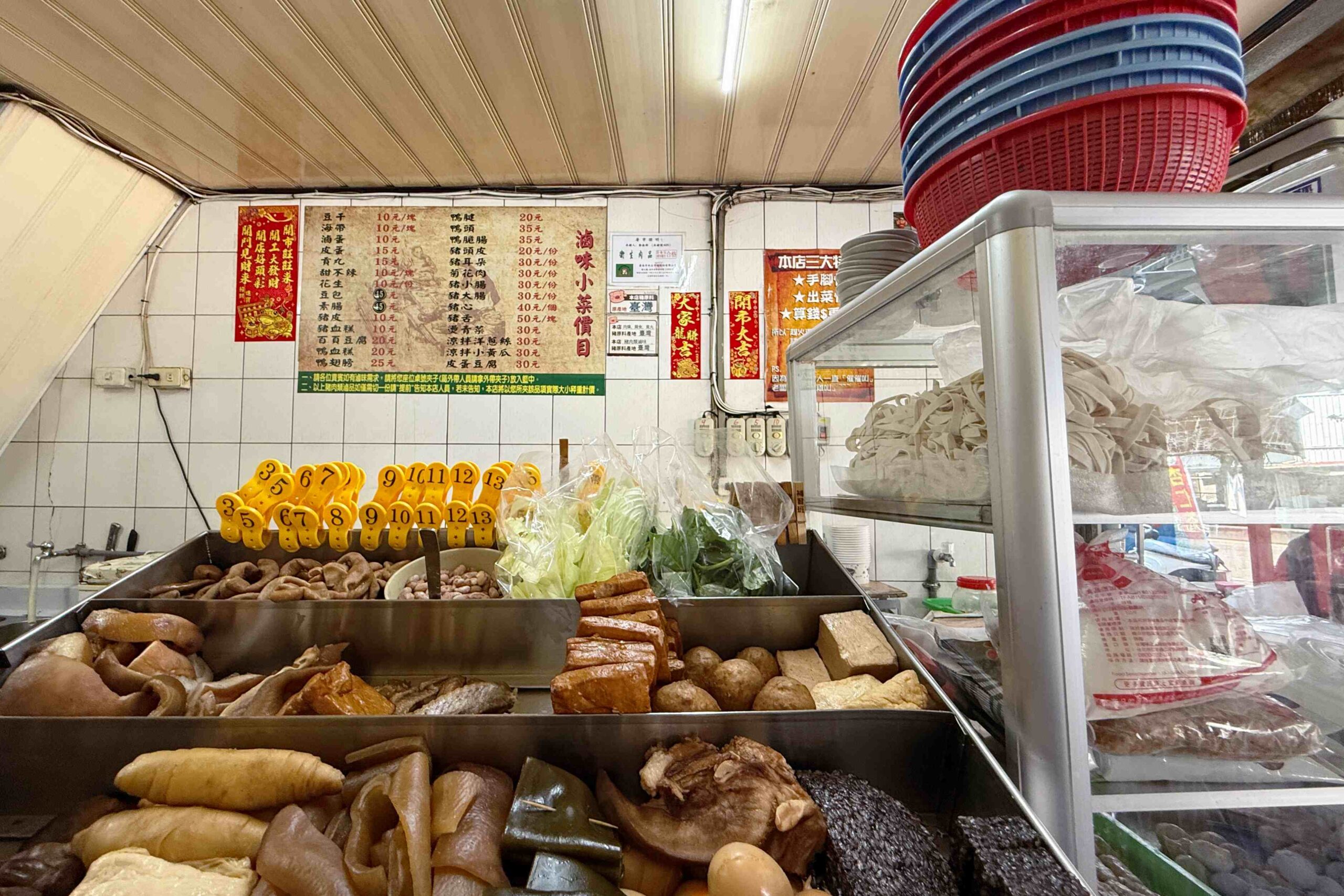
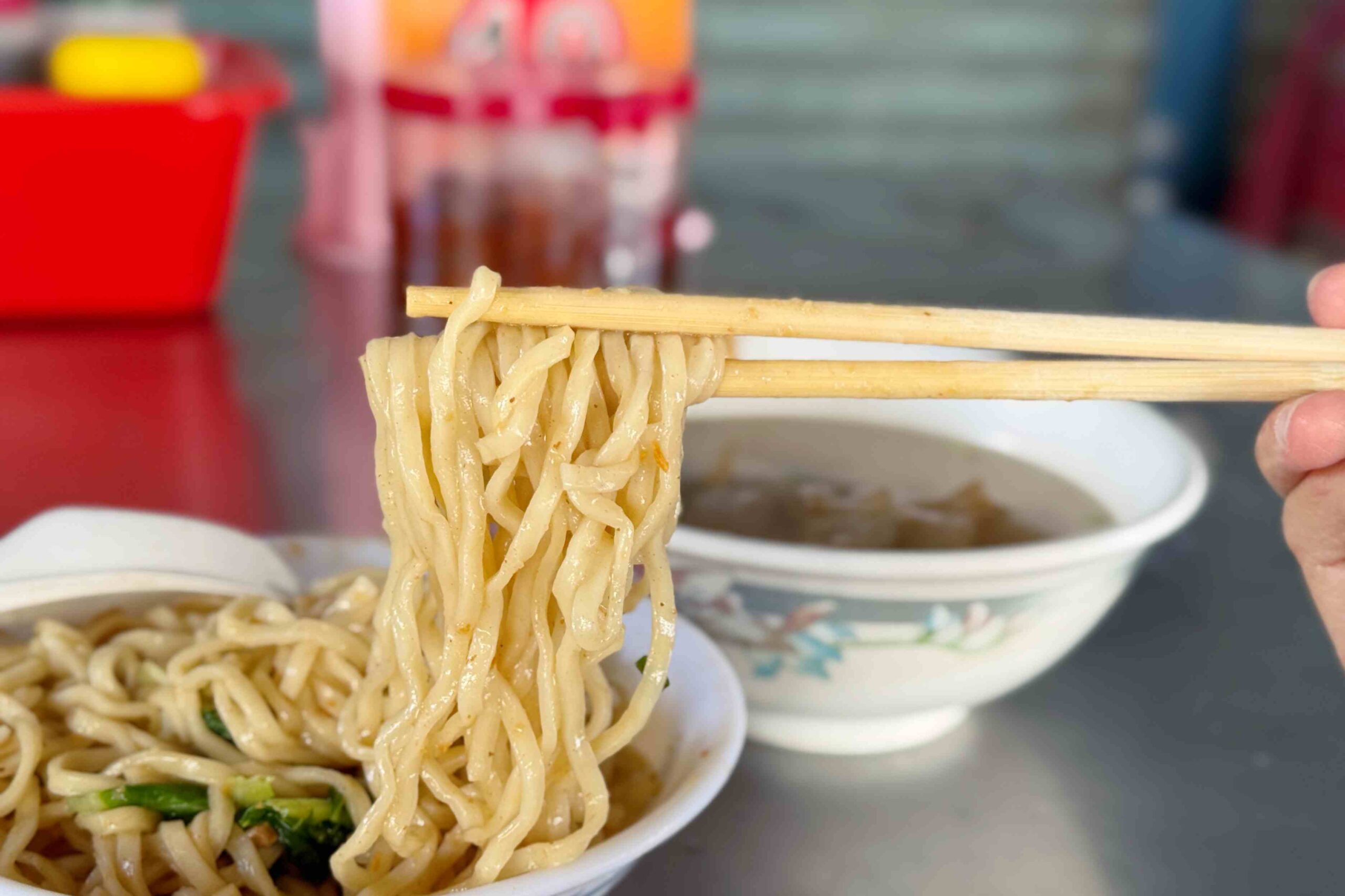
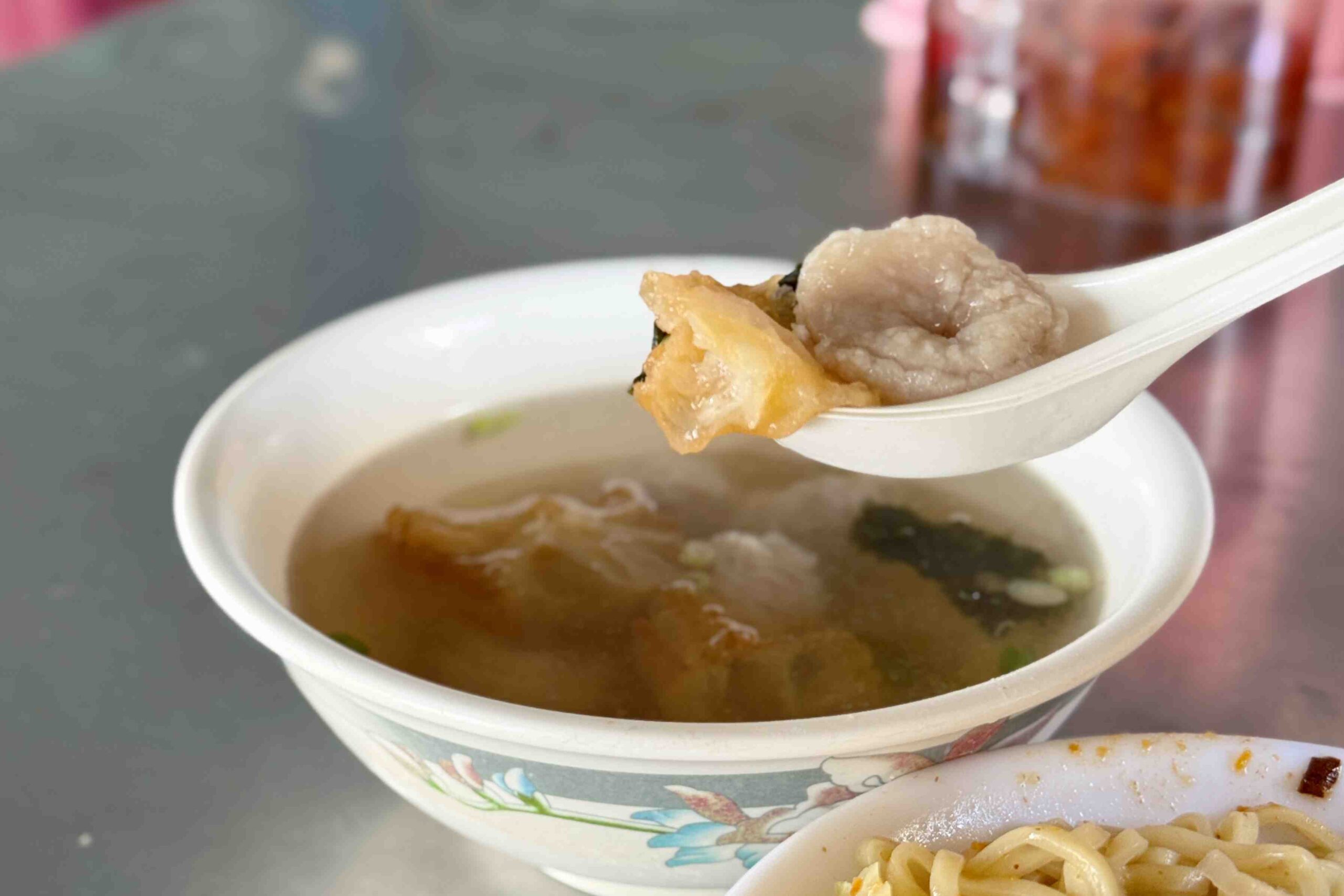
The signature dry noodles are almost a must at every table. The noodles are Shantou-style yi noodles with a pleasantly springy texture, tossed in a fragrant minced pork sauce made with lard and shacha sauce—rich, aromatic, and deeply flavorful. I’m also fond of the fish roll dumpling soup. Fish rolls are a local Tainan hot pot ingredient, with an outer layer made from fish paste and a filling often containing mushrooms or celery. The combination of textures adds depth, and it gives the broth a light, fresh sweetness.
Chen’s Shantou Yi-noodles

Opening Hours: 0730-1430, close on Sunday.
No. 6, Gongyuan S. Rd., North Dist., Tainan
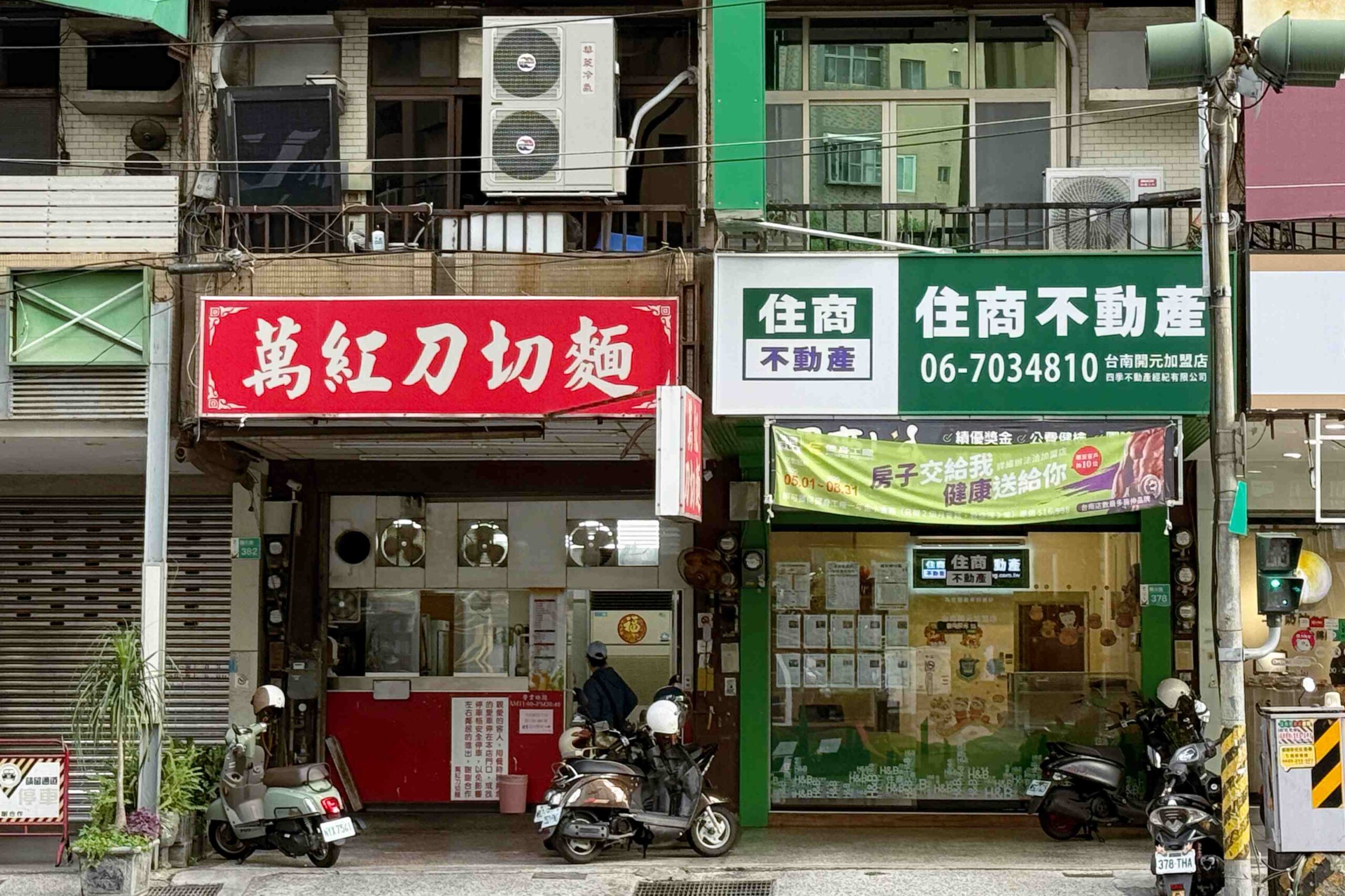
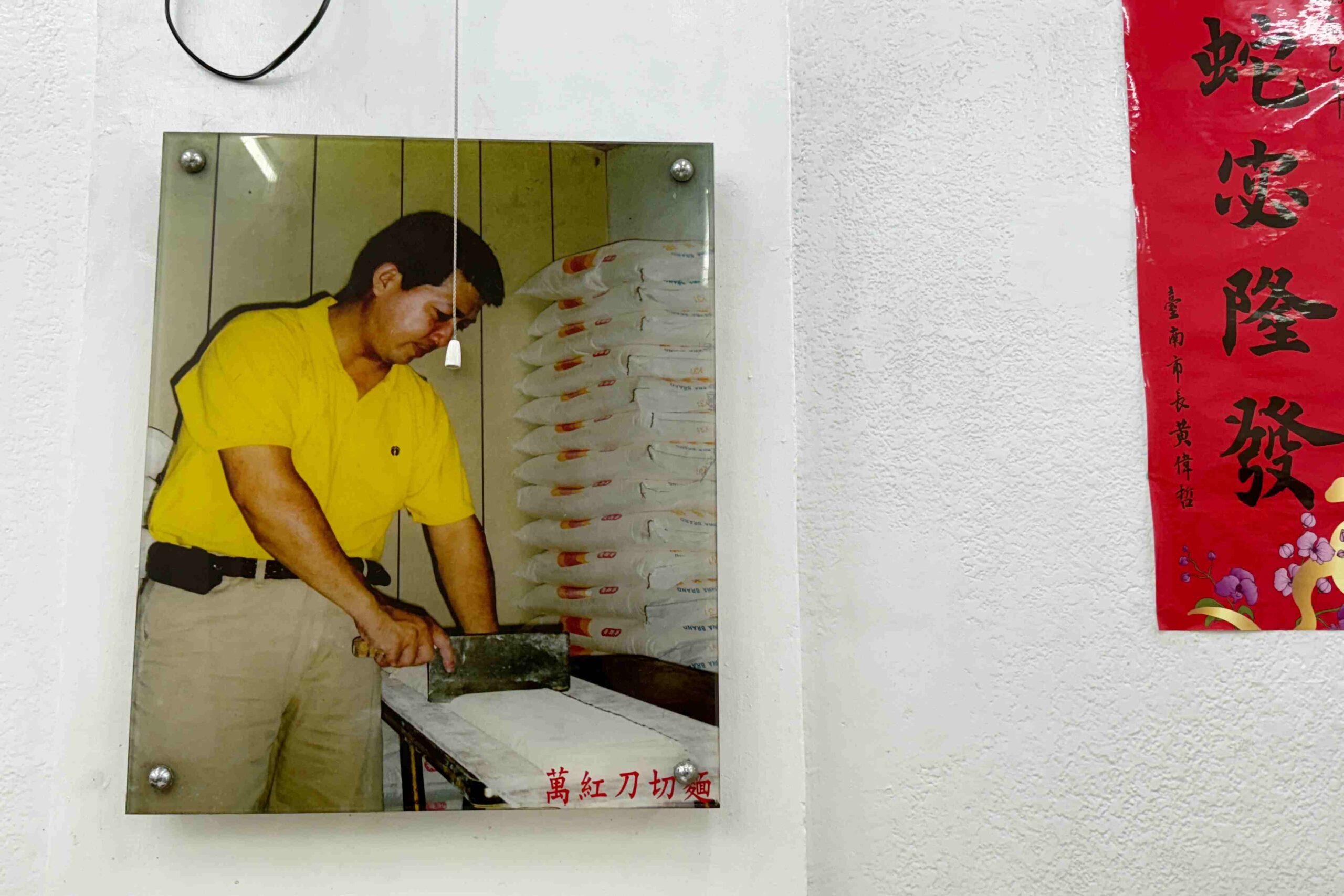
02|Wan Hong Sliced Noodles
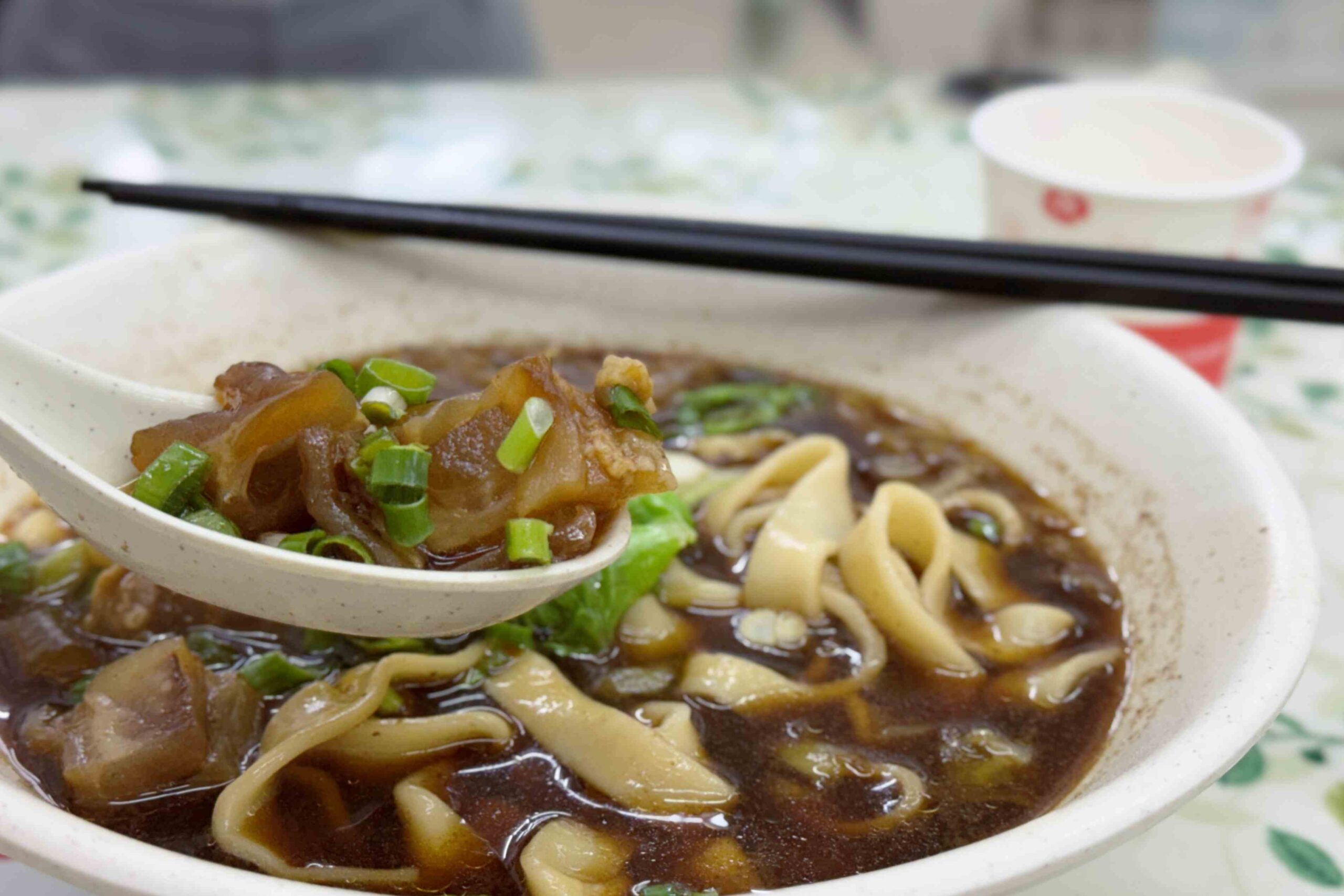
I really enjoy thick, chewy hand-sliced noodles, and Wan Hong’s noodles hit the mark perfectly. This time, I ordered the sliced beef tendon noodles. The noodles were fragrant, springy, and elastic, while the beef tendon was rich in collagen. The braised broth was flavorful and robust without being overly salty, giving the dish a wonderfully layered taste.
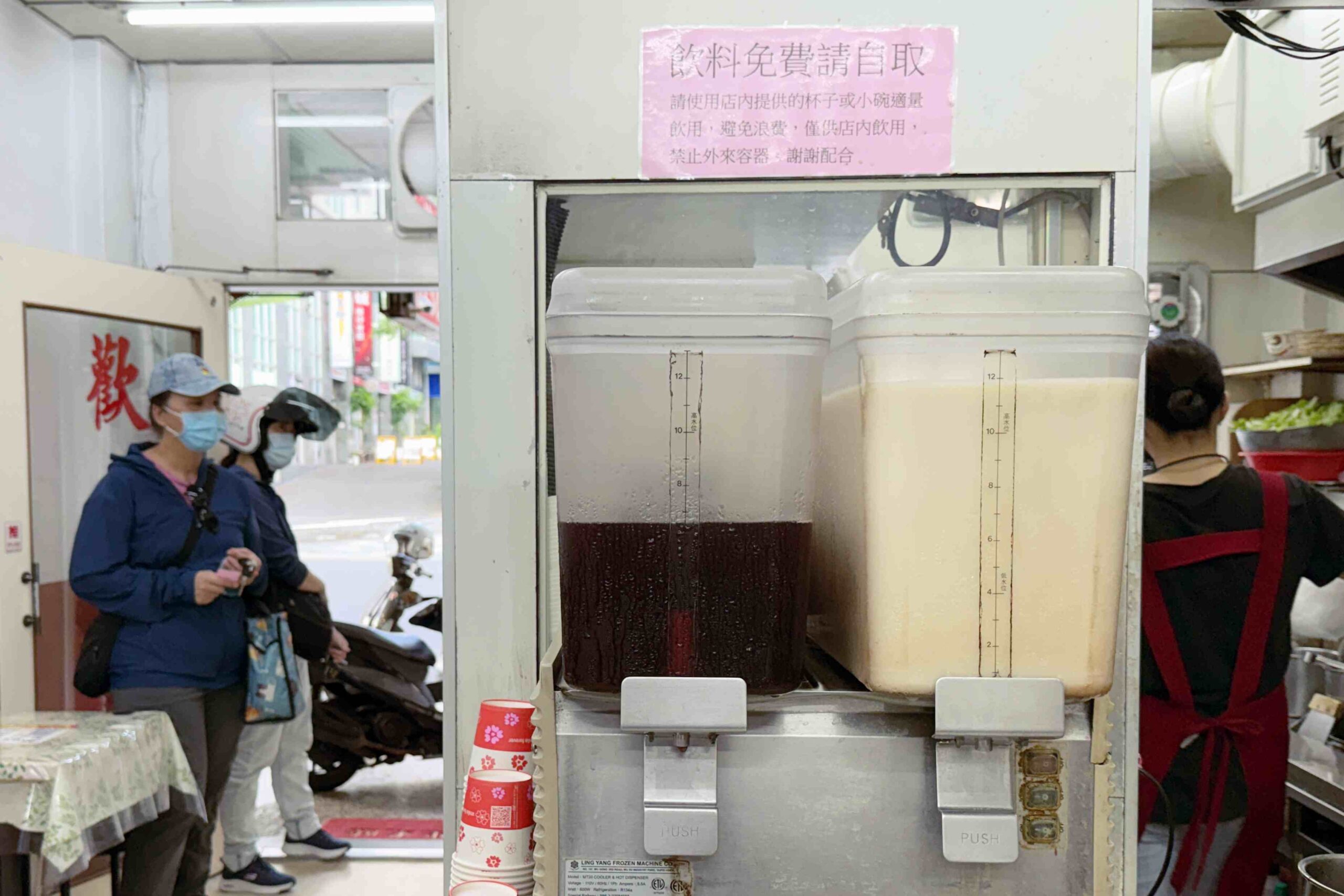
The restaurant generously offers unlimited roselle tea and soy milk. The slightly sweet roselle tea balances the rich, hearty broth, making each bite of noodles feel refreshingly light.
Wan Hong Sliced Noodles

Opening Hours: 1100-2040, closed on Monday.
No. 380, Kaiyuan Rd., North Dist., Tainan
03|Fruit Party
Across from Tainan Park are three ice dessert shops, and I went to the one my friend recommended—the rightmost one, Fruit Party. Despite its colorful and playful exterior, this shop has actually been around for 60 years.
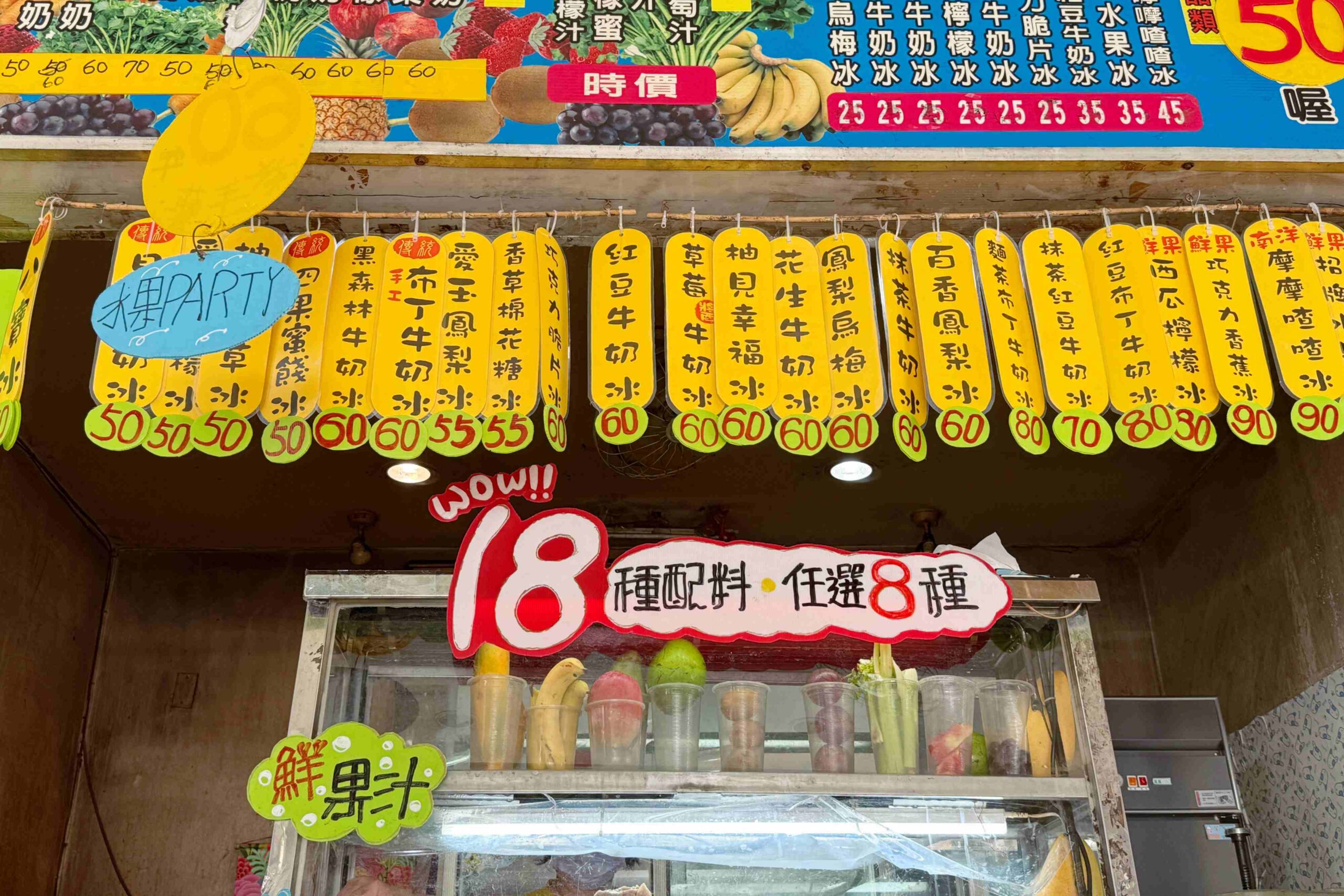
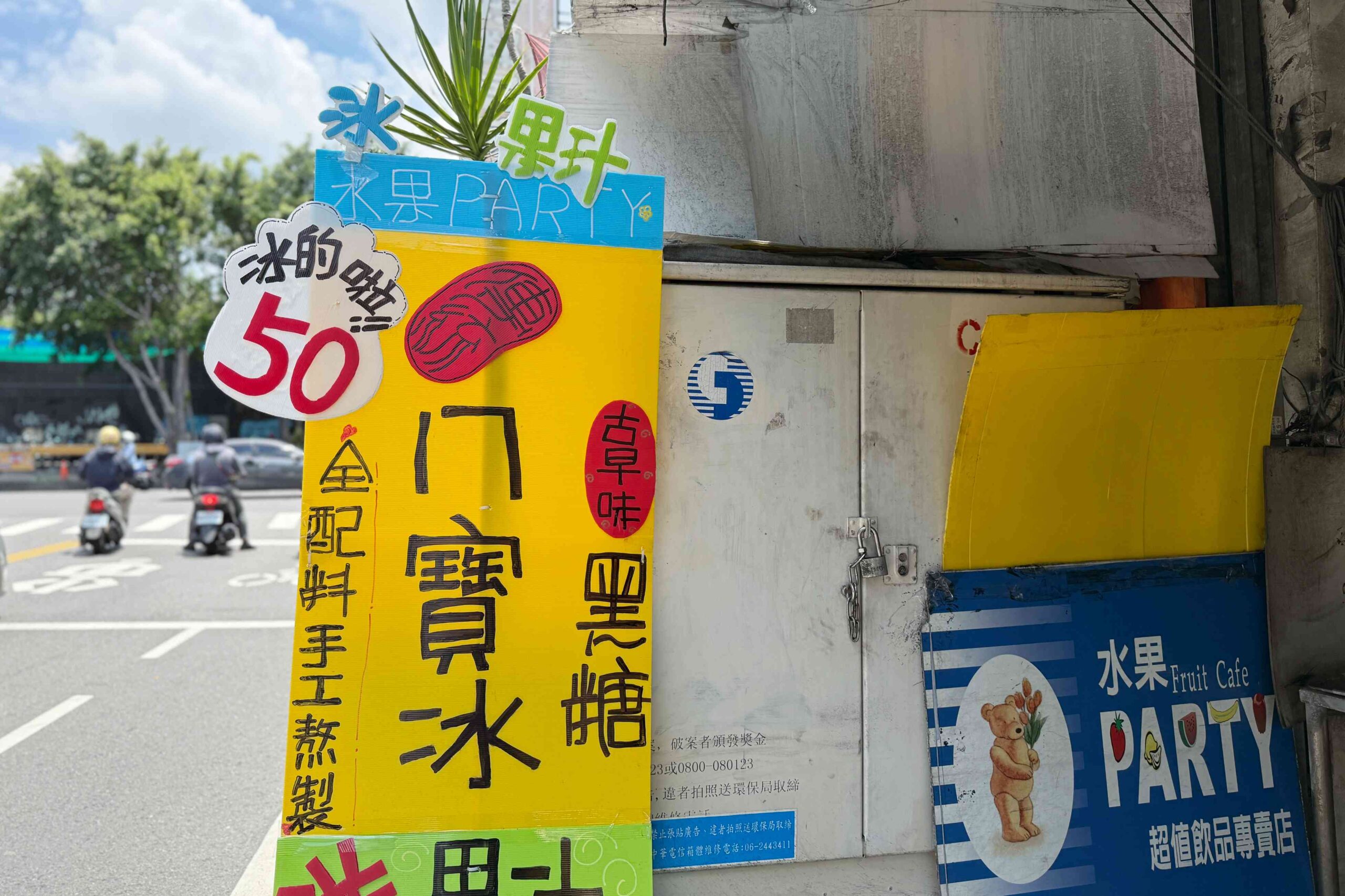
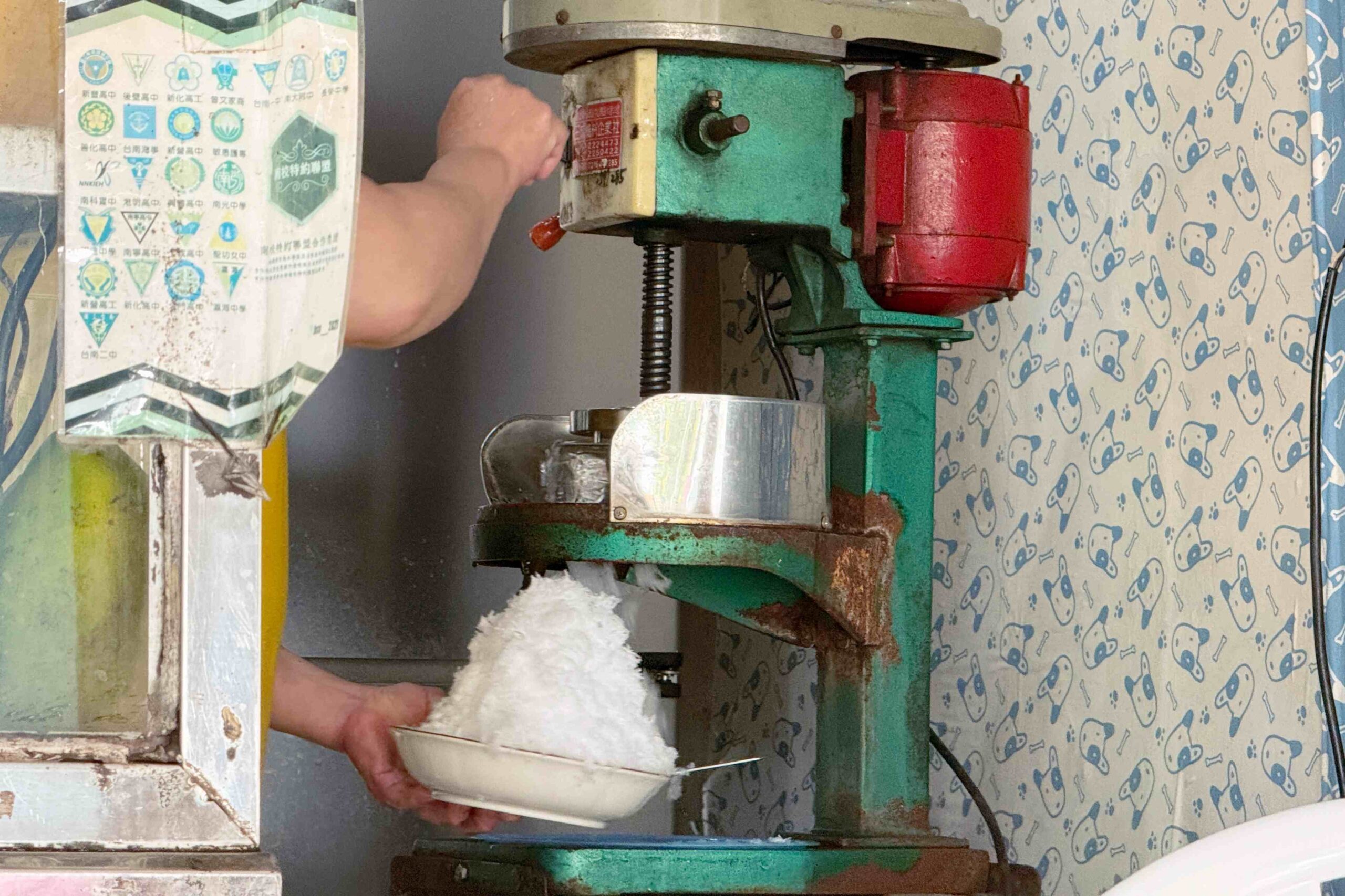
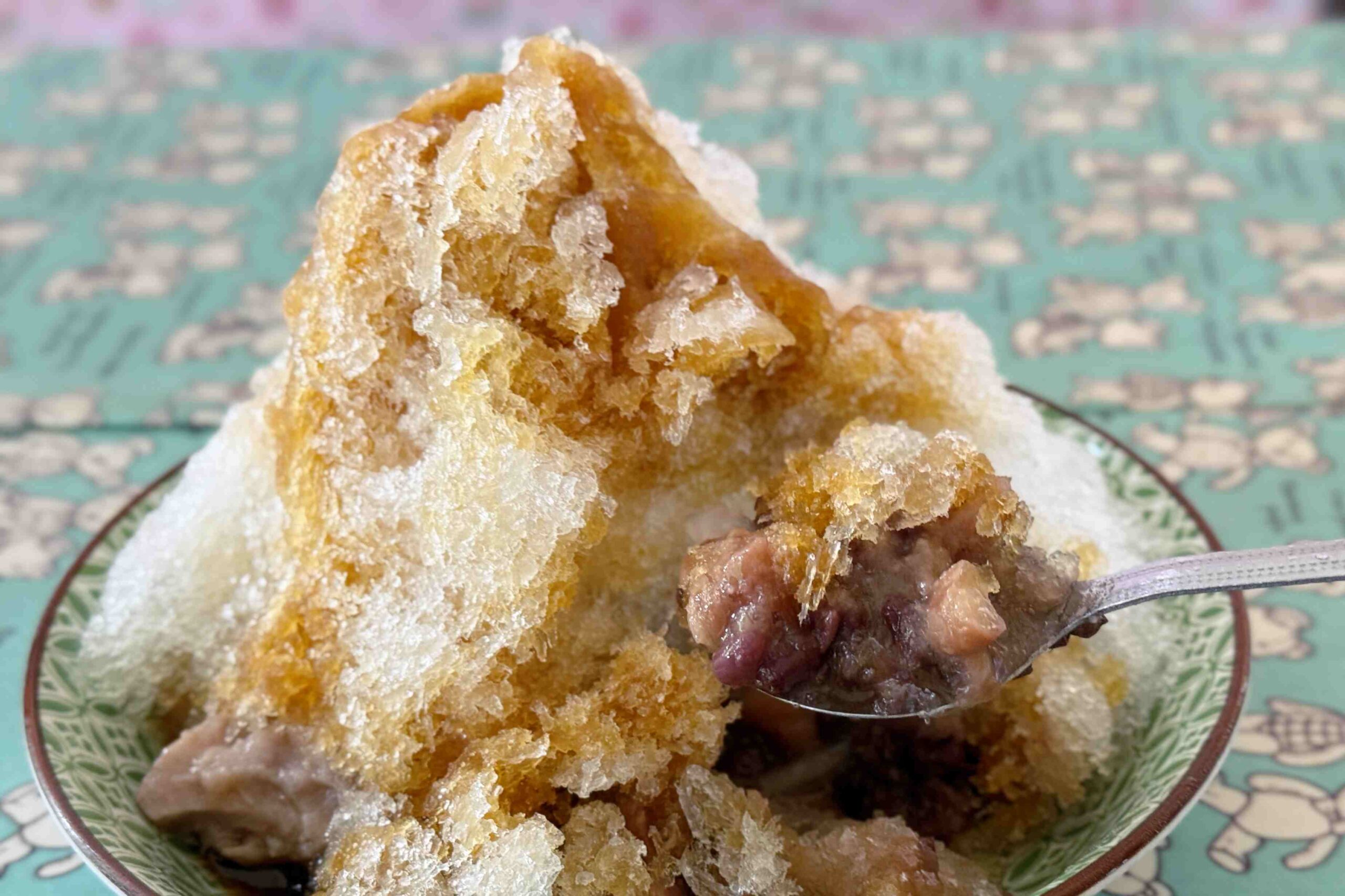
I ordered the eight-treasure shaved ice. The toppings were fresh and generous, but what left the strongest impression was the taro—cooked to a fragrant, chewy perfection.
Fruit Party

Opening Hours: 0930-2030
No. 1-1, Gongyuan S. Rd., North Dist., Tainan
◦ Flying Over Taiwan
*All aerial photography operations are conducted within legal airspace. During flight, regulations stipulated by the Civil Aviation Law are strictly followed, maintaining the required distance from buildings and crowds. Zooming and post-production techniques are used to ensure compliance, making the flights fully legal.
*Anyone citing these images and text must provide proper attribution. Unauthorized or illegal use of the images and text is prohibited and may result in legal liability.
◦ Other Areas in Tainan
➤ Anding | Key Site of the King Boat Ceremony
➤ Yongkang | The Stunning Main Library Makes Me Want to Move Here!
➤ Shanhua | A Century-Old Market That Opens Only Nine Days a Month