
Before visiting Daxi, my impression of this place was limited to its delicious dried tofu and bustling old street. It wasn’t until I stepped into the open-air Wood Art Ecomuseum, starting from Hall No. 1 and strolling slowly along Puji Road, that I discovered how enchanting Daxi’s wooden architecture and craftsmanship truly are.
Contents
◦ Taoyuan Travel Guide
01|Transportation in Taoyuan
🚄 Taiwan High Speed Rail
🚗 Cross-city Chartered One-day Tour From Taipei
02|Popular Attractions in Taoyuan
🎫 XPark Taiwan Aquarium Ticket
🎫 Window on World Theme Park Ticket
🎫 Dongyanshan Forest Recreation Area Ticket
🎫 Lalashan National Forest Recreation Area Ticket
🎫 Pushin Ranch Tickets in Taoyuan
🎫 Simbalion Art Studio Admission Ticket in Taoyuan
🎫 Saw Seen Woo Ying Cheng Admission Ticket
🎫 Taoyuan Mountain Foot Deer Farm Sambar House Admission Ticket
03|Things To Do in Taoyuan
🏕️ Glamping in Taoyuan by Orchard Villa
◦ The History of Daxi
Daxi was originally home to the Pingpu (Plains Indigenous) Xiaoli community and the Atayal people. During the Qing dynasty, as Han Chinese immigrants settled in the area, Daxi gradually developed into a thriving town. In 1863, following the revision of the Treaty of Tientsin, the ports of Takao (today’s Kaohsiung) and Tamsui were opened to foreign trade. Then known as Dakekan, Daxi became a busy inland port at the uppermost reaches of the Tamsui River system. At that time, agricultural products, daily goods, tea, timber, and camphor oil from the Taoyuan, Hsinchu, and Miaoli regions were all transported through Daxi. From 1892 to 1897, river trade reached its peak, and the town flourished with hundreds of shops lining Heping Road, Zhongshan Road, and Zhongyang Road. Today, the old street still retains its classical architectural charm, standing as a witness to the prosperity of Daxi’s past.
◦ Attractions in Daxi
01|Daxi Nanxing Bald Cypress Forest
Located in Nanxing Village, Daxi, this bald cypress forest is famous for its more than 3,000 neatly arranged trees set against a picturesque rural landscape. The view from above is truly spectacular. On weekday mornings, the area is relatively quiet — the soft light and peaceful atmosphere make it a perfect time for photography without much disturbance.
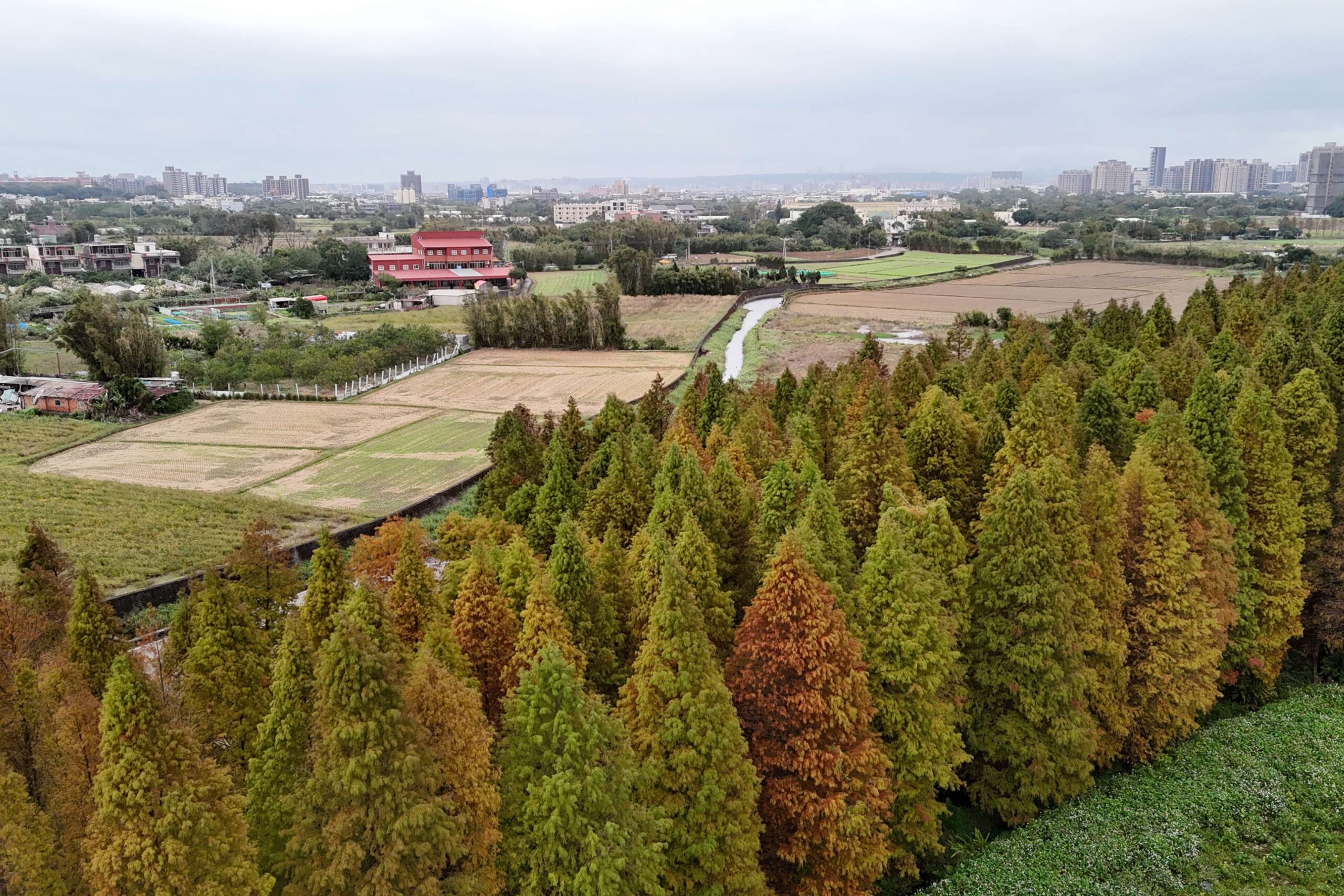
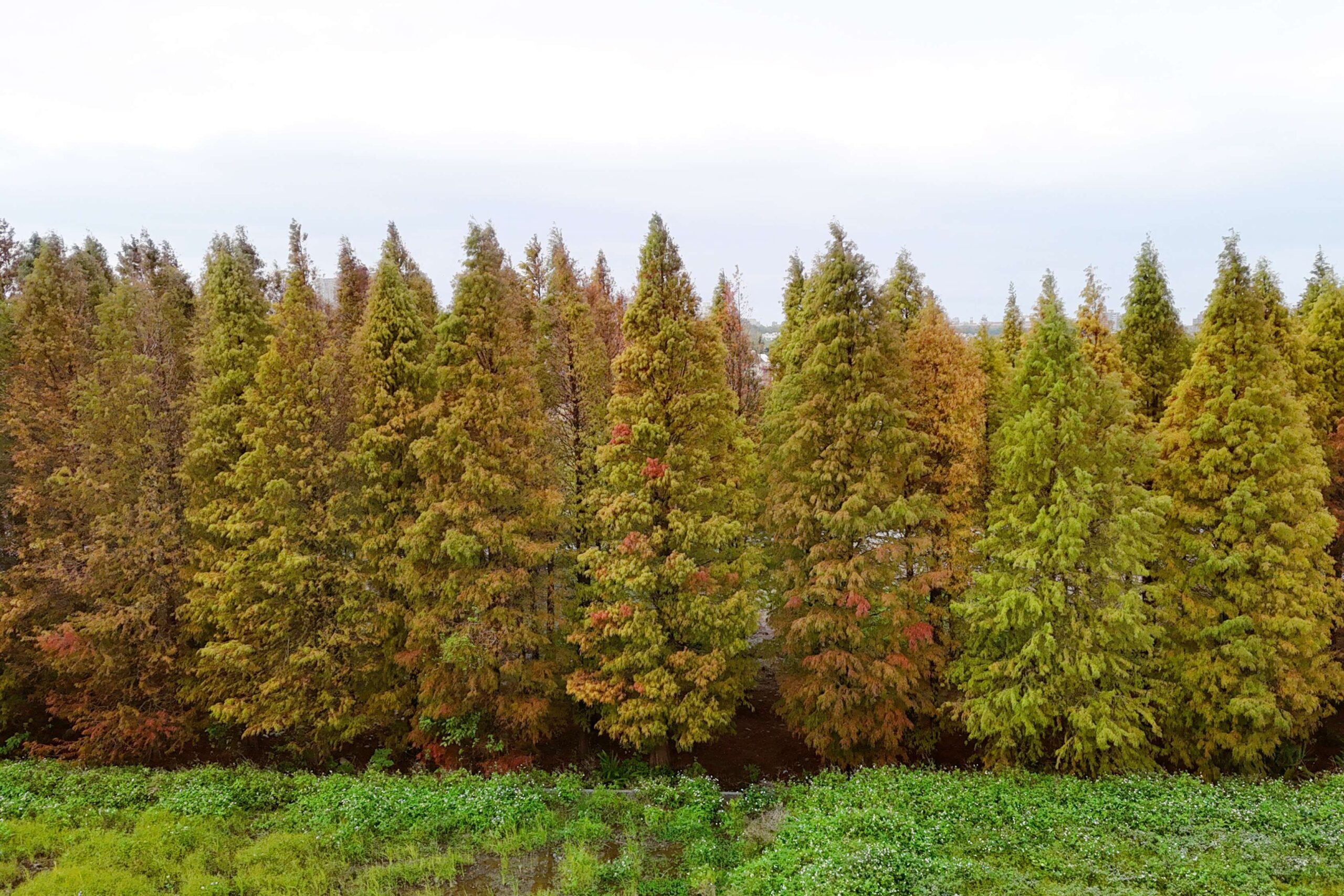
Daxi Nanxing Bald Cypress Forest

Opening Hours: 0730-1730
No. 158-1, Fujian St., Daxi Dist., Taoyuan
02|Cihu Mausoleum
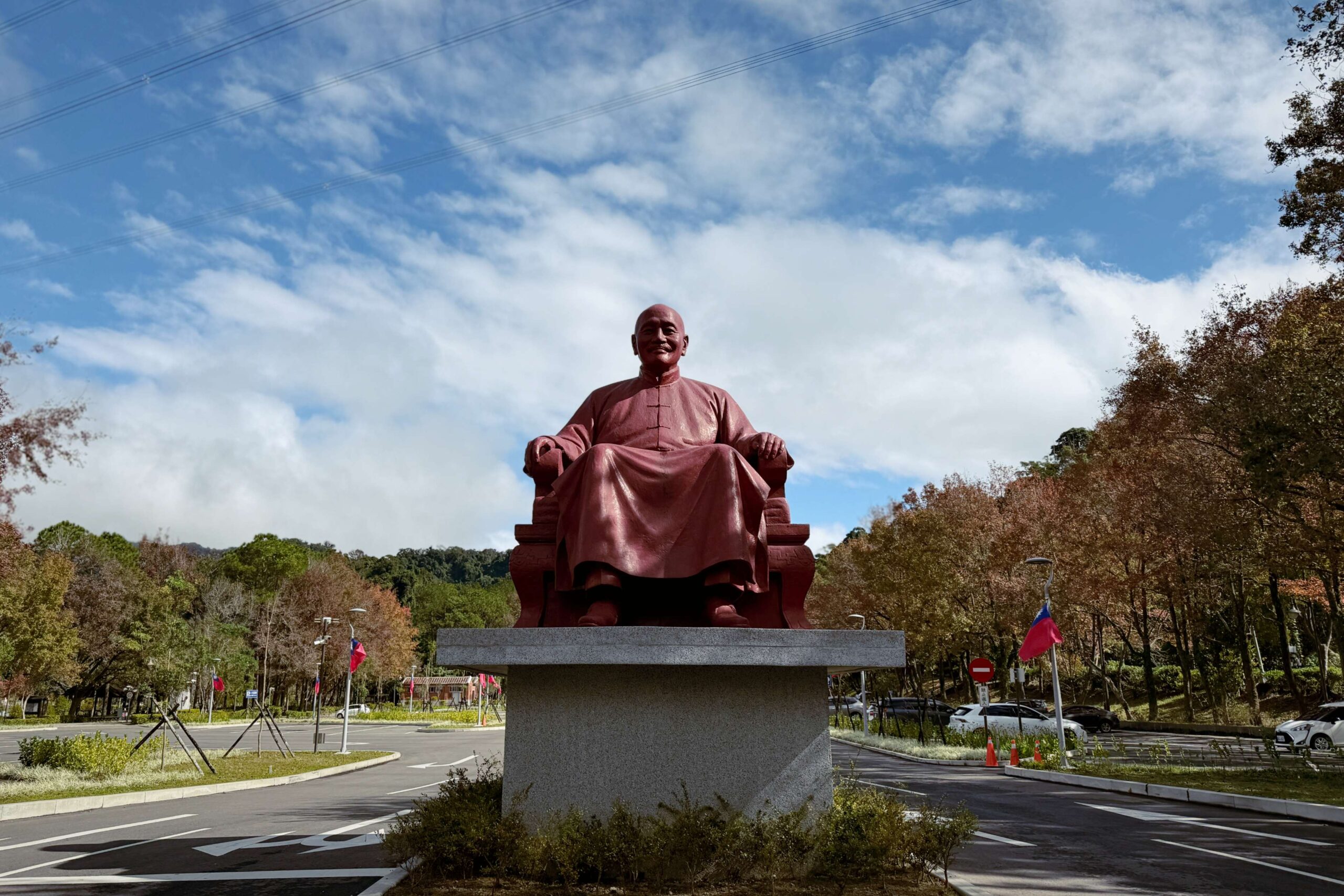
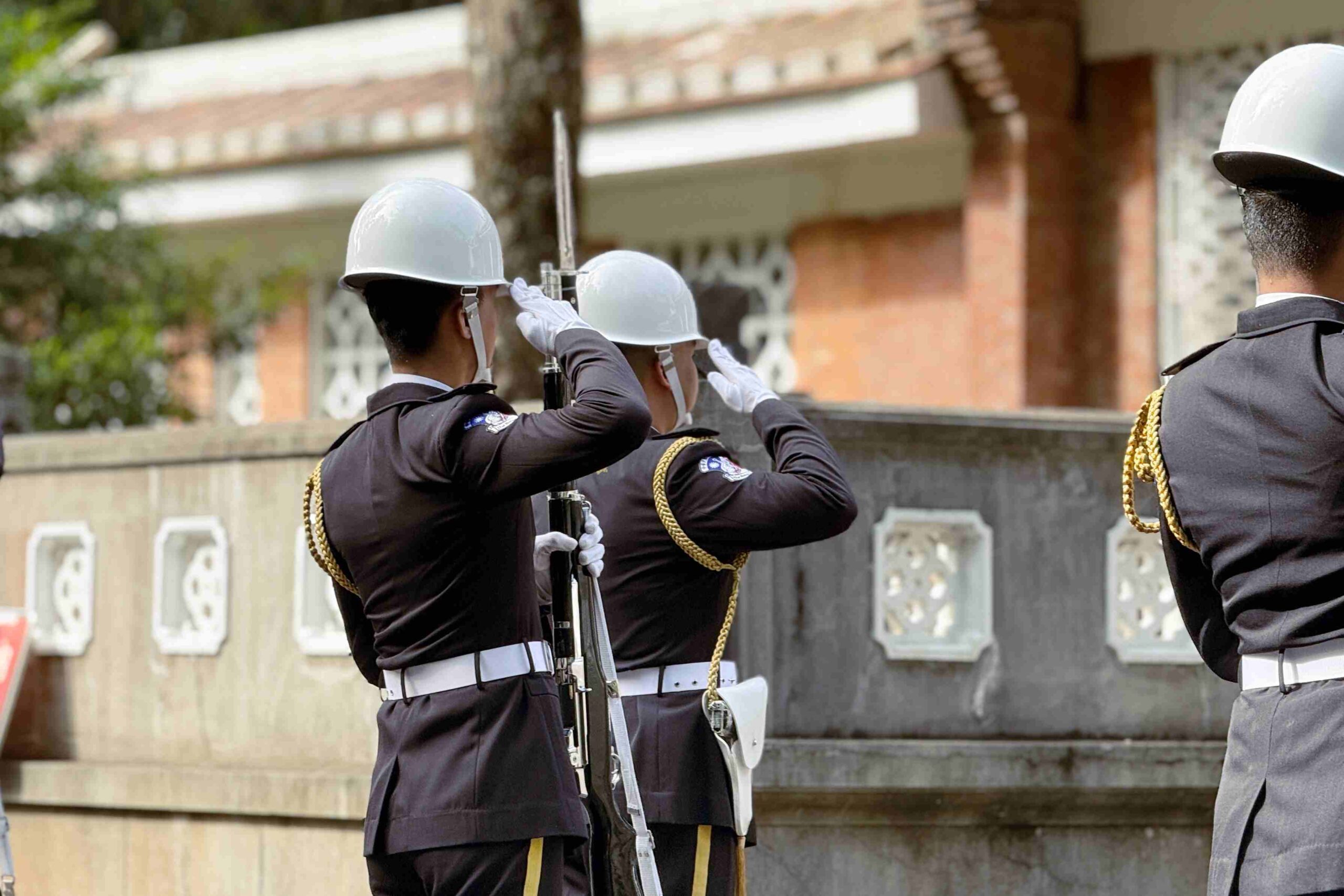
Cihu Mausoleum is famous as the resting place of former President Chiang Kai-shek. The area is divided into two sections, the Front Cihu and the Rear Cihu. It is said that Chiang chose this site because its scenery reminded him of his hometown, Fenghua in Zhejiang Province, and that he named it “Cihu,” or “Merciful Lake,” in memory of his mother. The highlight of Cihu is the guard changing ceremony, a solemn and iconic ritual. Since there are only a few sessions each day, it’s recommended to check the schedule at the Cihu Visitor Center upon arrival.
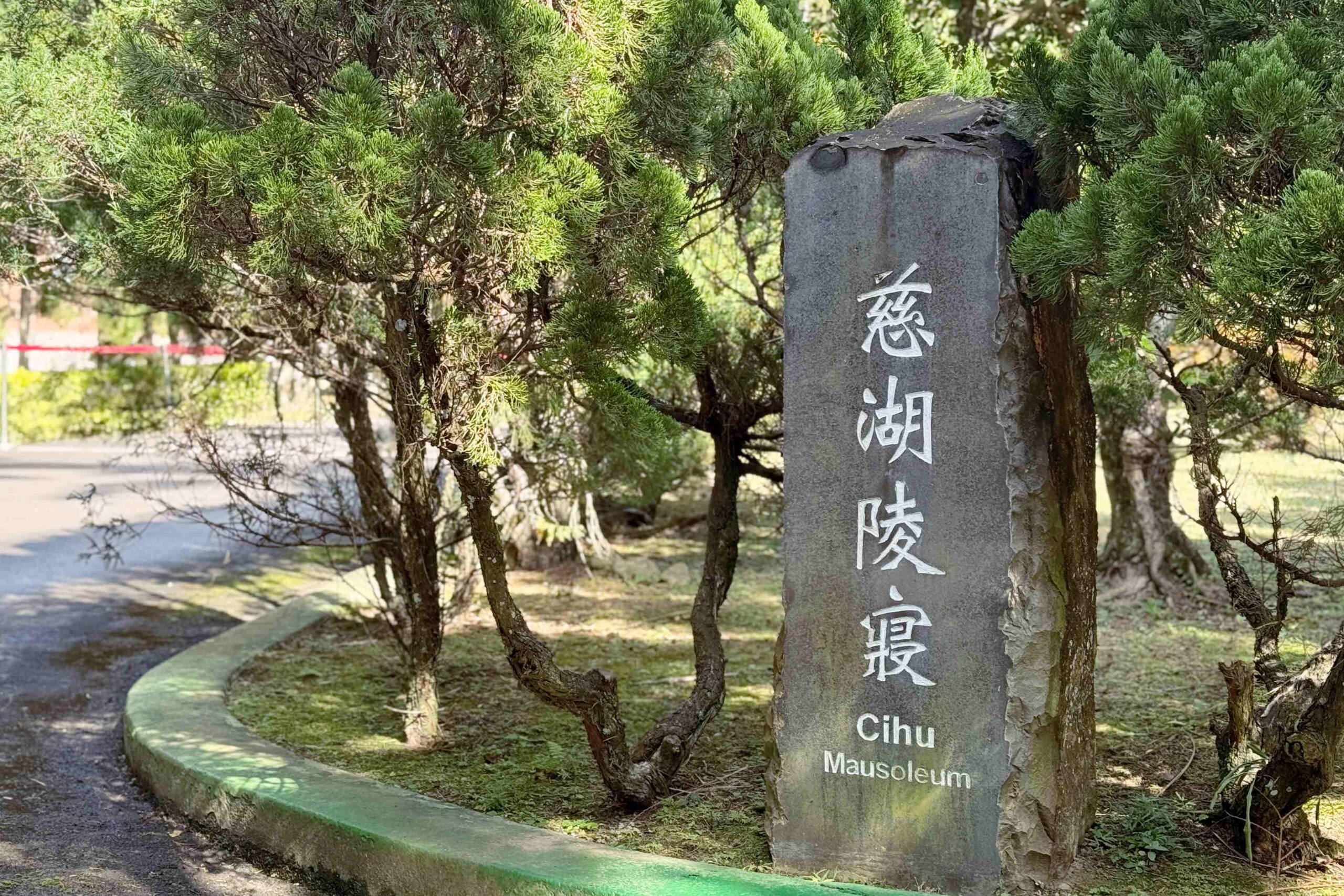
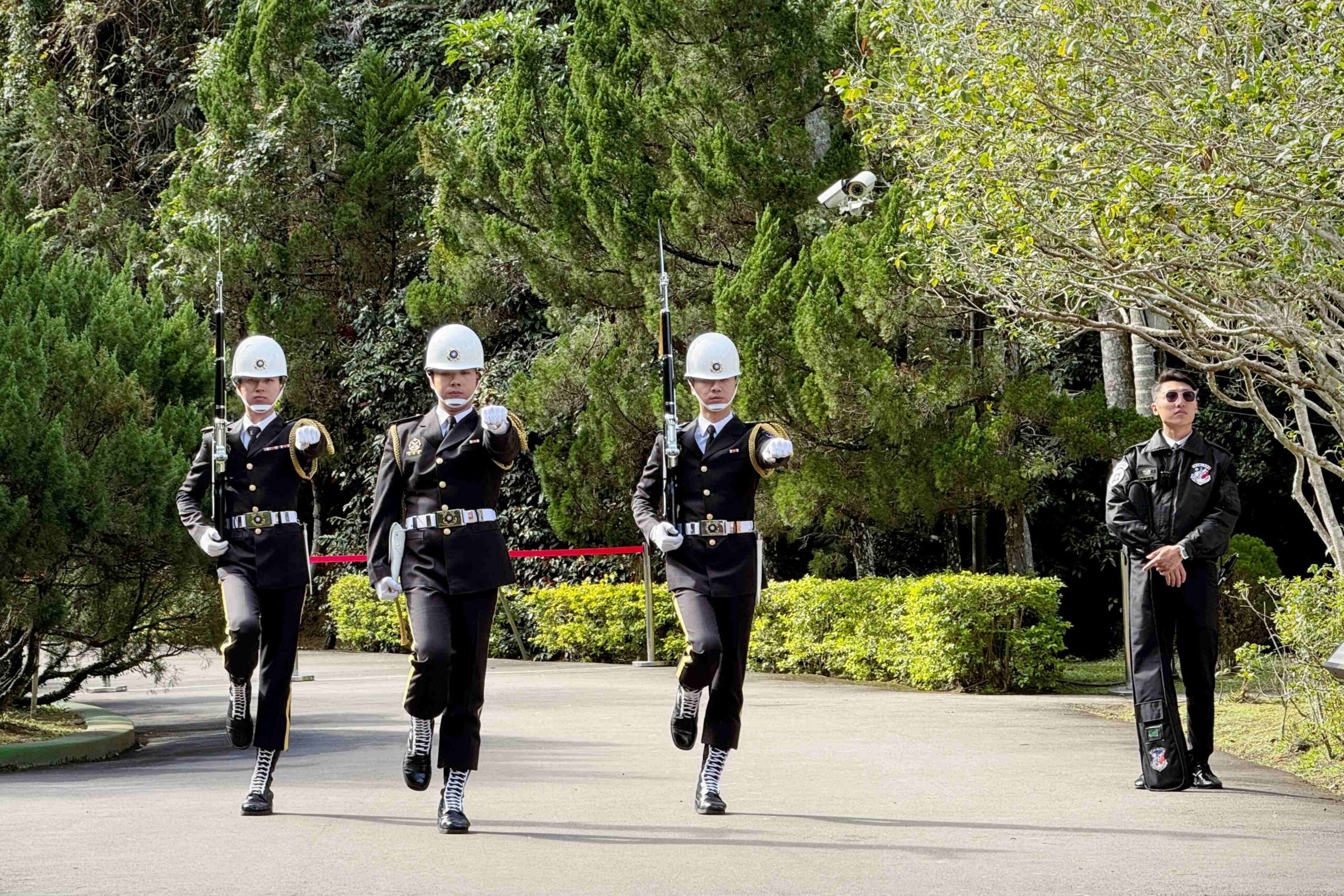
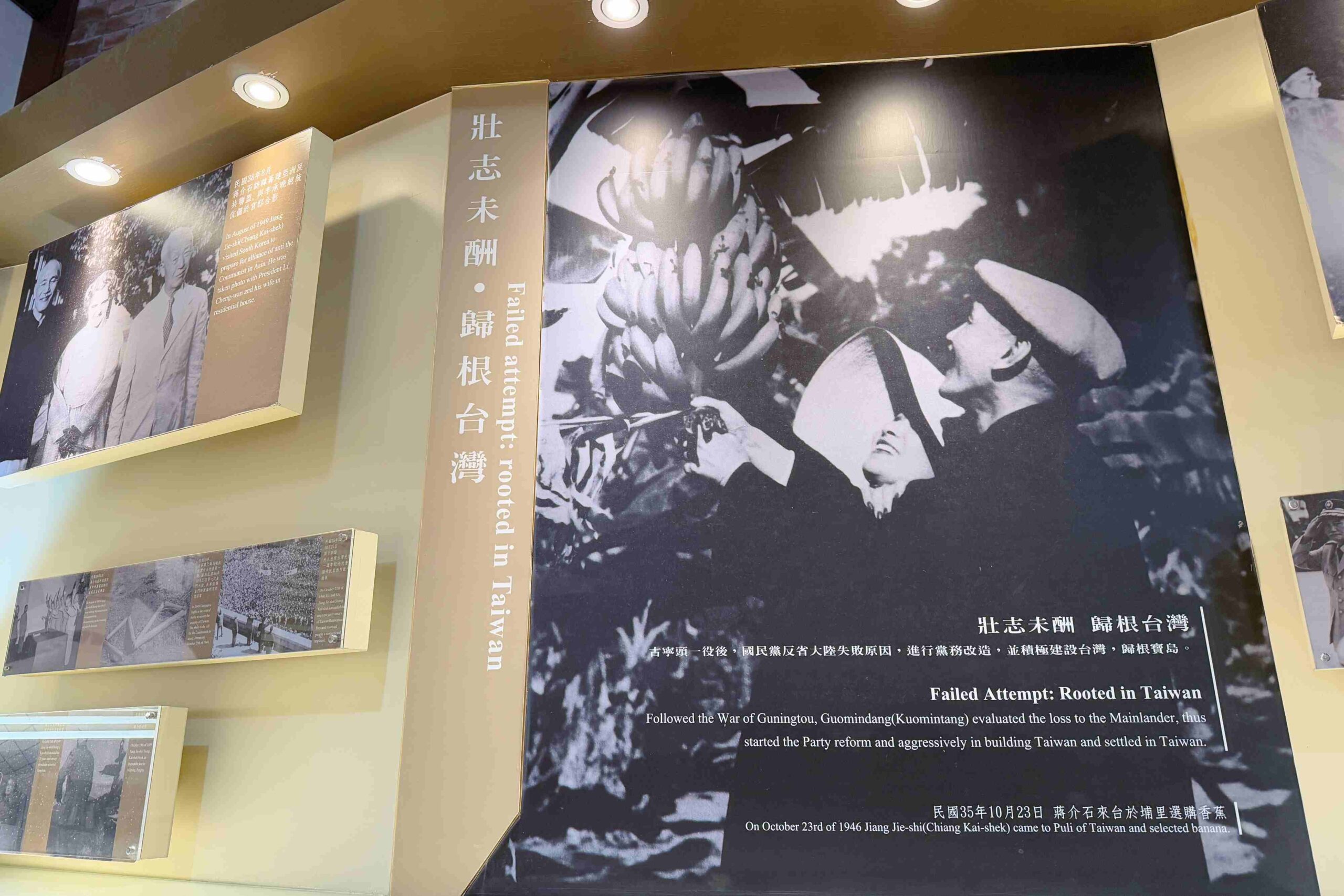
Before watching the ceremony, visitors can explore the Cihu Visitor Center, which features detailed exhibits about Chiang’s life, historical photographs, and replicas of his attire.
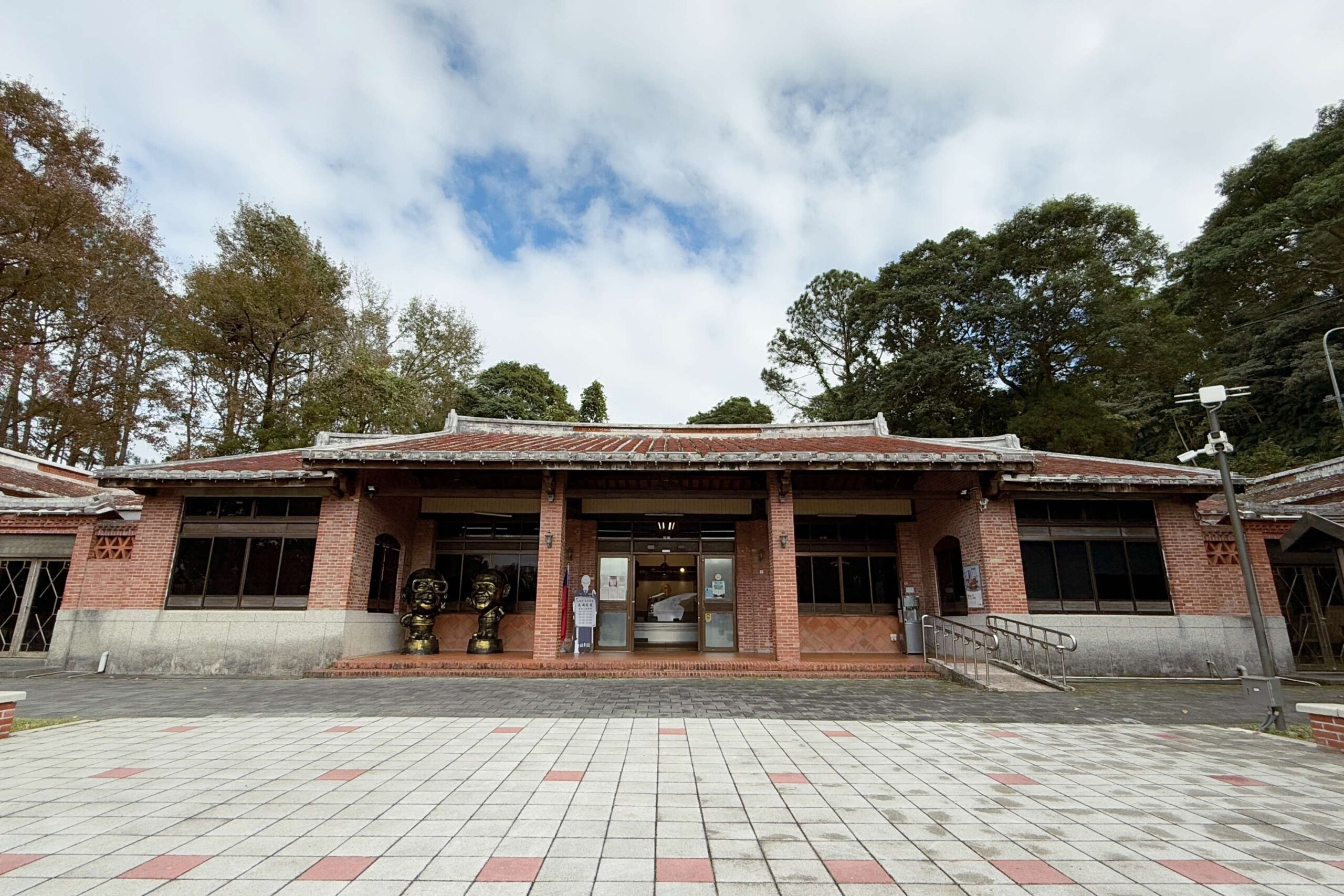
Next to it lies the Cihu Memorial Sculpture Park, also well worth a visit — it houses nearly 300 statues of Chiang Kai-shek collected from all over Taiwan, displayed in a fascinating arrangement.
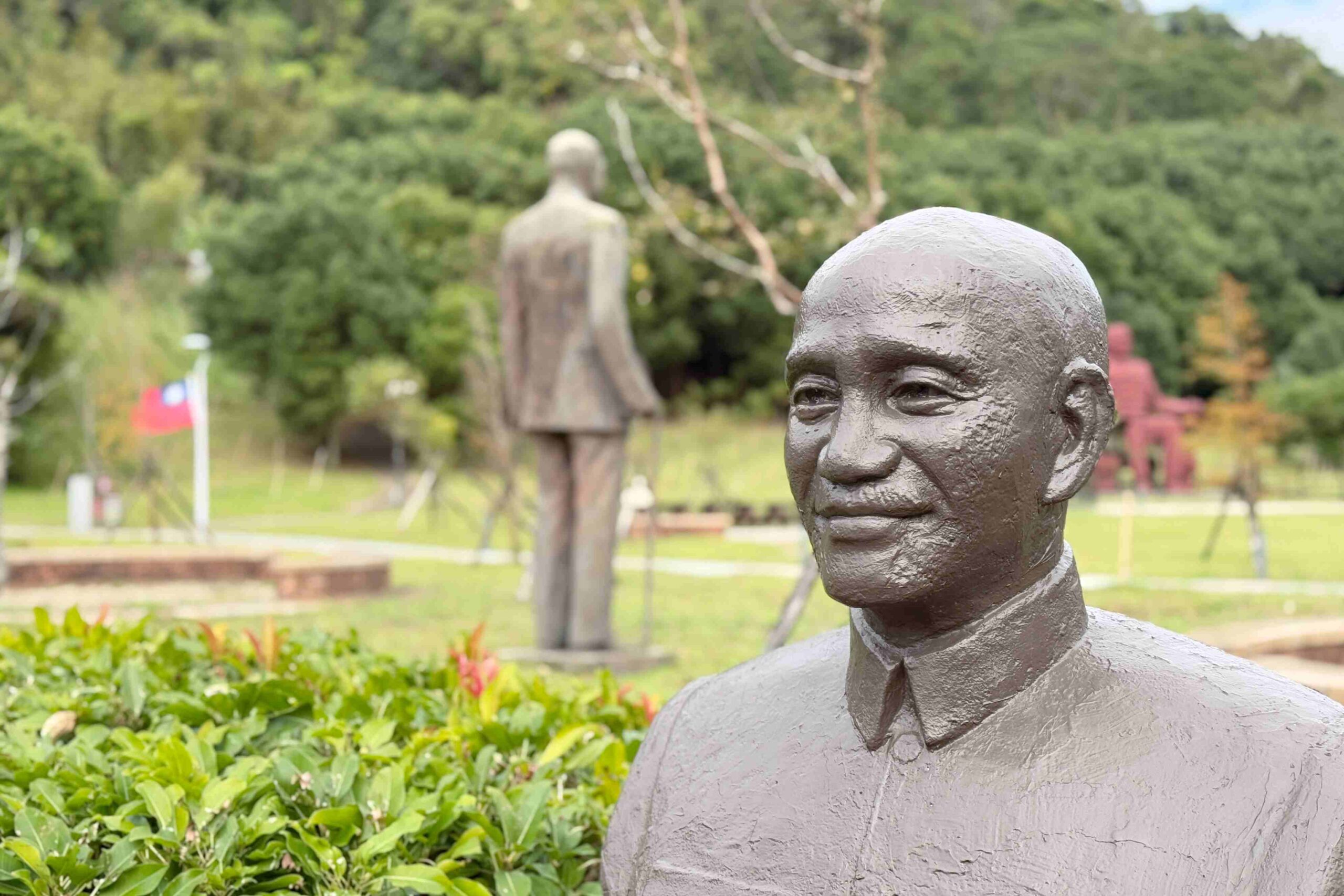
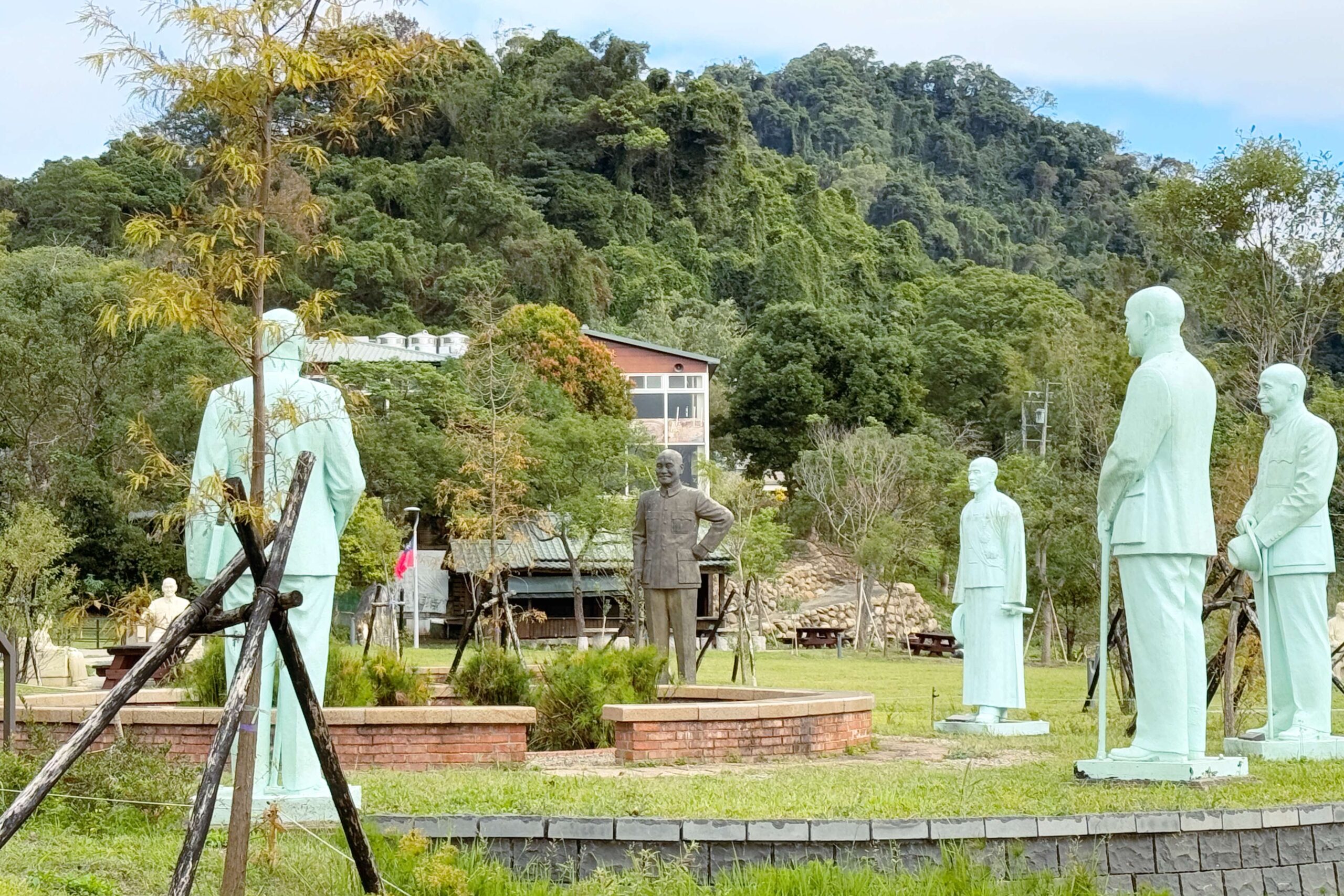
Cihu Mausoleum

Opening Hours: 0900-1700, closed on Tuesday.
No. 1097, Sec. 1, Fuxing Rd., Daxi Dist., Taoyuan
03|Daxi Old Street
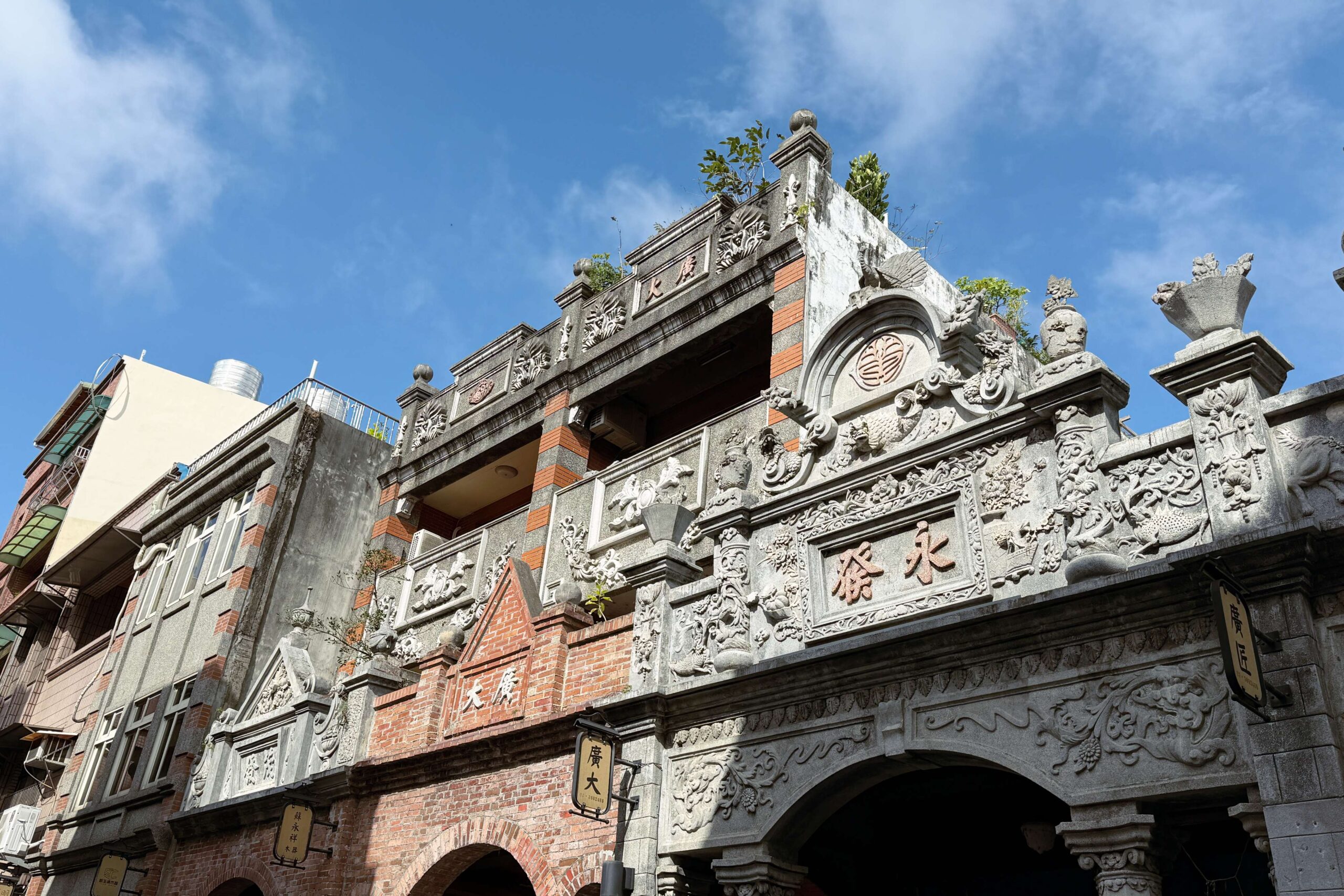
When it comes to old streets, Daxi Old Street is undoubtedly one of the most famous, stretching across Heping Road, Zhongshan Road, and Zhongyang Road. The most captivating feature is the architecture itself, especially the well-preserved paifang-style facades that adorn many of the buildings.
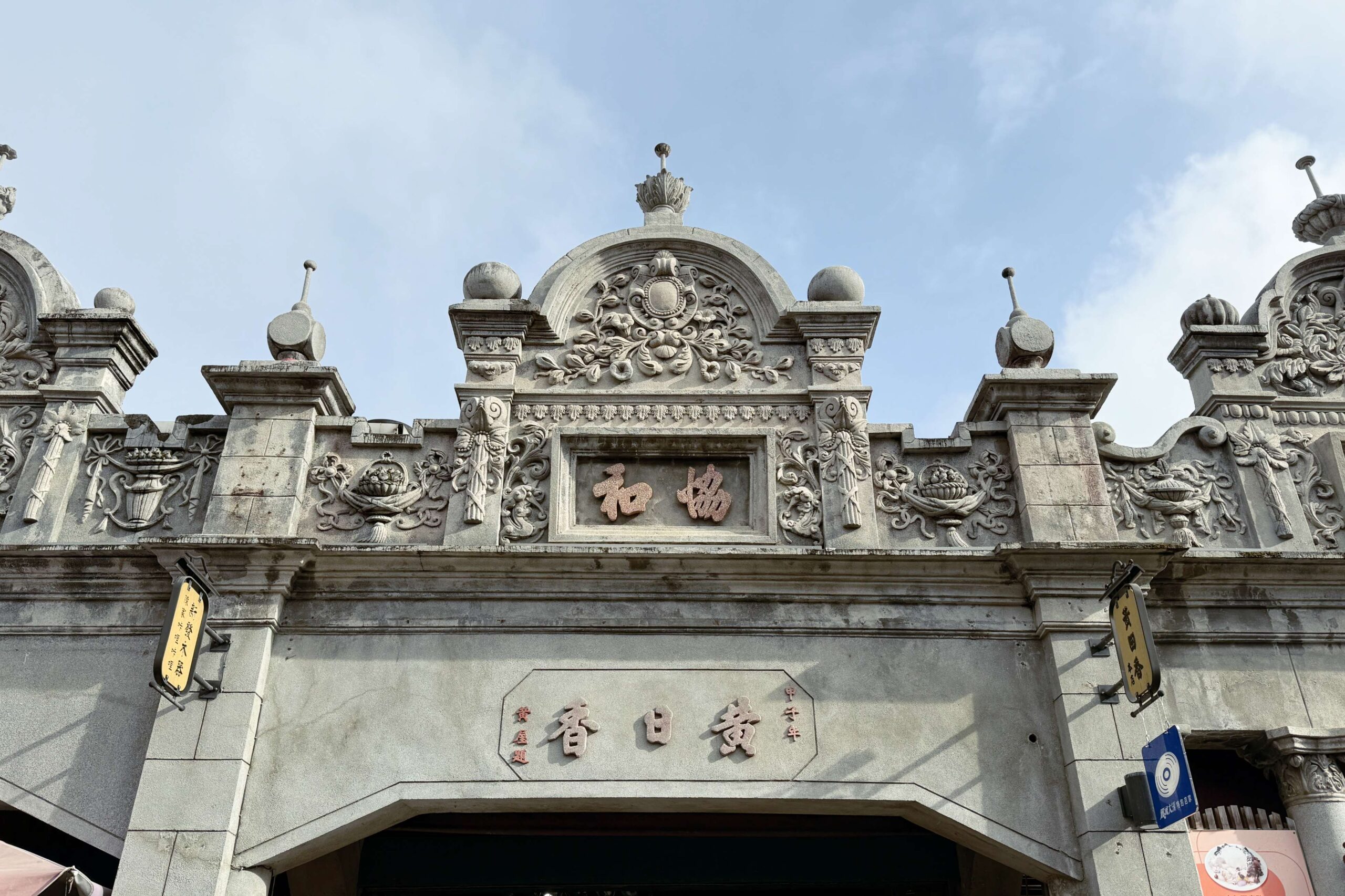
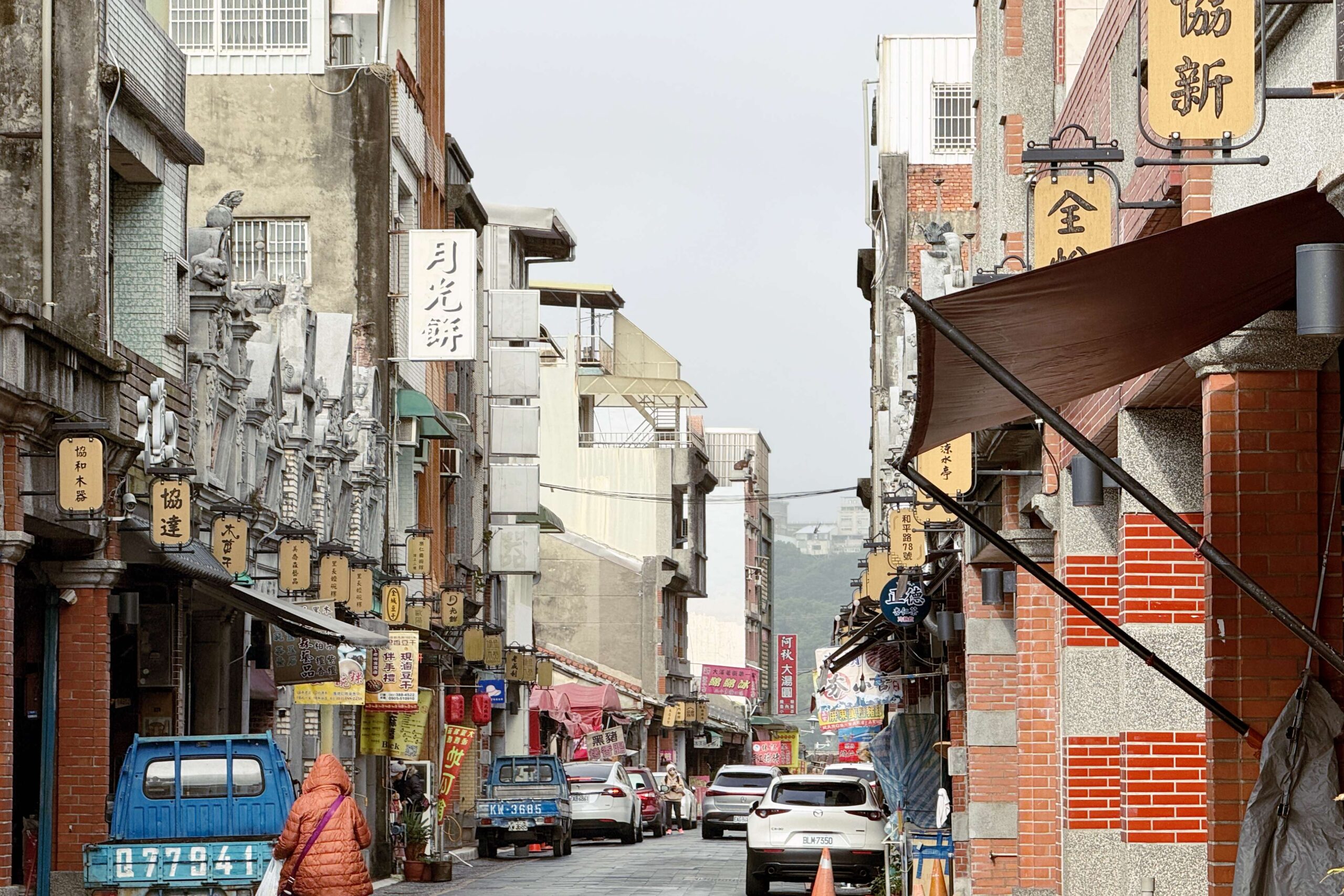
Around 1919, the Japanese colonial government implemented a city planning initiative known as the “Urban Improvement Project,” which involved demolishing certain structures and reorganizing the streets. Following this, local residents began decorating their storefronts with paifang-style facades, sparking a trend in ornamental architecture. Typical residences were built with red brick walls and paifang entrances, while more elaborate commercial buildings often used stone to carve European-style arches, columns, and intricate reliefs, giving the street its unique charm.
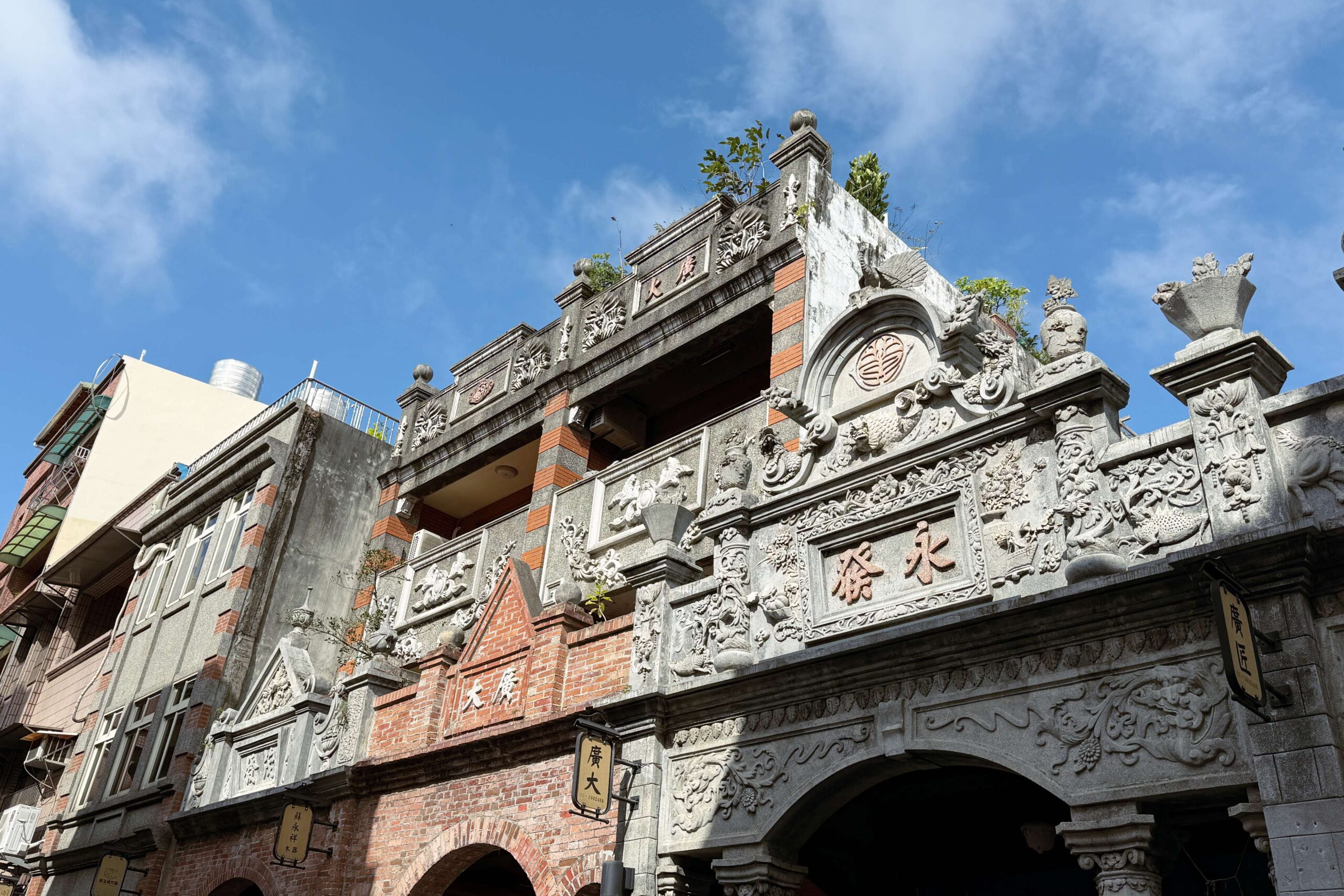
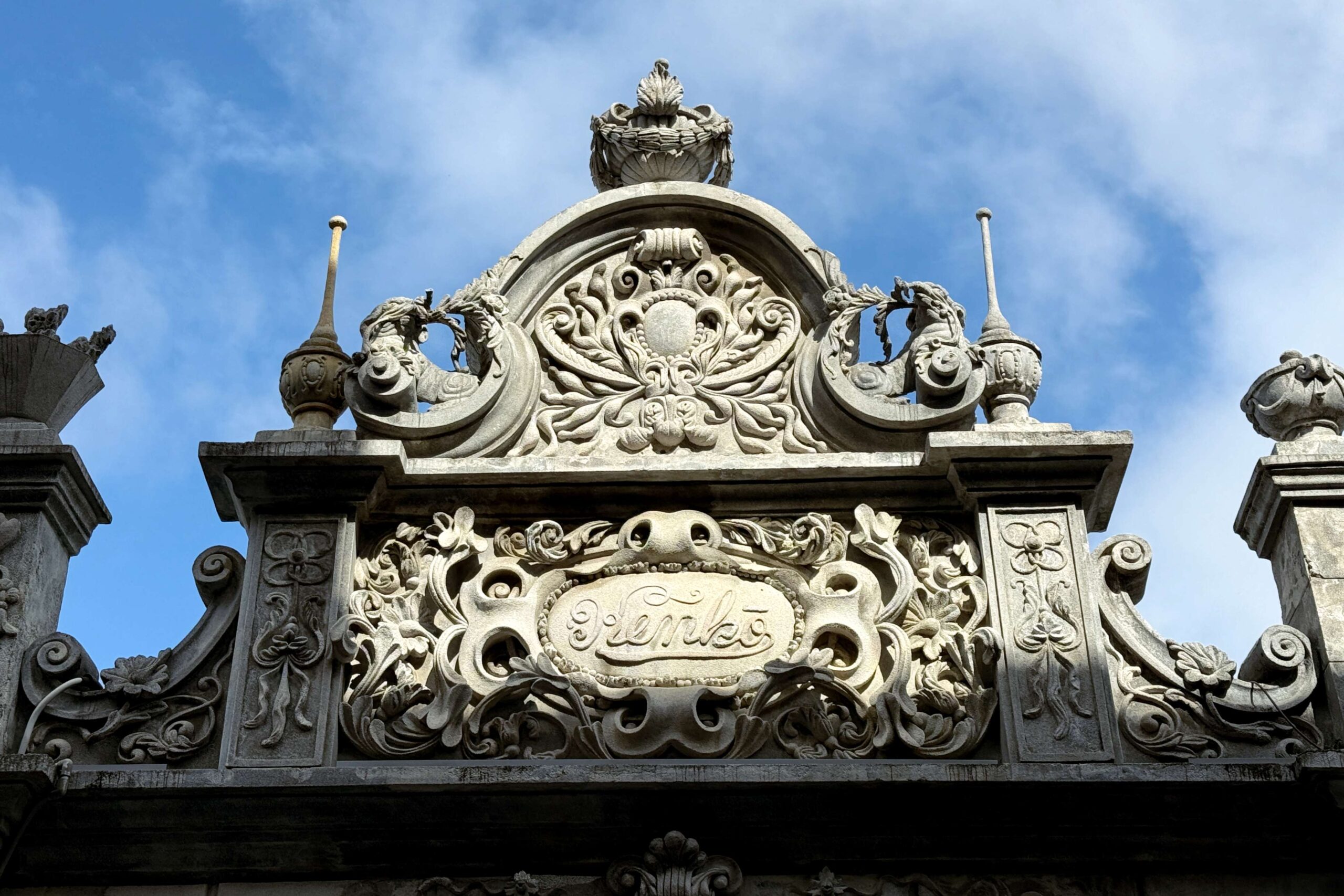
Daxi Old Street

Heping Rd., Daxi Dist., Taoyuan
04|Furen Temple
At the end of Daxi Old Street stands Furen Temple, a century-old shrine built in 1813 (the 18th year of the Jiaqing reign in the Qing dynasty) by immigrants from Zhangzhou who pooled their resources to construct it. Back then, these immigrants had to cross the Dahan River during festivals to pay respects at the Kaizhang Shengwang Temple in Pudong — a journey that was both inconvenient and time-consuming. To create a local center for worship, they established Furen Temple, which has since become one of the most important temples in Daxi.
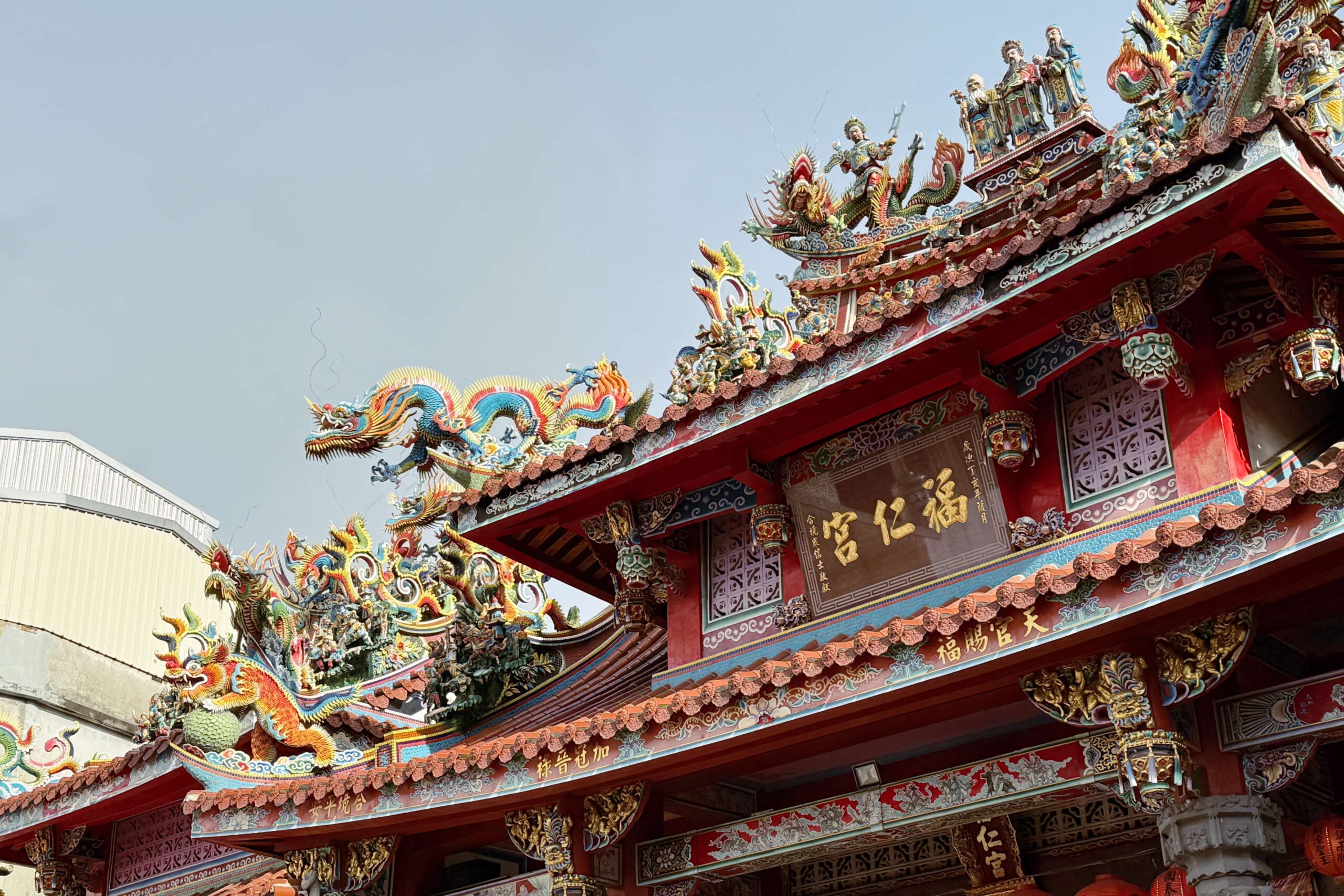
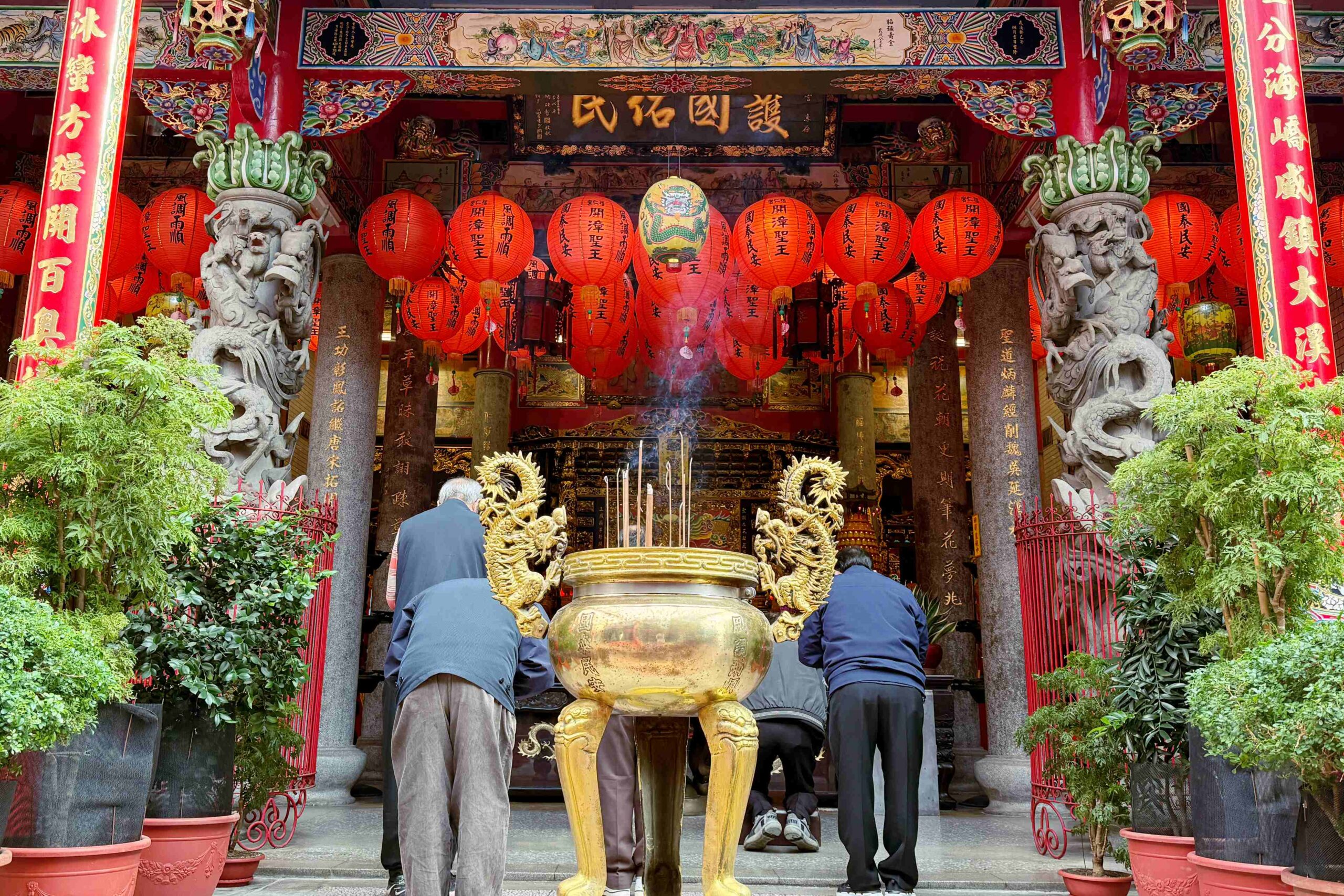
For an authentic experience of the temple’s most representative festivities, visitors shouldn’t miss the “Divine Pig Contest” held every year in the second lunar month to celebrate the birthday of Kaizhang Shengwang. Traditionally, the ten major local clans would take turns offering a ceremonial pig. Over time, this tradition has evolved into the creation of “creative divine pigs” made from ingredients such as noodles and oranges. Despite this modernization, the festival still retains its lively atmosphere and cultural significance, making it one of Daxi’s most anticipated annual events.
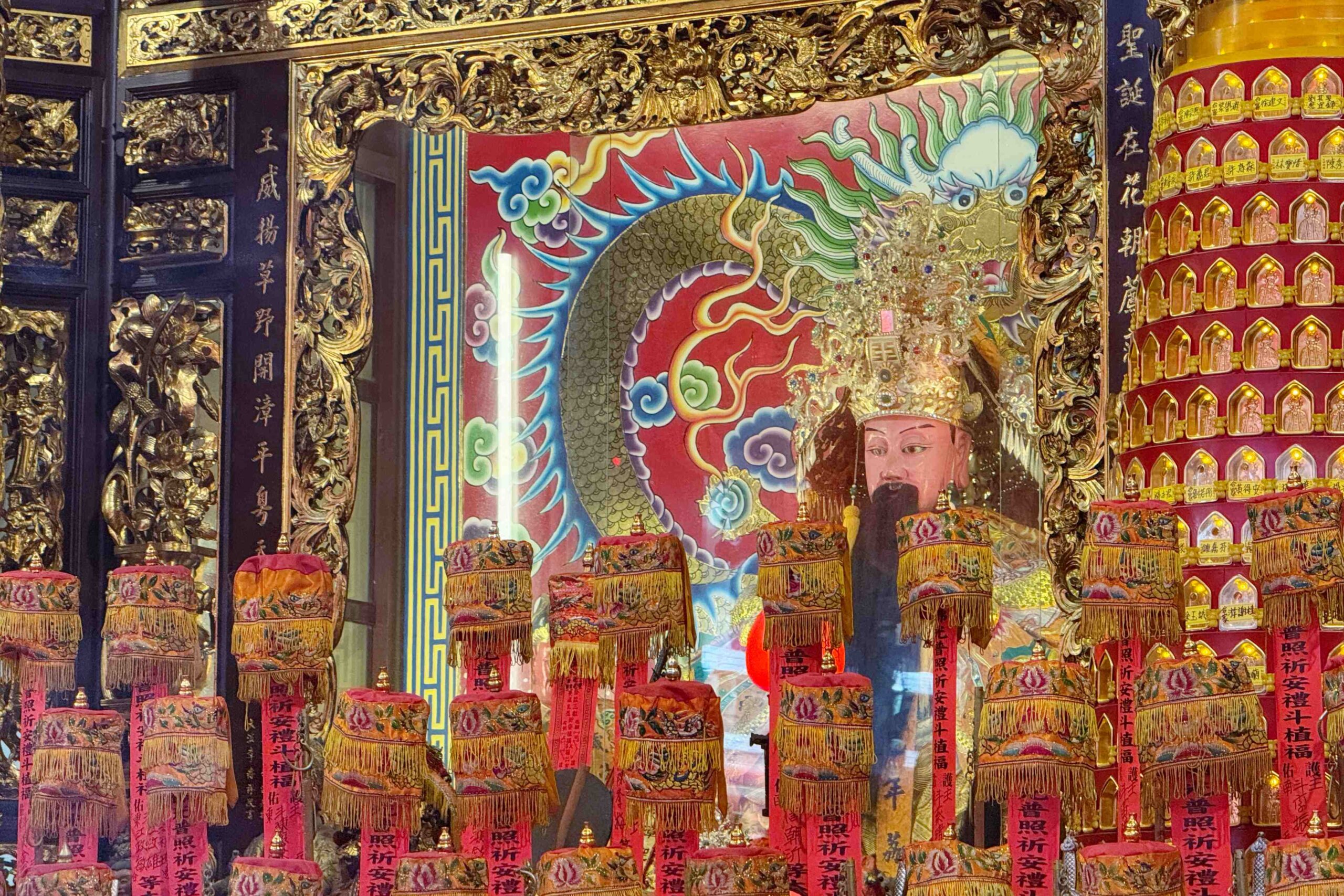
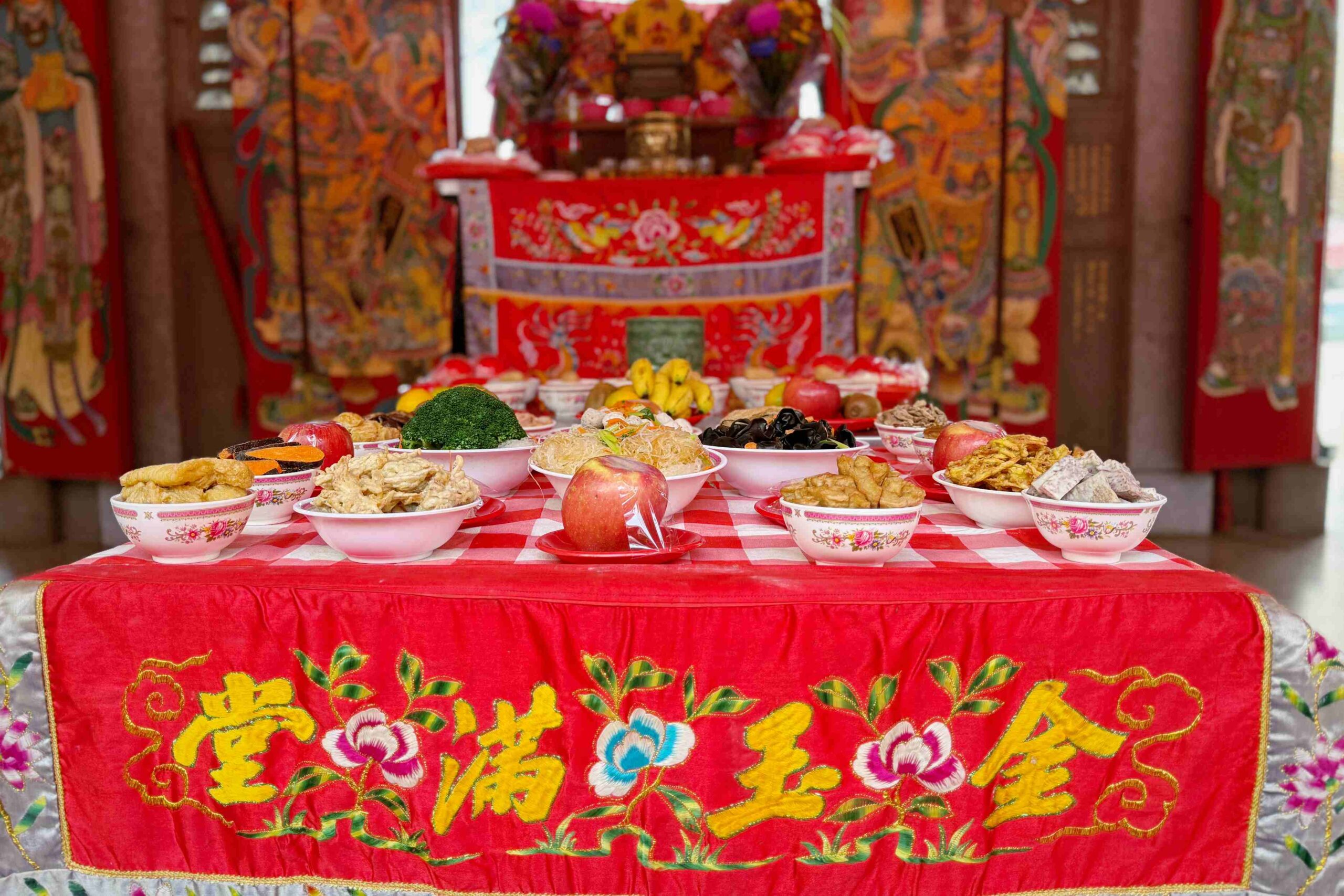
Furen Temple

Opening Hours: 0400-2030
No. 100, Heping Rd., Daxi Dist., Taoyuan
05|Daxi Wood Art Ecomuseum
Thanks to its abundant forest resources, convenient river transport, and skilled craftsmen from Tangshan, Daxi has long been a hub for the woodcraft industry. After more than two centuries of development, the town still hosts numerous sawmills and woodworking shops, making it one of Taiwan’s key centers for wooden crafts.
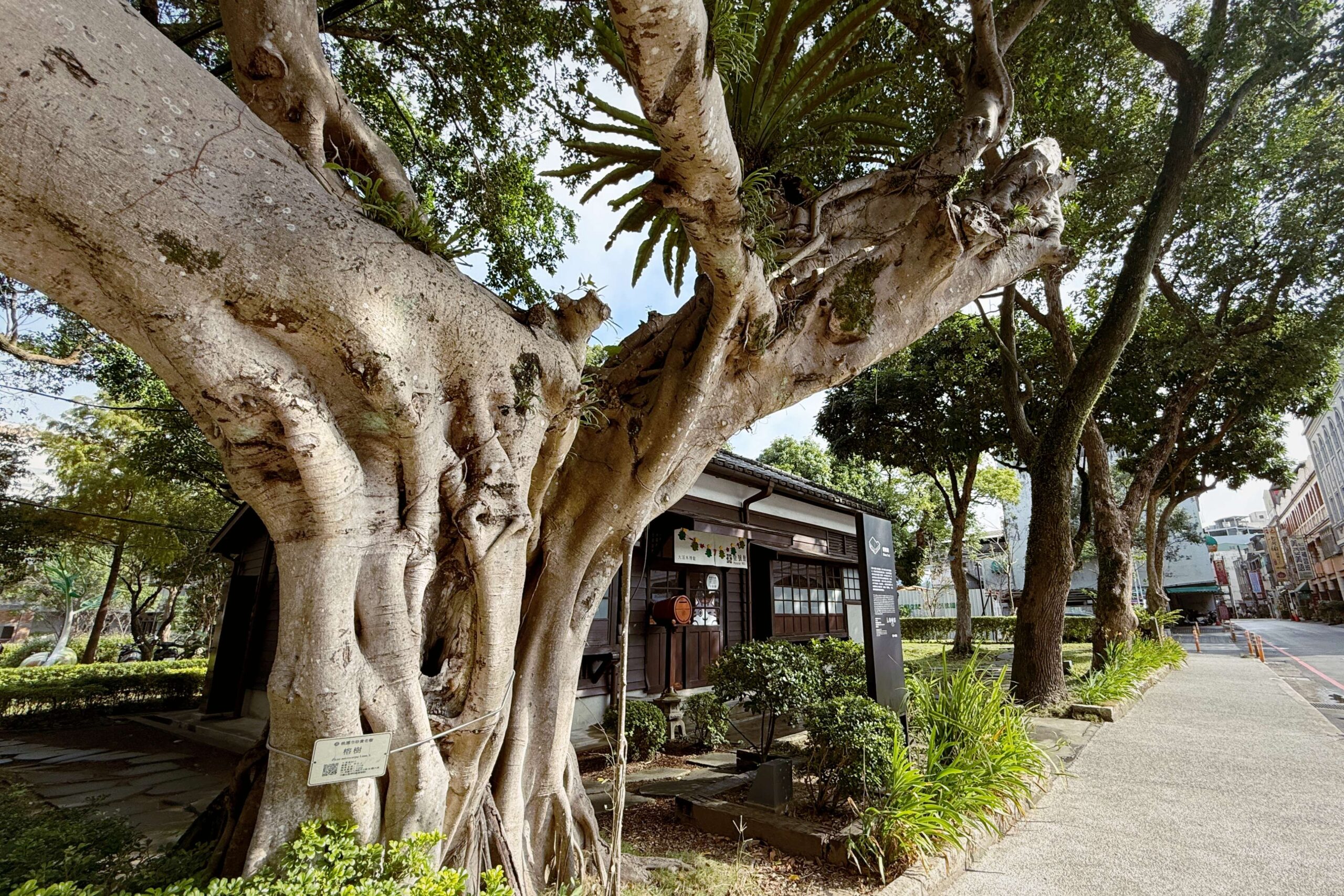
The Wood Art Ecomuseum embraces the philosophy of “preserving cultural heritage and connecting with the local community.” By restoring and linking a cluster of Japanese-style dormitories, the museum has transformed Daxi into an open-air cultural museum without walls. The museum complex now consists of 12 main buildings, including Hall No. 1, Wude Hall, Daxi History Museum, Craftsman Hall, Li Tengfang Historic Residence, Daxi Guild Hall, Wood Life Hall, 624 Story Hall, Craft Exchange Hall, Feng Fei-fei Story Hall, Daxi Creation Hall, and the Japanese-style dormitories of Daxi Elementary School — all open to the public for free.
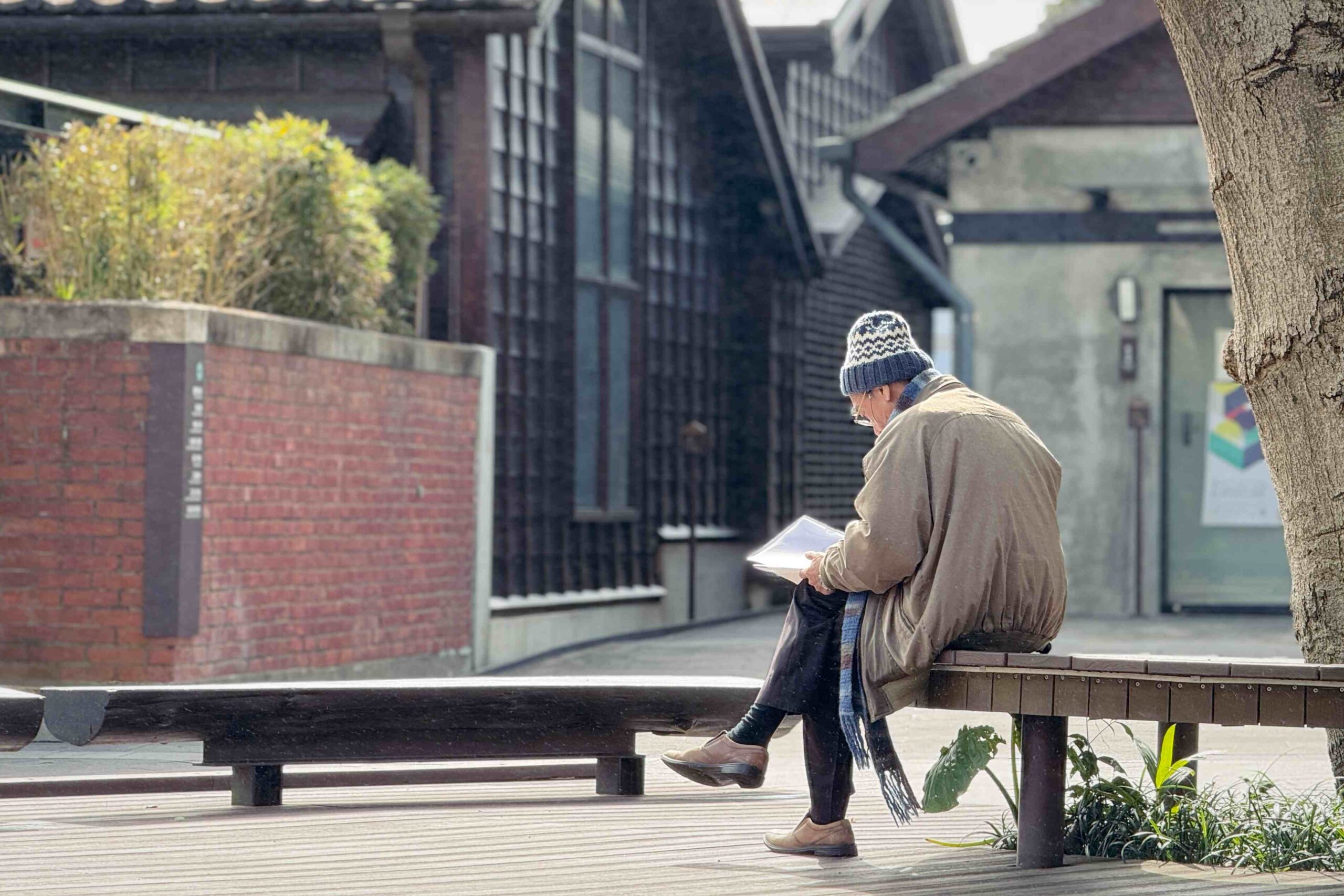
I began my visit at Hall No. 1, which preserves the traditional wooden Japanese-style architecture. Just standing at the entrance gives you a sense of Daxi’s unique woodcraft heritage. Inside, the exhibitions cover a wide range of topics, from woodworking techniques and culinary culture to religious beliefs, and showcase numerous lively, imaginative, and intricately carved wooden artworks.

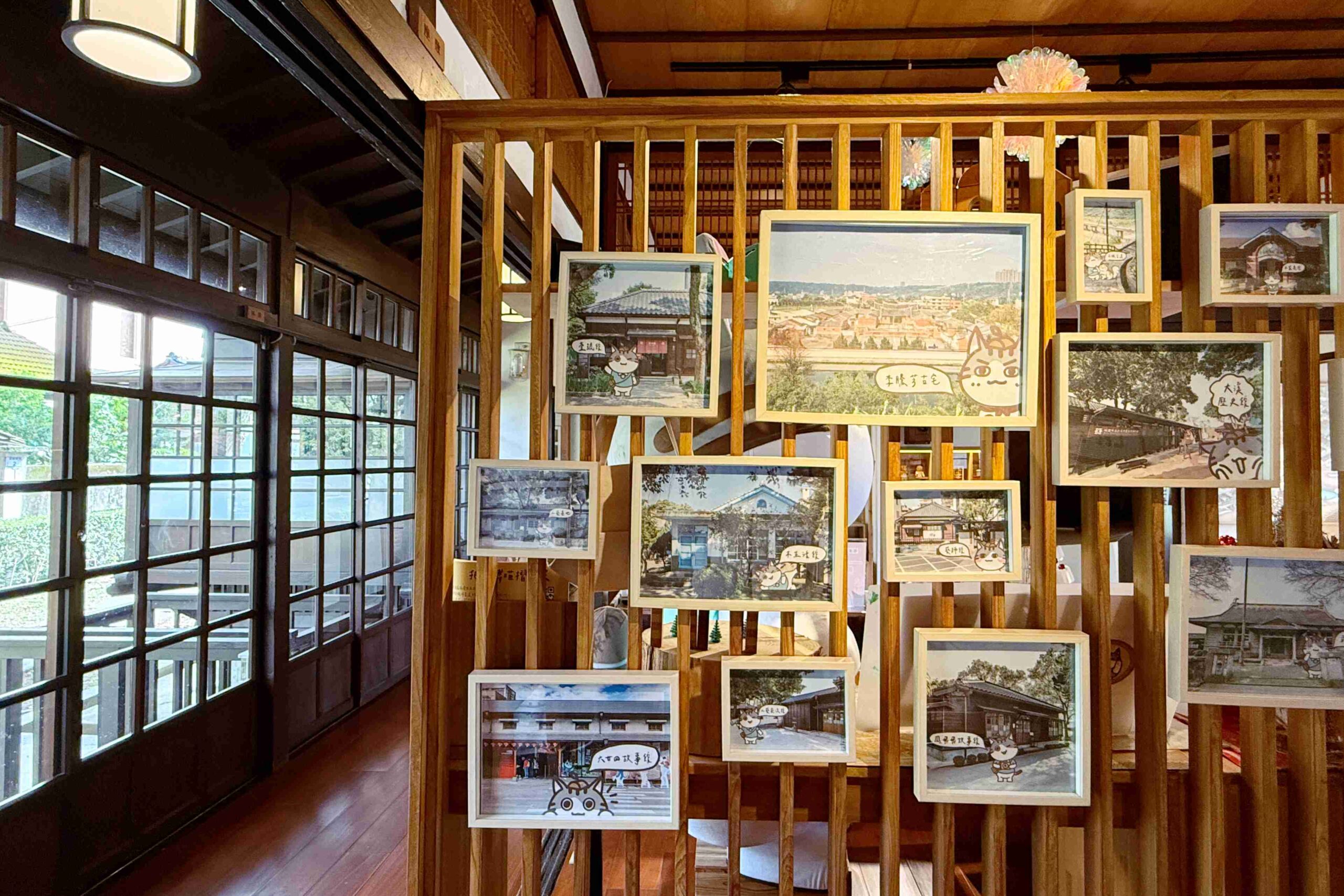
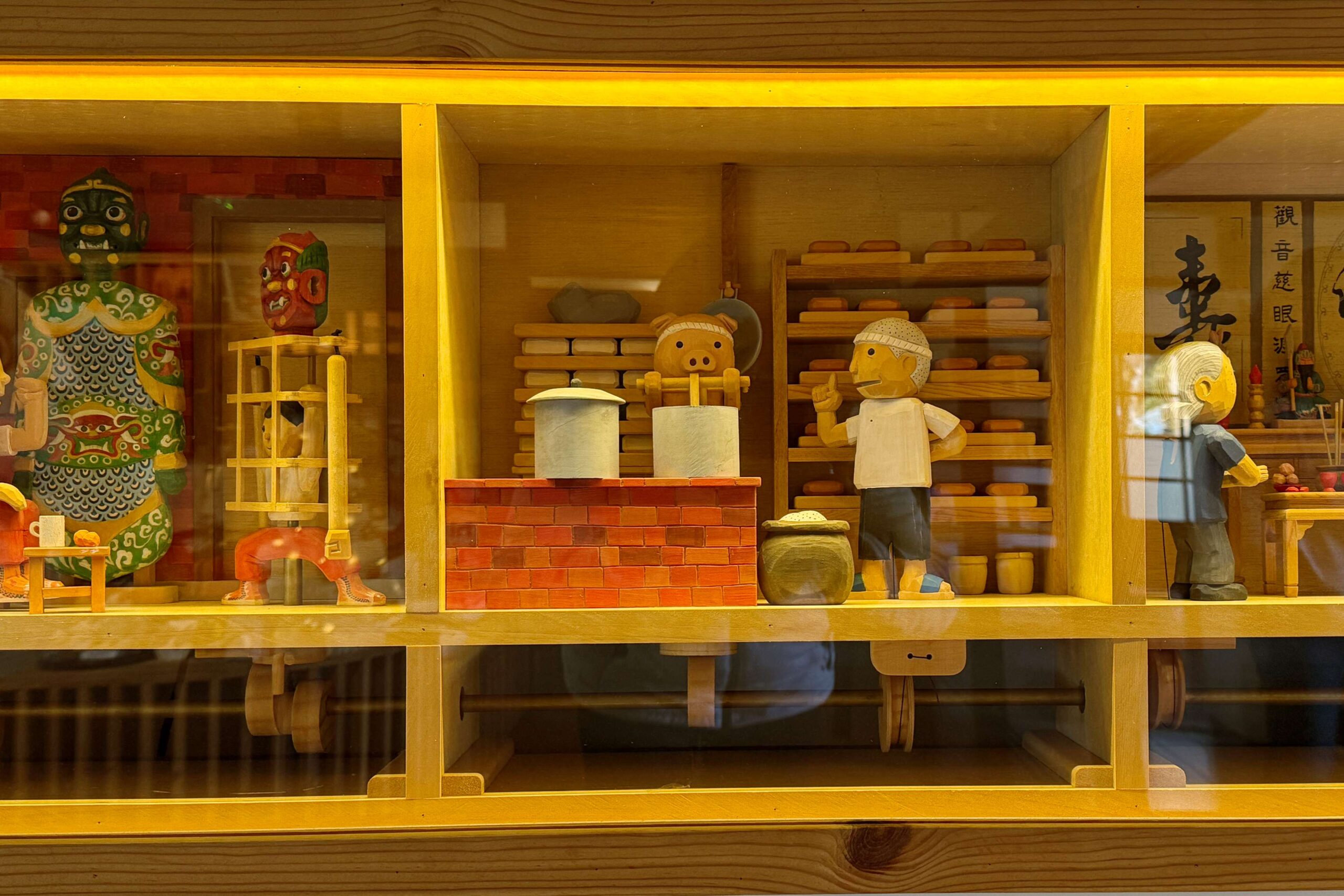
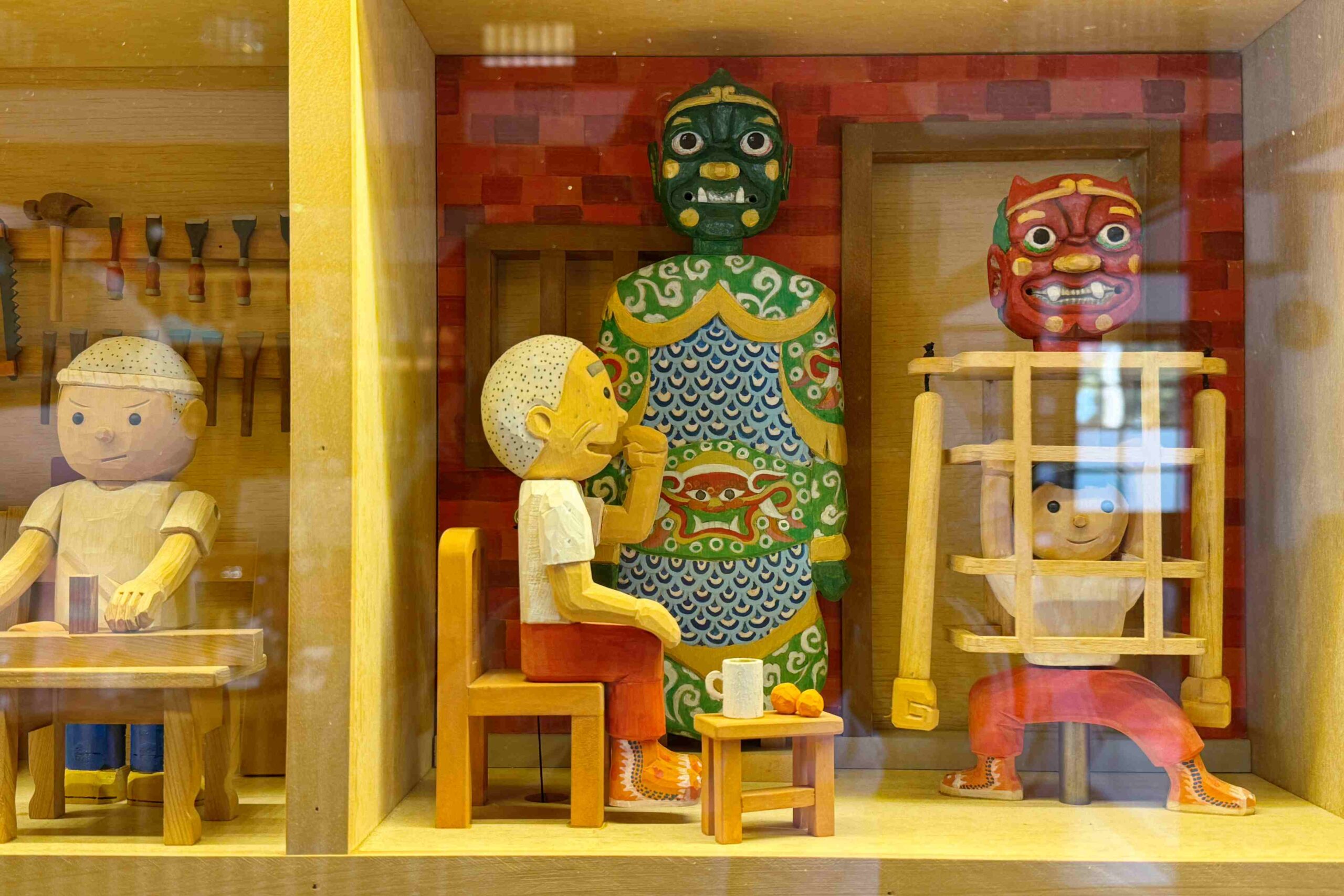
Daxi Wood Art Ecomuseum Hall No. 1

Opening Hours: 0930-1700, closed on Monday.
No. 68, Zhongzheng Rd., Daxi Dist., Taoyuan
06|Daxi Wude Hall
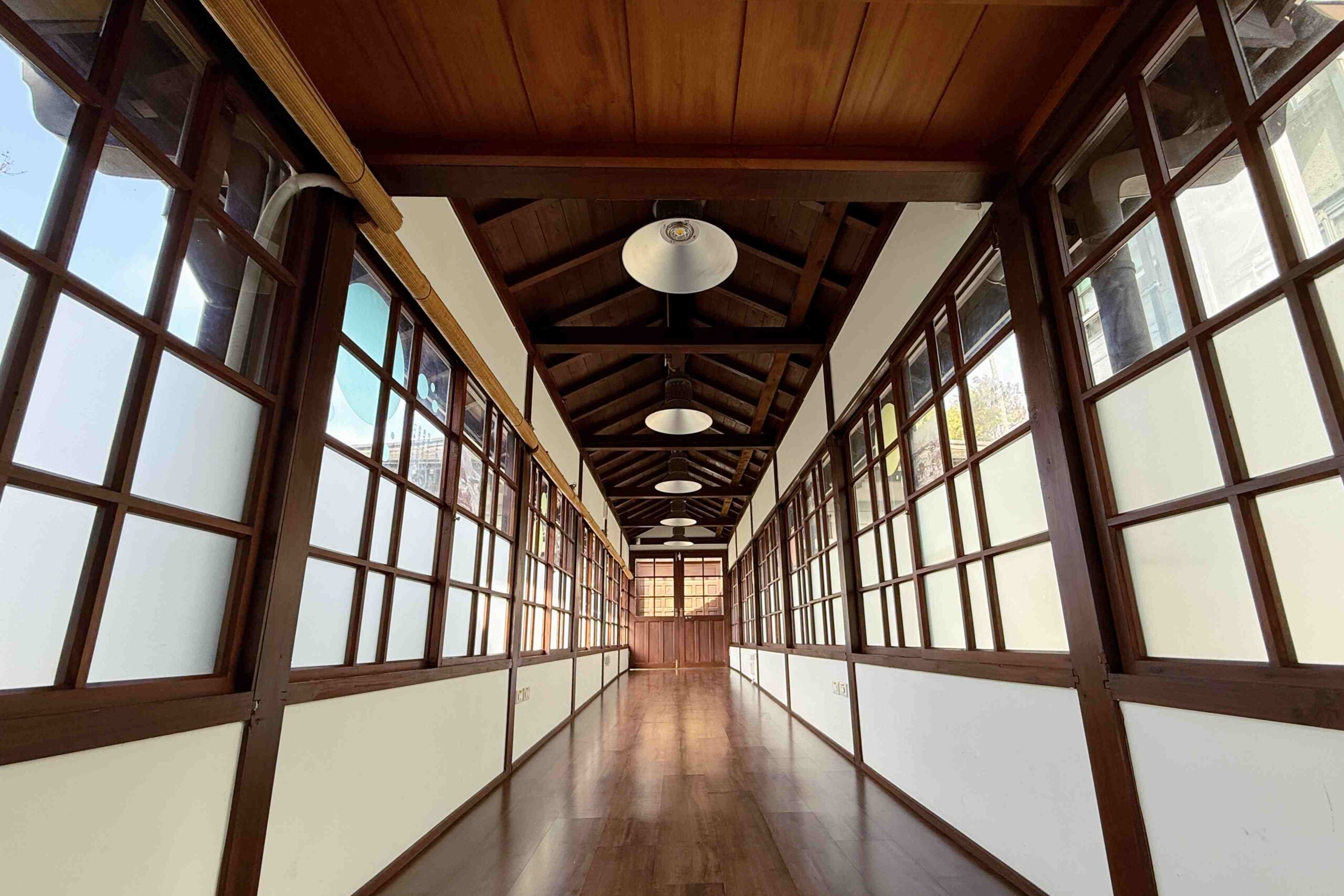
Before World War II, Japan promoted militarism and the Bushido spirit, leading to the construction of Wude Halls across Taiwan as training centers for police and youth to practice judo and kendo. Daxi Wude Hall was built in 1935 (the 10th year of the Showa era) in response to this movement. After the war, the hall was temporarily used as offices for the military police. Over time, it underwent extensive restoration and now faithfully reflects its appearance during the Japanese colonial period, while serving as a space for arts and cultural exhibitions. The hall’s tall wooden architecture makes it an excellent exhibition venue, giving every displayed work a distinctive atmosphere.
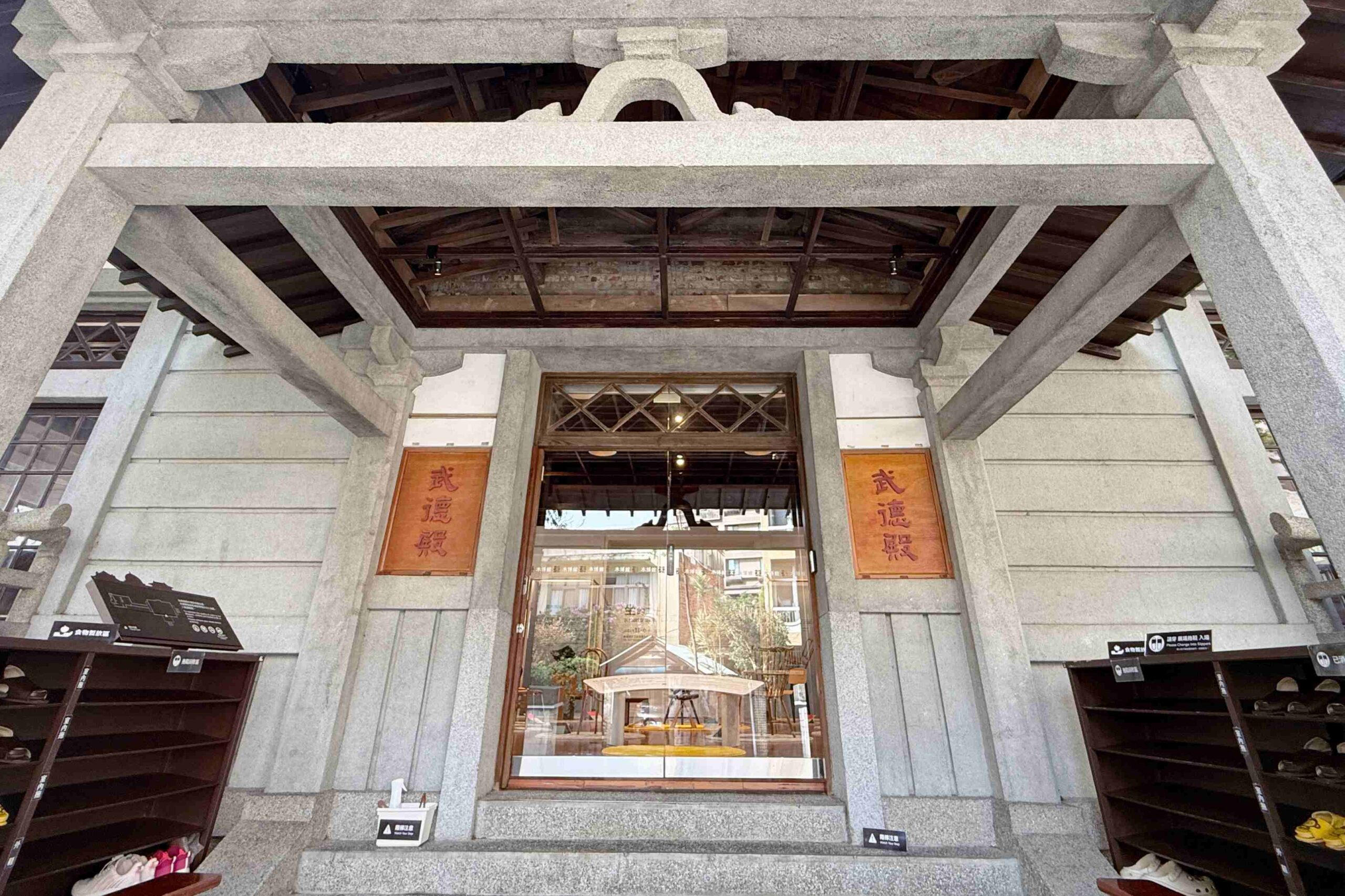
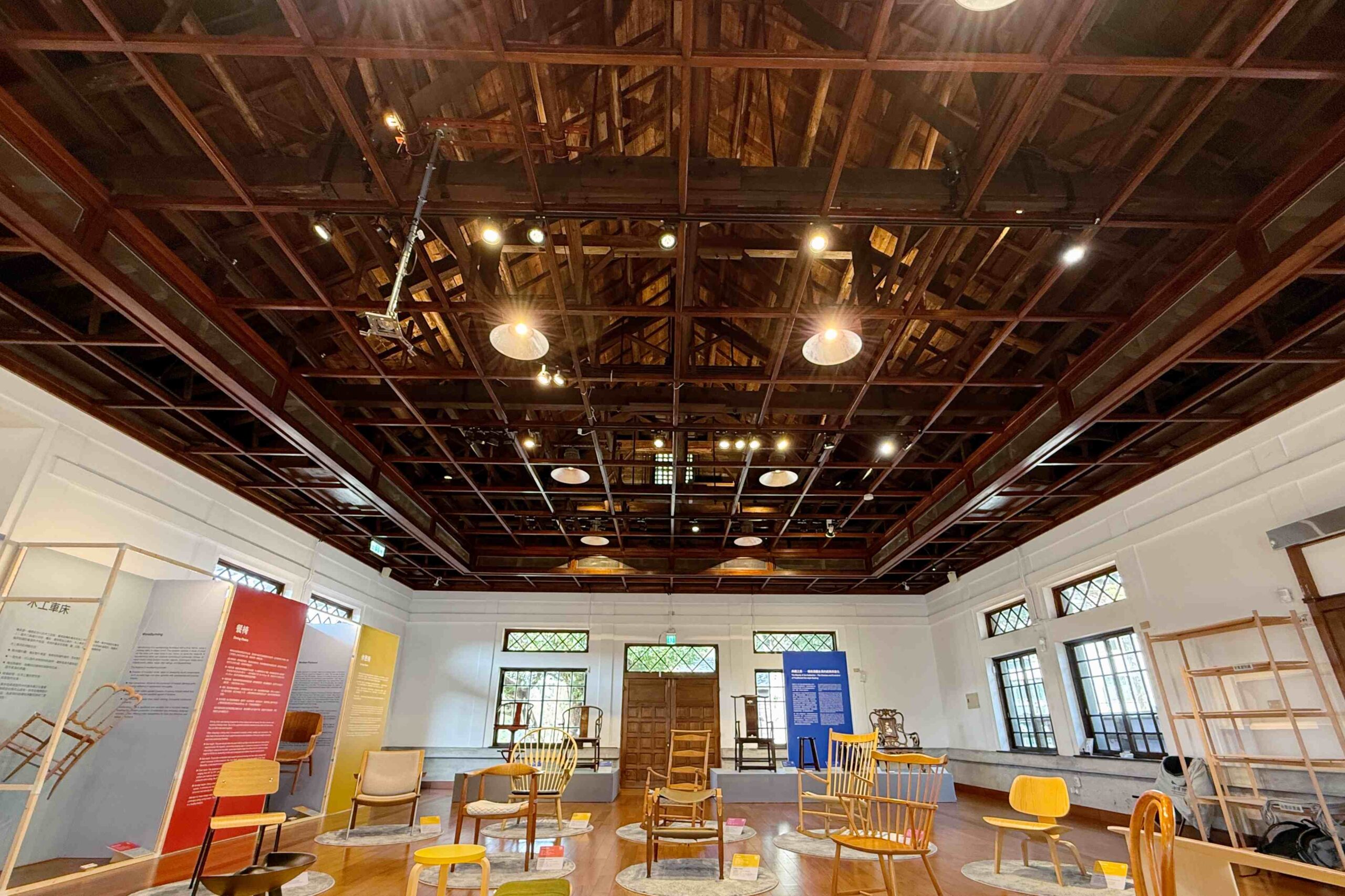
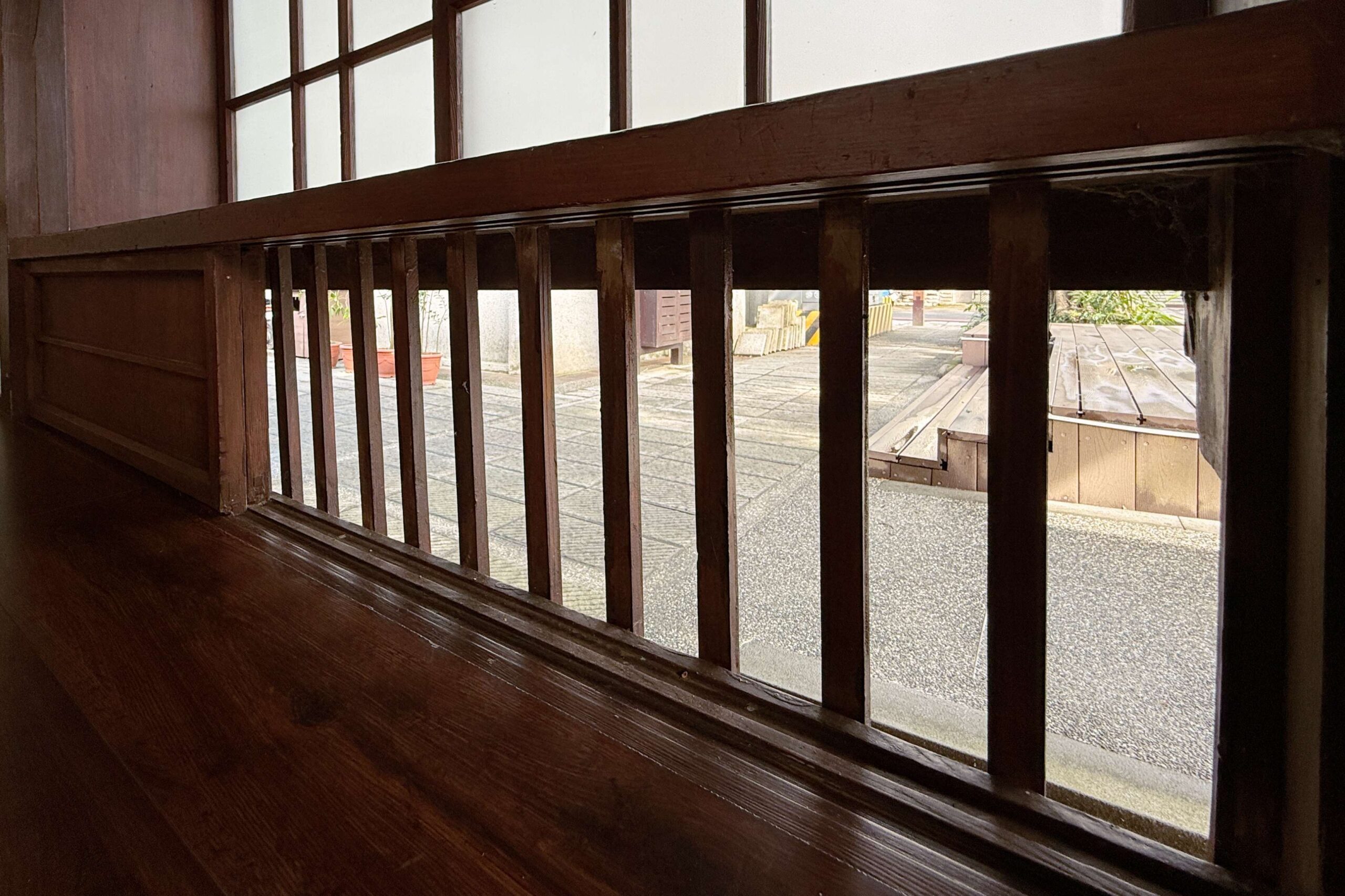
However, don’t rush to leave after viewing the exhibitions. Open the side door and walk along the wooden corridor to the other end, and you can truly appreciate the serene passage of time embedded in this historic building.
Daxi Wude Hall

Opening Hours: 0930-1700, closed on Monday.
No. 33-3, Puji Rd., Daxi Dist., Taoyuan
07|Daxi History Hall
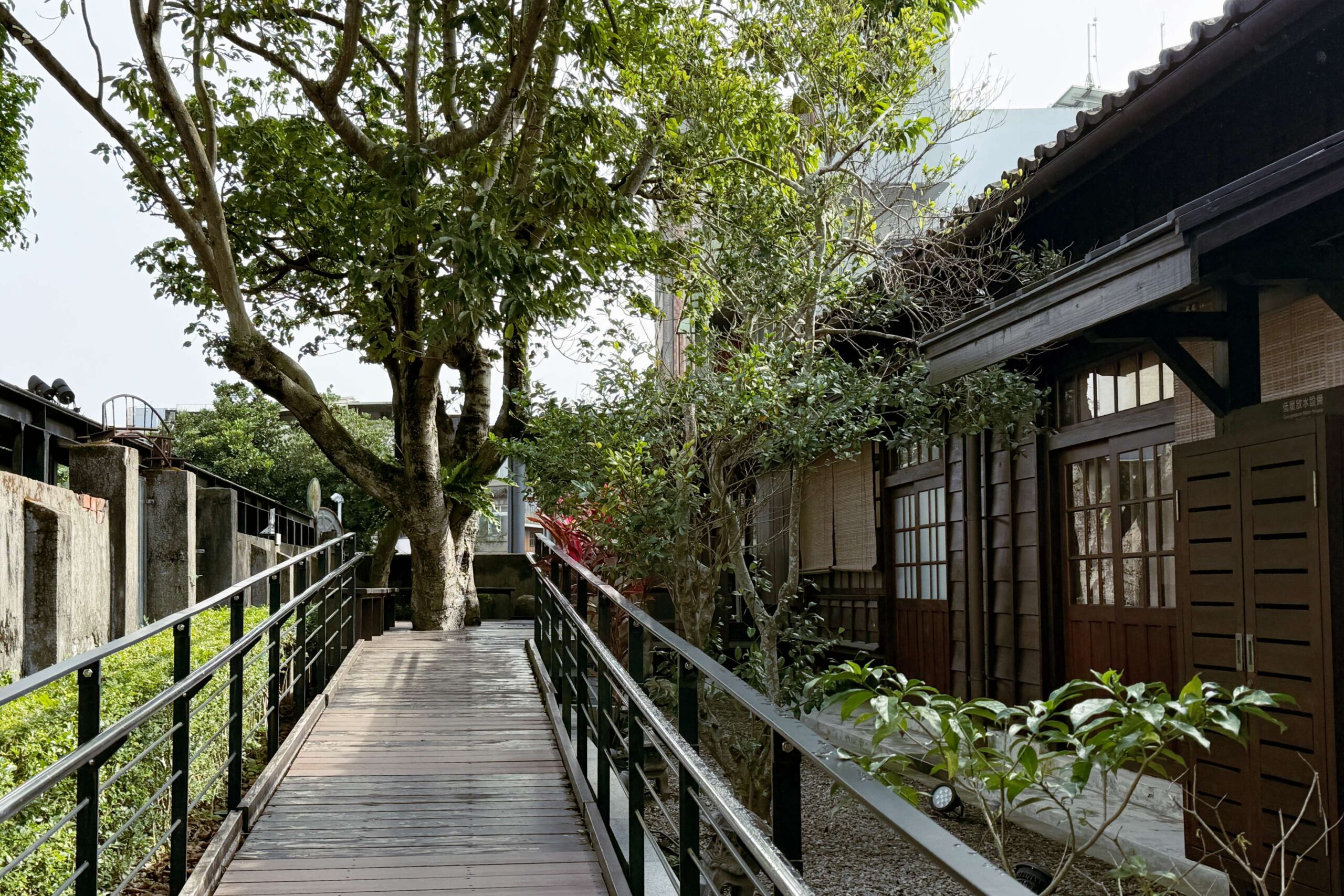
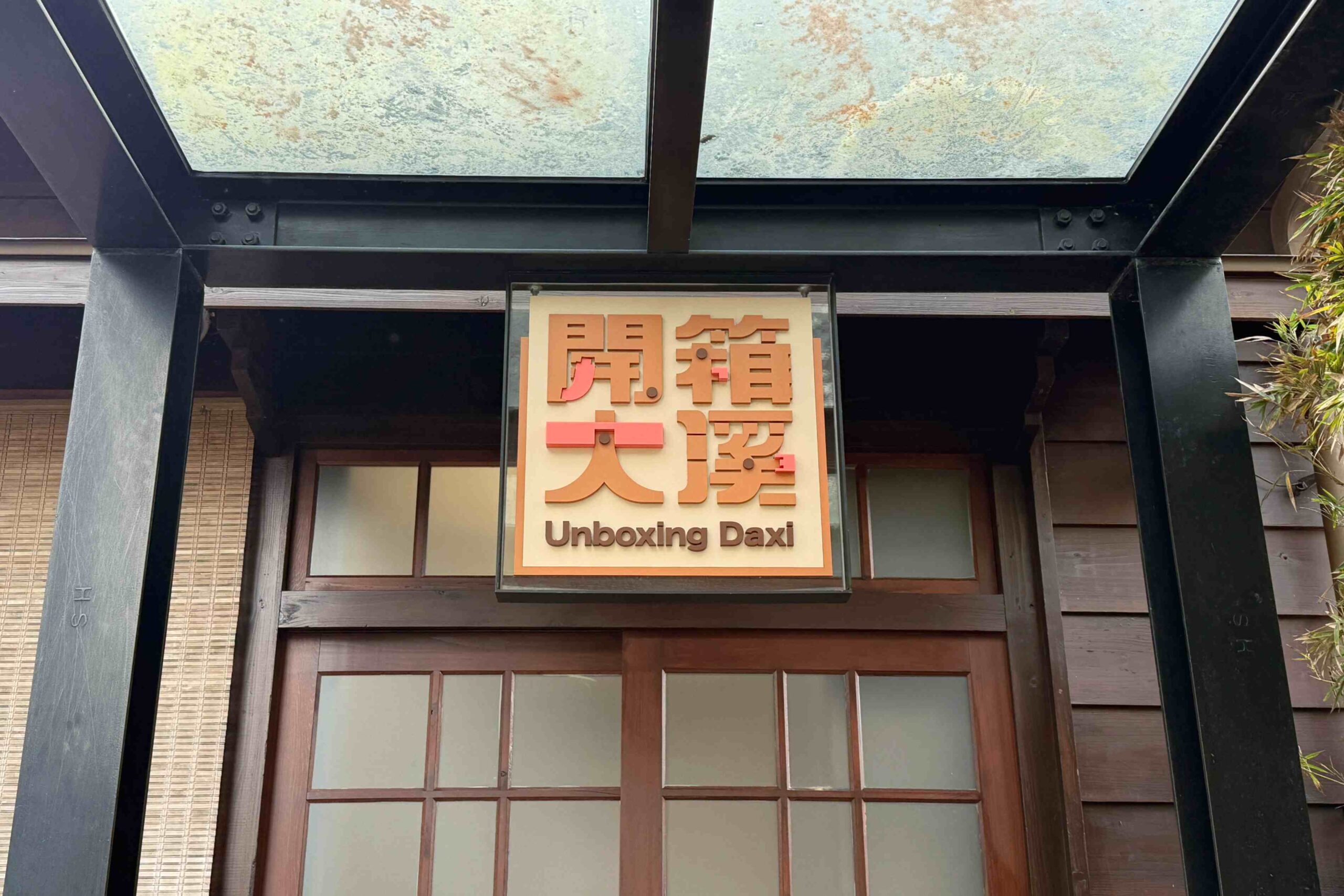
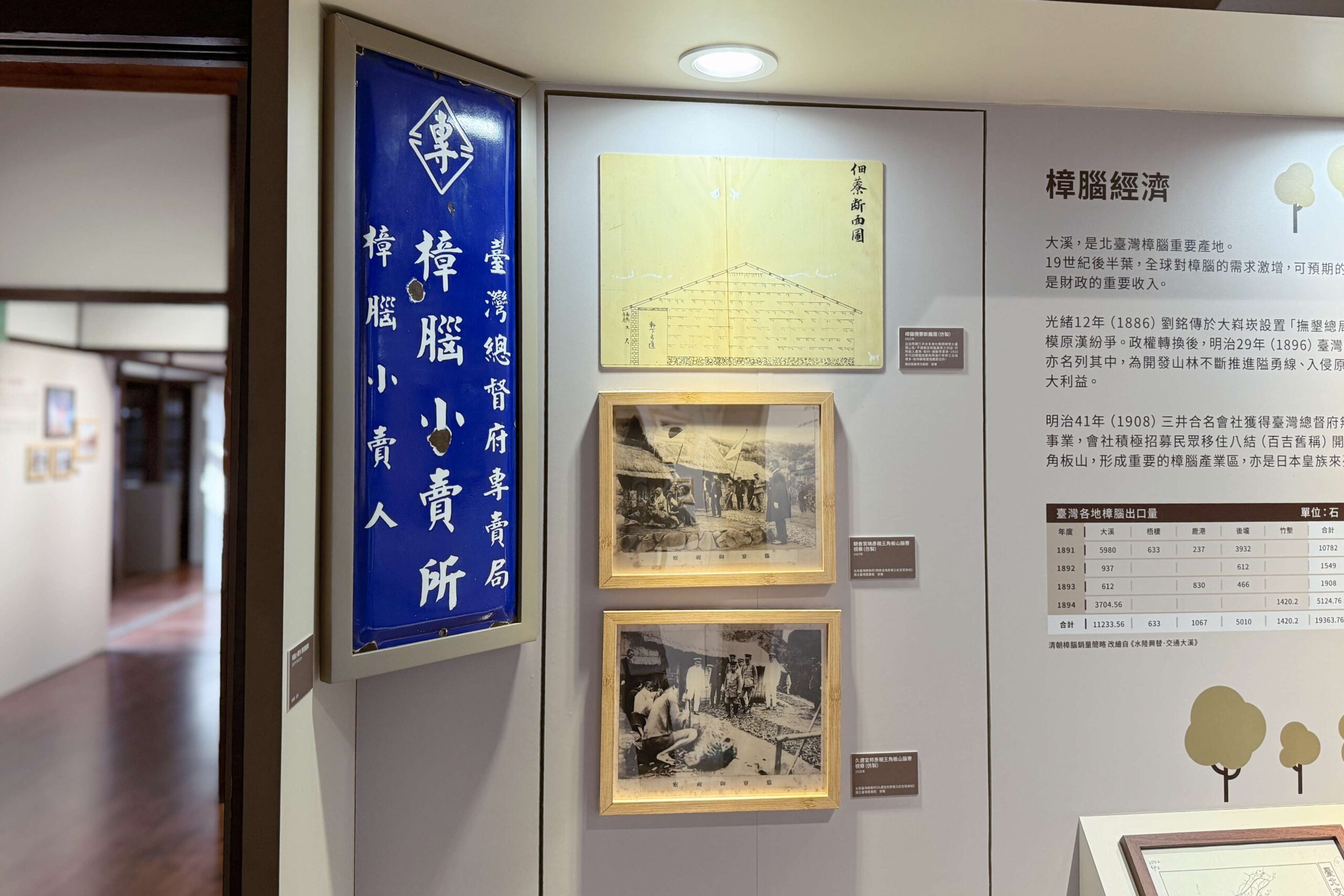
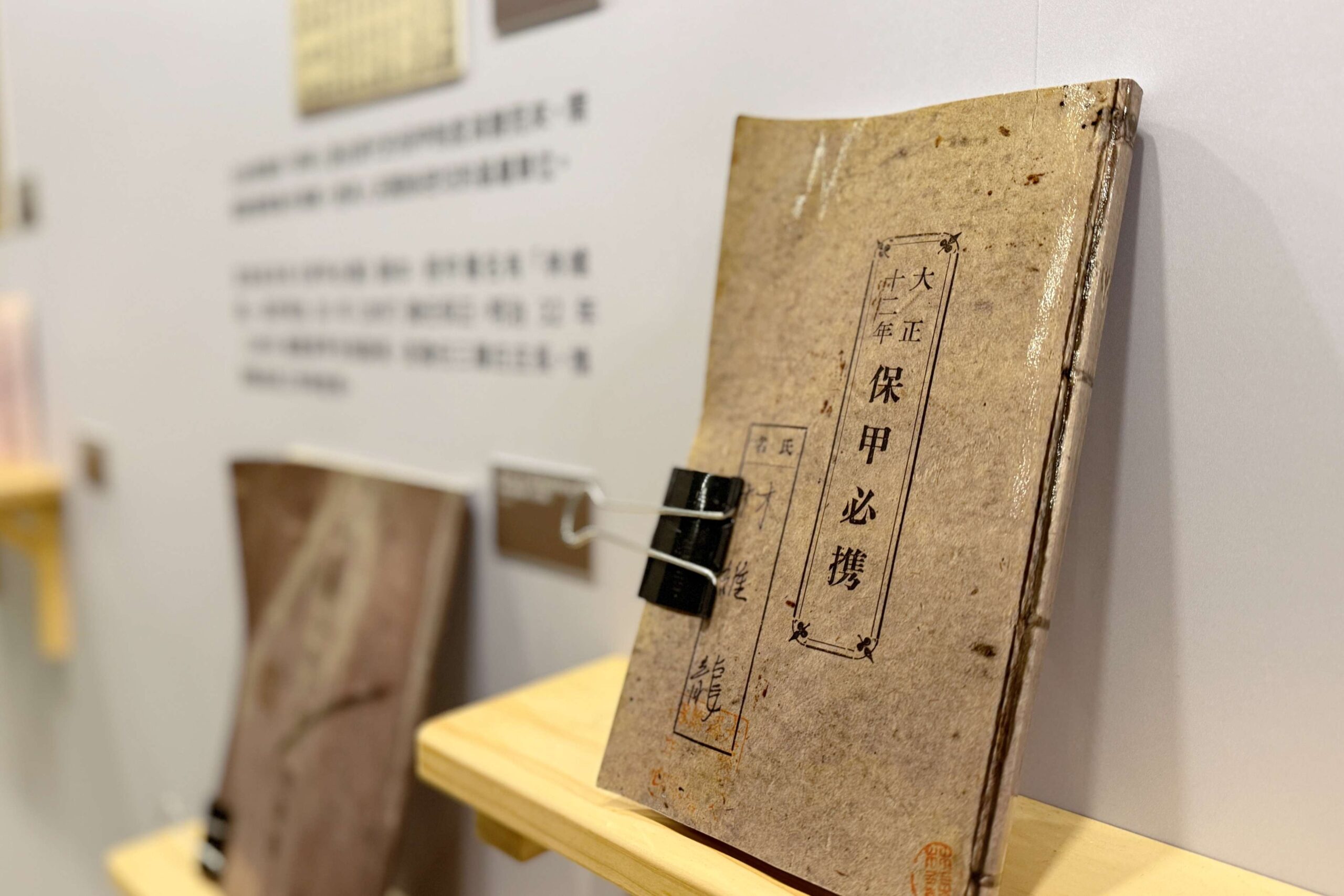
The Daxi History Hall was originally built during the Japanese colonial period as an official residence, part of a cluster of police housing. The building not only bears witness to nearly a century of Daxi’s police and administrative history but also quietly preserves traces of everyday life. After being registered as a historical building in 2012, the museum was restored and became one of the halls within the Wood Art Ecomuseum.
Stepping inside, looking at the old photographs and documents, it’s easy to imagine the bustling scenes of Daxi’s river trade at its peak, with streets filled with merchants. The town’s former prosperity gives this space, which displays historical artifacts, an added sense of narrative, making it one of the few history museums that genuinely feels engaging rather than dull.
Daxi History Hall

Opening Hours: 0930-1700, closed on Monday.
No. 23, Puji Rd., Daxi Dist., Taoyuan
◦ Restaurants and Snacks in Daxi
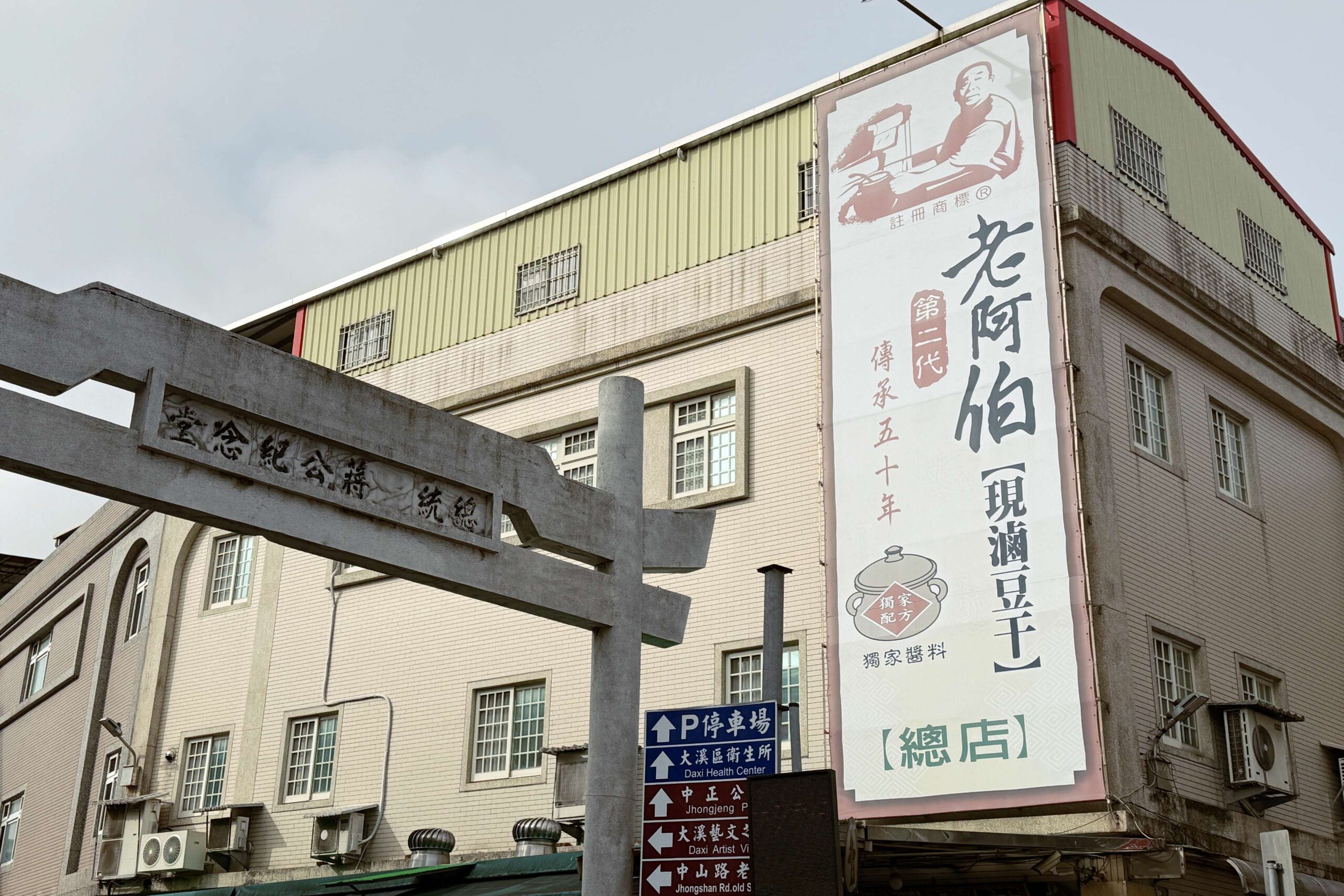
01|Old Uncle's Braised Tofu
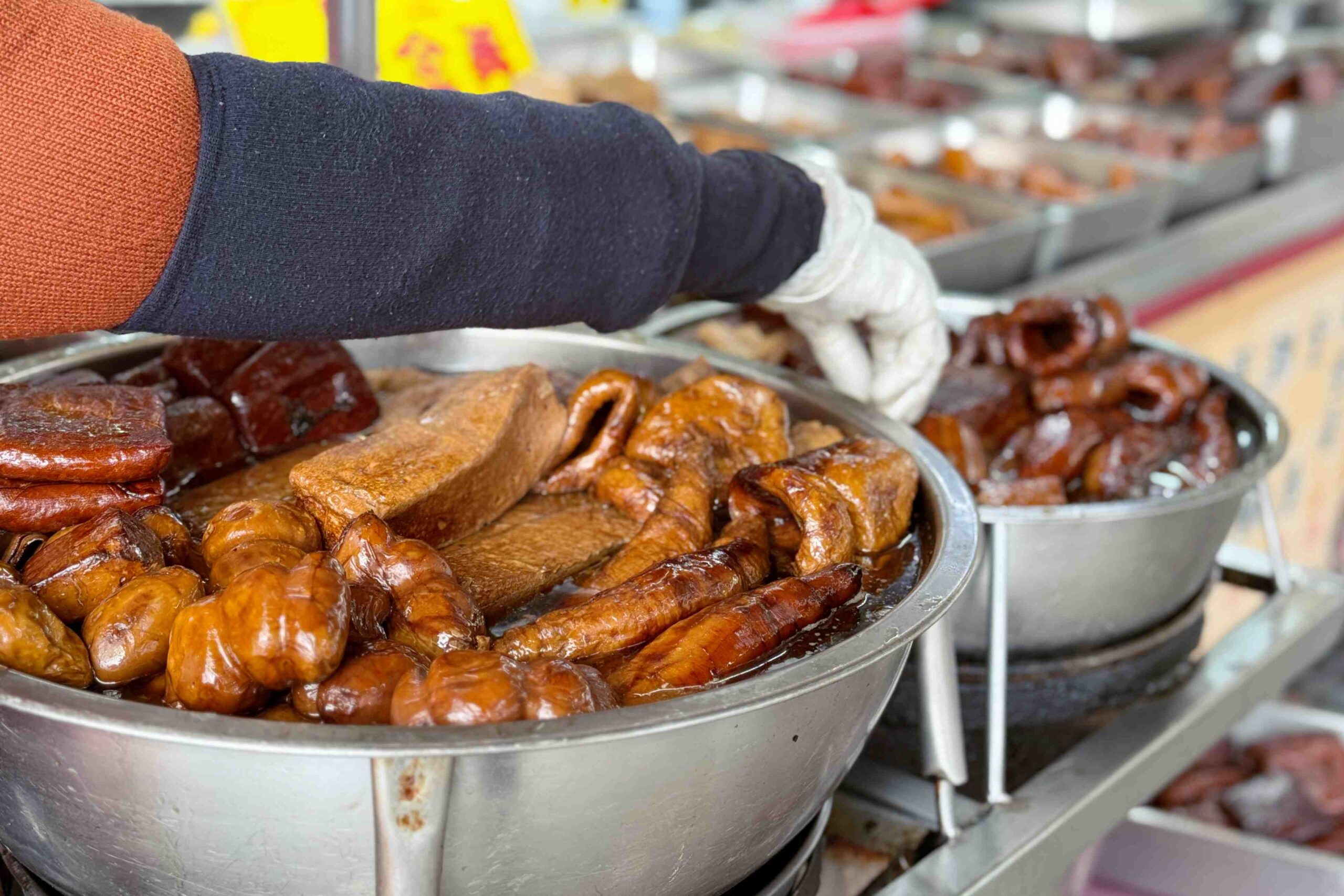
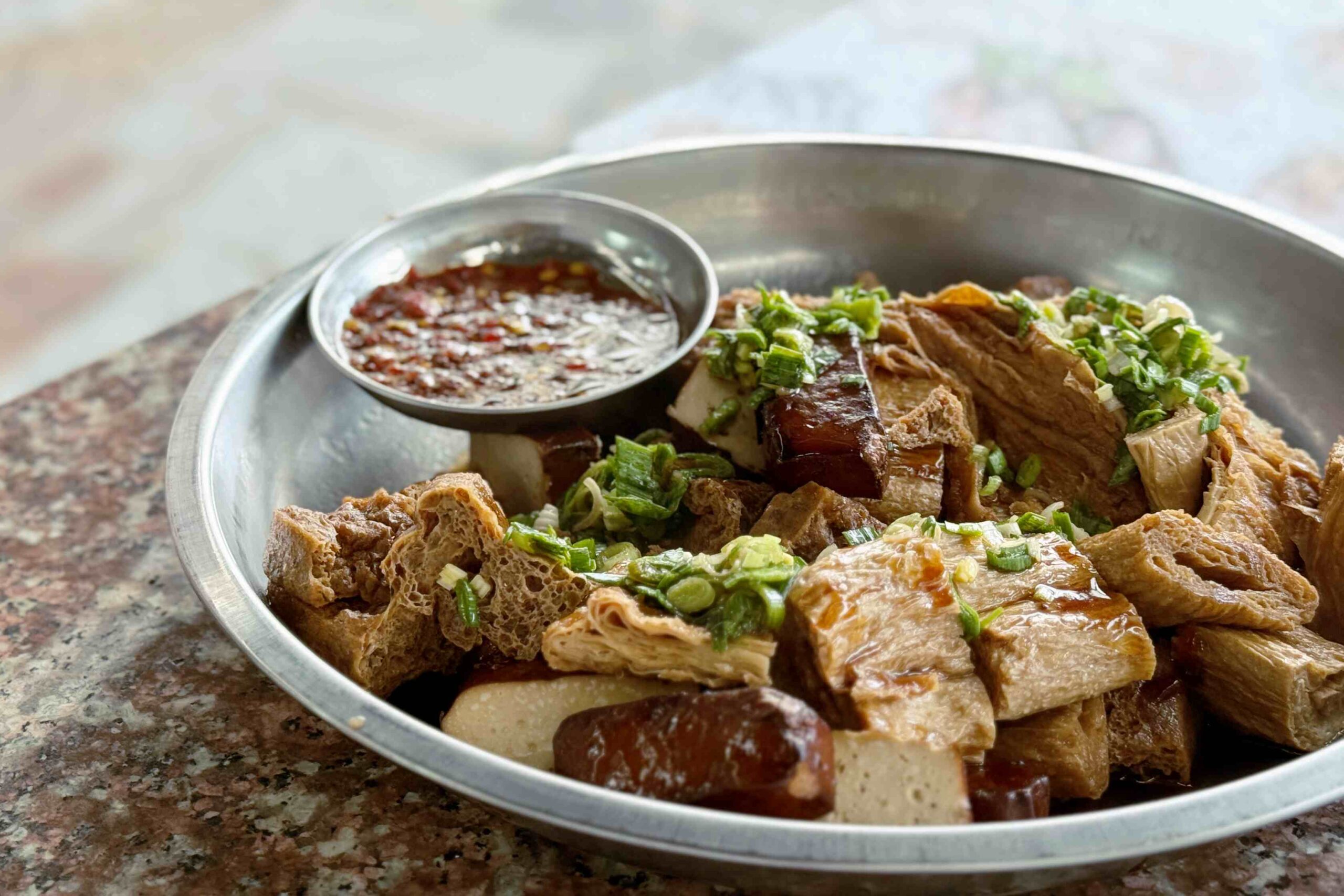
A friend who grew up in Daxi told me that if you want to try Old Uncle's Braised Tofu, you have to go right when the shop opens — otherwise, the line gets long fast. Sure enough, as soon as I finished ordering, more people started arriving, including a group of moms who had come all the way from Taipei, carefully managing a long list of online group orders on their phones.
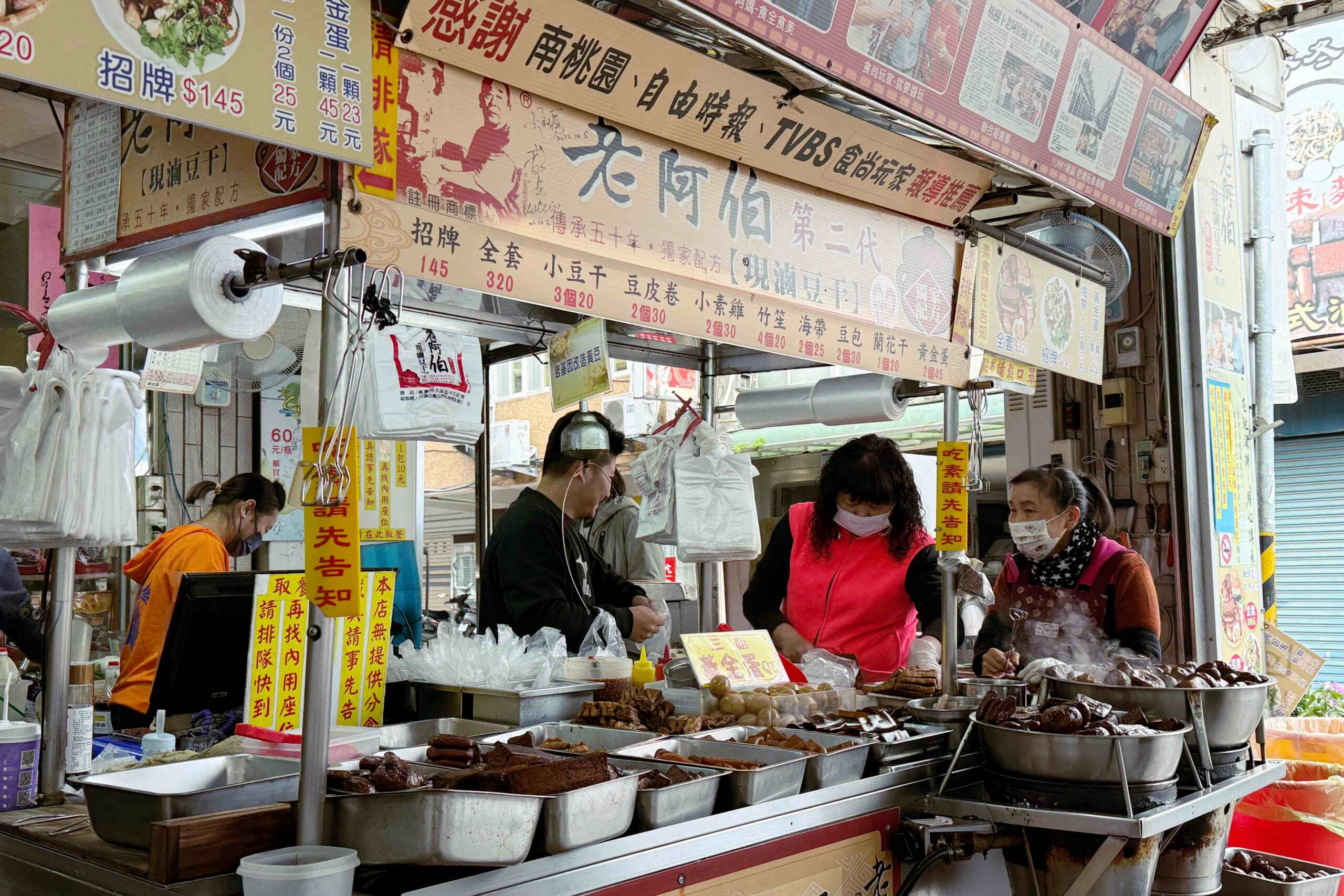
I personally love their Orchid Tofu and regular braised tofu. Sprinkled with green onions and soaked in rich braising sauce, the Orchid Tofu releases an irresistible aroma. Dip it in the punchy chili sauce, and it’s a flavor explosion for fans of bold tastes! Delicious, affordable, and generously portioned — this is likely the biggest reason so many people are willing to travel from far and wide just to try it.
Old Uncle's Braised Tofu

Opening Hours: 0900-1800
No. 37, Zhongzheng Rd., Daxi Dist., Taoyuan
02|Xiaozhen Tofu Pudding
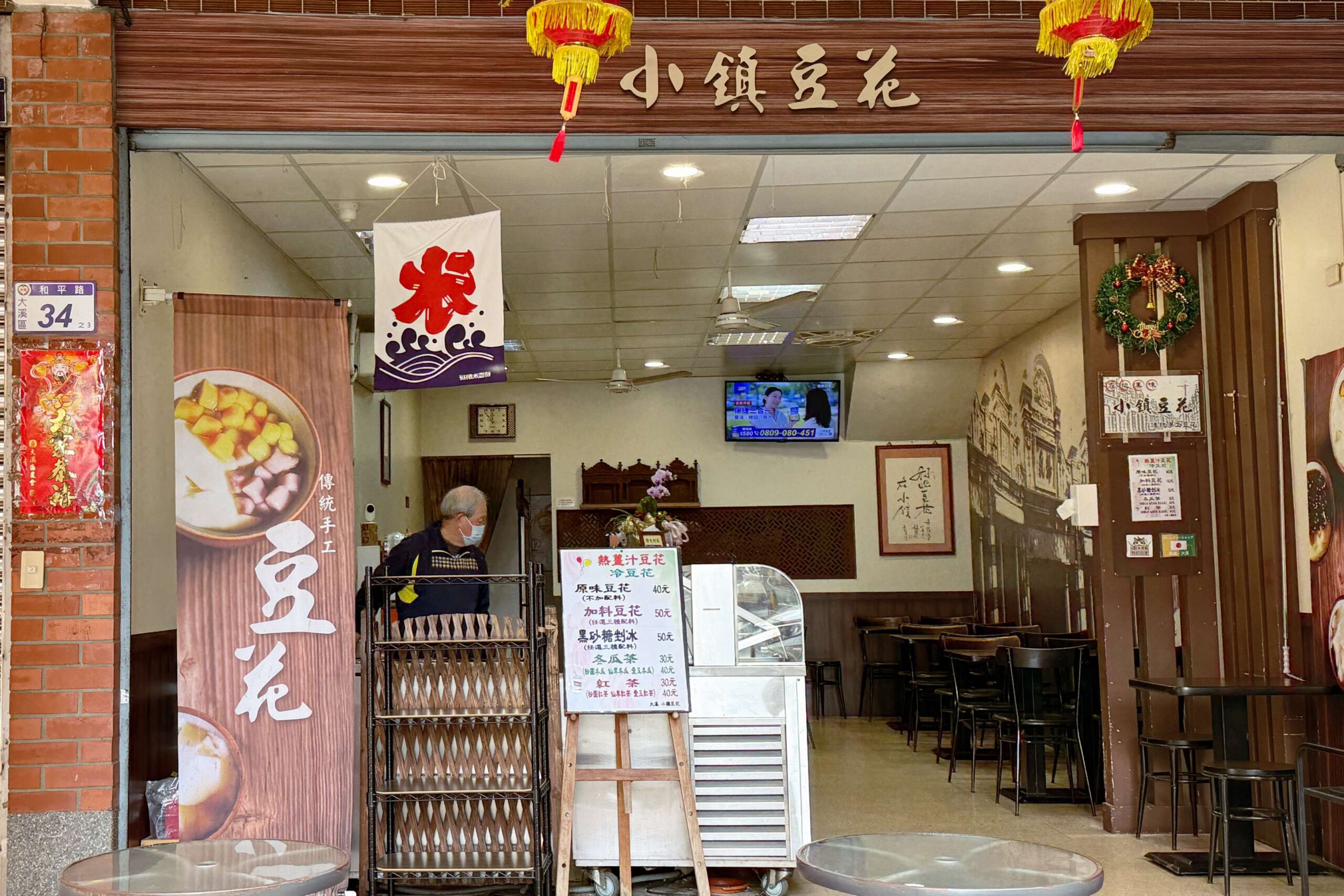
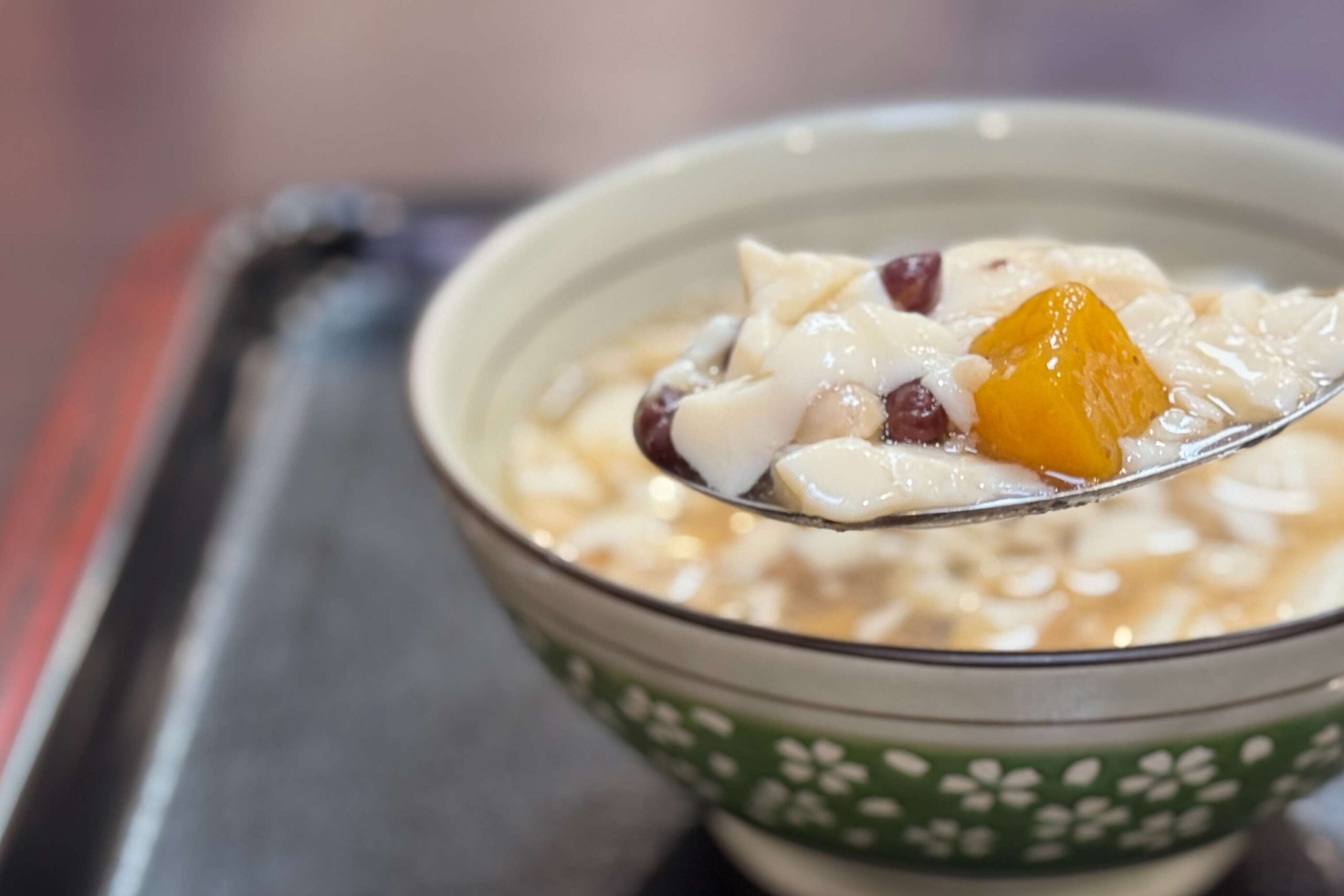
While wandering through Daxi Old Street, I happened to notice an elderly man sitting inside, staring off into space. Feeling a bit thirsty, I decided to go in and try a bowl of douhua (tofu pudding). After just a few bites, a stream of people walked by, specifically asking for this shop — that’s when I realized it’s one of Daxi’s local favorites. Xiaozhen Tofu Pudding prides itself on generous, high-quality toppings. The tofu pudding is silky and smooth, and the portions are hearty enough that a single bowl can easily satisfy a woman’s entire meal.
Xiaozhen Tofu Pudding

Opening Hours: 1100-1830
No. 34-2, Heping Rd., Daxi Dist., Taoyuan
◦ Flying Over Taiwan
*All aerial photography operations are conducted within legal airspace. During flight, regulations stipulated by the Civil Aviation Law are strictly followed, maintaining the required distance from buildings and crowds. Zooming and post-production techniques are used to ensure compliance, making the flights fully legal.
*Anyone citing these images and text must provide proper attribution. Unauthorized or illegal use of the images and text is prohibited and may result in legal liability.
◦ Other Areas in Taoyuan
➤ Yangmei | The Bald Cypresses are Turning Colors!
➤ Dayuan | An Impressive Aerotropolis for Travelers
➤ Zhongli | The Ever-Gleaming Charm of the Military Villages
1 留言
[…] ➤ 大溪|除了豆干,還有濃濃木頭香。 ➤ 楊梅|落羽松開始轉色了! ➤ 大園|讓外國旅客留下絕佳印象的航空城 […]