最後更新/Last Updated:2025-12-12
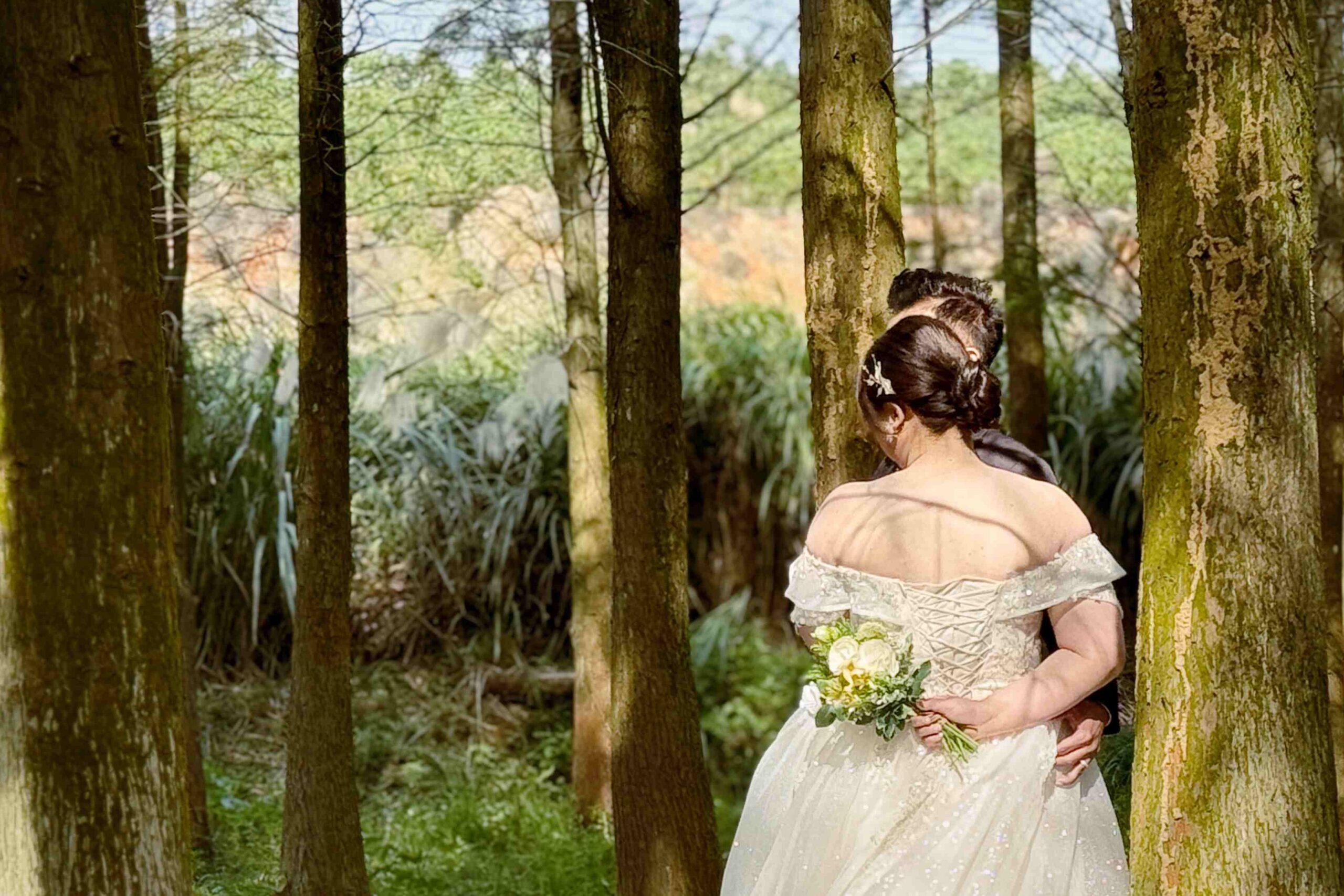
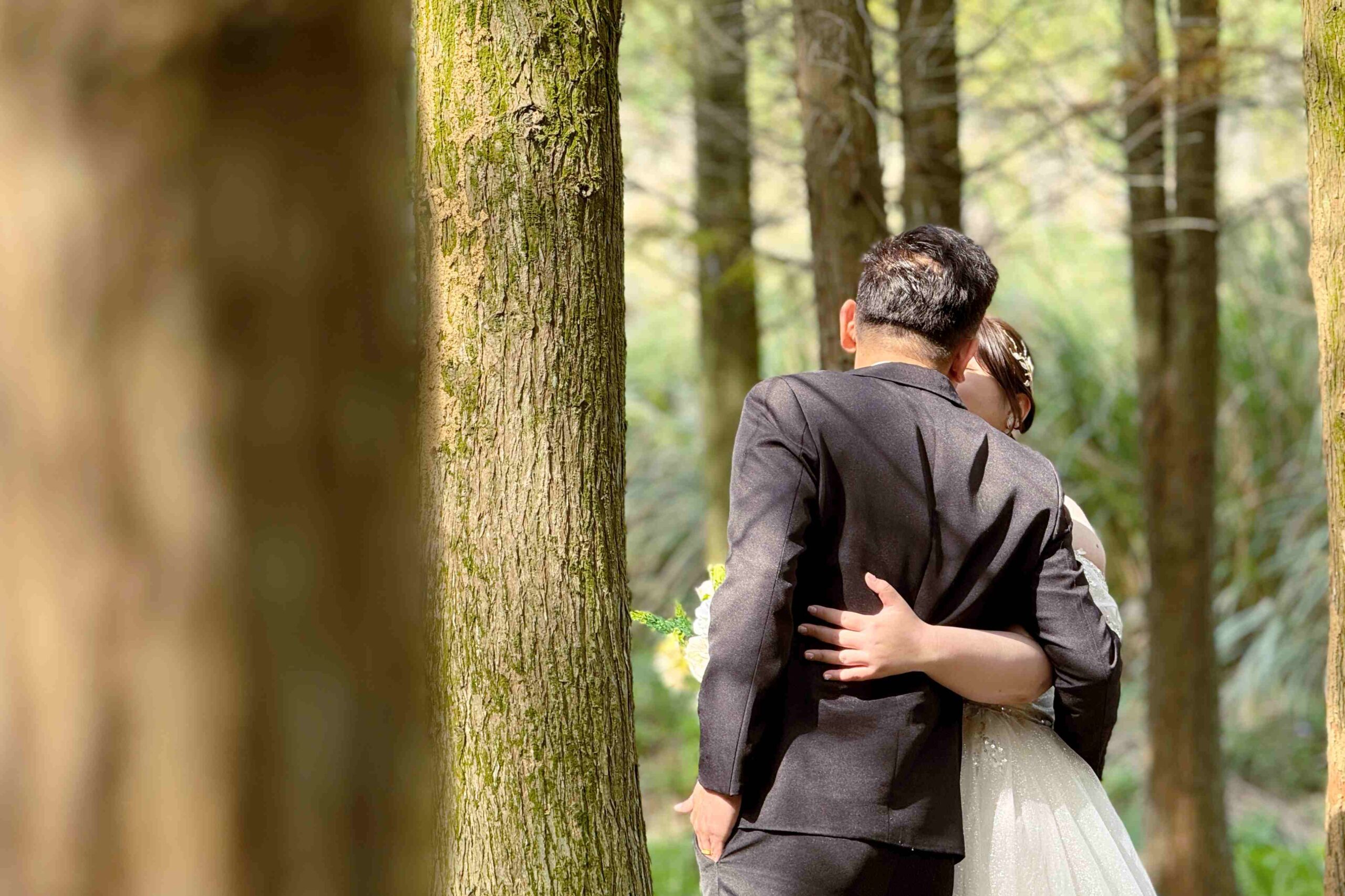
A must-see in autumn and winter, the bald cypresses are now starting to transform. From December to February, these trees shift from lush green to shades of orange and red, creating a breathtaking scene. When I visited the hidden bald cypress grove in Yangmei the other day, I happened to come across a couple taking their wedding photos. Sunlight filtered through the branches, illuminating the forest with a glow that radiated pure happiness.
Beyond the cypress grove, Yangmei is also known as a traditional Hakka settlement, offering a wealth of attractions and unique cultural landscapes.
Contents
◦ Taoyuan Travel Guide
01|Transportation in Taoyuan
🚄 Taiwan High Speed Rail
🚗 Cross-city Chartered One-day Tour From Taipei
02|Popular Attractions in Taoyuan
🎫 XPark Taiwan Aquarium Ticket
🎫 Window on World Theme Park Ticket
🎫 Dongyanshan Forest Recreation Area Ticket
🎫 Lalashan National Forest Recreation Area Ticket
🎫 Pushin Ranch Tickets in Taoyuan
🎫 Simbalion Art Studio Admission Ticket in Taoyuan
🎫 Saw Seen Woo Ying Cheng Admission Ticket
🎫 Taoyuan Mountain Foot Deer Farm Sambar House Admission Ticket
03|Things To Do in Taoyuan
🏕️ Glamping in Taoyuan by Orchard Villa
◦ The History of Yangmei
The origin of the name “Yangmei” is indeed tied to the yangmei fruit (Chinese bayberry)! The name has a history of more than two hundred years. In the past, the area was called Yangmei-li, where “li” in Hakka refers to a “valley lowland between plateaus.” The story goes back to the Qianlong era of the Qing Dynasty, when Han settlers followed the Shezi River—once called “Daxi”—into this region to cultivate the land. After cutting through dense wilderness, they eventually reached the confluence of the river, which was exactly such a valley lowland. The terrain ahead grew even more rugged and difficult to cross. Exhausted, drenched in sweat, and parched with thirst, they suddenly discovered yangmei trees laden with ripe fruit. Picking and eating them quenched their thirst, and the settlers decided to build a village there, naming it Yangmei-li after the fruit. In 1920, the name was officially shortened to Yangmei, and the yangmei tree became both a symbol and the official tree of the district.
◦ Attractions in Yangmei
01|Yangmei Bald Cypress Forest
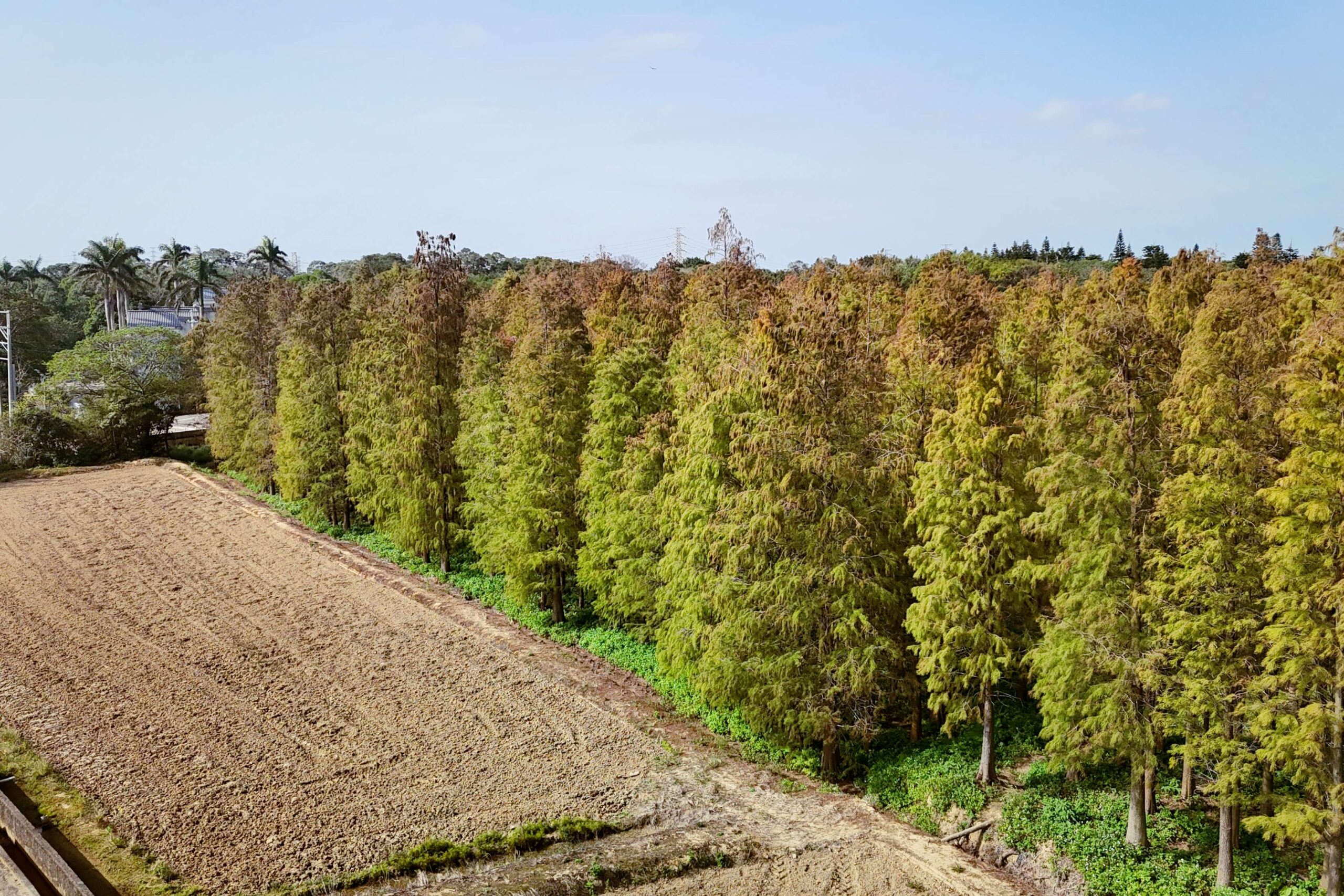
The best season to admire bald cypresses runs from December through February. While many areas in Taoyuan are home to these beautiful trees, the secret grove in Yangmei remains relatively unknown. It’s the perfect spot to enjoy the scenery quietly, away from the crowds. This hidden gem actually sits on private land. The landowner not only opens it to the public free of charge but has even thoughtfully added a Google Maps location to make it easier for visitors to find. A professional landscaping team also helps maintain the grounds, showing how much care goes into preserving this space. Because of that, visitors are reminded to take their trash with them and help protect this rare gesture of generosity.
Inside the grove, rows of tall bald cypresses stand neatly aligned, creating a grand yet tranquil landscape. It’s rarely crowded on weekdays, making it an ideal place for photography. I recommend visiting in the morning, when the sunlight is soft and enchanting. On my last visit, I happened to see a couple taking their wedding photos in the grove. Sunlight streamed gently through the branches, illuminating them in a golden glow, while tall silvergrass in the background completed the picture. The whole scene was filled with a sense of pure happiness.
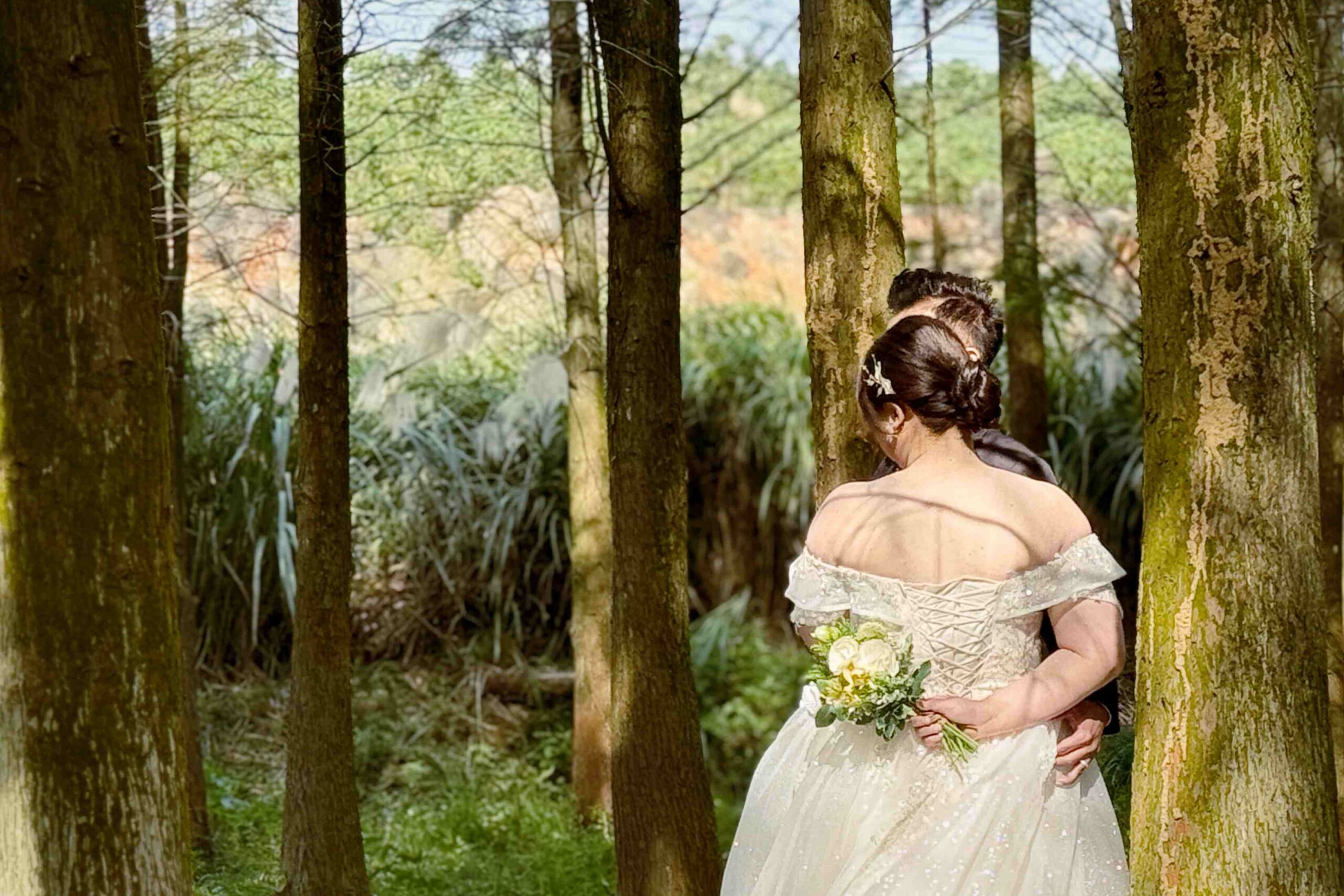
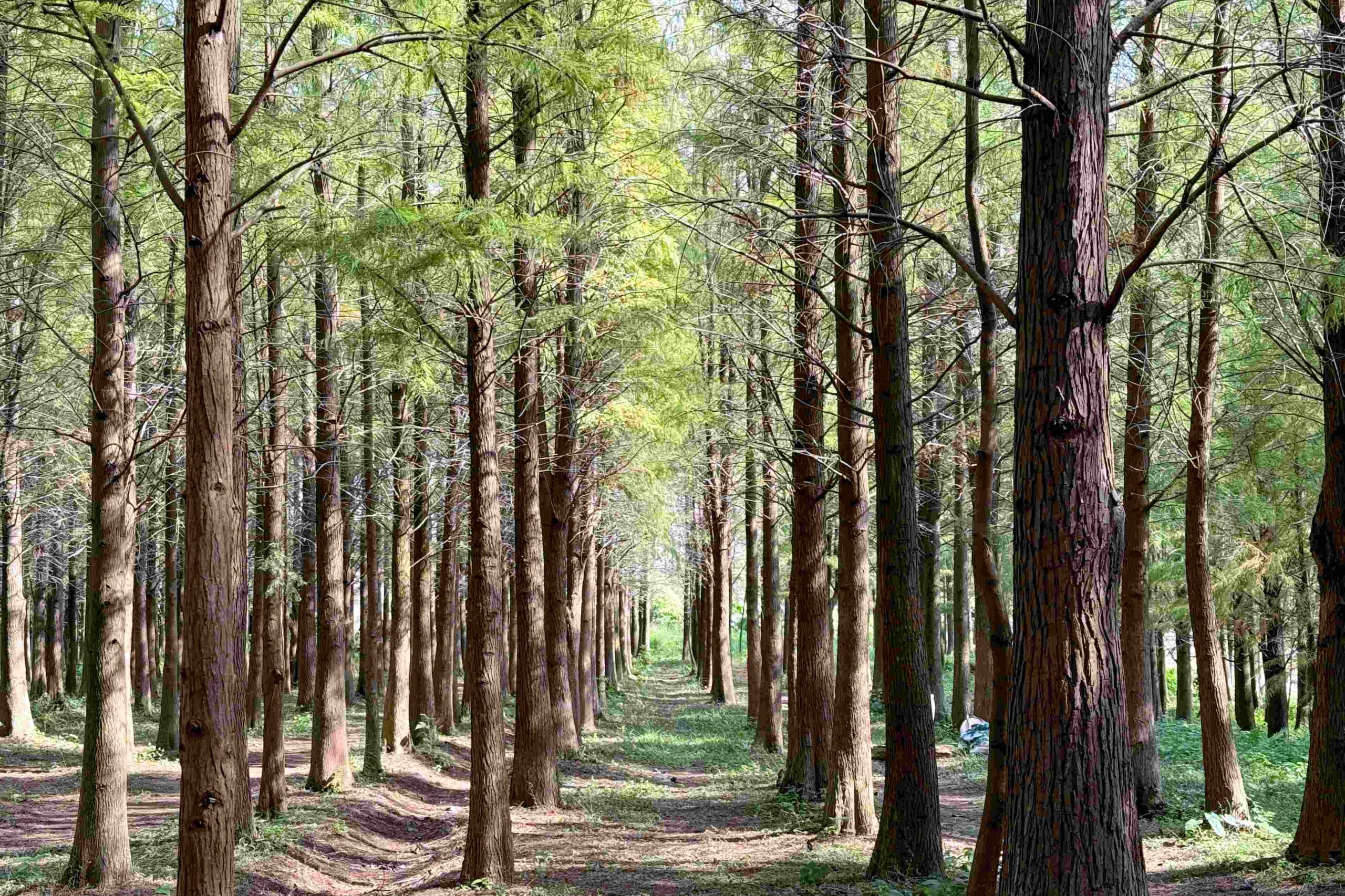
Yangmei Bald Cypress Forest

No. 151, Ln. 210, Gaoxin St., Yangmei Dist., Taoyuan
02|Kuo Yuan Ye Museum of Cake and Pastry
When it comes to traditional pastries in Taiwan, almost everyone has heard of — and tasted — Kuo Yuan Ye. Growing up, I’ve received countless gift boxes from them: wedding pastries, salted egg yolk cakes, and their signature iced mooncakes. Just hearing the name “Kuo Yuan Ye” brings a sense of joy, as if something good is about to happen.
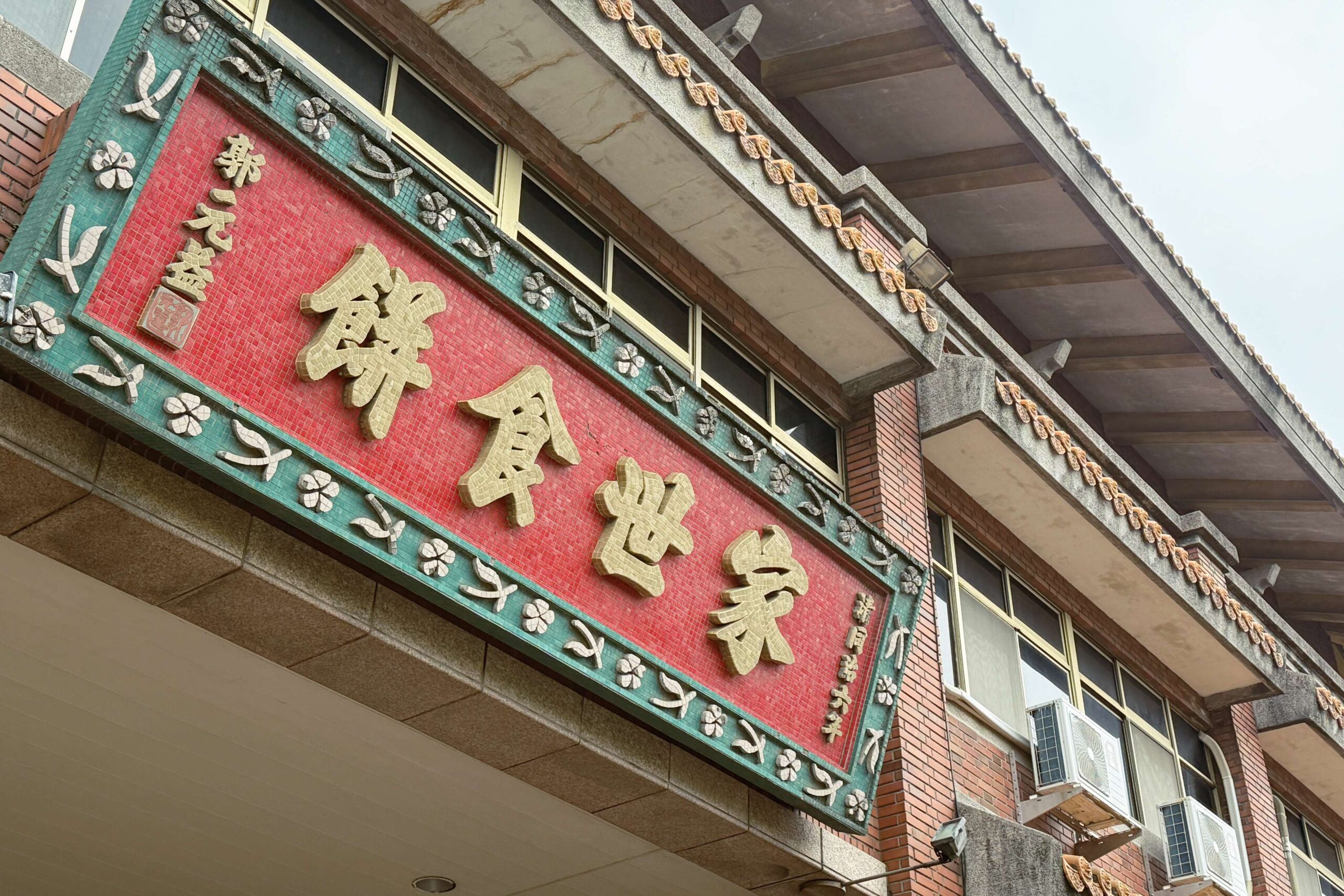
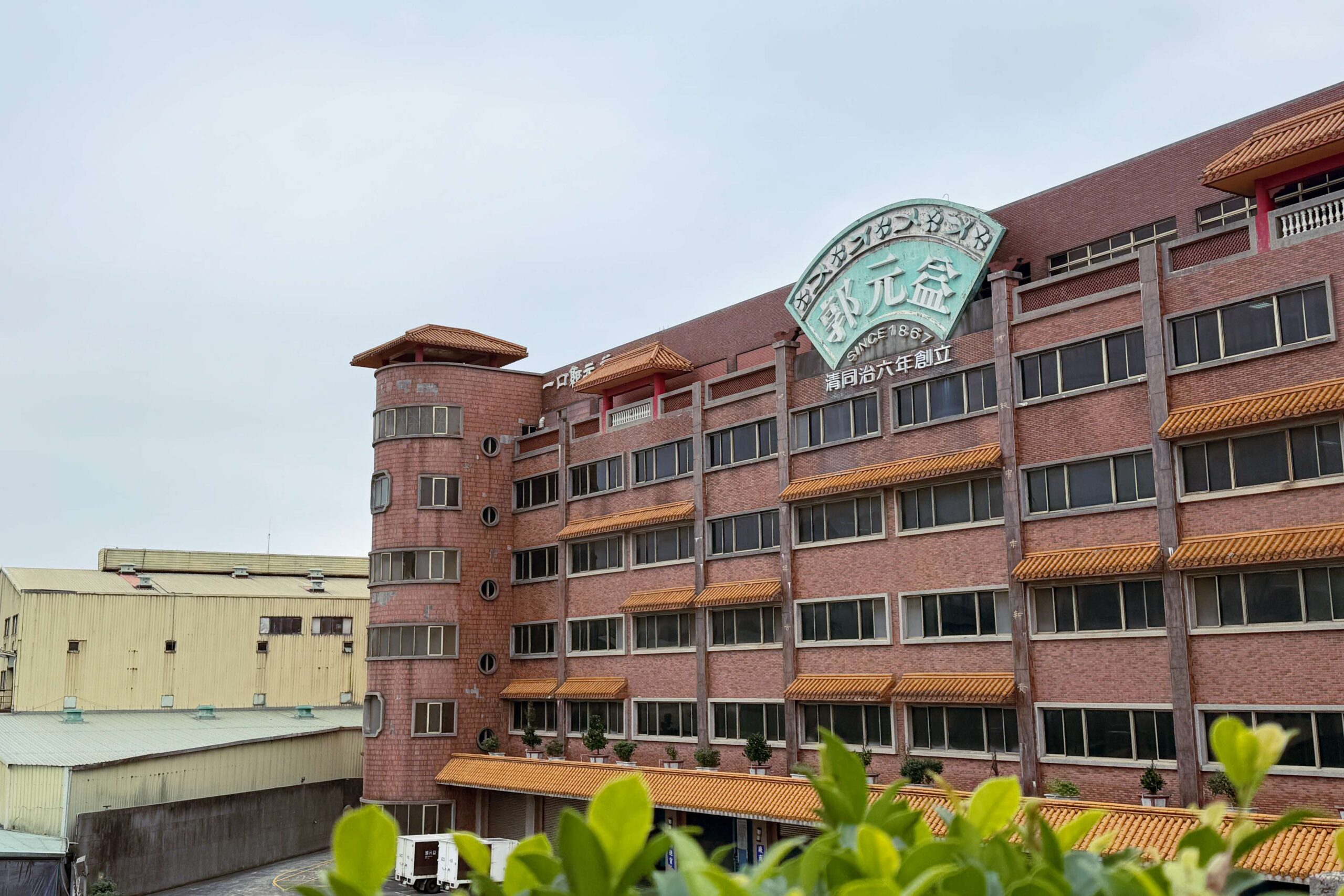
The brand’s story dates back to 1867, when founder Kuo Liang-chen opened a pastry shop near Shennong Temple in Shilin. There, he carried forward his family’s pastry-making heritage, naming the shop “Yuan Ye” after the Kuo family’s ancestral home in Fujian, establishing the foundation of the business. In 1945, the third generation officially added the family name, creating the brand Kuo Yuan Ye. Seven years later, a large order from a local paper mill turned the modest shop into a famous establishment in Shilin. Today, Kuo Yuan Ye is a household name and an iconic Taiwanese brand beloved for generations.
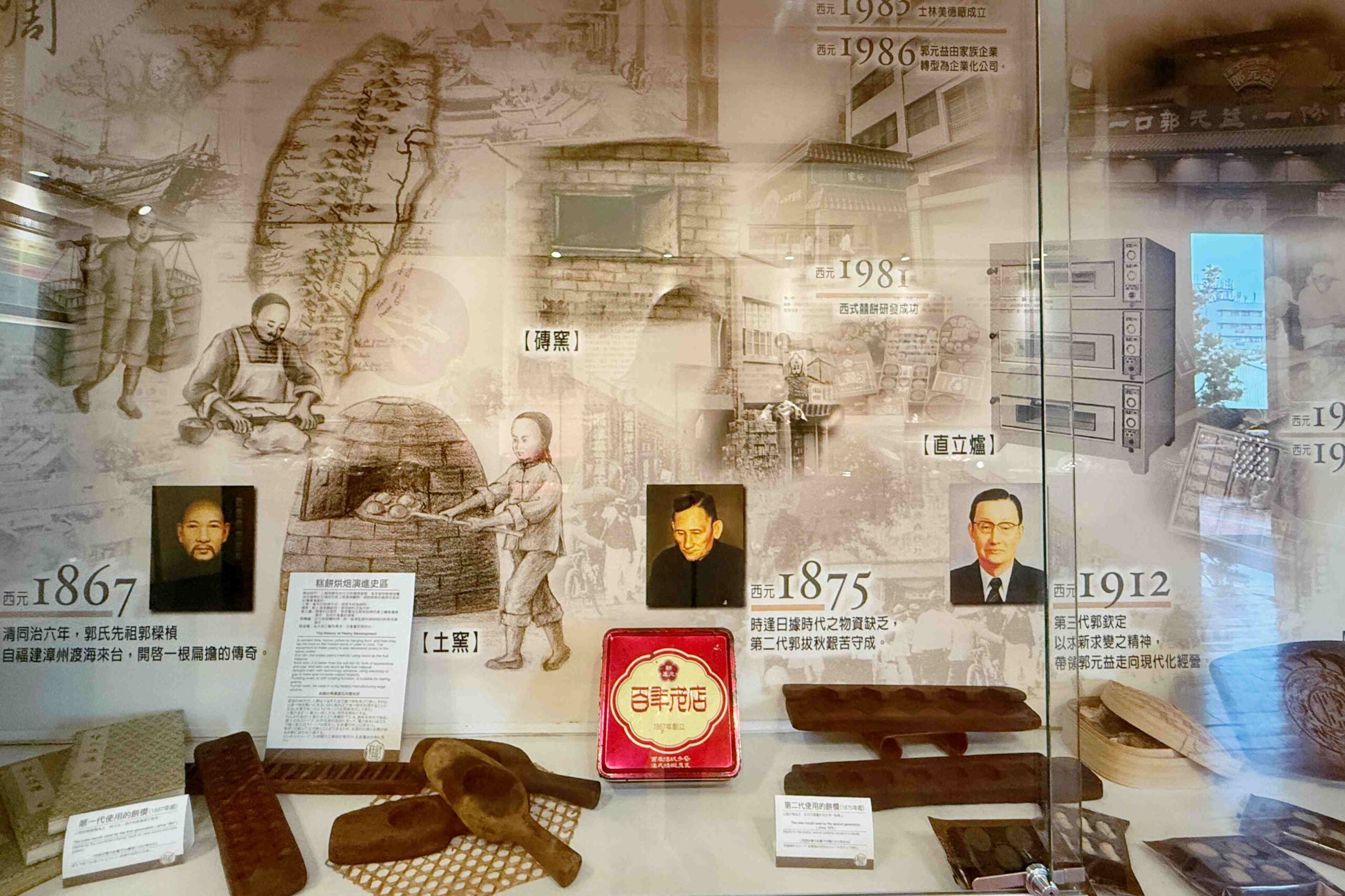
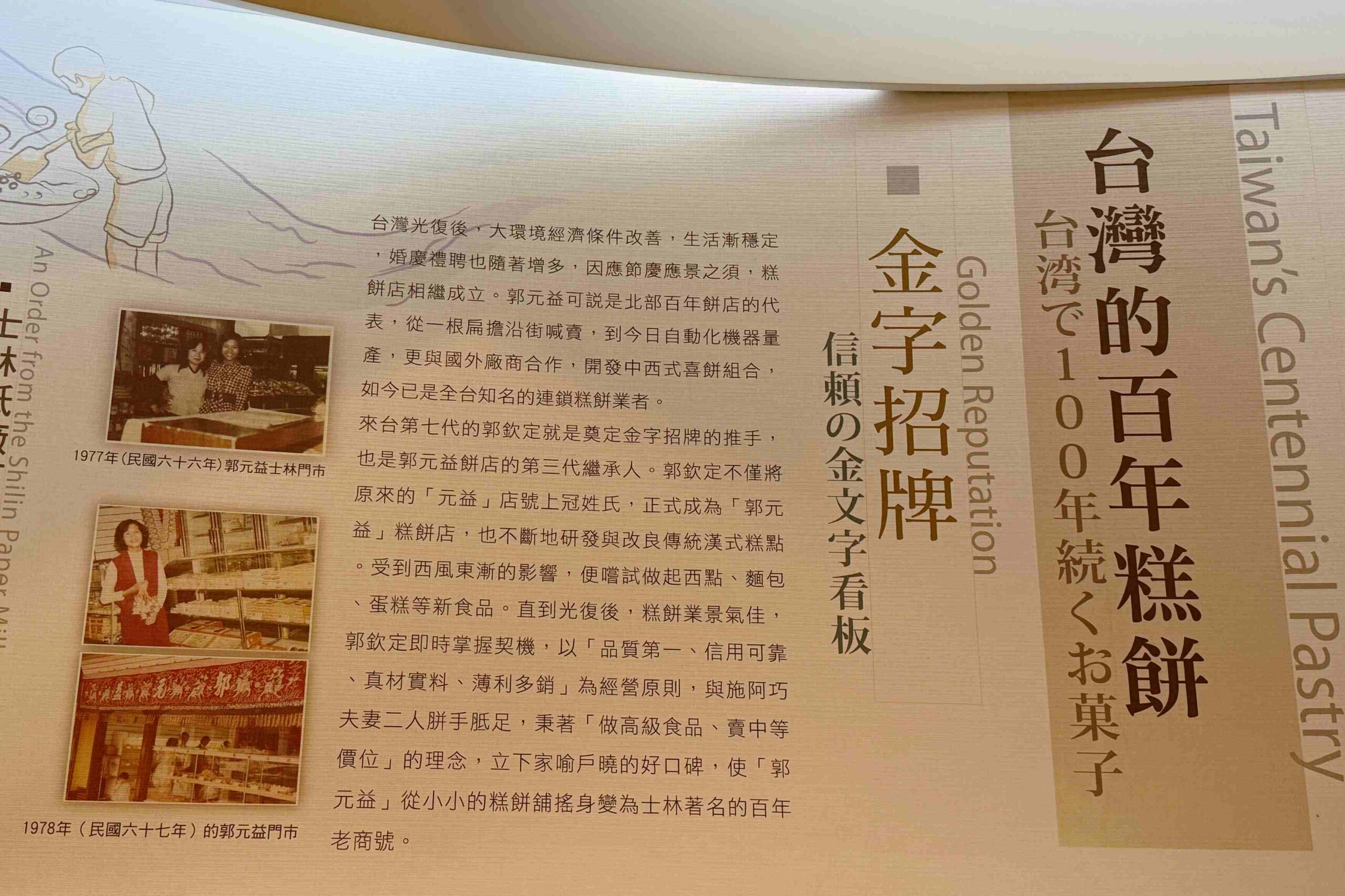
The Kuo Yuan Ye Museum of Cake and Pastry, located in Yangmei, is the perfect place to immerse yourself in pastry culture. Inside, you’ll find a rich collection of artifacts related to traditional pastries and wedding customs. Visitors can not only learn about the cultural significance of these treats but also join hands-on workshops to experience the joy of baking for themselves. Personally, what excites me most are their creative wedding pastries that beautifully combine Western and traditional Taiwanese elements — visually stunning and absolutely delicious.
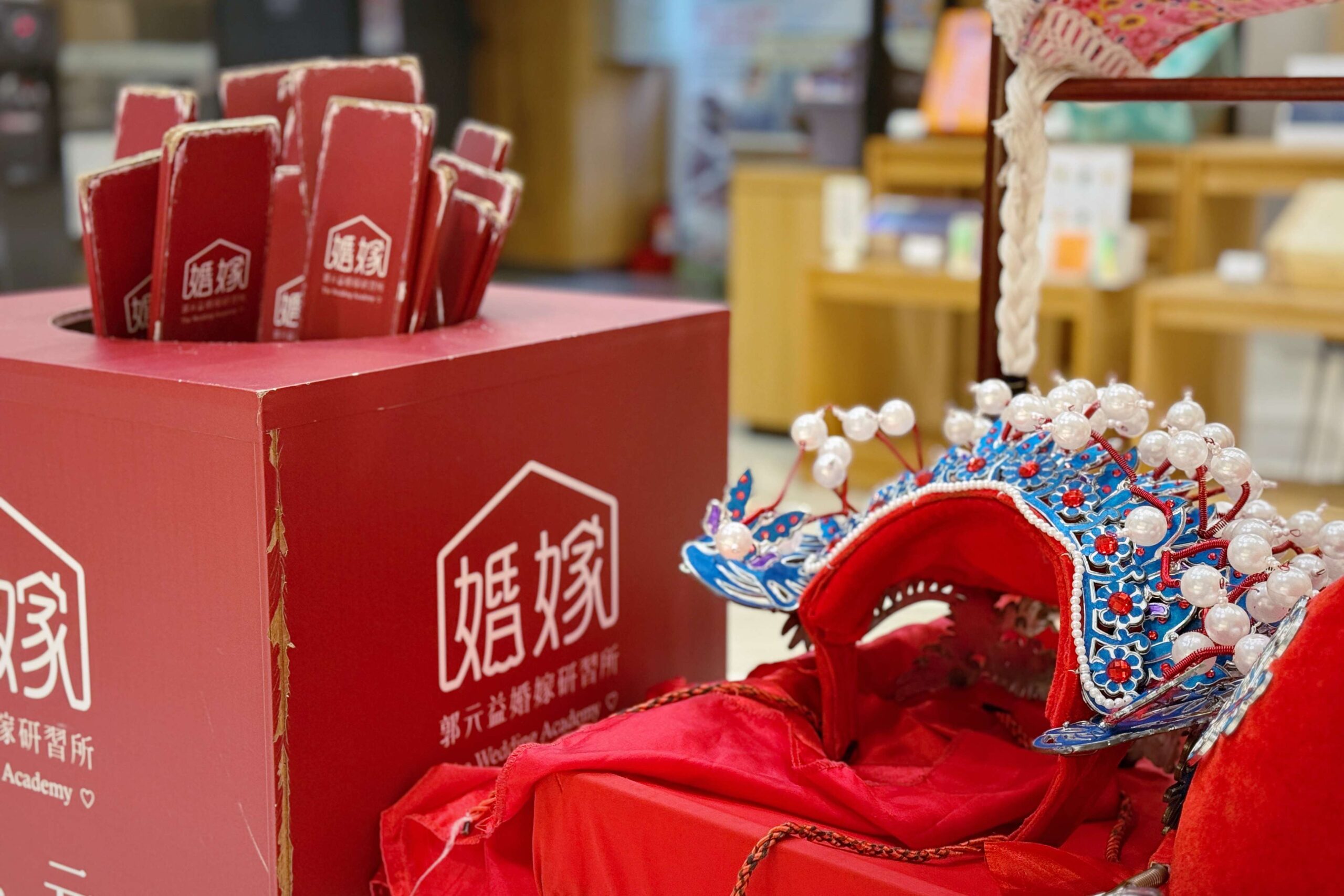
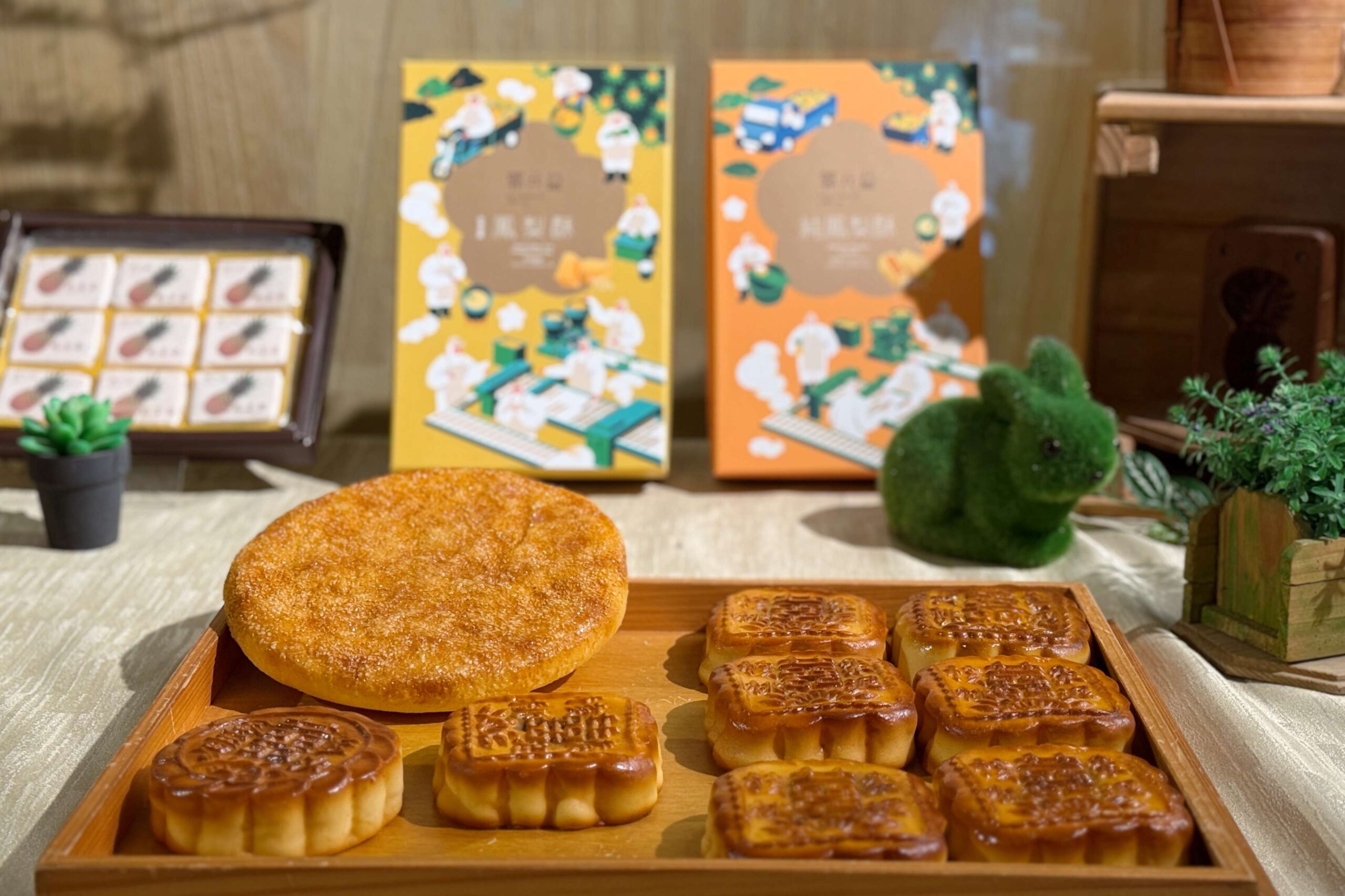
Kuo Yuan Ye Museum of Cake and Pastry Taoyuan

Opening Hours: 0900-1700
No. 3, Ln. 9, Qingnian Rd., Yangmei Dist., Taoyuan
03|Fugang Station
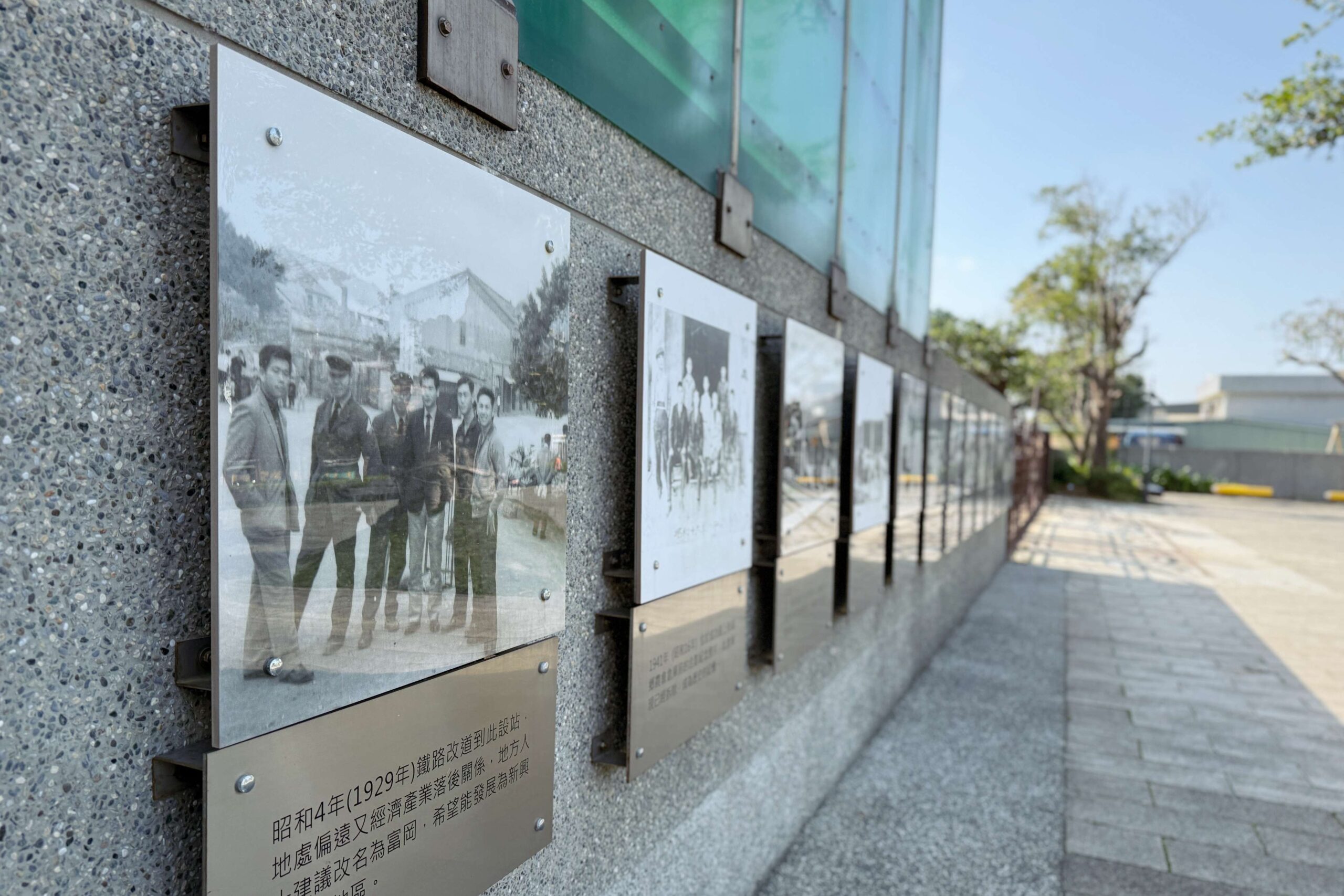
Originally named Bokonggang, Fugang Station was built in 1929 and is the southernmost train station in Taoyuan. In 1955, it was renamed Fugang Station, and by 1988 the old building was reconstructed due to aging, leaving little trace of its original appearance. The name Bokonggang is tied to the area’s geography and local culture. In the past, this land was part of Xinwu’s Dapi region. From Dapi’s vantage point, one could spot numerous Tudi Gong (Earth God) temples scattered across the hillsides and farmlands, so the area came to be known as Bokonggang (“hill of Earth God temples”). During the Japanese colonial period, the railway was expanded and rerouted through Bokonggang, which led to the establishment of the station. From then on, the growth of the surrounding township was closely linked to the station’s presence.

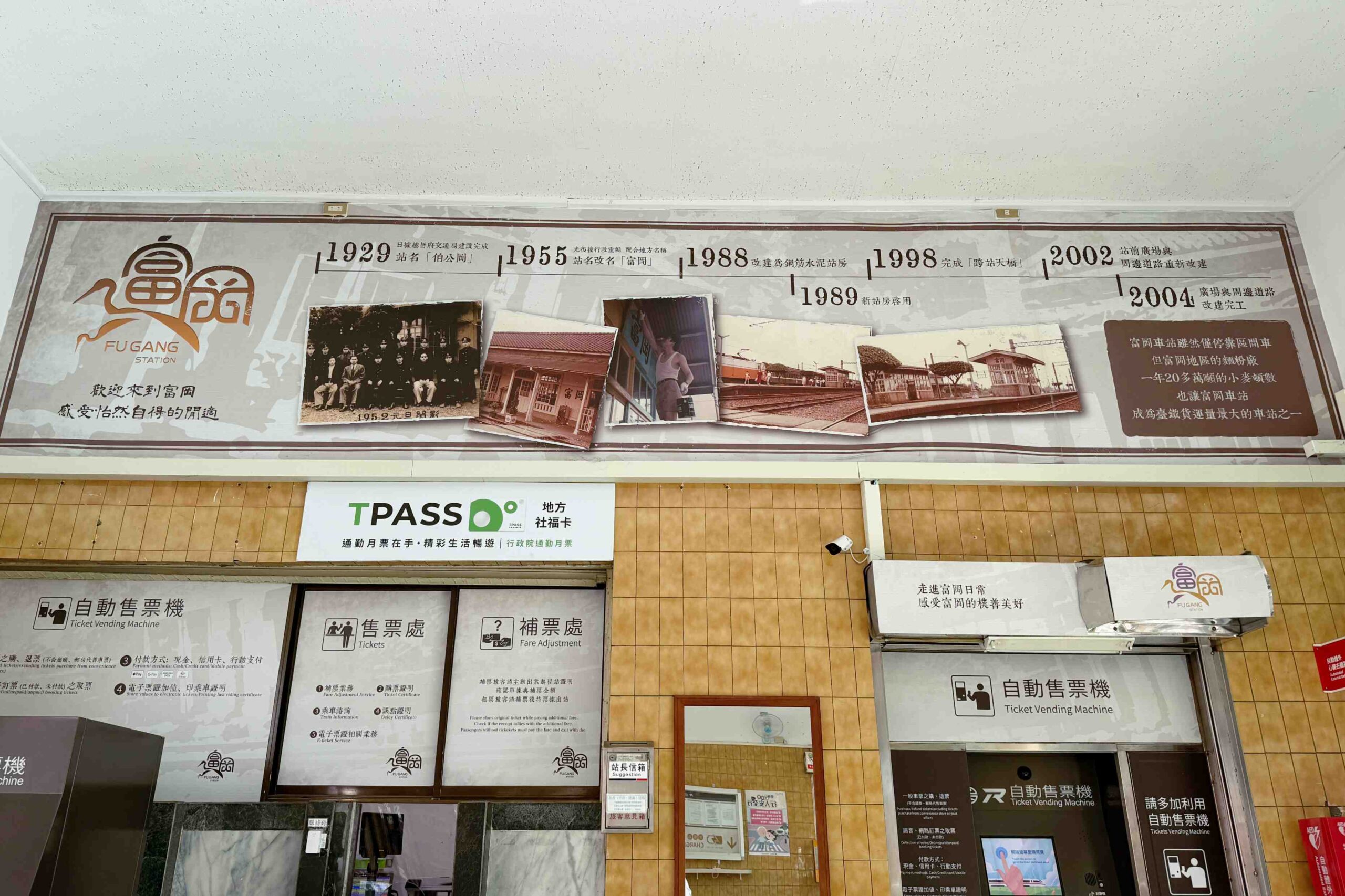
Fugang has long been a Hakka settlement, and the old photographs displayed around the station reveal not only the community’s deep affection for it, but also the memories of prosperity it once carried.

Fugang Station

No. 37, Chenggong Rd., Yangmei Dist., Taoyuan
04|Fugang Old Street
In the past, Fugang Station was more than just a transportation hub—it also served as a key logistics center connecting nearby Dapi and Xinwu. Daily necessities and rice harvests from the region were gathered at Fugang Station before being distributed elsewhere. As both people and goods converged here, the surrounding streets—Chenggong Road, Zhongzheng Road, and Zhonghua Street—gradually developed into what is now known as Fugang Old Street.

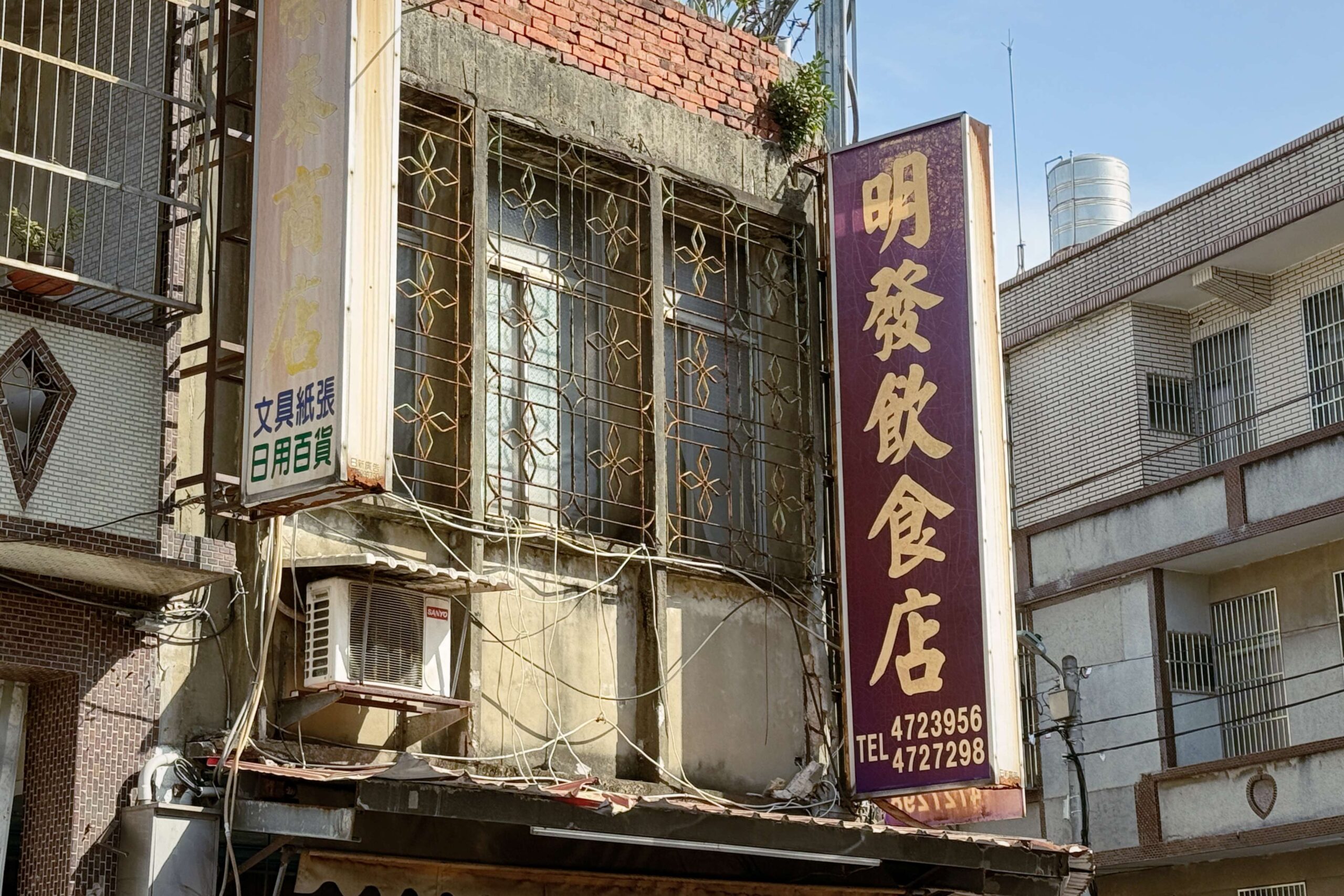
Today, the old street still preserves many historic houses, each with its own unique style. Among them, the most iconic is the Lu Jia-sheng Residence, located at No. 12–20 Zhongzheng Road. Built during the Japanese colonial period by Lu Jia-sheng, then head of Yangmei District, the residence was completed in the Shōwa era. It is a two-story, five-bay Western-style brick building. Its eclectic design blends multiple Western architectural elements: a Byzantine-style central dome, a Greek triangular pediment on the parapet, and a Roman-style portico with twin columns framing the entrance. This grand and striking structure has become the most eye-catching landmark along Fugang Old Street.
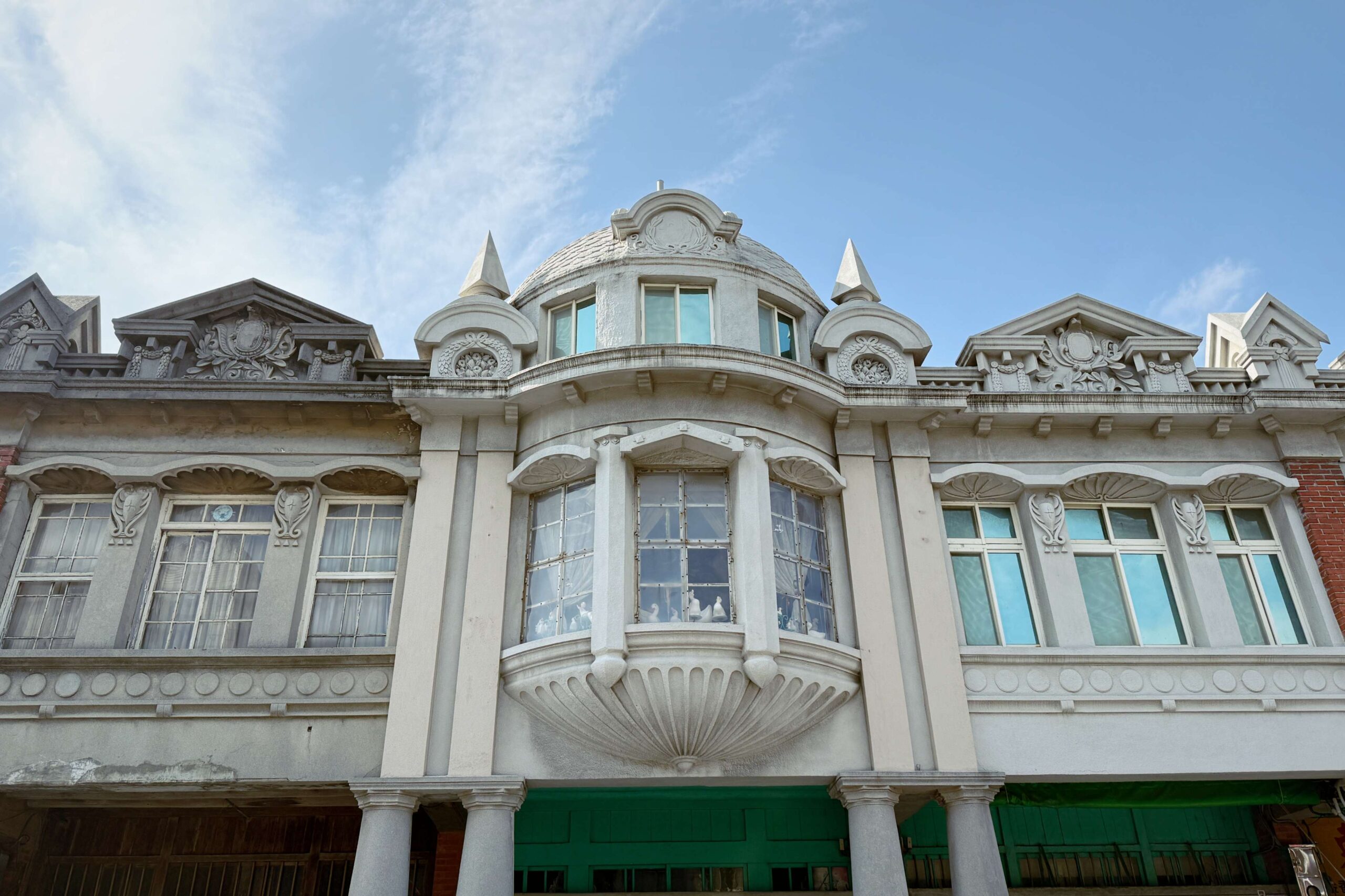
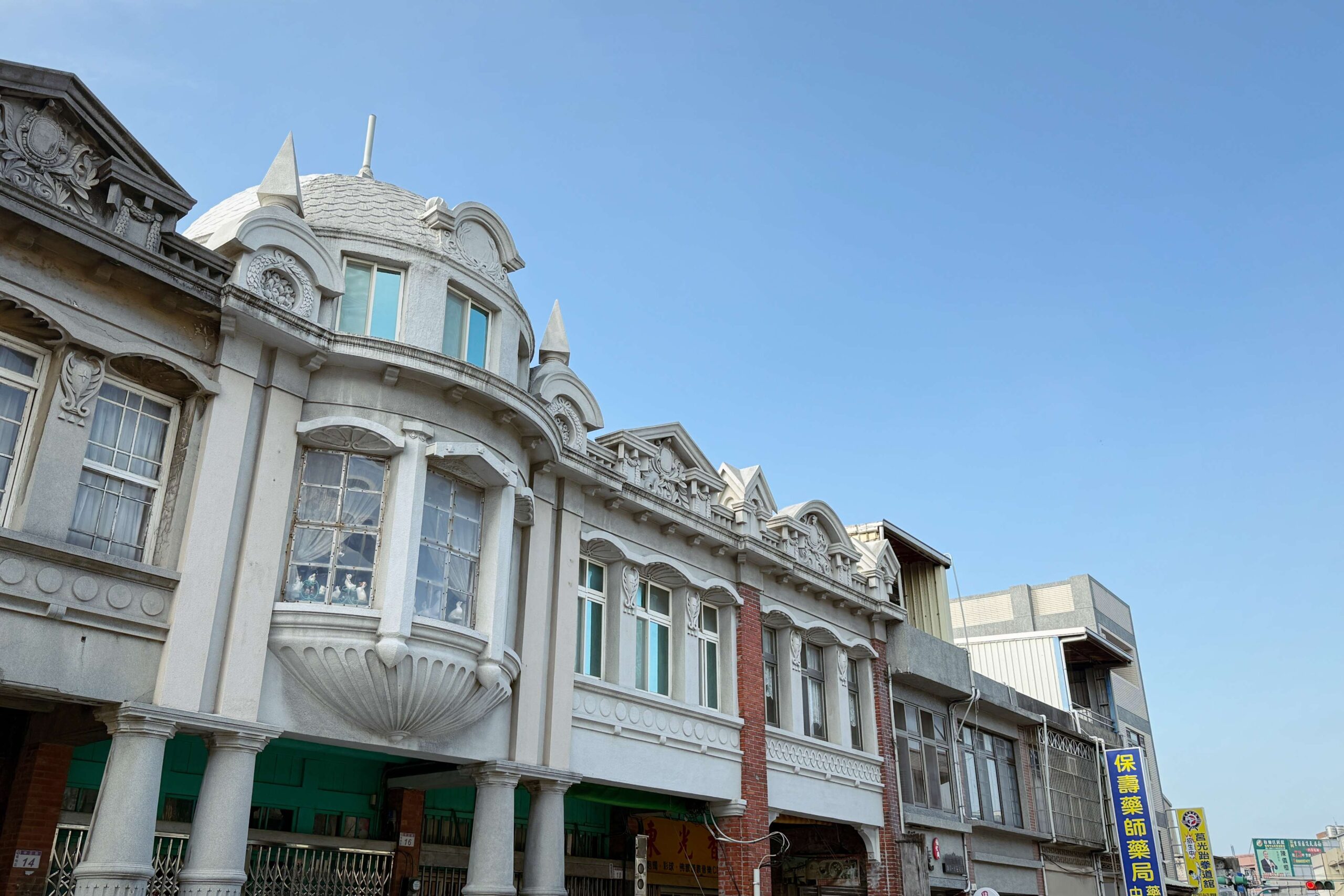
Fugang Old Street

Zhongzheng Rd. & Xinyi Rd. & Minsheng St., Yangmei Dist., Taoyuan
05|Sanlianpi
Along County Road 109, heading from Fugang Old Street toward Hukou, lies Sanlianpi, a landscape formed by three interconnected ponds. Ponds like these are a distinctive feature of Taoyuan’s scenery. Originally created to store water for agricultural irrigation, they later became an ideal habitat for birds to forage and nest, reflecting the close symbiosis between farming, ponds, and local ecology.
At Sanlianpi, you’ll also find a piece of landscape art: a sculpture that outlines the graceful form of an egret with clean, minimalist lines. Ingeniously powered by the wind, the artwork moves with the breeze, making the sculpture sway as if alive. From a distance, it resembles a white egret dancing on the water’s surface or lowering its head to feed, perfectly harmonizing with the natural setting of the ponds. Under the blue sky and drifting clouds, the scene is truly captivating.
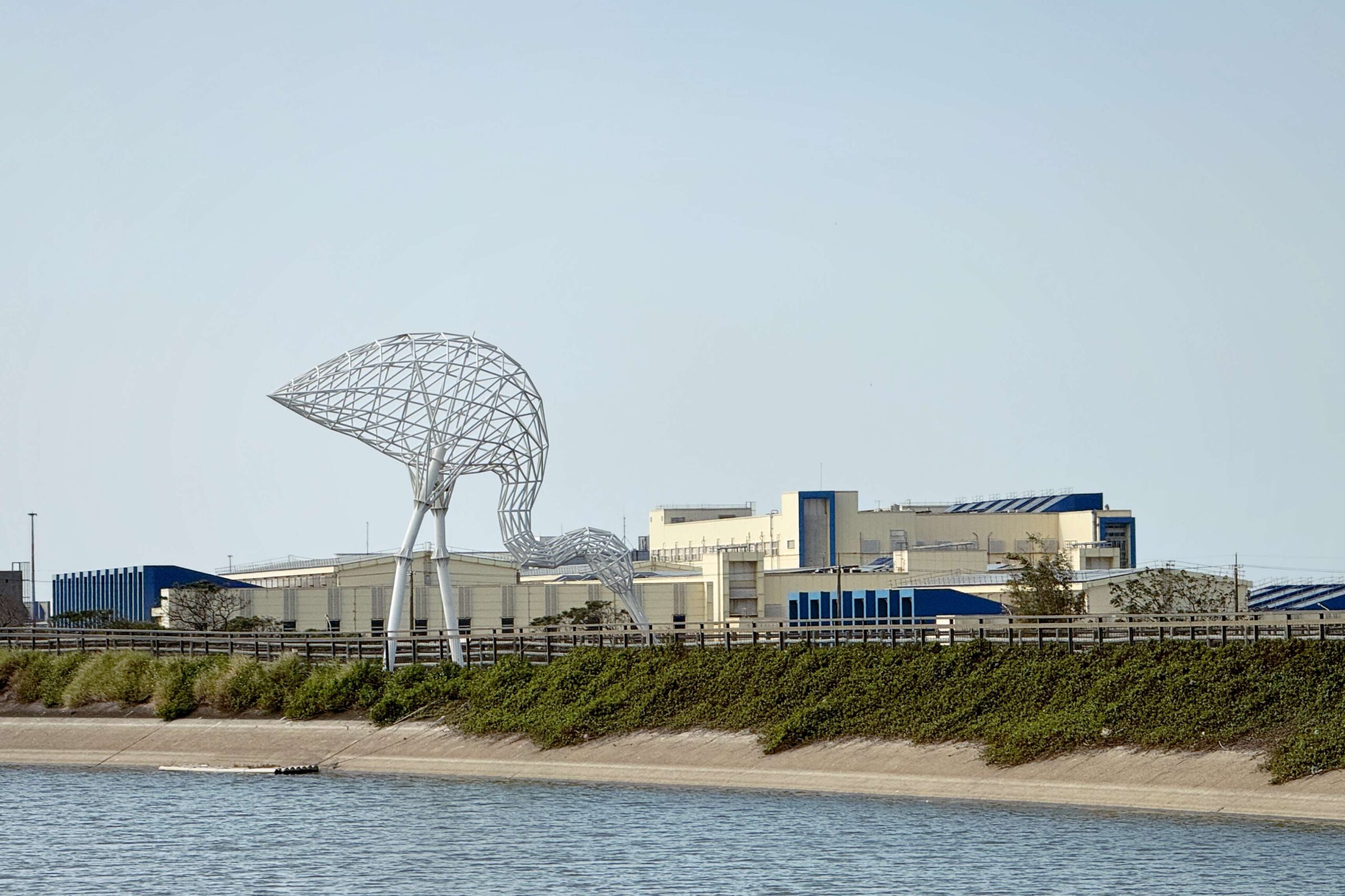
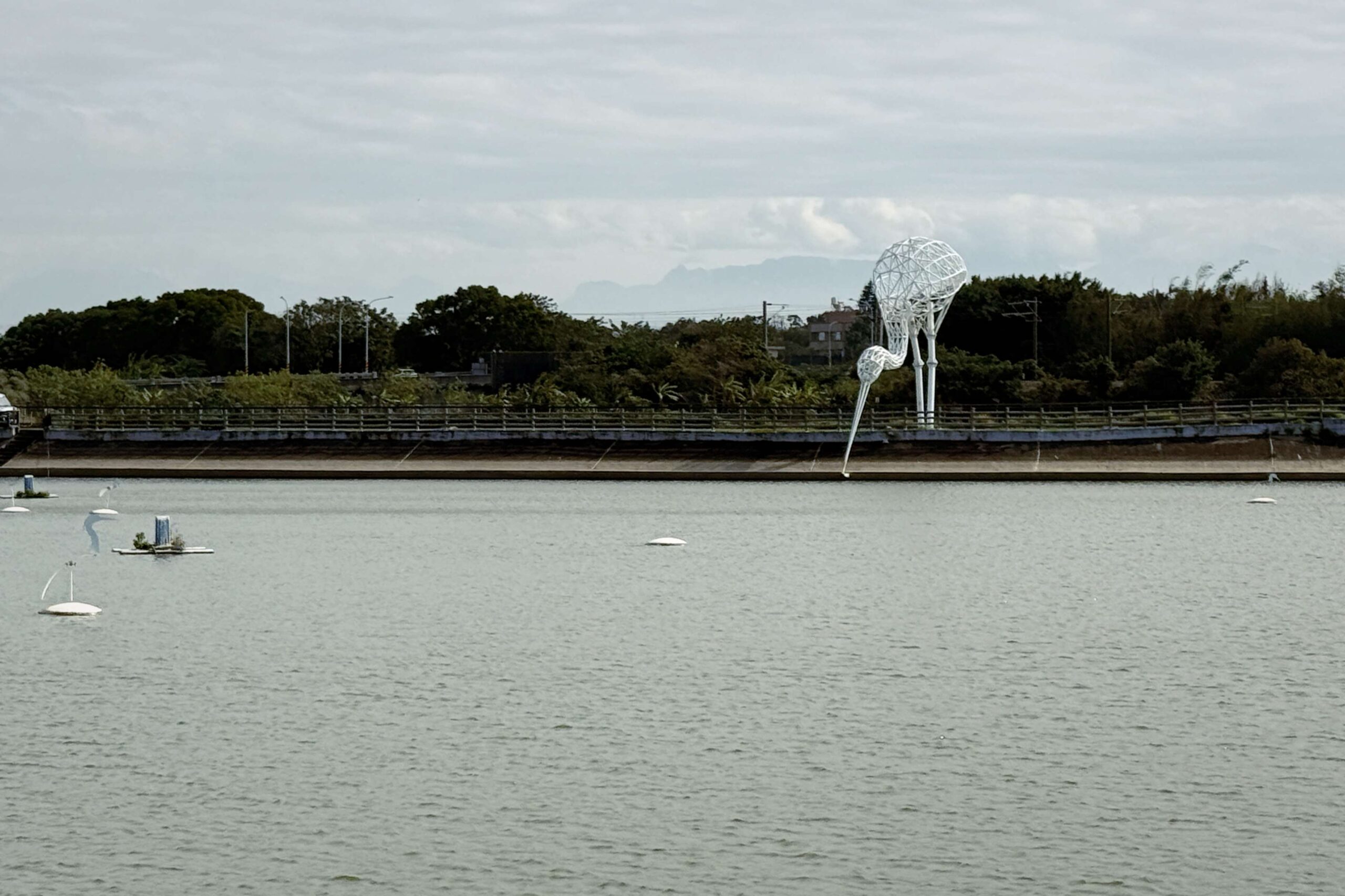
Sanlianpi

No. 172, Xinming St., Yangmei Dist., Taoyuan
06|Tze-Chiang Limited Express Fude Temple
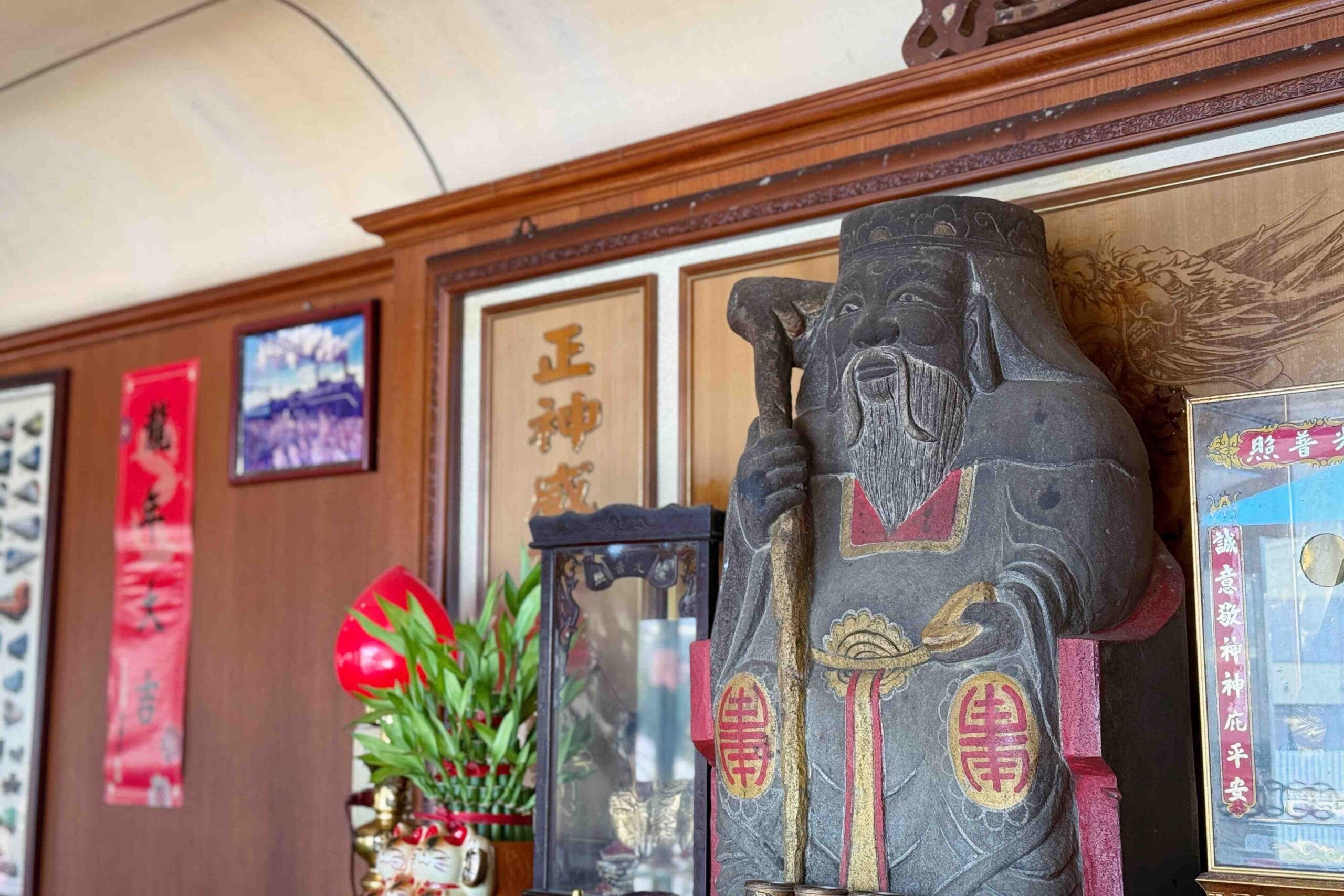
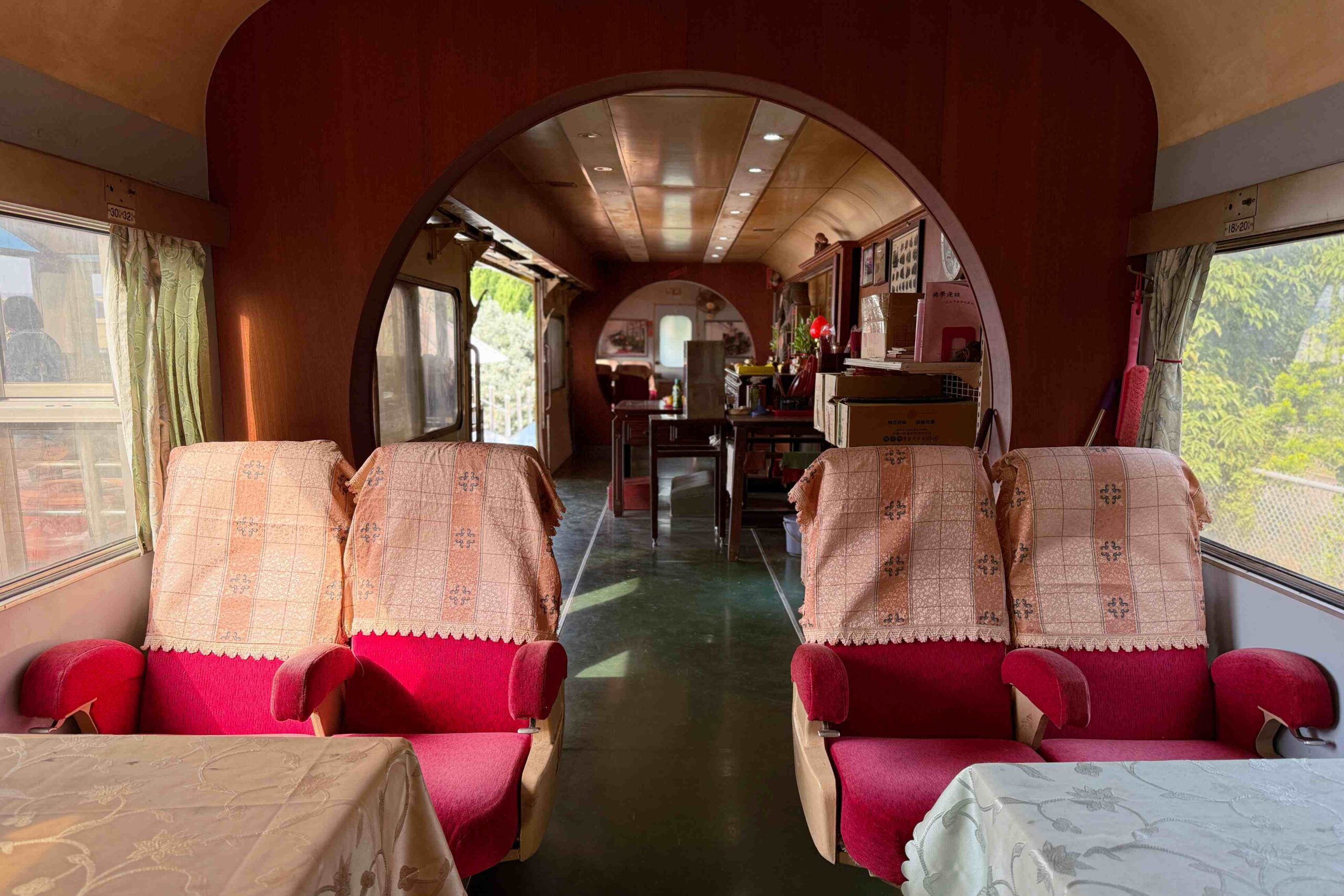
This one-of-a-kind Tudi Gong (Earth God) temple inside a retired Tze-Chiang Express train car is closely tied to the development of Taiwan Railways in Fugang. When the TRA decided to build a depot here, the original temple dedicated to the Earth God had to be relocated. But since the temple had long been a spiritual center for the local community, residents repeatedly petitioned to preserve it. In response, the TRA came up with a creative solution: they transported an EMU100 train car—nicknamed the “British Lady” and known as the first generation of electrified Tze-Chiang Express trains—to the Fugang depot, where it was transformed into a temple. In this way, the Earth God was ceremoniously welcomed back to his original site.
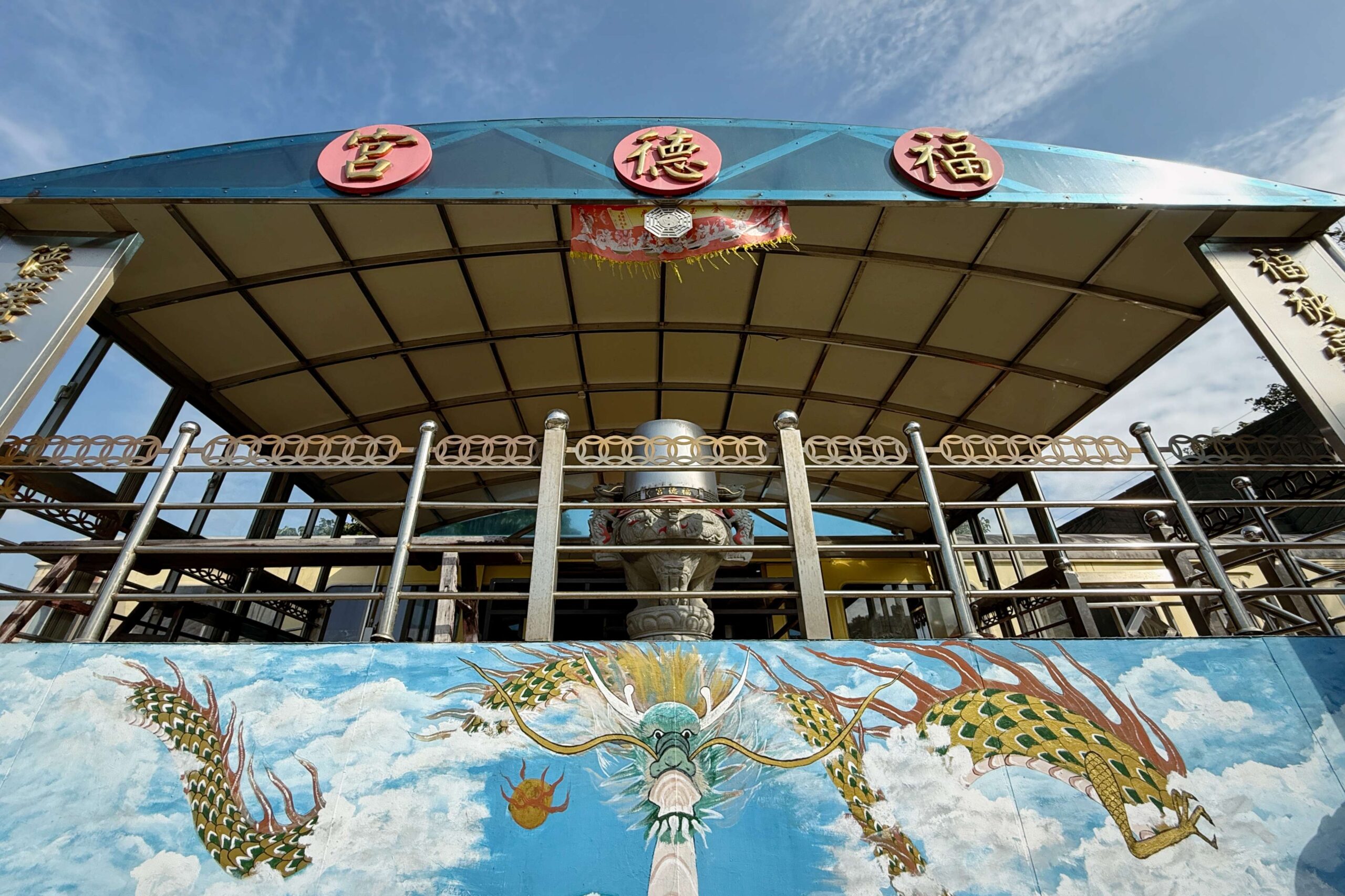
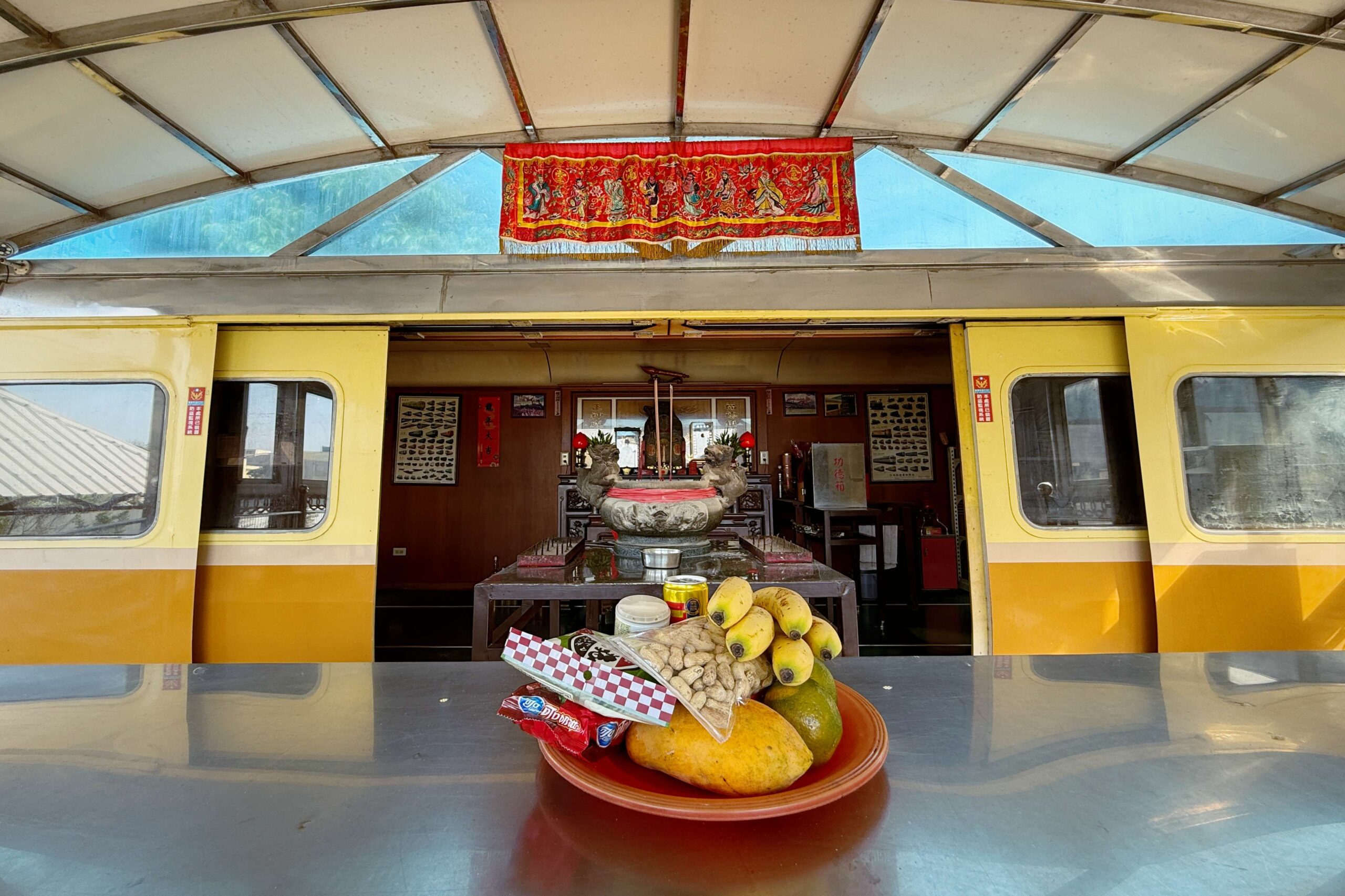
It was my first time sitting inside a train car while gazing at a deity enshrined within—a fresh and rather extraordinary experience. However, the entrance to the temple isn’t easy to find. You’ll need to reach the TRA Fugang Depot first, and then follow the guards’ directions to locate this hidden Fude Temple tucked inside the base.
Tze-Chiang Limited Express Fude Temple

Opening Hours: 0600-1900
No. 1, Fuquan St., Yangmei Dist., Taoyuan
07|Fields of Grass Jelly Flowers
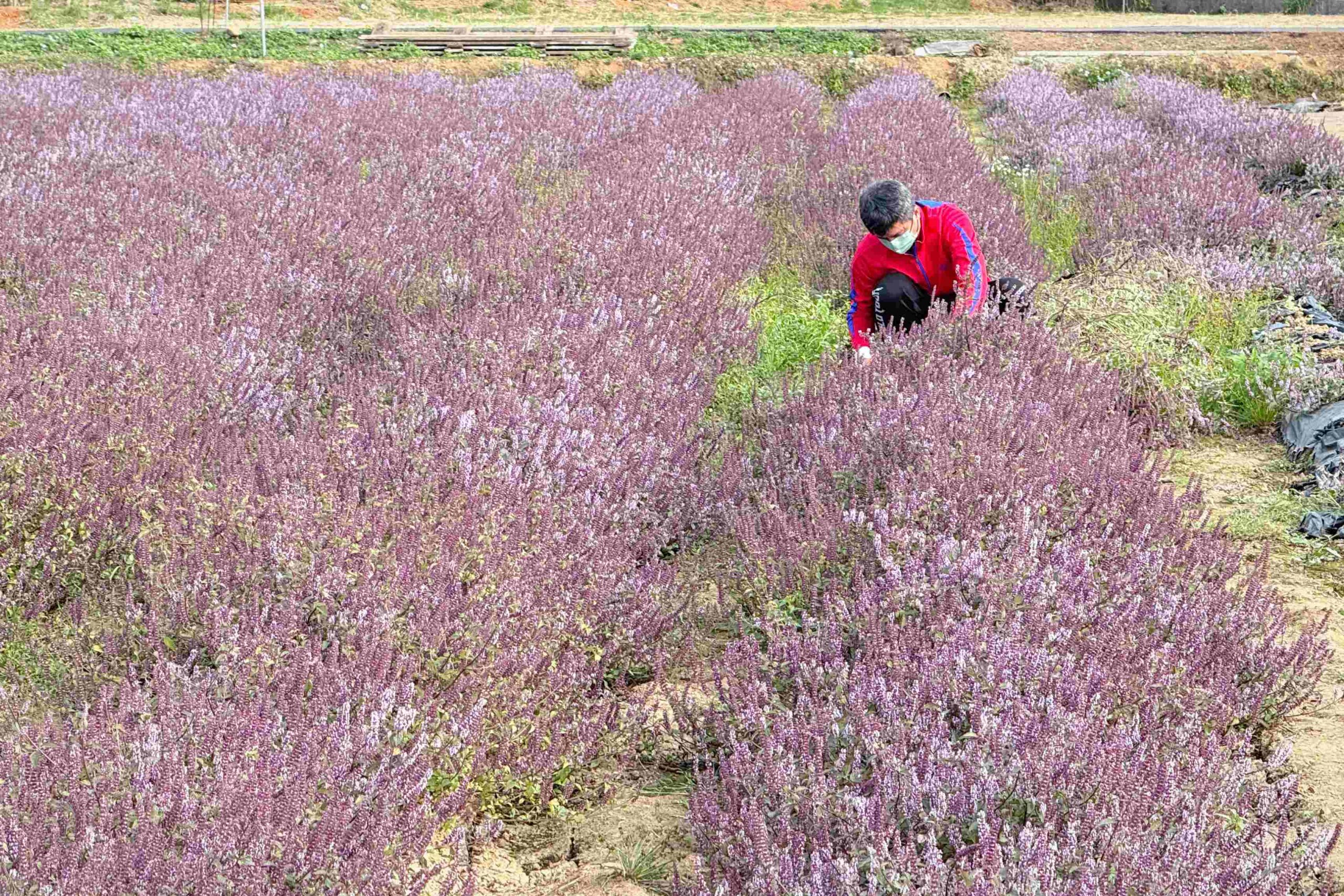
From late November to early December, the grass jelly flowers burst into full bloom. I’ve loved eating grass jelly since I was little, but this was my very first time seeing the flowers themselves—the dreamy shade of purple truly felt magical and otherworldly. Right across from the Shanghu Police Station, the expansive fields of grass jelly flowers in Yangmei stretch endlessly, embodying the beauty of “the greater the scale, the greater the splendor.” This sea of purple blossoms has become one of my most unforgettable winter-only sights.
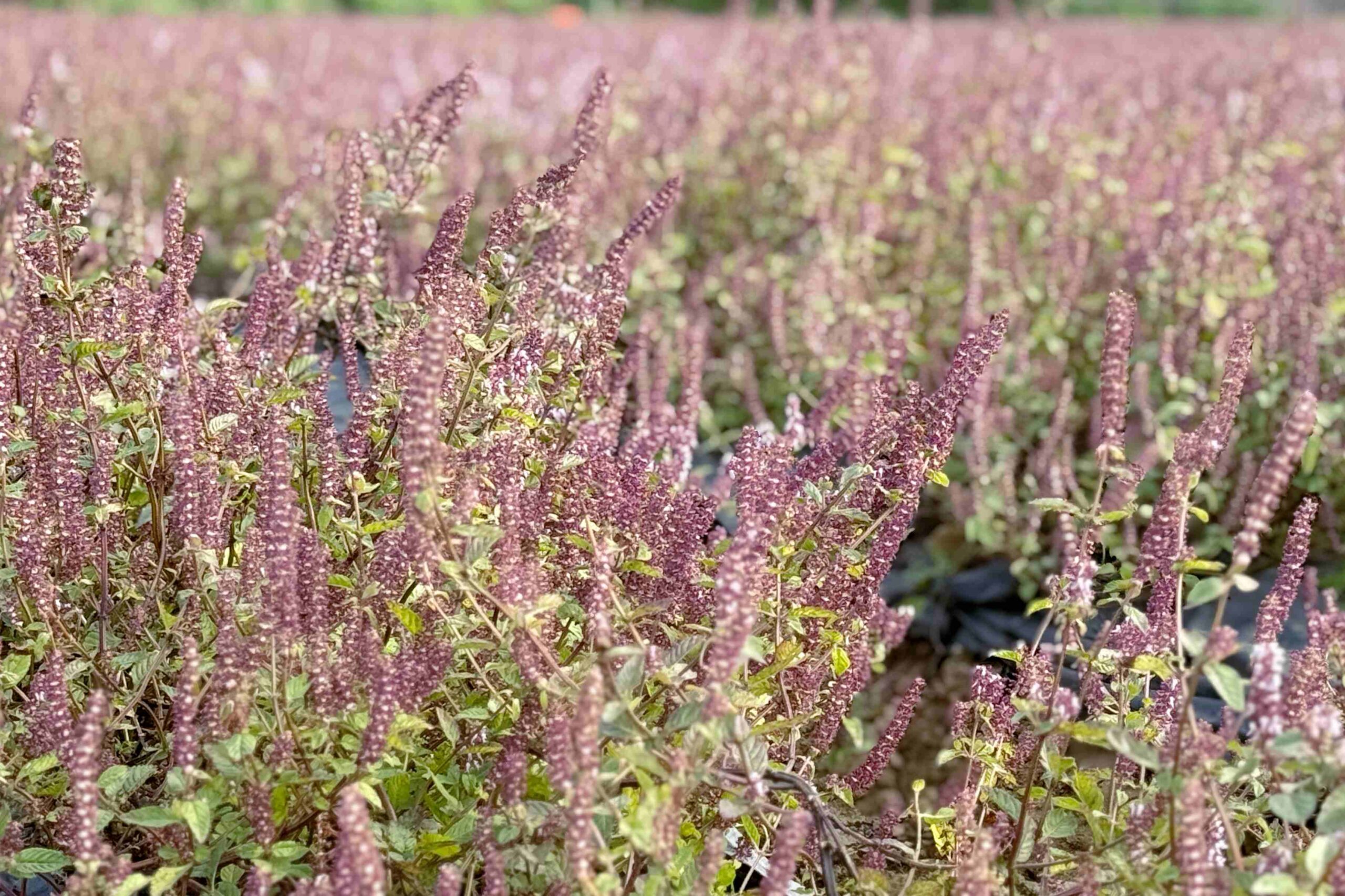
Fields of Grass Jelly Flowers

No. 135, Sec. 3, Yanghu Rd., Yangmei Dist., Taoyuan
◦ Restaurants and Snacks in Yangmei
01|Bogong Food Stand
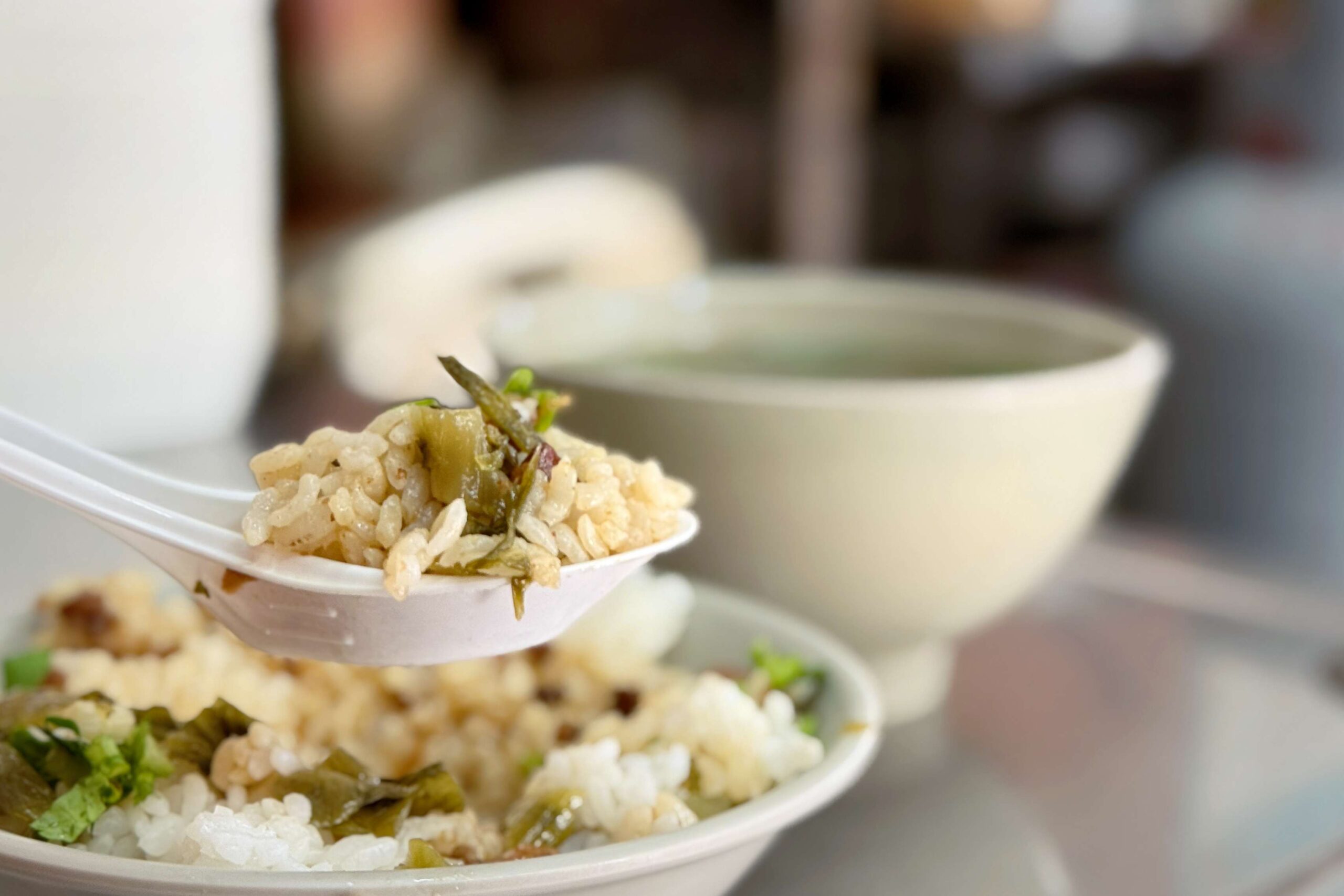
Founded in 1985, Bogong Food Stand sits right next to the Dajingtou Tudi Gong Temple. Dining here feels especially close to the Earth God, giving a comforting sense of being looked after.
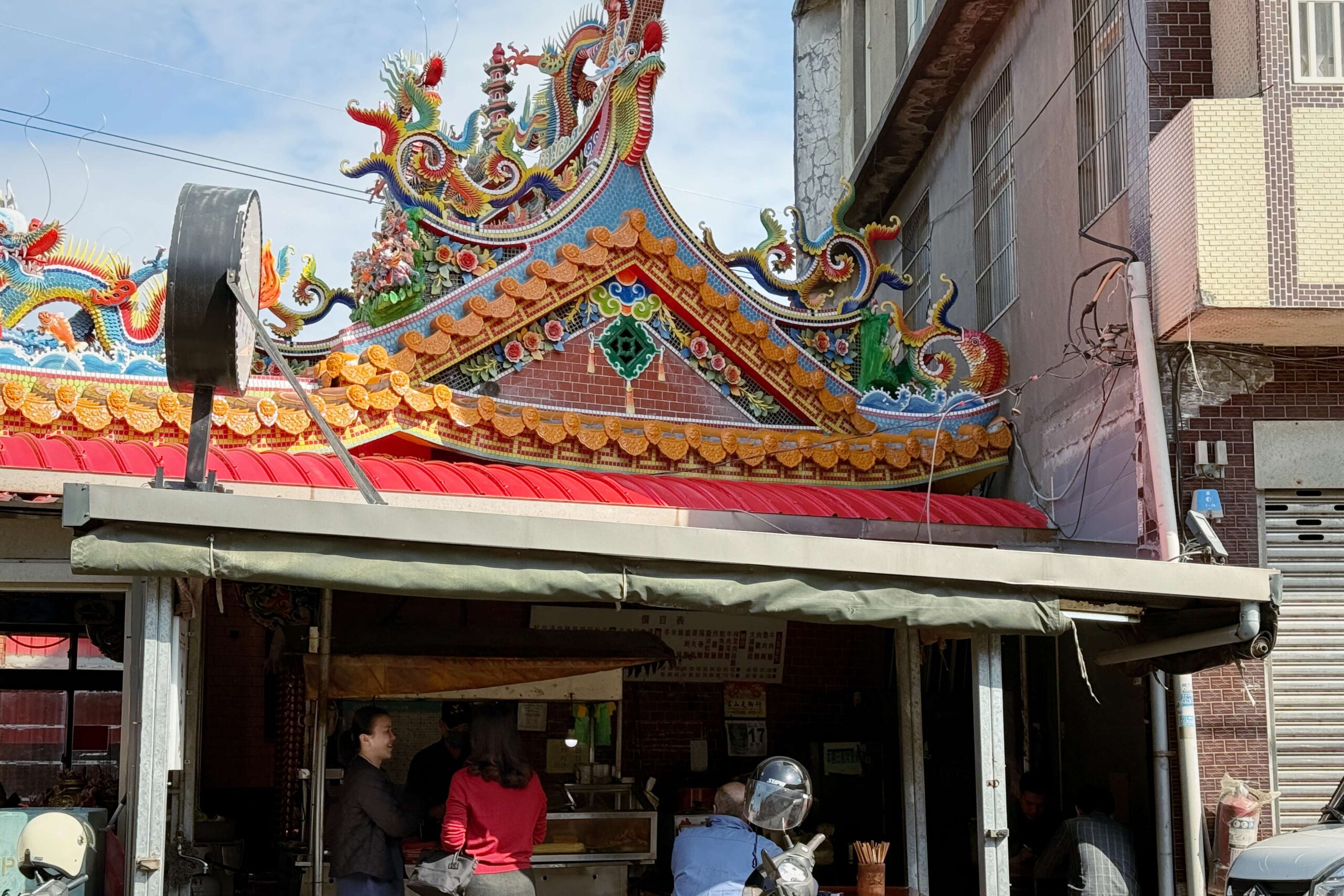
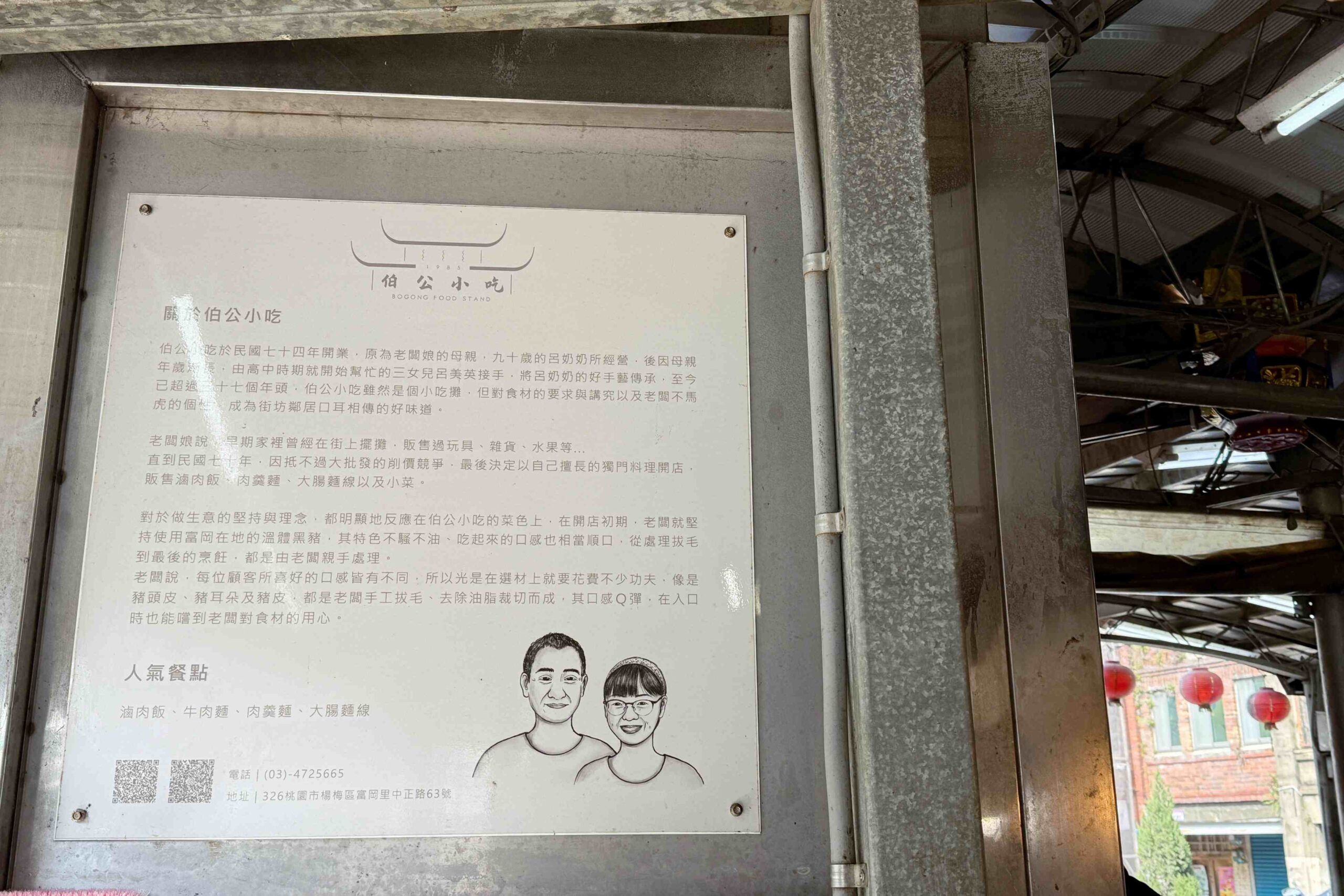
When mealtime arrives, customers come in a steady stream. Over its more than 40 years of operation, Bokong Snack Stall has become a beloved local favorite, passed down by word of mouth. This time, I ordered my personal favorite: braised pork rice with pig’s blood soup. The braised pork paired with pickled mustard greens tastes light and flavorful rather than greasy, and the hearty pig’s blood soup makes for a truly satisfying meal.
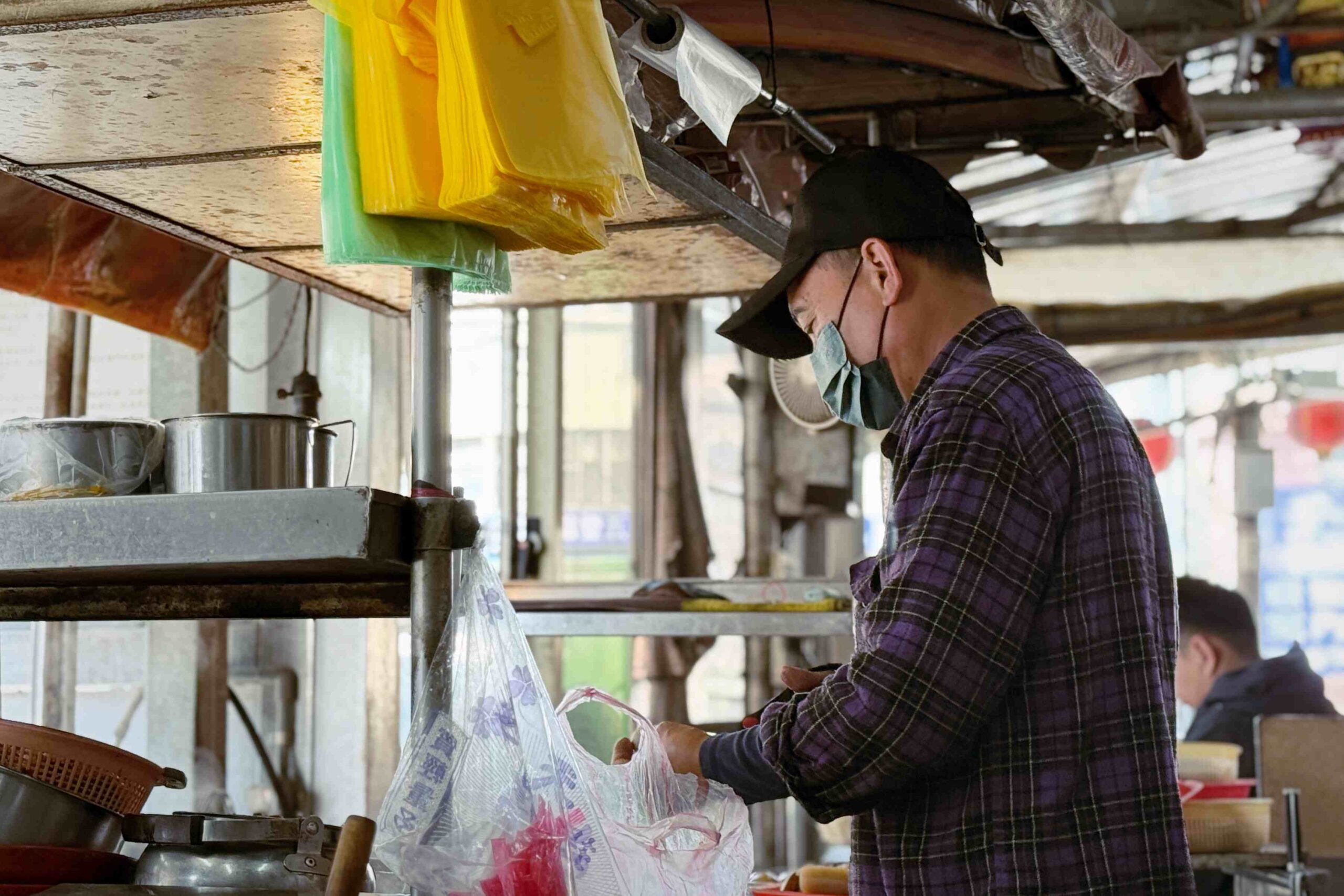
Bogong Food Stand

Opening Hours: 1130-2100
No. 63, Zhongzheng Rd., Yangmei Dist., Taoyuan
◦ Flying Over Taiwan
*All aerial photography operations are conducted within legal airspace. During flight, regulations stipulated by the Civil Aviation Law are strictly followed, maintaining the required distance from buildings and crowds. Zooming and post-production techniques are used to ensure compliance, making the flights fully legal.
*Anyone citing these images and text must provide proper attribution. Unauthorized or illegal use of the images and text is prohibited and may result in legal liability.
◦ Other Areas in Taoyuan
➤ Dayuan | An Impressive Aerotropolis for Travelers
➤ Zhongli | The Ever-Gleaming Charm of the Military Villages
➤ Guanyin | The Land of Lotuses with Deep Ties to Guanyin Bodhisattva