When speaking of the devastating Typhoon Morakot in 2009, which caused the catastrophic “88 Flood,” the hardest-hit areas were not only Kaohsiung’s Jiaxian District, mentioned two weeks ago, but also Linbian Township in Pingtung. The disaster struck severely—floodwaters in much of the township once rose as high as two to three stories, leaving widespread destruction. Over time, the nightmare of that flood has gradually faded from public memory. Yet, in the years since, Linbian has actively transformed itself, drawing on its rich agricultural and aquacultural heritage to reinvent its image through eco-friendly tourism that celebrates the land’s bounty.
Contents
◦ Pingtung Travel Guide
01|Transportation in Pingtung
🚄 Taiwan High Speed Rail
🚗 Car Rentals - Save Up to 10%
🚢 Xiaoliuqiu - Donggang Ferry Ticket
02|Popular Attractions in Pingtung
🎫 National Museum of Marine Biology and Aquarium Ticket
🎫 Sleepover Experience at National Museum of Marine Biology and Aquarium
🎫 Paradise of Deer Ticket in Kenting
🎫 Tickets for Kenting Luyu Island Capybara Ecological Park
🎫 Shuangliu National Forest Recreation Area Tickets
03|Things To Do in Pingtung
🚣🏻 Stand Up Paddleboarding Experience in Kenting
🤿 Water Activities at Kenting South Bay
🤿 Liuqiu Snorkeling Tour by Bear Diving in Pingtung
🏔️ Alangyi Hostoric Trail Hiking Day Tour
◦ The Past of Linbian
The history of Linbian dates back to the Qing Dynasty, when it was originally inhabited by the Makatao people, a subgroup of the Pingpu (Plains) Indigenous peoples. As Han settlers moved in, they established communities beside dense forests—hence the name “Lin-a-bian,” meaning “beside the woods.” Agriculture and aquaculture became the area’s main industries. However, decades of excessive groundwater extraction led to land subsidence, causing repeated flooding disasters—the most devastating being the one brought by Typhoon Morakot. In recent years, Linbian has been proactively developing leisure farming and tourism, blending wetland ecology, traditional architecture, and fishing village culture to present a renewed harmony between nature and humanity.
◦ Attractions in Linbian
01|Qifeng Wetland
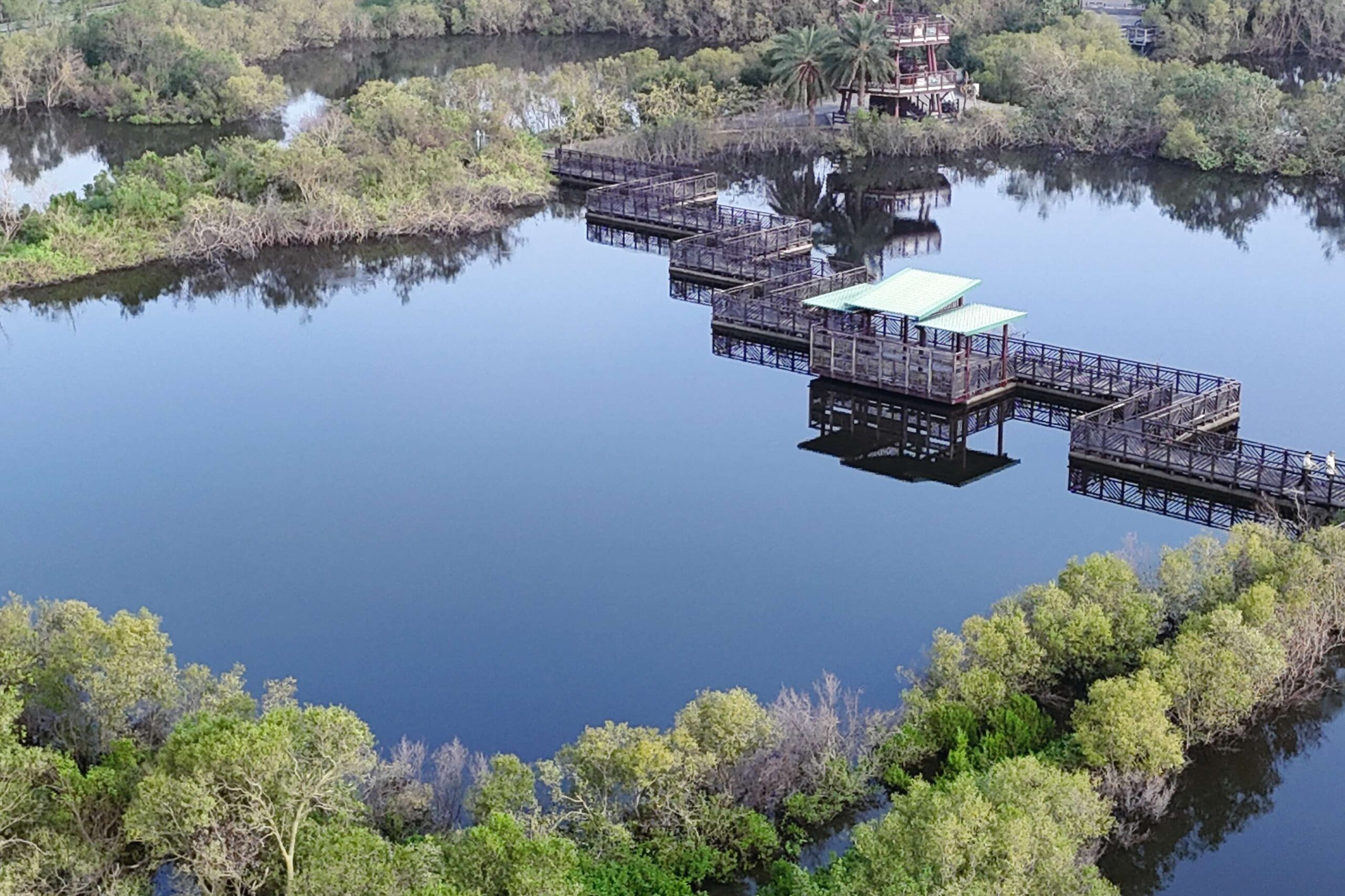
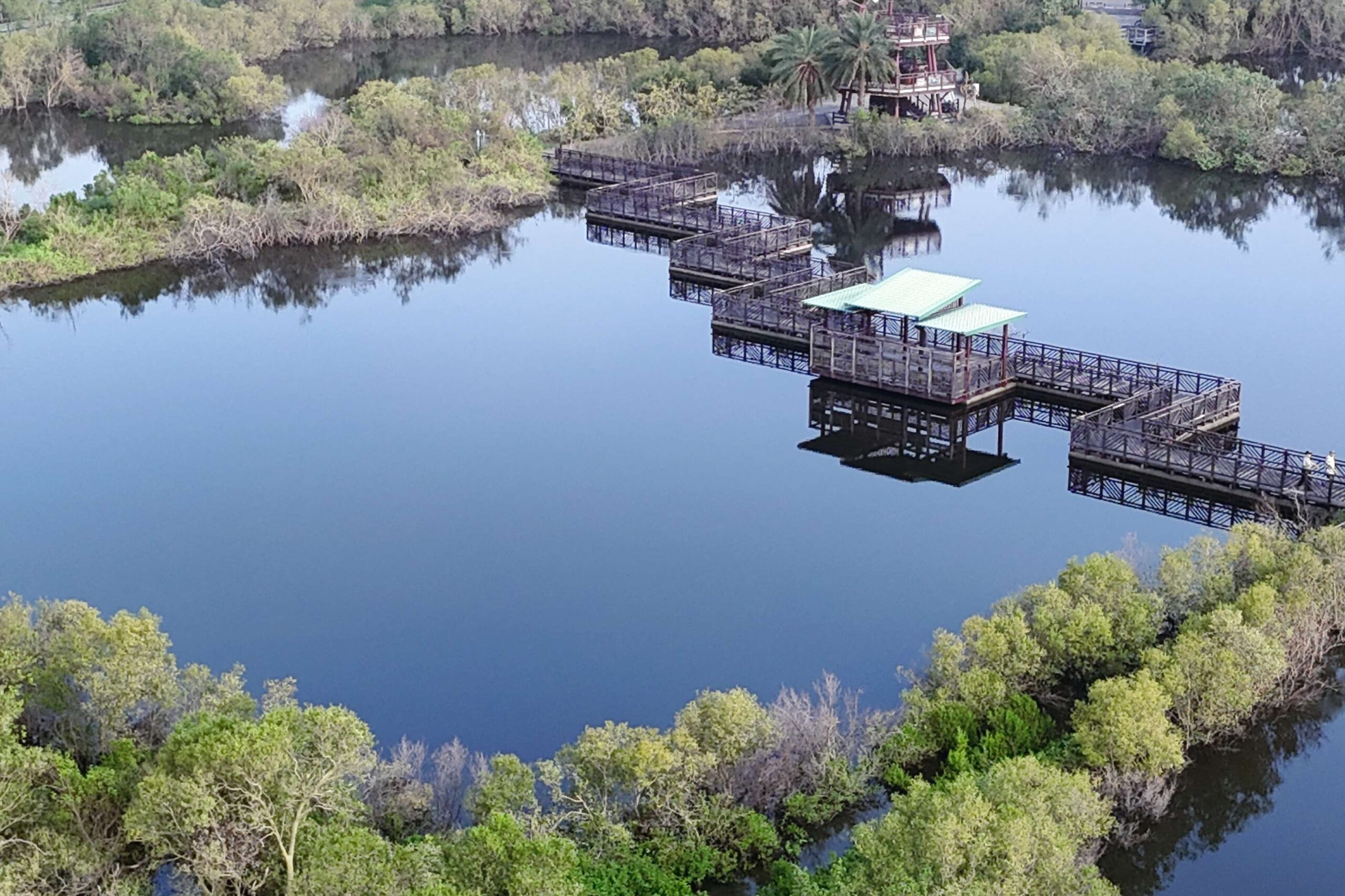
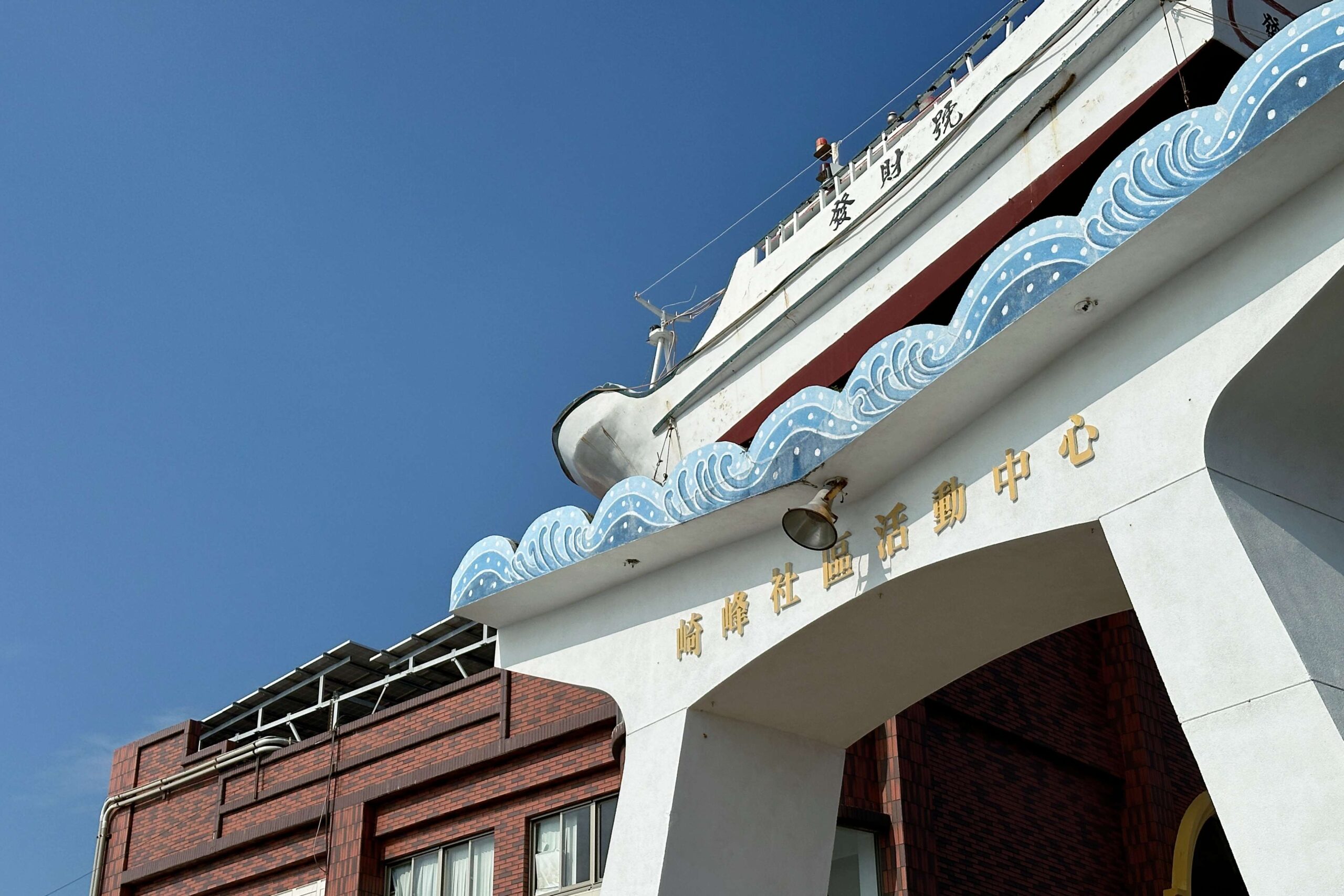
Seen from above, the Qifeng Wetland offers a breathtaking sight — the bridge winds across the mirrored surface of the water, creating a stunning interplay of curves and reflections. Located southeast of Dapeng Bay, Qifeng Wetland has been designed as an ecological detention basin. During the rainy season, it serves to store water and prevent flooding; in dry periods, it helps purify wastewater from nearby communities and aquaculture farms. This dual-purpose system combines disaster prevention with environmental protection.
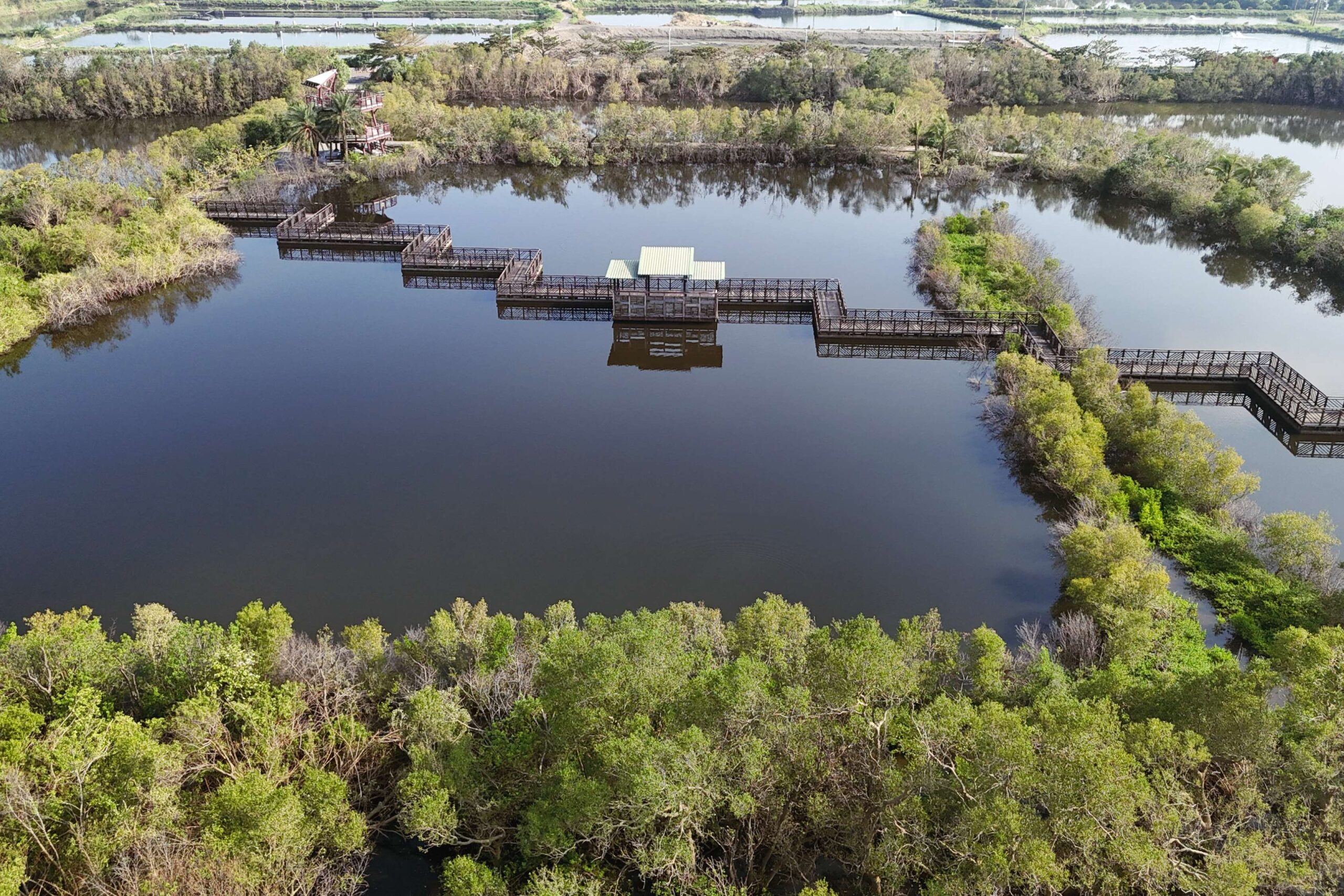
Within the wetland stands an observation tower that offers panoramic views of Dapeng Bay. The meandering bridge is also a popular spot for birdwatching — and with a bit of luck, visitors might even catch a glimpse of rare migratory birds passing through.
Qifeng Wetland

Try searching “Qifeng Wetland” on Google Maps.
02|Yanshuiweng
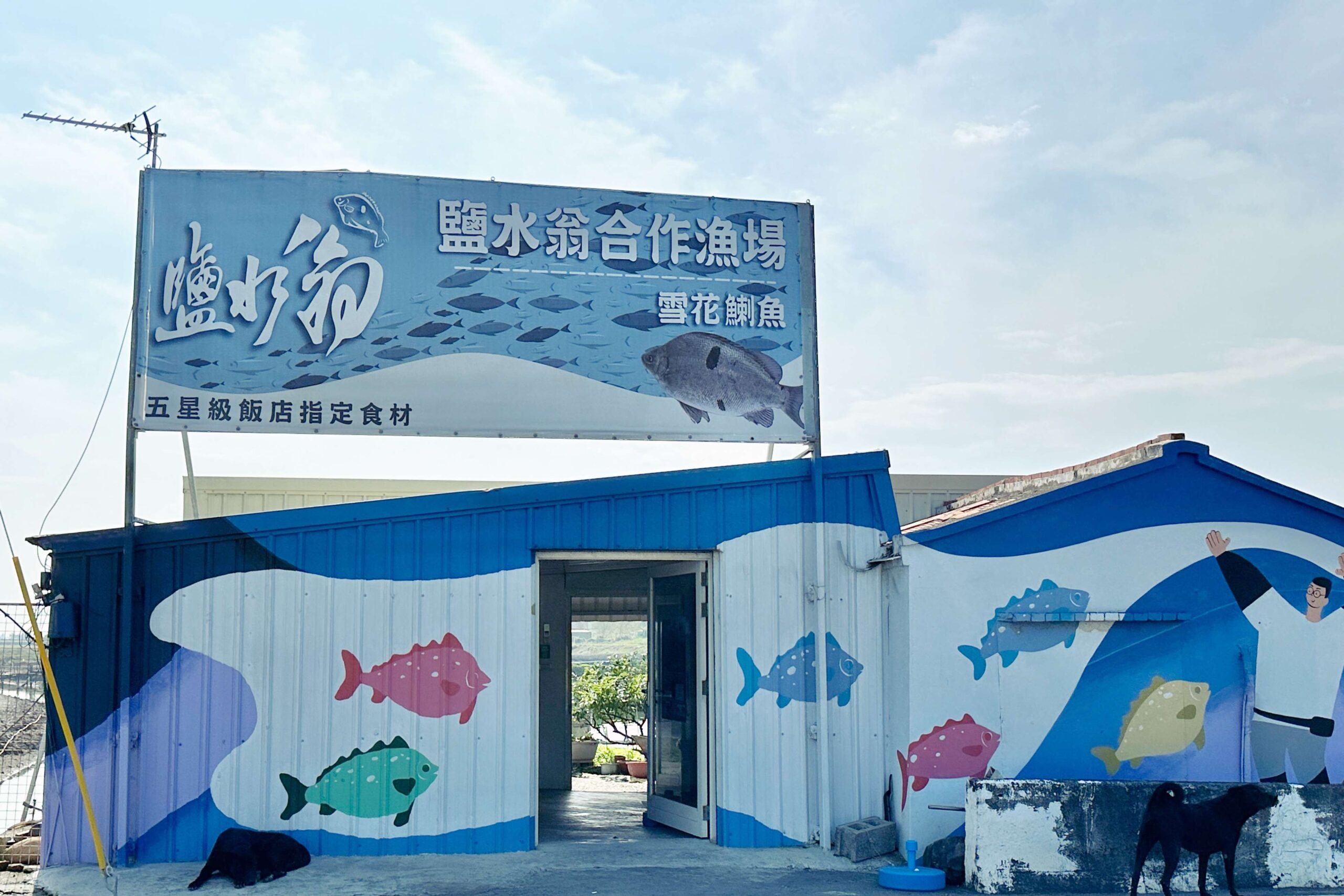
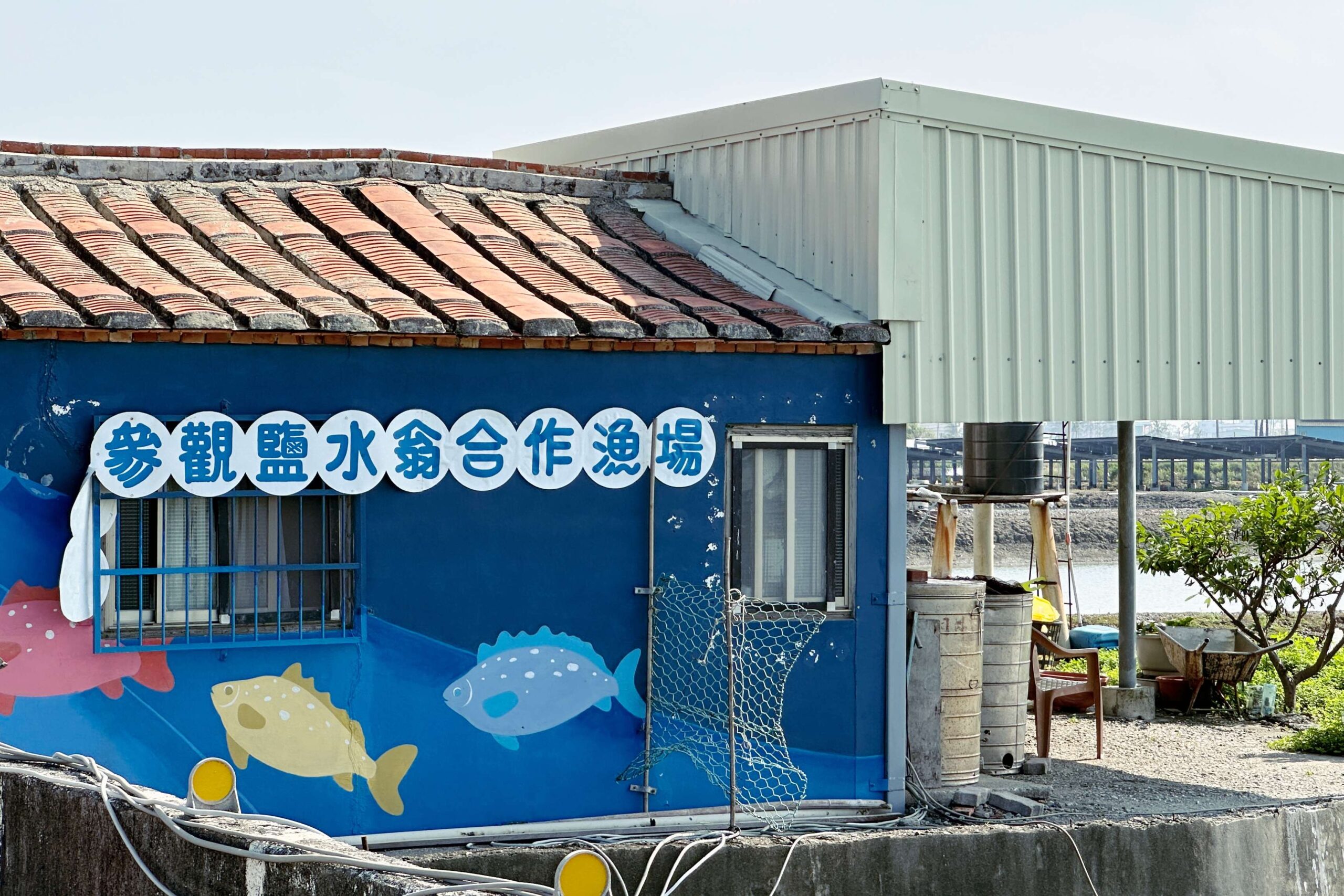
In Linbian, Pingtung, aquaculture has been a vital part of the local economy for decades, providing residents with steady livelihoods. Among the many species raised here, the grouper is especially renowned. However, the devastating “88 Flood” caused by Typhoon Morakot in 2009 struck Linbian hard. Like many others, the Weng family suffered tremendous losses — their fish ponds were destroyed, and their fish were swept away by the floodwaters. After the disaster, Mr. Weng decided to restart his business by raising “gem fish.” In the past, freshwater-farmed gem fish had a poor reputation for taste, and many restaurants and buyers avoided it altogether. Facing this market skepticism, Weng Jinmu took matters into his own hands. He personally reached out to customers to explain that they now raised the fish in seawater, which made the meat firmer, fresher, and sweeter. As word spread, the reputation of the gem fish improved, helping it gain acceptance in the market — and allowing Yanshuiweng to regain its footing.
I’ve tried their signature kiln-roasted fish — aromatic, tender, and bursting with flavor. Behind this delicious taste lies their steadfast ecological philosophy: no groundwater extraction, no chemicals, and probiotic-based aquaculture. What I admire most about Yanshuiweng is their courage to rebuild after devastation and their commitment to walking a difficult yet sustainable path toward renewal.
Yanshuiweng

Opening Hours: 0700-1700
No. 66-1, Guangqian Rd., Linbian Township, Pingtung
03|Xian Zhuan Dao Center for Seafood Culture
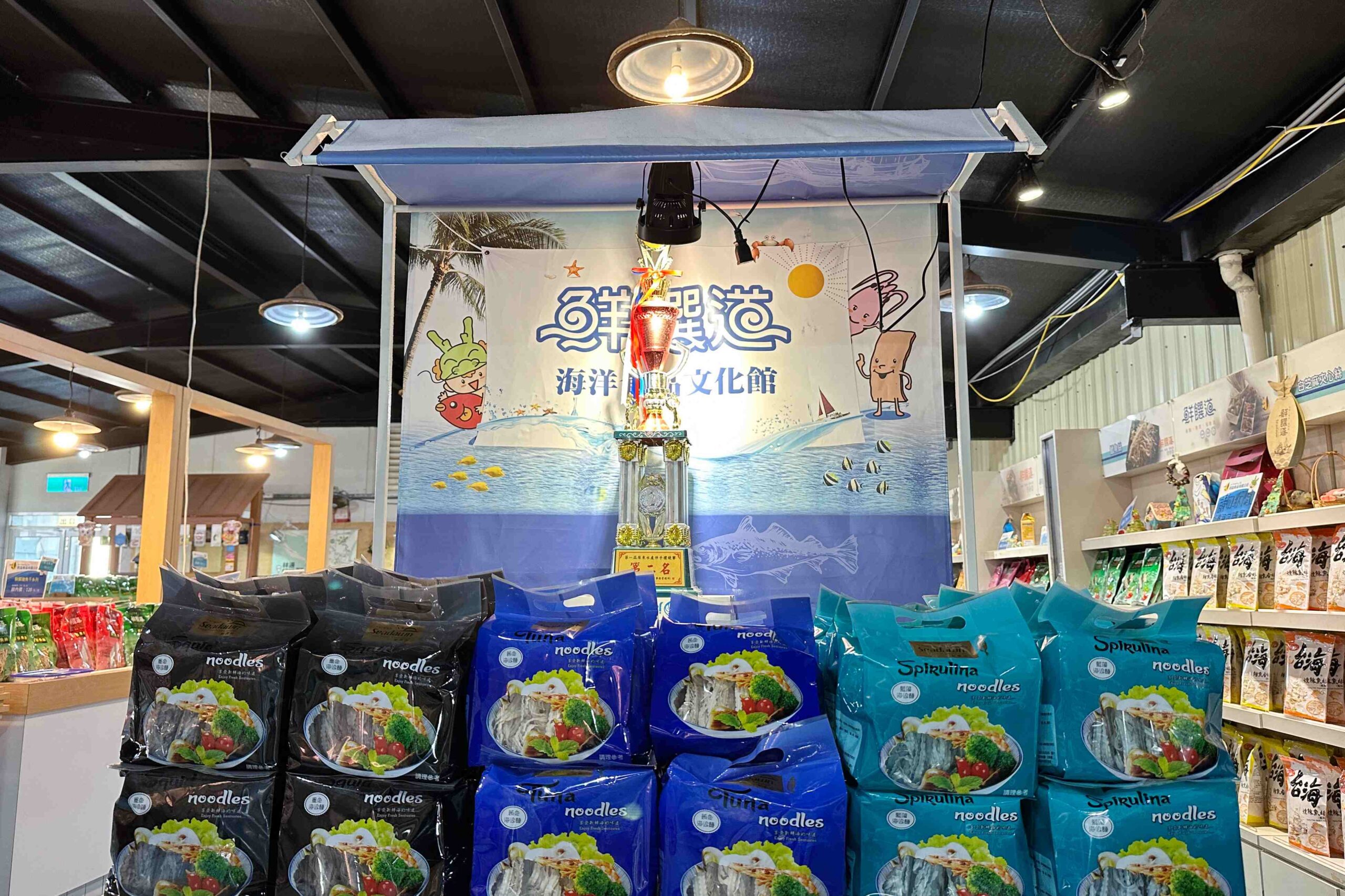
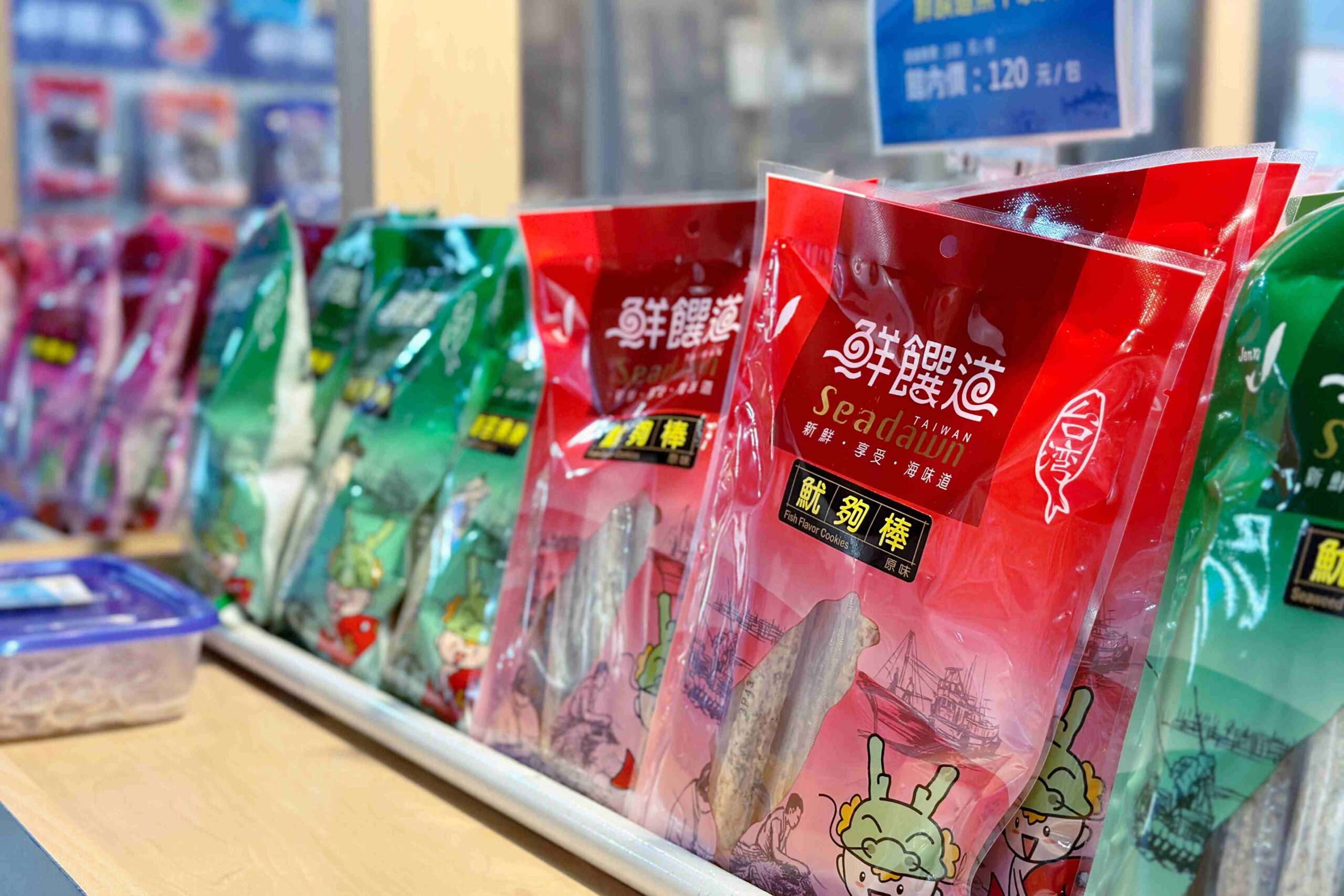
Just 500 meters from Yanshuiweng stands Xian Zhuan Dao — another remarkable example of a company that rose from the ashes after the 2009 “88 Flood.” Founded by the long-established Zheng Yi Foods, Xian Zhuan Dao traces its roots back to the Dong Fa Seafood Processing Plant. In fact, about 30% of the shredded codfish snacks beloved by generations of Taiwanese people were produced here. When Typhoon Morakot struck, the factory was inundated by floodwaters, bringing operations to a halt. With government assistance and financial support through loans, the company managed to rebuild and rebrand, launching a new chapter under the name Xian Zhuan Dao.
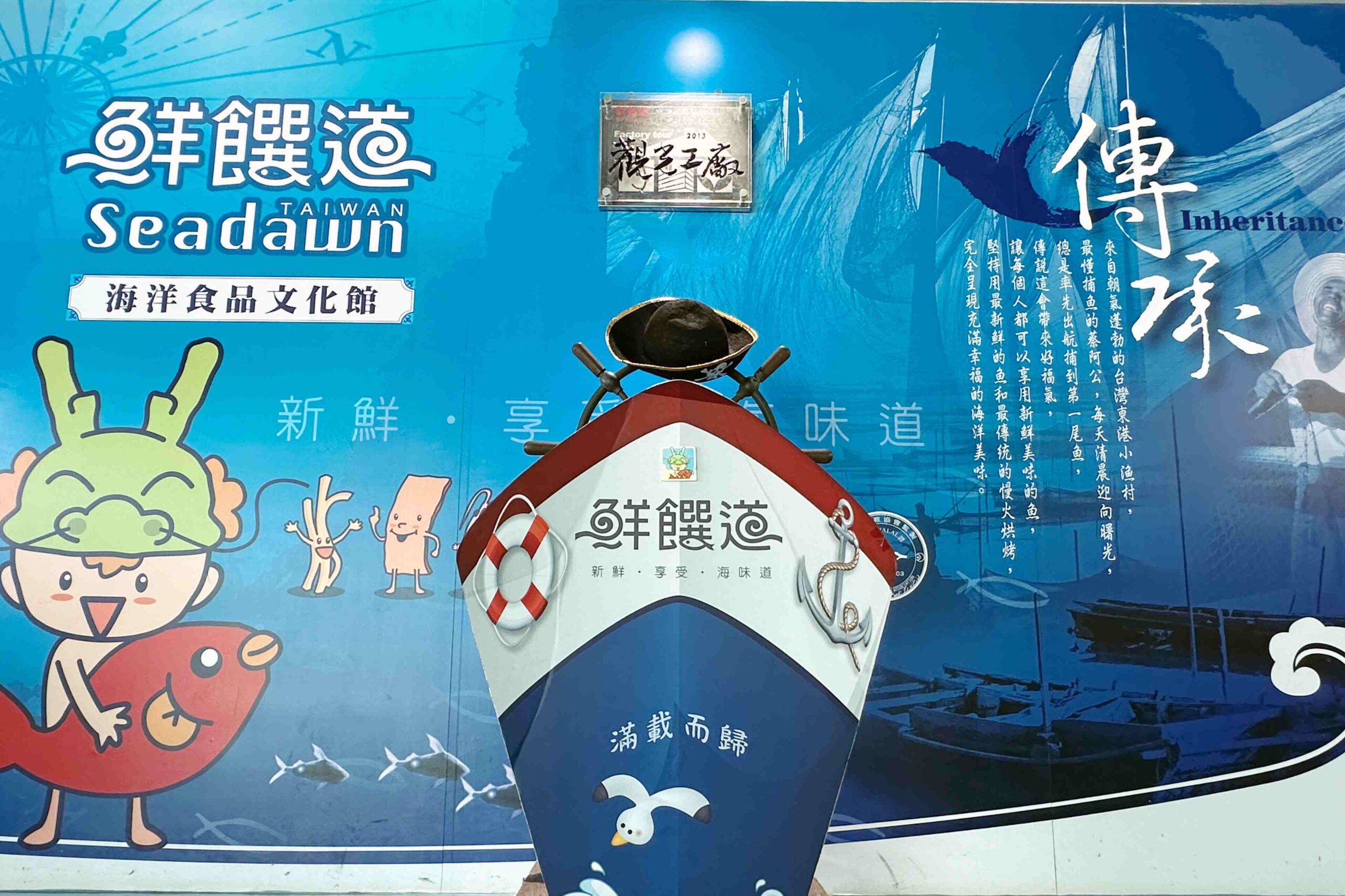
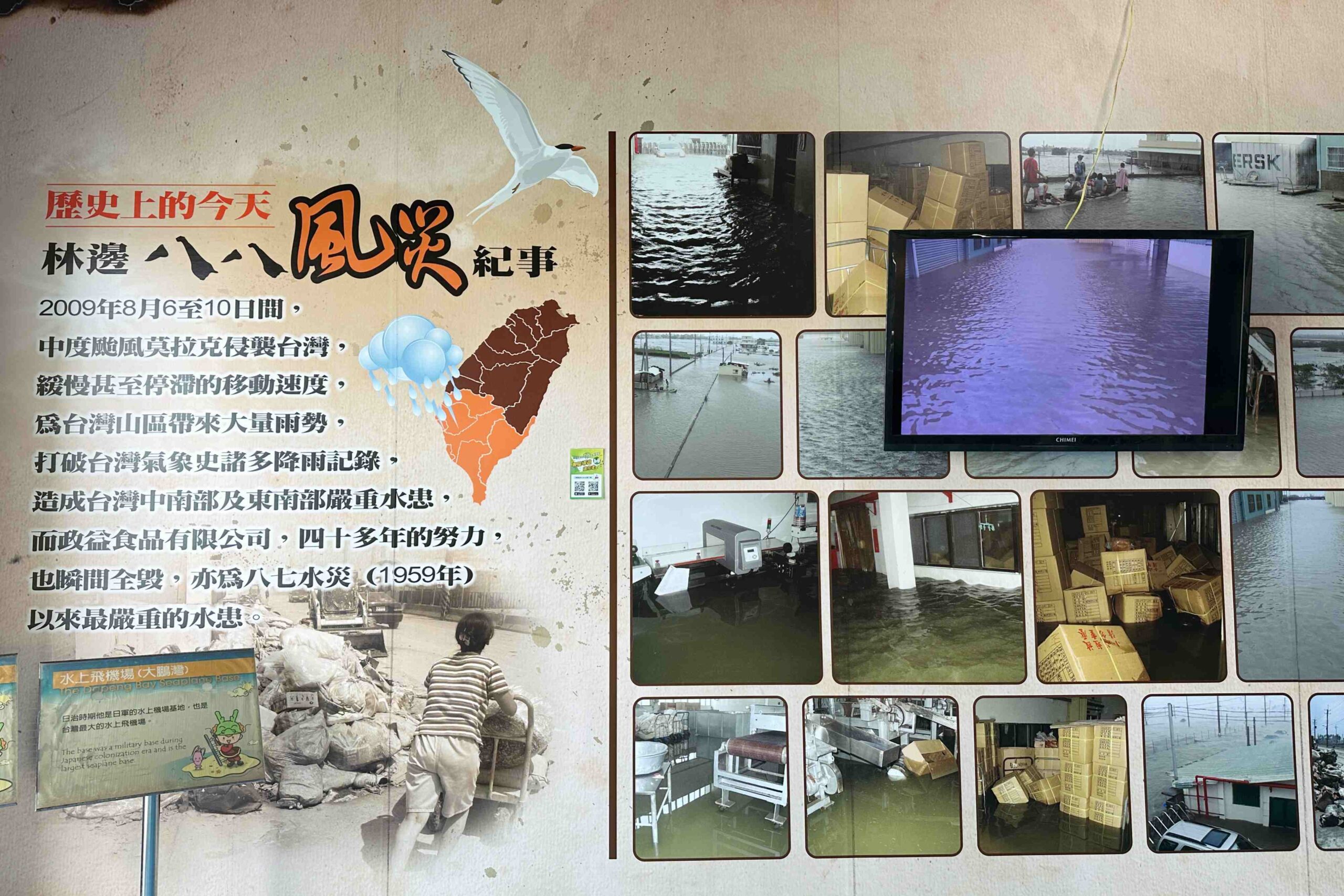
Stepping into the culture center, visitors can see the evolution from the early, rudimentary equipment used to make shredded codfish to today’s bright, modern production environment — a vivid reminder of how human perseverance can transform adversity into progress. What once seemed a misfortune, the devastating flood ultimately became a turning point that propelled them toward international recognition.
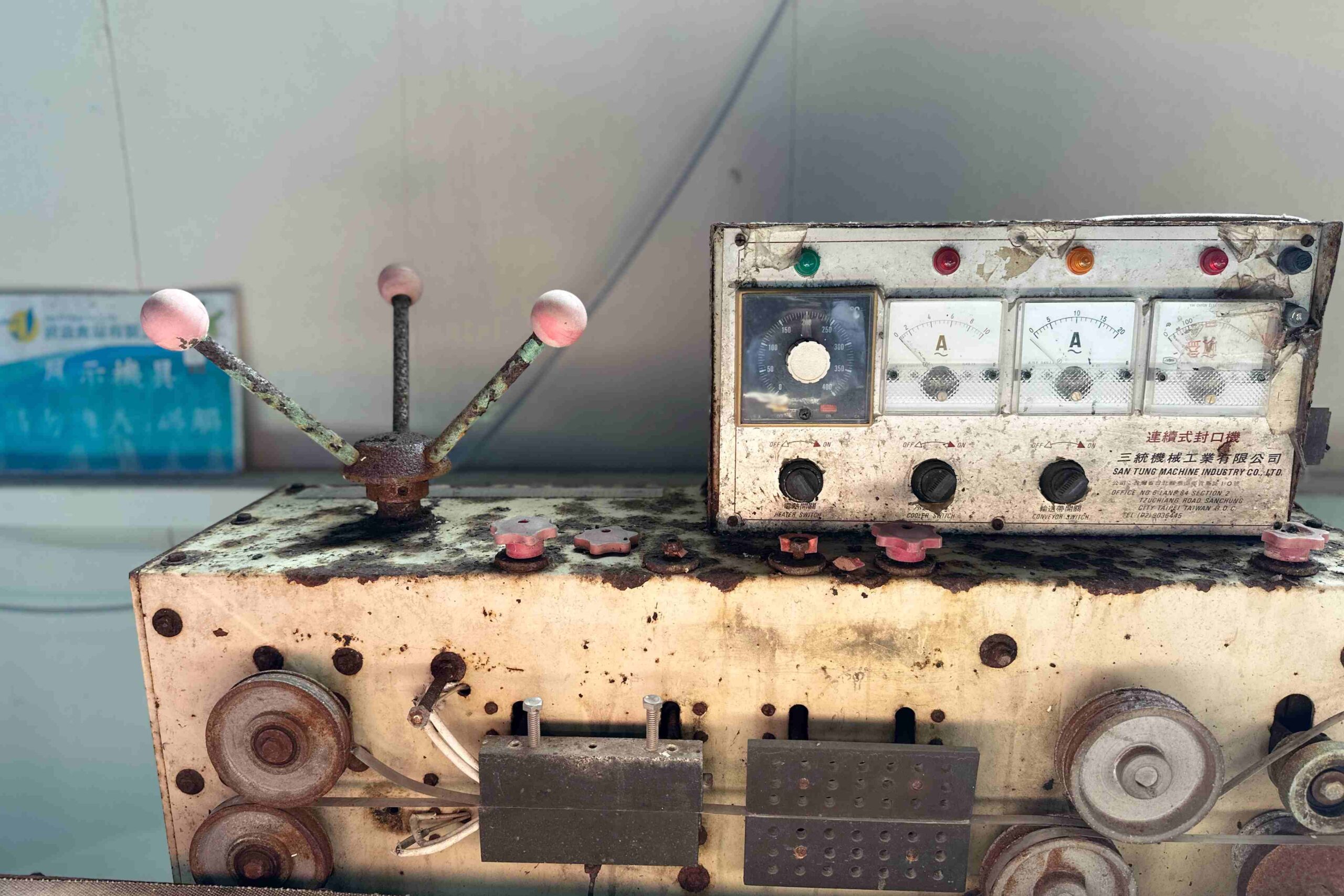
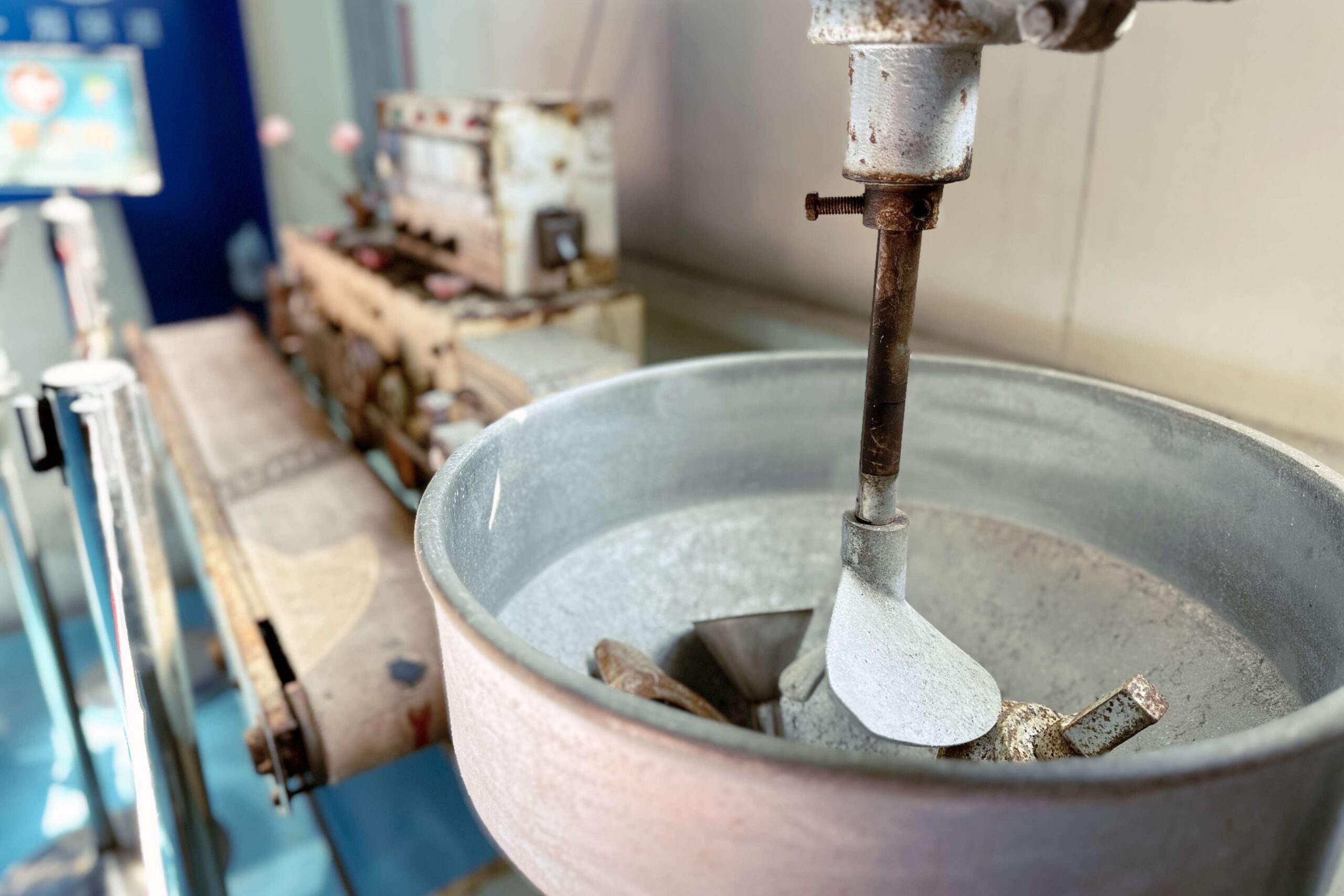
Xian Zhuan Dao Center for Seafood Culture

Opening Hours: 0800-1200, 1300-1700
No. 122, Chenggong Rd., Linbian Township, Pingtung
04|Fuji Historic Residence
Also known as the Zheng Family Ancestral House, the Fuji Historic Residence is a century-old traditional sanheyuan (three-section courtyard) located in Linbian. The Zheng family once prospered through the banana trade, sugar production, and general merchandise business. Their wealth and social status are reflected in the residence’s intricate carvings and vibrant decorative paintings, which showcase the exquisite craftsmanship of the era.
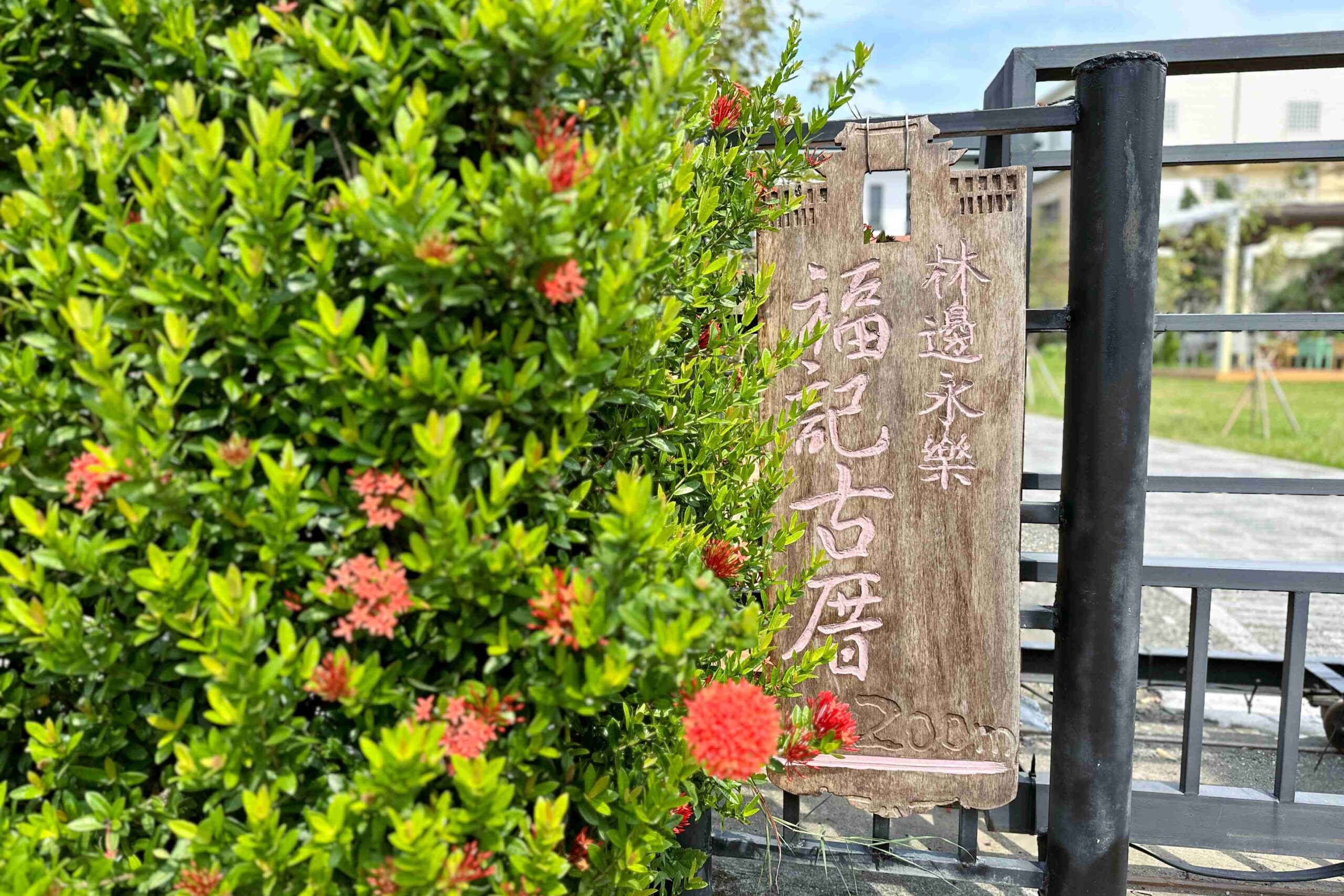
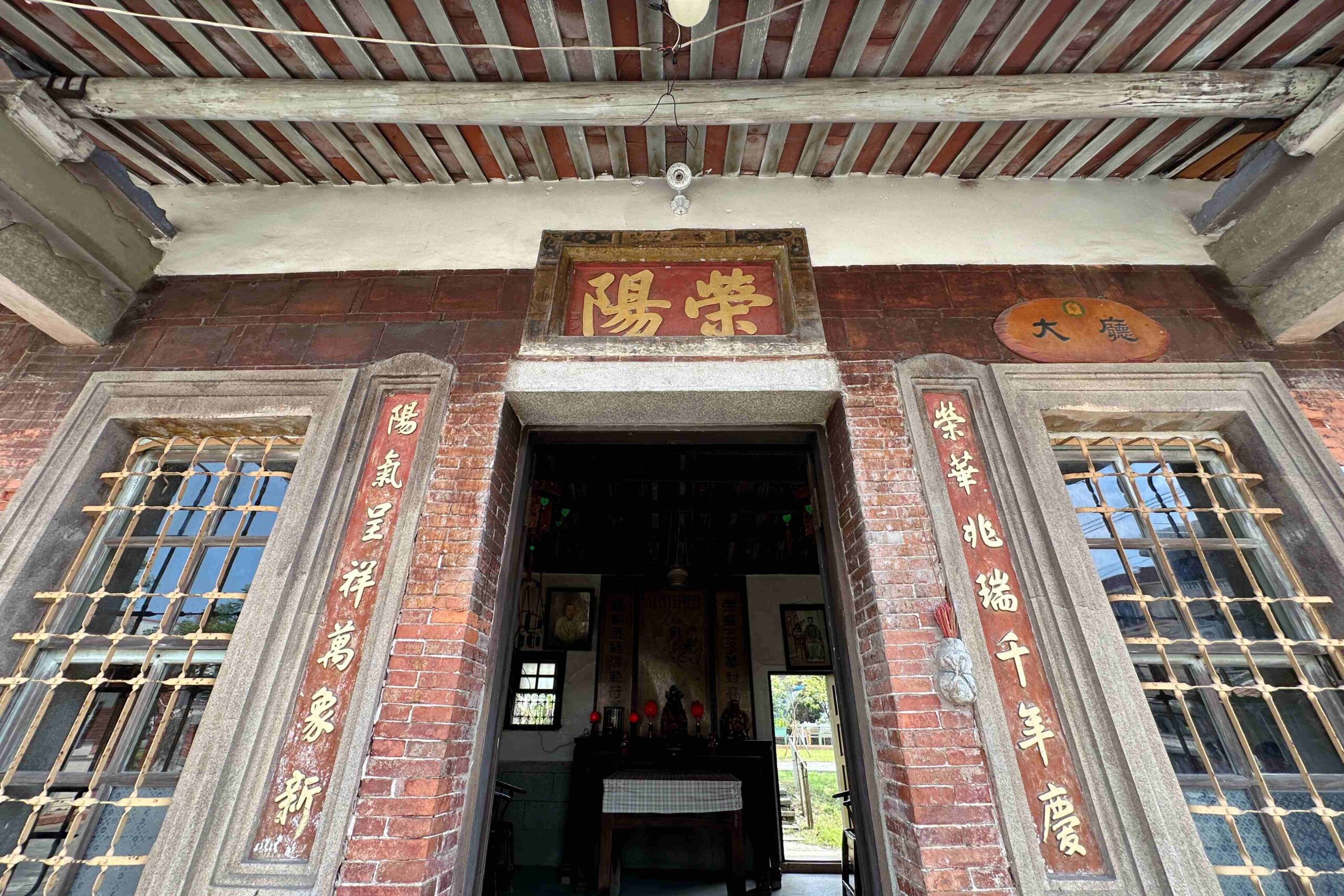
Today, the historic house is leased and managed by the Yongle Community Development Association, which has carefully restored it to preserve its cultural value and faithfully recreate the atmosphere of everyday life from a bygone time.
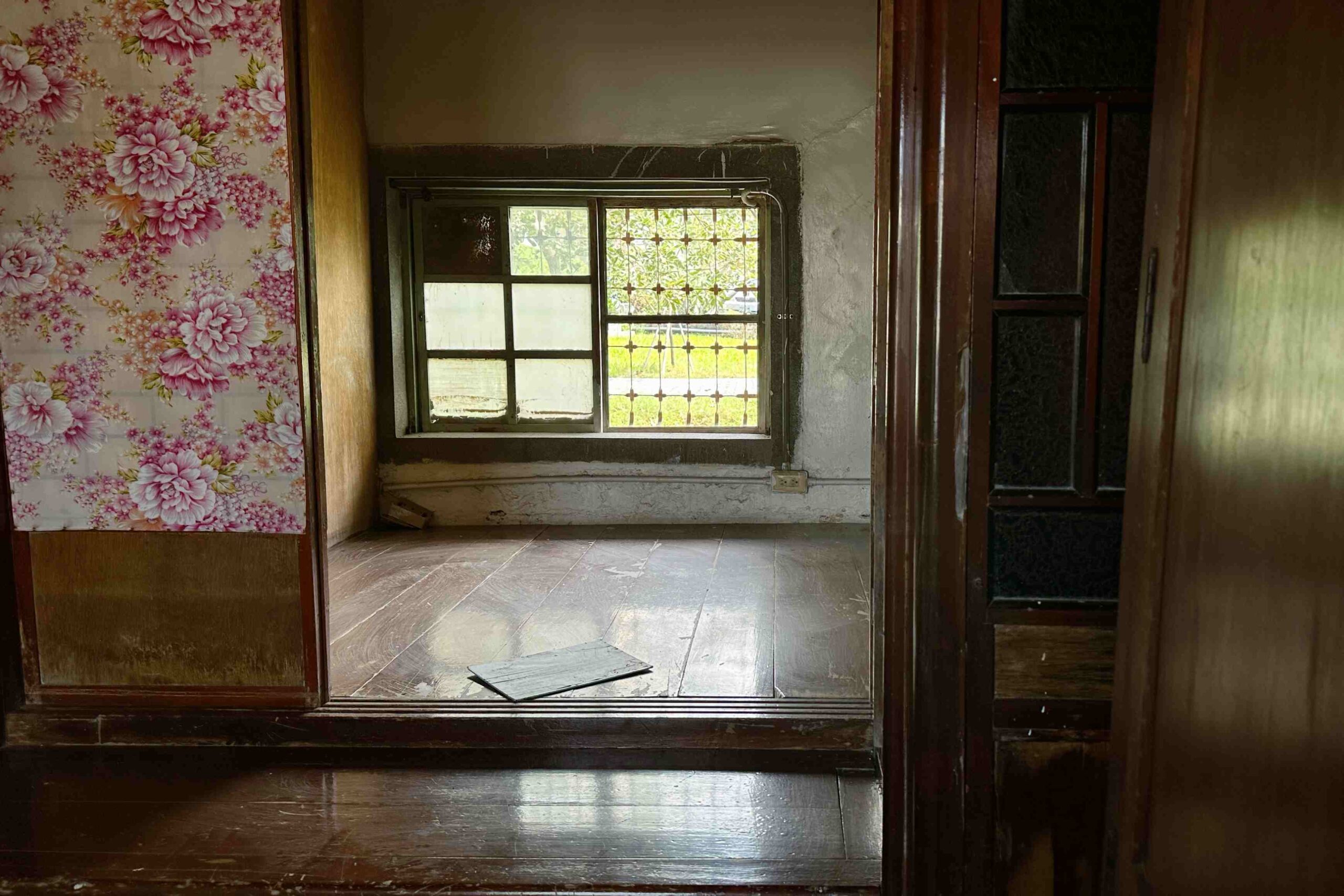
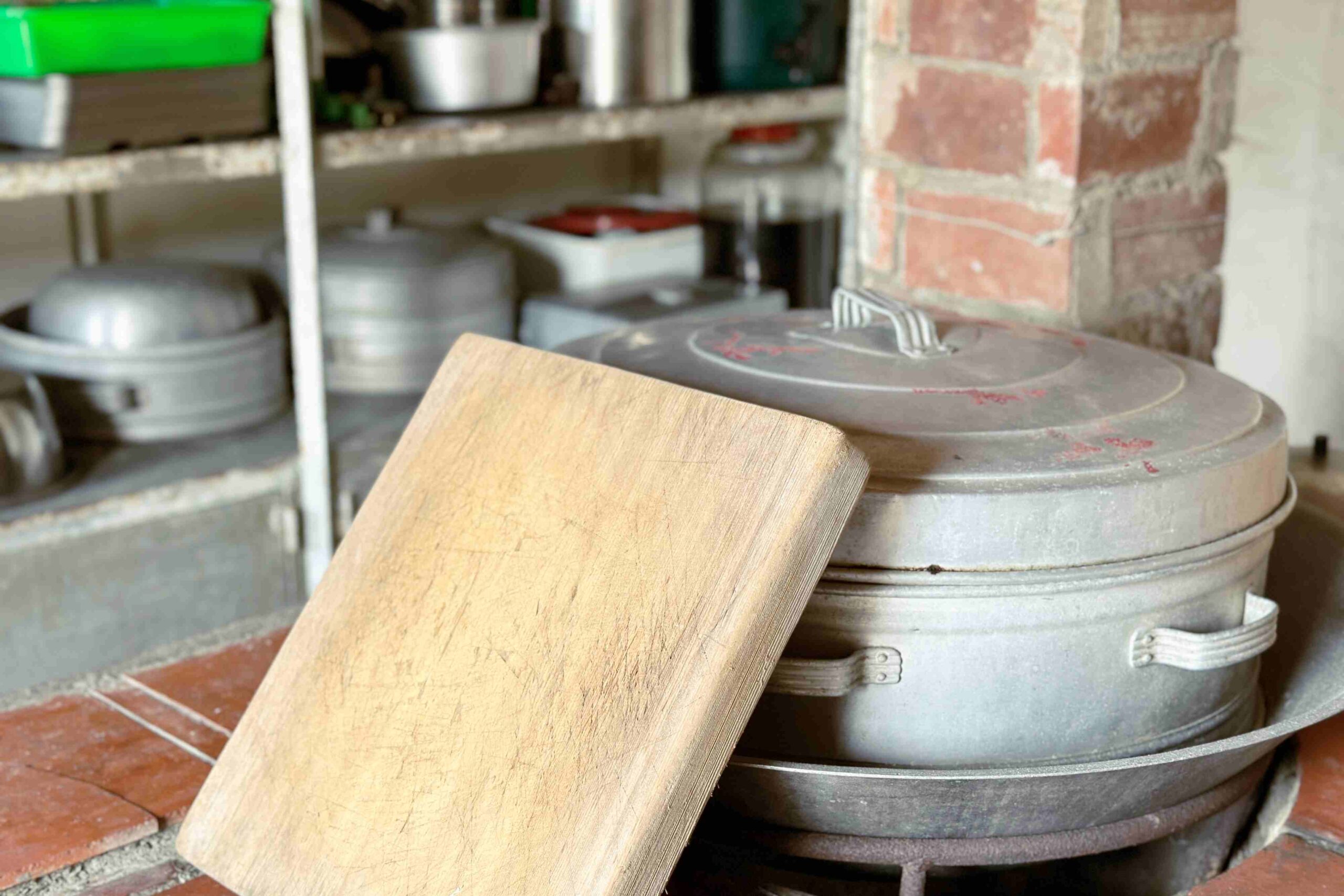
Fuji Historic Residence

Opening Hours: 0700-1800
No. 8, Rongnong Rd., Linbian Township, Pingtung
05|Linbian Inclusive Family Park
Before heading back to Kaohsiung, I took a short break at the Linbian Inclusive Family Park, located right in front of Linbian Station. The park’s colorful “Flying Train” instantly caught my eye — its whimsical design adds a touch of magic to the otherwise tranquil townscape. The park features two main themed areas: the Flying Train and the Wax Apple Forest. Both zones are popular among children, offering plenty of space and creative play structures for them to run, climb, and explore to their hearts’ content — a perfect spot for families to relax and enjoy joyful moments together.
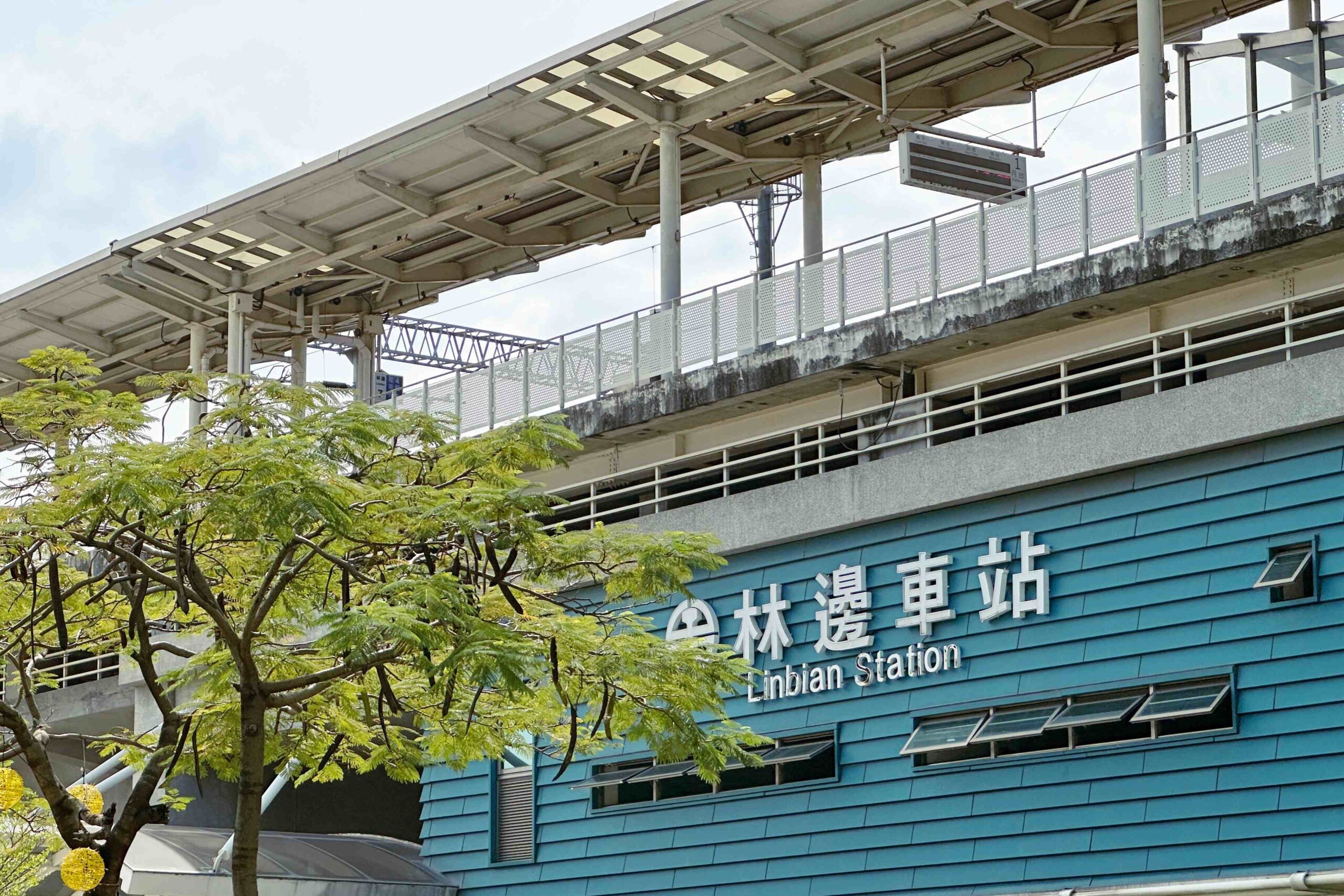
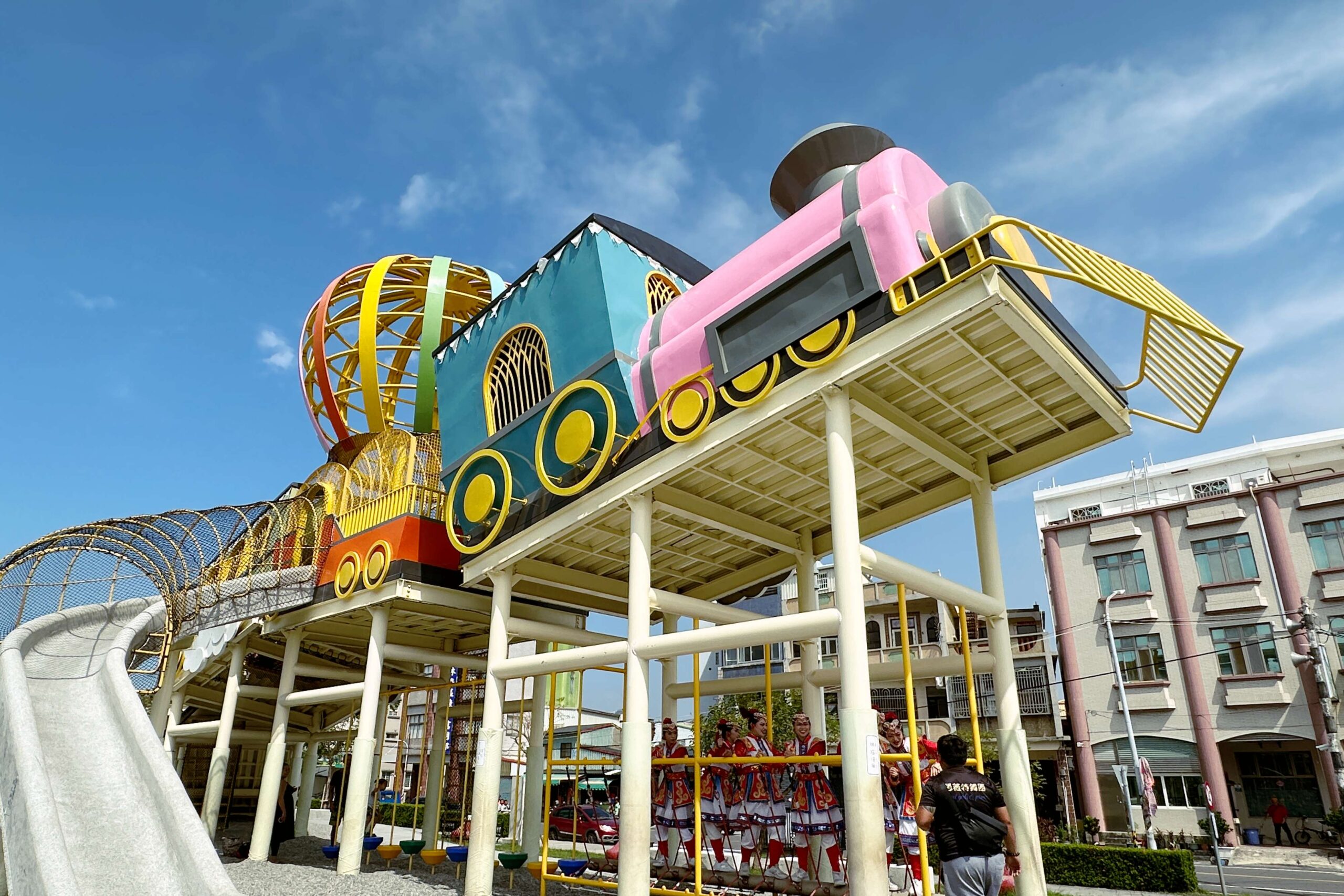
Linbian Inclusive Family Park

No. 78, Ren'ai Rd., Linbian Township, Pingtung
◦ Restaurants and Snacks in Linbian
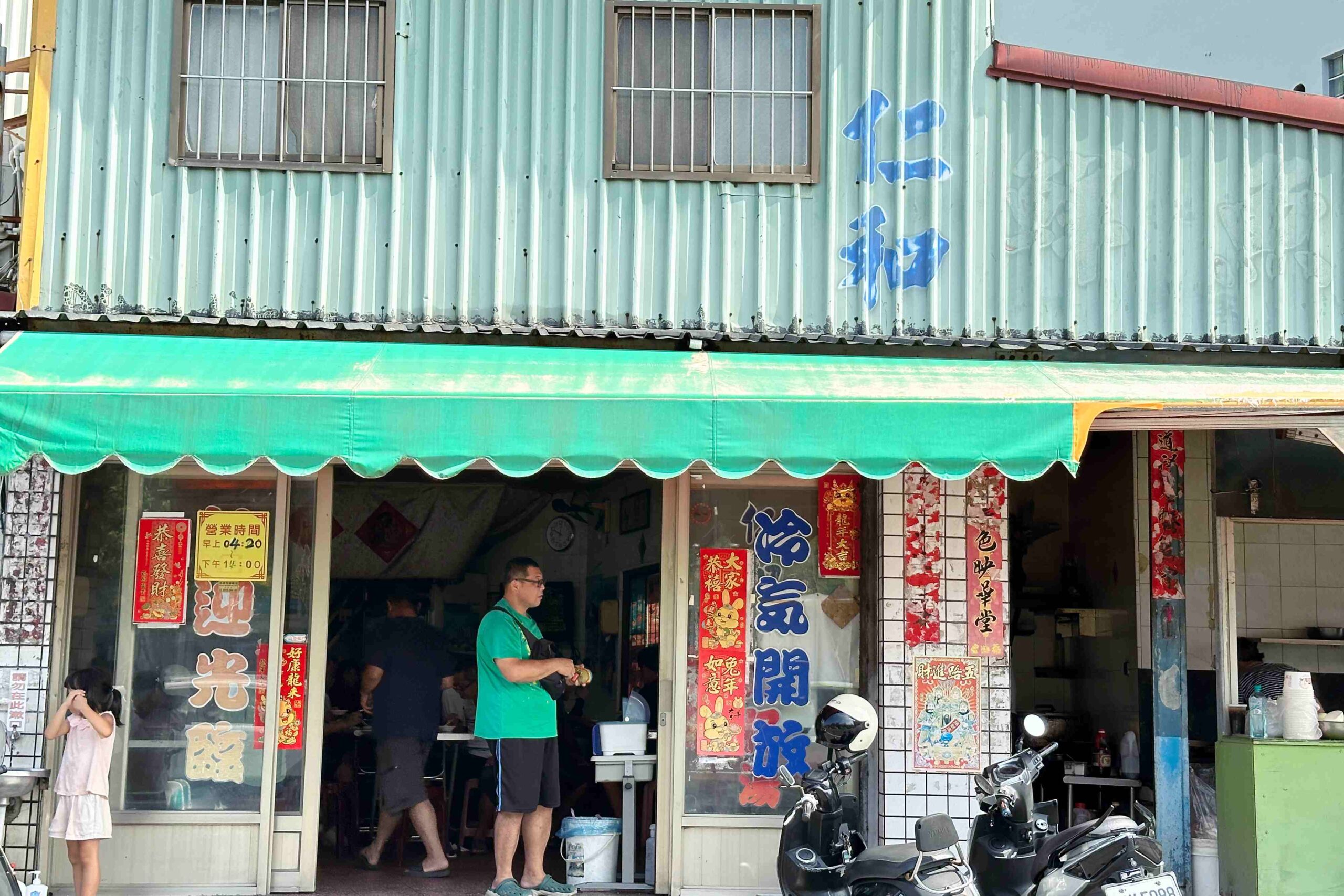
01|Renhe Fresh Fish Soup
Stepping into this beloved local eatery — a neighborhood favorite for over 30 years — I was greeted by a lively scene of the staff bustling about. Seeing me glance around for a menu, one of the friendly aunties quickly pointed to a whiteboard. “We cook whatever fish is freshest today,” she said — truly the most authentic kind of no-menu dining!
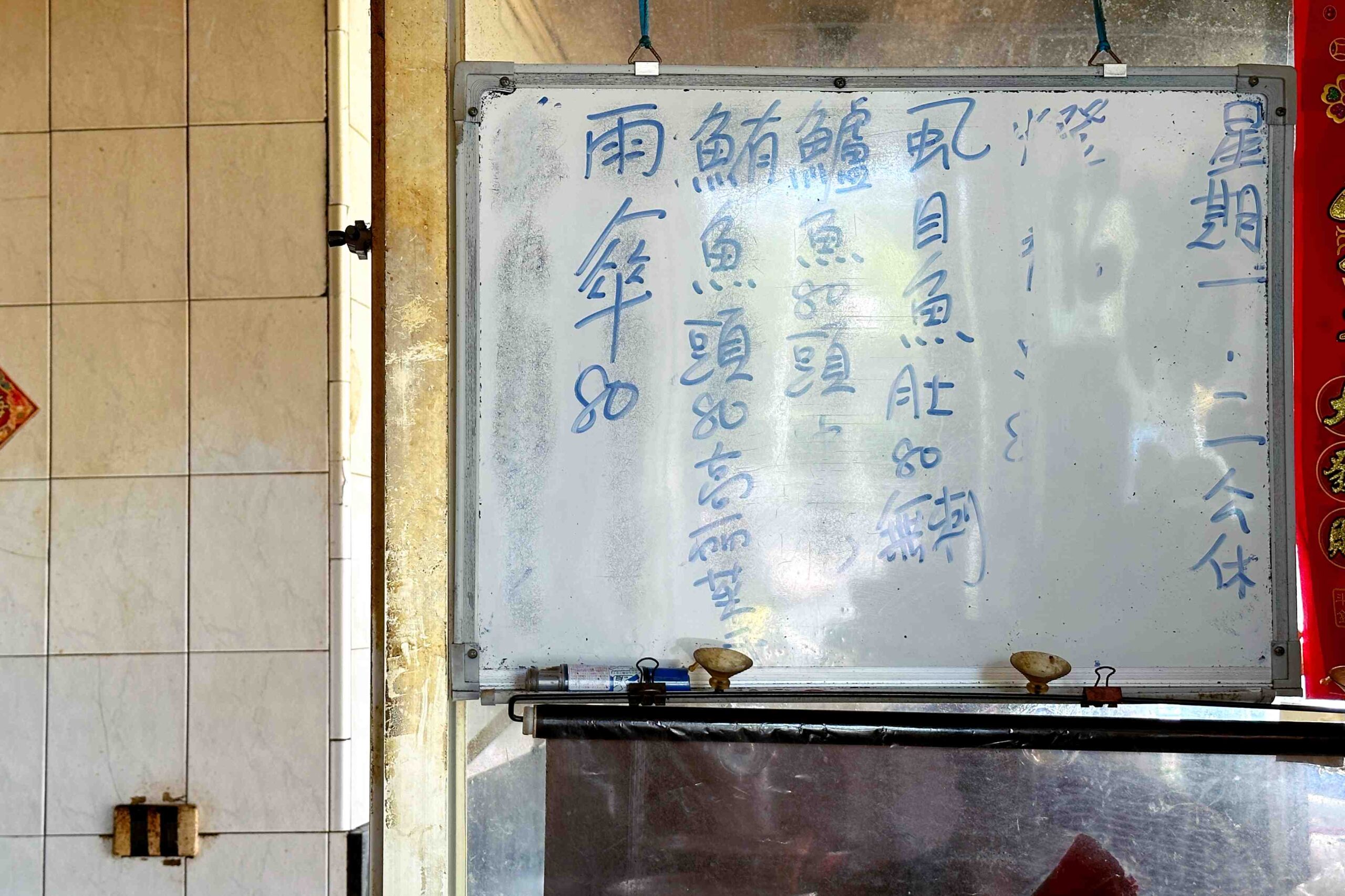
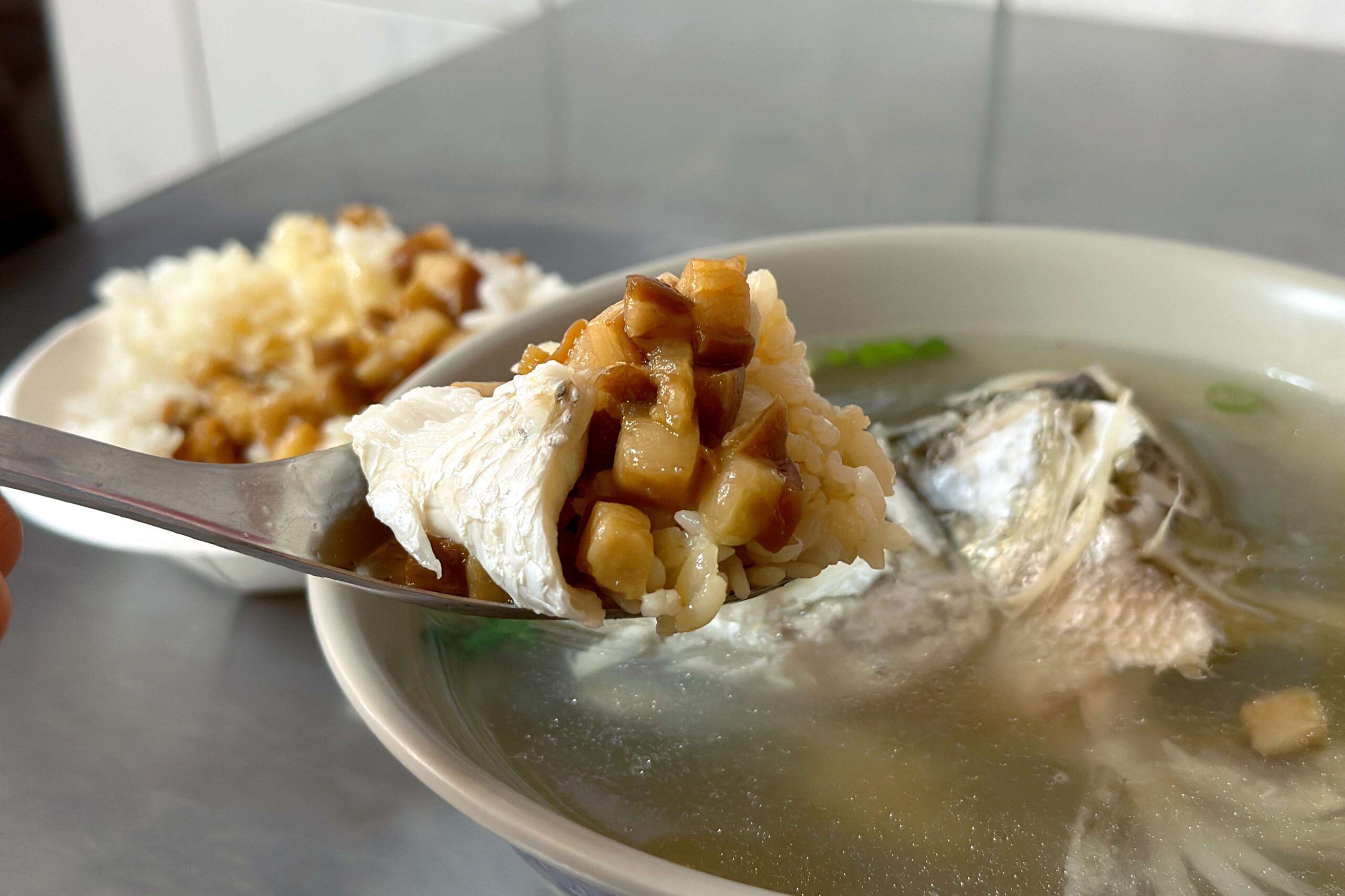
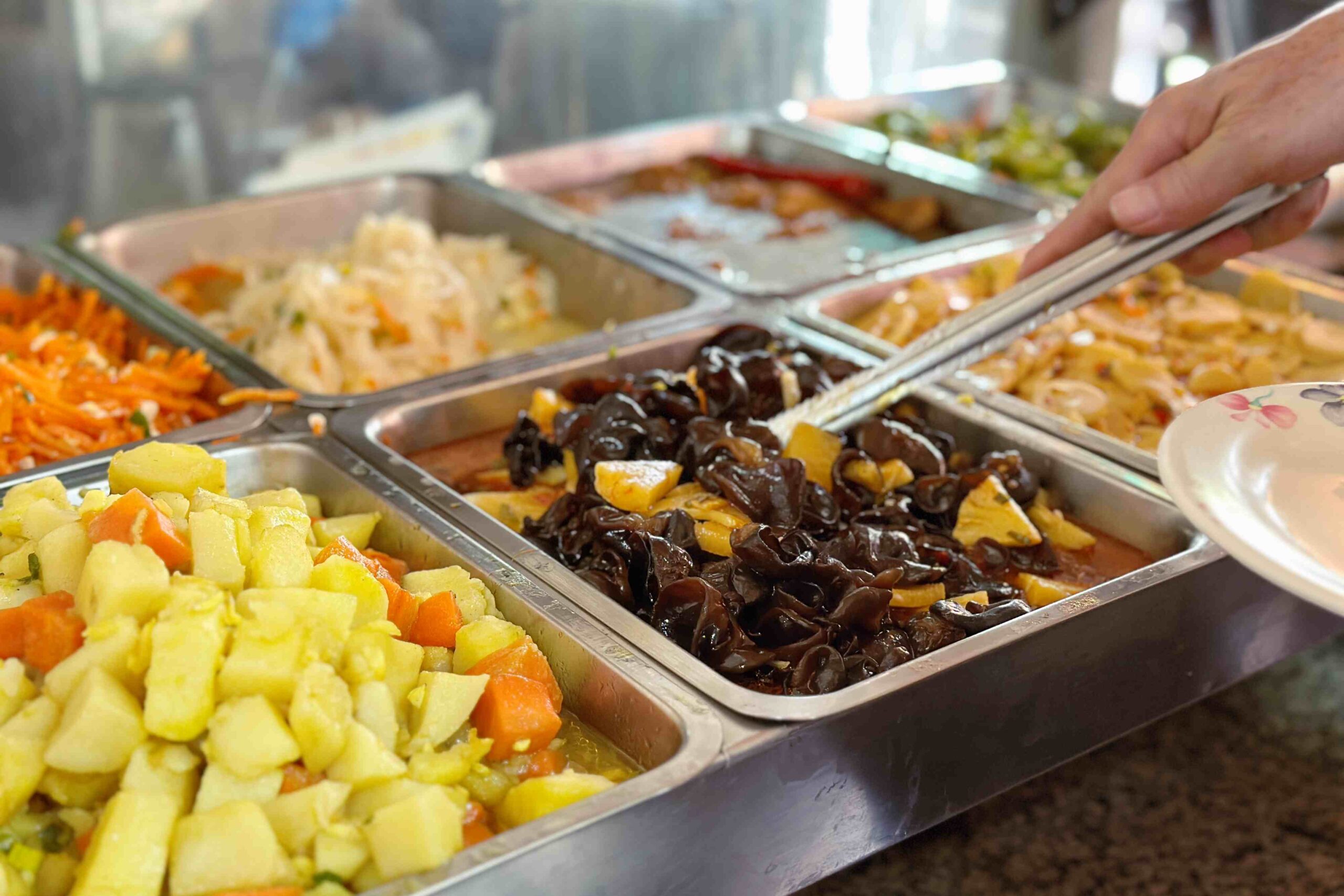
Every table had a bowl of steaming fresh fish soup, usually paired with a bowl of plain rice or braised pork rice. Alongside was a small buffet-style section with various side dishes — you simply take what you like. The portions are generous, and the prices are wonderfully down-to-earth. A sip of the sweet, delicate seabass soup, followed by a bite of rich, savory braised pork rice — such a simple yet irresistible combination. It’s the kind of comforting flavor that lingers in your memory long after you’ve left.
Renhe Fresh Fish Soup

Opening Hours: 0430-1400, closed on Monday and Tuesday.
No. 80, Ren'ai Rd., Linbian Township, Pingtung
◦ Flying Over Taiwan
*All aerial photography operations are conducted within legal airspace. During flight, regulations stipulated by the Civil Aviation Law are strictly followed, maintaining the required distance from buildings and crowds. Zooming and post-production techniques are used to ensure compliance, making the flights fully legal.
*Anyone citing these images and text must provide proper attribution. Unauthorized or illegal use of the images and text is prohibited and may result in legal liability.
◦ Other Areas in Pingtung
➤ Jiadong | A Living Testament to a Glorious Past
➤ Neipu | What’s the Connection Between Han Yu and Neipu?
➤ Hengchun | Hengchun Chiang Ku Festival