
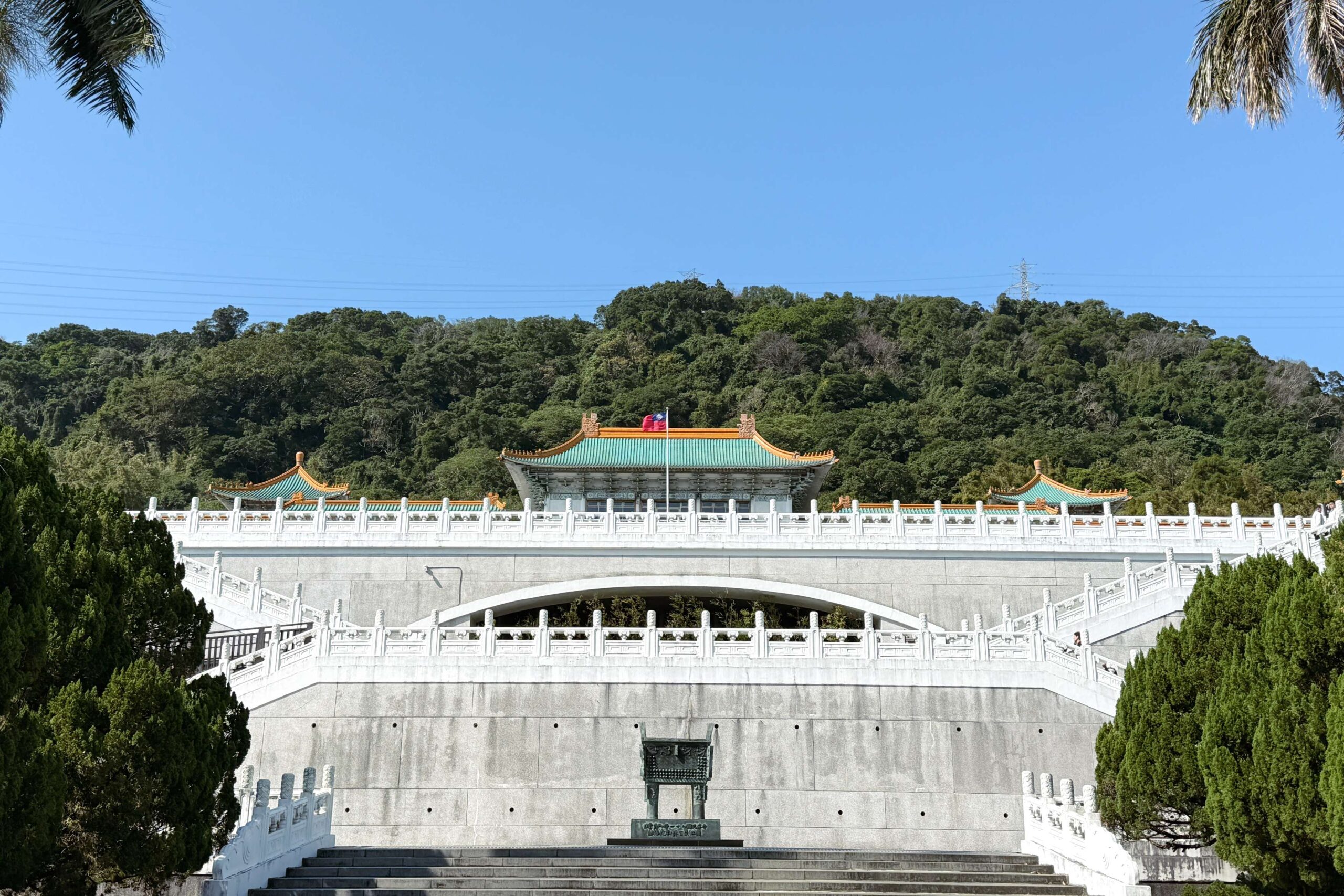
It had been more than a decade since my last visit to the National Palace Museum. This time, even the ticket purchase at the very beginning left me astonished. As Taiwan’s premier museum—with a collection so vast it would take days to fully explore—the admission fee is only NT$150, and just NT$350 for international visitors. In an era when special exhibitions easily cost NT$300–500 and movie tickets start at NT$320, the museum feels incredibly generous and affordable. I was so surprised that I immediately added a NT$200 audio guide just to calm myself down.
Contents
◦ Don’t Know Where to Start?
Stepping into the three-story museum, home to hundreds of thousands of artifacts, it’s easy to feel overwhelmed: “Who am I? Where am I? Where should I even begin?” Thankfully, the museum has thoughtfully designed four major themed routes, allowing visitors to plan their visit based on their time and interests. Since I only had one afternoon, I chose the “Classic Highlights II” tour, which takes about 100 minutes.
01|Classic Highlights I (approx. 60 minutes)
Featuring 16 selected masterpieces from the permanent collection, this route is ideal for visitors interested in a variety of artifacts and who wish to experience the historical evolution of Chinese civilization.
02|Classic Highlights II (approx. 100 minutes)
Showcasing 26 carefully selected masterpieces, this route offers a richer and more comprehensive experience. It is well-suited for those who want a deeper understanding of different types of artifacts and to trace the historical context and development they represent.
03|The Emperor’s Treasure Box (approx. 30 minutes)
Focusing on rare and exquisite imperial court objects, this route is perfect for those fascinated by precious materials, intricate designs, and superb craftsmanship. It also provides insight into life within the imperial palace.
04|Treasure Hunt Adventure (approx. 80 minutes)
Incorporating the museum’s popular animated content, this route is especially suitable for families and school groups. Through on-site observation combined with the museum’s rich digital resources, visitors can enjoy the fun of discovery in an interactive way.
I really appreciate the way these themed routes are presented on the museum’s website. In addition to providing maps that clearly outline the overall flow of each route, they also include concise introductions to each featured piece, helping visitors better understand their background and significance.
🏛️ Themed Visiting Routes at the National Palace Museum
◦ Design Logic 01: Easing Anxiety
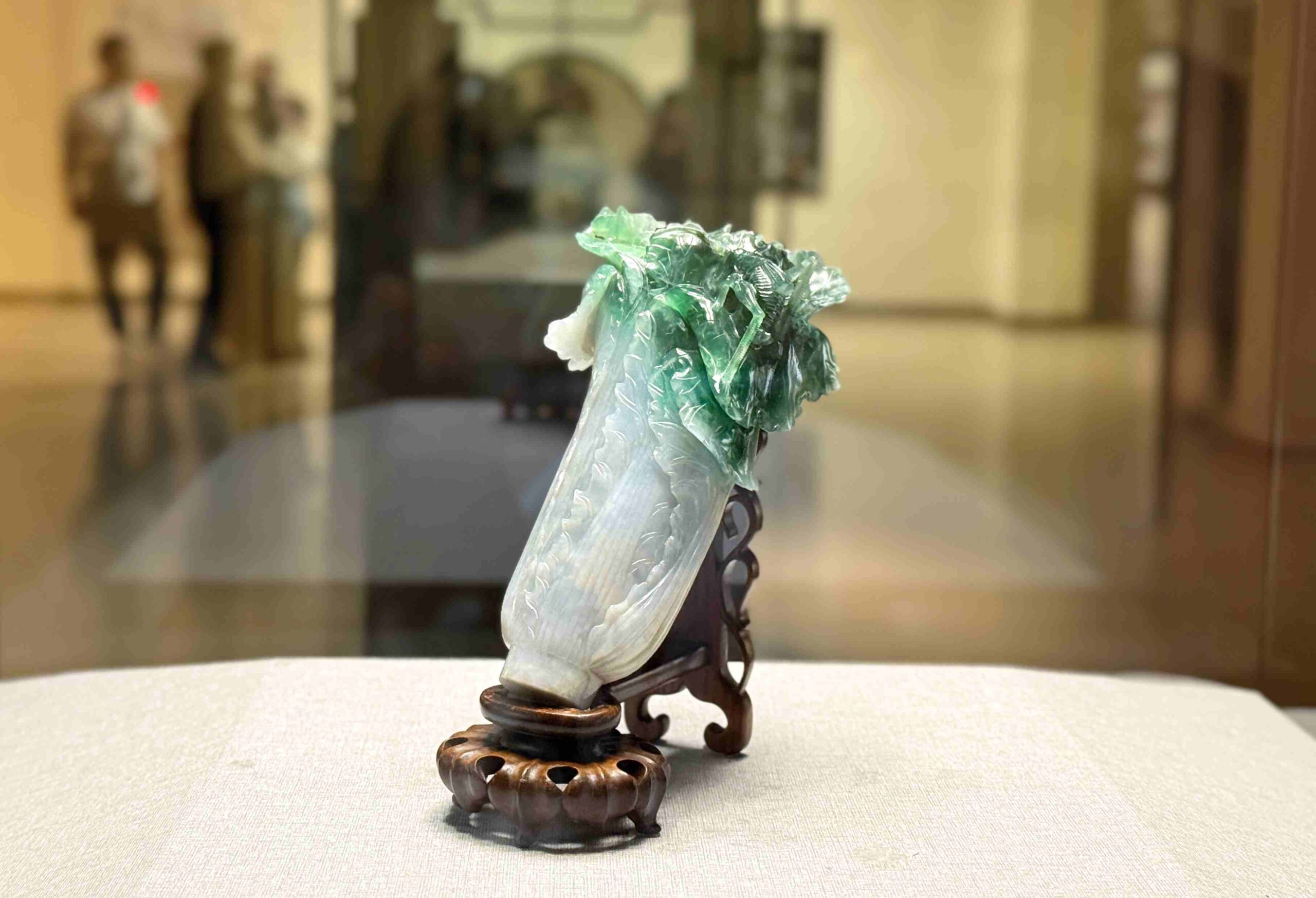
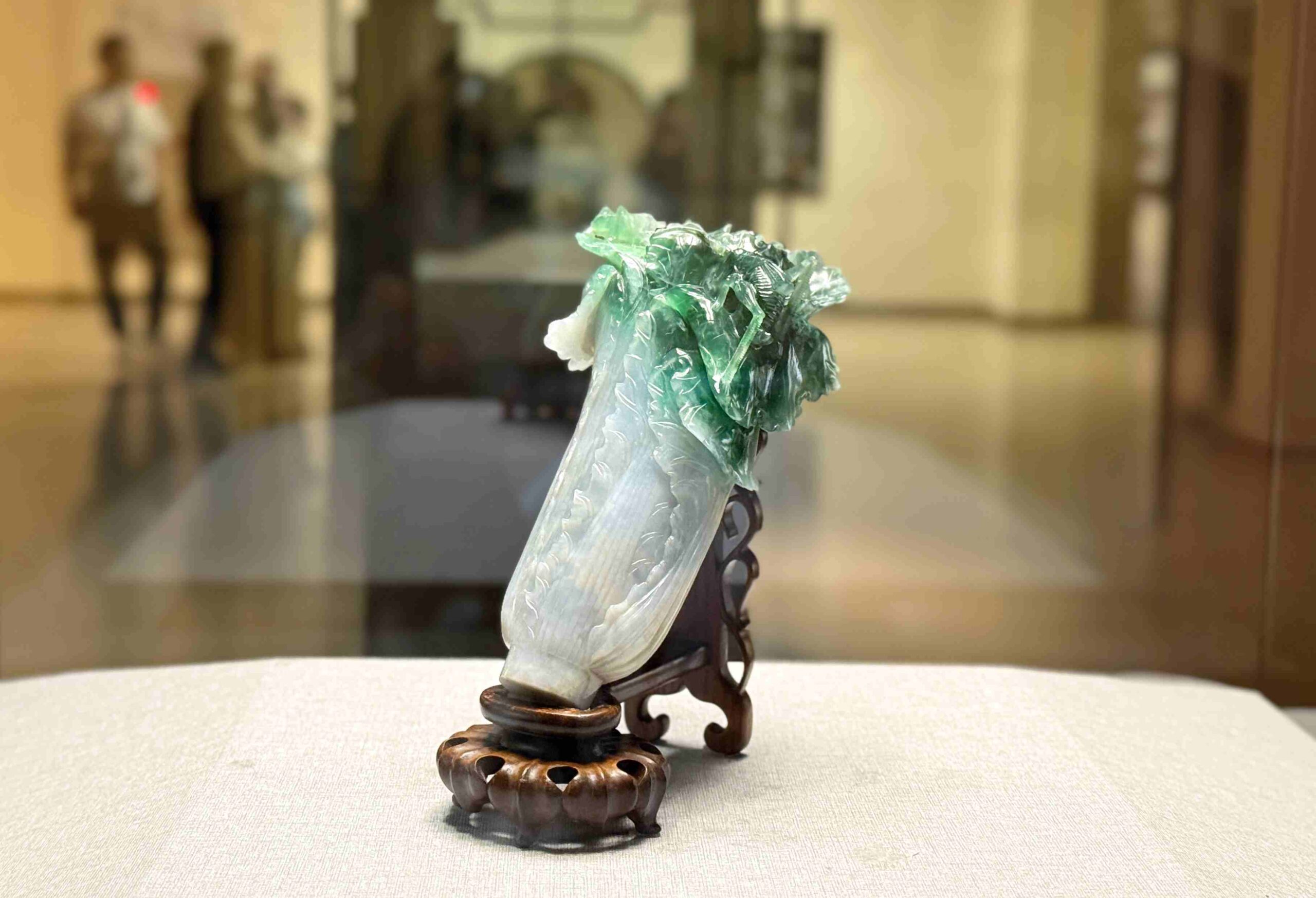
Among the four themed routes designed by the National Palace Museum, three of them begin on the third floor, guiding visitors straight to the most popular highlights: Jadeite Cabbage and Meat-shaped Stone. There’s no need to emphasize just how famous these two artifacts are—they not only appear in textbooks, but “count how many insects are on the cabbage” has long become a classic activity for visitors from Taiwan and around the world when viewing the Jadeite Cabbage.
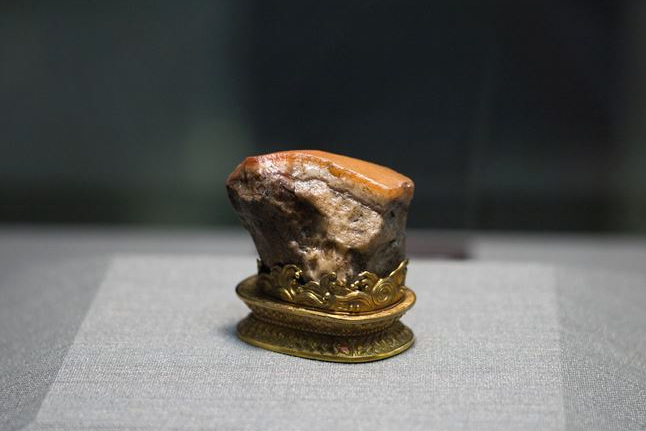
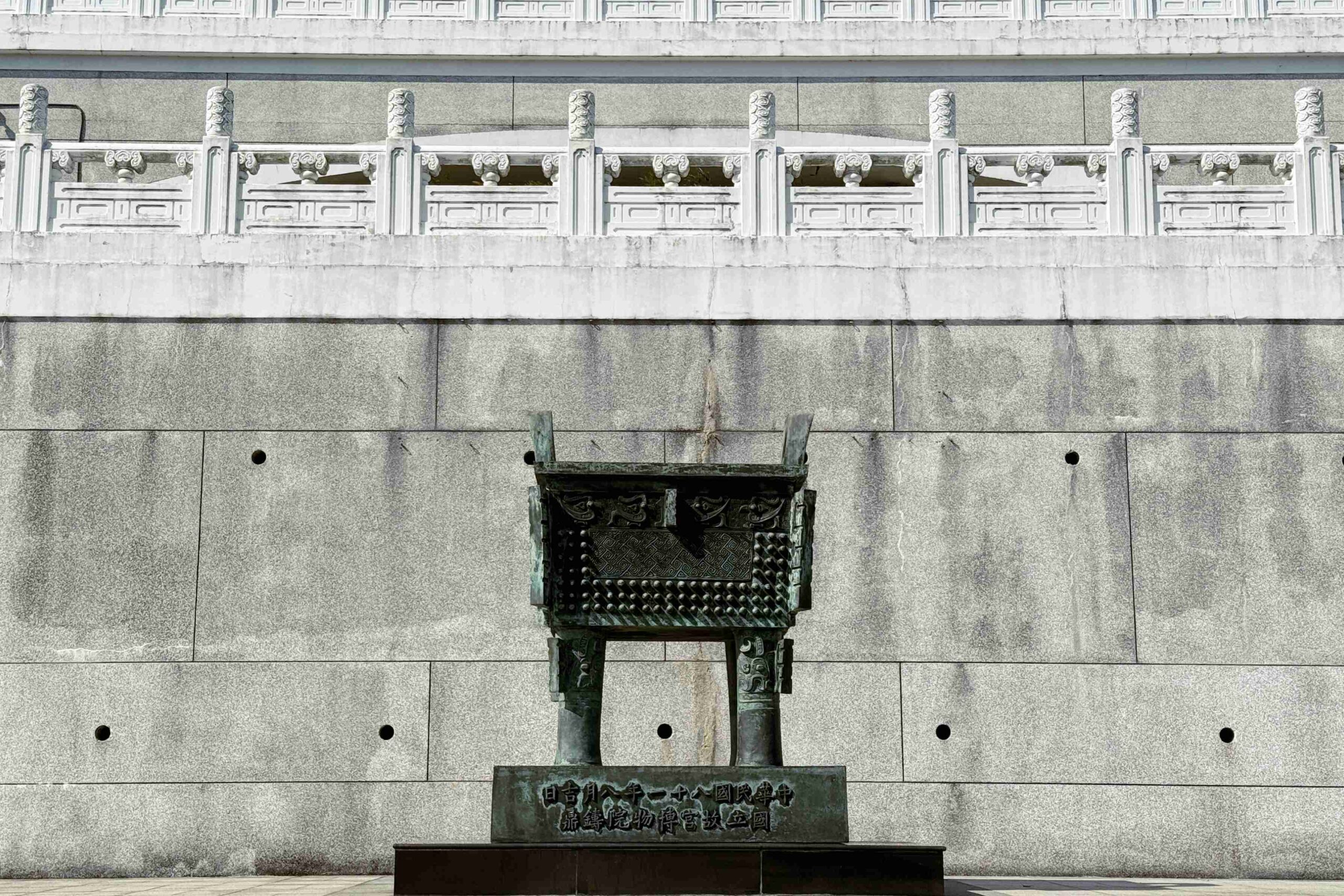
After seeing the “cabbage” and the “Dongpo pork,” the museum then introduces visitors to relatively unfamiliar objects such as jade gui, jade cong, and jade bixie. By this point, many people may already begin to feel a bit of aesthetic fatigue—perhaps even stifling a yawn. Then, one of the so-called “Top Three Treasures,” the Mao Gong Ding, makes its appearance. This late Western Zhou bronze vessel bears the longest known inscription among bronze artifacts, recording the historically significant “Revival under King Xuan.”
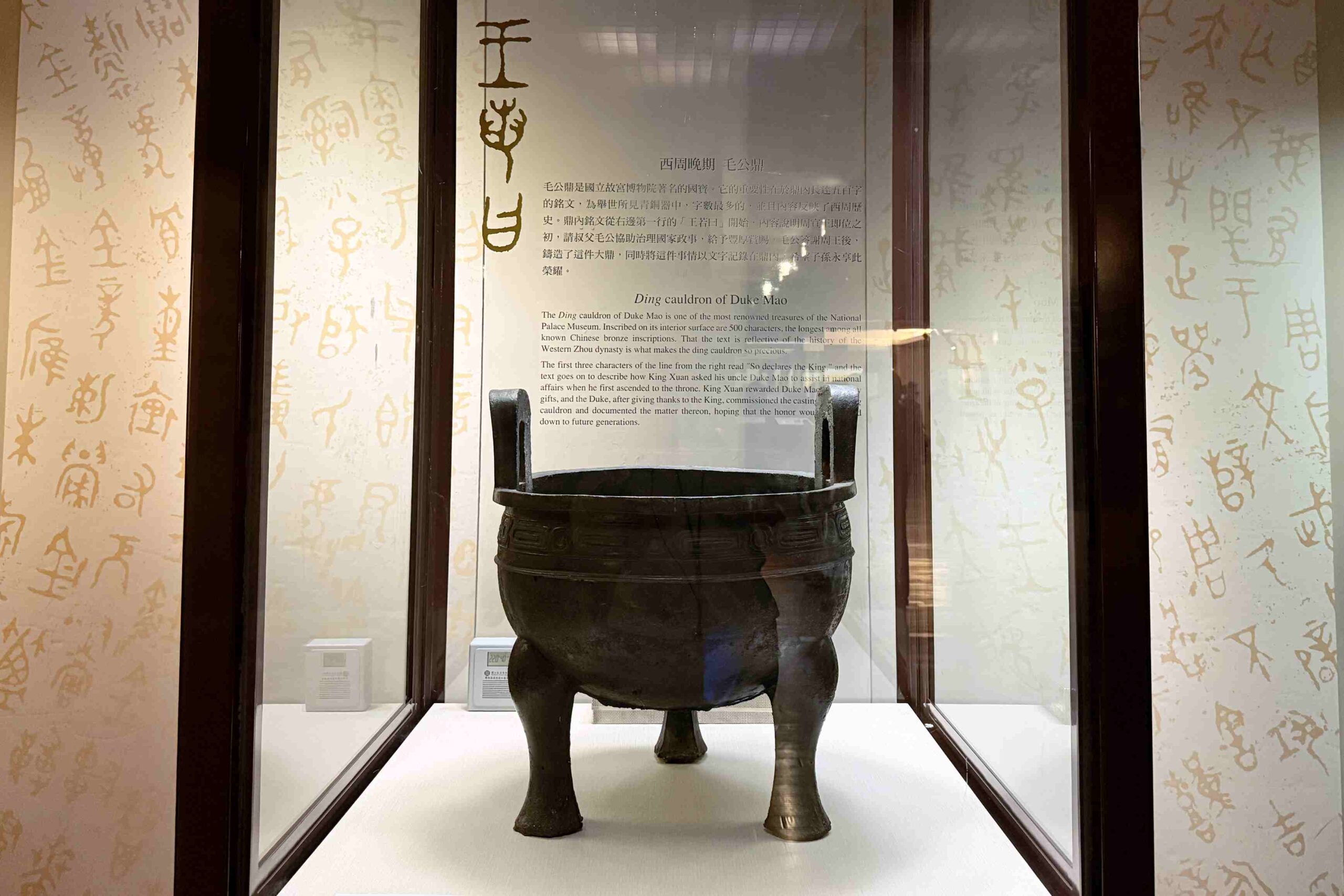
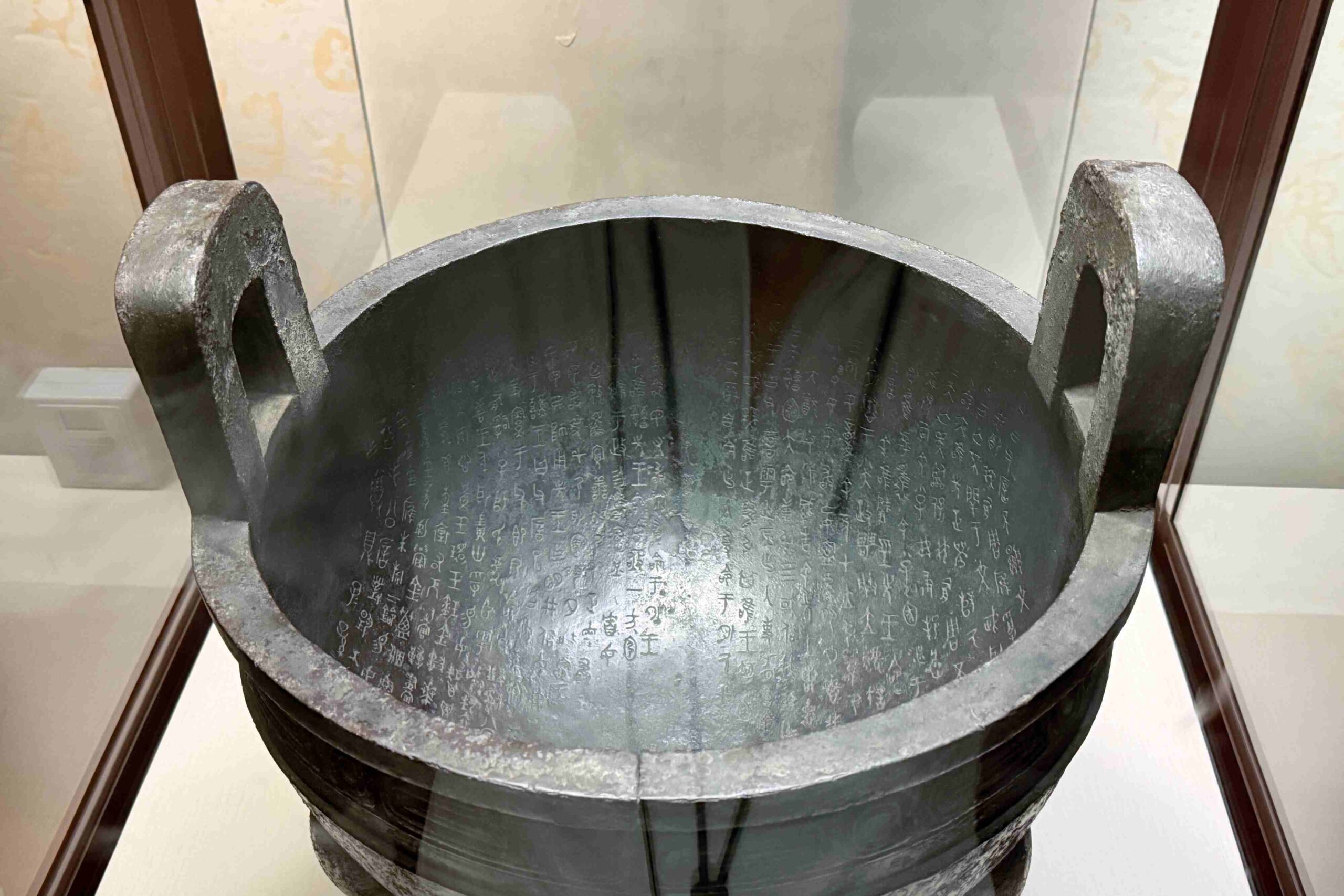
By this stage, visitors have completed their encounter with all three iconic masterpieces, creating a reassuring sense that “I’ve seen everything I came for.”
◦ Design Logic 02: Building a Historical Perspective
By following the 26 carefully selected artifacts in the Classic Highlights tour, visitors can observe objects categorized by material—such as jade, bronze, and porcelain. These artifacts are then arranged in chronological order, allowing viewers to quickly grasp how the same material evolved into entirely different forms across different periods.
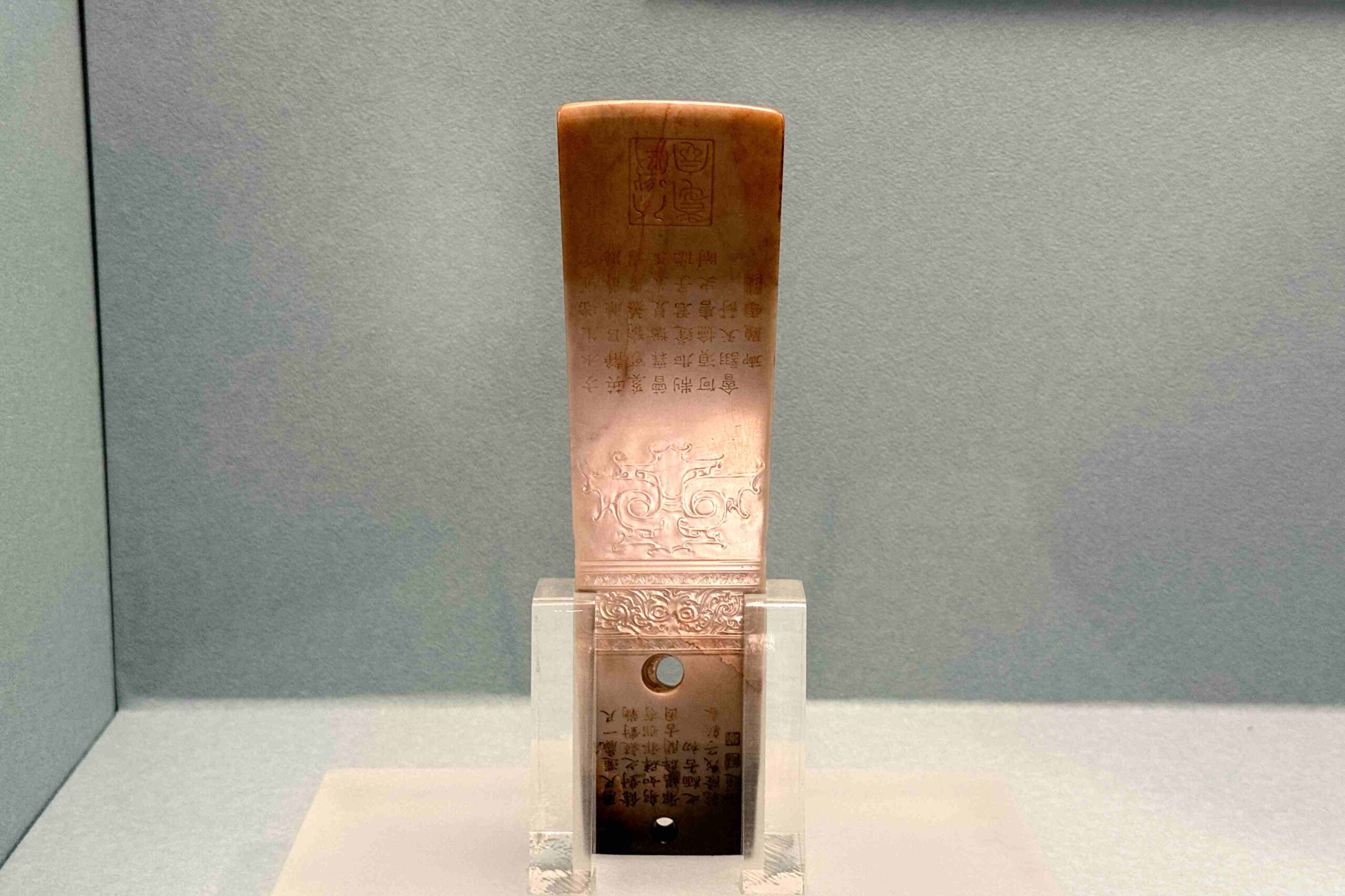
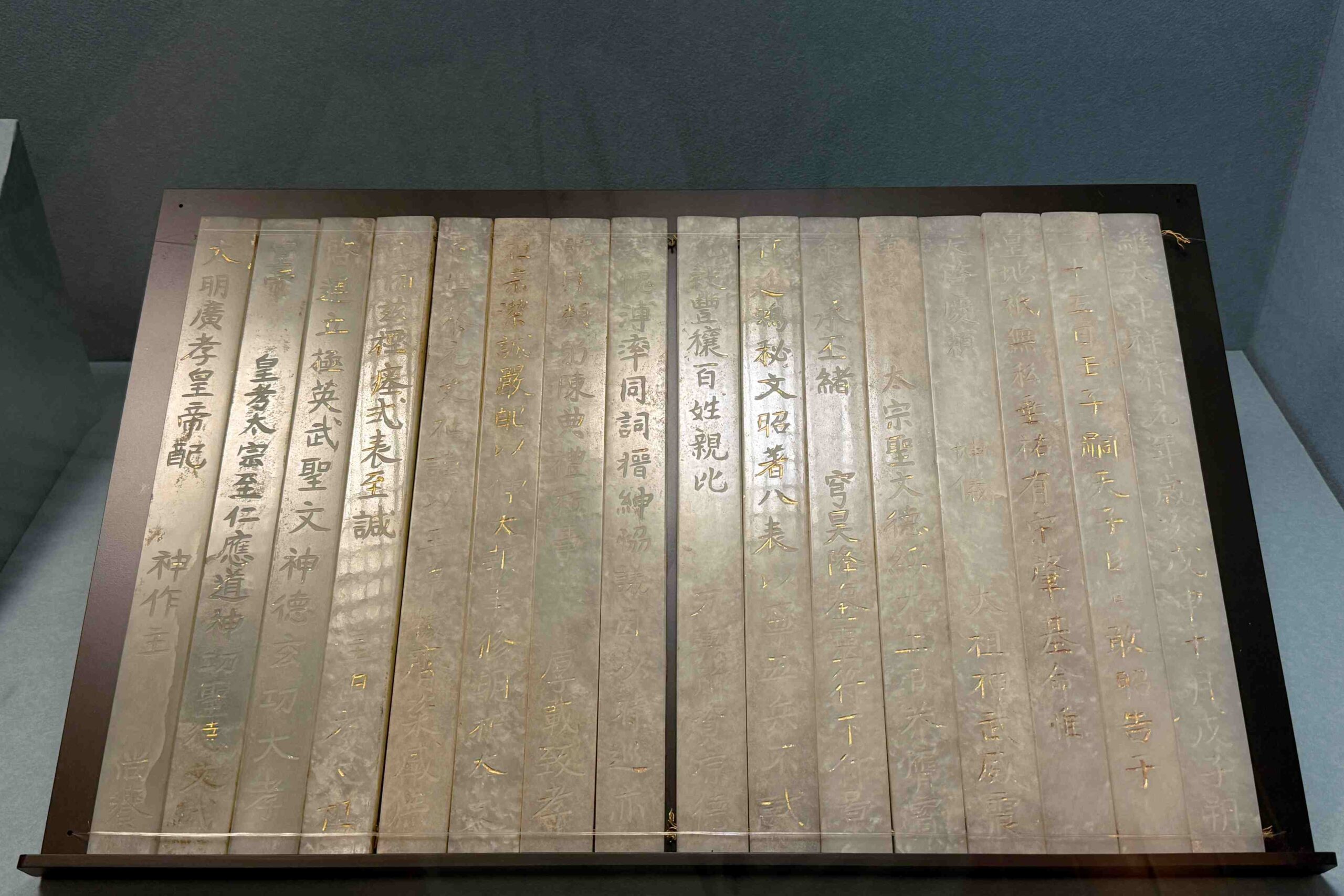
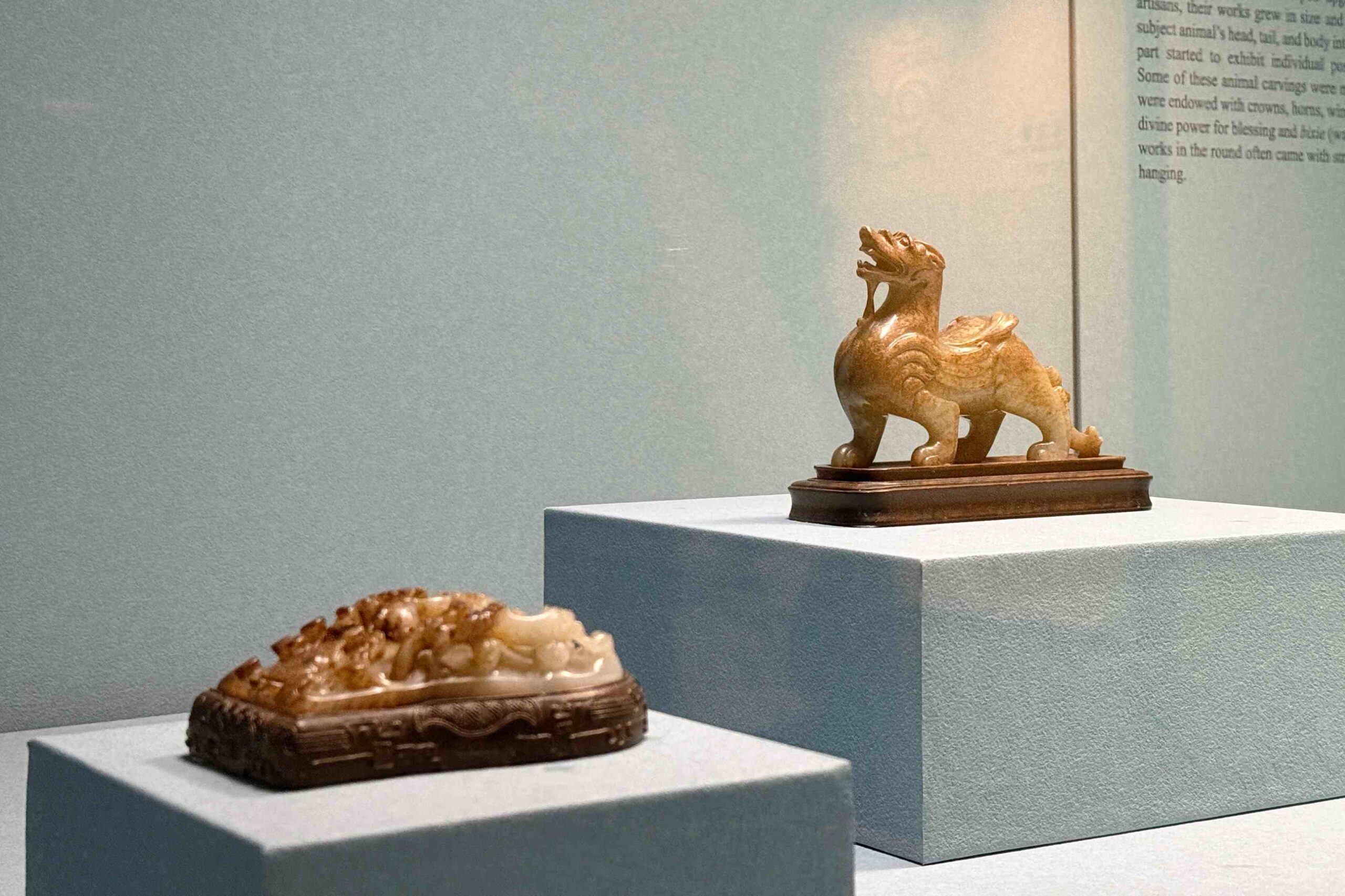
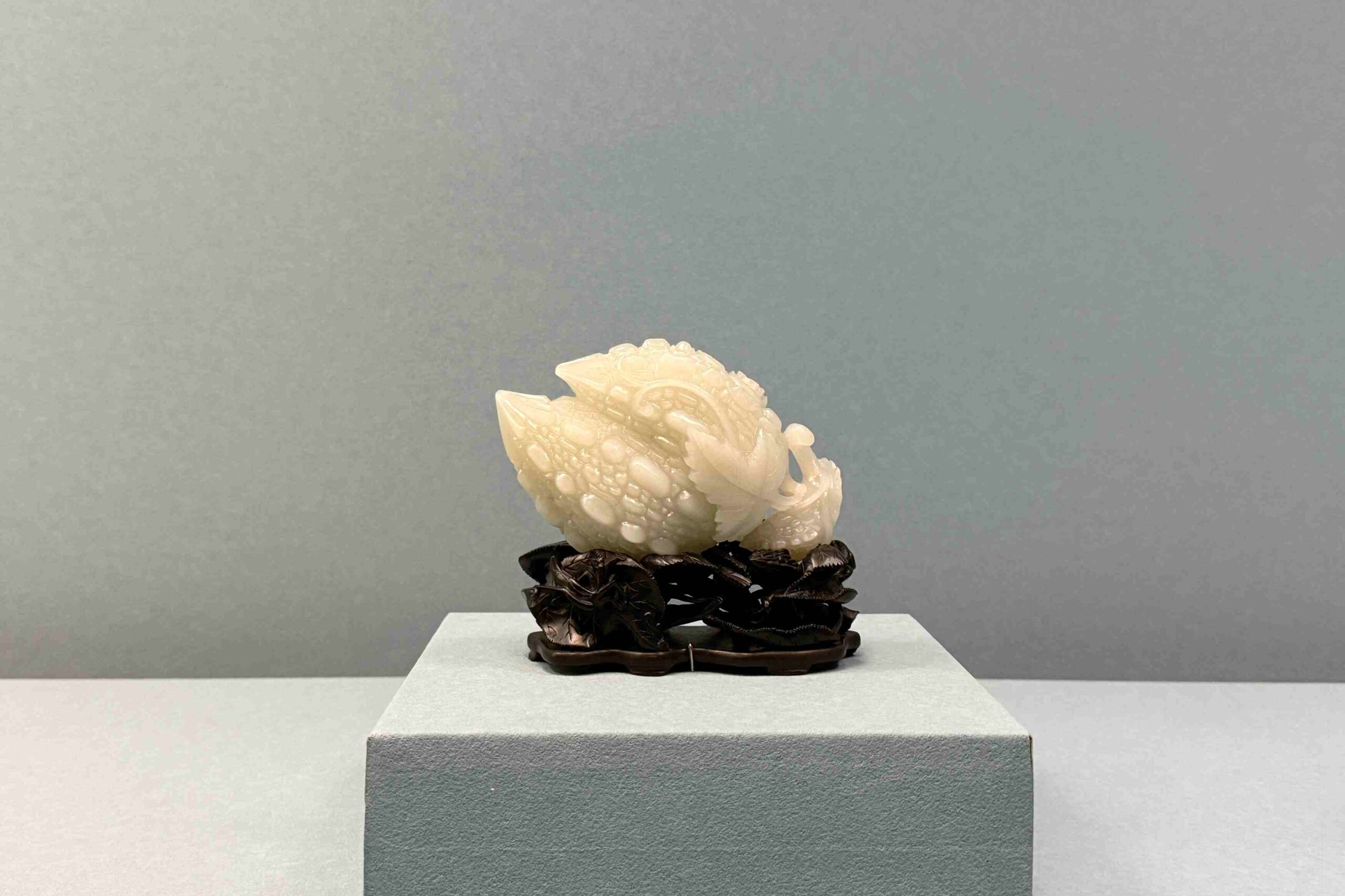
Take jade, for example. From the jade gui of the Neolithic Longshan culture in Shandong, to the jade cong of the Liangzhu culture, then to the jade bixie of the Eastern Han dynasty, the Chan Di jade tablets of the Song dynasty, and finally the white jade “Brocade Litchi” of the Qing dynasty—one can clearly see how the function of jade objects transformed over time. Originally used as ritual implements for communicating with the heavens, jade gradually evolved into finely crafted objects of everyday aesthetic appreciation. Spanning nearly 8,000 years of development, these pieces vividly reflect how people of Chinese civilization understood and interpreted the world in different eras.
◦ Design Logic 03: The Elevation of Aesthetics
As you move into the latter half of the route, you can clearly sense a shift in the nature of the artifacts. The journey transitions from ritual objects such as jade gui and jade cong, and everyday items like porcelain bowls and basins, to rare materials and exquisitely crafted imperial treasures. Along the way, your aesthetic appreciation—and even your perspective—gradually expands to a more refined level.
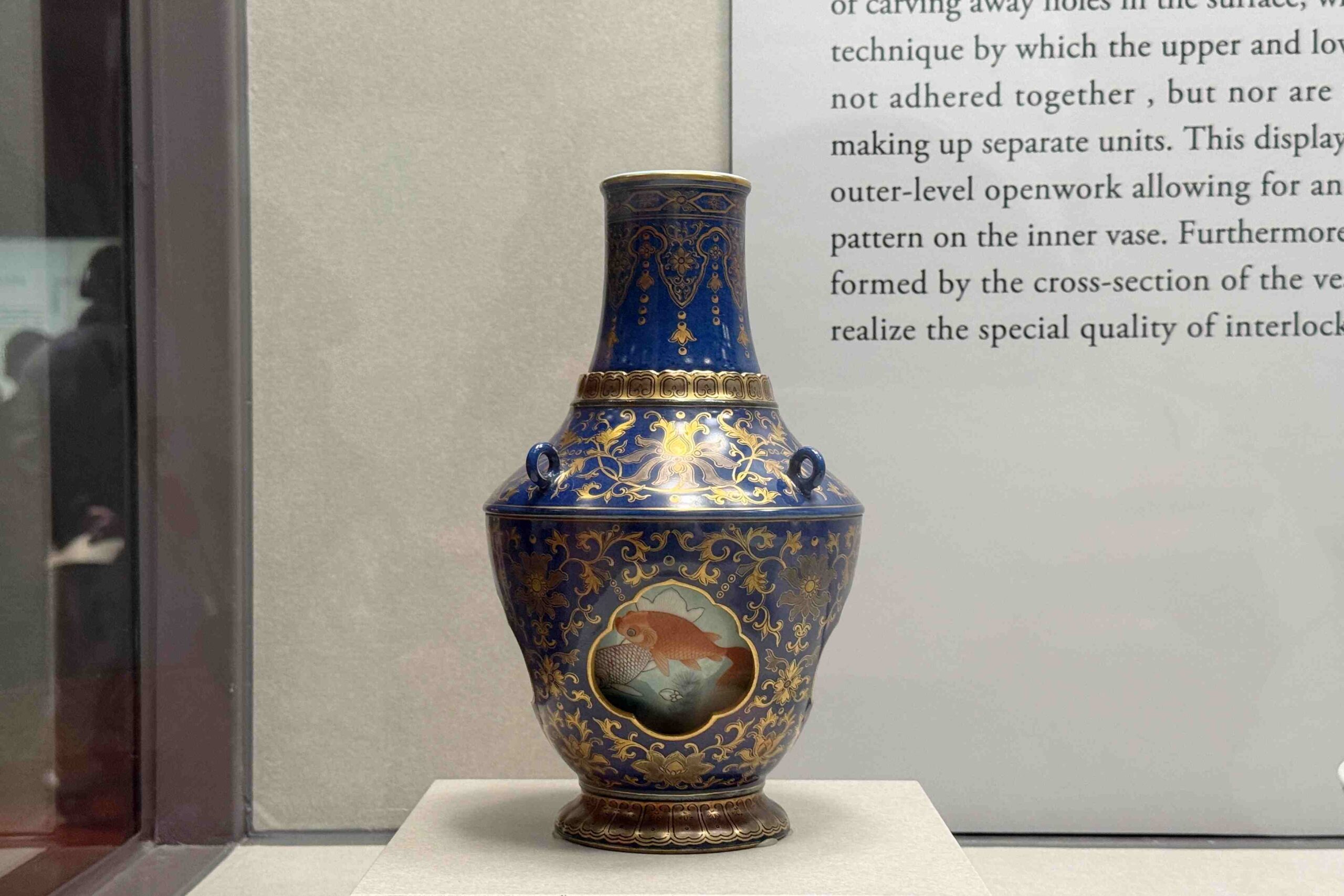
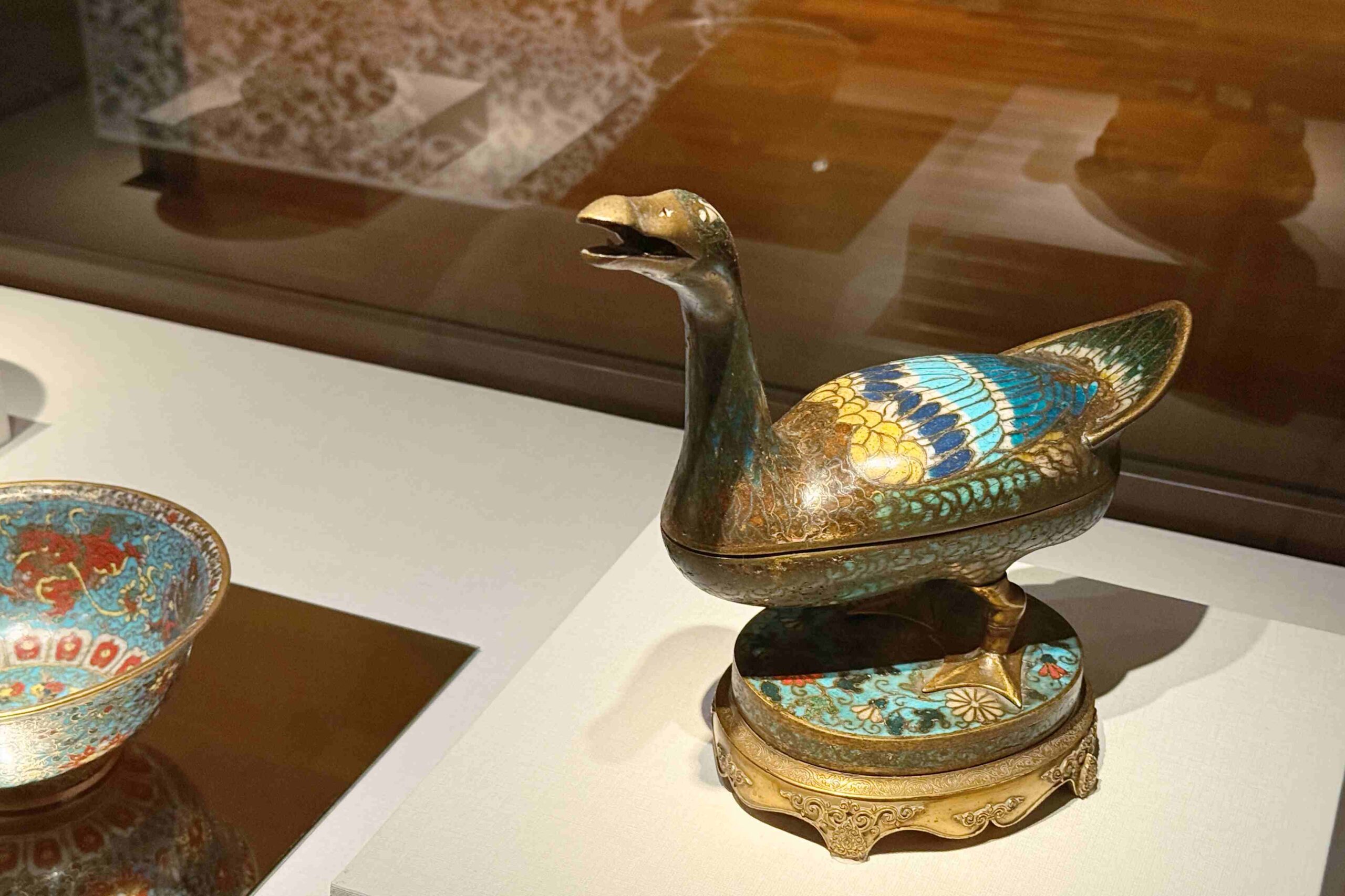
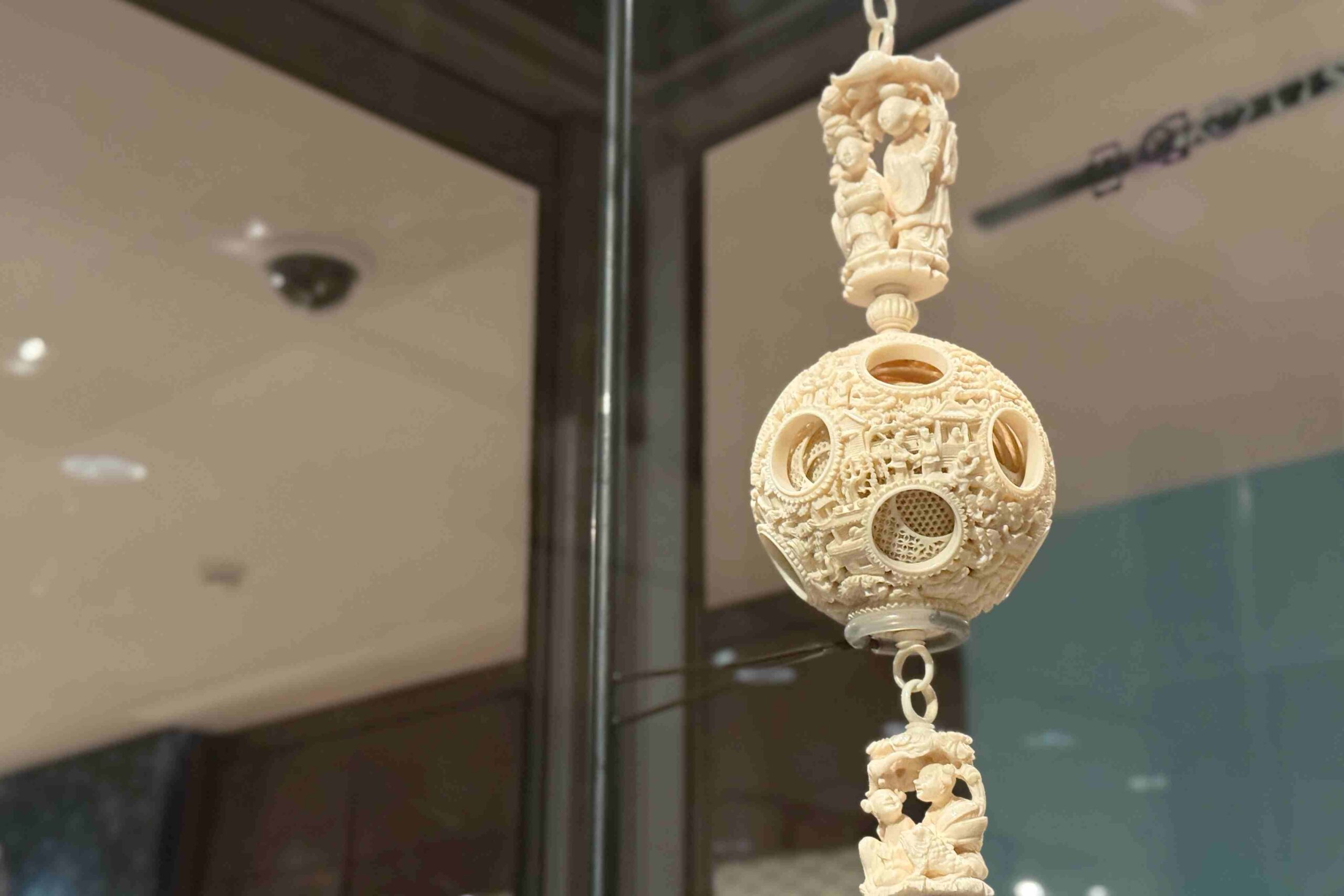
At this stage, most of the exhibits come from the Qing imperial collection. For instance, the Revolving Vase Decorated with Swimming Goldfish and Gold Tracing on Cobalt Blue Glaze from the Qianlong period allows viewers to gently rotate the neck of the vase. Through the openings in the outer layer, one can glimpse the inner vessel, where aquatic plants and swimming fish seem to come alive before your eyes. Another remarkable piece is the Openwork Carved Ivory “Nested Balls” with Figural Design from the late Qing dynasty—an intricate masterpiece composed of multiple concentric layers, each delicately carved and interlocked. The complexity and precision of its craftsmanship left me in complete awe.
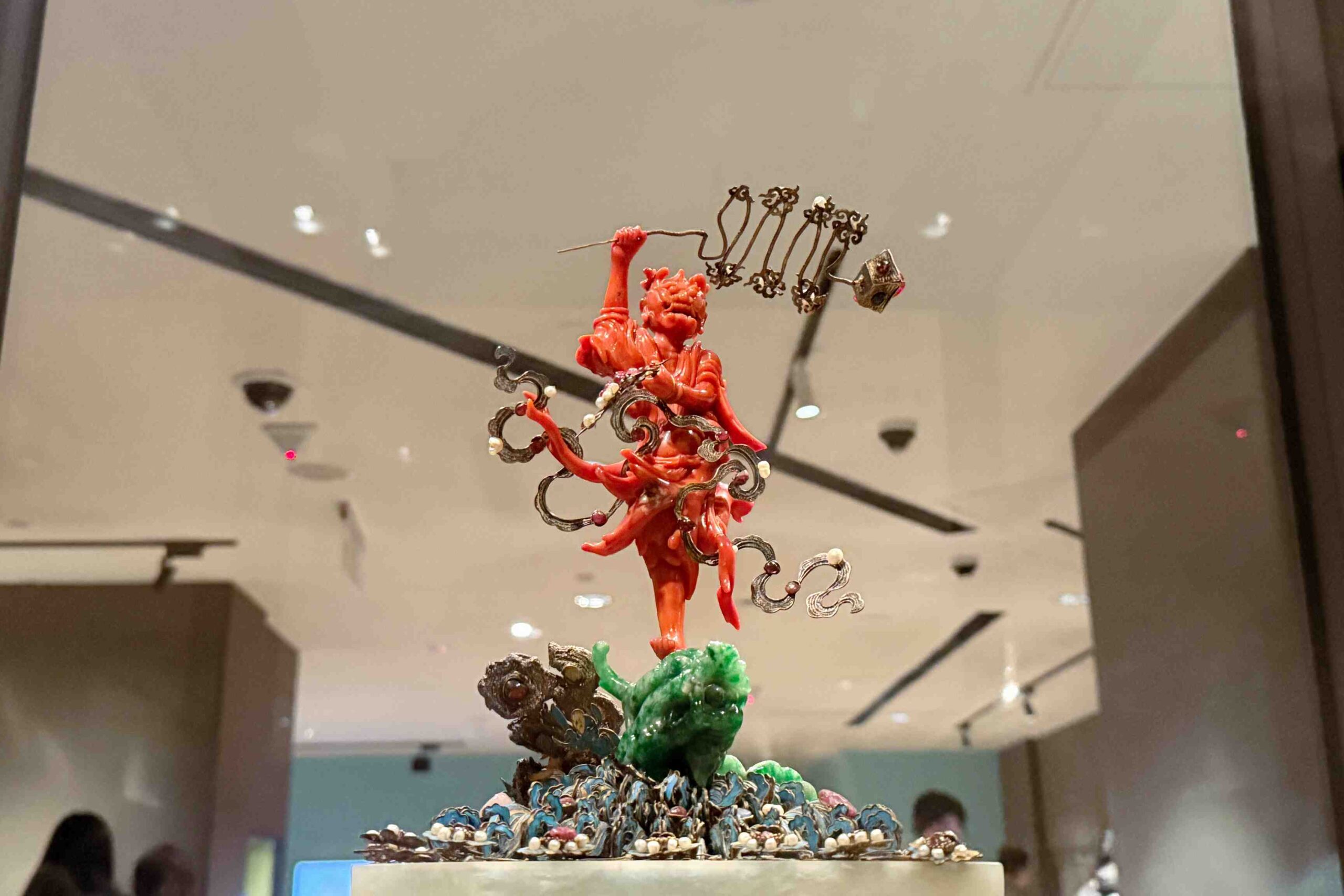
Beginning with crowd-favorite masterpieces, passing through the layered progression of history, and culminating in the pinnacle of artistic craftsmanship, this carefully curated journey offered me profound insight into the museum’s exhibition design logic.
🎫 National Palace Museum Ticket in Taipei