最後更新/Last Updated:2026-07-02
For travelers from Taiwan, there are two ways to enter Tibet: by plane or by train. I had heard that the scenery between Xining and Lhasa is breathtaking, so for this trip to Tibet and Mount Kailash, I decided to “enter Tibet by train and leave by plane.” I’ve put together seven practical tips about taking the Qinghai–Tibet Railway for anyone planning a trip to Tibet:
01|The latest Tibet entry regulations
02|Altitude changes and how to deal with altitude sickness
03|Train ticket booking tips and important things to know
04|The differences between soft sleeper, hard sleeper, and hard seat cabins
05|How to board and take the train
06|The train environment and food options
07|My personal experience riding the Qinghai–Tibet Railway
Contents
◦ Required Documents
Travelers from Taiwan must hold a Tibet Travel Permit in order to enter Tibet by either train or plane. Since independent travel is not permitted in Tibet, your itinerary must be arranged through an authorized travel agency, which will also apply for the permit on your behalf. The application process usually begins about one month before departure, and approval is typically confirmed around one week before entering Tibet.
Applying for the Tibet Travel Permit also requires a valid Taiwan Compatriot Permit. Travel agencies usually request your documents around 45 days before departure, so it’s recommended to apply for your Taiwan Compatriot Permit at least two months in advance to avoid affecting your travel plans.
➤ Taiwan Compatriot Permit Application Service
◦ Can Taking the Qinghai–Tibet Railway Help You Adjust to Altitude Sickness?
Many people assume that because the Qinghai–Tibet Railway gradually climbs from Xining to Lhasa, the body can “adapt slowly” to the altitude, making altitude sickness less likely.
In reality, that’s not entirely true.
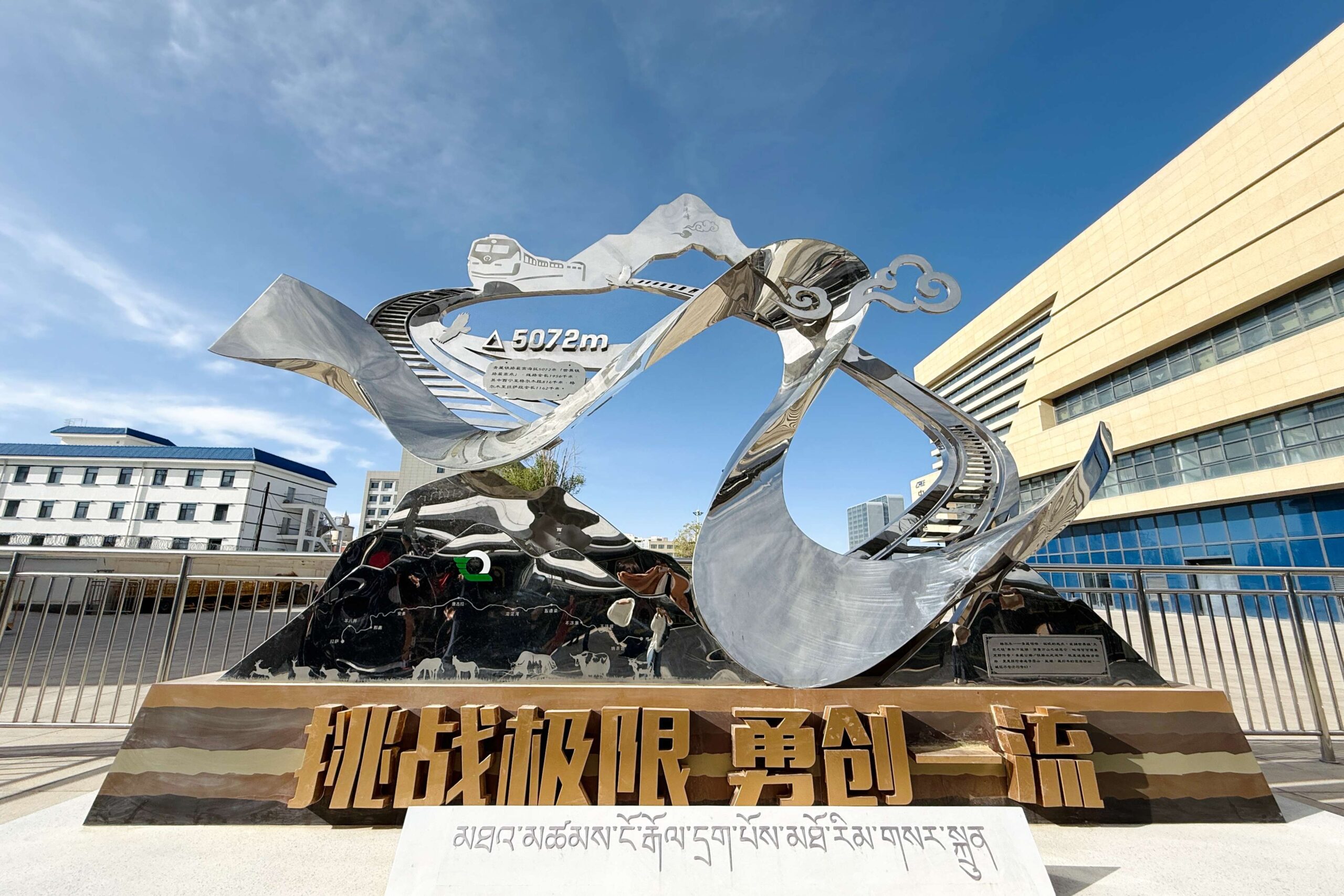
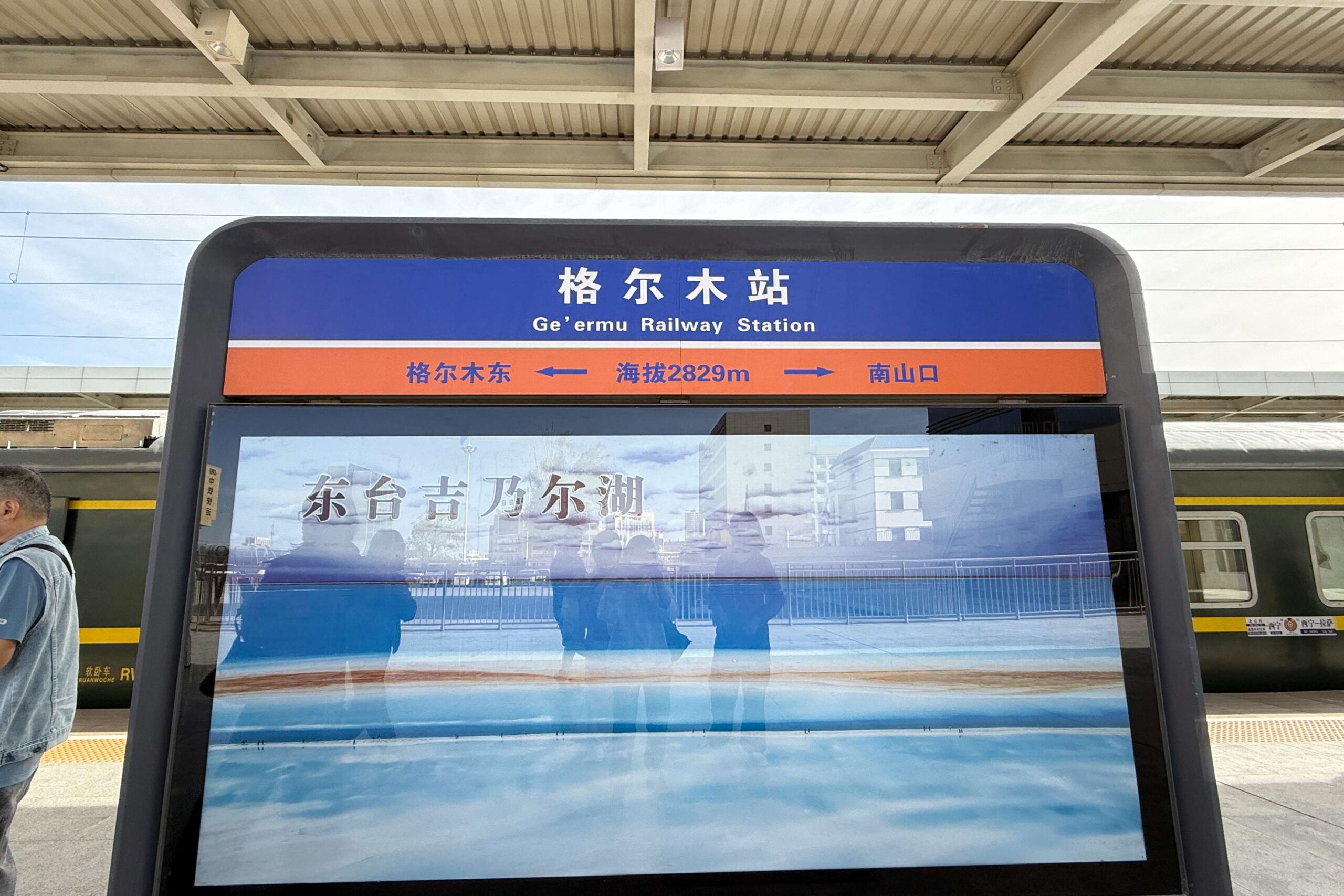
Although the train activates its oxygen supply system after entering the high-altitude region — increasing oxygen levels inside the cabins — and each sleeper berth is equipped with an individual oxygen outlet for emergency use, the altitude still rises very rapidly in a relatively short period of time. After departing from Xining, the train climbs from an elevation of 2,275 meters to Tanggula Pass at 5,072 meters. This sudden change can still trigger symptoms of altitude sickness, such as headaches, chest tightness, insomnia, or an increased heart rate. The onboard oxygen system can help relieve discomfort, but it cannot completely prevent altitude sickness. I strongly recommend visiting a travel medicine clinic before departure to obtain altitude sickness medication. Remember to start taking it the day before boarding the train, or follow your doctor’s instructions carefully.
➤ Travel Medicine Clinics in Taiwan
◦ Buying Tickets for the Qinghai–Tibet Railway
To purchase tickets for the Qinghai–Tibet Railway, you’ll need not only a Taiwan Compatriot Permit, but also access to a Mainland Chinese bank card or payment methods such as Alipay or WeChat Pay. At the time of my trip, I hadn’t yet activated these payment methods, so I asked the travel agency to book the tickets for me. If you already have suitable payment tools in China or have completed the required identity verification, you can purchase the tickets yourself at a significantly lower price. One thing to keep in mind is that during the peak travel season from June to September, train tickets are extremely difficult to secure. Even locals often struggle to get them, so in that case, it may still be easier to rely on an experienced travel agency to help.
🚆 Qinghai–Tibet Railway Train Ticket Booking
◦ The Differences Between Soft Sleeper, Hard Sleeper, and Seat
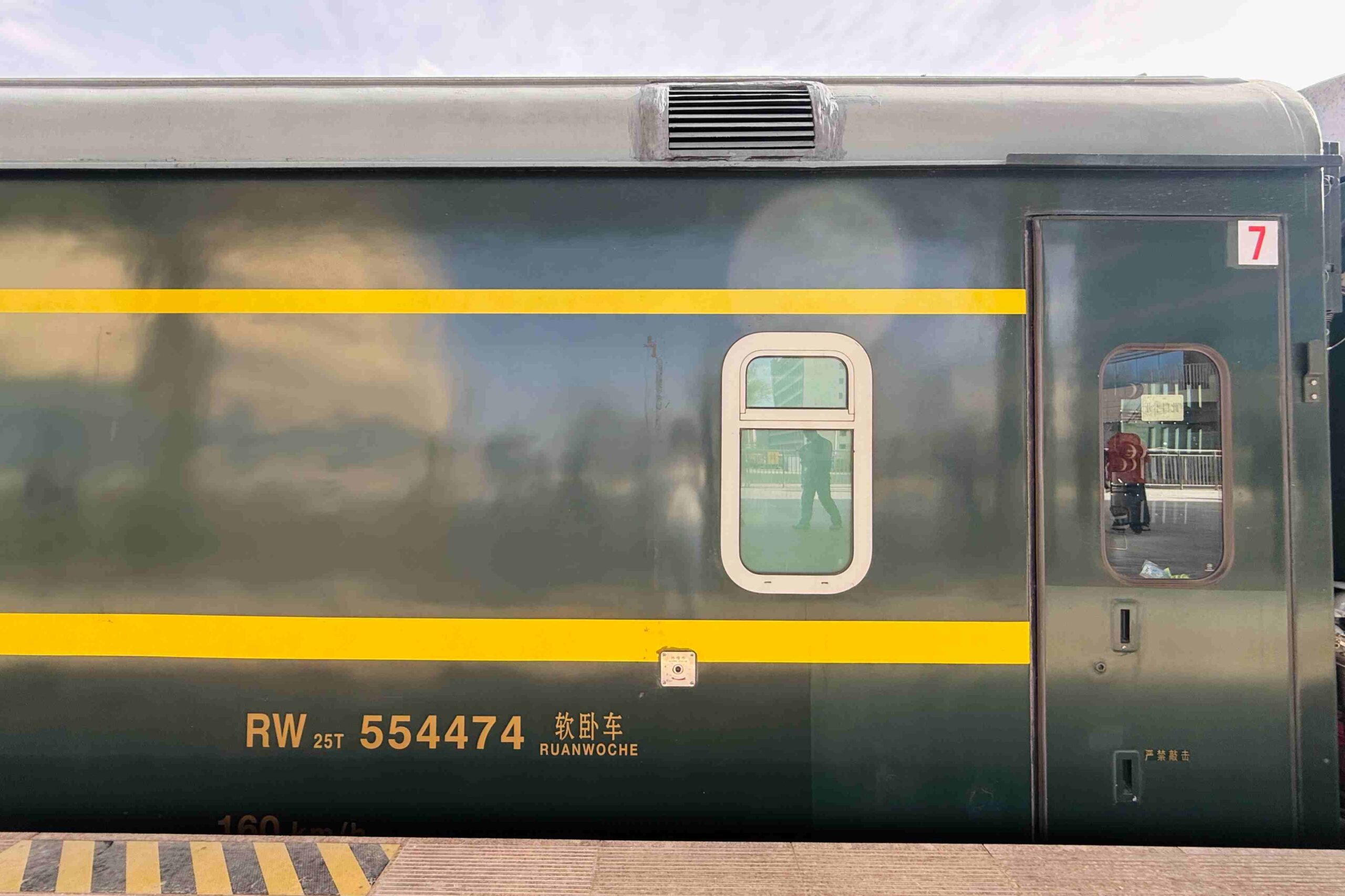
The Qinghai–Tibet Railway offers three types of seating: soft sleeper, hard sleeper, and hard seat. The two sleeper options are by far the most popular. For my trip from Chengdu to Lhasa, which took around 35 hours, I chose the most comfortable option — the soft sleeper. Here’s a breakdown of each type of carriage, along with their pros and cons:
01|Soft Sleeper: The Most Comfortable and Private Option
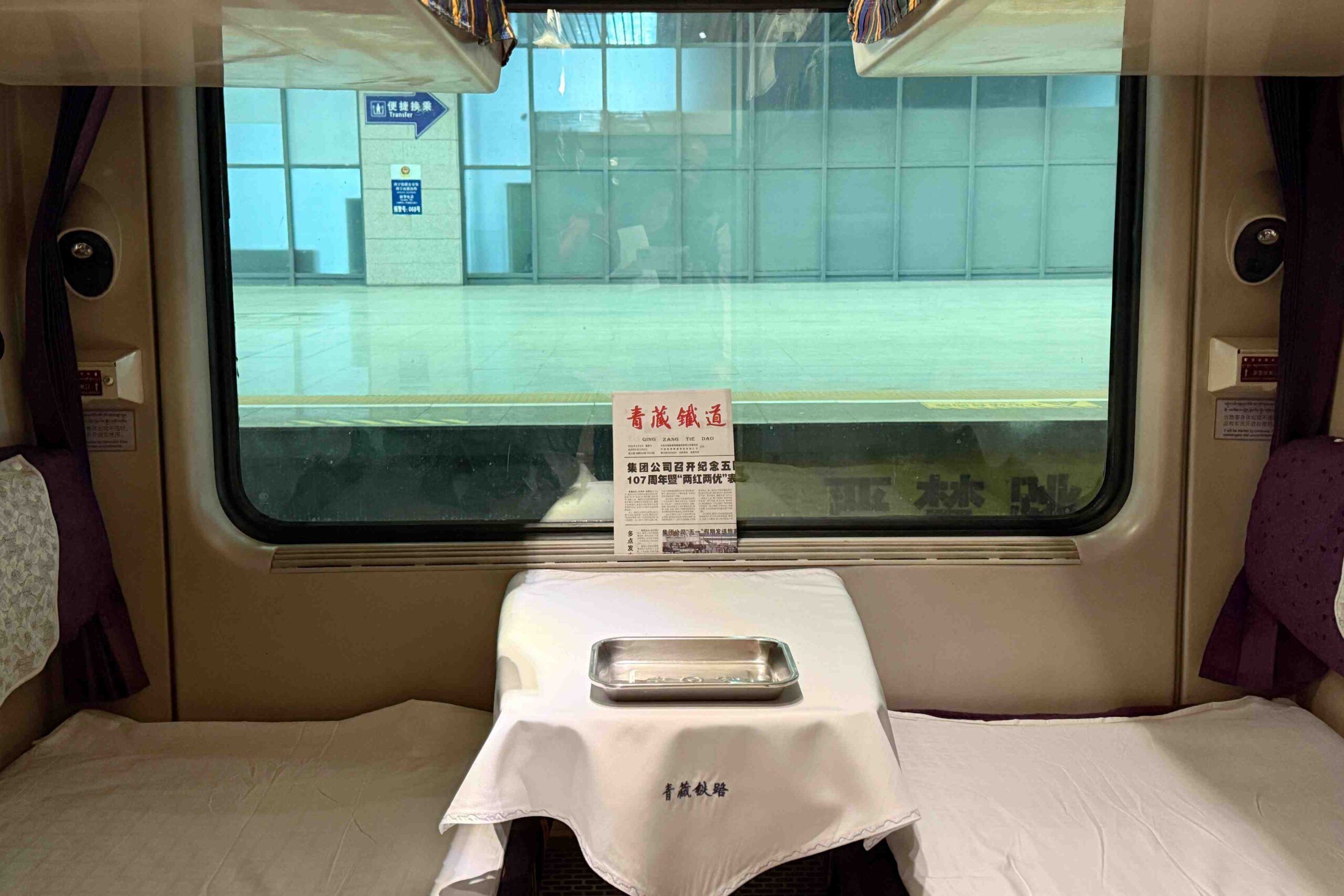
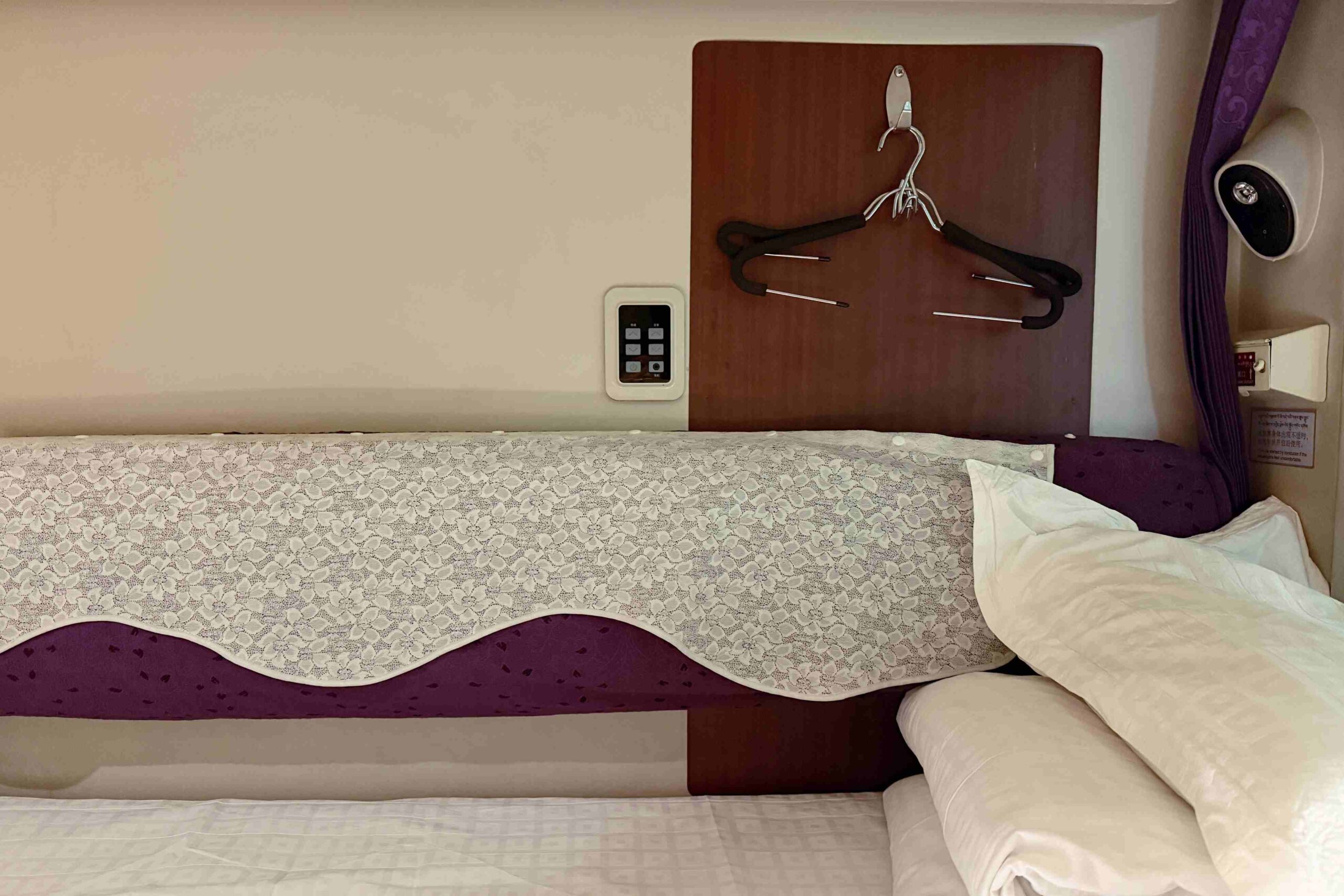
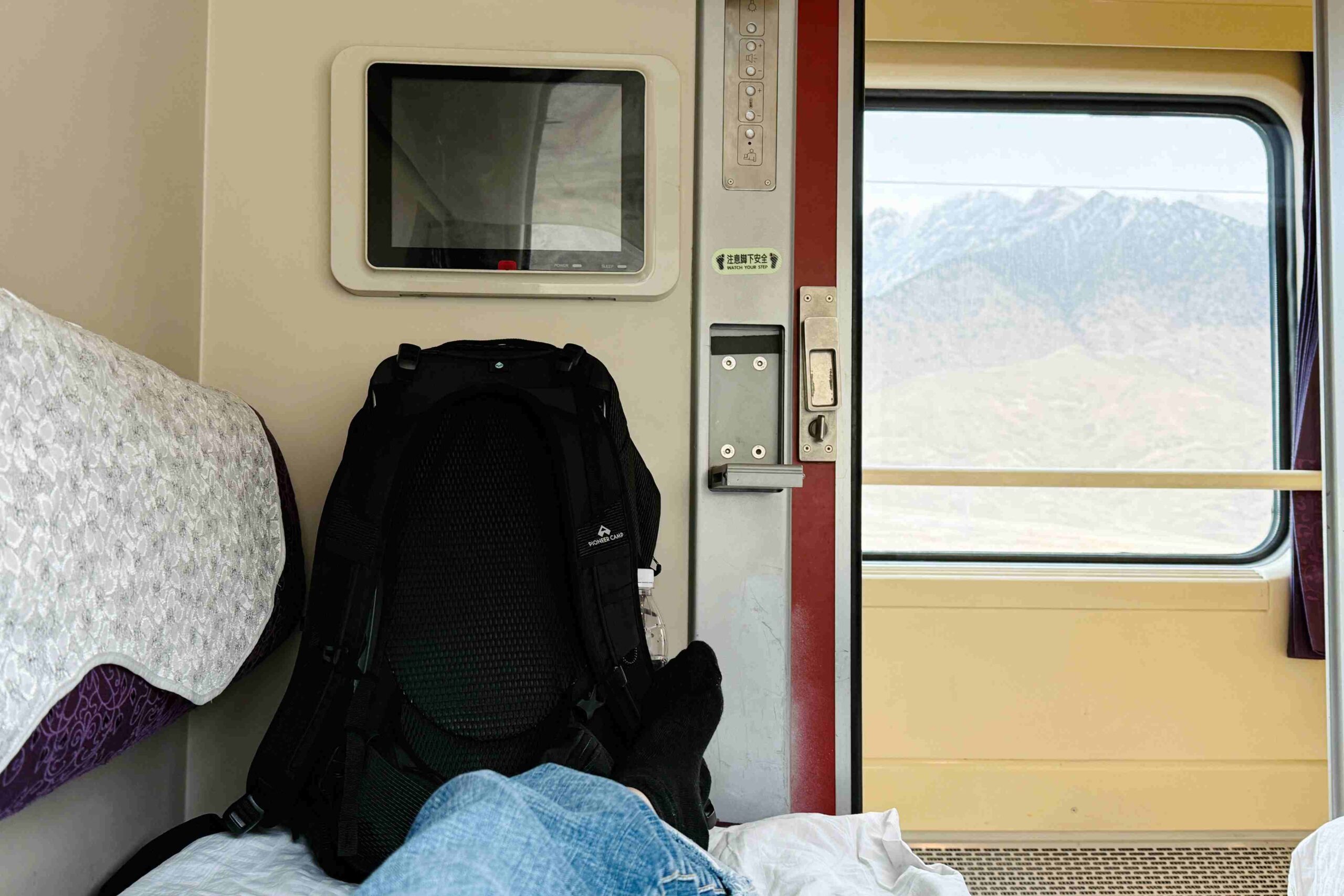
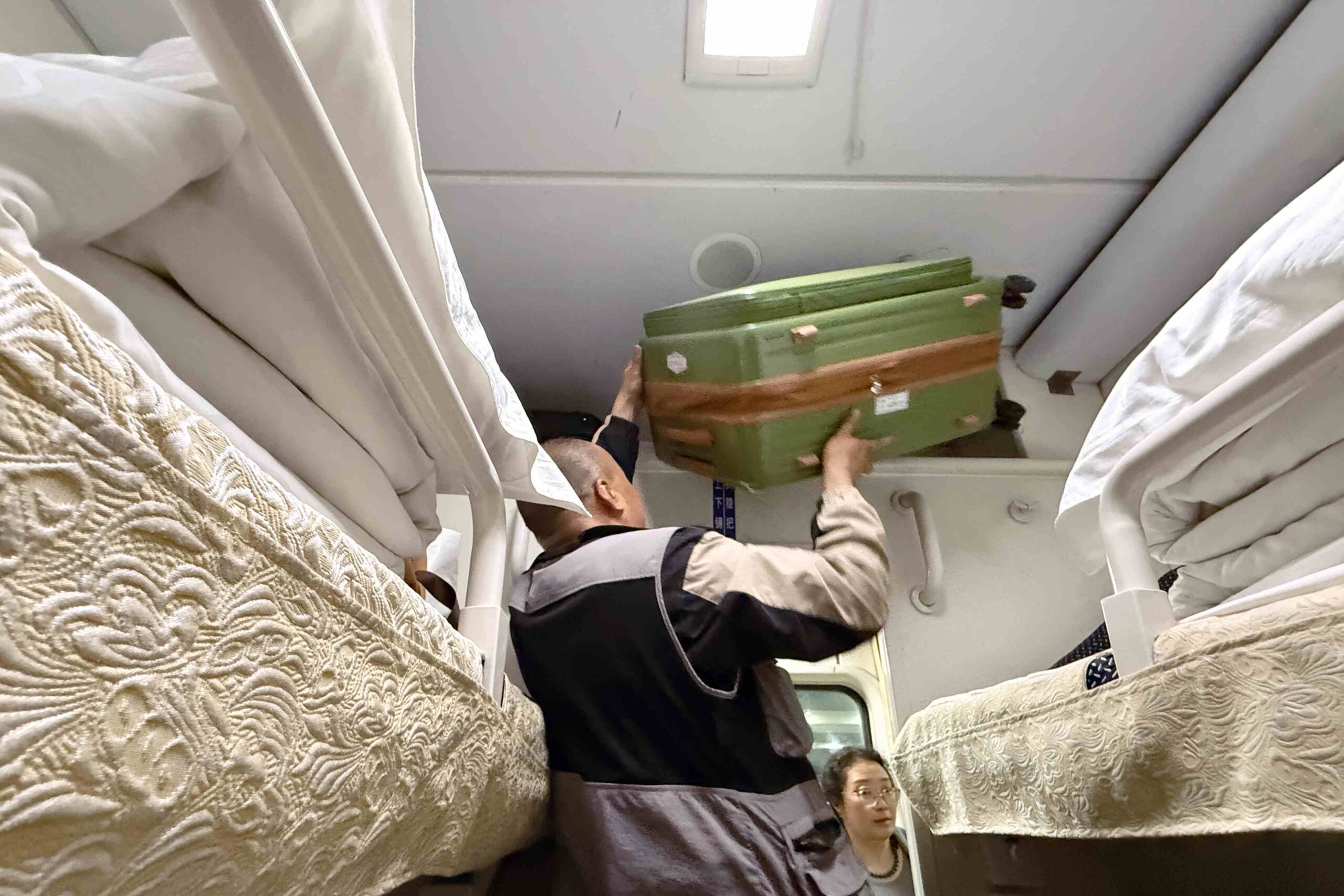
The soft sleeper is the most expensive option on the Qinghai–Tibet Railway, but it also offers the highest level of comfort and privacy. Each compartment contains four beds arranged as upper and lower bunks, and there is a door that can be closed, making the environment quieter and more private.
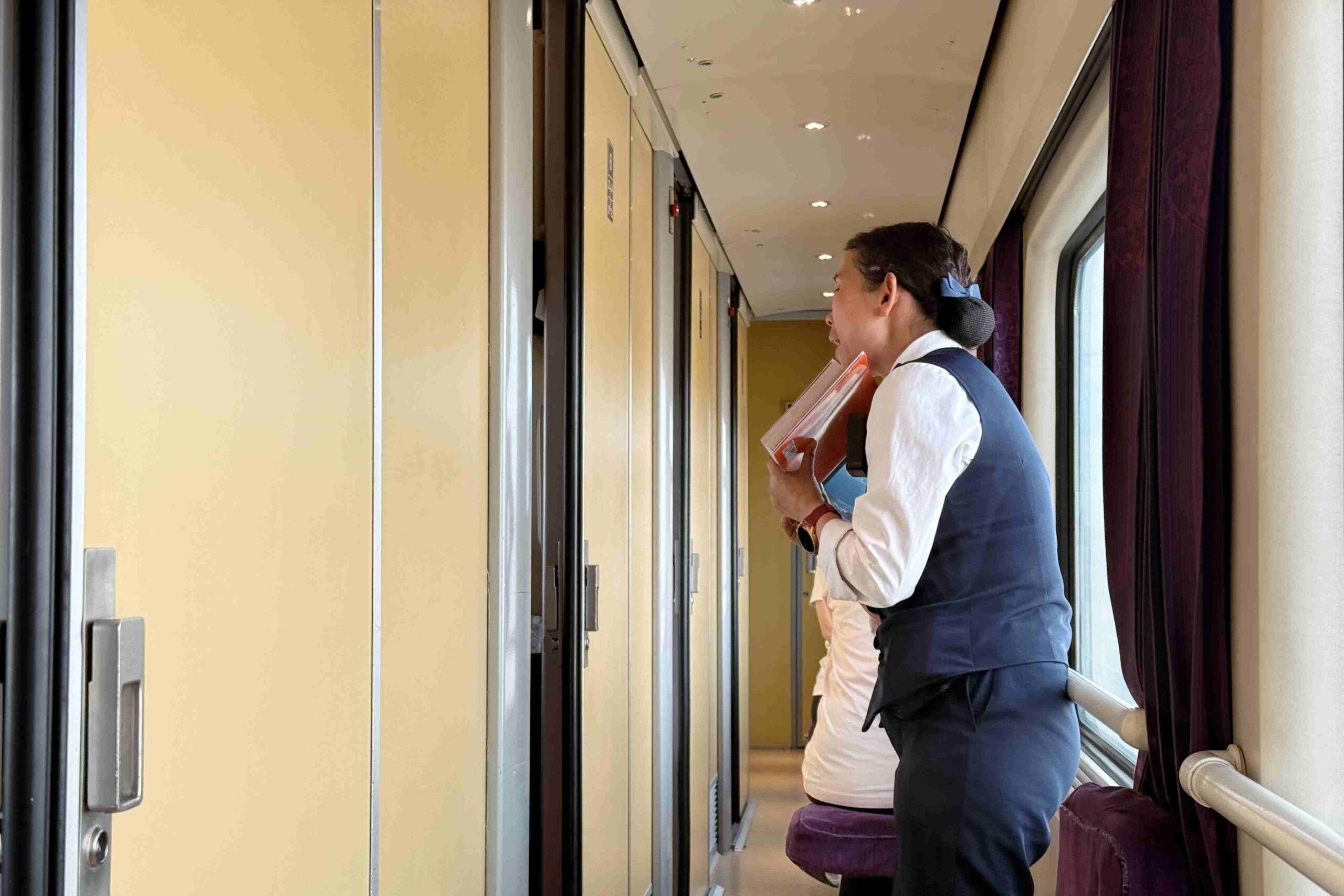
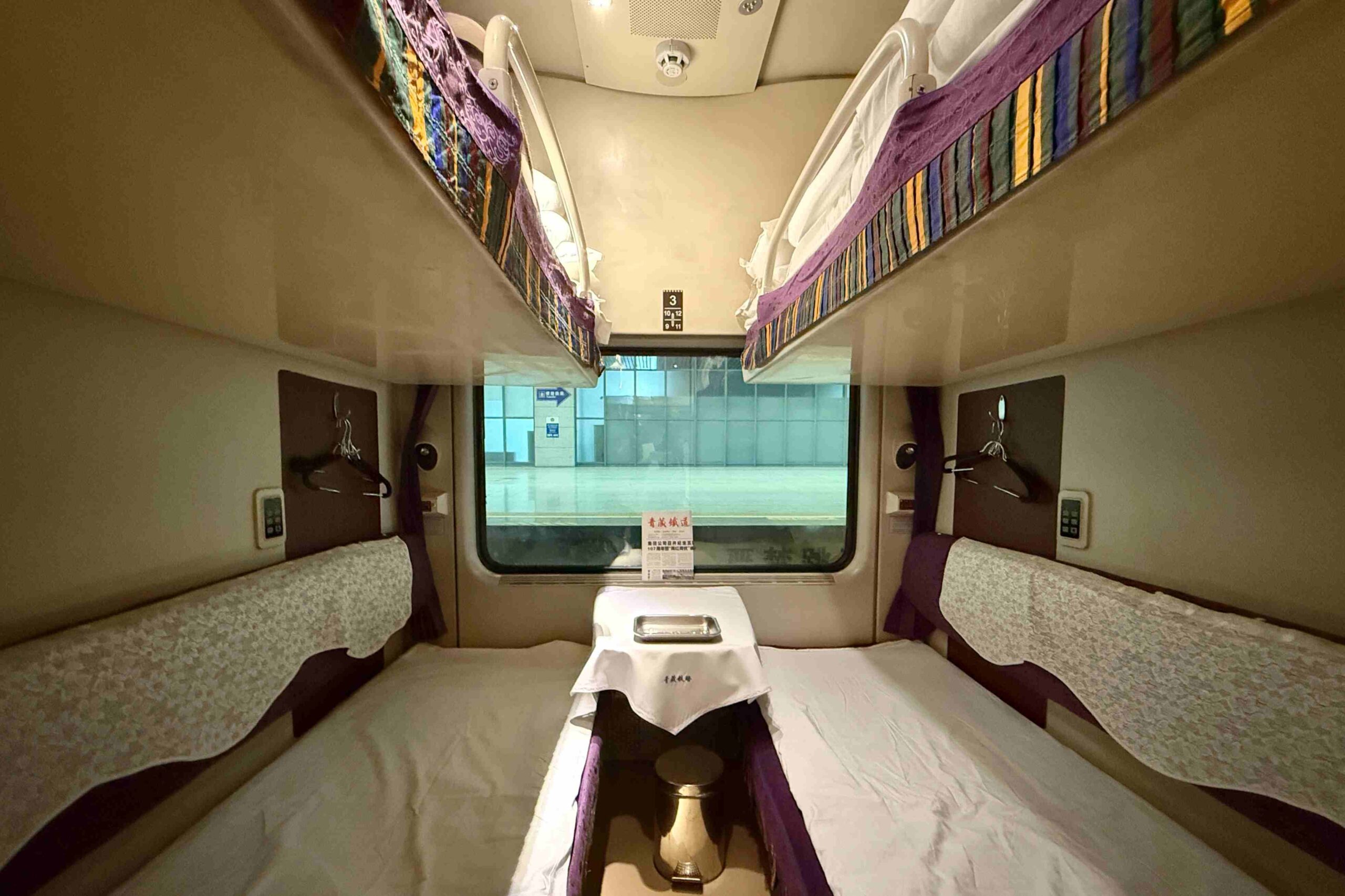
The blankets and pillows were reasonably clean, and each bed came with a reading light and clothing hooks. There was also an individual power outlet located beneath the small table inside the compartment. I highly recommend choosing a lower bunk if possible. Besides being more convenient for charging devices, the lower bunk also provides a much better view of the scenery outside the window.
02|Hard Sleeper: The Best Value for Money
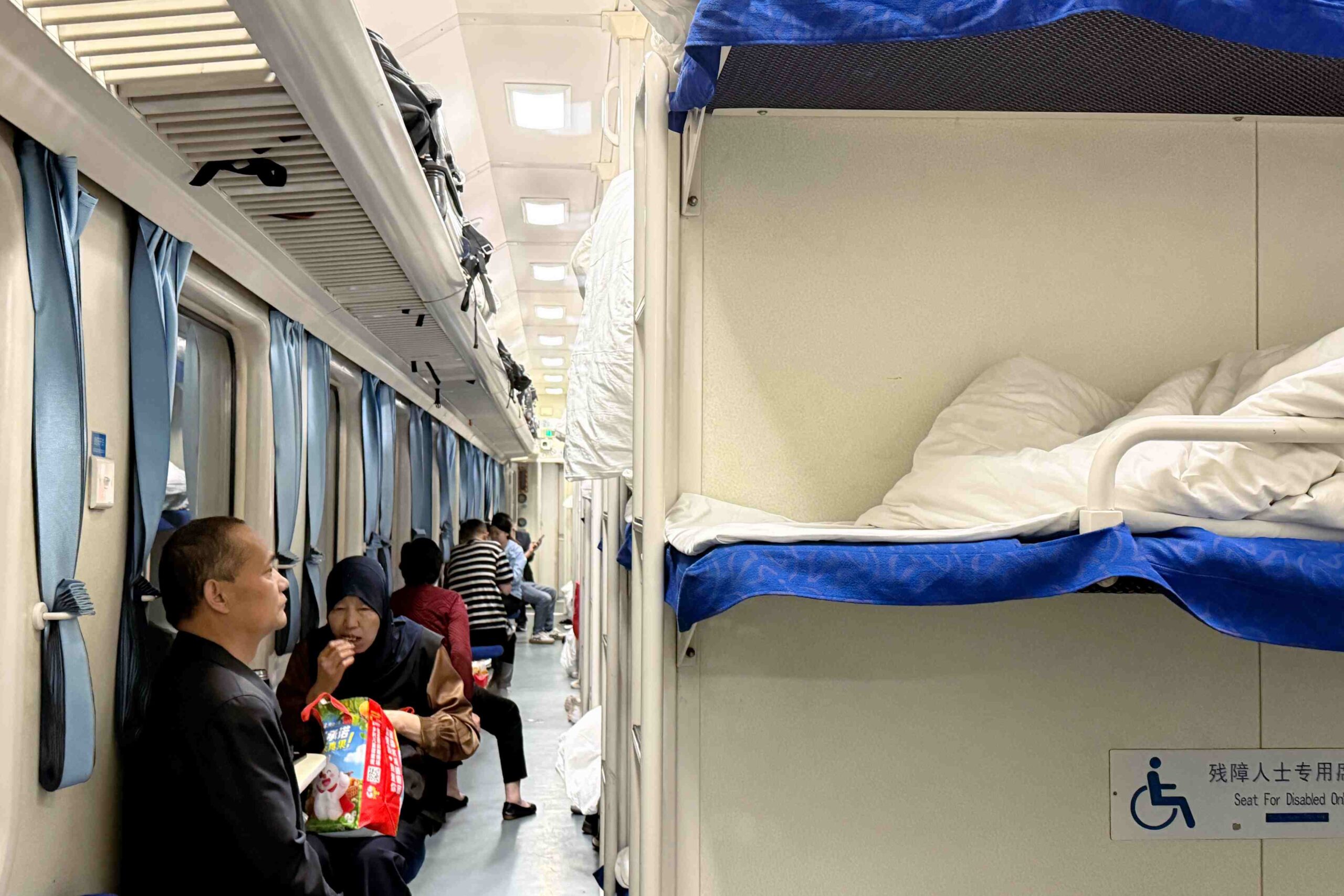
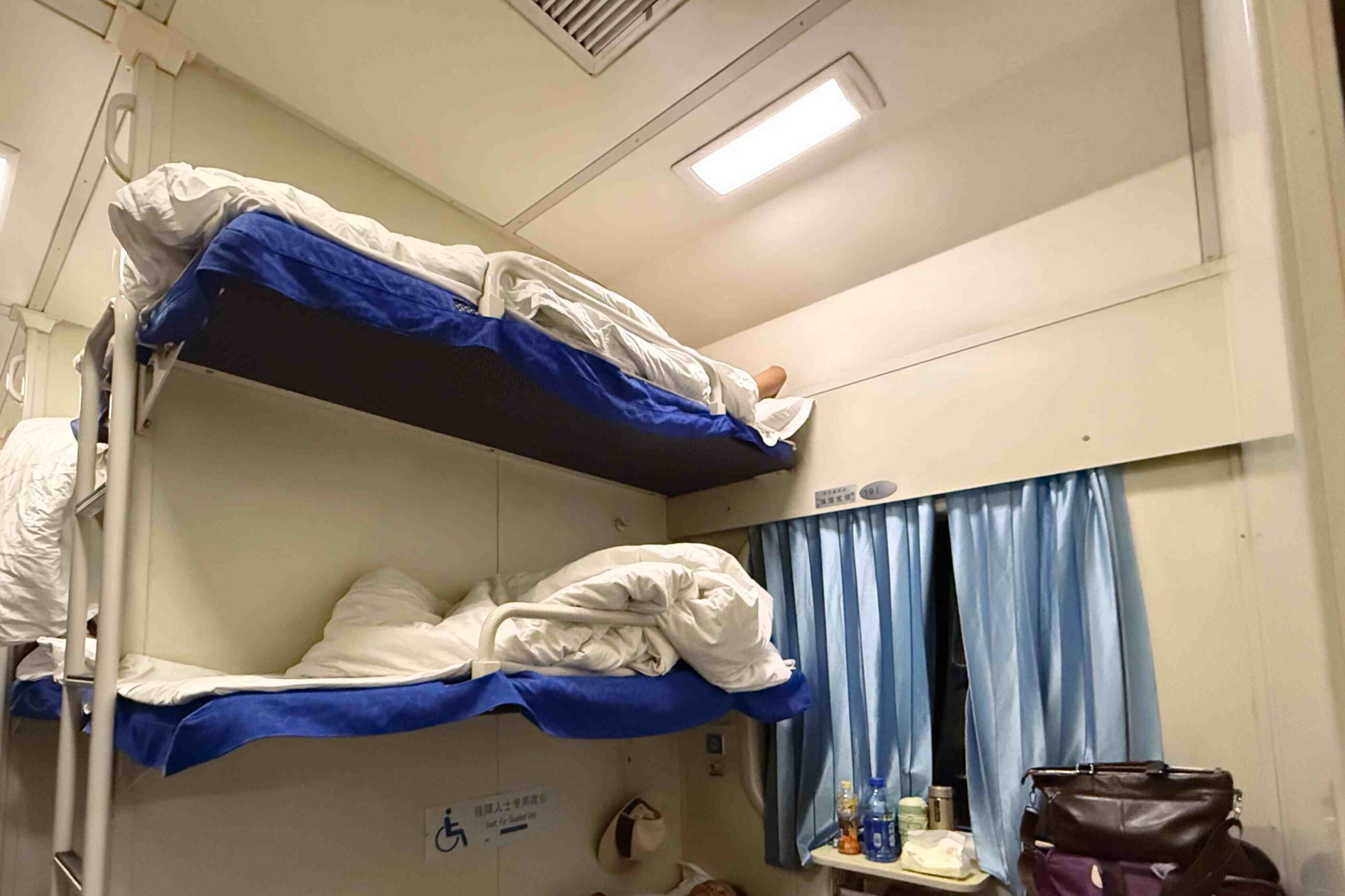
The hard sleeper is generally considered the best balance between price and comfort. Each open-plan carriage contains several small sections, with six beds per section arranged in upper, middle, and lower bunks. Unlike the soft sleeper, there are no doors separating the compartments, so the environment feels more open and lively. Compared to the quieter soft sleeper cabins, hard sleeper carriages tend to be noisier and less private, but they are still a very practical and popular choice for long-distance travel.
03|Seat: The Cheapest but Least Comfortable Option
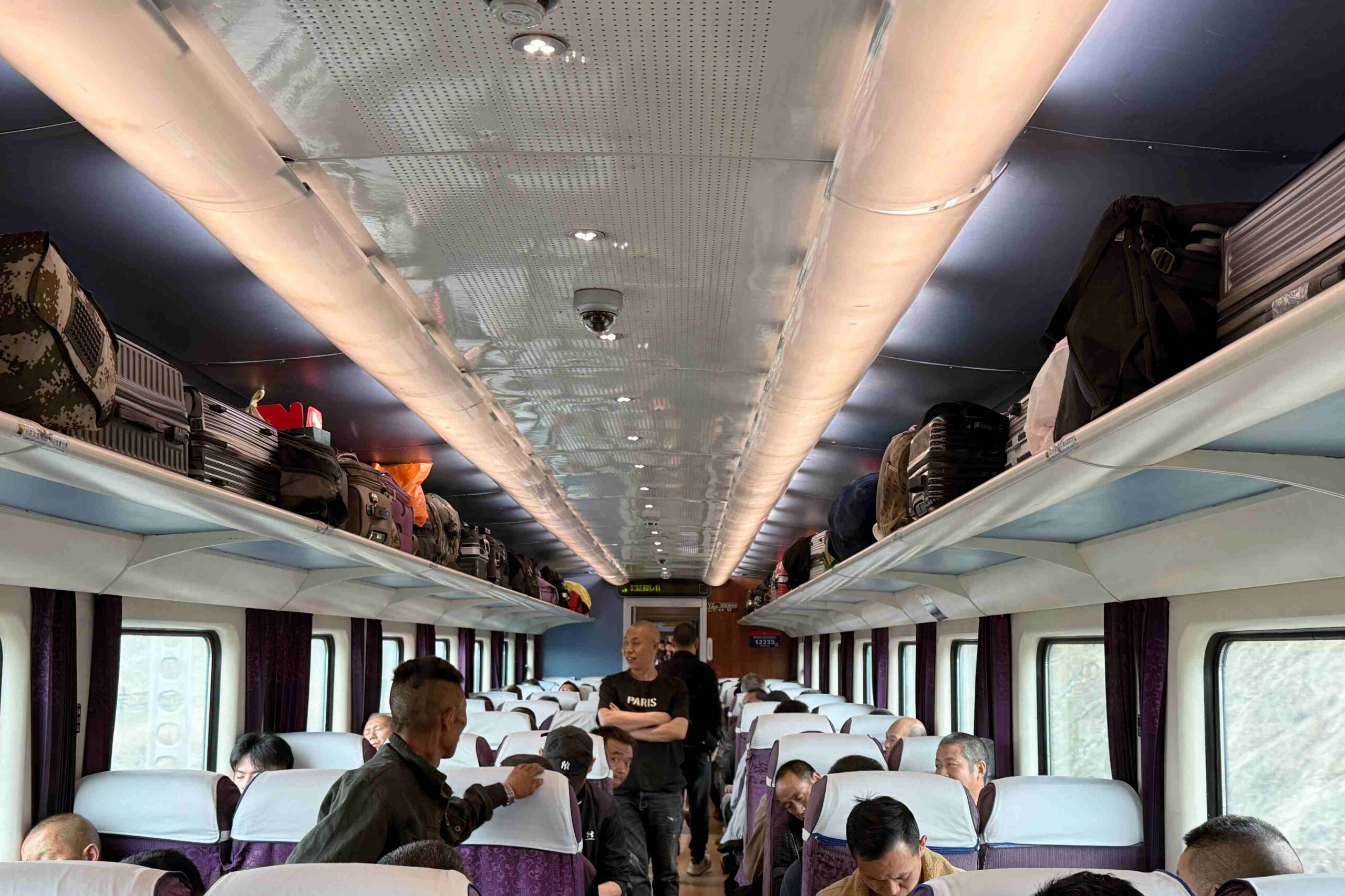
The hard seat is the cheapest option, but also the least comfortable. For a journey as long as mine — around 35 hours from Chengdu to Lhasa — I personally would not recommend it. However, for shorter routes, such as the 3–4 hour journey between Lhasa and Shigatse, hard seats can still be a very affordable and reasonable choice.
◦ How to Board the Train
I boarded the train at Chengdu West Railway Station. Since passengers must go through identity verification and security checks before boarding, I recommend arriving at the station around 1 to 1.5 hours early. Once you arrive, you can check the electronic display boards to find the correct entrance gate. Trains heading to Lhasa usually depart from Entrance No. 2.
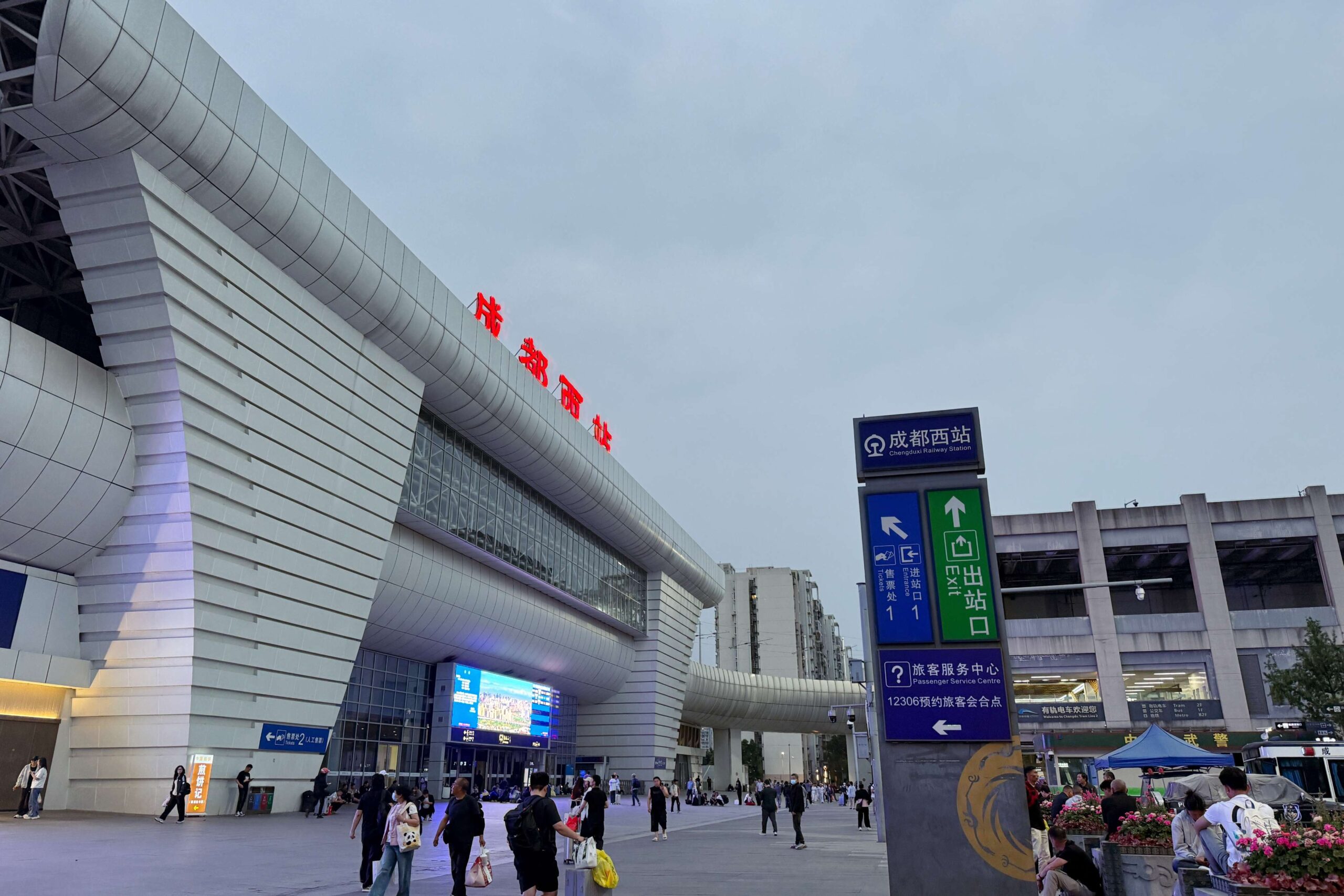
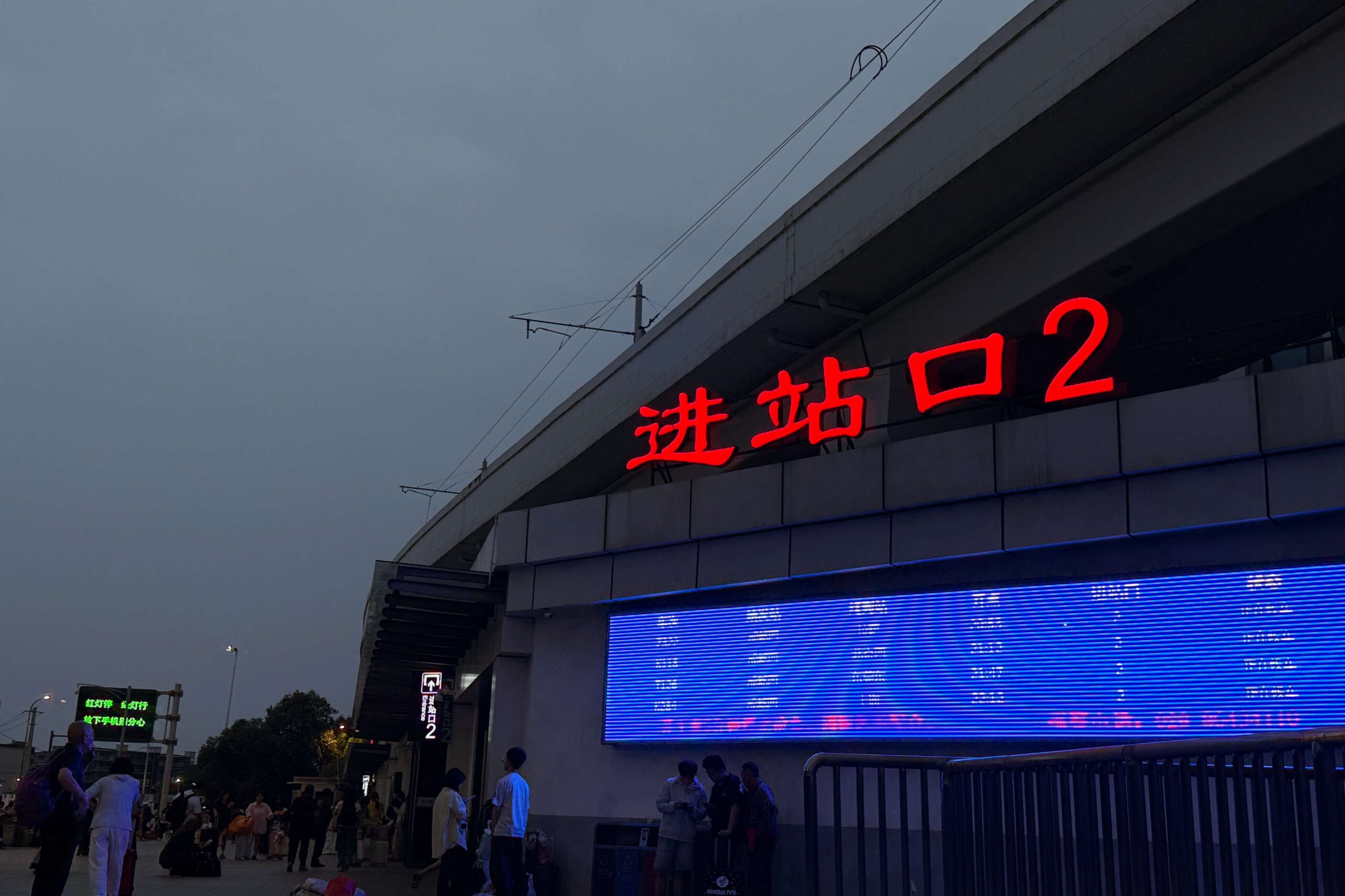
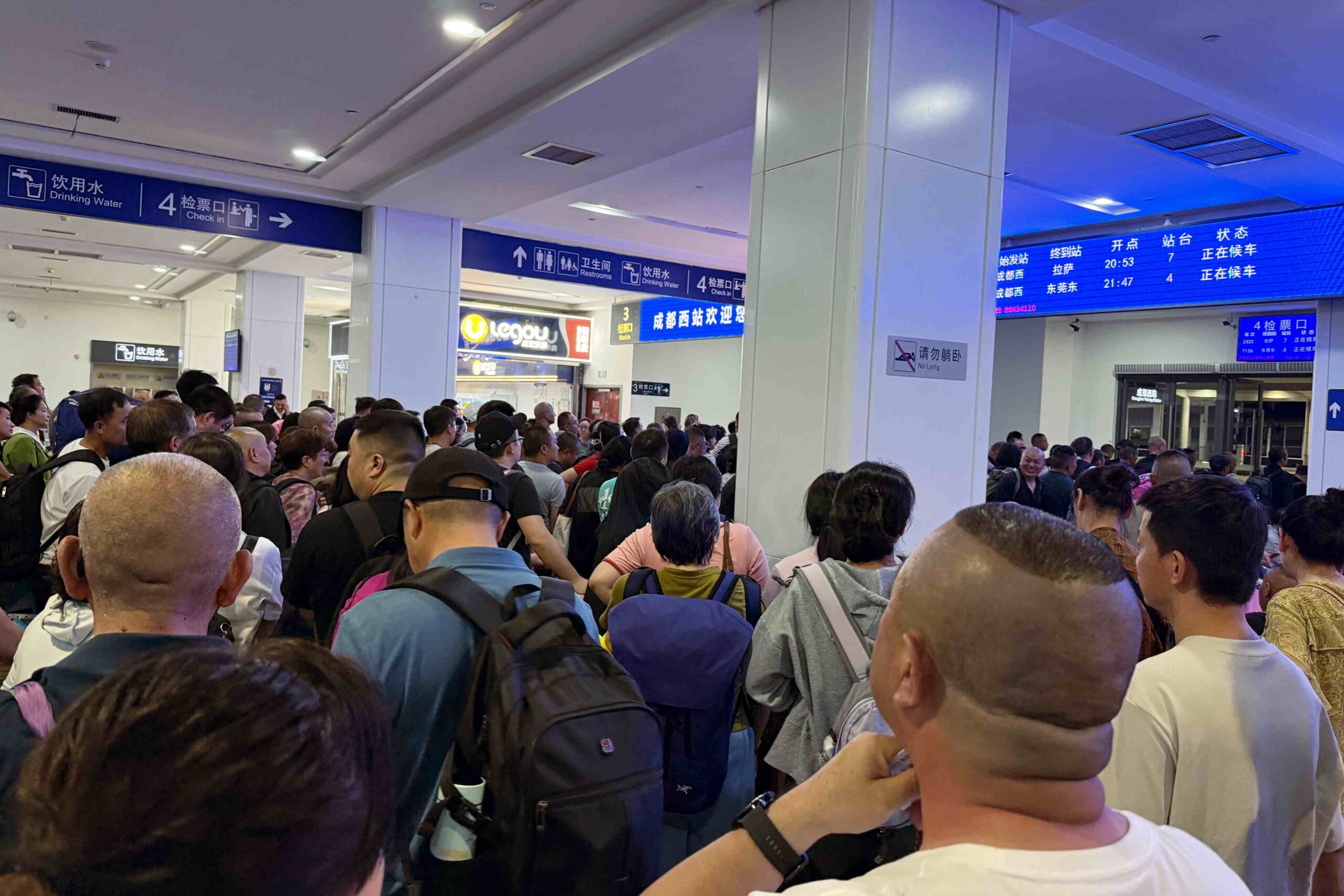
Throughout the entire journey, your Taiwan Compatriot Permit is used both for entering the station and boarding the train, so there’s no need to exchange for a paper ticket. When transferring to the Qinghai–Tibet Railway at Xining, staff will also check your Tibet Travel Permit. After completing the baggage inspection, you can line up at the ticket checkpoint. At that point, the station usually becomes extremely crowded, with everyone rushing to board early and secure luggage space.
◦ Train Environment & Food
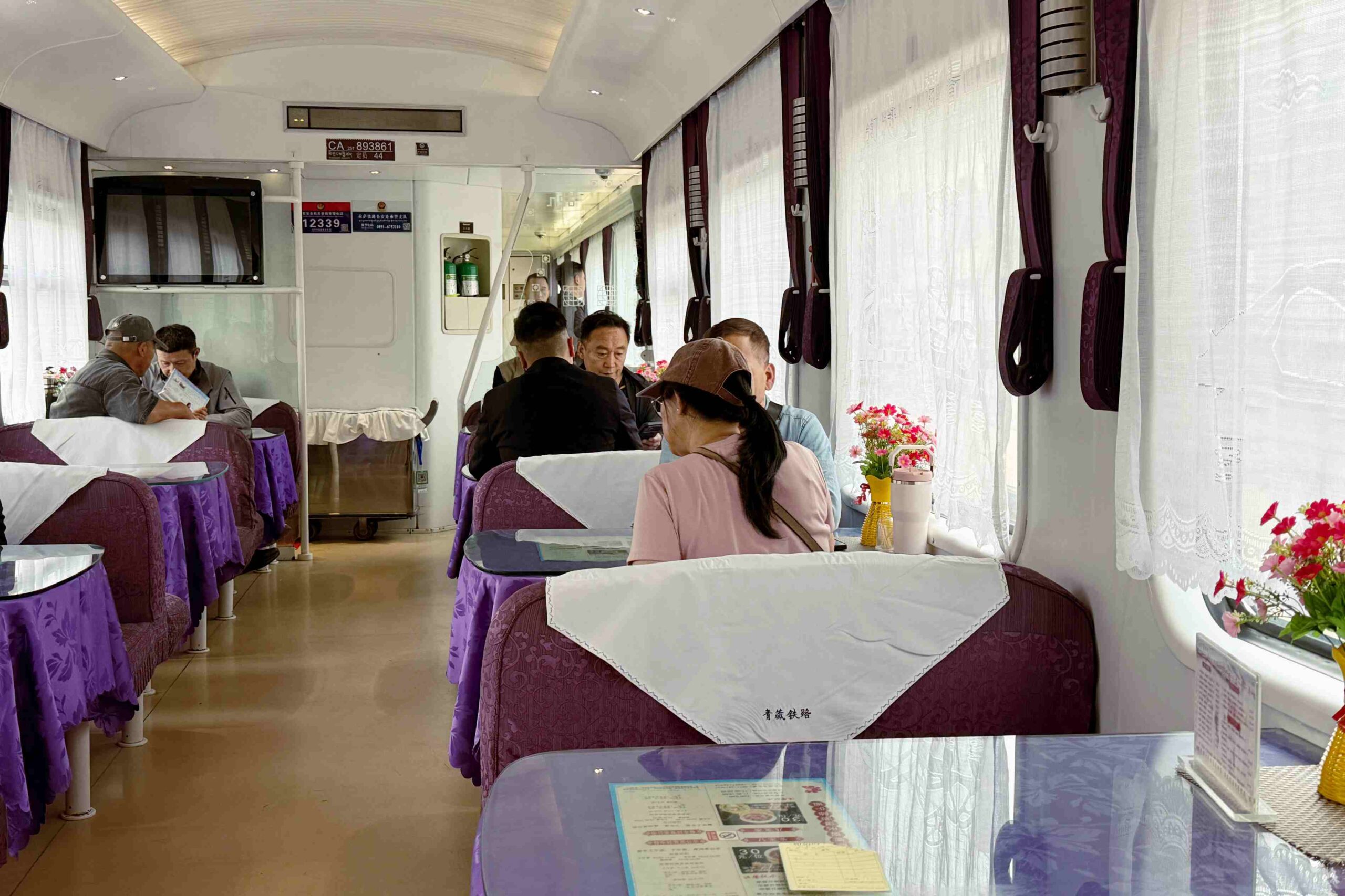
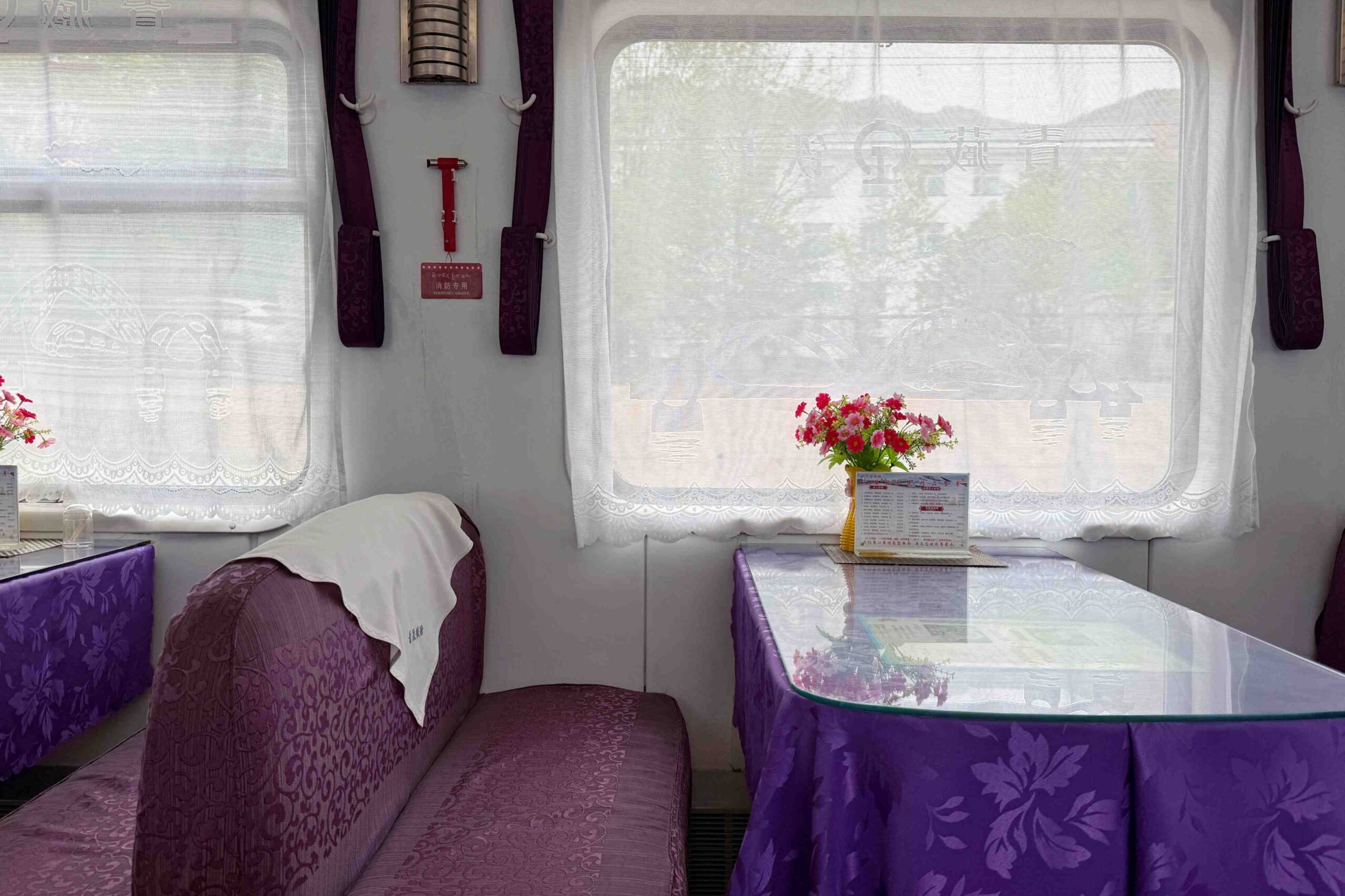
The train departs from Chengdu in the evening, and around noon the next day, passengers transfer at Xining. The Qinghai–Tibet Railway train used after Xining is newer and generally offers a wider selection of food in the dining car.
01|Basic Washing Facilities
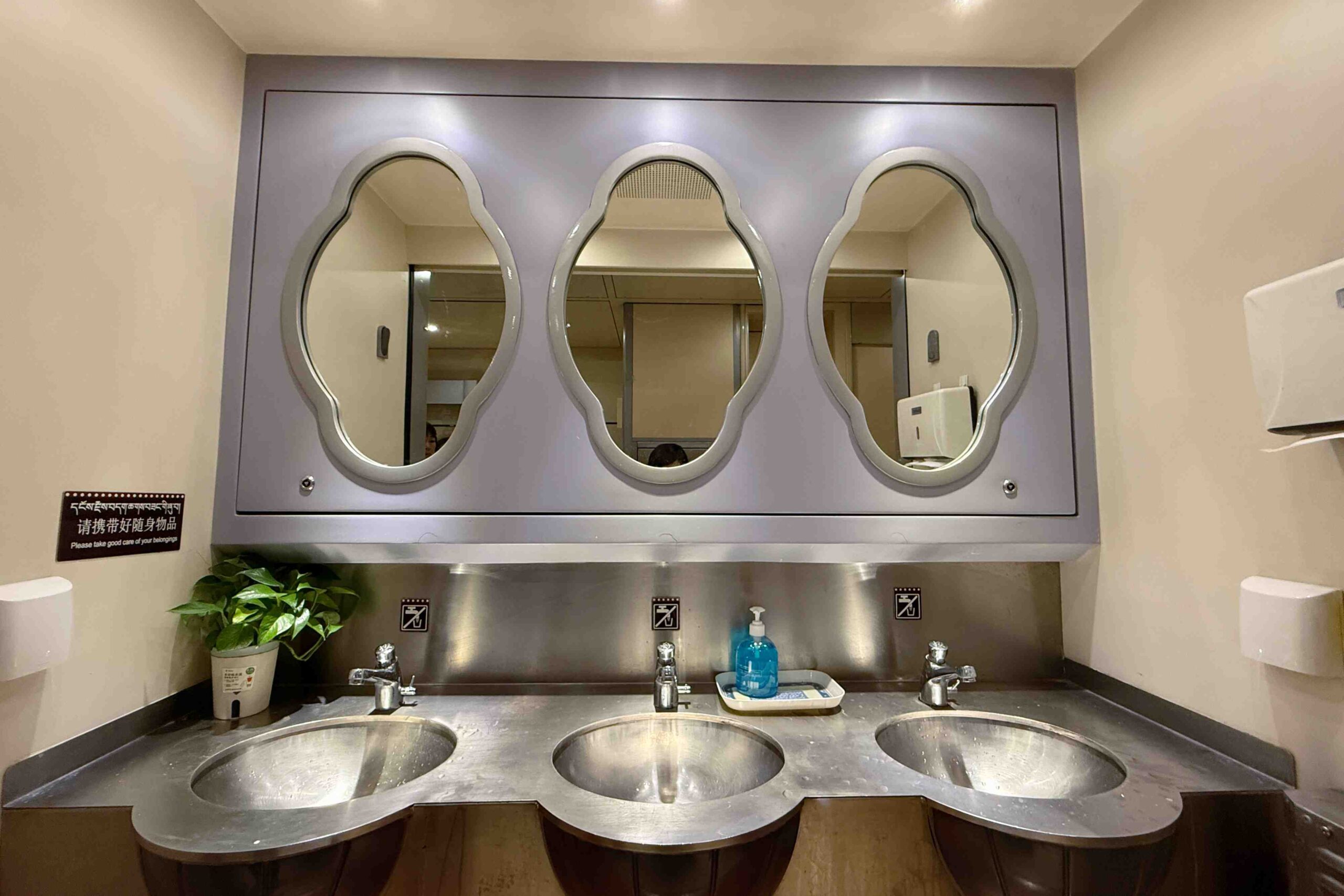
At both ends of each carriage, there are open-style sinks where passengers can brush their teeth and wash their faces. There are no shower facilities onboard, so I recommend bringing wet wipes for basic cleaning during the journey.
02|Restrooms
Each carriage has restrooms at both ends, including both squat toilets and western-style seated toilets. However, the seated toilets tend to get dirtier more quickly, so most passengers prefer using the squat toilets instead.
03|Oxygen Supply System
The Qinghai–Tibet Railway is equipped with an oxygen supply system. After departing from Golmud, the train gradually increases the oxygen supply to help passengers adapt to the high altitude. Both soft sleeper and hard sleeper berths are equipped with individual oxygen outlets beside the beds. If needed, passengers can purchase oxygen tubes onboard for personal use.
04|Food & Meals
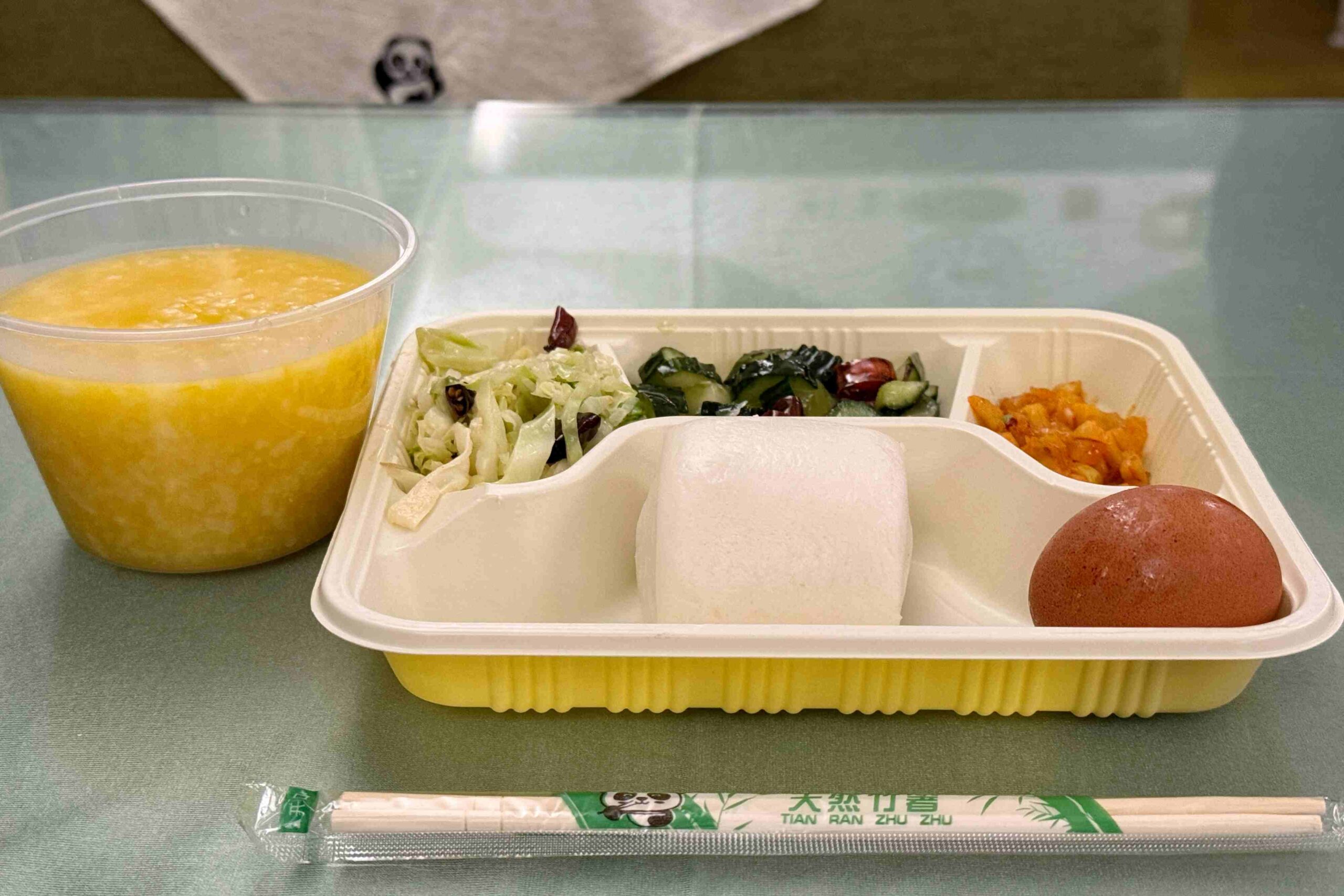
On the Chengdu-to-Xining train, breakfast costs around 20 RMB and usually includes congee, side dishes, steamed buns, and eggs. There are also food carts that move through the carriages selling simple meals and snacks.
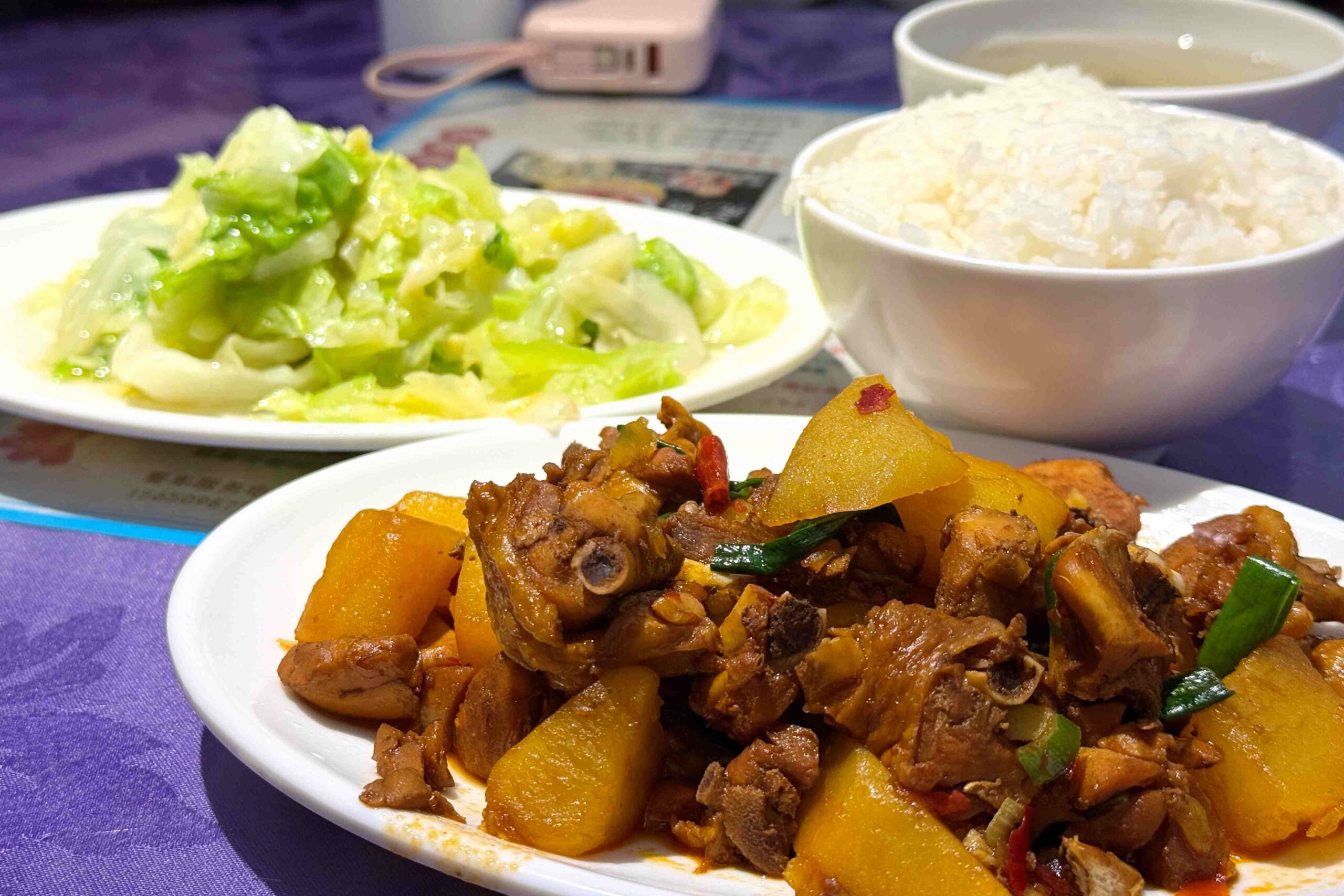
On the Xining-to-Lhasa section, set meals are available during meal times, typically priced between 60 and 90 RMB. These usually include one vegetable dish, one meat dish, rice, and soup. I ordered the Sichuan-style “Big Plate Chicken” meal for 65 RMB, and it was actually surprisingly good — definitely worth trying. If you bring instant noodles or powdered drinks, hot water is also available onboard throughout the trip.
◦ Final Thoughts
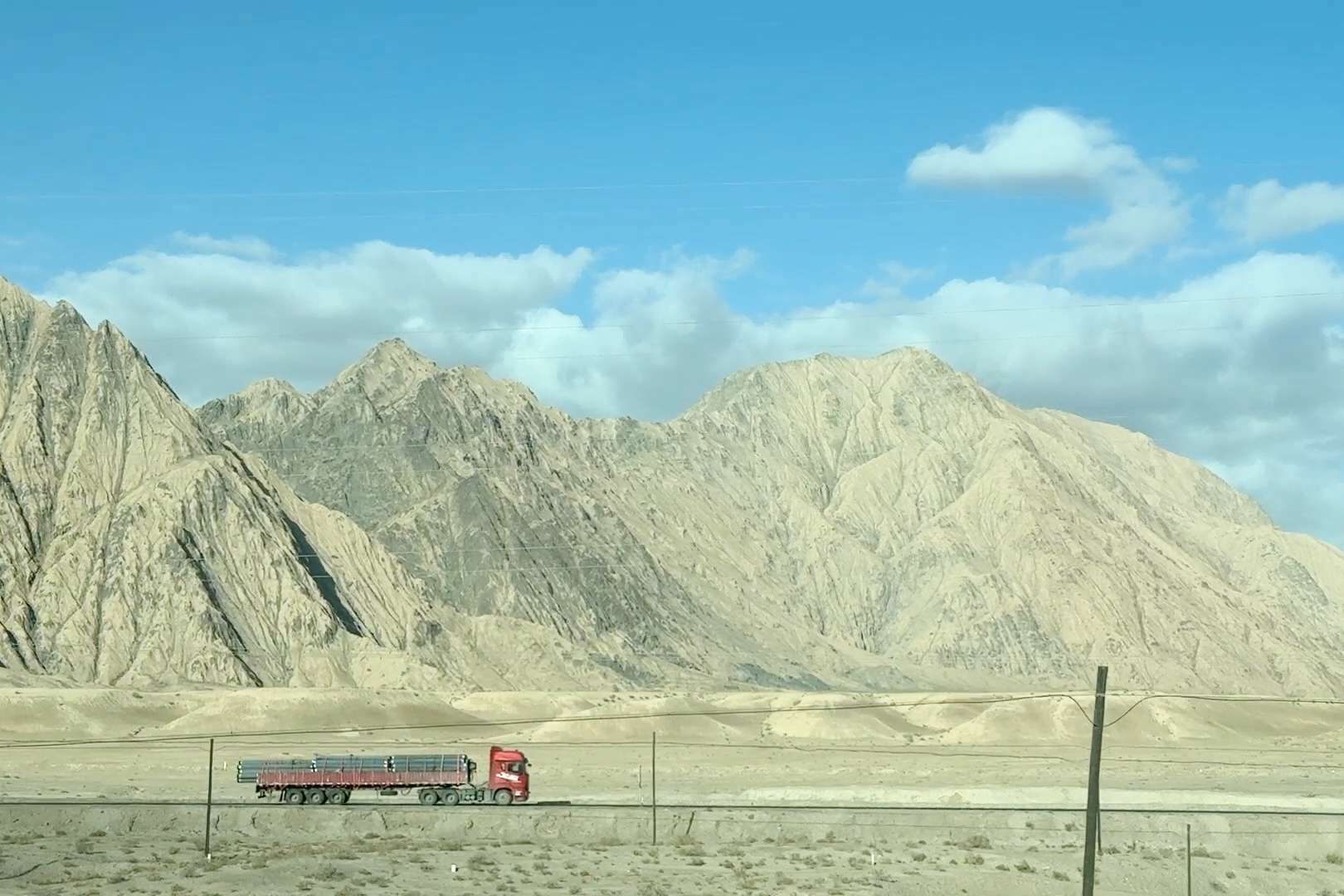
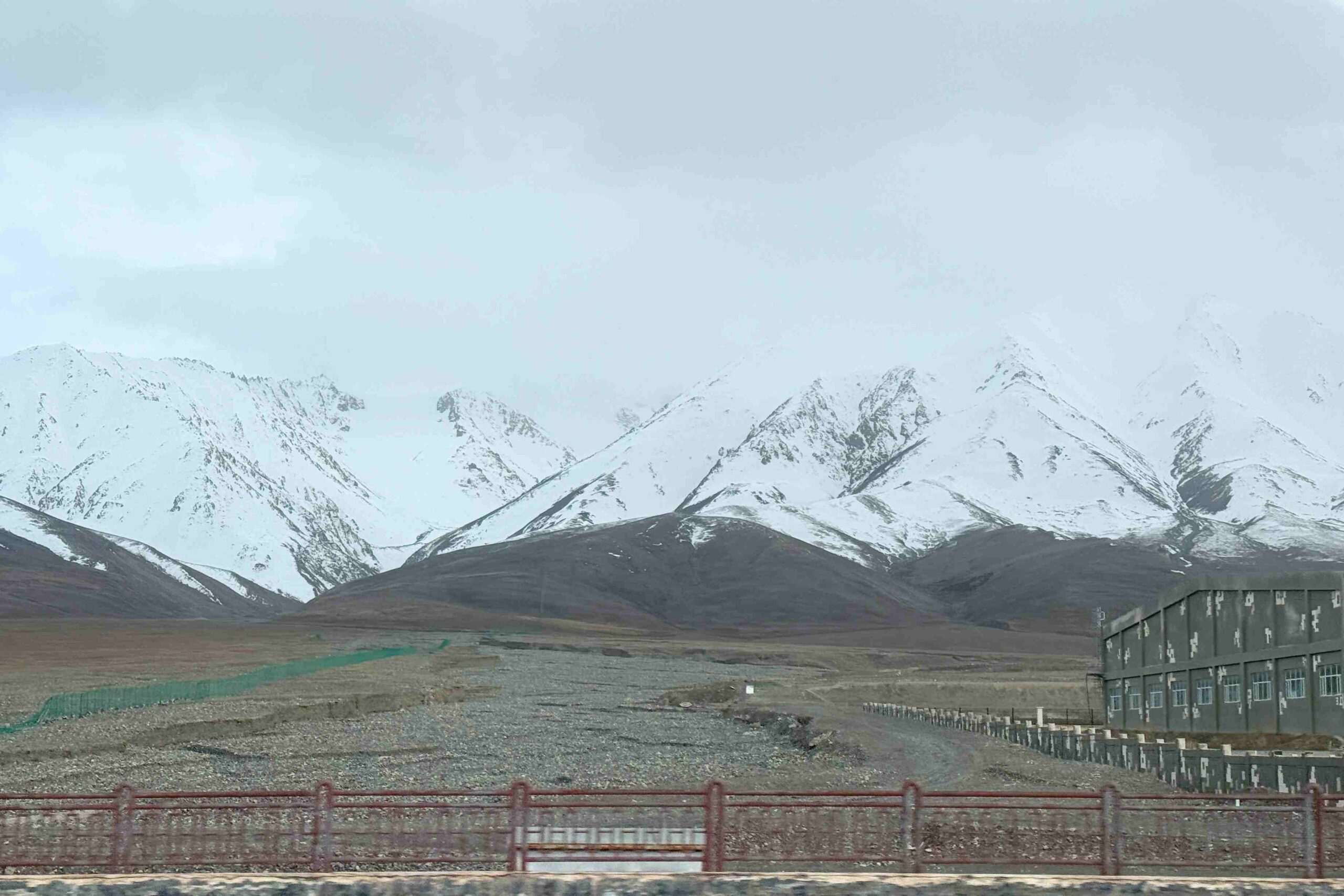
The landscapes between Xining and Lhasa are truly unique and unforgettable. Watching the scenery gradually change as the train crosses the Tibetan Plateau is an experience in itself. That said, to be completely honest, even in a soft sleeper cabin, it’s difficult to get proper rest because people are constantly moving around, boarding, and getting off throughout the journey. If you’re concerned that lack of sleep might worsen altitude sickness, flying into Tibet may ultimately be the safer and more comfortable option.
◦ Tibet Series
➤ Practical Guide to Tibet | A Complete Overview of the 10 Essentials
➤ Tibet ◦ Mount Kailash|Kora: Circumambulating the Sacred Mountain in the Year of the Horse