最後更新/Last Updated:2026-07-02
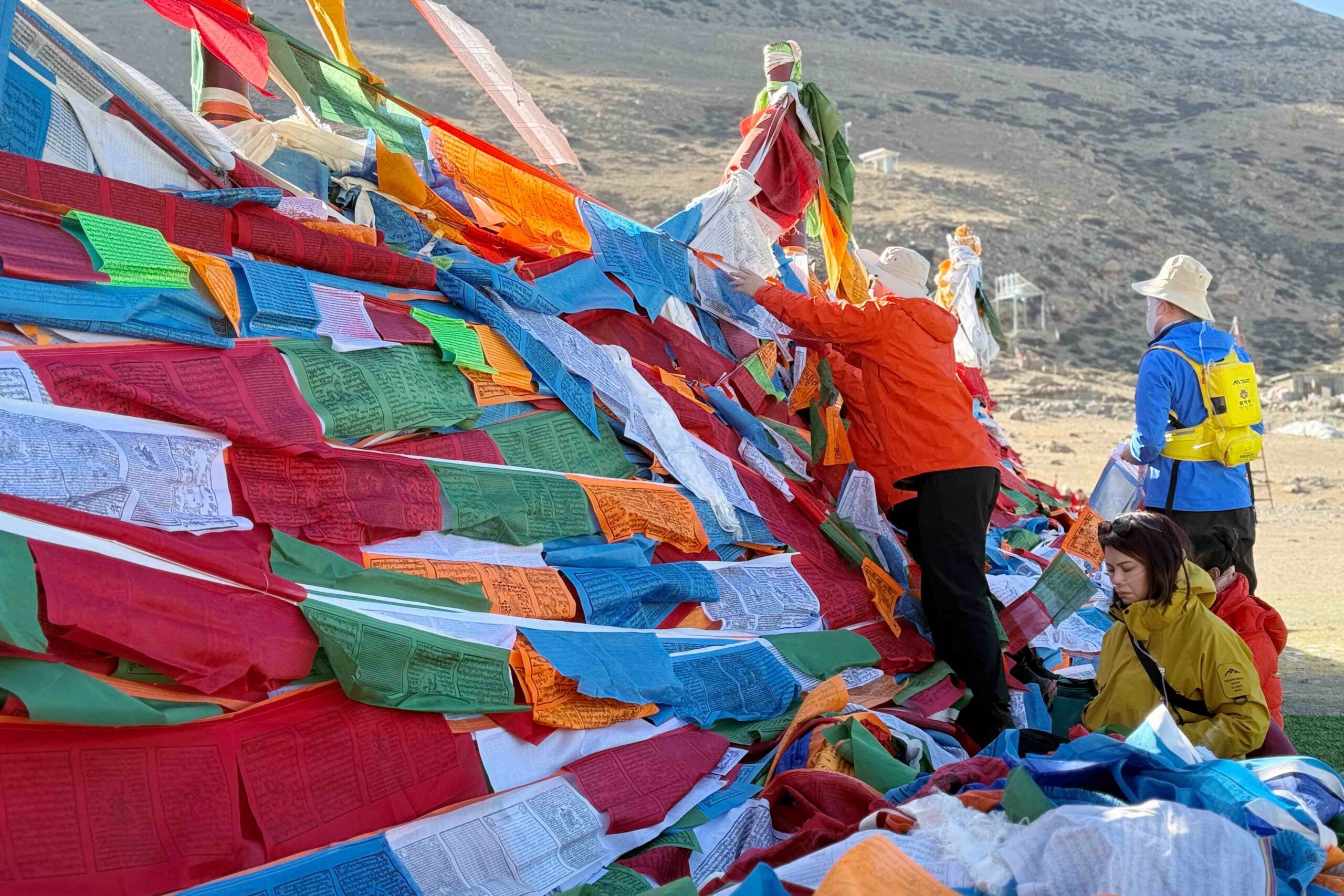
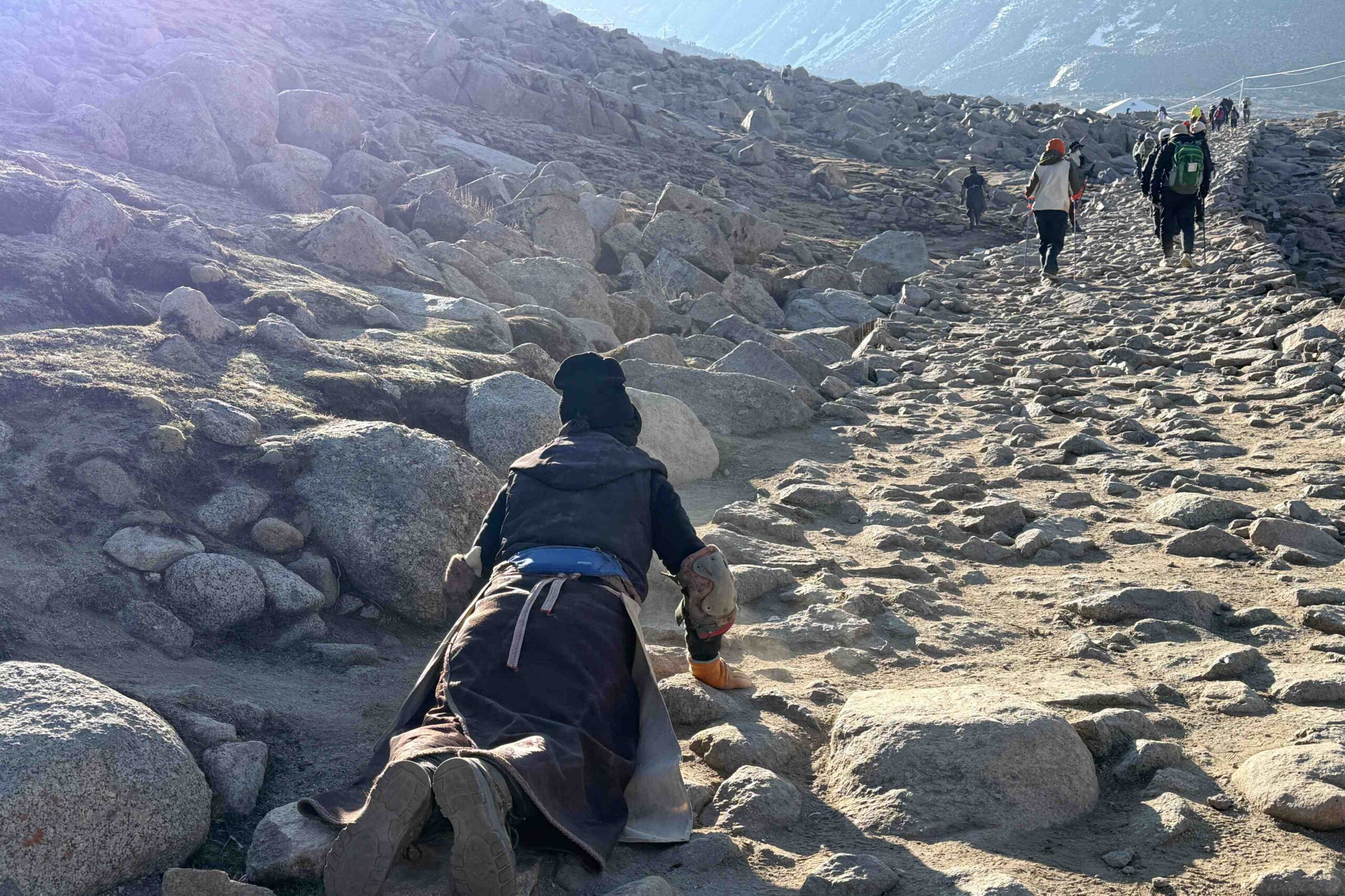
In May, I spent 14 days in Tibet and completed the kora around Mount Kailash — a truly unforgettable journey in my life. To be honest, Tibet is not the kind of destination you can visit on a whim. Besides the complicated paperwork required, the biggest concern is whether your body can adapt to the high altitude and cope with possible altitude sickness. I decided to write down my experience from the preparation stage to the actual trip, hoping it can help future travelers who are planning to visit Tibet feel more prepared and less anxious before departure.
Contents
◦ Mainland Travel Permit for Taiwan Resident
Whether you’re booking flights, reserving train tickets, or applying for a Tibet Travel Permit through a travel agency, the Mainland Travel Permit for Taiwan Resident is an essential document. It’s best to apply for it at least two months before your trip. For this trip, I used Klook’s “Taiwan Compatriot Permit Application Service.” Excluding holidays, it only took five days from application to receiving the permit, which was very efficient. What I especially appreciated was their official Line account, which provided clear instructions throughout the entire process, from document preparation to submission. Before I mailed out my documents, they also helped review everything to make sure nothing was missing, which gave me great peace of mind.
◦ Tibet Travel Permit Application
According to regulations set by the Tibet Autonomous Region government, independent travel is not permitted for foreign visitors. To travel in Tibet, you must apply for a Tibet Travel Permit, and you are required to be accompanied by an authorized tour operator throughout your stay. Because of this, choosing a trustworthy and reliable travel agency is essential. The travel agency will handle the Tibet Travel Permit application for you and can also help secure hard-to-get soft sleeper tickets for the Qinghai–Tibet Railway.
For this trip, I joined the “Dreaming Back to Tibet” tour organized by Big Player Travel. Two travel creators I really like — travel blogger Cher and YouTuber Rong Rong — also traveled to Tibet with them. Since they are a Taiwan-based travel agency, it felt even more reliable and reassuring.
◦ Big Player Travel — Features & Review
01|Highlights
Their Tibet tours are focused purely on sightseeing, with no shopping stops included. They also provide free assistance with the Tibet Travel Permit and other required entry procedures. Throughout the trip, transportation is arranged using licensed and comfortable tour vehicles.
02|Pros & Cons
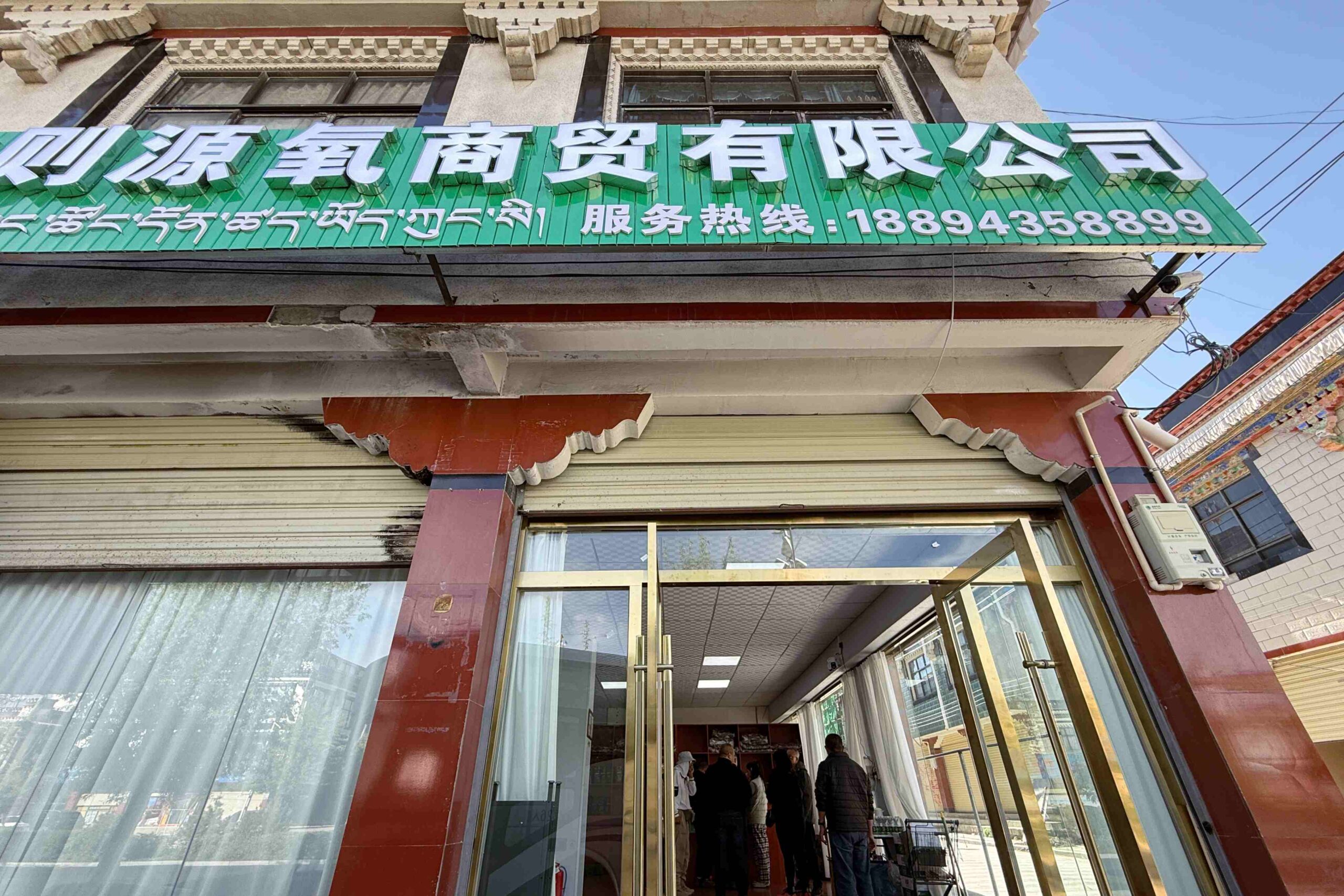
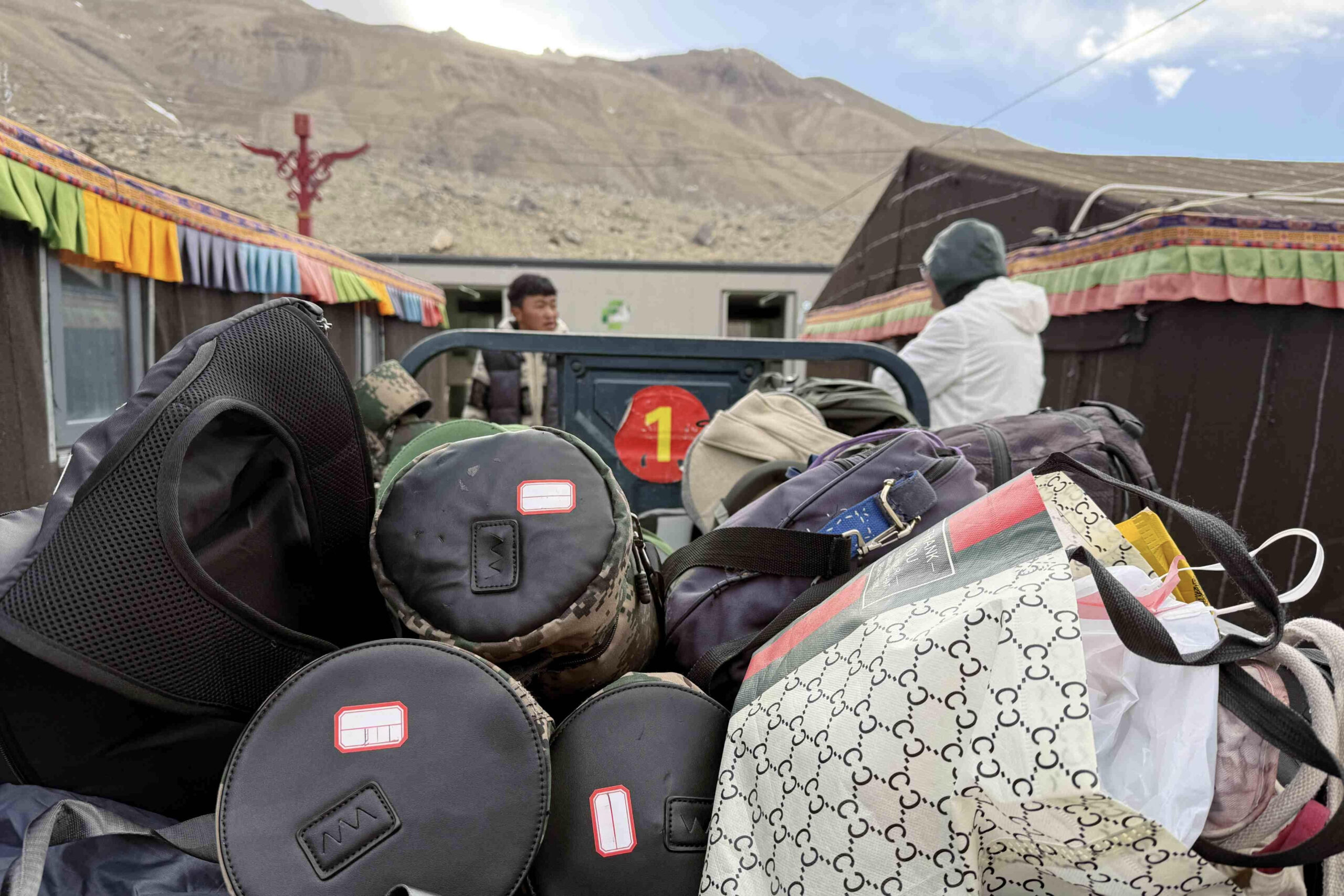
It’s true that their tours do not include forced shopping stops. However, before heading to Mount Everest Base Camp and before starting the Mount Kailash kora, the guide strongly recommended renting oxygen tanks. How many you actually need really depends on your physical condition. For me, since I stayed one night at Everest Base Camp and spent two and a half days doing the kora, and I didn’t experience severe altitude sickness, I found that two large oxygen tanks and two small ones were more than enough.
I joined the tour in May this year. The accommodations were spread across Lhasa, Shigatse, Saga, and the Ngari region. Aside from the accommodations in Ngari and during the kora — where facilities were understandably more basic due to the remote conditions — the hotels in the other areas were generally quite decent. That said, one traveler who had previously joined several Tibet tours with Big Player Travel mentioned that the hotel quality in Lhasa and Shigatse seemed to have declined compared to past trips. I’ll leave that for everyone to judge for themselves.
03|Hidden Costs
Since I entered Tibet by taking the Qinghai–Tibet Railway on my own, while the other tour members flew in, I needed to apply for an individual Tibet Travel Permit separately, which cost an additional NT$3,600. Renting oxygen tanks can also become a significant extra expense. Following the guide’s recommendation, I rented three large tanks and three small ones, which cost me over NT$10,000 in total. In the end, though, I didn’t use all of them, so it’s definitely something you should decide based on your own physical condition.
◦ Best Seasons to Visit Tibet
01|Spring
Spring in Tibet lasts from late March to late May. March is famous for the peach blossom season in Nyingchi, while Lake Namtso usually begins to thaw in April. This is considered the best time to enjoy Tibet’s blooming landscapes and peach blossoms.
02|Summer
Summer runs from late May to August. Travel costs are generally higher during this season, but the scenery is also at its most beautiful. In addition to the flower-filled landscapes of Nyingchi, the weather is milder and more comfortable for traveling.
03|Autumn
From late August to October is considered the golden season for traveling in Tibet. The weather is stable, the scenery is stunning, and visitor numbers gradually begin to decrease after October.
04|Winter
Winter lasts from November to March of the following year. During this period, many areas are closed due to snow and harsh weather conditions. Traveling to Tibet in winter can also be quite physically demanding because of the extreme climate and altitude.
◦ Qinghai–Tibet Railway
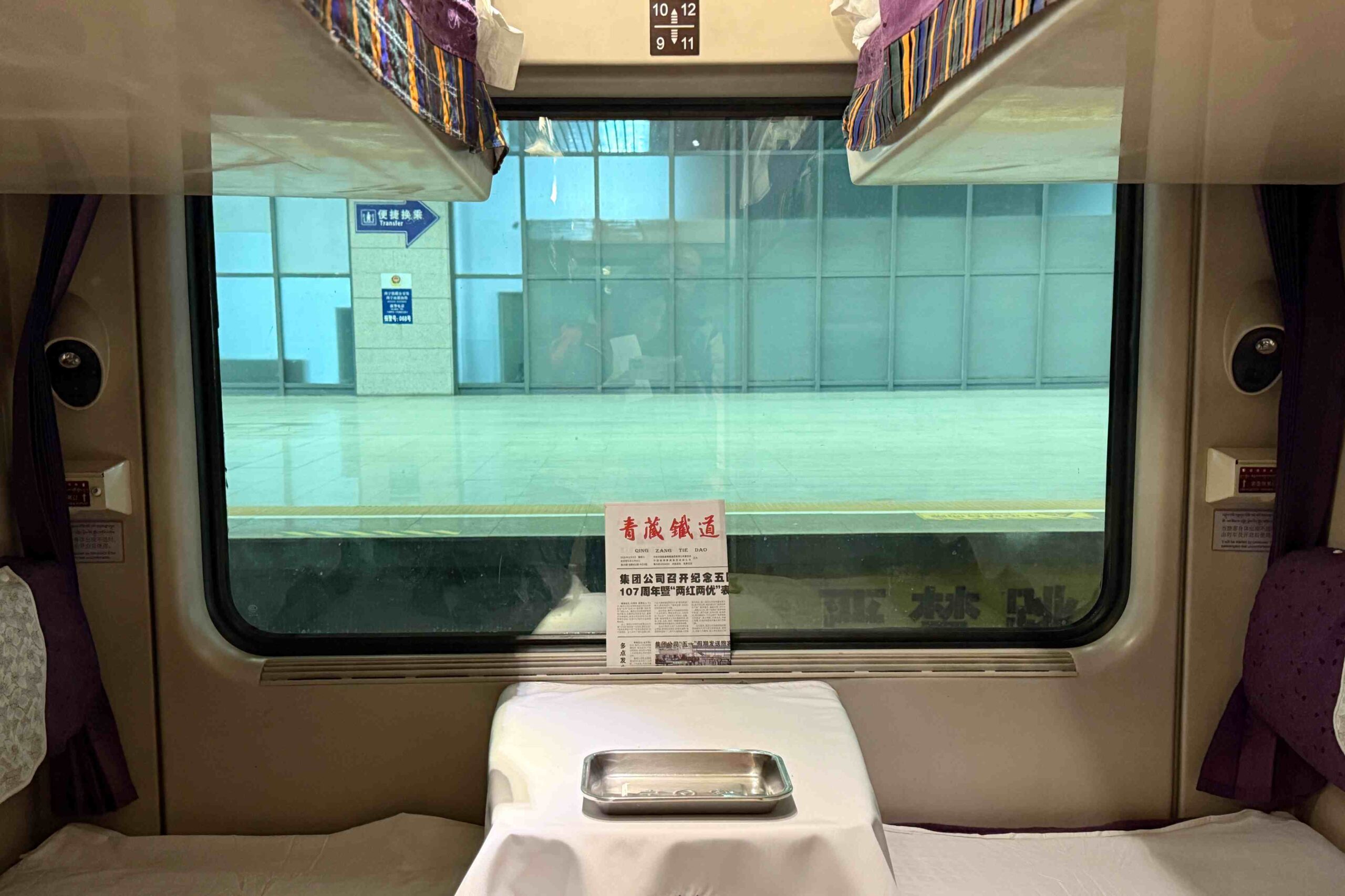
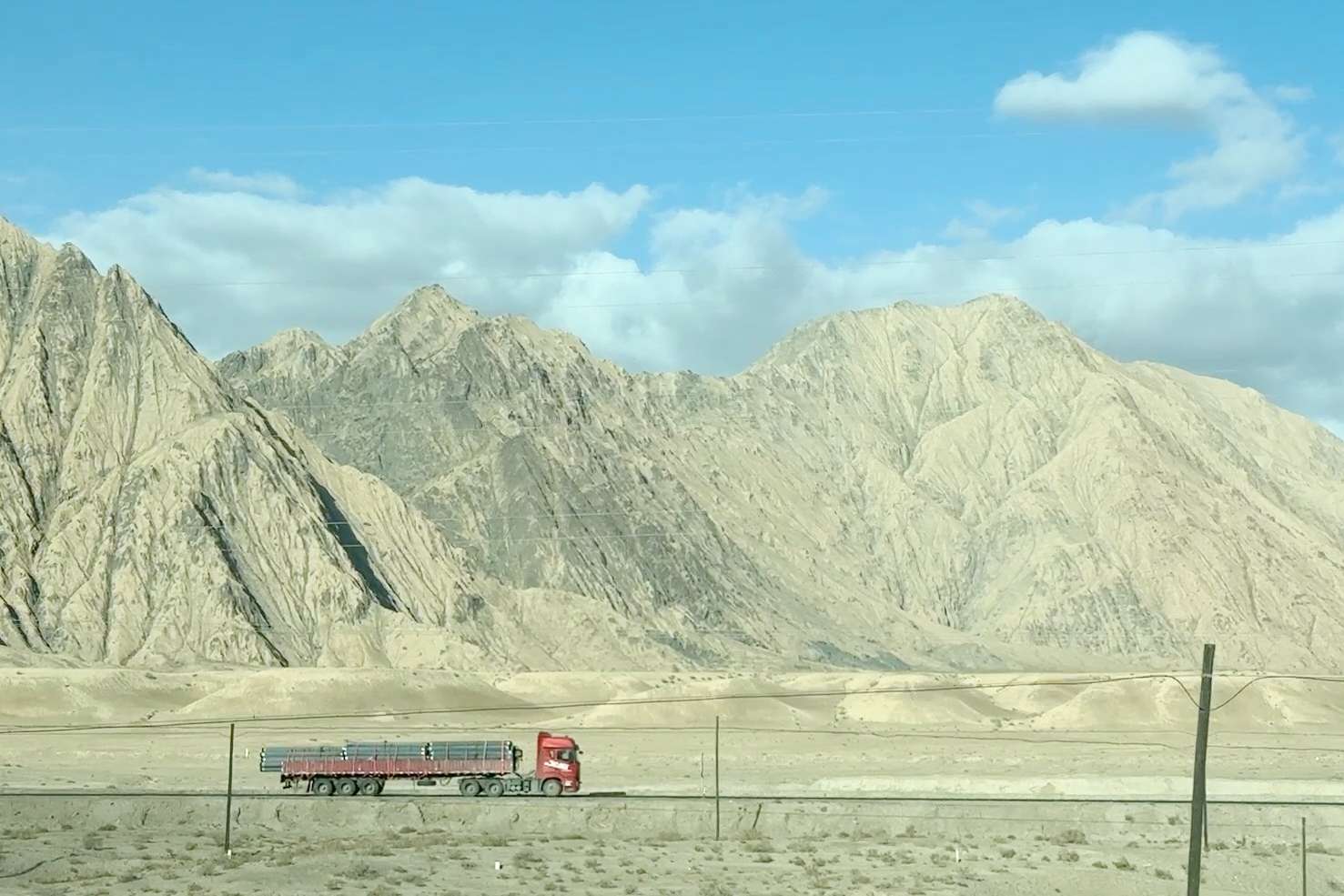
I had heard that the journey from Xining to Lhasa is incredibly beautiful, so I decided to arrange my trip by “entering Tibet by train and leaving by plane.” To purchase tickets for the Qinghai–Tibet Railway, you’ll need not only a Taiwan Compatriot Permit, but also access to a Mainland Chinese bank card or payment methods such as Alipay or WeChat Pay. For this part of the trip, I asked the travel agency to book the tickets for me, since they could also help secure the highly sought-after soft sleeper cabins. If you already have suitable payment methods available in China, you can also purchase the tickets yourself at a much lower price.
🚆 Qinghai–Tibet Railway Train Ticket Booking
◦ Internet in Tibet
For this trip, I used an eSIM that I purchased on Shopee. I chose a “full network coverage” option, meaning it supports China’s three major telecom providers: China Mobile, China Telecom, and China Unicom. In areas such as Lhasa, Shigatse, and Nyingchi, all three providers offered full 4G coverage, and the internet connection was smooth and stable. However, in more remote regions like Mount Everest Base Camp and Ngari, China Mobile had the strongest signal, followed by China Telecom. China Unicom, on the other hand, was difficult to receive in those areas. If you’re planning to buy a SIM card for Tibet, I would recommend choosing either China Mobile or a full-network-compatible SIM card.
◦ Travel Insurance for Tibet
Most insurance companies in Taiwan offer standard travel insurance and travel inconvenience coverage. However, when it comes to policies that specifically cover “overseas travel,” “mountaineering,” and “altitude sickness,” the only option I could find at the time was the “Special Activity Insurance Plan” offered by Fubon Insurance. For this trip, both Everest Base Camp and the Mount Kailash kora involved altitudes above 5,000 meters. This insurance plan covered emergency rescue expenses related to altitude sickness, which provided a lot of reassurance during the journey. That said, insurance policies and coverage details can change at any time, so I recommend contacting Fubon Insurance directly for the latest information and confirmation of coverage.
➤ Fubon Insurance “Special Activity Insurance Plan”
◦ Packing for Tibet
Tibet has cool summers, freezing winters, and huge temperature differences between day and night. During my trip in May, daytime temperatures were around 15°C, while nights often dropped below 0°C. Because Tibet’s climate is extremely dry rather than humid, even temperatures close to freezing are still manageable as long as you have a warm enough down jacket. Early mornings are usually the coldest part of the day, while it gradually becomes much warmer around noon. It’s completely normal to keep adding and removing layers throughout the day, so I highly recommend dressing in layers.
If you plan to take the Qinghai–Tibet Railway, I recommend bringing a suitcase smaller than 25 inches so it can fit in the overhead luggage storage. Otherwise, you’ll need to store it in the shared luggage area between train carriages. You should also bring a backpack, since when visiting Everest Base Camp or doing the Mount Kailash kora, you’ll usually leave your suitcase at the hotel and travel light.
Here are the essentials I strongly recommend bringing:
01|Important Documents & Valuables
Passport, Taiwan Compatriot Permit, Tibet Travel Permit, phone, and wallet.
02|Personal Hygiene Items
Alcohol spray, hand sanitizer, wet wipes, and dry shampoo.
There will be many days when showering is inconvenient, and in some places there may not even be water available for washing hands, so these items are extremely useful.
03|Toiletries
Bring travel-sized items only, as most hotels provide basic amenities.
04|Sun Protection
A sun hat, sunglasses, and sunscreen are essential because of Tibet’s strong UV exposure.
05|Down Jacket
A down jacket is useful in Tibet all year round. Even during summer, high-altitude areas such as Everest Base Camp and Ngari can still be extremely cold.
06|Disposable Underwear & Socks
Laundry facilities are not always convenient, so I brought enough disposable underwear and socks for the entire trip.
07|Personal Medication
Besides altitude sickness medication, cold medicine, anti-nausea and digestive medicine, motion sickness medicine is also very important. The mountain roads to Everest Base Camp and Ngari can easily cause motion sickness. If you visit a travel clinic and get prescribed medication for altitude sickness prevention, remember to start taking it one day before reaching areas above 3,000 meters.
08|Thermos Bottle
Many places provide hot water, and drinking warm water helps a lot in staying warm and comfortable.
Nice to Have:
01|Vaseline
Tibet is extremely dry, and cracked skin is very common. Applying Vaseline helps a lot.
02|Disposable Heat Packs
When heading to Everest Base Camp or starting the kora early in the morning, sticking a heat pack on your abdomen under your clothes makes a huge difference.
03|Lightweight Slippers
Some hotels in Tibet do not have heated floors. Having your own slippers helps keep your feet warm and makes moving around more comfortable.
04|Soap Paper
Some public restrooms and restaurants have sinks, but most do not provide soap or hand wash. Soap paper is lightweight, space-saving, and surprisingly practical for anyone who cares about hygiene.
◦ Essential Apps for Traveling in Tibet
Most of these useful apps require advance installation, registration, and identity verification, so it’s best to set everything up before departure.
01|WeChat
After completing real-name verification and linking a credit card, WeChat can be used for almost all types of payments — even tipping — making it incredibly convenient. In Tibet, I found WeChat to be much more practical than Alipay.
02|Alipay
Alipay is widely accepted by merchants throughout China. I recommend activating your account and completing identity verification before your trip.
03|Gaode Maps or Baidu Maps
Google Maps is not very reliable in China. Before heading to Tibet, I spent some time in Chengdu, and for finding restaurants and attractions, Amap or Baidu Maps were far more convenient and accurate.
04|Meituan or Taobao Instant Delivery
China’s delivery services are extremely advanced. Food, medicine, and daily necessities can all be delivered directly to you. Unfortunately, I couldn’t pass Meituan’s verification process, so I switched to Taobao Instant Delivery instead, which solved the issue completely.
05|DiDi
In many major Chinese cities, ride-hailing is both fast and affordable. During my stay in Chengdu, I barely used the subway because taking DiDi was much more efficient and cost-effective. I recommend using ride-hailing services through WeChat or Alipay whenever possible, as payment is easier and the overall experience feels more secure.
06|VPN APP
Although most eSIMs and SIM cards already include access to unrestricted internet services, it’s still a good idea to install a VPN app before departure as an extra backup — especially if you need to access platforms that are normally only available in Taiwan.
◦ Tibet Series
➤ Tibet ◦ Mount Kailash|Kora: Circumambulating the Sacred Mountain in the Year of the Horse
➤ Tibet | 7 Essential Things to Know Before Taking the Qinghai–Tibet Railway
2 留言
[…] […]
[…] ◦ 西藏系列 […]