
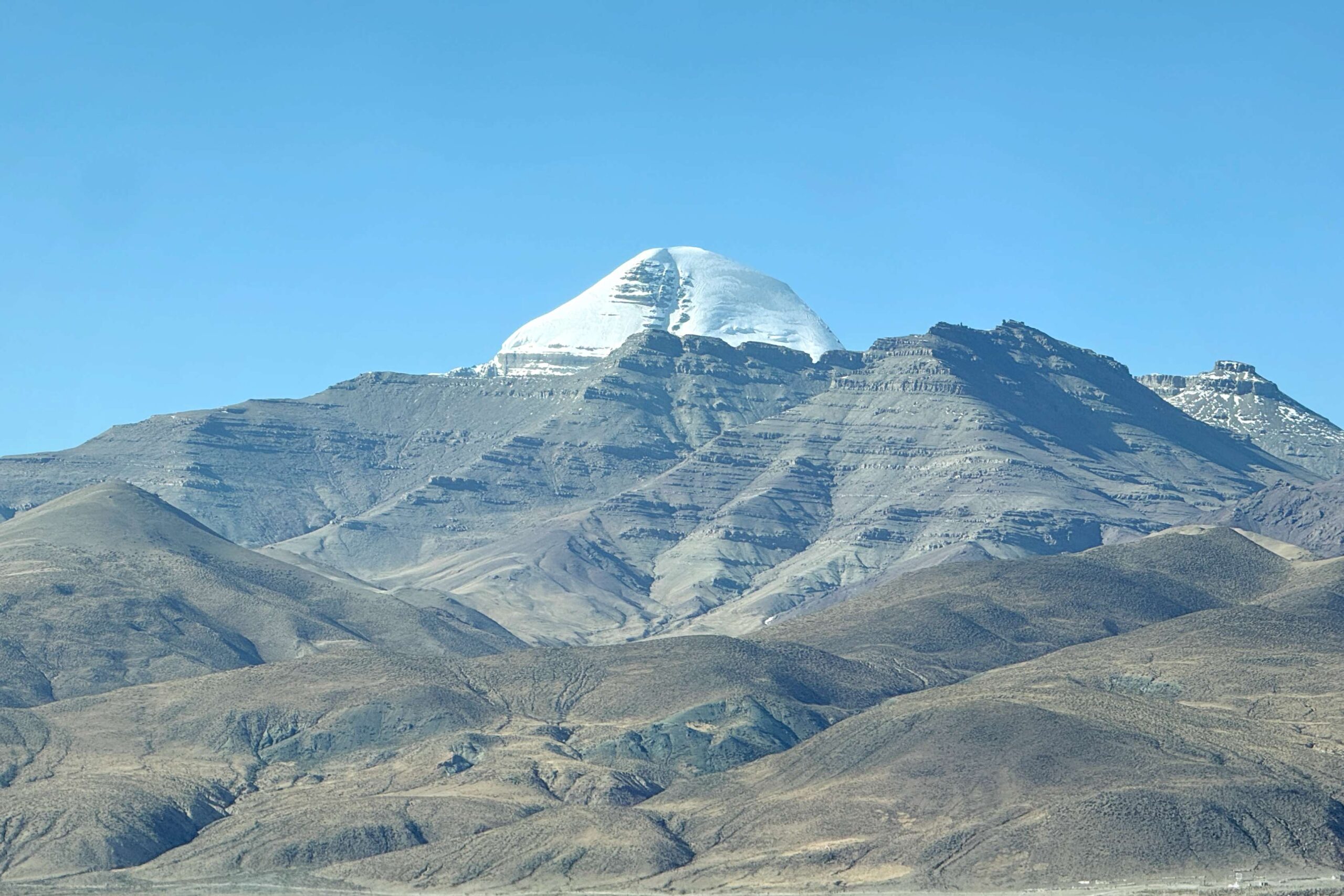
In the cosmology of Tibetan Buddhism, Hinduism, Jainism, and Bon, there is only one mountain regarded as the center of the world: Mount Kailash, located in the Ngari region of western Tibet.
Contents
◦ Mount Kailash: Why Is It So Sacred?
Rising to an elevation of 6,638 meters (21,778 feet), Mount Kailash—known in Tibetan as the "Precious Snow Mountain" and the "Mountain of the Soul"—is not the highest peak in Tibet. Yet because of its unparalleled religious significance, it is revered as the "Father of All Mountains."
Few mountains in the world are venerated by four major religions at the same time, and Mount Kailash is one of them. In Hinduism, it is believed to be the eternal abode where Lord Shiva meditates. In Tibetan Buddhism, it is regarded as the mandala of Chakrasamvara, and legend tells that the great yogi Milarepa once engaged in a spiritual contest here with the founder of the Bon tradition. In Bon, Tibet's oldest indigenous religion, Mount Kailash is considered the place where human souls first descended to earth. For Jains, it is the sacred site where the first Tirthankara attained liberation and entered nirvana.
◦ Why Is One Circuit Worth Thirteen?
In Tibetan Buddhism, Mount Kailash is far more than a pilgrimage destination—it is a sacred mountain that embodies karma and spiritual cultivation. According to tradition, completing one circuit around Mount Kailash purifies the accumulated sins of a lifetime. Completing one hundred circuits is said to bring enlightenment and liberation within this very lifetime.
Among all years, the Year of the Horse is considered the most auspicious. It is believed to be the year of the Buddha Shakyamuni's birth, when Chakrasamvara and countless Buddhas and Bodhisattvas gather at Mount Kailash, bringing its spiritual energy to its peak. For this reason, completing a single kora during the Year of the Horse is believed to generate twelve times the usual merit, making one pilgrimage equivalent to thirteen circuits in an ordinary year. This is the origin of the saying that "the merit is multiplied thirteenfold."
Because of this belief, every Year of the Horse, the small town of Darchen in Ngari welcomes pilgrims from across Tibet, India, Nepal, Taiwan, and Chinese communities around the world, all eager to seize this once-in-twelve-years opportunity.
◦ How Many Days Does One Circuit Take?
A full circuit around Mount Kailash covers approximately 52 kilometers (32 miles), beginning and ending in Darchen at an elevation of 4,675 meters (15,338 feet). The greatest challenge is not the distance itself, but the extreme altitude.
Most of the trail lies above 5,000 meters (16,400 feet), with its highest point at the Dolma La Pass, reaching 5,630 meters (18,471 feet). Beyond 5,000 meters, the environment approaches the limits of human survival, and every step becomes increasingly difficult due to the lack of oxygen. Although experienced high-altitude trekkers in excellent physical condition may complete the pilgrimage in two days, a three-day itinerary is generally considered the ideal pace for most travelers coming from low-altitude regions.
◦ The Best Season of Kora
The pilgrimage season typically runs from May to October each year, with May–June and September–October widely regarded as the best times to complete the kora.
01|May–June
As the winter snow begins to melt, the weather becomes increasingly stable and the air exceptionally clear, making this the ideal season to admire Mount Kailash in its full glory. I completed the kora in mid-May. Although the mornings and evenings were bitterly cold, I was fortunate to avoid rain or severe weather, which came as a great relief.
02|September–October
Autumn offers the most comfortable trekking conditions of the year. With clear skies, dry weather, and excellent visibility, it is also the perfect season for photography enthusiasts.
◦ Endurance Matters More Than Strength
If you regularly hike, run, or maintain a consistent fitness routine, you'll likely find the kora more manageable. However, it is generally not recommended to focus on high-intensity muscle-building workouts during the month before your trip. Increased muscle mass raises the body's oxygen demand, which may make some people more susceptible to altitude sickness.
◦ Preparing for the Kora
01|Dress in Layers
A layering system is essential: start with a moisture-wicking base layer, add an insulating mid-layer, and finish with a windproof and waterproof outer shell. Your clothing should be able to handle strong winds as well as dramatic temperature swings between day and night. The powerful winds nearly caught me off guard on this trip. In May, the mornings and evenings are freezing, while hiking under the midday sun can leave you drenched in sweat. Constantly adding and removing layers is simply part of the experience.
02|Bring Two Trekking Poles
The 52-kilometer kora includes several steep ascents and descents, making a pair of hiking boots with excellent traction indispensable. Equally important, I highly recommend bringing two trekking poles. They significantly reduce the impact on your knees, especially during the long downhill sections.
03|Essential Gear
- A headlamp (for the pre-dawn start on the second day)
- Any personal medications you may need
04|Energy and Hydration
There are supply stations along the route, so carrying one bottle of water is generally sufficient. It's also a good idea to pack snacks such as mixed nuts, energy bars, and chocolate to keep your energy levels up throughout the trek.
◦ Kora Journey
Day 1|A Gradual Ascent
Darchen (4,675 m) → Prayer Flag Plaza → Chuku Monastery (4,860 m) → Dirapuk Monastery (5,210 m)
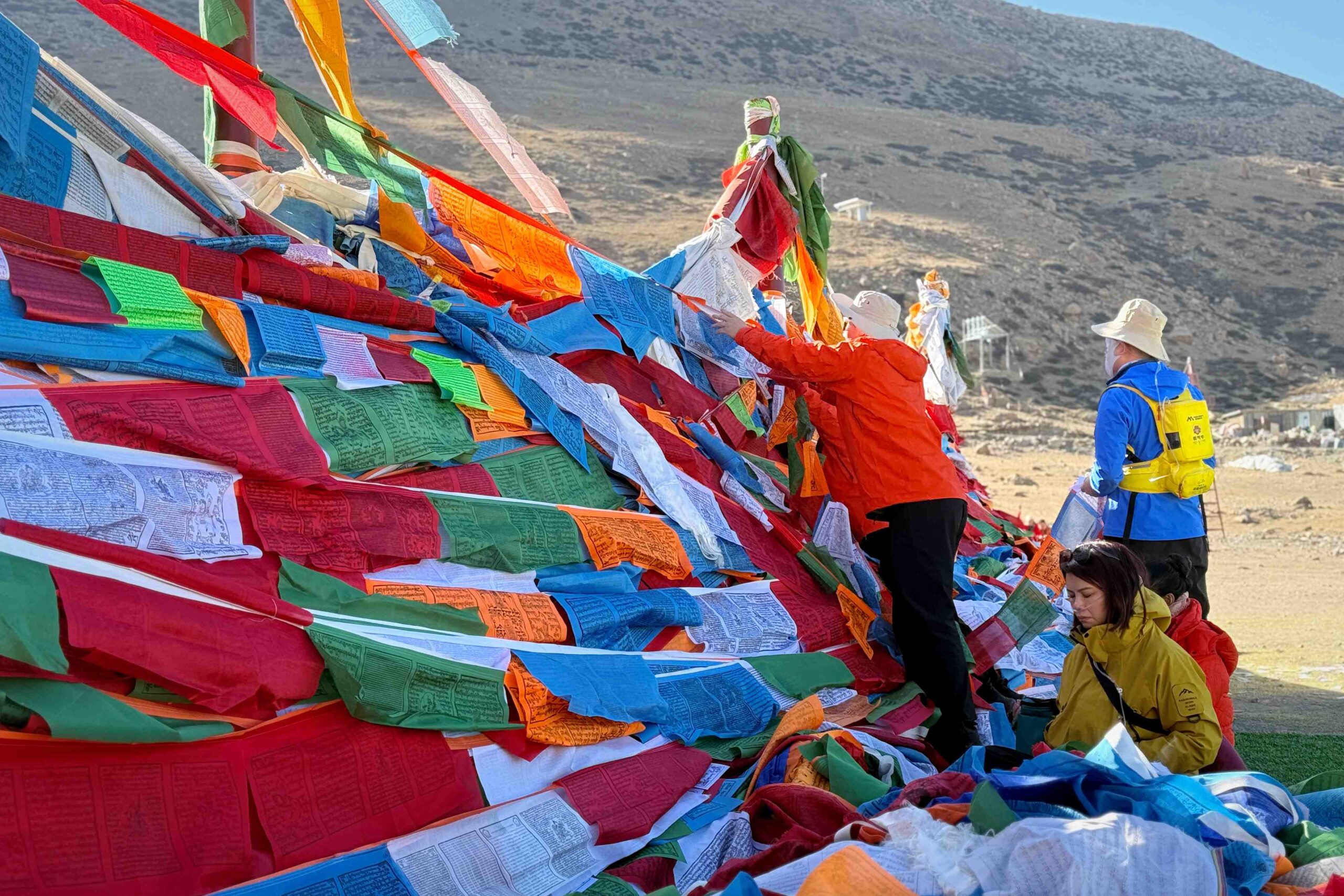
Our day began at 6:00 a.m. with breakfast at a small restaurant near our guesthouse. After storing our suitcases at the lodge and handing our duffel bags over to the yaks that would carry them along the route, we set off carrying only small daypacks with our essentials for the next three days, along with oxygen canisters. At around 7:30 a.m., we departed for the checkpoint, where we transferred to a shuttle bus bound for the Prayer Flag Plaza. Several members of our group hung prayer flags there, offering prayers for a safe pilgrimage before we officially began our kora around Mount Kailash.
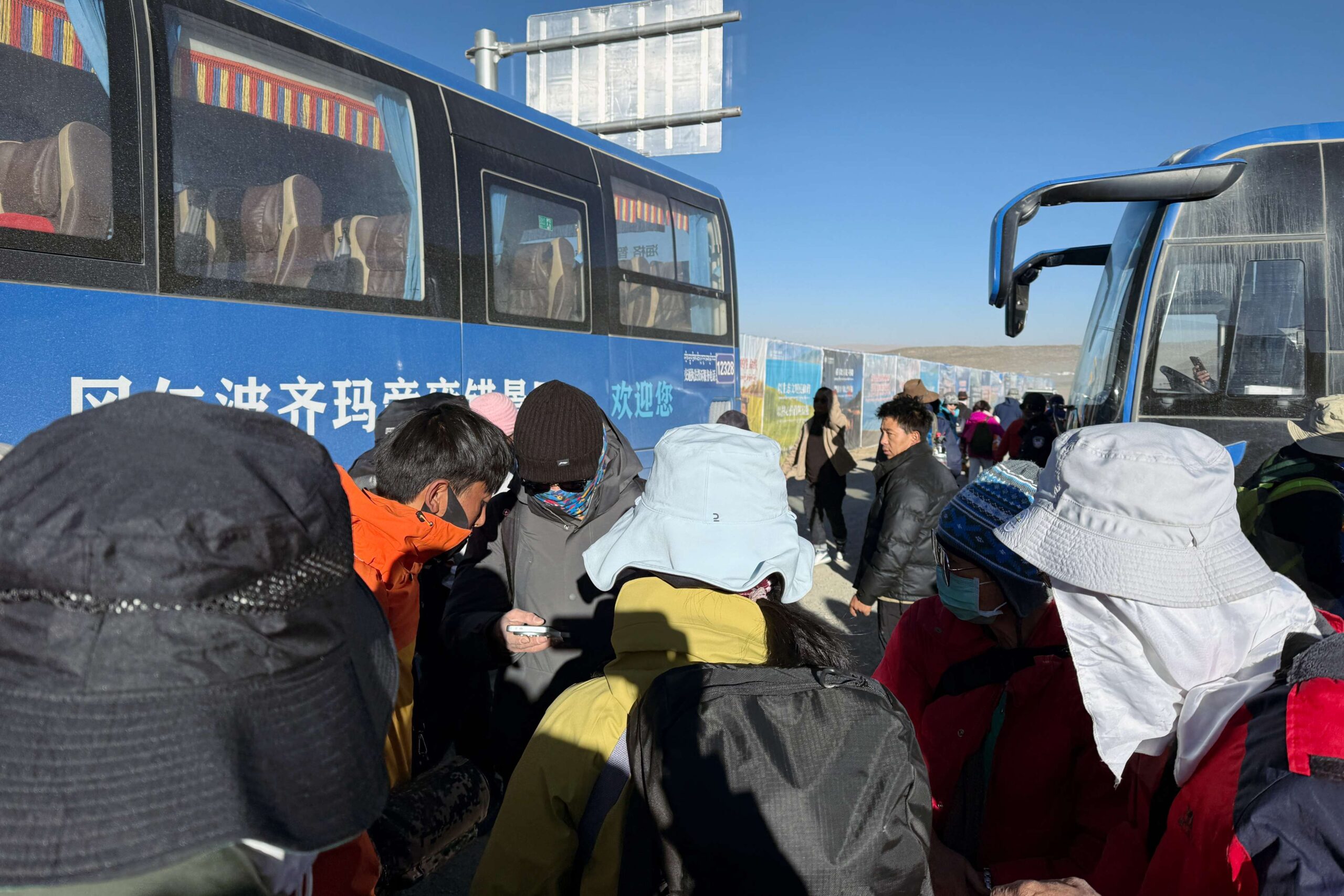
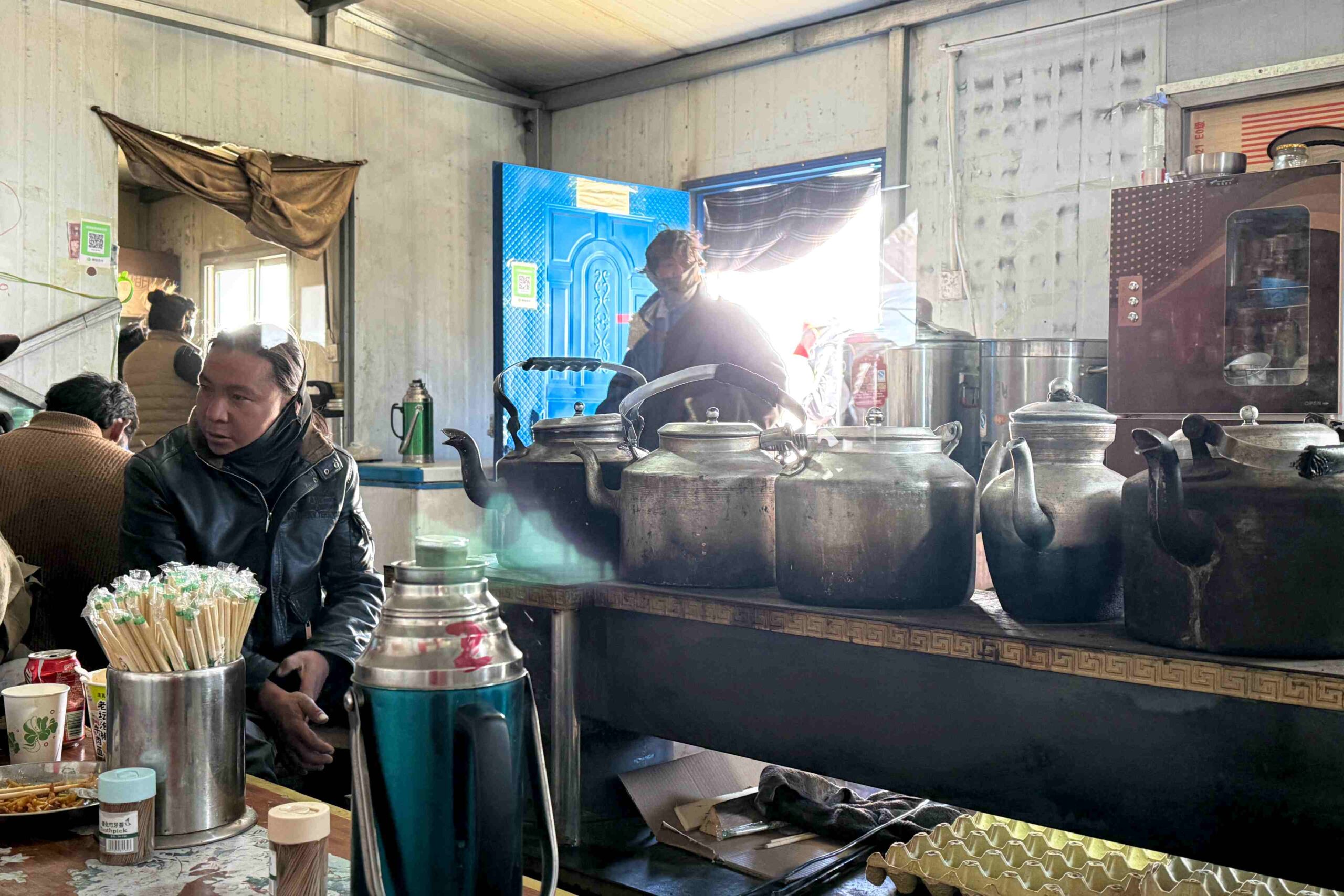
The first three kilometers followed a gentle, easy trail. Along the way, I met a fellow pilgrim wearing a sun scarf from the Baishatun Mazu Pilgrimage. One glance was enough—we both knew we were from Taiwan. After exchanging blessings for a safe journey, we continued on our separate ways. Near the ticket checkpoint, I stopped briefly at a teahouse. After quickly finishing a cup of sweet Tibetan tea, I pressed onward.
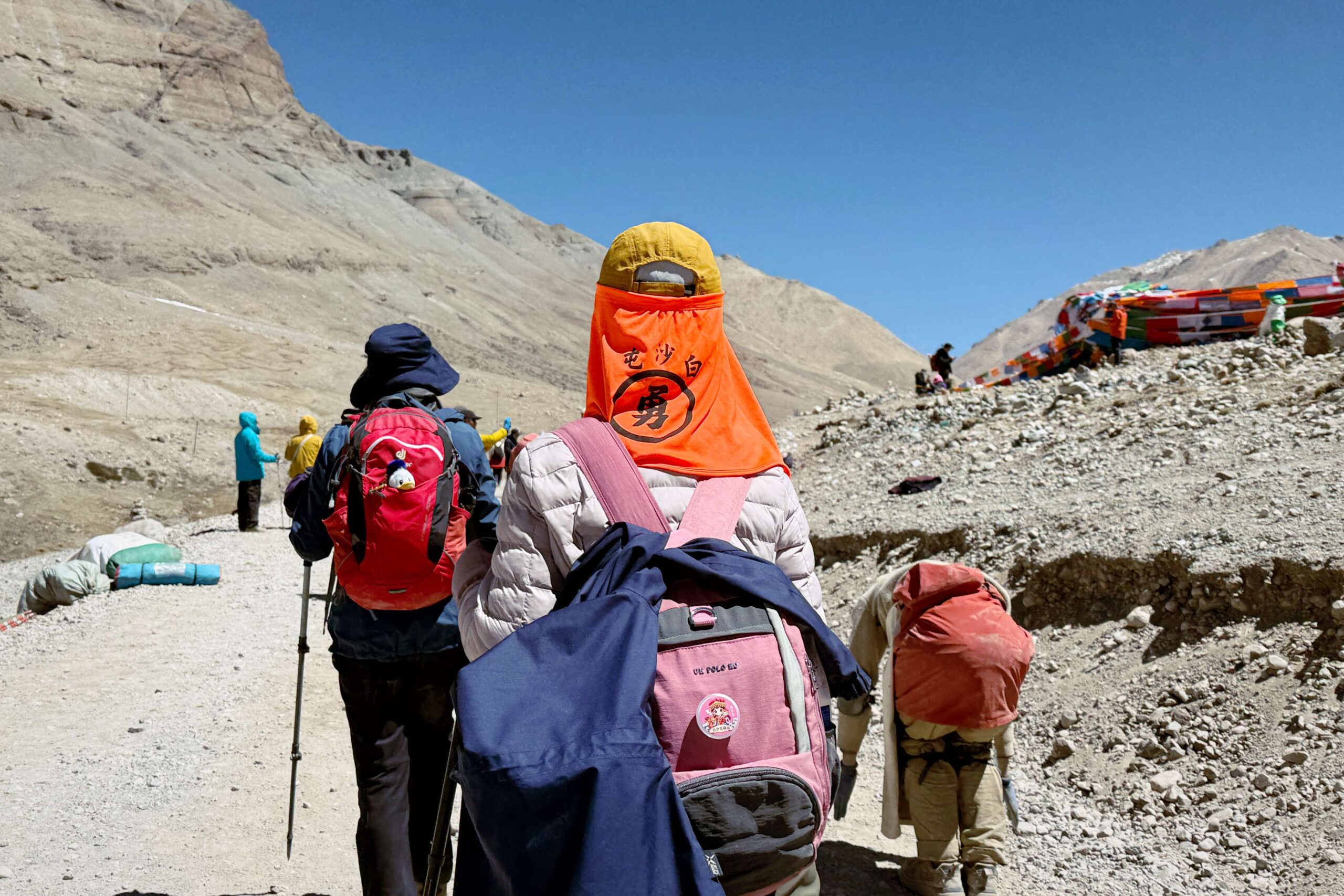
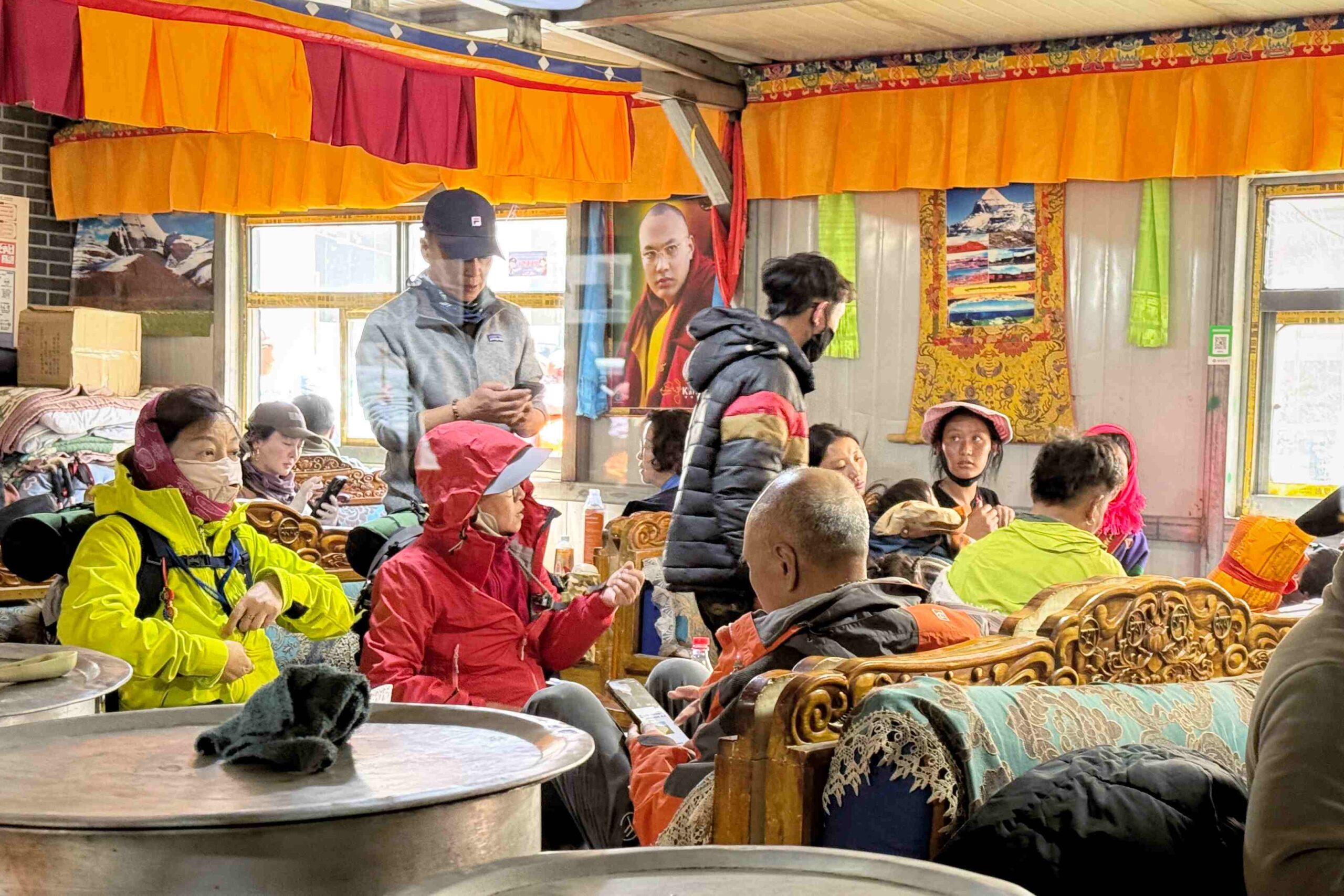
The 11-kilometer stretch from Chuku Monastery to Dirapuk Monastery gradually climbs along a dirt and rocky trail. During the final six kilometers, the incline became noticeably steeper, and I began to feel the effects of the altitude. My breathing grew increasingly labored, so I started using supplemental oxygen. Just before reaching our accommodation near Dirapuk Monastery, a pilgrim from Chengdu called out to me.
"Do you realize you've passed me four times already?"
Until he mentioned it, I hadn't noticed at all. I had spent the entire day with my head down, focused only on putting one foot in front of the other and reaching the lodge as quickly as possible.
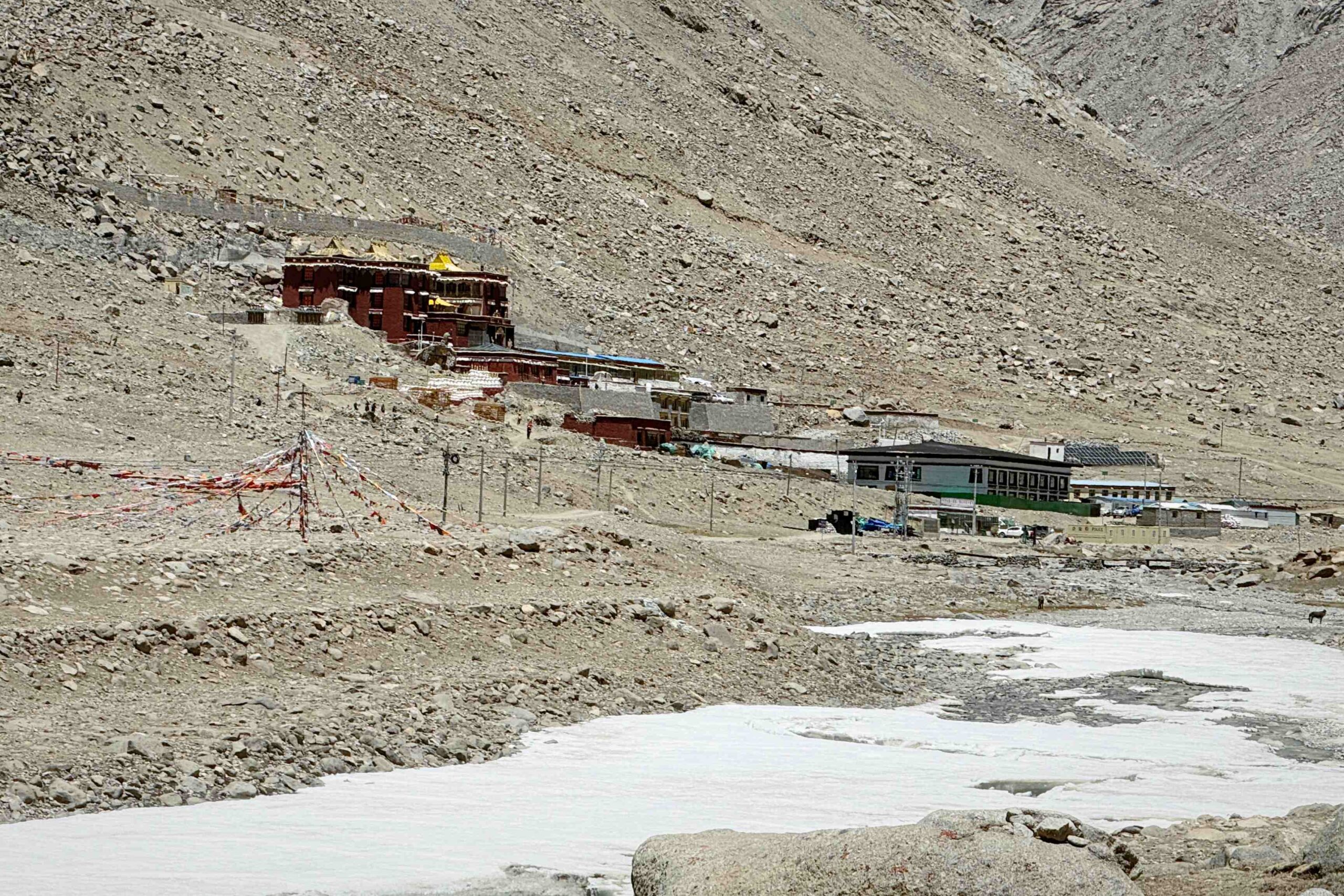
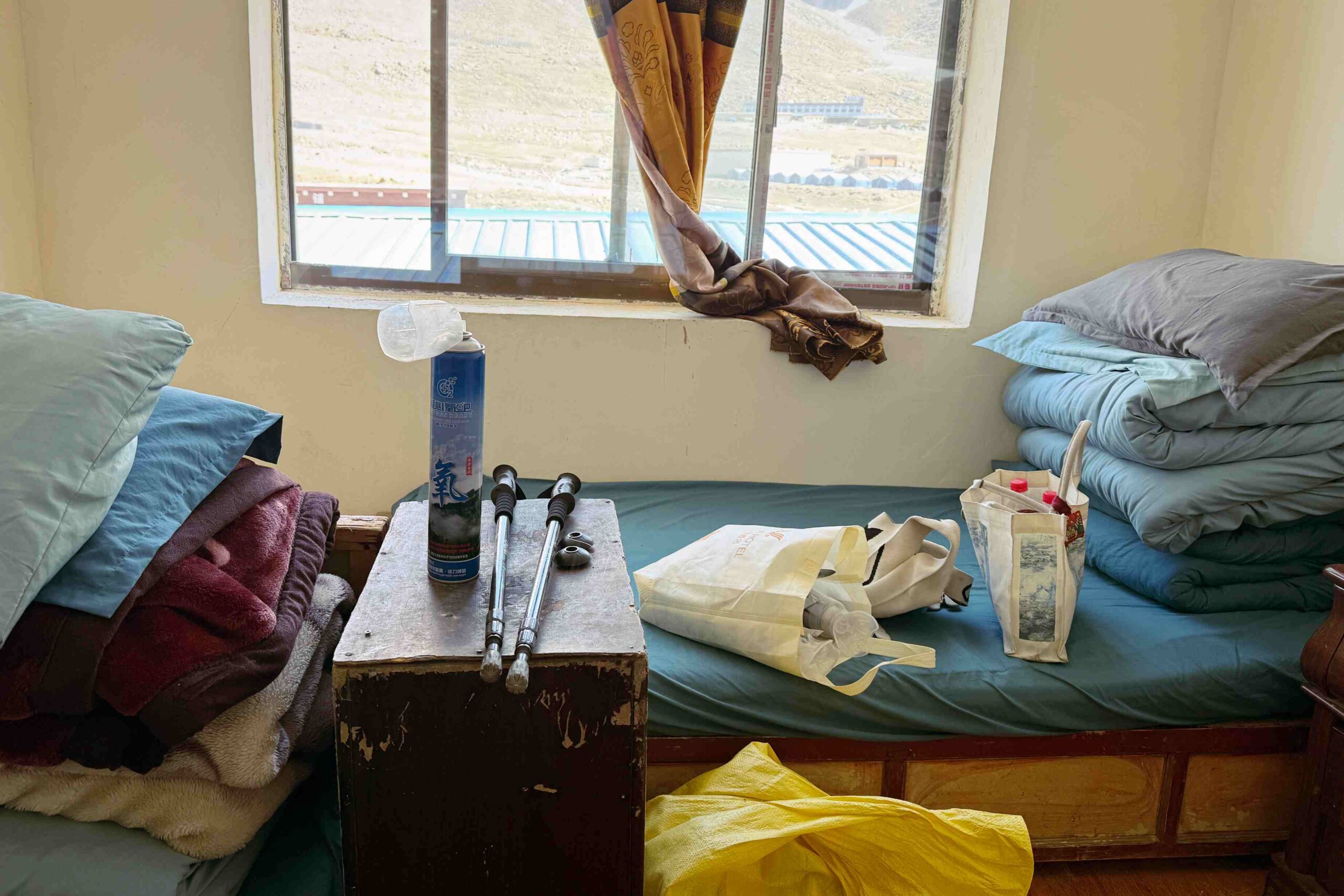
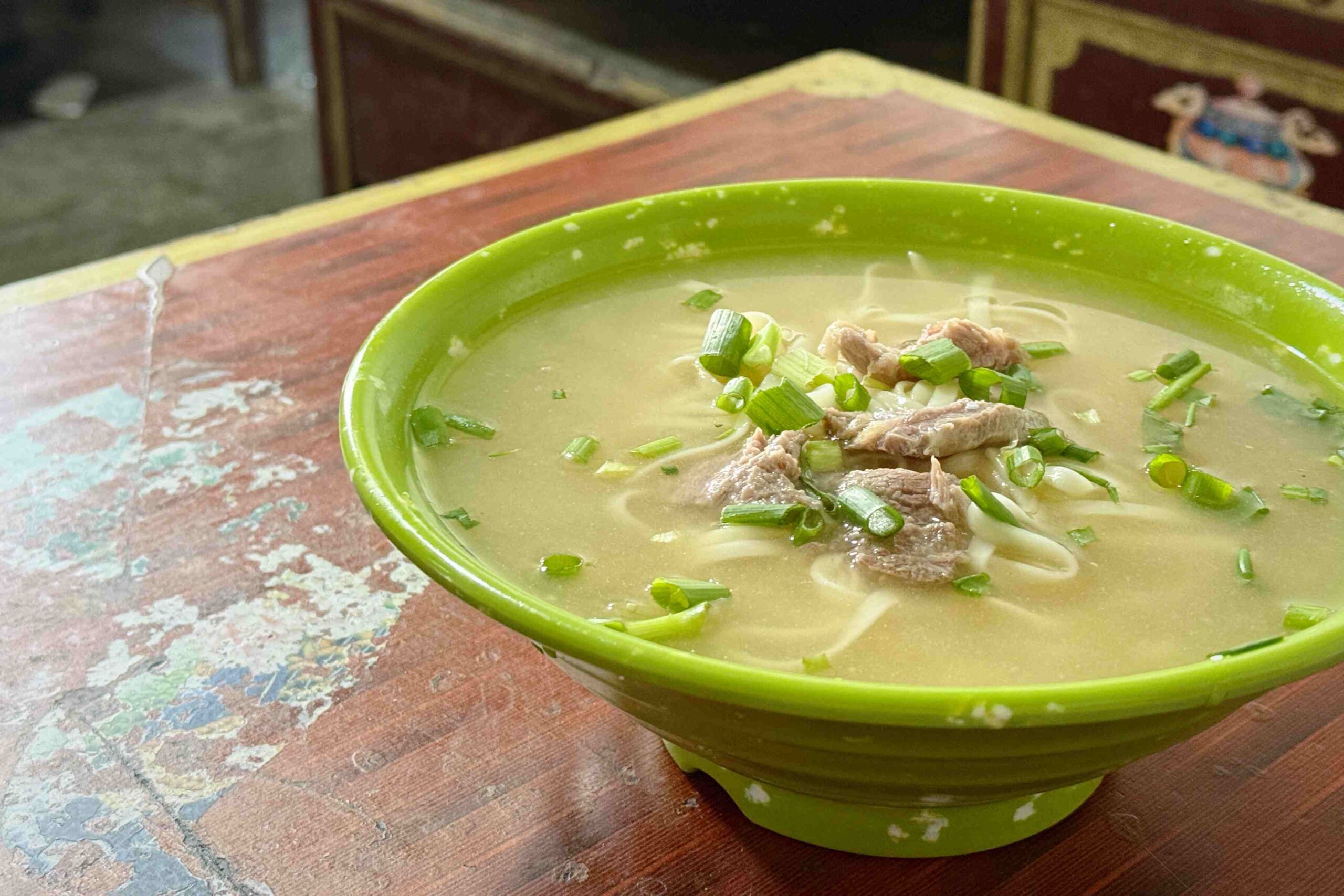
The accommodations at Dirapuk Monastery were extremely basic. The electric blanket was practically useless, and I ended up sleeping in my down jacket to stay warm. Thankfully, the beef noodle soup at the nearby teahouse was surprisingly good, and its rich, steaming broth helped take the edge off the bitter mountain cold.
Day 2|The Greatest Challenge
Dirapuk Monastery (5,210 m) → Dolma La Pass (5,630 m) → Zutulpuk Monastery (4,810 m)
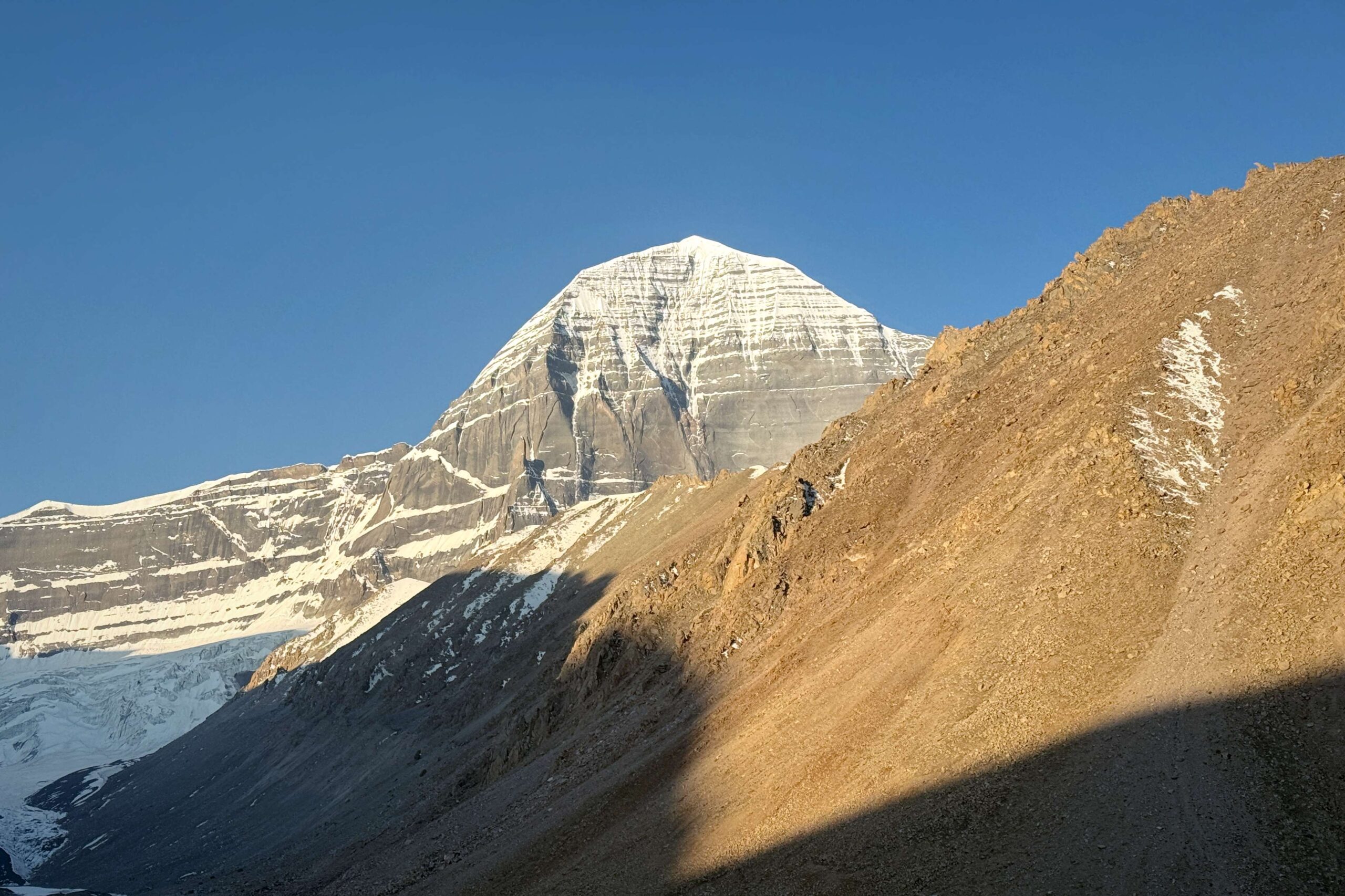
The second day of the kora is by far the most demanding, both physically and mentally. Starting from Dirapuk Monastery at an elevation of 5,210 meters, we would climb to the highest point of the entire pilgrimage—the 5,630-meter Dolma La Pass—before descending to Zutulpuk Monastery at 4,810 meters. Knowing this would be the toughest day of the journey, none of us took it lightly. We set out in complete darkness shortly after 5:00 a.m., with our headlamps serving as the most essential piece of equipment. By the time we reached the sky burial platform's supply station, the first rays of sunlight were illuminating the snow-covered peaks—a breathtaking Golden Sunrise on the Sacred Mountain.
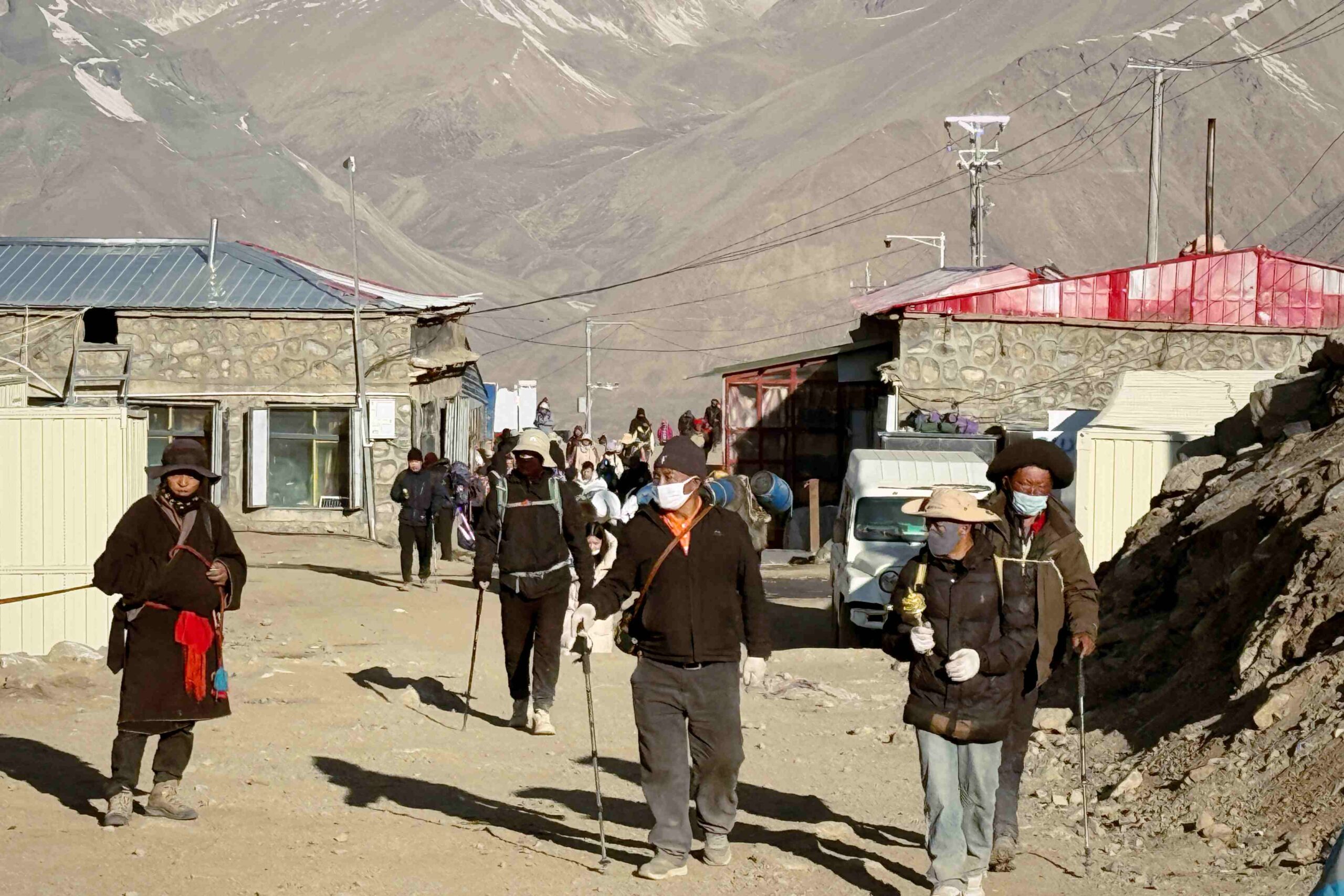
I continued climbing toward the day's first major challenge: crossing Dolma La Pass. To be honest, because I'm much less comfortable descending than climbing, crossing the pass itself turned out to be easier than I had expected. Whenever the altitude became overwhelming, I simply slowed my pace, took a few deep breaths with supplemental oxygen, and kept moving forward.
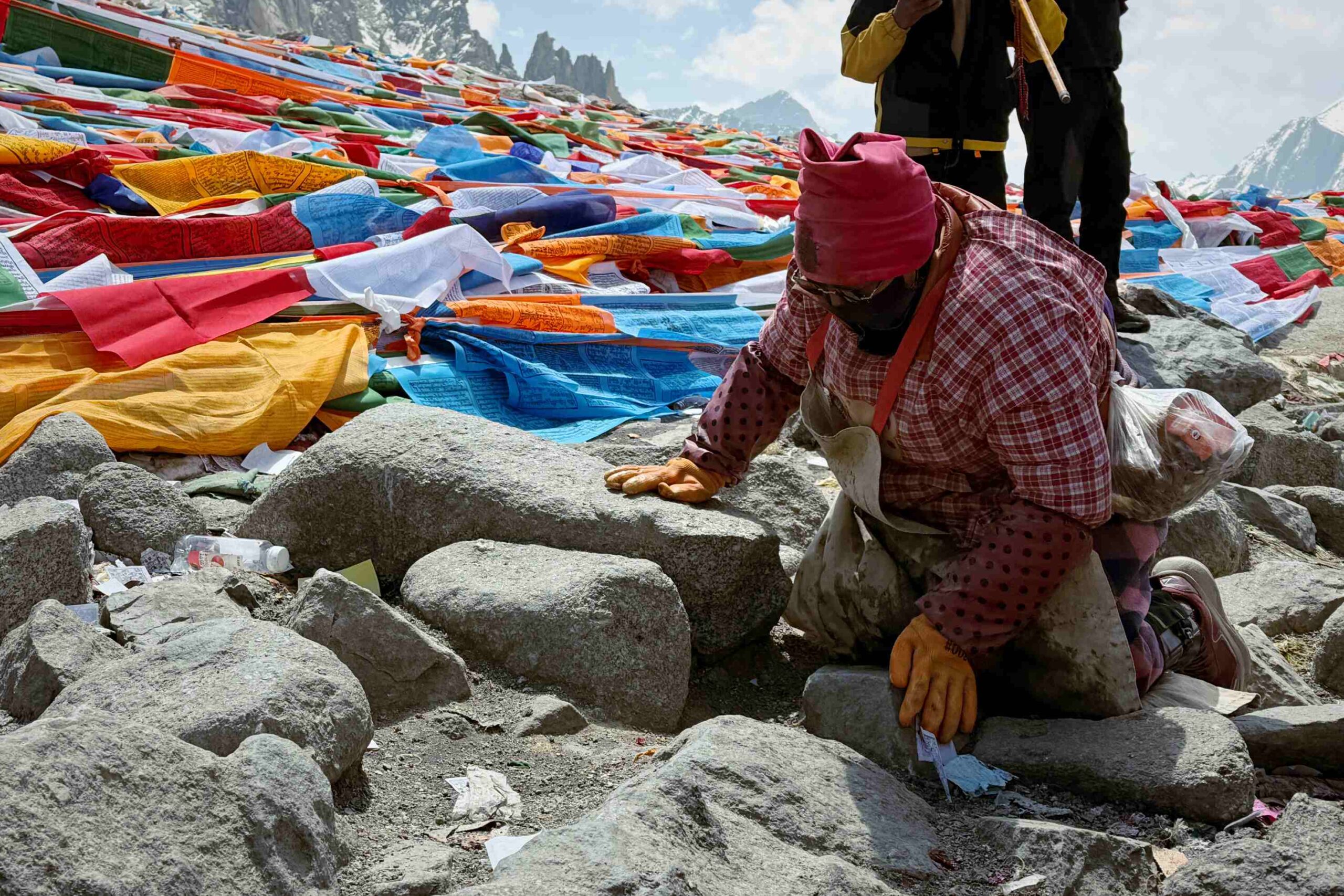
The first place where nearly every pilgrim stops is the Stone of Liberation. Many people place photographs of deceased family members, friends, or beloved pets on the rocks, symbolizing the act of leaving behind greed, anger, ignorance, and the burdens of this life instead of carrying them into the next. Seeing the stones completely covered with memorial photographs, I chose not to stay long. I didn't feel comfortable taking pictures, so I simply pressed my palms together in silent respect before continuing.
A little farther on lies Dolma La Pass itself. The mountain pass is draped with countless colorful prayer flags, where Tibetan pilgrims stop to pray, while others scatter lungta (wind horse prayer papers) into the mountain winds as offerings and blessings.
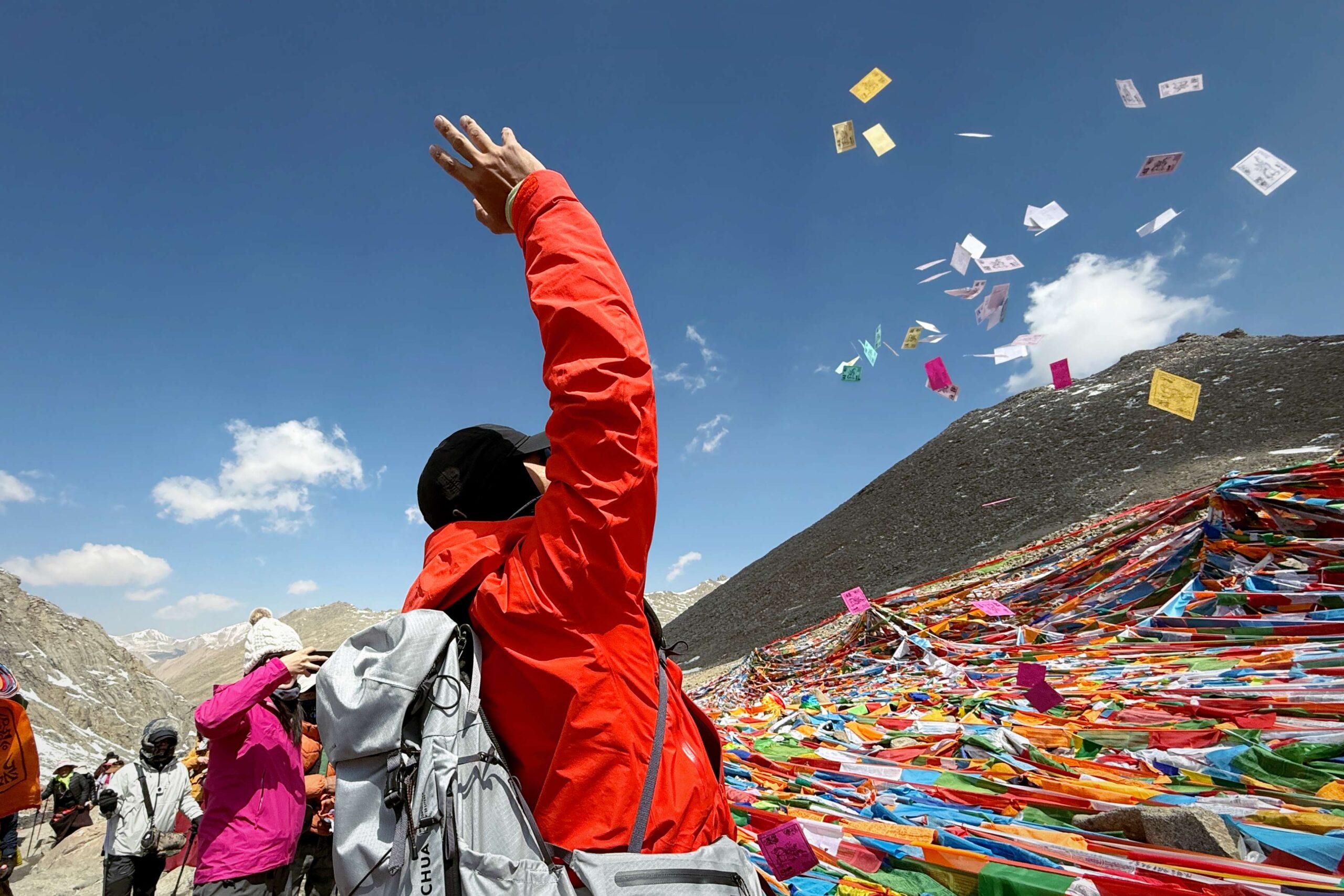
But once you cross the pass, the real challenge begins. Feeling anxious about the steep descent ahead, I cautiously made my way downhill—where I unexpectedly met a nice guy.
Before the pilgrimage, our guide had shown us a price list. You could hire a horse, a porter to carry your belongings, or even someone to support you while walking. Since it was the Year of the Horse—the busiest pilgrimage season—the prices had increased dramatically. As I awkwardly shuffled downhill like an elderly grandmother, a Tibetan man quietly reached out his hand and began helping me descend. Oddly enough, my first thought wasn't gratitude. It was: "How much is this going to cost me later—300 yuan or 500?" After we finished the first steep section, I immediately took out my wallet and asked how much I owed him. His Chinese wasn't very fluent. He simply smiled, shook his head, and said, "No money." That only made me more nervous. I worried he might ask for a huge amount afterward, so I insisted that I could continue on my own. But he refused to leave. He stayed beside me, supporting me all the way down the mountain. When we finally reached the flatter trail, he simply waved goodbye, turned around, and briskly walked away. I never even learned his name. I never properly thanked him. To this day, I still regret that.
Many Tibetans offer kindness expecting absolutely nothing in return.
When I finally reached Shiva Tsal, I knew the remaining trail would mostly be a gentle descent, and I couldn't have been happier. Little did I know, my hardest moments were still ahead. For the final six kilometers, an icy headwind blasted directly into my face without stopping. I shivered uncontrollably and could barely keep moving. I leaned heavily on both trekking poles, taking only a few steps before stopping again to gasp for air. At that point, I was convinced I had been struck by the dreaded combination of severe altitude sickness and the flu.
I couldn't stop panting. My entire body felt freezing cold. I had a pounding headache, dizziness, and eventually vomited by the side of the trail. Fortunately, the two men at the back of our group caught up with me and helped me continue forward. Another teammate had already reached our accommodation, but after hearing about my condition, he turned around and carried extra clothes and medicine back to meet me. In that moment, all I felt was overwhelming gratitude. After spending the night wrapped in an electric blanket that was finally warm enough to do its job, I woke up the next morning to find every single symptom had disappeared. It truly felt as though I had been given a second life.
Day 3|A Gentle Descent Back to Darchen
Zutulpuk Monastery (4,810 m) → Valley Trail → Darchen (4,675 m)
By the morning of the third day, I had recovered almost completely. As the sun rose and the temperature gradually warmed, each step felt lighter than the last. For the first time since beginning the pilgrimage, I finally had the energy to look around and search for the marmots and plateau pikas that live along the trail. By the way, the Ngari region could easily be called the kingdom of marmots. Throughout the journey, they would pop their little heads out of their burrows, curiously watching the endless stream of pilgrims pass by.
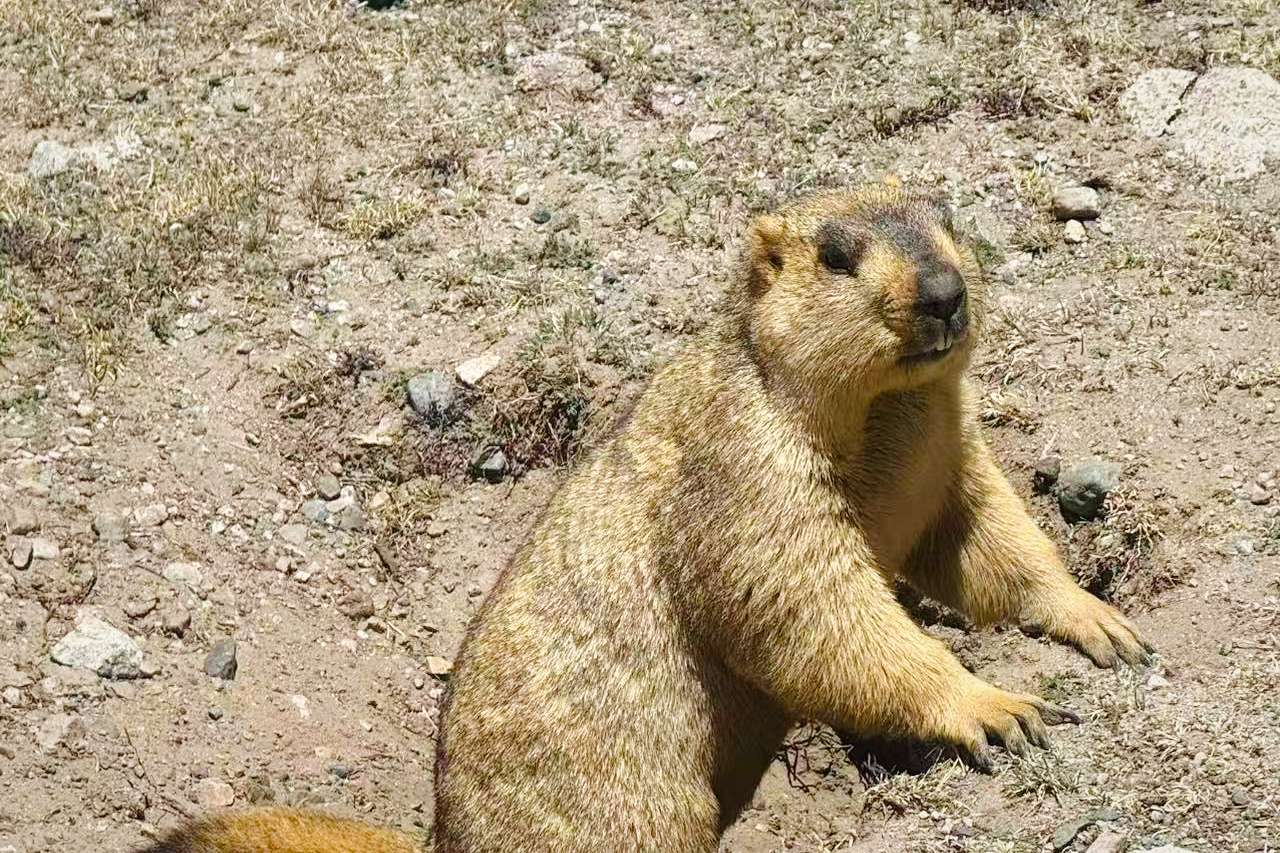
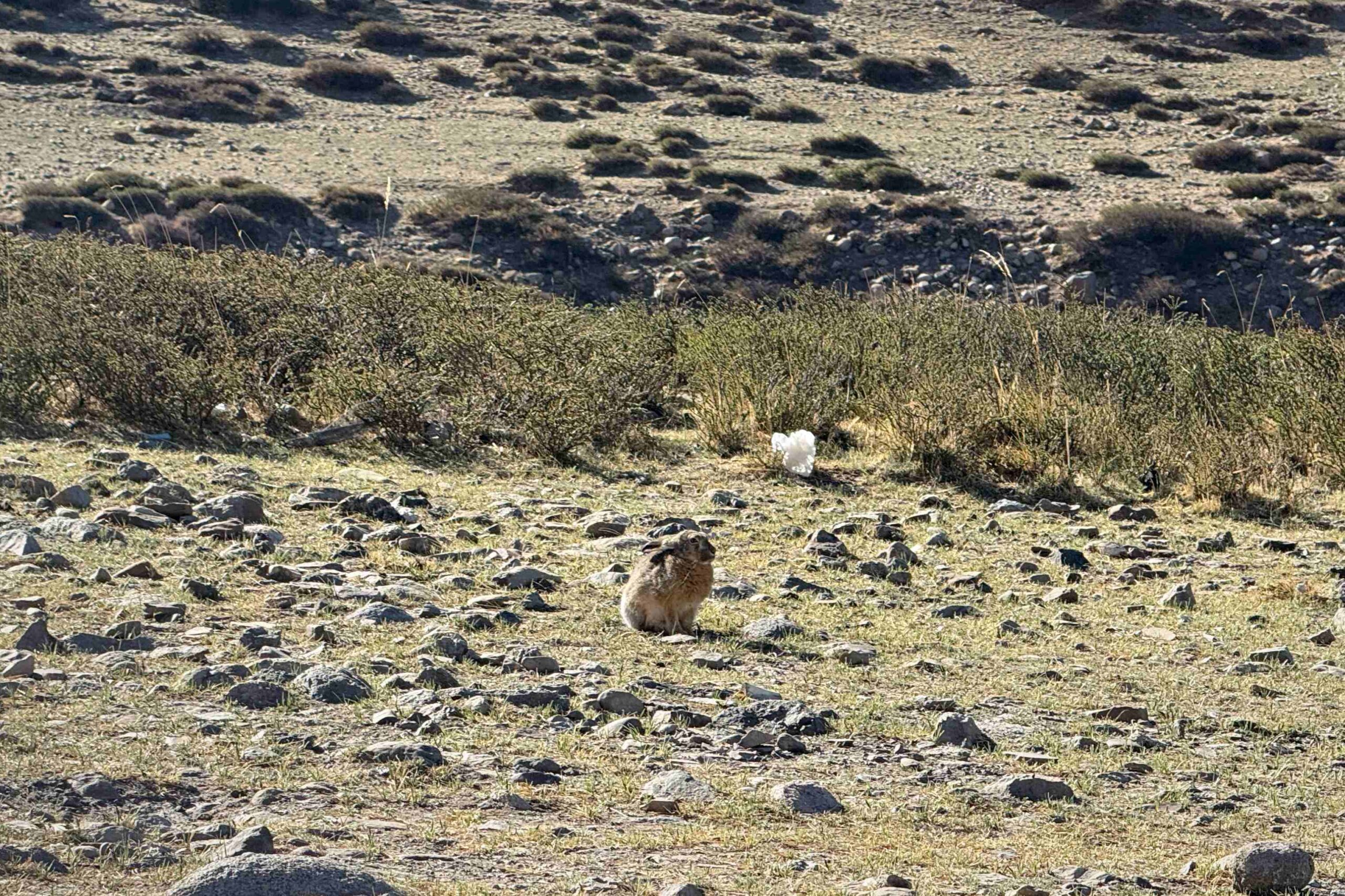
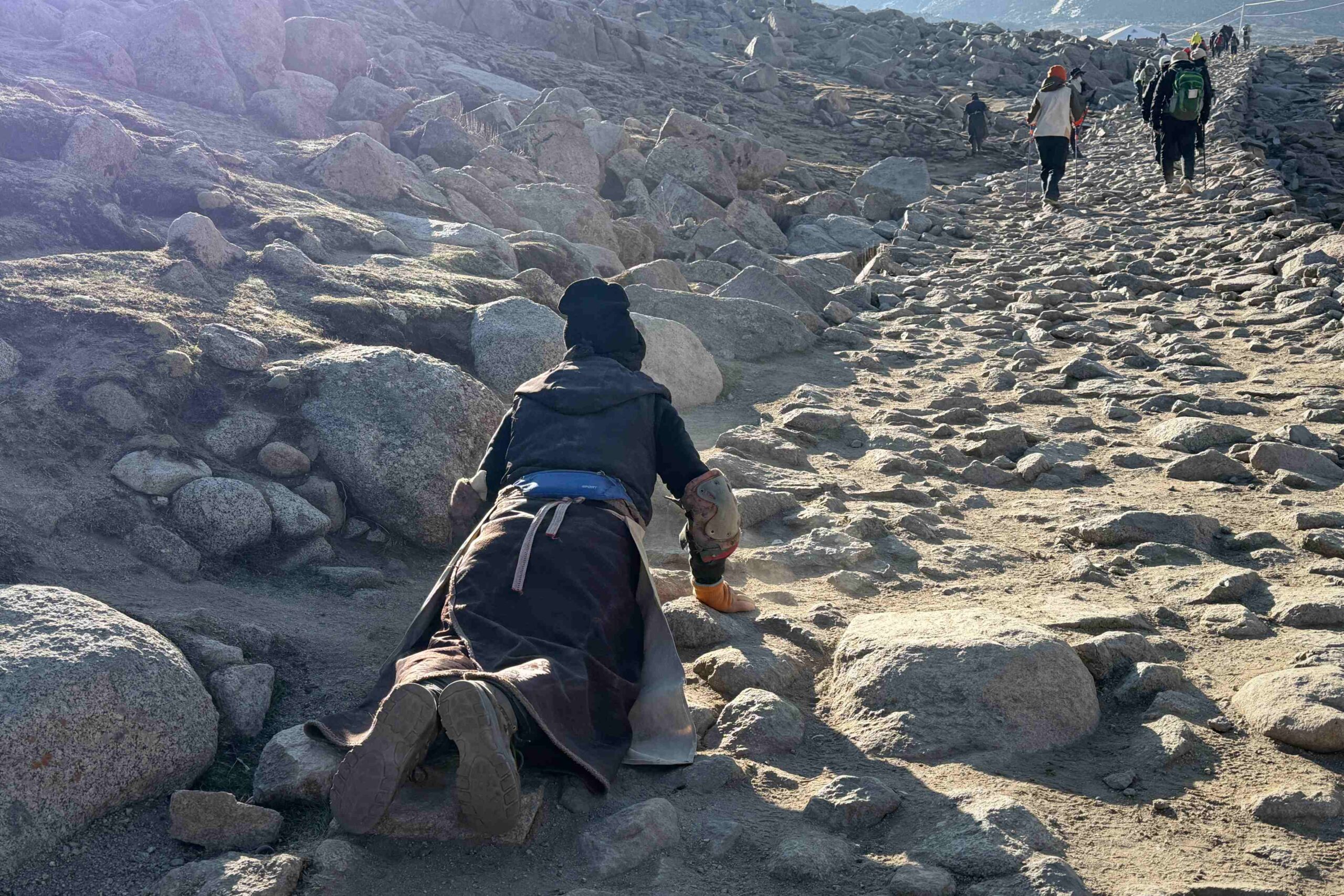
The walk from Zutulpuk Monastery to Zhongdui is about six kilometers. As we approached the exit, we came upon a group of Tibetan pilgrims celebrating with khatas—traditional ceremonial scarves offered as blessings and prayers. They had just completed the kora entirely by performing full-body prostrations. Full-body prostration is regarded as one of the most profound expressions of devotion in Tibetan Buddhism. Many Tibetans begin their pilgrimage hundreds of kilometers from home, wearing protective gloves and knee pads as they make their way to sacred destinations such as Jokhang Temple and Potala Palace in Lhasa, or to Mount Kailash. They advance only three steps before stretching their entire bodies flat upon the ground in prayer, repeating the cycle over and over again for months—or even years. Whether the path is covered with jagged rocks or frozen snow, they continue without hesitation. Watching them, I felt nothing but the deepest respect.
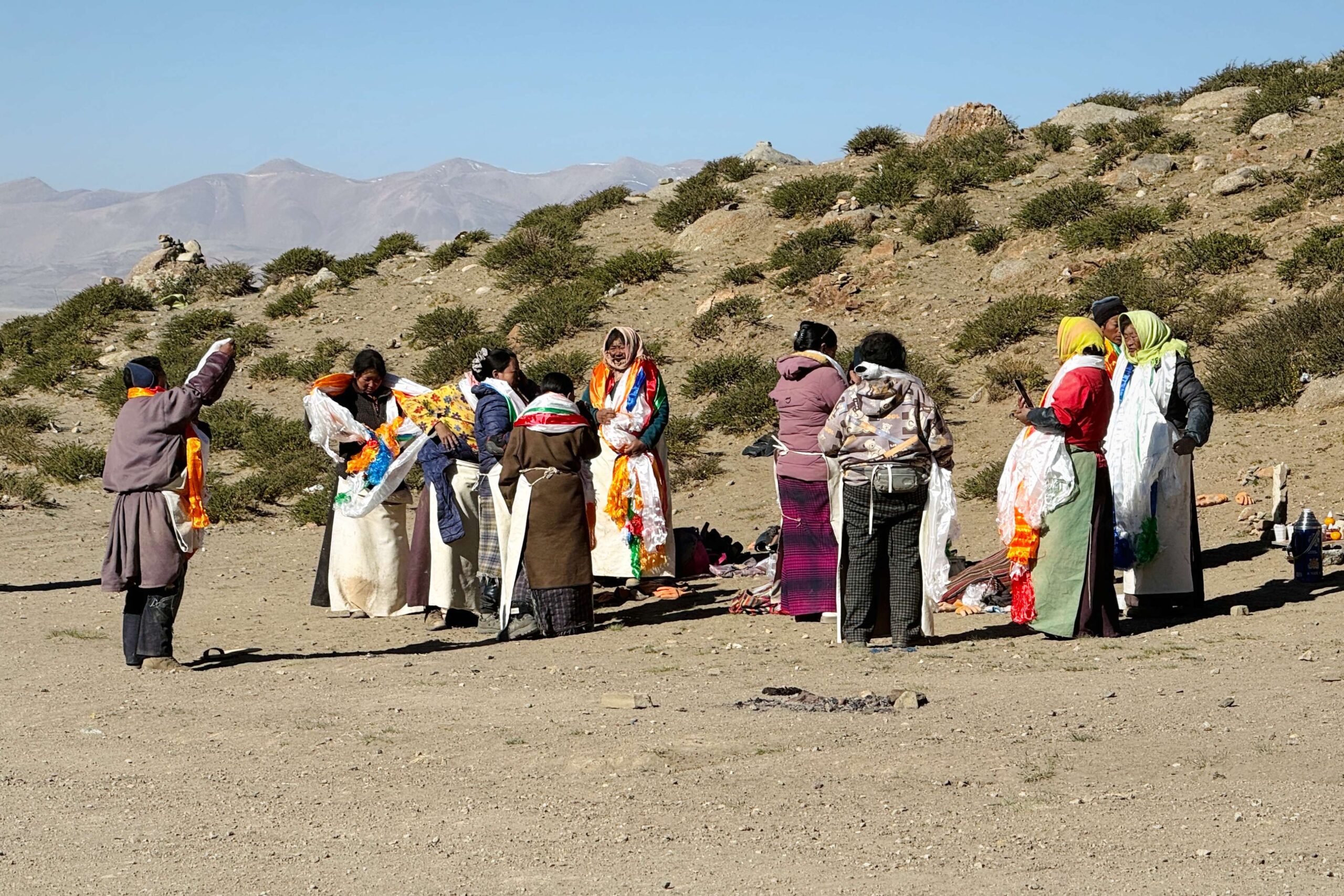
After reaching Zhongdui, there were only another four kilometers back to Darchen, although pilgrims who wished could also take a shuttle from there. And just like that, my two-and-a-half-day pilgrimage around Mount Kailash came to an end. By then, I had gone four full days without taking a shower. That evening, back at the hotel, I finally enjoyed a long, hot shower. As I dried my hair and looked at my reflection in the mirror, I saw someone who had endured extreme altitude, relentless climbs and descents, fierce mountain winds, and countless moments of physical discomfort—yet had never given up. In that moment, my heart was filled with nothing but gratitude, relief, and quiet pride.
◦ Tibet Series
➤ Practical Guide to Tibet | A Complete Overview of the 10 Essentials
➤ Tibet | 7 Essential Things to Know Before Taking the Qinghai–Tibet Railway
2 留言
[…] ➤ 岡仁波齊|馬年轉山朝聖,走向藏傳佛教的世界中心|轉山是什麼? ➤ 青藏列車 | 搭火車上西藏能提前適應高山症嗎:7 個實用重點整理 […]
[…] ➤ 岡仁波齊|馬年轉山朝聖,走向藏傳佛教的世界中心。 […]