My impression of Hsinchu’s East District used to be largely defined by academia and technology. It is home to National Tsing Hua University and National Yang Ming Chiao Tung University, two universities that have nurtured generations of talent in science and technology. It is also where you’ll find the Science Park Exploration Center, converted from a standard factory building in Hsinchu Science Park, and TASA, the Taiwan Space Agency. Without a doubt, this is a city deeply rooted in science and technology.
This time, however, I began my journey at Hsinchu Park, which has a history of more than a century, and gradually made my way through Qing-dynasty architecture and the historic remnants of the Japanese colonial period. After completing the walk, I realized that beyond its reputation for technology and academia, there is another side of Hsinchu—an old Hsinchu that is well worth taking the time to discover.
Contents
◦ Hsinchu Travel Guide
01|Transportation in Hsinchu
🚄 Taiwan High Speed Rail
🚗 Cross-city Chartered One-day Tour from Taipei
🚍 Airport Bus Transfer | Taoyuan Airport (TPE)-Hsinchu Transfer Station
🛵 Hsinchu Scooter Rental|Hsinchu Railway Station Pickup
02|Popular Attractions in Hsinchu
🎫 Leofoo Village Theme Park Ticket
🎫 Little Ding Dong Science Theme Park Ticket
🎫 Little Ding-Dong Science Theme Park Ski Experience Ticket
🎫 Green World Ecological Farm Ticket in Hsinchu
🎫 Lavender Cottage Ticket in Hsinchu
🎫 Hsinchu City Zoo Ticket
03|Things To Do in Hsinchu
♨️ Taroko Square Formosa Stone Spa Ticket in Hsinchu
💆🏻♀️ Royal Thai Massage in Hsinchu
🏕️ Fall in Love with Xiong Glamping in Hsinchu
🌲 Hsinchu Simacus + Zhenxibao Shenm - 2D1N Hiking Tour
◦ The Past of Hsinchu’s East District
Today’s East District was once one of the key areas in Hsinchu’s early development. The area was originally home to the Taokas people’s Chuchien settlement. During the Qing dynasty, Han Chinese immigrants arrived and began cultivating the land, laying the foundation for the area’s agricultural development. As the administrative seat of Tamsui Subprefecture was established in Chuchien, the area continued to flourish. In 1827, the Chuchien City walls were built. The city’s eastern gate, Yingxi Gate—one of the best-preserved historic sites from that period—still stands today as a witness to this chapter of Hsinchu’s history.
After World War II, the East District gradually shifted its focus toward technology and academia.The establishment of Hsinchu Science Park in 1980, together with the development of research institutions such as National Tsing Hua University and National Chiao Tung University, created a thriving hub for scientific research and innovation. This fueled rapid growth in both industry and talent, transforming the East District from a traditional historic city into one of Taiwan’s major high-tech centers.
◦ Attractions in Hsinchu’s East District
01|Hsinchu Zoo
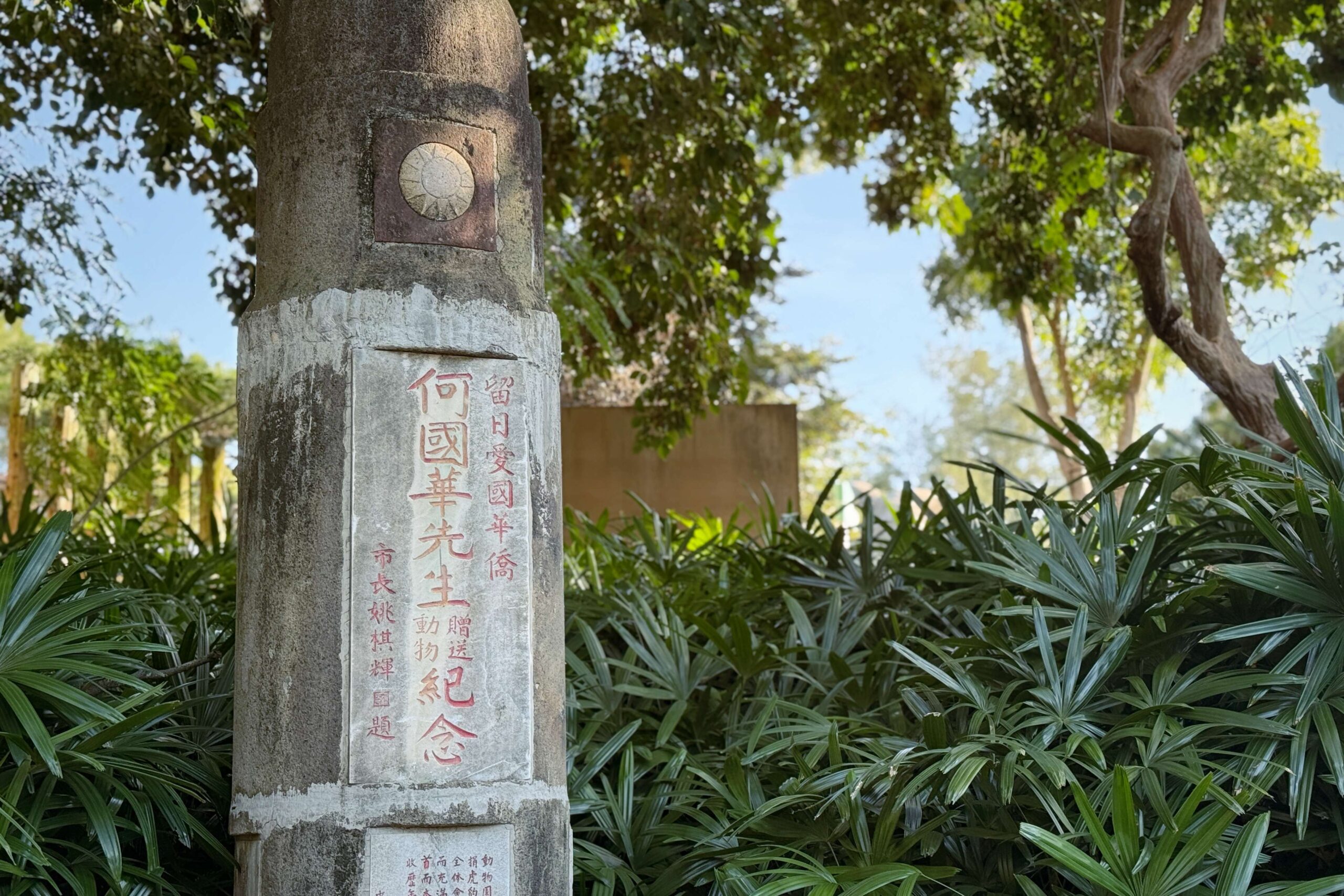
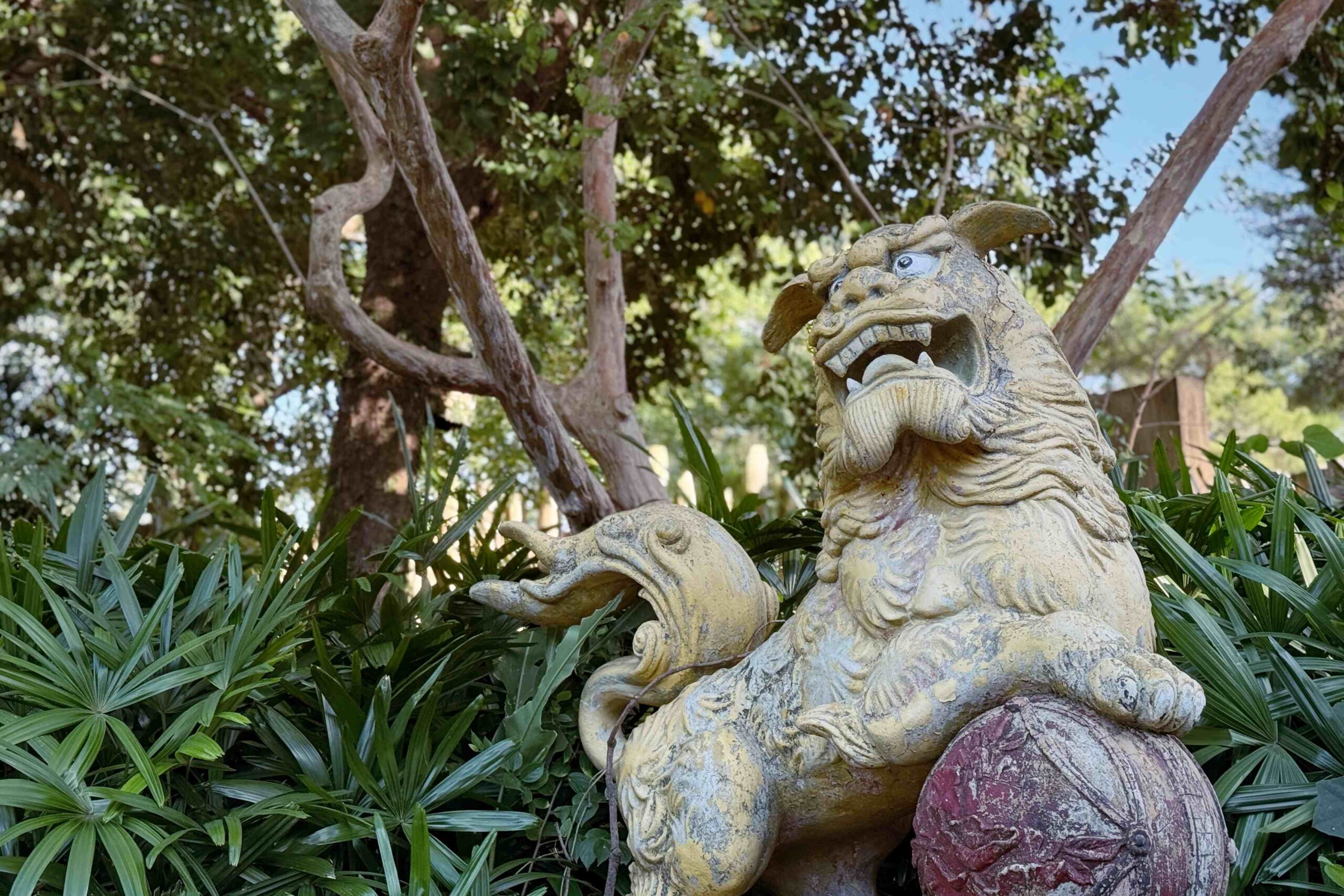
Hsinchu Zoo gave me the feeling that it was more than just a zoo. As I walked past the weathered monuments and stone lions, I found myself thinking of it as a historic urban landmark where nature, ecology, and history come together. Established in 1936 during the Japanese colonial period, Hsinchu Zoo is the oldest surviving zoo in Taiwan that remains on its original site. In 1957, Mr. Ho Kuo-hua, an overseas Chinese who had lived in Japan, donated a young male brown bear born in Hokkaido to the city of Hsinchu. The bear sparked a wave of public interest in donating animals to the zoo, and a monument bearing Mr. Ho’s name still stands on the grounds today.
Of course, what visitors look forward to most is meeting the zoo’s animal stars. Lele the hippopotamus, Bengal tigers, Formosan macaques, and groups of black-bellied sheep are all popular favorites. Watching them move freely in clean and safe surroundings, I could sense the care and expertise the zoo puts into animal welfare and environmental management.
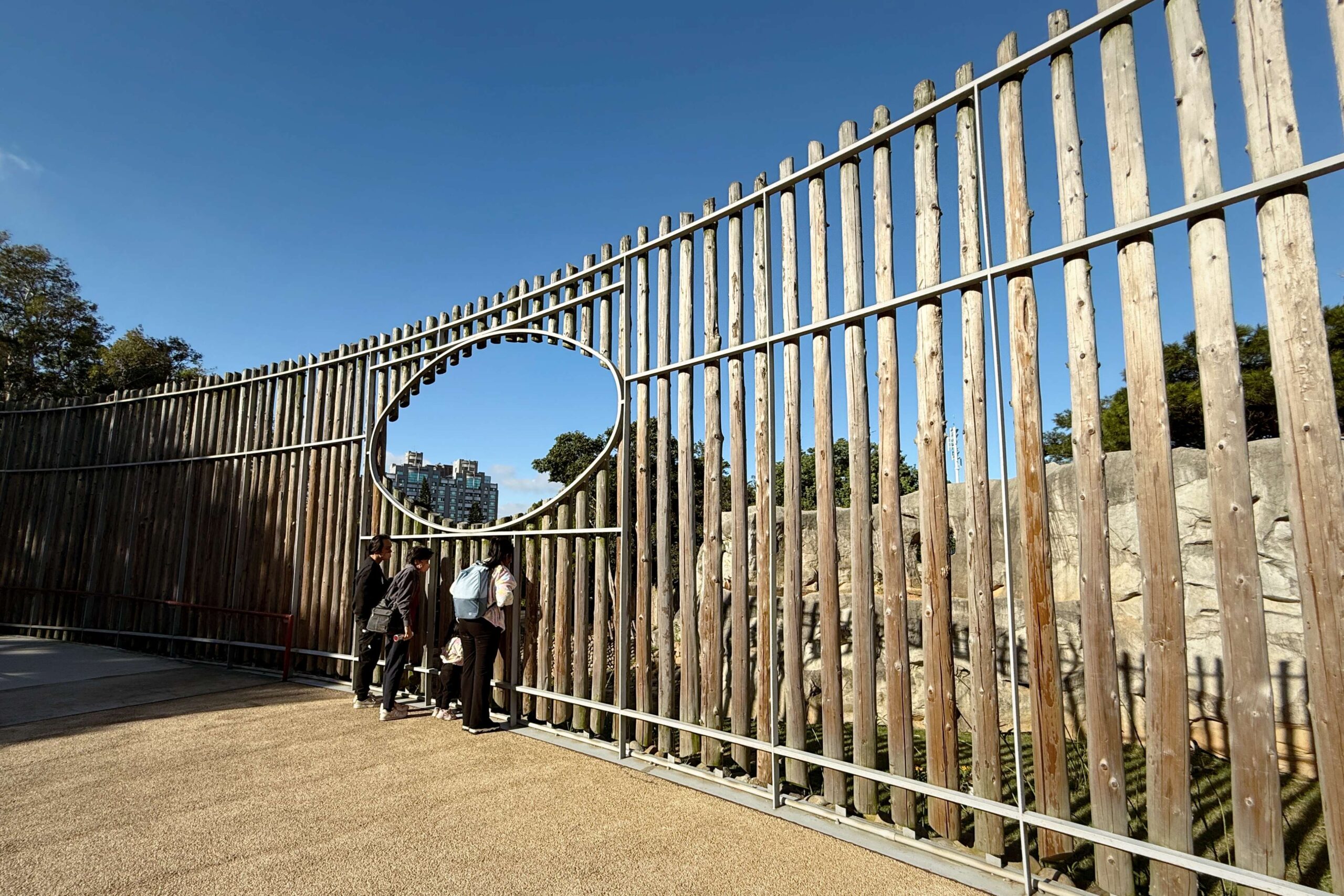
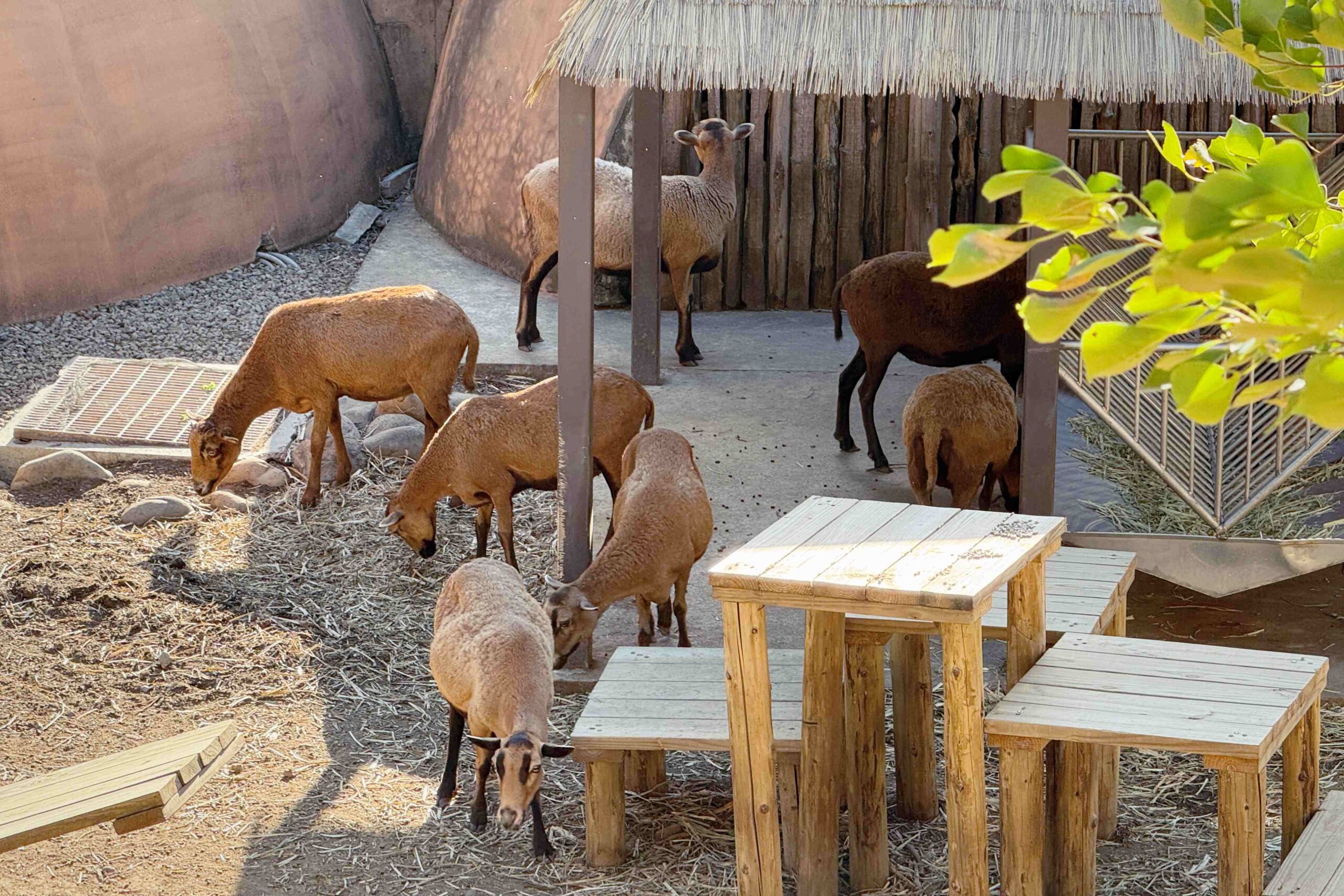
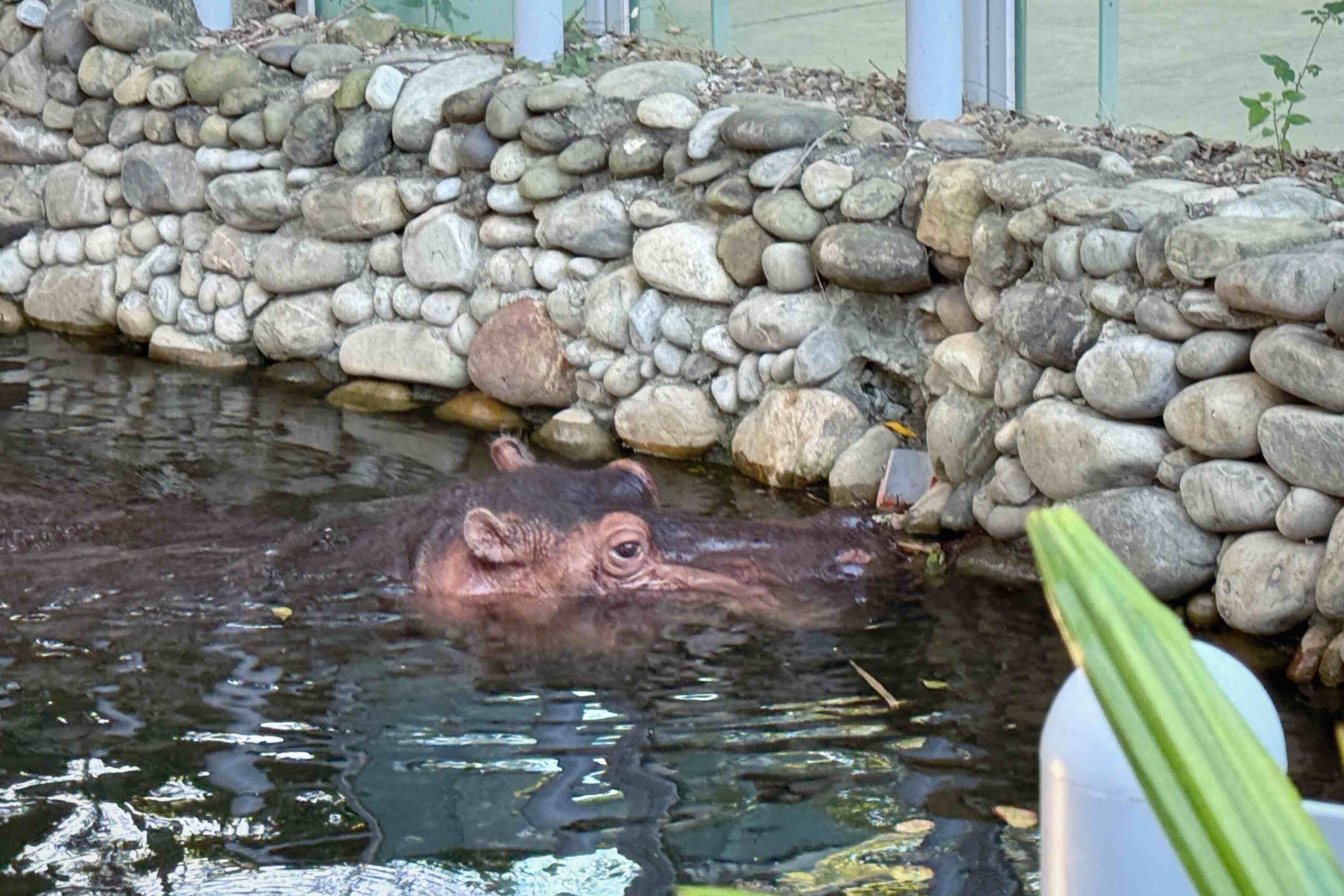
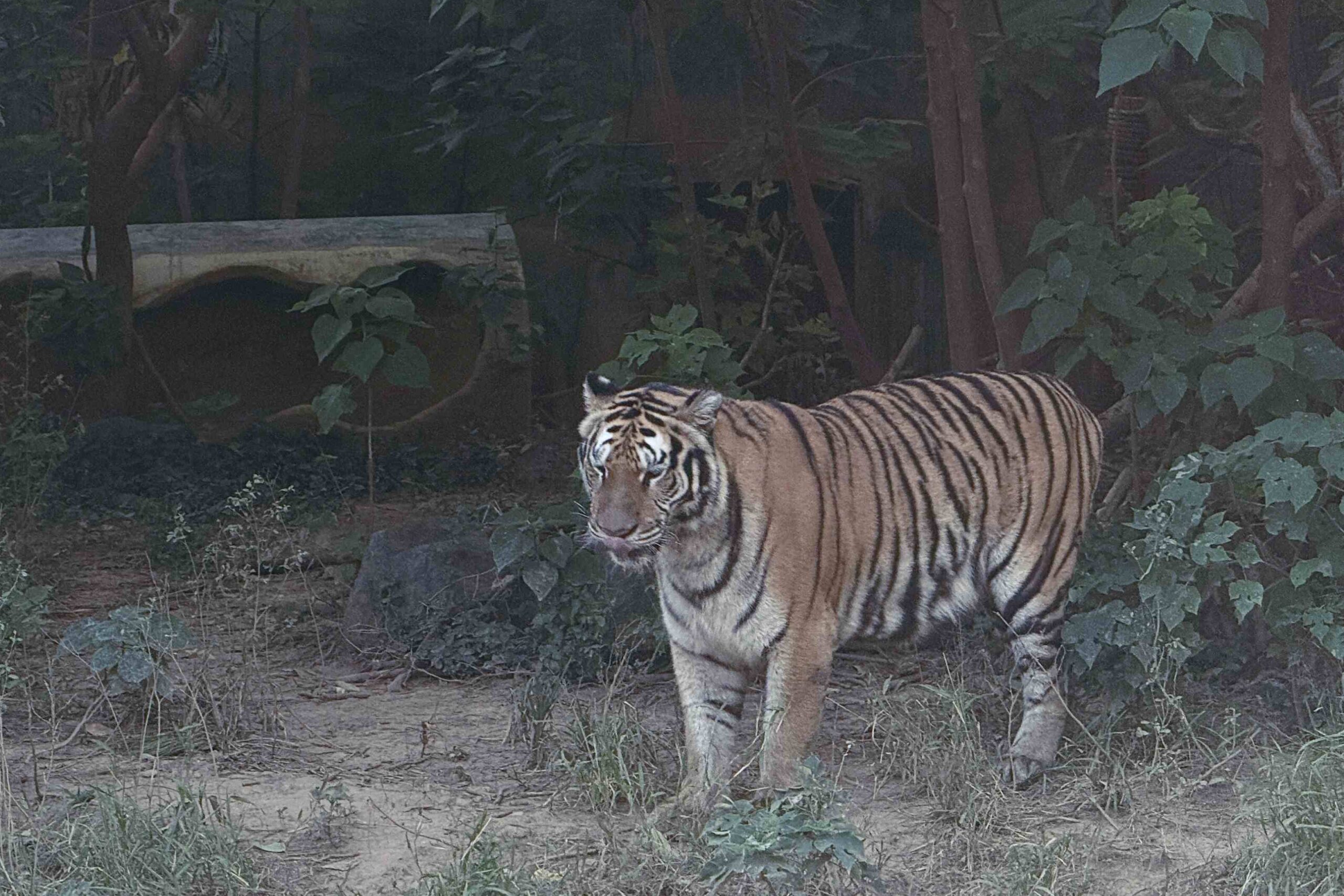
Hsinchu Zoo

Opening Hours: 0900-1700, closed on Mondays.
No. 66, Shipin Rd., East Dist., Hsinchu
02|Hsinchu Confucius Temple
Built in 1810 during the 15th year of the Jiaqing Emperor’s reign, Hsinchu Confucius Temple originally served as the official Confucian academy of Tamsui Subprefecture—a local government-run school responsible for both honoring Confucius and educating future scholars and officials. The temple originally stood in what is now Chenggong Village, roughly in the area between what was once Chung Hsing Department Store and the International Theater. During the Japanese colonial period, the temple was temporarily converted into barracks for the Japanese military’s Hsinchu garrison. As a result, ceremonies honoring Confucius were suspended. They were eventually resumed following protests from local residents. In 1958, the temple was relocated to its present site in Hsinchu Park. During the relocation, some of the stonework and wooden beams from the Jiaqing period were preserved, while the Dacheng Gate and Dacheng Hall were reconstructed to retain as much of their original appearance as possible.
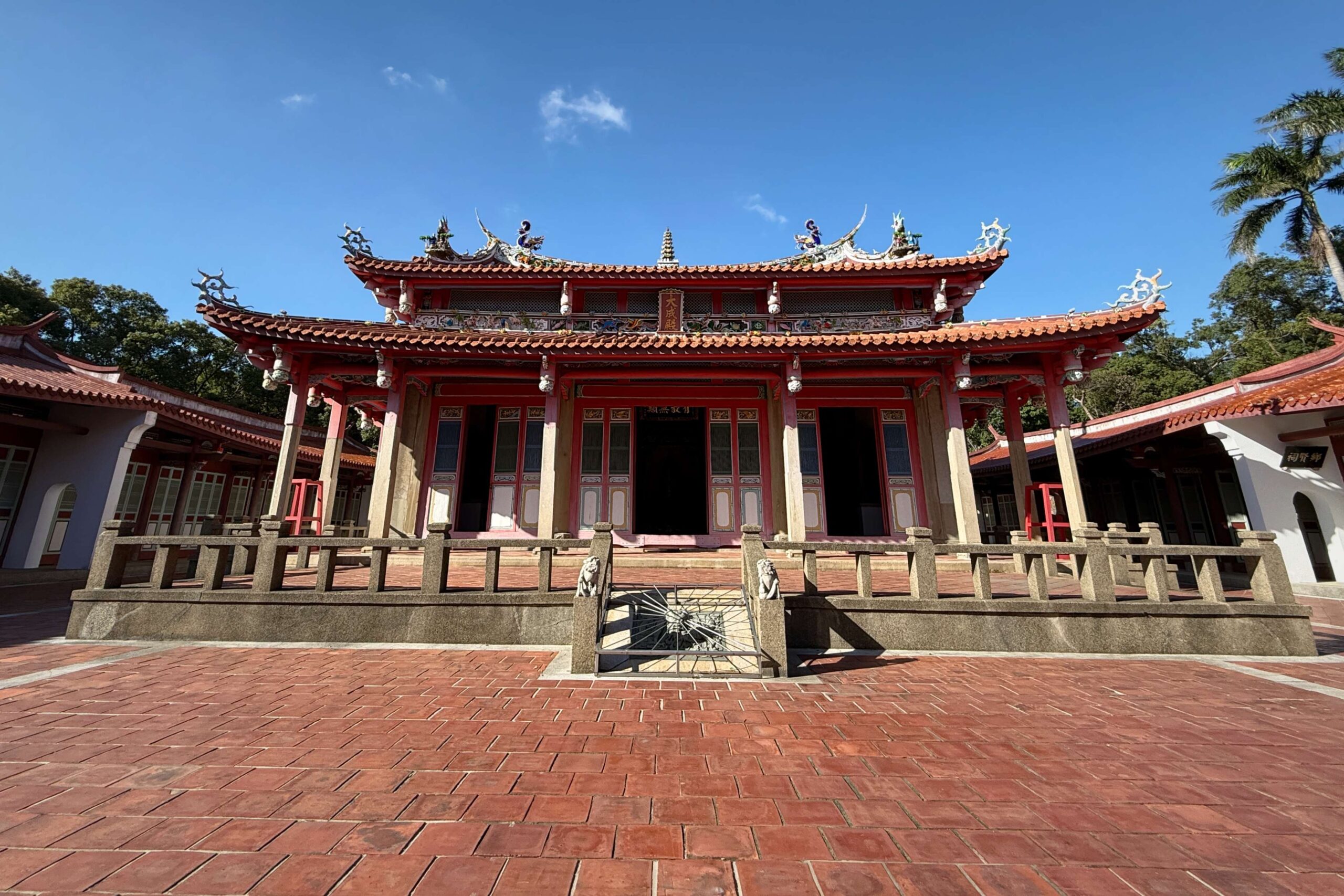
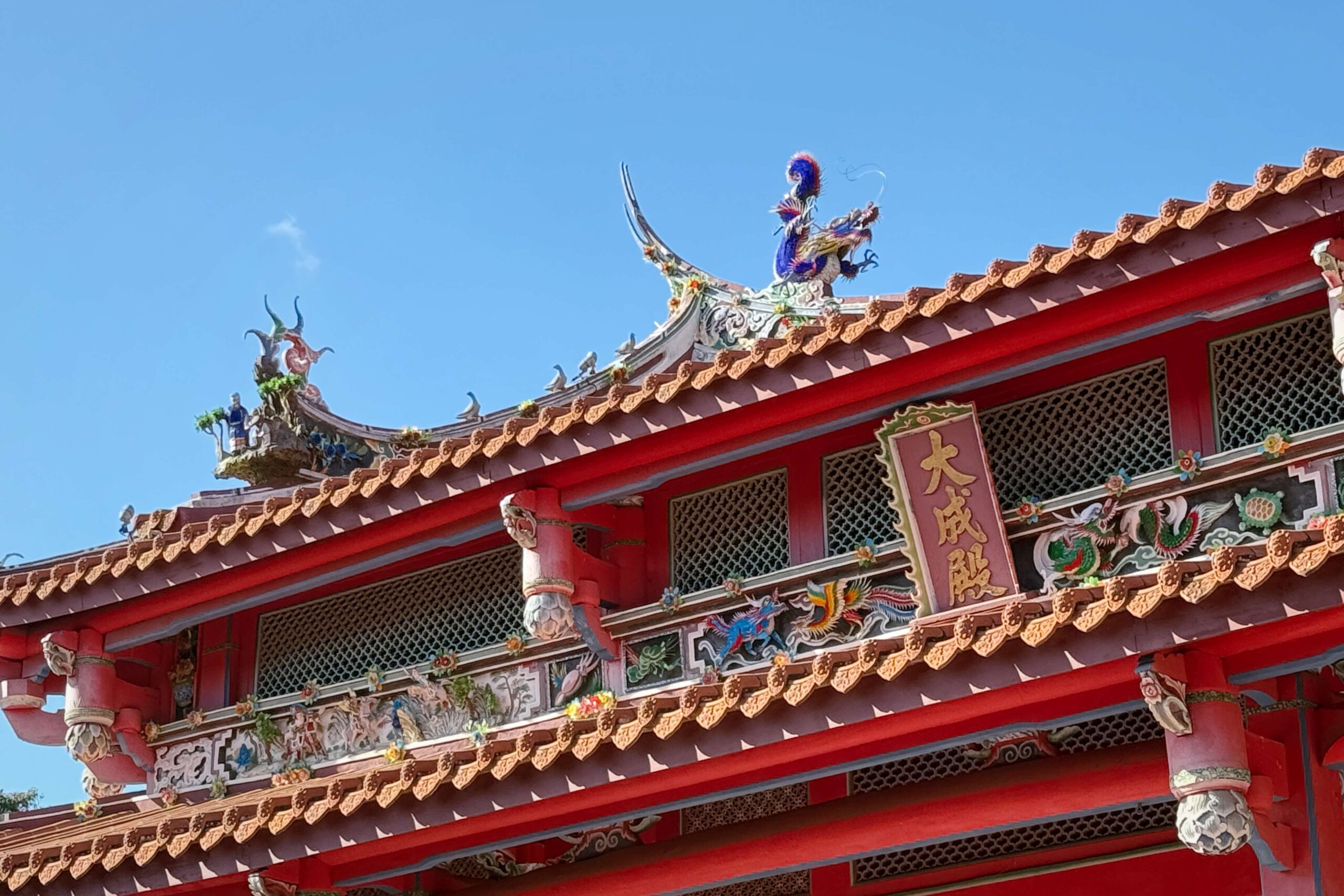
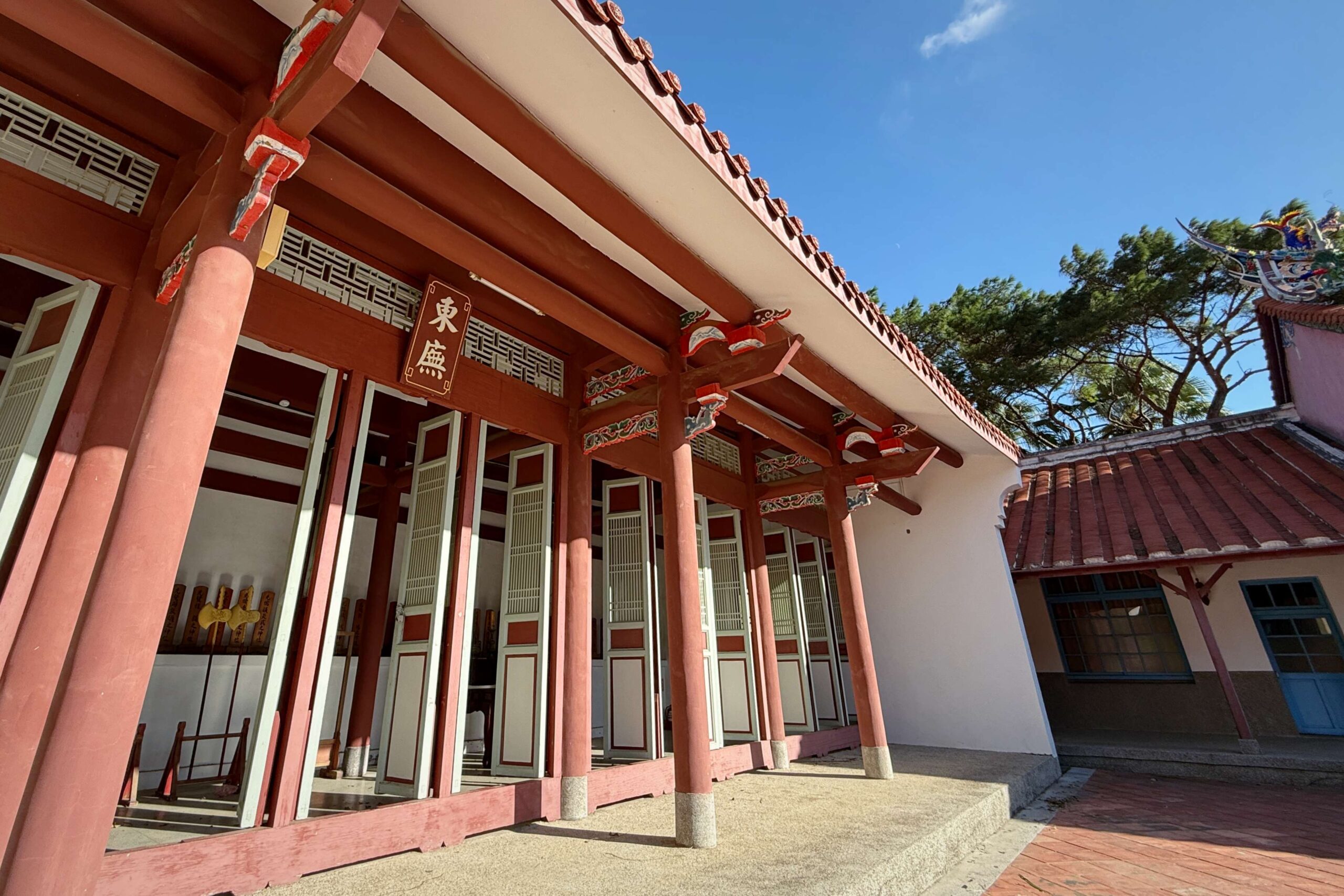
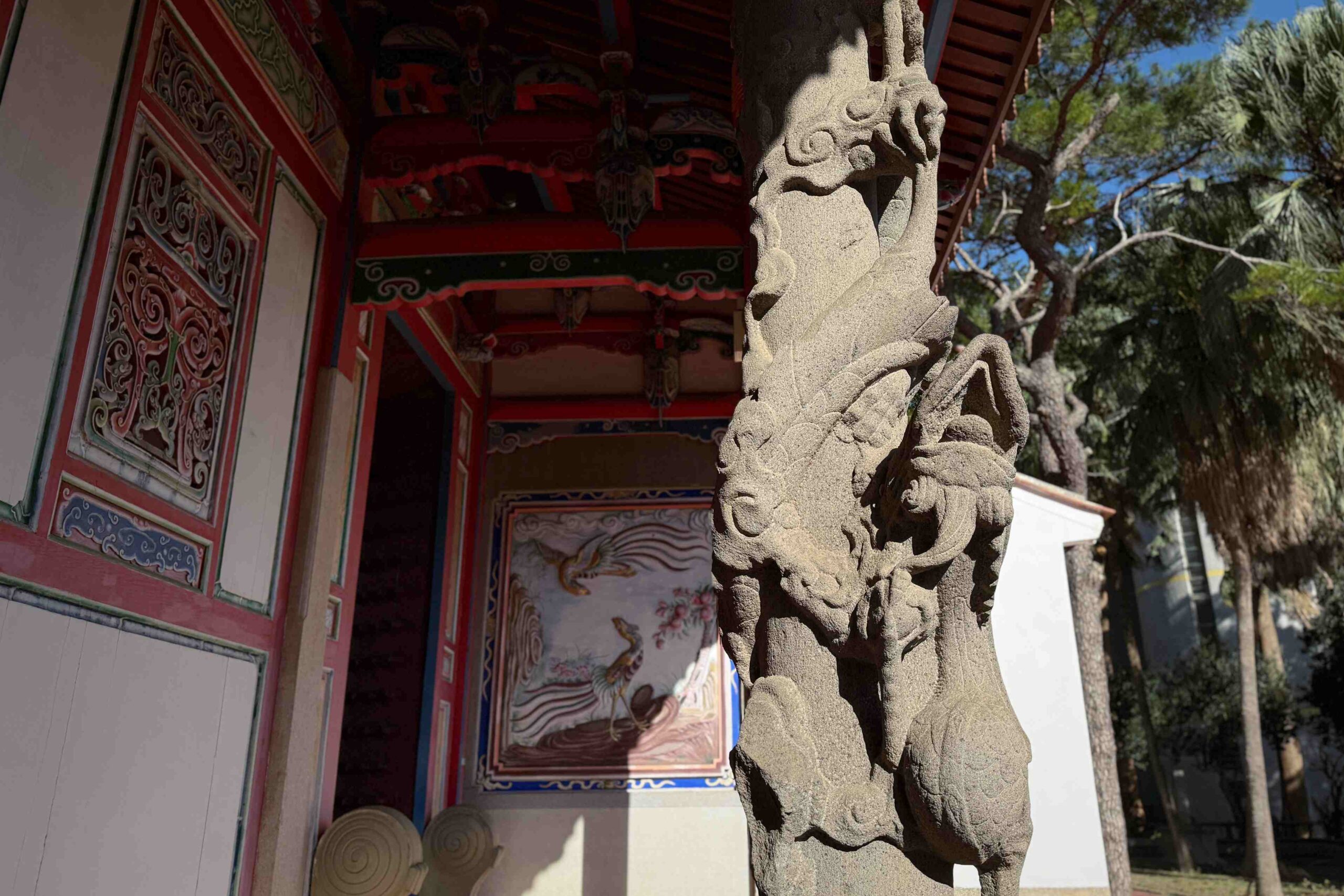
Have you ever noticed that although a Confucius Temple is called a “temple,” it looks quite different from a typical Taiwanese temple—even from the moment you approach the main gate? The doors of the Dacheng Gate are not decorated with the traditional door gods commonly seen at Taiwanese temples. Instead, they are adorned with 108 decorative studs, symbolizing the temple’s elevated status. In ancient China, nine was regarded as the highest of the yang numbers. After Confucius was posthumously honored with the title “Wenchuan King,” Confucius Temples were built according to architectural standards traditionally reserved for emperors. As 108 is a multiple of nine, the 108 door studs represent the highest level of ceremonial status in traditional architecture.
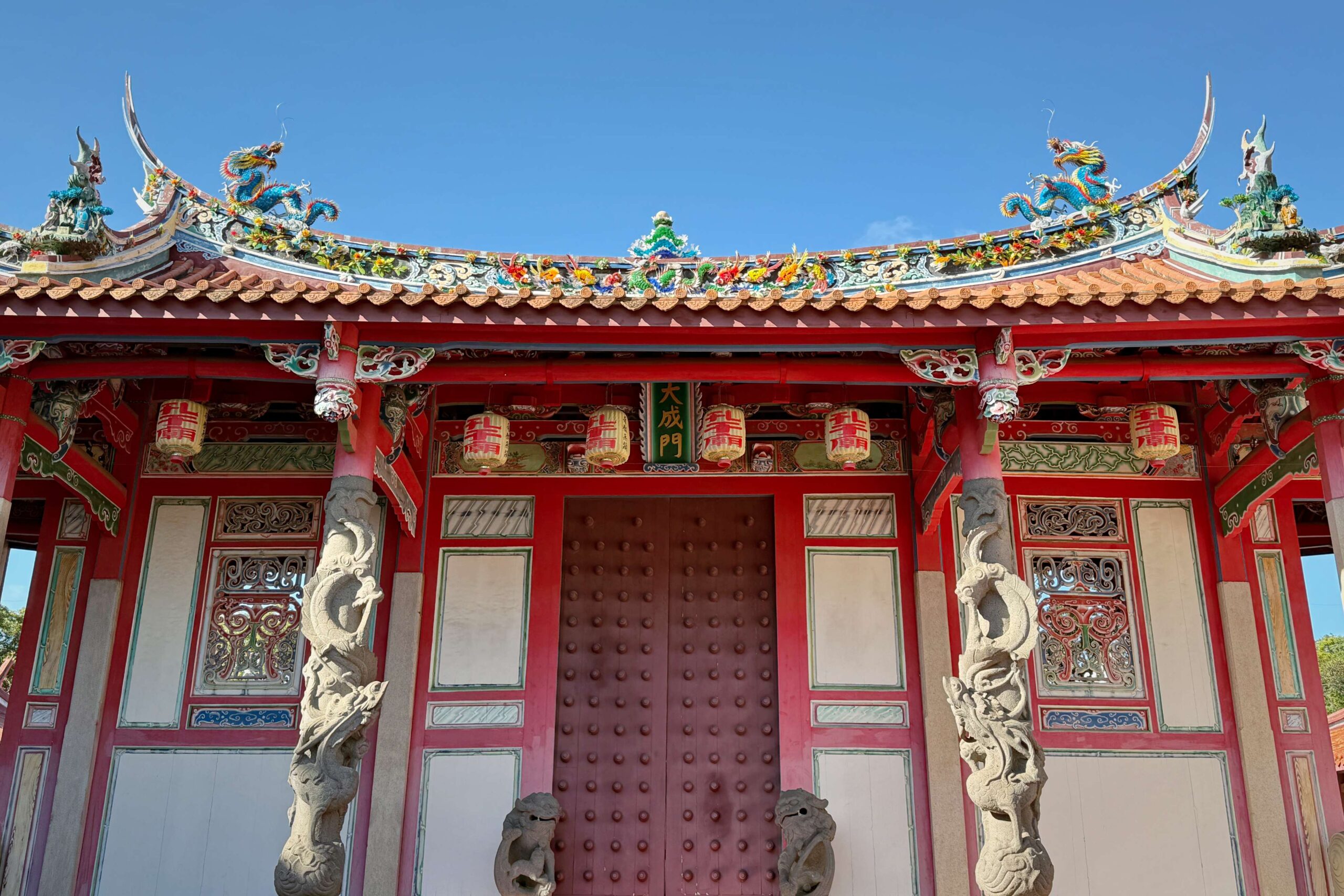
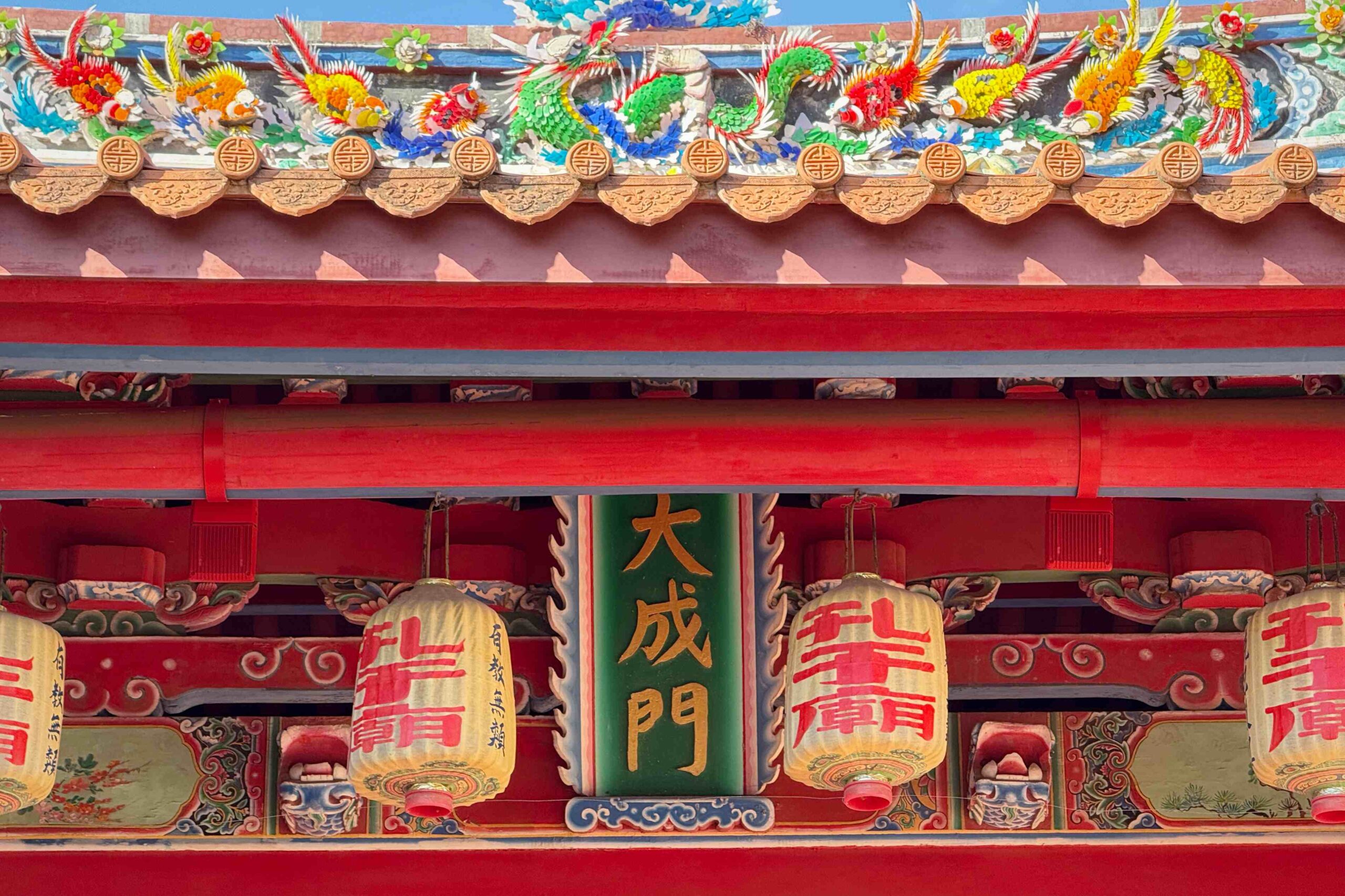
Hsinchu Confucius Temple

Opening Hours: 0800-1700, closed on Mondays.
No. 289, Gongyuan Rd., East Dist., Hsinchu
03|Yingxi Gate
Yingxi Gate, the eastern gate of Zhuqian City, stands at the center of the roundabout on Dongmen Street in Hsinchu. It is the only surviving city gate of the old walled city of Zhuqian. Hsinchu was historically known as “Zhuqian.” In 1733, Xu Zhi-min, the deputy magistrate of Tamsui Subprefecture, planted large numbers of thorny bamboo around the settlement as a defensive barrier against bandits. This marked the beginnings of what would eventually become Zhuqian City. In 1826, local gentry petitioned for the city to be rebuilt with stronger brick and stone walls. Four gates were constructed at the same time: Yingxi Gate to the east, Yishuang Gate to the west, Gexun Gate to the south, and Gongchen Gate to the north. During the Japanese colonial period, urban street improvements were introduced, and the old city walls and gates were increasingly seen as obstacles to the city’s development. The walls and three of the gates were eventually demolished in 1902, leaving only Yingxi Gate as a tangible reminder of the old city. Today, the area has come alive once again. The plaza in front of the gate, known as “Heart of Hsinchu,” has been integrated with a waterfront space along the former moat, creating a popular landmark where locals can relax and take part in cultural and artistic events.
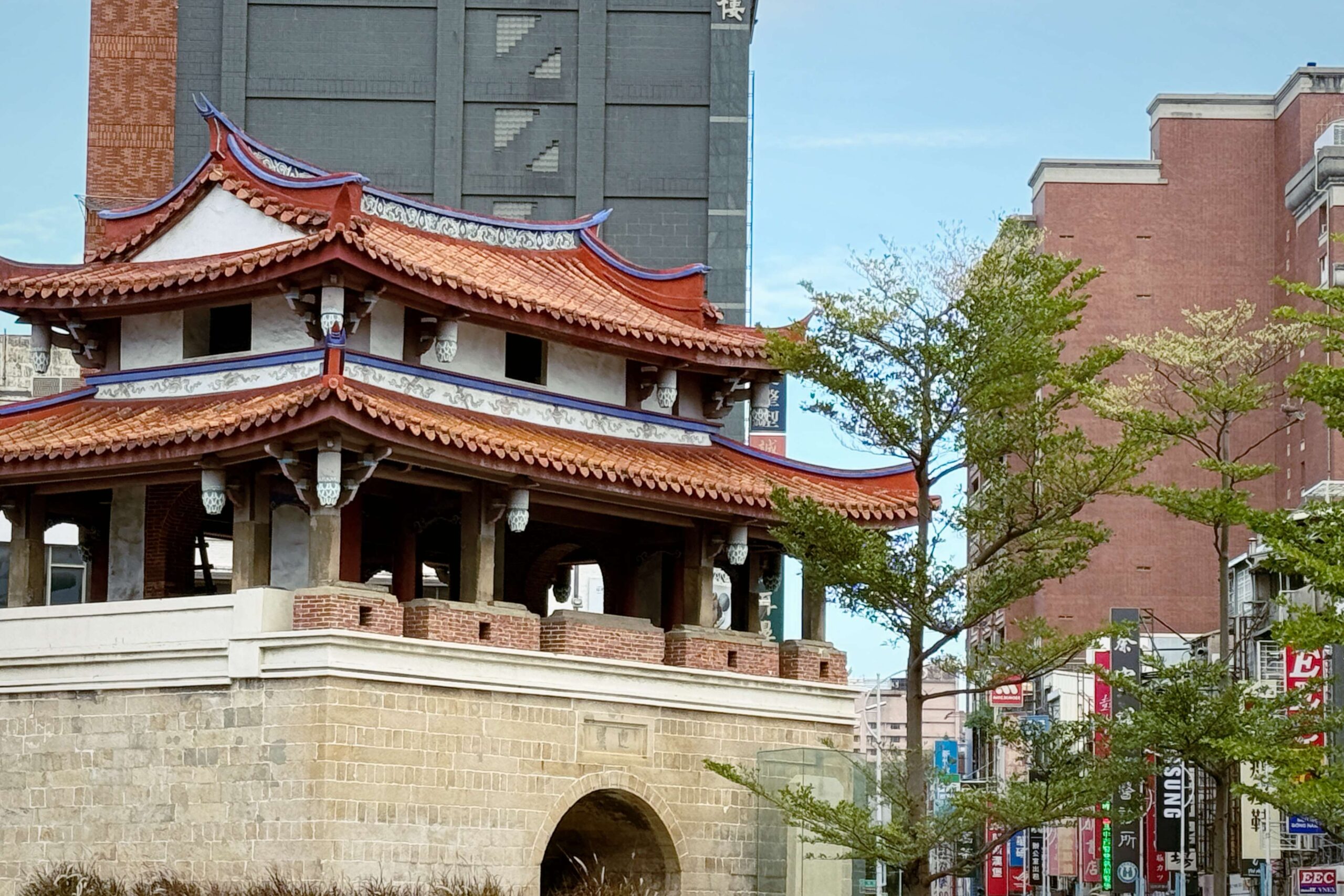
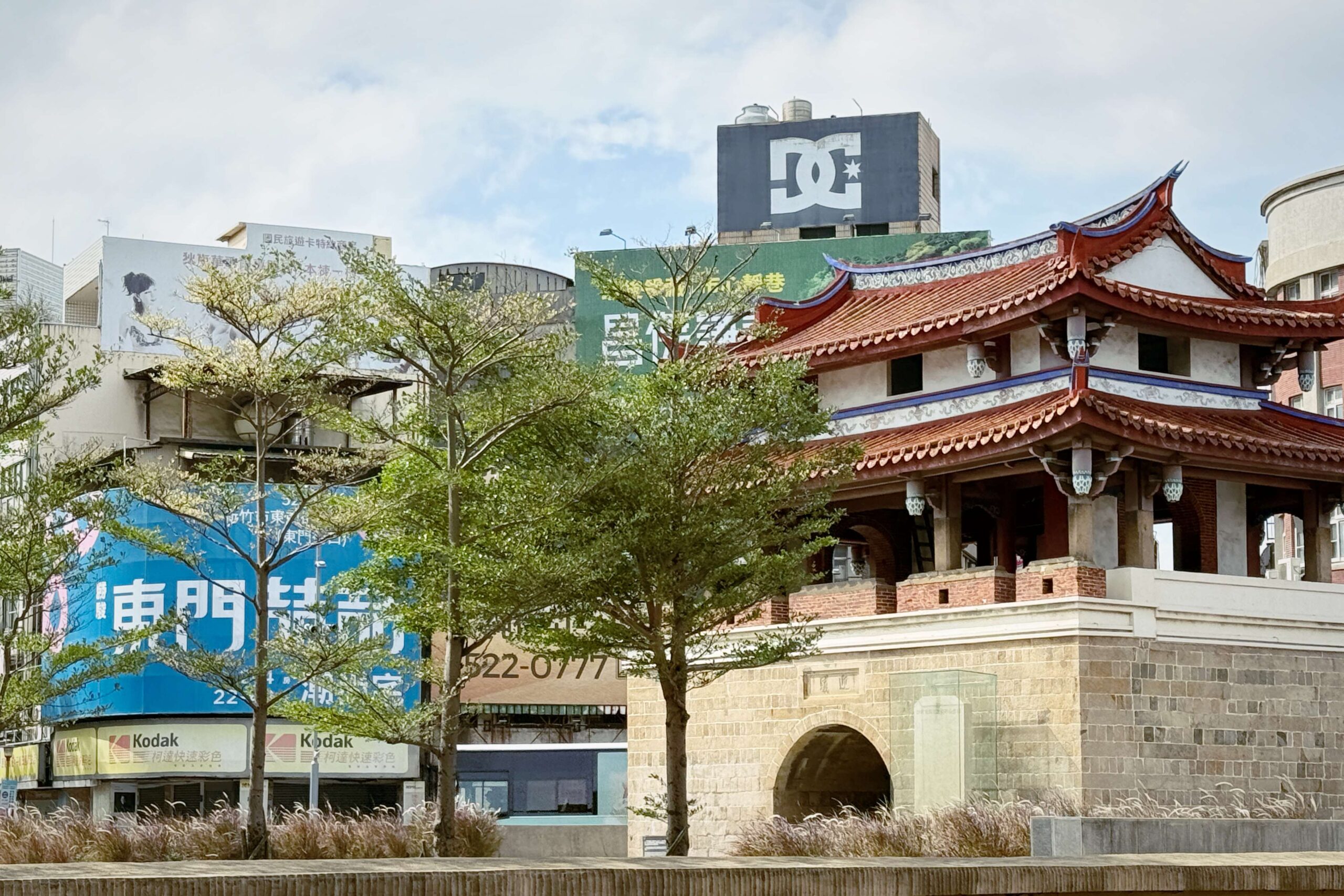
Yingxi Gate

Intersection of Dongmen Street and Zhongzheng Road
04|Hsinchu City Art Gallery
Established in 2007, the Hsinchu City Art Gallery primarily showcases contemporary art from Taiwan. This time, however, I came mainly to admire the building itself. The gallery was originally built in 1925, during the 14th year of the Taisho era, as the former Hsinchu City Hall. Its brick architecture combines Western construction techniques with Japanese aesthetics, creating a distinctive architectural style. The exterior features Dutch-style red brickwork, with the brick surfaces further embellished with faux-stone details. The combination of red and white gives the building an elegant and refined appearance. The entrance portico and terrace are particularly striking and serve as the visual focal point of the building. The entrances on all three sides feature semicircular arched openings, symbolically welcoming visitors arriving from three different directions.
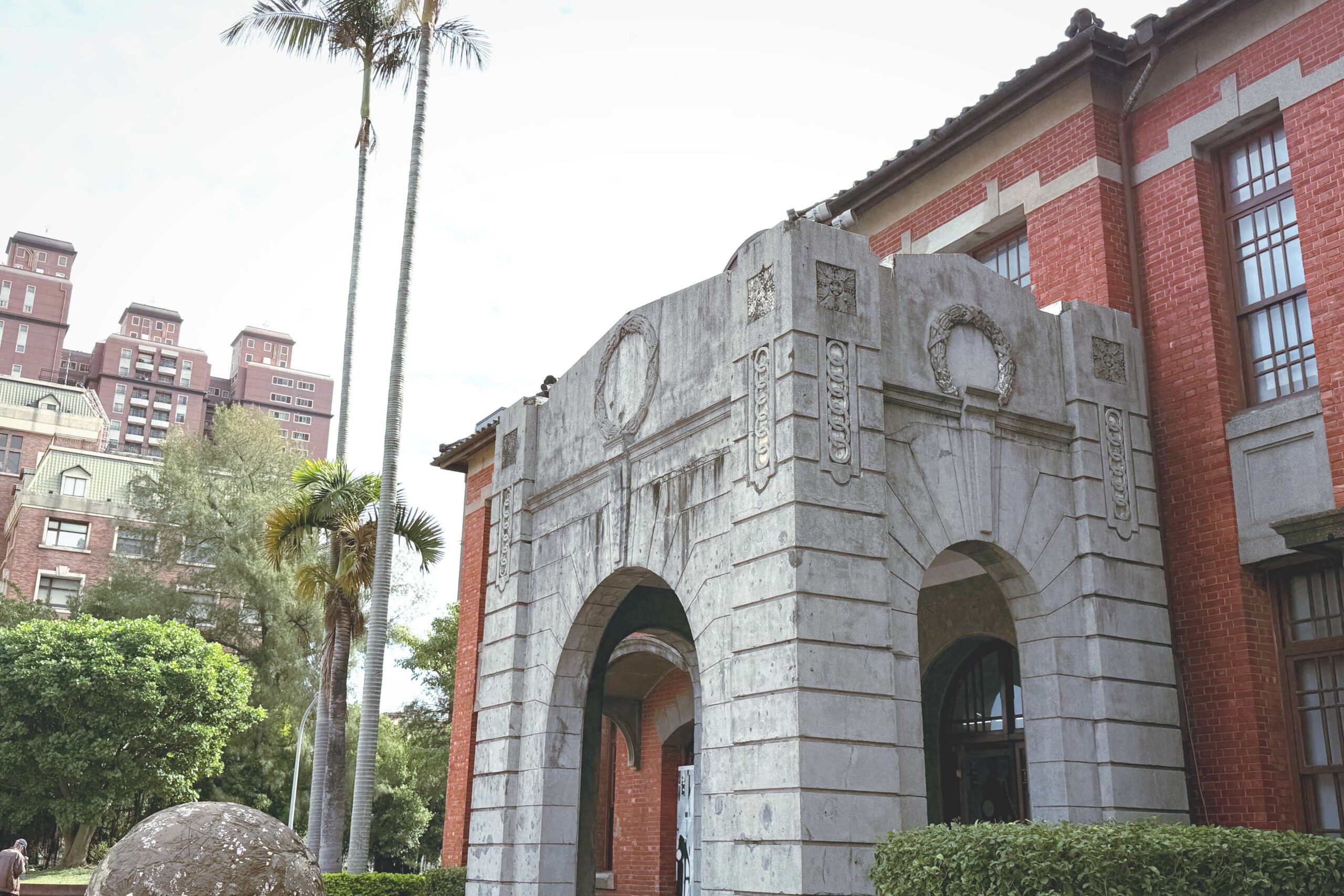
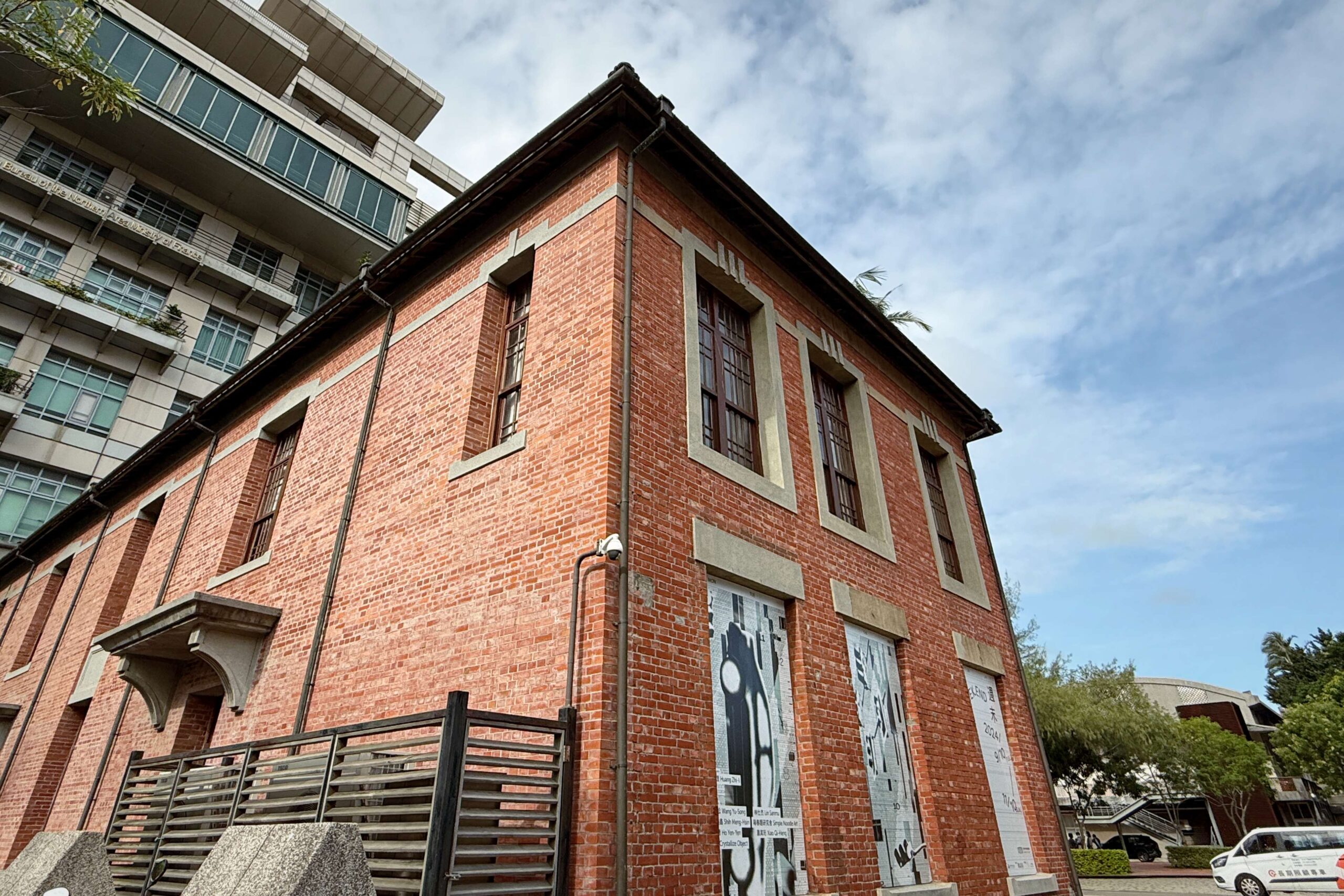
Inside, the space is relatively compact, with plenty of open space and visual breathing room. Within this nearly century-old building, contemporary art takes on a new dimension. What I particularly like is that the gallery and the artists have chosen not to conceal or overshadow the building’s original character when designing the exhibitions. Instead, the artworks and the architecture are allowed to interact and respond to one another, creating a dialogue between contemporary art and a historic space.
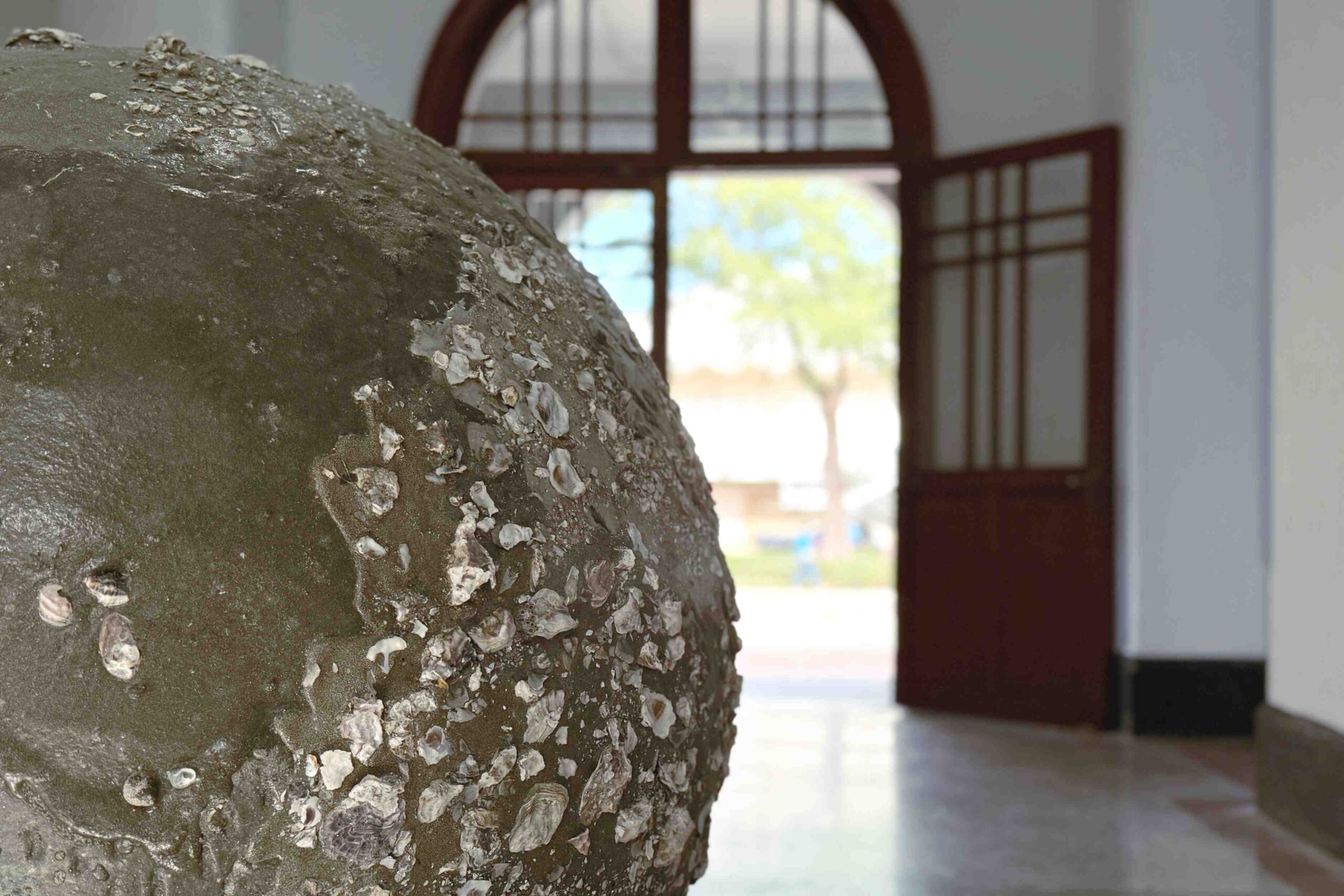
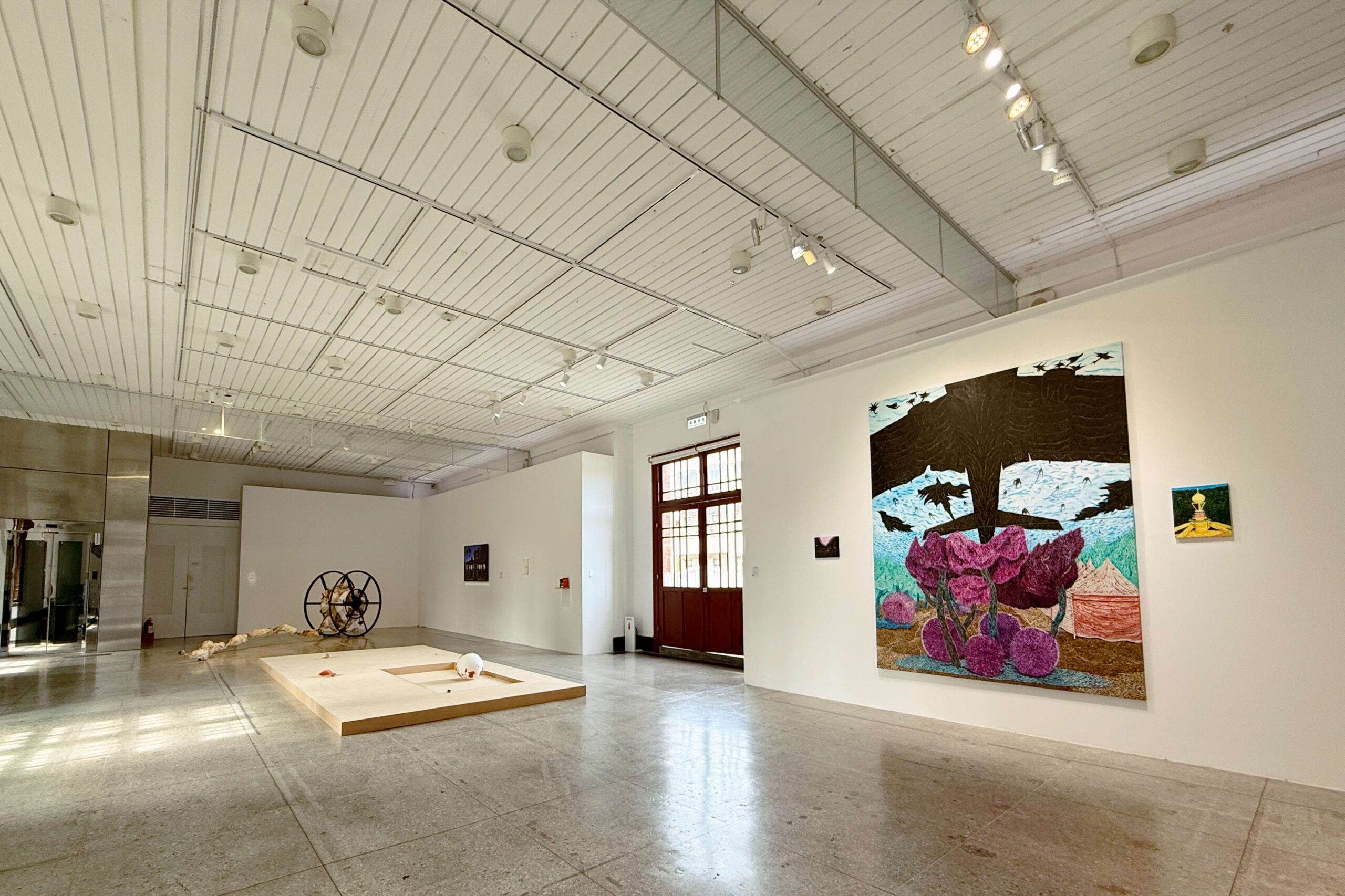
Hsinchu City Art Gallery

Opening Hours: 0900-1700, closed on Mondays.
No. 116, Zhongyang Rd., East Dist., Hsinchu
05|Dongmen Market
Just a three-minute walk from Yingxi Gate, Dongmen Market was originally known as Hsinchu Market. Established in 1900, it was the first retail market in Hsinchu City. Looking at the somewhat weathered morning market today, it is hard to imagine that it was once the largest retail market in Taiwan. Back then, Dongmen Market was home to Hsinchu’s first electric escalator, and more than half of the city’s major businesses had shops here. In addition to fresh produce and everyday groceries, the market also offered all kinds of imported goods. There were even antique markets, art studios, and music classrooms.
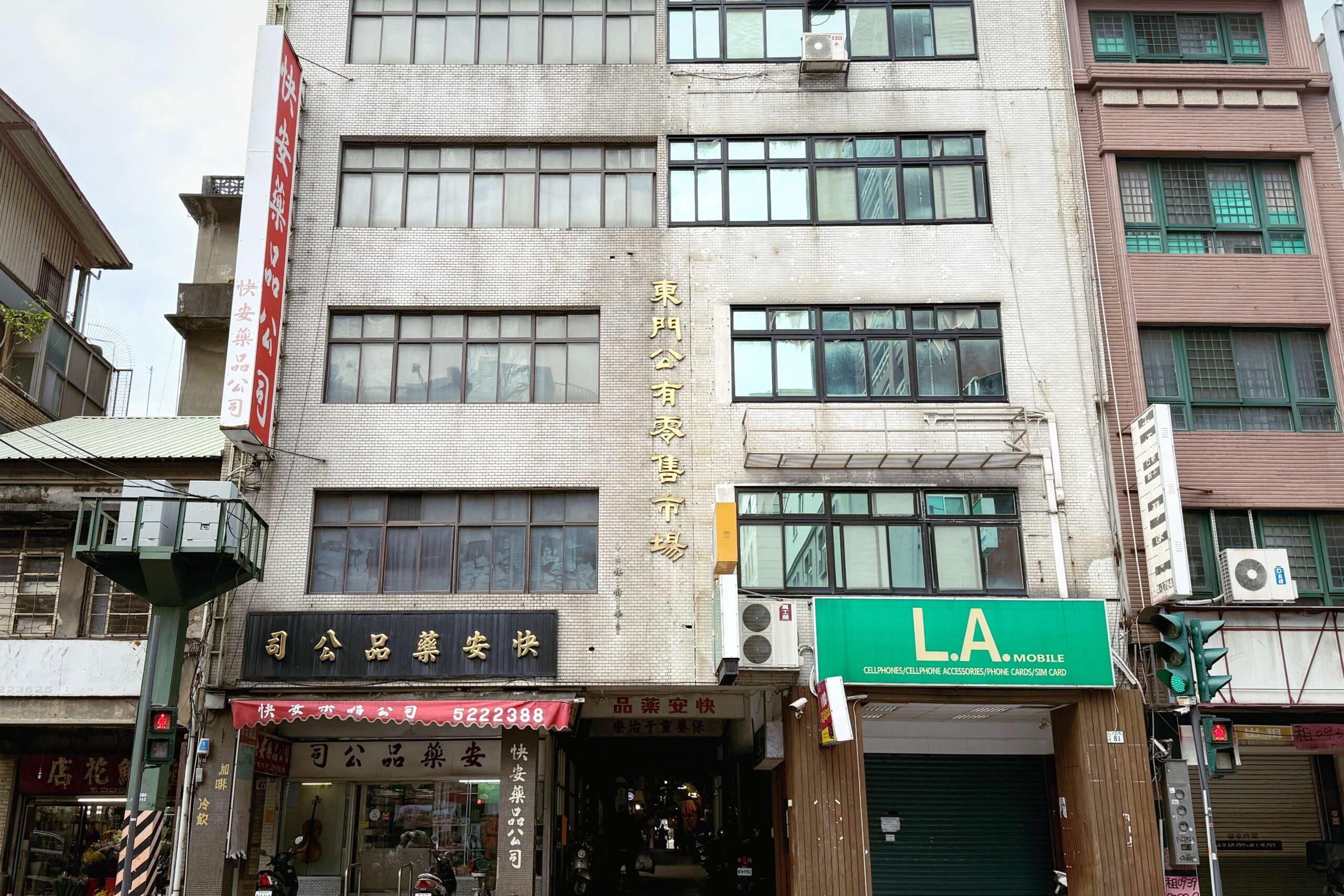
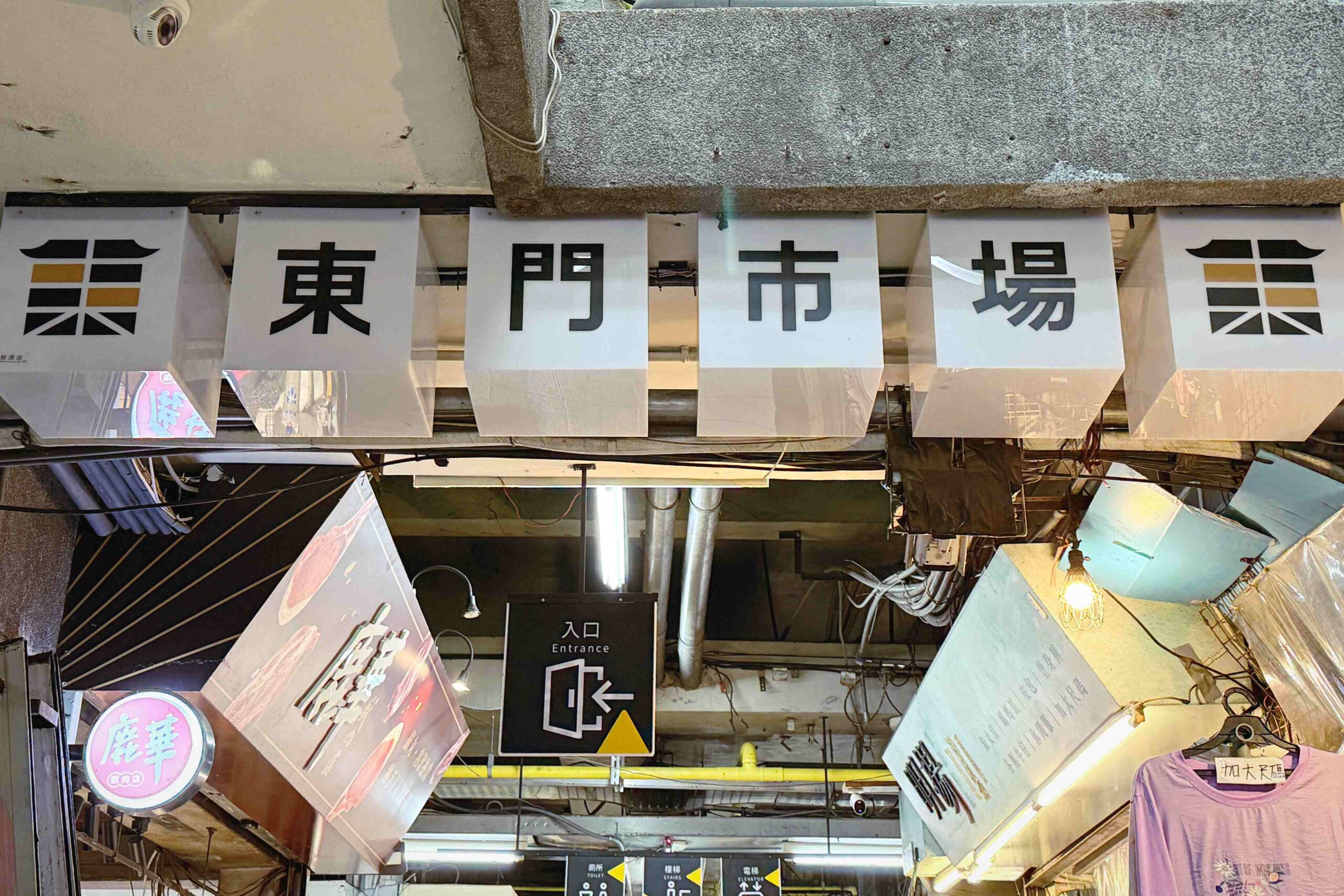
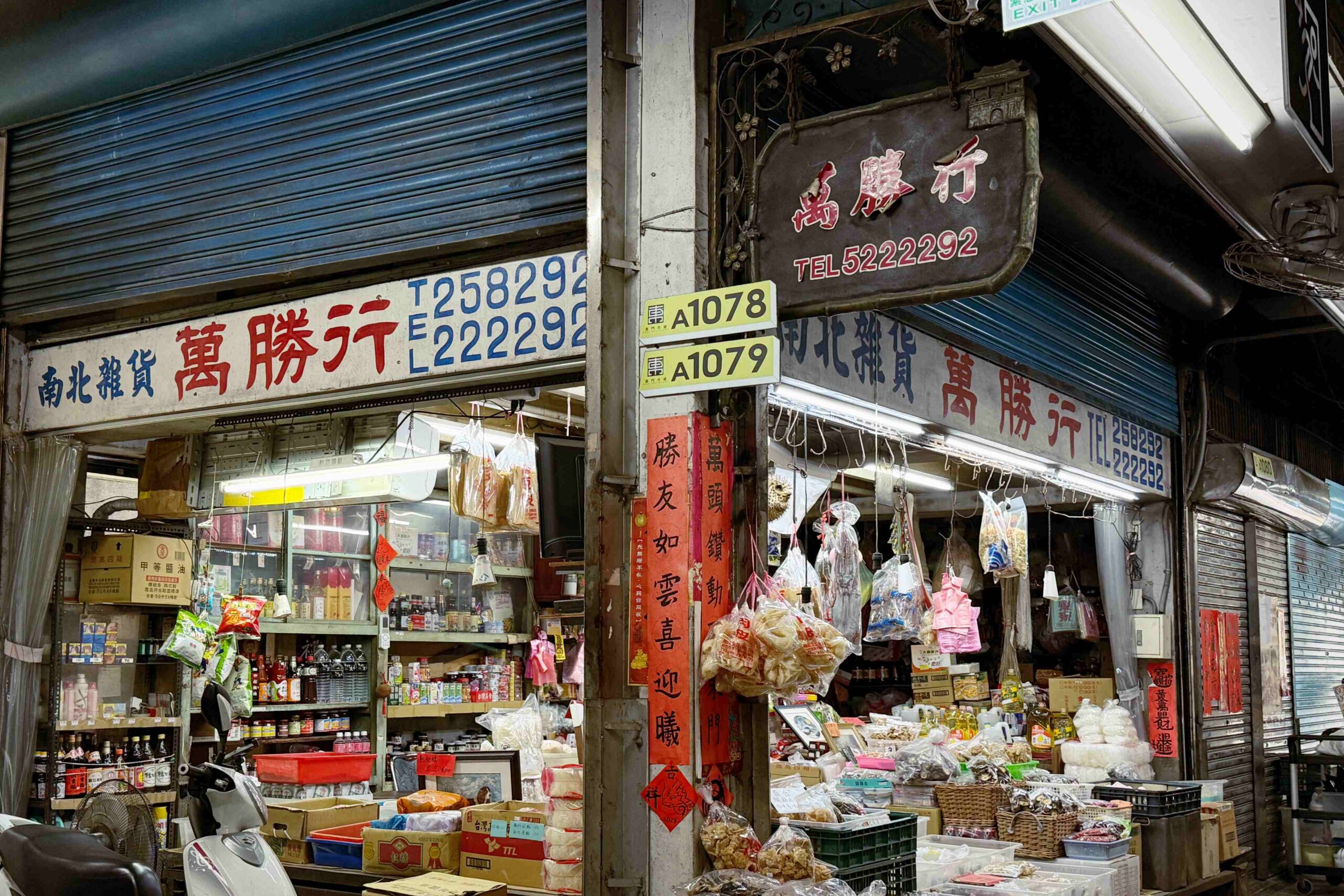
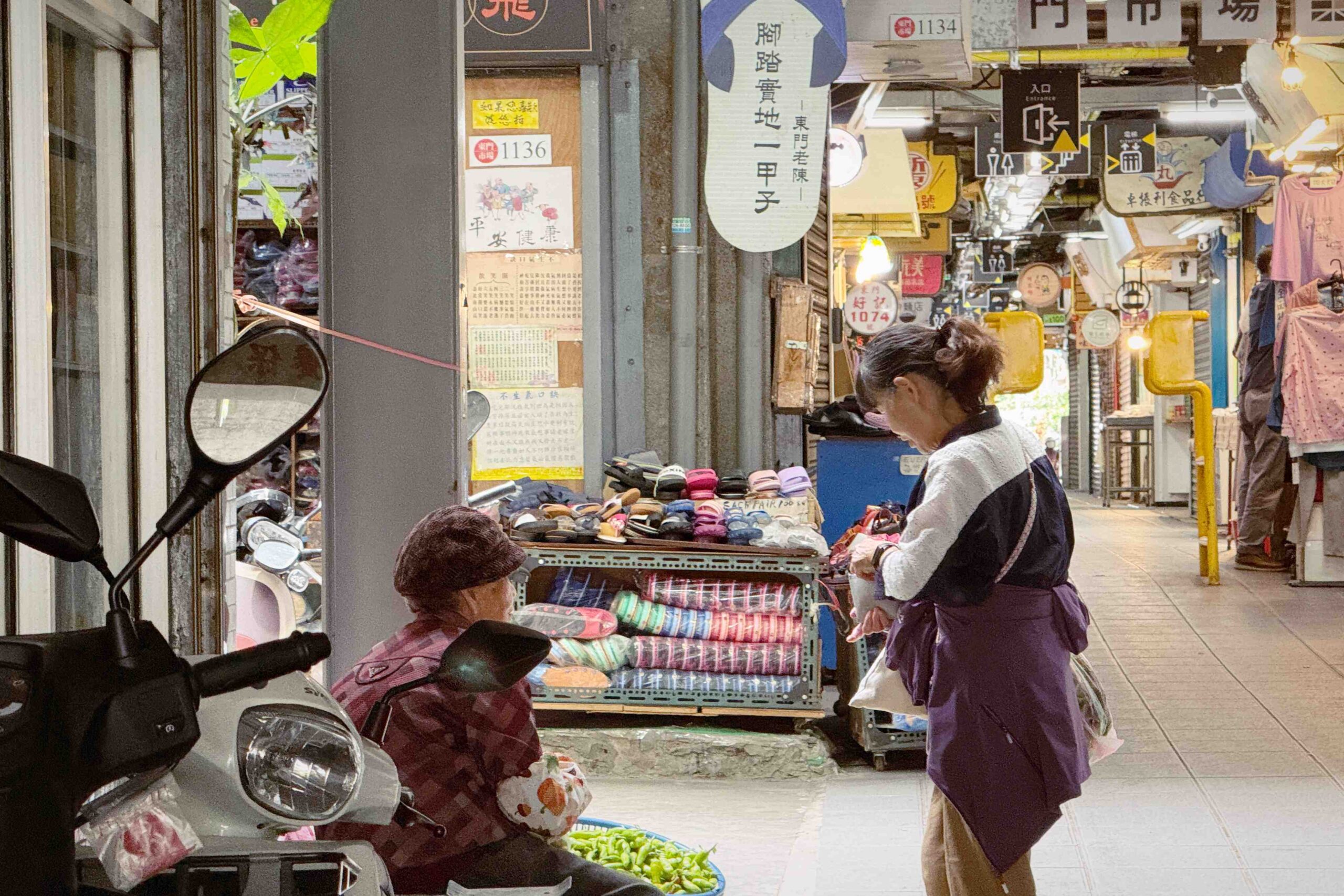
As shopping habits changed, traditional markets gradually gave way to supermarkets, convenience stores, and online shopping, and Dongmen Market fell into decades of quiet decline. It wasn’t until 2015 that efforts by the city government and local organizations brought new life to the market. The key was an innovative combination of the traditional market with youth entrepreneurship, setting the stage for its transformation. Today, Dongmen Market is still a lively traditional morning market during the day, filled with the warmth and character of everyday local life. As evening arrives, however, it transforms into a gathering place for younger crowds. On weekends, the market also hosts cultural events and special pop-up markets from time to time. I didn’t get the chance to see its other side after dark this time. I guess that gives me a reason to come back again.
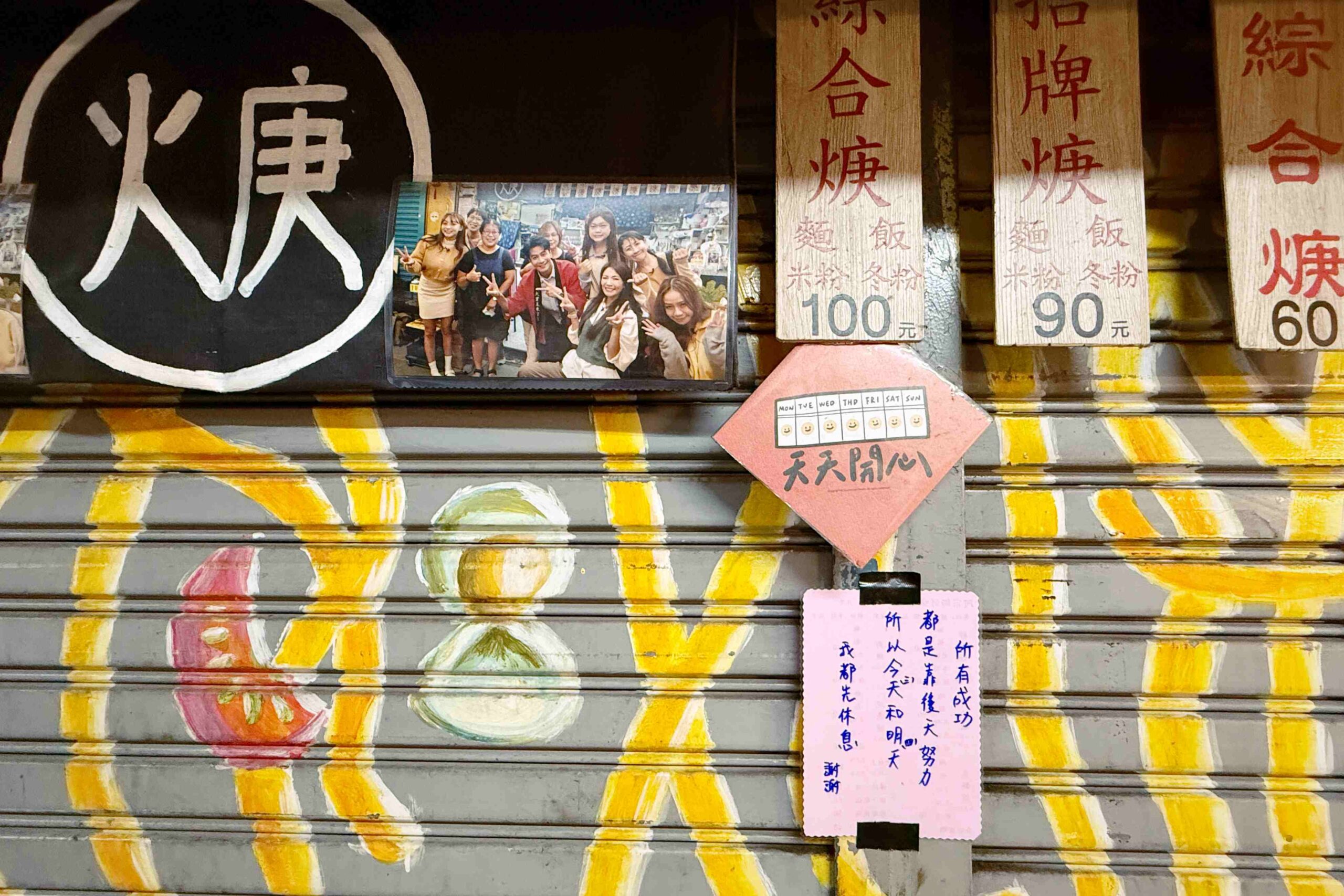
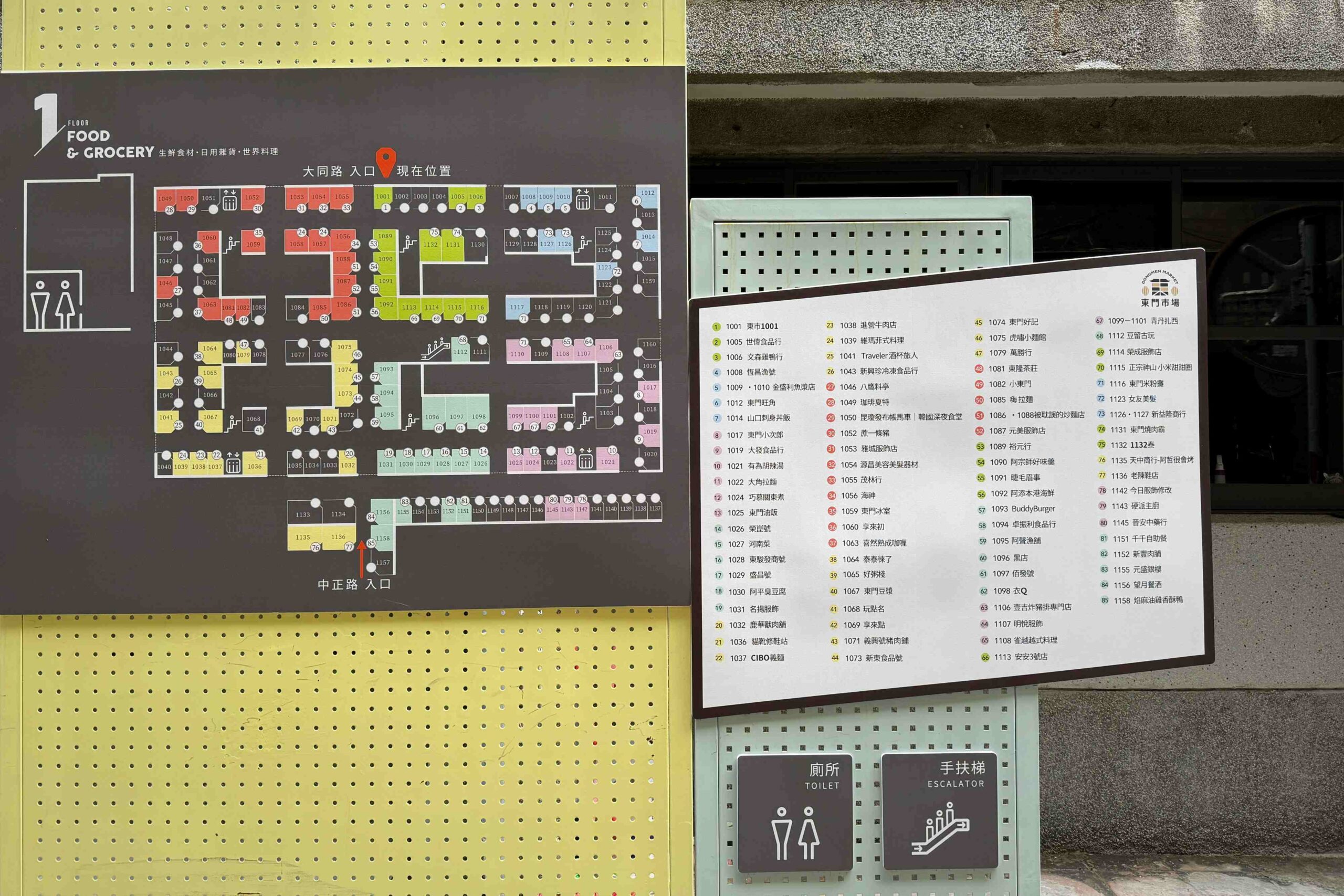
Dongmen Market

The market operates as a traditional morning market during the day, with shops gradually opening from 5:00 PM onward.
No. 86, Datong Rd., East Dist., Hsinchu
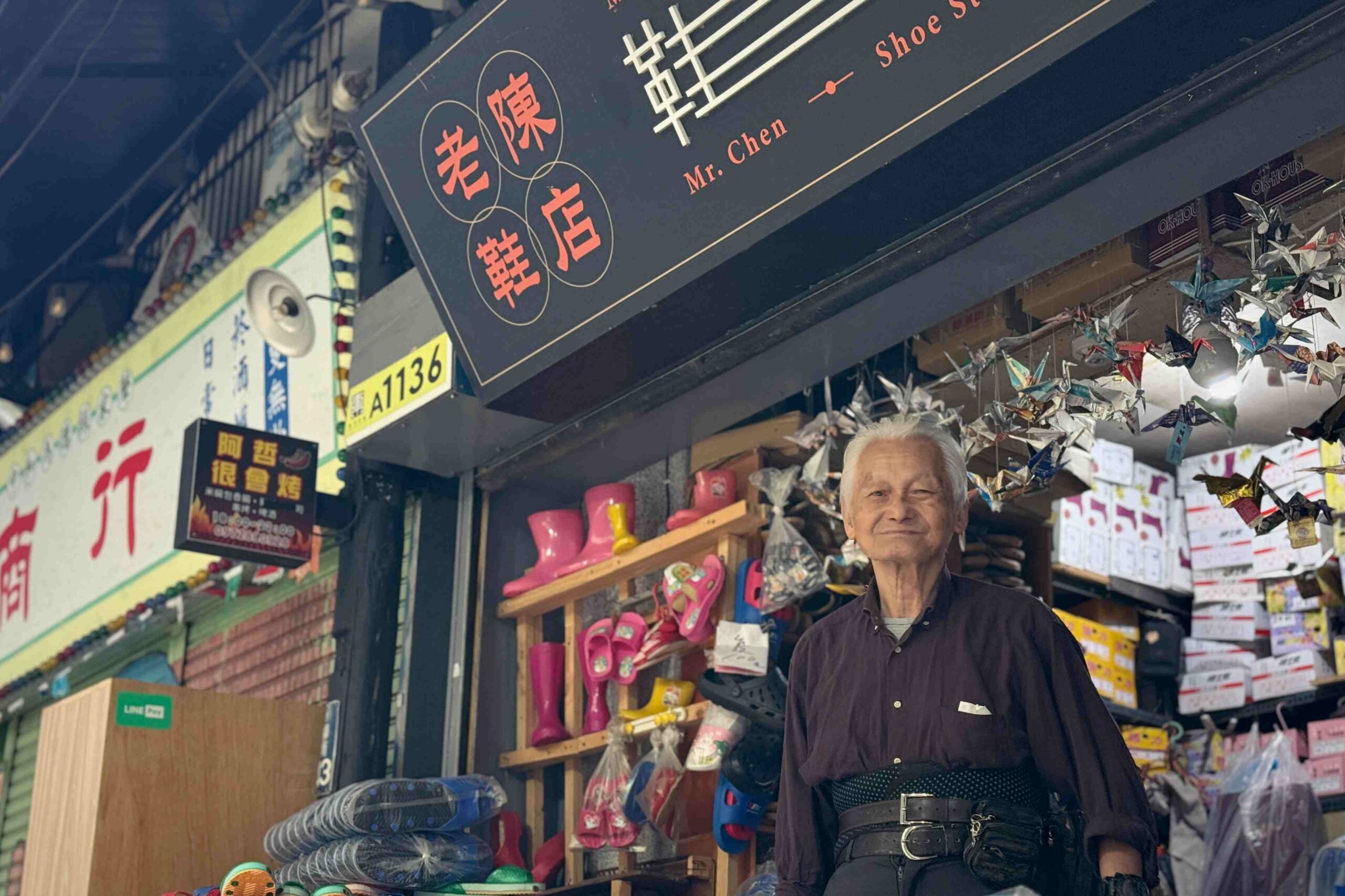
06|Chen’s Shoe Shop
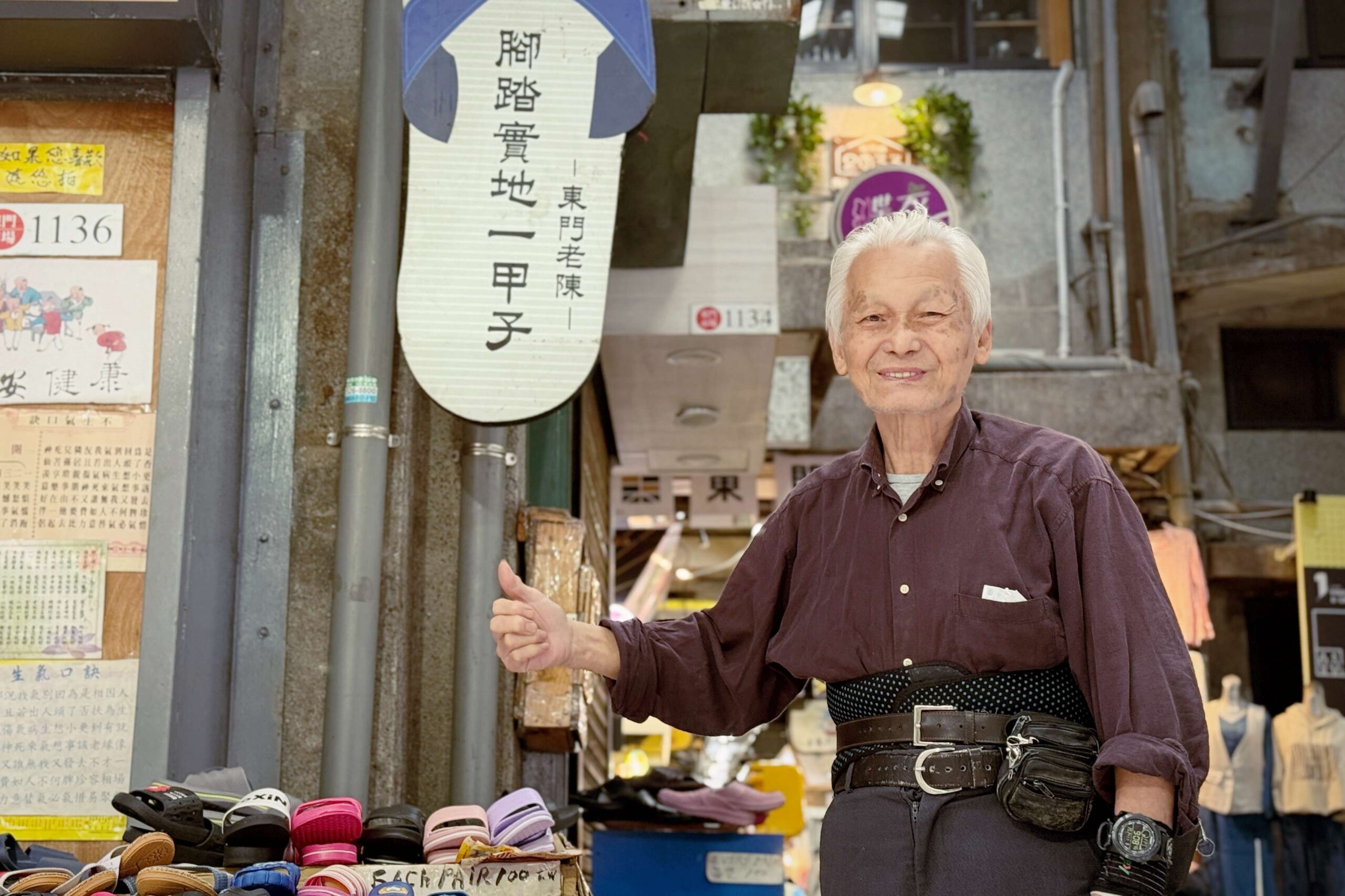
While wandering around Dongmen Market, I was stopped by the owner of Chen’s Shoe Shop. Seeing me walking around with my camera, taking photos of everything, he smiled and asked,
“Are you a college student doing a report?”
That one sentence absolutely made my day. As someone well into my thirties, I almost wanted to give him a “Best Person Ever” medal on the spot!
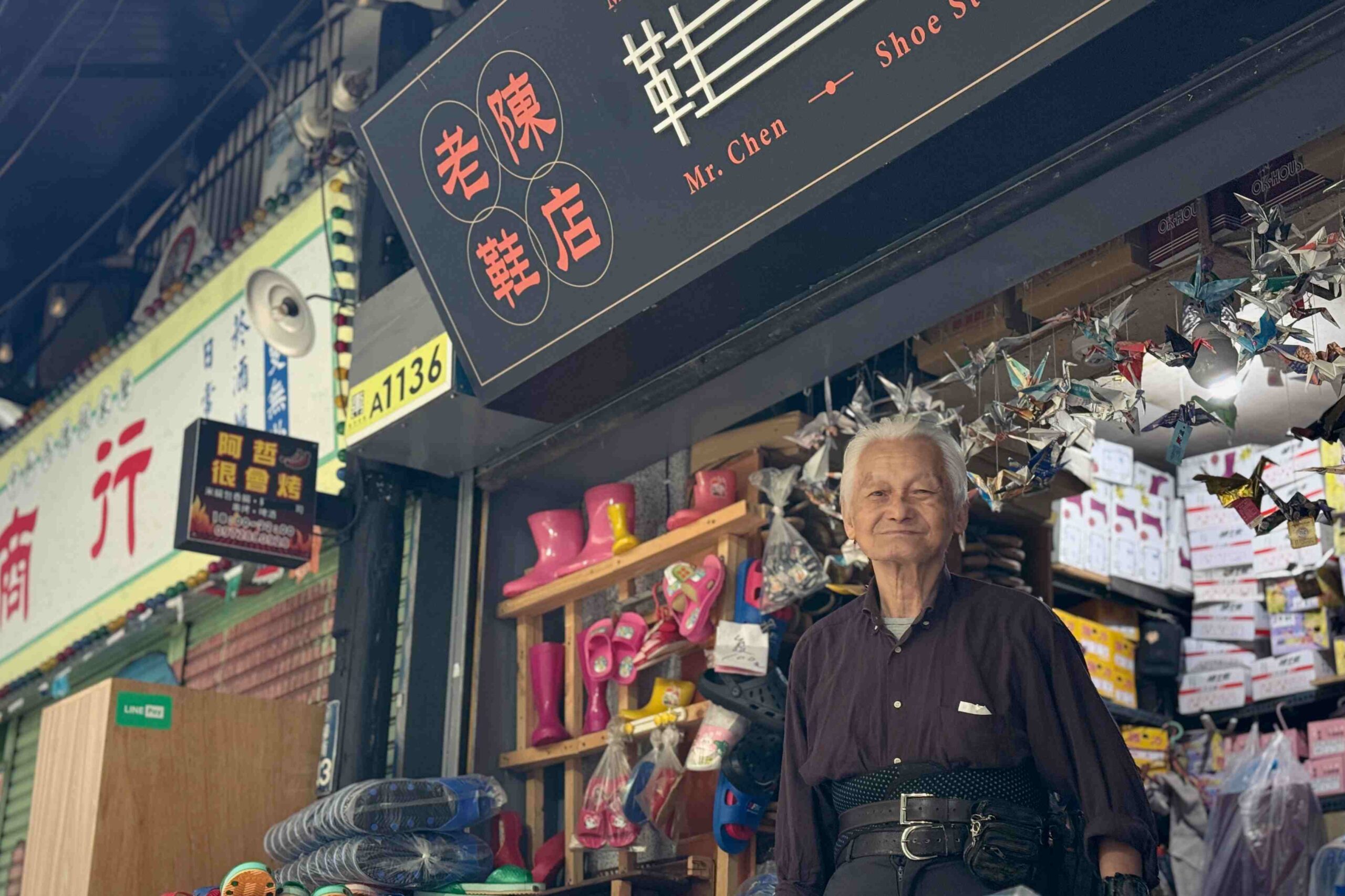
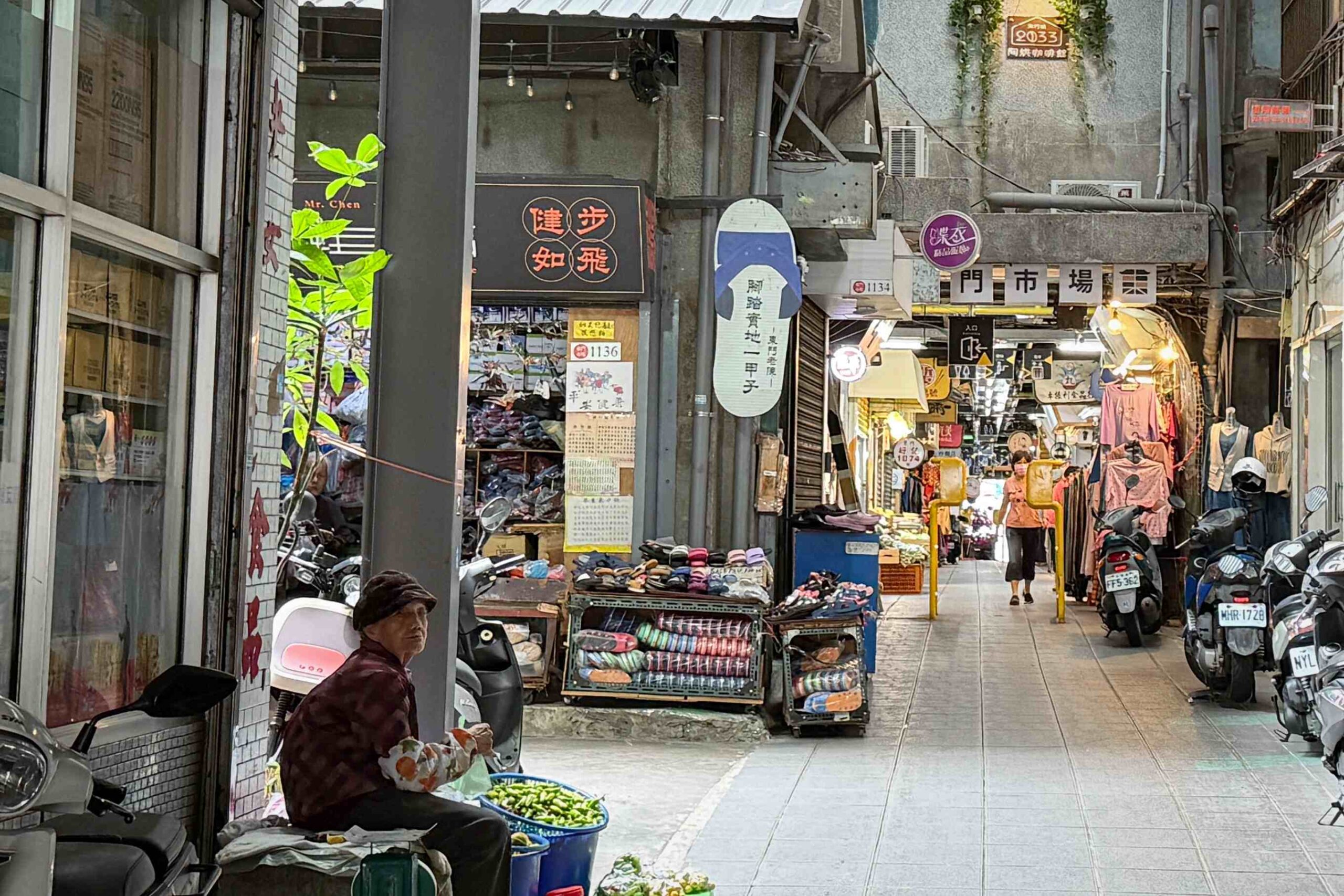
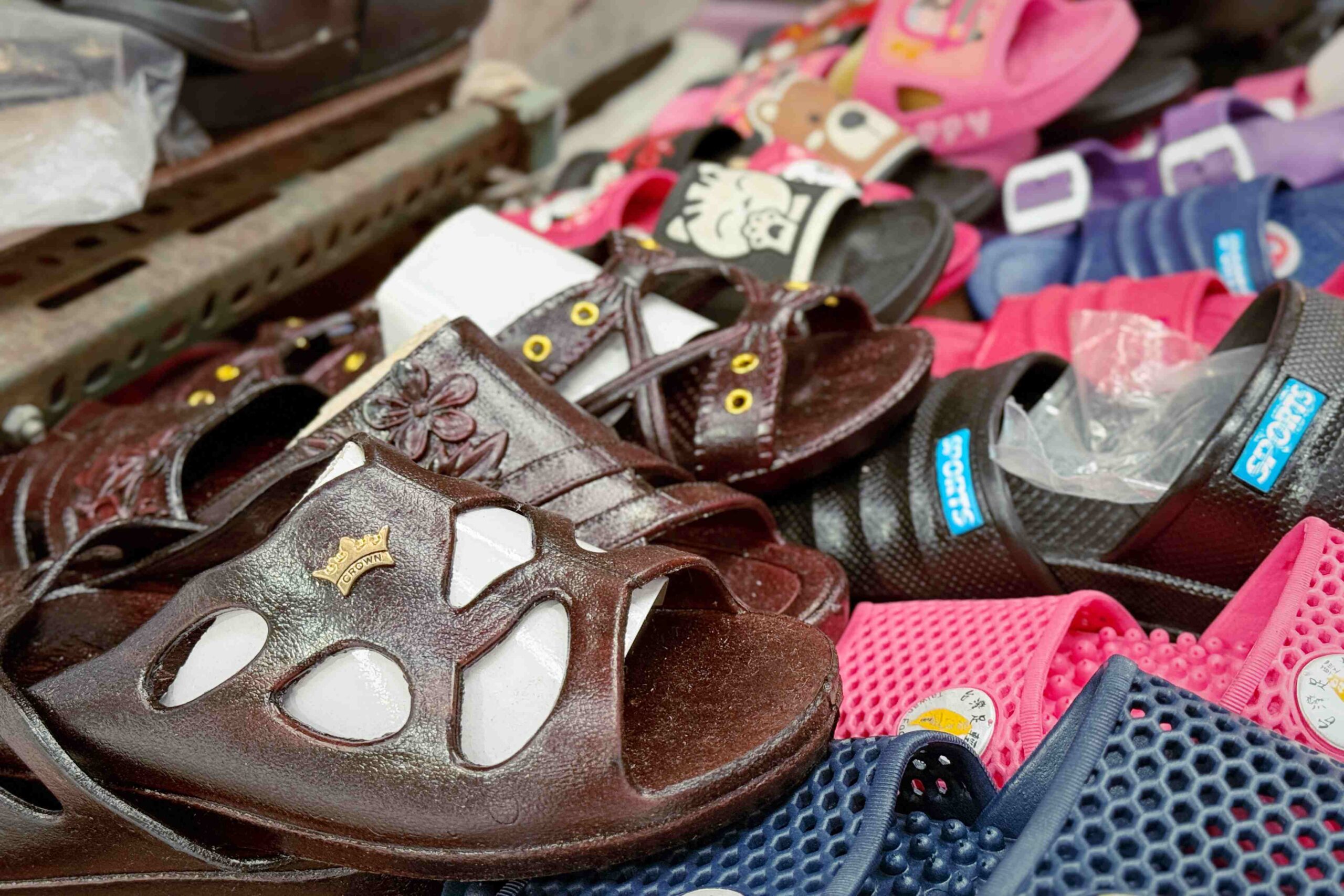
As we chatted, I learned that Mr. Chen is already in his nineties, and that his shoe shop has been around for more than six decades. The shop was originally a vegetable stall run by his father. Later, Mr. Chen took over and switched to selling slippers. By carving out his own niche, the business did remarkably well. Times have changed, though. These days, fewer people specifically come to traditional markets to shop for everyday goods. Mr. Chen takes it all in stride, joking that these days, he’s really just doing it to stay healthy. Perhaps because he genuinely thought I was working on a school report, he generously let me take photos with him and even said,
“You can put them in your report for everyone to see.”
So I did.
I included him in my “368 Townships and Districts of Taiwan” report—not just as another stop along the journey, but because I wanted people to know that here at Dongmen Market, there is a kind and endearing old gentleman who has spent more than six decades looking after his little shoe shop, selling shoes that have accompanied generations of Hsinchu residents through the ups and downs of life. Sometimes, the most memorable stories from a trip aren’t found in famous landmarks, but in the people you happen to meet along the way.
Chen’s Shoe Shop

Usually closes before noon; may not open on rainy days.
Dongmen Market
◦ Restaurants and Snacks in Hsinchu’s East District
01|Wen Jia Fried Chicken
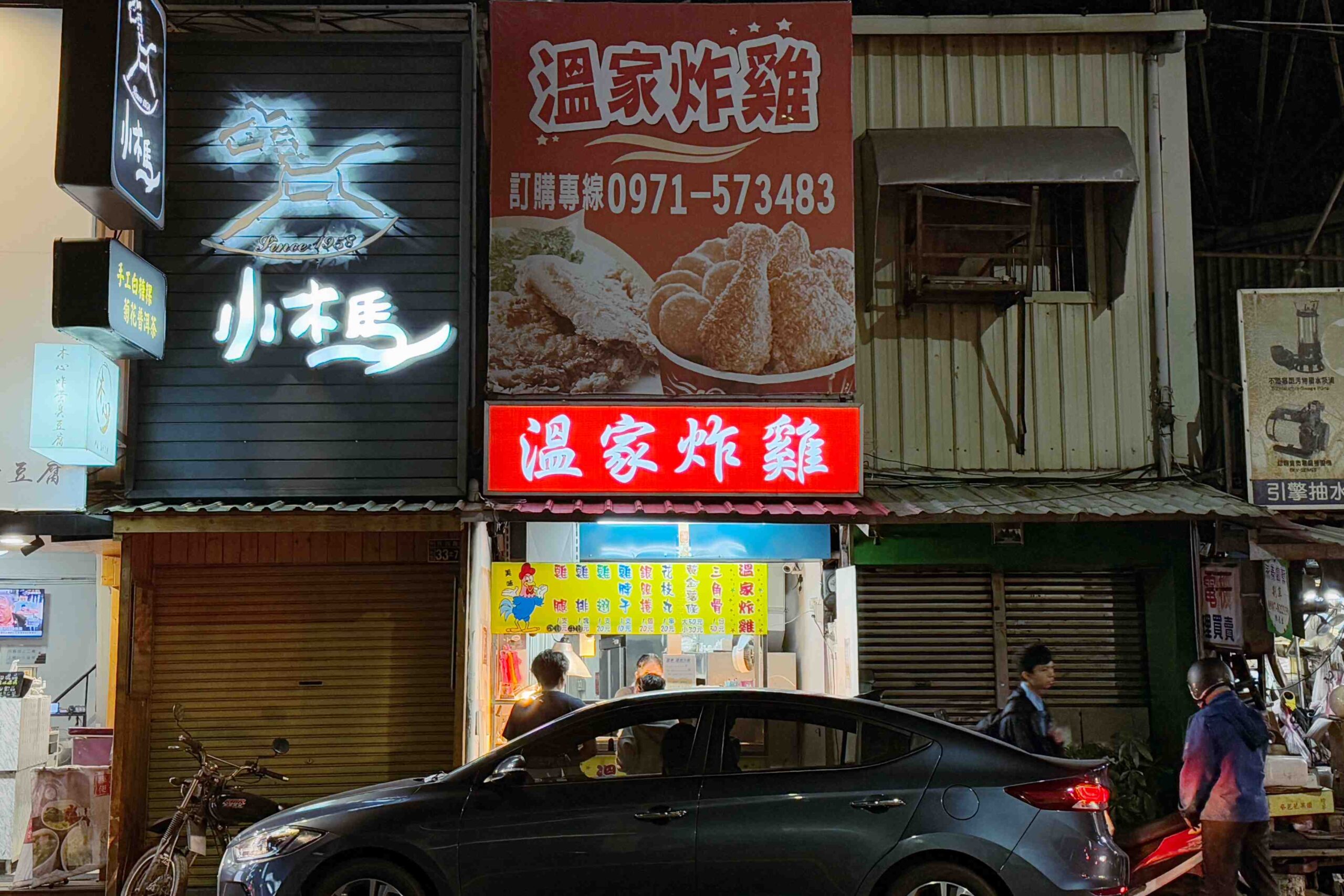
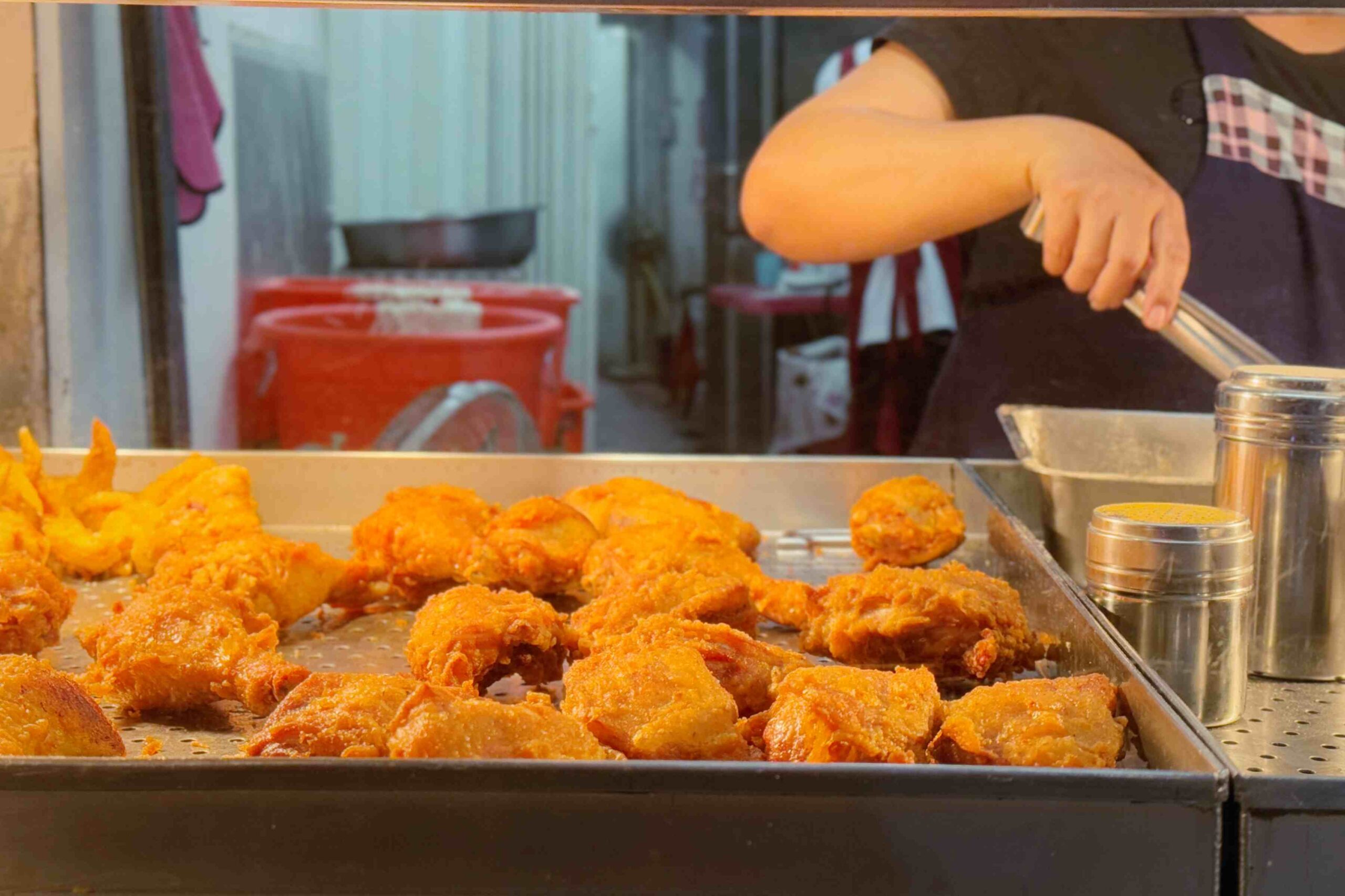
Wen Jia Fried Chicken was recommended to me by a student. Apparently, this little shop has quite a reputation—it is a local favorite at Zhudong Market. Whenever a fresh batch of fried chicken wings comes out of the fryer, they are quickly snapped up. The shop has been a popular favorite in the area for more than 20 years. In 2022, Wen Jia Fried Chicken opened its first location in Hsinchu City, choosing a neighborhood packed with cram schools and office buildings. It quickly became a go-to choice for students and office workers looking for dinner or a late-night snack. The shop uses fresh, never-frozen chicken, marinated in its own signature seasoning before being coated and deep-fried. Fresh from the fryer, the wings have a crispy, savory crust packed with flavor, while the meat inside is tender and incredibly juicy. It’s easy to see why so many customers become regulars after their first bite. Coming all the way from the famous Zhudong Market, this local favorite certainly lives up to its reputation!
Wen Jia Fried Chicken

Opening Hours: 1500-2100, closed on Sundays.
No. 33-8, Minzu Rd., East Dist., Hsinchu
◦ Flying Over Taiwan
*All aerial photography operations are conducted within legal airspace. During flight, regulations stipulated by the Civil Aviation Law are strictly followed, maintaining the required distance from buildings and crowds. Zooming and post-production techniques are used to ensure compliance, making the flights fully legal.
*Anyone citing these images and text must provide proper attribution. Unauthorized or illegal use of the images and text is prohibited and may result in legal liability.
◦ Other Areas in Hsinchu
➤ Hukou | An Old Street Etched in My Heart
➤ Hsinchu ◦ Xinpu | Golden Autumn Temptation
➤ Xiangshan | The Romance of Sunset Scenery and Sea Breeze