Many parents must be racking their brains over where to take the family for a trip, right? Since my grandmother lives in Chiayi, we visit there during holidays and festivals. Over the years, I’ve watched as more and more of this city’s hidden gems have been discovered. I can’t help but feel that Chiayi, a city often underestimated, truly deserves to be appreciated.
Contents
◦ Chiayi Travel Guide
01|Transportation in Chiayi
🚄 Taiwan High Speed Rail
🚗 Cross-city Chartered One-day Tour from Taipei
🚌 Shared City Transfer between Chiayi and Alishan
🛵 Chiayi Scooter Rental - Chiayi Railway Station Pickup
02|Popular Attractions in Chiayi
🎫 Alishan National Forest Recreation Area Ticket
🎫 Chateau de Jourdeness Ticket in Chiayi
🎫 Three Pigs Farm Ticket in Chiayi
🎫 Chiayi Taiping Suspension Bridge Ticket
🎫 National Palace Museum Southern Branch Ticket in Chiayi
03|Things To Do in Chiayi
🚌 Alishan Day Tour from Taichung, Chiayi or Kaohsiung
💆🏻♀️ Yuxiantang Chuiyang & Linsen Hall・Foot & Meridian Acupressure Massage Coupon
🏕️ Guipu Glamping in Chiayi
◦ The History of Chiayi
The Chiayi region lies on the Chianan Plain and includes what are now Chiayi City and Chiayi County. In ancient times, Chiayi was known as Zhu Luo Shan (諸羅山), a name derived from the settlement of the local Pingpu tribe, the Hoanya people, called Zhu Luo Shan She. During the Qing Dynasty, the Qing government established Zhuluo County here. However, after the Lin Shuangwen Rebellion, the region was renamed Chiayi (嘉義) in recognition of the residents’ loyalty and bravery in defending the city—the name literally means “to commend their righteous loyalty in protecting the city.”
In 1906, Chiayi was struck by the devastating Meishan Earthquake, which destroyed nearly all of the city walls except the East Gate. Yet, this tragedy also spurred the Japanese authorities to undertake large-scale urban reconstruction, gradually transforming Chiayi into a modern city. During the Japanese colonial period, Chiayi’s advantageous geographic location made it a key hub for transporting and processing Alishan timber, establishing it as one of the central cities of Taiwan’s forestry industry at the time. After Japan’s defeat in 1945, Taiwan was placed under the administration of the Republic of China, marking a new chapter in Chiayi’s history. In 1990, Chiayi City was officially divided into East and West Districts, shaping the city as we know it today.
◦ Attractions in Chiayi
01|Chiayi Park
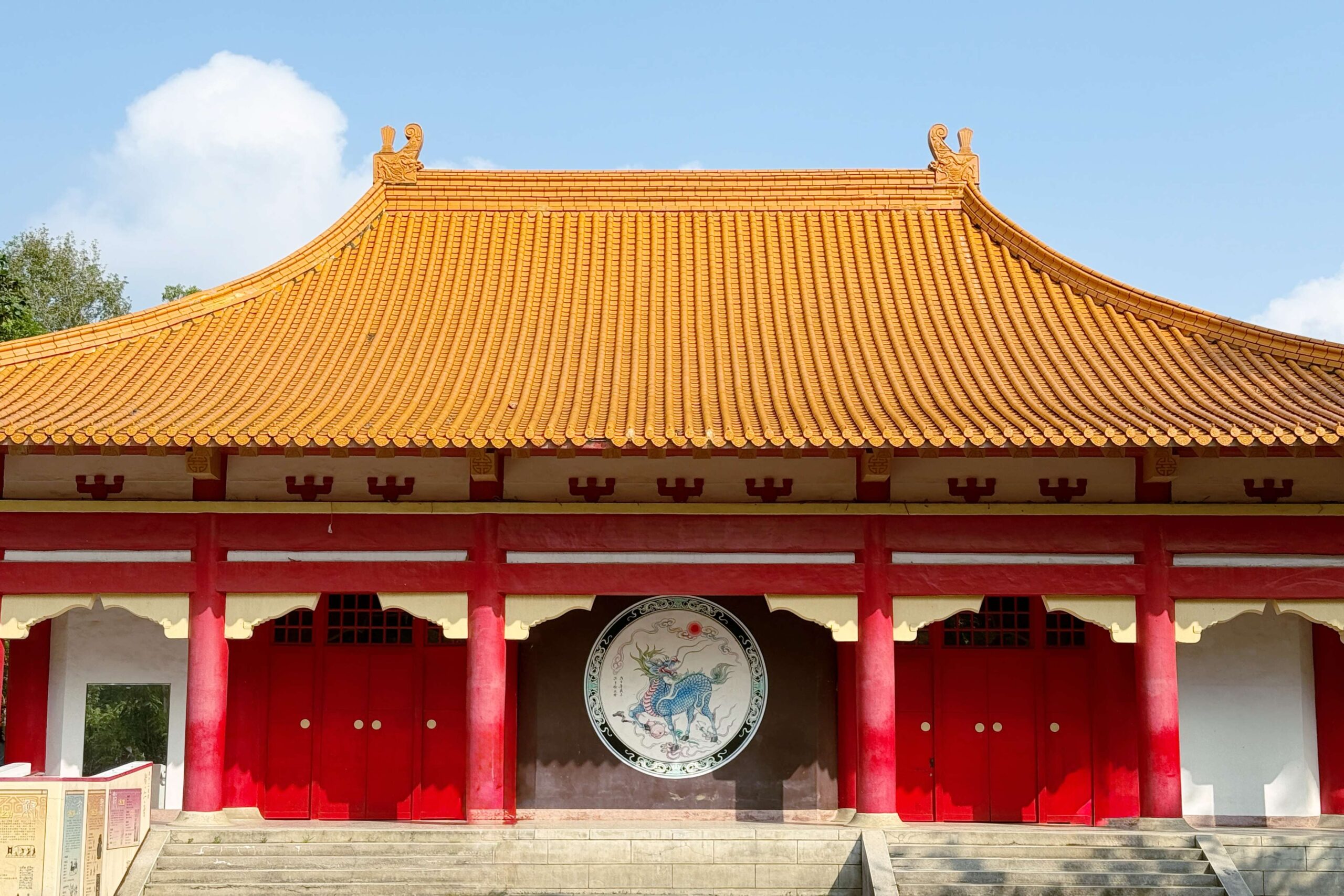
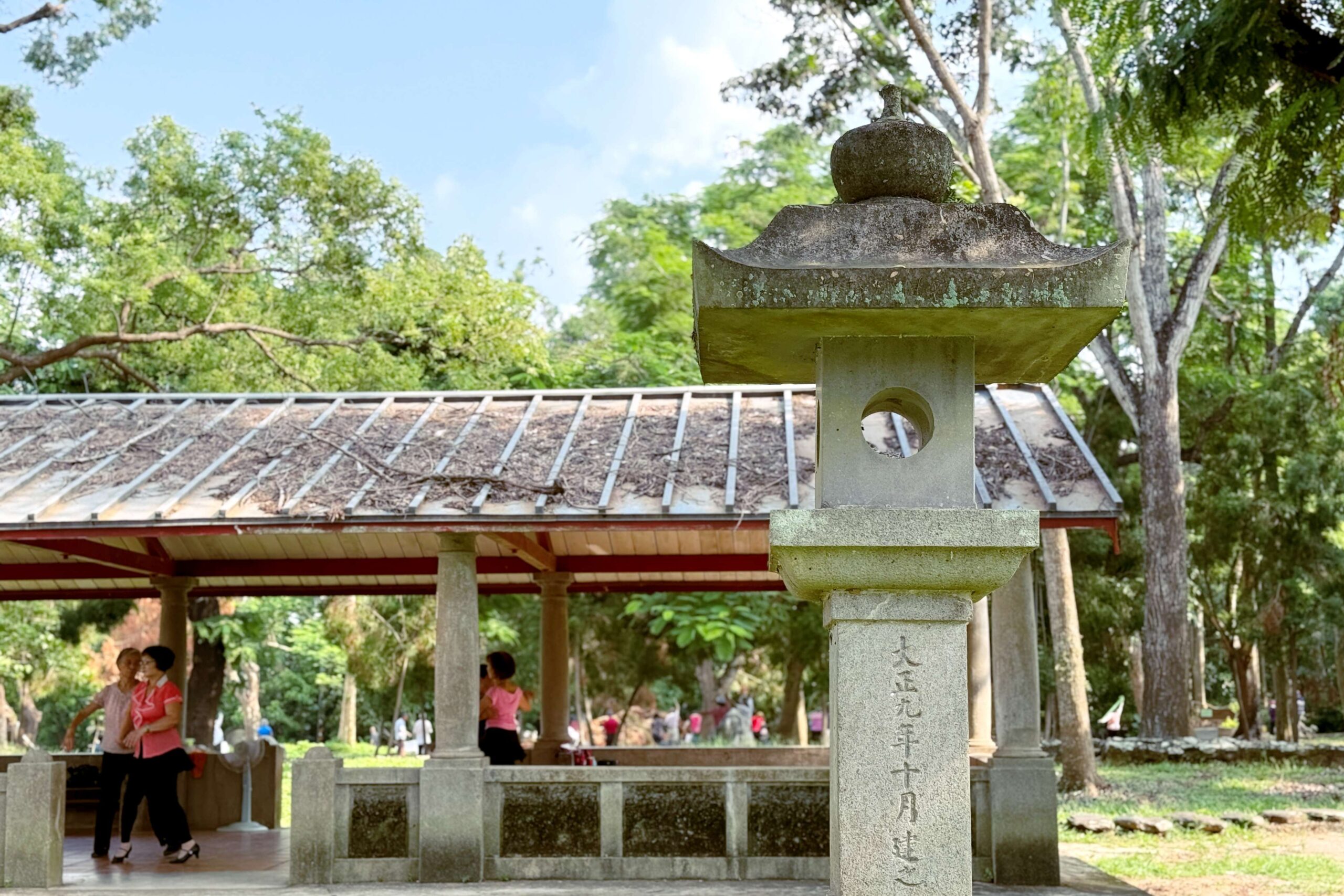
Located in Chiayi’s East District, Chiayi Park was built along the natural slopes of Shanziding Hill. The park is filled with towering old trees and lush greenery, with pavilions scattered along the winding paths. Early in the morning, you can see many locals exercising, strolling, or dancing here—it’s a truly relaxing and refreshing scene.
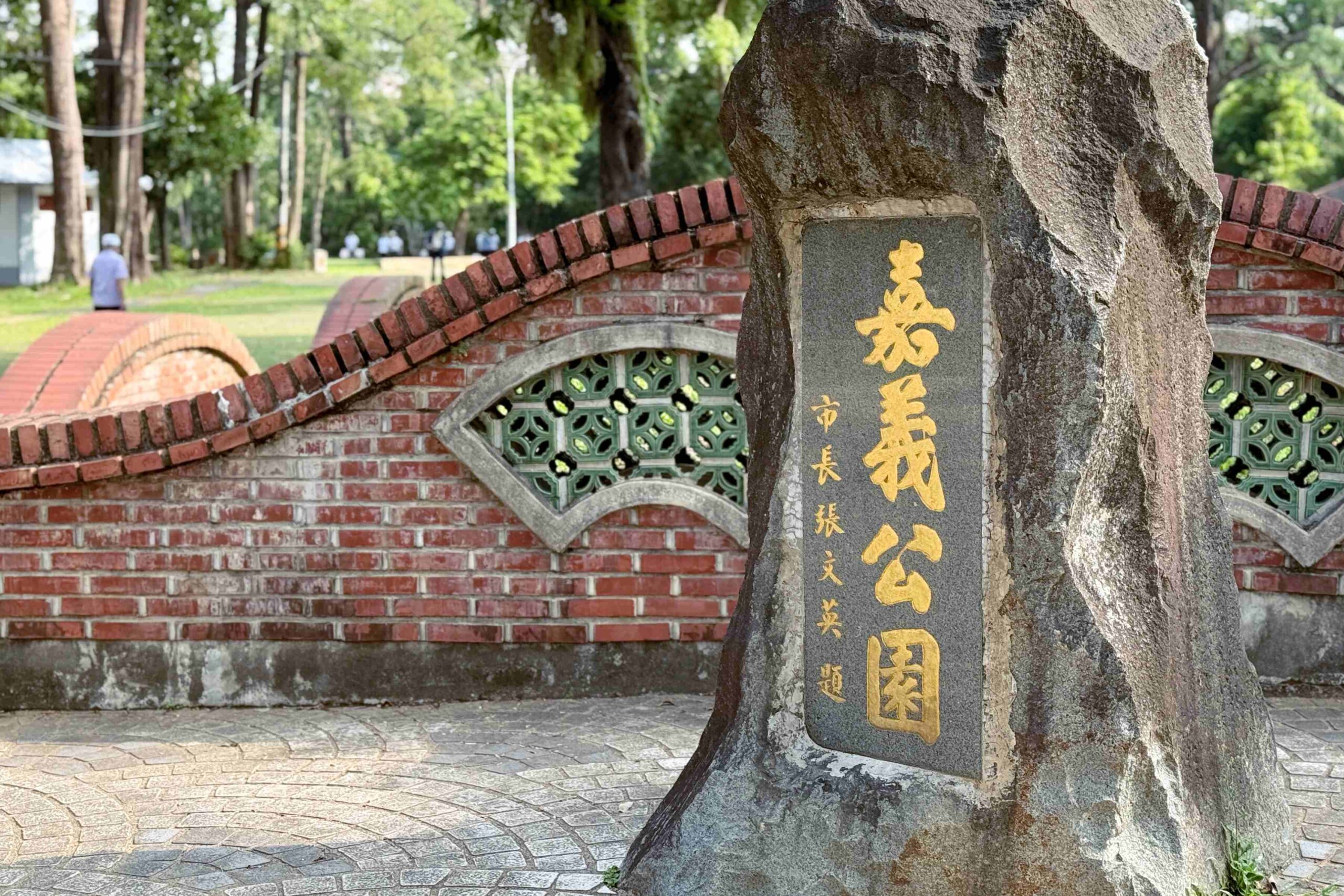
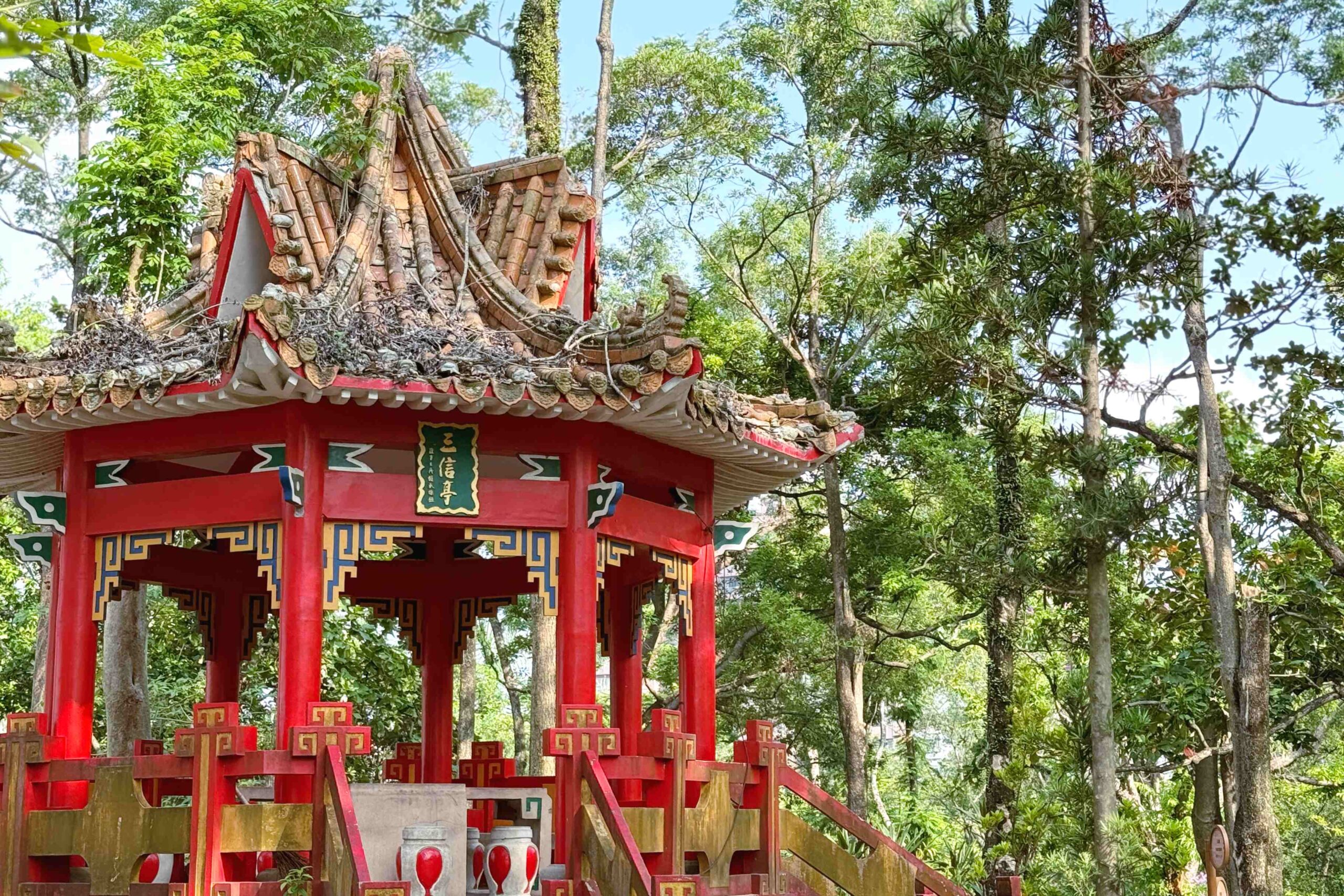
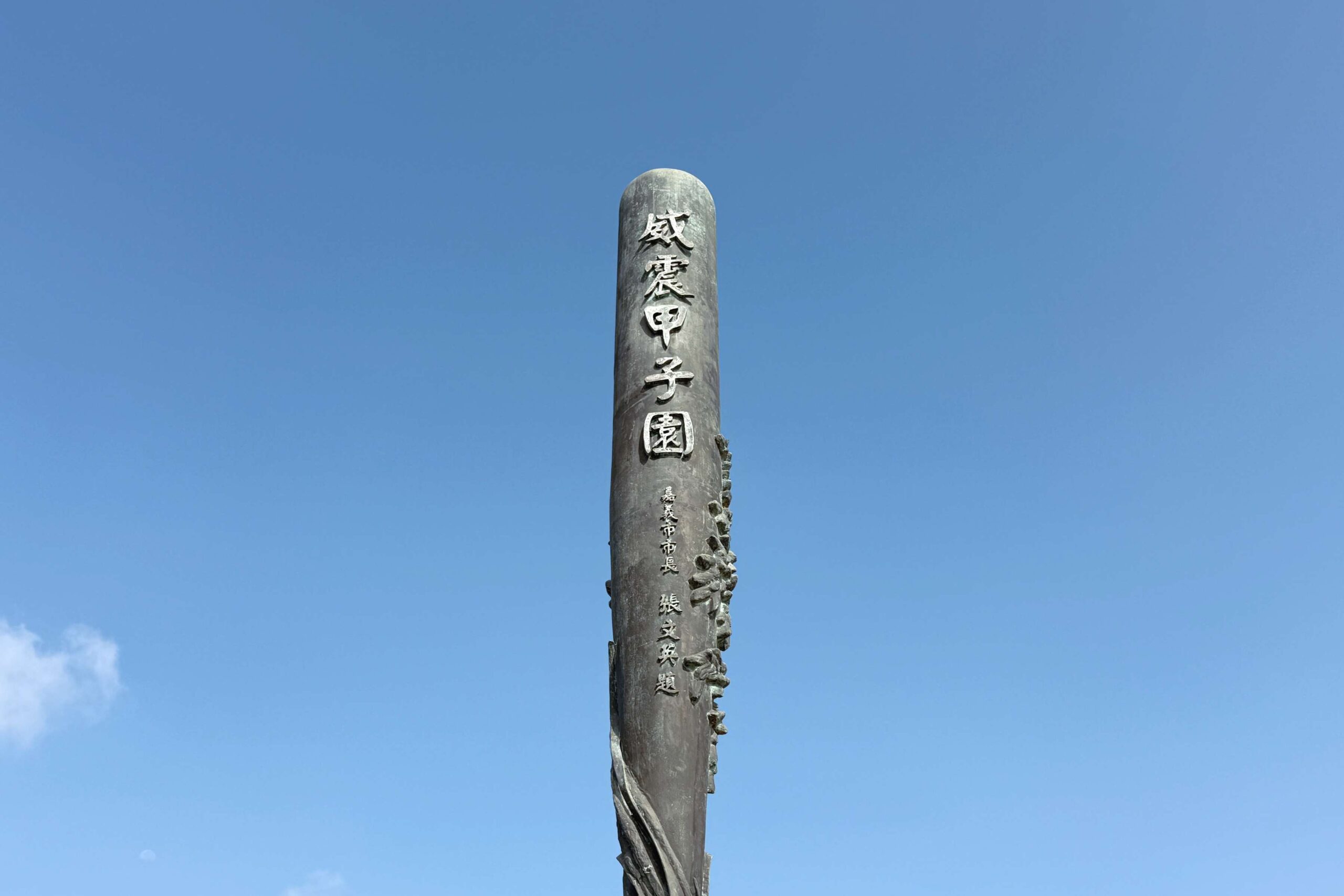
The park also preserves a wealth of historical landmarks, including the Confucius Temple, the Martyrs’ Shrine, the Sun-Shooting Tower, the Monument to Fuk’anggan’s Meritorious Deeds, and the easel of artist Chen Cheng-po. These cultural relics not only bear witness to Chiayi’s rich historical evolution but also make Chiayi Park a unique urban oasis where nature and culture harmoniously blend.
Chiayi Park

No. 264, Qiming Rd., East Dist., Chiayi
02|The Sun Shooting Tower
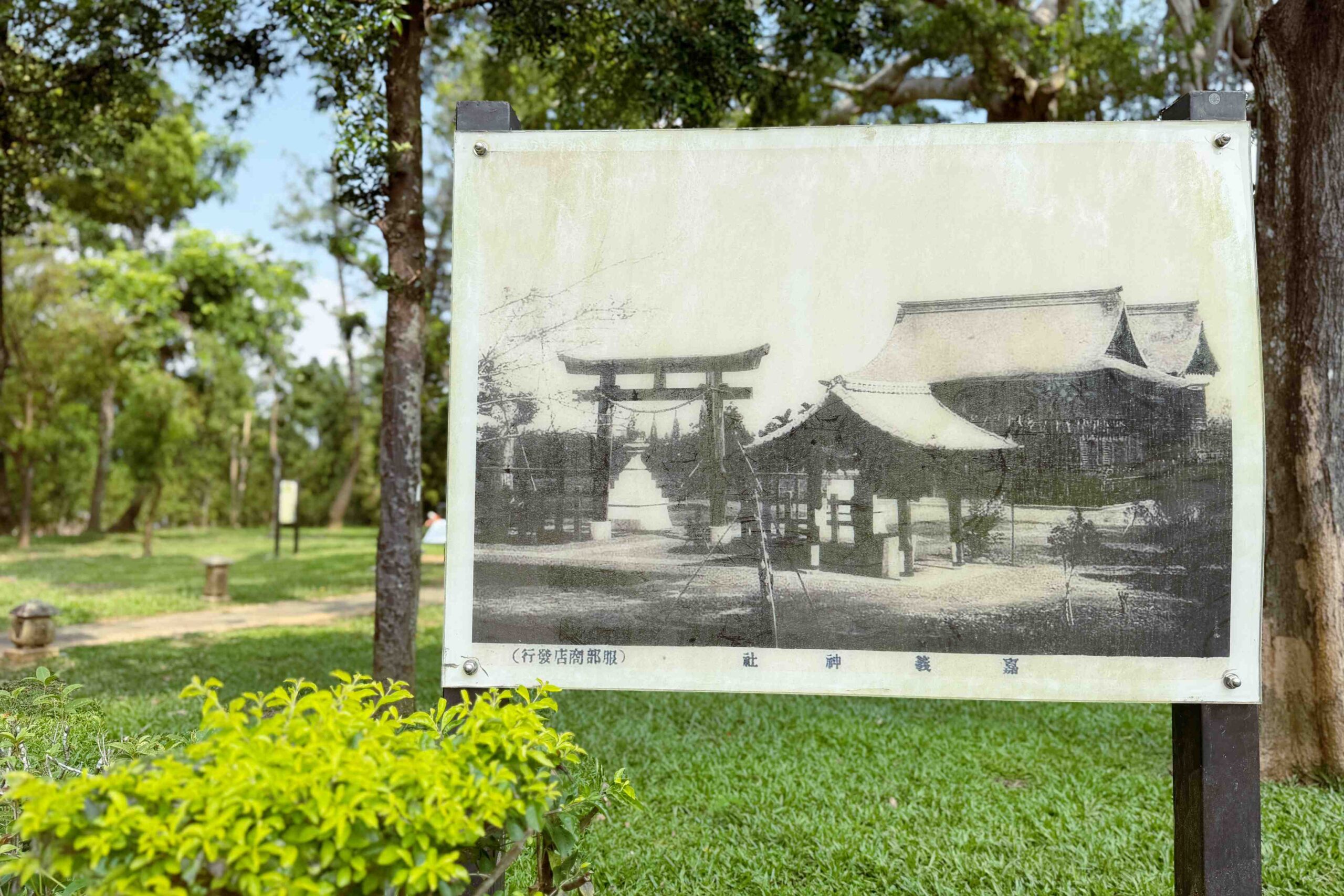
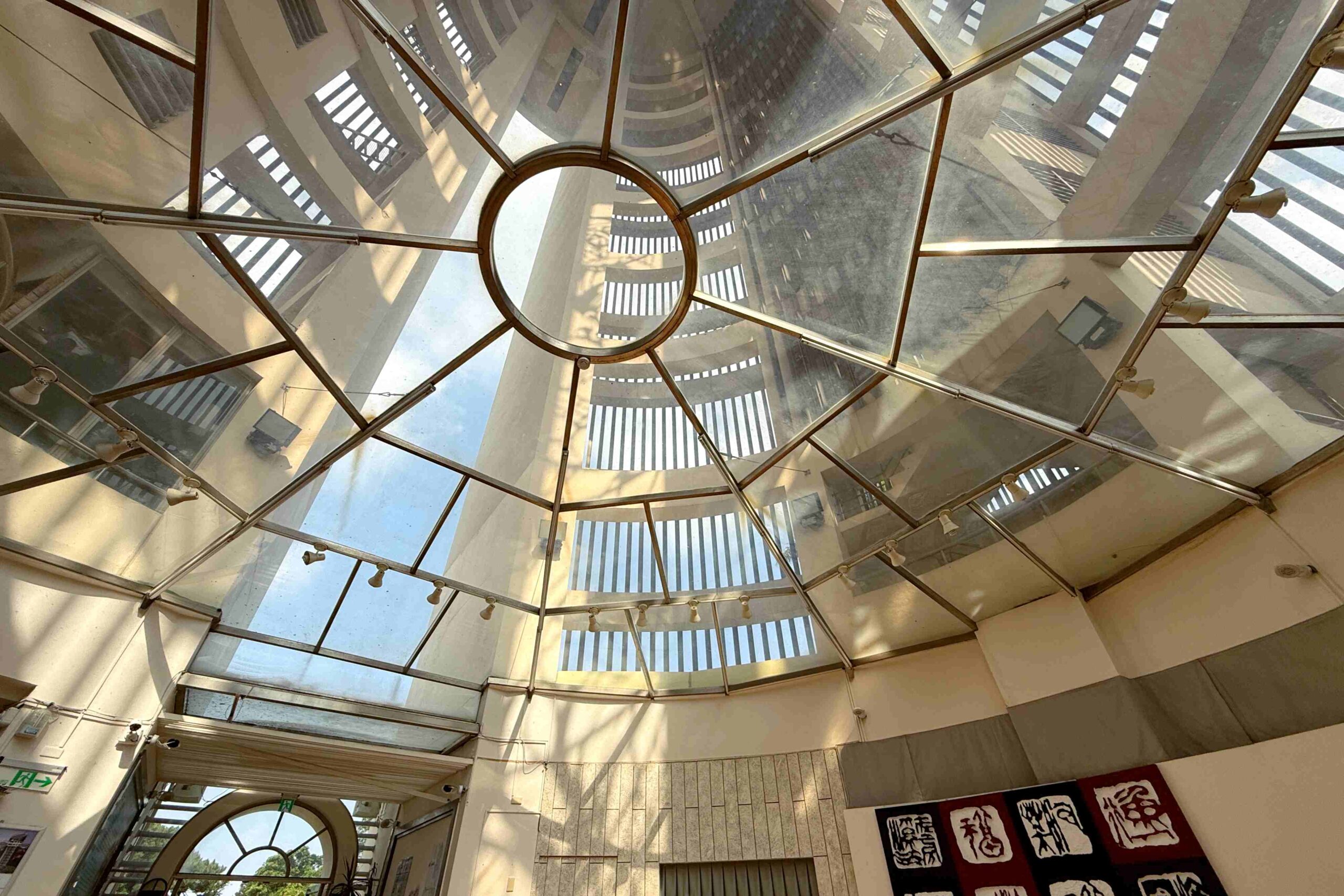
Standing 62 meters tall, the Sun-Shooting Tower is a striking landmark within Chiayi Park. The site where it now stands was originally home to the Chiayi Shinto Shrine, built during the Japanese colonial period. After World War II, the shrine’s main hall was converted into the Martyrs’ Shrine. Unfortunately, a fire later destroyed the entire structure. The government initially planned to rebuild the Martyrs’ Shrine and construct the Sun Shooting Tower as separate projects. However, due to limited funds, they ultimately decided to combine the two into a single structure.
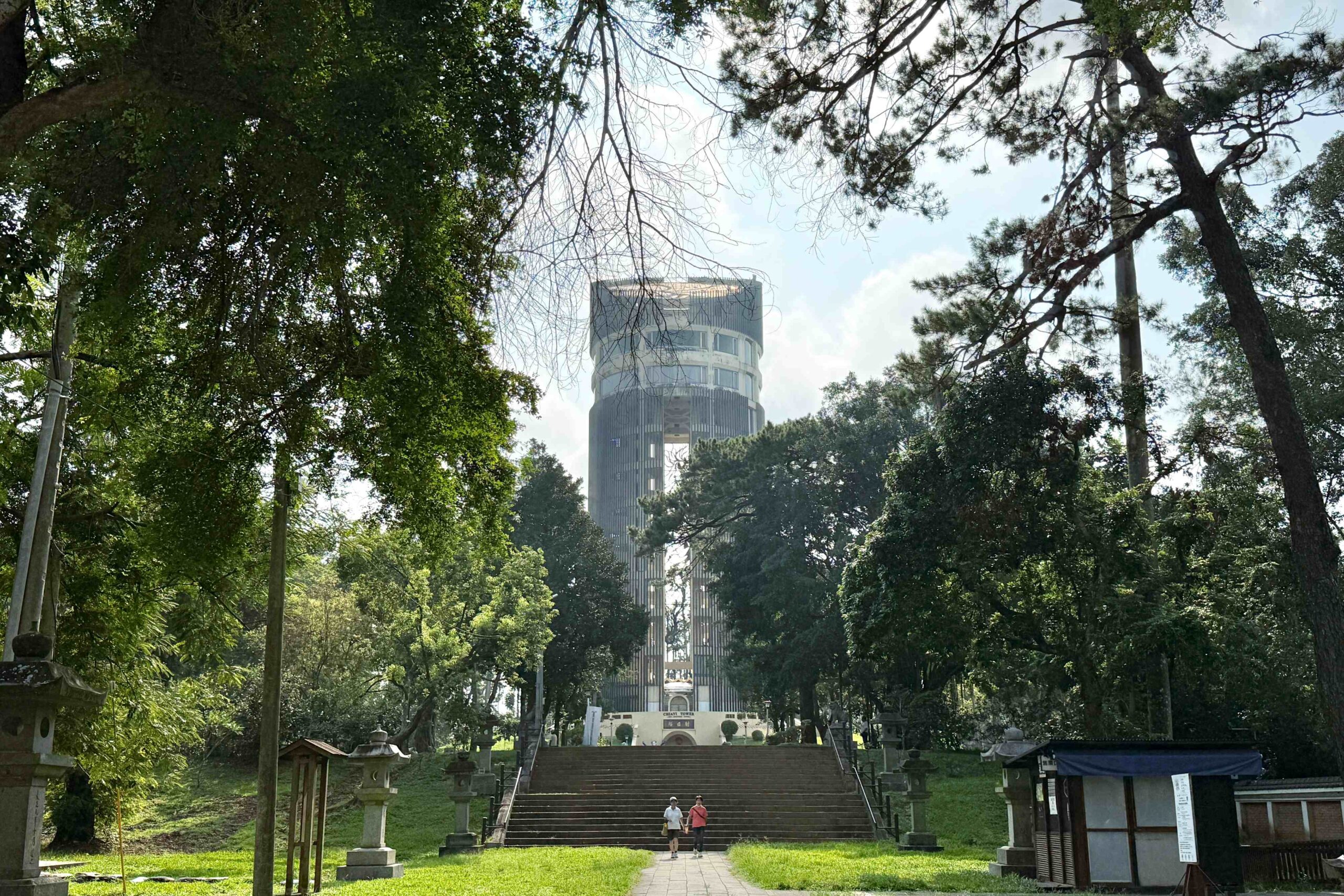
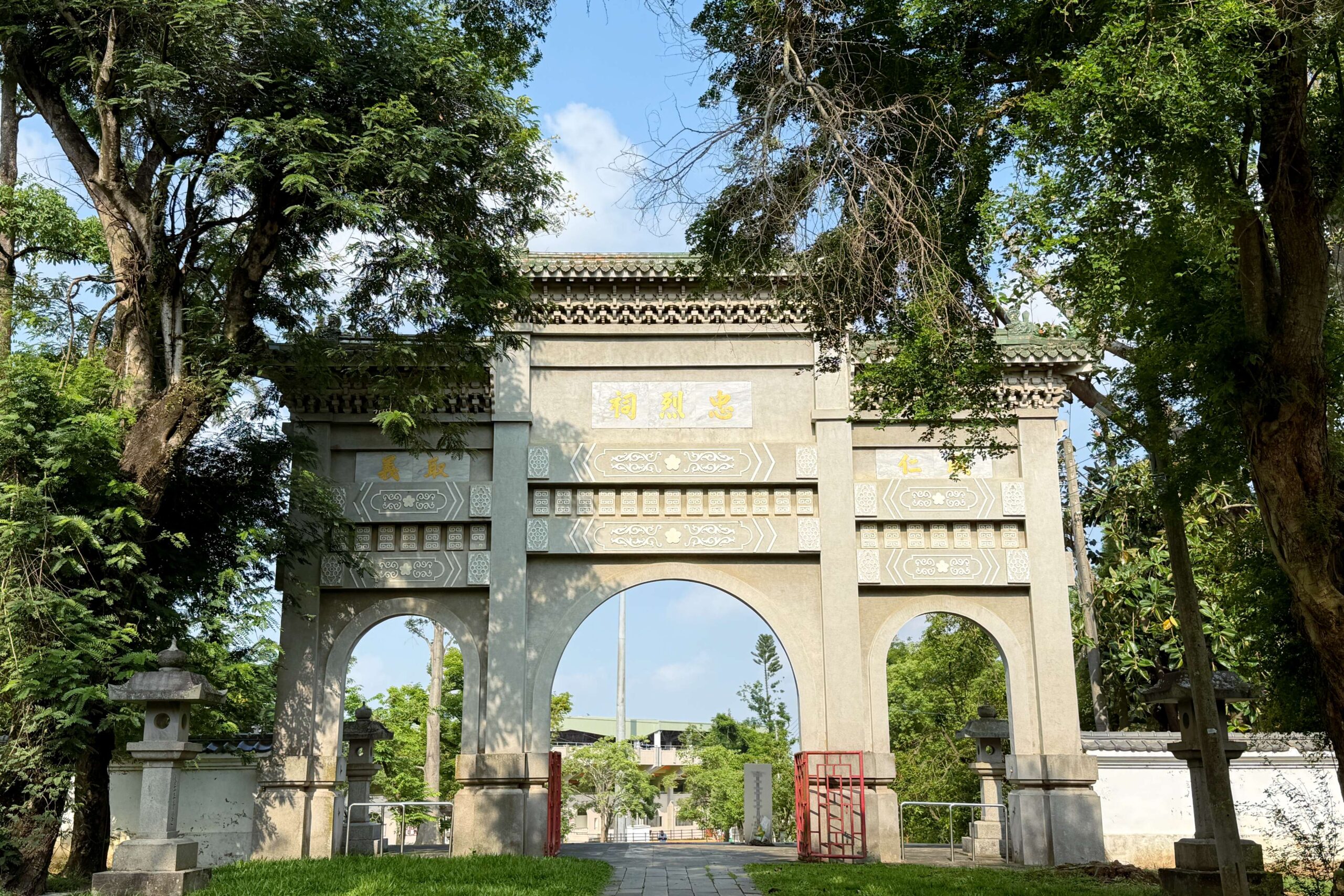
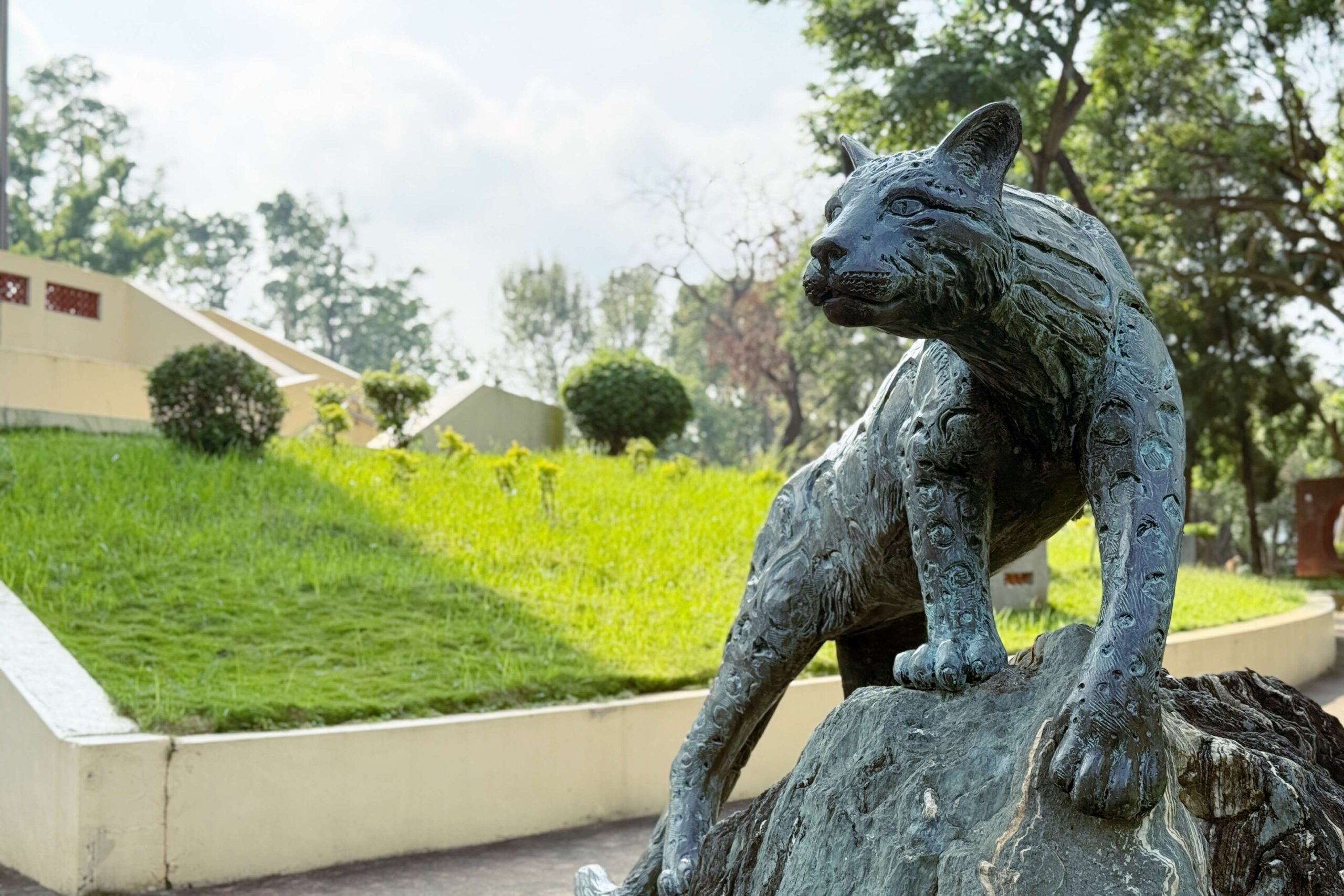
The tower’s design draws inspiration from the Sun-Shooting Myth of the indigenous Pingpu people. Its exterior, inspired by the sacred giant trees of Alishan, is wrapped in bronze-colored aluminum strips resembling tree bark. At the entrance stand two bronze clouded leopards symbolizing the guardian spirits of Taiwan, while the base of the tower serves as the Martyrs’ Shrine.
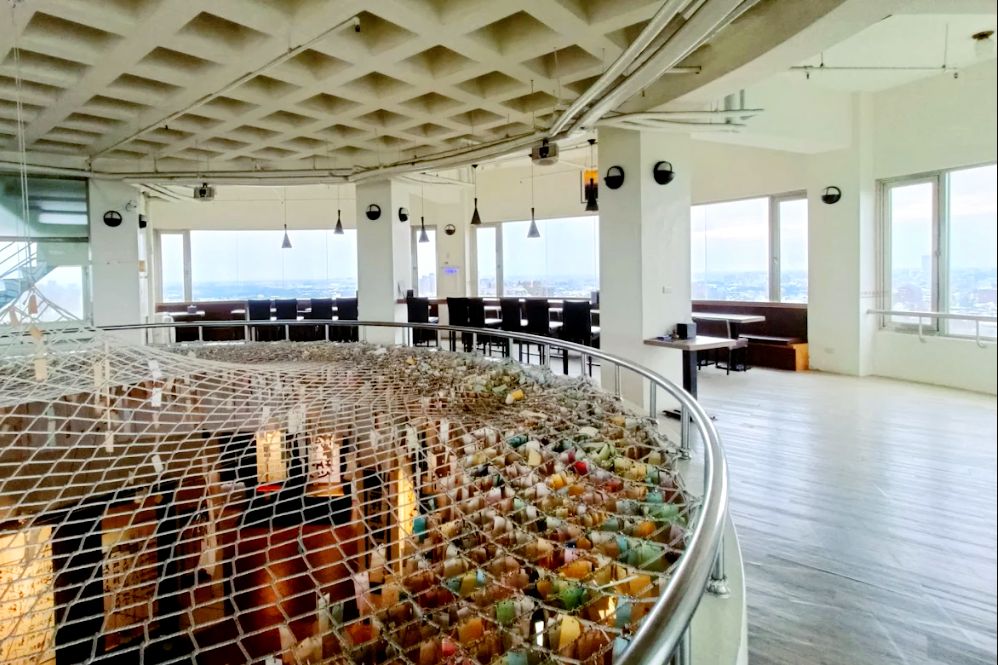
I especially love the observation café on the 11th floor and the open-air viewing deck on the 12th. Although admission requires a ticket, the panoramic view overlooking the baseball stadium and the cityscape makes it absolutely worthwhile!
The Sun Shooting Tower

Opening Hours
Wednesday to Friday: 0900-1700
Saturday: 0900-1900
Sunday: 0900-1800
Closed on Monday and Tuesday
No. 46, Gongyuan St., East Dist., Chiayi
03|J18 Chiayi City Historical Relic Museum
Located in front of the Sun-Shooting Tower, the J18 Chiayi City Historical Relic Museum is composed of two buildings that once served as the Saikan (purification hall) and Shamusho (administrative office) of the Chiayi Shinto Shrine during the Japanese colonial period. The Saikan was where worshippers purified themselves and prepared before ceremonies, while the Shamusho functioned as the shrine’s administrative office.
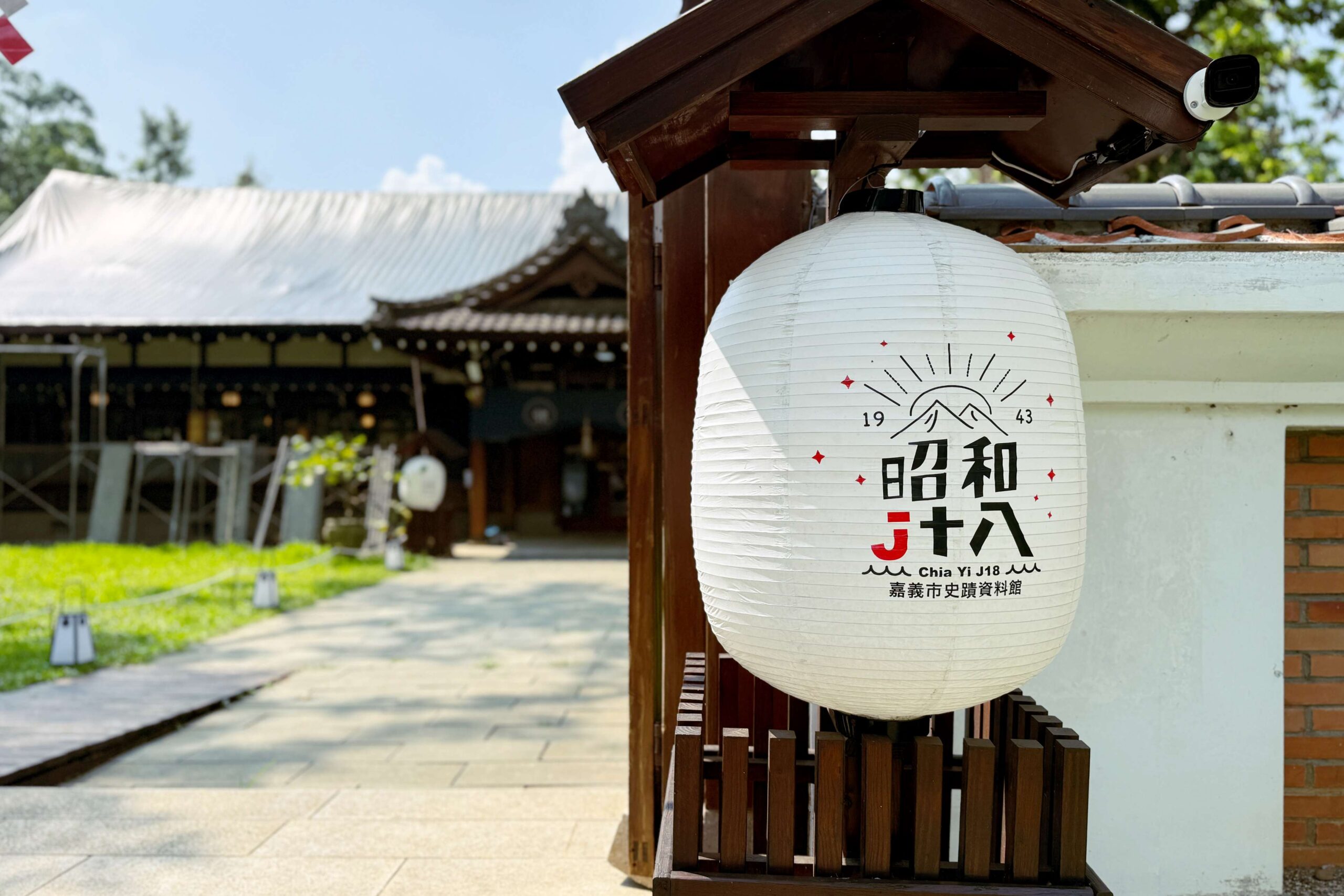
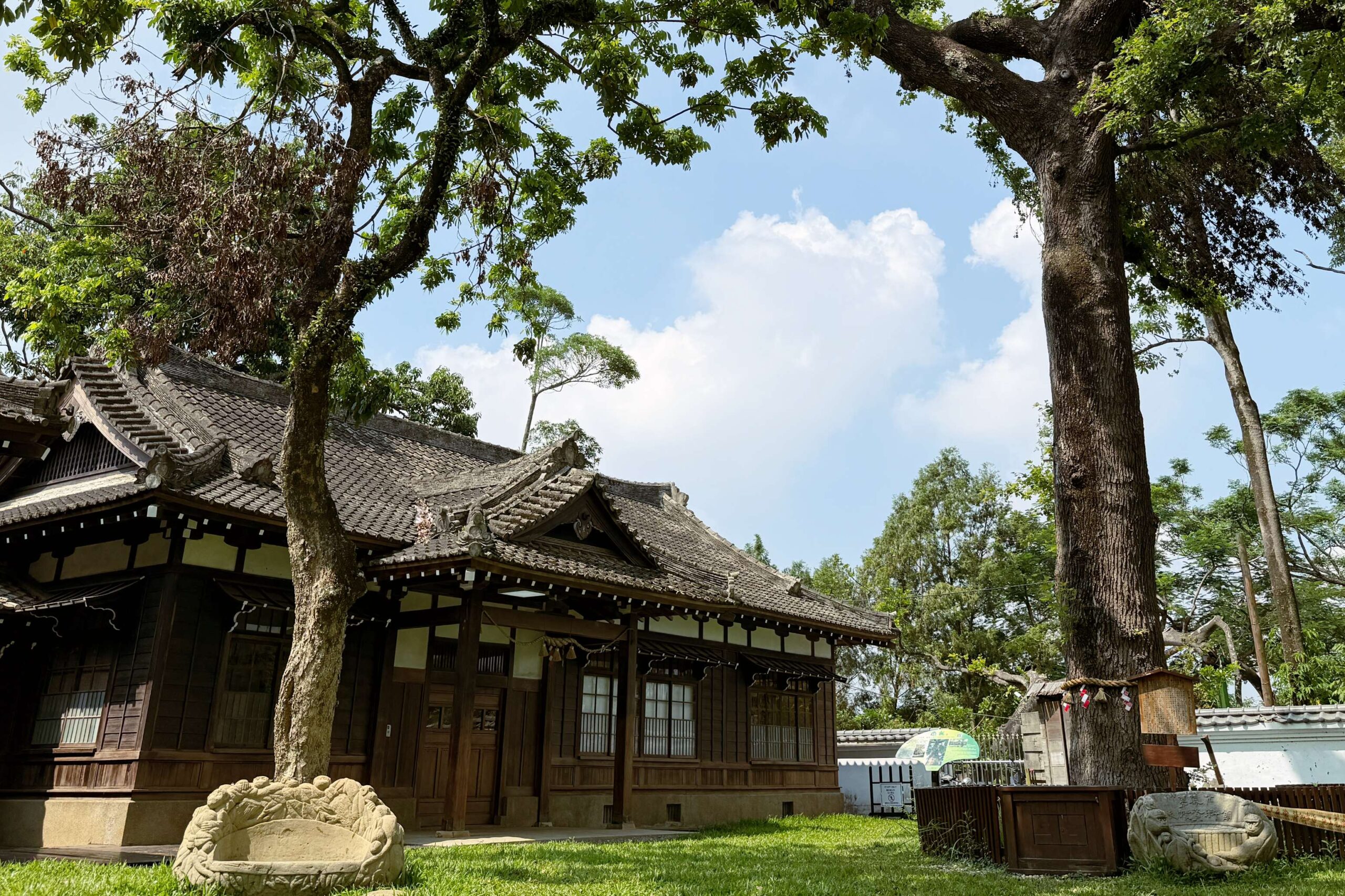
Today, the Saikan has been transformed into a dining area, a cultural and creative shop, a kimono experience space, and the Chiayi Mini Literature Hall. The Shamusho now houses both permanent and special exhibitions showcasing Chiayi’s rich history and culture.
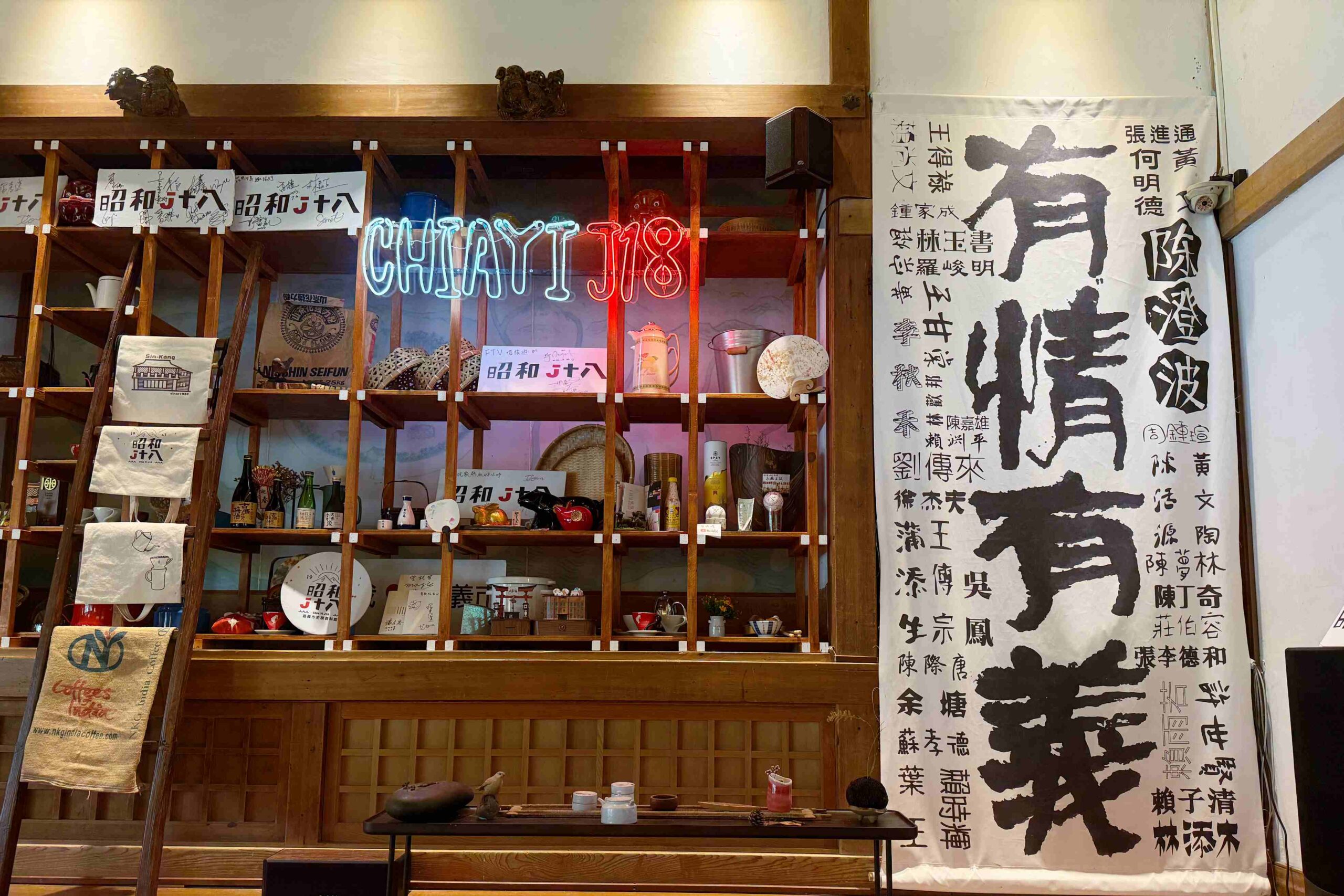
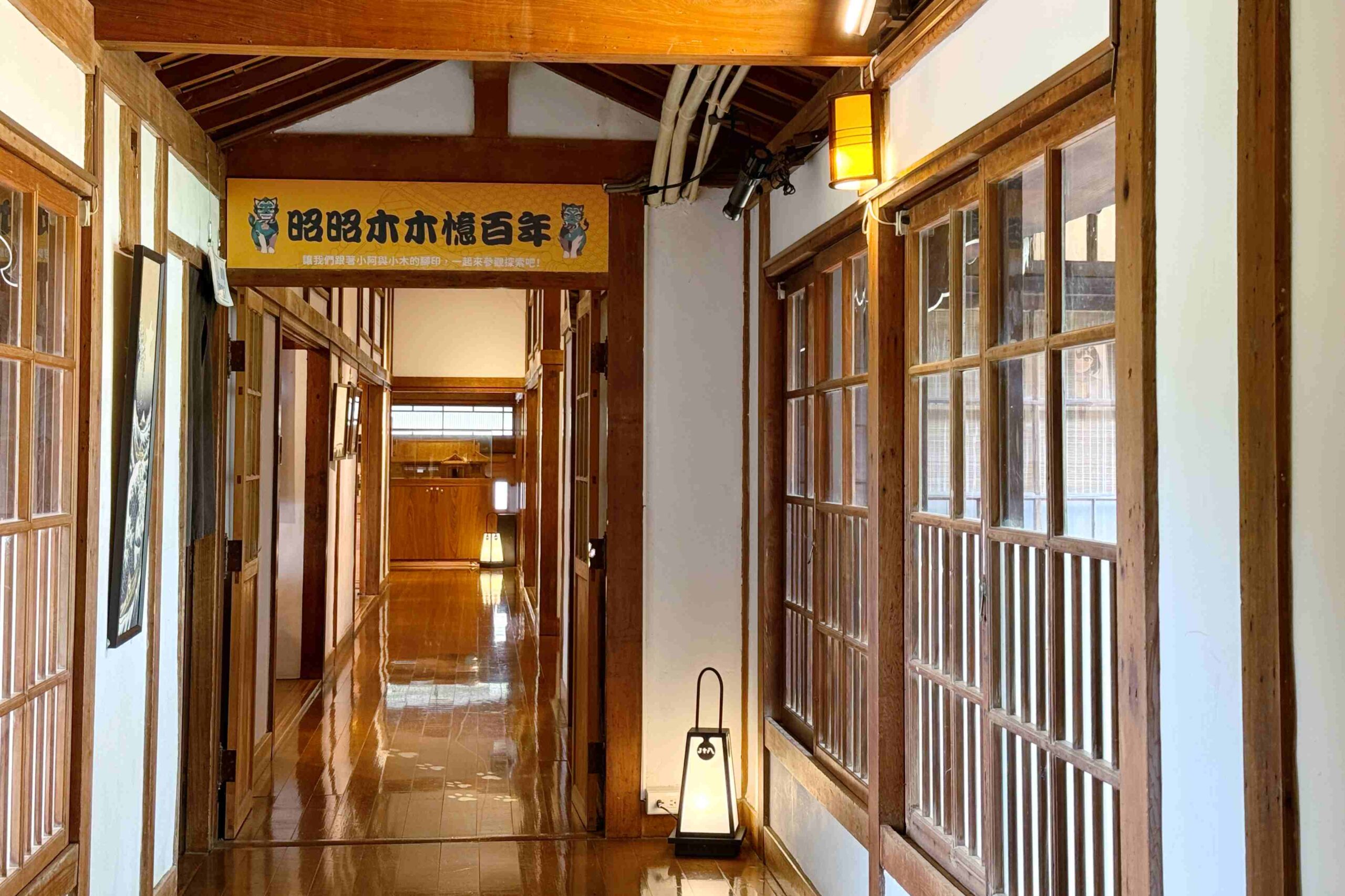
Unlike the typically solemn image of a “historical museum,” J18 blends cultural experiences with anime-inspired elements, creating a lively and engaging atmosphere. The authentic kimono experience is especially popular among visitors. The museum offers a wide selection of kimonos and accessories—while the hairstyling and makeup may not be as elaborate as those in Japan, the overall experience still feels wonderfully authentic.
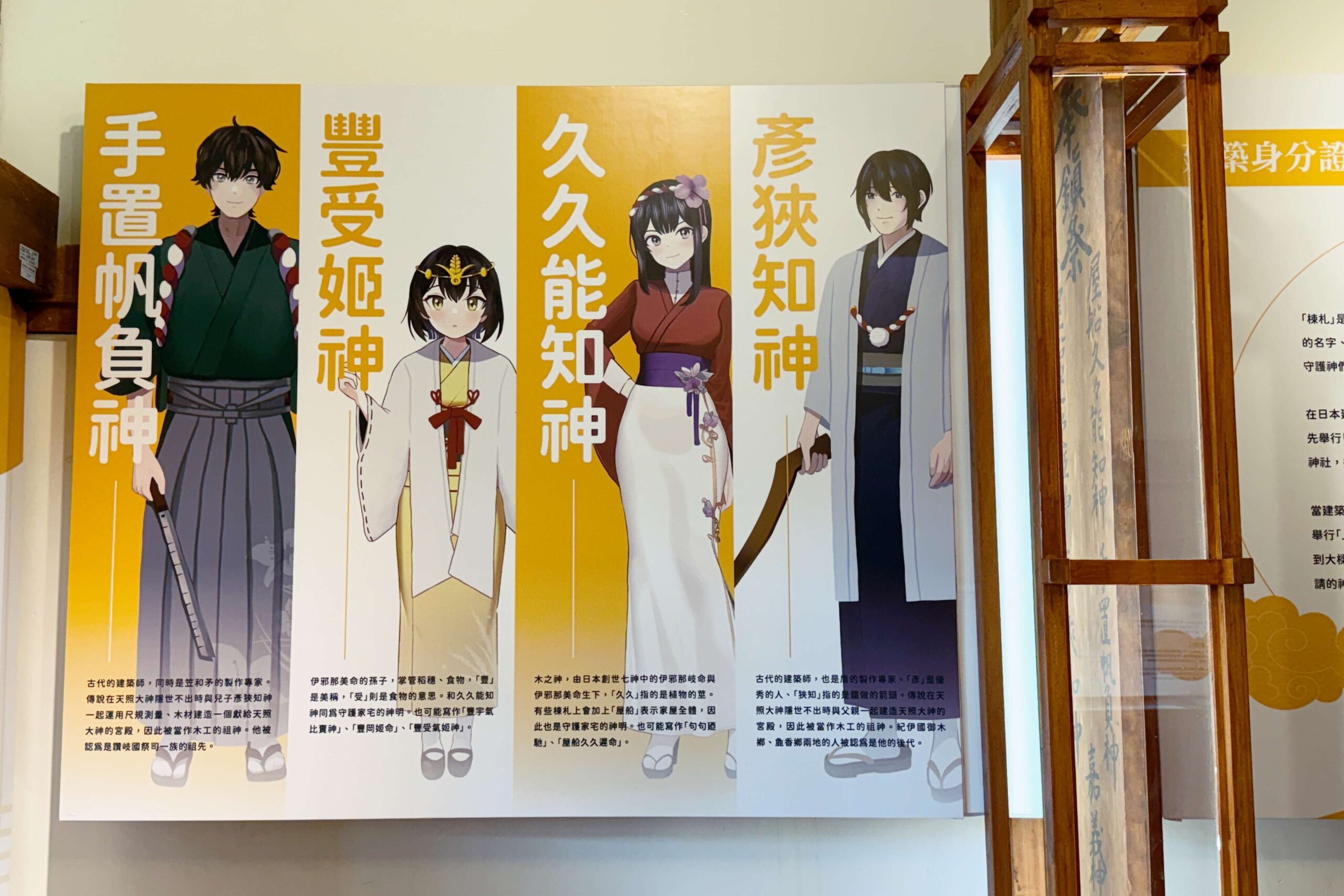
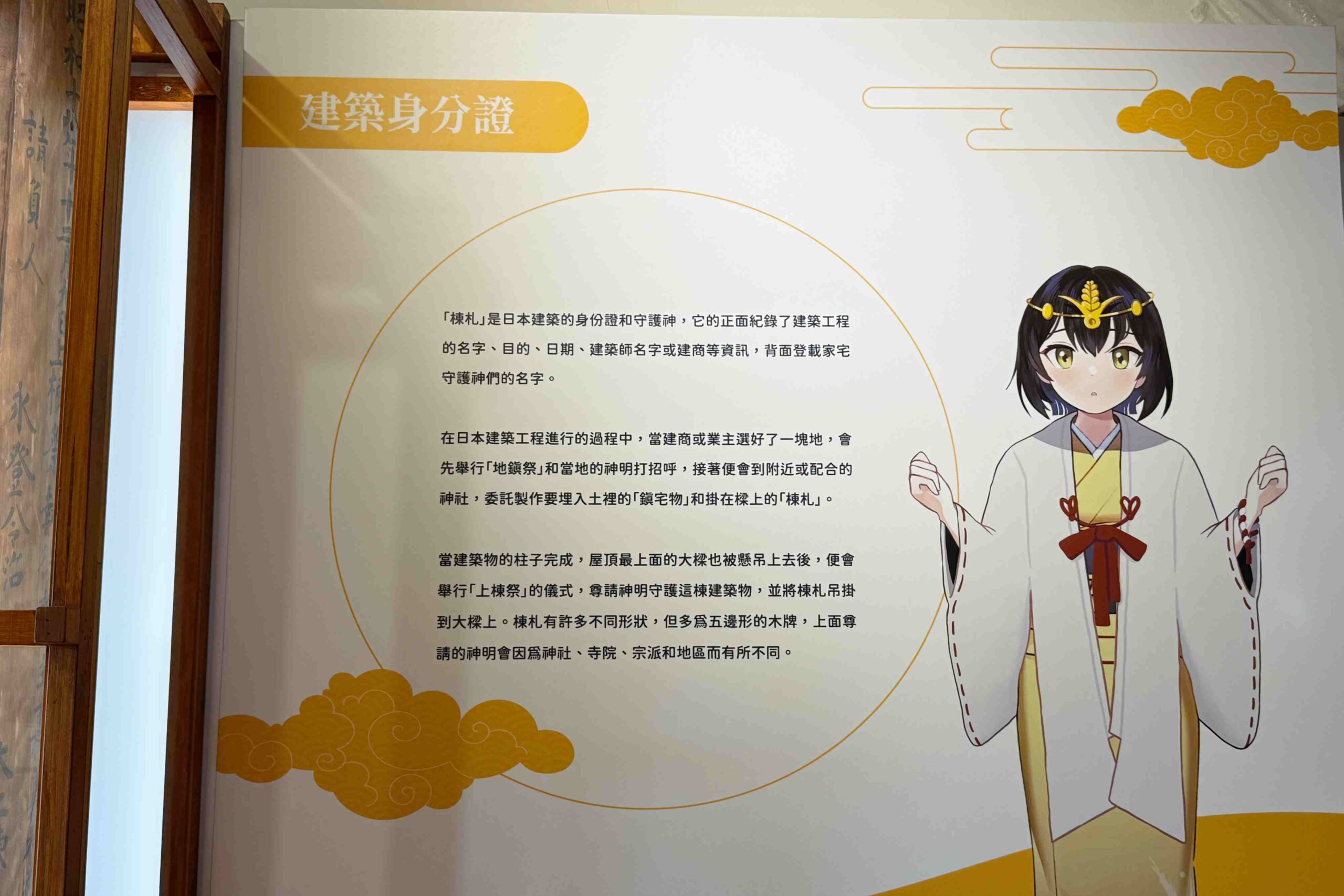
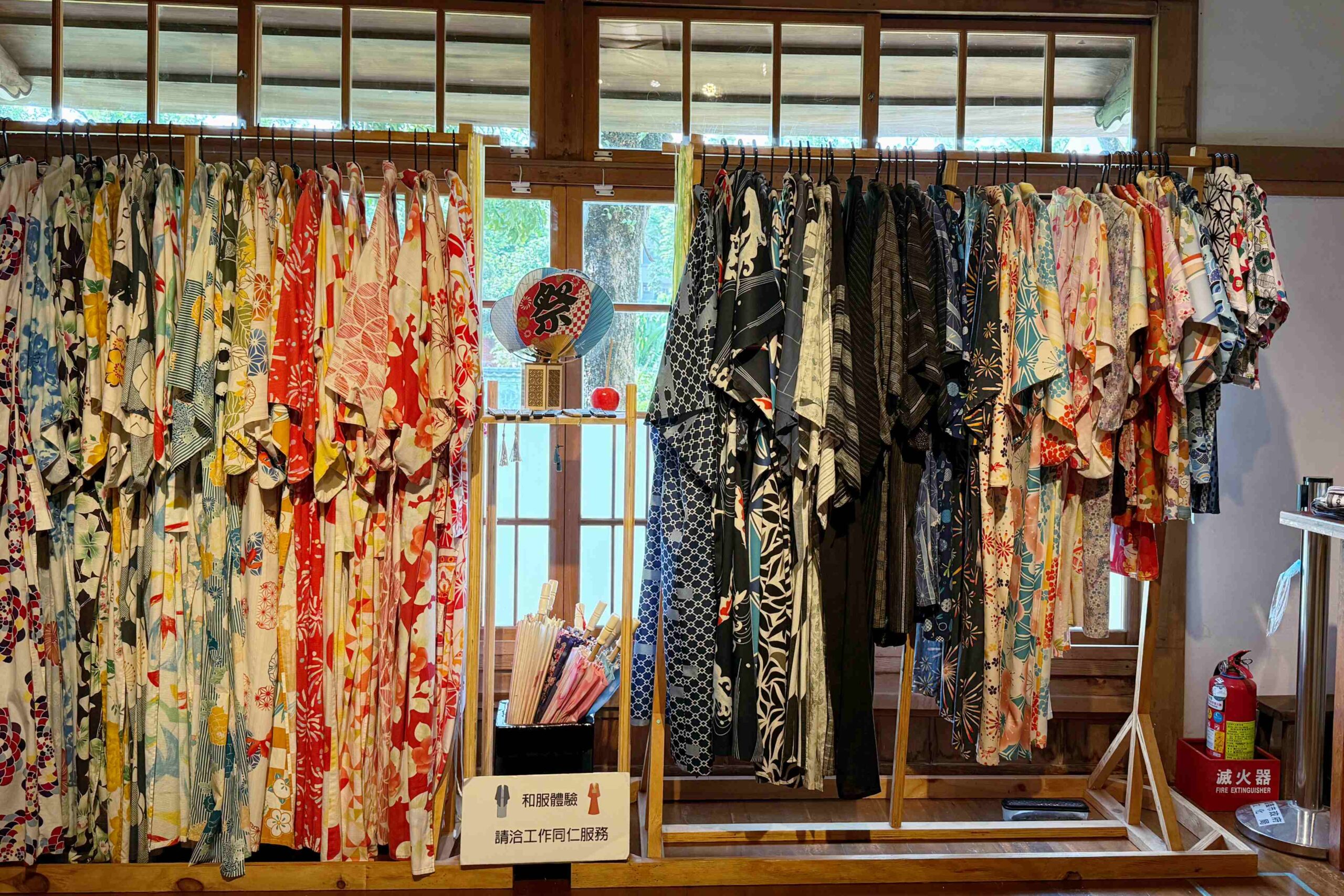
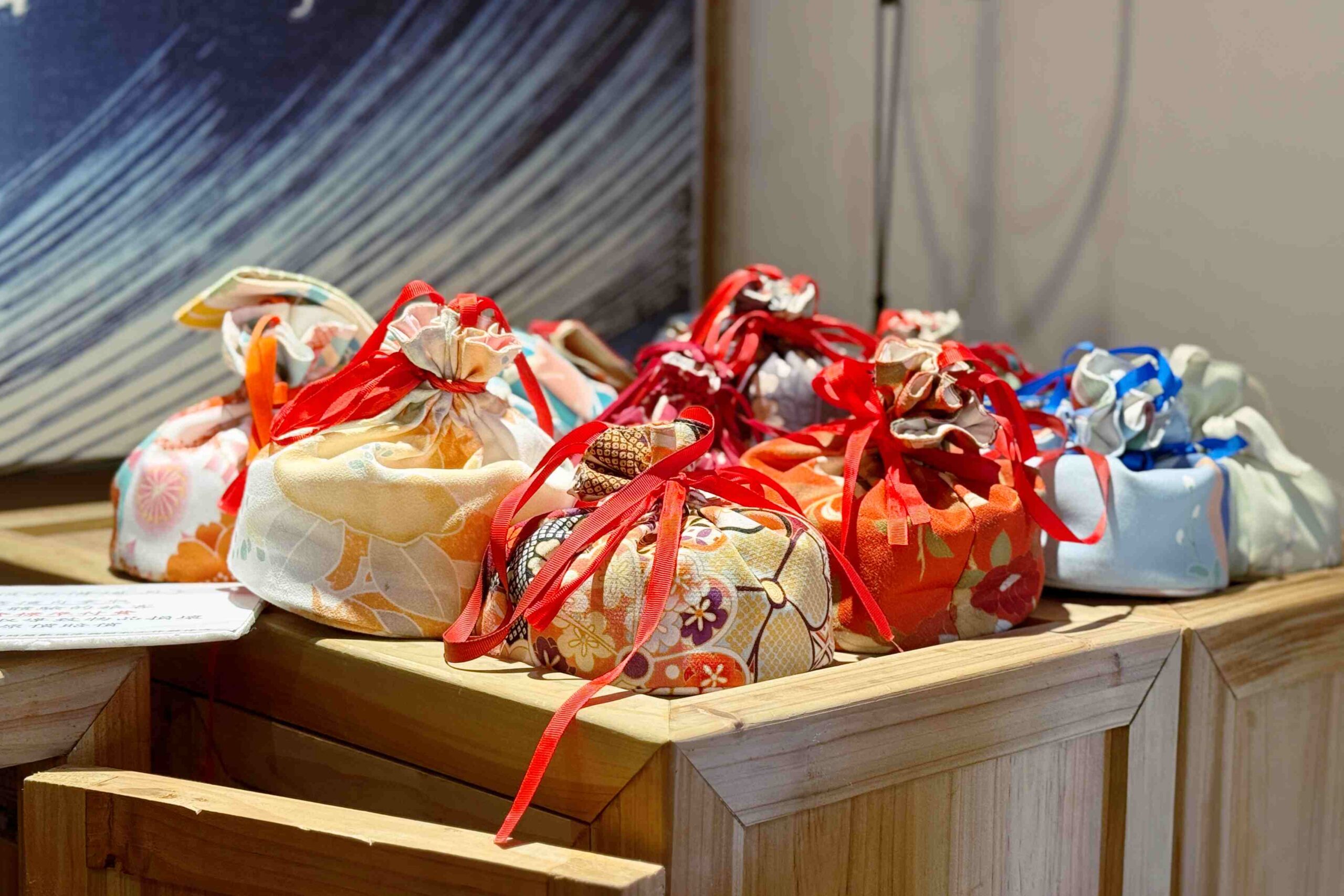
J18 Chiayi City Historical Relic Museum J18 嘉義市史蹟資料館

Opening Hours: 1000-1800, closed on Thursday.
No. 42, Gongyuan St., East Dist., Chiayi
04|KANO Park
Chiayi was once a city that shone brightly on the international stage because of baseball. As early as the Japanese colonial period, it had already laid a solid foundation for the sport’s development. In 1931, the Chiayi Agriculture and Forestry School (Chiayi Nōrin) represented Taiwan in Japan’s prestigious Koshien high school baseball tournament and won second place — the best result ever achieved by a Taiwanese team. Beyond that historic achievement, Chiayi Nōrin made it to Koshien five times in total, becoming a source of immense pride for people across Taiwan. The 2014 inspirational film KANO was based on the true story of this legendary team. Composed of Indigenous players, Japanese players, and Han Chinese players, the team initially struggled but, under the guidance of Coach Kondo Hyotaro, rose to win the island-wide championship. They went on to represent Taiwan at the 17th Summer Koshien Tournament, carving their names into baseball history.
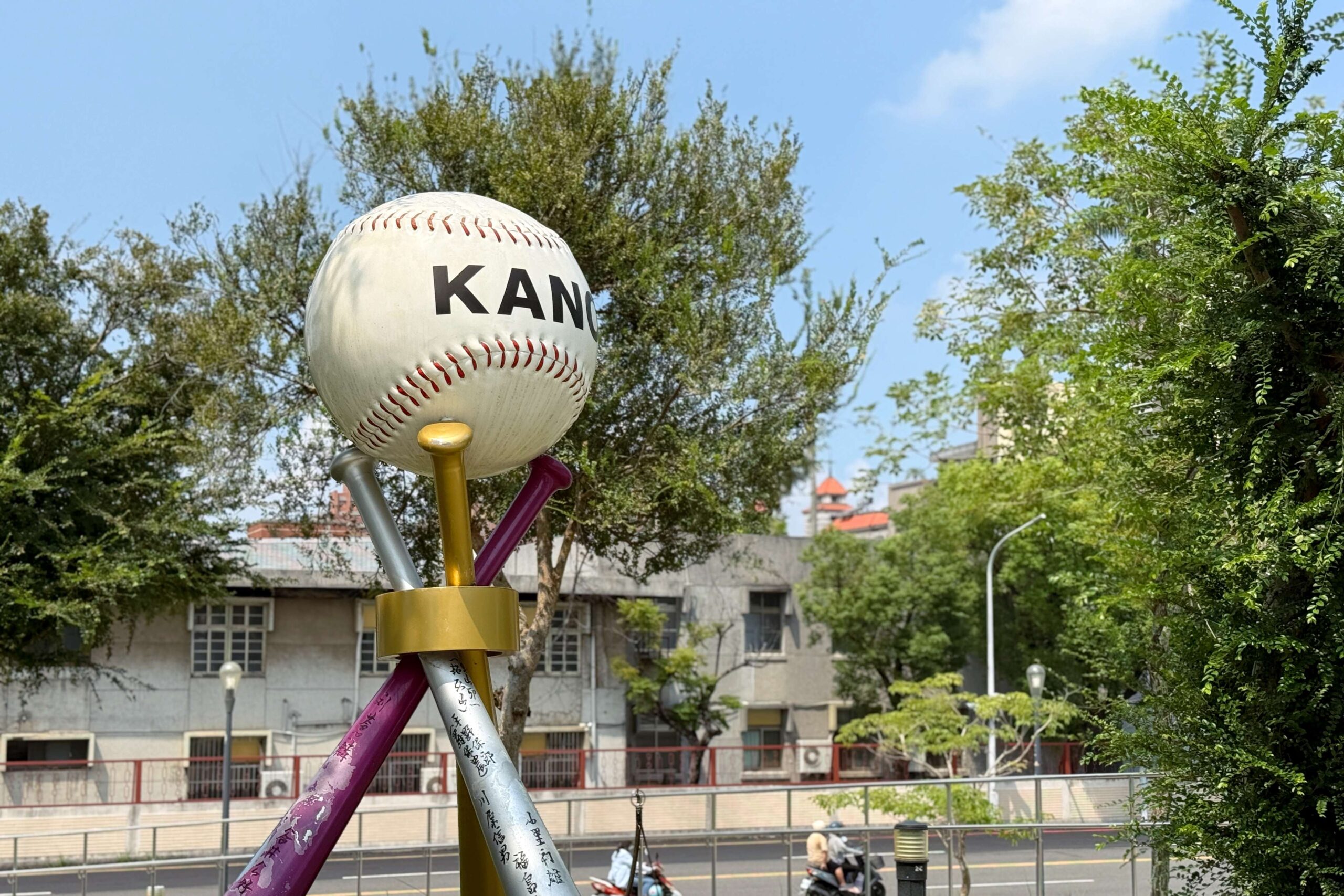
Completed in 2017, KANO Park allows visitors to once again feel the fiery passion of Chiayi’s baseball spirit. The massive aluminum KANO sculpture at the park’s center is especially eye-catching — every time I see it, I’m reminded of the film’s stirring, heart-pounding scenes.
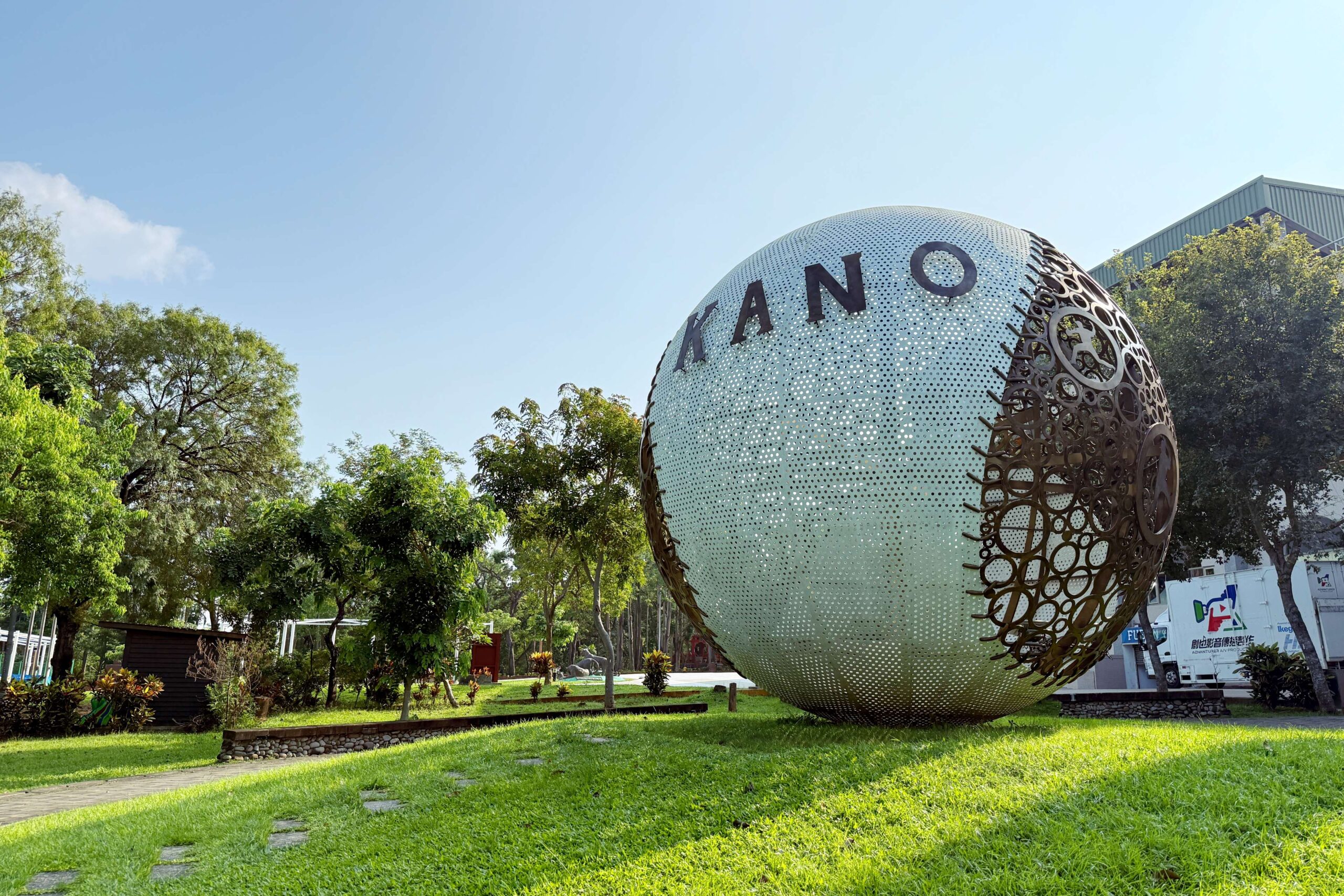
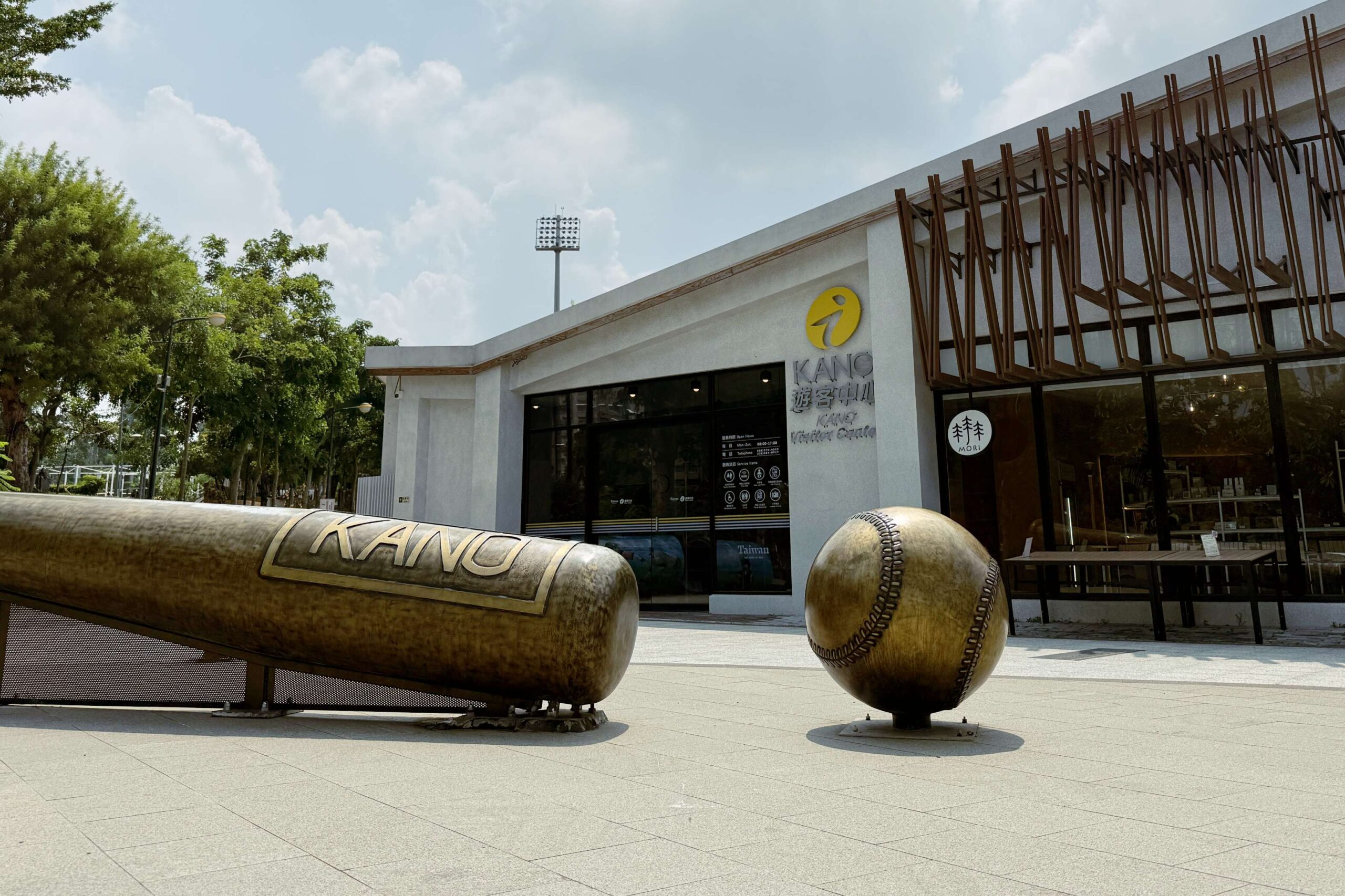
KANO Park 園區

No. 249-1, Shanziding, East Dist., Chiayi
05|Hinoki Village
Hinoki Village is Taiwan’s first cultural and creative park themed around “the forest.” The area encompasses the former residences of Japanese officials and staff from the colonial period, including housing for both junior and senior officers, as well as the Chiayi Forestry Club, which is now a designated city monument. It was not only Taiwan’s earliest forestry settlement but also the most extensive and best-preserved cluster of Japanese-style official residences in the country.
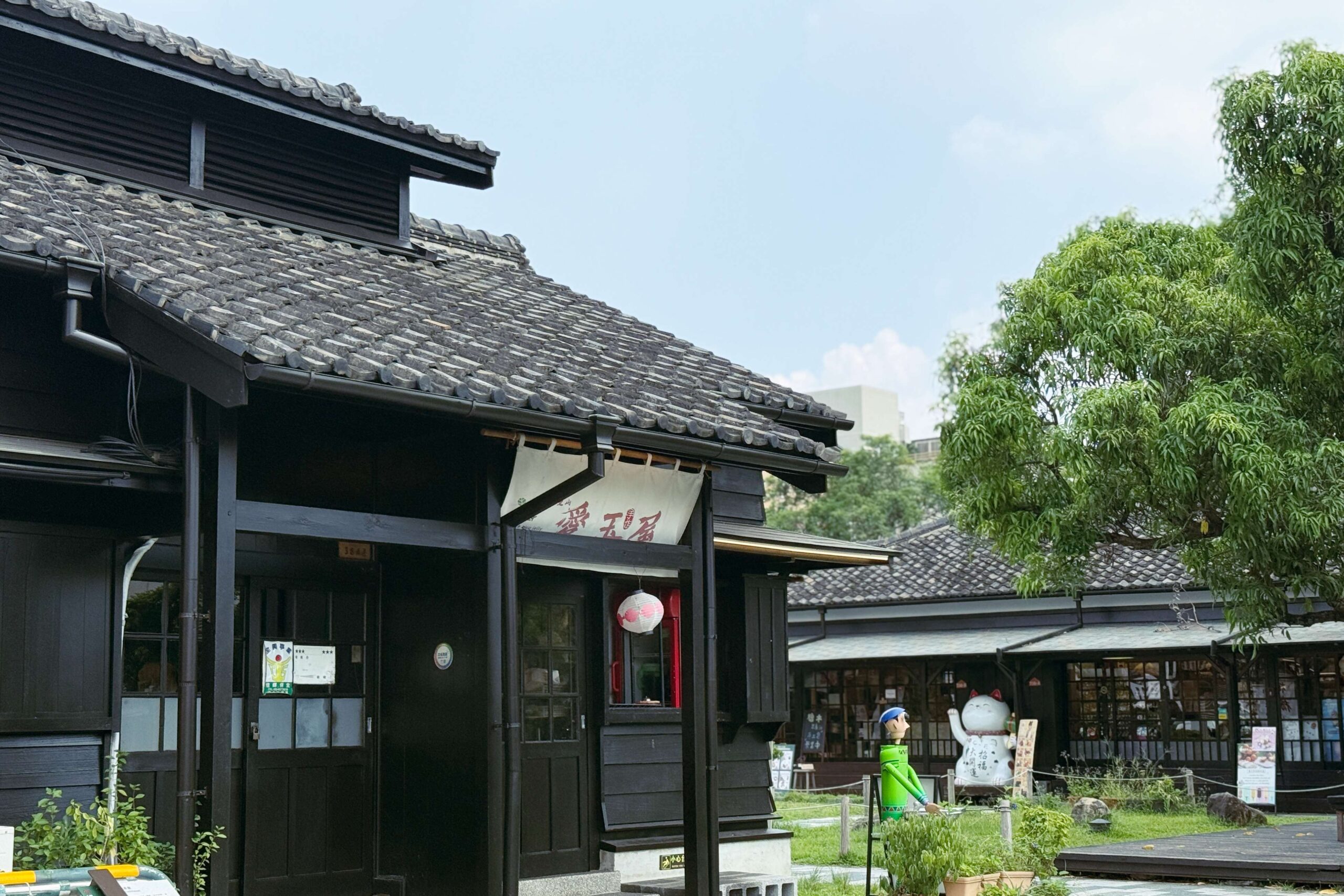
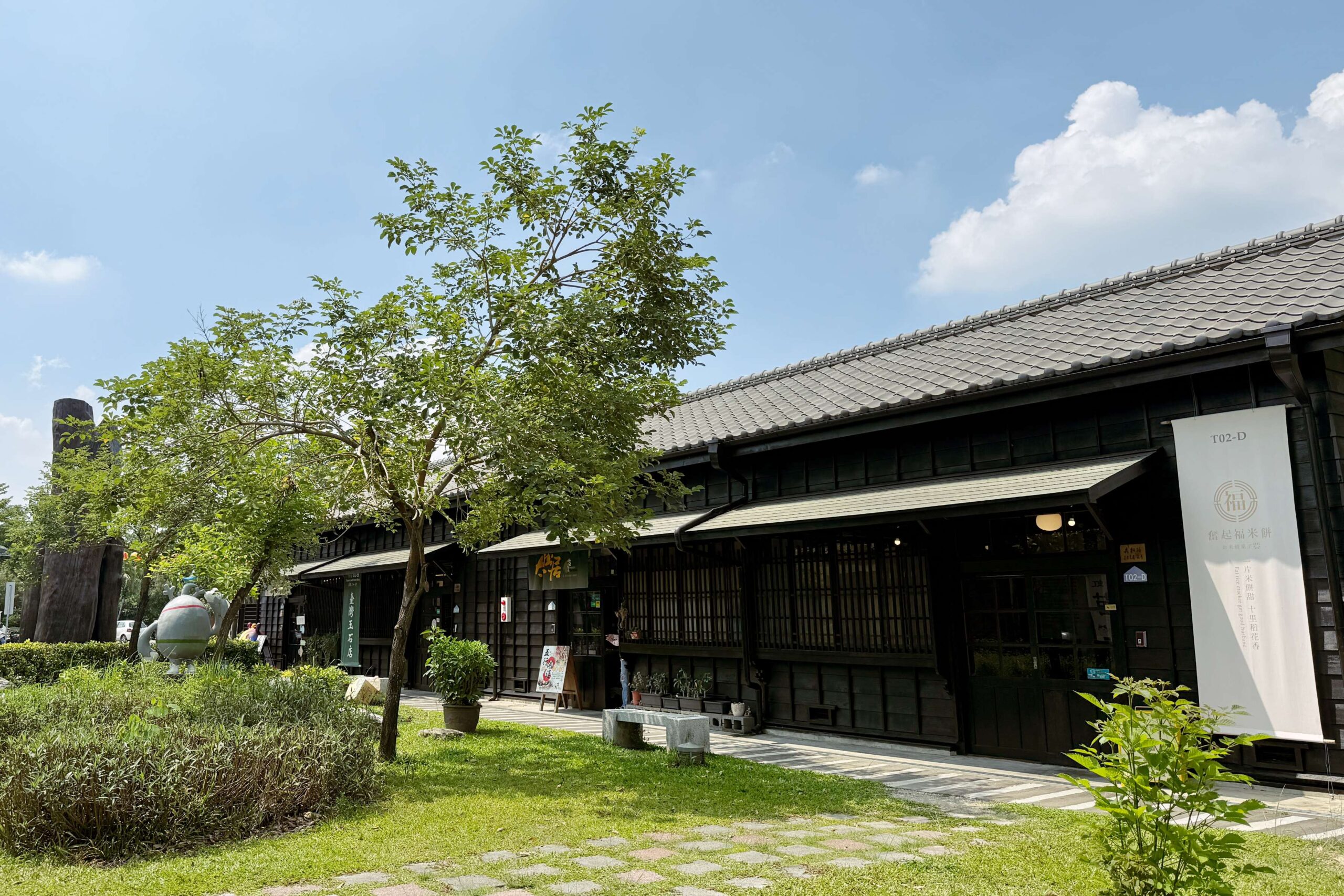
Today, the former dormitories have been revitalized and repurposed into distinctive shops, exhibition spaces, and cultural-creative brand outlets. Guided tours and DIY craft workshops are also offered, allowing visitors to explore the historical and cultural background of Hinoki Village in depth. The park also gathers some of Chiayi’s most iconic souvenir brands, such as Fuyishan and Pineapple Hill, making it a perfect place to enjoy both sightseeing and shopping in one visit.
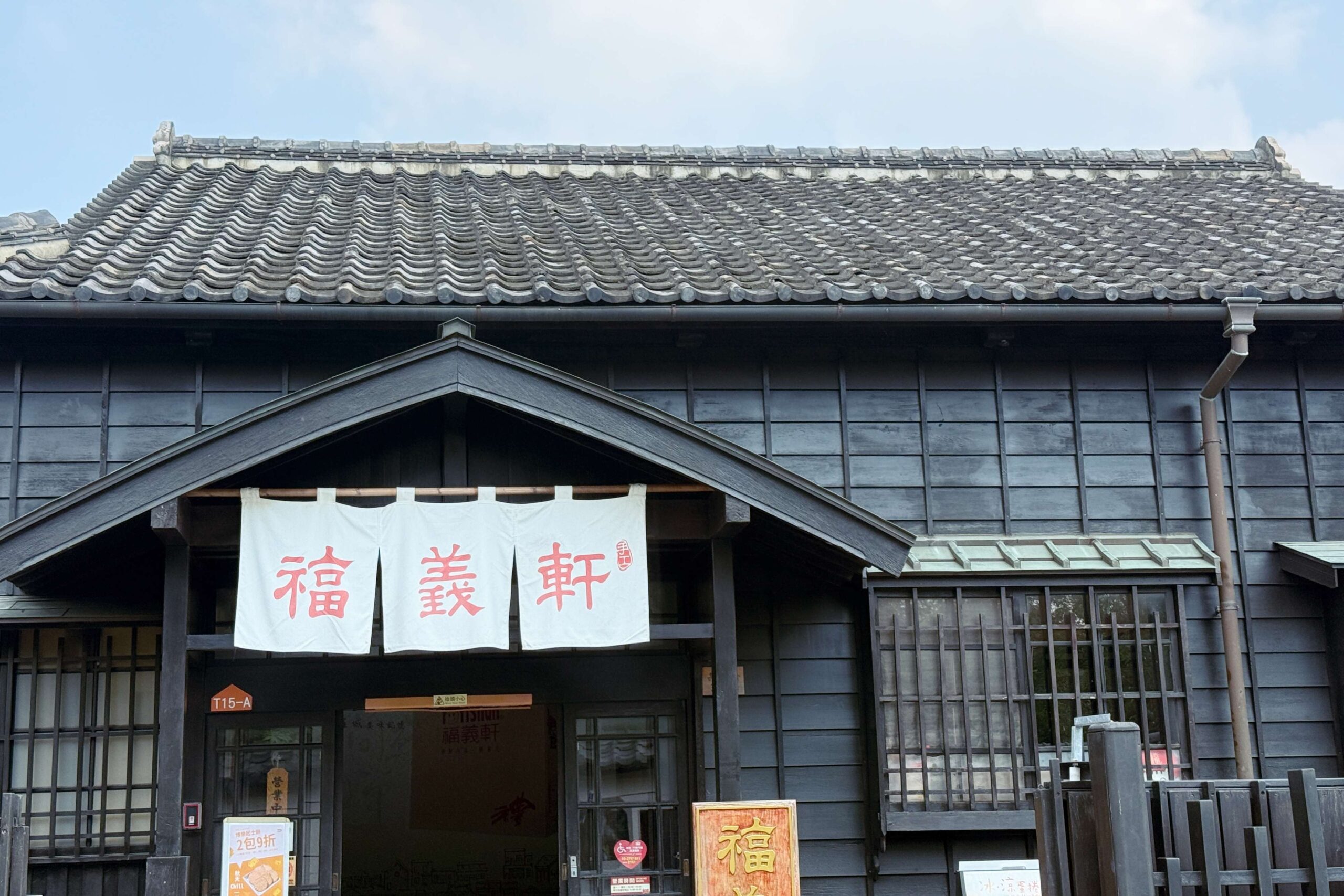
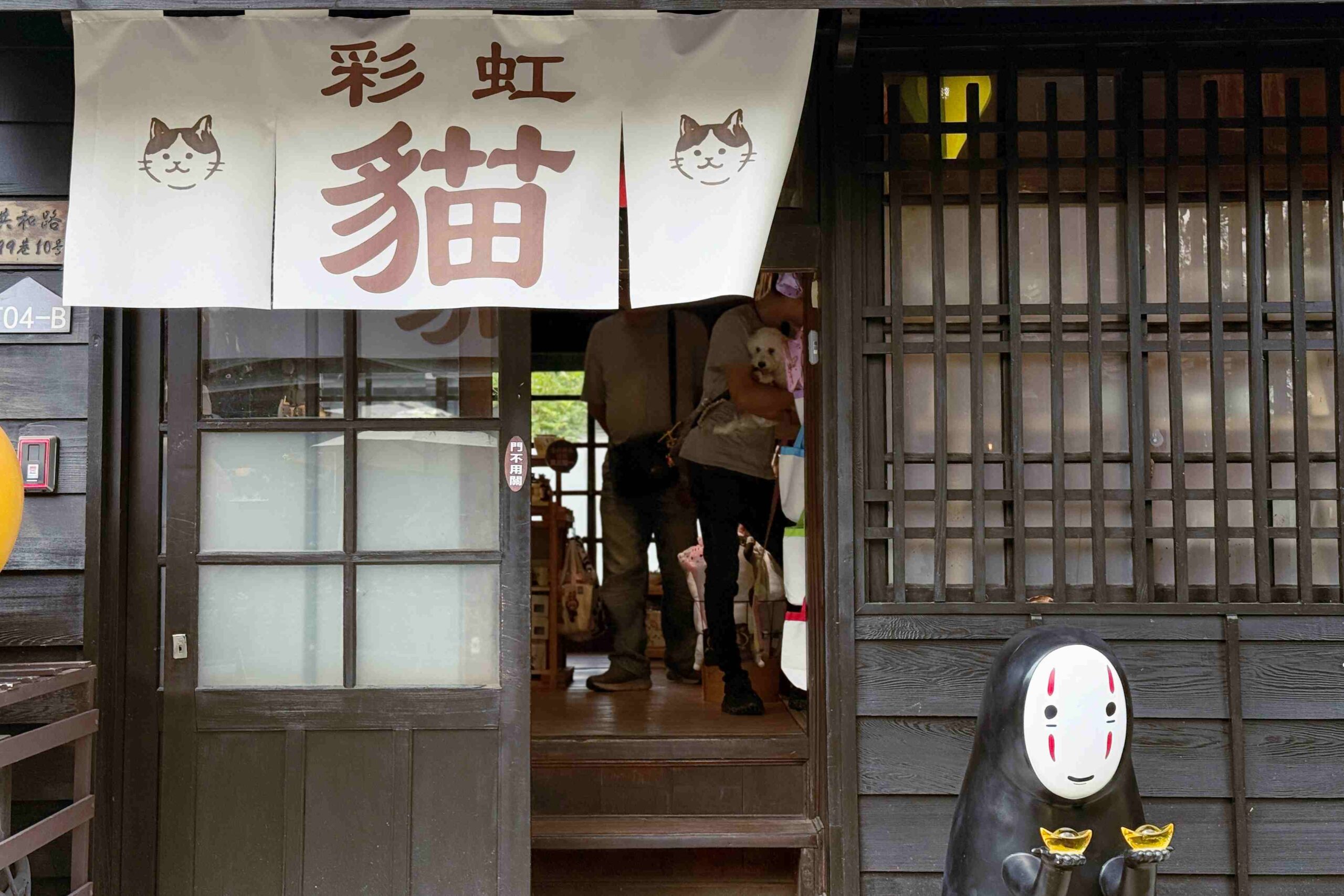
Hinoki Village

Opening Hours: 1000-1800
No. 370, Gonghe Rd., East Dist., Chiayi
06|Sleeping Forest
Located less than 100 meters from Hinoki Village, Sleeping Forest is one of the most popular photo spots among families and couples. When I visited, I happened to see three families taking pictures there — a clear sign of how beloved this place is! The park was created by illustrator SMART (Chuang Hsin-Tang) and features an enchanting dreamlike theme. Inside, you’ll find adorable “sleeping” animals — including a white bear, pink elephant, fox, owl, and penguin — all inviting visitors to join them in a world of daydreams and imagination.
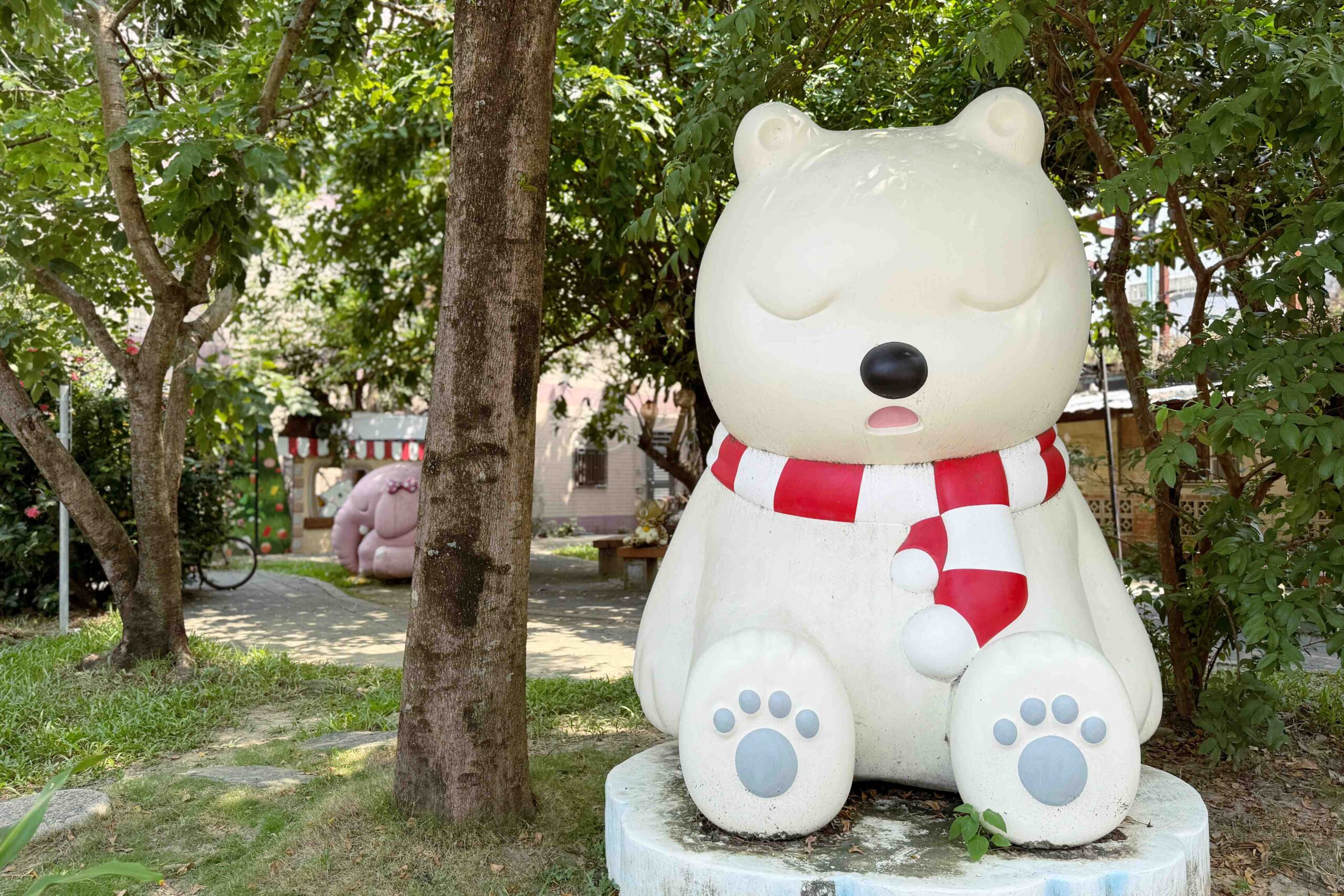
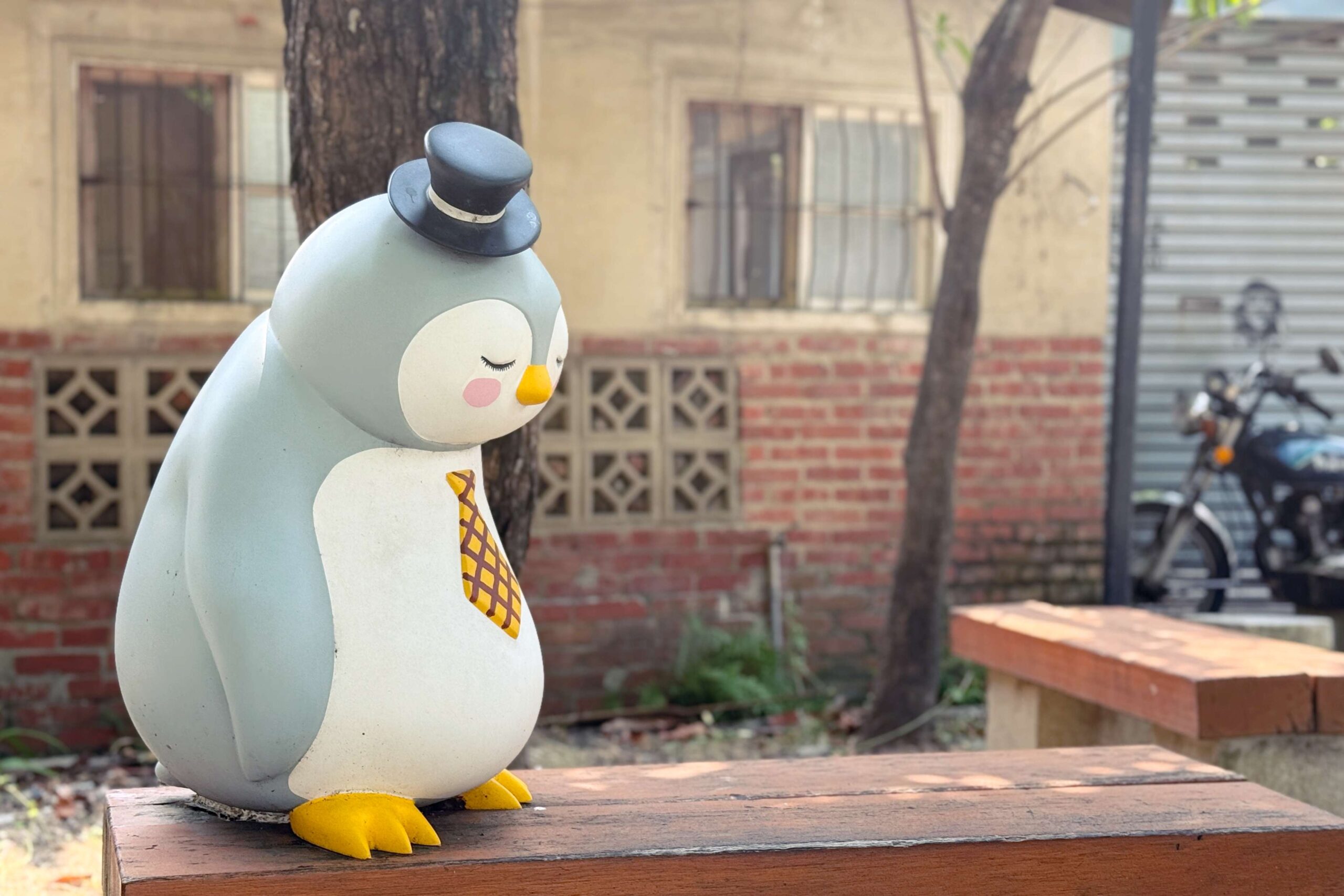
Sleeping Forest

No. 239, Gonghe Rd., East Dist., Chiayi
07|Chiayi Old Prison
It’s not often that one gets the chance to visit a place like a prison, so I was especially curious about the Chiayi Old Prison. After my visit, it immediately became one of the most memorable and worthwhile attractions I explored in Chiayi. The Chiayi Old Prison was established in 1922 during the Japanese colonial period, originally known as the Chiayi Branch of Tainan Prison. After several changes in name and administrative system, the prison officially relocated to Lucao Township in 1994. The old site gradually ceased housing inmates and has since been fully transformed into a preserved historical site. The prison stands as an important witness to the development of modern correctional systems in Taiwan and holds significant cultural value.
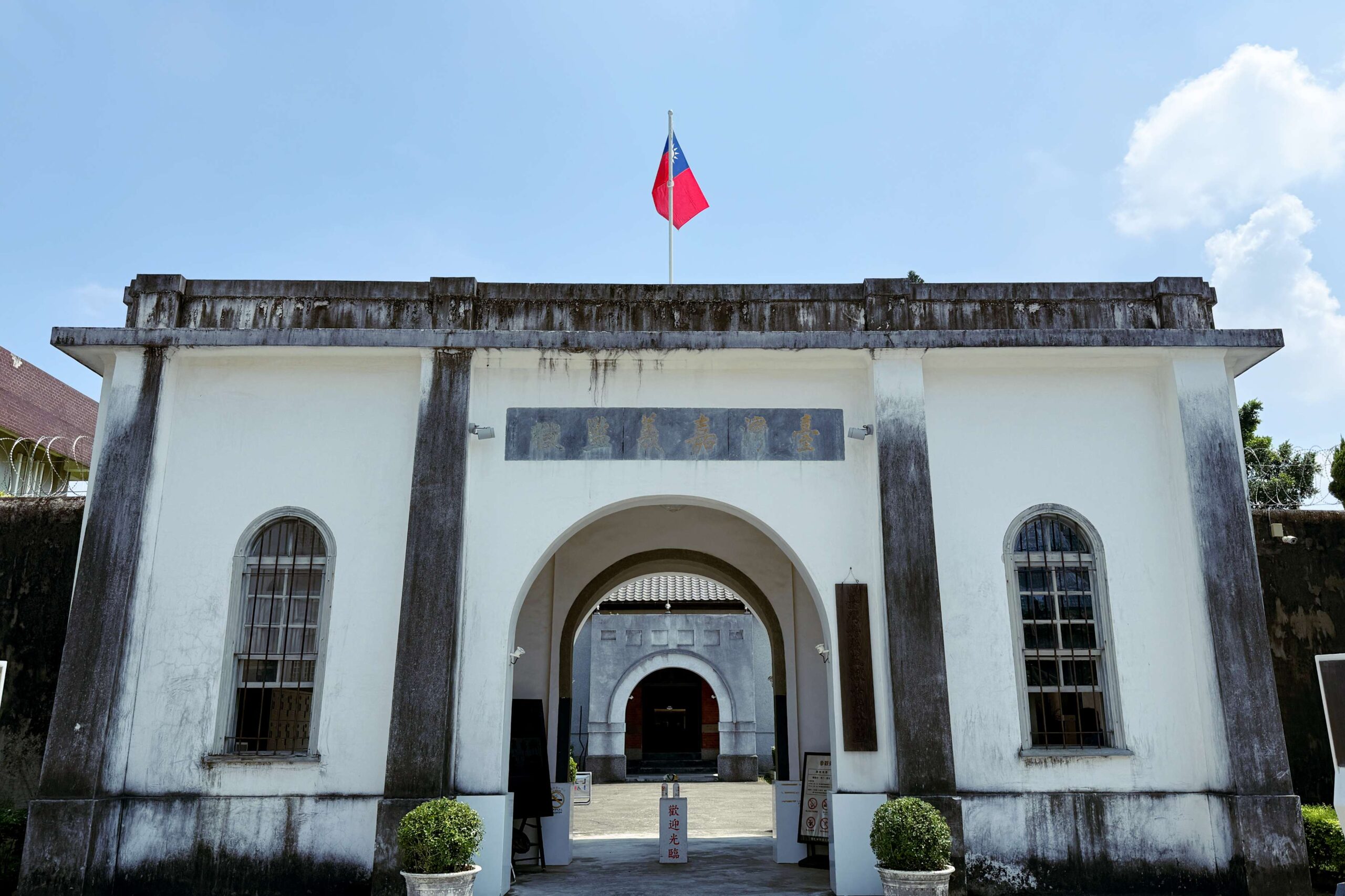
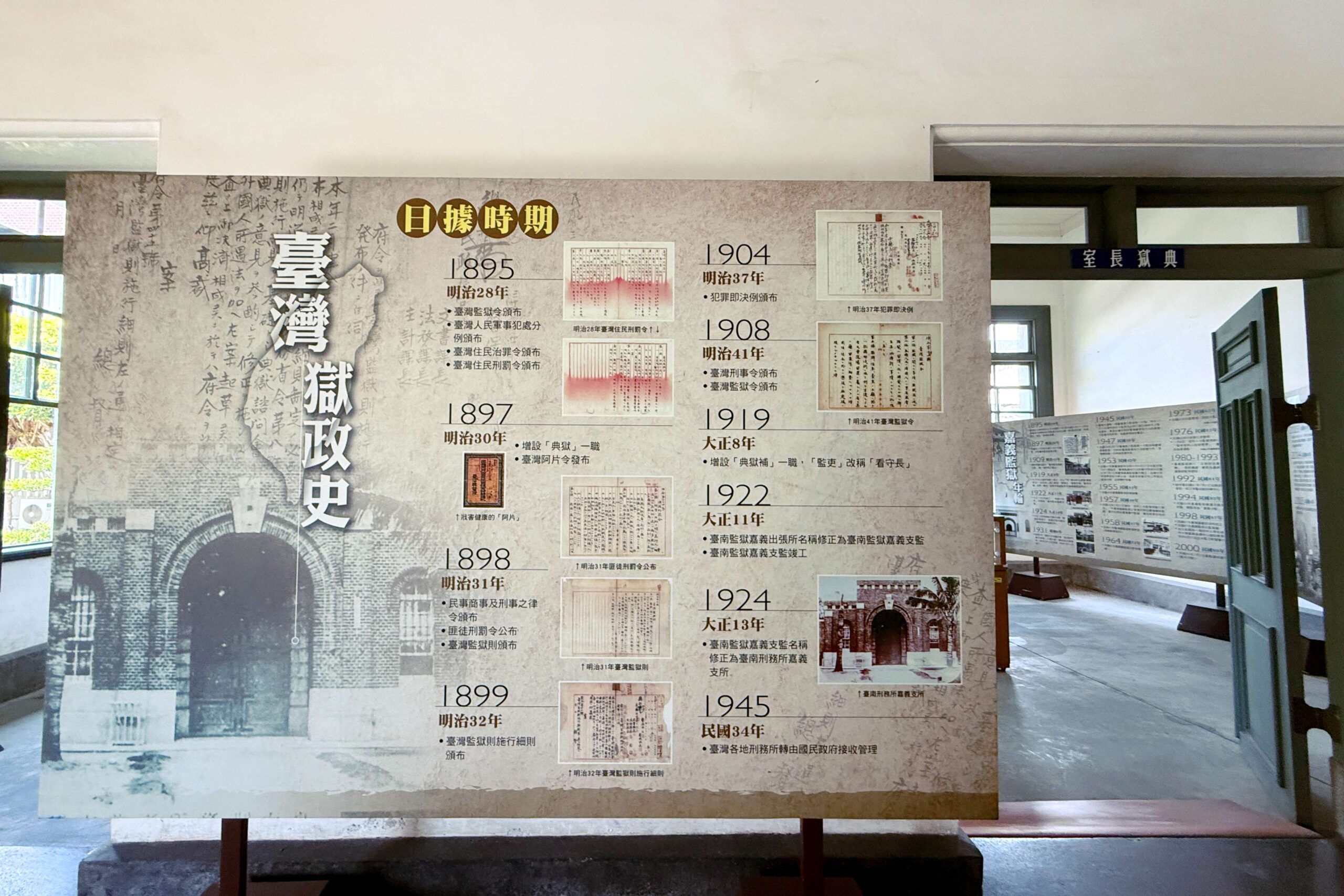
Passing through the main gate, the first area you encounter is the administrative center, where the warden’s office and staff offices were located. Today, these rooms display a variety of historical documents and records.
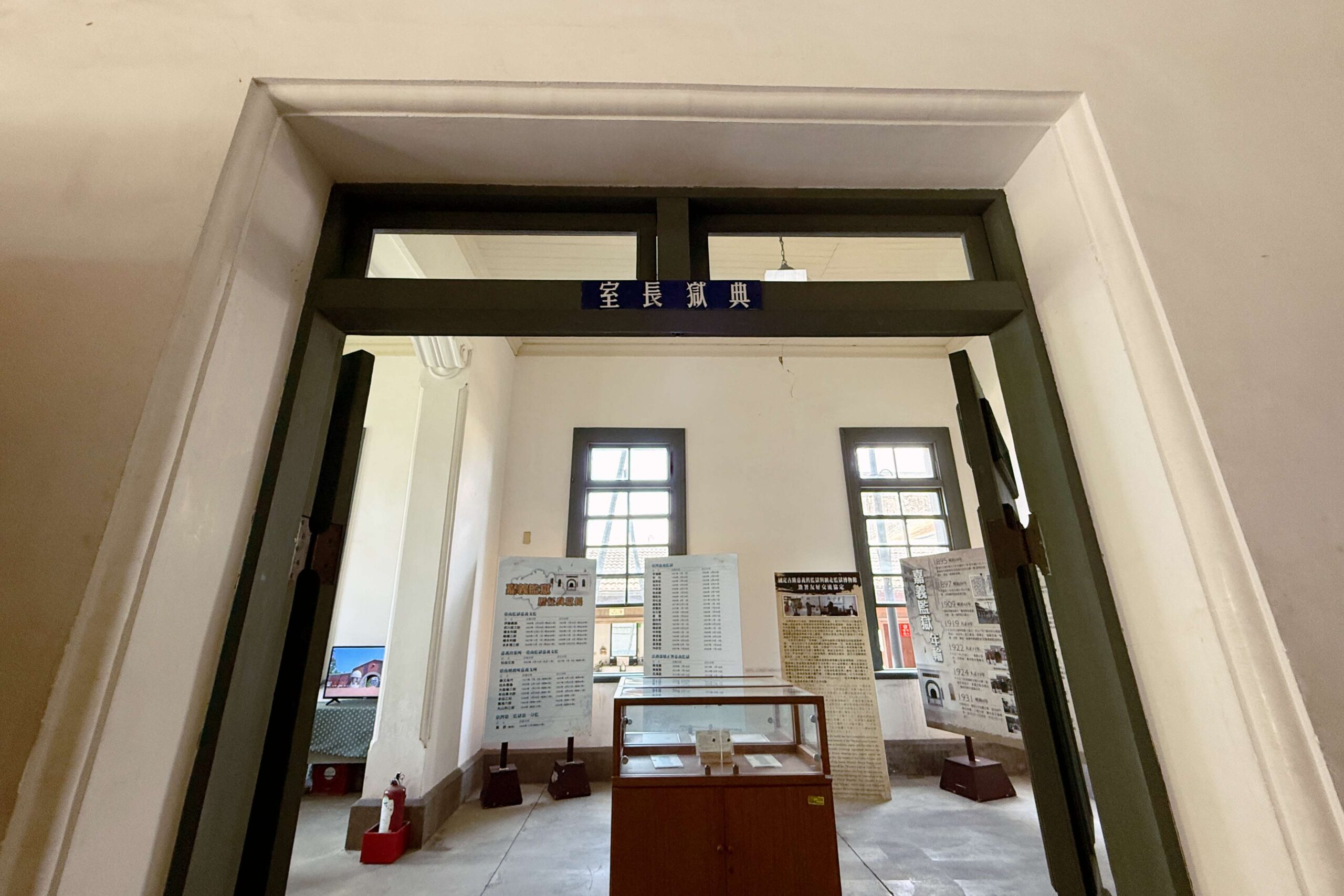
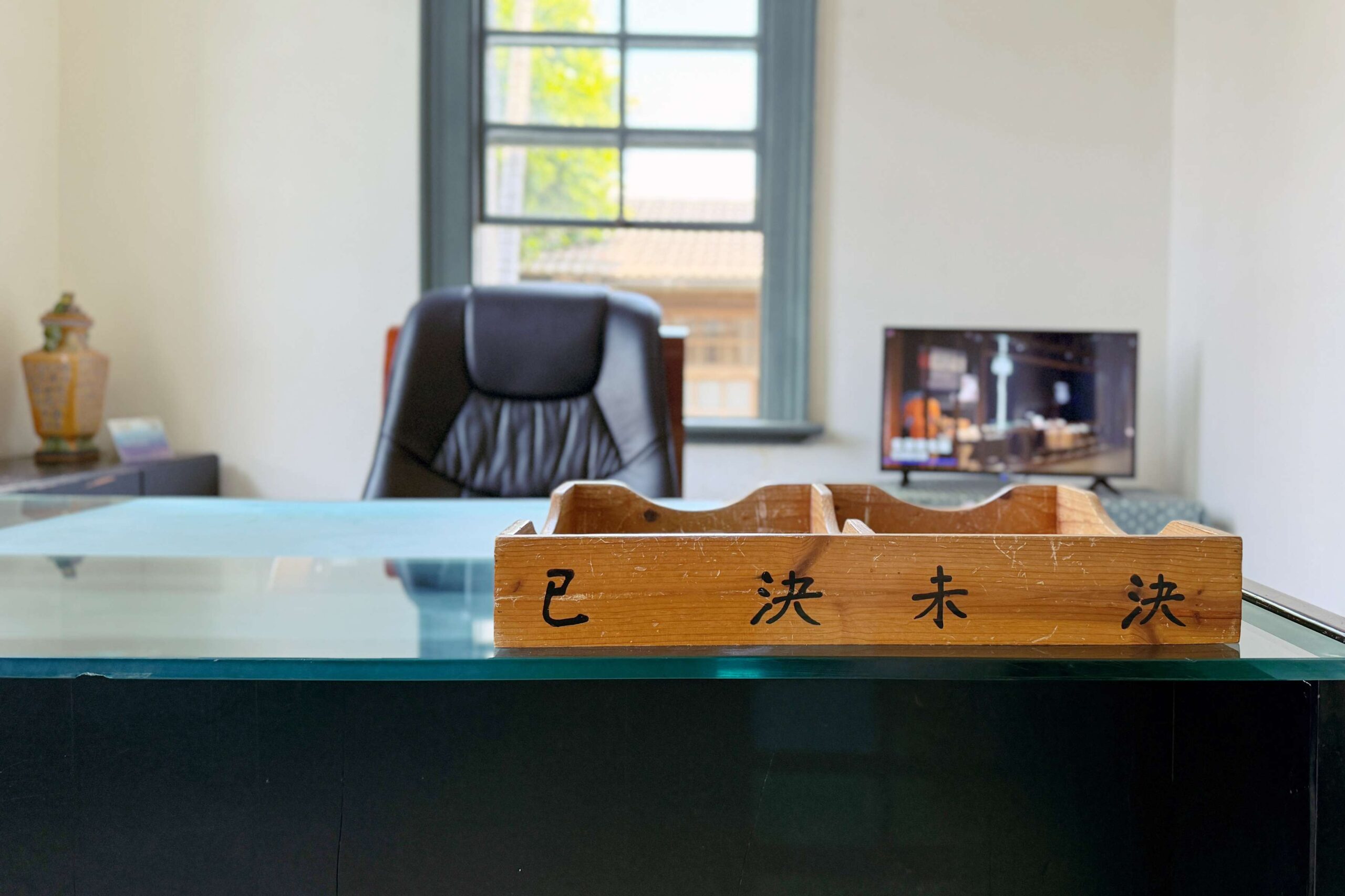
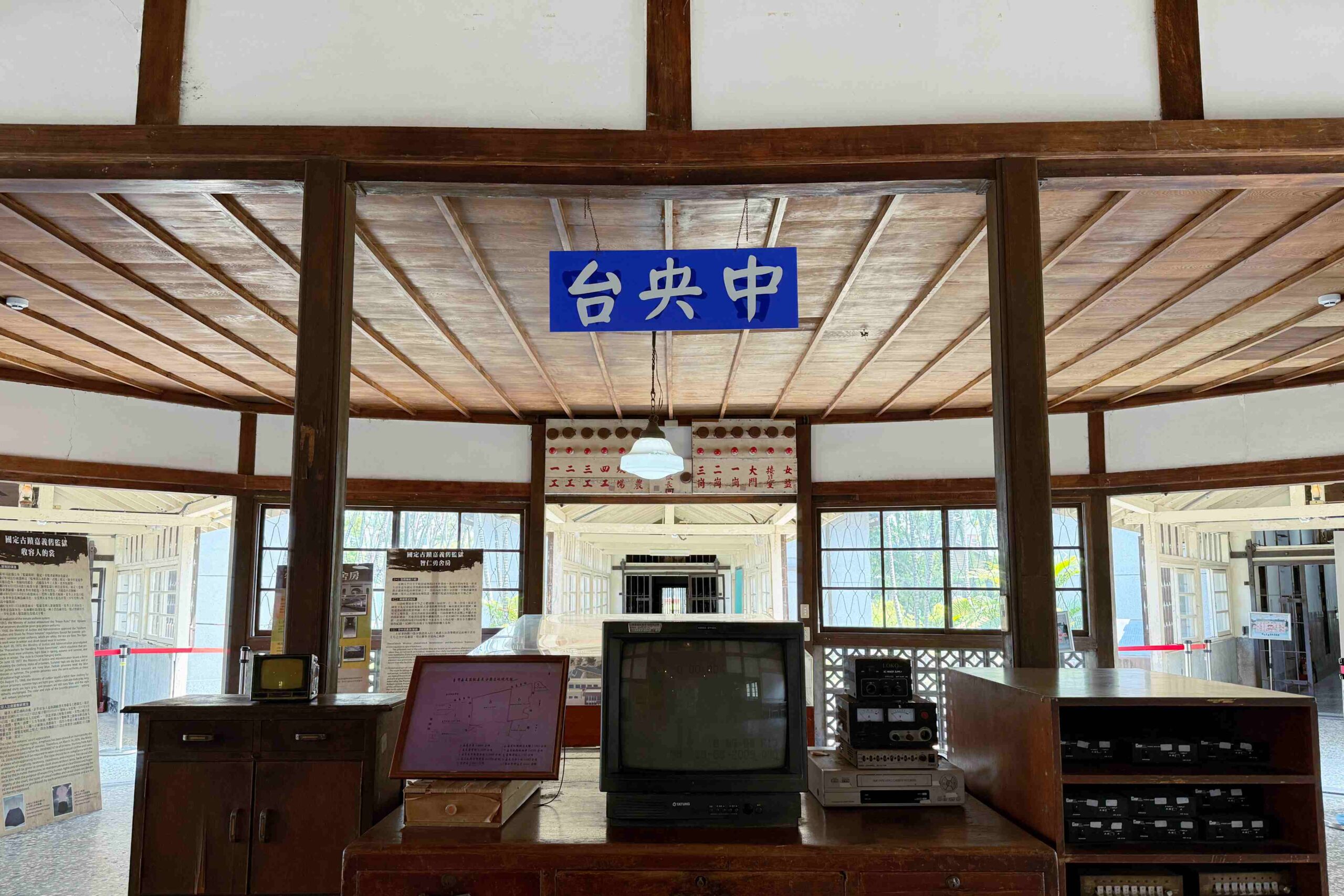
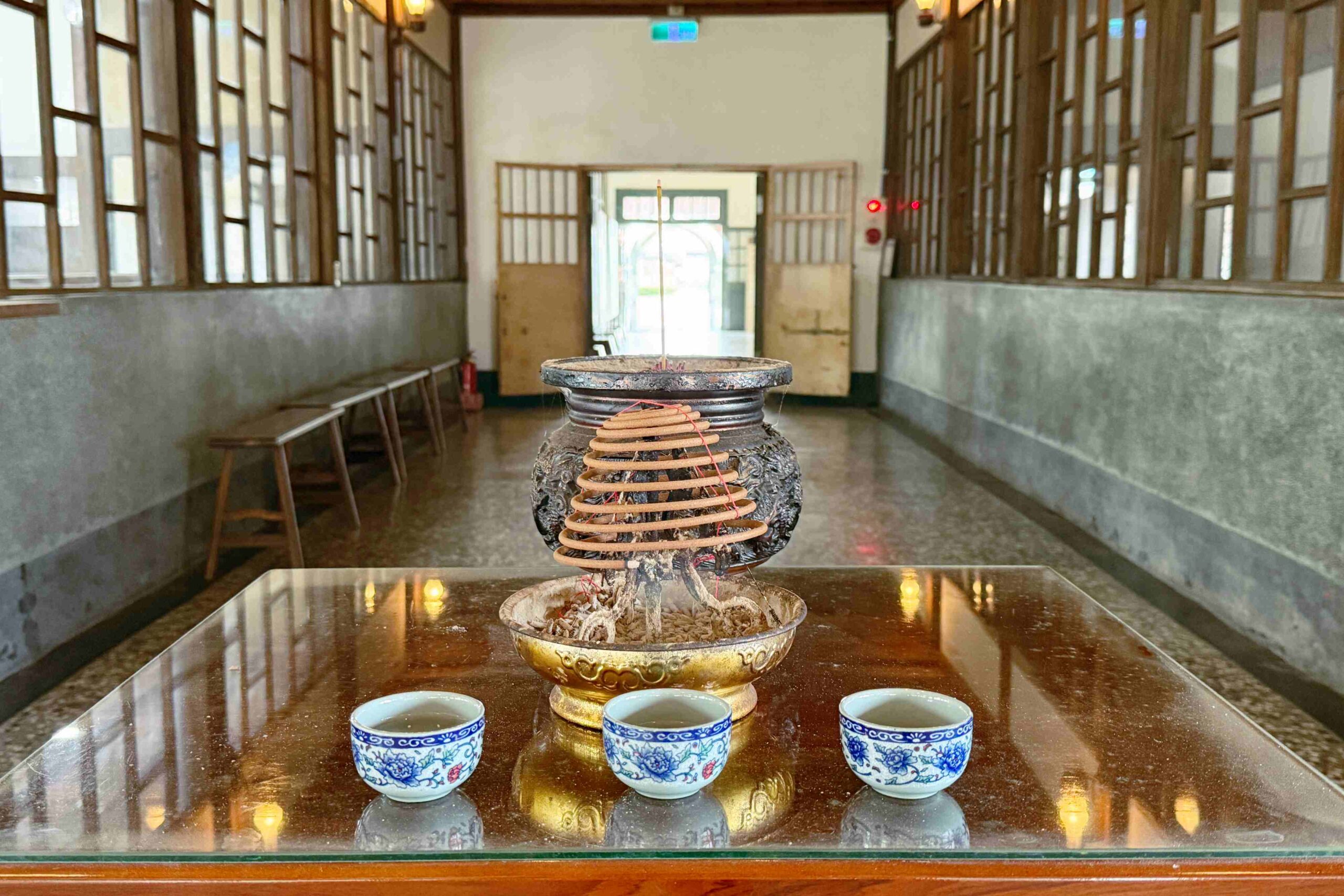
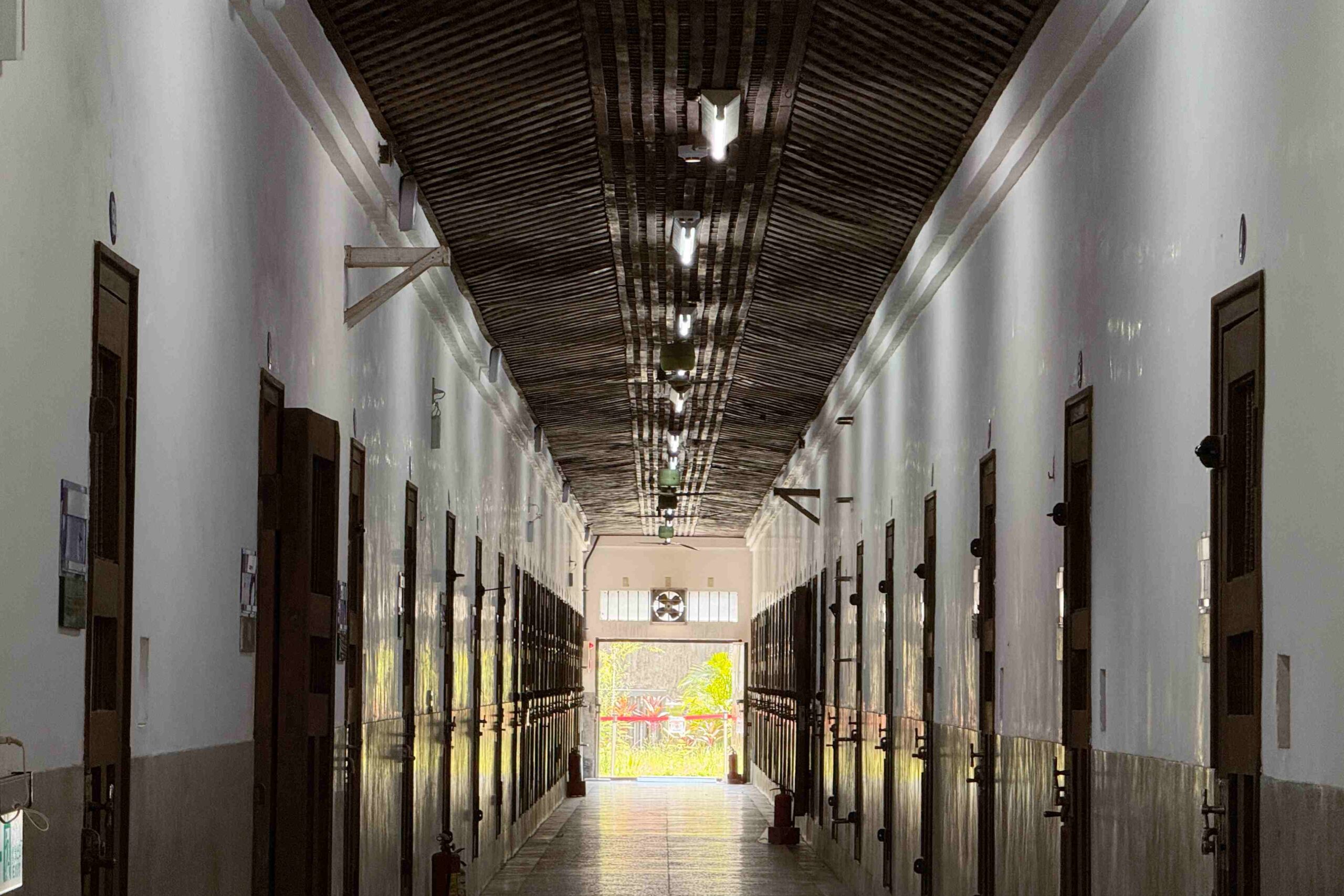
What surprised me most was the prison’s ingenious architectural design — with a central guard tower at its core and cell blocks radiating outward like spokes of a wheel. This layout allowed supervisors to monitor all the cells from one vantage point. In the central area stands an incense burner, giving the space an eerie, solemn air — as though it still seeks to pacify lingering spirits.
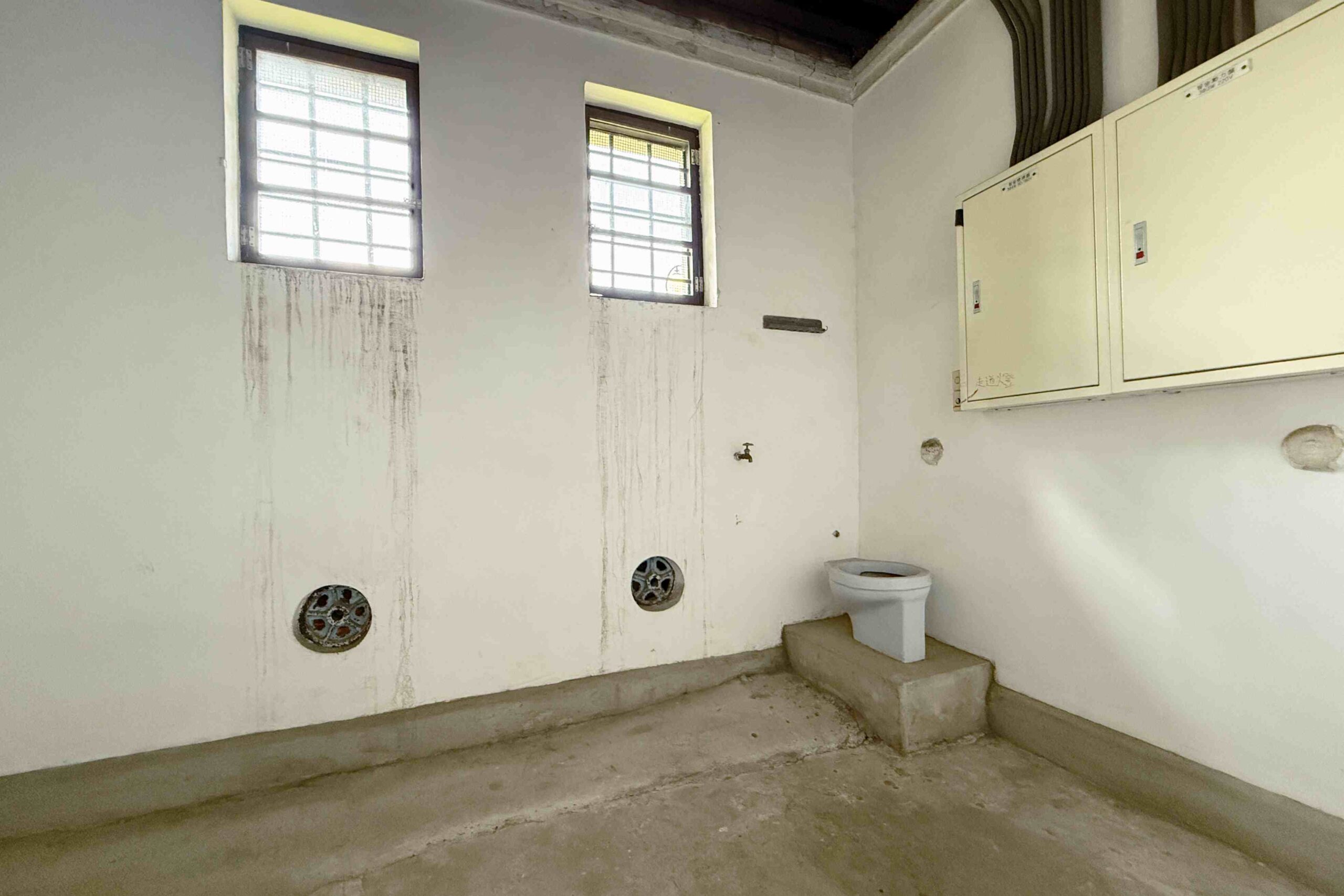
Entering the cell blocks, the atmosphere becomes noticeably heavier. The narrow cells and thick iron doors silently tell the stories of the inmates who once lived their confined lives here.
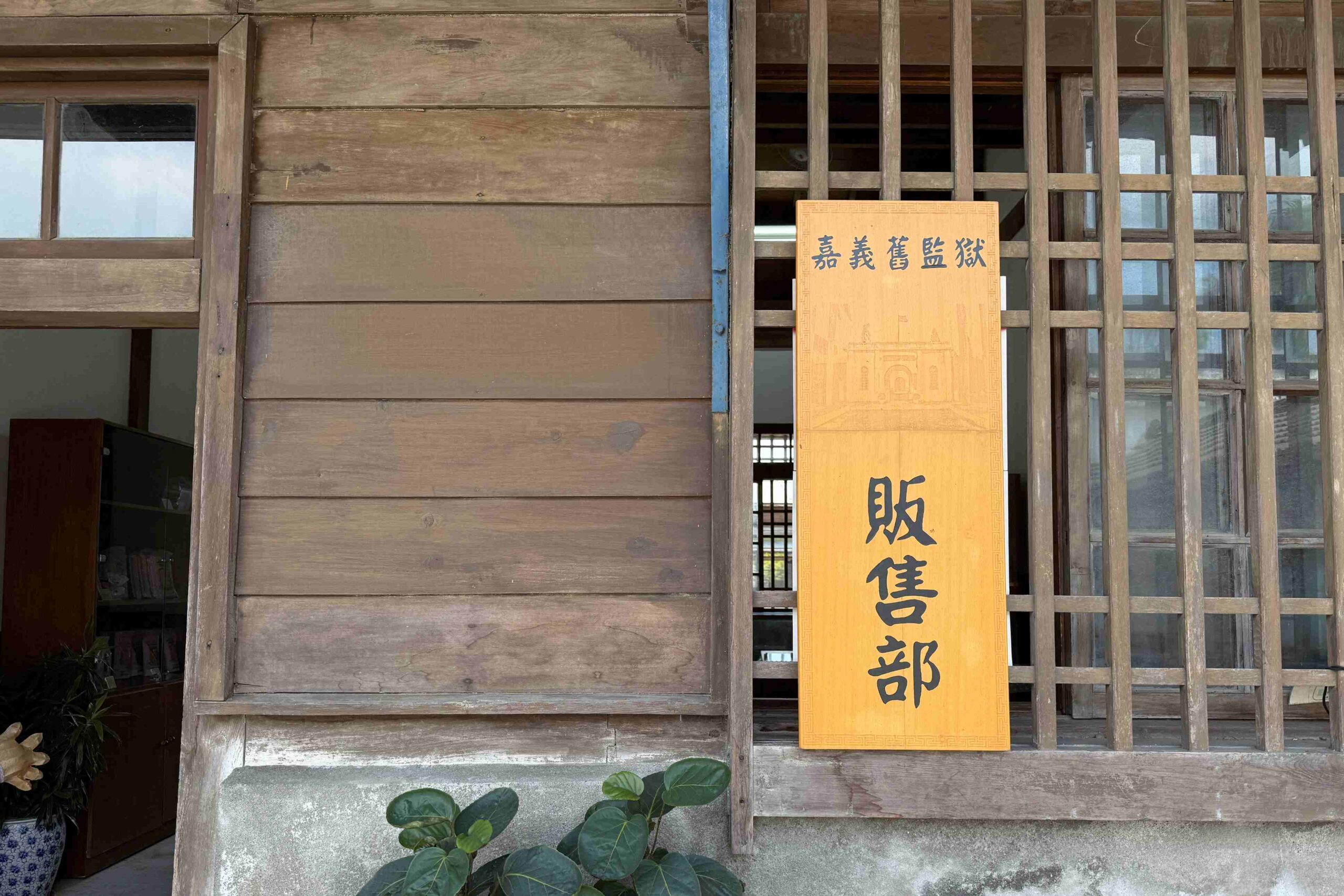
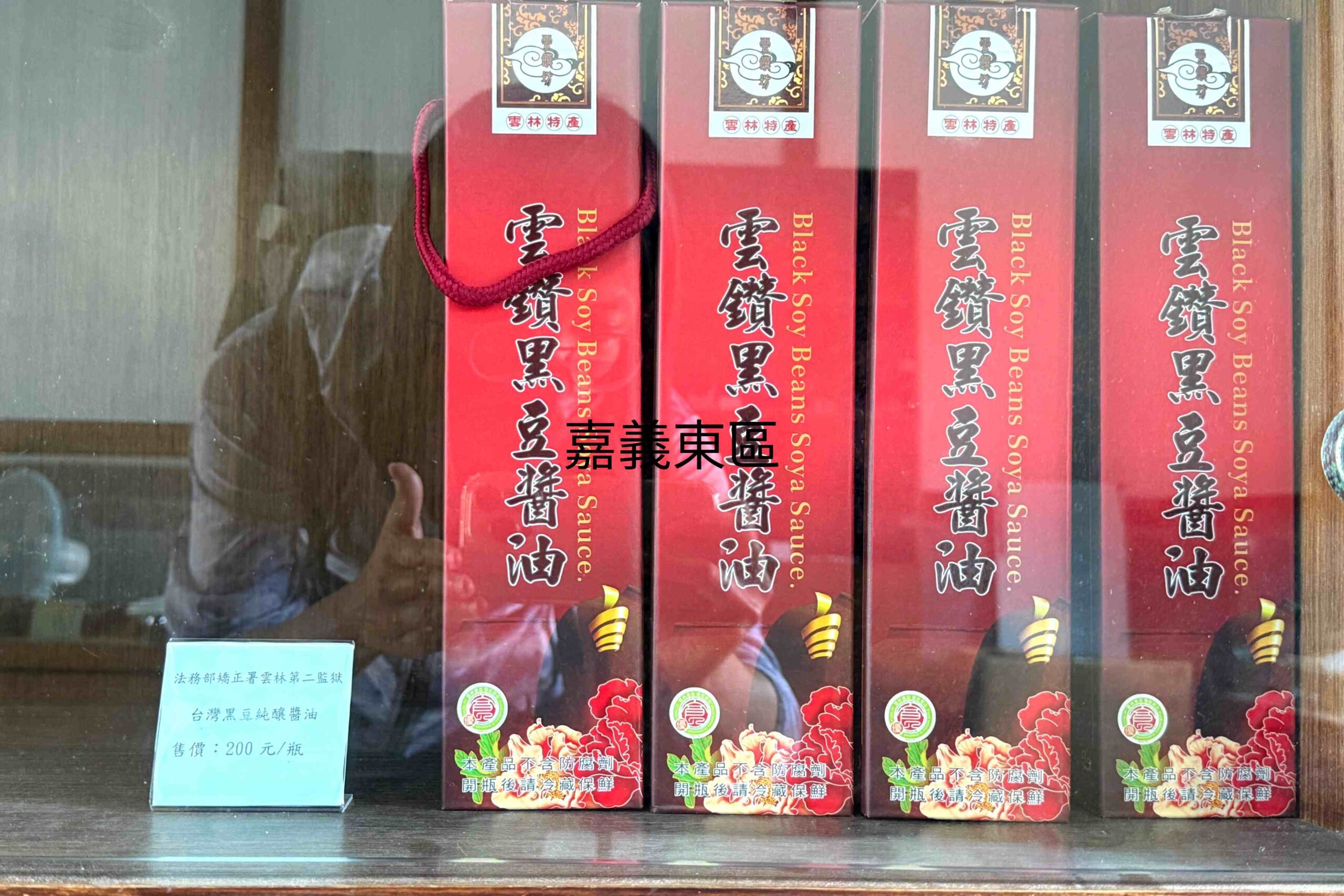
Returning to the gift shop, the mood lightens considerably. Shelves are lined with self-produced goods from correctional institutions across Taiwan — including my personal favorite, Yunlin Second Prison’s black bean soy sauce. It’s a small but heartwarming reminder that even places once associated with punishment can nurture new forms of hope and renewal.
Chiayi Old Prison

Opening Hours: 0930-1200, 1330-1600, closed on Monday.
No. 140, Weixin Rd., East Dist., Chiayi
◦ Restaurants and Snacks in Chiayi
01|Kekouwei Breakfast
At 6:30 in the morning, I stepped into Kekouwei, and the phone was already ringing off the hook. The owner was busy taking orders and jotting down reservations — just another lively start to the day at this beloved eatery that has been serving locals for over 50 years. The shop’s peak hours are between 7:00 and 9:00 a.m., when there’s almost always a line, and you might wait about 20 minutes. If you prefer a relaxed breakfast experience, it’s best to avoid that rush.
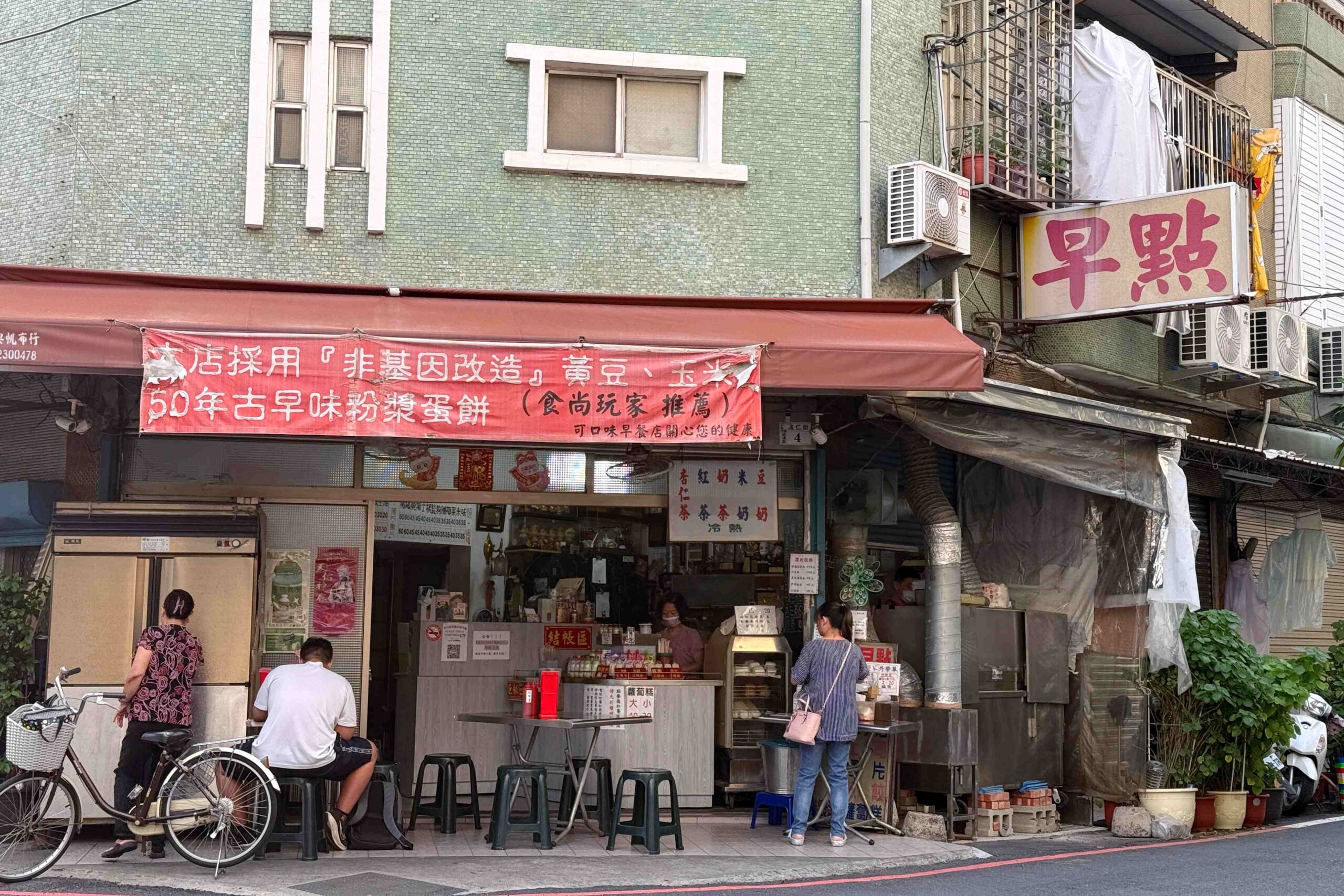
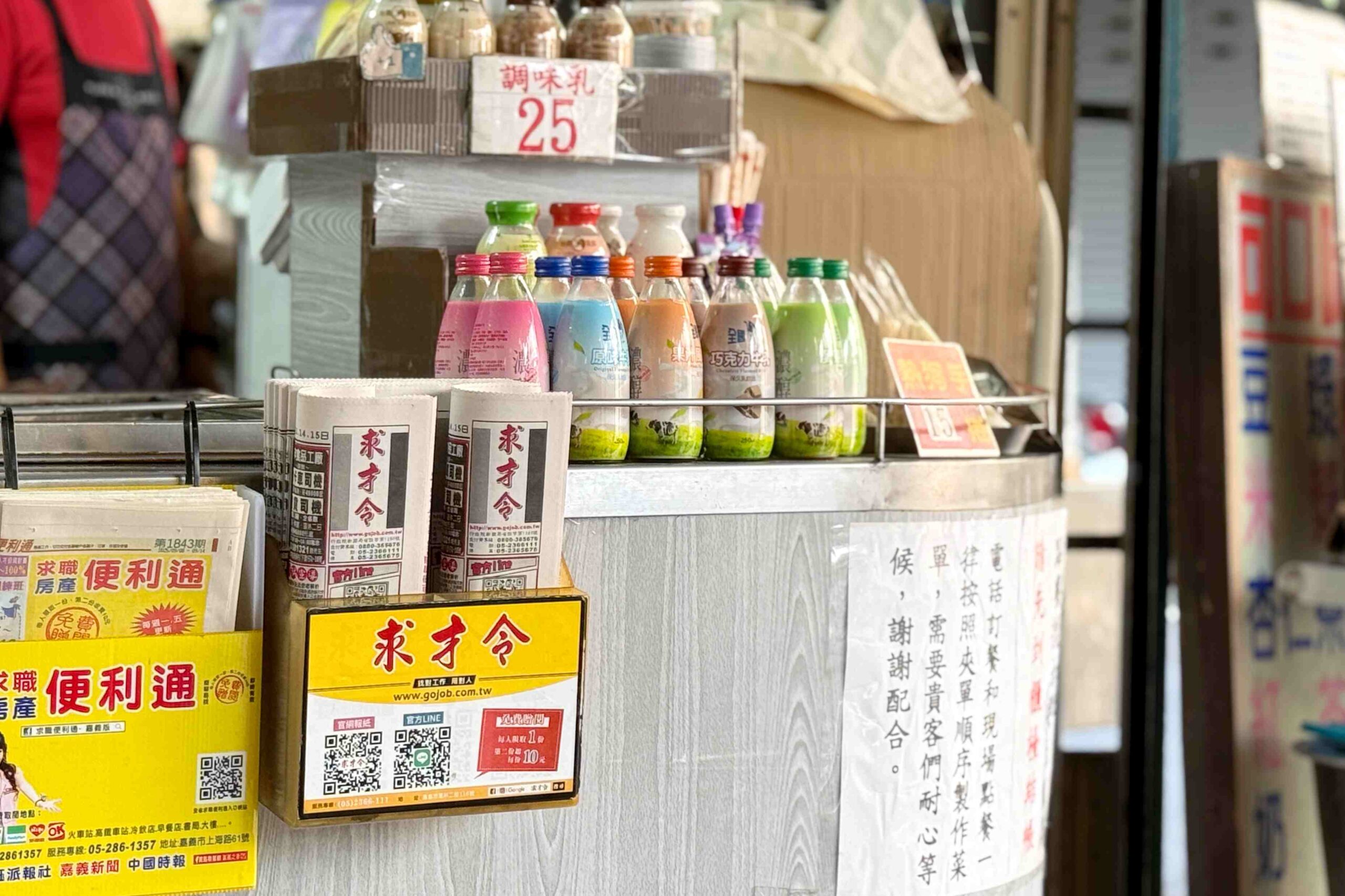
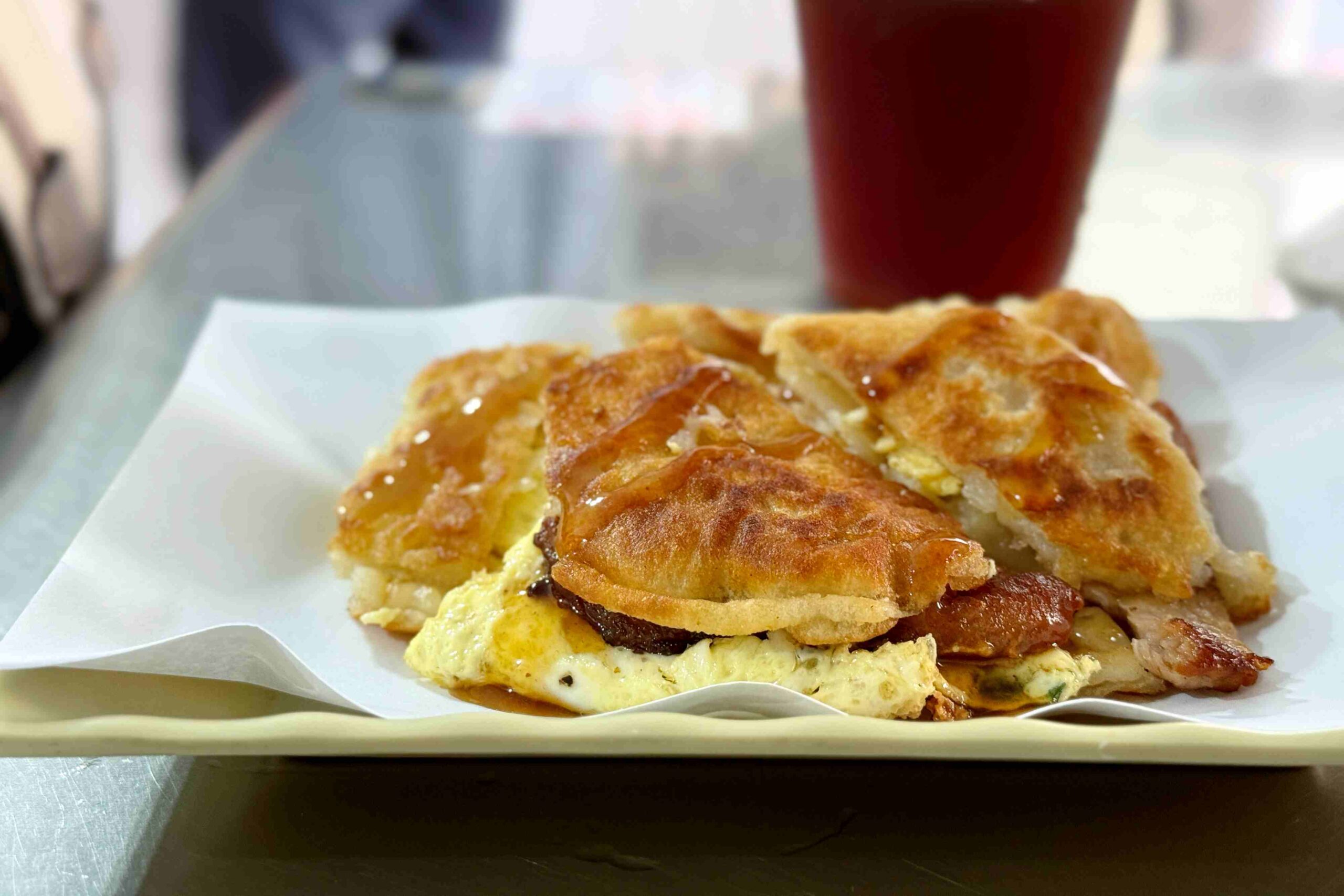
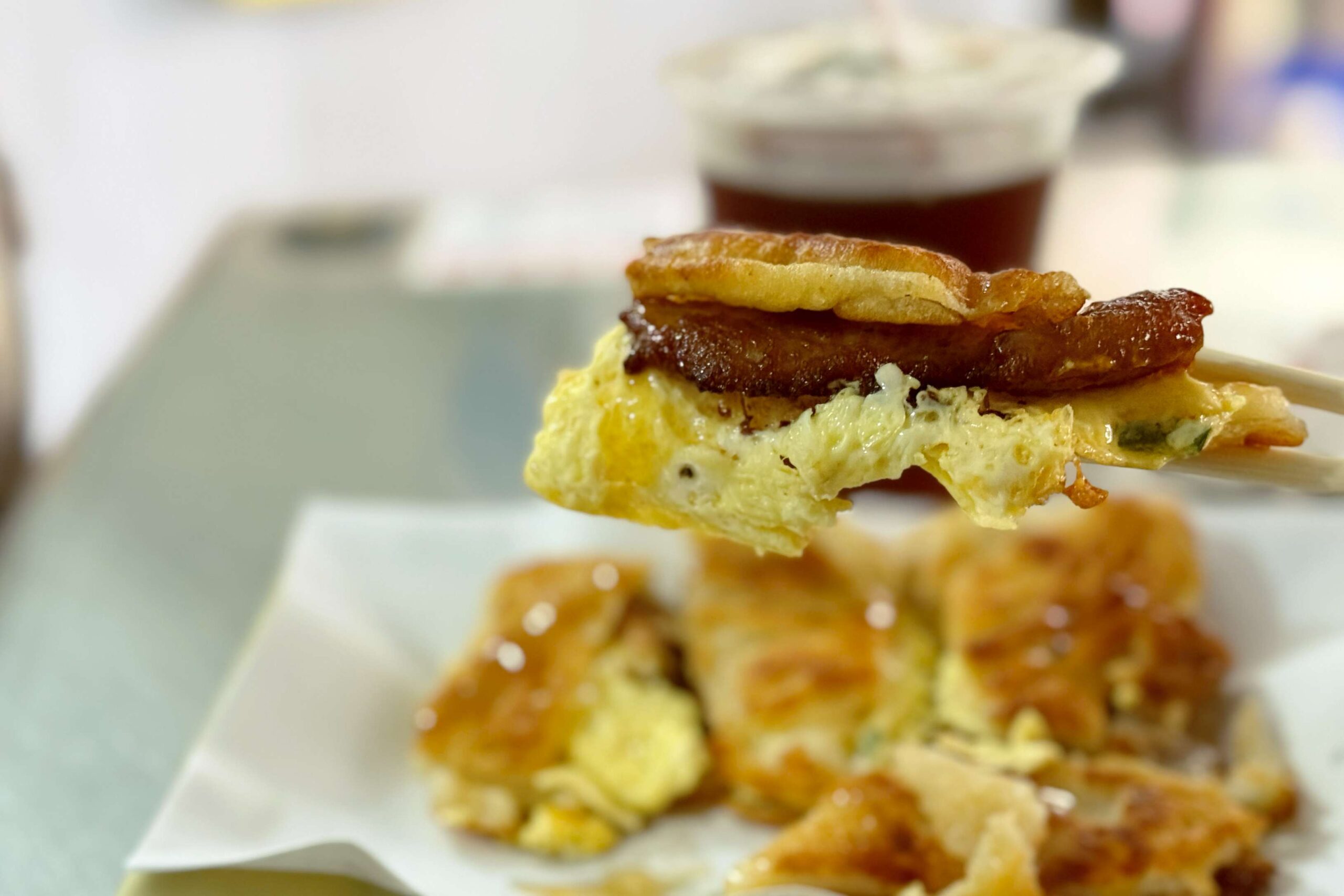
Most customers come for Kekouwei’s signature danbing — Taiwanese egg crepes made from their own special batter recipe. I ordered the most indulgent option, the grilled pork chop egg crepe. The crepe was crispy on the outside, soft on the inside, and wonderfully fragrant. Paired with the flavorful, juicy soy-glazed pork chop, it was both delicious and deeply satisfying.
Kekouwei Breakfast

Opening Hours: 0610-1100
No. 4, Chengren St., East Dist., Chiayi
02|Minzhu Turkey Rice
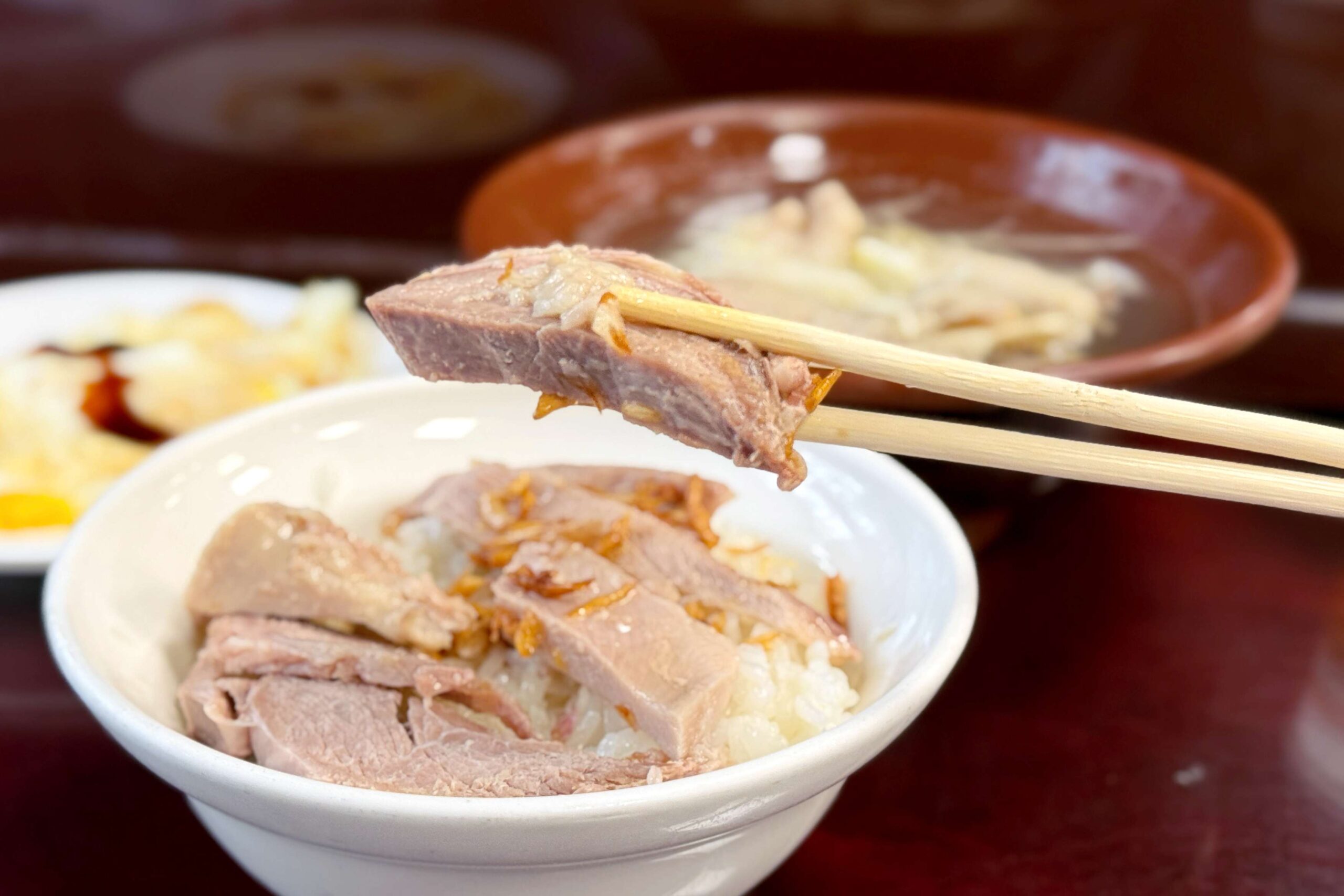
In Chiayi — the ultimate “battlefield” for turkey rice — Minzhu Turkey Rice reigns supreme. No matter when you visit, it’s always packed with people. Not only do tourists come from all over to taste it, but even locals make special trips just to grab a bowl! If it’s your first time here, I highly recommend ordering the assorted braised platter — every item is richly seasoned and flavorful without being too salty. My personal must-order combo is the turkey rice, a fried egg, and a turkey offal soup. When the half-cooked yolk slowly melts into the fragrant turkey rice, the taste is simply irresistible!
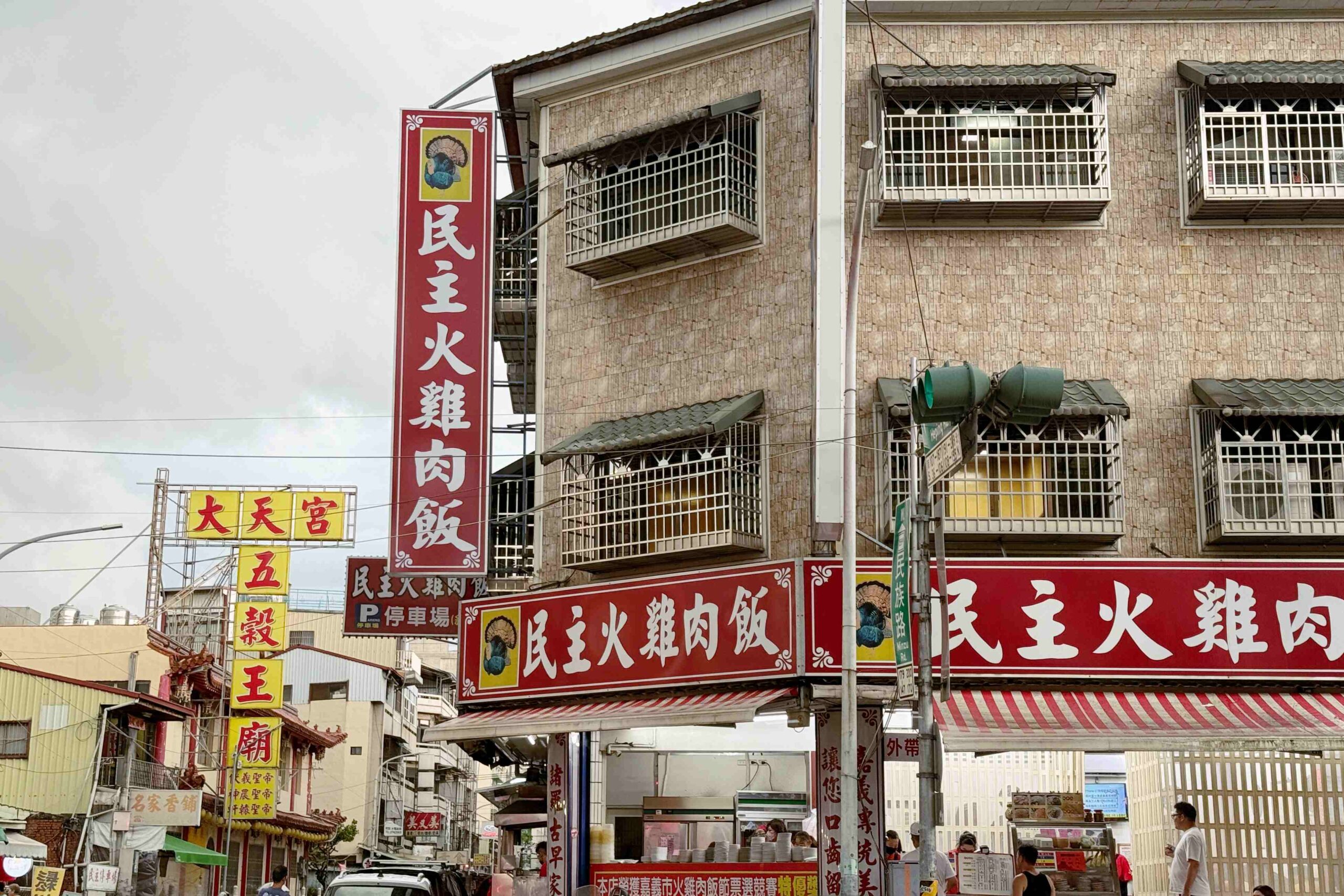
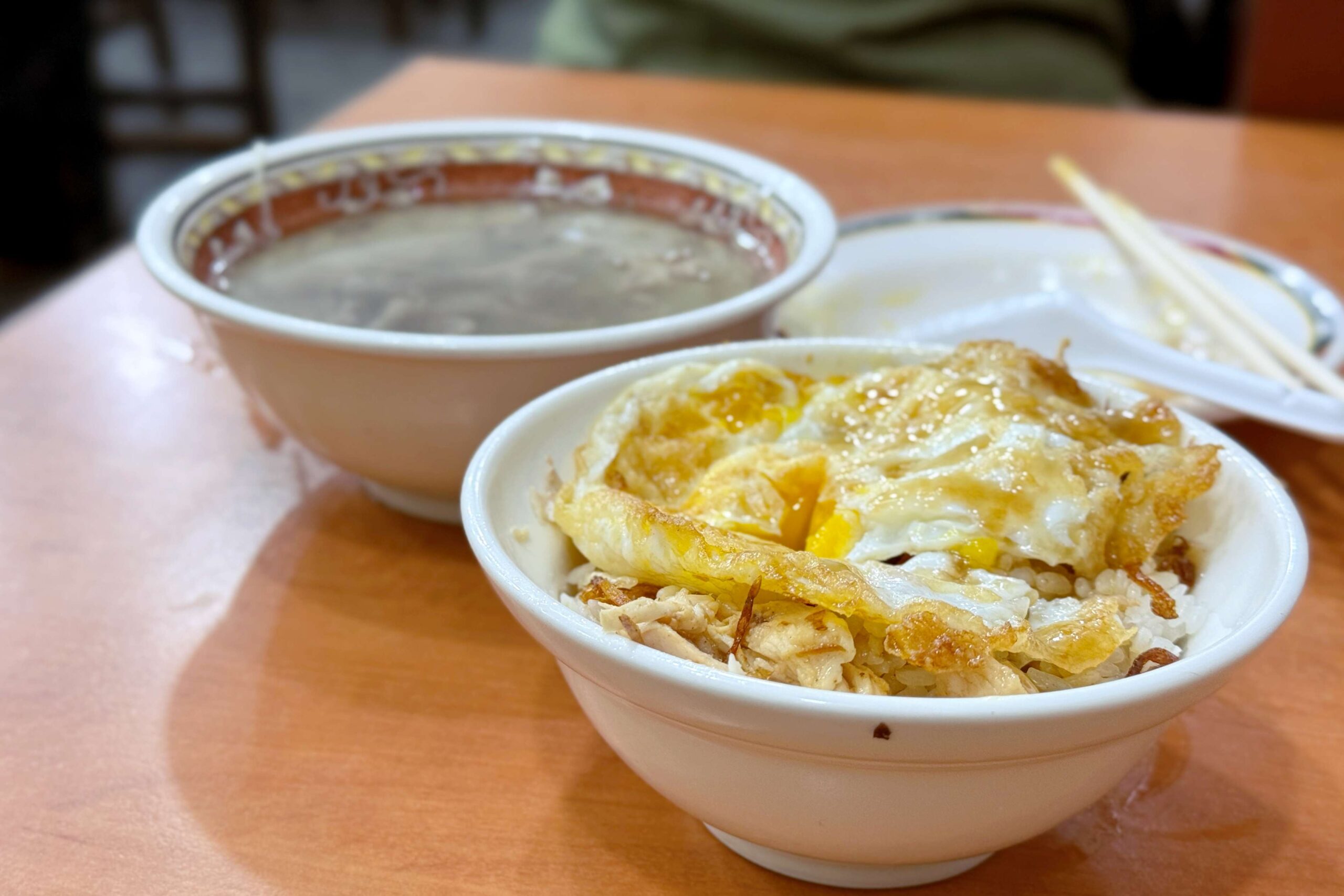
Minzhu Turkey Rice

Opening Hours: 1000-2040
No. 149, Minzu Rd., East Dist., Chiayi
03|Ah Hong Shi Turkey Rice
When I arrived at Ah Hong Shi Turkey Rice around 3 p.m. on a weekday, there was still a long line outside — I waited for at least half an hour, which says everything about how insanely popular this place is! If you come here, be sure to ask whether the limited turkey slices rice (huo ji pian fan) is available. The thick, tender slices of turkey are rich and juicy, served generously — every bite is pure satisfaction.
But what truly sets Ah Hong Shi apart from the countless turkey rice shops in Chiayi is the rice itself. Each grain perfectly absorbs the savory, aromatic chicken oil, making it glossy, flavorful, and distinct. It’s so delicious that you could happily eat the rice on its own. Ah Hong Shi definitely ranks among my top three turkey rice spots in Chiayi!
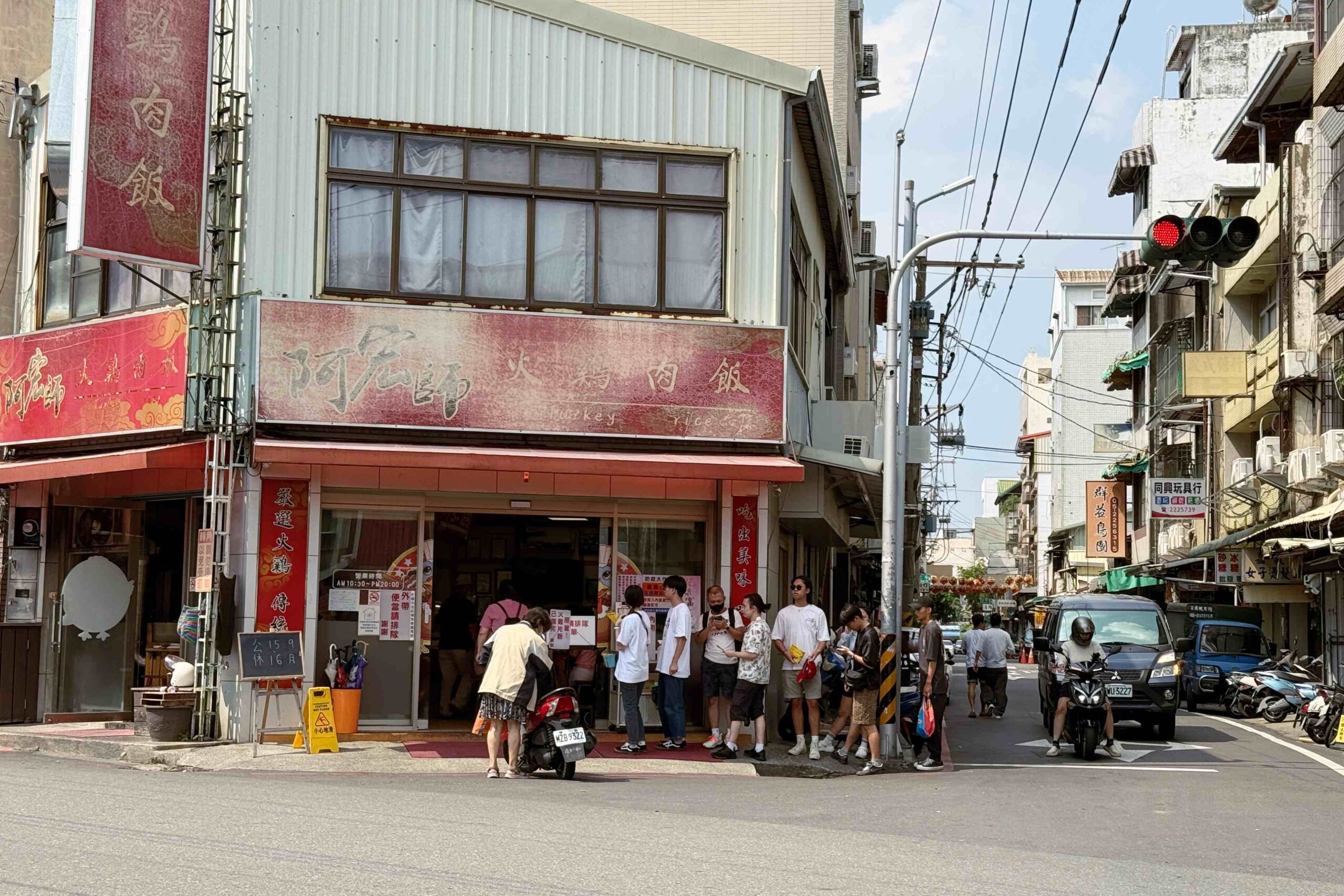
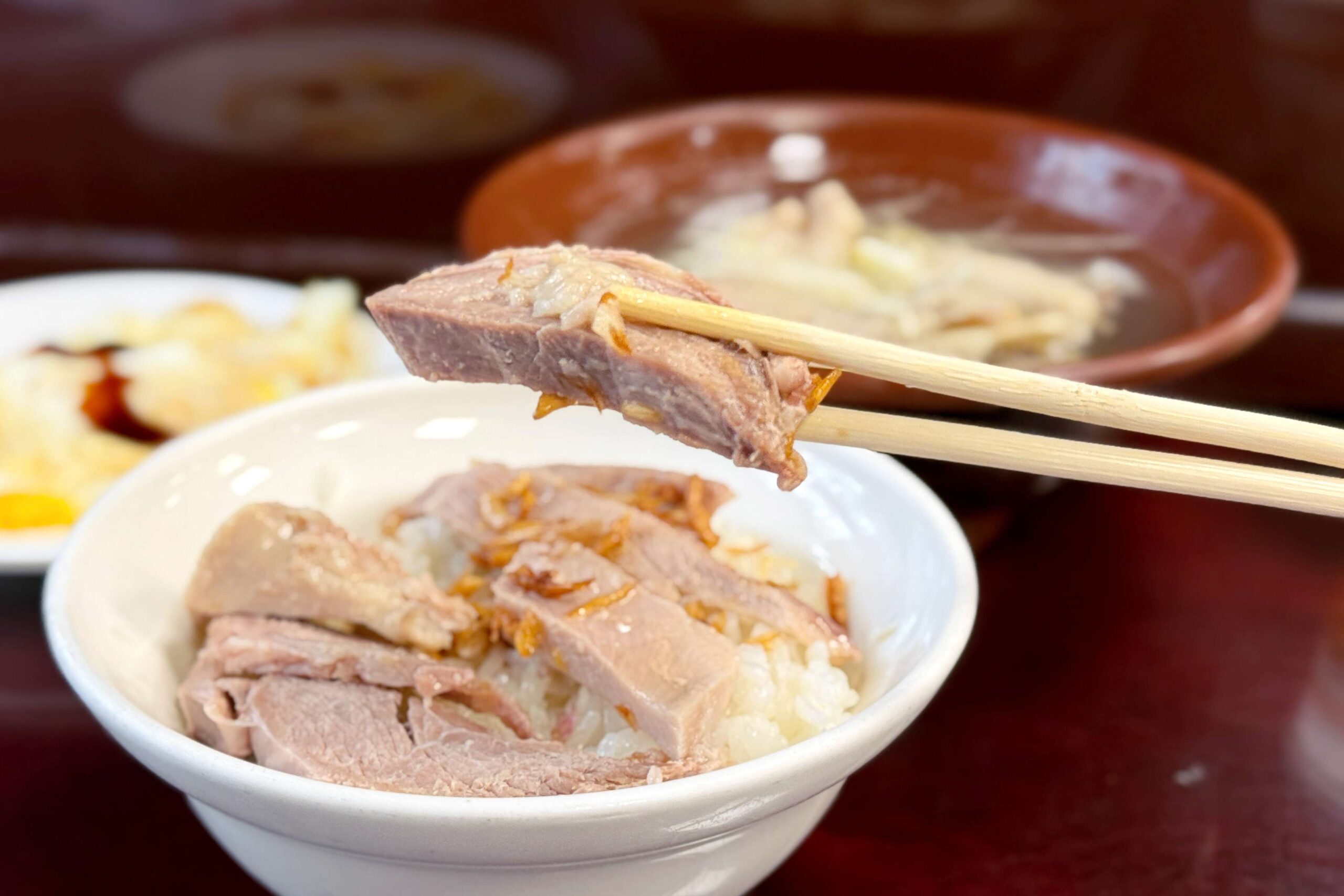
Ah Hong Shi Turkey Rice

Opening Hours: 1030-2000
No. 108, Guanghua Rd., East Dist., Chiayi
◦ Flying Over Taiwan
*All aerial photography operations are conducted within legal airspace. During flight, regulations stipulated by the Civil Aviation Law are strictly followed, maintaining the required distance from buildings and crowds. Zooming and post-production techniques are used to ensure compliance, making the flights fully legal.
*Anyone citing these images and text must provide proper attribution. Unauthorized or illegal use of the images and text is prohibited and may result in legal liability.
◦ Other Areas in Chiayi
➤ Budai | Budai Salt Fields
➤ Dongshih | The Oysters of Dongshih are at Their Best!
➤ Yijhu | More Than Just Corn: A Place That Produces PhDs Too?