
Years ago, I used to visit Dashe quite often because I was taking horseback riding lessons there. At the time, though, I never really took the time to learn about the area. I would simply travel back and forth between the riding stable and home, without ever stopping to explore or get to know the town. On this visit, I took a closer look at its history, historic houses, and mountain scenery—and realized just how much I had missed. Dashe is truly an underrated township.
Contents
◦ Kaohsiung Travel Guide
01|Transportation in Kaohsiung
🚄 Taiwan High Speed Rail
🚄 Kaohsiung Metro (MRT) Unlimited Travel Pass
🛵 Kaohsiung Scooter Rental - Zuoying High Speed Rail Station Pickup
🛵 Kaohsiung Scooter Rental|Kaohsiung Railway Station Pickup
02|Popular Attractions in Kaohsiung
🎫 Kaohsiung Fun Pass
🎫 E-DA Theme Park Ticket
🎫 Suzuka Circuit Park Ticket in Kaohsiung
🎫 Shoushan Zoo Tickets
🎫 Hamasen Museum of Taiwan Railway Ticket in Kaohsiung
🎫 British Consulate in Kaohsiung: Tickets and Discount Packages
🎫 National Science And Technology Museum Ticket in Kaohsiung
03|Things To Do in Kaohsiung
🚢 Kaohsiung Love River Love Boat Ticket & Cruise Guide
🚣🏻 Water skiing experience at Lotus Lake Water Skiing Theme Park
♨️ Zheng Qing Song Korean Sauna in Kaohsiung
◦ The History of Dashe
In the early days, Han Chinese settlers often referred to their own villages as zhuang (庄), while indigenous settlements were known as she (社). So, when you see the character 「社」 in a place name, it often suggests that the area was once an Indigenous settlement. Dashe in Kaohsiung is one such example. The area was originally home to the “A-ka” (阿加) settlement, belonging to the Makatao subgroup of the Siraya people. In the mid-17th century, the people of A-ka clashed with the Dutch, prompting some members of the community to leave. During the Kingdom of Tungning under the Zheng regime, the Han Chinese further expanded the tun-tian system, a policy that combined military service with agricultural settlement. As cultivation spread, Indigenous communities gradually lost access to their traditional lands and living spaces. The remaining people were eventually forced to migrate southward, settling in areas around what are now Linbian and Donggang in Pingtung. The name of the original settlement, however, did not disappear. People continued to call the area “Dashe.”
Today, no visit to Dashe would be complete without trying its “Three Treasures”: guava, wax apples, and fresh milk. During the Japanese colonial period, dairy farming began to take root here. It is said that the milk produced in the area was mainly supplied to pilots stationed at a nearby airfield as a source of nutrition.
◦ Attractions in Dashe
01|Guanyinshan Scenic Area
If you’re looking for an easy way to get close to nature while visiting Kaohsiung, the Guanyinshan Scenic Area is a great place to spend a few hours. At just 177 meters above sea level, Guanyinshan is a relatively gentle hike and one of Taiwan’s Xiaobaiyue—a list of 100 accessible and scenic small mountains across the island. You don’t need much hiking experience to reach the top, making it a great option for a casual outing. The name “Guanyinshan” has an interesting origin. According to local legend, one of the smaller peaks on the mountain resembles Guanyin, the Buddhist bodhisattva of compassion, sitting in meditation. With the surrounding peaks forming a natural circle around it, as if people were gathered in prayer, the mountain came to be known as “Guanyinshan,” or “Guanyin Mountain.”
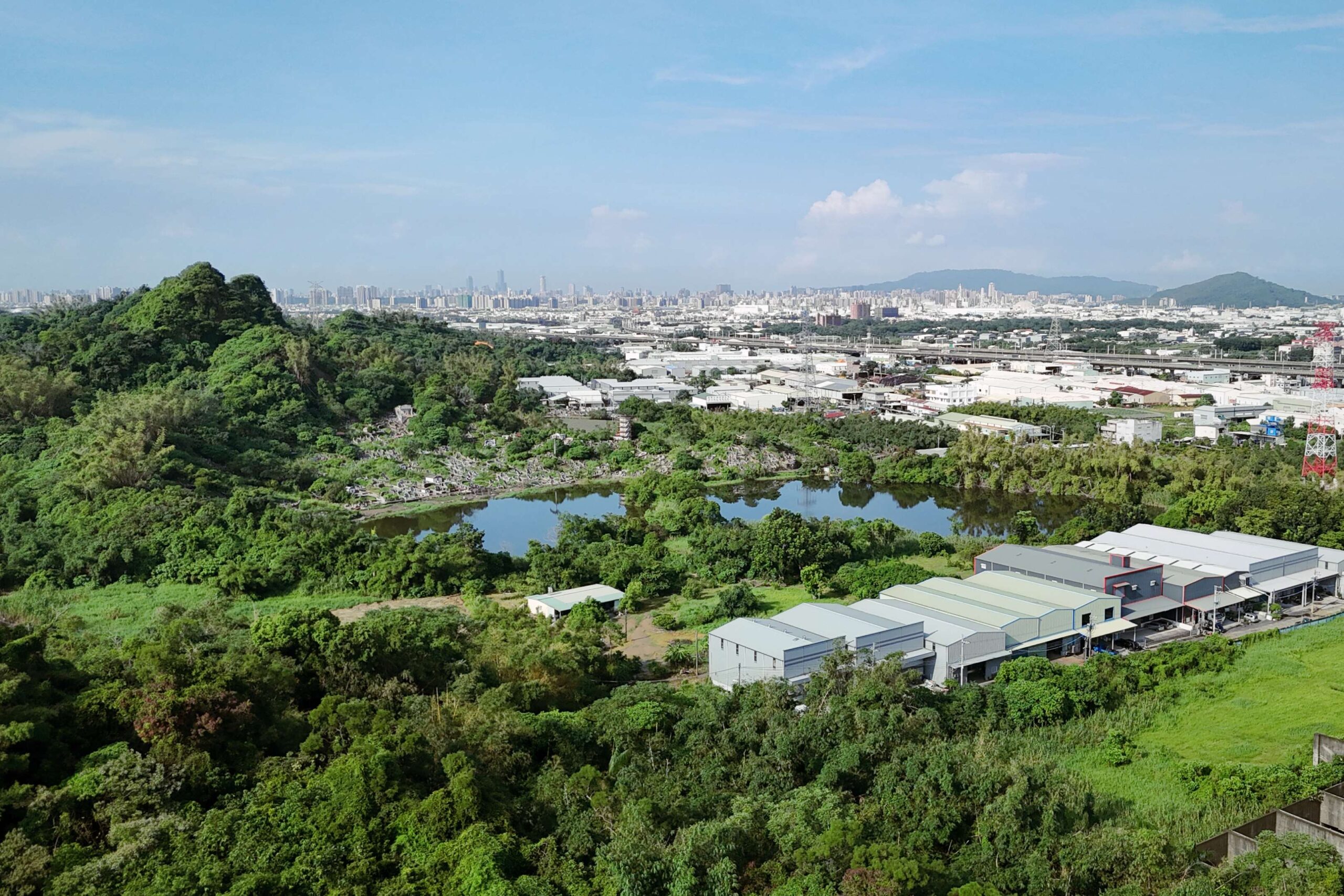
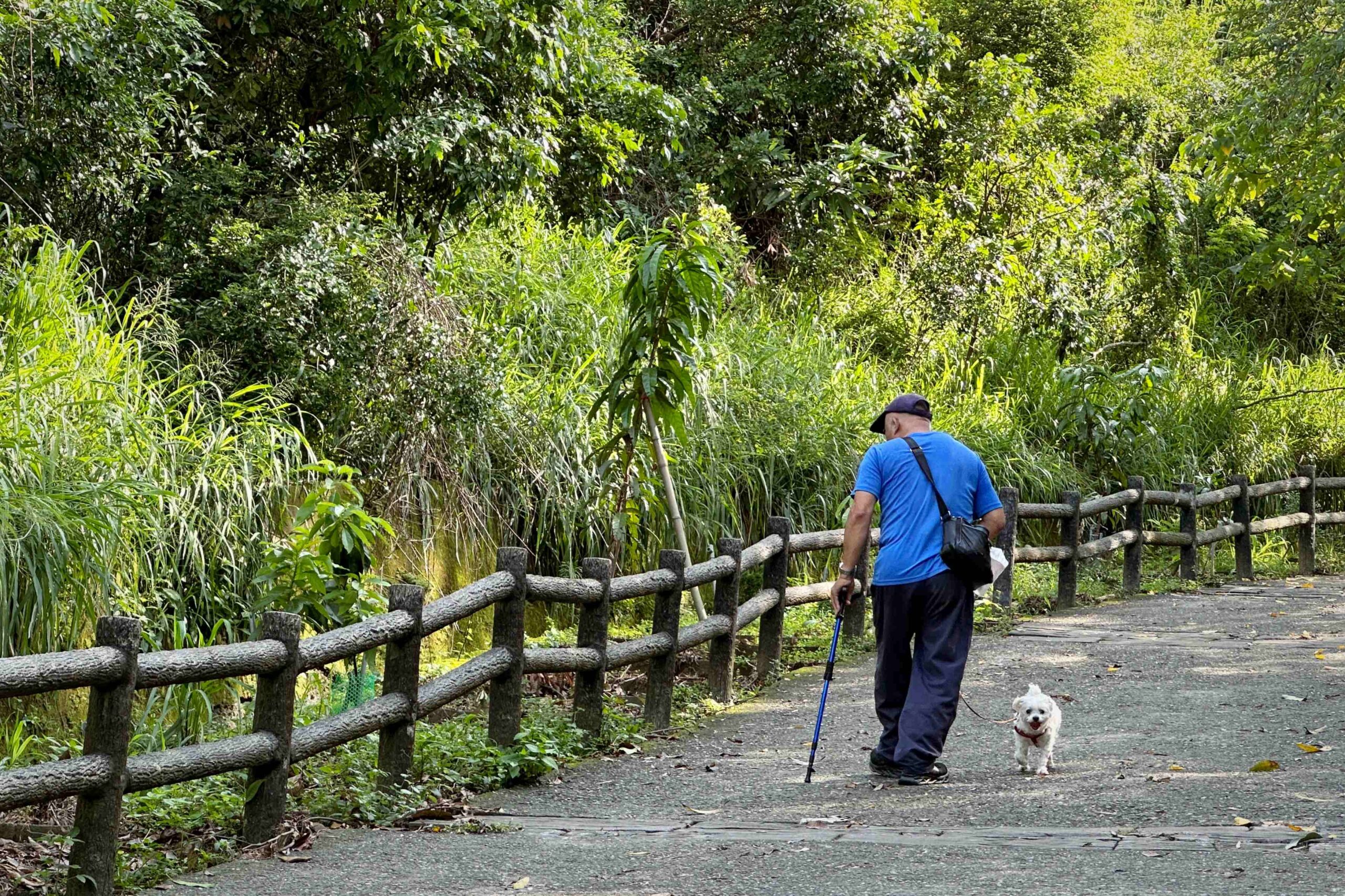
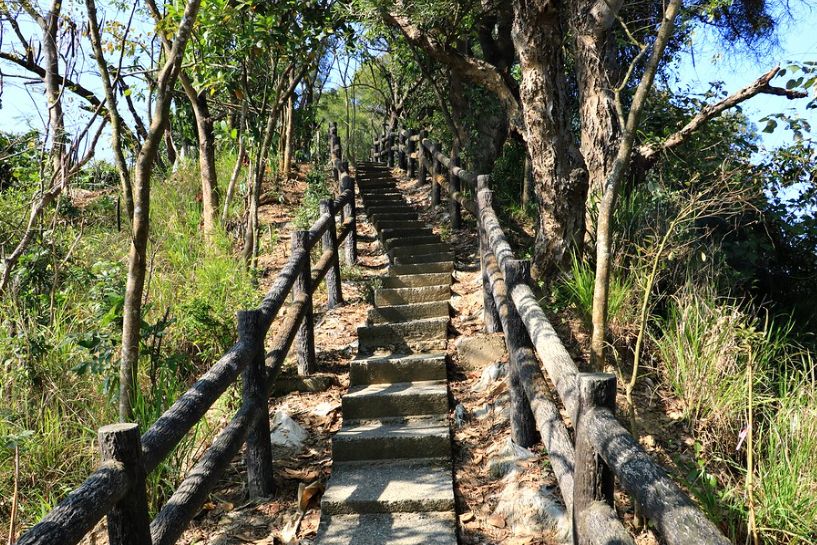
There are several trails to explore on Guanyinshan, but if it’s your first visit, it’s best to start with one of the more popular and accessible routes. We parked at Guanyinshan Parking Lot No. 7 and began the hike from the Fengyi Temple trailhead behind the parking lot. The trail consists mostly of stone steps and paved concrete paths. The round trip took us about an hour, and overall, it felt quite easy and manageable.
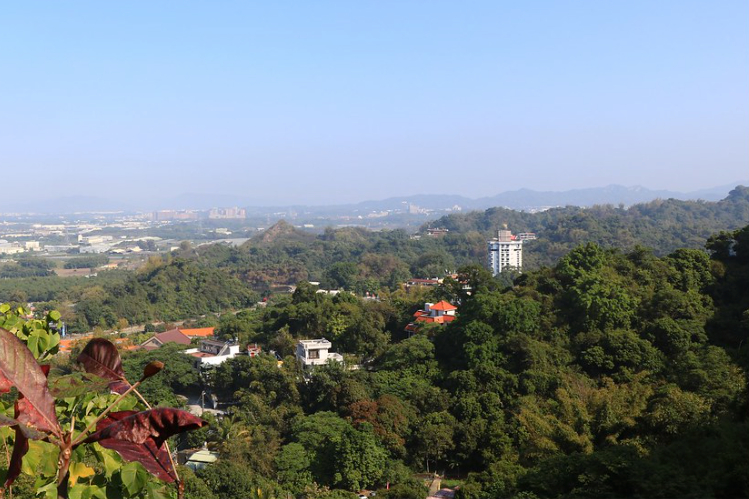
Guanyinshan Scenic Area

Cuiping Rd., Dashe Dist., Kaohsiung
02|Dajue Temple at Guanyinshan
At the foot of Guanyinshan stands Dajue Temple, which is said to have been founded during the reign of the Kangxi Emperor in the Qing dynasty. With a history of more than 300 years, the temple is dedicated primarily to Shakyamuni Buddha and Guanyin, the Bodhisattva of Compassion. Dajue Temple is also associated with an interesting local legend. According to the story, the Kangxi Emperor heard about Guanyinshan’s beautiful peaks and picturesque scenery and was so impressed that he personally inscribed the three Chinese characters “翠屏岩” (“Jade Screen Cliff”) for the temple.
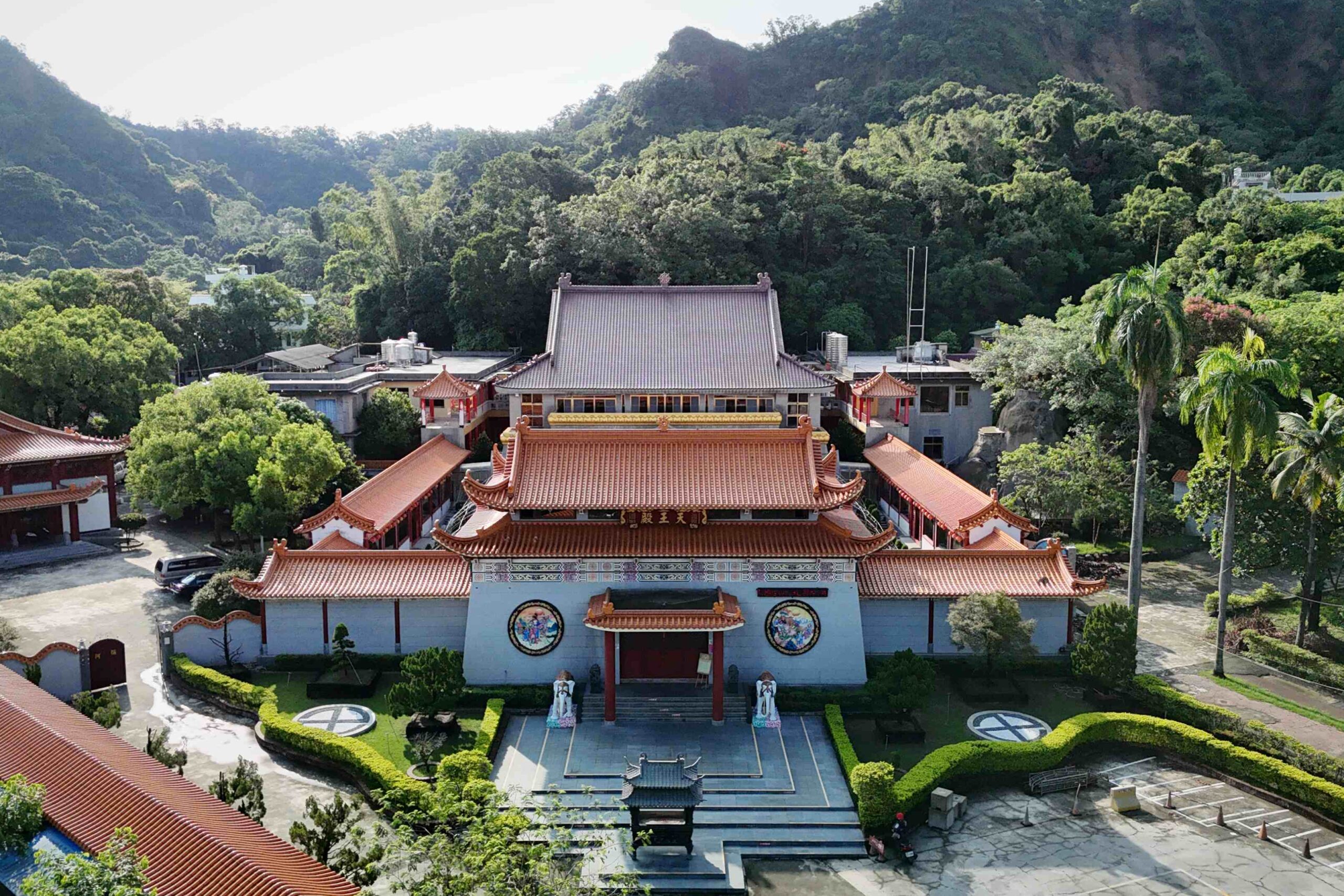
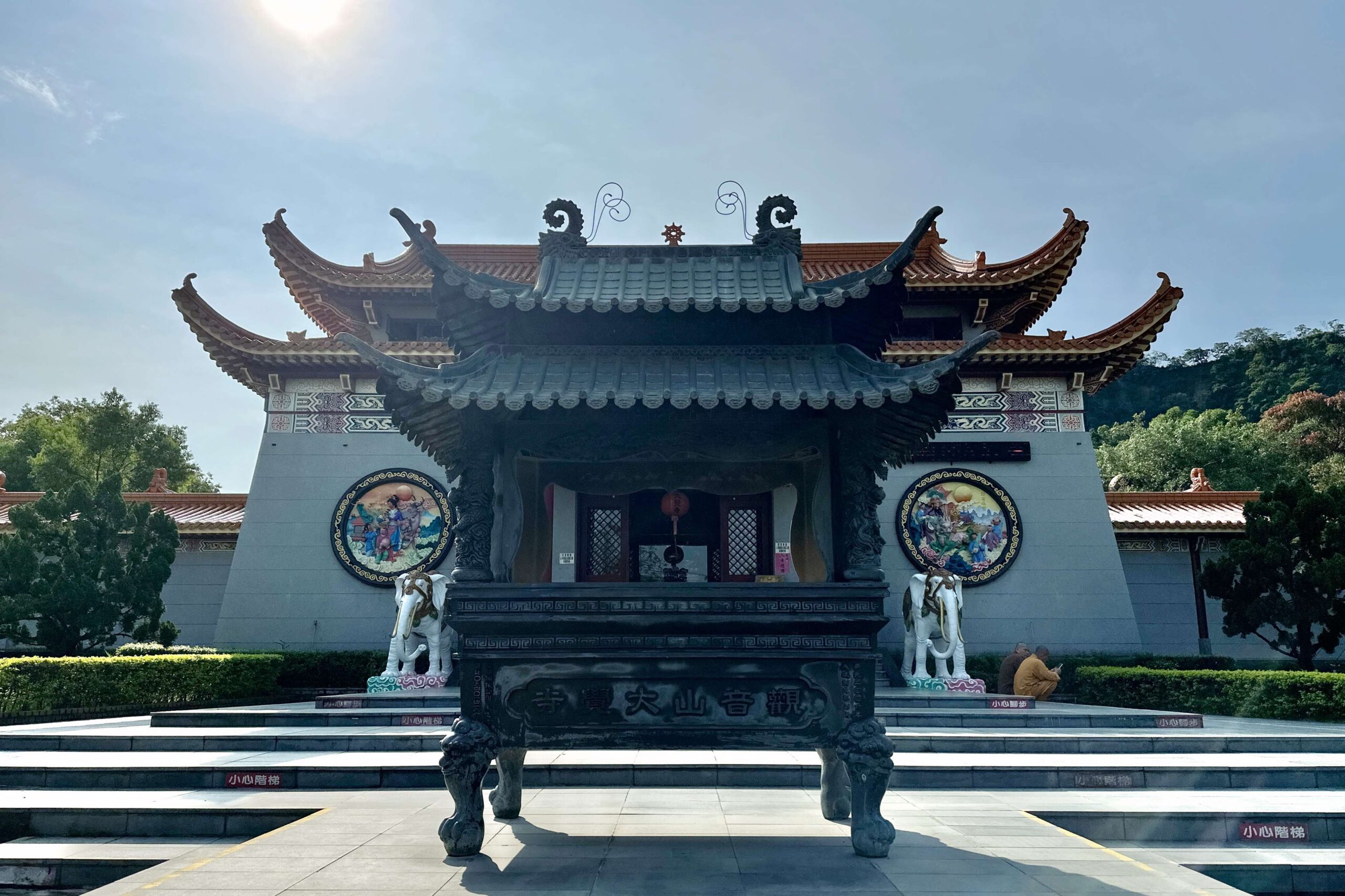
Guanyinshan is a popular destination for hiking and enjoying the outdoors, so the trails can get quite busy on weekends and holidays. Dajue Temple is conveniently located at the entrance to the scenic area, making it a natural stop for many visitors who come to pay their respects. As a result, the temple has remained a lively place of worship, with a steady stream of visitors and worshippers throughout the year.
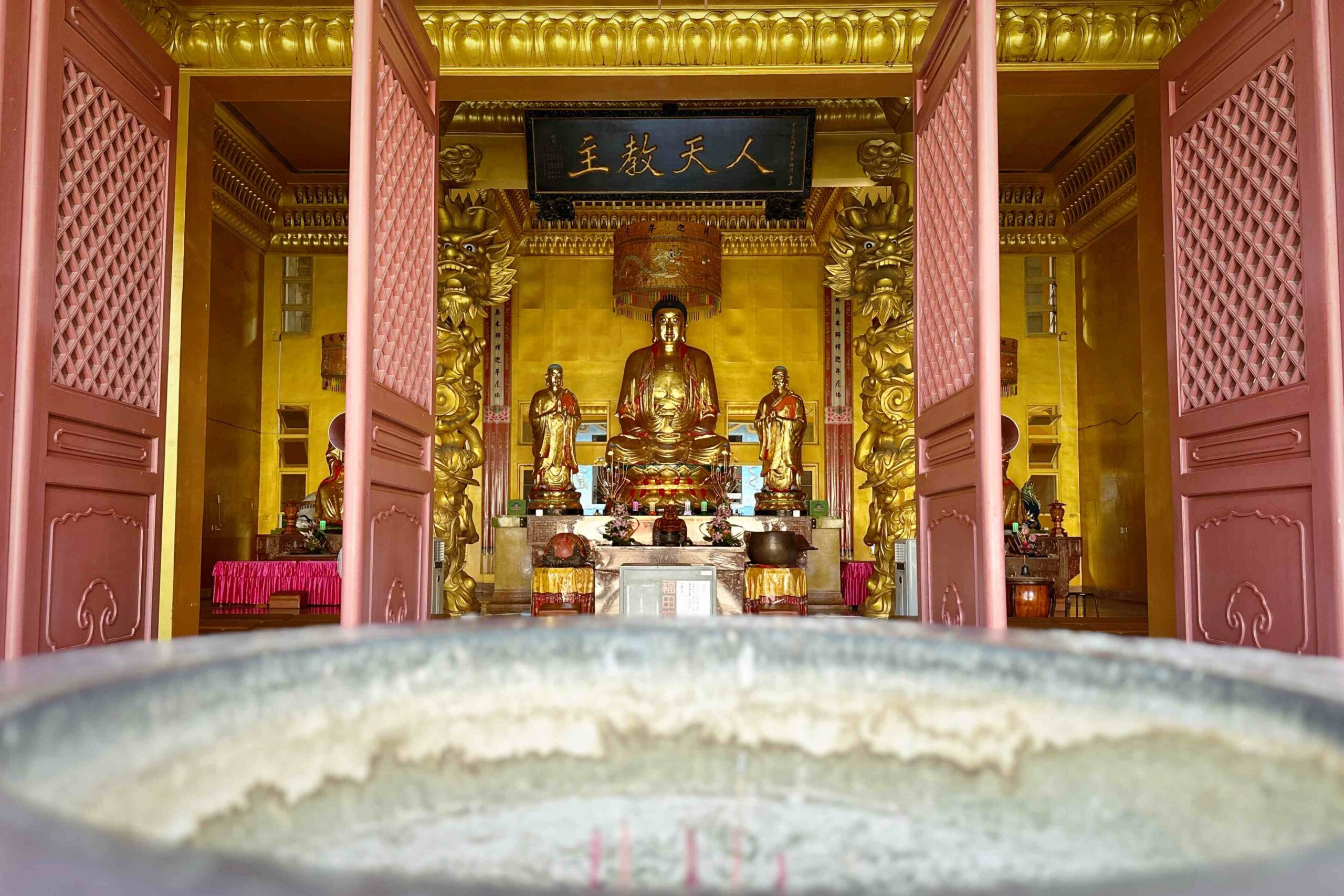
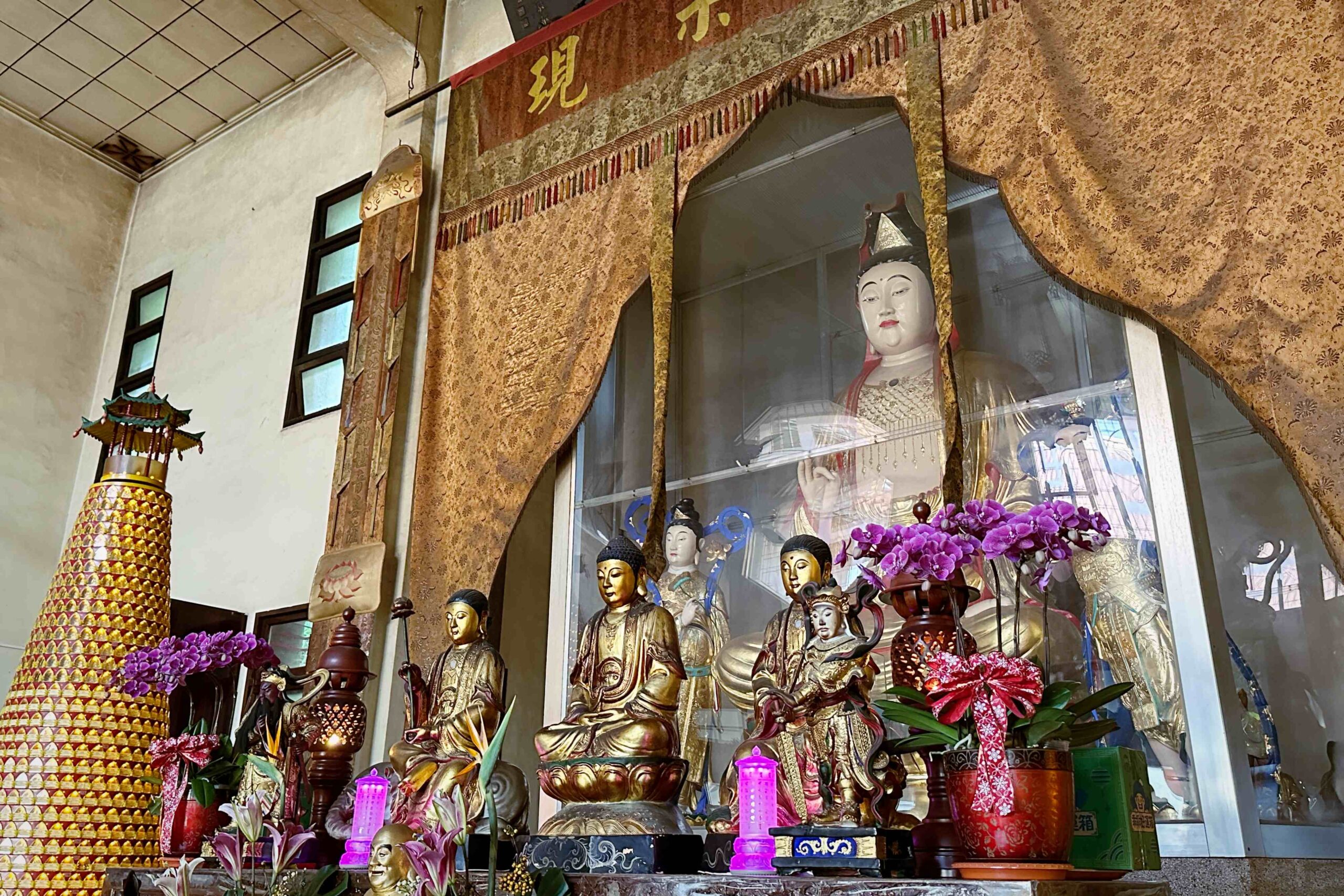
Dajue Temple at Guanyinshan

Opening Hours: 0600-1730
No. 110, Cuiping Rd., Dashe Dist., Kaohsiung
03|Guanyinshan Equestrian Center
Many years ago, I spent nearly a year learning horseback riding here. Kaohsiung has three larger equestrian centers that have remained in operation over the years. Before deciding where to take lessons, I compared the facilities and grounds at each one and ultimately chose this center. What attracted me most was its two riding arenas—one indoor and one outdoor—both built to international standards. Even on rainy days, training could continue without interruption. The center is also one of the training bases for Kaohsiung’s mounted police unit. Whenever I see mounted police officers riding along the Love River on weekends and holidays, it brings back memories of the days when I was learning to ride.
Coming back here after all these years, it was wonderful to say hello to the instructor who taught me back then. Seeing that the horses were still looking healthy, energetic, and well cared for made me especially happy.
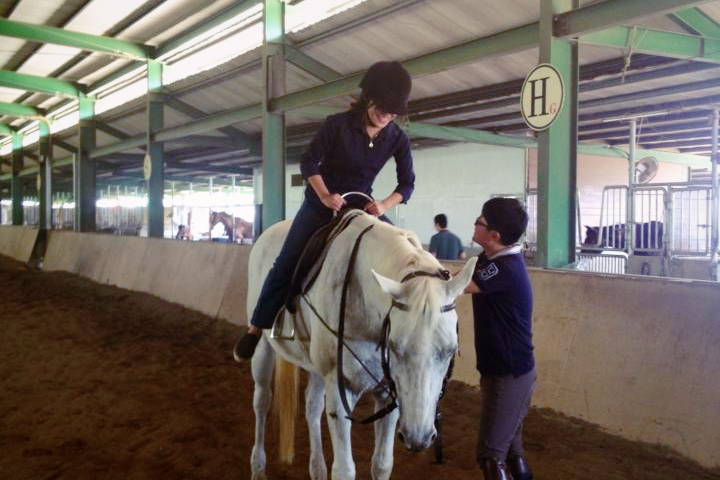
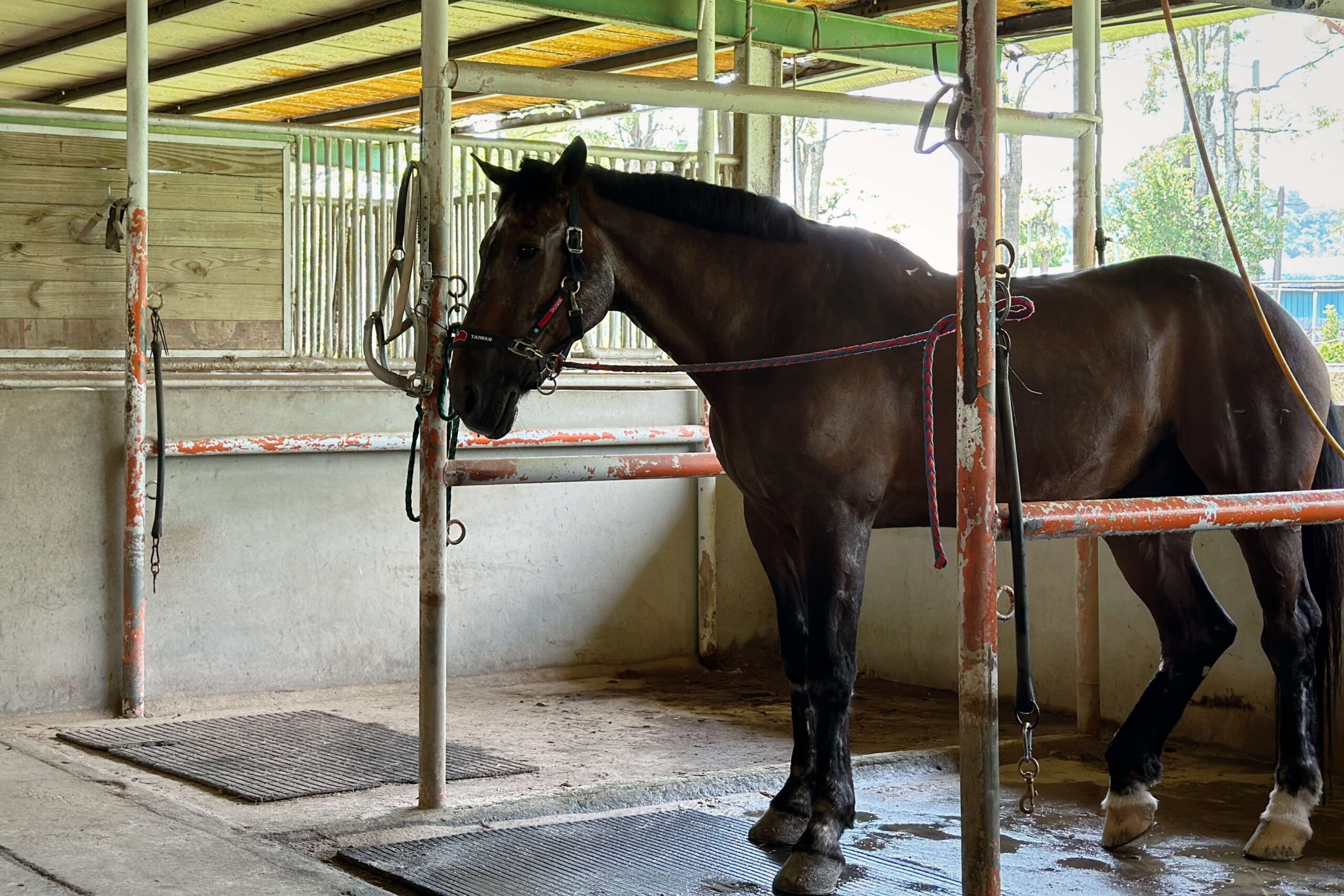
Guanyinshan Equestrian Center

Opening Hours: 0800-1200, 1330-1730, closed on Mondays.
No. 675-12, Zhongshan Rd., Dashe Dist., Kaohsiung
04|Dashe Fruit and Vegetable Market
Dashe Fruit and Vegetable Market is an important agricultural produce hub in northern Kaohsiung. What makes it particularly interesting is its unique “two markets in one day” rhythm: the bustling wholesale market in the early hours of the morning transforms into a friendly local morning market at daybreak, giving the market two completely different personalities in a single day.
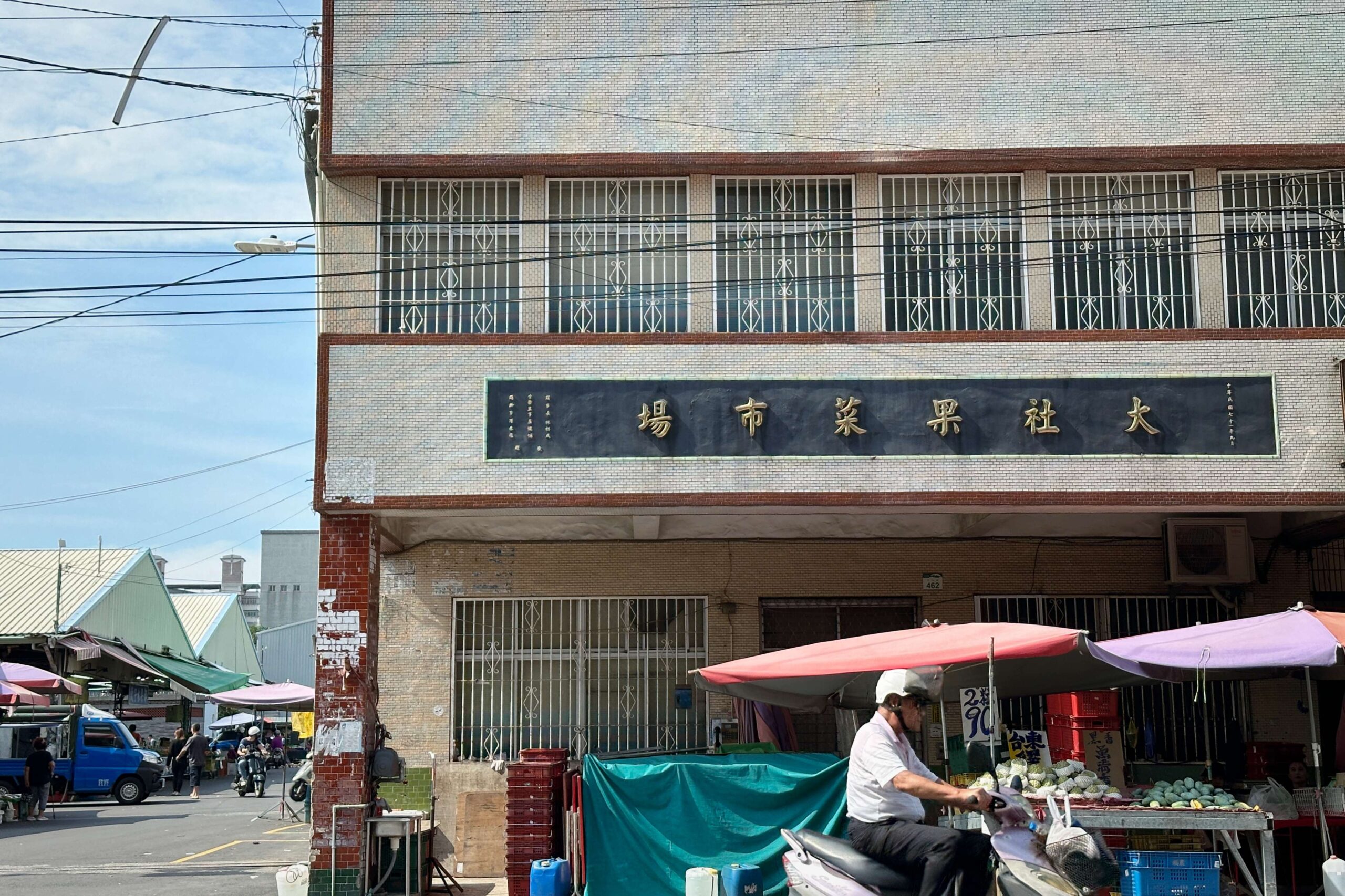
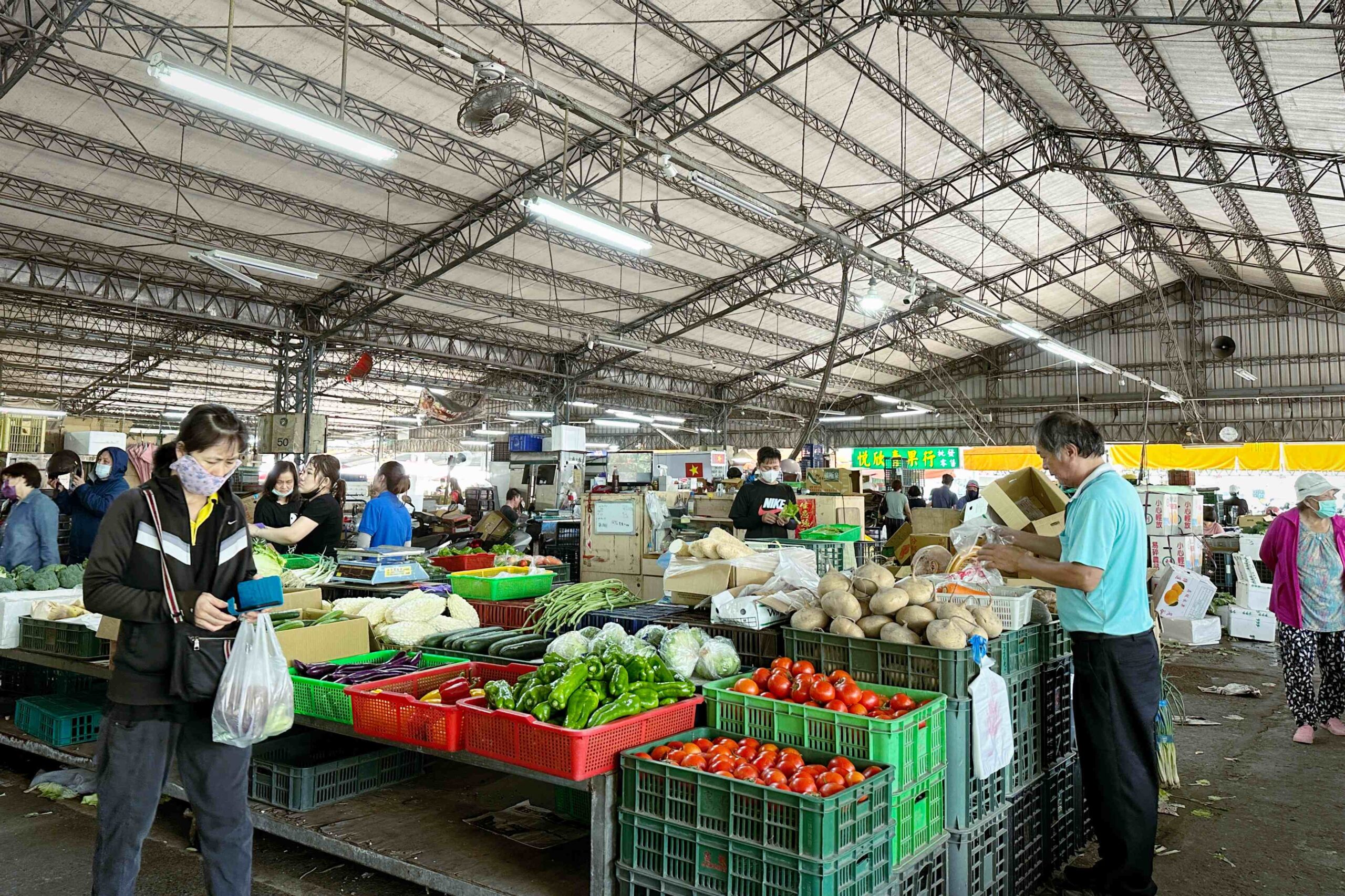
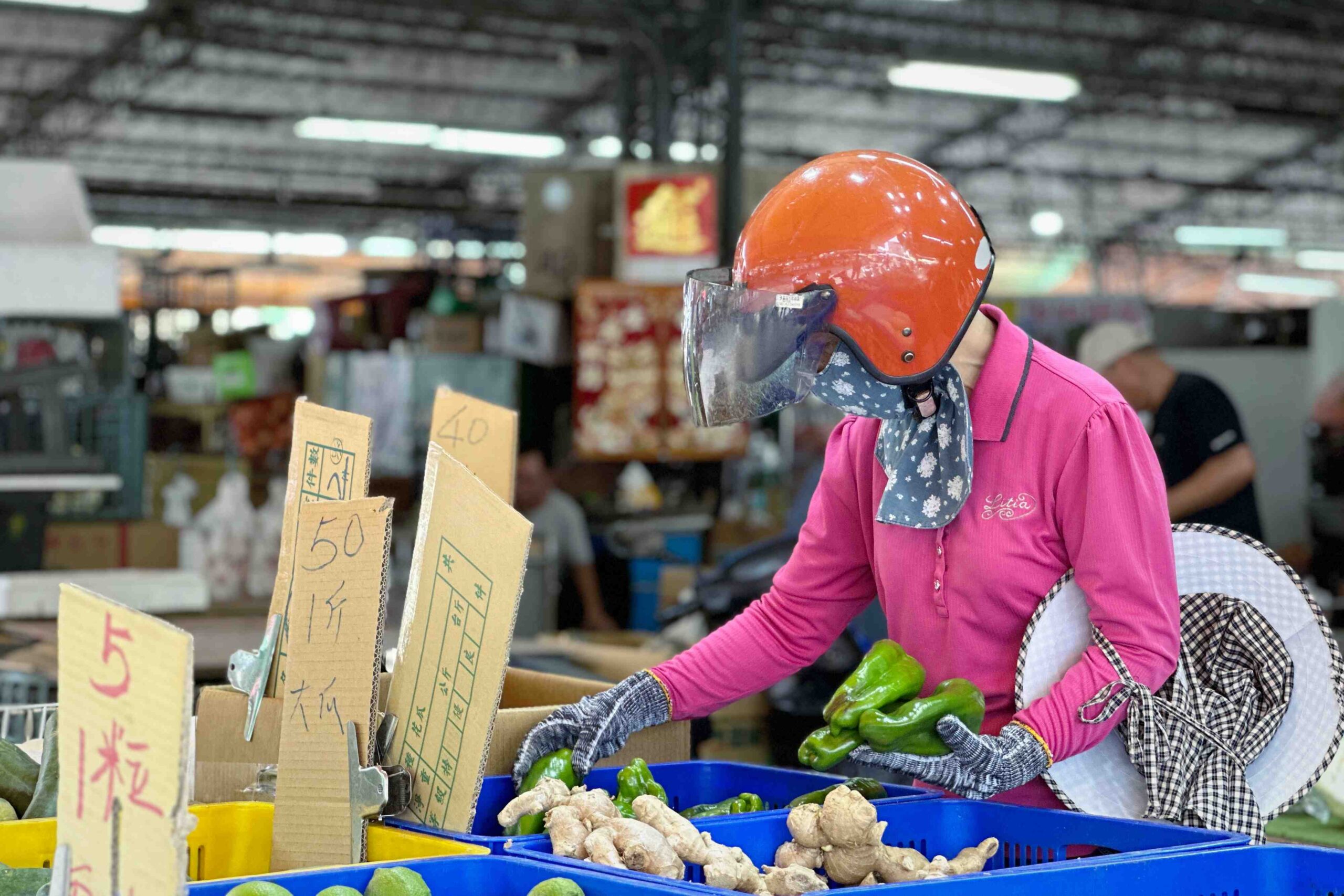
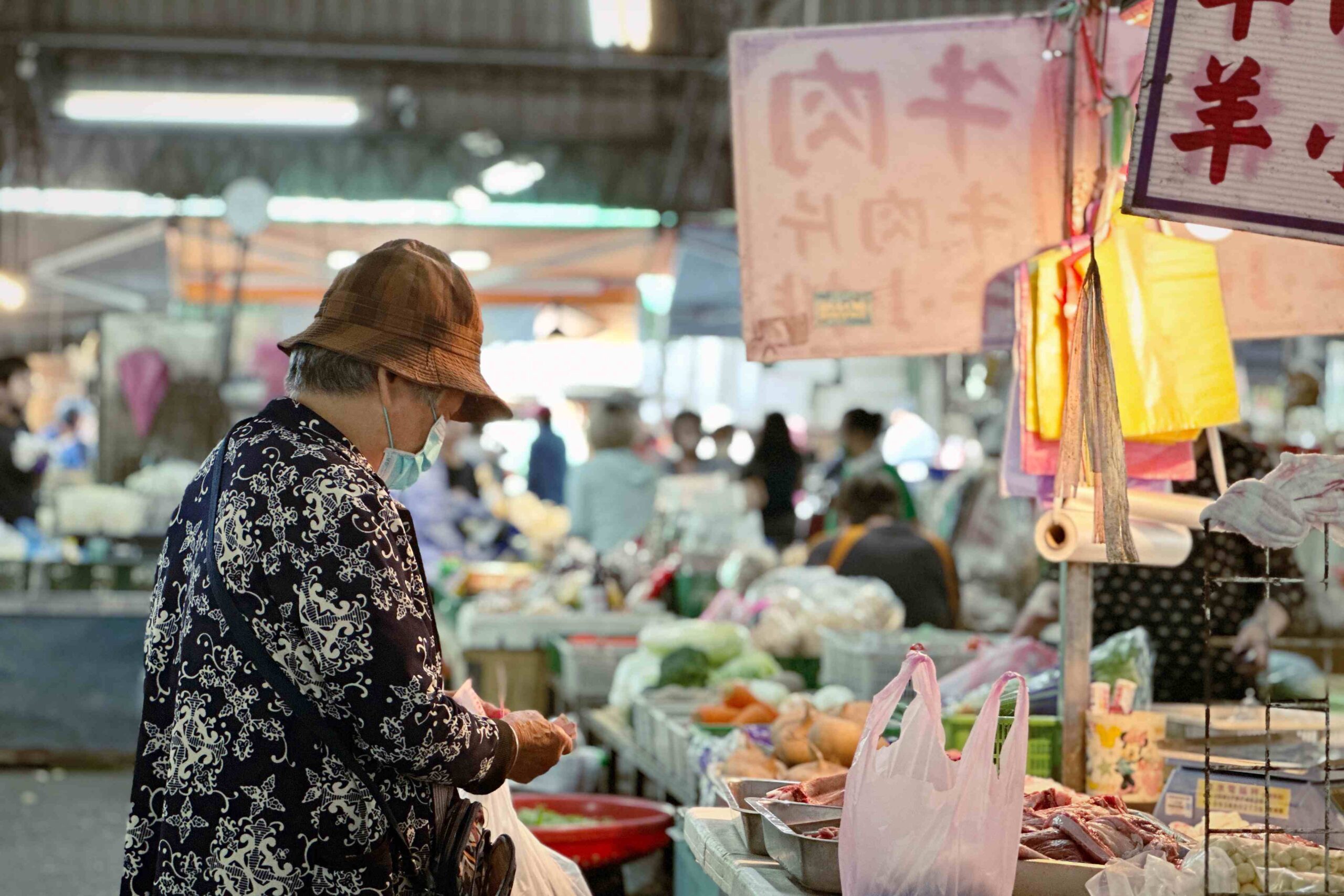
Every night, well before dawn, wholesalers, distributors, and other produce vendors from across the region gather here, with large quantities of vegetables and fruit bought and sold in bulk. If you want to experience the thrill of walking away with boxes of incredibly affordable fresh fruit, it’s worth getting up early and visiting the market in the middle of the night. By around 6 or 7 a.m., the wholesale trade begins to wind down, and the market transforms into what locals know as Jinlong Market—the Dashe morning market. Vendors selling vegetables, meat, prepared foods, and local snacks gradually set up for the day, with prices that are generally very reasonable. And if you’re looking to pick up two of Dashe’s “Three Treasures”—guava and wax apples—this is the place to go!
Dashe Fruit and Vegetable Market

Opening Hours: 0230-1130
No. 462, Zhongshan Rd., Dashe Dist., Kaohsiung
05|Xu Quanxing Historic House
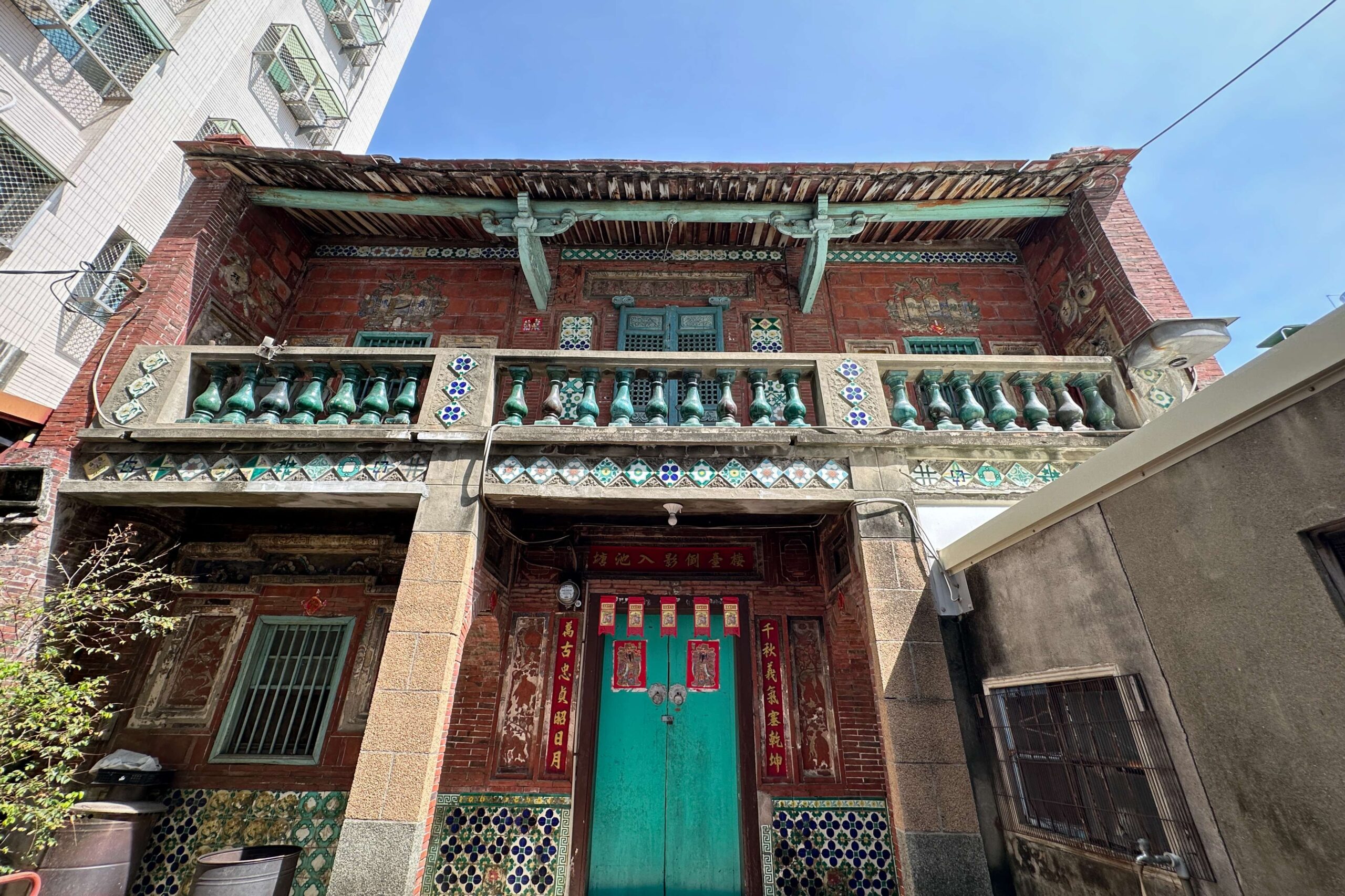
Tucked away in a small lane off Cuiping Road, the Xu residence was the ancestral home of the late Xu Quanxing, a former director-general of the local farmers’ association. Built in 1910 (the 43rd year of the Meiji era), it is a beautiful two-story red-brick Western-style house. The Xu residence can be surprisingly difficult to find. I followed Google Maps to Cuiping Road and wandered around in circles, but still couldn’t locate it. In the end, I had to ask a kind local resident to show me the way.
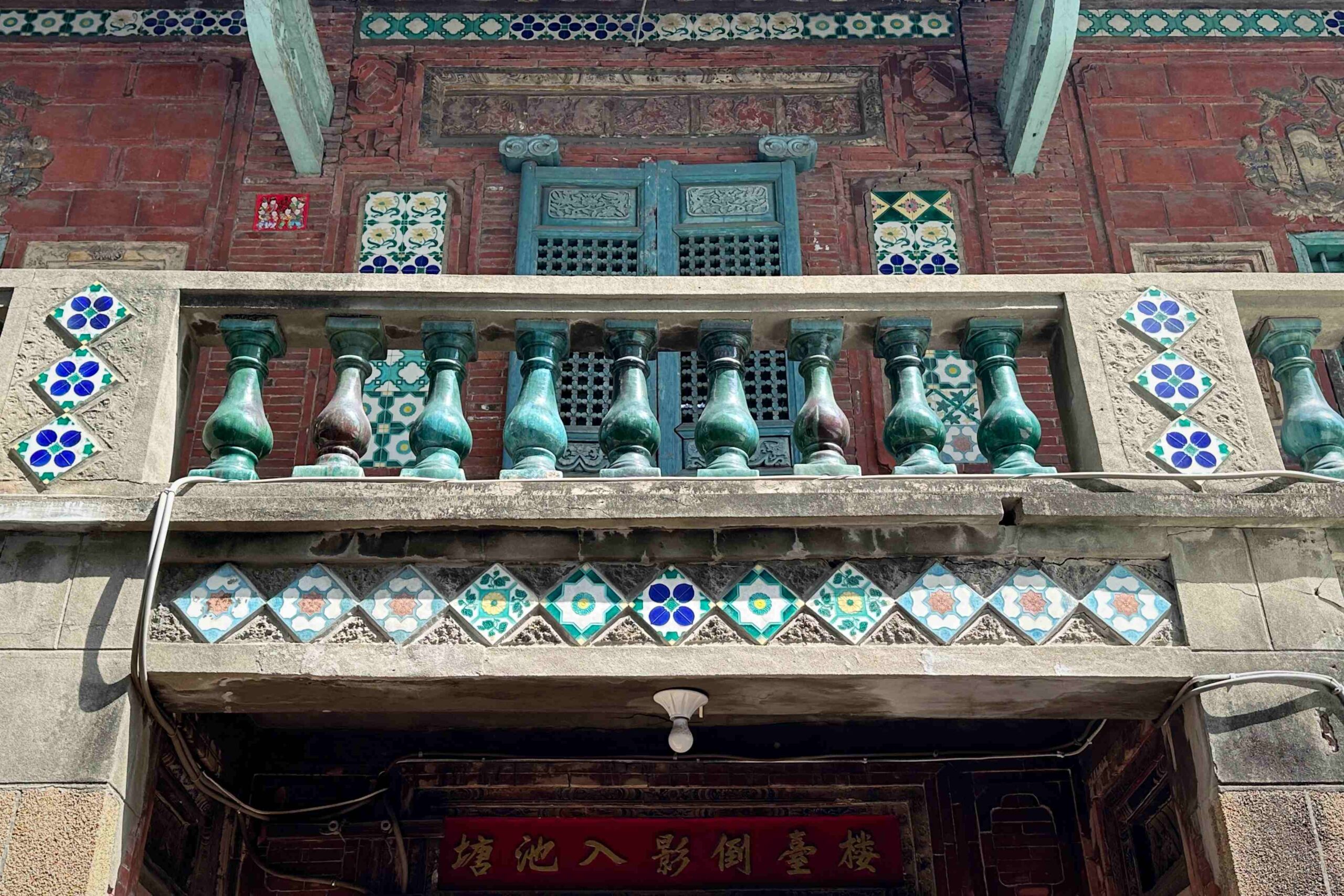
The house follows a traditional Minnan layout known as yi-tiao-long, with a three-bay main structure. Locally, this type of two-story brick house is commonly called a lau-á-tshù (樓仔厝). There are plenty of beautiful architectural details to admire. The exterior walls are decorated with intricately patterned ceramic and decorative tiles, while the second-floor balcony features an especially rare type of green-glazed, bottle-shaped balustrade. Set against the red-brick walls, the combination is both elegant and exquisitely detailed. I’ve seen my fair share of historic houses, and the moment I spotted those unusual bottle-shaped railings and colorful decorative tiles, I knew this was a family with both refined taste and considerable means.
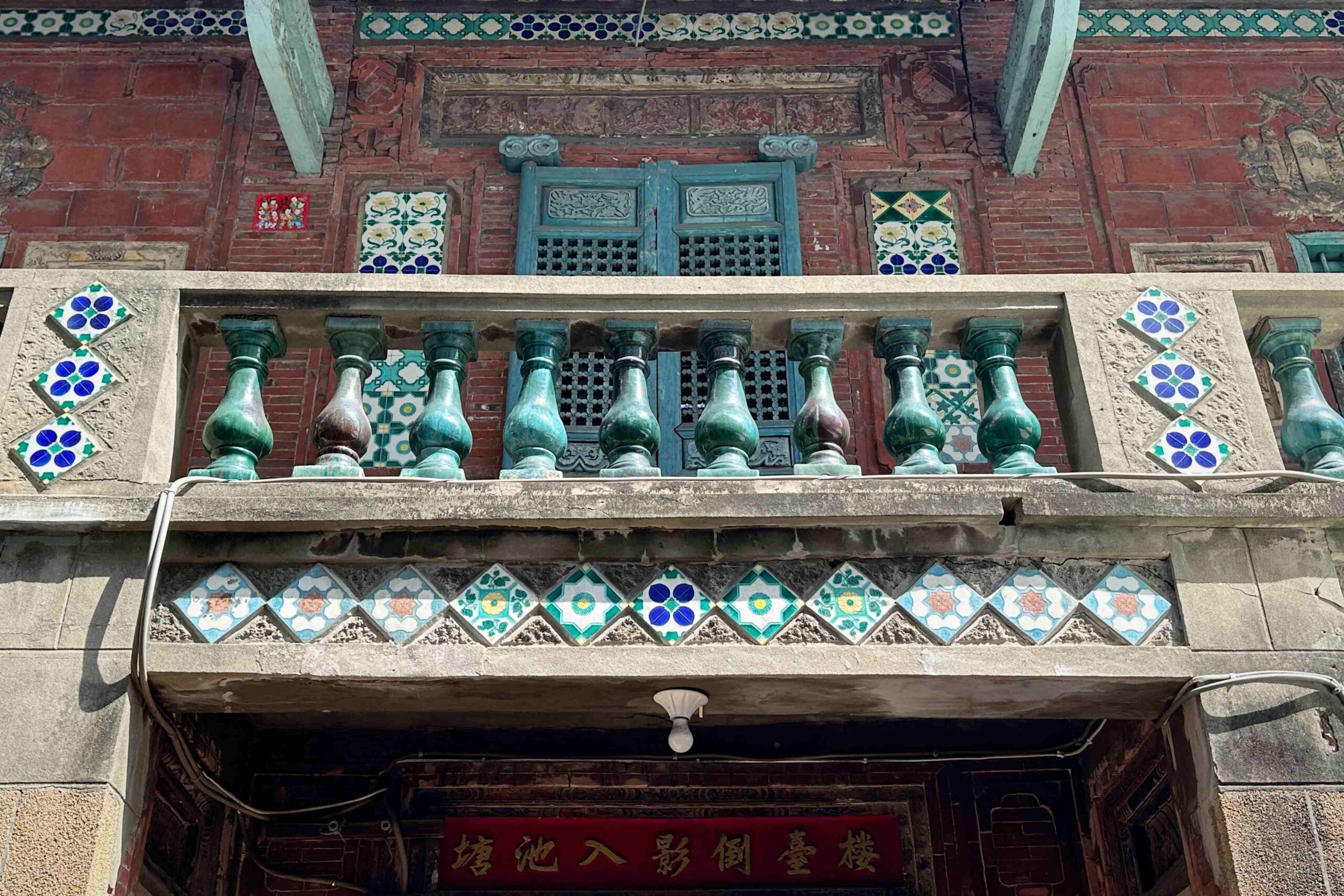
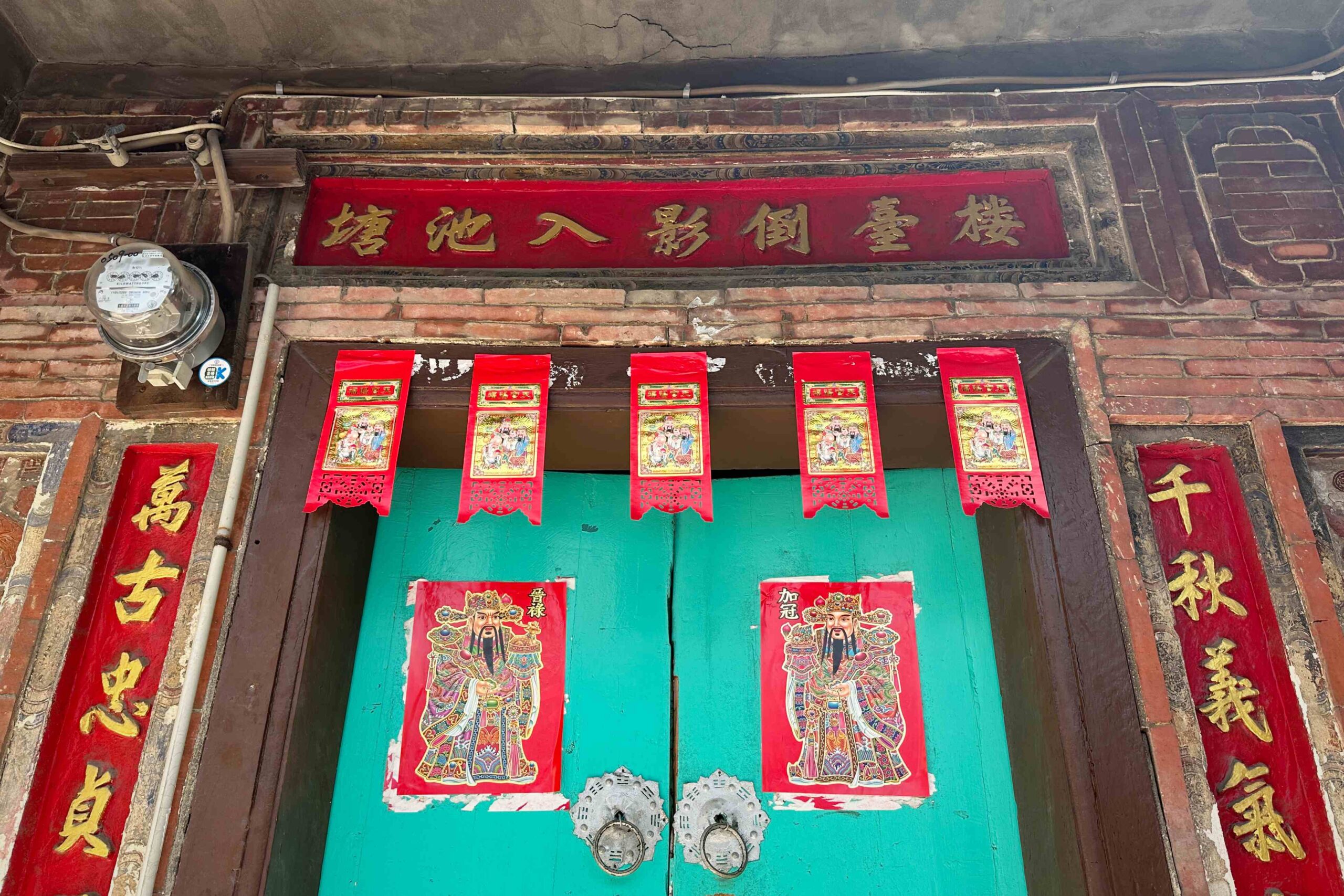
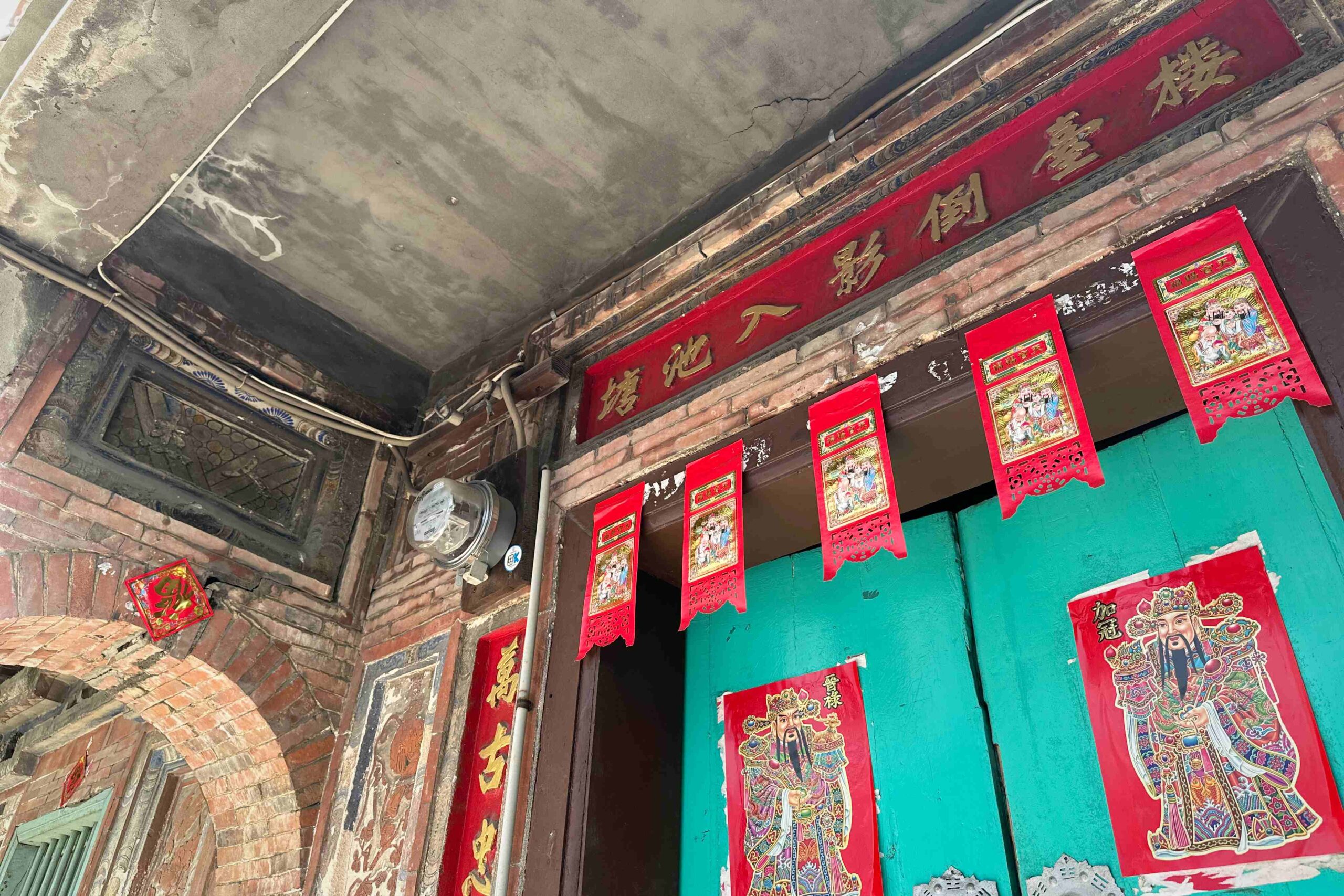
Xu Quanxing Historic House

No. 12, Ln. 3, Cuiping Rd., Dashe Dist., Kaohsiung
06|The Wu Historic Residence
Tucked away in a lane off Minsheng Road in San Nai Village, the Wu residence was built in 1803, during the early years of the Jiaqing Emperor’s reign. It is a traditional three-bay house and is considered the largest and oldest of the remaining historic residences in Dashe.
Just how big was it?
According to members of the Wu family, the residence was once known as having “three courtyards and 120 doors.” The story goes that, in the old days, servants would feel like crying at bedtime simply thinking about having to go around the enormous house and close one door after another before they could finally call it a night.
That story alone gives you a pretty good idea of just how enormous the residence must once have been. The Wu residence was remarkable not only for its size, but also for the materials used in its construction. Many of the building materials were brought over from mainland China, including the door frames, stone used for the walls, and even the red bricks beneath your feet. Sadly, very little of the Wu residence remains today. Only crumbling walls and ruins are left, with little of the grandeur that once made this sprawling historic home so impressive.
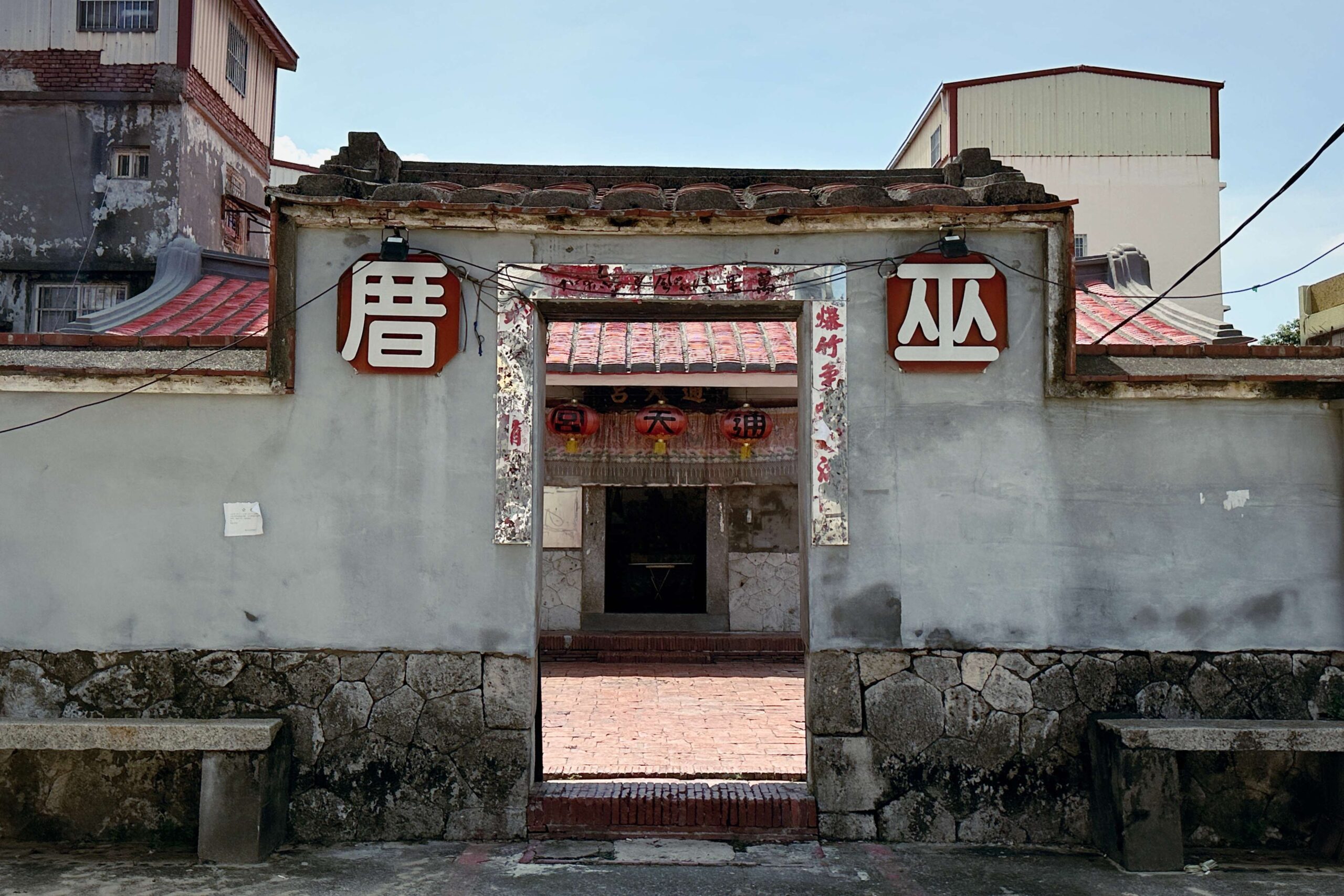
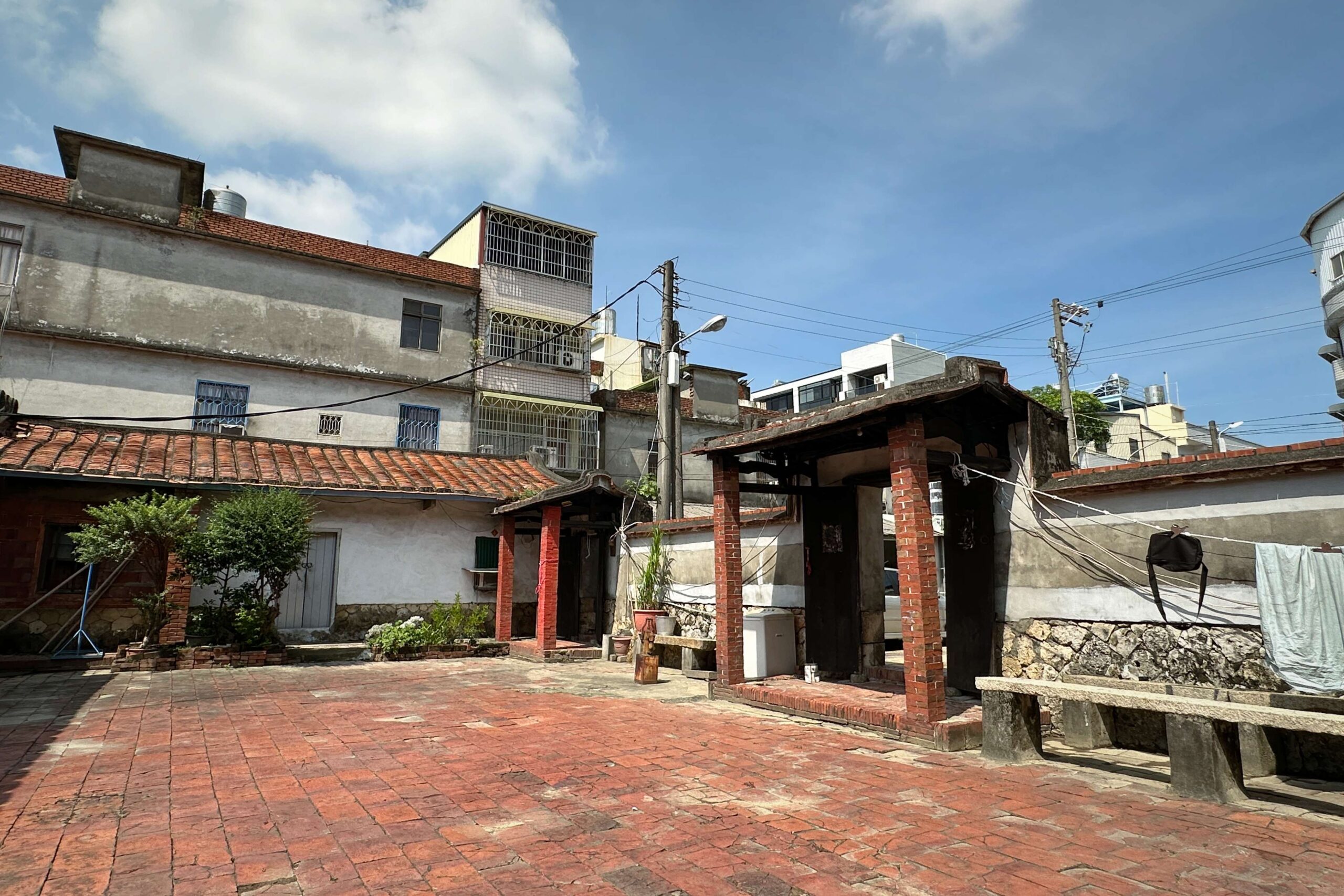
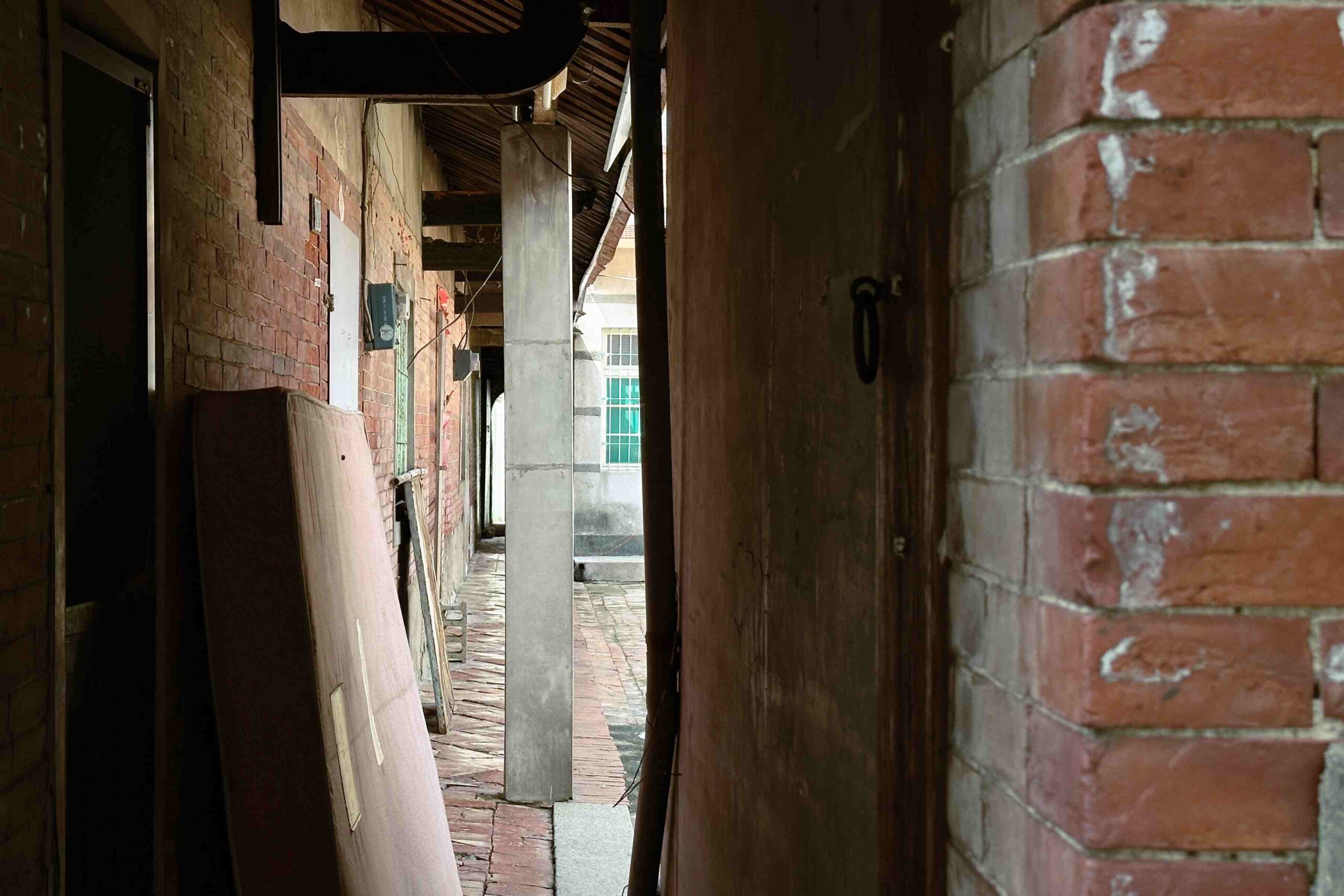
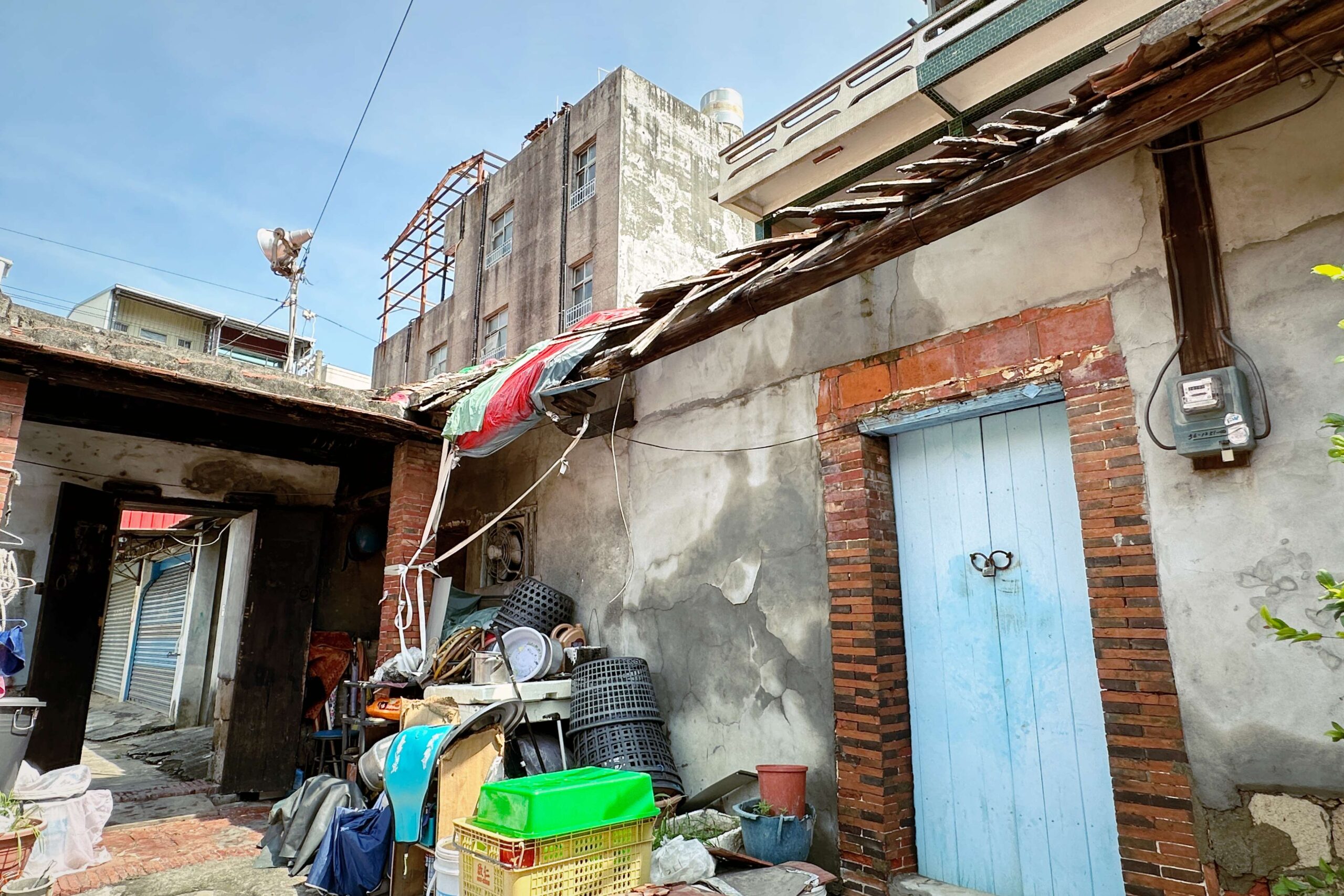
The Wu Historic Residence

No. 2, Ln. 43, Minsheng Rd., Dashe Dist., Kaohsiung
◦ Restaurants and Snacks in Dashe
01|Miaokou Stir-Fried Duck Meat Soup
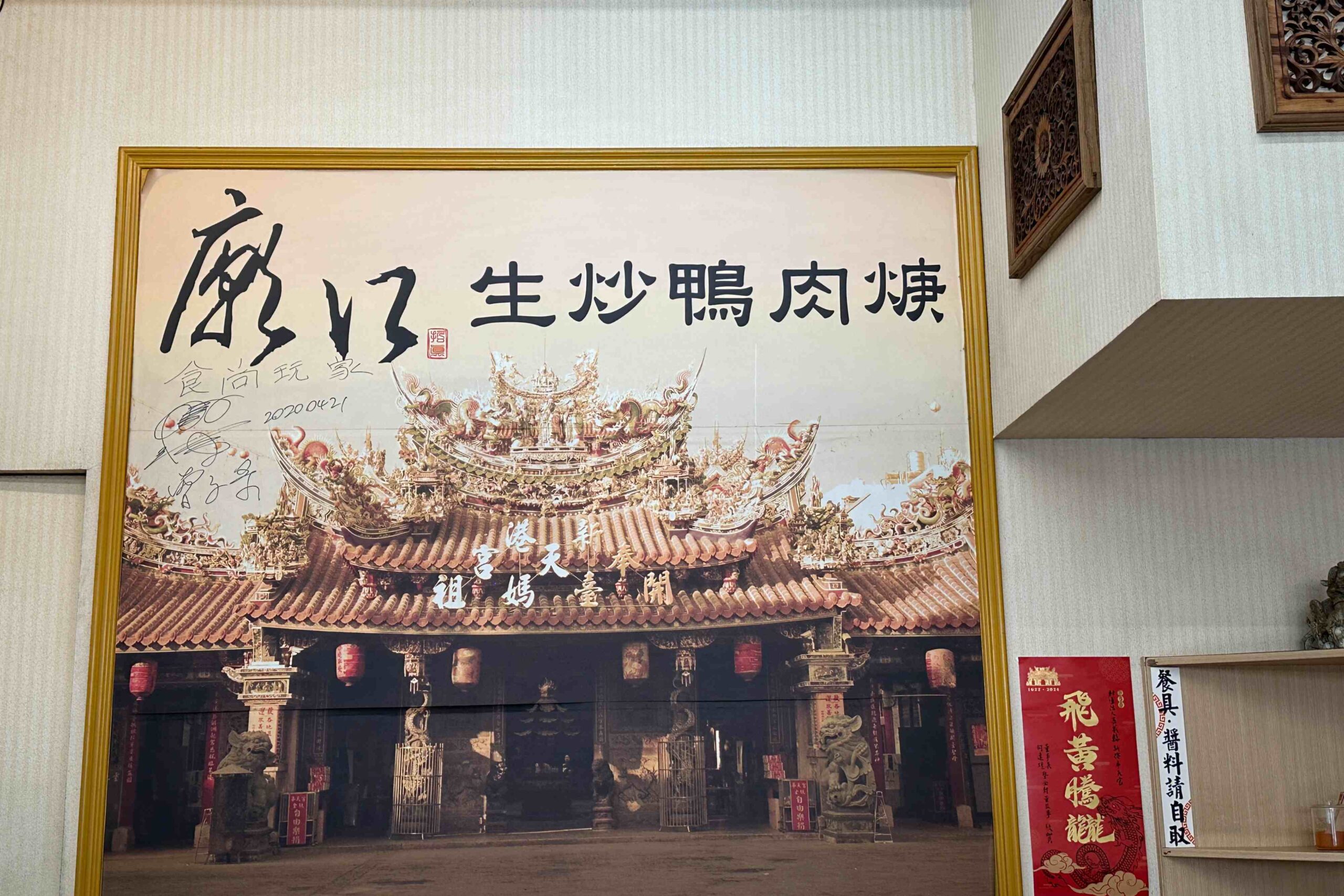
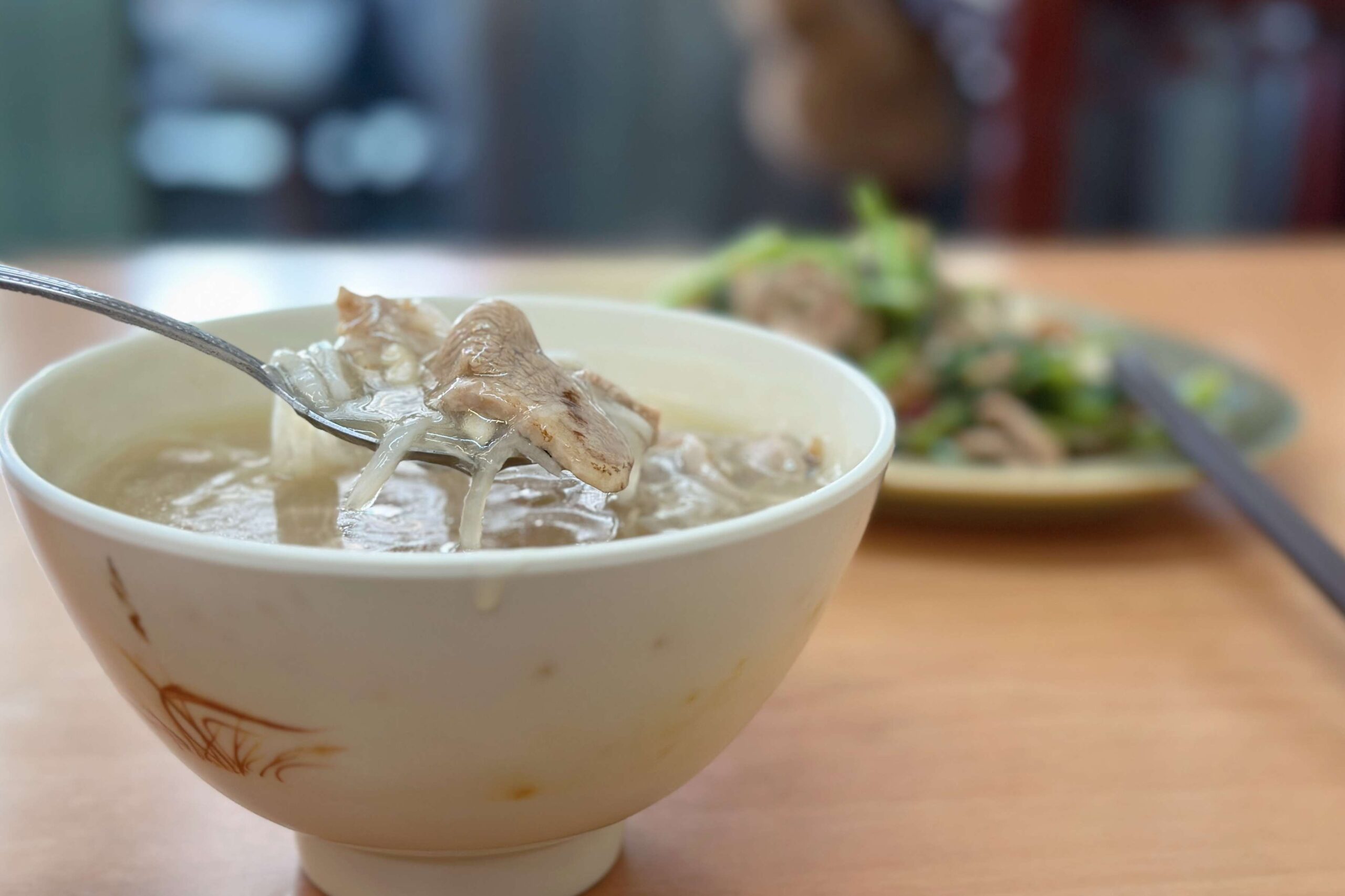
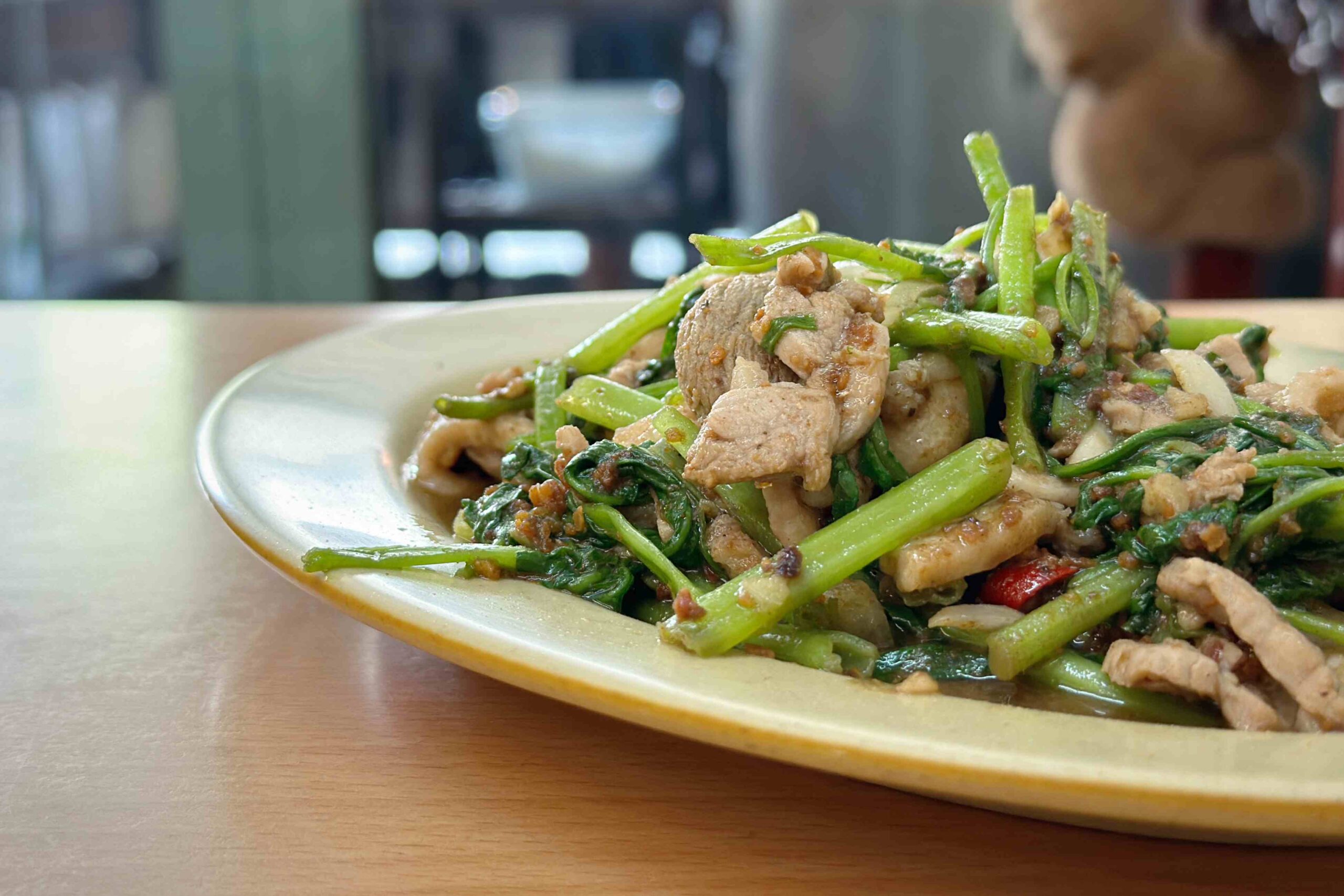
Not far from Dashe Fruit and Vegetable Market, Miaokou Stir-Fried Duck Meat Soup serves a dish that originated in Xingang, a town in Chiayi famous across Taiwan for its duck meat soup. After trying it myself, it quickly became one of my go-to food recommendations in Dashe. This time, I ordered the stir-fried duck meat soup and the sizzling duck with satay sauce, and I loved both.
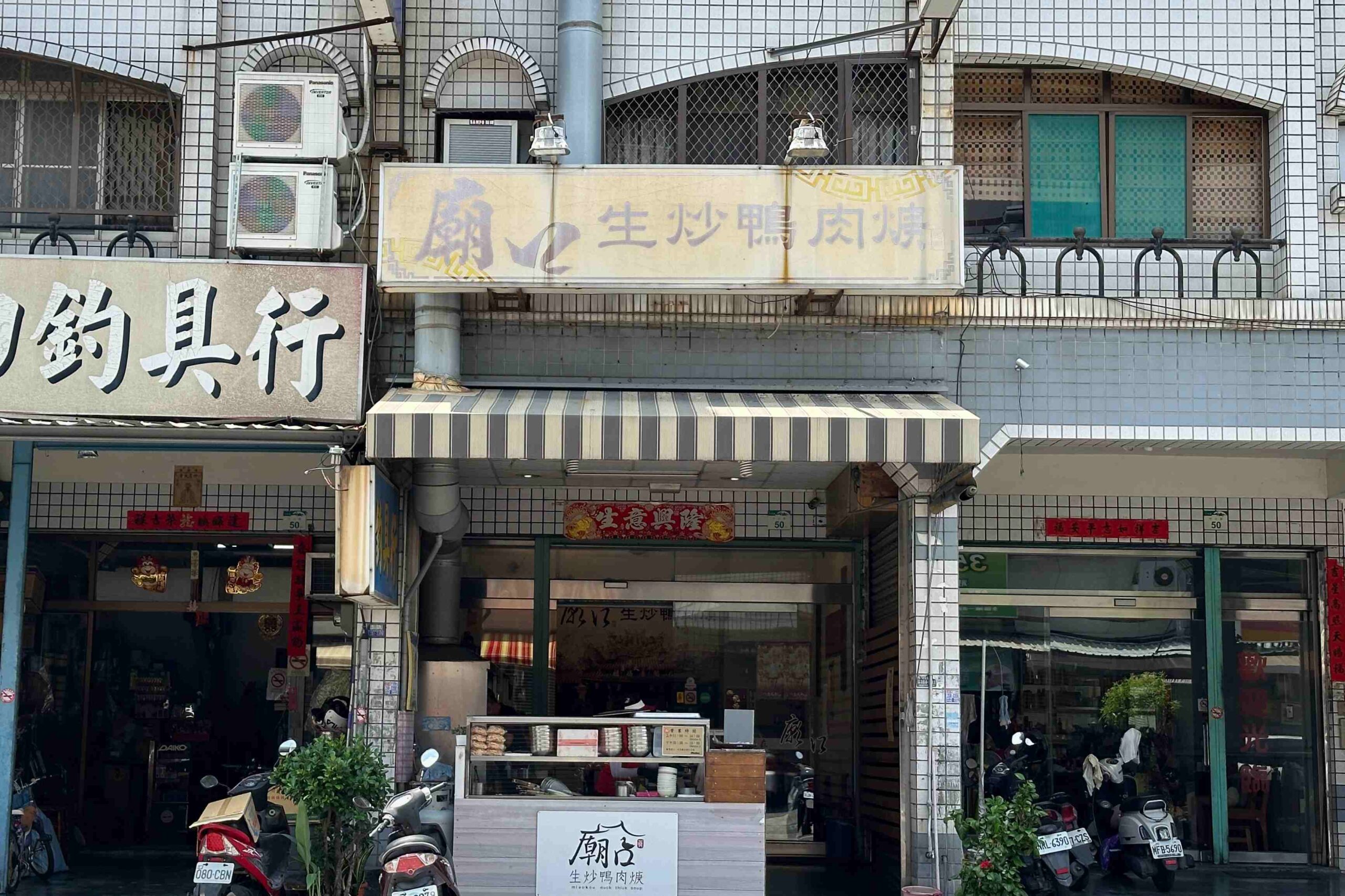
For the duck meat soup, the duck is first stir-fried over high heat until beautifully browned and fragrant, then added to the soup. This extra step gives the entire bowl a rich, savory aroma. The soup isn’t overly thick or starchy, allowing the natural sweetness of the duck to shine. Minced garlic and shredded bamboo shoots add freshness and texture, while a splash of black vinegar brings another layer of flavor. The satay duck is more intensely seasoned, with the rich, savory satay sauce clinging to every piece of duck after a quick stir-fry over high heat. The moment you take a bite, you’re hit with that unmistakable satay aroma. The duck is cooked just right, retaining its wonderfully springy, chewy texture. The more you chew, the more fragrant it becomes—and it is absolutely the kind of dish that makes you want another bowl of rice.
Miaokou Stir-Fried Duck Meat Soup

Opening Hours: 1100-1400, 1630-1900, closed on Weekends.
No. 50-1, Zhongshan Rd., Dashe Dist., Kaohsiung
◦ Flying Over Taiwan
*All aerial photography operations are conducted within legal airspace. During flight, regulations stipulated by the Civil Aviation Law are strictly followed, maintaining the required distance from buildings and crowds. Zooming and post-production techniques are used to ensure compliance, making the flights fully legal.
*Anyone citing these images and text must provide proper attribution. Unauthorized or illegal use of the images and text is prohibited and may result in legal liability.
◦ Other Areas in Kaohsiung
➤ Jiasian | Visiting Jiasian and Eating Taro Ice Cream
➤ Cianjin | It’s snowing in Central Park
➤ Linyuan | Jellyfish Can Stand on Their Heads?