Lately, the art and culture scene has been buzzing about three things: the National Palace Museum, The Tibetan Dragon Canon, and the promise of “seven lifetimes of blessings.” But you don’t have to stand in line for three hours or figure out a new reservation system. At the National Palace Museum Southern Branch, you may have the chance to take your time and enjoy The Tibetan Dragon Canon almost all to yourself. I visited on a weekday last week, right when the museum opened at 9 a.m. I had three precious minutes alone with the scripture. It felt like such a luxury.
The Tibetan Dragon Canon is part of the Southern Branch’s permanent collection. It is the Kangyur, one of the most important collections of scriptures in Tibetan Buddhism, containing the teachings traditionally regarded as having been spoken by Shakyamuni Buddha. The canon consists of 108 volumes, with one volume rotated on display every three months. At that rate, it would take 27 years to see the entire collection. No wonder earning blessings for seven lifetimes feels almost as difficult as reaching heaven.
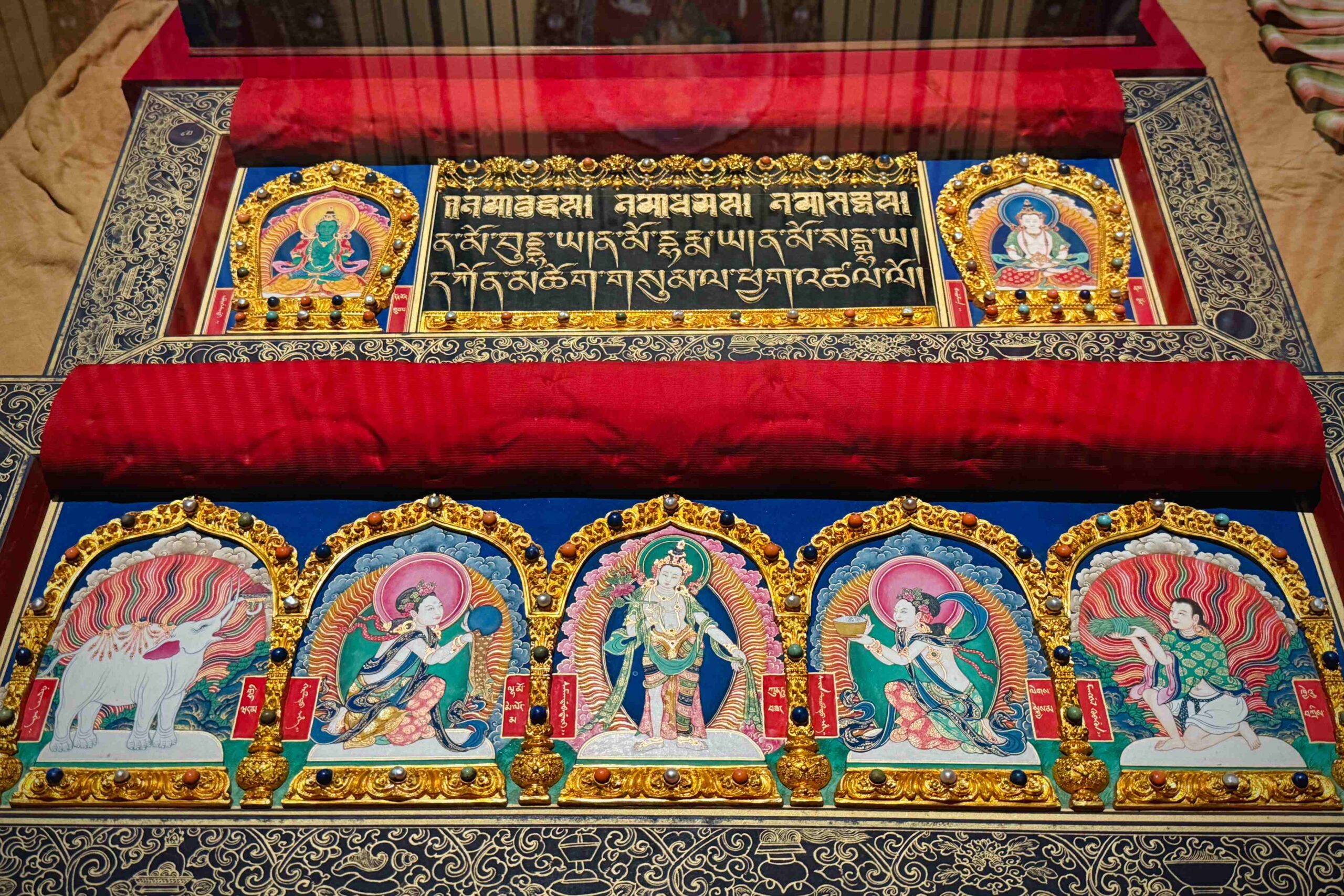
This Tibetan Dragon Canon was commissioned and produced over a period of two years as a religious vow by Empress Dowager Xiaozhuang, the grandmother of the Kangxi Emperor. At the time, Tibetan Buddhism was widely practiced in Mongolia, Tibet, and other regions. The Qing imperial family demonstrated its support for Buddhism in many ways, including building temples, making offerings to eminent monks, and sponsoring the printing and production of Buddhist scriptures. She gathered 171 Tibetan lamas who were highly proficient in the Tibetan language to hand-copy the scriptures in gold ink onto deep blue scripture leaves The protective boards above and below each volume were then exquisitely painted by court artisans with portraits of Buddhist patriarchs, Buddhas and bodhisattvas, or deities from Esoteric Buddhism.
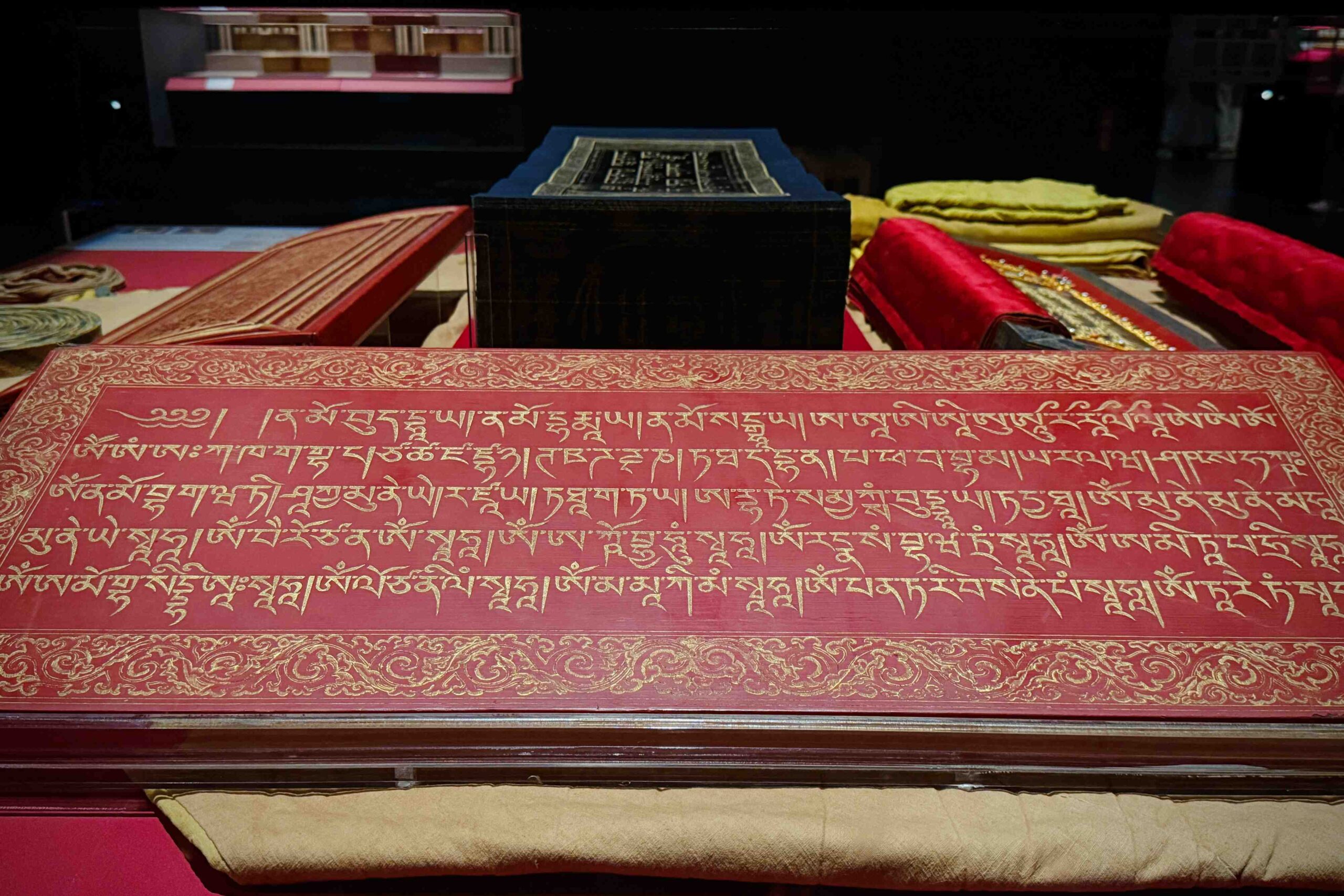
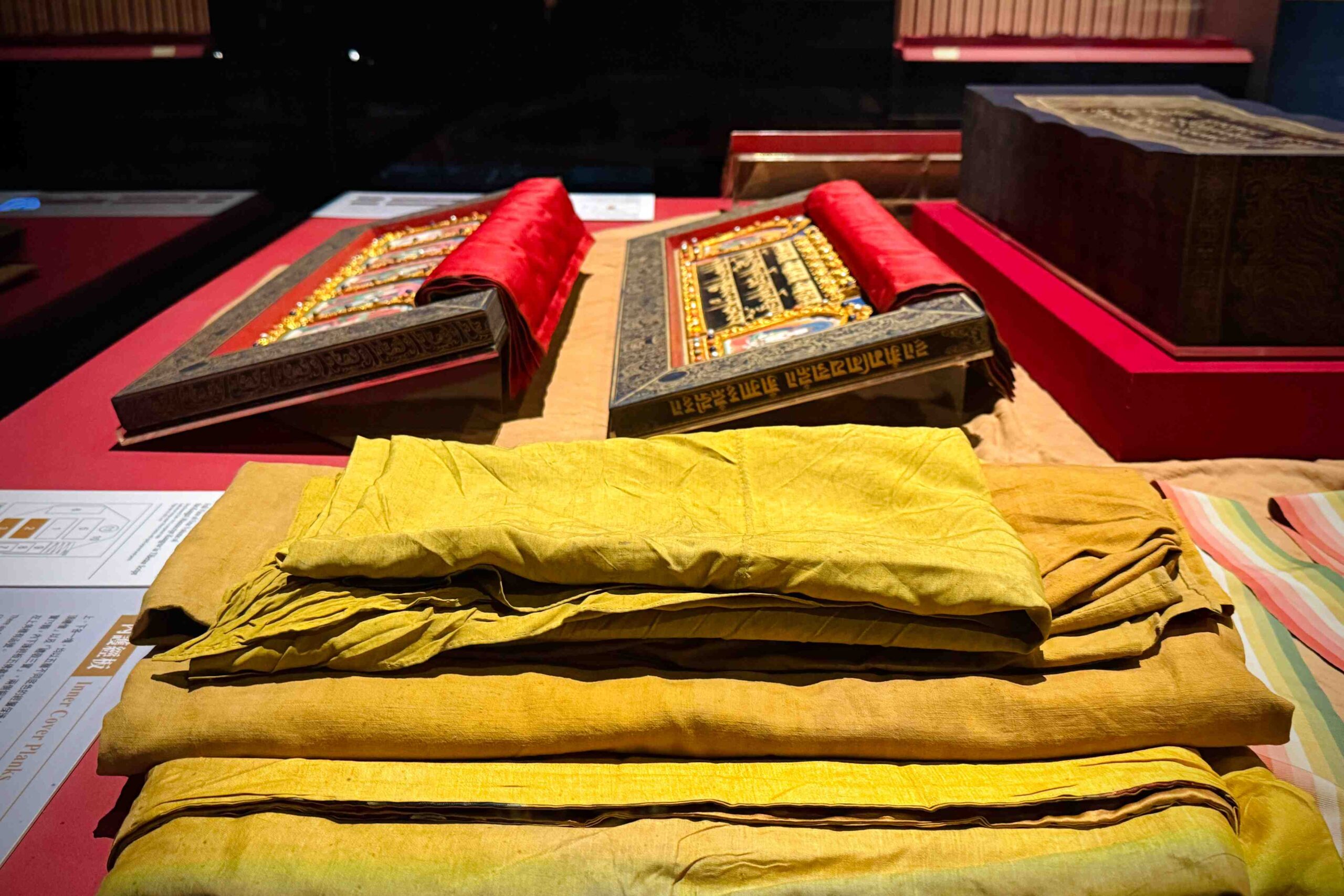
When I was in Tibet, my eyes were constantly drawn to the countless Buddhas and deities depicted in murals and sculptures, as well as to the deeply devout Buddhist pilgrims. Yet I rarely had the opportunity to see handwritten copies of the Kangyur or Tengyur up close. I’m grateful that such precious cultural treasures have been preserved in Taiwan. They have added another extraordinary piece to my personal journey of discovering Tibetan Buddhist culture.
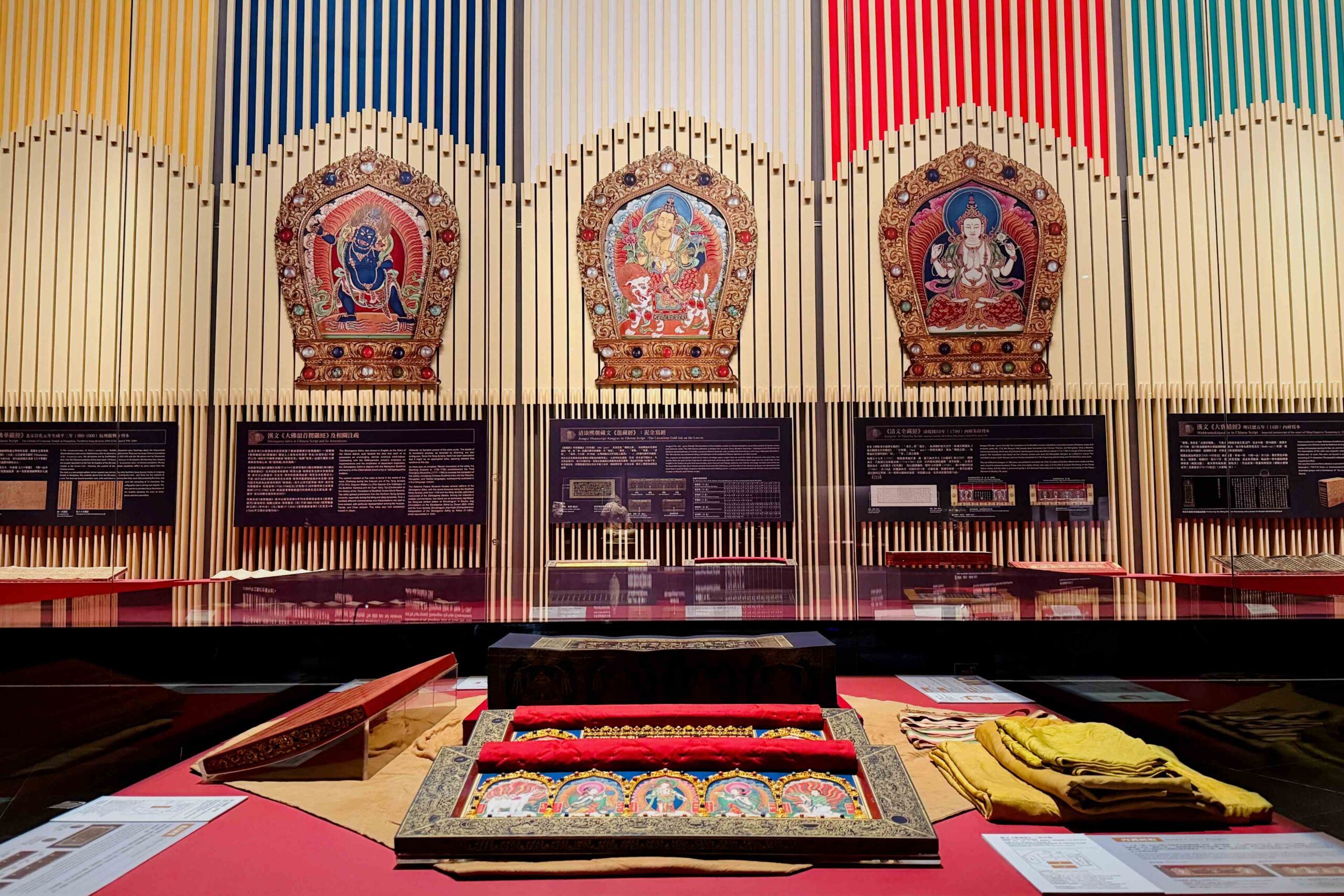
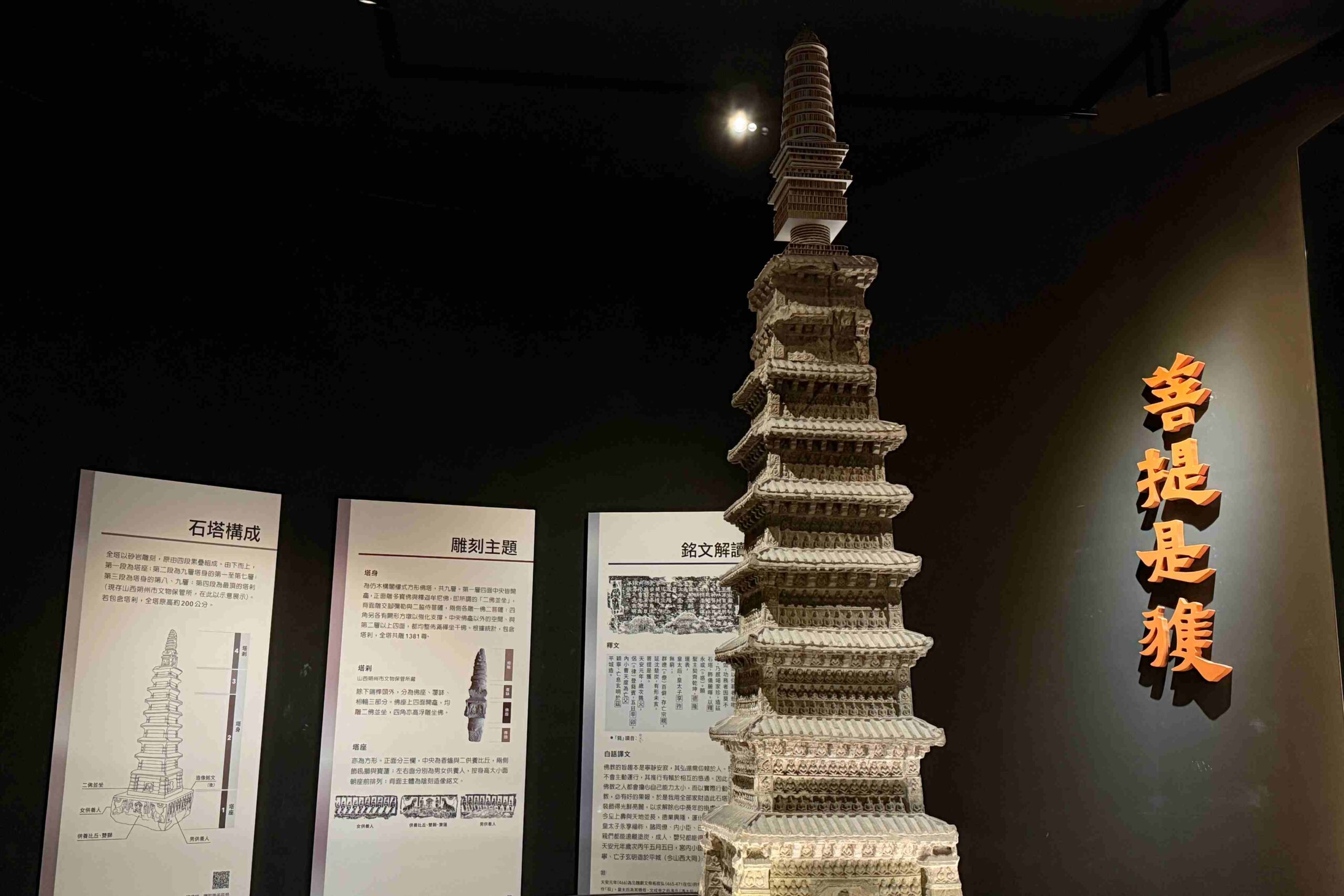
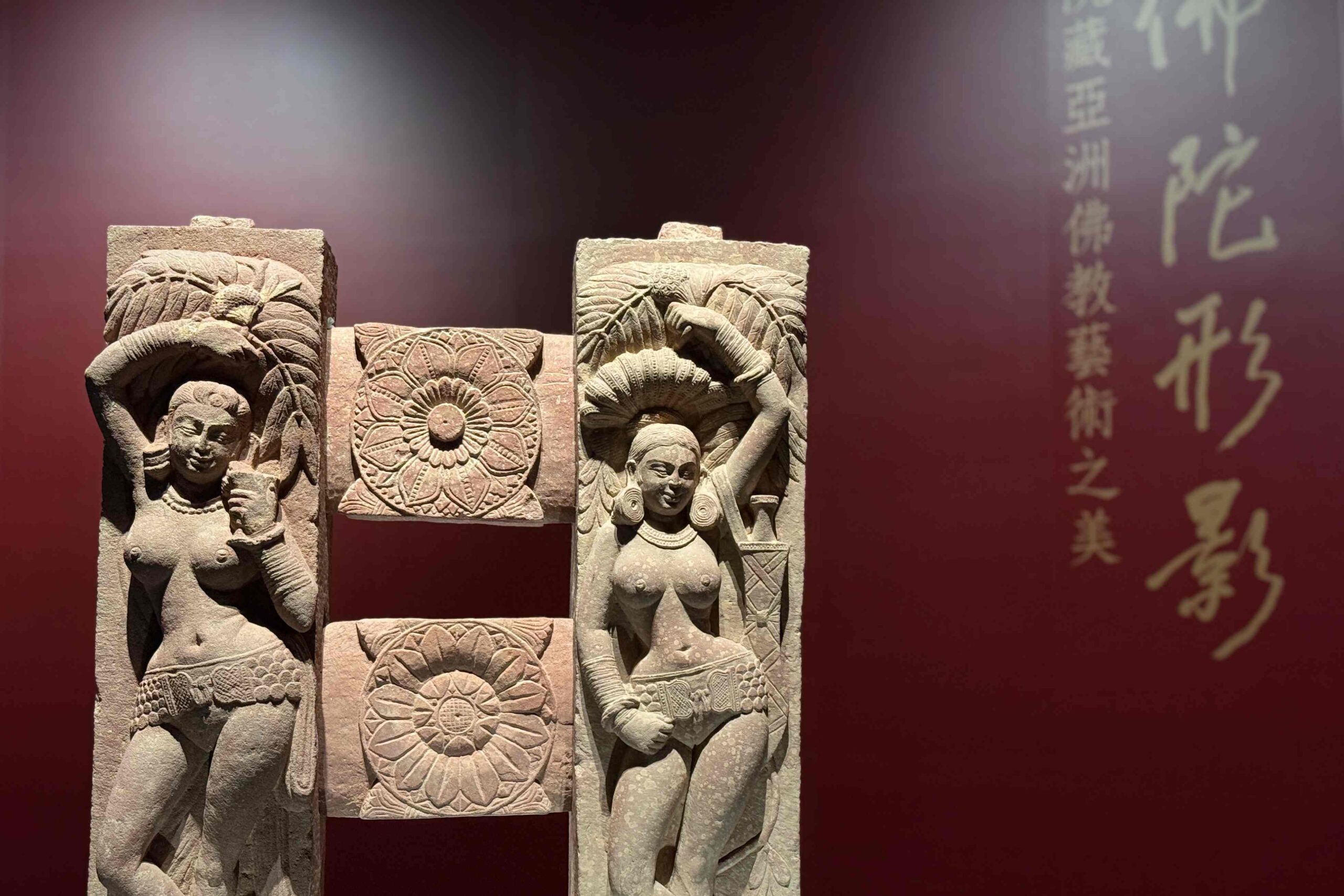
The Tibetan Dragon Canon is displayed in S303, a permanent exhibition on the third floor of the National Palace Museum Southern Branch. Currently, Volume 74 is on display. The exhibition also features a rich collection of Buddhist art. Organized around five themes—“The Joy of Birth,” “The Buddha’s Wisdom,” “The Compassion of the Bodhisattvas,” “The Transmission of the Buddhist Canon,” and “The Mysteries of Esoteric Buddhism”—the exhibition uses a chronological framework to place Buddhist sculptures from different periods and regions side by side.
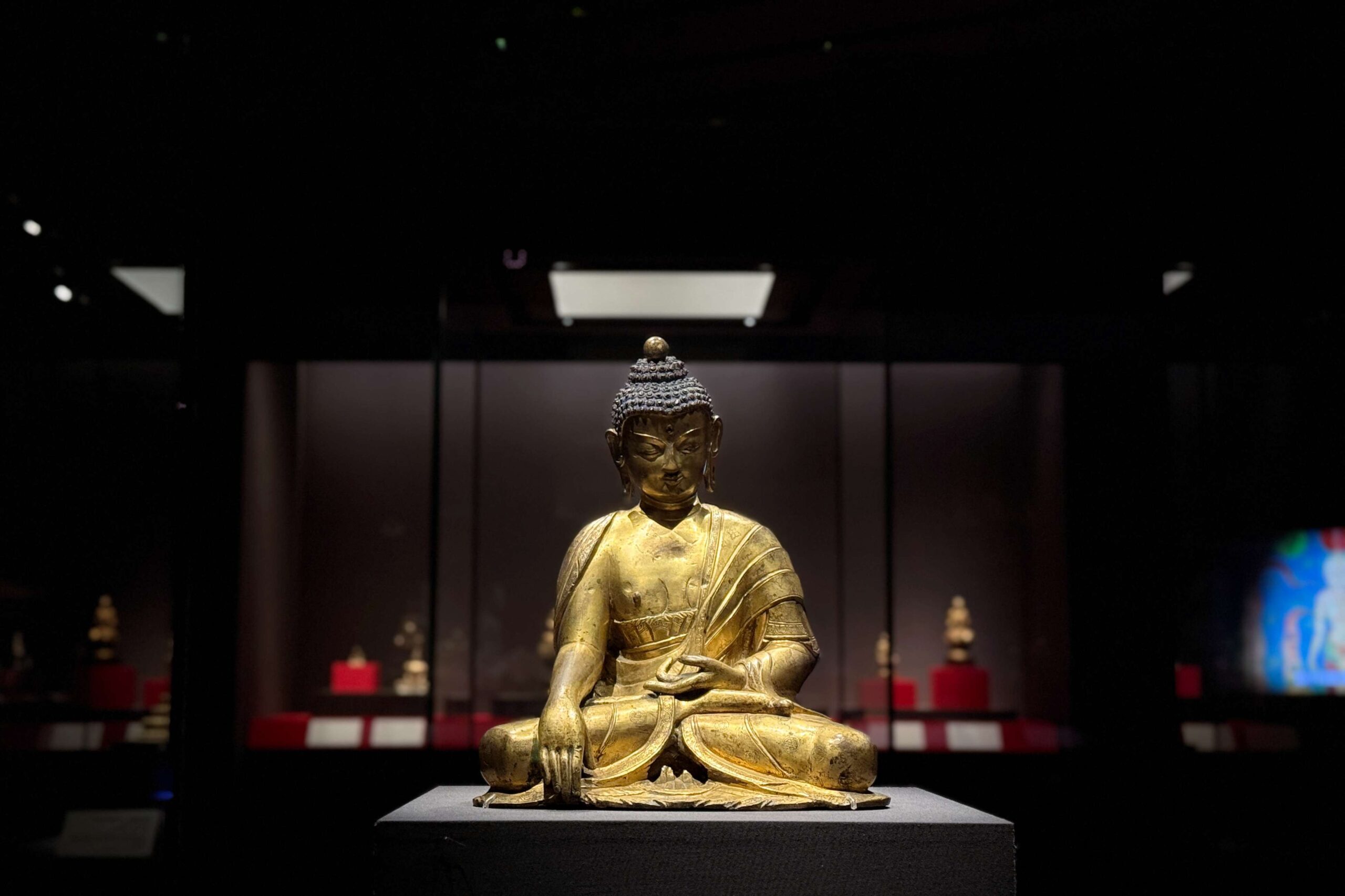
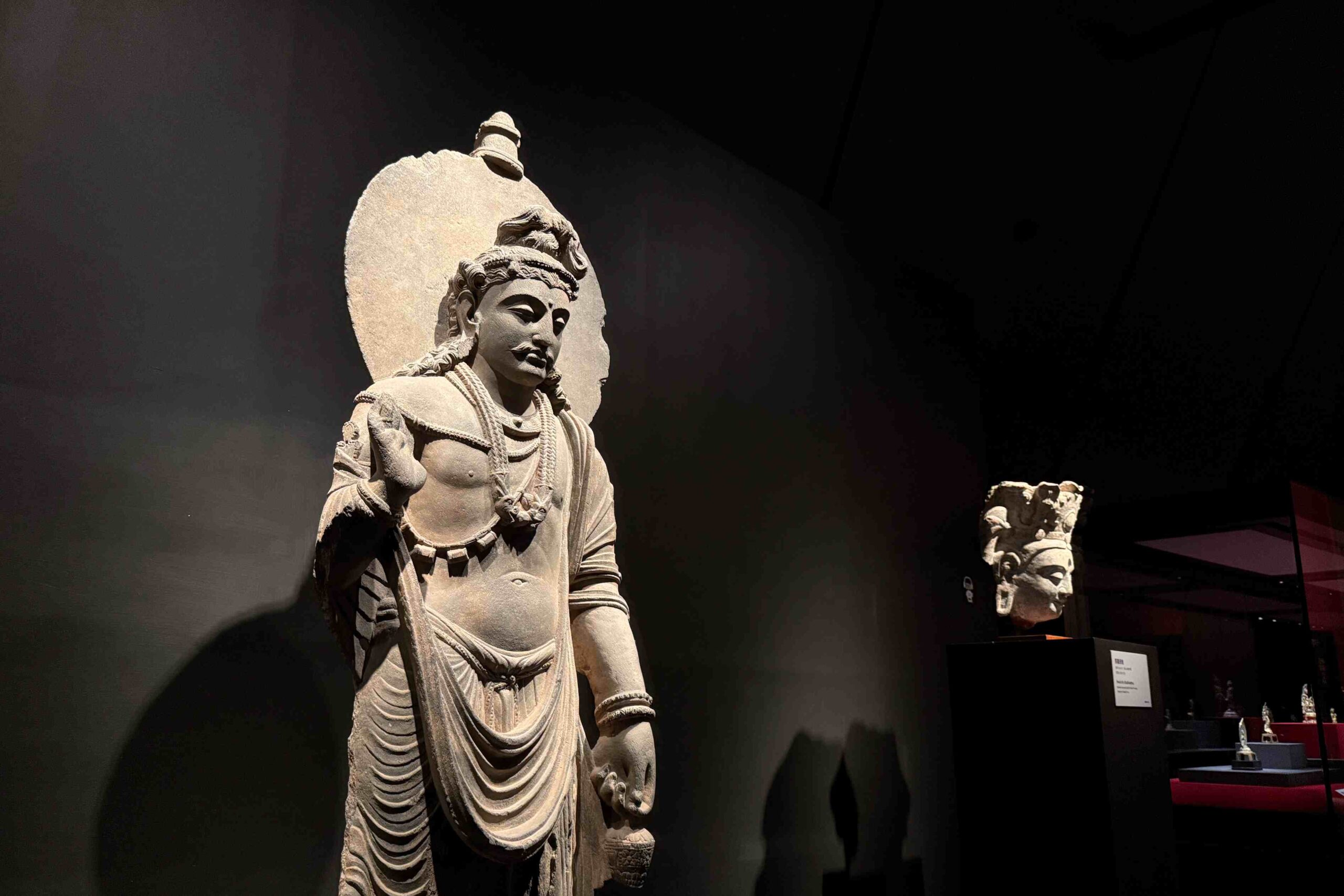
Through comparisons across regions and historical periods, the exhibition invites visitors to appreciate the distinctive expressions and development of Buddhist art in different parts of Asia.
The Tibetan Dragon Canon

National Palace Museum Southern Branch
S303 Permanent Exhibition