
After leaving Everest Base Camp, we spent two days on the road before finally arriving in Darchen, the small town at the foot of the sacred Mount Kailash, where we would begin our three-day kora (pilgrimage circuit).
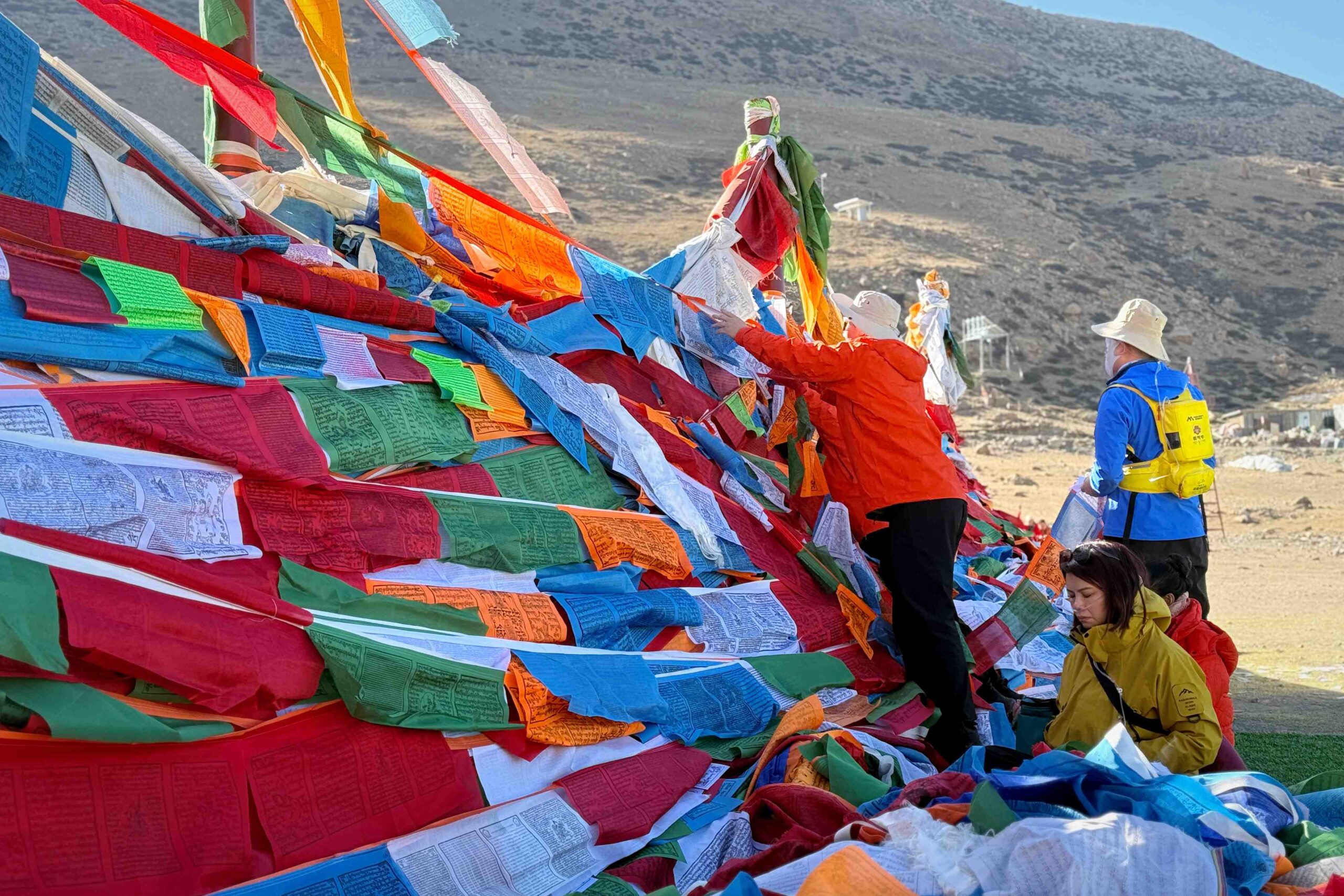
The Ngari region was home to the ancient Zhang Zhung Kingdom as early as the 4th century, and Zhang Zhung culture laid the foundations of Tibetan civilization. Many aspects of Tibetan life—from methods of livelihood and everyday customs to religious beliefs—can be traced back to this era. Traditions such as circumambulating sacred mountains, making pilgrimages to holy lakes, hanging wind horse flags, and raising colorful prayer flags have all become integral parts of Tibetan culture.
Contents
◦ Mount Kailash
In the cosmology of Tibetan Buddhism, Hinduism, Jainism, and Bon, there is only one mountain regarded as the center of the world: Mount Kailash, located in the Ngari region of western Tibet.
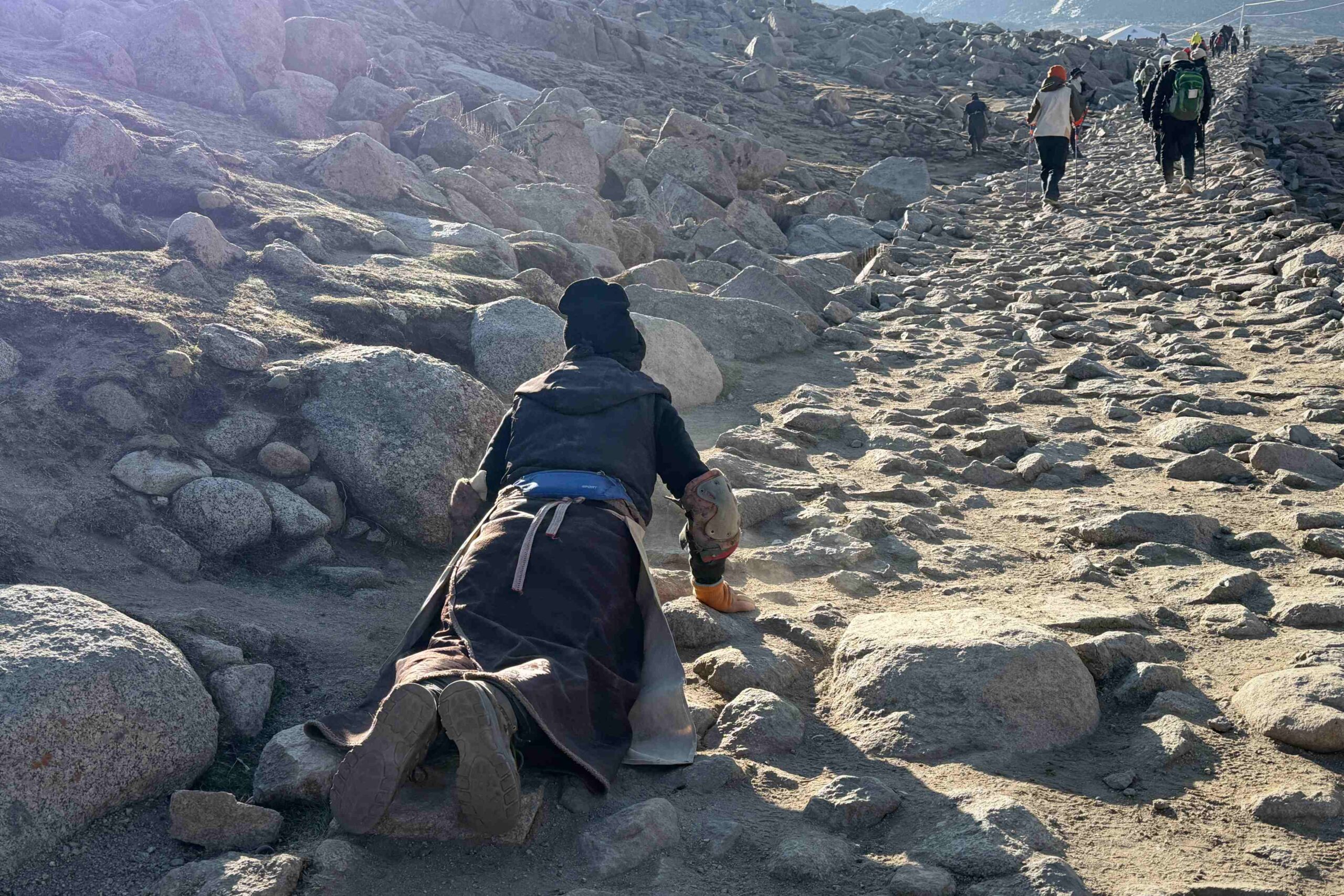
According to tradition, completing one circuit around Mount Kailash washes away the sins accumulated in a lifetime. Completing one hundred circuits is believed to bring enlightenment and liberation within this very life.
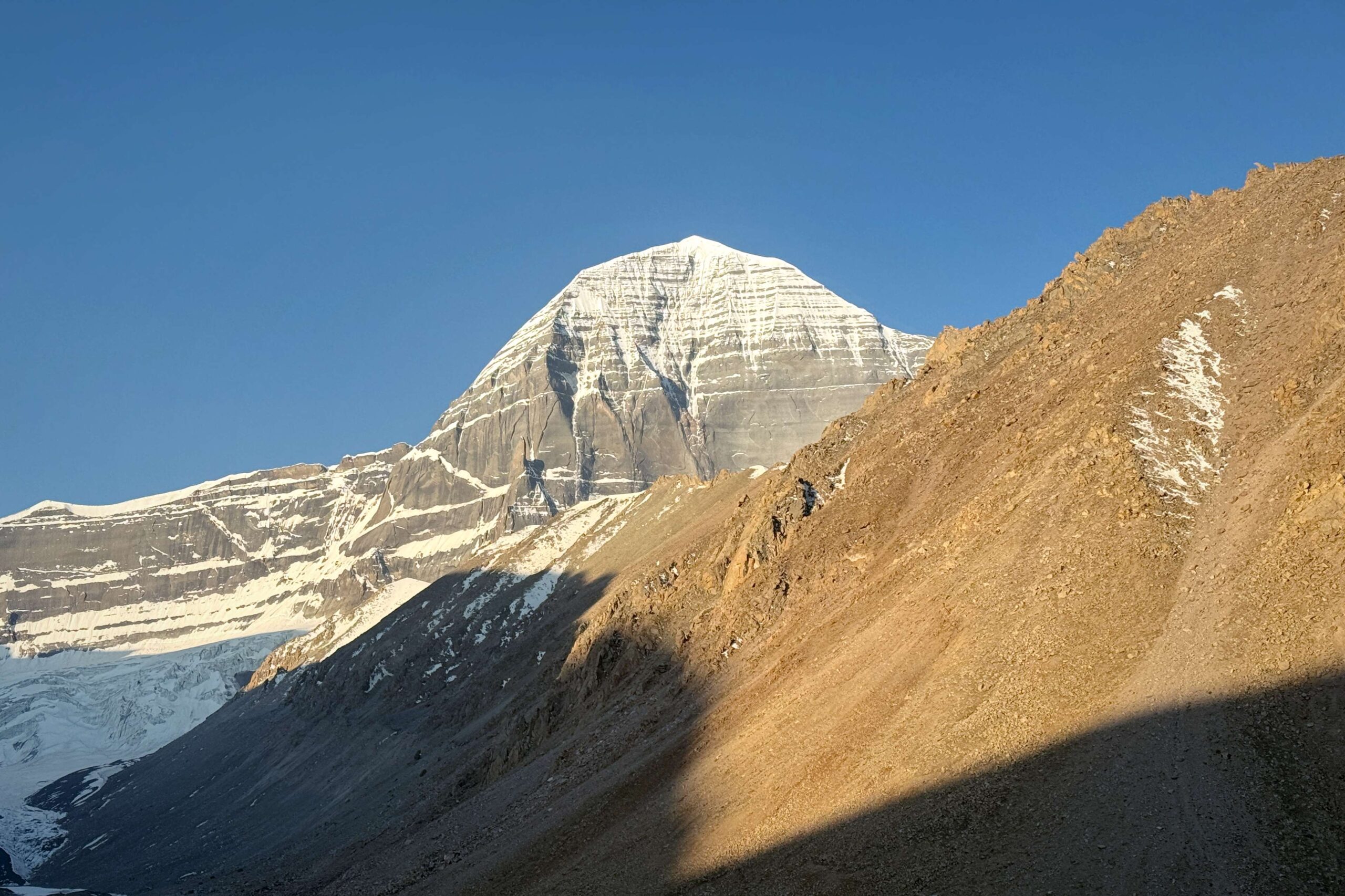
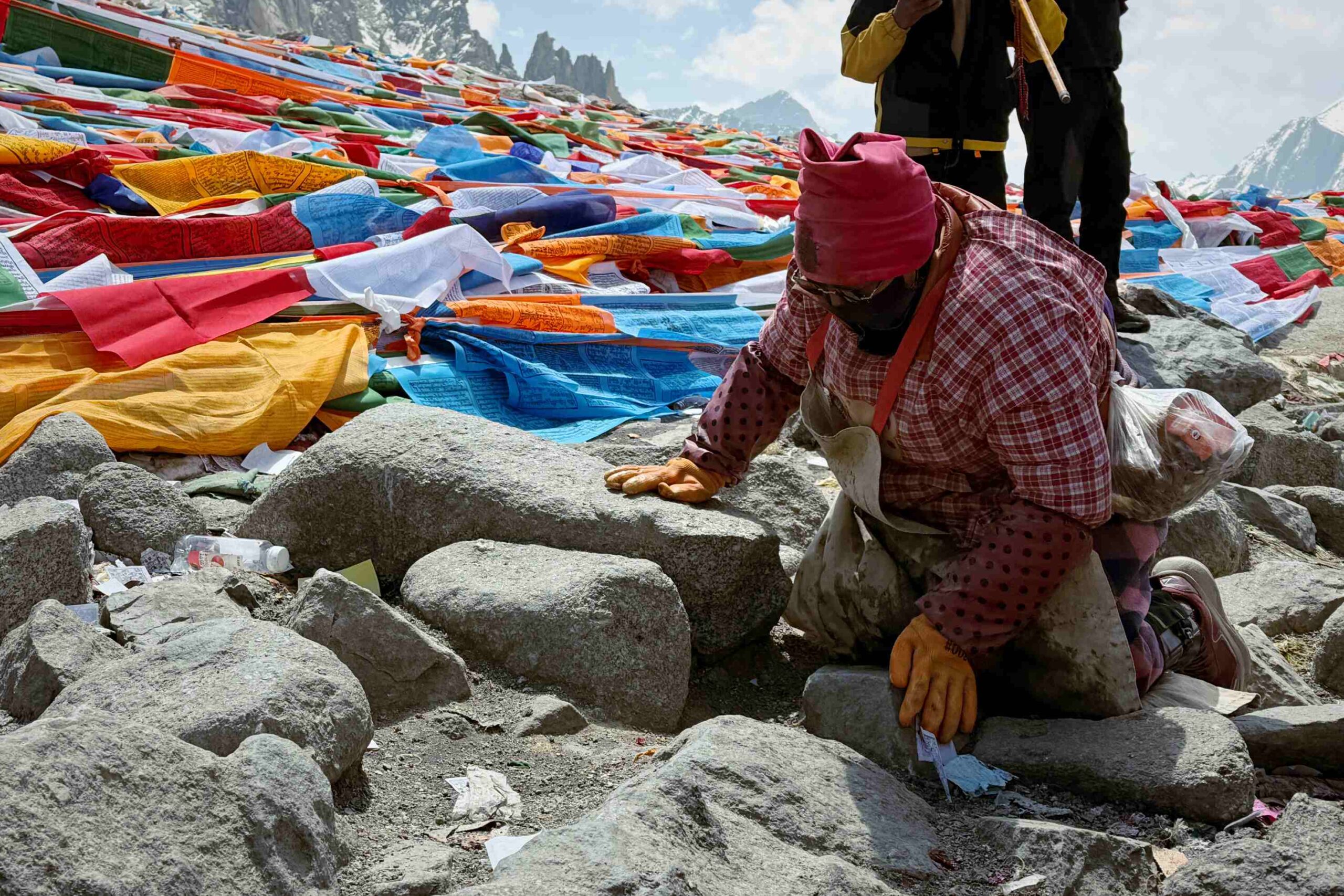
This past May, I completed the three-day kora around Mount Kailash. The pilgrimage was far from easy. Along the way, I faced the challenges of extreme altitude, thin air, and relentless winds. Looking back, I feel nothing but gratitude and pride for persevering through the discomfort without giving up.
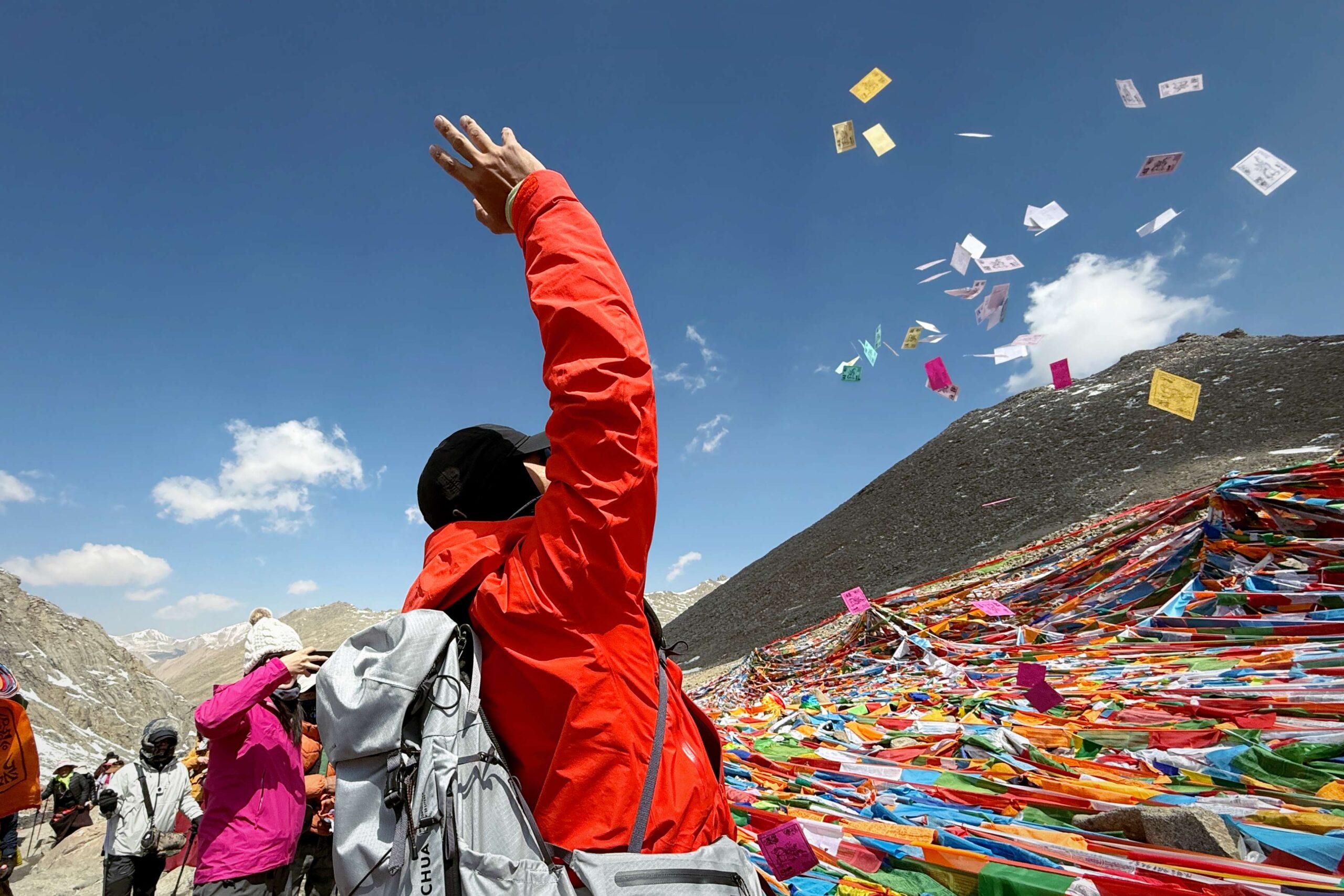
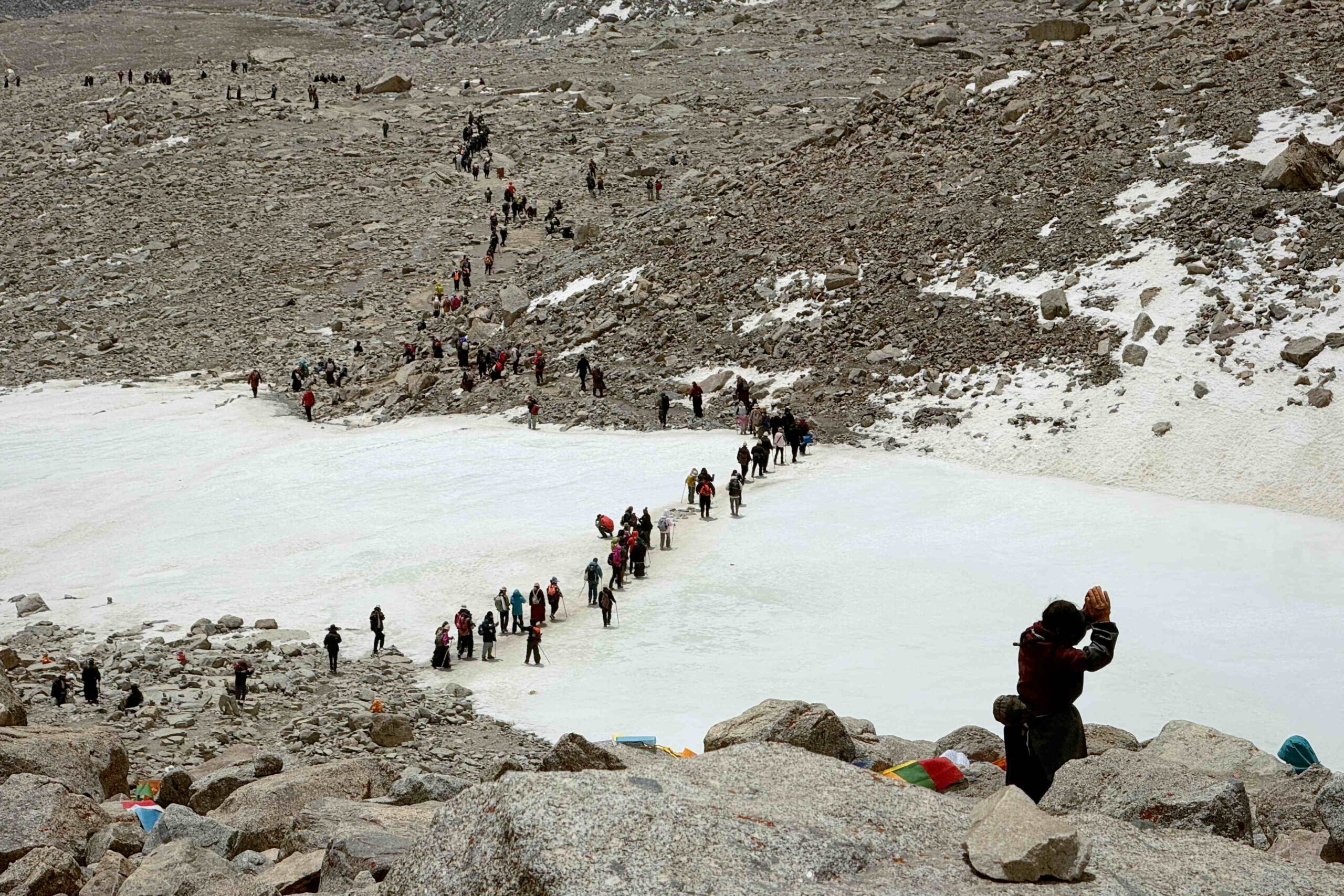
➤ Kora: Circumambulating the Sacred Mountain in the Year of the Horse
◦ Lake Manasarovar
At an elevation of 4,590 meters (15,060 feet), Lake Manasarovar lies just across the Xinjiang–Tibet Highway from Mount Kailash. Like the sacred mountain, it is revered by followers of Tibetan Buddhism, Hinduism, Jainism, and Bön. Together with Yamdrok Lake and Namtso Lake, Manasarovar is one of Tibet's Three Sacred Lakes, attracting countless pilgrims each year who circumambulate its shores in search of blessings. Five monasteries and four ritual bathing sites are scattered around the lake. Pilgrims complete a circuit of the shoreline, bathing at each sacred site in sequence, believing the ritual will cleanse them of their sins.
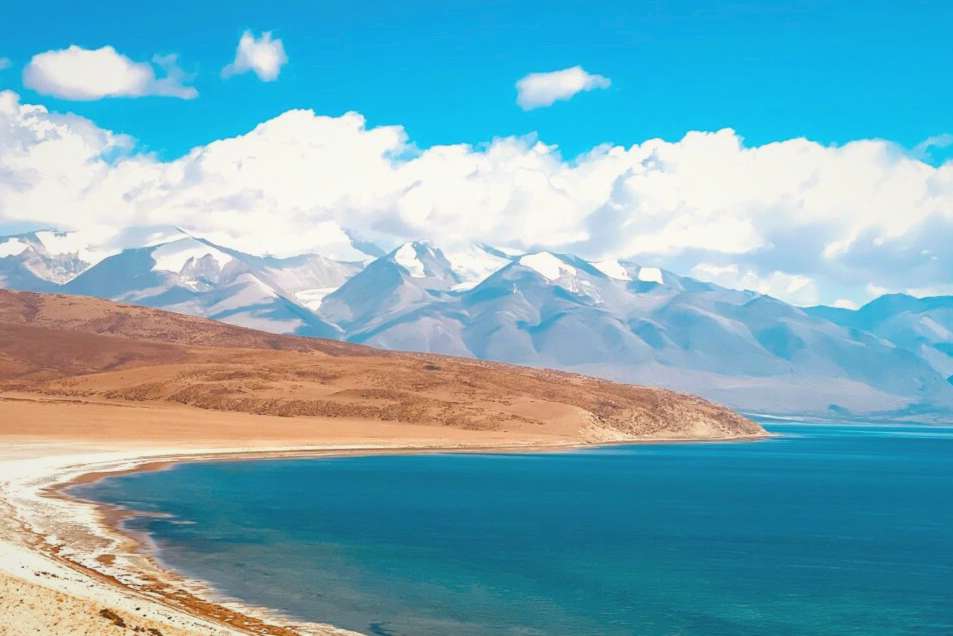
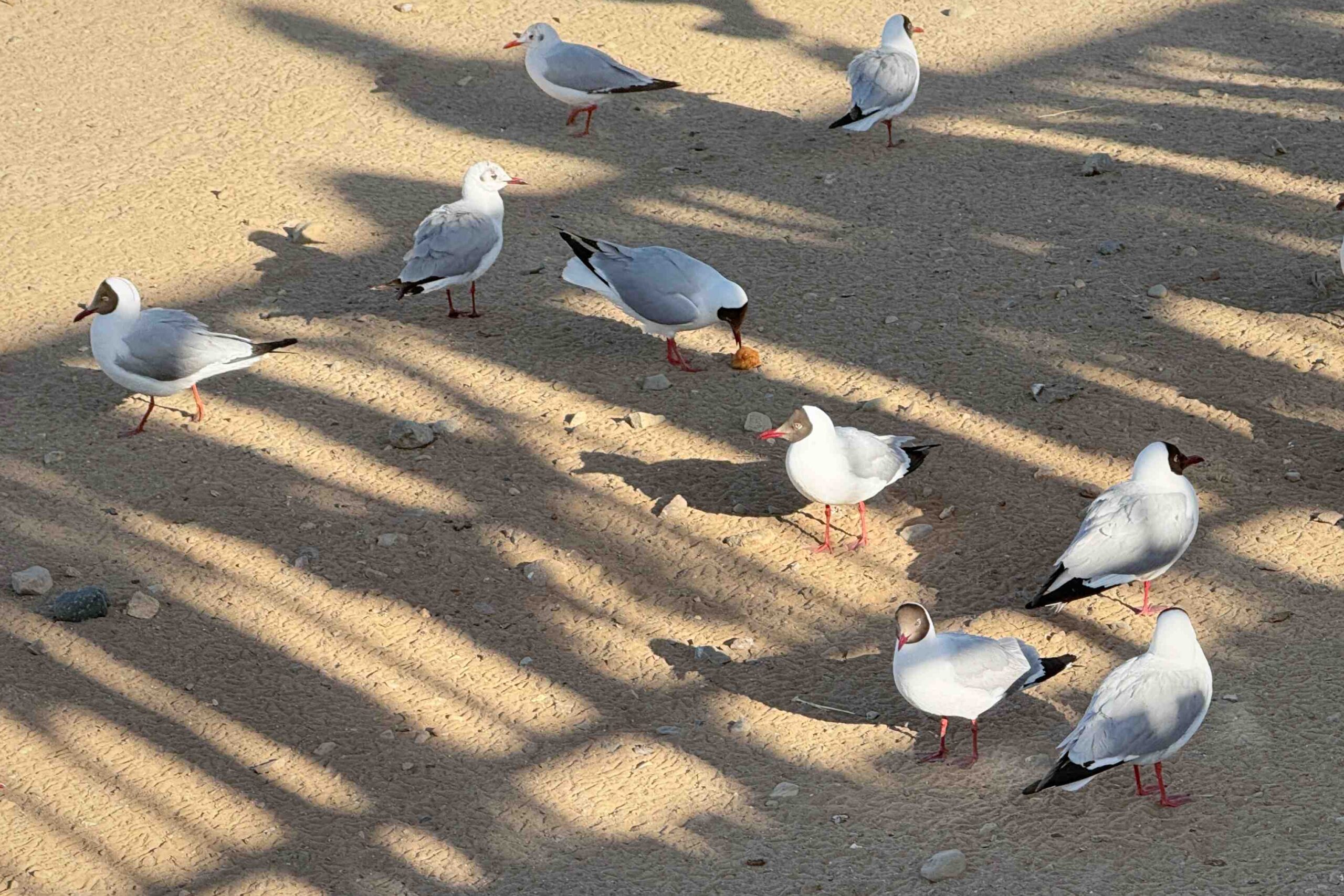
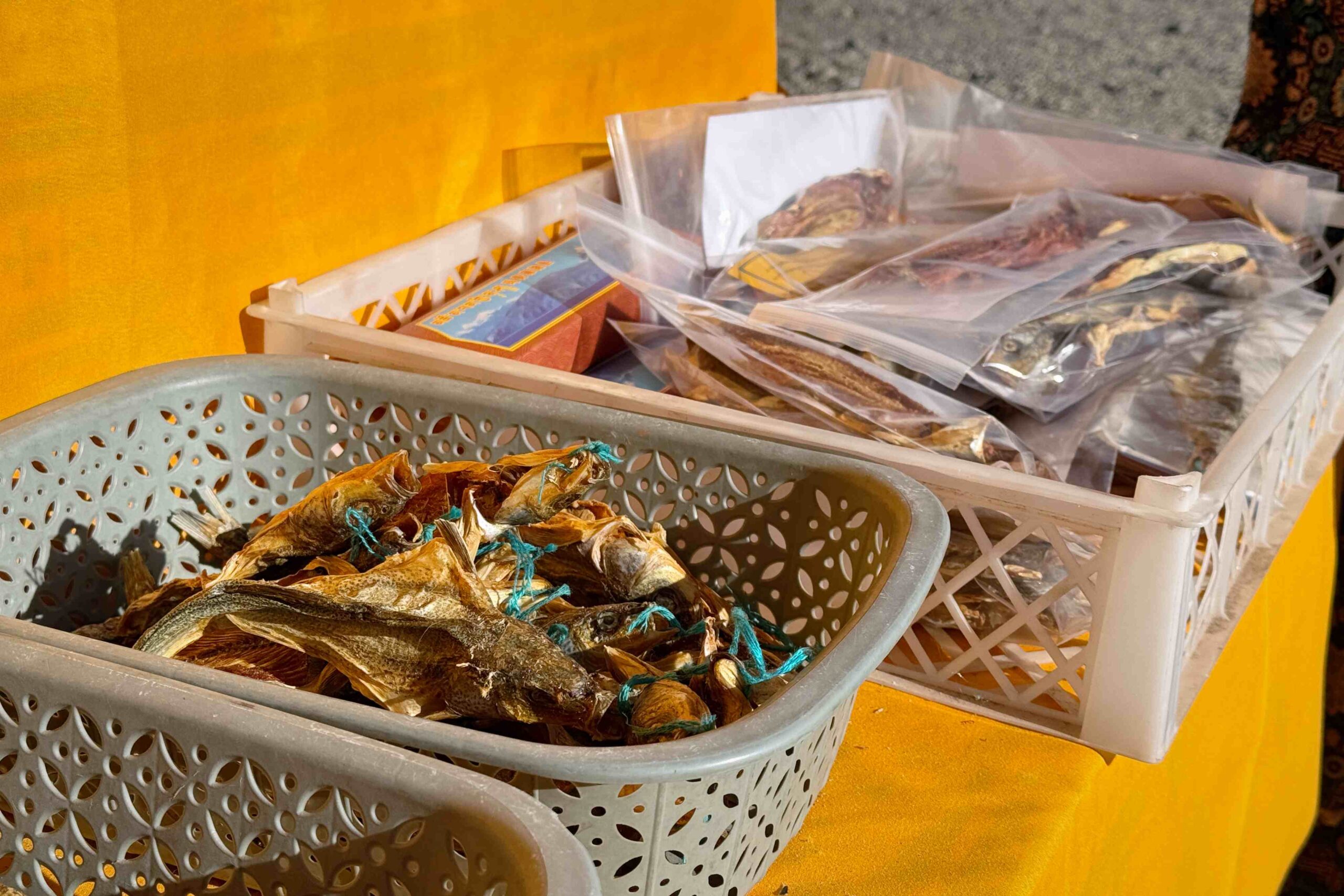
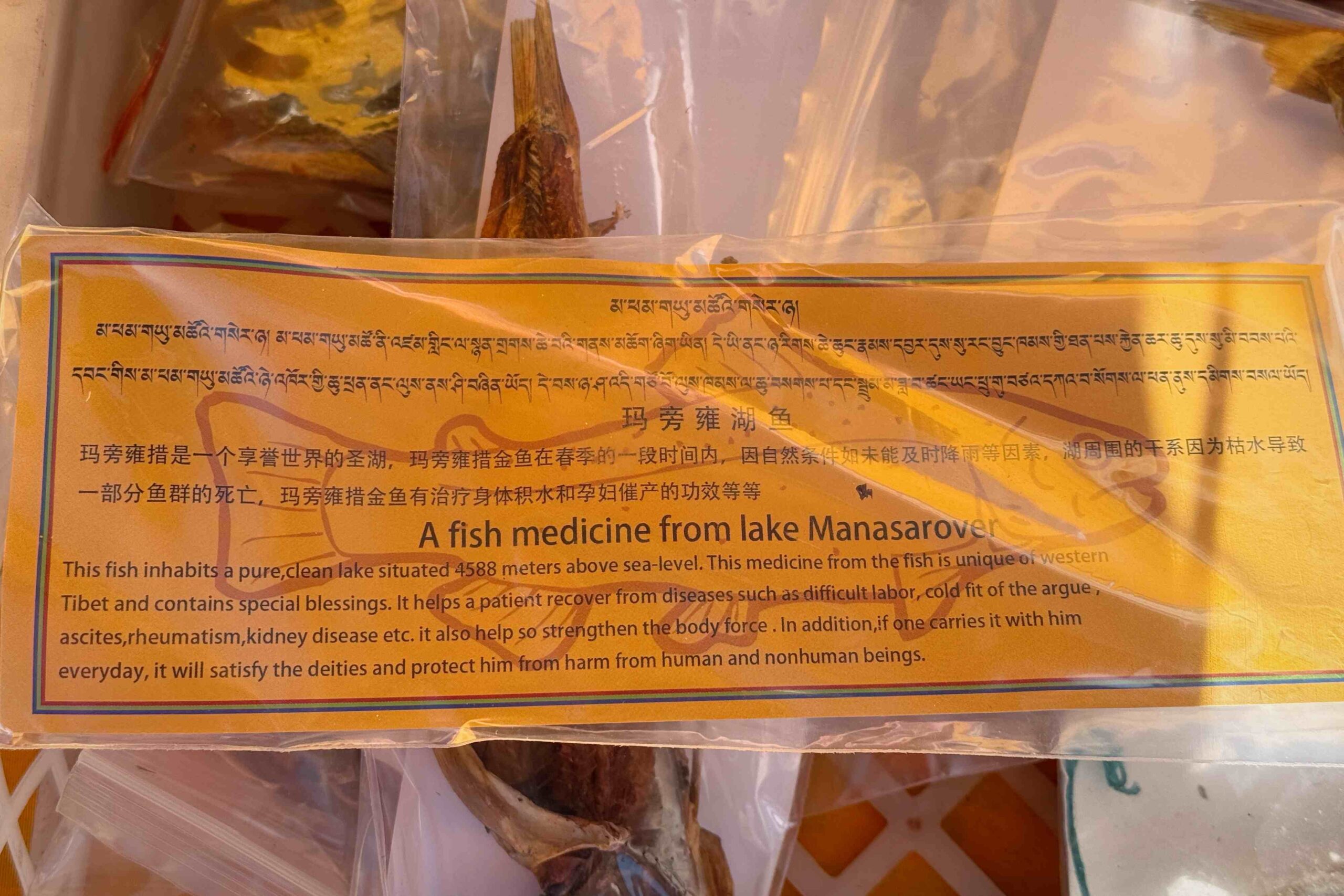
Near the lakeshore is a small marketplace where dried fish are sold. Because Tibetans regard Lake Manasarovar as sacred, they generally do not catch or eat fresh fish from its waters. Instead, they collect fish that have died naturally and preserve them by drying. Local people believe that soup or medicinal broths made with these sacred dried fish can strengthen the body, promote good health, and even help ensure a safe and smooth childbirth for expectant mothers.
◦ The Guge Kingdom Ruins
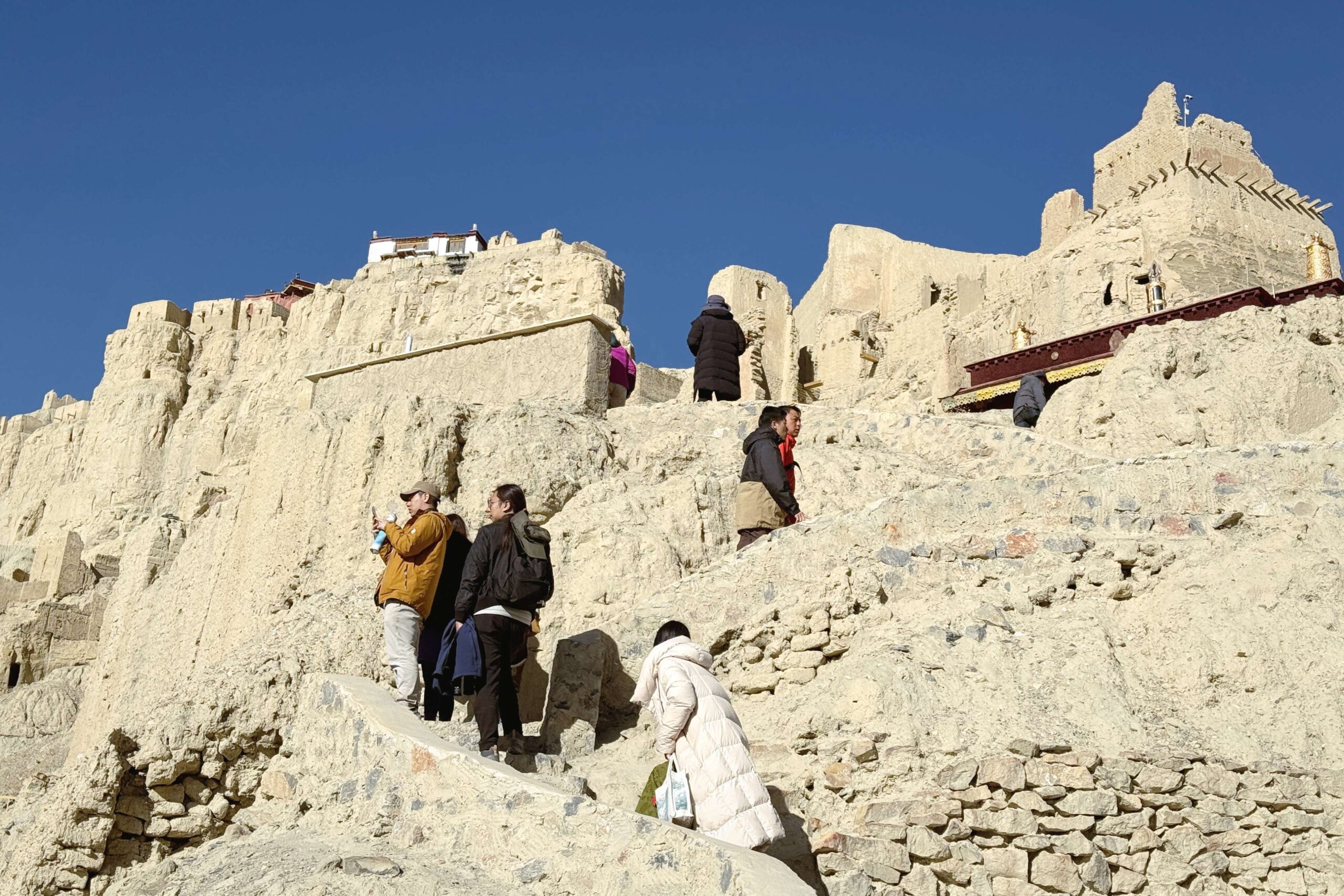
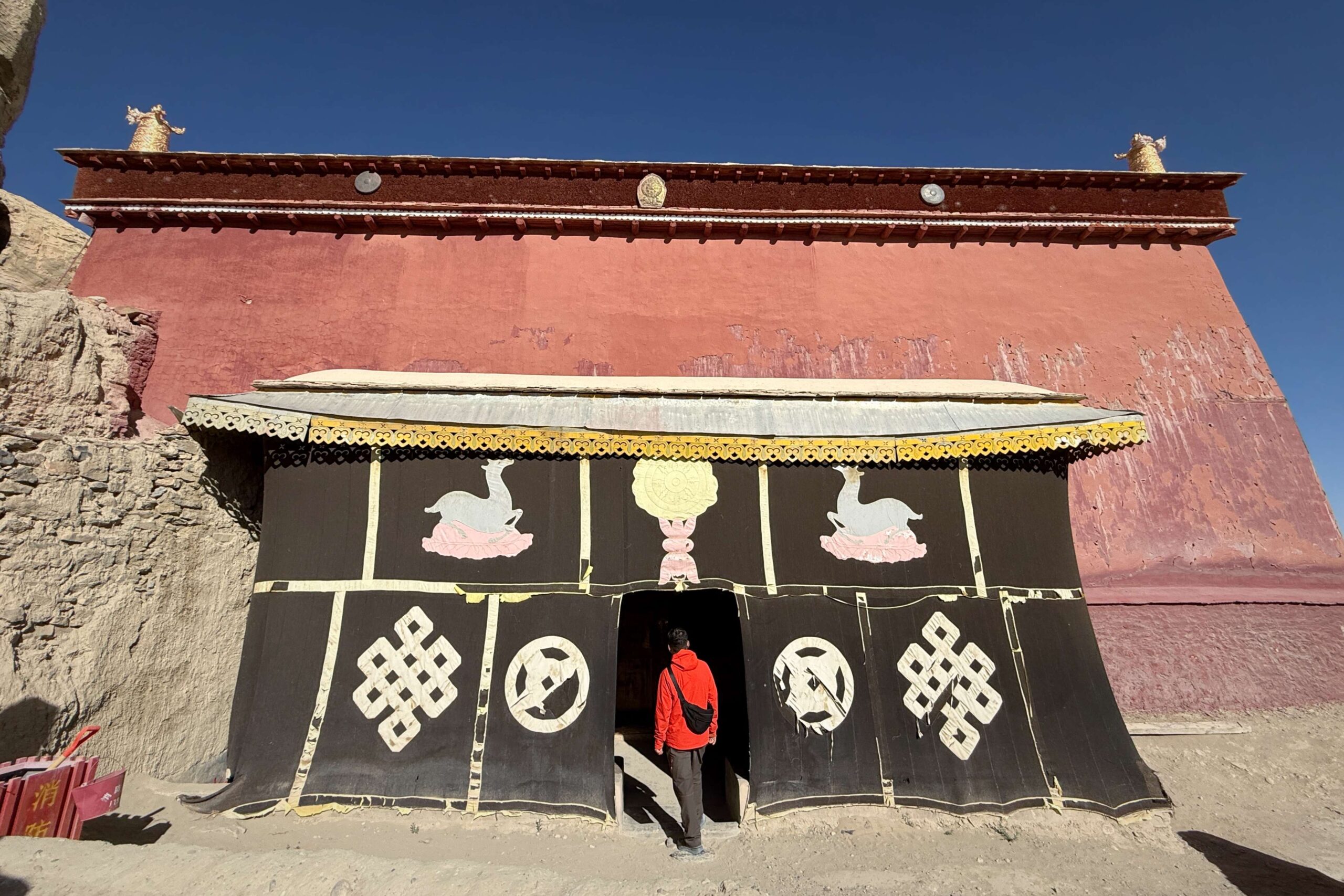
The Guge Kingdom was once the most powerful kingdom in northwestern Tibet. Founded around the 10th century and ruled by descendants of the Tibetan imperial family, it flourished under the reign of sixteen successive kings. Guge became one of the most important centers of the revival of Tibetan Buddhism and is often regarded as representing the Golden Age of Tibetan Buddhism. Yet by the mid-17th century, the kingdom was reduced to ruins within a remarkably short period due to religious conflict and foreign invasion, giving rise to the enduring mystery of the kingdom that "vanished overnight."
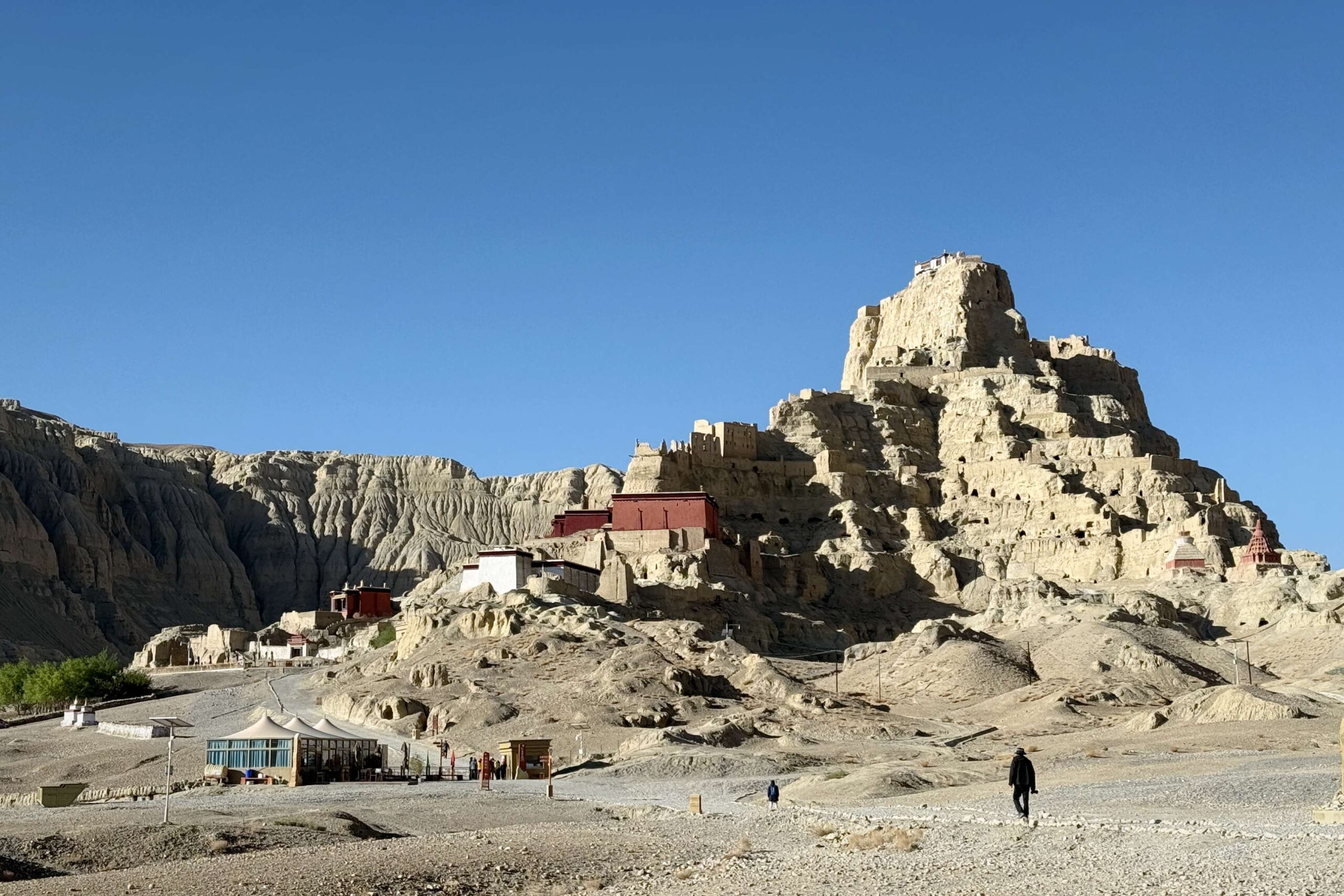
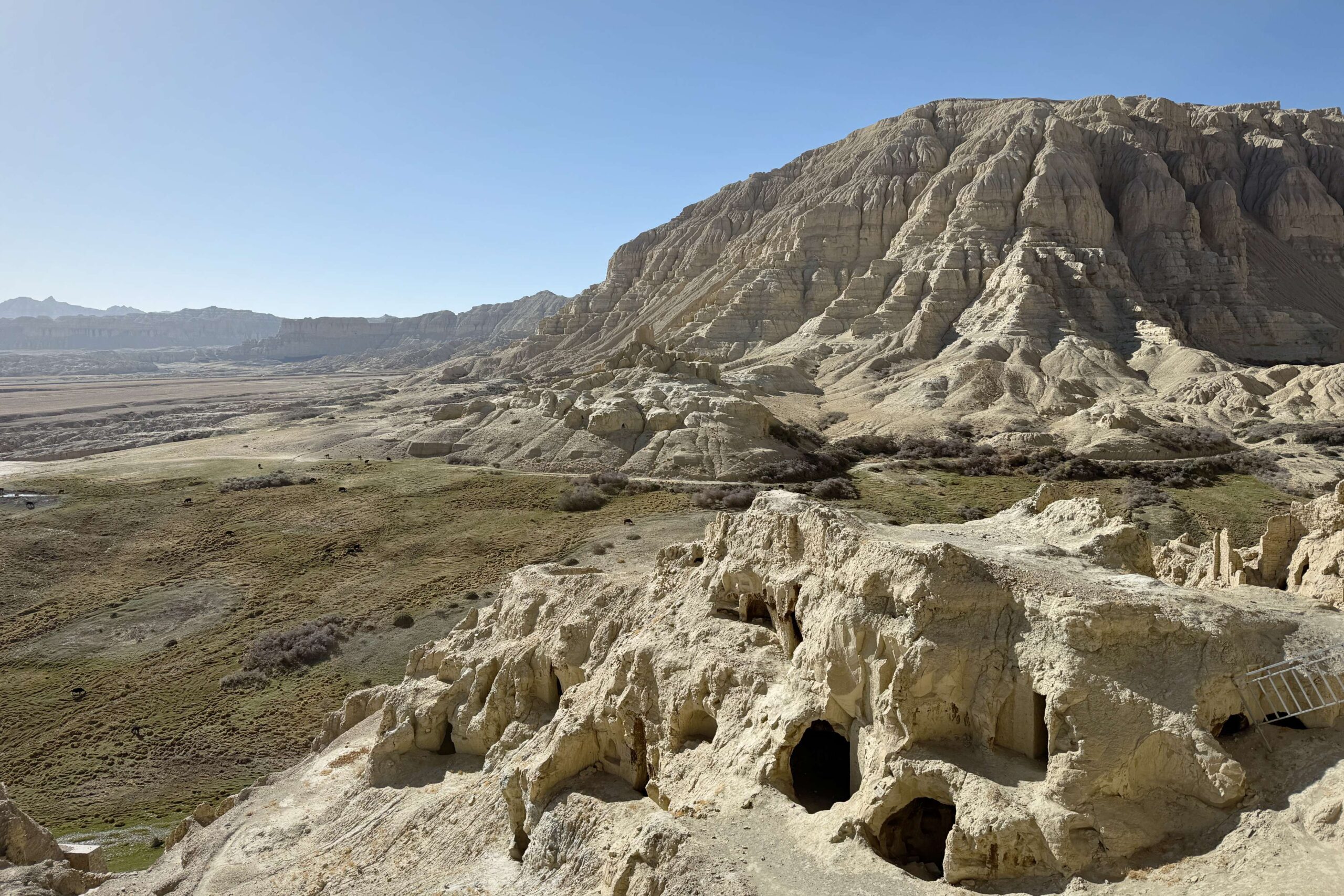
Perched atop a 300-meter-high earthen hill, the Guge Kingdom Ruins still preserve 879 cave dwellings, 445 buildings, 58 fortresses, and 28 stupas. The site is also home to an extraordinary collection of murals, sculptures, and stone carvings, making it the second-largest complex of ancient architecture in Tibet after the Potala Palace.
◦ The Gift Tibet Gave Me
My 14-day journey through Tibet came to an end here.
Traveling in Tibet is, in many ways, a collection of countless moments of discomfort. Even setting aside altitude sickness and the physically demanding kora around Mount Kailash, there were the smaller challenges: waking up with a painfully dry mouth because of the arid air, clearing dried blood from my nose each morning, hands so cracked that even opening a bottle became difficult, and persistent coughing from lungs working overtime despite not being sick. Then there were the medium-sized trials, like nervously opening the door to every public restroom, never knowing what awaited inside. And, of course, the bigger ones—spending eight hours a day on winding mountain roads, leaving every muscle aching. Tibet is a place where the body itself becomes part of the pilgrimage.
These constant discomforts kept me fully present, moment by moment. That, more than anything else, is the greatest gift Tibet gave me.