Tibet has always been near the top of my travel bucket list. During a trip to Nepal two years ago, I visited a Tibetan refugee settlement in Pokhara, where I had the opportunity to meet and talk with Tibetans living in exile. That experience deepened my desire to one day set foot in Tibet. This year, I finally fulfilled one of my long-held dreams.
Whether you arrive in Tibet by plane or by train, the first city you will reach is Lhasa. The sacredness and grandeur of the Potala Palace have long captivated travelers from around the world. Not far away stands the Jokhang Temple, the holiest site in the hearts of Tibetan people, whose spiritual significance is every bit as great as that of the Potala Palace. Surrounding the temple is Barkhor Street, where a strong atmosphere of pilgrimage continues to thrive to this day.
Contents
◦ Potala Palace
Perched at an altitude of 3,750 meters, the Potala Palace is Lhasa’s most iconic landmark. With its striking red-and-white walls, it serves as an important spiritual center for Tibetans and is also recognized as the highest palace in the world. For followers of Tibetan Buddhism, the palace represents Mount Potalaka—the sacred abode of Avalokiteshvara (the Bodhisattva of Compassion). This is why it is called “Potala,” a Tibetan name derived from “Potalaka.”
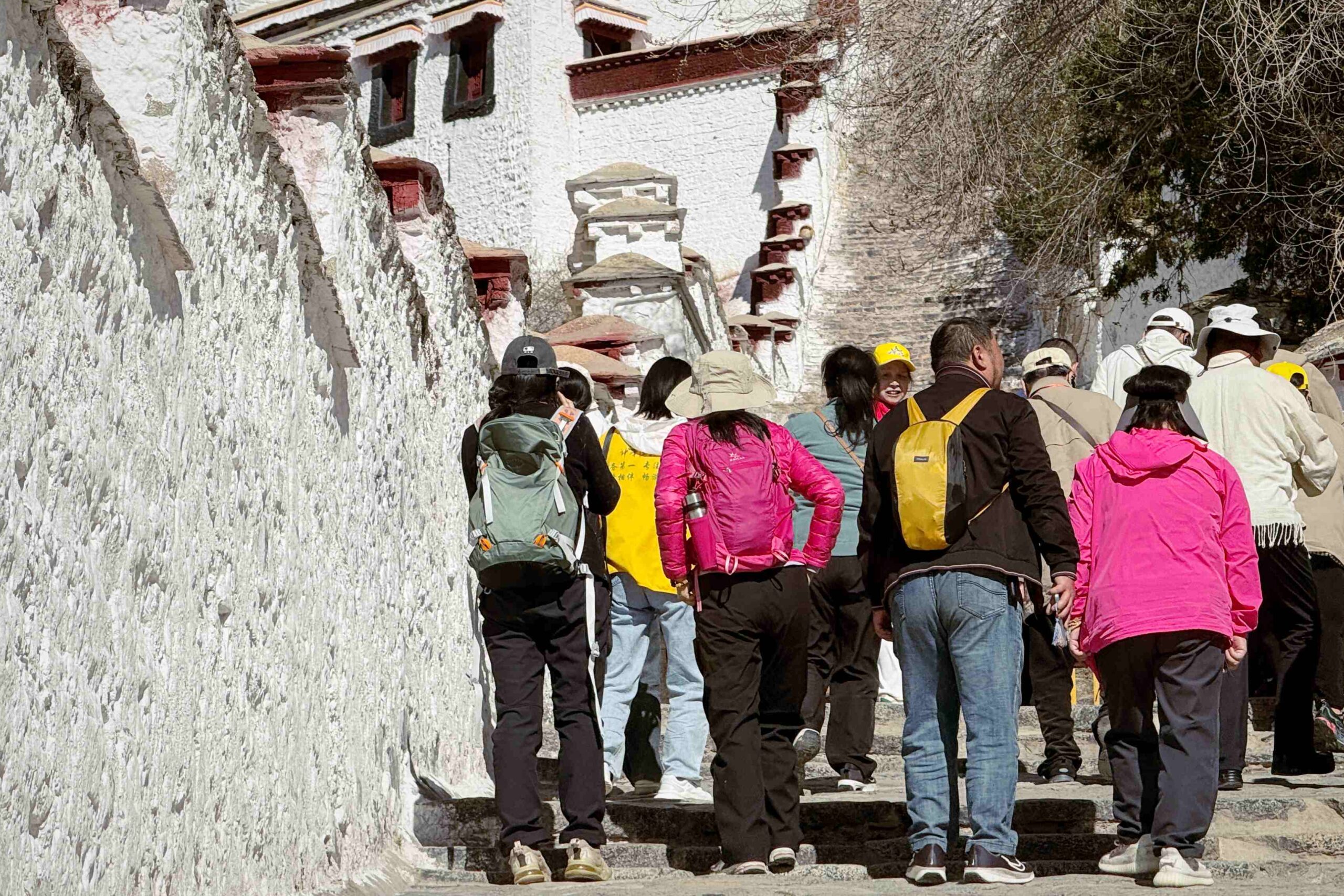
Photography is prohibited inside most Tibetan temples, and the Potala Palace is no exception. As the former residence of successive Dalai Lamas and the site of their stupas, it is subject to especially strict restrictions. Yet even without many photographs, the palace’s rich history and the sight of countless devoted pilgrims have remained vividly etched in my memory.
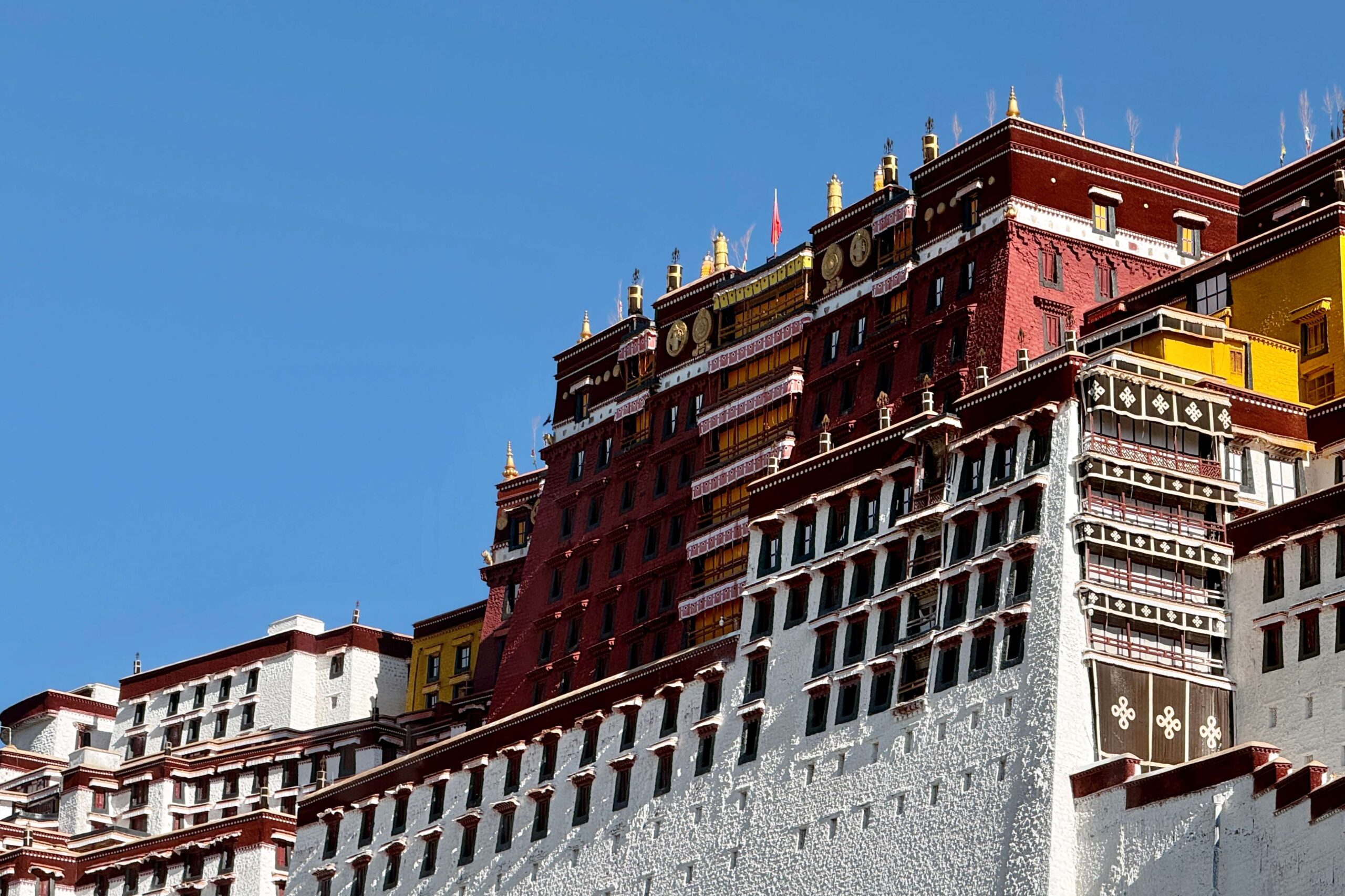
01 | The Potala Palace and Princess Wencheng
The Potala Palace was originally built in the 7th century during the reign of the Tibetan king Songtsen Gampo. According to tradition, he commissioned the palace to welcome Princess Wencheng of the Tang Dynasty, whom he married as part of a diplomatic alliance. After unifying Tibet, Songtsen Gampo sought to strengthen ties with the Tang Empire through marriage. He therefore sent envoys carrying large quantities of gold and precious treasures to Chang’an to request Princess Wencheng’s hand from Emperor Taizong. It is said that Princess Wencheng’s journey from Chang’an to Lhasa took two years and three months. To provide her with a comfortable residence, Songtsen Gampo built the Potala Palace, where the couple is believed to have held their wedding ceremony.
In the 17th century, the palace was extensively rebuilt and subsequently became the winter residence of successive Dalai Lamas, as well as the political and religious center of Tibet.
02 | The Secret Behind the “Milk Wall”
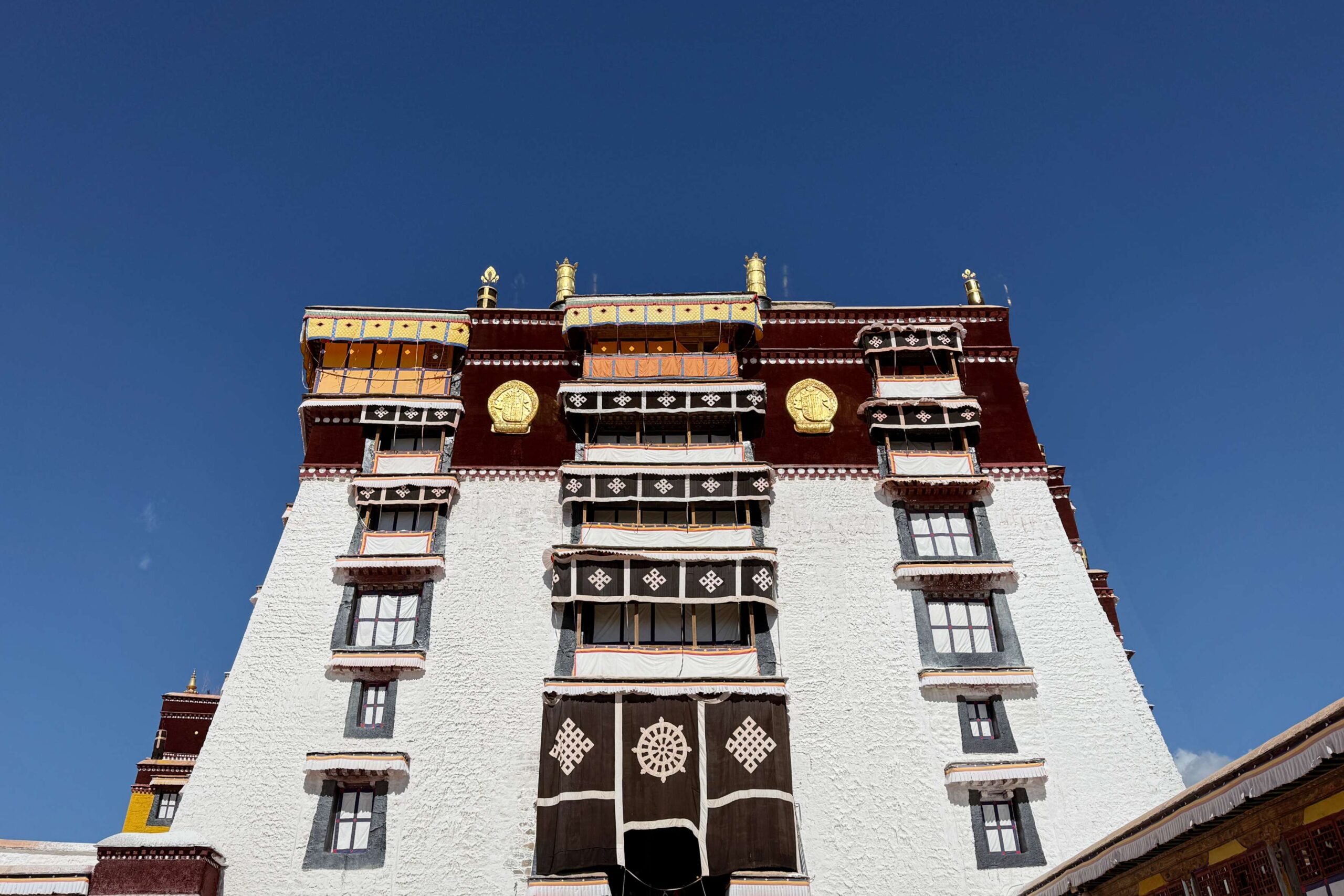
The Potala Palace’s distinctive white façade forms part of the “White Palace,” the section traditionally used by successive Dalai Lamas as their residence and administrative headquarters. This white exterior is also known by a special nickname: the “Milk Wall”—and the name is quite literal. Every autumn, before the Tibetan Shoton Festival, local Tibetans and volunteers gather to repaint the palace walls. They use a natural coating made primarily from white lime, enriched with milk, sugar, and honey to improve its adhesion and durability. One member of our tour group had a particularly keen sense of smell and claimed he could detect a faint scent of milk and sugar in the air. Personally, I could hardly notice it.
03 | Golden Stupas Adorned with Precious Jewels
The Potala Palace houses an extraordinary collection of murals, Buddhist statues, and the stupas of successive Dalai Lamas. In Tibetan Buddhism, a stupa is the highest form of funerary monument, built to enshrine the remains of highly revered monks, reincarnate lamas, and the Dalai Lamas. Most of these stupas are covered in gold leaf and lavishly decorated with precious gemstones and intricate ornaments. Their magnificent appearance reflects both profound religious significance and exceptional craftsmanship. With the exception of the Sixth Dalai Lama, who was removed from power, the Potala Palace preserves the stupas of the Fifth through the Thirteenth Dalai Lamas.
◦ Jokhang Temple
Also built in the 7th century, Jokhang Temple—known in Tibetan as Tsuklakhang or Jokhang, meaning “House of the Buddha”—is the most important temple in Tibetan Buddhism and one of the holiest religious sites in Tibet.
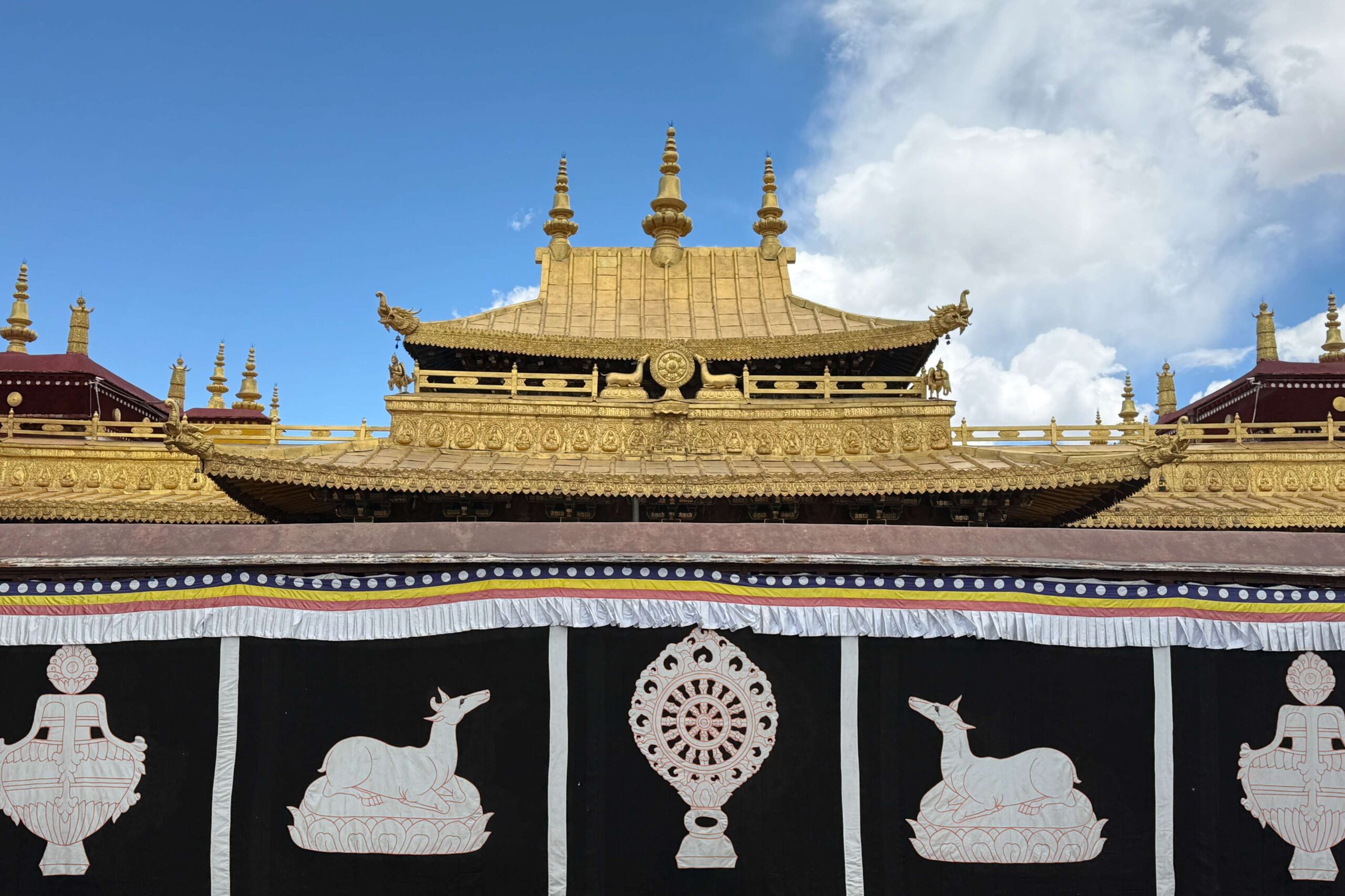
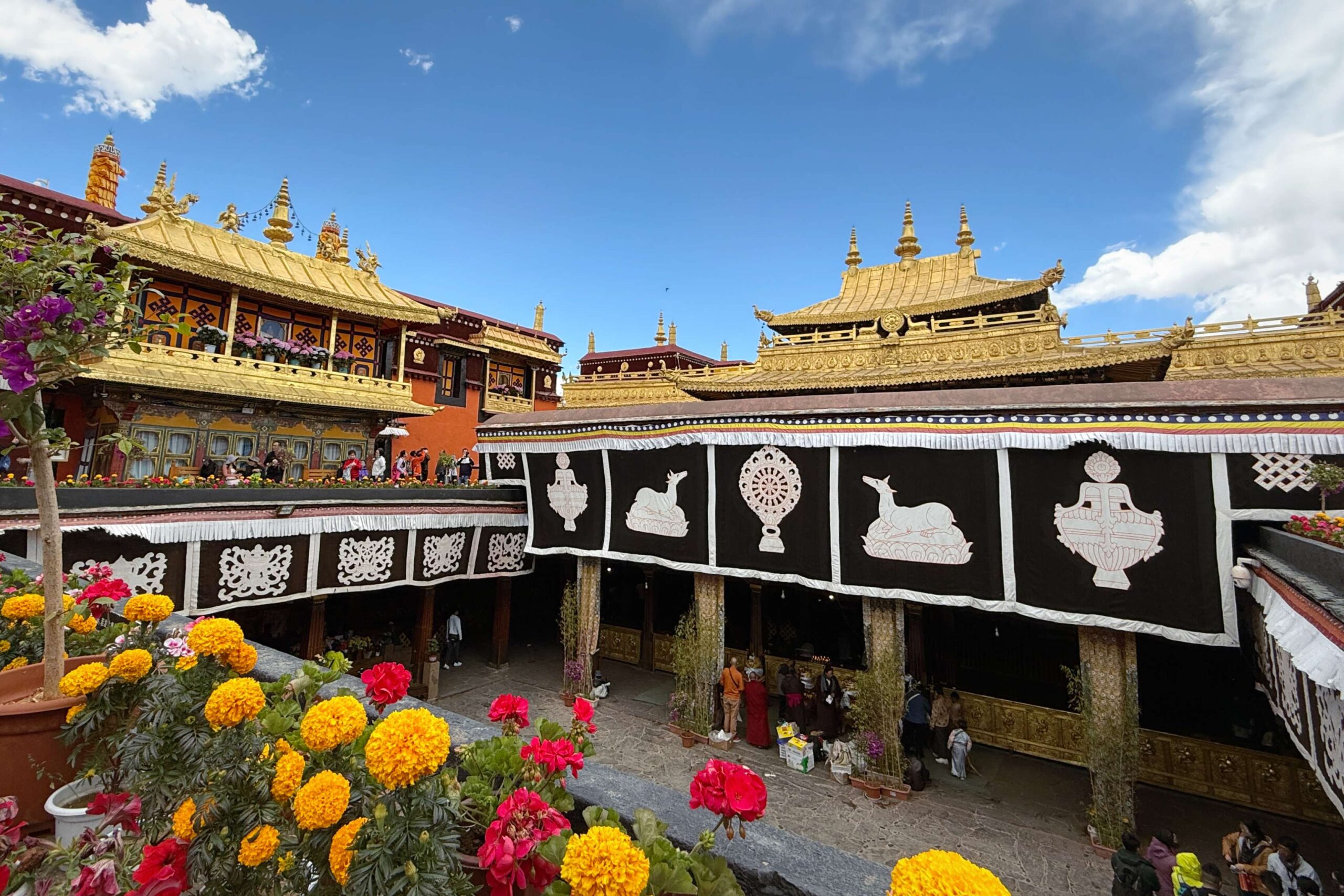
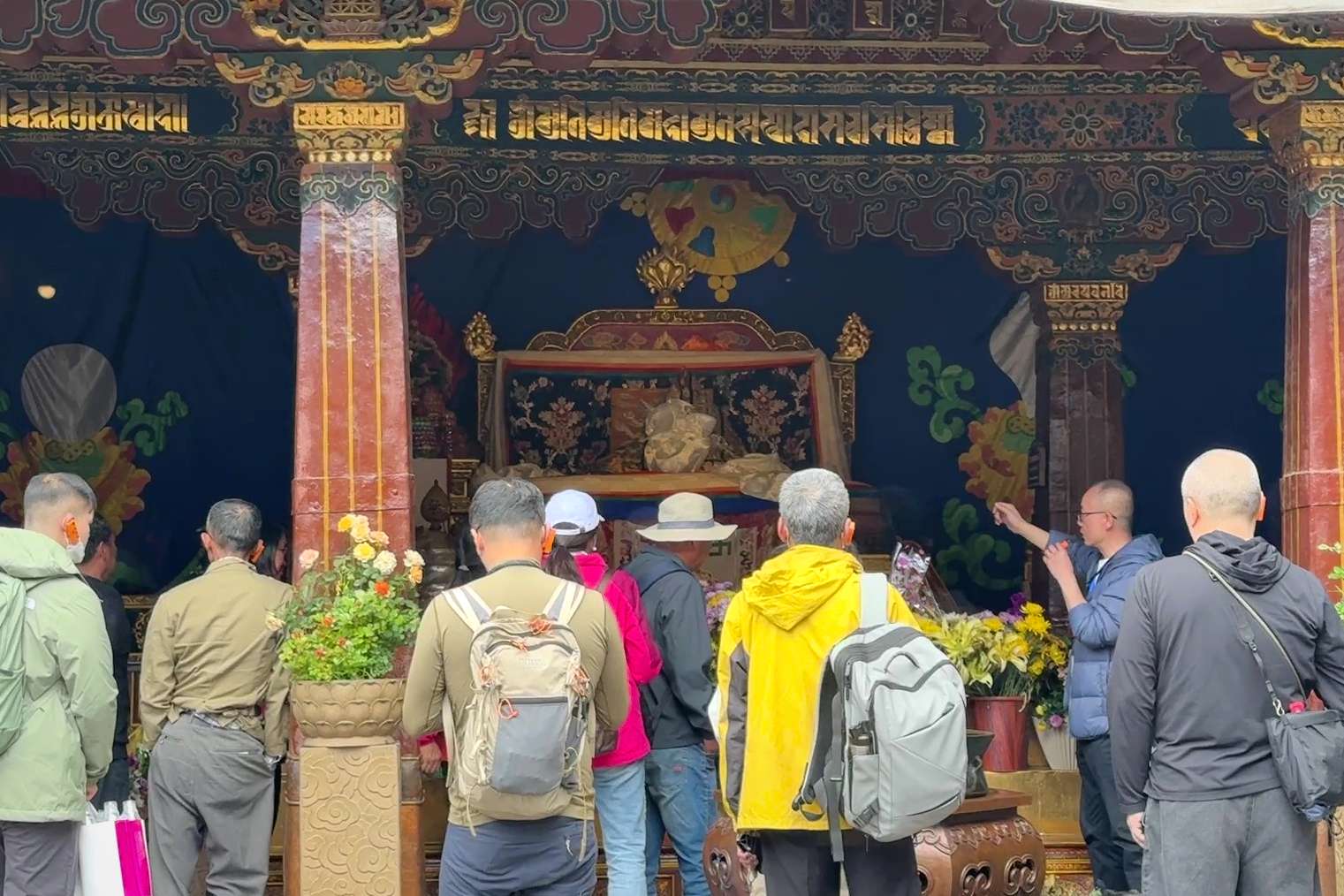
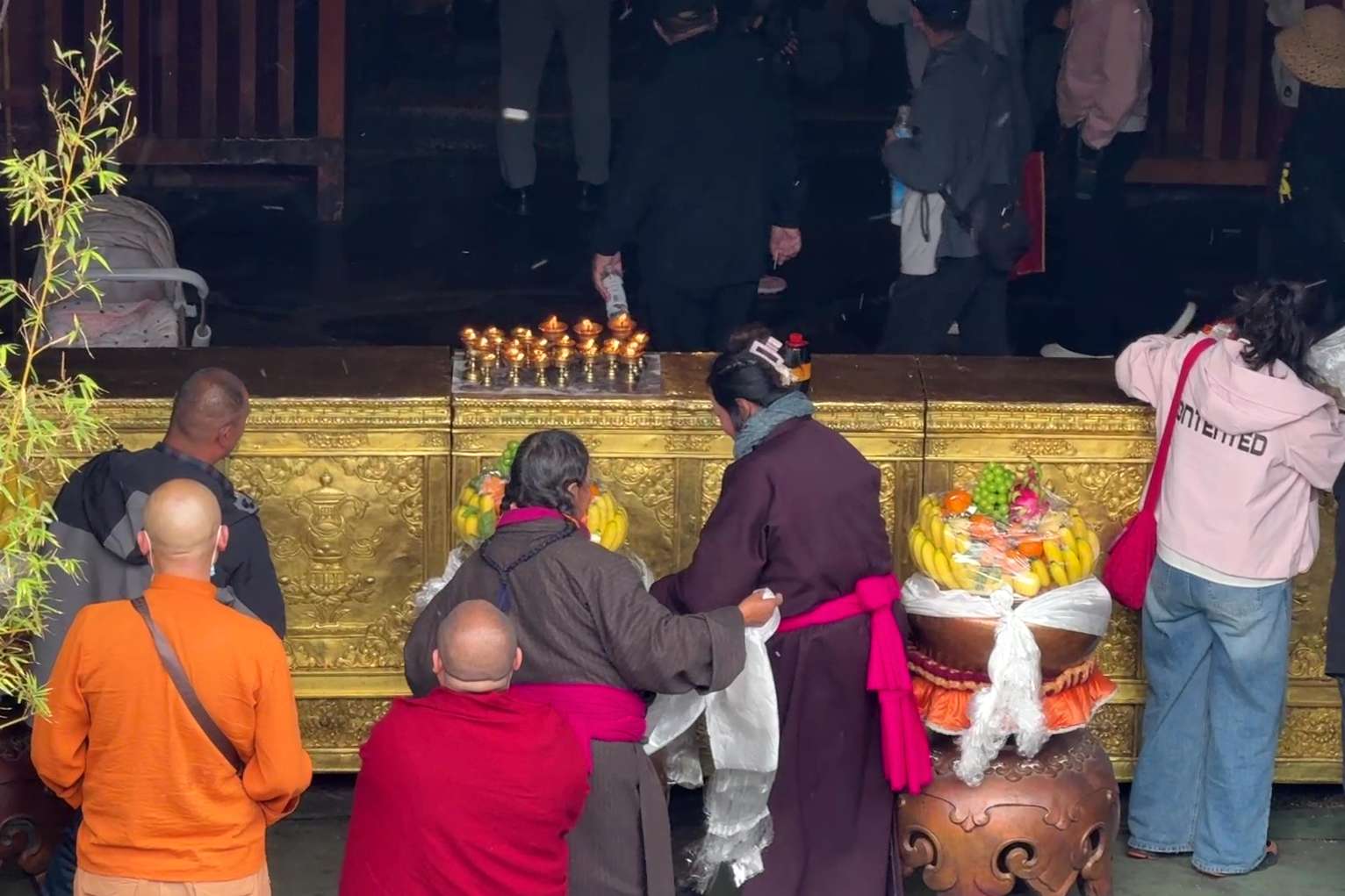
The temple was originally constructed by King Songtsen Gampo to house a life-sized statue of the eight-year-old Buddha Shakyamuni. The statue was brought from Kathmandu to Tibet by Princess Bhrikuti of Nepal when she married the Tibetan king. Today, however, the principal image enshrined in Jokhang Temple is a life-sized statue of the twelve-year-old Buddha Shakyamuni, which Princess Wencheng brought from Chang’an when she came to Tibet. The eight-year-old statue originally brought by Princess Bhrikuti is now housed in the nearby Ramoche Temple. For Tibetan Buddhists, the twelve-year-old Shakyamuni statue is considered one of the most sacred and revered Buddhist images in the world, making Jokhang Temple the spiritual heart of pilgrimage in Tibet.
01 | “First Came Jokhang Temple, Then Came the City of Lhasa.”
In the hearts of Tibetans, Jokhang Temple is every bit as important as the Potala Palace. The renowned lama Nyima Tsering once remarked, “If you visit Lhasa without visiting Jokhang Temple, it is as if you have never truly been to Lhasa.” There is also a popular saying among Tibetans: “First came Jokhang Temple, then came the city of Lhasa.” This expression reflects the profound connection between the temple and the city itself. Long before Lhasa developed into the political and cultural center of Tibet, Jokhang Temple had already become the spiritual focal point around which the city gradually grew.
02 | The Legend of Jokhang Temple
According to Tibetan legend, the construction of Jokhang Temple faced repeated setbacks in its early stages, as the site was constantly flooded by the surrounding lake. Princess Wencheng is said to have interpreted this through the principles of geomancy. She believed that the entire Tibetan Plateau resembled a giant demoness lying on her back, and that the location of Jokhang Temple happened to correspond to the demoness’s heart. The surrounding waters, meanwhile, represented the blood flowing through her body. To subdue the demoness and stabilize the land, Princess Wencheng proposed filling in the lake before continuing construction. Only after the heart of the demoness had been “pinned down,” according to the legend, was the temple finally completed successfully. Today, this story remains one of the most famous legends associated with Jokhang Temple and reflects the blend of Buddhism, folklore, and geomantic beliefs that shaped early Tibetan culture.
◦ Barkhor Street
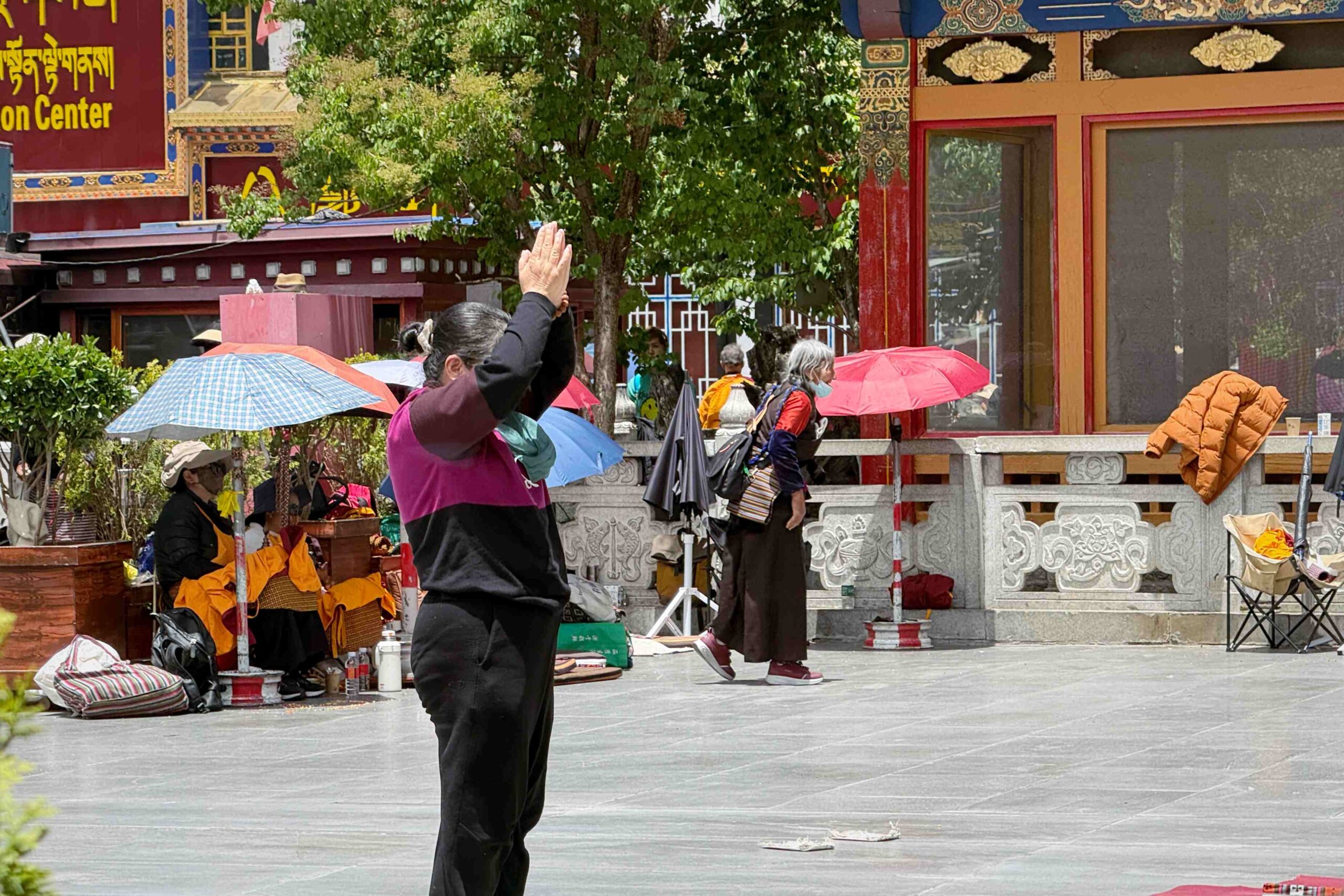
In Tibetan Buddhism, the practice of walking clockwise around a sacred site is known as kora, or ritual circumambulation. Circling Jokhang Temple in this manner is an act of reverence and devotion to the statue of Shakyamuni Buddha enshrined within the temple. The route immediately surrounding Jokhang Temple is known as the Barkhor, while the streets extending outward and encircling the entire old city form what is commonly called Barkhor Street. As a result, Barkhor Street has become one of Lhasa’s three major pilgrimage circuits. Every day, a steady stream of pilgrims can be seen walking the route, turning prayer wheels, chanting mantras, and expressing their faith through this centuries-old tradition.
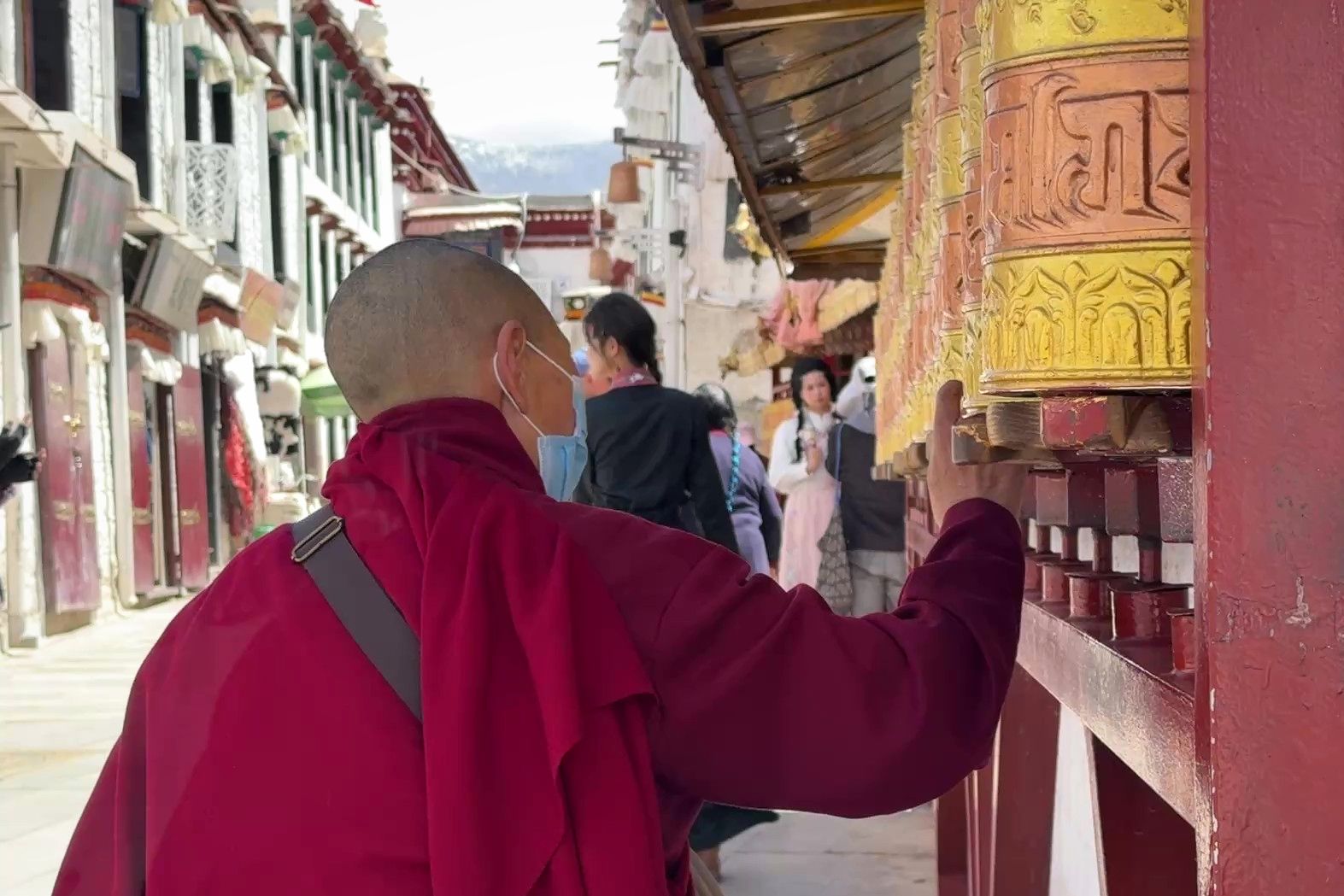
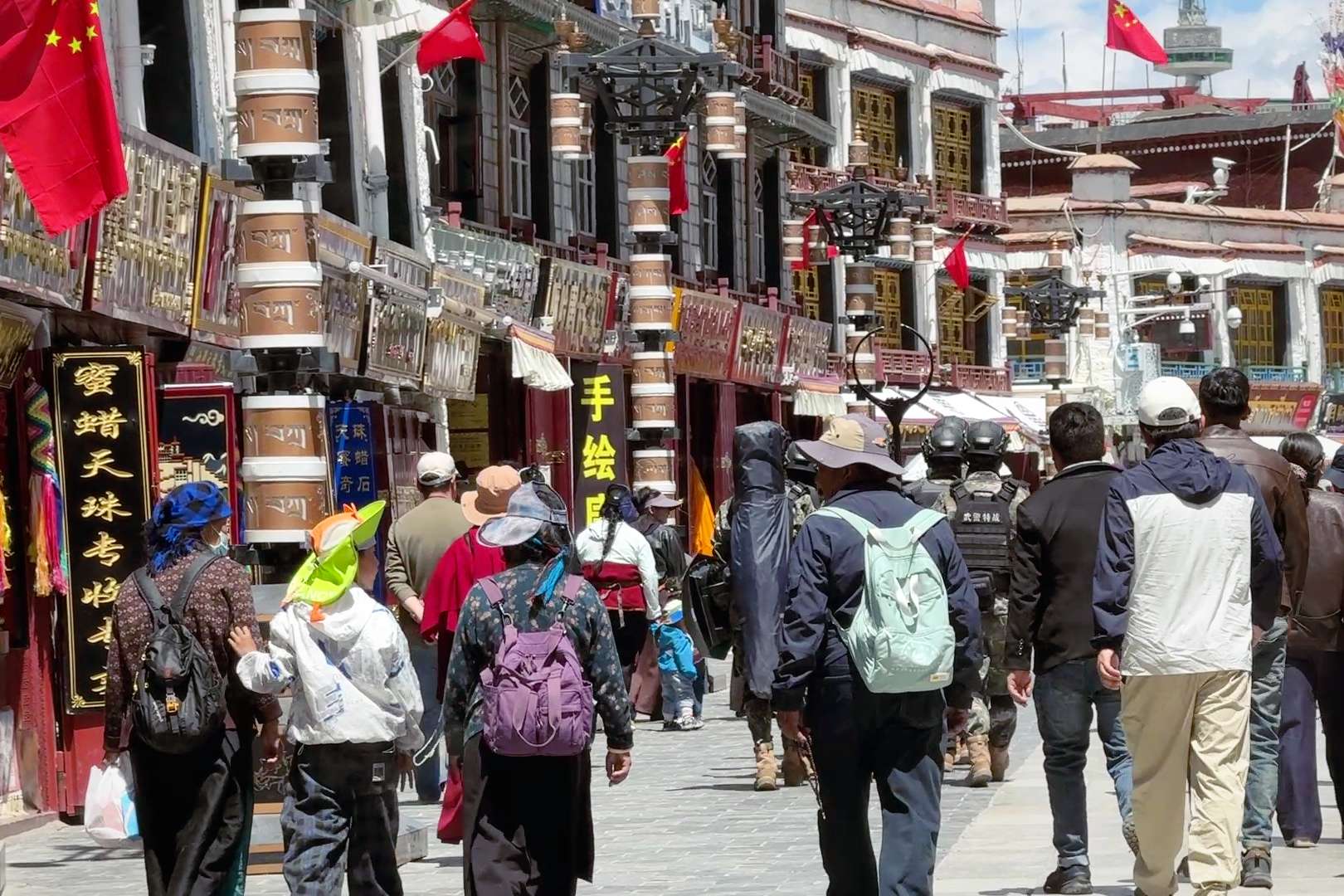
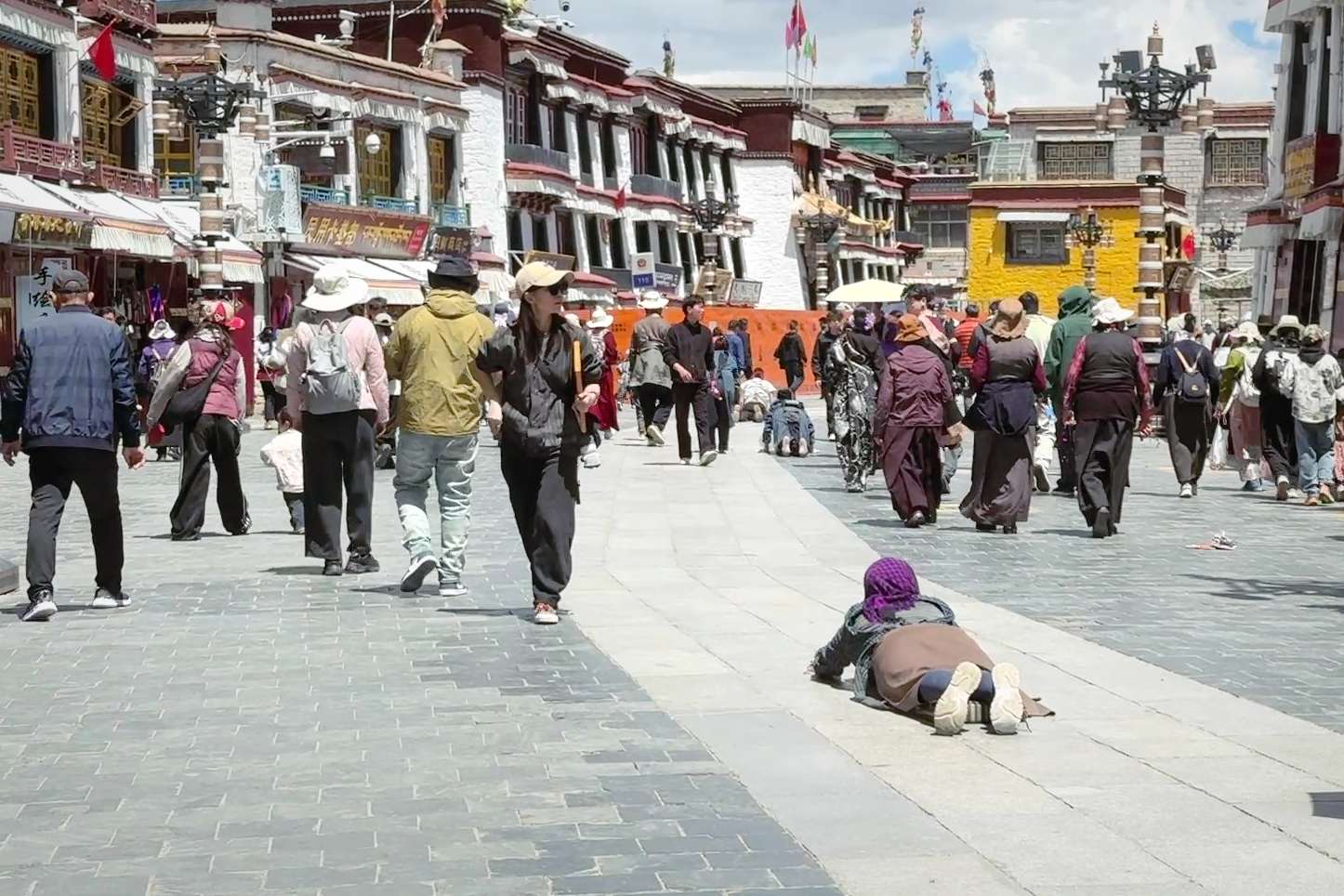
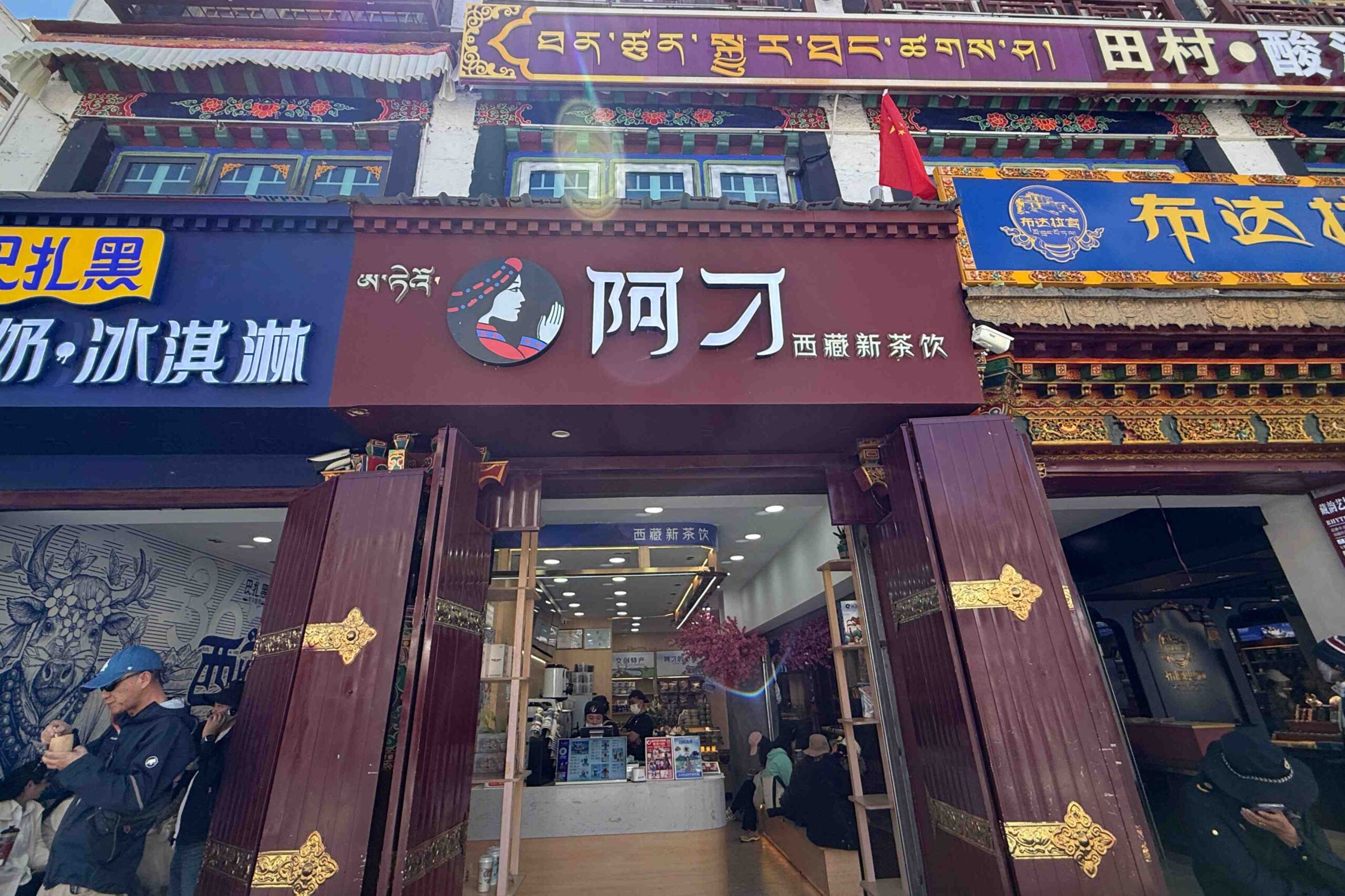
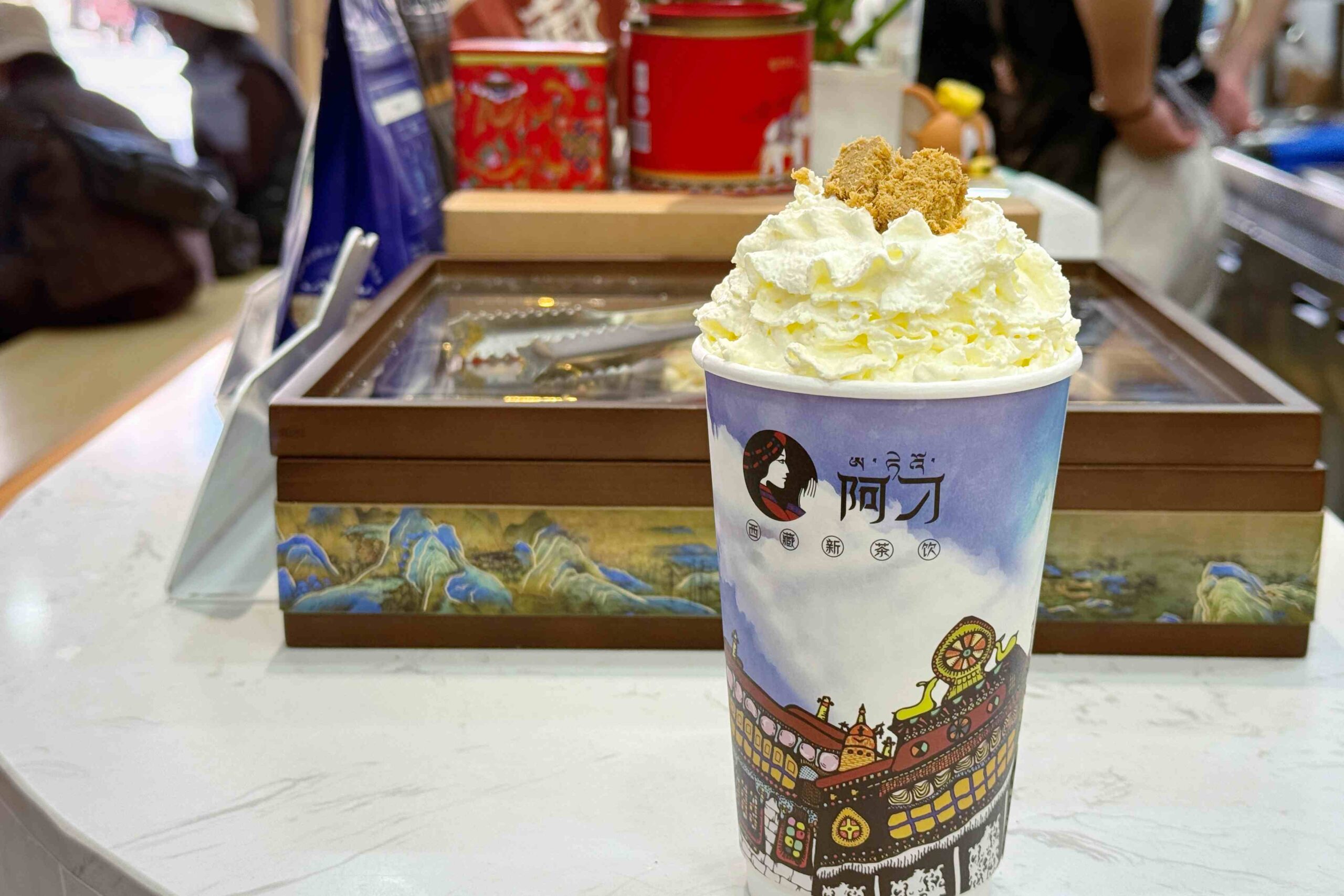
Beyond its strong religious atmosphere, Barkhor Street also preserves much of the character of Lhasa’s historic old town. The streets are paved with hand-cut stone slabs, and traditional Tibetan houses line both sides of the route, offering visitors a glimpse into the city’s rich cultural heritage. Today, Barkhor Street is also a vibrant commercial district, filled with shops selling handicrafts, local specialties, Tibetan clothing, and photography experiences featuring traditional Tibetan attire. One experience I personally would not miss is trying A Diao, a popular Tibetan-style tea brand. Their fresh milk tea, made with yak milk and highland barley pastry crumbs, was surprisingly smooth and flavorful. For a moment, it even helped satisfy my homesickness for a good cup of bubble tea.
◦ Drepung Monastery
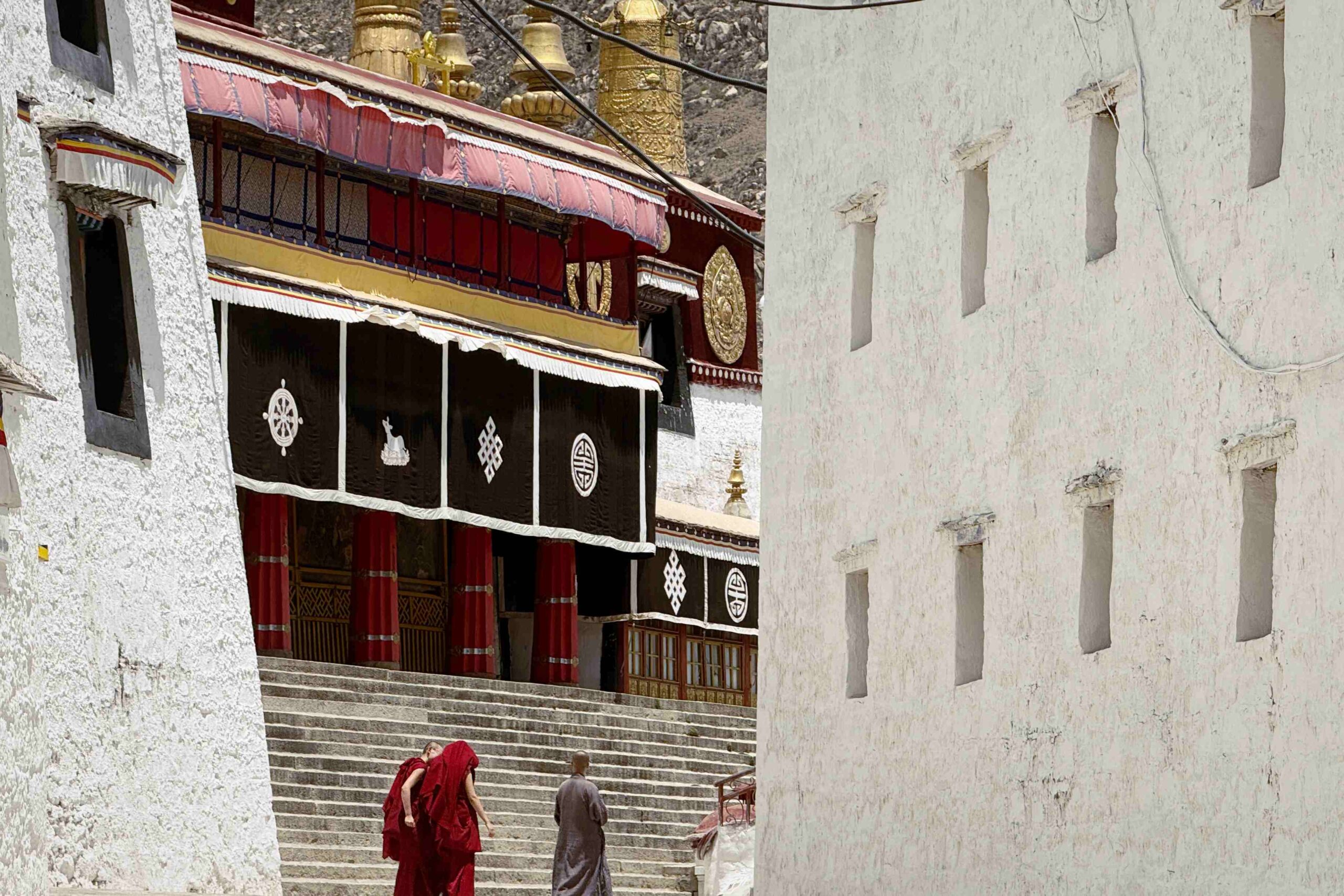
Located on the outskirts of Lhasa, Drepung Monastery is the largest Tibetan Buddhist monastery in Tibet. It is best known for the Shoton Festival, held each year in late June or early July according to the Tibetan calendar, during which a giant thangka of the Buddha is ceremonially unveiled on the mountainside. Built along the slopes of a mountain, the monastery complex is remarkably grand and imposing.
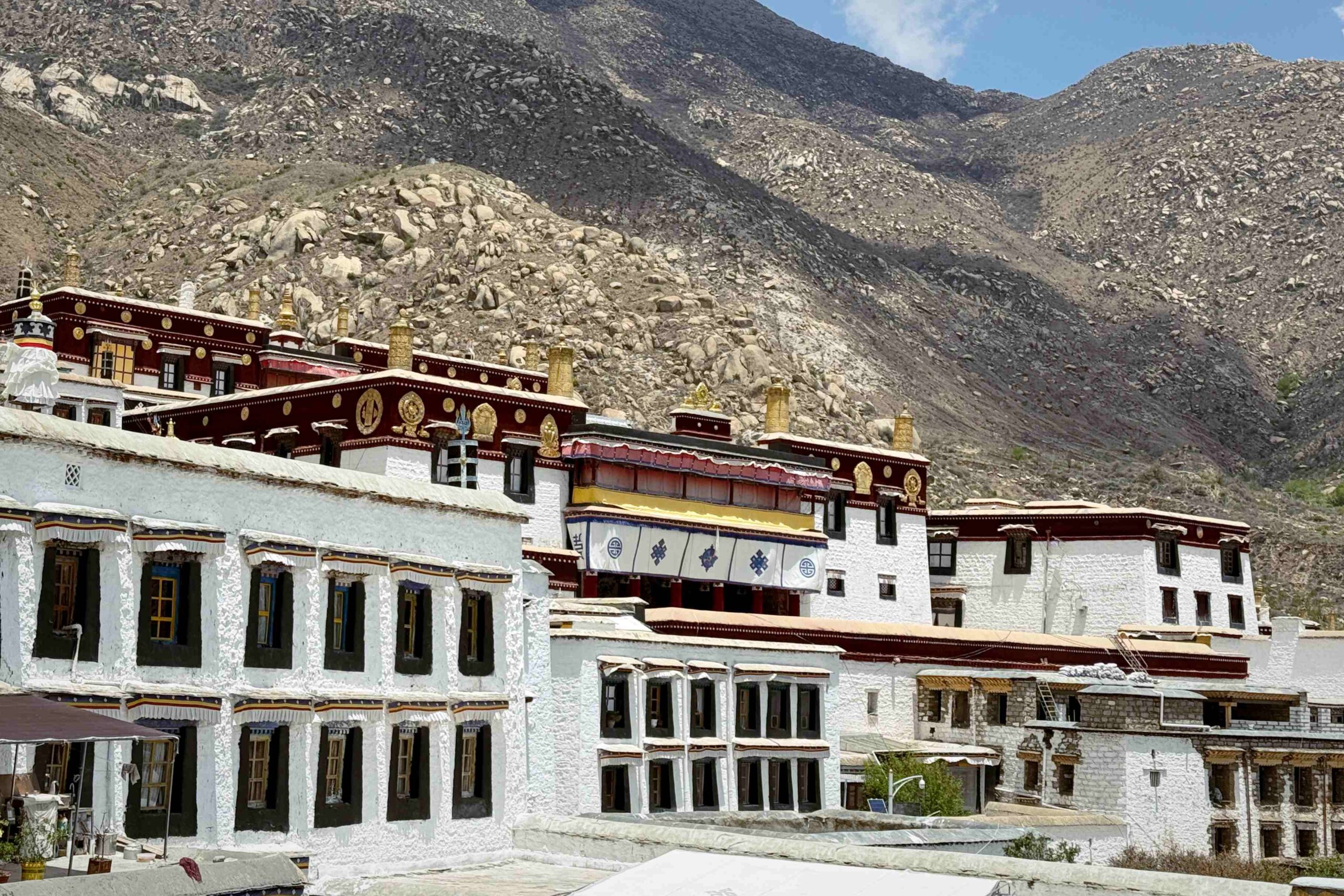
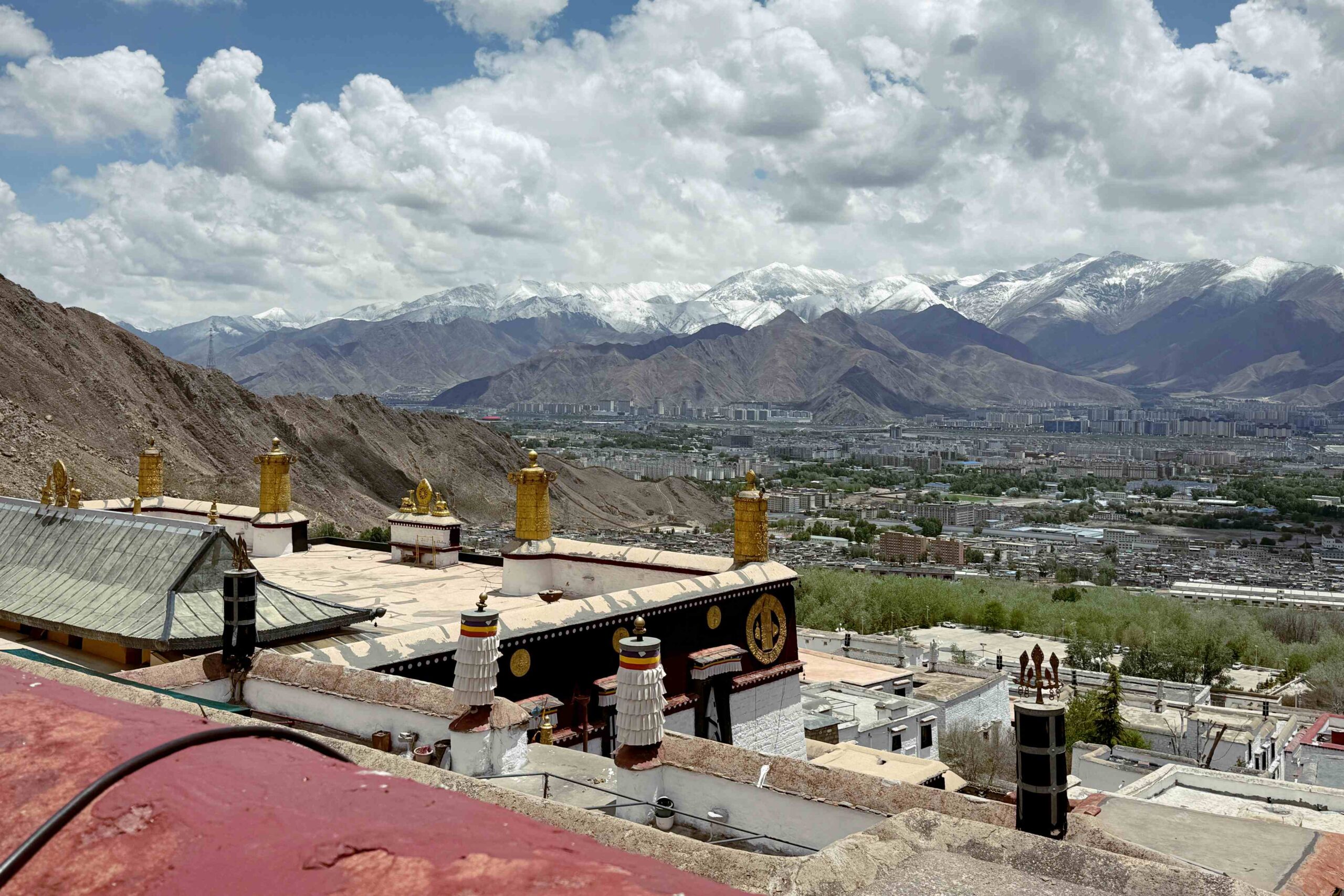
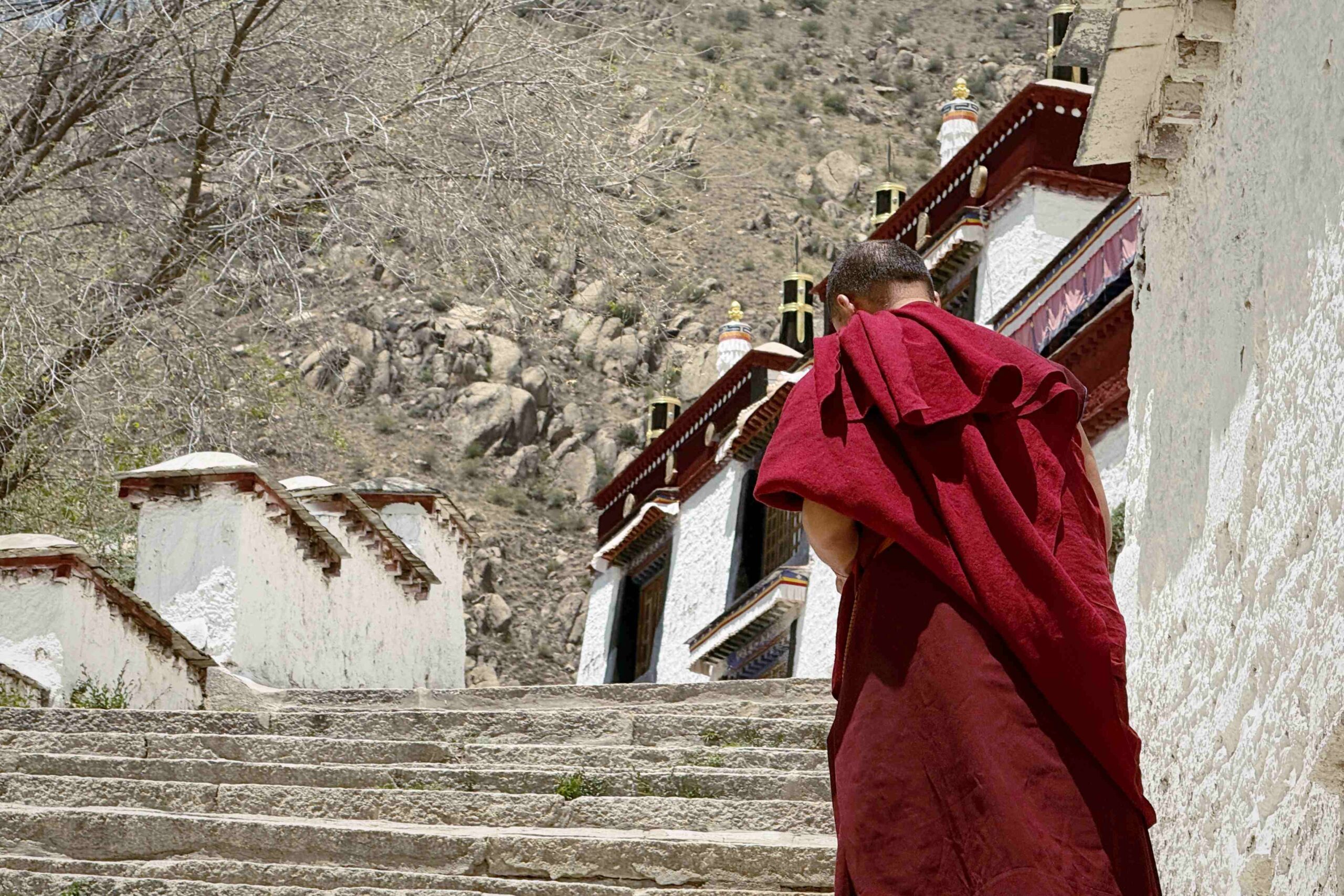
I visited Drepung Monastery on my very first day in Tibet. With its countless steep and narrow stairways, I was worried about triggering altitude sickness, so I took my time, walking slowly and pausing often to admire the surroundings. It took me nearly five hours to explore the entire monastery. The whitewashed dratsangs (monastic colleges) and khangtsens (monks’ residences) are scattered across the hillside. Around every corner, a new view unfolds, creating the surprising illusion of wandering through a Mediterranean hill town. Monks dressed in deep maroon robes frequently passed through the maze-like pathways, adding life and movement to this unique “white city” nestled in the mountains.
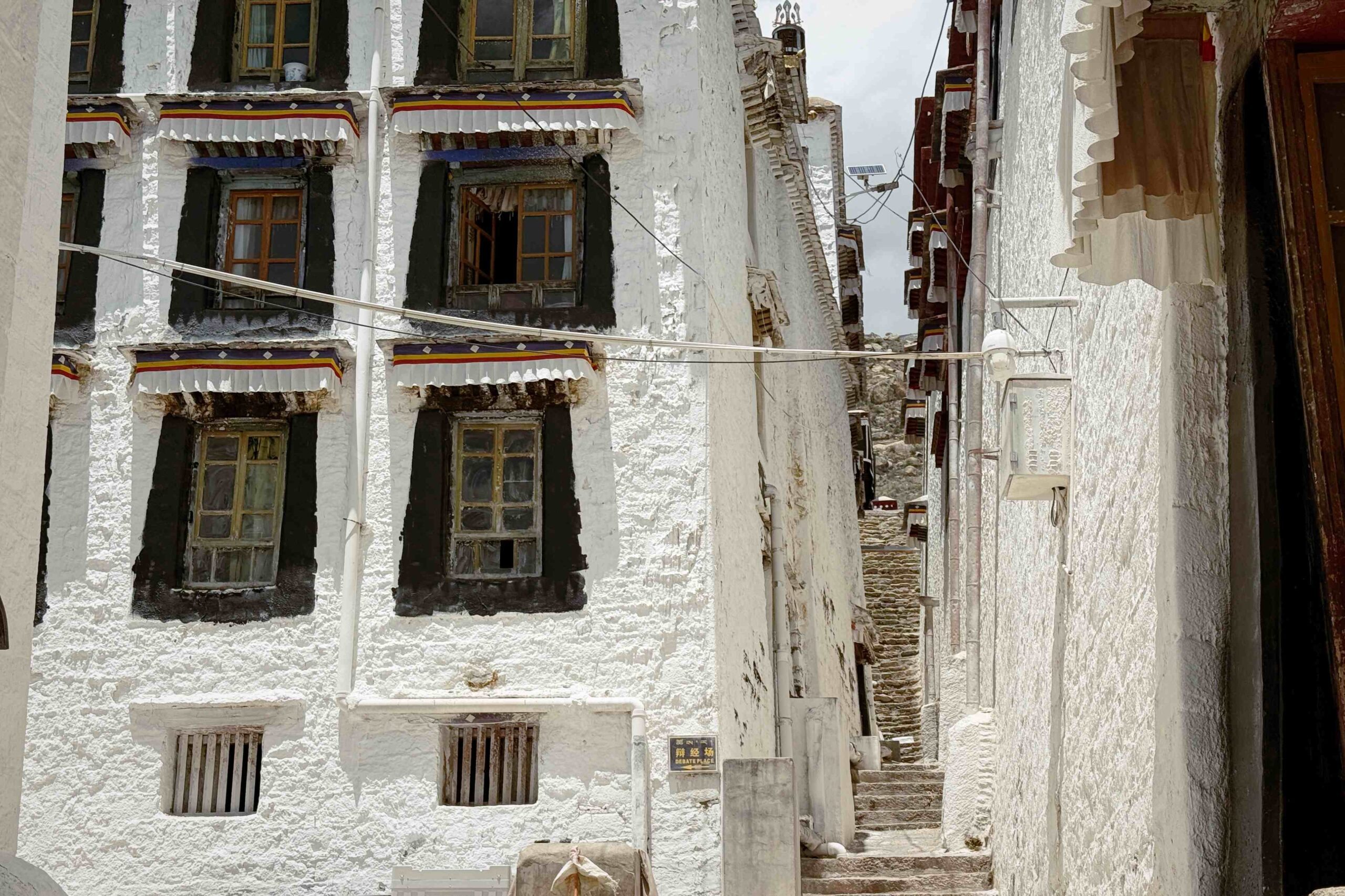
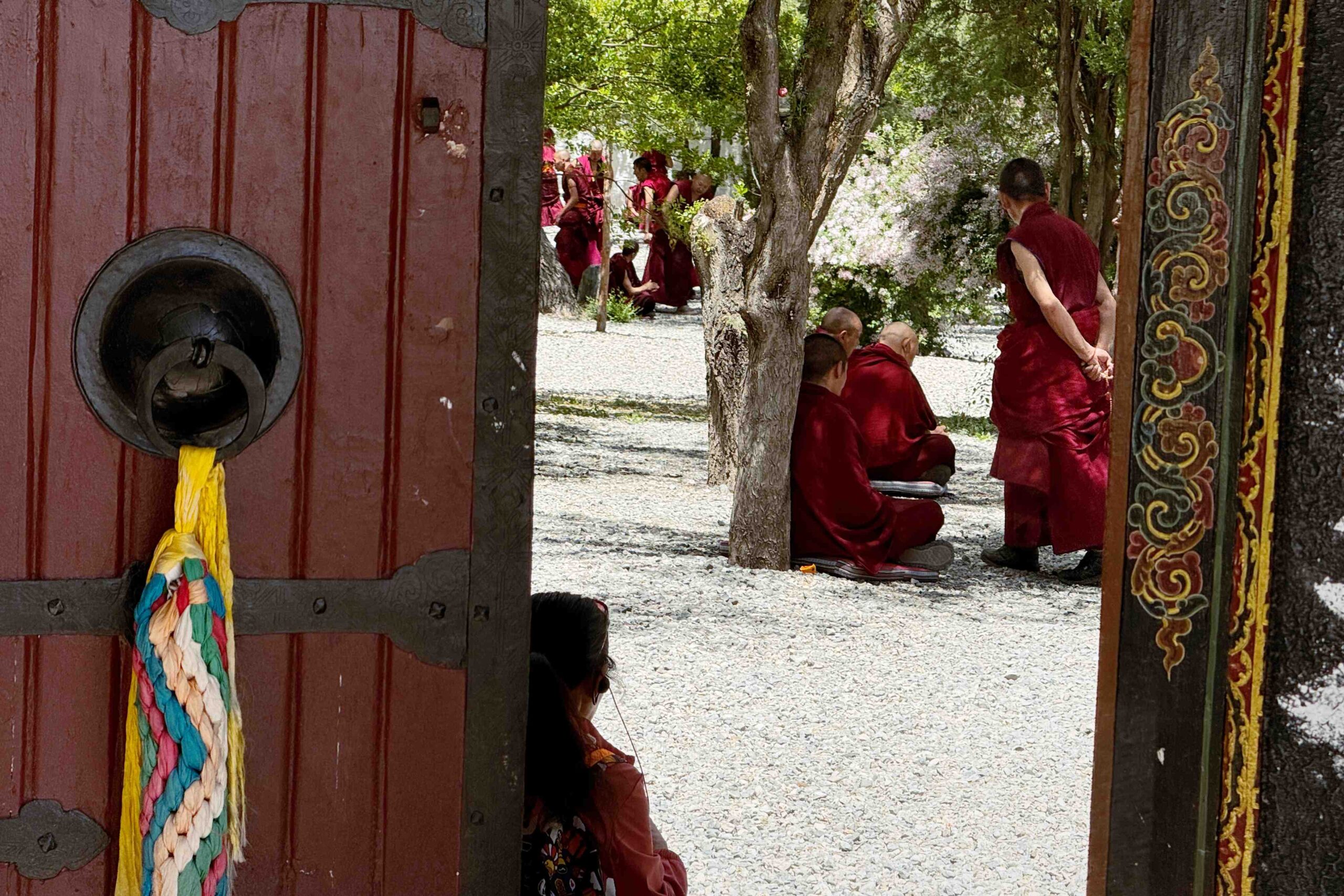
As I made my way down the mountain, I heard bursts of clapping and raised voices echoing from nearby. It turned out that a group of monks were engaged in a debate session. Visitors are generally not permitted to observe these debates up close, but even from a distance, the intensity of the exchange was unmistakable. Monastic debate is a distinctive tradition in Tibetan Buddhism. More than a form of verbal argument, it serves as a rigorous method for training monks in critical thinking and deepening their understanding of Buddhist teachings. During a debate, the questioner stands while the respondent remains seated. At the end of each question, the standing monk punctuates his challenge with a dramatic clap—bringing his right hand down onto his left palm—often accompanied by a forceful stomp of the left foot. The seated monk, meanwhile, must respond concisely, typically with “yes,” “no,” or “not necessarily.” The sharp claps and energetic gestures may seem theatrical to outsiders, but they are an essential part of a centuries-old intellectual tradition that continues to thrive within Tibetan monasteries today.
◦ The Heavenly Tibet Post Office
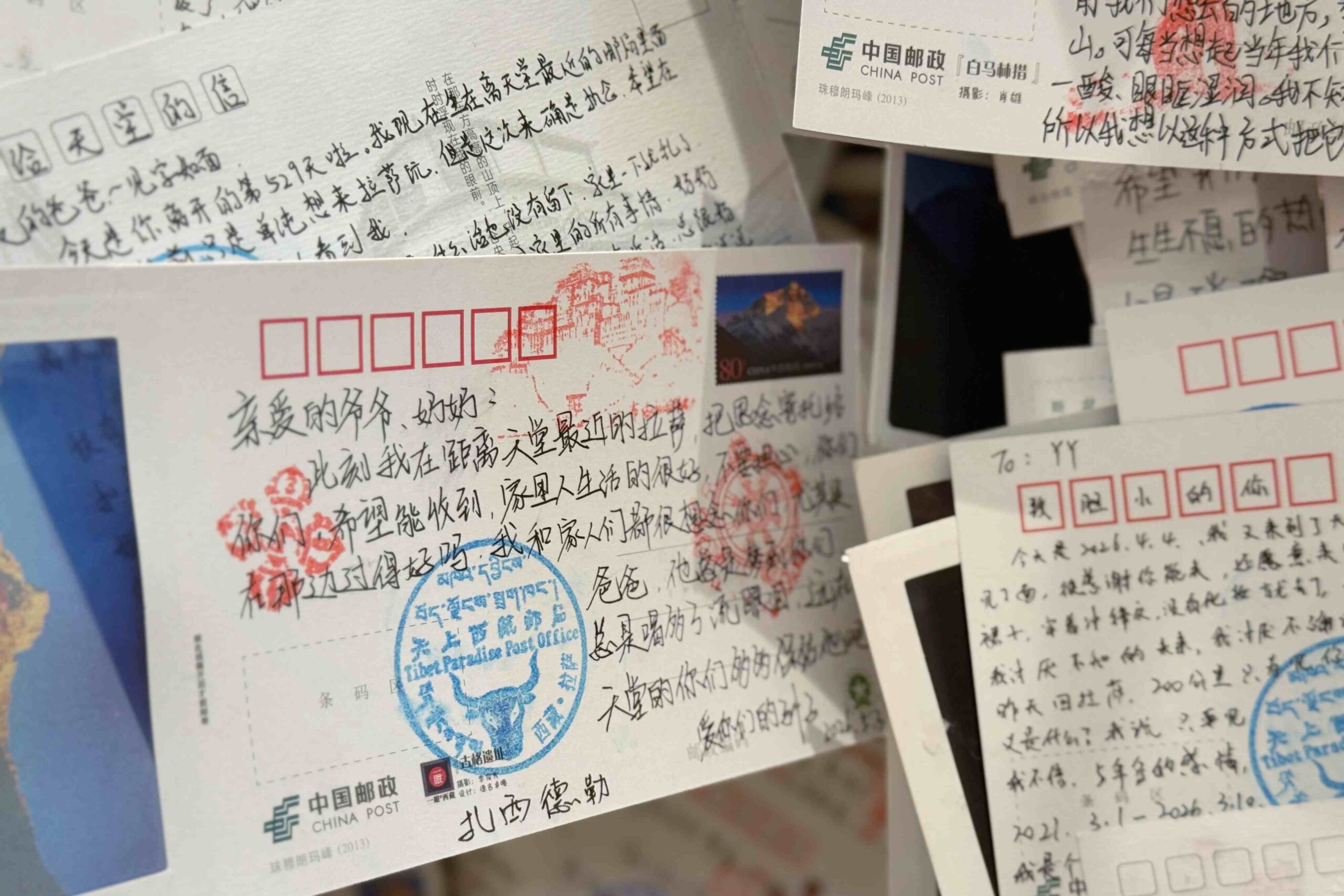
Sending postcards is something I make sure to do on every trip. Although I had heard that some people never received the postcards they mailed from Tibet, even after several years, I still wanted to give it a try. Located right next to the entrance of the Potala Palace, the Heavenly Tibet Post Office offers a wide selection of postcards and stamps, as well as commemorative postmarks, mailing services, and cultural and creative souvenirs. It is a well-equipped stop for travelers looking to send a special keepsake home.
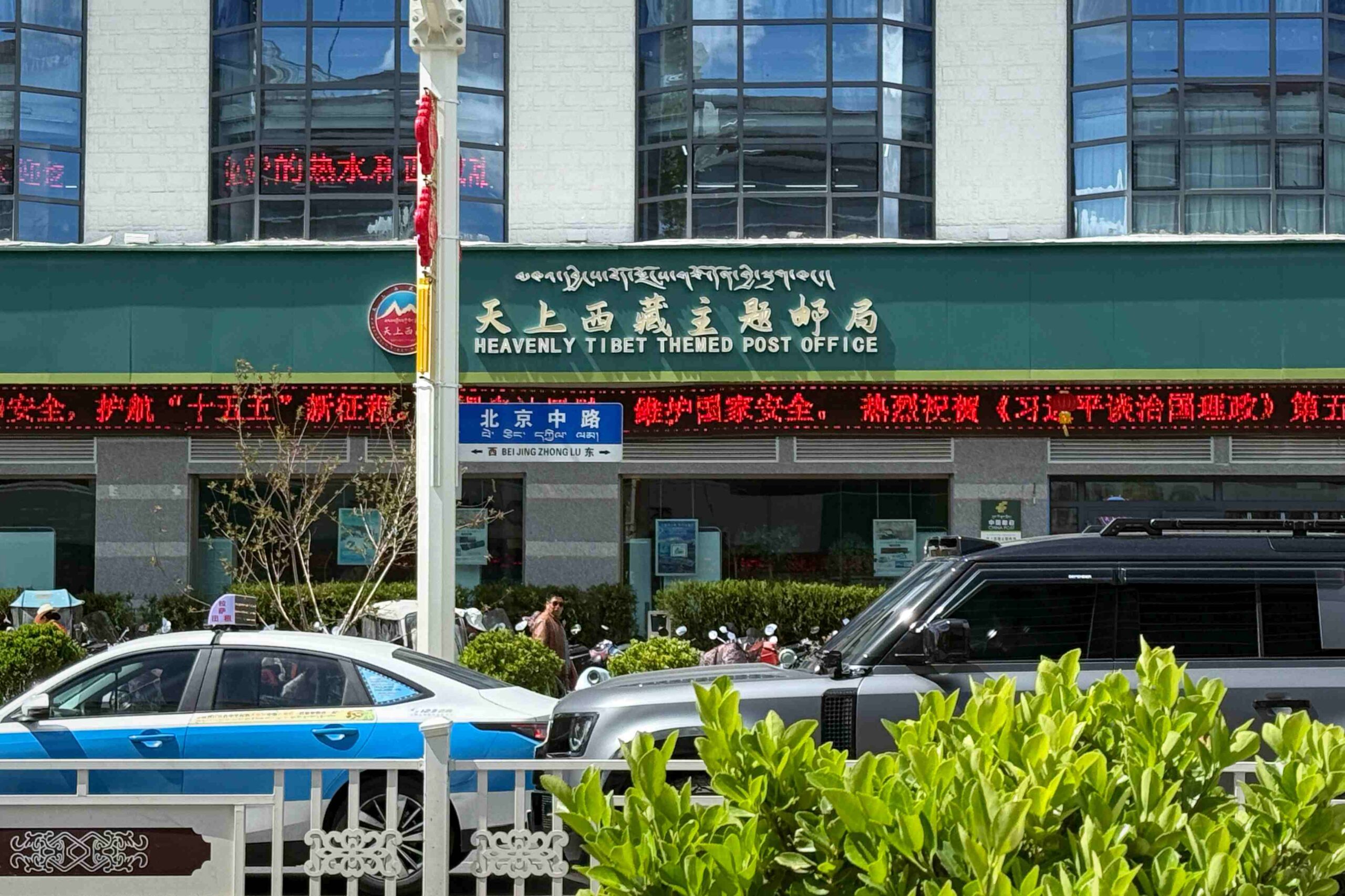
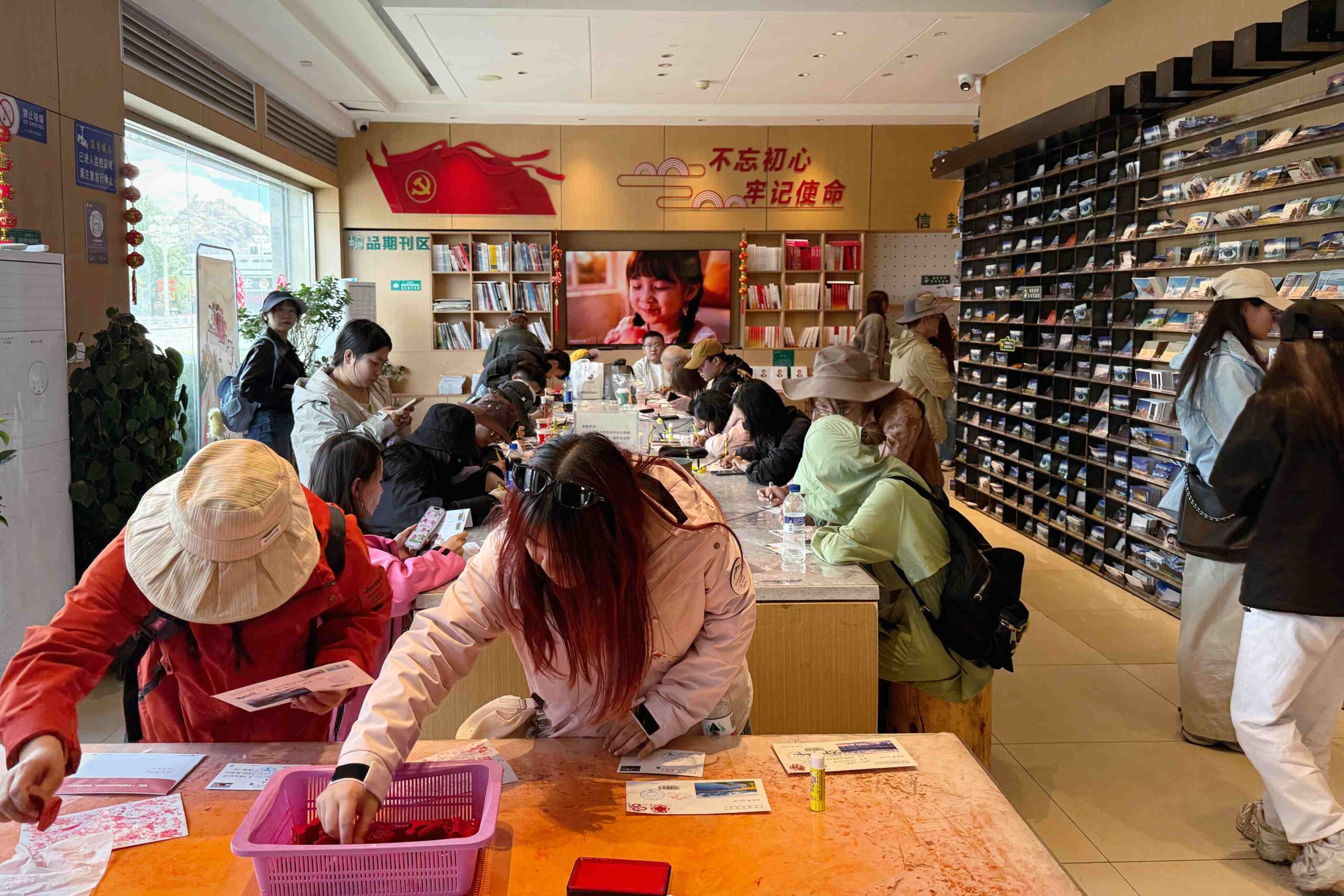
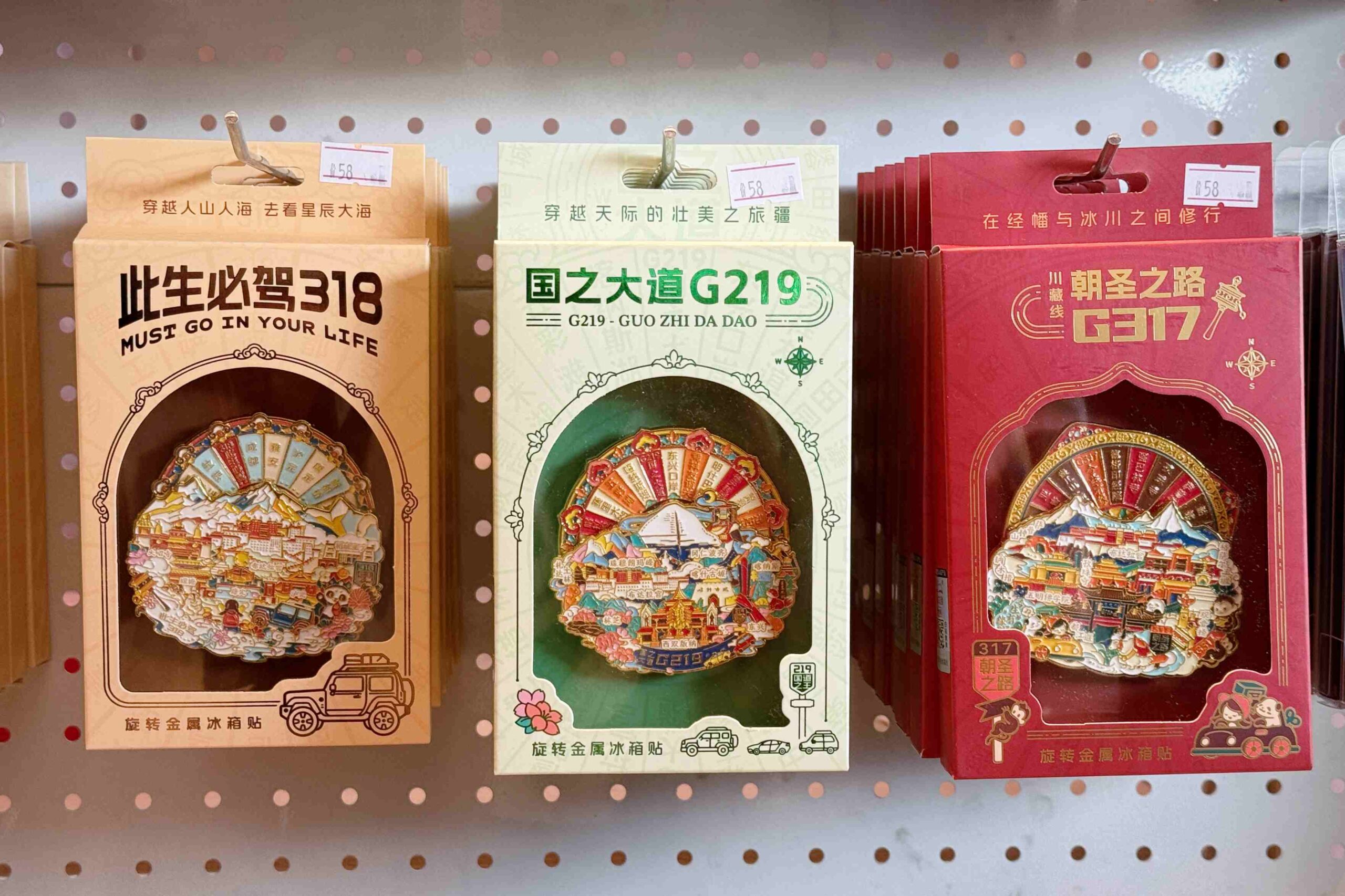
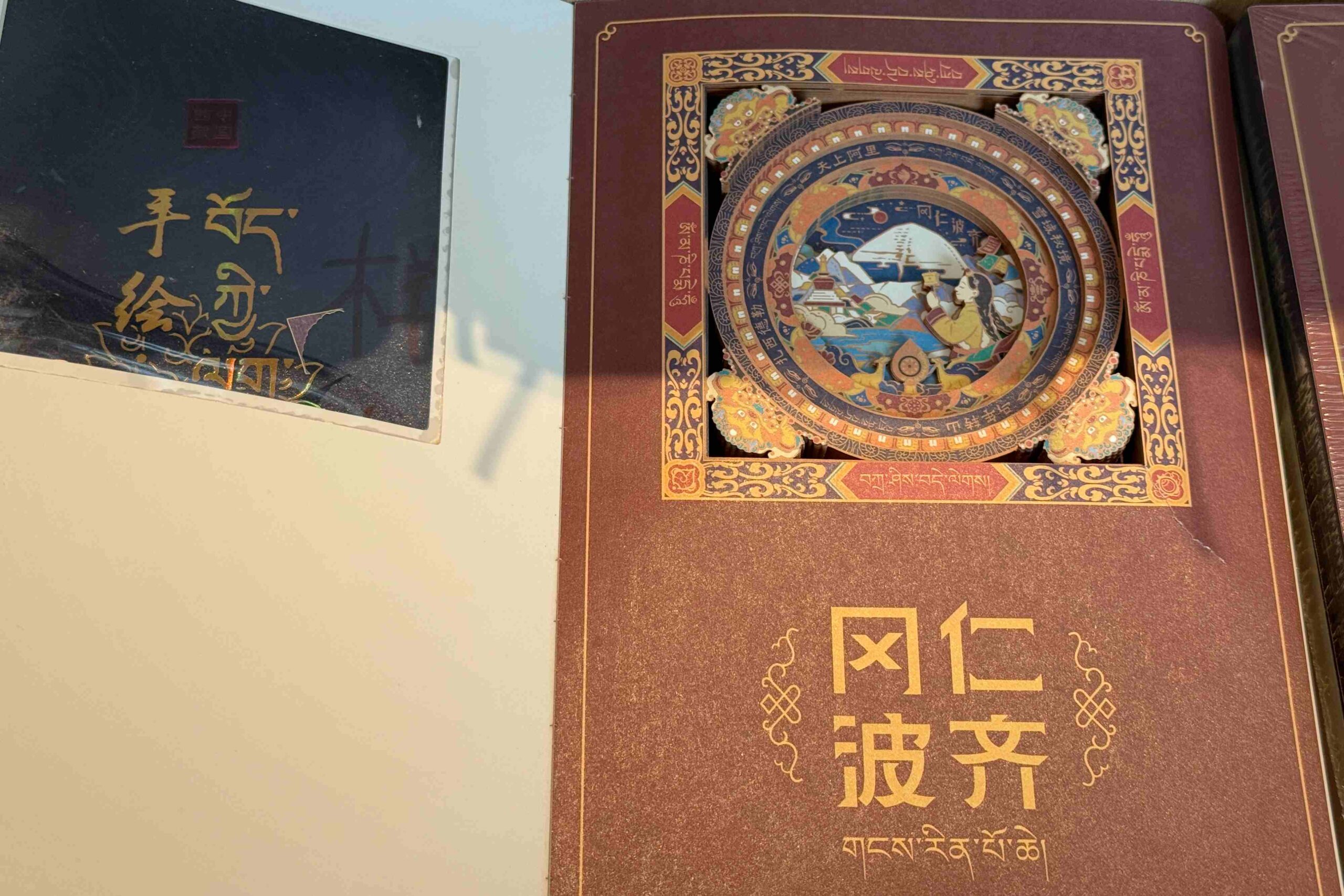
If you plan to mail postcards, I would recommend doing it in Lhasa. Although there is also a post office at Everest Base Camp, its opening hours can be quite unpredictable, so there's no guarantee it will be open when you visit. One thing to keep in mind: if you're sending a postcard to Taiwan, you'll need to purchase the appropriate postage stamps separately at the counter after writing your postcard to ensure the correct postage is applied.
The Potala Palace branch of the Heavenly Tibet Post Office also offers a unique "Letter to the Future" service. After writing your postcard and stamping it with an exclusive commemorative postmark, you can choose a future delivery date. It's a meaningful and memorable experience that adds a special sense of ceremony to your journey.
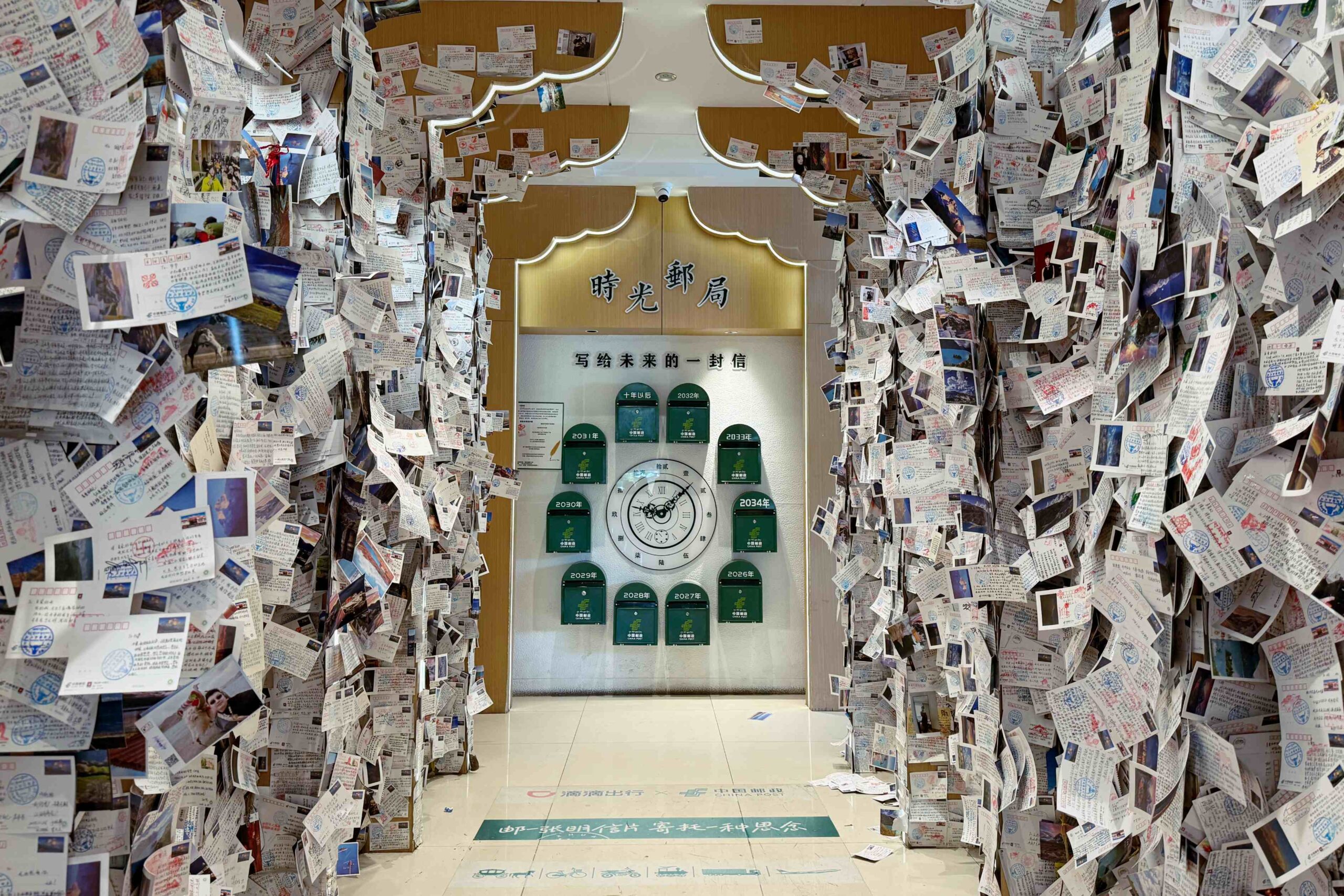
The Heavenly Tibet Post Office – Potala Palace Branch
Opening Hours
Summer (May–September): 0900-1830
Winter (October–April): 0930-1830