Before heading to Tibet, I spent five days in Chengdu. Known as the “Land of Abundance,” Chengdu boasts a history spanning more than 4,500 years. During the Warring States period in 311 BC, the Qin State established a city here. Remarkably, for over 2,300 years, the city site has never been relocated and its name has never been changed, making Chengdu one of the few ancient capitals in the world to have endured continuously to the present day. Today, Chengdu not only preserves its rich cultural heritage but also showcases the energy of a modern metropolis. Spending just a day or two strolling through the city center is enough to experience the unique atmosphere where history and modernity blend seamlessly together.
Contents
◦ Chengdu Travel Guide
🎫 Chengdu Research Base of Giant Panda Breeding Ticket
🙏 Leshan Giant Buddha & Huanglongxi Old Town Full-Day Tour
🙏 1-Day Tour of Mount Emei and Leshan Giant Buddha
◦ Seven Cultural Highlights of Chengdu
01|Wenshu Monastery
Wenshu Monastery is a thousand-year-old Buddhist temple originally built during the Sui Dynasty under the name “Xinxiang Temple.” It was later rebuilt during the reign of the Kangxi Emperor and renamed Wenshu Monastery. Known as the foremost of China’s four great Zen monasteries, Wenshu Monastery is famous for its valuable Buddhist relics and artifacts, including a skull relic of the monk Xuanzang, ancient Indian palm-leaf scriptures, and gilded sutra slips brought from Japan during the Tang Dynasty. However, these precious treasures are now carefully protected and are not on public display.
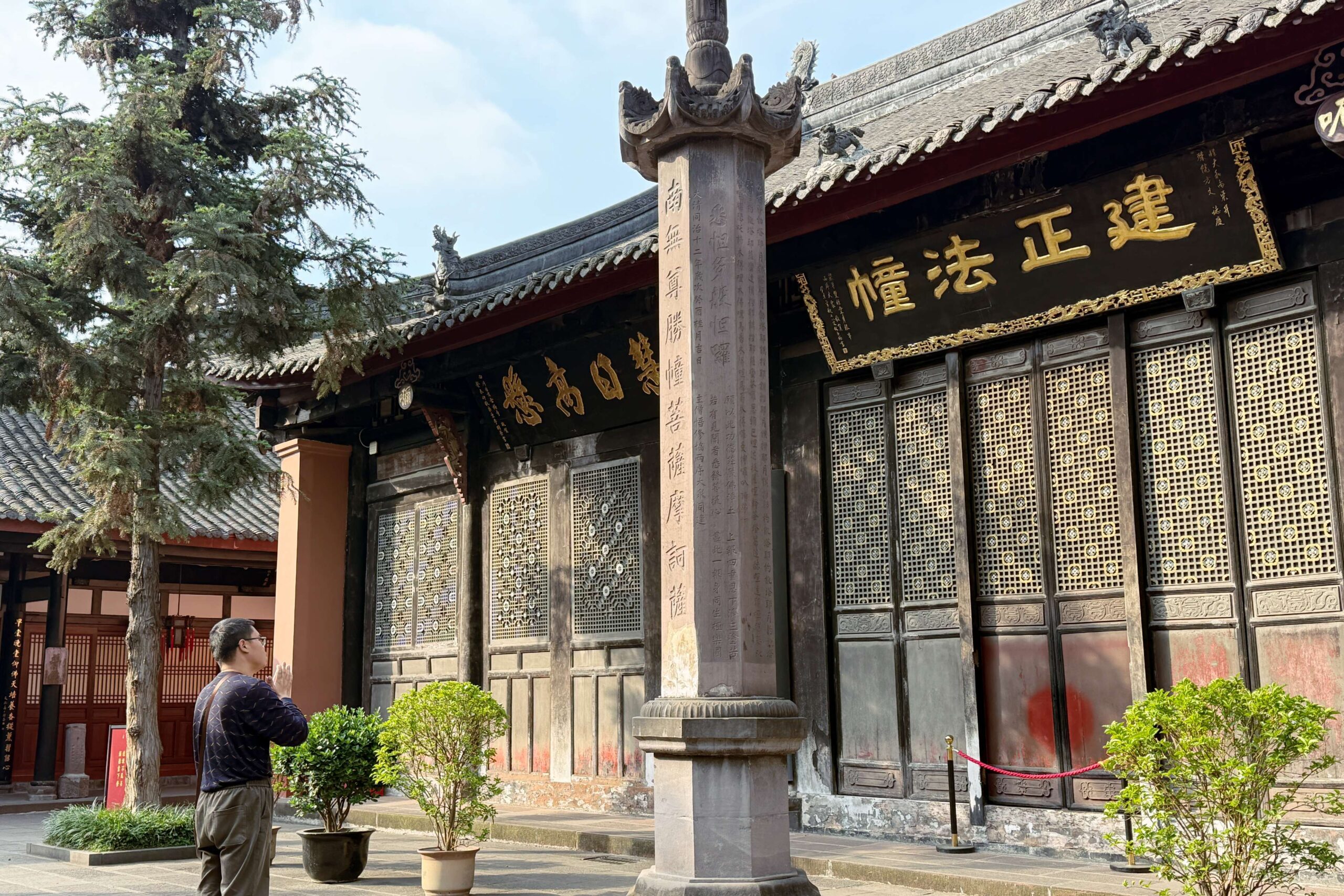
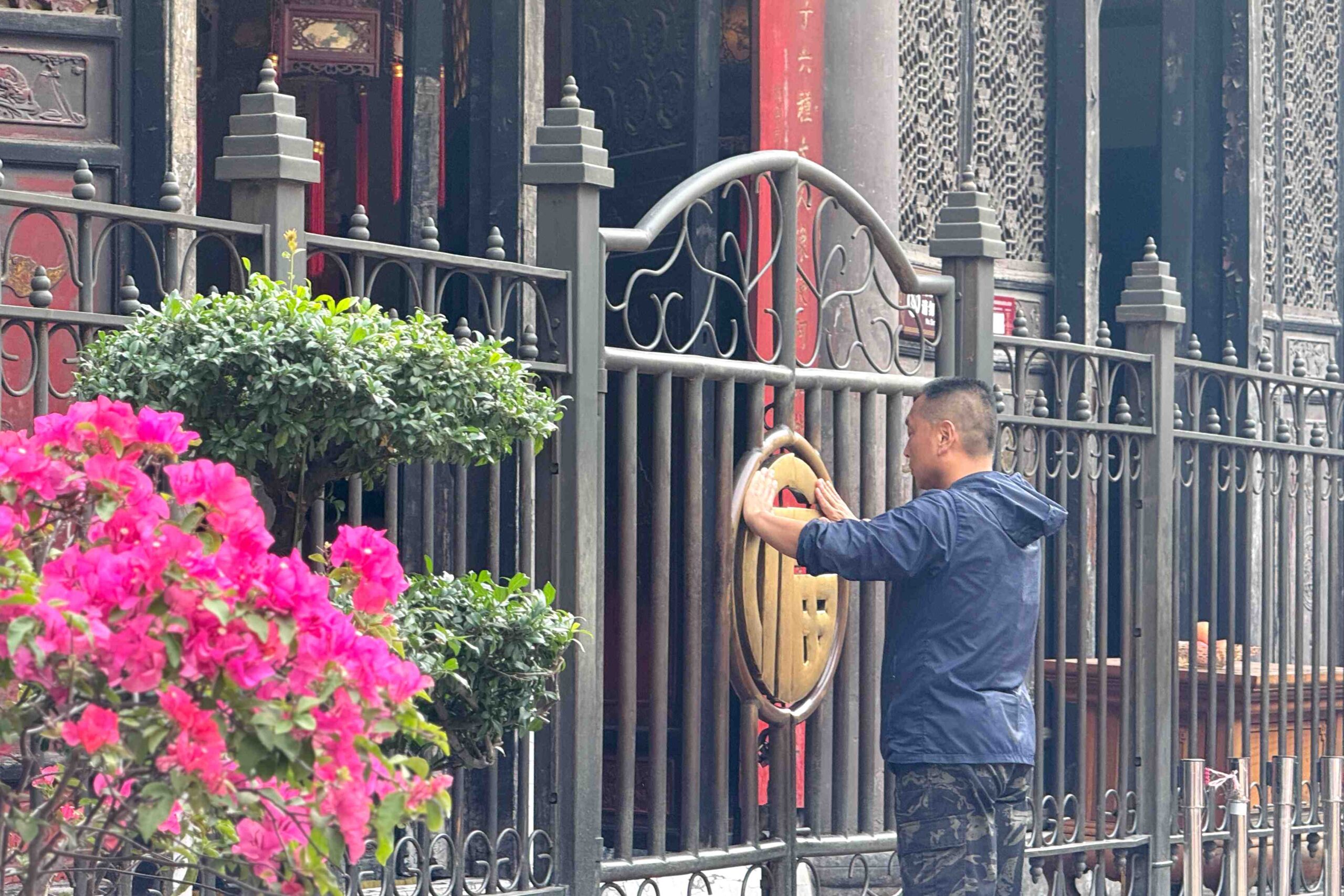
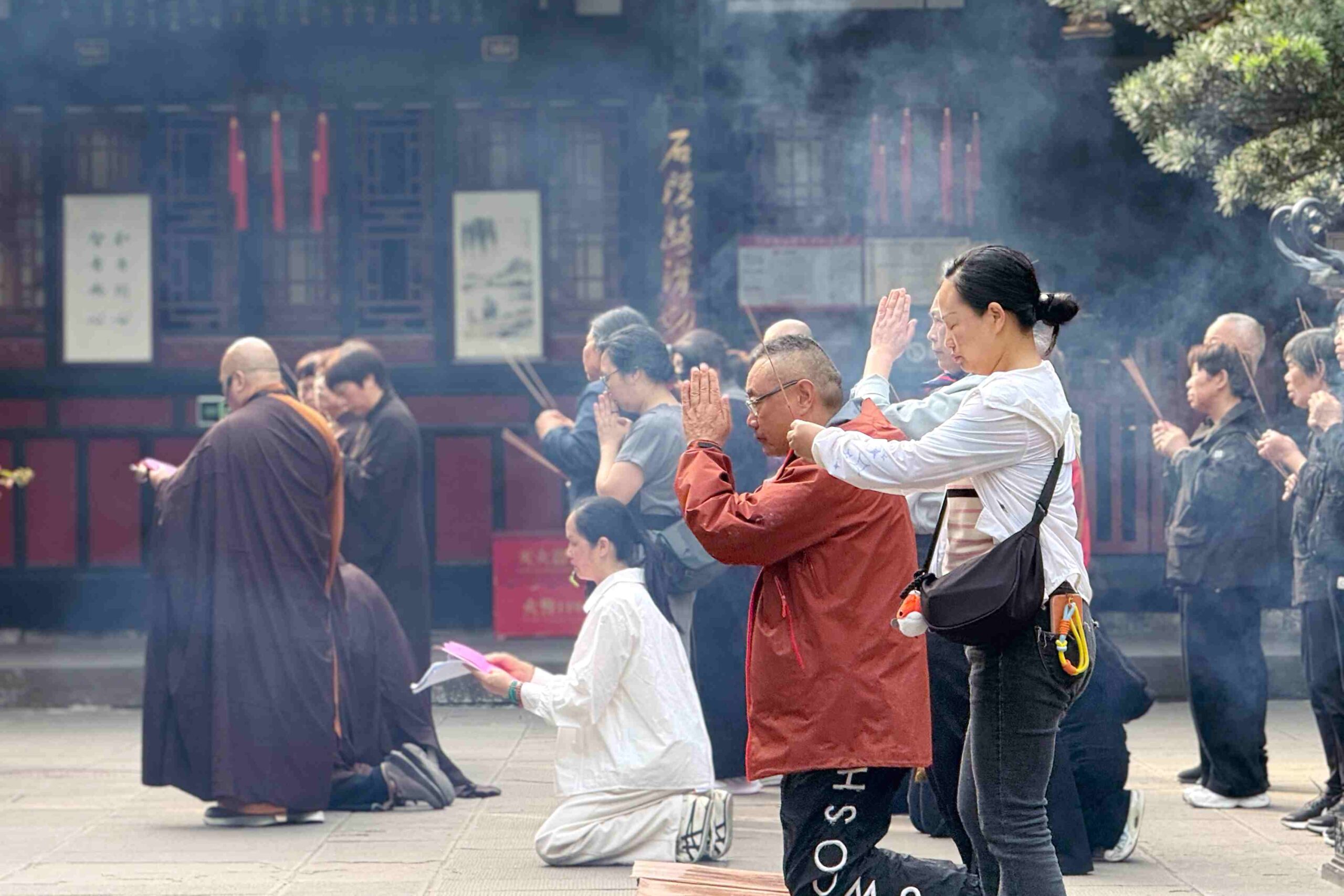
There are many monks residing here, and a steady stream of devotees come to worship. At the information center, visitors can even register for Buddhist refuge ceremonies, reflecting the monastery’s important status among Buddhists.
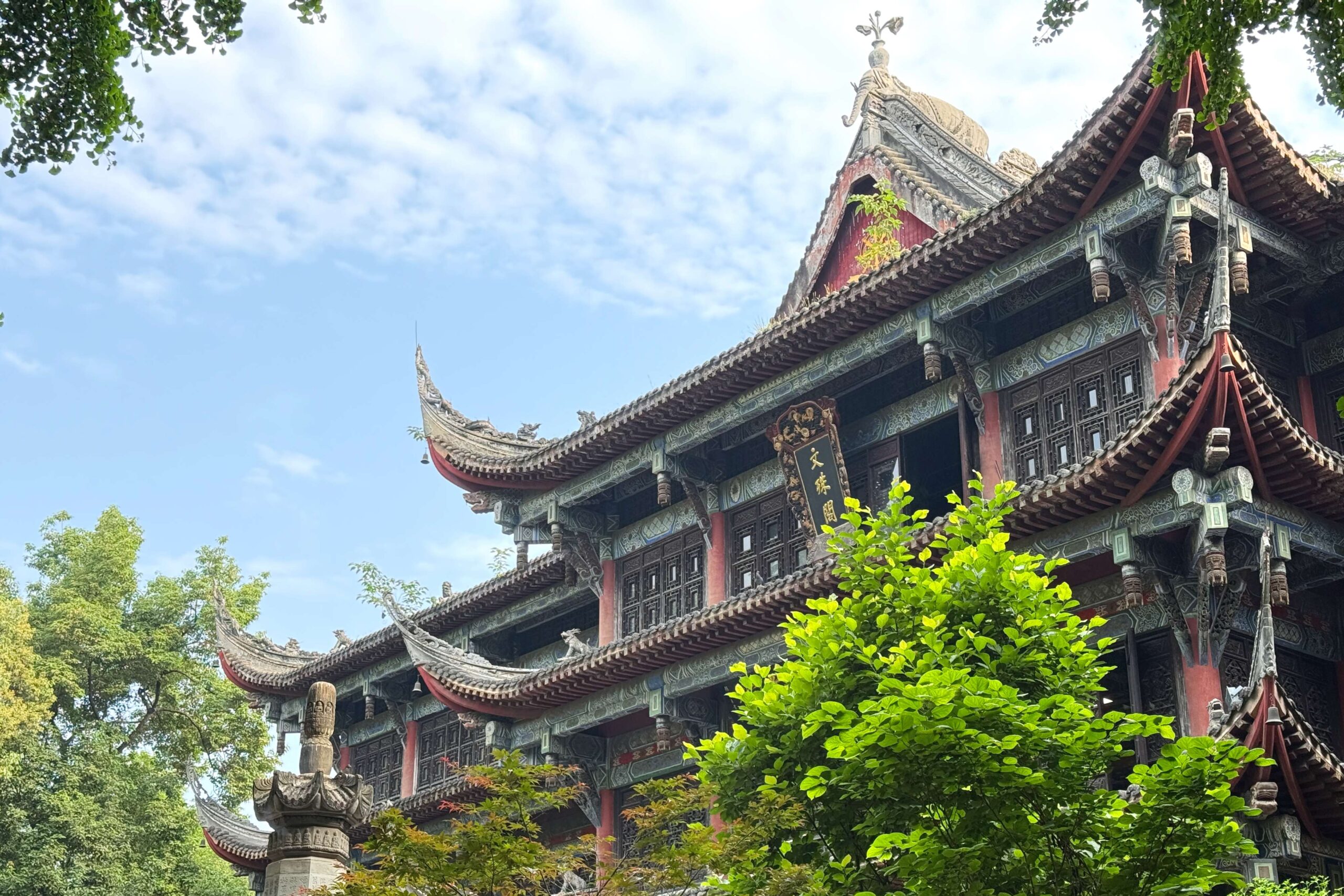
The streets surrounding Wenshu Monastery are also lively and vibrant. Besides numerous restaurants featuring famous Sichuan opera performances such as face-changing and fire-breathing acts, the roadside stalls selling ethnic-style accessories are equally eye-catching.
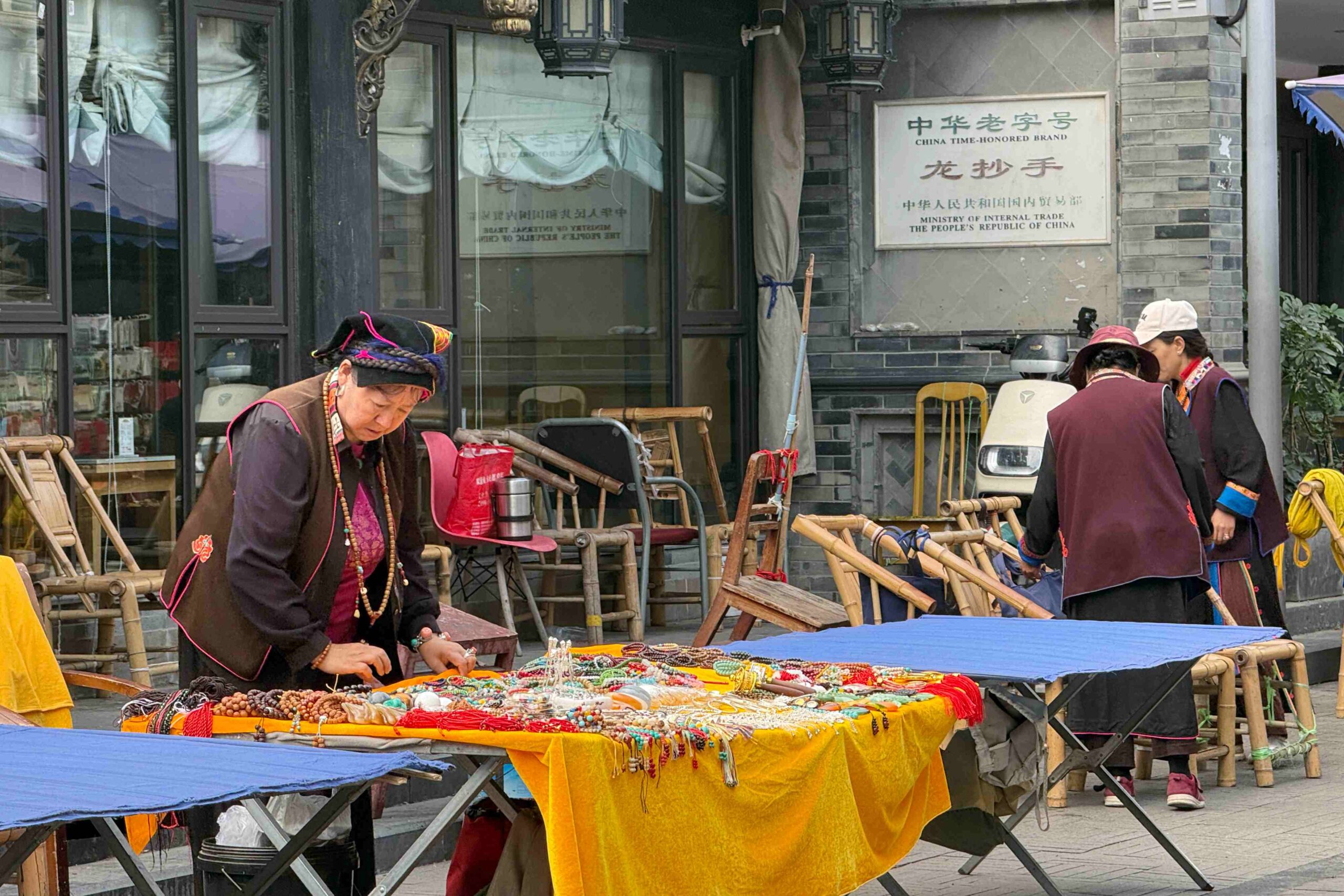
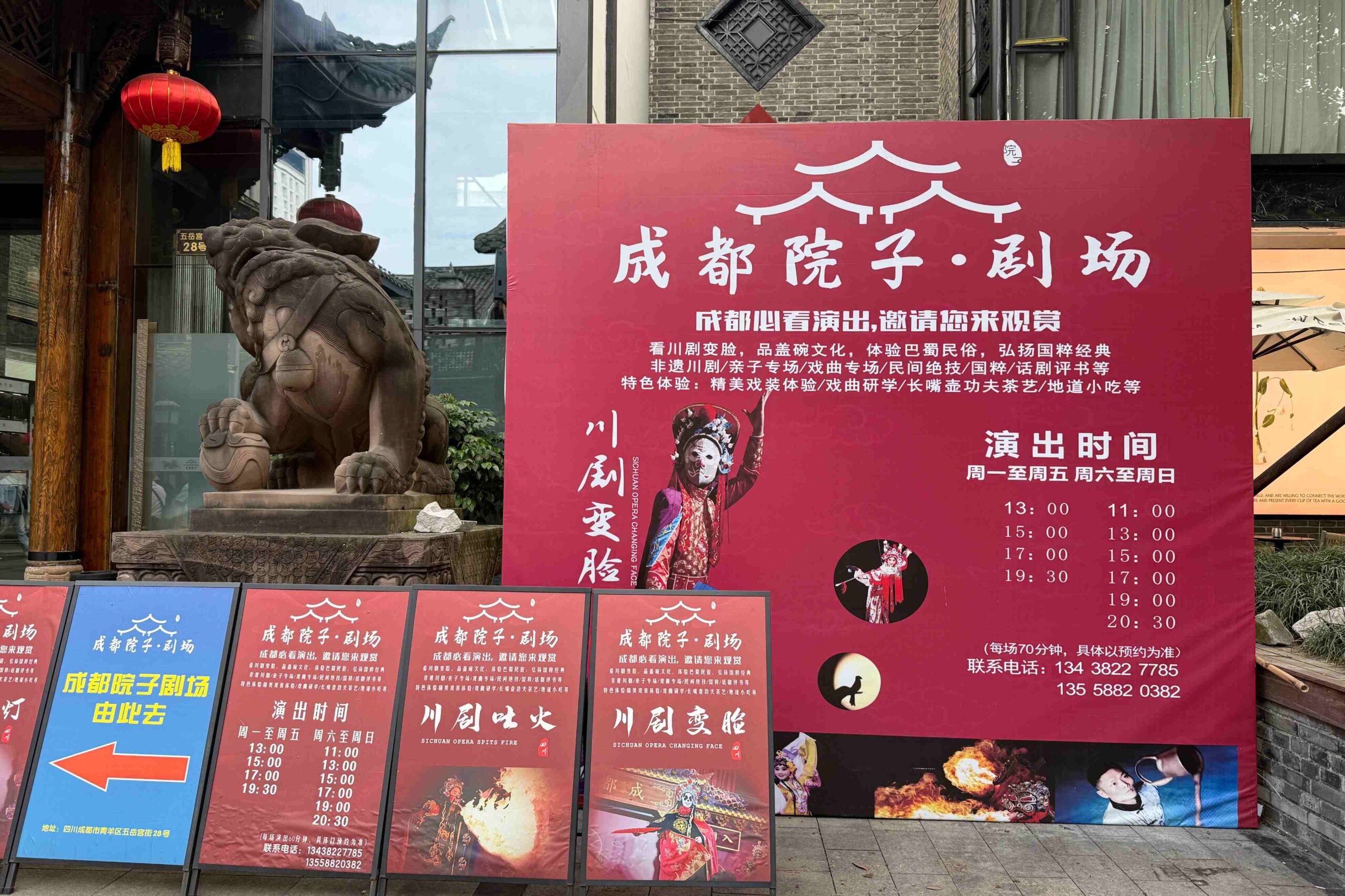
Wenshu Monastery

Opening Hours: 0800-1630
No. 66, Wenshu Yuan Street, Qingyang District, Chengdu
02|People's Park
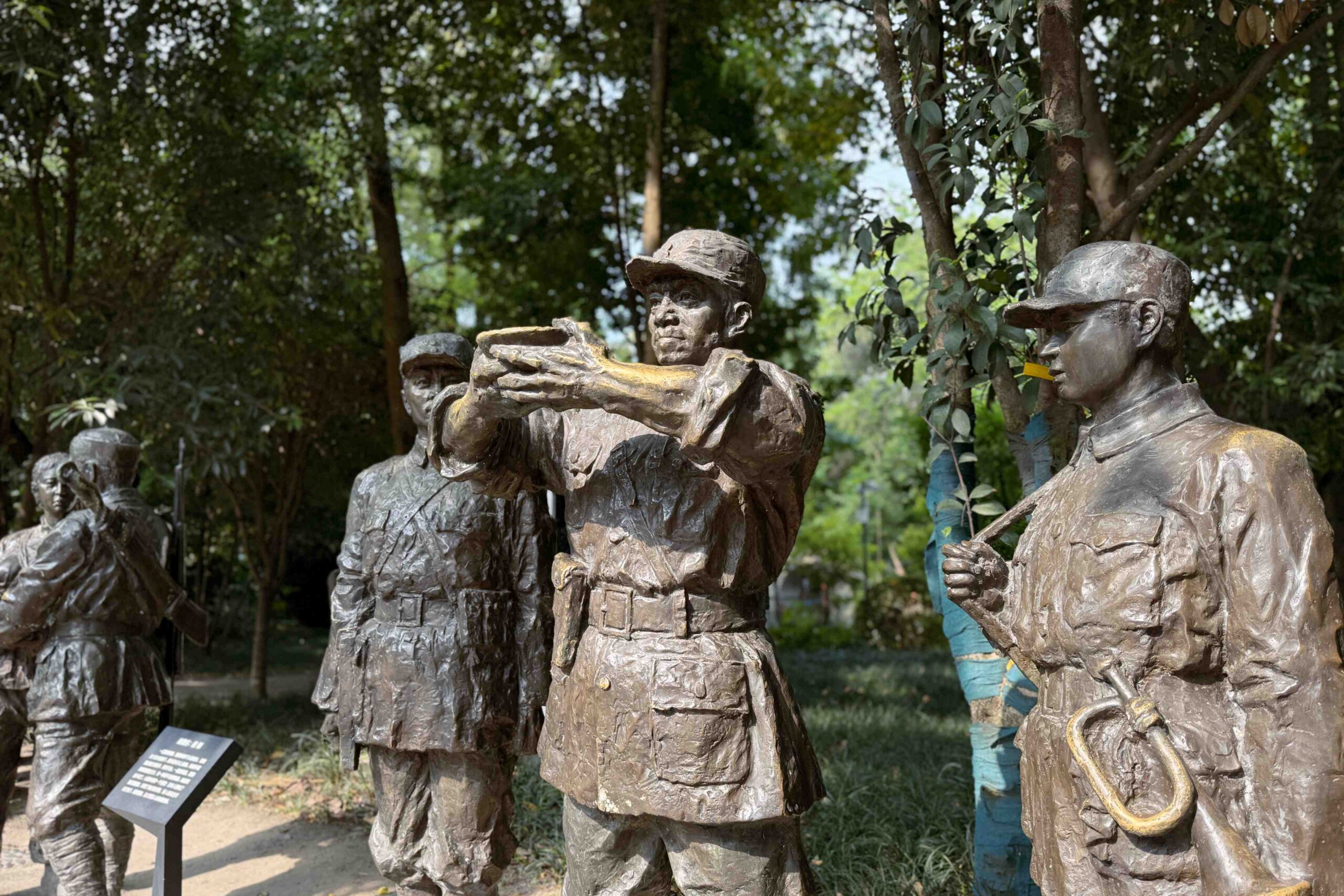
People’s Park is the oldest public park in Sichuan. I entered through the gate near the memorial monument dedicated to Sichuan soldiers who died during the War of Resistance against Japan. At the site, I noticed some visitors saluting the bronze statues, showing how deeply this chapter of history still resonates with local people.
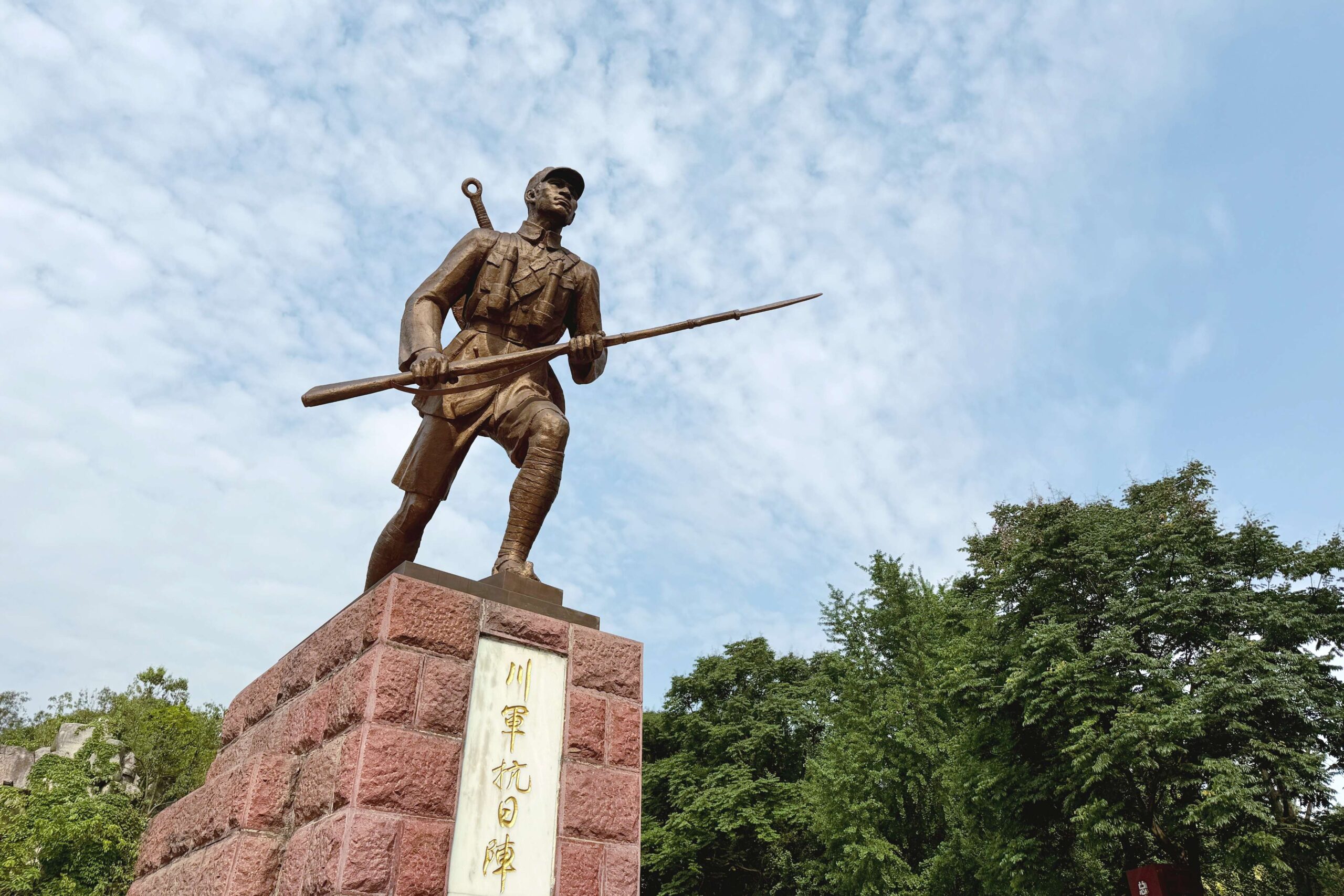
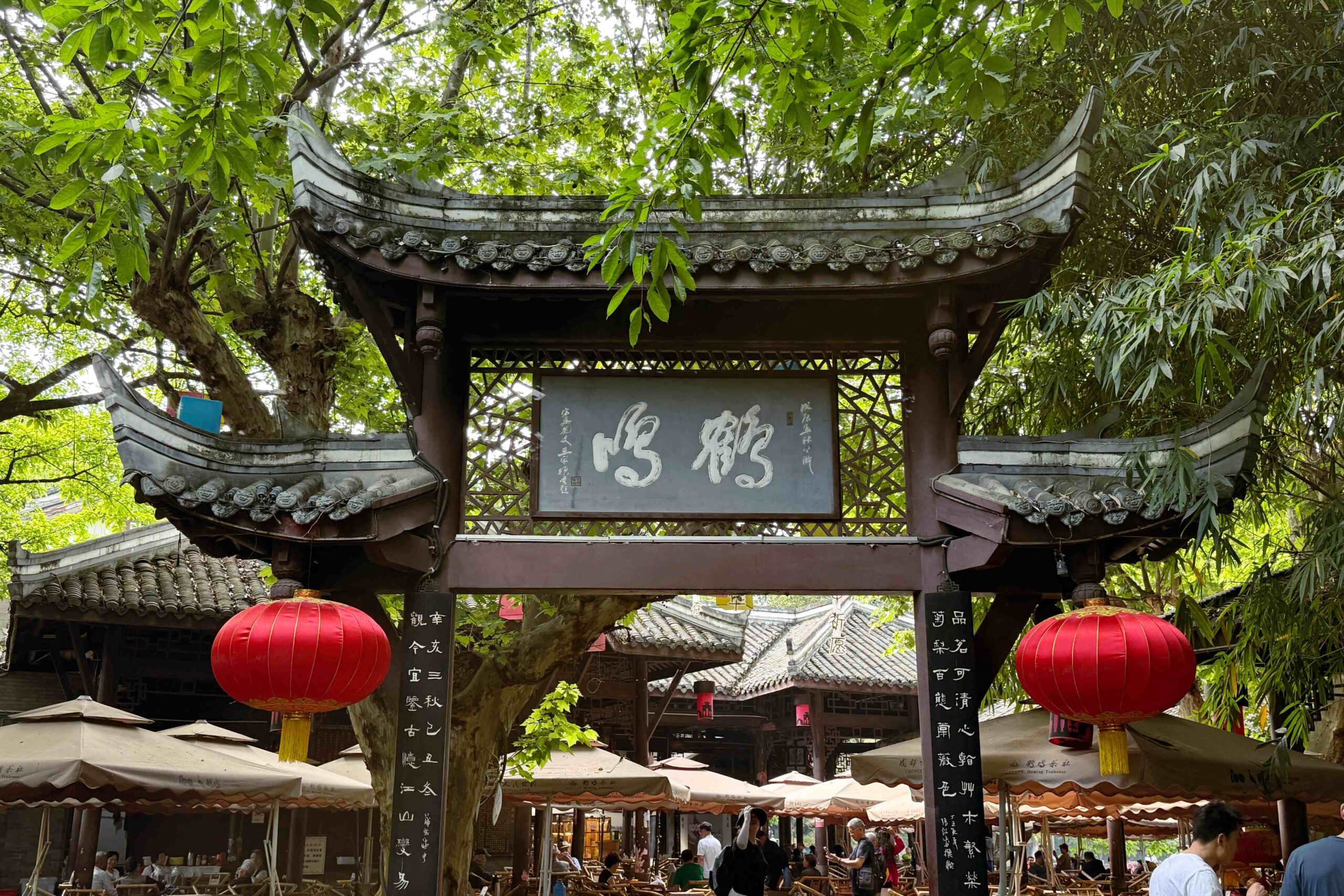
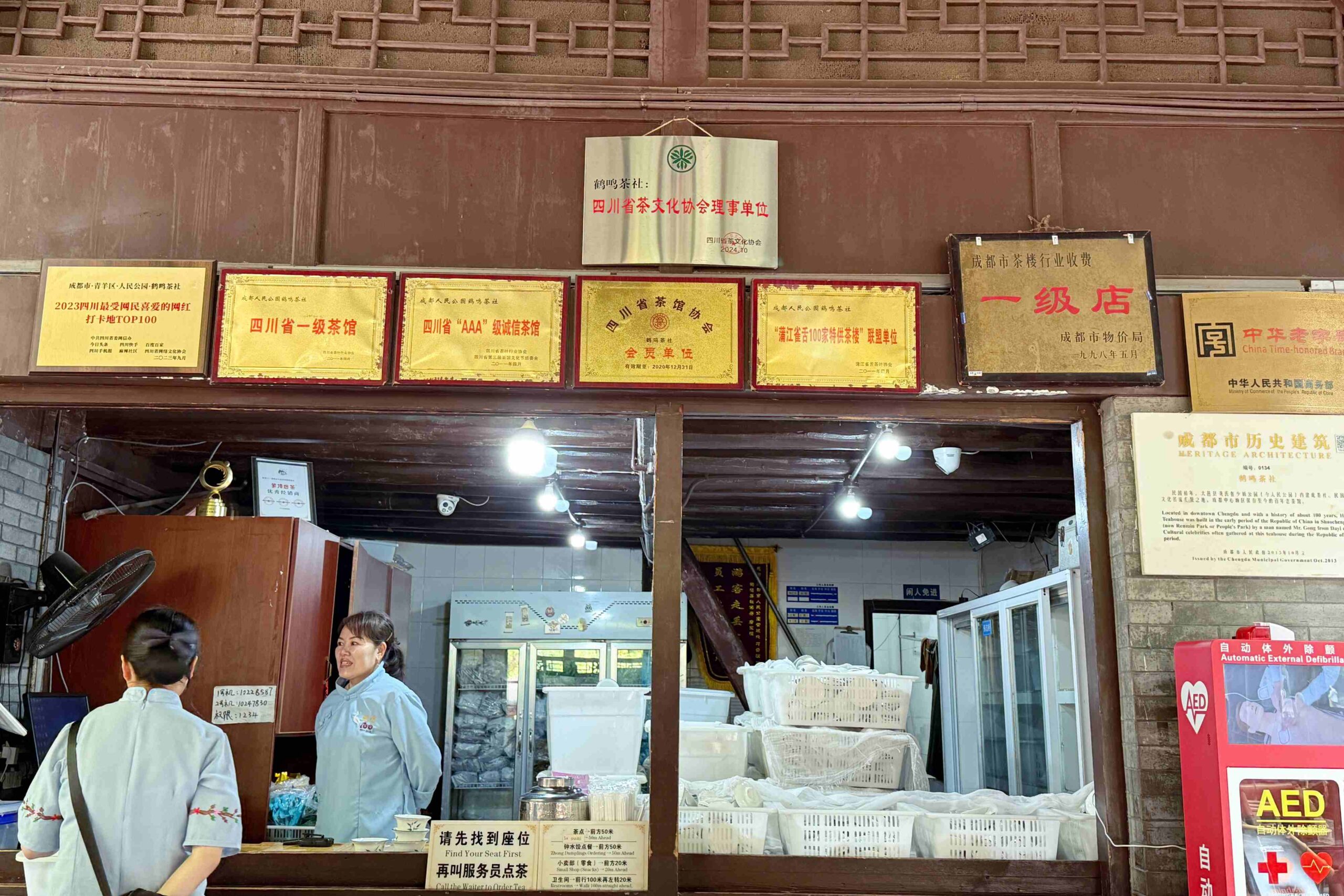
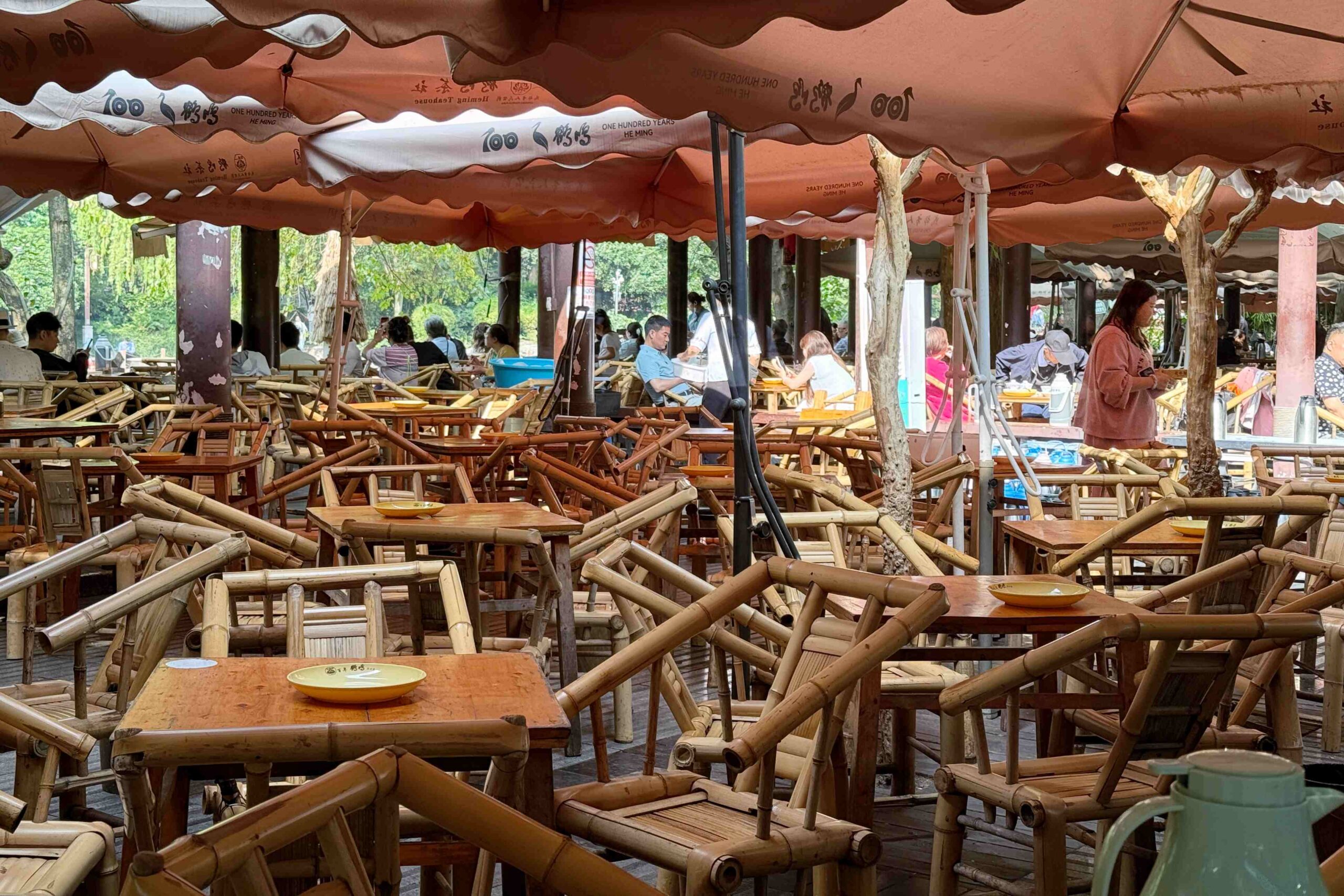
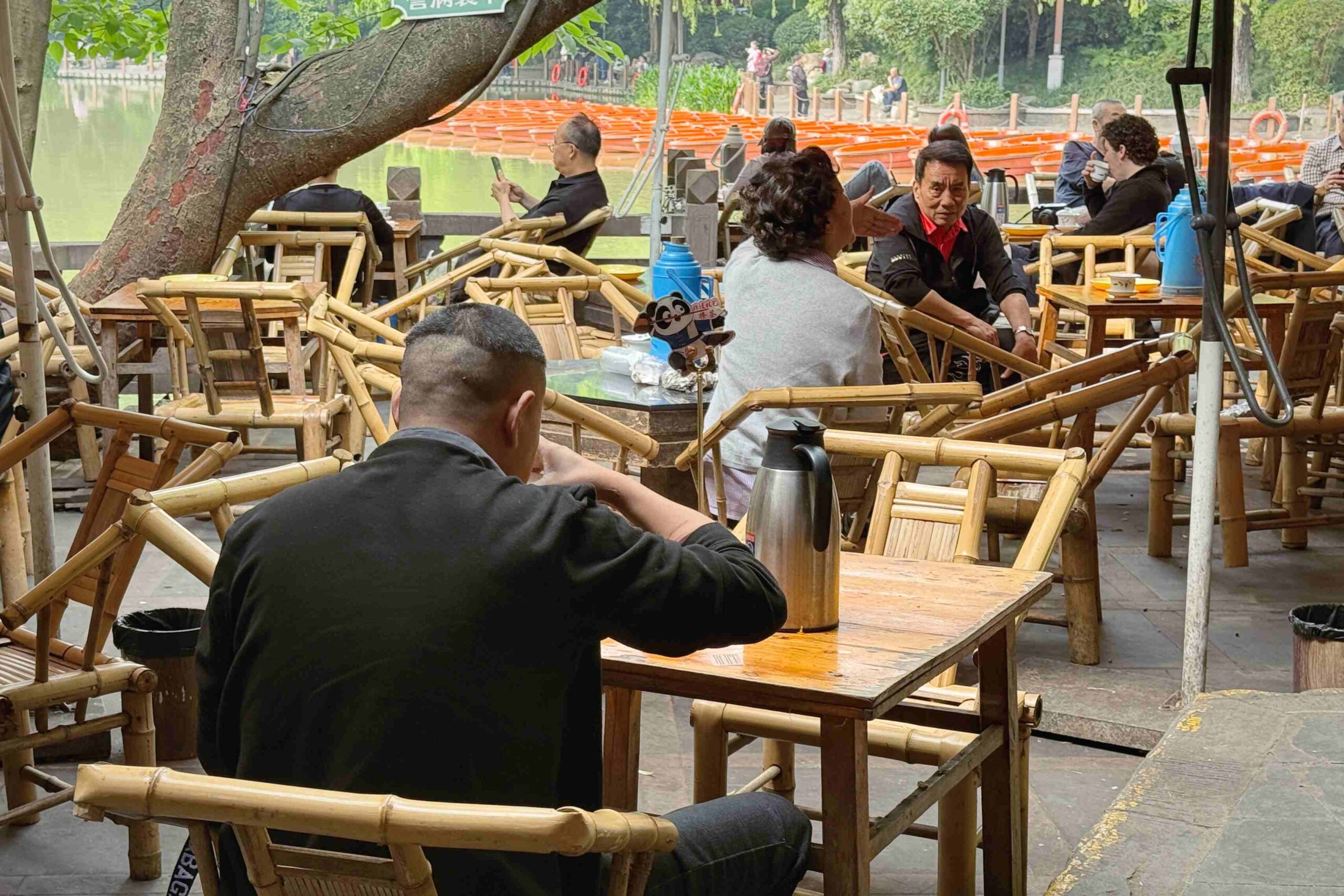
People in Chengdu love drinking tea, and teahouses are an essential part of the city’s social culture. Located inside the park, Heming Teahouse is a century-old teahouse that has preserved the atmosphere of traditional Chengdu tea culture remarkably well. As early as 6:30 every morning, groups of longtime Chengdu residents gather here to sip tea, chat, and enjoy a leisurely start to the day.
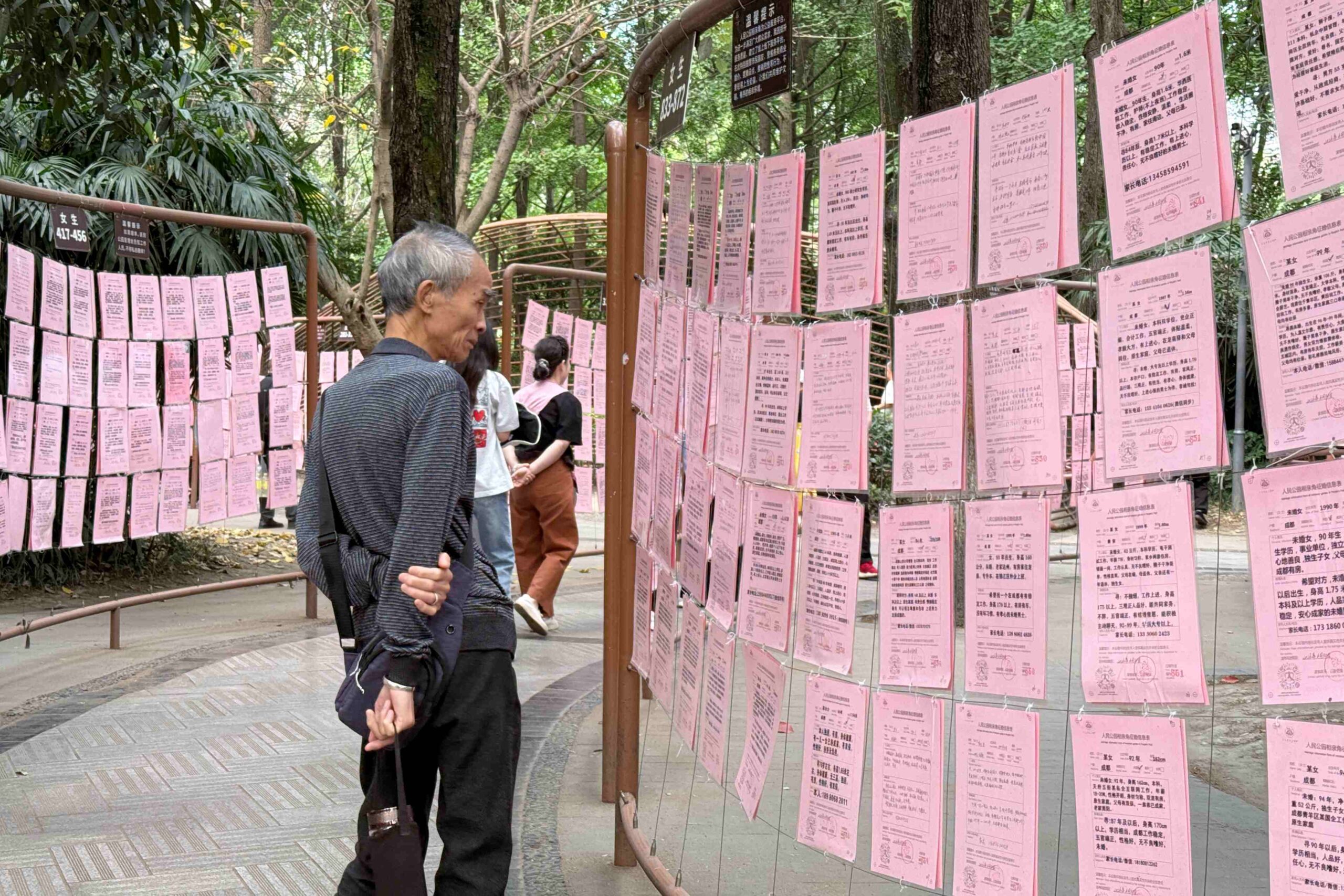
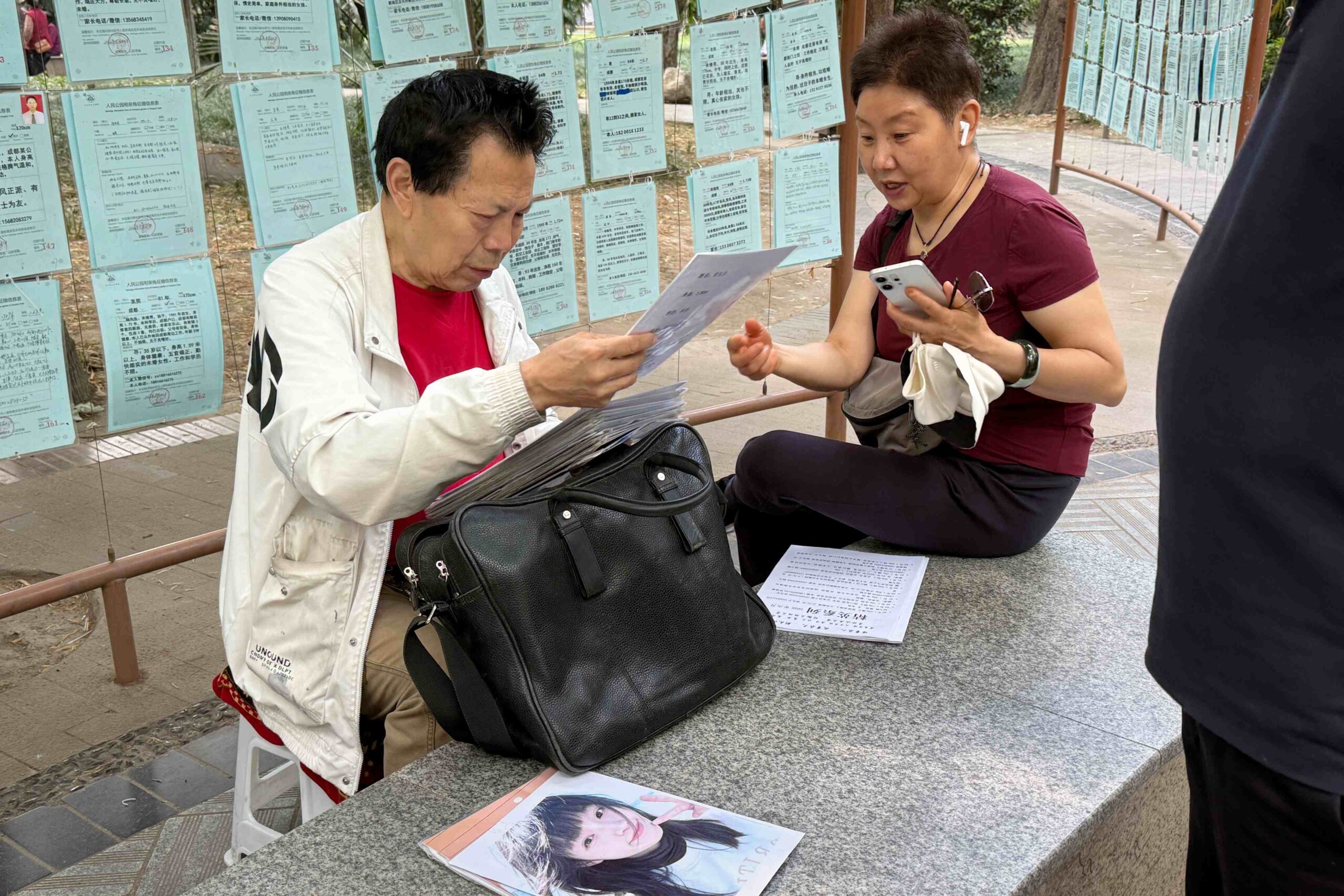
What impressed me most, however, was not the historic teahouse, but an entire section devoted to a very straightforward “marriage market.” Many single men and women leave personal profiles here, openly listing their expectations for a future partner. Besides education level and property ownership, many matchmaking notices even include whether the parents on both sides have insurance coverage or retirement pensions — surprisingly direct and practical.
In addition to the written profiles, matchmakers also display photographs on-site to improve the chances of successful matches. Watching parents — who often seemed even more anxious than their children — carefully scrutinizing the photos and discussing potential candidates was both fascinating and entertaining.
People's Park

No. 9, Citang Street, Qingyang District, Chengdu
03|Du Fu Thatched Cottage
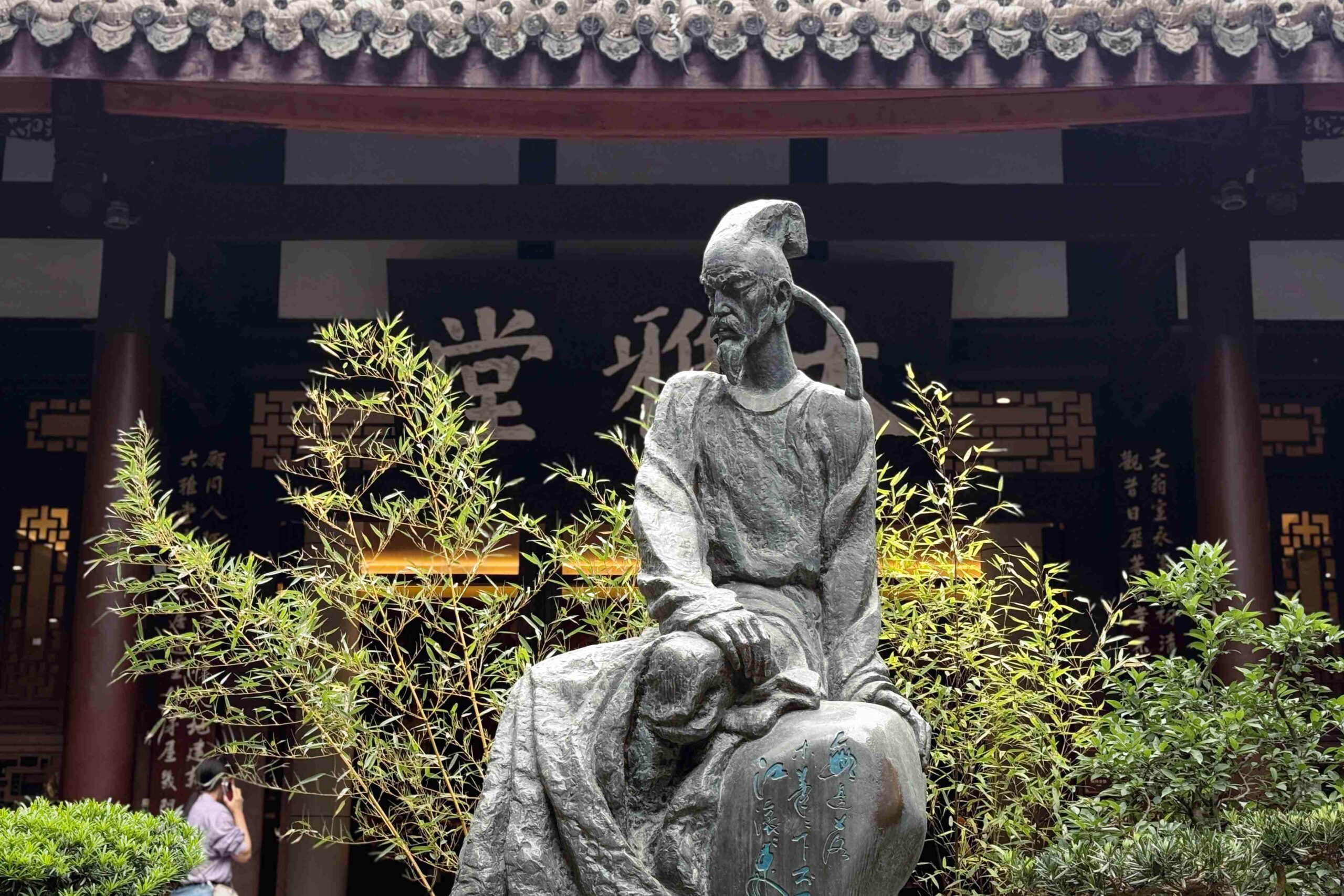
Du Fu Thatched Cottage was once the residence of the Tang Dynasty poet Du Fu, who fled to Chengdu after resigning from office to escape the turmoil of war. Today, it is the largest and best-preserved site associated with Du Fu still in existence. The complex features Qing Dynasty-style architecture along with beautifully designed classical gardens.
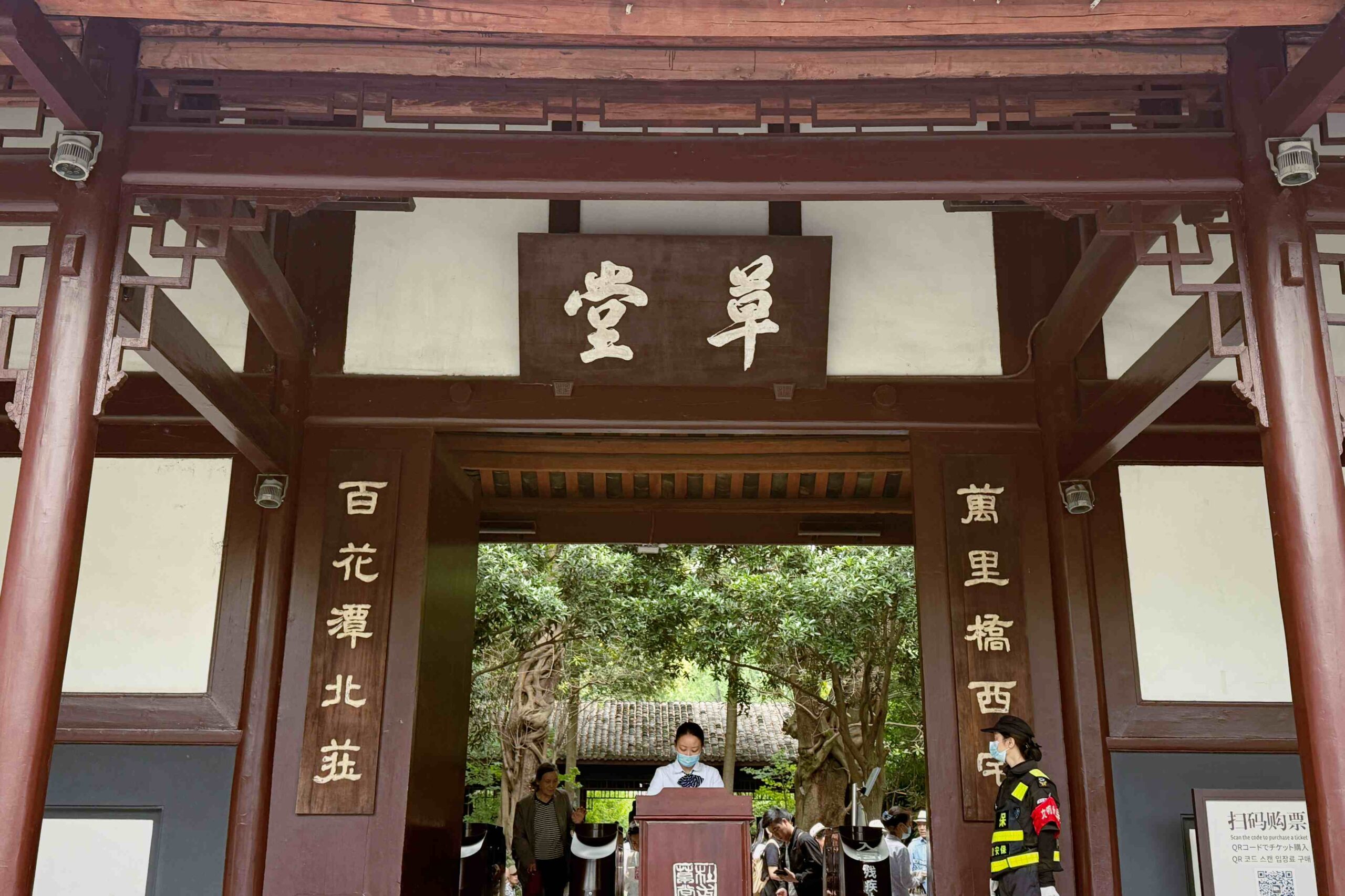
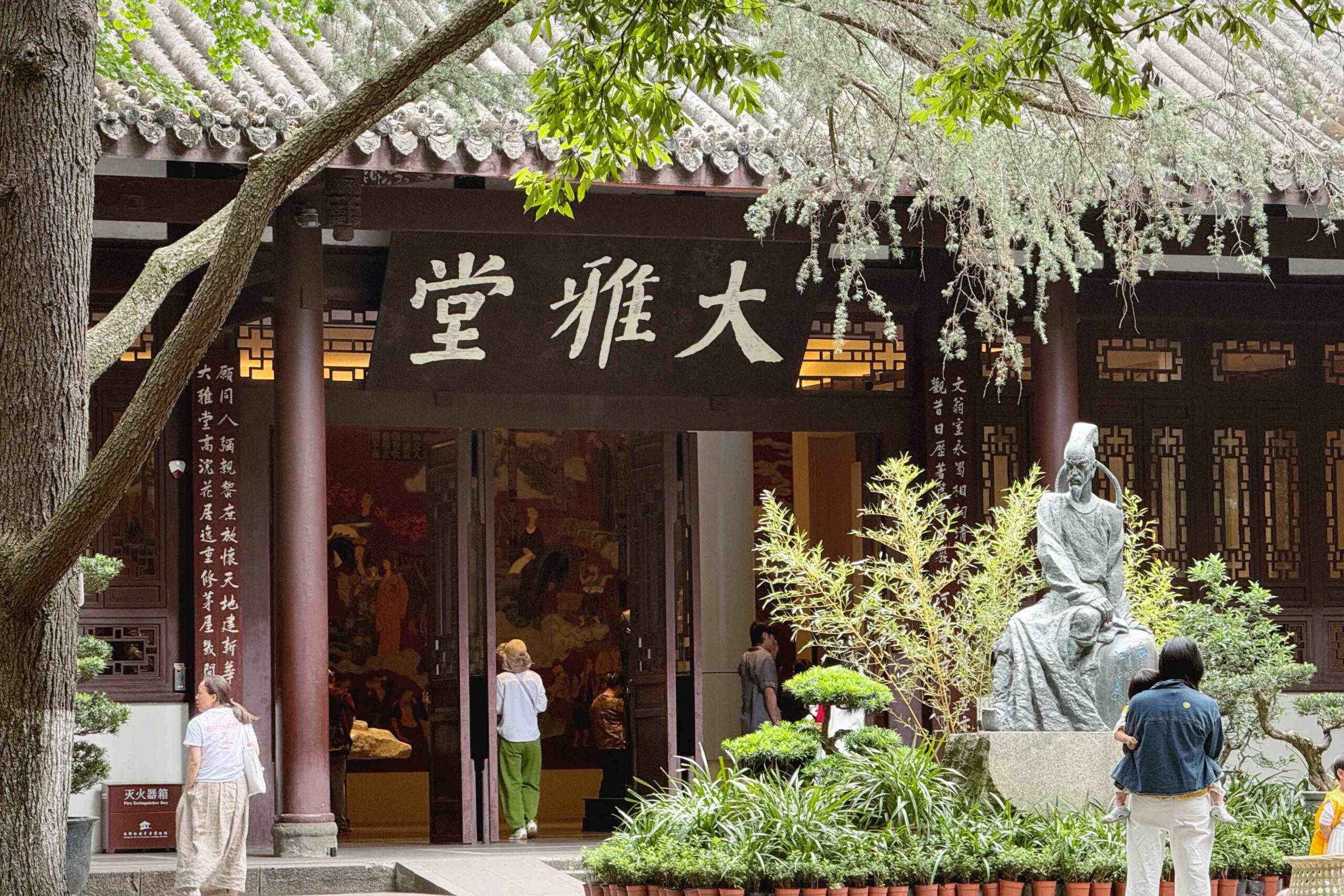
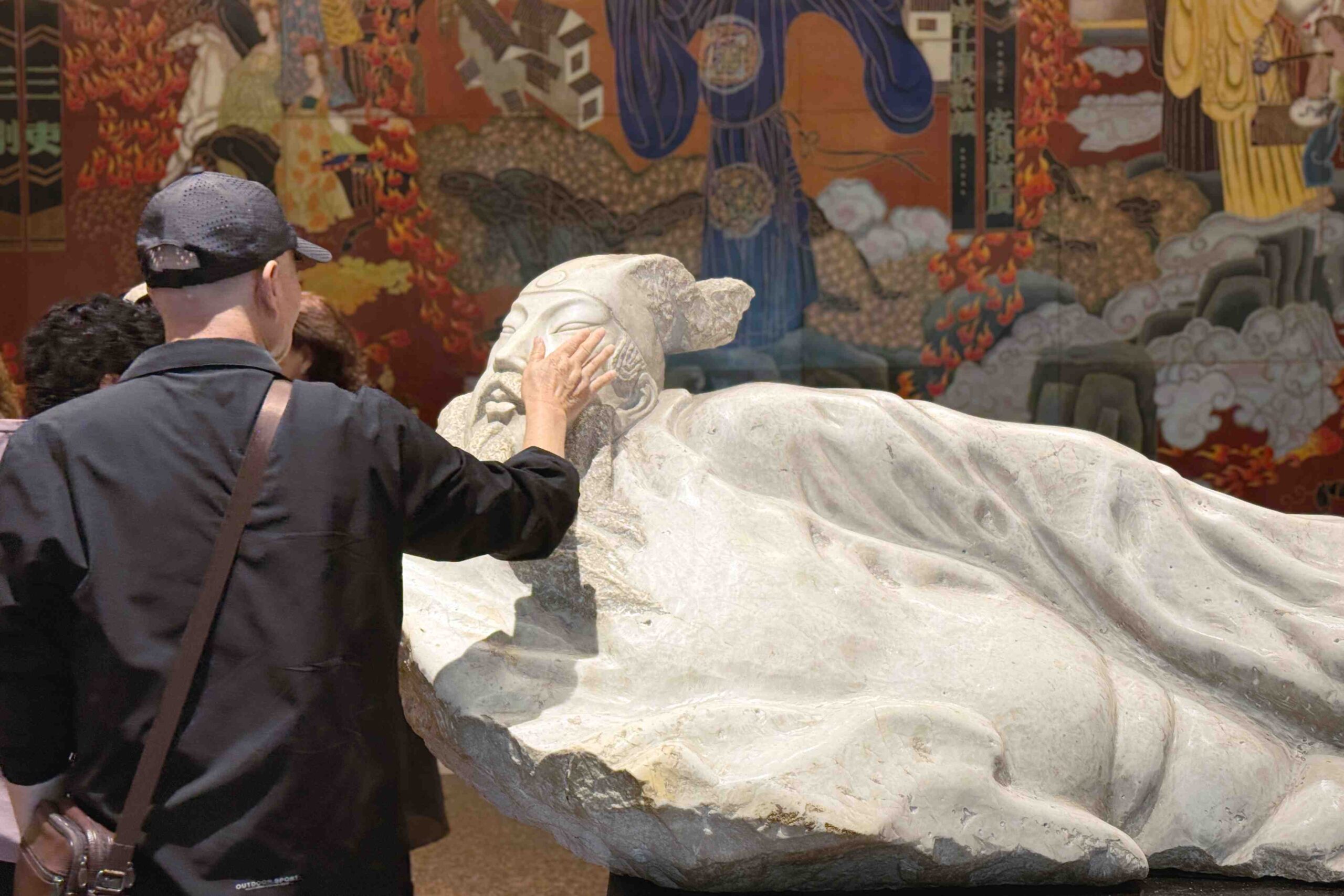
That said, it feels less like a memorial dedicated solely to Du Fu and more like a gathering place for China’s greatest literary figures throughout history. Inside the Daya Hall, visitors can find statues of twelve renowned poets and writers, including Li Bai, Su Shi, and Li Qingzhao. One particularly amusing detail is how much visitors enjoy touching the statues, almost as if doing so brings good luck or blessings.
Du Fu Thatched Cottage

Opening Hours: 0800-1900
No. 28, Caotang Road, Qingyang District, Chengdu
04|Wuhou Memorial Temple
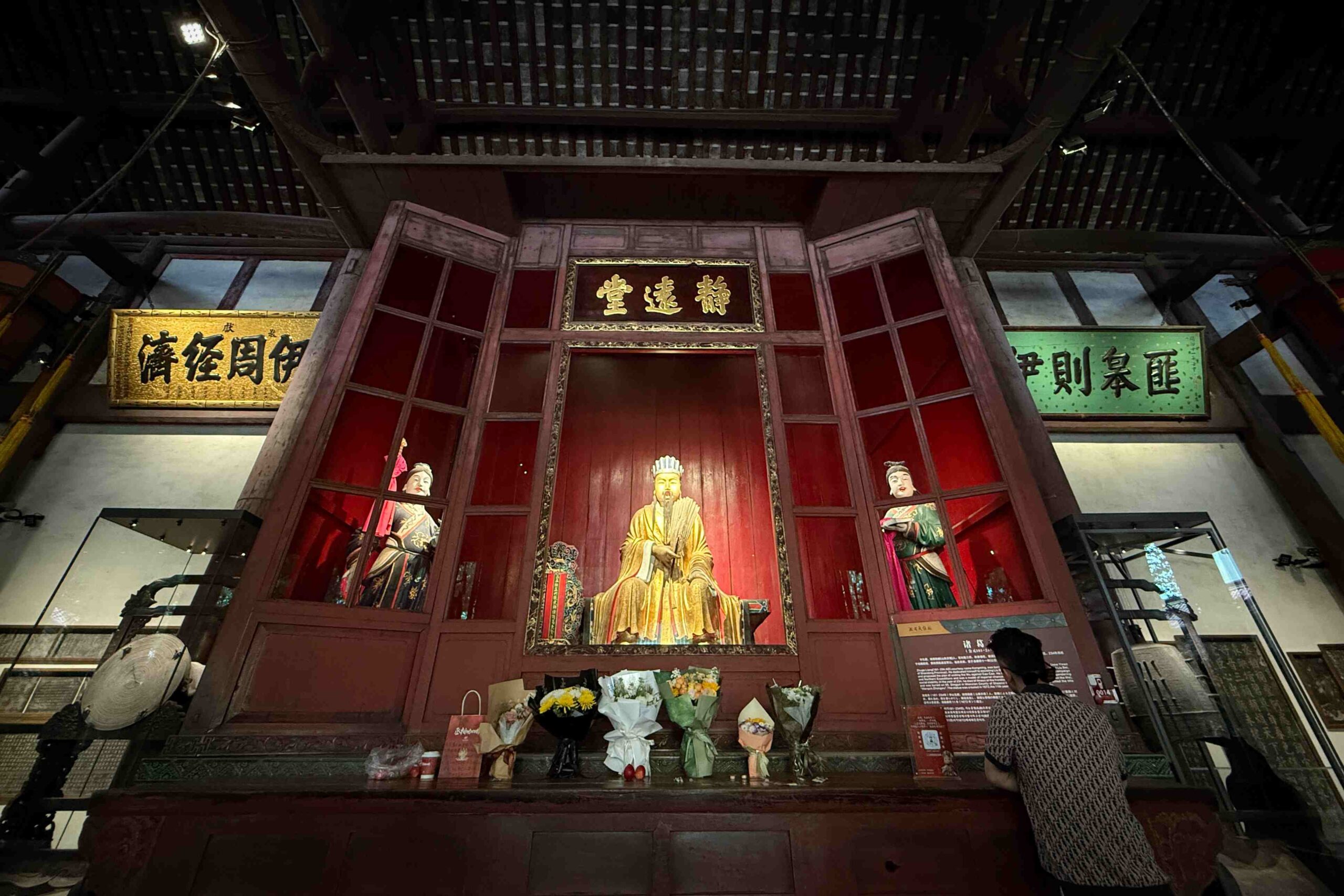
Located just outside the old southern gate of Chengdu, Wuhou Memorial Temple is a temple dedicated to Zhuge Liang. When it was first built, it stood next to the temple of Emperor Liu Bei. During the early Ming Dynasty, the two sites were merged into the Temple of Han Zhaolie, making it the only shrine in China where both a ruler and his minister are worshipped together. Back in high school, I loved listening to stories from the Romance of the Three Kingdoms era, and Zhuge Liang — famed for his brilliant strategies and wisdom — was always my favorite character. Inside Zhuge Liang Hall stands a statue of him wearing a traditional silk headscarf and holding a feather fan, the iconic image most people associate with him. Beside him are statues of his son and grandson.
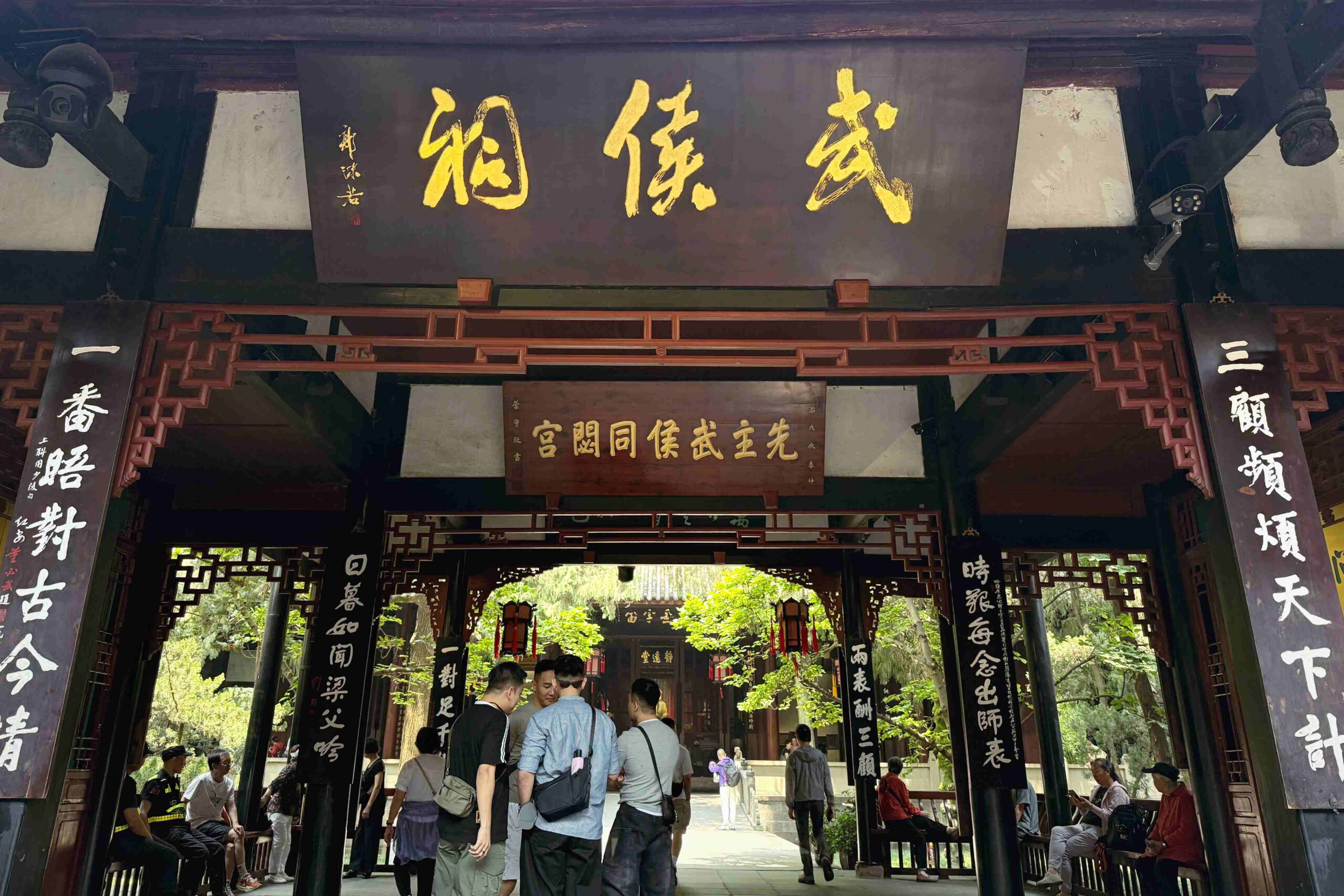
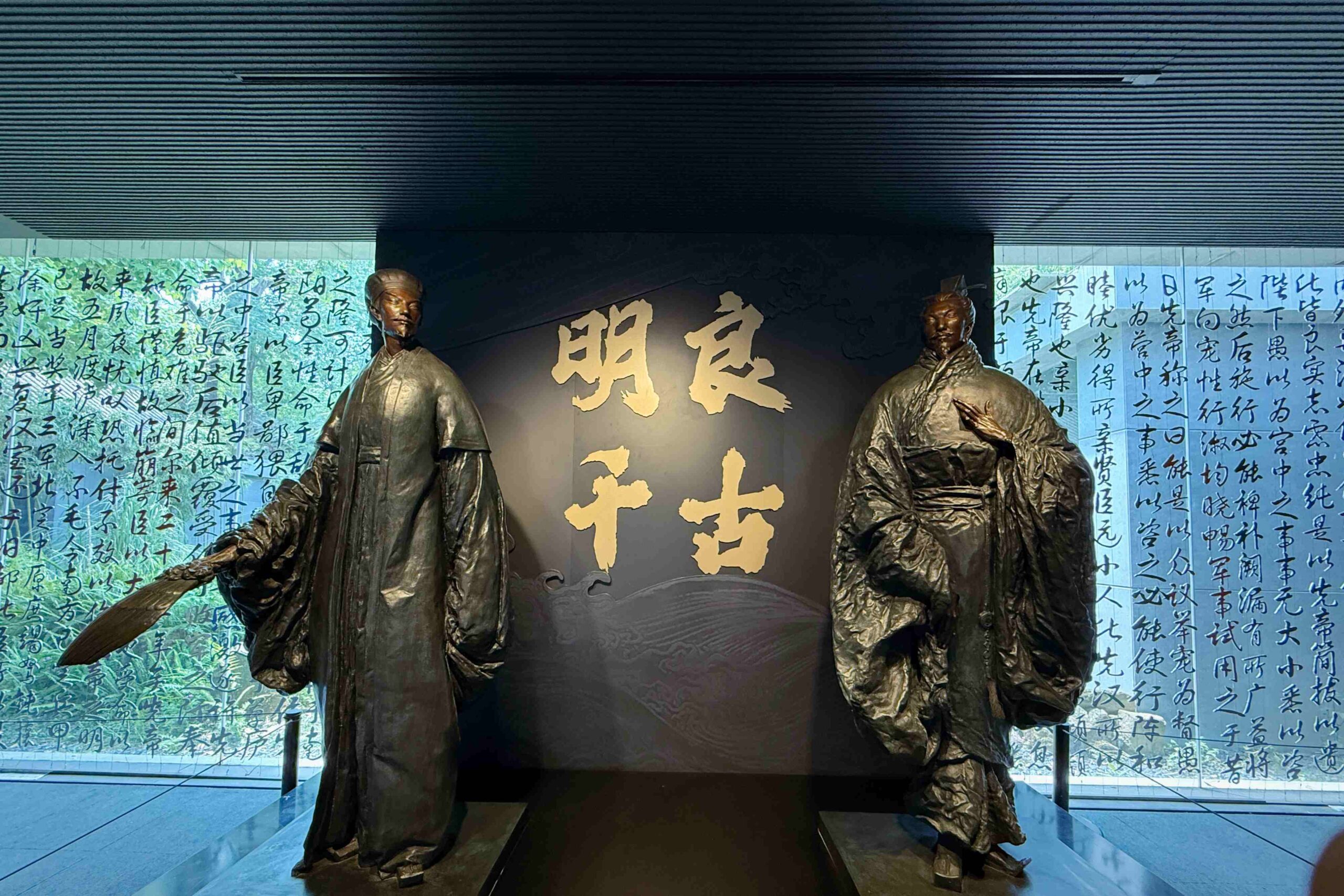
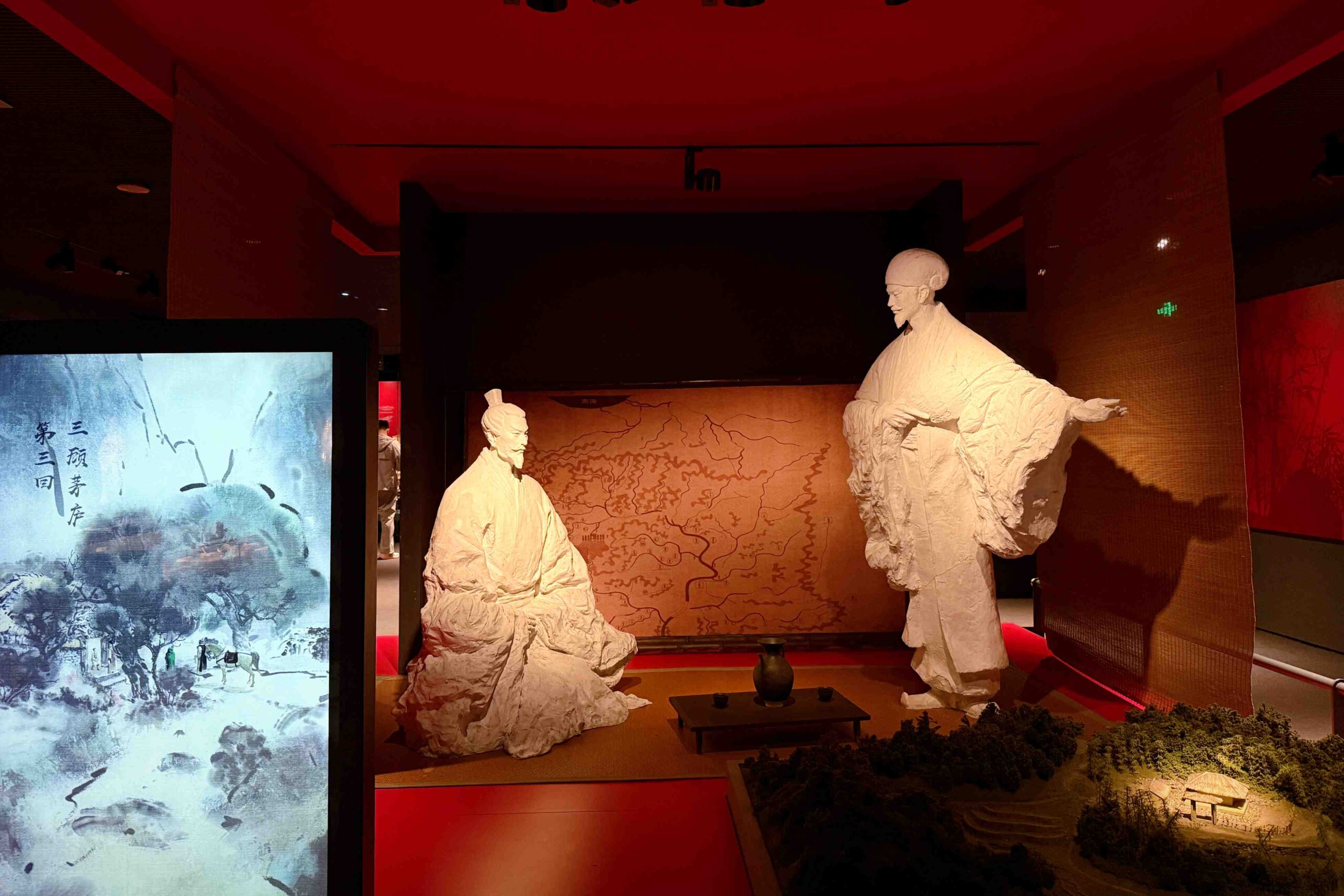
Near the hall is a permanent exhibition titled “Wisdom and Virtue Through the Ages,” showcasing famous scenes from the Three Kingdoms period, including the “Three Visits to the Thatched Cottage” and “Entrusting the Orphan at Baidi City.” Fans of the Three Kingdoms stories would probably enjoy it a lot.
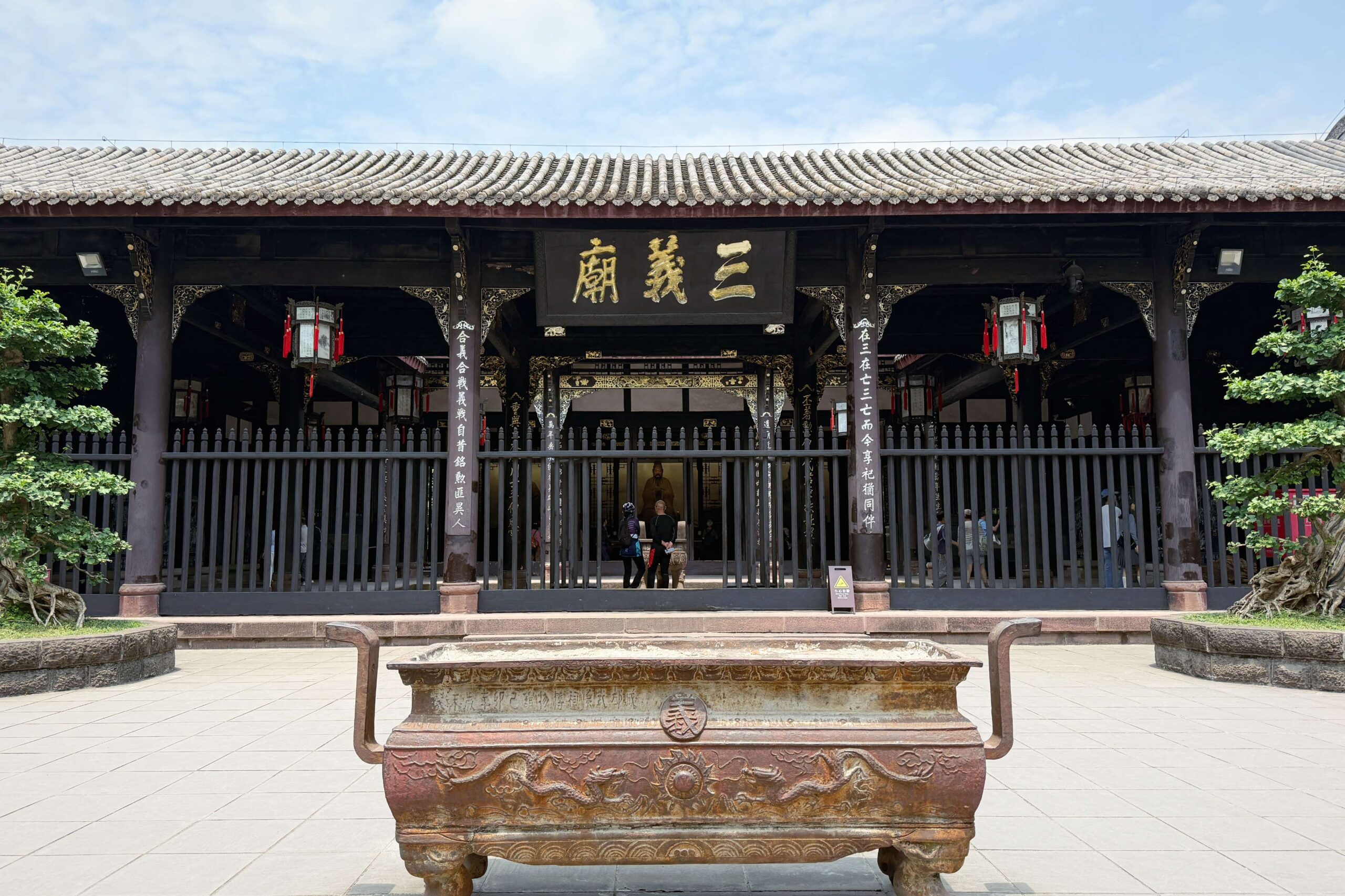
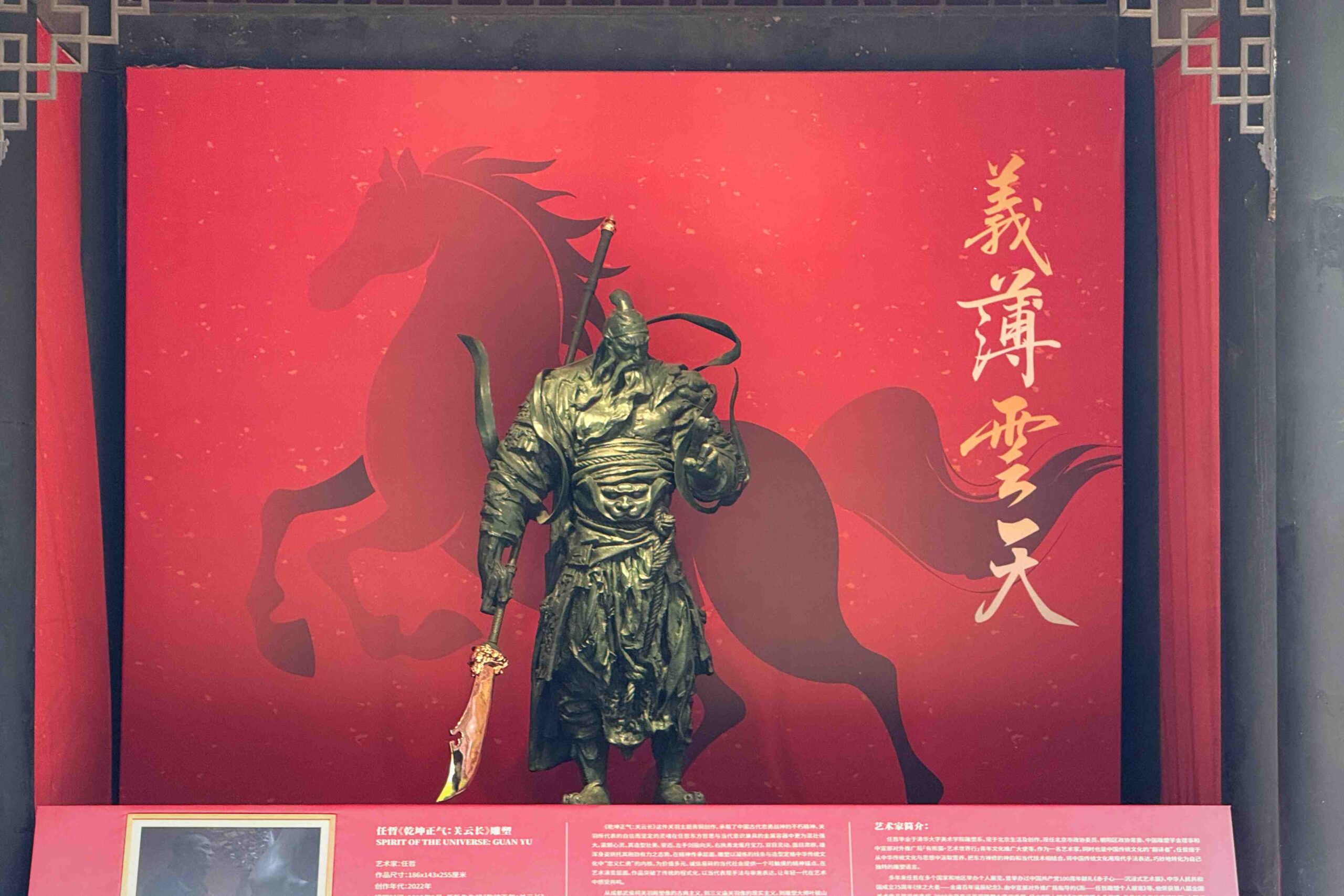
Behind Zhuge Liang Hall is the Temple of Brotherhood, which enshrines statues of Liu Bei, Guan Yu, and Zhang Fei — the three sworn brothers from the famous Peach Garden Oath. As for Guan Yu, I have to say the statue here looks far more heroic and handsome than many others I’ve seen, much closer to how fans of the Three Kingdoms imagine him.
Wuhou Memorial Temple

Opening Hours: 0900-1800
No. 231, Wuhouci Street, Wuhou District, Chengdu
05|Jinli Ancient Street
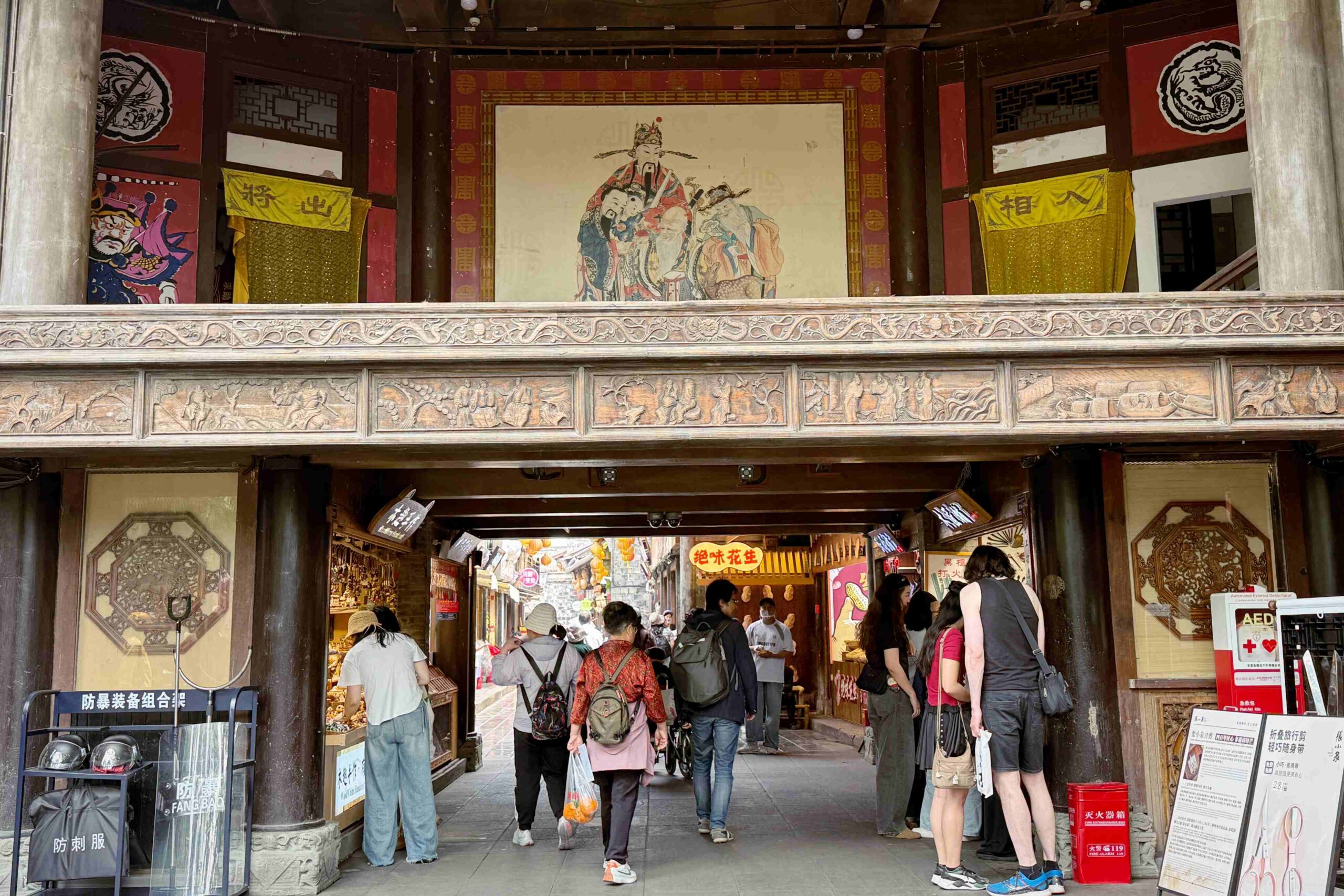
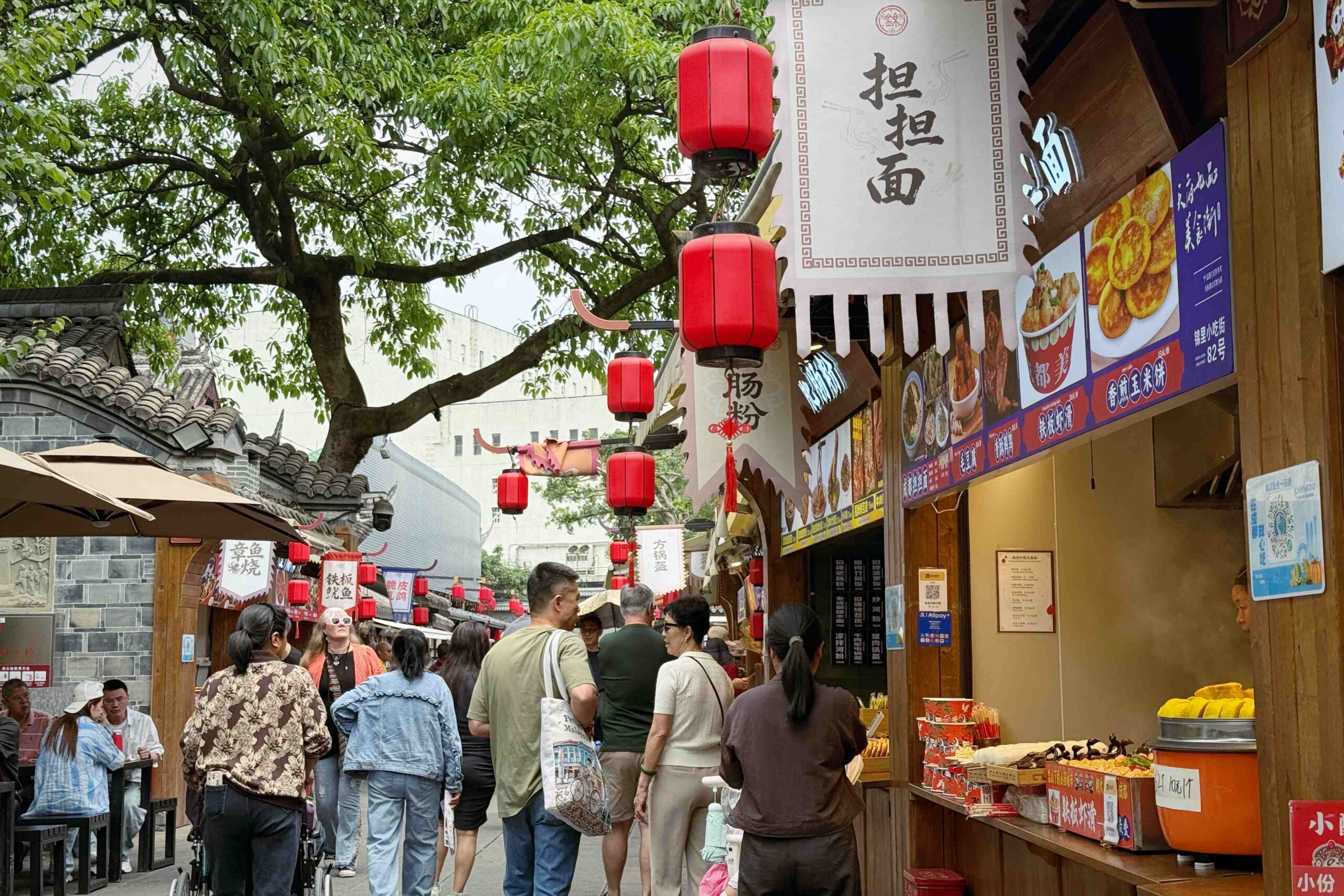
Located right next to Wuhou Shrine, Jinli Ancient Street is one of the most iconic pedestrian shopping districts in Chengdu. Historically, Jinli was said to be the oldest and most prosperous commercial street in the ancient Kingdom of Shu. Today, the area is rebuilt in a traditional architectural style, featuring themes inspired by the Three Kingdoms period and the cultural charm of western Sichuan. It is often proudly referred to as “The No. 1 Street of Western Shu.” The phrase “Visit Wuhou Shrine, then stroll through Jinli” has practically become a classic Chengdu travel itinerary.
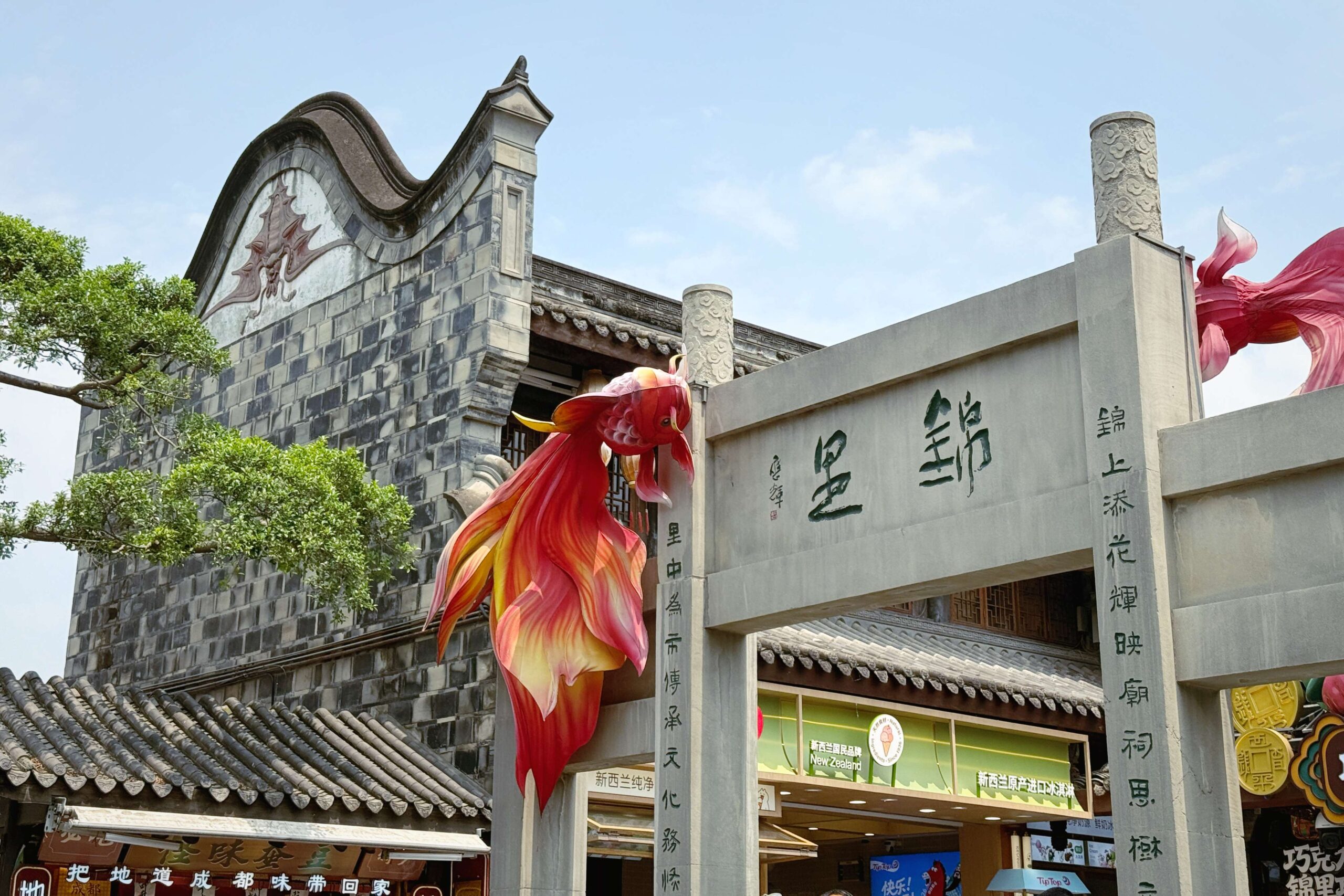
My stomach was not feeling great that day, so I ordered chicken soup rice from Ye Popo’s Bobo Chicken along with a bowl of brown sugar ice jelly. The refreshing dessert, with its soft jelly-like texture, left a particularly strong impression on me.
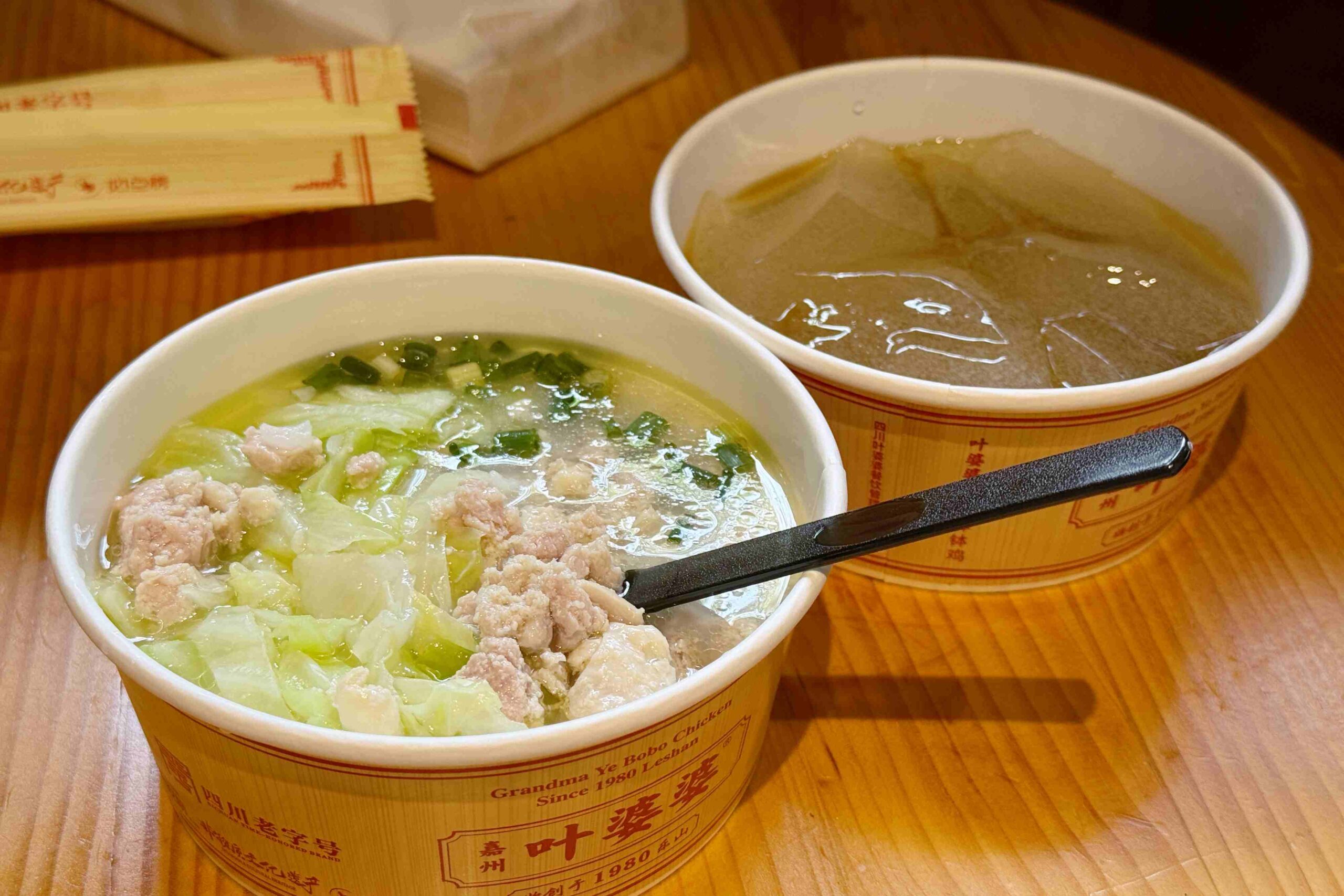
Jinli Ancient Street

Next to Wuhou Memorial Temple
06|Kuanzhai Alleys
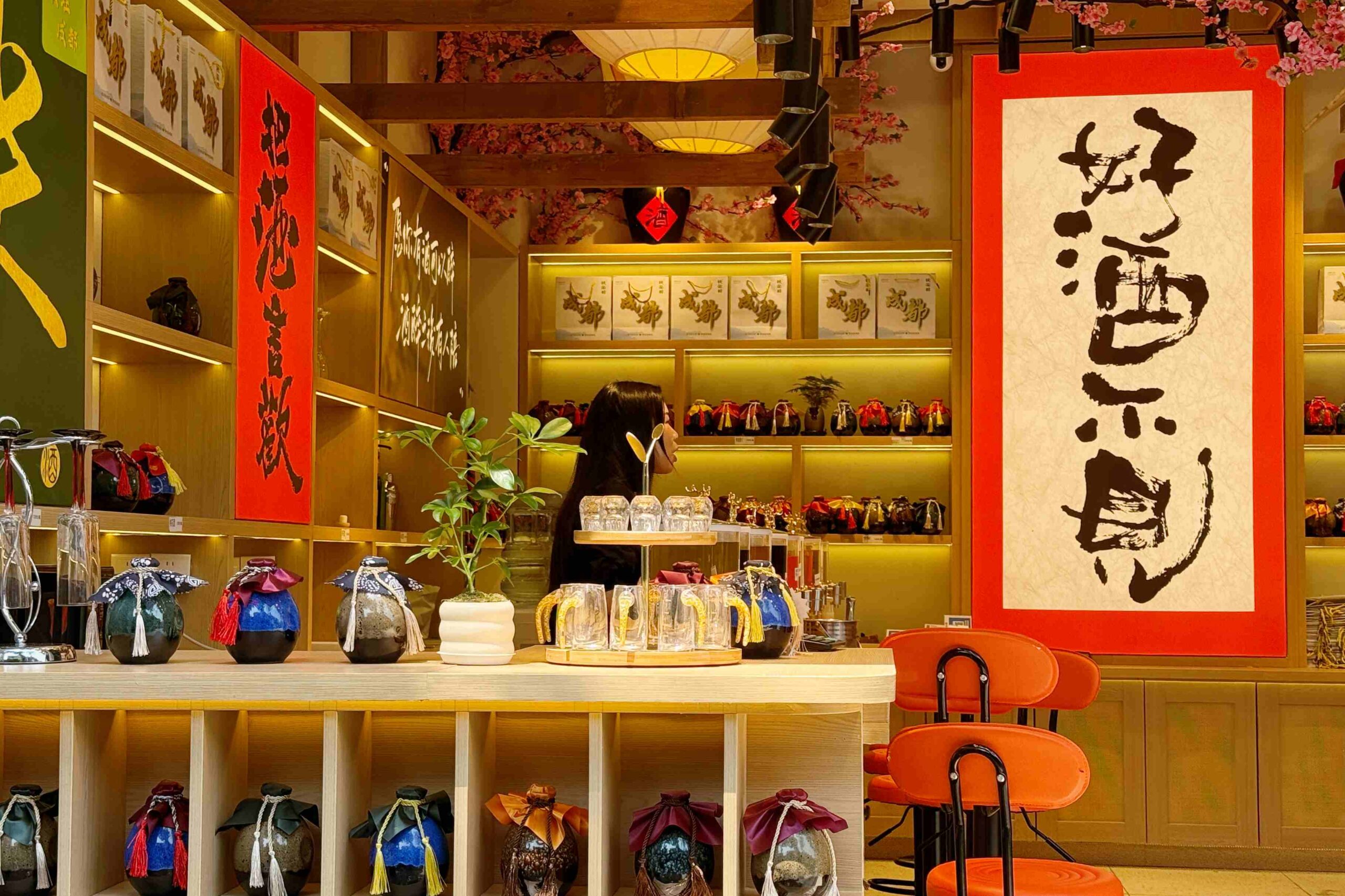
Kuanzhai Alleys is the only remaining Qing Dynasty-era historic street district in Chengdu. It consists of three parallel lanes — Wide Alley, Narrow Alley, and Well Alley — along with nearby traditional courtyard residences. Together, they preserve the historic urban layout of Chengdu’s ancient “Small City.”
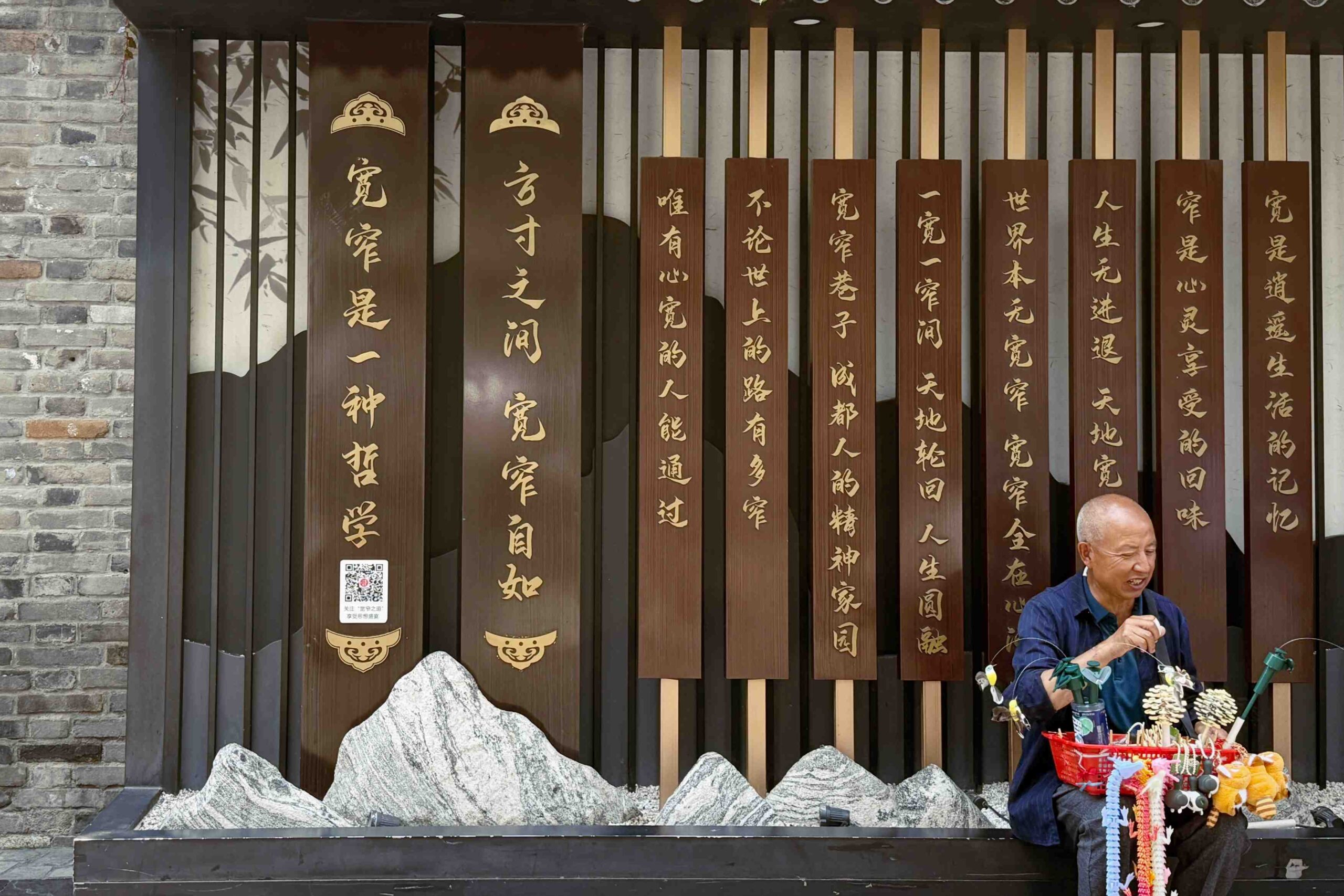
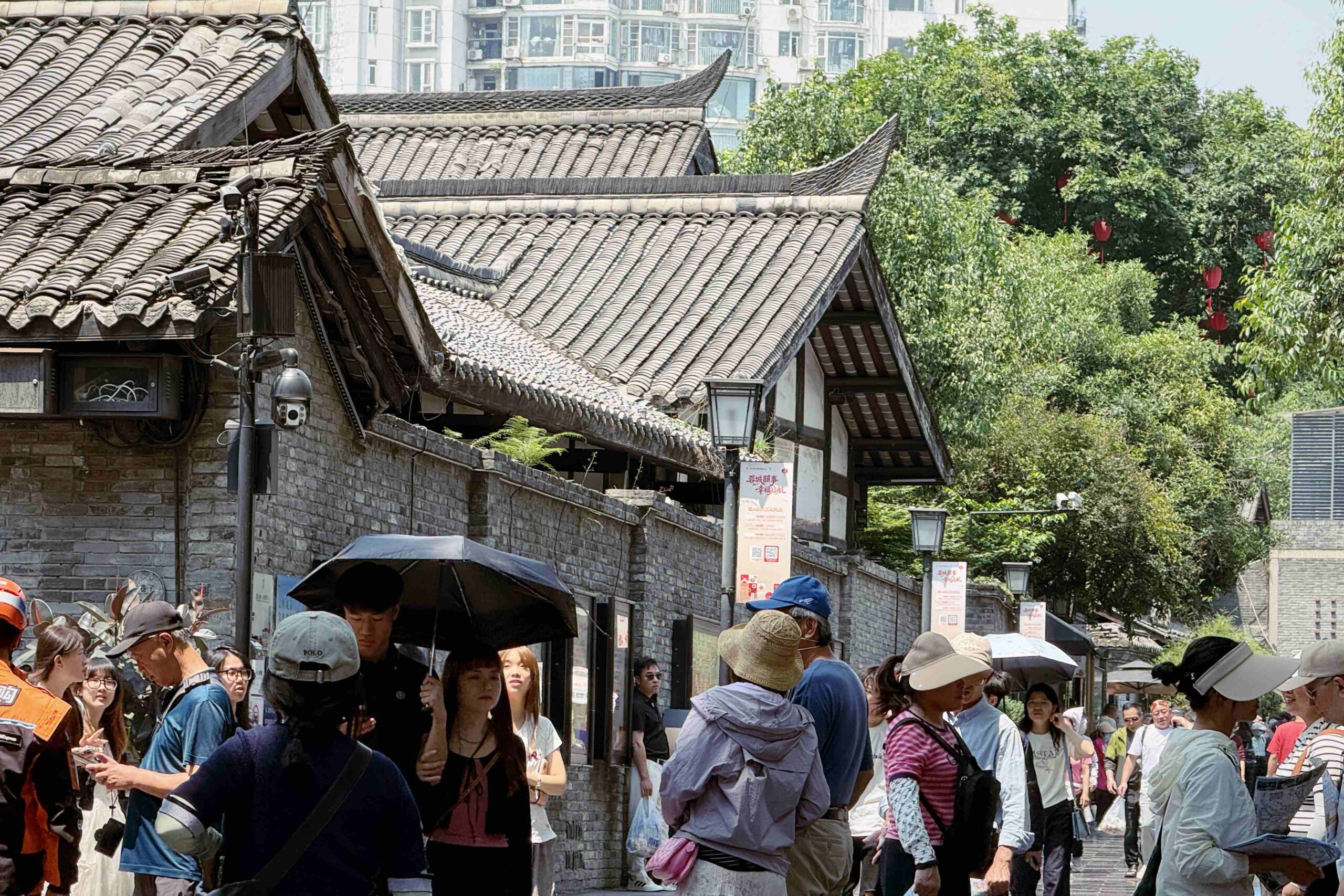
The district is generally divided into three themed areas. Wide Alley represents “Leisure Life,” featuring many preserved courtyard homes that reflect traditional local street culture. Narrow Alley is known as the “Slow Life” area, showcasing the courtyard lifestyle of old Chengdu. Well Alley, meanwhile, symbolizes “New Life,” filled with trendy bars, dessert shops, and cafés popular among younger visitors. That said, after walking through the area myself, I felt the boundaries between the different themes were actually quite blurred. Most of the shops felt modern and stylish, making the district seem more like a favorite dating and weekend hangout spot for young people.
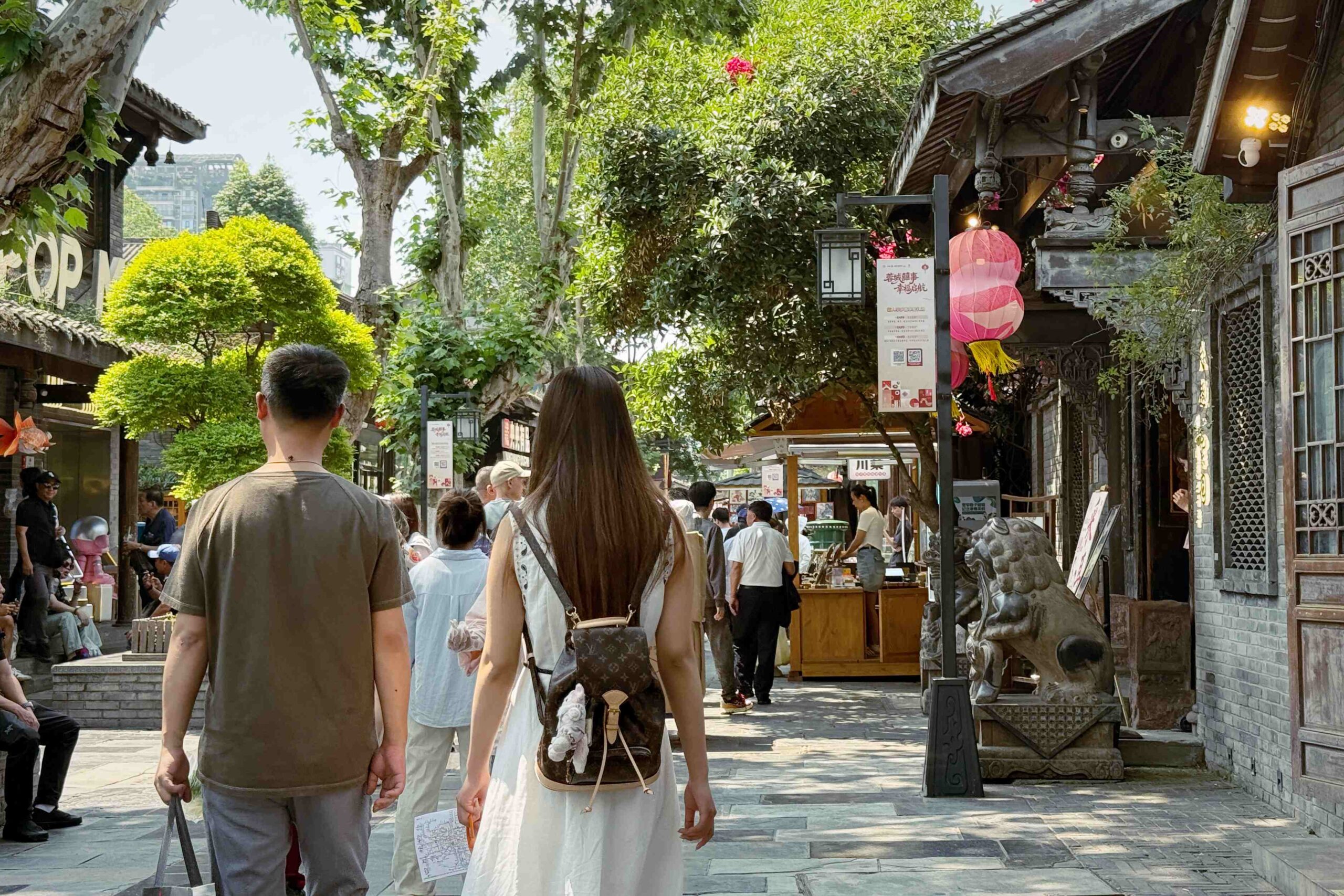
Kuanzhai Alleys

Between Tongren Road East and Changshun Street West, Qingyang District, Chengdu
07|Daci Temple
Daci Temple, also known as the Ancient Great Holy Compassion Temple, is located in the bustling Taikoo Li Chengdu shopping district. Originally built during the Wei, Jin, and Northern and Southern Dynasties in the 4th century, the temple boasts a history of more than 1,600 years and is honored with the title “The Finest Buddhist Monastery in China.” Speaking of the term “Zhendan” (震旦), did anyone else, like me, immediately think of the old telecommunications brand “Aurora”? After looking it up, I discovered that “Zhendan” was actually an ancient Indian name for China.
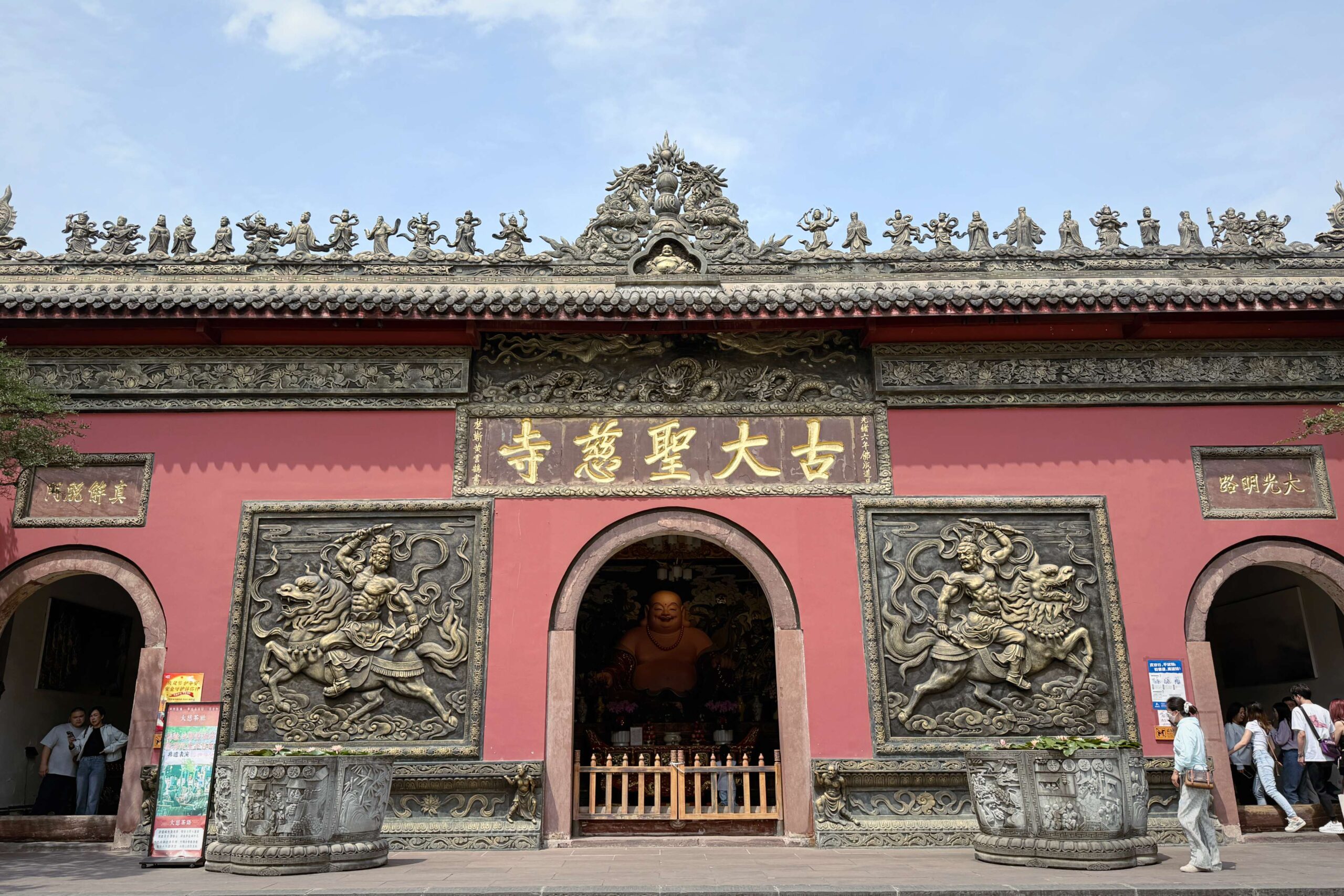
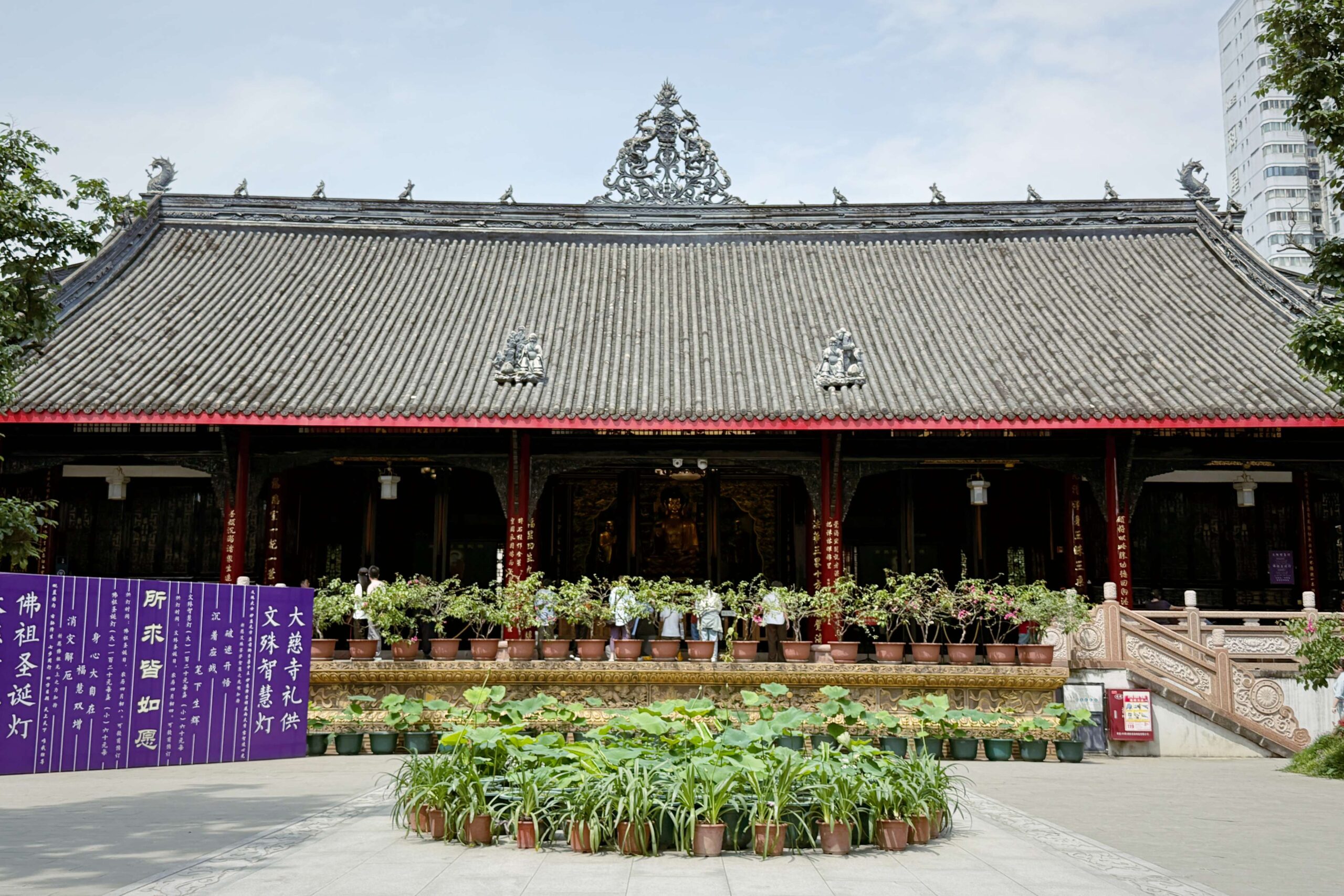
Like Wenshu Monastery, Daci Temple attracts many devoted worshippers who come specifically to pray and pay their respects. However, in terms of architecture, Daci Temple feels even more historically aged and weathered. During my visit, craftsmen were still carrying out restoration work on parts of the temple complex.
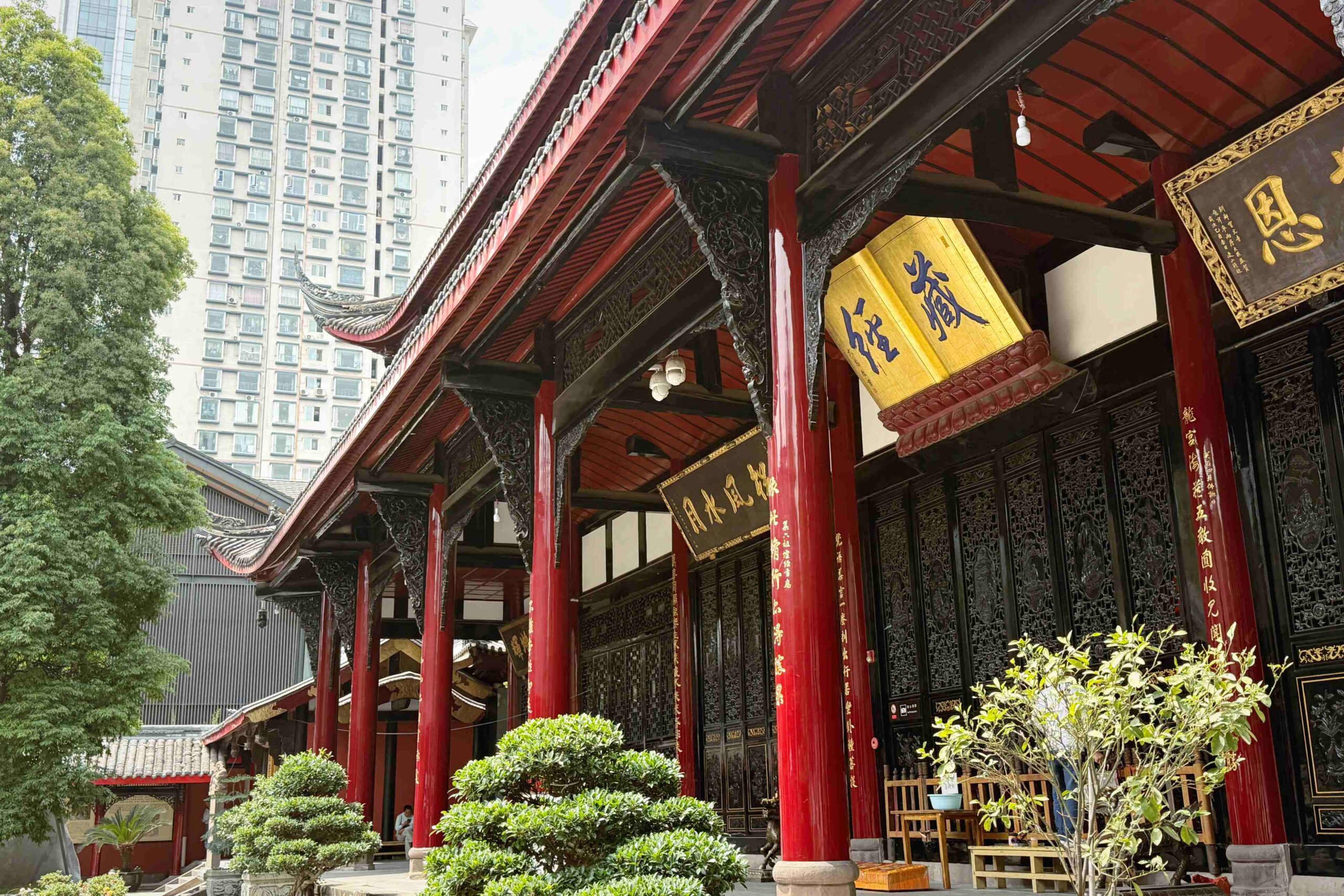
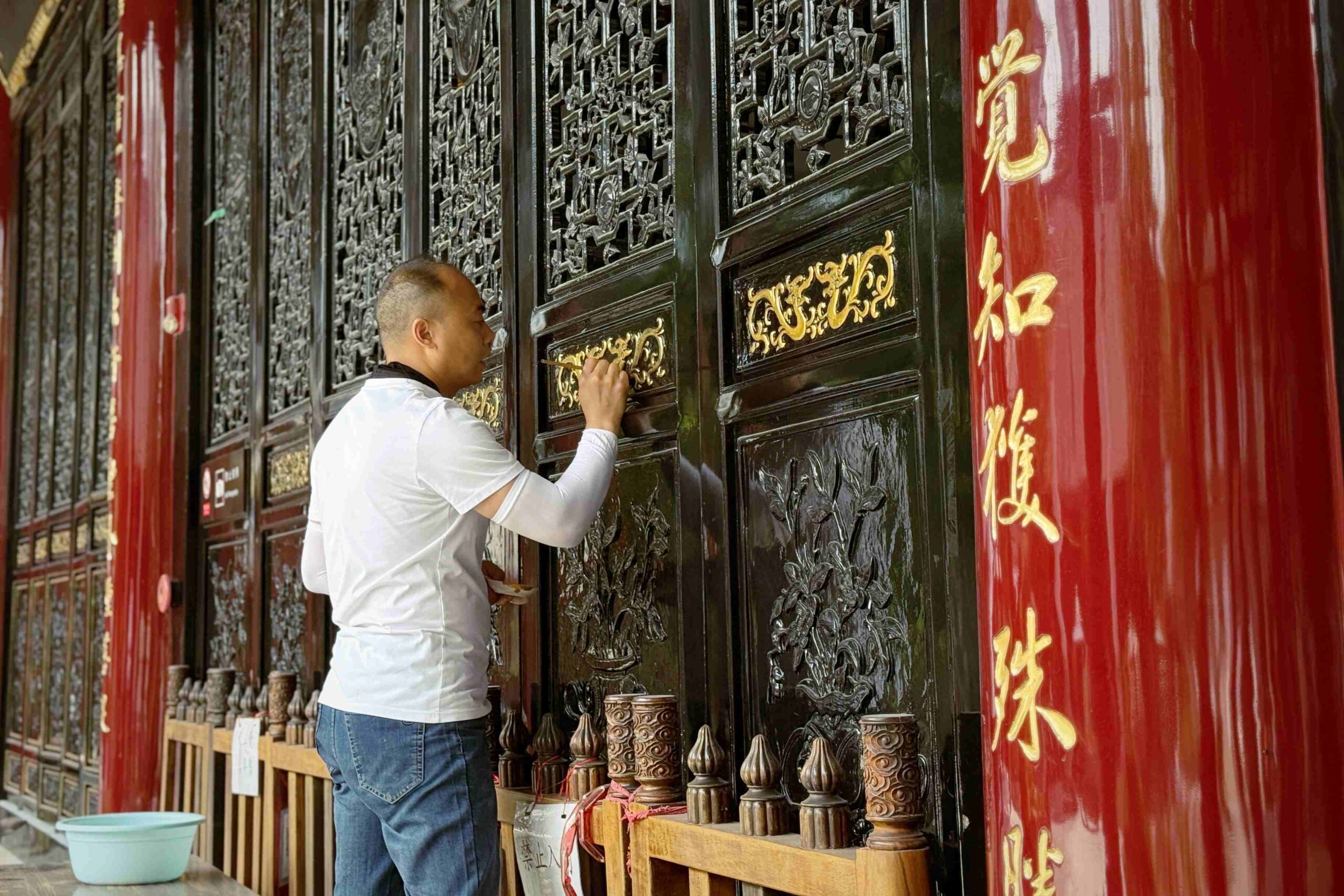
Daci Temple

Opening Hours: 0830-1700
No. 23, Daci Temple Road, Jinjiang District, Chengdu
◦ Shopping Highlights in Chengdu
01|Chunxi Road
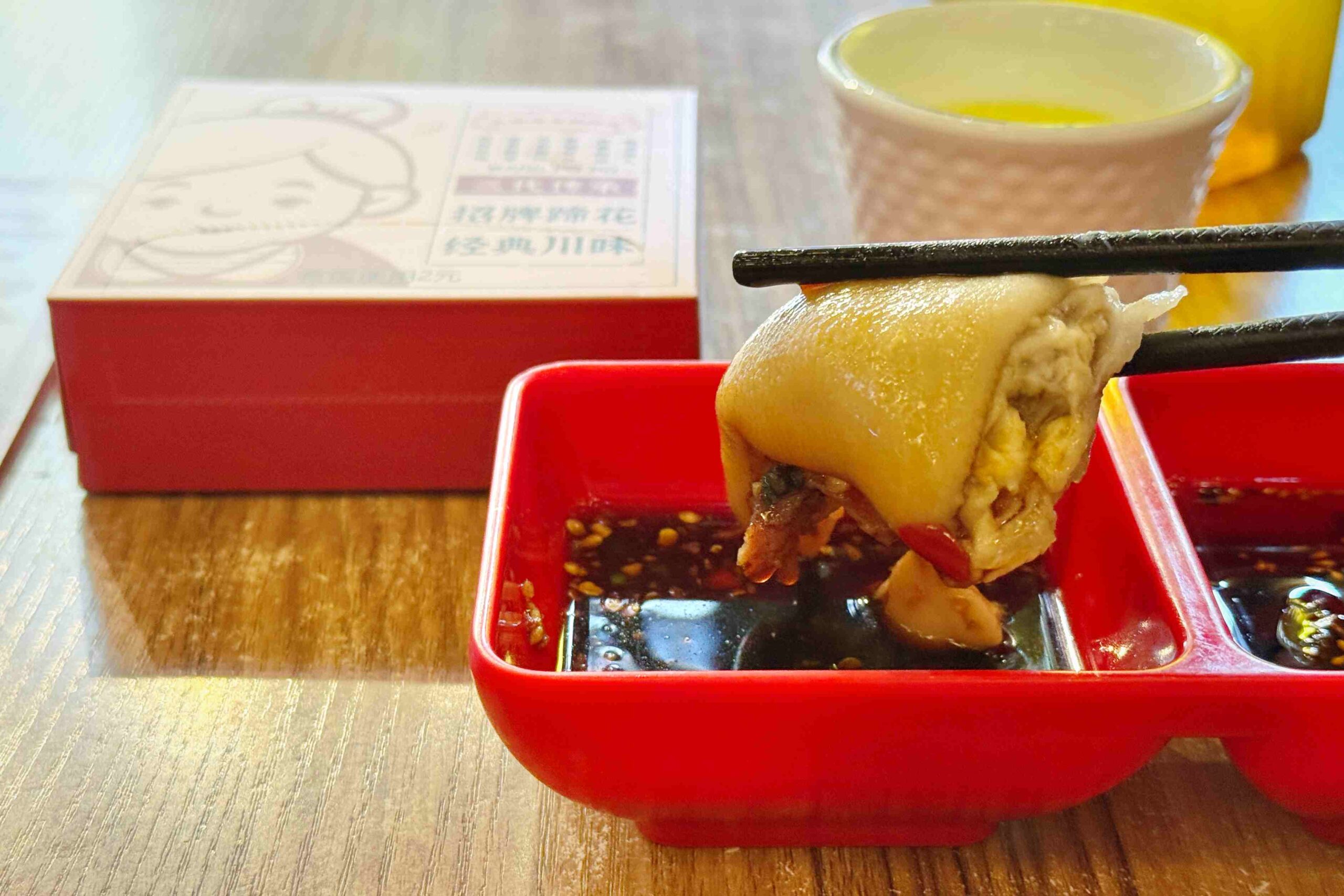
Chunxi Road is the busiest shopping boulevard in Chengdu, lined with department stores and countless local and international brands. It is especially popular among tourists and white-collar workers looking for shopping, dining, and entertainment. Many long-established Chengdu snack brands can also be found here, including famous local favorites such as Wang Popo Pork Trotters, Zhong Dumplings, and Lai Tangyuan.
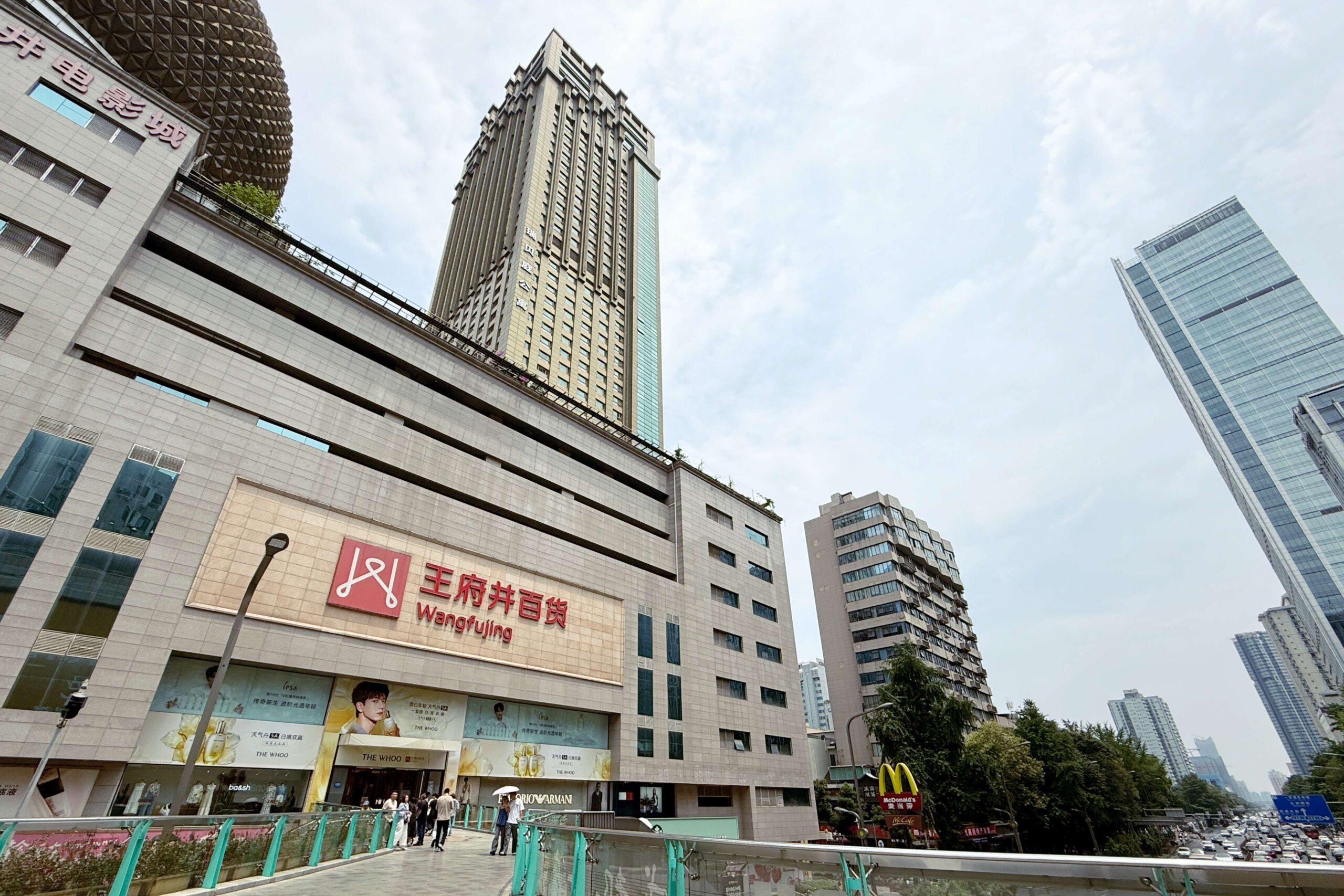
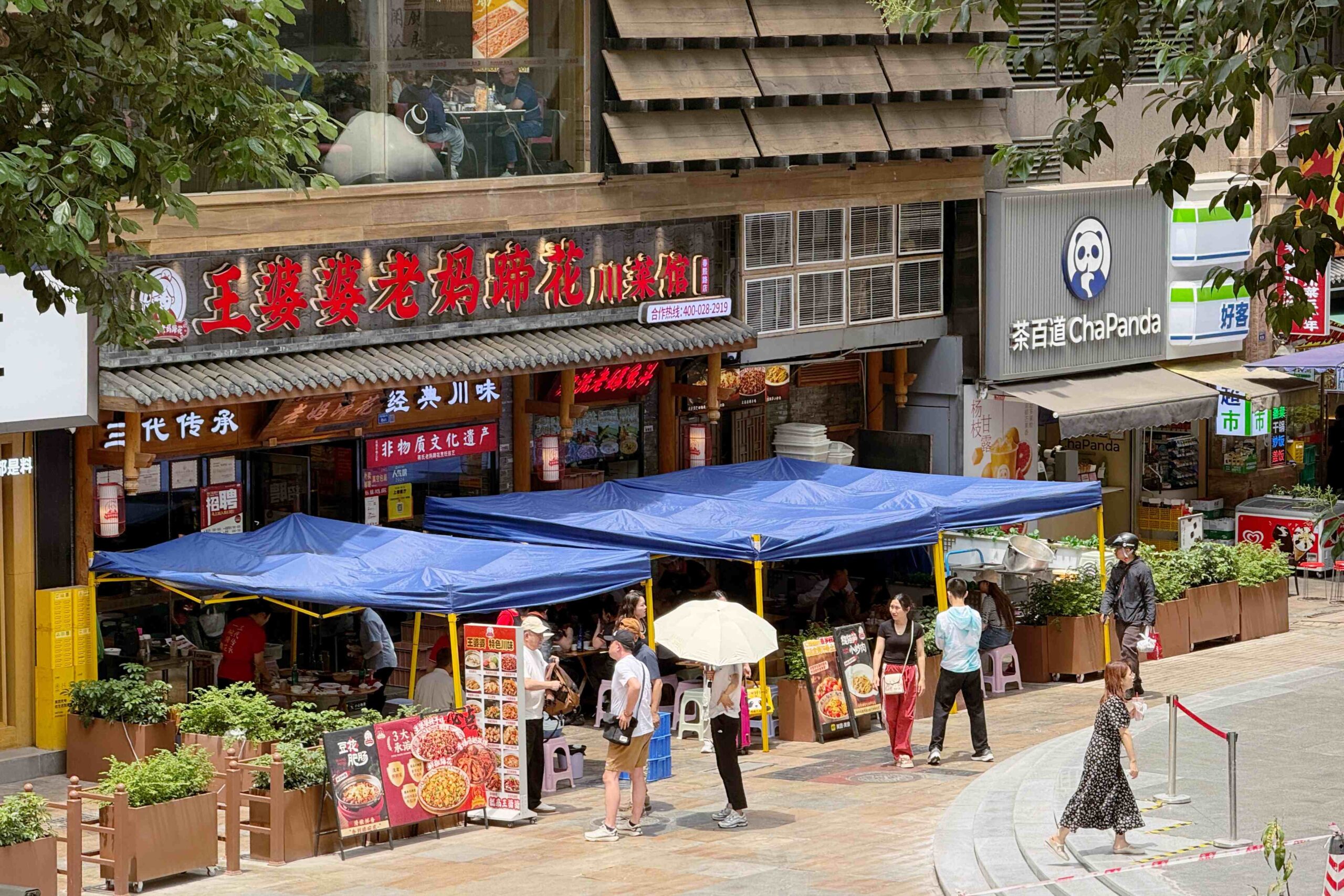
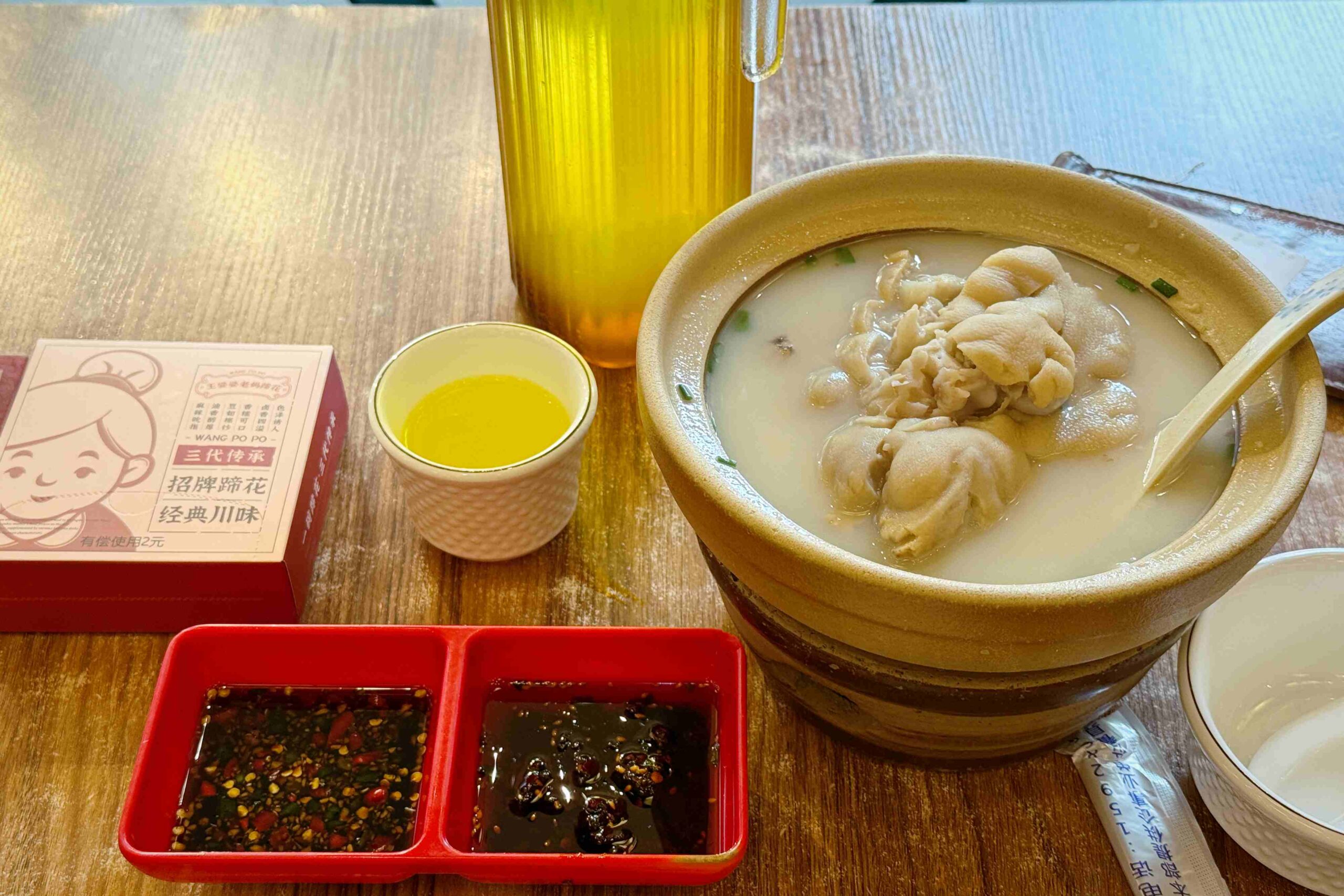
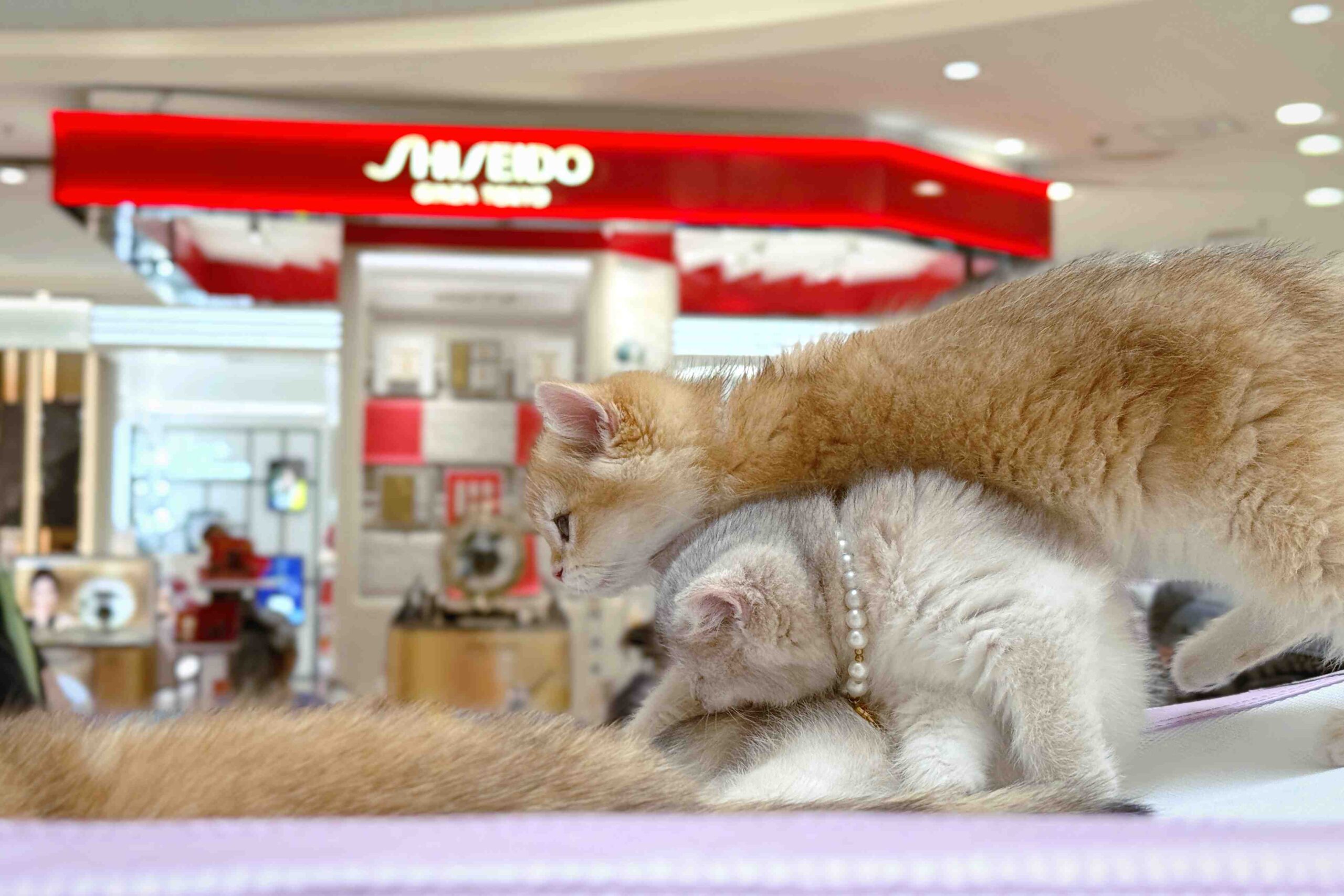
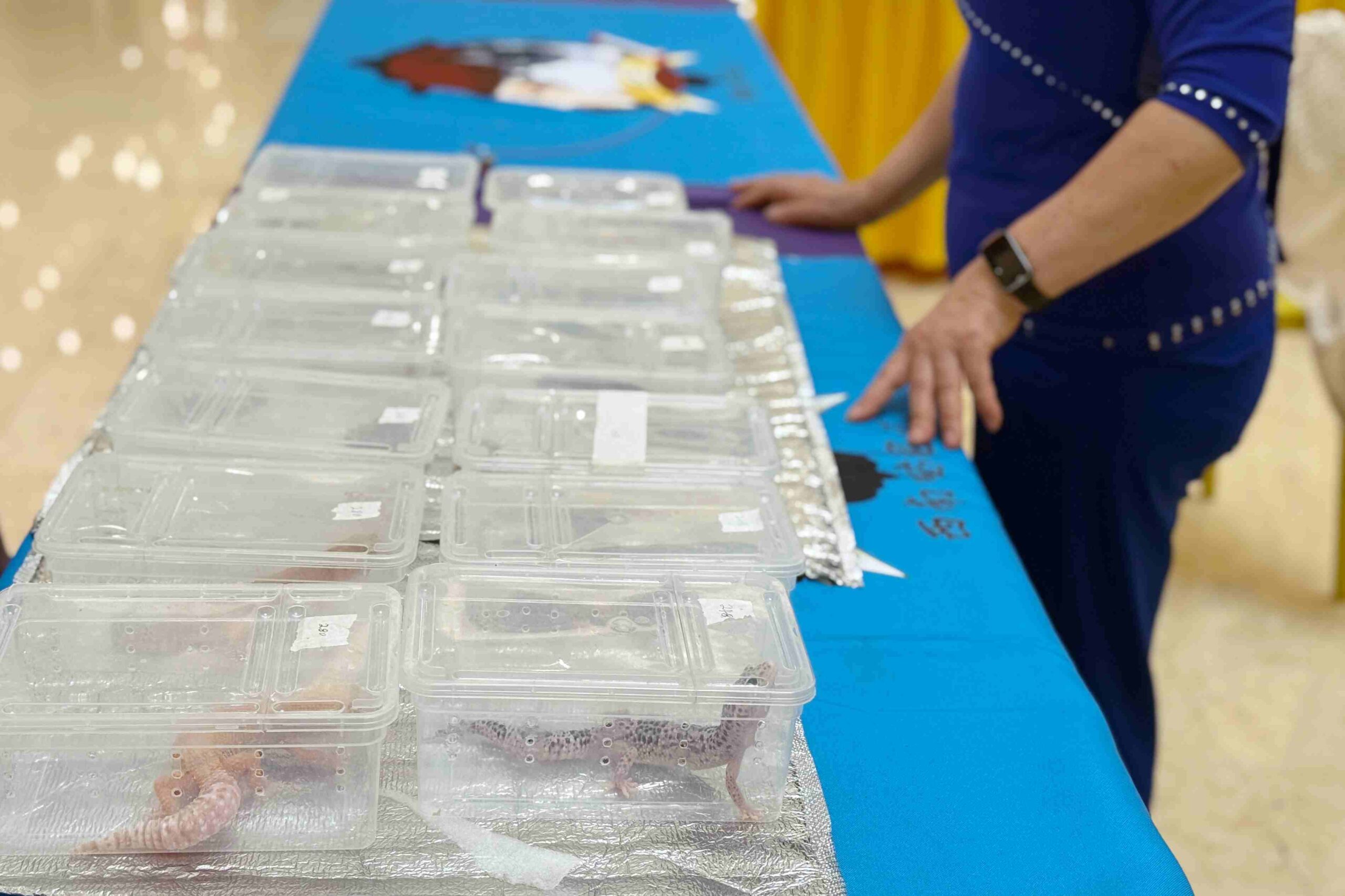
Since my hotel was located near Wangfujing Department Store Chengdu on Chunxi Road, I happened to come across cats, hamsters, and geckos being sold inside the department store one day. It was my first time seeing pets sold in a shopping mall, and the experience left me with rather mixed feelings.
02|Taikoo Li Chengdu
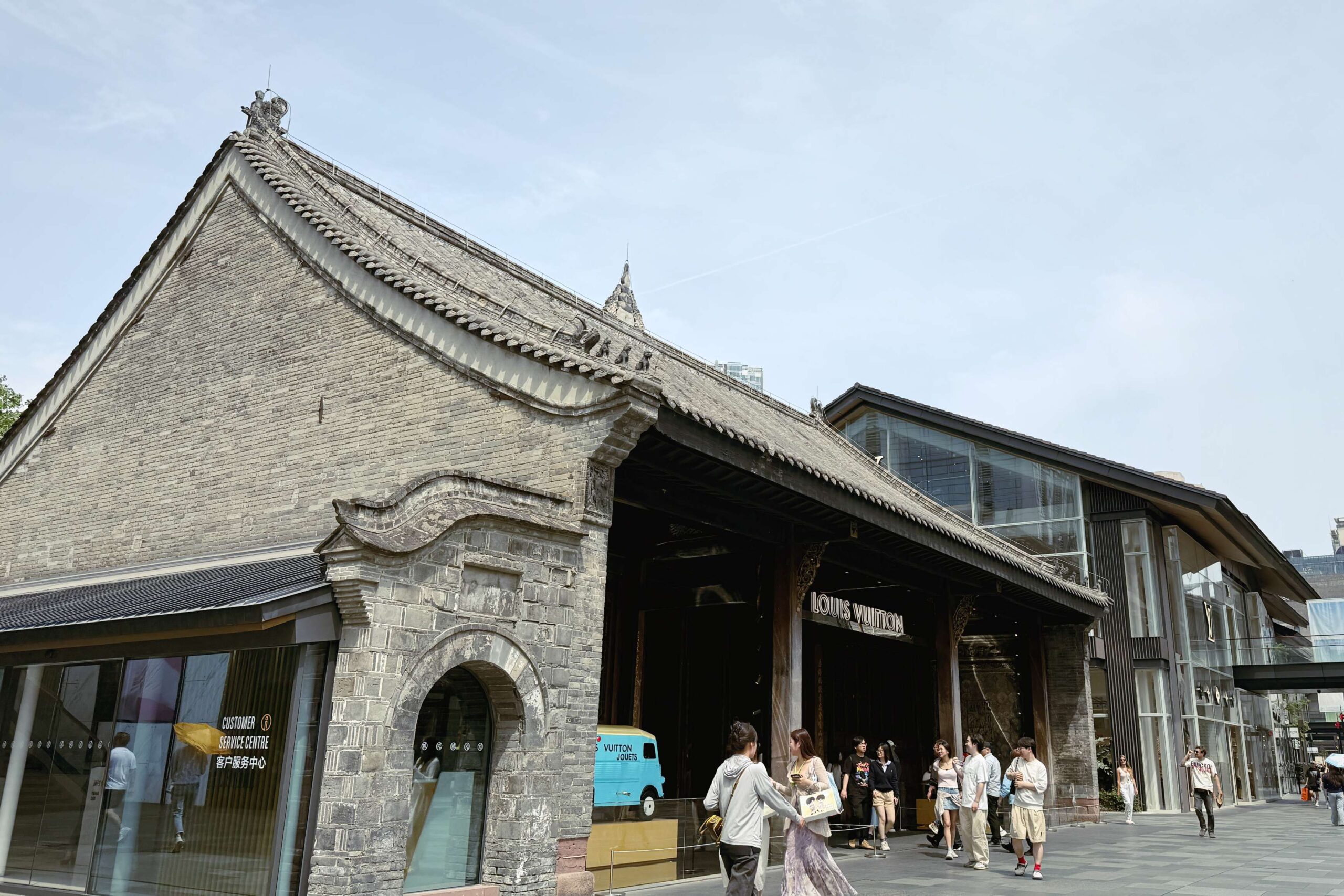
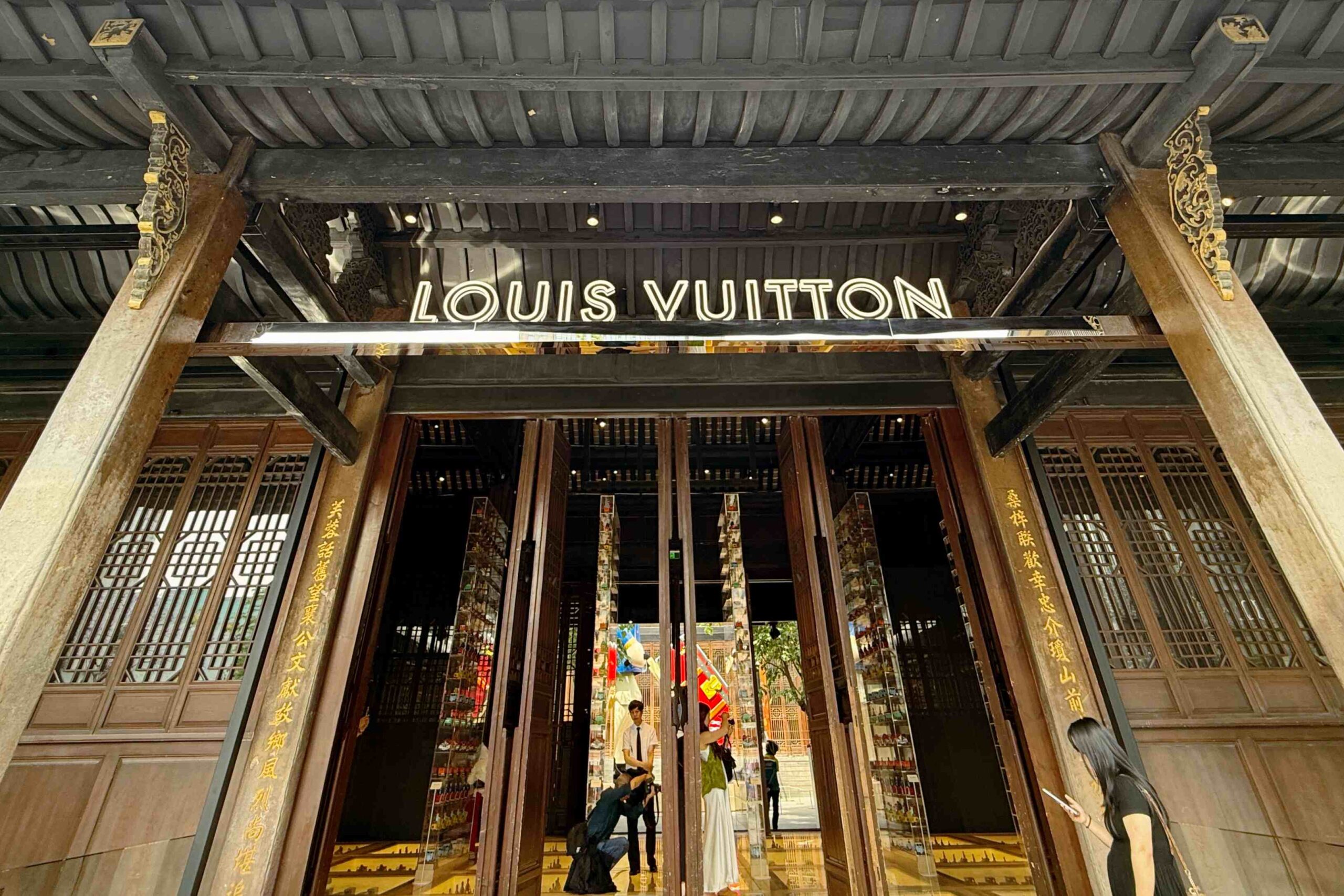
Located next to Chunxi Road, Taikoo Li Chengdu is an open-air shopping district centered around Daci Temple. Blending modern architecture with the traditional style of western Sichuan, the complex spreads outward from the historic temple and houses around 300 internationally renowned brands. It has become one of the most popular weekend dating and hangout spots for young people in Chengdu.
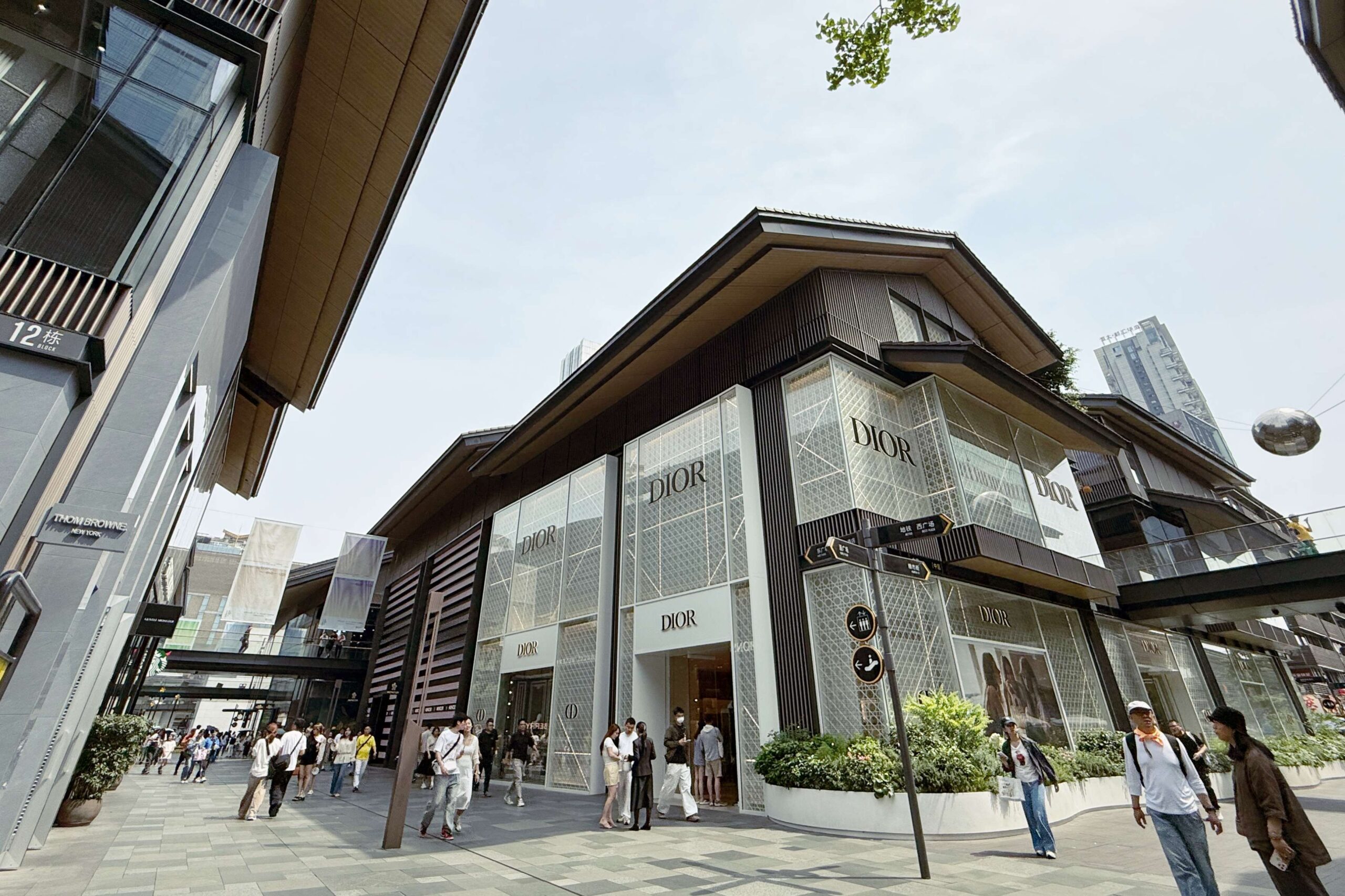
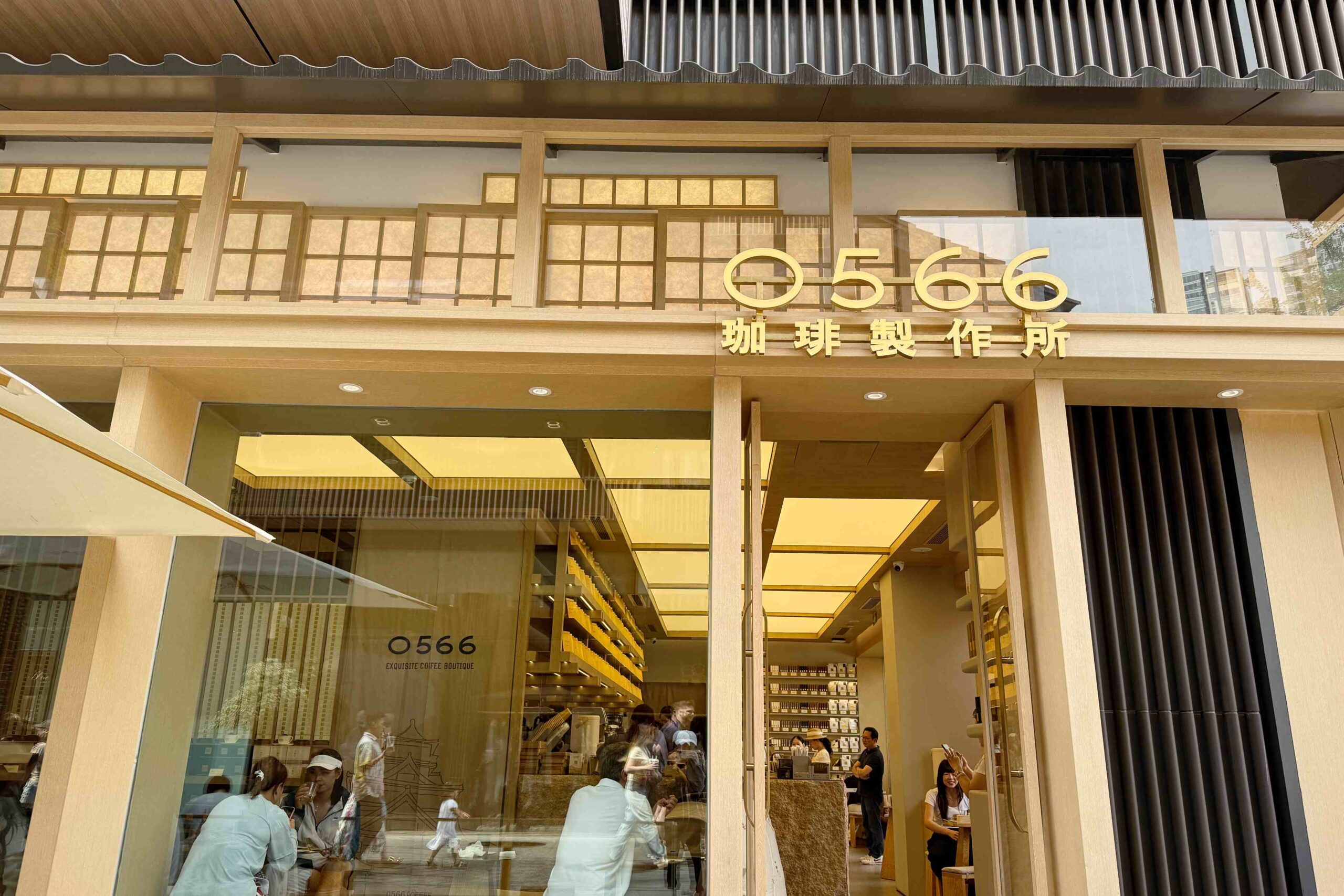
To me, the atmosphere here felt more like an urban interpretation of contemporary fashion infused with Eastern aesthetics. Even luxury brands such as Louis Vuitton have adapted their storefront designs to harmonize with the surrounding environment, creating an elegant sense of traditional Oriental charm.
03|Chengdu IFS
IFS International Finance Center is one of the most iconic landmarks in Chengdu, combining a large-scale shopping mall, office towers, and a five-star hotel within one complex. Besides shopping, one of the biggest attractions is the famous “Climbing Panda” installation located in the rooftop garden on the 7th floor. Many visitors come here specifically to take photos with the giant panda appearing to climb the side of the building.
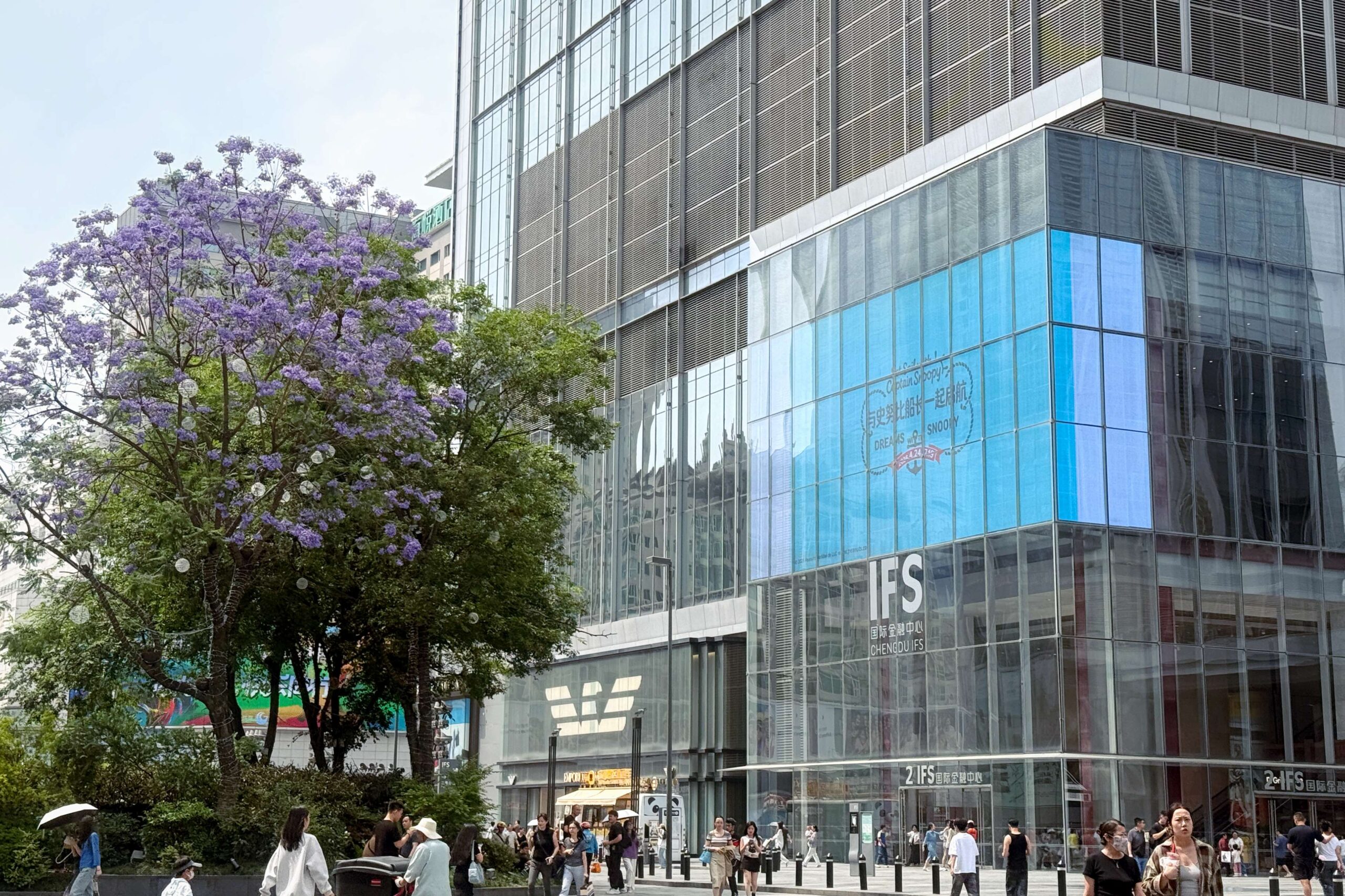
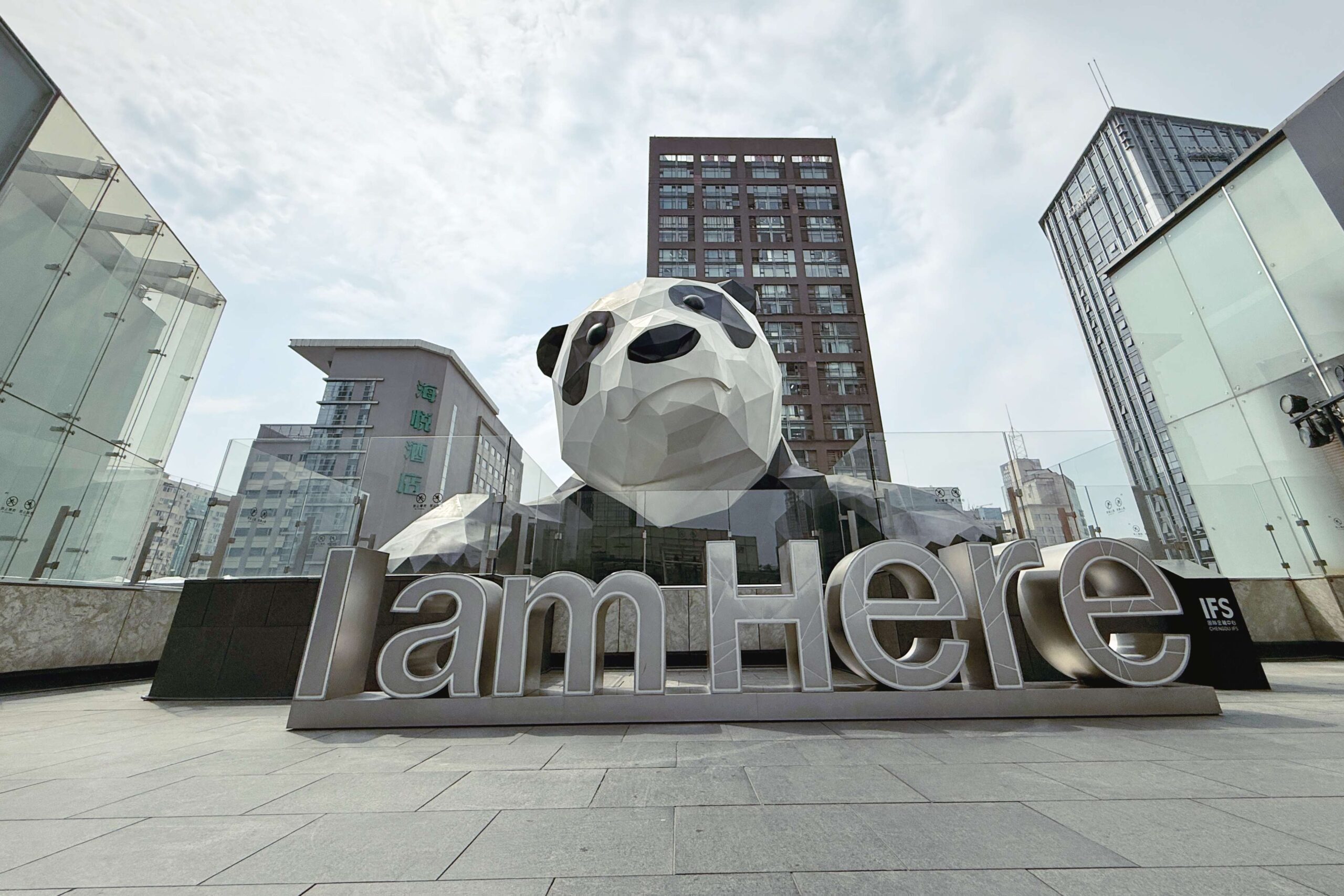
CHENGDU Chengdu IFS 國際金融中心

Opening Hours: 1000-2200
No. 1, Section 3, Hongxing Road, Jinjiang District, Chengdu
◦ Routes for Exploring Downtown Chengdu
Cultural & Historical Route
Wenshu Monastery → People's Park → Du Fu Thatched Cottage → Wuhou Shrine → Jinli Ancient Street → Kuanzhai Alleys → Daci Temple
Shopping Route
Chunxi Road → Taikoo Li Chengdu → Chengdu IFS