最後更新/Last Updated:2026-07-19
After spending two days in Lhasa and giving our bodies time to adjust to the high-altitude environment, we set off southward to begin our journey through Shannan and Shigatse. Located south of Lhasa, Shannan borders Nyingchi to the east, Shigatse to the west, and Bhutan and India to the south. Often regarded as the cradle of Tibetan civilization, it is home to many "firsts" in Tibet, including Tibet's first palace, Yumbulakang Palace; its first monastery, Samye Monastery; and Yamdrok Lake, one of Tibet's three sacred lakes.
Leaving Shannan behind, we continued west to Shigatse. Besides being Tibet's second-largest city, Shigatse is also the traditional seat of the Panchen Lama through successive generations. It is also home to one of the places I had been most eager to visit—Everest Base Camp.
Contents
◦ Yamdrok Lake
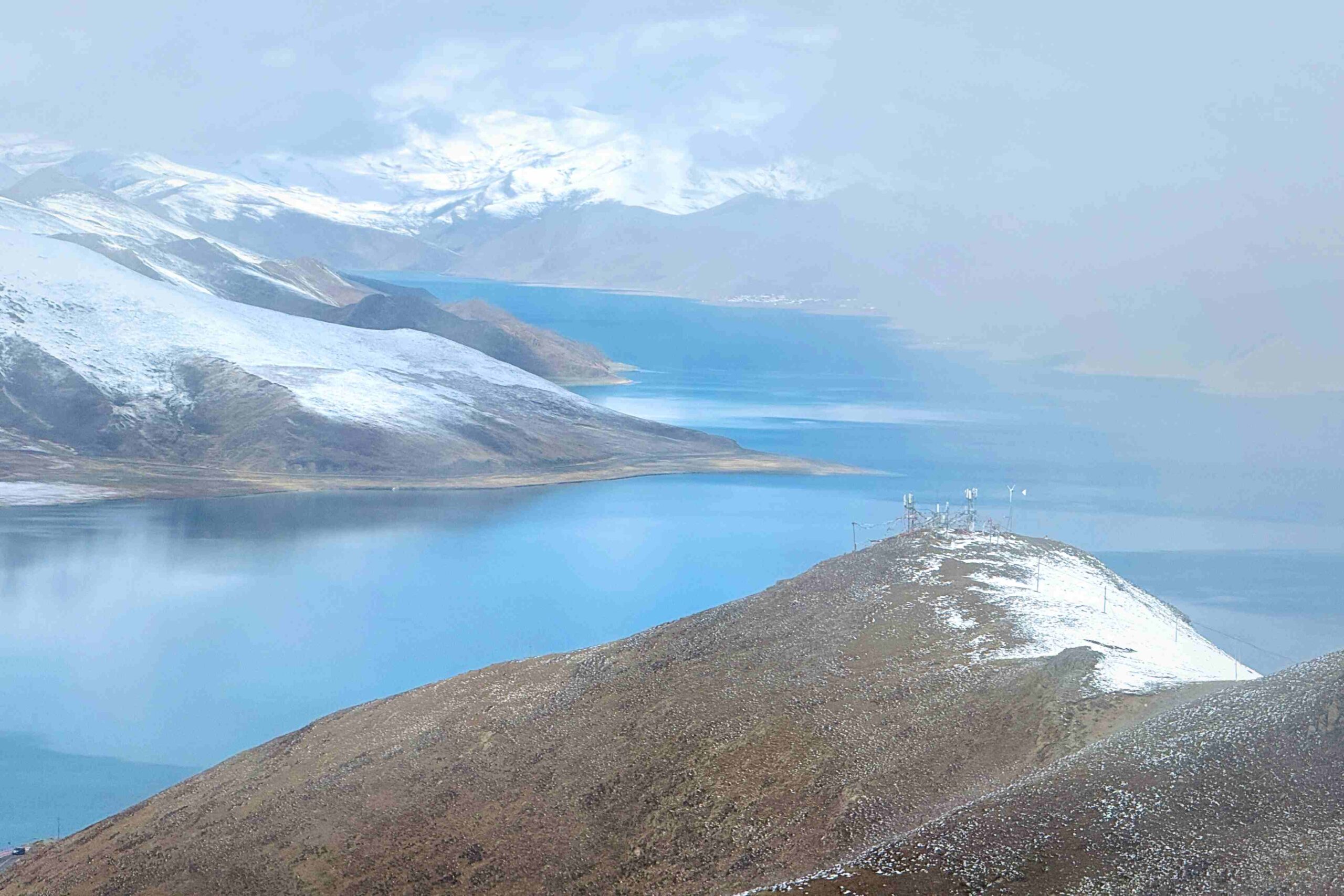
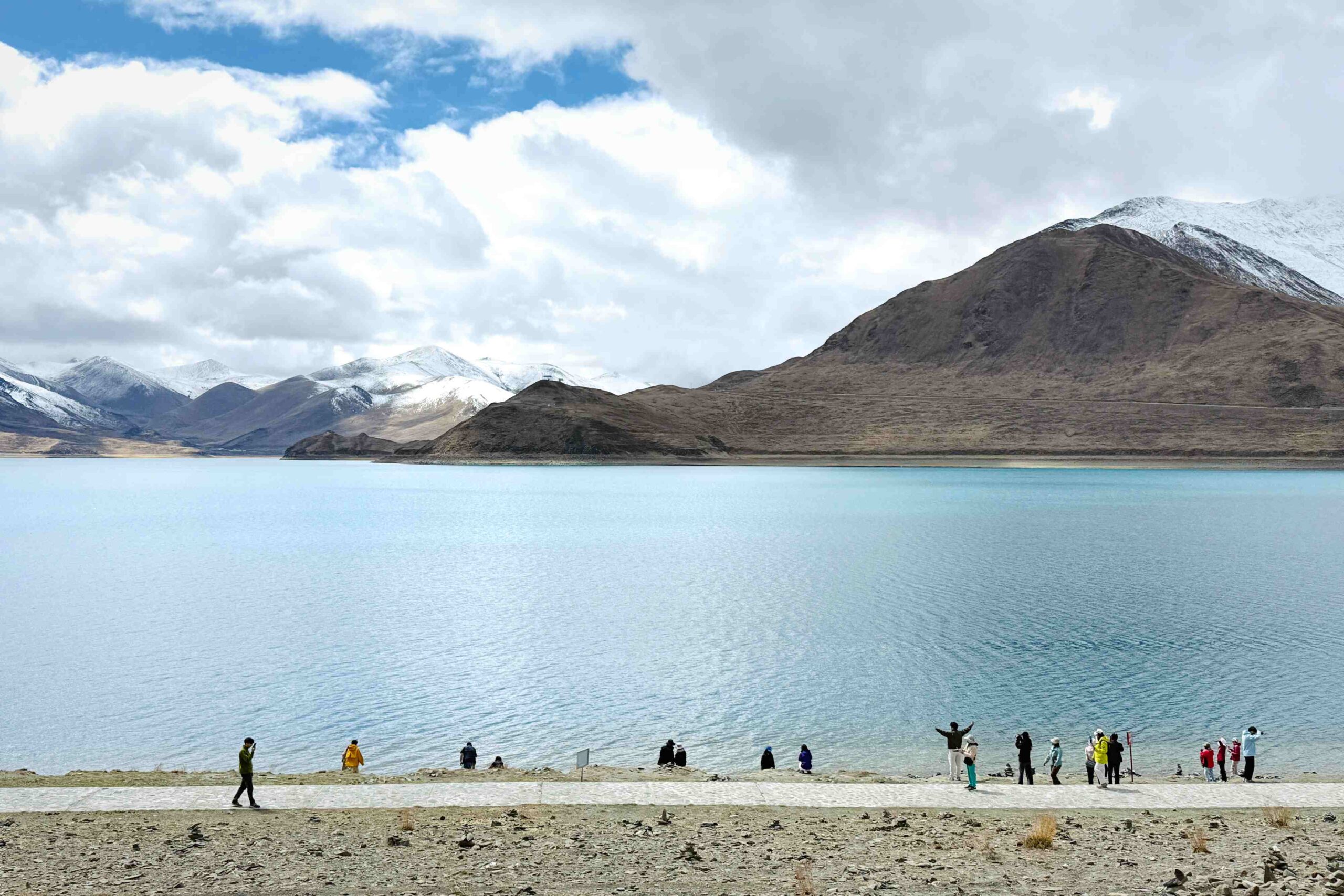
Located about a three-hour drive from Lhasa, Yamdrok Lake—often simply called "Yam Lake"—takes its name from the Tibetan words meaning "Swan Lake." In Tibetan culture, it is poetically known as "the turquoise earring scattered by a goddess." Together with Namtso Lake and Mapam Yumco (Lake Manasarovar), Yamdrok Lake is considered one of Tibet's three sacred lakes and is a must-see destination for anyone visiting Tibet. The lake sits at an elevation of 4,441 meters (14,570 feet) and covers approximately 638 square kilometers—an area equivalent to nearly 89,000 football fields. Because of its immense size, it is impossible to take in the entire lake from any single viewpoint at ground level. To help us fully appreciate its beauty, our guide arranged stops at two different viewpoints, each offering a unique perspective of this sacred lake.
Our first stop was a viewing platform at an elevation of 4,998 meters (16,398 feet). From here, the panorama was breathtaking. Yamdrok Lake wound gracefully through the surrounding mountains like a blue-green ribbon draped across the Tibetan Plateau. Just before we left, the thick fog that had blanketed the lake slowly began to lift, revealing an almost ethereal landscape.
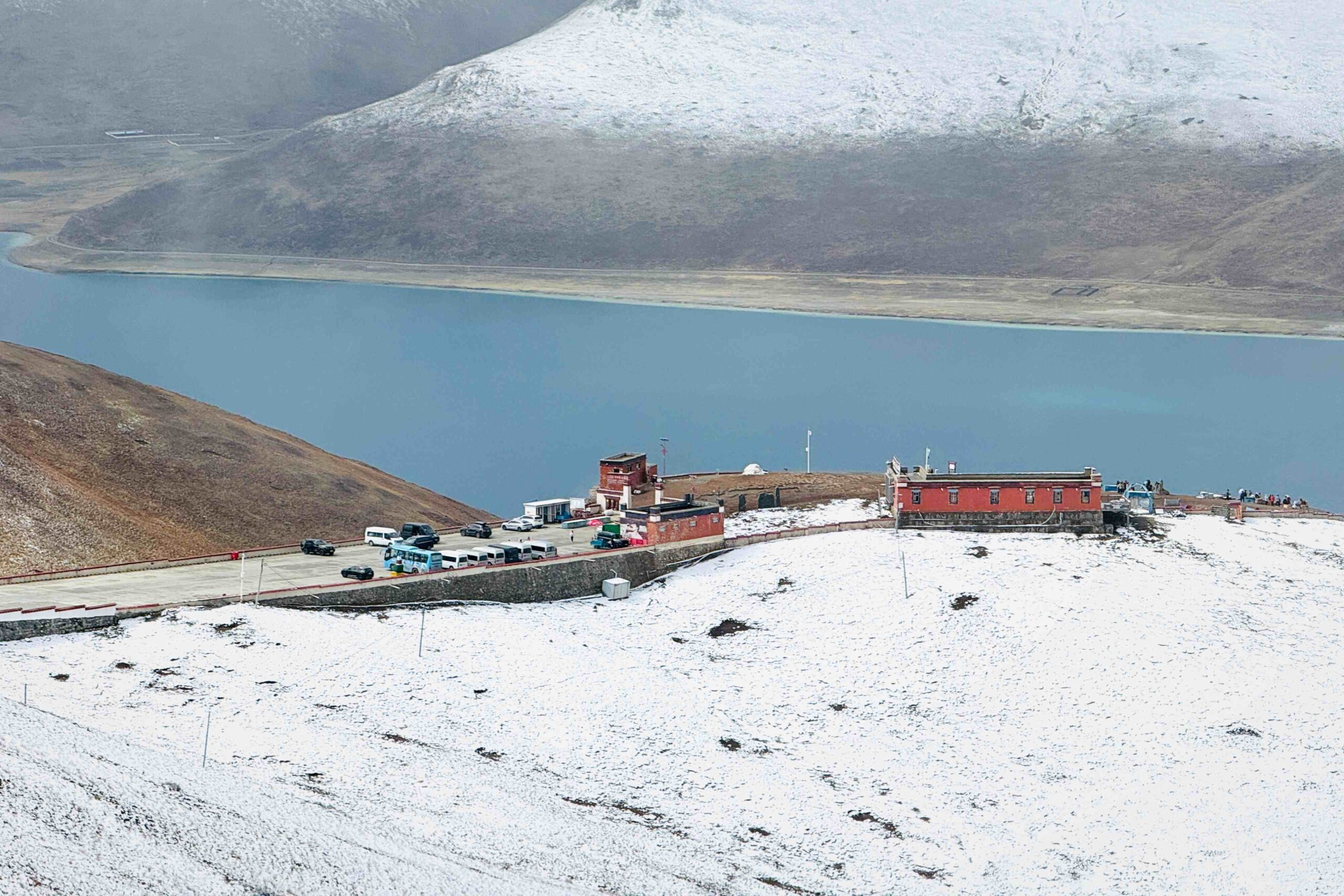
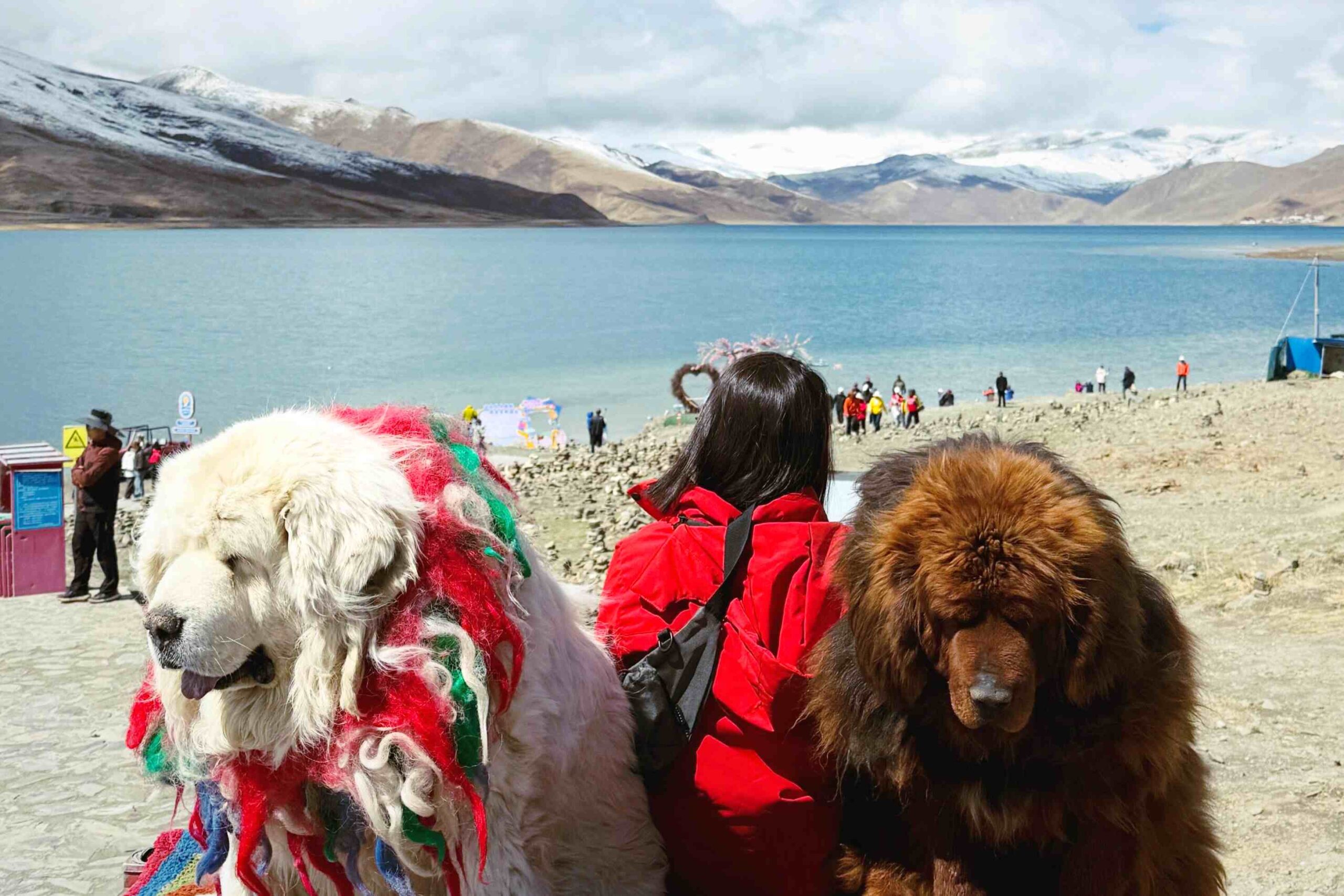
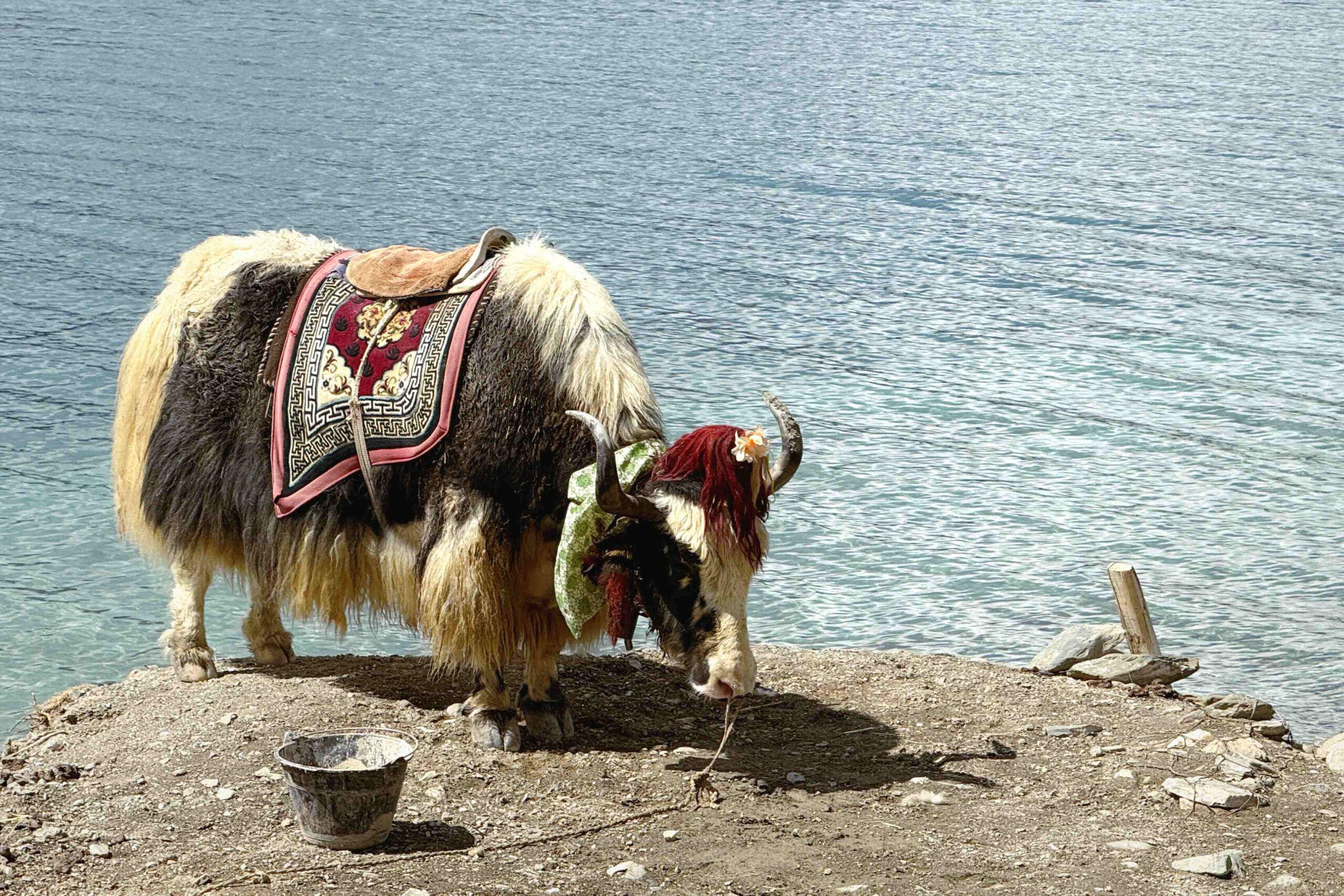
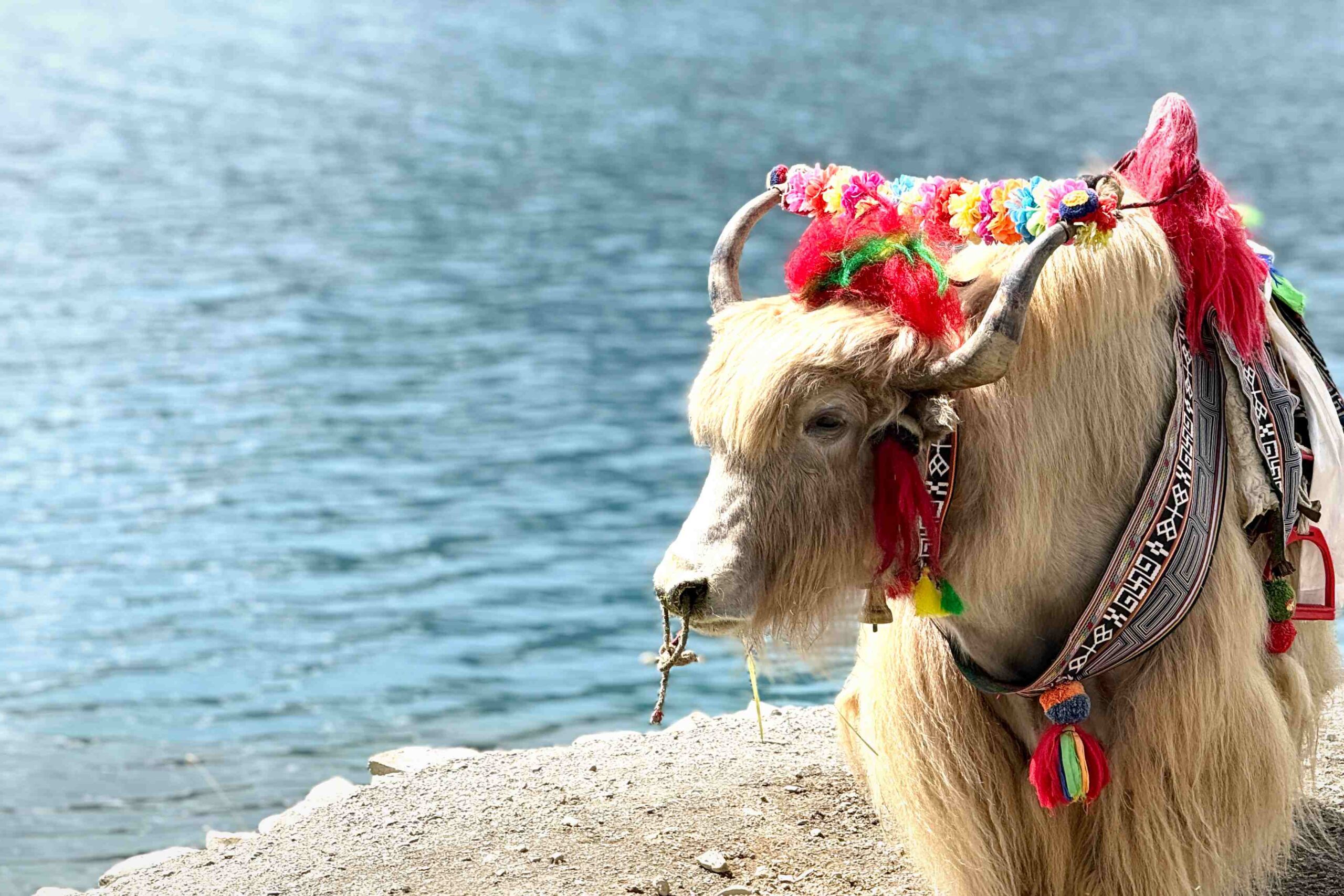
Our second stop was Viewpoint No. 4, located along the lakeshore, where we could admire the shimmering waters up close. It was also a popular spot to take photos with some of Tibet's most iconic animals, including Tibetan Mastiffs, yaks, and sheep. One of my wishes before coming to Tibet was to hug a Tibetan Mastiff, and I was finally able to make that happen here. The photo fees were clearly posted and reasonably transparent, so there was no need to worry about being overcharged. If you'd like to take photos with these highland celebrities, I would recommend doing so at Yamdrok Lake. Not only is the lake scenery spectacular, but opportunities like this are much less common later in the journey.
◦ Karola Glacier
When we think of glaciers, we often imagine remote wilderness areas that require long hikes and arduous journeys to reach. Karola Glacier completely changed that perception for me. Located just 300 meters from the highway, it can be admired up close directly from the parking area, where the glacier cascades down from a mountain rising 5,560 meters above sea level. For those who want a more spectacular panoramic view, there is a wooden boardwalk that extends about one kilometer toward the glacier. The round-trip walk takes approximately 40 minutes to an hour and offers an even more impressive perspective of this icy giant.
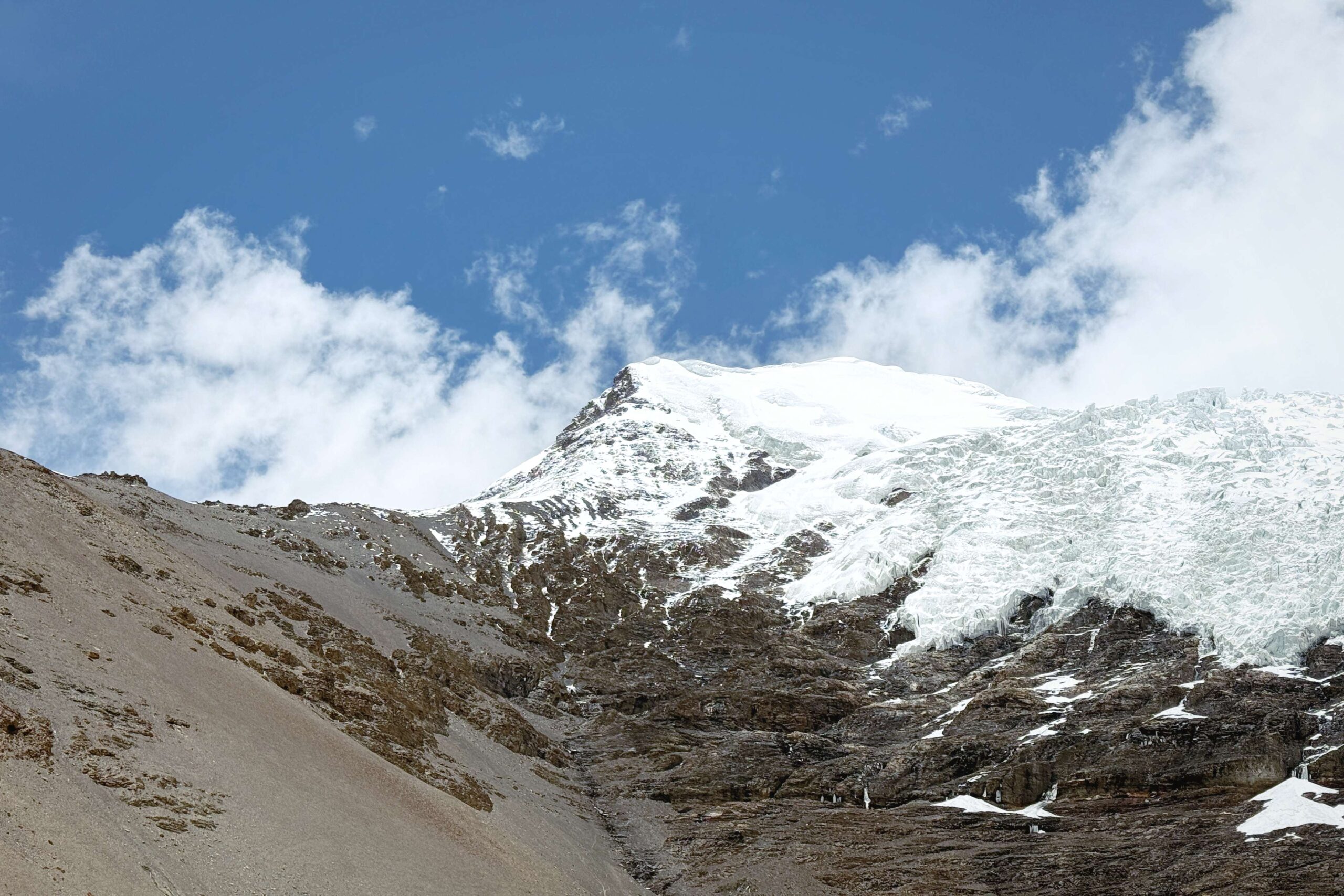
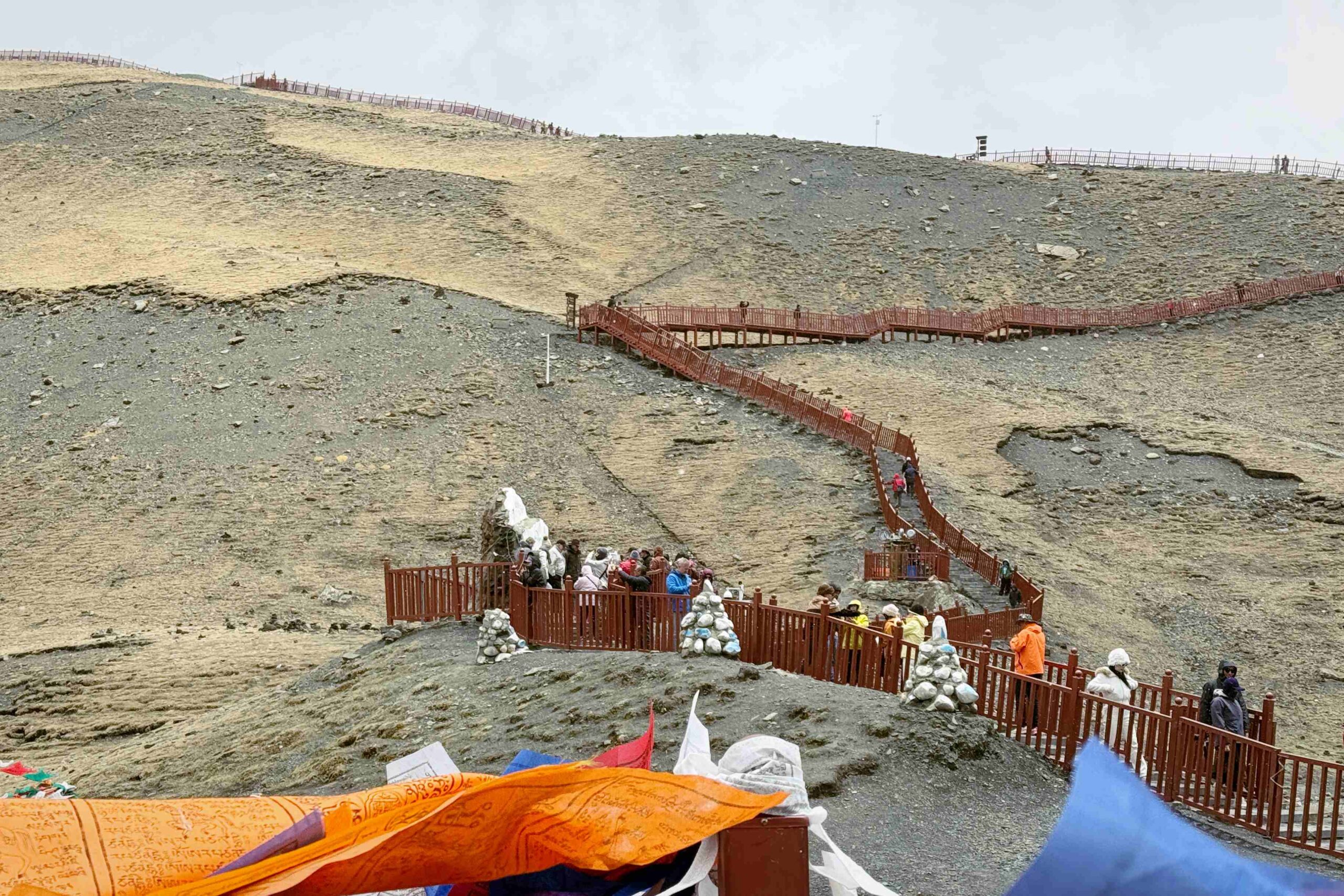
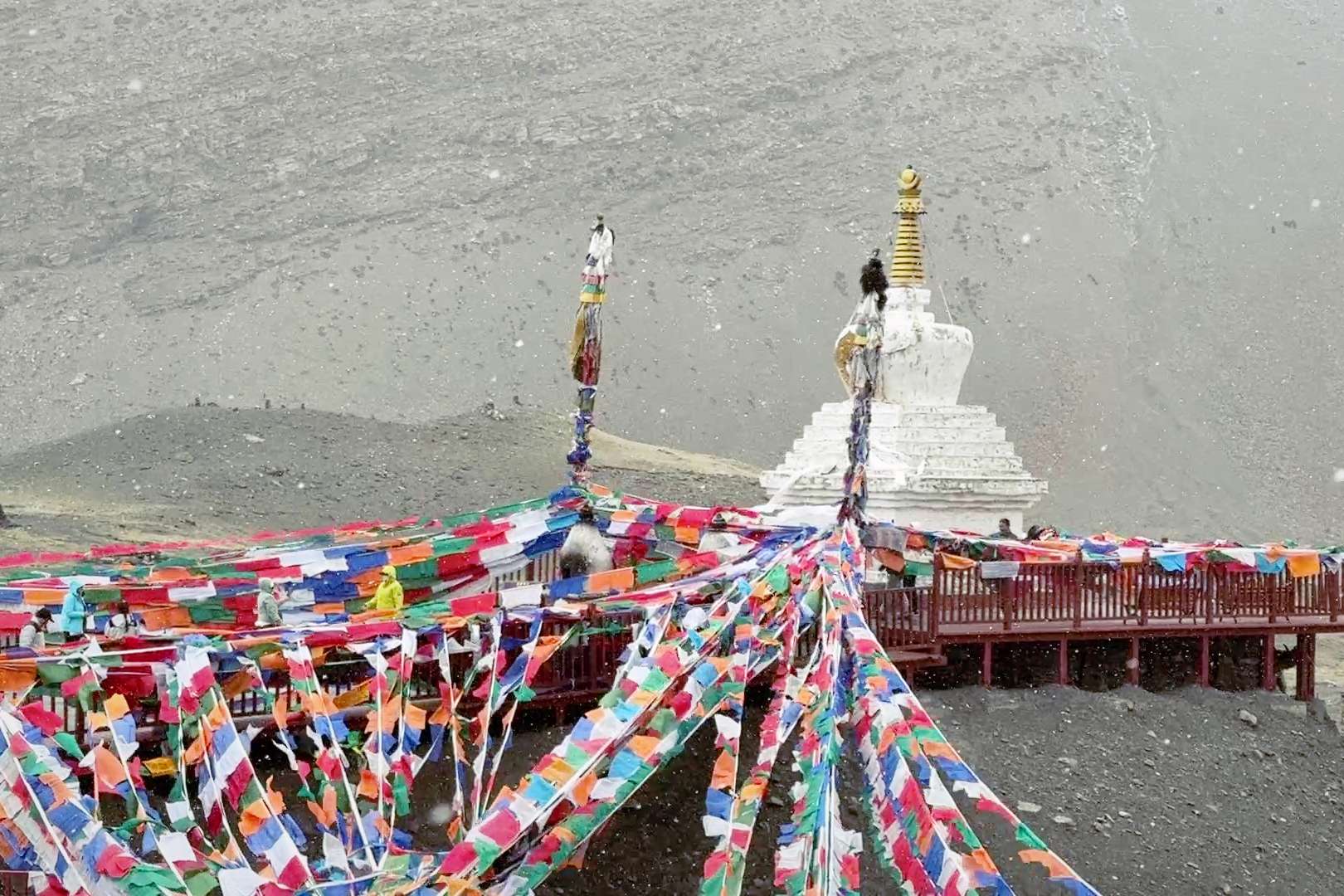
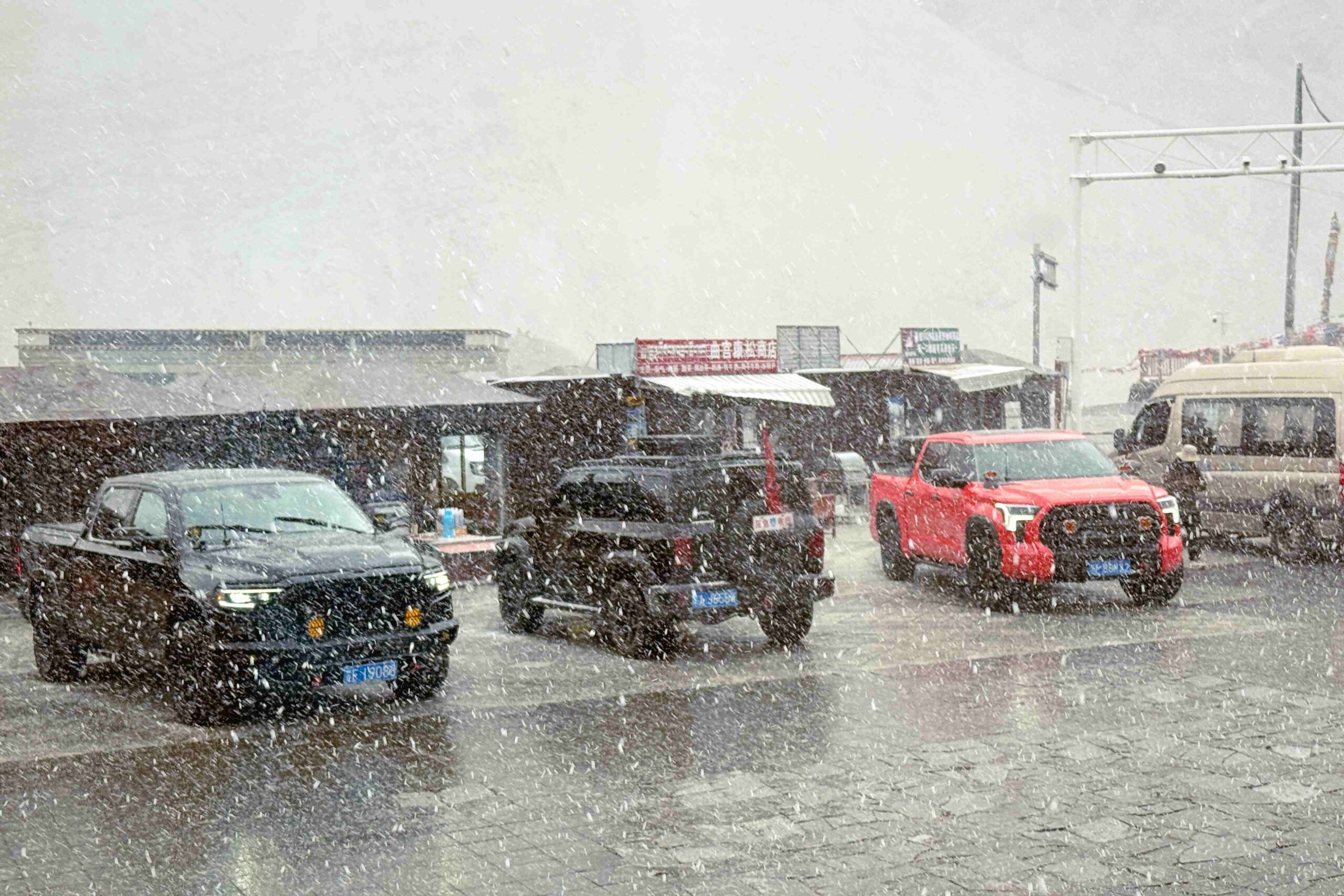
The best times to visit Karola Glacier are during spring (April to May) and autumn (September to October), when the weather is generally more stable and visibility is at its best. During these seasons, the glacier's intricate textures and layers are especially clear. On the day of our visit, the sky was initially bright and sunny, but a sudden hailstorm swept through for about ten minutes. Although it was freezing cold, the unexpected burst of weather added a memorable twist to our glacier experience.
◦ Everest Base Camp
Preparing for Everest Base Camp begins with one essential purchase: oxygen.
This journey would not only take us to Everest Base Camp at an altitude of 5,220 meters (17,126 feet), but also to the Mount Kailash pilgrimage circuit later in the trip, where we would be trekking between elevations of 4,600 and 5,600 meters. Once above 5,000 meters, the thin air pushes the human body close to its limits, and even a few steps can feel exhausting. For safety, we decided to rent professional oxygen cylinders, which cost us over NT$10,000.

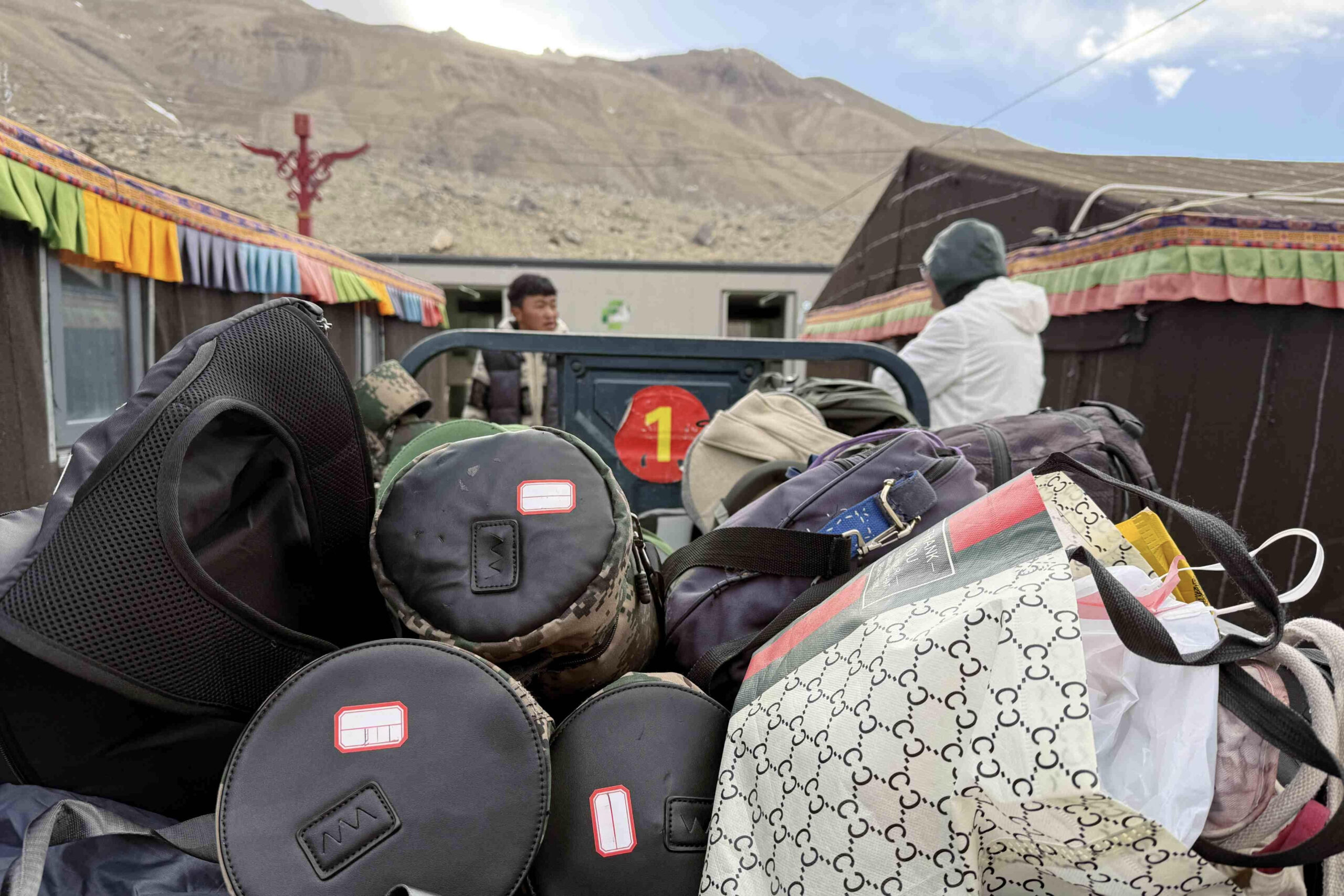
After arriving at the entrance of the Everest National Nature Reserve, all visitors are required to transfer to the park shuttle bus. From there, it takes about another hour to reach Everest Base Camp. One thing that surprised me was how much more comfortable the accommodations were than I had expected. I had imagined staying in basic tents, but the old camps have largely been replaced by well-equipped permanent buildings. Even the public restrooms were far cleaner than their reputation suggested. According to our guide, the toilets used to be so unpleasant that some visitors would rather wear adult diapers than venture outside in the middle of the night.
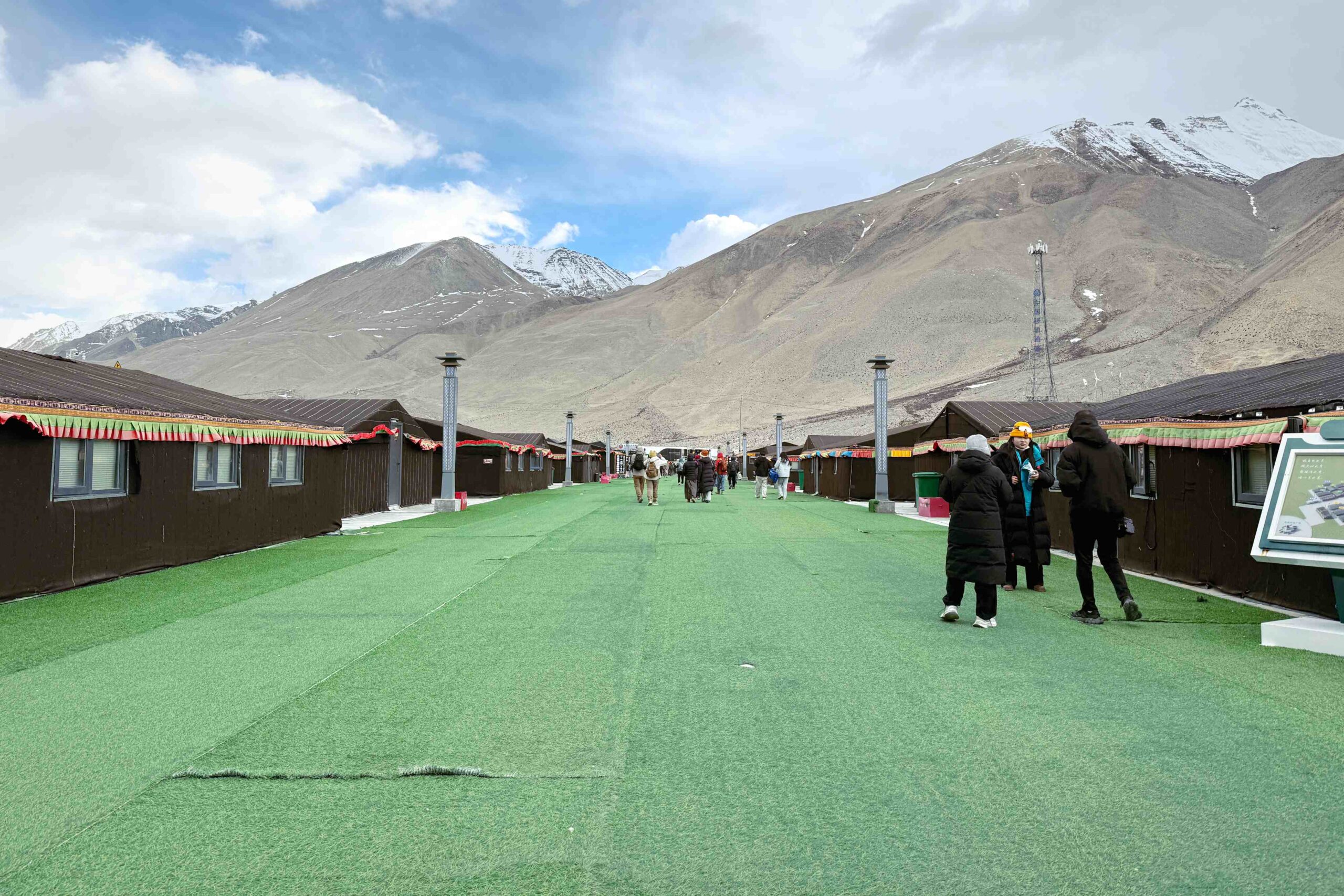
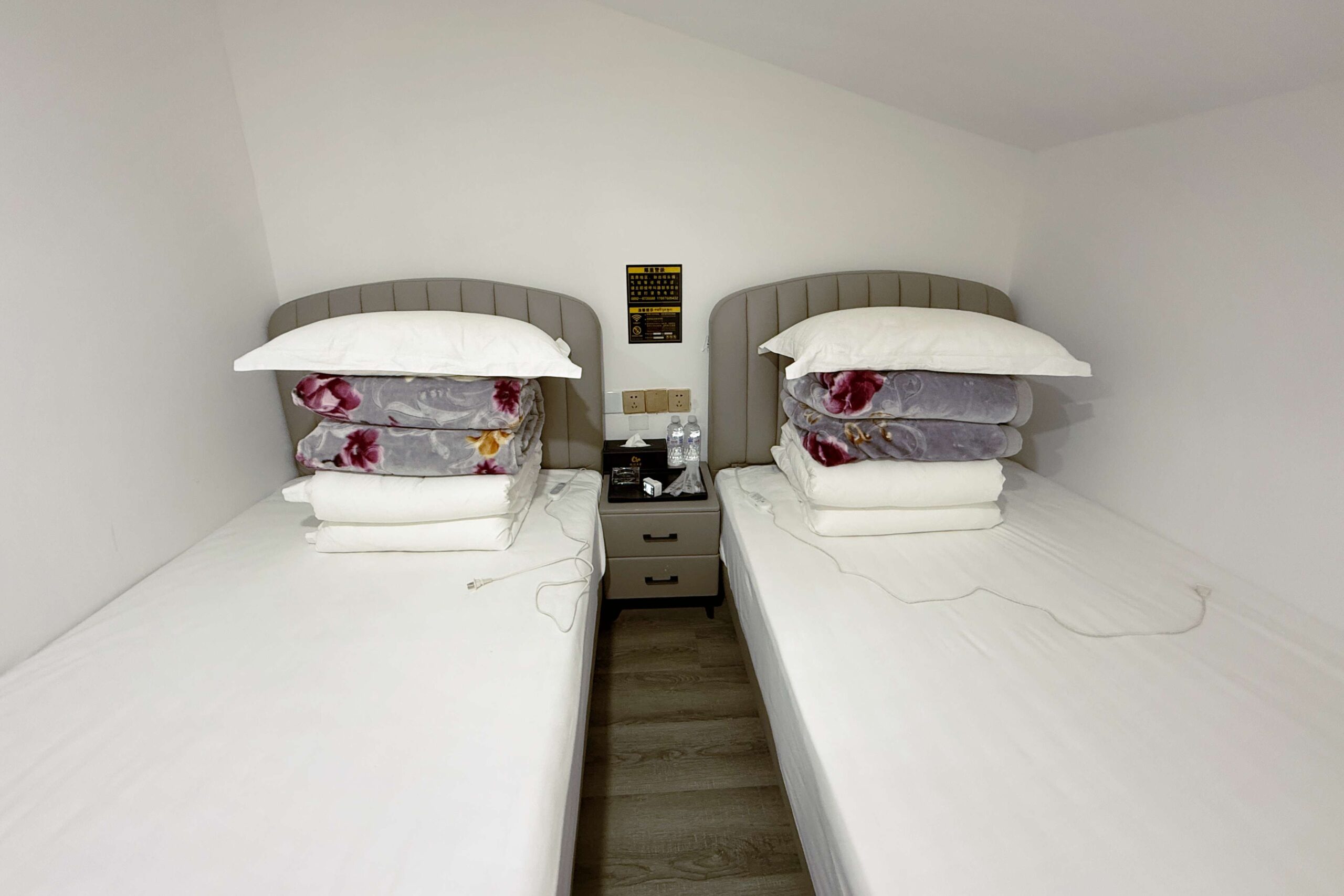
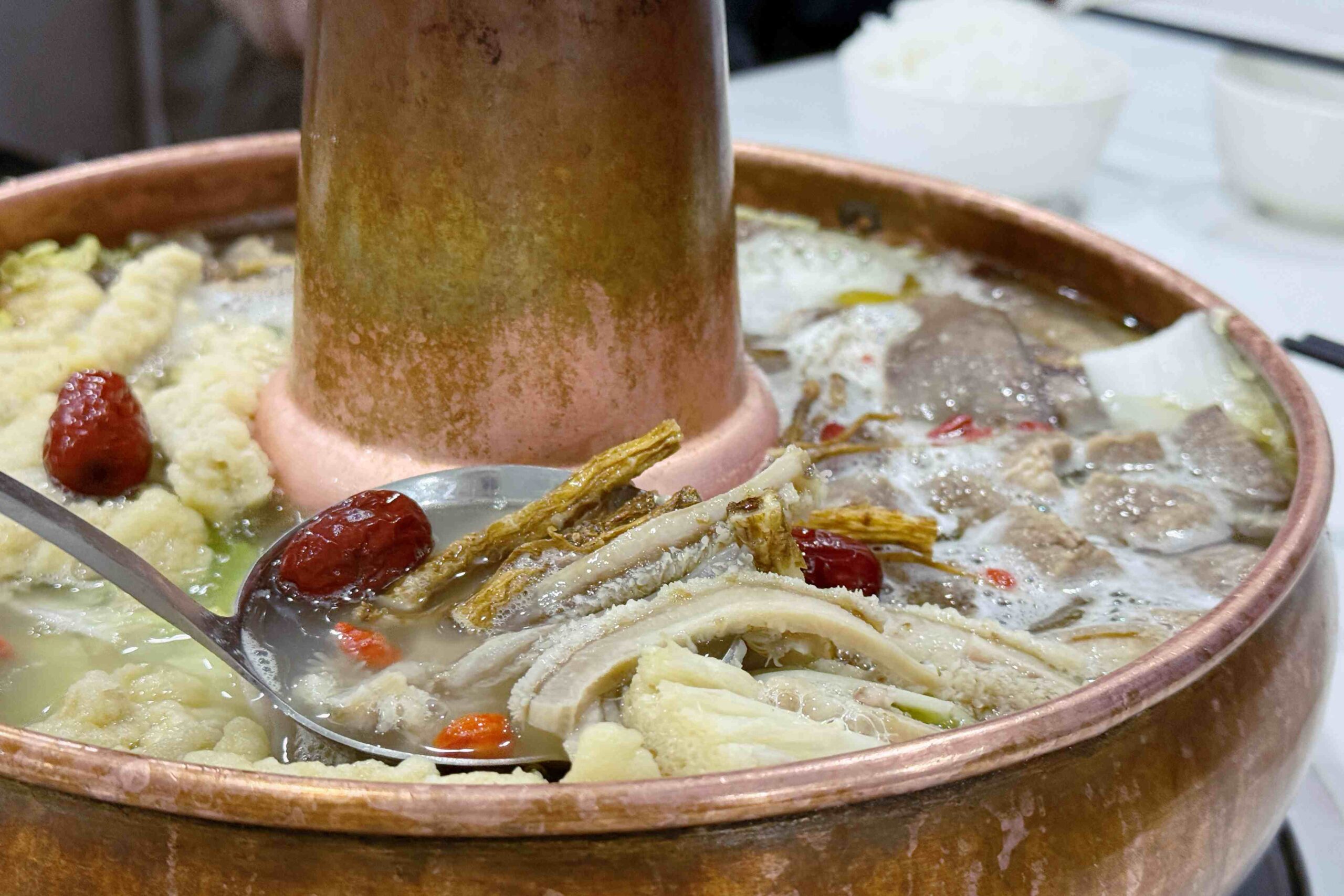
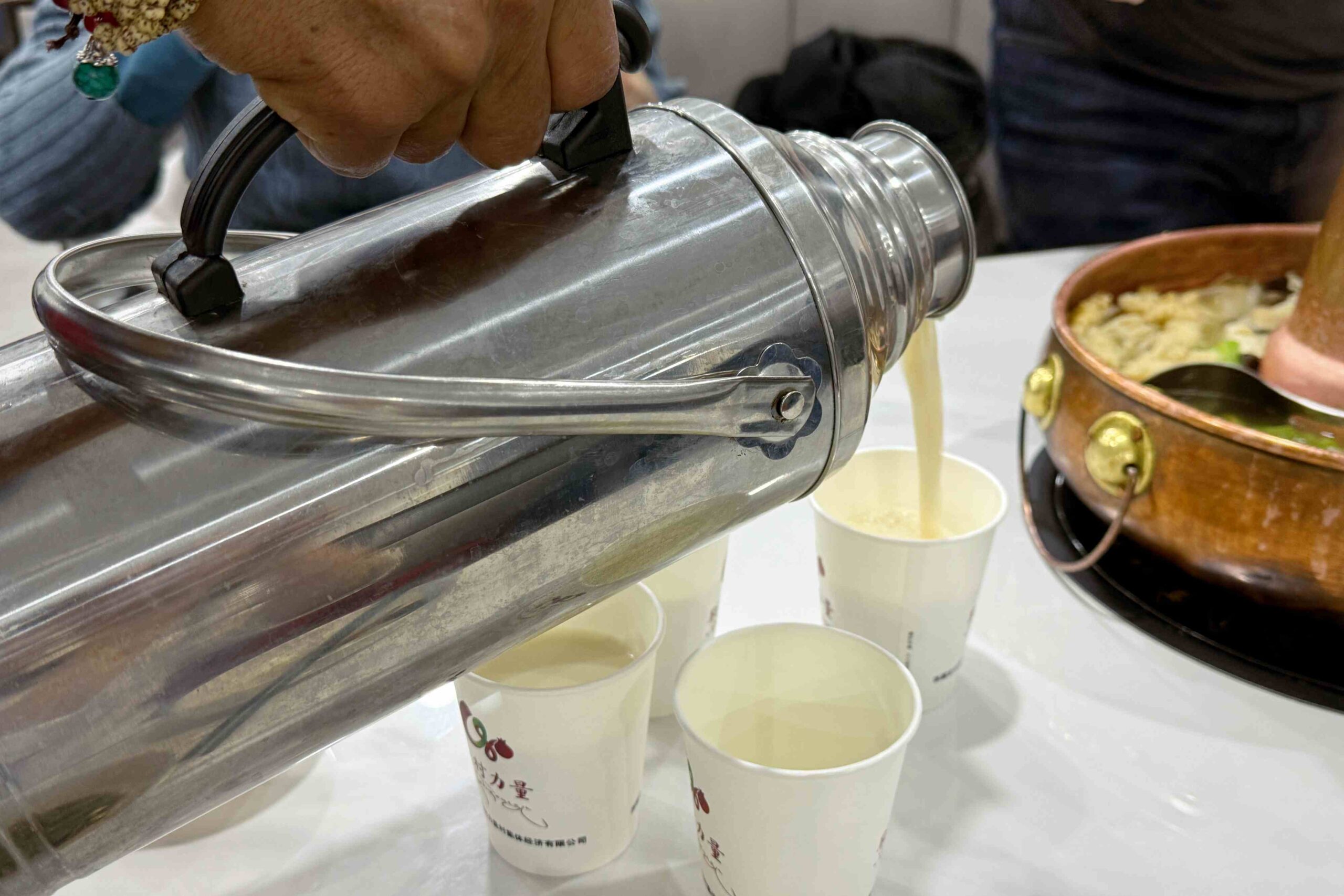
By the time we arrived at base camp, it was already close to 8:00 p.m. Cold, tired, and hungry, we had no resistance when we saw a yak hot pot on the restaurant menu. It turned out to be one of the best hot pots I have had in recent years.
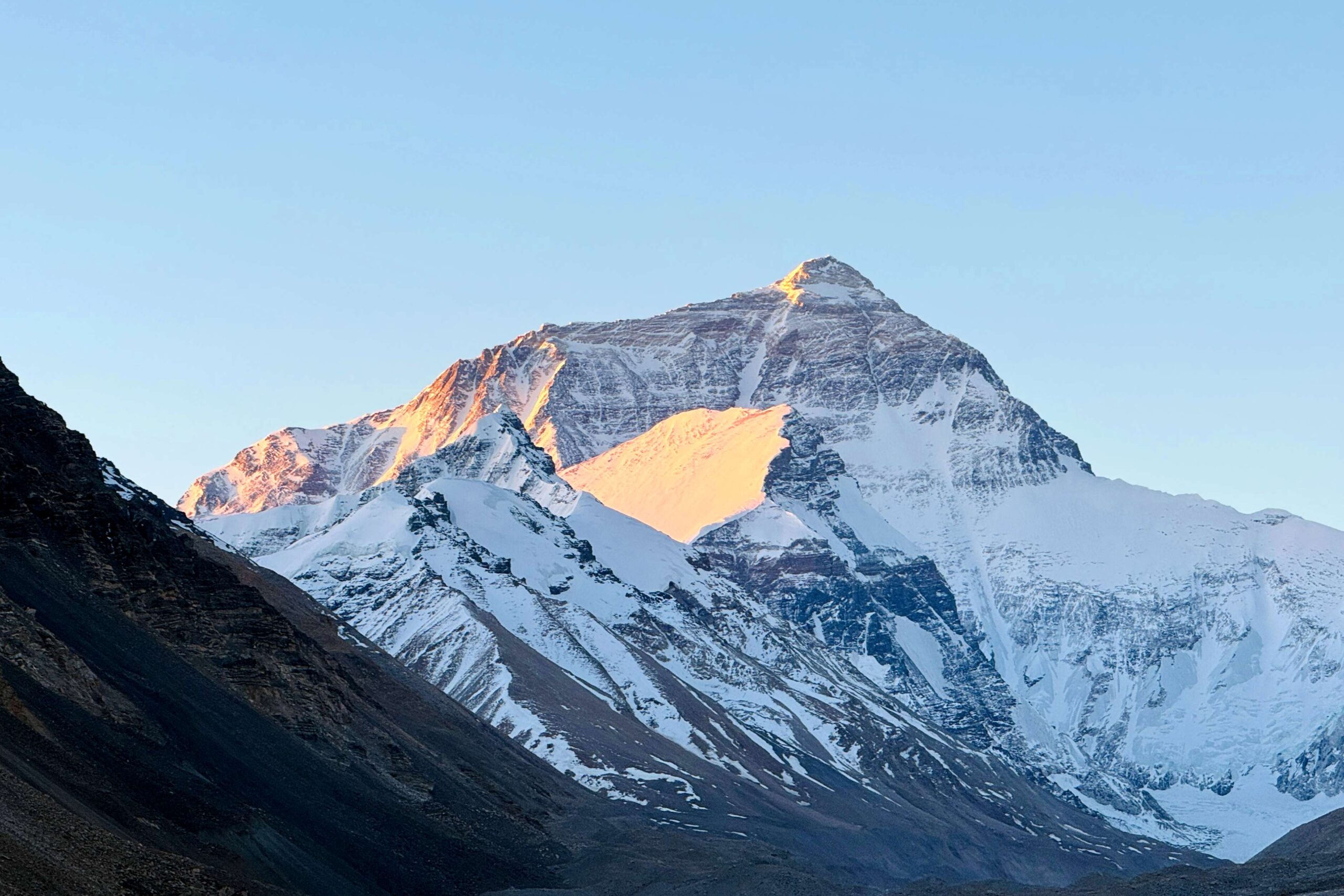
The true highlight, however, came the following morning. Everest Base Camp is one of the best locations in the world for viewing Mount Everest itself, so many visitors wake before dawn to photograph the star-filled sky, the Milky Way, and the famous sunrise illuminating the summit. At 5:00 a.m., we stepped outside into the darkness. The temperature had dropped to -16°C (3°F). Surprisingly, thanks to Tibet's extremely dry climate, it did not feel quite as unbearable as I had imagined. After spending some time under a brilliant, light-pollution-free sky and admiring the Milky Way overhead, the moment we had been waiting for finally arrived. At 6:50 a.m., the first rays of sunlight touched Mount Everest, painting its snow-covered summit with delicate shades of pink and gold. In that instant, every minute of waiting and every shiver from the cold felt completely worthwhile.
◦ Rongbuk Monastery
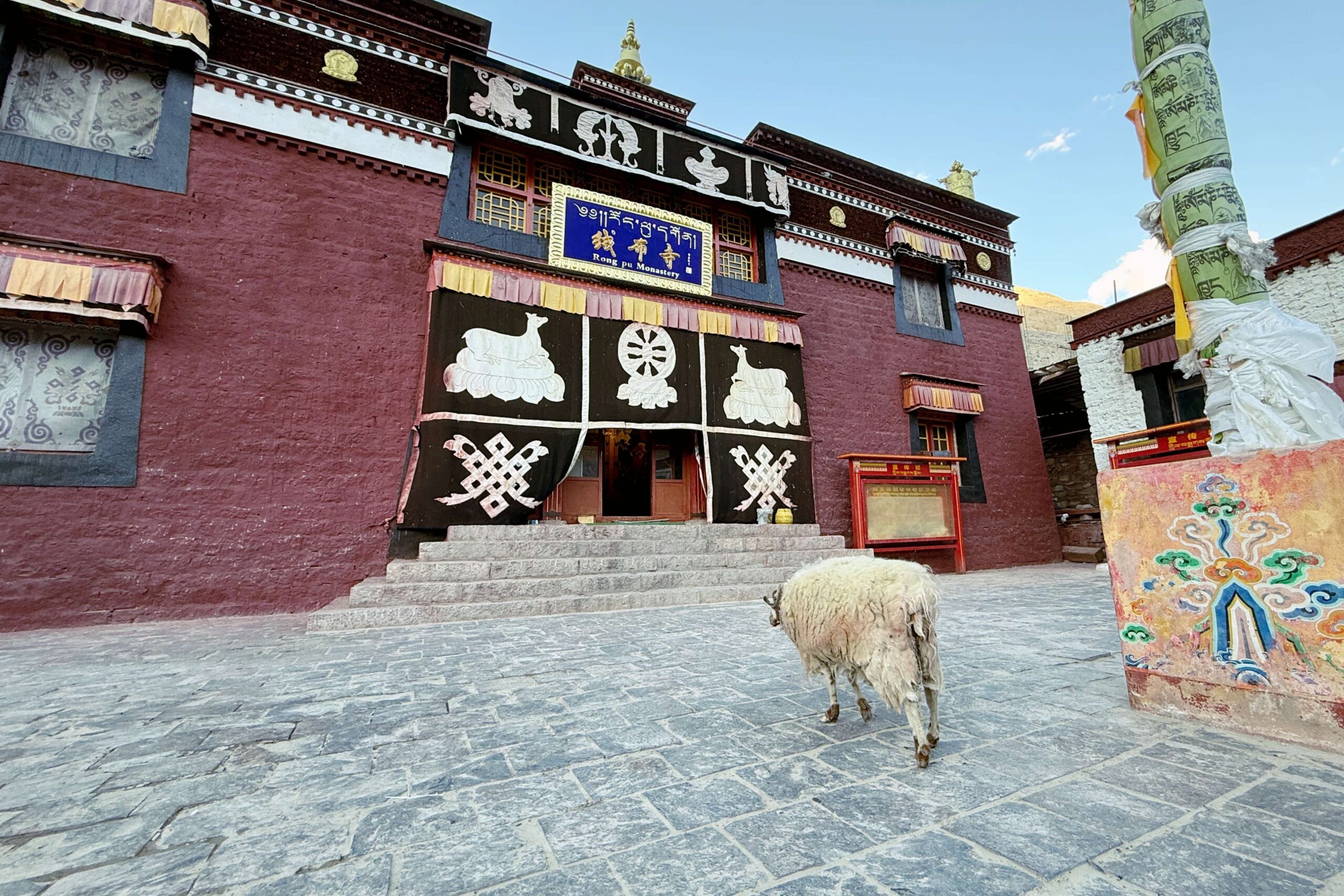
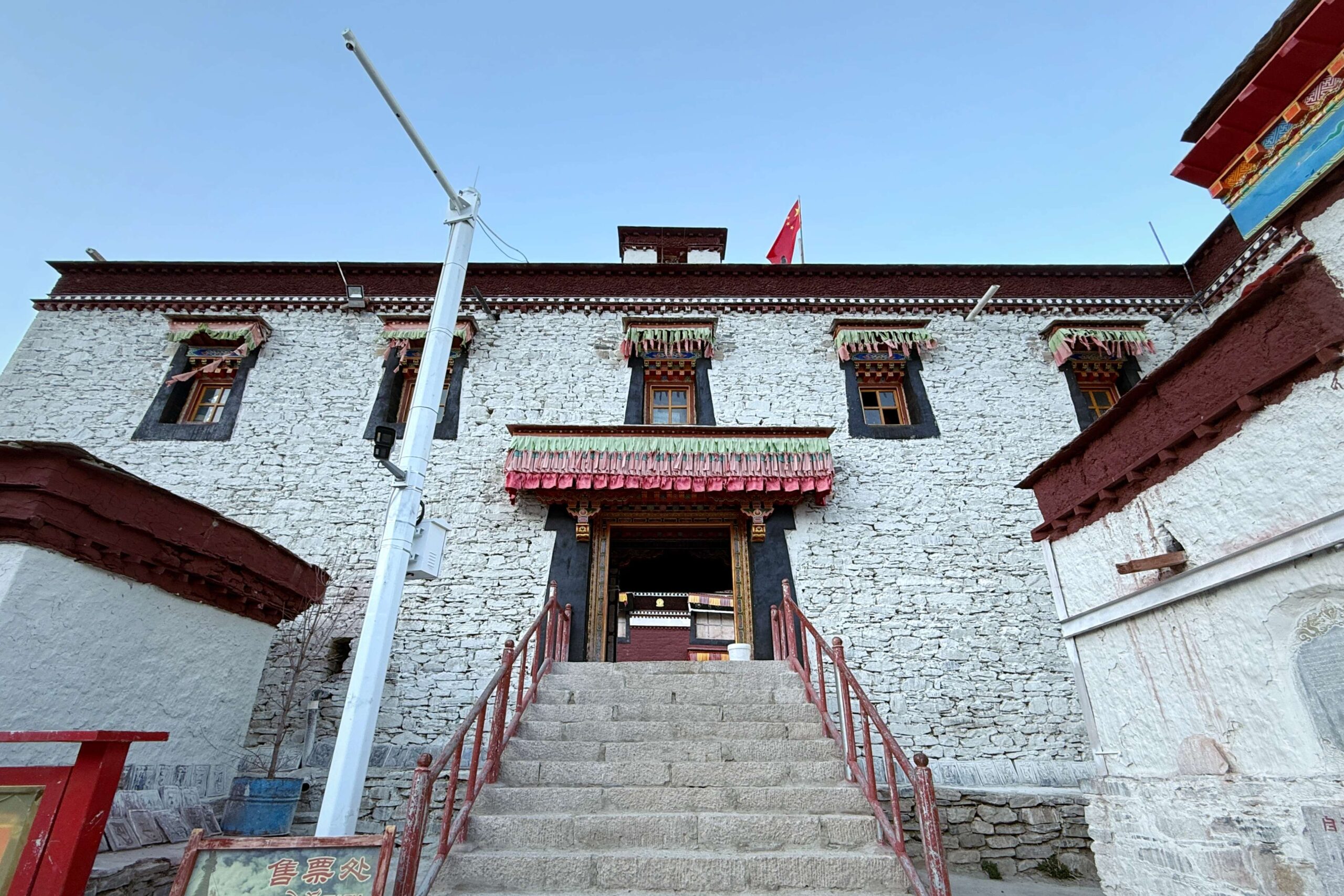
Perched at an elevation of approximately 5,154 meters (16,909 feet), Rongbuk Monastery is the highest monastery in the world and one of the few monasteries in Tibet where monks and nuns live together. With Mount Everest standing directly in front of it, Rongbuk Monastery is widely regarded as one of the best places to view and photograph the world's highest peak. Founded in 1899, the monastery is believed to be one of the meditation sites of Padmasambhava, one of the most influential figures in Tibetan Buddhism. A cave where he is said to have practiced meditation is still preserved within the monastery grounds today.
When we arrived, it was already past 8:00 p.m., and I assumed the monastery would be closed for the day. To our surprise, when we stepped inside, we found a nun tidying up and sweeping the courtyard. She warmly welcomed us and generously allowed us to enter and pay our respects. At that moment, I felt incredibly fortunate. I had worried about missing the opportunity to visit the world's highest monastery, but instead, we were able to experience it in a peaceful and unexpectedly personal way.
◦ Lake Peiku
Lake Peiku was not originally included in our itinerary, which made it one of the most pleasant surprises of the entire trip. After hours of driving across the plateau, most of us were half asleep when a brilliant blue lake suddenly appeared outside the window. The stunning view instantly woke everyone up. We all begged our guide to stop so we could explore the area, and after enough persuasion, he finally gave in and added an unscheduled thirty-minute break.
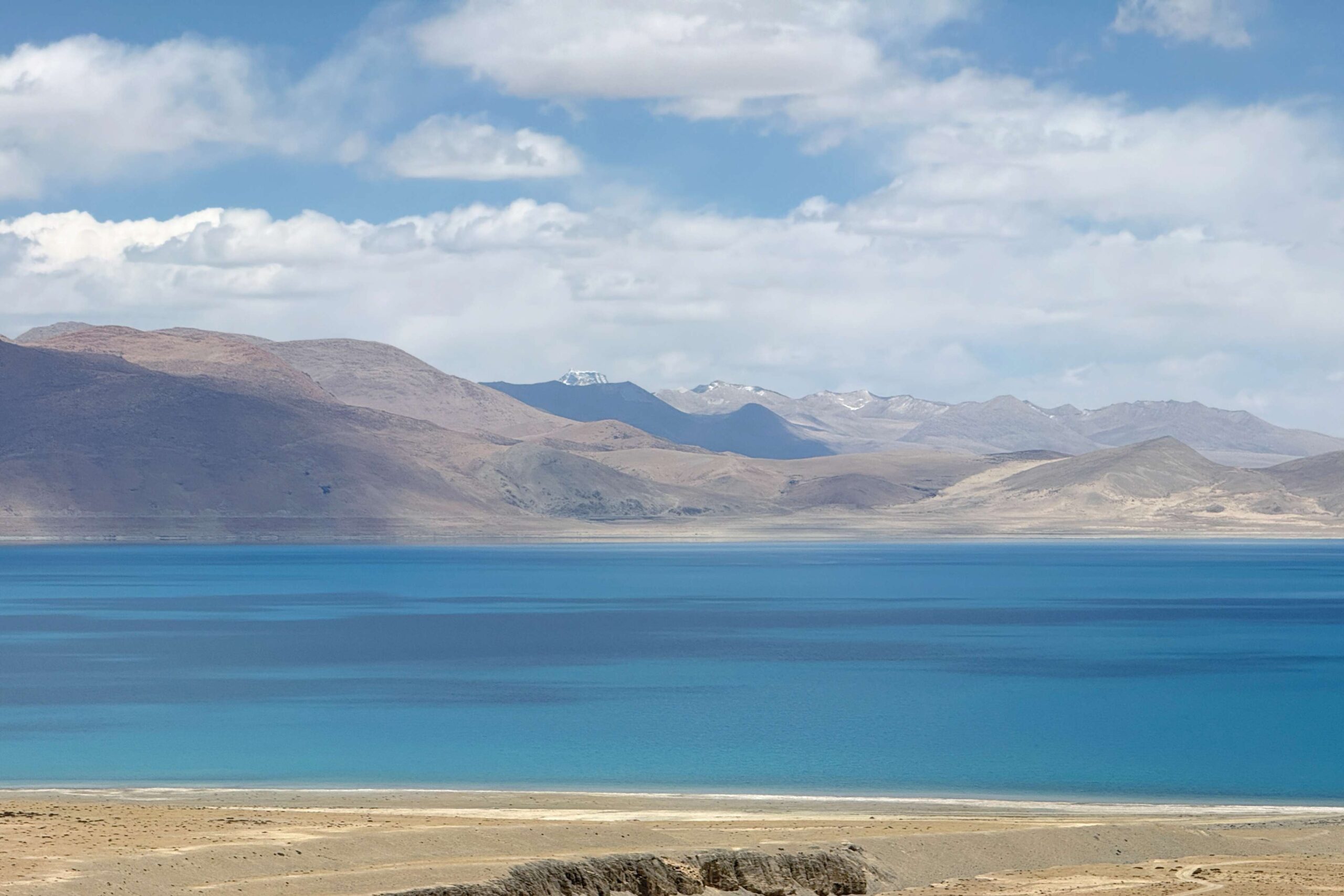
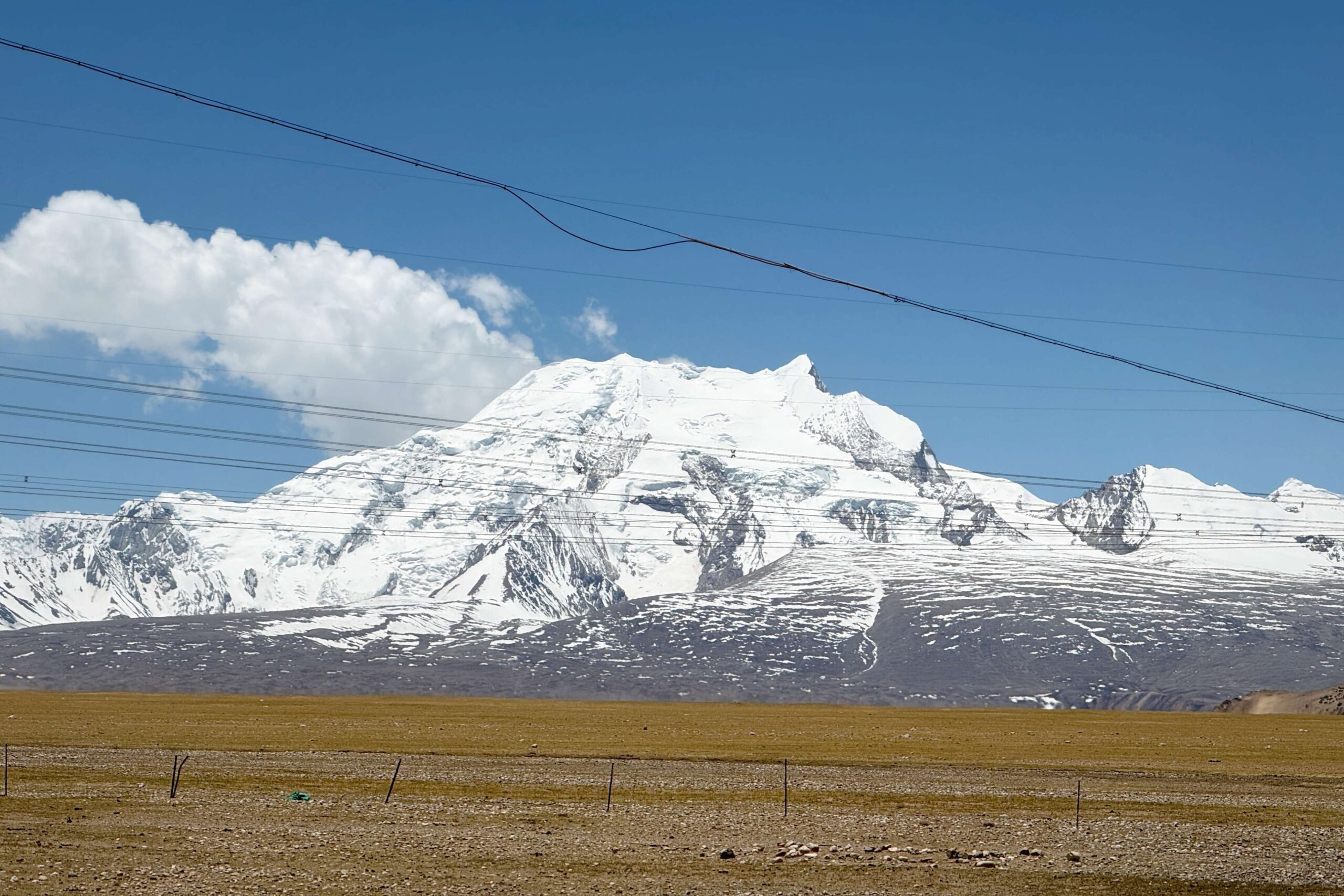
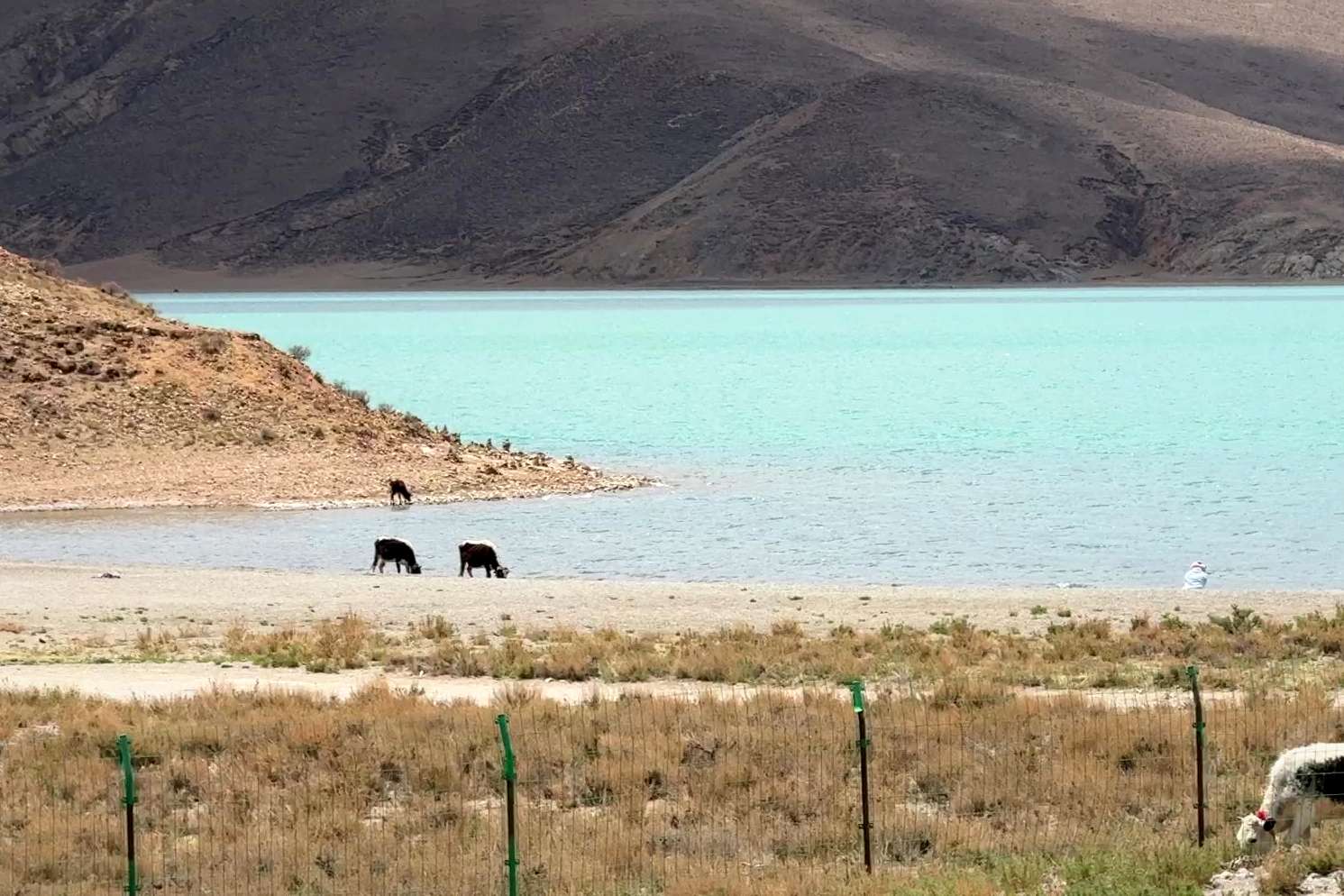
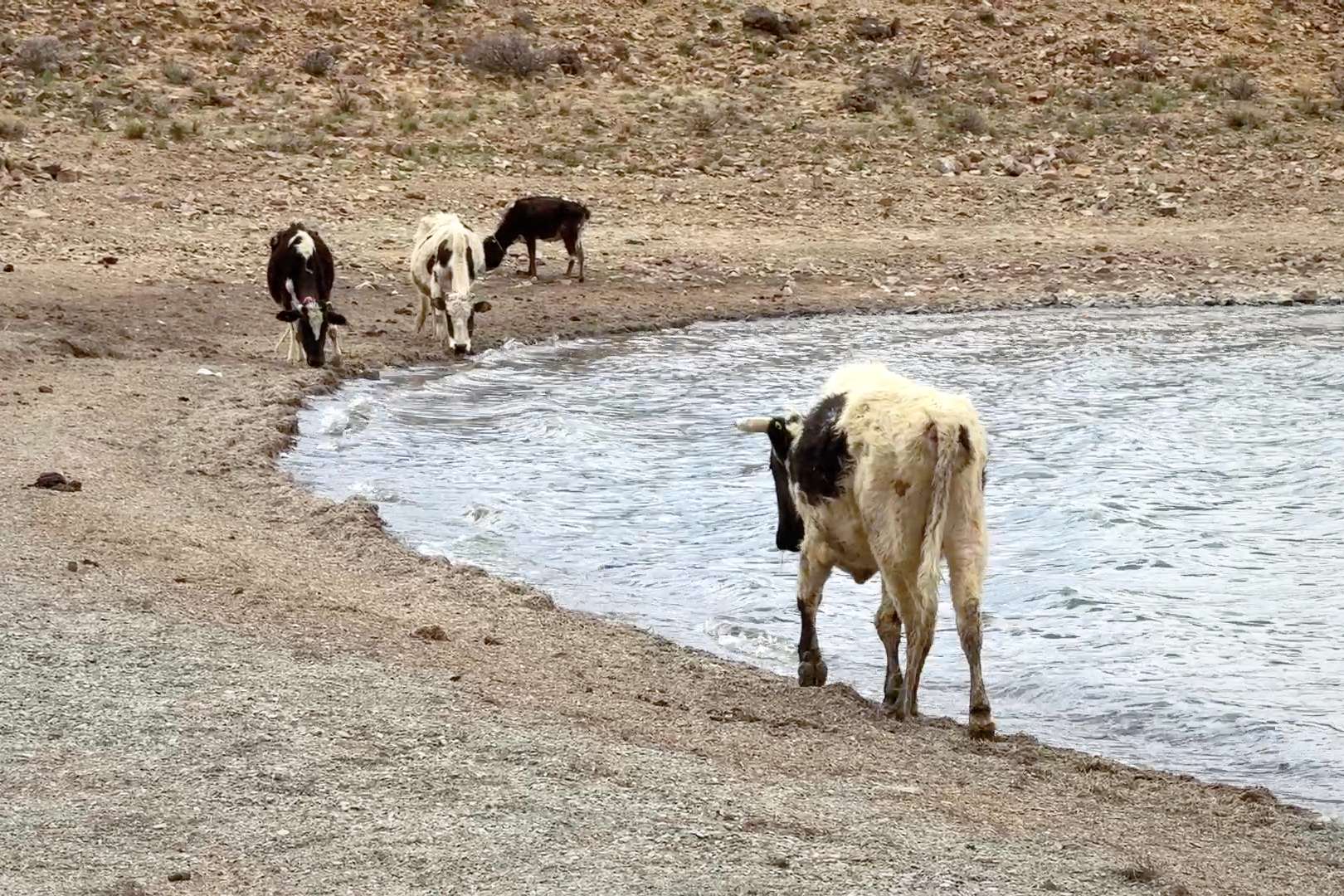
The lake reflects the majestic silhouette of Shishapangma, which rises to 8,027 meters (26,335 feet). Standing on the lakeshore, we could not only admire the vast alpine landscape but also gaze at the only mountain over 8,000 meters that lies entirely within China. As the largest inland lake within the Everest Nature Reserve, Lake Peiku is far less famous than Yamdrok Lake. Yet its jewel-like turquoise waters are every bit as captivating. In my opinion, its beauty rivals that of Tibet's most celebrated lakes. A leisurely walk along the shoreline revealed herds of grazing yaks and occasional sightings of Tibetan antelope roaming freely across the grasslands. Combined with the breathtaking scenery, the peaceful atmosphere made this unexpected stop one of the most memorable moments of the journey.
◦ Tashilhunpo Monastery
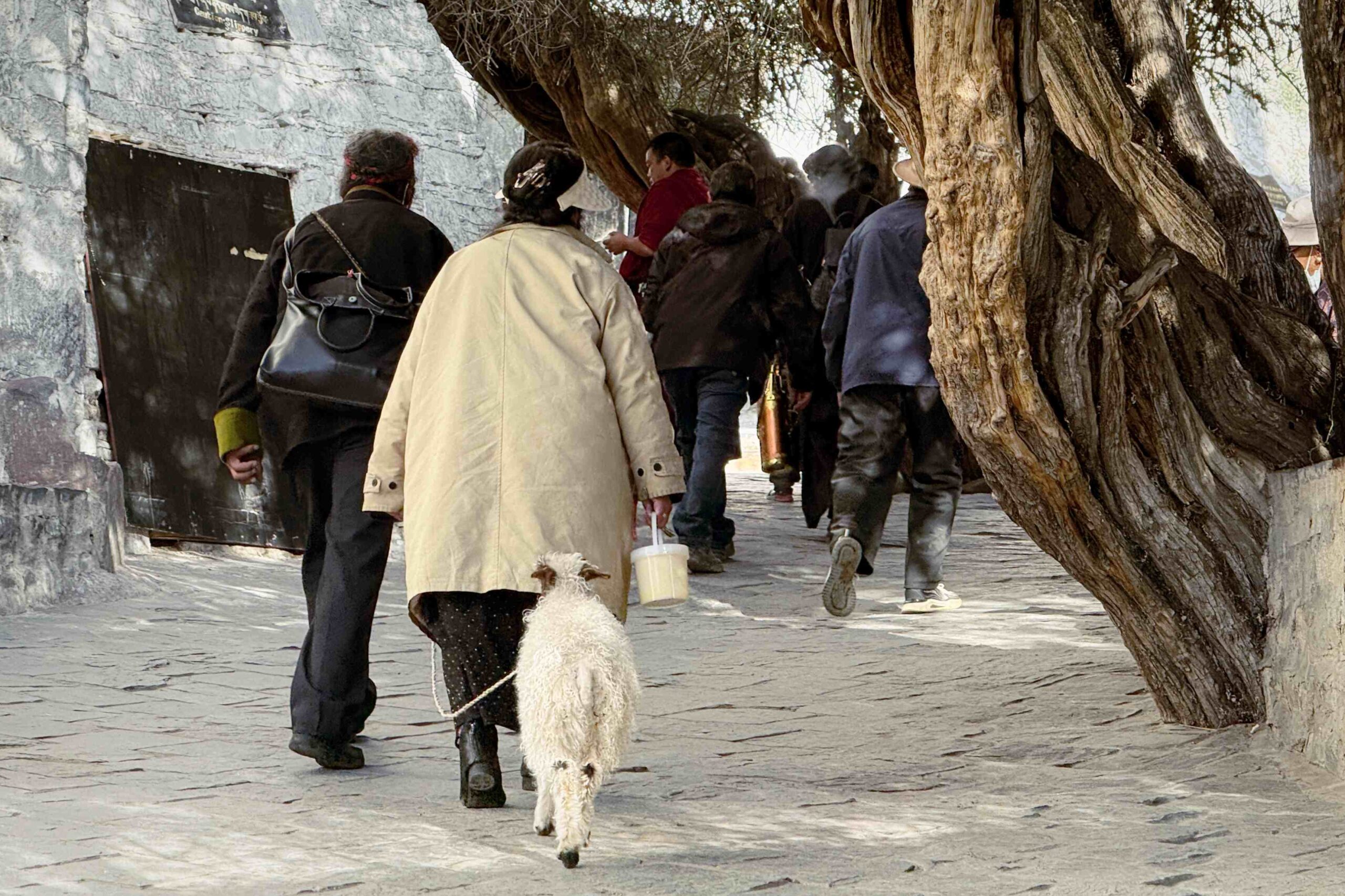
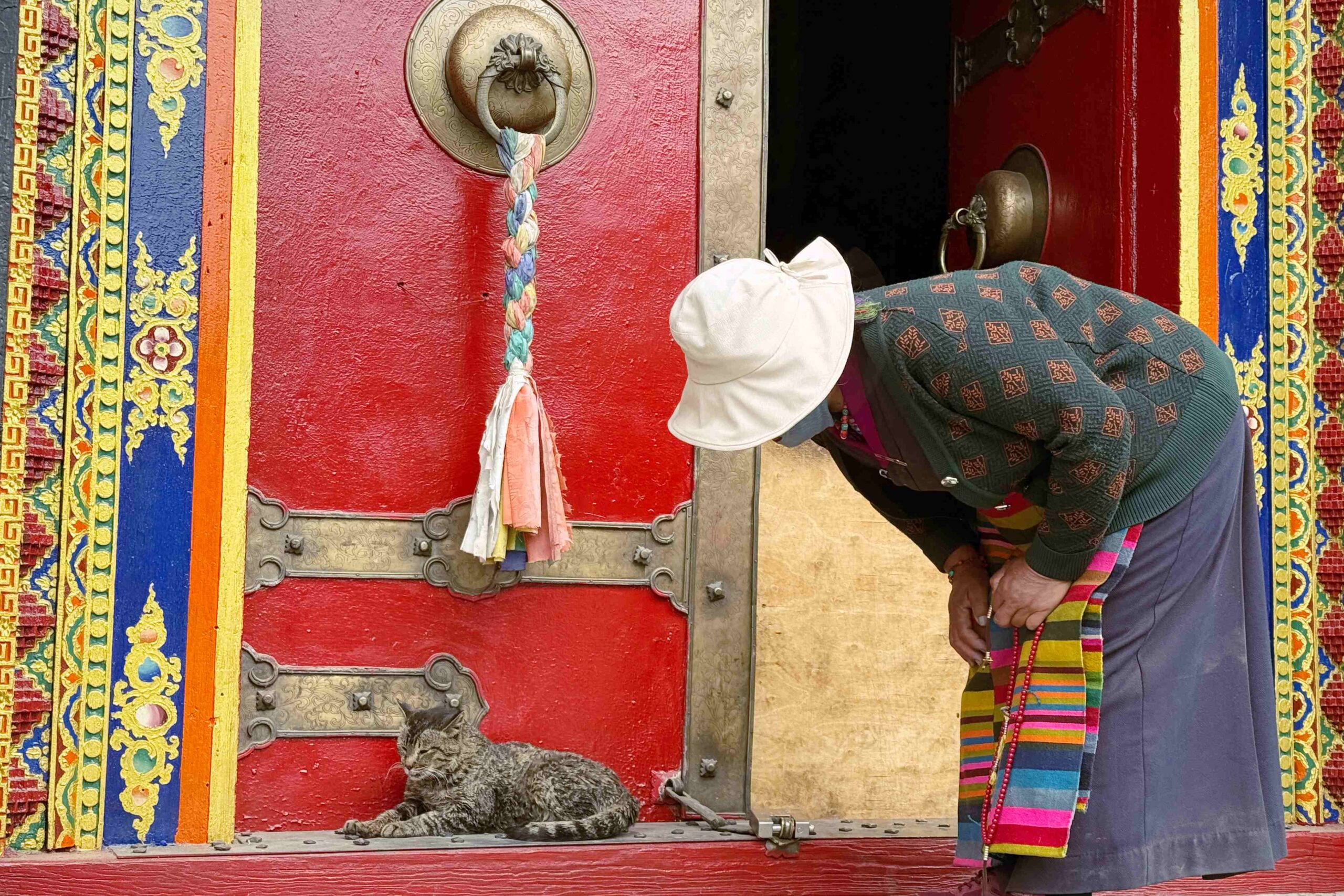
No visit to Shigatse would be complete without a trip to Tashilhunpo Monastery. As the largest and most magnificent monastery of the Gelug school in Shigatse, Tashilhunpo Monastery has served as the traditional seat of successive Panchen Lamas for centuries and holds a position of immense importance in Tibetan Buddhism. Within Tibetan Buddhism's two highest reincarnate lama lineages, the Dalai Lama is regarded as an incarnation of Avalokiteshvara, the Bodhisattva of Compassion, while the Panchen Lama is considered an incarnation of Amitabha Buddha. The two figures hold comparable spiritual status and have traditionally played complementary roles in recognizing each other's reincarnations. According to tradition, after a Dalai Lama passes away, the Panchen Lama helps identify and authenticate the reincarnated child who will become the next Dalai Lama. Likewise, when a Panchen Lama passes away, the Dalai Lama participates in the recognition of the Panchen Lama's reincarnation. Among the monastery's most remarkable treasures are its 26-meter-tall (85-foot) bronze statue of Maitreya Buddha and the magnificent stupas that house the remains of successive Panchen Lamas.
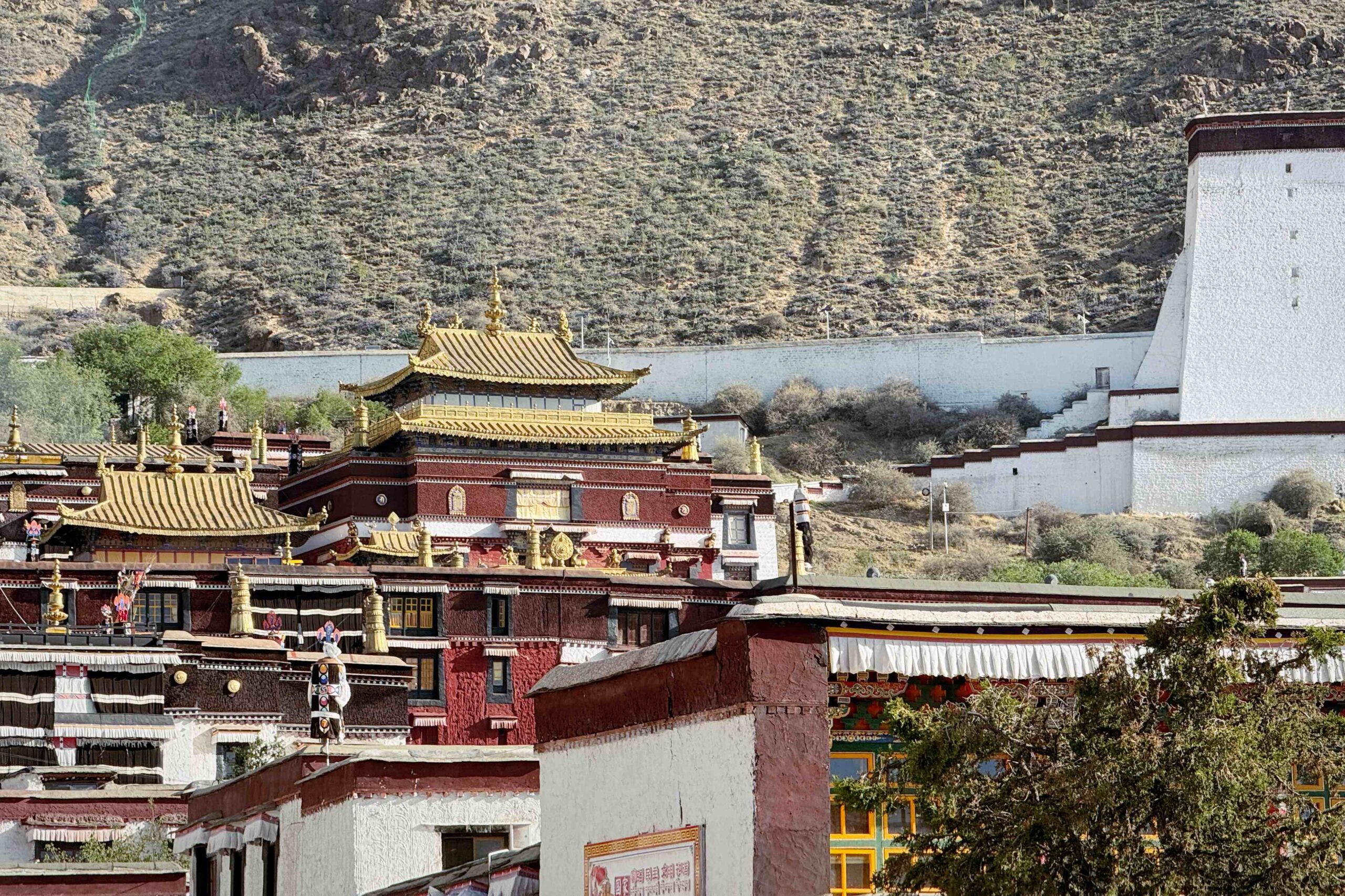
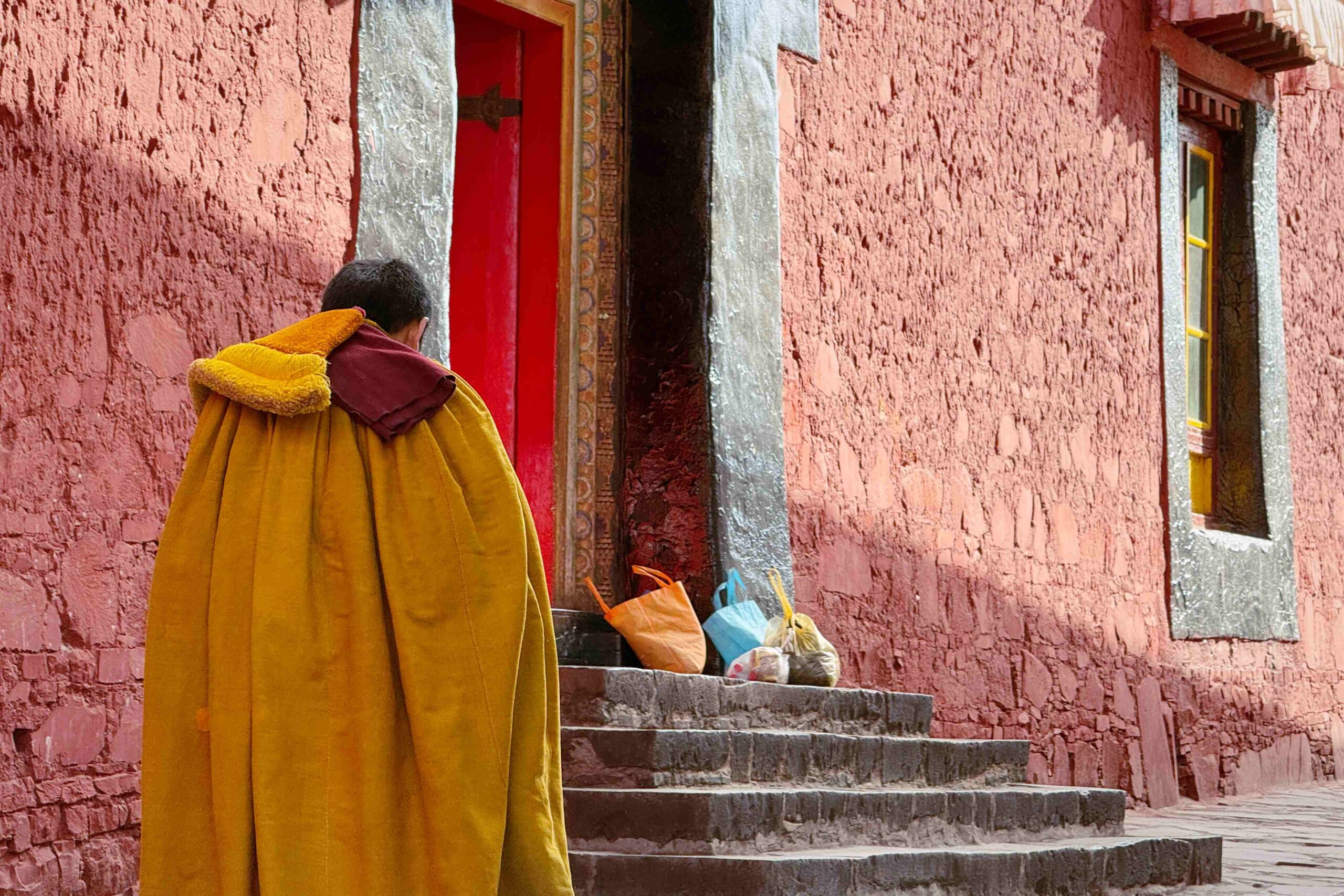
Compared with Lhasa's iconic landmarks, such as the Potala Palace and Jokhang Temple, Tashilhunpo Monastery felt noticeably less commercialized, perhaps because it attracts fewer tourists. Yet its atmosphere of devotion seemed even more profound.